Tag: Store

  • Taoyuanming Shanghai tests automated stores

    Taoyuanming Shanghai tests automated stores

    Swedish-Chinese firm MobyMart is expanding its automated store format in China in collaboration with Shanghai fruit retailer Taoyuanming. Two stores are operating, one in Hefei and one outside Shanghai. While expansion in the region is the firm’s priority this year, its long-term sights are set on Europe and North America. According to brand co-founder Per Cromwell, MobyMart initially opened a corner-store-format mobile vending platform for coffee, which evolved into MobyMart, a mobile platform for “vending everything”.

    “We found a very visionary fruit retailer in the suburbs of Shanghai, Taoyuanming, and basically they had physical stores but they wanted to have unmanned stores,” said Cromwell.

    “We saw that we didn’t actually need to make too many adjustments to our existing system because basically what we had to do was pre-pack all the fruit — we needed to have fixed units and not have people buying by weight … and when we opened it up to the public it was an instant success.”

    The store carries around 50 SKUs at a time.

    Taoyuanming is reportedly so pleased with the results that two more automated stores are scheduled to open early this year, which may be followed by staffless stores if successful.

    The firm’s strategy is to provide a platform to small retailers.

    “If you are for instance a fruit store outside Shanghai and you want to expand from a few stores to 10 stores in your neighbourhood, then you can’t really start buying BingoBoxes because it’s quite complicated and expensive technology,” says Cromwell.

    The MobyMart model relies on customers scanning their product, while cameras and sensors serve as a back-up. This  “very simple technology” allows for opening “a lot of stores at a very low cost,” Cromwell says.

    “It won’t be 100-per-cent staffless because you still need someone circulating the store and making sure everything’s fine and restocked, but one person in one day can operate eight to 10 stores depending on how spread out they are. So you have much more efficiency with the staff you do have.”

    He added that AI and big data will help store operators know what products will be needed at what locations and at what time.

    “If we have a request of some sort, that is something that will also solve the last mile problem,” he said.
    The whole store and system is expected to retail for around US$15,000. MobyMart also has a prototype mobile store with automated driverless vehicle capacity – although its rollout is restricted by legislation around the technology.

  • Xiaomi opens massive Mi store in Paris

    Xiaomi opens massive Mi store in Paris

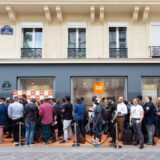
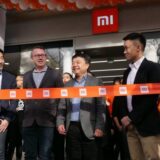
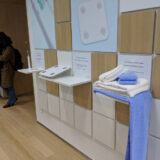
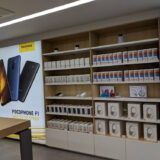
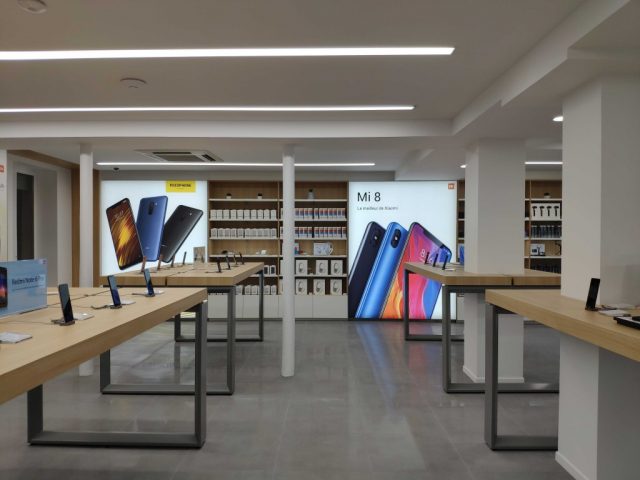
    Chinese electronics firm Xiaomi has opened its largest European Mi Store in Paris. Queues for the January 18 1pm opening started to form at the Champs-Elysees location at sunrise, despite freezing temperatures. The store is hosting a reportedly comprehensive selection of the brand’s full product range, including smartphones, headphones, cameras and home appliances.

    In celebration of the launch, Xiaomi held a three-day sale on its French online store featuring discounts of up to €50. The supersized flagship is Xiaomi’s second location in Paris.

    View the gallery below for images of the stores (11 images) :

  • Indian retail drew Rs 1,300 crore investment in 2018

    Indian retail drew Rs 1,300 crore investment in 2018

    The hallmark of a market’s increasing maturity is how organized it is – and in any developing country, the state of ‘organized’ business is usually kick-started by the entry of foreign players who bring in structured deployment and business philosophies wherever they go. This philosophy of organized retail players covers a lot of ground, from the aptness of locations to size and visibility of a mall or high street, from store sizes to layouts, tech enablements and promotion parameters, and from pricing to financial accountability. The arrival of foreign brands forces domestic brands to up their game, as well. This is exactly what is happening in Indian retail, and what ‘getting organized’ is all about.

    By definition, organized retailing essentially refers to any trading activity conducted by licensed retailers from modern retail formats such as hypermarkets, supermarkets or departmental stores. Organized retail formats can exist either as stand-alone shops or occupy space in a mall. Unorganized retailing, which is what all developing nations start out with, are usually family-run neighbourhood shops (referred as ‘kirana’ shops in India) and in open markets.

    Bringing organized flavour into a previously disorganized market first disruption, then gradual acceptance and emulation, and finally prosperity to all stakeholders and immeasurable benefits to customers. Getting organized has certainly benefited Indian retail, causing massive growth spurts.

    Growth of Organized Retail

    From a mere 9 percent share in 2017, the organized retail market in India is gearing up for a significant 20-25 percent growth jump across the top 7 cities. By 2020, organized retail will have captured approximately 19 percent of overall market share. The fact that it accounted for only 4 percent just 10 years ago tells its own story. Indian retail is coming of age.

    The growth of organized retail obviously involves organized retail real estate – especially modern, well-researched and fully-equipped malls in the right locations – and organized mall space is definitely proliferating across India.

    As per ANAROCK data:

    – Around 39 mn sq. ft. of organized retail space is slated to hit the market between 2019-2022
    – Out of this supply, approximately 71 percent is in metros and Tier 1 cities and the remaining 29 percent in Tier 2 & 3 cities

    Ahmedabad, Bhubaneshwar, Ranchi, Kochi, Lucknow, Surat and Amritsar, among others, are the new stages where the next chapters of the Indian organized retail saga will play out. Global retailers are now also eyeing cities like Chandigarh, Lucknow and Jaipur, to name a few.

    As they catch this growth wave, mall developers and big-banner brands have grasped the utmost importance of providing a metropolitan-grade shopping experience to customers in these smaller cities. This is hardly surprising.

    In these cities, customers’ shopping options were previously limited to whatever was available locally. Today, they are being aggressively wooed by hyper-capitalized e-commerce giants who sensed the latent opportunity in Tier 2 and Tier 3 long before brick-and-mortar retail did.

    To counter this onslaught, albeit belatedly, retailers whose business model is largely based on physical retail are prevailing on mall developers to build metro-grade shopping centres in areas they had never considered before.

    Policy Impetus Fuels Growth

    Foreign retailers, to whom India owes most of its turbo-charged growth in organized retail, took their time to view India as worthy of their attention. For the longest time, this country was an unattractive destination for them, largely because of regressive Government policies.

    All this changed when the Government decided to give a major impetus to the retail industry. By liberalizing its hitherto restrictive FDI policies, it repositioned Indian retail and finally put it on the global map. Consequently, global retailers and foreign investments made a beeline for the Indian retail industry. The decision to allow 51 percent FDI in multi-brand retail and 100 percent FDI in single-brand retail under the automatic route has caused global retail giants like Walmart and IKEA to foray into India.

    Thereafter, the rebooted regulatory environment post DeMo, RERA and GST implementation put even more wind into organized retail’s sails and allowed organized players to race ahead of the unorganized sector.

    Investments Surge

    The Indian retail sector has attracted cumulative investments of more than Rs 5,500 crore between 2015-2018, and close to Rs 1,300 crore in 2018 alone. This made 2018 one of the best years ever for the Indian retail sector, and the momentum is eminently sustainable. The increasing involvement of foreign and private players in India’s retail infrastructure indicates long-term growth potential for organized retail in the country.

    The growth of organized retail is also evident in the stock prices of listed retail firms, which were major wealth generators for investors in 2018. If we check the performance of these stocks on the basis of their 52-weeks high and low, some very interesting data emerges:

    Untapped Potential

    The fact that despite this growth, 91% of India’s retail market still remains unorganised underscores the huge latent potential that remains to be explored by organised players. Despite the deliriously positive numbers, organized retail in India is nowhere close to the level in more developed countries. For instance, in the US, 85 percent of the overall retail market is organized.

    Advantage Brick-and-mortar in 2019?

    The most recent policy developments will give physical organized retail a leg up in its fierce battle with e-commerce. The Government is pushing a new e-commerce policy from February 2019 wherein the concept of ‘exclusivity’ will no longer hold good. This means that online retail players will scramble to grab a larger pie of the offline market, so physical stores will get the upper hand.

    2019 will hopefully be the year in which the Government embarks on the next stage of ushering more unorganized retail into organized formats – thereby making Indian retail a worthy contender as a global grade market.
  • More bubble tea shops open in Vietnam

    More bubble tea shops open in Vietnam

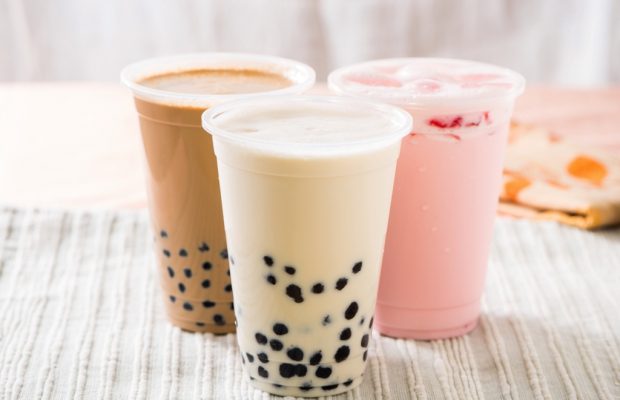
    More and more Vietnamese entrepreneurs are banking confidently on the popularity of bubble tea among the nation’s youth.It was past 10 in the night, but the bubble tea shop was packed. “I opened this milk tea shop just a few months ago, but people have been pouring in every day. My six employees struggle to serve all customers, especially in the weekend,” 33-year-old Nguyen Quang Dung said.

    Located in northern Bac Ninh Province in an industrial area with some 10,000 young workers, Dung’s milk tea shop sells 150-200 cups every day, and he himself has to join his waiters in serving a large crowd.

    “It’s busy, but investing in milk tea shop is one of my best decisions. I have no regrets,” said Dung, who works fulltime as a manager at a nearby power plant.

    Dung is among many Vietnamese entrepreneurs who have been investing in the bubble tea industry in recent years, lured by good profit and high demand among the young population.

    The number of bubble tea stores in Vietnam reached 2,000 last year, with a new store opening every four days, according to the Vietnam Association of Small and Medium Enterprises.

    Even though bubble tea entered Vietnam in 2000, the surge in the number of outlets has only happened in recent years, mostly through franchising.

    Vietnamese brand TocoToco opened its first bubble tea outlet in 2013 and now has almost 200 across the country. Taiwanese brand Ding Tea also has around 200 outlets, while local brand Bobapop has over 100.

    About 30 major bubble tea brands are operating in Vietnam. They are all seeking to compete for a slice of the $282 million dollar market, according to British research firm Euromonitor International.

    Hoang Thi Hien, owner of bubble tea chain Pozaa Tea with outlets in Hanoi, Ho Chi Minh City and other localities, said that the number of outlets increased last year.

    “Many investors want to partner with us. In 2017 we had only eight shops, but the number has increased to almost 60 by the end of last year,” she said.

    She is confident that this figure will rise to 200 this year.

    Generation Z demand

    Visiting a bubble tea shop is among the most popular leisure activities among generation Z, people born between 1996 and 2015, according to a survey by market research firm Nielsen.

    The survey of 210 Gen Z people in Hanoi and Ho Chi Minh City last October found 81 percent of respondents saying bubble tea shops were their favorite hangouts.

    Vo Van Quang, a branding strategy consultant and marketing mentor, said: “Most 15-year-old girls don’t drink coffee, but they’ll gladly pay for a cup of bubble tea. Teenagers are a large customer group for tea-based drinks, hence the high demand for bubble tea.”

    High demand and high profits are irresistible lures for entrepreneurs.

    Nguyen Phi Van, a branding expert and board chairwoman of consulting firm Retail & Franchise Asia, said that an investor can earn up to 40 percent in profit on each cup of bubble tea, which sells for VND25,000-60,000 ($1-2.6).

    Therefore, entrepreneurs are willing to make big investments of up to VND1 billion ($43,000) for one store, including furnishing and brand franchising fees.

    “It takes less than a year for an investor to recover his capital, that’s why this business has been attracting so many,” Van said.

    Tran Thi Thuy Nga opened a bubble tea shop last September in the central Quang Ngai Province with an investment of almost VND800 million ($34,430).Many bubble tea entrepreneurs have other full time jobs and are using their savings to make more money. They can create their own brand or partner with a well-known brand.

    Even though Nga’s store is located in a very small town, students have been coming in every day with their friends and family. Nga often has to ask for help from her family members to join her eight employees in serving customers.

    “I haven’t recovered my capital yet, but so far I’m very happy with the revenue and demand,” Nga said, without revealing specific figures.

    She did reveal plans to open another shop soon.

    Dung, the bubble tea investor in Bac Ninh, has revenues of VND180 million a month ($7,760), and his profit is around half the amount. Dung estimates that he will recover his investment of VND700 million ($30,146) in just six months.

    He is also planning to open a second bubble tea store four kilometers away from the first one, which has been operating for only four months.

    “I’m confident that both stores will do very well.”

  • Chibo to open Indonesia store soon

    Chibo to open Indonesia store soon

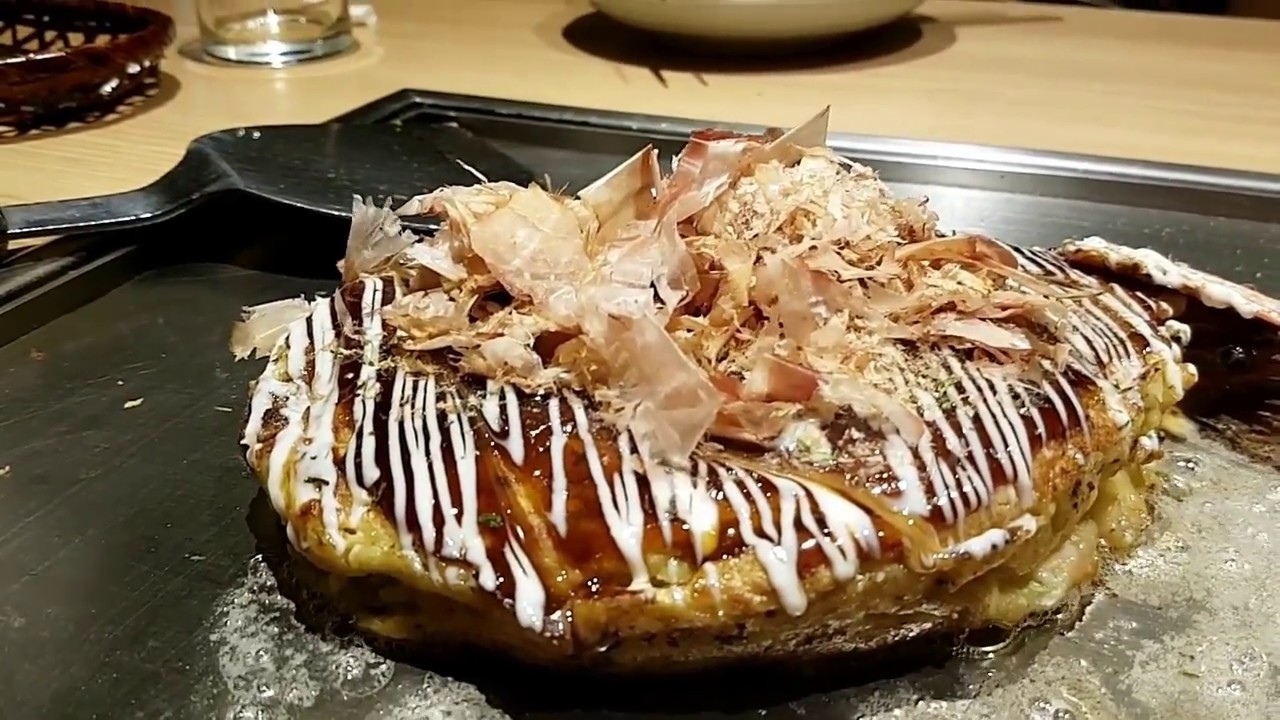
    Japanese “okonomiyaki” pancake restaurant Chibo is launching in Indonesia this month. The opening is part of the firm’s unfolding global plans to counteract a dip in the Japanese food service market. It is partnering with local operator Jaddi Foods within Indonesia’s territory. Importantly for the predominantly Islamic market, the firm will be swapping out pork for suitable Halal alternatives.
    The 188sqm venue is opening at Gandaria City Mall in southern Jakarta, seating 90 diners. It joins eight Chibo restaurants outside Japan, with sister venues in China, Hong Kong, Hawaii, the Philippines, Thailand and Vietnam. The firm is targeting 20 international outlets by March next year, with locations planned for Brazil, London, New York and Russia.

  • Rick Owens x Birkenstock launched second collaboration range in HK pop up

    Rick Owens x Birkenstock launched second collaboration range in HK pop up

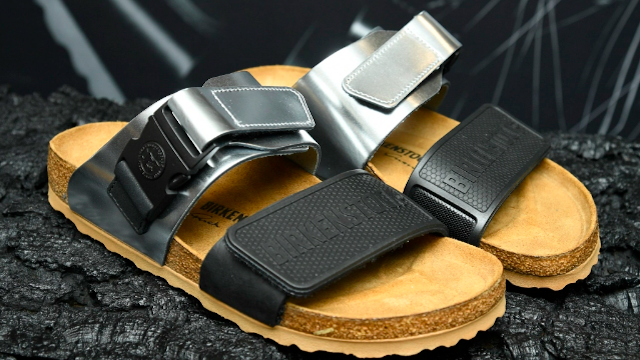
    Fashion designer Rick Owens has launched his second collaboration with footwear firm Birkenstock, with pop-ups expected in Hong Kong and Shanghai. The Rick Owens x Birkenstock collection debuted exclusively at Le Bon Marche in Paris, and will not be available online until February 8. The pop-ups in Hong Kong and Shanghai are scheduled for January 23 and 25.

    “The brief for the set design was Mayan pyramids”, said Owens.

    All the various styles of the collection, including sandals featuring metallic foil and leather, are on display at the pop-up on blocks of raw black cork.

  • Burger house competition in Hong Kong

    Burger house competition in Hong Kong

    In 2018, two international burger chains have opened restaurants and branched out in the city. In May 2018, Shake Shack brought the modern day roadside burgers, to Hong Kong with its partner Maxim’s Caterers Limited. Maxim’s Caterers Limited is a Hong Kong based food, beverage and restaurant chain founded in 1956, and the company operates over 1,000 outlets in Hong Kong including The Cheesecake Factory and Simplylife Cafe.

    “We see tremendous opportunity for Shake Shack in Hong Kong and Macau,” said Randy Garutti, CEO of Shake Shack. “We are thrilled to bring the joy of Shake Shack to our fans in these dynamic communities as we continue to expand our footprint in Asia.”

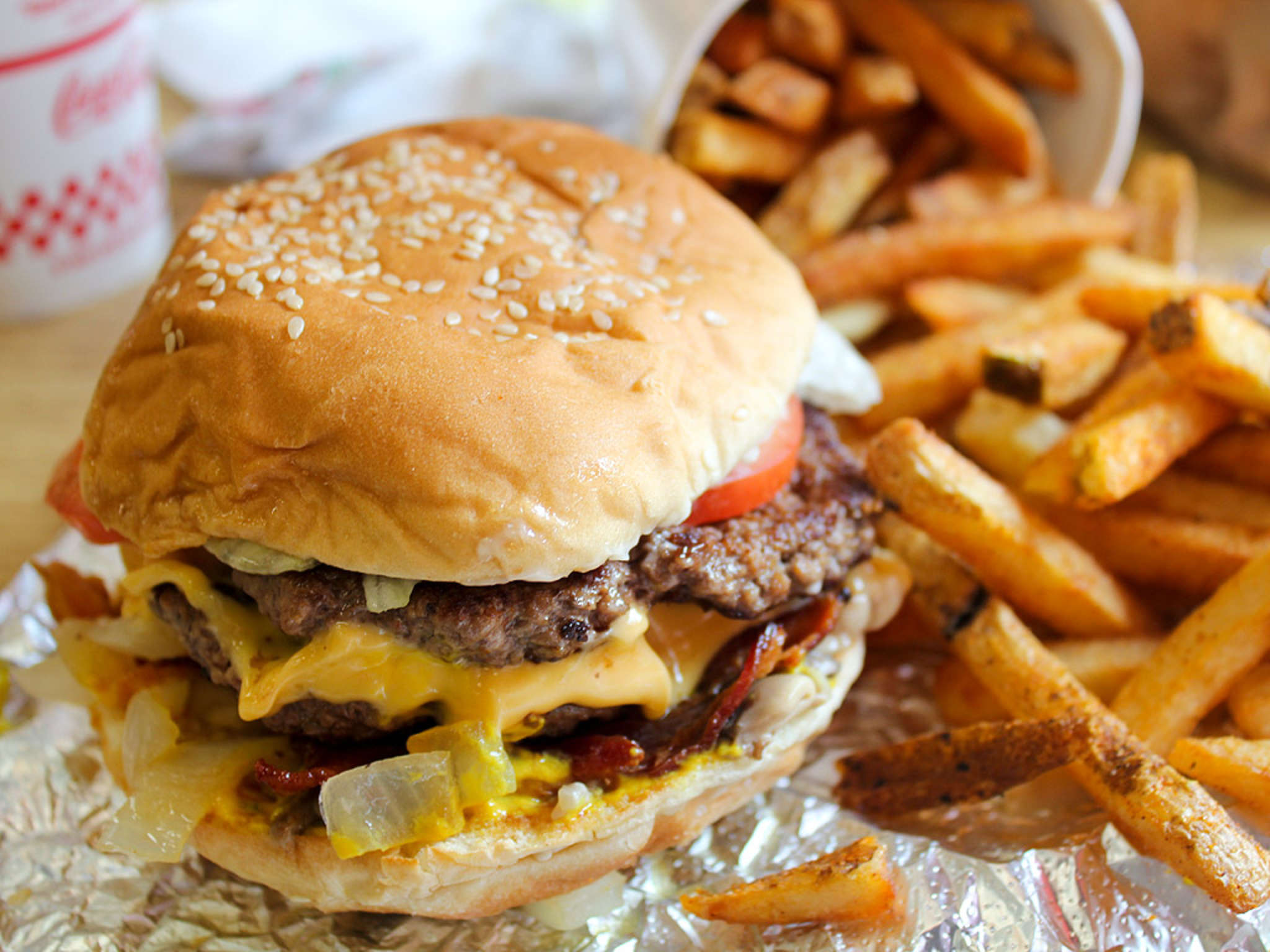
    On 19 November 2018, after months of staring longingly at the red and white hoarding, the day to check out Five Guys’ first Hong Kong restaurant has finally arrived. The popular fast food chain is now serving up all the American-style burgers, hotdogs, milkshakes, and fries. Naturally, burger lovers in Hong Kong were excited to get a chance to check it out.

    After 2 months,there is still a queue outside Five Guys owing to the all-you-can-eat peanuts and Coca-cola Freestyle. Coca-cola Freestyle is a concept similar to the Big Gulp offered by the 7-Eleven, customers may choose and drink all the provided soft drinks freely for only $30 Hong Kong dollars.

    This increasing number of burger outlets landing in HK just leaves us with one question – when is In-N-Out Burger making its way to Hong Kong?

  • Ikea to open Vietnam store with US$450 million investment

    Ikea to open Vietnam store with US$450 million investment

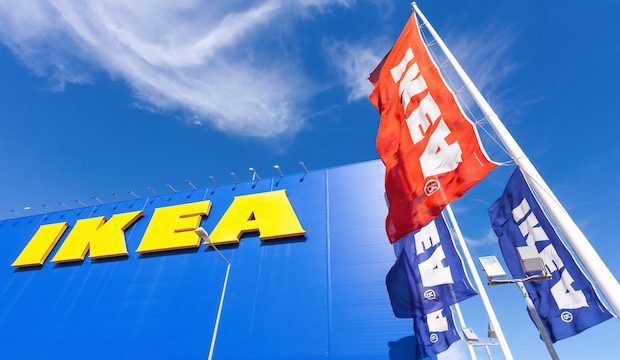
    Ikea Vietnam plans to invest US$450 million on a retail centre and warehouse system in Hanoi, according to a government official. Nguyen Duc Chung, chairman of the Hanoi People’s Committee, told a recent conference held by the Ministry of Industry and Trade that the Swedish furniture giant’s local subsidiary is well advanced with plans to launch in the country.

    Once completed, the centre will be Ikea’s main supply hub for its Southeast Asian market.

    “At present, all parties involved are [in] the process of negotiation,” Chung added.
    The centre is expected to boost Ikea’s e-commerce business in the region.

    During an interview in 2017, Torbjorn Loof, chairman and CEO of Inter Ikea Holdings said the company was planning potential expansion in Vietnam “within five years”.

    Ikea is steadily expanding its Southeast Asian footprint, the latest largest store planned in Philippines.

    Founded in 1943, Ikea is the world’s largest furniture retailer with 400 stores in 49 countries all over the world.

    In recent years, Vietnam has been a potential hub for retailers to build warehouses. Last November, Lazada finished a 4000sqm warehouse in Danang.

  • The Seiko Dream Square opens in Tokyo

    The Seiko Dream Square opens in Tokyo

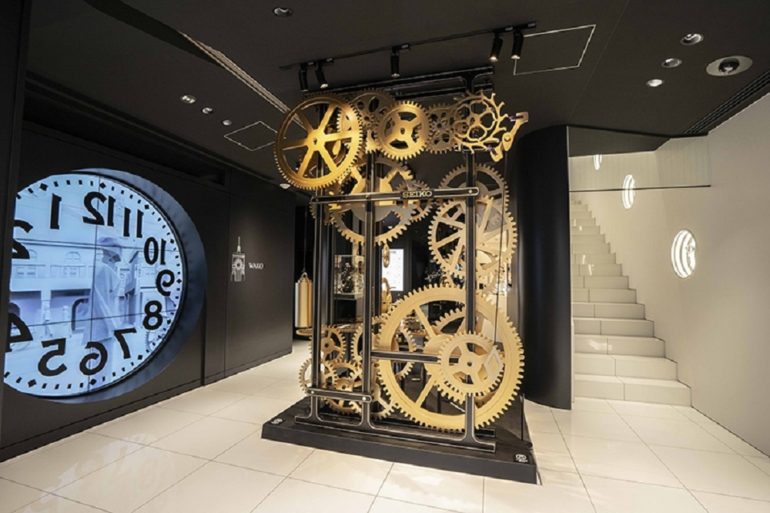
    Seiko Watch Corporation has opened an interactive hub of its watchmaking to allow visitors to “look, feel and experience” the rich history and heritage of the brand. The Seiko Dream Square is a new four-story retail complex in the heart of the watch brand’s birthplace in Tokyo’s Ginza district and showcases its heritage of watchmaking since 1881 with a museum, showrooms and entertainment areas.

    The aim of the new retail complex is to become a “point of destination” for visitors as well a centre for communicating the brand’s story globally said the watchmaker in a statement.

    It features a small museum on the first floor in the image of the symbolic Wako clock tower’s interior, a historic symbol of Seiko and a proud landmark of Ginza in which Seiko founder Kintaro Hattori placed its headquarters.

    On the other levels, visitors can shop Seiko’s leading collections, Prospex, Presage, Lukia, and Astron, with each displayed in a “refined setting” based on the particular brand’s unique identity.

    Commenting on the opening, Seiko Watch Corporation chairman and chief executive, Shinji Hattori said: “A Seiko watch is not merely an industrial product. It can be a partner to one’s life journey and story. It is our dream that Seiko Dream Square be the place where visitors from around the world would want to find this particular partner.”

  • Hennessy celebrates Chinese New Year by opening pop up store at Changi

    Hennessy celebrates Chinese New Year by opening pop up store at Changi

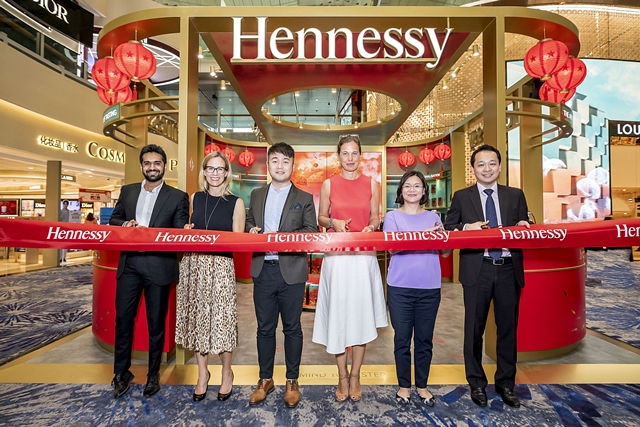
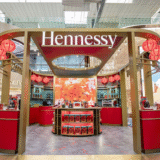
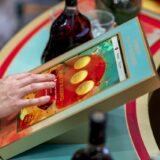
    Moet Hennessy is partnering with DFS Group in Hennessy pop-up store a Changi Airport celebrate Chinese New Year. The store, a Travel Retail Concept Exclusive, features interactive consumer experiences and will remain open until February 19. Located at the Terminal 3 Departure Hall, the pop-up experience, the only one of its kind globally. It invites travellers to “engage in a joyous reunion through experiences such as interactive digital games, Hennessy’s bottle engraving service, limited edition offers, as well as exclusive gifts with purchase,” the companies said in a statement.

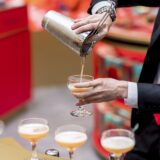
    Travellers are also welcomed to test the Firecracker, a unique Hennessy cocktail, which will be available exclusively at the pop up.

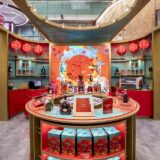
    Hennessy collaborated with contemporary artist Guang-Yu Zhang to create an art piece centrestage in the pop up. The design, A Joyous Reunion, celebrates the love for nature, mastery of savoir-faire and spirit of conquest.

    Gallery of the pop up stores (6 images) :

    “Hennessy shares the dream of Harmony, from vine to grape to distillation to glass, from nature to people, Hennessy takes the best of nature and offers it to the Chinese people to celebrate this special moment,” said Guang-Yu Zhang.

    The also features on the limited-edition packaging that has been created for Hennessy XO, Hennessy VSOP and James Hennessy products.

    After purchase, customers at Changi are invited to use Hennessy’s first-ever engraving station at the pop-up store to add a personalised messages to their bottles.

    “At Hennessy, we are honoured to have collaborated with a world-class artist to deliver these beautiful, one-of-a-kind Chinese New Year limited-editions for our travellers,” said Moet Hennessy MD travel retail Asia Pacific, Vanessa Widmann.

    A rising star in the international art world, Guang-Yu Zhang grew up in Shanghai and graduated from Central Saint Martins College in London in 2012. In 2014, he was selected for the International Emerging Artists Exhibition at the Saatchi Gallery in London; that year, he also exhibited his work at the Tate Britain Museum in London. He is known for his unique fusion of Eastern and Western cultures and traditional and contemporary techniques.

  • BMW Group Malaysia achieves another record year of sales

    BMW Group Malaysia achieves another record year of sales

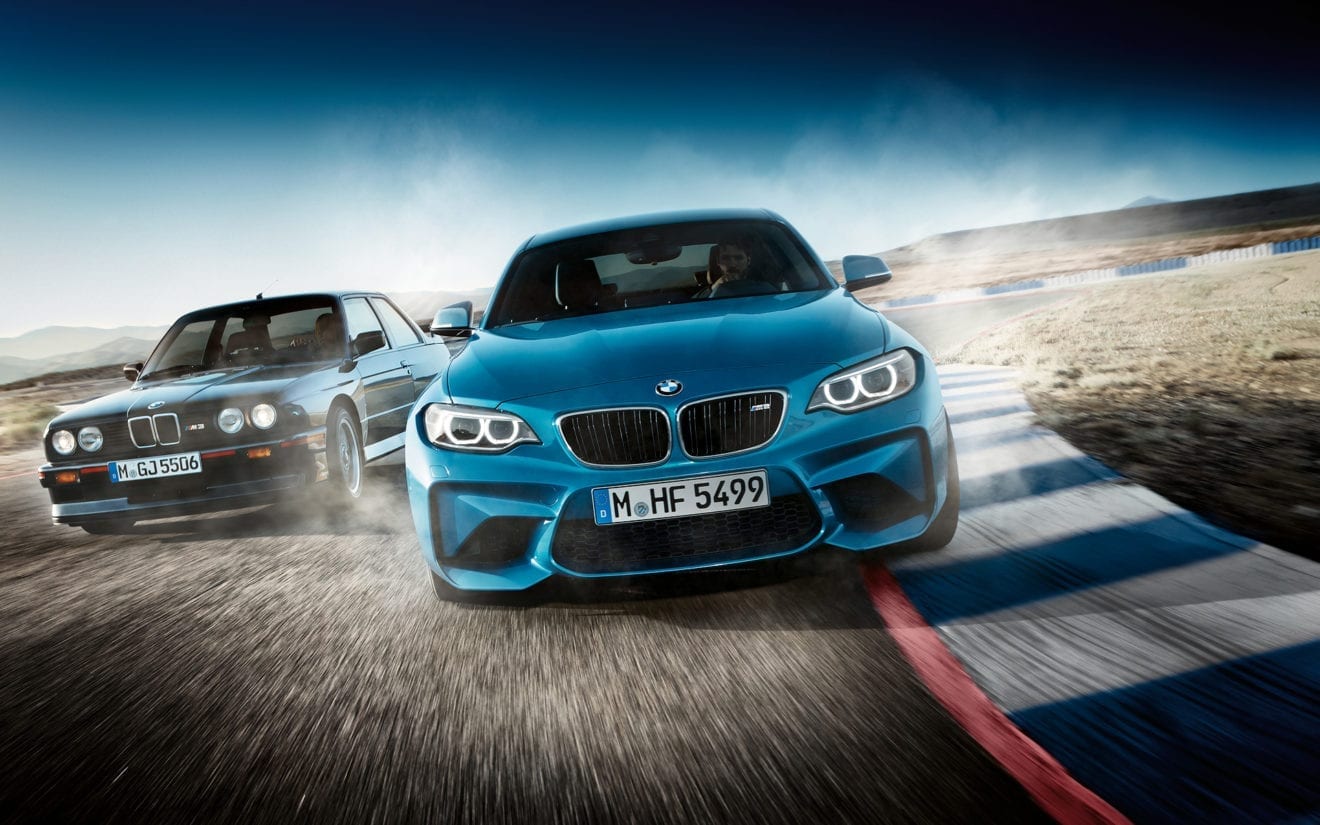
    BMW Group Malaysia delivered a total of 14,338 units of BMW, MINI and BMW Motorrad vehicles last year, marking its eighth consecutive year of record sales. The total number of vehicles delivered last year was 13% higher than 12,681 units delivered in 2017. The group said in a statement that the strong performance in Malaysia reflects the group’s business performance worldwide last year, where a total of 2.65 million BMW, MINI and BMW Motorrad vehicles were delivered.

    Globally, the BMW brand delivered a total of 2.12 million (+1.8%) vehicles, while MINI saw 361,531 new owners. BMW Motorrad also achieved record deliveries with 165,566 new owners, an increase of 0.9% compared to 2017.

    “In 2018, BMW Group Malaysia achieved numerous milestones which contributed to the success we celebrate today. Over the course of the year, we introduced 12 new models across the BMW and MINI brands – of which four were electrified vehicles. We also unveiled two new concept vehicles for the first time ever not only in Malaysia, but in Southeast Asia,” said BMW Group Malaysia managing director Harald Hoelzl.

    Hoelzl said the group also grew its infrastructure for electromobility in Malaysia by introducing new BMW i Charging Facilities in four different states to facilitate its vision for future mobility in Malaysia.

    In 2018, the BMW brand saw 12,008 new owners in Malaysia, 13% higher than 10,618 new owners in 2017 while MINI recorded a double-digit growth of over 18%, delivering 1,200 vehicles last year compared with 1,011 units previously.

    BMW Motorrad saw 1,130 new owners in 2018, which recorded a growth of over 7% compared to 1,052 in 2017.

    BMW Group Malaysia also recorded its best performance for its electrified vehicles in 2018. Of the total cars delivered, 57% comprised of electrified BMW and MINI (7,532).

    Meanwhile, BMW Group Financial Services Malaysia achieved a strong business portfolio with over 6,100 contracts signed in 2018. It successfully financed every four out of 10 BMW and MINI vehicles delivered last year as well as every six out of 10 BMW Motorrad vehicles last year.

    “2019 will be another exciting year for the BMW Group in Malaysia with a strong portfolio of products to be introduced here, mirroring the biggest model offensive for the company worldwide,” said Hoelzl.

  • Pizza Hut Malaysia 400th store opens soon

    Pizza Hut Malaysia 400th store opens soon

    Pizza Hut Malaysia will open its 400th store in within the next three months. The company says it plans 15 new stores this calendar year, part of the 67 it announced last year within three years. Parent QSR Brands operates 810 KFC locations in its territory of Malaysia, Singapore, Brunei and Cambodia, drawing 25 million customers per month. It has another 393 Pizza Huts in Malaysia and 80 in Singapore, attracting 6 million diners per month.

    QSR Brands restaurants division CEO Merrill Pereyra said Pizza Hut anticipates a strong year as it heads towards a planned IPO in the next quarter, partly aimed to raise capital for network expansion.

  • AS Watson reports success with predictive modelling marketing

    AS Watson reports success with predictive modelling marketing

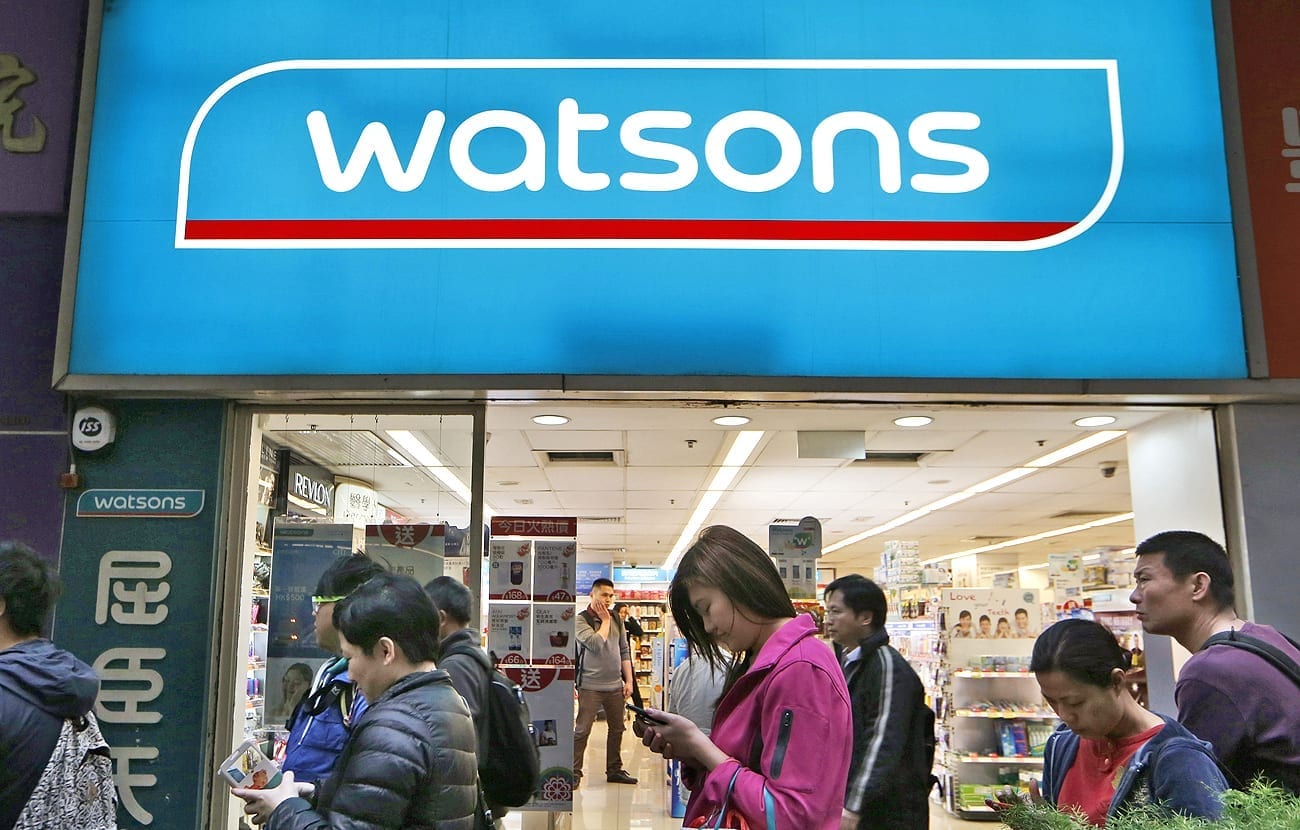
    International health and beauty retailer AS Watson Group says its use of predictive modelling technology is delivering successful product launches. The firm has worked in close partnership with brands to help them penetrate specific demographics or enter new markets. Recently this included Jeffree Star Cosmetics launching exclusively at ICI Paris XL in Europe, and in Asia a continuing long-term partnership with Maybelline at Watsons Thailand – both of which achieved targeted results.

    “At AS Watson, due to our extensive global knowledge of the beauty industry and CRM data, we are able to help niche brands like Jeffree Star and major brands including Maybelline launch products onto the market,” explains Malina Ngai, AS Watson Group COO.

    “Using our integrated online and offline model, this allows us to create these types of brand partnerships to specifically target and engage the right customers.”

    L’Oreal and AS Watson Group developed a long-term partnership working together to drive sales, while in 2018, Watsons Thailand partnered with Maybelline on a year-long CRM program.

    Supported by the AS Watson DataLab, the group’s customer intelligence team, this campaign was designed to communicate offers to relevant customers through electronic direct mail. Watsons targeted members in three phases in order to recruit new category shoppers, grow each customer’s basket value and engage customers in new product offers.

    To ensure the campaign built on data insight to target the right members, Watsons used a three-stage approach to accurately identify customers and ensure they were provided with the most attractive offers.

    This three-stage campaign saw more than 3.5 million emails delivered to members, attracting more than 170,000 customers to buy into the brand. This targeted and focused approach saw double-digit percentage of the brand’s sales directly attributable to this campaign. In addition, Maybelline’s sales and the number of members recorded double-digit growth compared to the previous year.

    L’Oreal Thailand’s GM consumer products division Geoff Bellingham said two of the biggest challenges a brand faces are acquiring new customers and then having those customers shop again with the brand.

    “Our Watsons Thailand CRM program allowed us to successfully achieve both of those goals for Maybelline. All customers and especially beauty shoppers want relevant, more personally curated offers and this partnership was carefully created to ensure the right offers for right people.

    “The activity is just one example of the close and successful collaboration between Watsons and L’Oreal”.
    ICI Paris XL launched world-renowned beauty influencer Jeffree Star’s cosmetic range in November, exclusively to customers in The Netherlands and Belgium. To launch the brand ICI Paris XL created a digital campaign to target customers whose data and insight profile indicated they would love the new brand, as well as looking to capture new customers. The digital campaign was created to specifically target those under 35, as this is the brand’s core target market.

    Predictive modelling technology was used to identify and communicate with members who had a high tendency to shop for new makeup brands and trends, and these people received customised emails announcing the launch, bringing the social media personality to life, as well as highlighting hero elements of the cosmetics range. This targeted approach saw more than 300,000 customers receive personalised emails, leading to an open rate of 25 per cent.  Following this, 40 per cent then visited the brand’s page on the ICI Paris XL website with the result that 70 per cent of members under 35 bought into the range during the launch period.

    “Following the success of my brand in the the US, I really wanted to extend my brand’s reach into Europe,” said Jeffree Star. “AS Watson has provided me with an efficient distribution platform as well as the tools to be able to target my fans and beauty lovers that like to create bright, fun and innovative beauty looks.”

  • Ikea to open first New Zealand store in Auckland

    Ikea to open first New Zealand store in Auckland

    Ikea will open a store New Zealand in the coming years, opting for the city of Auckland to bow its debut store. The Swedish firm, known for its buy-and-assemble furniture, will open up a pop-up shop in the coming months in the lead up to a fully-fledged flagship store, which would create 400 jobs in the city, according to local media reports With no an exact time frame for the megastore launch, Ikea’s New Zealand manager, Will Edwards, said that Ikea would open a pop-up shop in central Auckland, as a physical store would take a number of years to set up.

    “It does take time to build a truly big blue and yellow iconic Ikea store, it will take a number of years to get the full offer up and running but we don’t want to keep people waiting,” Edwards told media on Friday at a press conference, which also saw the attendance of Ikea’s global chief execute, Jesper Bodin.

    “It makes sense to be in Auckland where many people are living and also commuting in and out of. We’d like to give a piece of Ikea before the full meal comes along,” added Edwards.

    Ikea requires some 300 to 400 employees to run the Auckland store, as well as several hundred more staff to support logistics.

    Bodin said that New Zealand will get the “whole shebang”, with a product range of about 7000 items at least in the warehouse store.

    While price-points weren’t disclosed, Bodin said that “our ambition is always to be affordable for people and competitive with other retailers in New Zealand.”

    Ingka Group, Ikea’s largest franchisee and operator of Ikea stores in 30 markets around the world, was granted exclusive rights to explore options to expand into New Zealand.

    Founded in 1943 in Sweden, Ikea sells furniture and homewares to 1.2 billion customers around the world.

  • L’Oreal brings Cai Xukun and Eiffel Tower to Haitang Bay

    L’Oreal brings Cai Xukun and Eiffel Tower to Haitang Bay

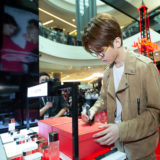
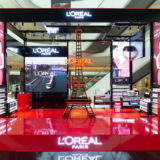
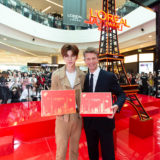
    Known for reinventing extraordinary beauty experience, L’Oréal Paris invites all travelers to Haitang Bay Duty Free Shopping Mall for a first-of-its-kind Parisian experience.  On January 4, together with friend of L’Oréal Paris Mr. Cai Xukun (Kun), a 5-meter-high, bold red Eiffel Tower was revealed at the L’Oréal Paris pop-up, synonymous with East meets West: made-in-Paris chic and a tribute to the Chinese tradition of prosperous red.

    With over 120 million  interactions on Chinese Weibo, the special appearance of renowned young icon Kun attracted a large crowd of Chinese travelers coming to Haitang Bay.  At the event, Kun and Olivier Tessler, General Manager of L’Oréal Paris Travel Retail Asia Pacific, engraved “Kun ♥ L’Oréal Paris” on the iconic Color Riche Moist Matte lipstick, symbolizing for this powerful collaboration.

    Gallery of the event

    The pop-up iinvites holiday travelers to discover L’Oréal Paris’ accessible-luxury products for both men and women, appealing to travelers of all different types of aspirations. The pop-up  will open from January 4 until the end of the month, exclusively in Haitang Bay.

    “To be able to surprise Chinese travelers by bringing an Eiffel  Tower to Haitang Bay is definitely a first for me! L’Oréal Paris is my first choice of beauty brand, and I’m happy to share the brand story with my fans in such a vivid and striking way,” says Cai Xukun.

    “I am enthusiastic  about sharing an extraordinary Parisian experience with Chinese travelers in Haitang Bay! Together with Cai Xukun and CDFG, we are delighted to invite everyone to a celebration of every element of our brand’s DNA – Paris, beauty, creativity, fashion and diversity. Our goal is to lead the way in making beauty trends for all”, says Olivier Tessler, General Manager of L’Oréal Paris Travel Retail APAC.