Tag: Store

  • Carlton London launches its first store in Mumbai

    Carlton London launches its first store in Mumbai

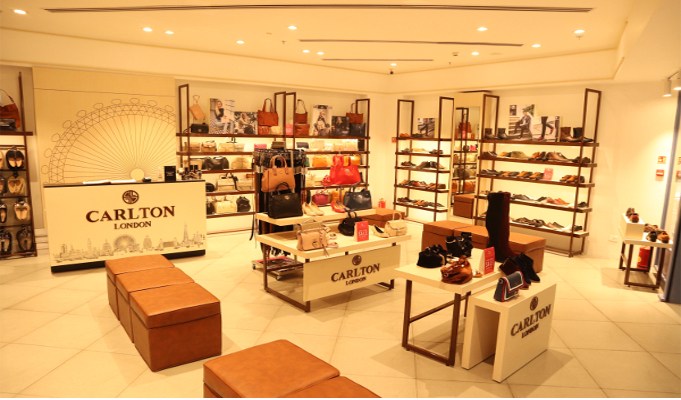
    Carlton London, the leading fashion footwear and accessory brand has launched its first store in Mumbai at Phoenix Marketcity, Kurla. After running nine stores successfully in the Northern region including Delhi NCR and Punjab, the tenth store in Mumbai marks the expansion of the brand in the Western region of the country. Spread across an area of 1,200 sq.ft., the new Carlton London store is extremely spacious and offers a complete range of fashion footwear along with an exclusive collection of accessories.

    The store displays a wide range of footwear from party collection, work-wear and ballerinas to premium collection for men. Being one of the fastest growing fashion and accessory brand, Carlton London aims to target consumers across the country. The brand thrives at its philosophy of providing highest quality designs to the customers, which are at par with the international standards. Their diversified product line offers comfortable fashion which creates a mark of luxury while being affordable. Having established itself as one of the key players in the footwear industry, the brand caters to various age groups and target audience.

    Commenting on the store launch , Director, Carlton London, said, “We are extremely delighted to announce the launch of our first store in Mumbai. Being the fashion capital of India, Mumbai is a key market for us and we aim to expand our retail footprints in various parts of the country. We always work towards providing fresh and innovative designs to our customers and keep our collection in sync with the global runway trends.”

    “Like our other stores, the theme of the new store is inspired by rich British architecture. With a minimalistic approach, the store has soft and subtle lighting with elegant couches and fancy mirrors,” he added.

  • Inglot Vietnam makes debut in Vietnam

    Inglot Vietnam makes debut in Vietnam

    Polish cosmetics brand Inglot has opened its first Vietnam store, inside Vincom Lieu Giai in Hanoi. Located on the first floor of the shopping centre, the Inglot Vietnam store offers a free makeup area for customers to try its products before purchasing. Makeup artists are available to help customers find the right tones and ‘look’. Inglot Vietnam says the first store is something of a trial by the company before it opens a flagship shop in the nation’s commercial capital, Ho Chi Minh City, by the end of next month.

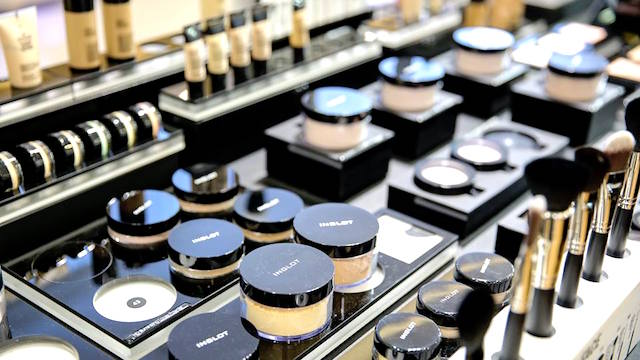
    Inglot is well known for its bolt shades and its Freedom System, which allows users and makeup artists to arrange eyeshadows, blush and lipsticks into on-the-go palettes. The brand has more than 900 stores in 75 countries.

  • Ermanno Scervino opened store in Chinese Hangzhou

    Ermanno Scervino opened store in Chinese Hangzhou

    Italian fashion house Ermanno Scervino is launching a new boutique in Chinese Hangzhou. The 140sqm store, located inside the Hangzhou Tower shopping centre, houses the brand’s womenswear and menswear pret-a-porter and accessories collections. Its interior design follows the style of the maison’s flagship store inaugurated in Florence last June, with large surfaces featuring industrial concrete flooring and concrete wall finishing punctuated by inlaid and laminated gold frames. The store showcases wooden furnishings with stucco decorations and retro-inspired details.

    “The growth and development of our brand in Far East has been proceeding systematically and consistently since a few years now,” said Ermanno Scervino Group CEO Toni Scervino.

    “After Shanghai and our recent opening in Hong Kong, Hangzhou is now a further step forward. The Chinese clientele is proving more and more its passion for the tailoring and Made in Italy proposal of our Maison. In collaboration with our partner Riqing we are therefore working to be more and more present on the territory”.

  • FitFlop flagship opens in Philippines

    FitFlop flagship opens in Philippines

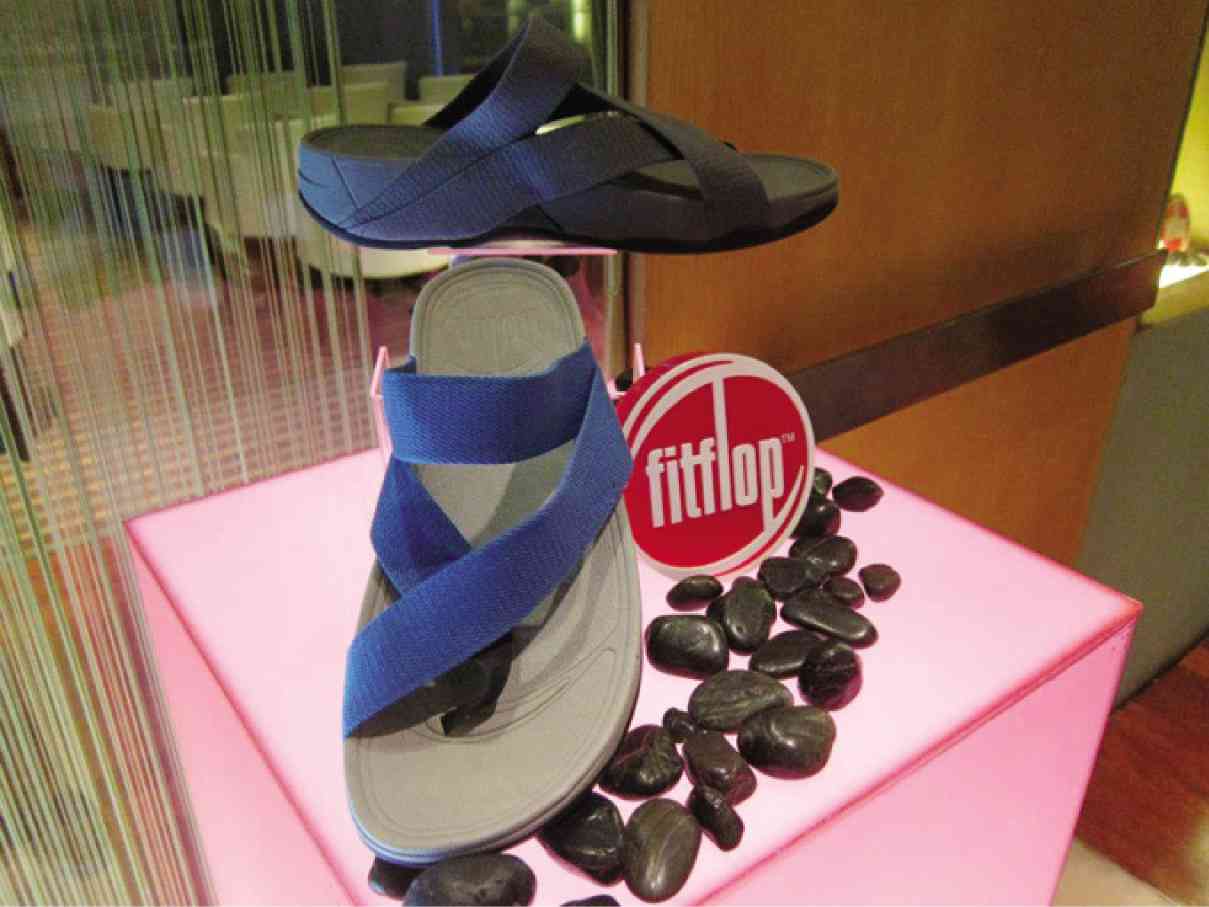
    London footwear brand FitFlop has opened a new flagship store in SM Mall of Asia, Philippines. The new FitFlop Galleon store is the largest FitFlop store in the world to date and now serves as the brand’s global flagship. It is operated by The Primer Group of Companies, the brand’s exclusive distributor in the Philippines. According to a press release, “FitFlop is confident that it will be able to reach and inspire more superwomen to seize life’s opportunities and take on whatever comes their way.”

    The brand’s product line is designed to combine precision ergonomics with functional design, specialising in comfortable footwear for women.

    FitFlop Galleon is currently offering its Spring/Summer 2019 line, inspired by exotic destinations and bustling bazaars, as well as athleisure fashion that features its proprietary Anatomicush sole.

  • BreadTalk, Song Fa JV launch first Beijing restaurant

    BreadTalk, Song Fa JV launch first Beijing restaurant

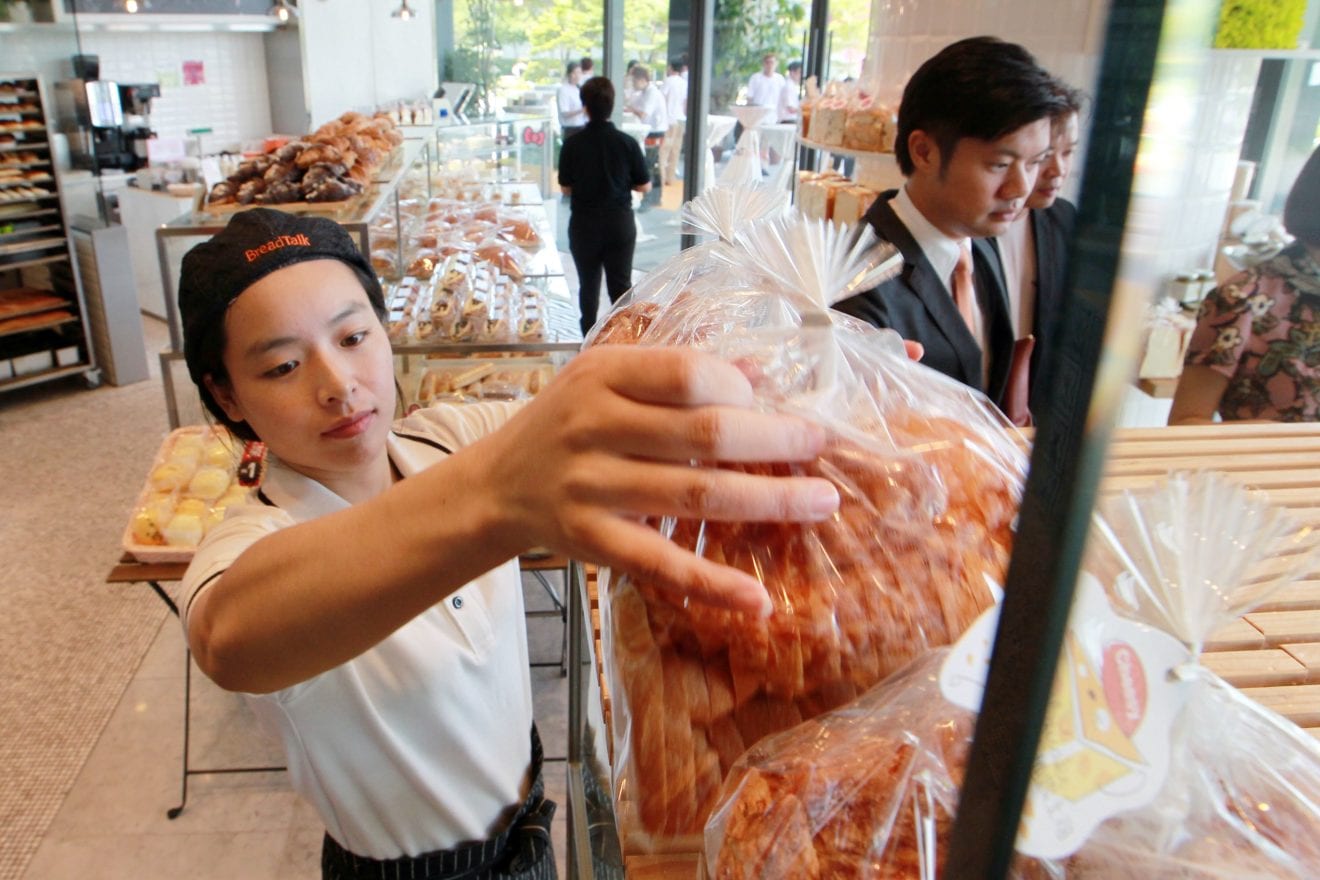
    BreadTalk and Song Fa have launched their first restaurant in northern China at Beijing’s APM Mall. Saturday’s opening follows the successful launch of the first Song Fa restaurant in Shanghai Jing An Kerry Center in January last year, where it averaged RMB1 million (US$145,570) in monthly sales. It is the fourth restaurant opened following the signing of the joint-venture agreement between BreadTalk and Song Fa Holdings in July 2017.

    The restaurant is located on level 5 of the mall, featuring a spacious interior accommodating close to 100 diners with Nanyang nostalgia decor and contemporary seating.

    “Since the opening of our first Song Fa outlet in Shanghai last year, we were encouraged and overwhelmed by the positive response from consumers in China,” said BreadTalk Group CEO Henry Chu. “This vote of confidence enabled us to open another three restaurants successfully in Shanghai last year.

    With the opening of our first restaurant in Beijing, we will continue to harness and leverage BreadTalk Group’s brand operations and management experience to bring the Song Fa brand to northern China and provide local consumers with high quality Teochew Bak Kut Teh cuisine.”

    “The Bak Kut Teh culture is one of the most iconic food cultures of Singapore,” added Song Fa’s second-generation helmsman and MD Yeo Hart Pong. “It is Song Fa’s mission to spread this culture and continue to serve generations of Bak Kut Teh fans. Besides our Singapore homeground and Indonesia, China is our most-valued market outside Southeast Asia. We feel very honoured to be able to collaborate with BreadTalk Group and introduce the Teochew Bak Kut Teh culture to epicures in China.”

  • South Korean convenience store openings slow down

    South Korean convenience store openings slow down

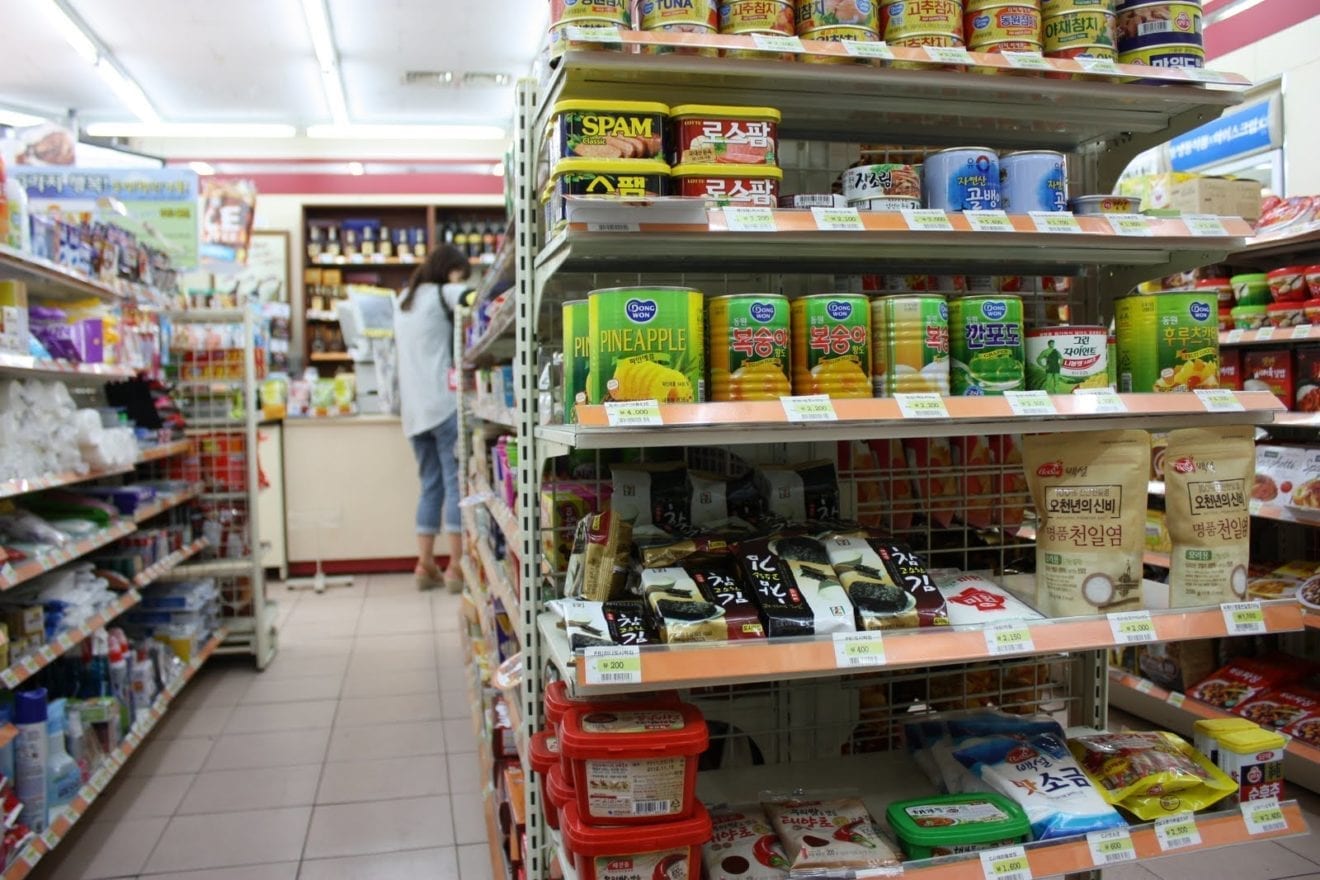
    South Korean convenience store openings in South Korea fell last year, according to industry data. Thought to be the effect of increasing labour costs and market saturation, the slowdown has manifested amongst several industry operators – including BGF Retail’s CU, which opened 980 fewer stores than the previous year’s total of 1646; and GS25, which opened 1023 fewer stores last year after launching 1701 outlets in 2017.

    A government advisory to chain stores to maintain more of a distance between competing branches signals a likely continuation of the downward trend, as well as new laws mandating higher levels of paid leave to staff and a higher minimum wage. The same pressures have seen 19 per cent of convenience stores closing at night rather than operate 24 hours, compared with 10 per cent in 2017.

    A statement issued by CU said that the firm is prioritising profitability of existing stores over opening new locations.

  • Crabtree & Evelyn Singapore closes all stores

    Crabtree & Evelyn Singapore closes all stores

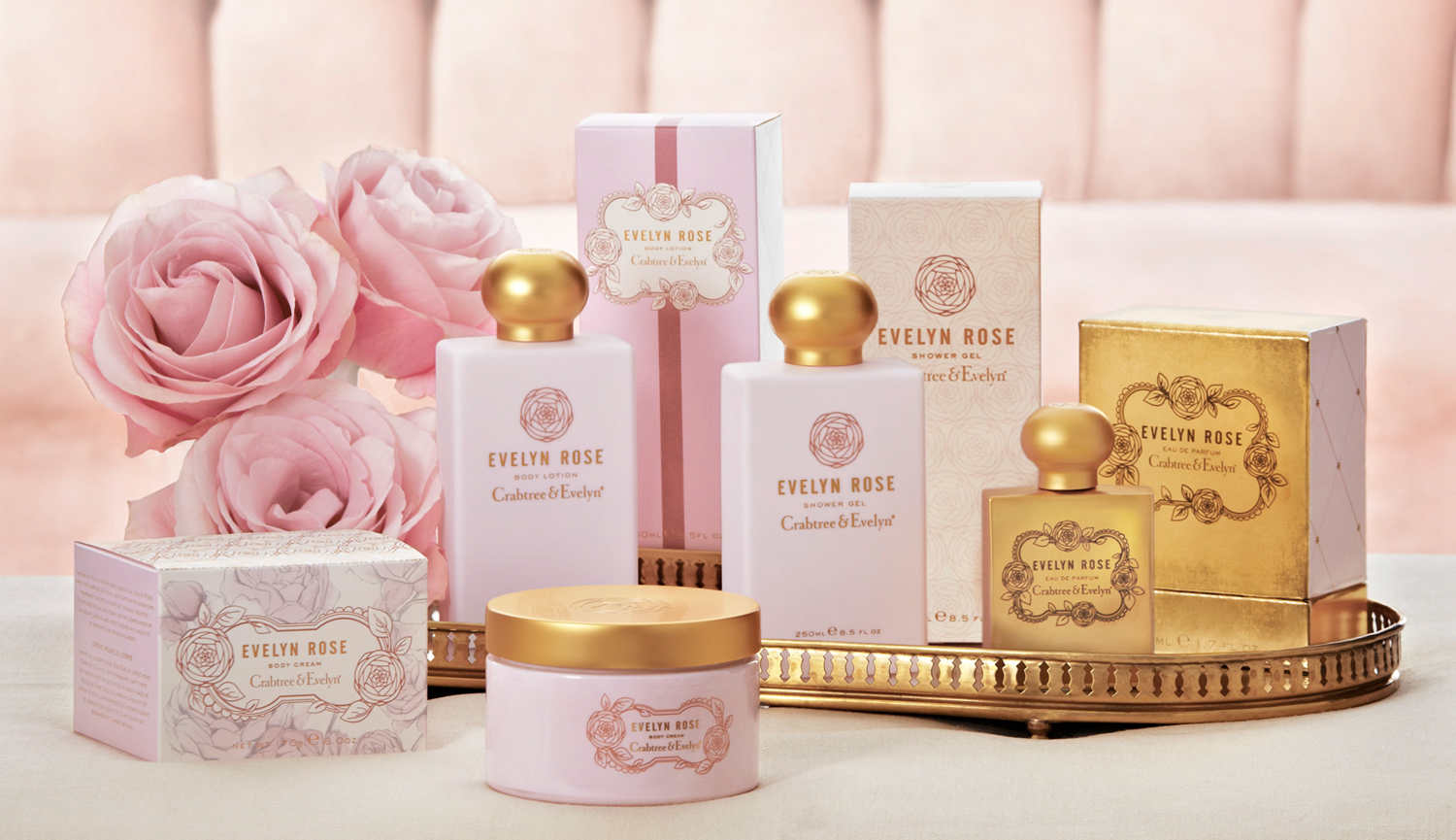
    Crabtree & Evelyn Singapore is in the process of closing all of its 12 stores on the island and will move exclusively online. The closures follow the placing of the Canadian business into bankruptcy protection last month, resulting in the closure of its 19 stores there as it liquidates its stock. Crabtree & Evelyn was founded in the US in 1972, expanding to the UK in 1980. It was sold to a Malaysian company in 1996, with its US subsidiary entering bankruptcy protection in 2009, resulting in the closure of about a quarter of its store network.

    The business was bought by Hong Kong investment company Khuan Choo International in mid 2012 for US$155 million before being sold to the current owner, another Hong Kong company, Nan Hai Corporation, four years later. Listed on the Hong Kong stock exchange, Nan Hai’s primary business focus is operating cinemas and digital entertainment services, mostly in Mainland China. It has no other specific retail or cosmetics investments.

    In March last year Nan Hai said it had invested in expanding and revitalising the Crabtree & Evelyn product range and that it would expand the brand into the mainland: “Crabtree & Evelyn will fully enter the PRC market in 2018 and the development of [an] e-commerce platform and membership system will be its business focus for 2018, thereby creating synergy with the e-commerce and membership strategies of the group’s cinema operations, which would be beneficial to the long-term development of the group,” the company said in a stock exchange filing.

    Online expansion was also planned in Australia, Singapore and Malaysia, but it made no mention of closing stores and it is not clear in which markets it owns its retail operations and in which it has distribution partners.

    According to a report, the business there filed for bankruptcy citing “significant losses” due to changing consumer demand, rising competition online and an ongoing decline in footfall in its stores.

    Crabtree & Evelyn Singapore is expected to continue trading from two stores in the city – Ngee Ann City and Paragon – until January 31, where it will honour gift vouchers. It has wound down its offline loyalty program in favour of a new online version.

  • Coupang to become an authorized Apple retailer

    Coupang to become an authorized Apple retailer

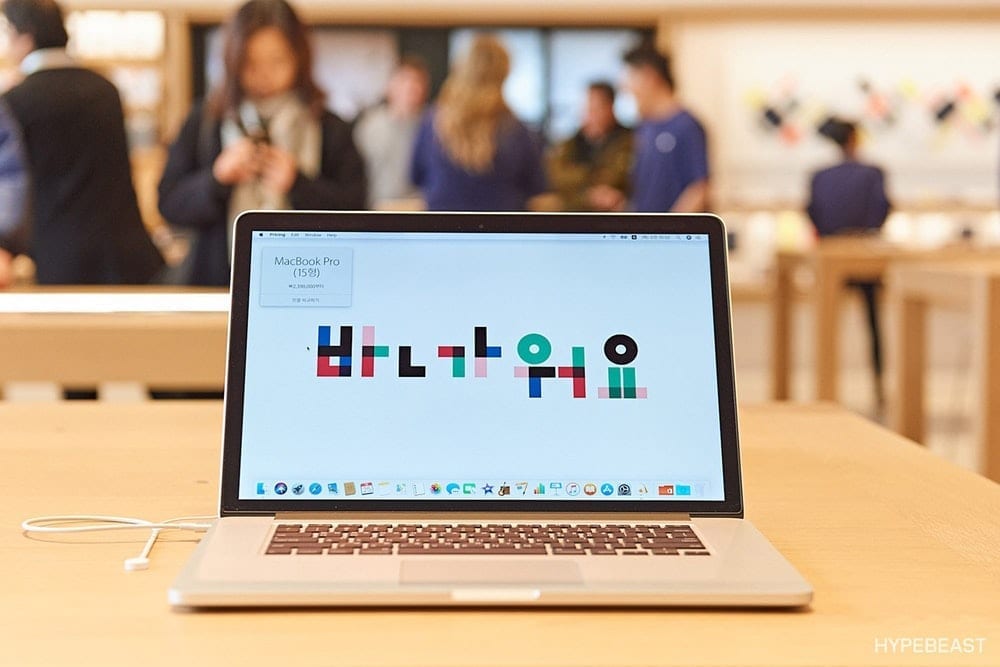
    Coupang, Korea’s top e-commerce platform, has been selected as an authorized retailer to sell Apple products, the company announced Friday. It said that the e-commerce giant was selected to become an authorized reseller of Apple products, and the service will begin sometime this month. The products that will be offered include iPad Pros, MacBooks and Apple Watches, as well as related accessories.

    Coupang said that its shoppers can get access to Apple products that carry a full Apple warranty and come with after-sales customer services from Apple.

    “Coupang will be an attractive purchase channel for customers who love or want to experience Apple products,” said Navid Veiseh, Coupang’s senior vice president of global e-commerce. “We will continue to expand the range of premium electronics brands like Apple, which, when combined with our Rocket delivery and RocketPay services, make Coupang the first place for customers to turn when shopping for premium electronics.”

    Coupang is known for its fast Rocket delivery service that sends items purchased the following day.

  • Canada Goose opens store in Beijing

    Canada Goose opens store in Beijing

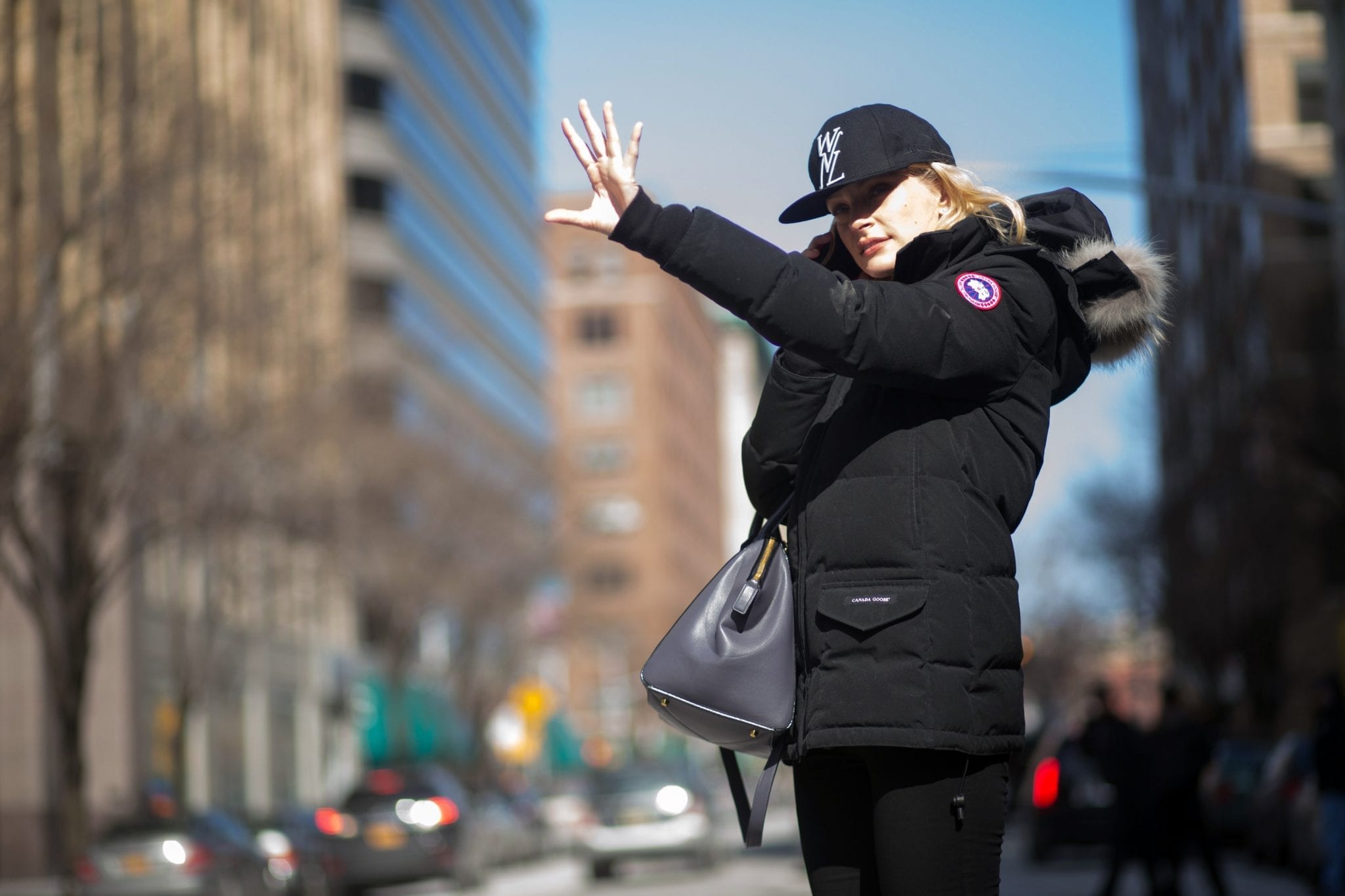
    Winter clothing firm Canada Goose has finally opened its first Mainland Chinese store in Beijing. In a launch rumoured to be delayed due to political tensions between China and Canada – and dismissed by the firm as the result of construction delays – extensive queues saw shoppers waiting for over an hour for the opportunity to purchase the CNY9000 (US$1300) parka jackets.

    The brand has previously enjoyed significant popularity in Hong Kong.

    An email from the firm to news agency Reuters read “We are proud of our newest store in China and look forward to welcoming our fans”.

    Calls to boycott the brand were made on social media following Canada’s arrest of Huawei Technologies’ CFO Meng Wanzhou, a situation that has sparked a 37 per cent drop in the value of Canada Goose shares in Toronto.

  • Honolulu Cafe debuts in Philippines

    Honolulu Cafe debuts in Philippines

    Hong Kong’s Honolulu Cafe has opened its first branch in Manila. Renowned for its signature egg tarts with 192 flakey pastry layers (no, we are not sure who counted them!), the cafe also serves its own house-blend of coffee. The new store opened last week, January 5, at the SM Aura shopping centre. Honolulu Cafe dates back to 1940 when it opened as an ice cream parlour. Nearly 80 years on, the company now has stores in Singapore, Malaysia and Taiwan as well.

    Besides egg tarts and coffee, the cafes serve Hong Kong-style stocking-strained milk tea, pastries, buns, Cantonese-style roast meat, and fried noodles. The new outlet is on the ground floor of the Bonifacio Global City shopping centre.

  • Blackberrys Charts Upon The Next Growth Chapter

    Blackberrys Charts Upon The Next Growth Chapter

    Following an exceptionally successful year, amidst 8 months of re-branding, Blackberrys plans to significantly increase its long-term guidance in 2019. In April 2018 the company revealed its new face to the world after 27 years of its inception. In 2019, Blackberrys intends to strongly accelerate its retail presence and sales growth as part of its long-term strategic business plan.

    Blackberrys is currently present across 350 cities in India and operates more than 260 EBOs and 700+ MBOs. In 2018, Blackberrys added 50 new doors to its retail footprint and is confident of adding upto 50 more in the current financial year.

    In the New Year the company will continue bolstering marketing programs both in store and through online and offline media. The company has earmarked a marketing budget of Rs 55 crore for the current financial year.

    In 2018, Blackberrys launched several consumer centric brand campaigns including India Khaki week, The Distinguished Gentleman Rides, Style partnership with Bollywood blockbuster Race 3 and Lord of Giza to name a few, which were very well accepted by the customers and trade alike.

    Blackberrys is consistently investing in building a par excellence consumer experience using Machine Learning based analytics, and extensively leveraging the digital presence for redefining the Indian man’s Fashion journey.

    Nikhil Mohan, Founder Director at Blackberrys sharing his thoughts on the same added, “Our 2018 results and our positive outlook for 2019 are proof that our strategy is paying off. Company’s growth, grounded in deep acceptance of our brand, led by the product quality, innovation and service, is remarkably healthy. The new development model implemented across, has paved the way for increased value creation along with profitable, sustained and consistent organic growth. We are expecting an accelerated growth in coming years with a strong focus on developing newer wardrobe propositions and our retail presence across the country.

    Nitin Mohan, Co-founder Director at Blackberrys said, “We are committed to developing a ownership and entrepreneurial brand culture at employee level as it’s pivotal for the company in achieving its long-term objectives. As part of the accelerated growth plan, Blackberrys is focusing its HR initiatives on talent development and performance management.  The company plans to launch its new office very soon in Gurgaon, reflecting the collaborative work culture and with a young & fresh look and feel.”

  • Indian shop fit industry poised for sustainable growth in 2019

    Indian shop fit industry poised for sustainable growth in 2019

    The Indian retail sector is growing faster than ever before and is one of the fastest growing in the world. According to a Deloitte Report, the Indian retail industry is expected to grow to US $1.1 trillion by 2020, registering a CAGR of 8.79 percent between 2000 and 2020. This growth can be attributed to the growing young population of the country, rise in disposable income, change in lifestyle and most importantly, digitization and connectivity.

    Though brands are investing heavily in online retail, traditional retail continues to be their core focus and hence, demand for shop fit designers and manufacturers only continues to grow.

    Changing retail landscape and role of retail shop fitting

    2018 was a redefining period for Indian retail industry. From huge investments by international players to M&A, downsizing of physical stores from traditional players to investing in physical stores by ecommerce players, the retail industry witnessed significant changes.

    As the debate around relevance and profitability of brick-and-mortar stores continues, retailers continue to invest in physical stores and thrive to provide the best shopping experience for customers. The traditional, one-size-fits-all store formats are slowly decreasing and brands are now continuously working towards exploring creative concepts to rejuvenate the look and feel of the store to stay relevant and attract their respective consumer targets.

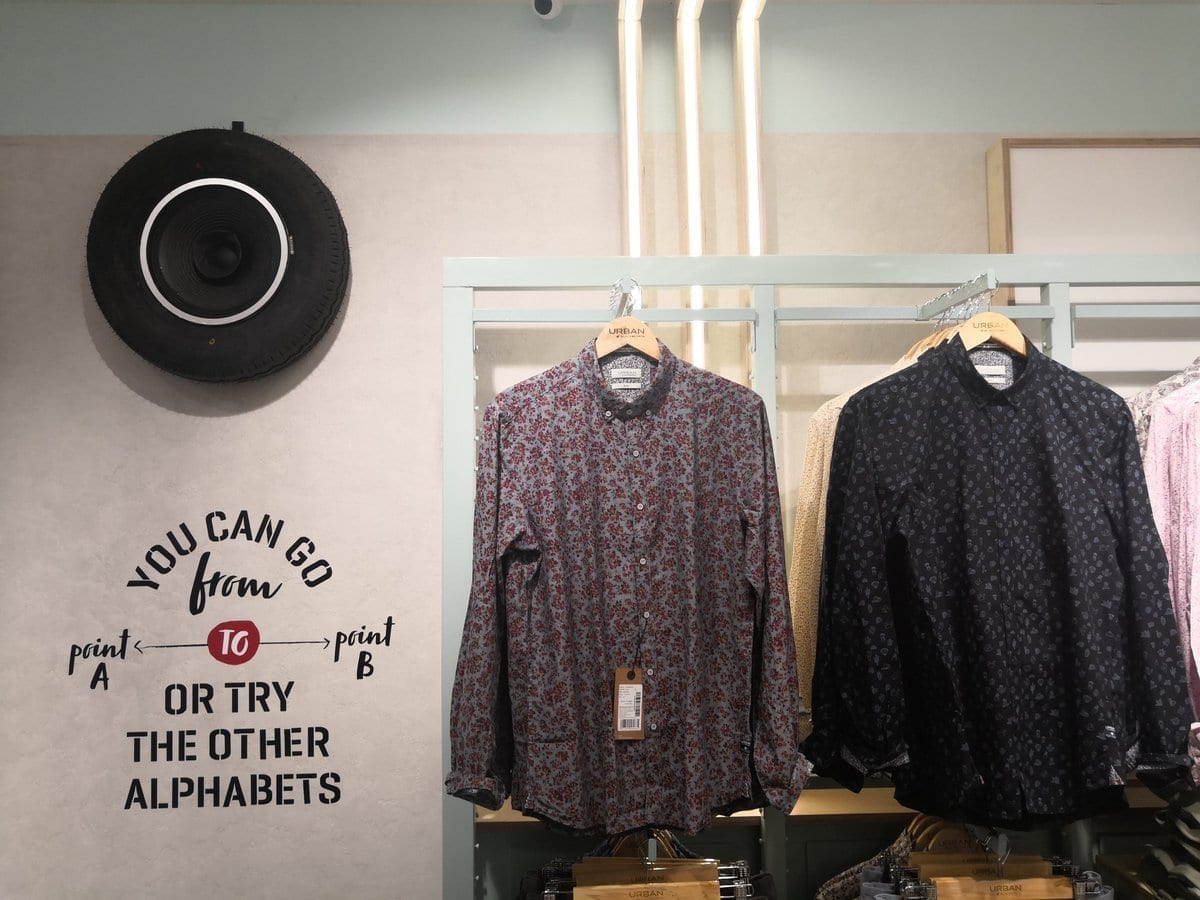
    Every brand has a different approach in designing retail outlets and so are their shop fit requirements. For example, a sportswear brand store will have a spacious interiors, relaxed furniture for seating, minimum product placement on shelves to create clutter free picking up of products and eye-catching digital display of celebrated sports personalities on the walls to influence customer’s shopping. Whereas, a clothing brand store for infants and children has shop fittings and fixtures of lower height making it easy for kids to select what they want and have popular animated characters all over the store. This is where the expertise of shop fitters come into the picture. Shop fitters play a very important role in building successful retail brands by planning, designing and manufacturing shop fit and fixtures that reflect a brand’s ethos. They closely work with the brands to execute their designs and ideas for Visual Merchandising.

    Growth opportunities for shop fit industry

    A study by JLL suggests that the country is expected to see the highest mall supply in the next three years (2018 – 2020) touching 19.4 million square feet. Due to the radical shifts in the consumption pattern of new-age consumers, brands see tremendous untapped potential in small towns and cities (Tier II and III) they will expand their footprints in these geographies and continue to invest in physical stores.

    Brands continue to focus on integrating online and off-line shopping and the concept of ‘Experiential shopping centers’ will gain importance. Physical stores will double as fulfillment centers to help process online orders. Like in other markets, the concept of BOPIS, i.e. “Buy Online, Pickup In-Store”, which gives customer the flexibility to shop (order) online and visit the nearest store to try the product and collect it may become popular among people. As customer shopping experience, engagement and purpose of the physical store becomes more crucial, brands will regularly invest in store design, interiors, shop fits and new concepts in order to differentiate themselves from competitors. A good fit-out raises a brand’s profile, efficacy and creates a positive perception about the brand. Hence, there is a growth opportunity for shop fitting industry.

    Adding to this, the trend of solo entrepreneurs entering the market and small scale traditional retailers who wish to revamp their business rely on professional shop fitters for retail store design, floor planning, shop fits, etc. which will also give a boost to the shop fit industry.

    Conclusion:

    As organized retail industry continues to grow in the country, it possesses a great opportunity for the shop fit industry. Decisions by brands to downsize the store formats may hurt the shop fit industry’s business and profitability, but there will definitely be significant growth as more brands are now looking to establish their offline presence and also increase their physical presence across markets. In addition to this, with the new rules regarding single brand retail ownership, many new foreign brands will look to enter the Indian market.

    Being an allied industry of the retail sector, the shop fit industry grows hand-in-hand with the retail industry. As brands continue to invest in visual merchandising and store design, they rely on experienced and quality focused shop-fit manufacturers to partner with them. The role of shop fitters cannot be understated in helping the retail brands build their identity, differentiate them from competitors and attract footfall in the store by their innovative designs and store concepts. Shop fitting is an important investment for retail brands and when done right can translate to improved business and performance. Overall, the outlook for the shop fit industry is positive.
  • Amazon to expand Whole Foods, open more stores

    Amazon to expand Whole Foods, open more stores

    Nearly a year-and-a-half after Amazon acquired Whole Foods for approximately US US $13.5 billion, things are about to start changing. Amazon is planning to expand its Whole Foods Market portfolio by adding more stores to put more customers within its two-hour delivery service range, The Wall Street Journal reported this week. The report says Amazon has been scouting locations for bigger Whole Foods stores in states and regions where they don’t currently have any stores at all–places like Idaho, south­ern Utah and Wyoming, along with many other suburban areas.

    The report goes on to say that these stores will be approximately 45,000 sq. ft. in size and the extra space is intended to accommodate Amazon delivery and pickup from online orders.

    According to WSJ, the world’s largest online retailer also plans to expand its two-hour delivery service, Prime Now, to nearly all of its roughly 475 Whole Foods stores in the United States.

  • Honey Birdette debuts in US

    Honey Birdette debuts in US

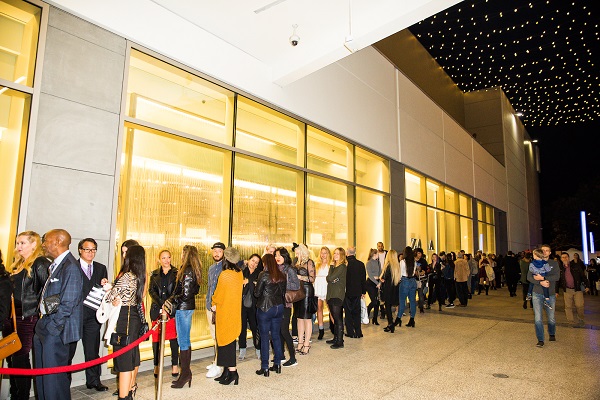
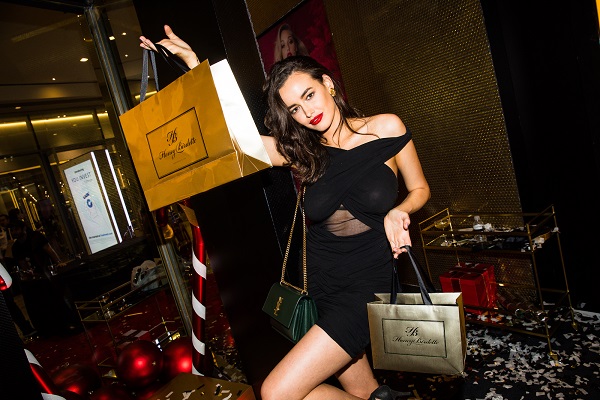
    Australian Lingerie brand Honey Birdette has launched its first US store in Westfield Century City, Los Angeles, focused on a unique design including whisky bar carts and ‘press-for-champagne’ buttons. The store will offer exclusive and limited-edition products, and is fronted by a glass mirrored store front centred by a gold tiled entry arch.

    “We are focusing on unique designs concepts for all of our future boutiques and each footprint will have its own unique element,” Honey Birdette founder and managing director Eloise Monaghan said.

    “Some might have a champagne bar for example, a private salon in one, a peep show in another, a stage or a catwalk.”

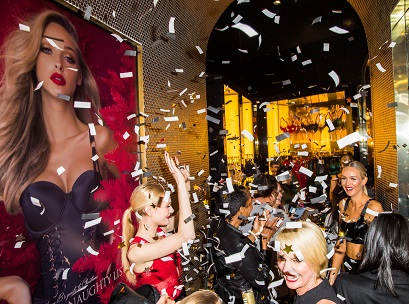
    The store opened to more than 500 shoppers who lined up to shop the brand physically for the first time in the US, and featured a DJ, champagne towers and confetti cannons.

    The brand currently trades within 57 locations in Australia, as well as across three locations in the United Kingdom.

  • Sears US to close further 80 stores by March

    Sears US to close further 80 stores by March

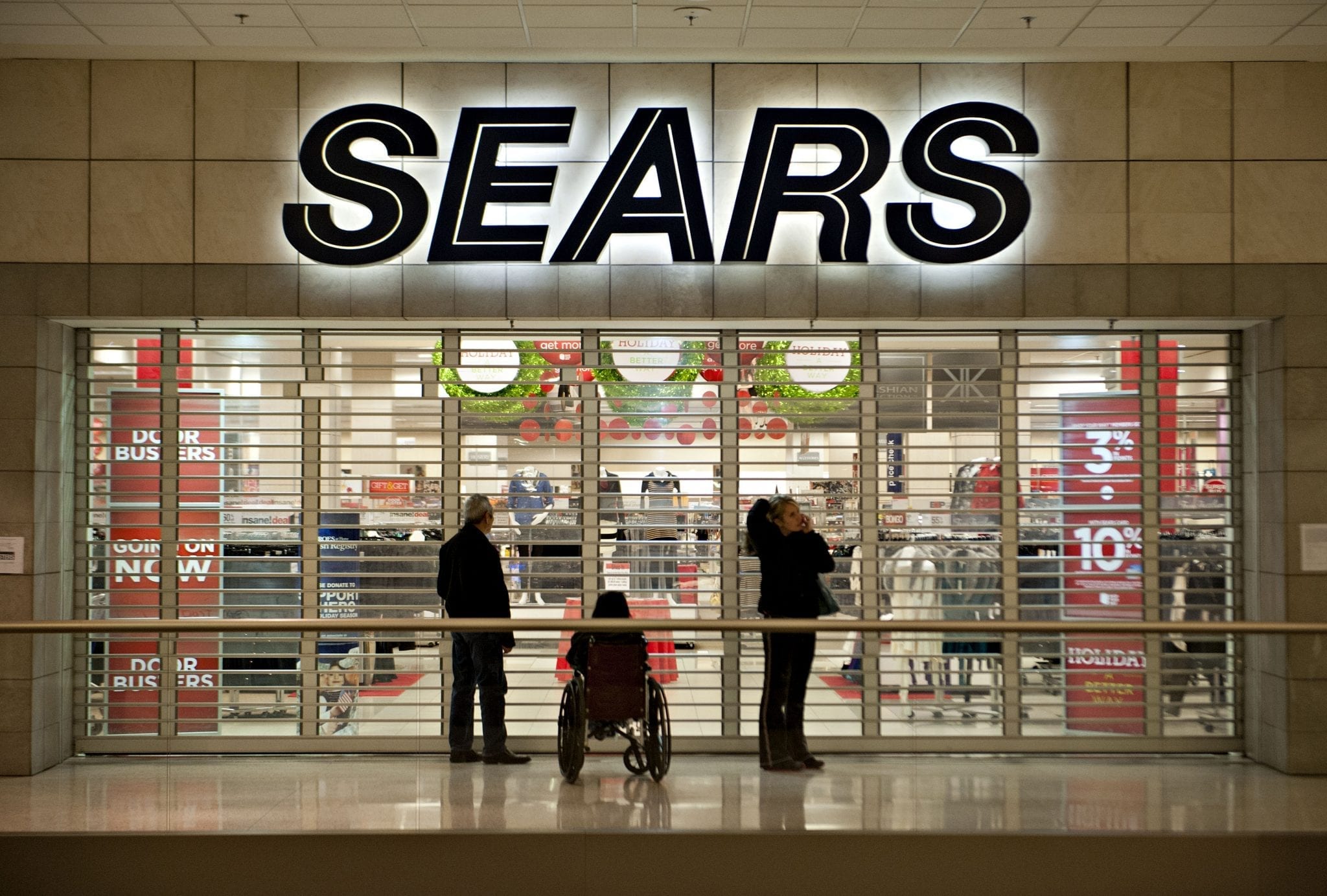
    Bankrupt US retailer Sears has informed 80 further stores of impending closure, in addition to the 40 store closures already announced. The second batch of closures is expected to be finalised by late March 2019, with liquidation sales expected to begin in early January 2019. The closures have been made in an effort to accelerate and facilitate the ‘strategic transformation’ of the business, as well as assist its financial restructuring, though GlobalData Retail managing director Neil Saunders notes that the brand is now at rock bottom.

    “As a last roll of the dice, Sears has attempted to shrink its way to success by closing stores,” Saunders said.

    “While closure sales have helped to temporarily boost footfall and revenue at some shops, they have done nothing to put the firm on a sound footing. Nor have the efforts improved perceptions.”

    According to data from the research firm, overall customer usage of both the Sears and Kmart brands has fallen over the holiday period, and brand perception has fallen below the year prior.

    “Ultimately, reinventing Sears now would be akin to raising the Titanic and making it seaworthy again: a thankless and rather pointless task,” Saunders said, continuing that liquidation is the most likely outcome at this point of the bankruptcy process which began in October 2018.

    “In our view, the lack of bids and the difficulties [Sears chairman] Eddie Lampert is having in raising finance for his own offer reflects the fact that Sears is essentially worthless.”Adtech Ad

    Lampert stepped down as company chief executive when it filed for bankruptcy in October, and made a last-minute US$4.4 billion bid to buy the retailer in late December.

    The bid would “offer employment to up to 50,000 associates”, according to CNBC, and may divert the liquidation process should Sears’ advisors decide the bid to have come from a “qualified bidder”.