Tag: Store

  • Alibaba powers Starbucks virtual store launch in China

    Alibaba powers Starbucks virtual store launch in China

    Starbucks launched its first virtual store in China powered by technology from Alibaba Group, providing a unified, one-stop digital experience across the Starbucks app and mobile apps within the Alibaba ecosystem, including Taobao, Tmall, and Alipay.

    The first-of-its-kind virtual store leverages an online management hub developed specifically for Starbucks by Alibaba. It provides consumers integrated access to Starbucks’ digital offerings, including “Starbucks Delivers,” “Say it with Starbucks” social gifting and merchandise available from Starbucks’ Tmall flagship store.

    Alibaba’s technology streamlines the shopping process, pulling offers that were available in multiple digital apps into a single access point. Adopting a centralized approach to its mobile presence enabled by the Alibaba ecosystem, Starbucks now has a complete overview of its consumers’ actions online. Moreover, the integration of membership between Starbucks and the range of Alibaba apps is expected to fuel strong growth in Starbucks Rewards membership in China.

    The new virtual store steps up the collaboration announced by Alibaba and Starbucks in August 2018, when the companies agreed a deep, strategic “New Retail” partnership. Ele.me, China’s leading on-demand food delivery platform, owned by Alibaba, provides Starbucks delivery service for 2,000 stores across 30 Chinese cities.

    In October 2018, Starbucks also piloted its first “Star Kitchens” within two FRESHIPPO (previously known as Hema) supermarkets in Shanghai and Hangzhou. As the first retail brand to establish a dedicated back-of-house presence in FRESHIPPO locations, each Star Kitchen utilizes the distinct fulfilment and delivery capabilities on-site to complement the handcrafted beverages offered through existing Starbucks stores.

    The launch of Starbucks’ virtual store is also the latest example of how the so-called “Alibaba Operating System” empowering traditional retailers. After years of development in this digital age, Alibaba has created a unique system to support enterprises in the process of digital transformation that covers critical areas such as retail, marketing, finance and logistics.

  • Deliveroo is opening first restaurant in Hong Kong

    Deliveroo is opening first restaurant in Hong Kong

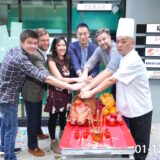
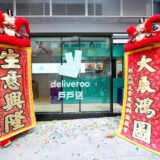
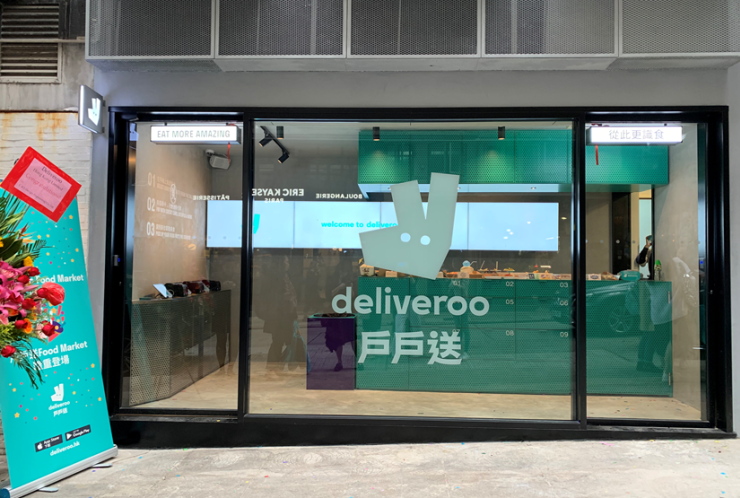
    A Deliveroo restaurant has opened in Hong Kong in a trial which, if successful, could see its own-branded eateries opened globally.

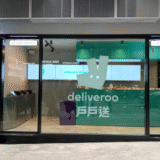
    Called Deliveroo Food Market, the outlet will serve as both a kitchen for delivering online orders, and a customer-facing storefront where diners can choose between 15 dining concepts.

    The 1500sqft kitchen which cost HK$7.5 million (US$960,000) to build, does not have seating for dine-in.

    “We find there is an opportunity to bring our online to offline model to our customers,” Brian Lo, Deliveroo GM said.

    With Hong Kong boasting some of the most expensive rental prices of any major international city, the pressure on restaurant operators to develop concepts which perform is very high.

    “This model works very well for them,” said Lo.

    The debut Deliveroo restaurant will open in Sai Ying Pun as an extension of the brand’s Editions program, where eateries share kitchen space to fulfil Deliveroo delivery orders.

    Five restaurant brands will share the Deliveroo restaurant space in Hong Kong, offering a combined 15 concepts: Chinese chain Crystal Jade, Pizza Express, Pololi Group, Beef & Liberty and Red Sauce Hospitality.

    Singapore-headquartered Crystal Jade is using the kitchen to launch Lao Er and Brother Kwok, two delivery-only virtual brands targeting younger consumers by offering a modern twist on traditional noodle and fried rice dishes.

    “This is a location we can have a closer touch with the residents nearby and understand their dining behaviour,” said Wincy Cheung, Crystal Jade’s assistant marketing & communications director. “It allows us to test our new brands. If we opened a physical store, we’d have to consider a lot of things. This delivery platform allows us to reach more customers at a location that we’re not already in,” she said.

    Another participant in the trial is Pizza Express which plans to test a new concept called The Pasta Project.

    “Deliveroo’s Food Market allows customer-facing trials of new concepts to launch in market much faster, just as we have done with The Pasta Project,” said Pizza Express MD of international, Liam Collette.

    He stressed that restaurants are not going to be eliminated by delivery and the company will continue to expand.

    Pololi Group will offer Shaka with American-style sushi rolls and Killer Golden Bird with fried chicken, while Beef & Liberty is debuting the vegetarian and vegan Leaves & Liberty concept, using Impossible Meat.

    Lo said virtual restaurant brands are already supporting the business of Deliveroo’s partner restaurants. Kai, which serves up customised poke bowls, and Blazed offering Hawaiian BBQ platters are both virtual brands launched by Pololi Limited at the first Deliveroo Editions site, a so-called ‘dark kitchen’ in Wan Chai cooking only for delivery orders, without a customer interface. Both brands have succeeded as a delivery concept, leading to brick-and-mortar stores.

    Sai Ying Pun appeal

    Deliveroo chose Sai Ying Pun as home for its first Food Market due to the neighbourhood’s fast-expanding food, drink and cafe scene, which is attracting local and expat foodies alike. Deliveroo is also working with partner restaurants to create new corporate-specific offerings for the growing number of businesses now moving into SYP and surrounding districts such as Kennedy Town and Sheung Wan.

    “Residential projects, business development and cultural sites are flourishing in the western districts of Hong Kong Island, and yet many popular restaurant brands have little presence in the area,” said Lo.

    “Sai Ying Pun is an exciting location for future growth and we are pleased to offer our partners restaurants more reach into this vibrant district and its surrounding areas. In the coming year, Deliveroo will be looking for more opportunities to expand into Kowloon and the New Territories to bring our Food Market concept to more customers across Hong Kong.”

    The Sai Ying Pun location is expected to employ up to 30 on-site staff in its kitchen and customer spaces.

    View the gallery below (5 images) :

  • HMV owes US$600,000 unpaid rental, face legal case

    HMV owes US$600,000 unpaid rental, face legal case

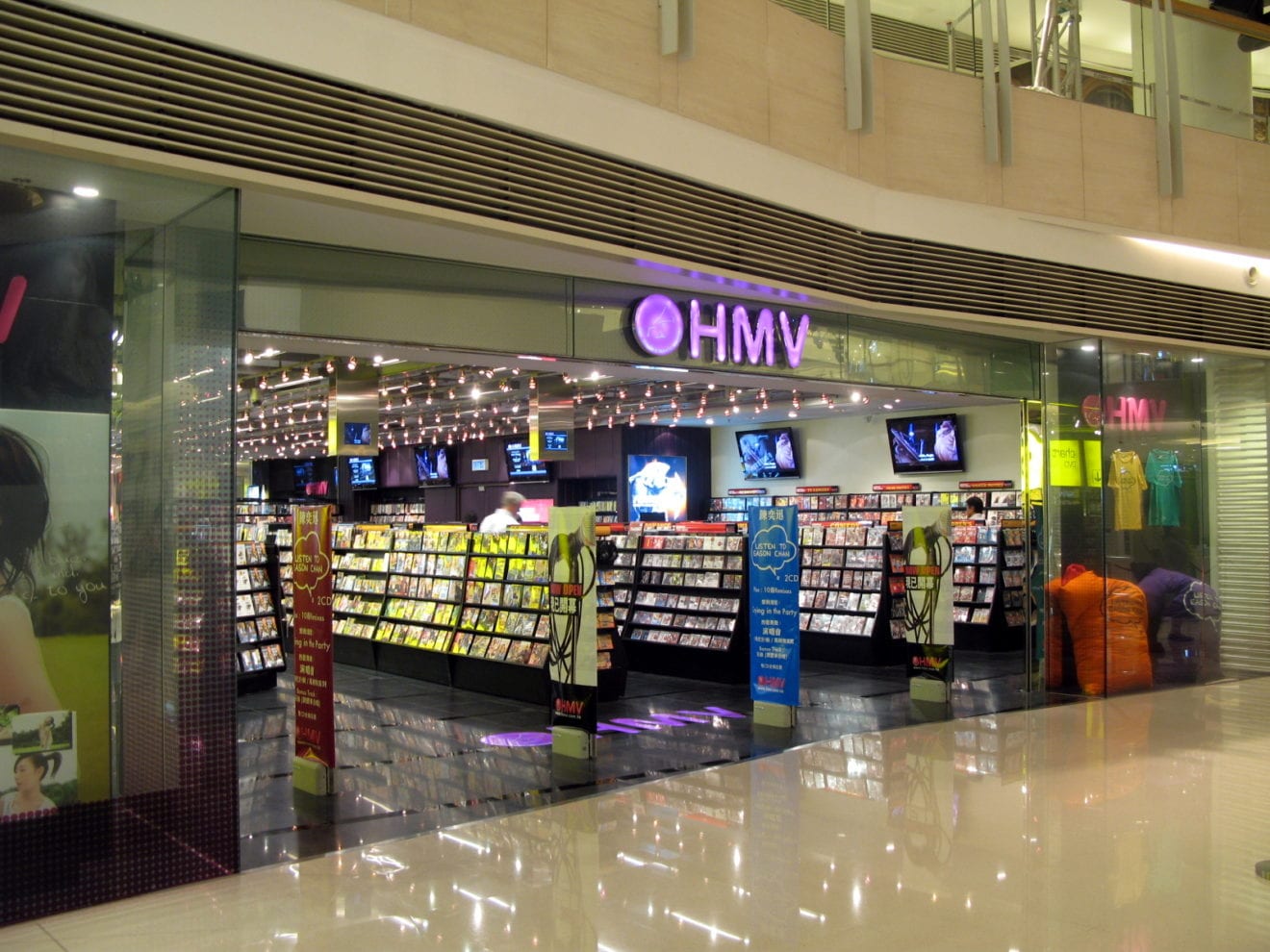
    Gadget, movie and music retailer HMV may face eviction from several of its Hong Kong store locations in coming weeks as landlords seek to recover unpaid rents and charges. Separate lawsuits have been filed relating to HMV stores in Causeway Bay, Central and Kowloon Bay, collectively seeking more than HK$5 million (US$640,000), according to court documents.

    The four-story HMV flagship store on Paterson Street in Causeway Bay was leased from Ever Light in July 2015 for four years at a monthly rent of $1.59 million for the first two years and $1.72 million for the ensuing two.

    Another store on Queen’s Road Central was leased in September 2016 from Pridemax for a term of six years at an initial monthly rent of $1 million.

    Those two landlords lodged legal action in the High Court of Hong Kong seeking payment of overdue amounts and vacation of the premises.

    About three weeks ago, MTR Corporation issued legal proceedings seeking to recover $273,300 in unpaid rent and charges and demanded the store vacate its space in Telford Plaza shopping mall.

    HMV was acquired by China 3D Digital Entertainment in March 2016 for $408 million, with the vendor, private equity company AID Partners retaining an approximate 18 per cent share.

    In 2015 AID received widespread acclaim for the restructure of the Hong Kong operations of what was once an iconic international brand name in music and movie retailing, but which collapsed in other markets with the advent of digital streaming undermining the popularity of DVDs and CDs.

    The Causeway Bay flagship, which incorporates a cafe and live music performance space, began specialising in lifestyle items including headphones, toys and even scooters, along with recognising the returning popularity of vinyl records.

  • Swee Lee Music Malaysia reopened

    Swee Lee Music Malaysia reopened

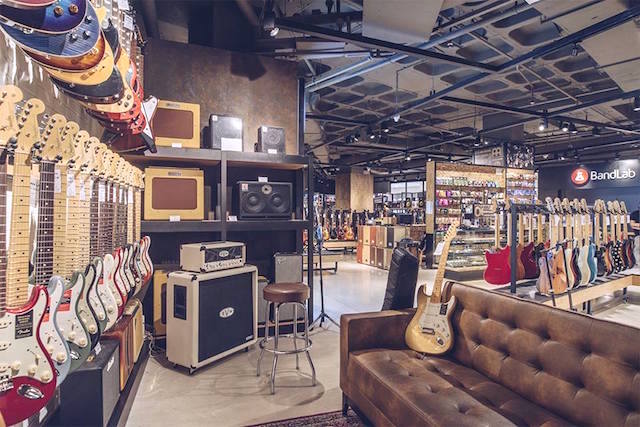
    Southeast Asian musical instruments retailer Swee Lee Music has opened a refurbished flagship in Malaysia. The 4995sqft location in Lot 10 Mall is Swee Lee’s 15th store in the region, and one of three in Malaysia. Beyond its range of instruments, the store sells vinyl records and curated lifestyle products, and has partnered with second-hand guitar retailer Well Played Gear to offer its products in store. High-end consumer audio goods are also available for purchase.

    The store represents the first build of Swee Lee’s retro-futuristic wood/concrete interior design aesthetic in Malaysia. It also reserves space for a cafe and performance events.

    Swee Lee’s MD of music Meng Ru Kuok said: “Since Swee Lee began operating in Malaysia three years ago, we’ve been delighted to support local musicians as they pursue their creative journeys.

    The refurbished KL flagship store is about taking this to the next level. In a dynamic city like Kuala Lumpur, which has a deep passion for music and incredibly talented artists, we want to establish a space where anyone can be inspired to connect and create.”

    View the gallery below (4 images) :

  • Bo’s Coffee plans big expansion ahead

    Bo’s Coffee plans big expansion ahead

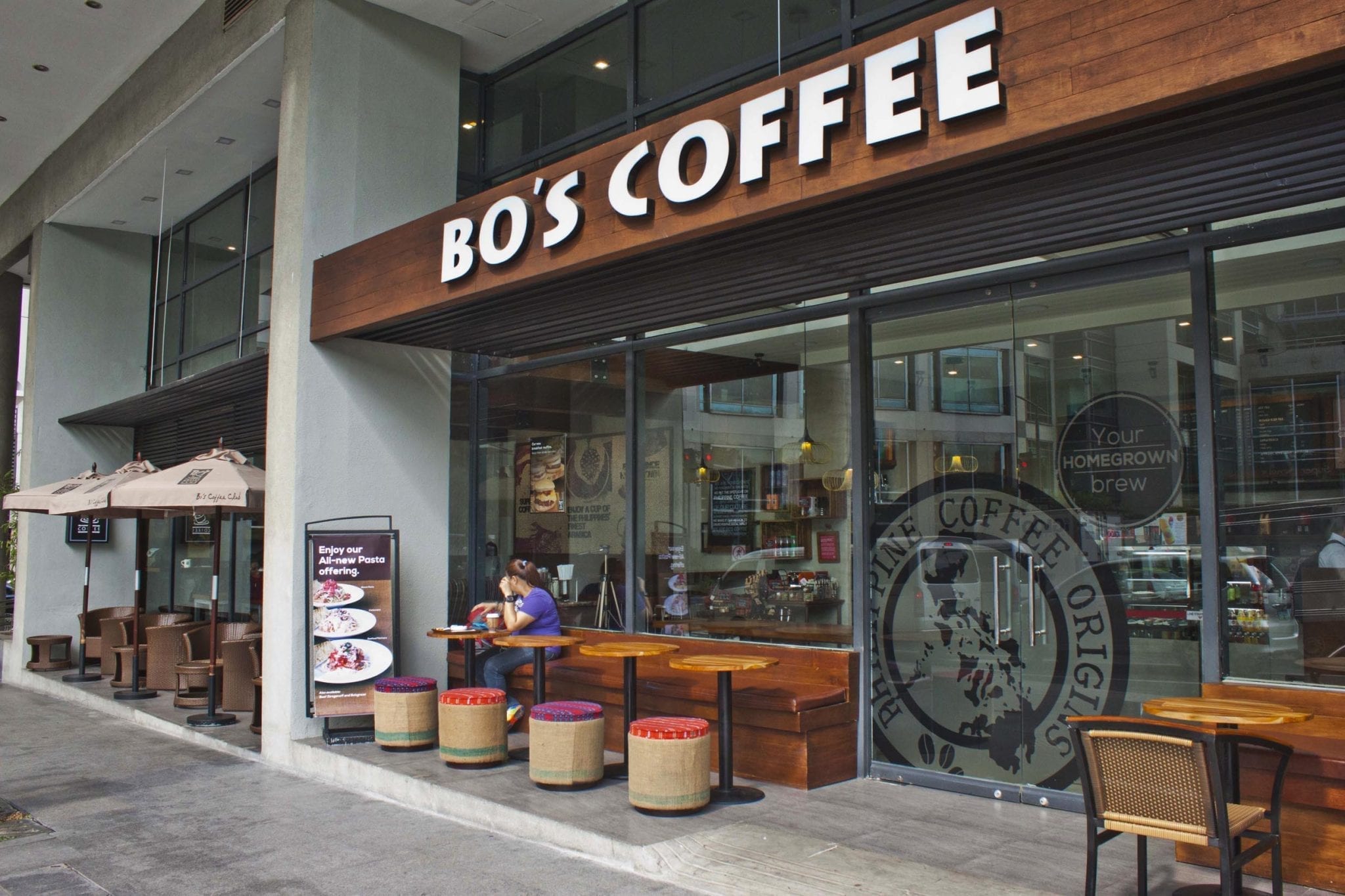
    Filipino cafe chain Bo’s Coffee plans to more than double its store network within four years and is also eyeing expansion into the Middle East. In an interview, founder Steve Benitez says the ambitious growth plan has been fuelled by strong local demand. With 103 cafes currently, Benitez is targeting between 200 and 250 by 2022.

    “Our job is to make sure that we are able to popularize coffee and be able to supply so much, not only in the Philippines but globally,” he said.

    In its home market, Bo’s Coffee, which was founded in 1996, will be targeting Luzon, especially given the brand has “only scratched the surface” there to date.

    In the Middle East, Bo’s Coffee plans to open a second store in Qatar shortly, followed by three more within two years. Other markets in the region are now in its sights.

    The expansion plans will be accelerated following an investment by Philippine-focused Navegar Fund which was attracted to Bo’s Coffee by its efforts to support local coffee-growing communities.

    “Seventy to 80 per cent of our coffee beans are sourced locally,” said Benitez. “We were trailblazers. We started featuring Philippine coffee and the other shops followed after.”

    Bo’s Coffee recently opened a 300sqm flagship store in Cebu which supports social enterprises by partnering with local micro-small entrepreneurs in their store interiors, products, and merchandise inside.

  • South Korea’s Kookmin Bank licensed to open Vietnam branch

    South Korea’s Kookmin Bank licensed to open Vietnam branch

    The State Bank of Vietnam has licensed South Korea’s Kookmin Bank to open a branch in Hanoi, the government said on Tuesday. The branch has a chartered capital of $35 million and the contract runs for 99 years, the government said in a statement.

    South Korea is the largest source of foreign direct investment in Vietnam and the Southeast Asian country’s second largest trading partner.

  • Emart goes digital in high-tech Uiwang store

    Emart goes digital in high-tech Uiwang store

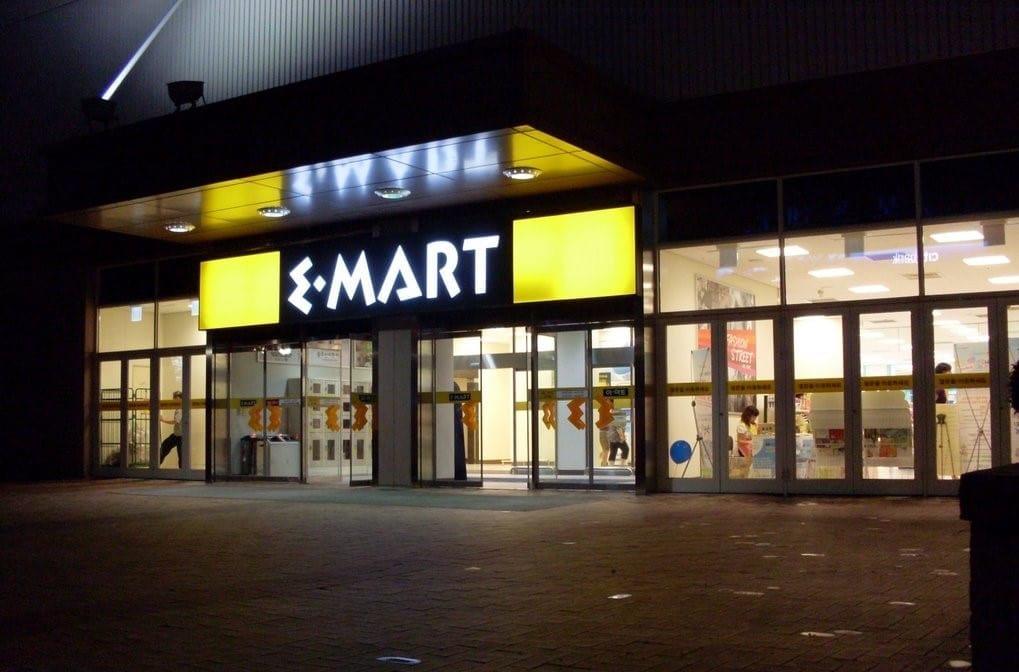
    Emart is going fully digital with its brand new Uiwang branch that will open in Gyeonggi tomorrow. Innovative features of the Uiwang branch – the first Emart store to open in 30 months – include digital displays instead of paper signs and guide robots that can escort customers to desired products. The Uiwang store will span 9,917 square meters (106,745 square feet) across two basement floors in a commercial building.

    “We will introduce a revolutionary format of offline stores that breaks away from tradition in order to meet the challenges of our fast-changing era,” read an Emart report.

    Going paper-free is a big change that Emart hopes will both appeal to customers and help management.

    Price labels will be digitalized and controlled by a central server in the Uiwang branch, allowing store managers to display and change prices with unprecedented ease and speed. The new store will also install digital signage, or electronic displays, alongside elevators, moving walkways and cashiers instead of paper posters for advertisement and notices.

    “By minimizing paper usage, we can provide consumers with a unique shopping experience while practicing green management and boosting productivity,“ read the Emart report.

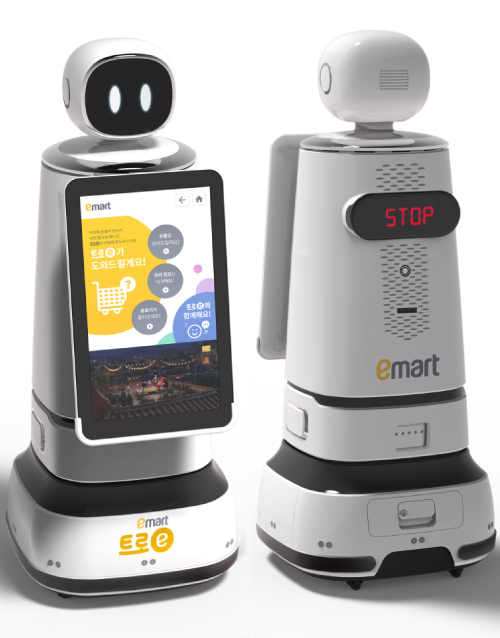
    The new Uiwang store will also be home to Tro.e, an autonomous robot equipped with a 27-inch touch screen that is capable of guiding consumers to desired products and making casual conversation. Like Pepper, a robot the company employed earlier this year at its Seongsu branch in eastern Seoul, Tro.e will only be available for a limited time on a test run at Uiwang.

    Emart developed Tro.e, named after the Swedish word tro, which means trust, together with Future Robot, one of the official robot providers for the PyeongChang Winter Olympics.
    The grocery section of the new store will only be located on the lower floor of the store, while the upper floor will host a variety of affiliated shops including Electro Mart, Pierrot Shopping, Daiz, Boots and a Kakao Friends Store.

    Emart will open a 660-square-meter “Culture Lounge” for customers to read books and purchase beverages.

    “We will continue striving to offer consumers a unique shopping experience with our distinctive products and digital shopping environment,” said a senior manager in charge of development at Emart.

  • BreadTalk to open 1st Din Tai Fung restaurant in London by end-2018

    BreadTalk to open 1st Din Tai Fung restaurant in London by end-2018

    Taiwanese dumpling chain Din Tai Fung has opened in Covent Garden, London. The new 8000sqft Din Tai Fung London eatery is the franchise’s 153rd globally, and is the first of at least two outlets planned for the city. A second store is planned for Centre Point next year.

    The Din Tai Fung London store has been launched by Taster Food UK in partnership with Singapore-based BreadTalk Group.

    BreadTalk Group CEO Henry Chu said: “The group will leverage on our experience of operating Din Tai Fung in Singapore and Thailand, and the strength of our overseas partners to continue the tradition of delivering an authentic Taiwanese dining experience to Londoners.”

    Brand founder and chairman George Quek commented that there is potential to open 20 Din Tai Fung outlets in Britain, serving as a starting point for further expansion into Europe.

    Din Tai Fung has already opened in Australia, China, Hong Kong, Indonesia, Japan, Malaysia, Philippines, South Korea, the US and the UAE. It was recognised by the New York Times in 1993 as one of the world’s top 10 restaurants.

  • Ikea China biggest project revealed

    Ikea China biggest project revealed

    Swedish furniture group Ikea will build a US$1.2 billion, 430,000sqm shopping complex in Shanghai, to be completed by 2022. The new Ikea China centre will house an Ikea store and an additional 120,000sqm in retail area, hosting more than 300 businesses. It will also include 60,000sqm of office space.

    The move represents the largest single investment the firm has made in one location, and is its sixth complex to be announced or built in China. It will be constructed near the Hongqiao airport as the Shanghai Linkong Project.

    Ikea has completed three Livat-branded shopping centres in China, and has 26 stores across the country. Two other shopping center projects have been announced within the territory.

  • ‘The store of the future’ by Tommy Hilfiger opens in Amsterdam

    ‘The store of the future’ by Tommy Hilfiger opens in Amsterdam

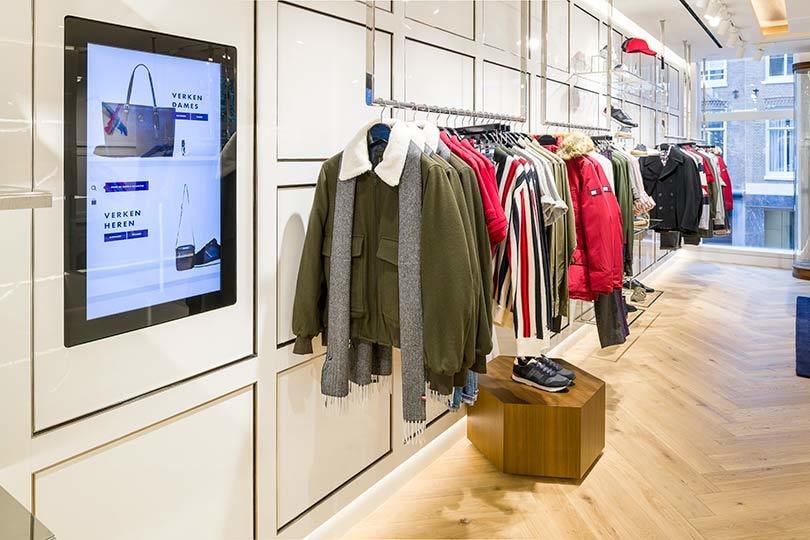
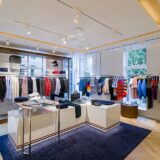
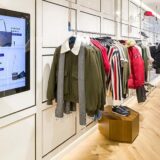
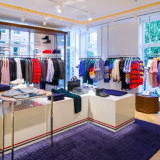
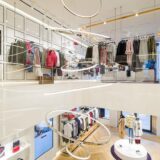
    A new generation Tommy Hilfiger store of the future has opened in Amsterdam. The store emerges from the firm’s evolving omnichannel strategy and features floor-to-ceiling interactive mirrors, personalised embroidery stations and a cafe with digital screens built into the tables. The more than 300sqm interior has been described in a CPP Luxury report as boasting “modern finishes and a bright, airy aesthetic, taking cue from the nautical lifestyle – one of Tommy Hilfiger’s long standing sources of inspiration.

    Tommy Hilfiger CEO Daniel Grieder said: “You can’t just expect shoppers to come into the store when you do nothing, you have to excite them. You have to give customers a reason to come into the store.”

    View the gallery below (7 images) :

    The Tommy Hilfiger store of the future features large monitor screens which serve as “digital endless aisles” that allow customers to browse the brand’s complete online catalogue, facilitating home-delivered or store-delivered orders. Customers can also identify items from different looks featured online.

    Store manager Mark commented: “It’s about bridging that gap between online and offline, and making the shopping experience as easy as possible … People still want to be able to feel the material and see the products in person. That’s always important, so where we can we always want to encourage customers to come into the store.

    “For example with suits, we’ll offer an appointment for the customer to come in and try it on. We’ll make sure the dressing room is prepared for them with fitting shoes and a shirt. So for us it’s really about taking that extra step and building on the customer relationship.”

  • Pop-up store Nature Republic opened in Italy

    Pop-up store Nature Republic opened in Italy

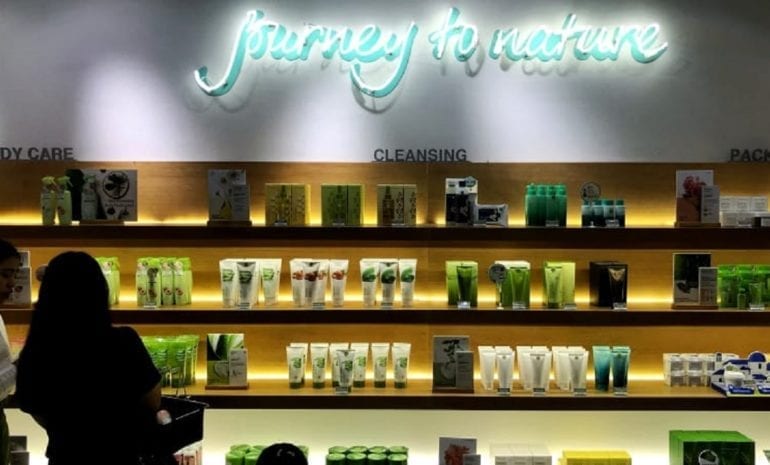
    South Korean cosmetics firm Nature Republic has opened four pop-up stores in Italy. The brand’s entry into the Italian market has seen the pop-ups emerge within Italy’s Coin department stores in Rome, Milan, Torino and Bari. Heritage brand Coin is the largest department store chain in the country in terms of outlets, and focuses on apparel, beauty and home decoration products.

    Nature Republic will leverage its foray into Italy as a launch pad for further expansion throughout Europe, where enthusiasm for Korean beauty products is growing. It has been registering its cosmetics products in the territory for the past two years.

    The firm now operates in 19 countries worldwide. The Italian cosmetics market brings in roughly €10 billion (US$11.4 billion) in annual revenues.

  • Order now, deliver later by GU fashion

    Order now, deliver later by GU fashion

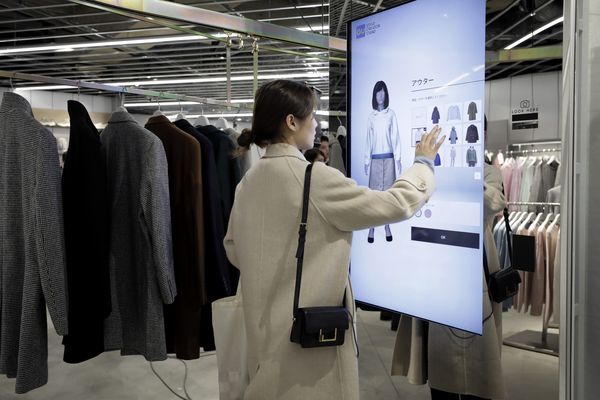
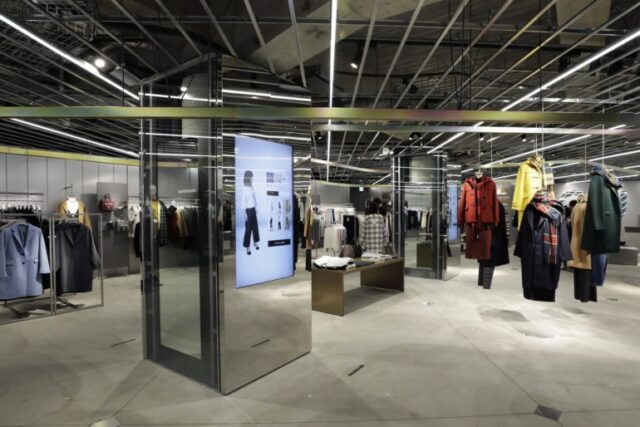
    A brand-new store opened last week in Tokyo’s Harajuku fashion district but it has a twist: shoppers are meant to walk away empty-handed. The GU Style Studio store, opened by Asia’s largest clothier and Uniqlo operator Fast Retailing Co., is for customers to try apparel and place orders online for later delivery.

    They can also try out extra services, such as playing with clothing combinations on a virtual mannequin and creating a digital avatar.

    Although the notion of showcase shopping has been around for a while, and remains somewhat popular in Europe, such stores have usually been reserved for electronics, household items and knick-knacks.

    Seldom has the idea been ported over to the clothing sector. But, as the rise of e-commercethreatens to upend the global retail industry, apparel makers are experimenting with new ways of selling clothes.

    “Among large specialty chain retailers, Fast Retailing has one of the most developed digital strategies,” said Dairo Murata, an analyst at JP Morgan Securities. “They are doing it all in-house, and it allows them to be more competitive.”

    The line separating online and offline storefronts is becoming blurrier as e-commerce moves into physical locations and brick-and-mortar retailers shift online.

    That’s resulted in new shopping experiences such as Amazon’s Prime Wardrobe, which sends boxes of clothing to customers to try on, letting them send back what they don’t like.

    GU isn’t the first to open a try-on store; Inditex SA’s Zara also temporarily opened a look-and-buy outlet in Tokyo’s Roppongi district this year.

    GU has steadily grown into a key pillar of Fast Retailing’s business, accounting for about 10 percent of revenue in the latest fiscal year. It has almost 400 stores across Asia, mainly in Japan, Taiwan and mainland China, and is known for being more affordable and more fashion forward than its bigger sibling, Uniqlo.

    The GU brand has also historically been more experimental with technology, being the first in Fast Retailing’s portfolio to introduce RFID tags and self-checkout.

    In 2017, a futuristic digital store popped up in the city of Yokohama with screens on shopping carts recommending various clothing combinations as people walked through the store.

    JP Morgan’s Murata said GU’s new Harajuku outlet could be a template for rolling out smaller shops in cities that don’t have space to store inventory. He said it could be applied to Uniqlo as well. But Osamu Yunoki, GU’s chief executive officer, said the company hasn’t decided whether to adopt the concept for Fast Retailing’s other brands, or other conventional GU stores carrying inventory.

    Shoppers at the new GU store can scan QR codes attached to clothes to bring up purchase links on their phones, and are also encouraged to test clothing combinations on a virtual mannequin on a separate app. Cameras placed in the store capture can also be used to create a virtual avatar of shoppers, although the resemblance was unconvincing.

    The store is able to collect and use data on how customers are shopping, such as what items customers are scanning into their phone, which clothing they try on and whether they purchase it or not. That could serve an important function for Fast Retailing’s efforts to automate its entire supply chain.

    “That kind of data from customers can be connected immediately to product development and manufacturing plans,” Yunoki said.

    At the same time, he said, the company is trying to offer something new for shoppers.

    “We’re fusing the in-store experience and e-commerce to offer a fun and convenient experience,” Yunoki said. “Harajuku isn’t just for shopping, it’s also a place where fashion is created. We’d like to use our customer’s creations as a stimulus for developing new types of fashion.”

  • Bottega Veneta opens Tokyo flagship store

    Bottega Veneta opens Tokyo flagship store

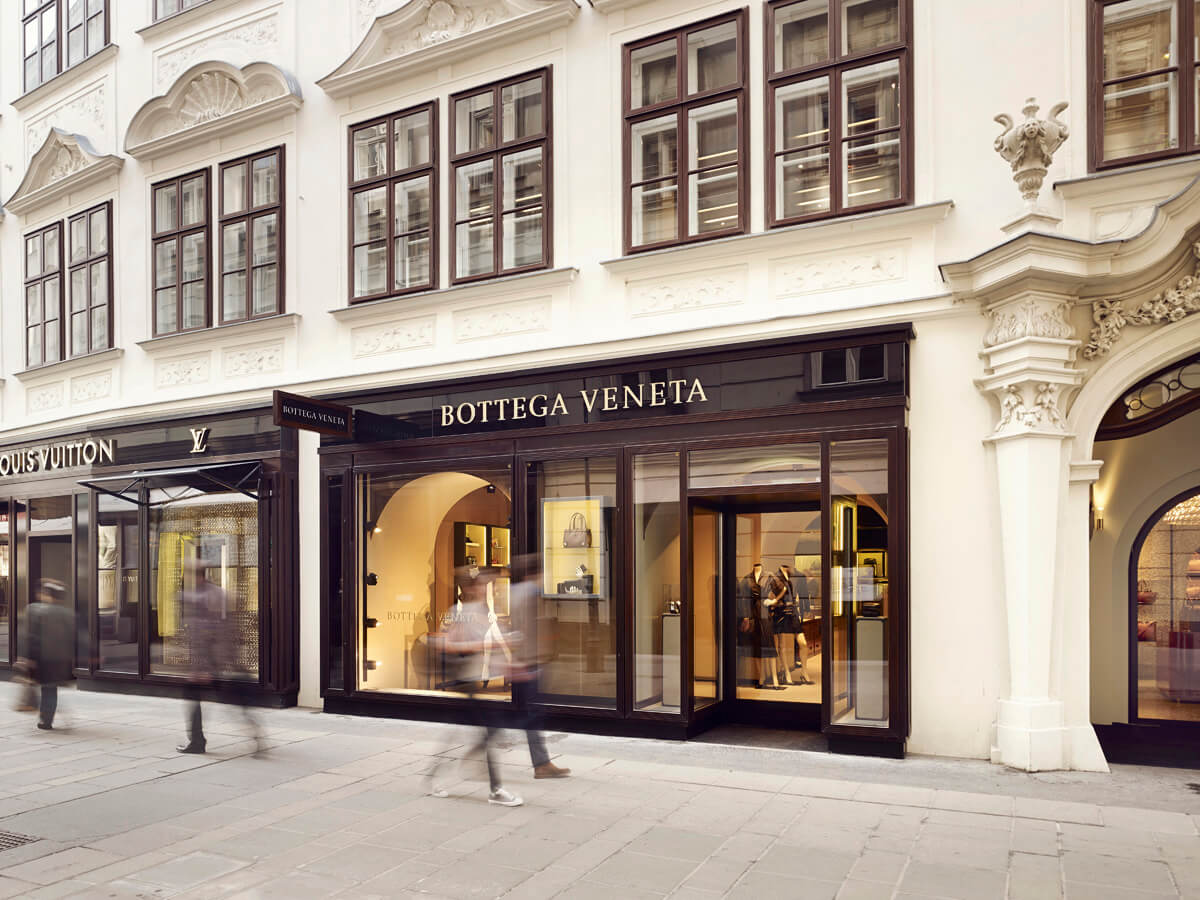
    High-end Italian label Bottega Veneta is launching a new flagship in Tokyo this Saturday. The six-storey store at Ginza Chuo-Ku is the brand’s largest in the Asia region, and features men’s and women’s ready-to-wear, leather goods, handbags, eyewear, footwear, fragrances, jewellery and home decor.

    The store’s facade is composed of more than 900 metal panels similar to a motif featured on the brand’s handbag range, while the understated interior design matches Bottega Veneta’s furniture aesthetic.

    The label’s GM Claus-Dietrich Lahrs said in a statement that the Japanese clientele is important and extremely loyal – adding that Japan is one of the world’s leading markets for Bottega Veneta.

  • Heron Preston makes debut in Hong Kong

    Heron Preston makes debut in Hong Kong

    U.S. brand Heron Preston which, as Vogue defines it, finds the interface of luxury and streetwear has arrived in Hong Kong. The New York-based designer announced on Instagram that his Hong Kong debut also served as Heron Preston’s first-ever storefront anywhere.

    “I can’t believe I started hand printing t-shirts in San Francisco and now I’m here. I want to thank my amazing team for the love and support!” he said.

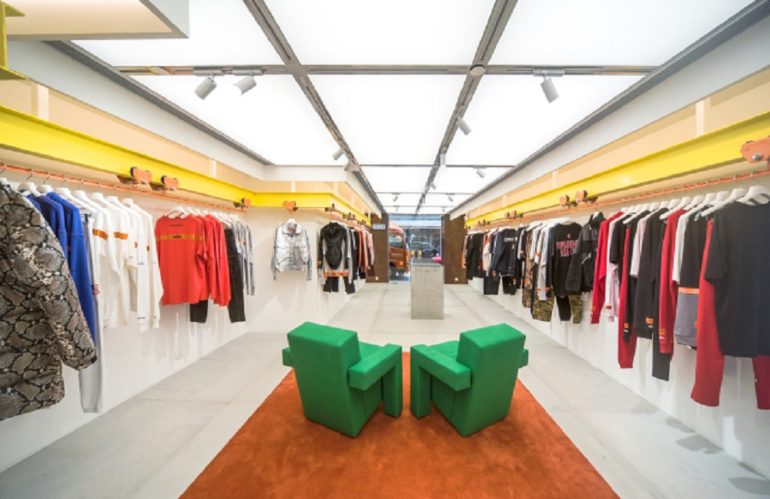
    Located on Paterson Street, Fashion Walk, in the city’s Causeway Bay area, the new Heron Preston store was designed by the contemporary designer too.

    Inside, Hong Kong shoppers are greeted by industrial interior fixtures such as steel shelving, painted wooden crates and licks of safety orange throughout.

    An emerald green chair is set up in the centre of the shop next to the concrete sales counter. The light is bright and remainder of the store minimal in design, allowing the Heron Preston collections to speak.

    Offering a full selection of the designer’s wares, clothes are displayed hanging from the racks, with accessories kept under the glass shelf of a table and hosted on shelves.

    Marking the store opening, Heron Preston has teamed up with fellow American and sportswear heavyweight Nike for a limited edition eyewear collection.

    Dubbed “Nike Tailwind HP Sunglasses”, the glasses are lightweight and wrap-around style, the frames mimicking the brand’s innovative rubber ventilation. The collection comes with interchangeable lenses too.

    A standout piece is the Nike MAX Optics glass, which comes with an anti-fog Flying Lens setting.

    The collection dropped worldwide November 29 and is available at Nike store and Heron Preston sales points.

  • Remodeled M&M’S World Shanghai reopened

    Remodeled M&M’S World Shanghai reopened

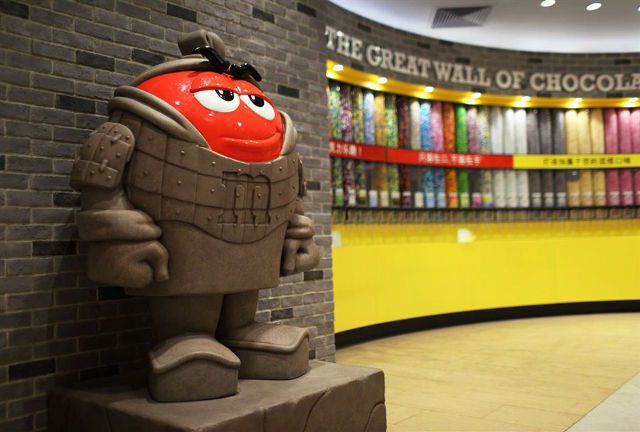
    M&Ms World Shanghai reopened yesterday in Shanghai Shimao International Plaza. The newly remodeled 1600sqm interactive store, which offers an immersive, personalised experience with the M&M brand to residents and tourists, remains the only one based in Asia.

    The store is part of the global M&Ms retail business, which includes My M&Ms’ e-commerce sites and a B2B channel in the US and Europe.

    The M&Ms World Shanghai experience store features a “Great Wall of Chocolate” made out of more than 1 million M&Ms, a personalised printer, and a device that scans customers to create a personalised M&Ms avatar. It also features an improved checkout experience that allows mobile payment options from Alipay, WeChat and Apple Pay.