Tag: Store

  • Forever 21 revamps Mall of India store with an international twist

    Forever 21 revamps Mall of India store with an international twist

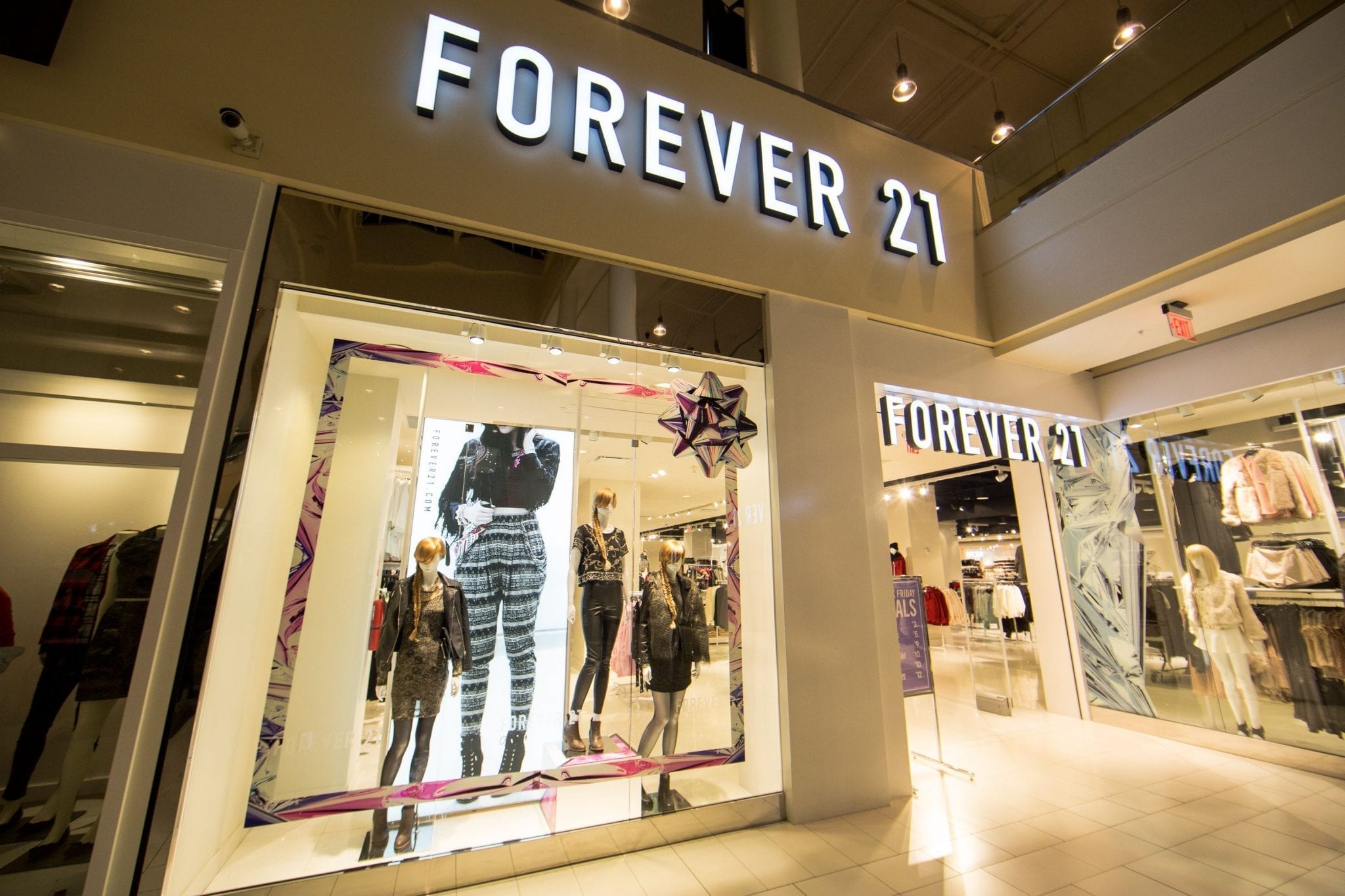
    Forever 21, the most loved international fast fashion destination from Los Angeles, California, and part of Aditya Birla Fashion and Retail Ltd. will be re-opening the store at Mall Of India on November 2, 2018. The refreshing new look gives the shoppers an unforgettable experience bringing classic, international designs with fresh and chic merchandise which effortlessly reflects the brand’s promise of an fulfilling shopping experience.

    The revamped store is best identified as ultra-modern, which houses fresh styles straight off the streets and fashion districts of LA.

    Customers can get their hands on the latest global, contemporary and chic designs loved by all under one roof. The new collection comprises of trendy party wear outfits, laid-back street wear styles, sophisticated contemporary outfits and edgy athleisure wear. They can step up their style quotient with a wide range of international footwear designs, which include – boots, slip-ons, sandals and much more.

  • Brioni opened second store in HK

    Brioni opened second store in HK

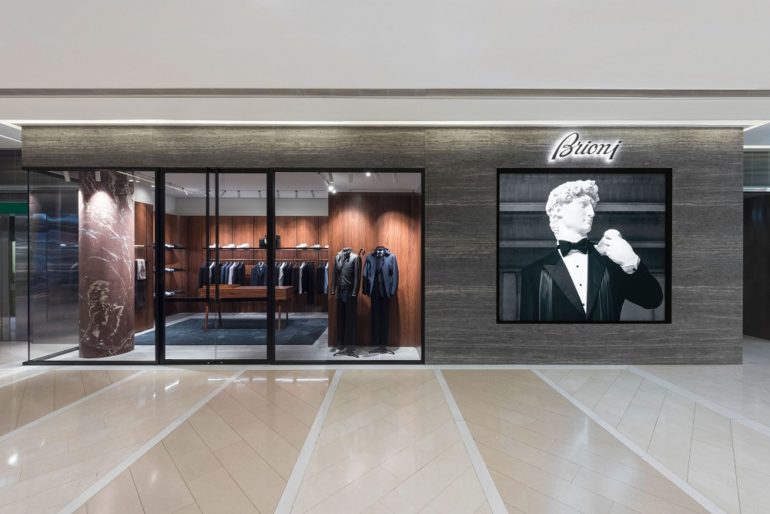
    The Italian brand announced the opening of its second store in Hong Kong. The store is located on level two of the IFC mall at the Central Waterfront. The store interior pays tribute to the brand’s city of origin, Rome, by using Travertine marble. A coloured Italian marble column decorates the store’s entrance and rosewood panels are a reference to a men’s private space.

    The store has dedicated areas for Brioni’s formalwear, leisurewear and accessories.

    To celebrate the opening, Brioni has opened a pop-up exhibition in the oval atrium at the mall. Featuring a 5.5m replica of Michelangelo’s David dressed in a tuxedo, the ‘Masterful Tailoring Meets a Masterpiece’ installation required almost 100 hours of work by a team of specialists led by the brand’s chief master tailor.

    Whilst the bespoke service is a cornerstone of the menswear company’s identity, it also sells ready-to-wear, leather goods, shoes, eyewear and fragrance.

    Brioni’s first store in Hong Kong is located at the Element shopping centre in Kowloon.

  • Foot Locker Is Opening First Outlet In Malaysia

    Foot Locker Is Opening First Outlet In Malaysia

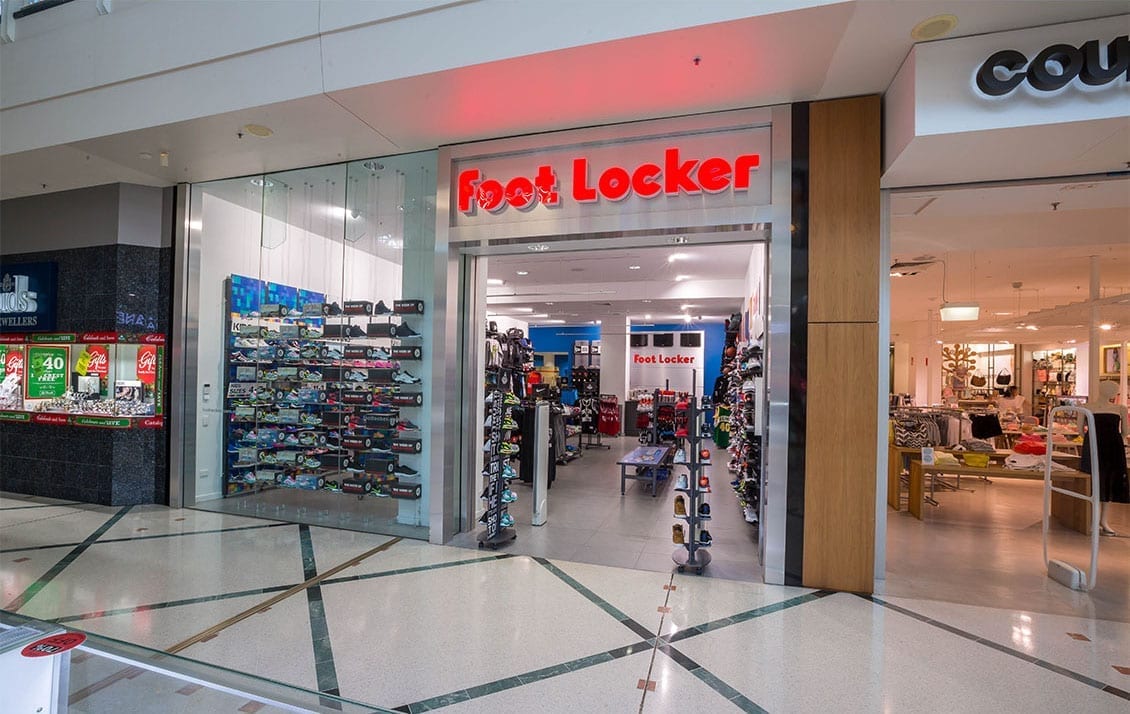
    Foot Locker Malaysia is set to open its first store. The American brand’s market-debuting outlet at 1 Utama will stock some exclusive items and collections and is also a regular collaborator with top sneaker brands. It is expected to start trading later this month.

    The Footlocker Malaysia move is part of a broader strategy to open in 40 new global locations. It has recently launched in Singapore and Hong Kong.

    The store’s location is currently under renovation and will open in the mall’s old wing on the ground floor.

  • Shake Shack lands in Singapore

    Shake Shack lands in Singapore

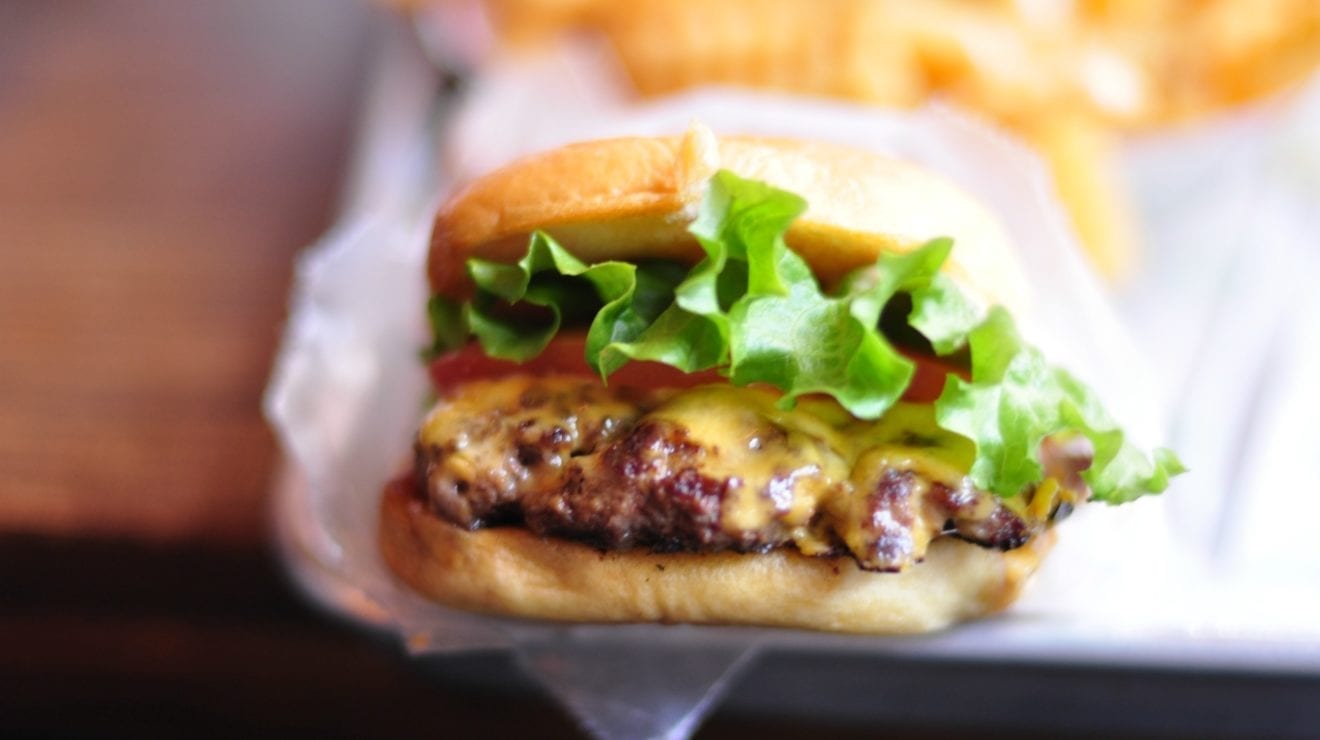
    American fast-food restaurant Shake Shack is landing in Singapore. The New York burger chain is opening up a location in Singapore’s awaited Jewel Changi Airport mall. In partnership with SPC Group, the South Korea-based restaurant distributor, Shake Shack said the firm took its time to discover the ideal location for the Madison Square Park-founded chain.

    “For years we’ve been looking for the right opportunity to enter the Singaporean market given its regional importance, and we’re thrilled to have found the right strategic partner and an ideal launch location,” said Michael Kark, Shake Shack’s vice-president of global licensing

    “Our flagship site will be in the stunning Jewel Changi Airport, home to more than 2,000 trees, harkening back to Shake Shack’s birthplace in NYC’s Madison Square Park.”

    To facilitate the market entry, Shake Shack said it also plans to work with local purveyors and producers to create unique offerings for the Singapore community. Shake Shack is no stranger to Asia.

    The company first entered the region in 2015 in Tokyo’s Gaien Park, before opening 10 outlets in Japan and seven in South Korea.

    In 2017, the firm opened a Hong Kong flagship.

    Shake Shack, in conjunction with SPC Group, intends to open a second location in Hong Kong planned for Pacific Place closer to 2019, as well as stores in Shanghai and Manila next year.

    Jewel, a new joint venture between Changi Airport Group and CapitaLand, houses over 280 shops across seven storeys from Basement 2 to Level 5.

    As well as Shake Shack, the retail space will also see the arrival of American fast food chain A&W, which left the Singaporean market a decade ago. The commercial development is slated to open March 2019.

  • Goldwin to open first own-brand store

    Goldwin to open first own-brand store

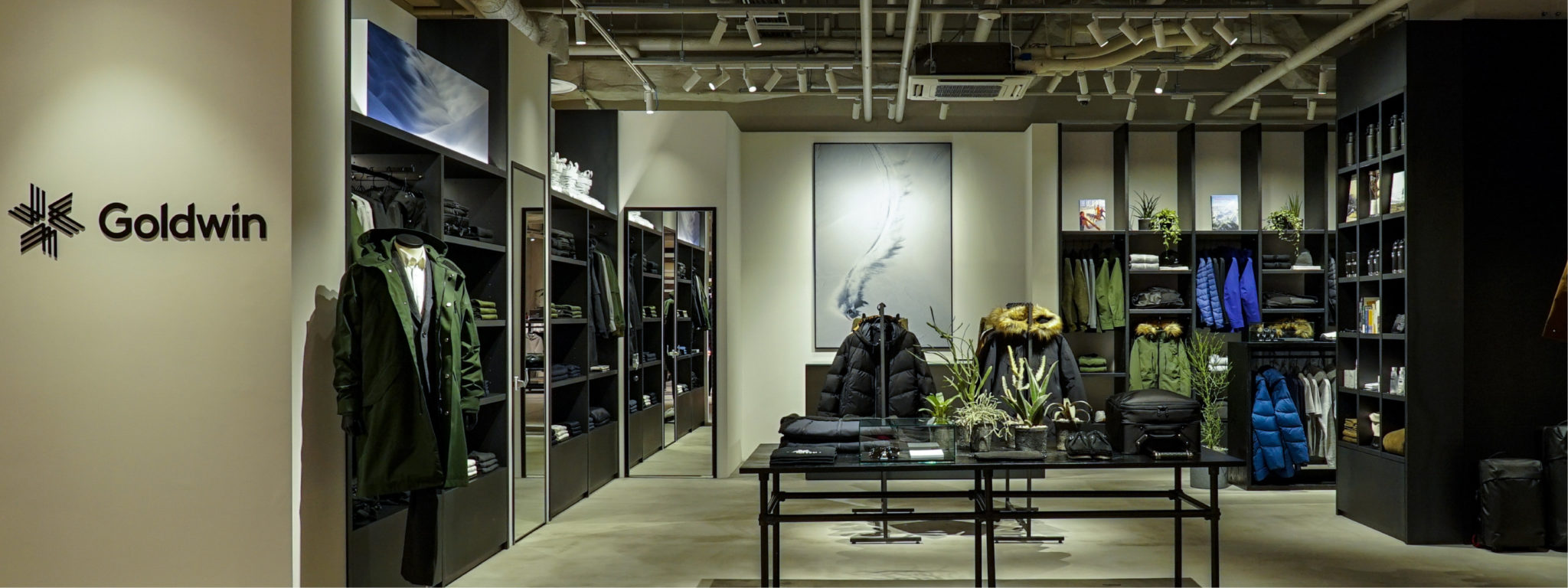
    Japanese outdoor apparel retailer Goldwin is set to open its first independent flagship store in Tokyo. The Marunouchi business district launch, scheduled for November 8, will introduce the brand’s new selection of high-performance sportswear, lifestyle and ski apparel. Highlighted will be two of Goldwin’s best-selling products, the Arris Jacket and the Hooded Spur Gore-Tex Down Coat.

    A Goldwin press release stated that the flagship will allow the firm “to expand its vision and introduce new values, creating a platform where sports and lifestyle merge”.

    Goldwin’s products have previously been made available at The North Face retail stores in Japan and other specialty stores worldwide.

    The company intends to follow this launch with more flagships to open in international locations.

  • Xiaomi is coming to UK

    Xiaomi is coming to UK

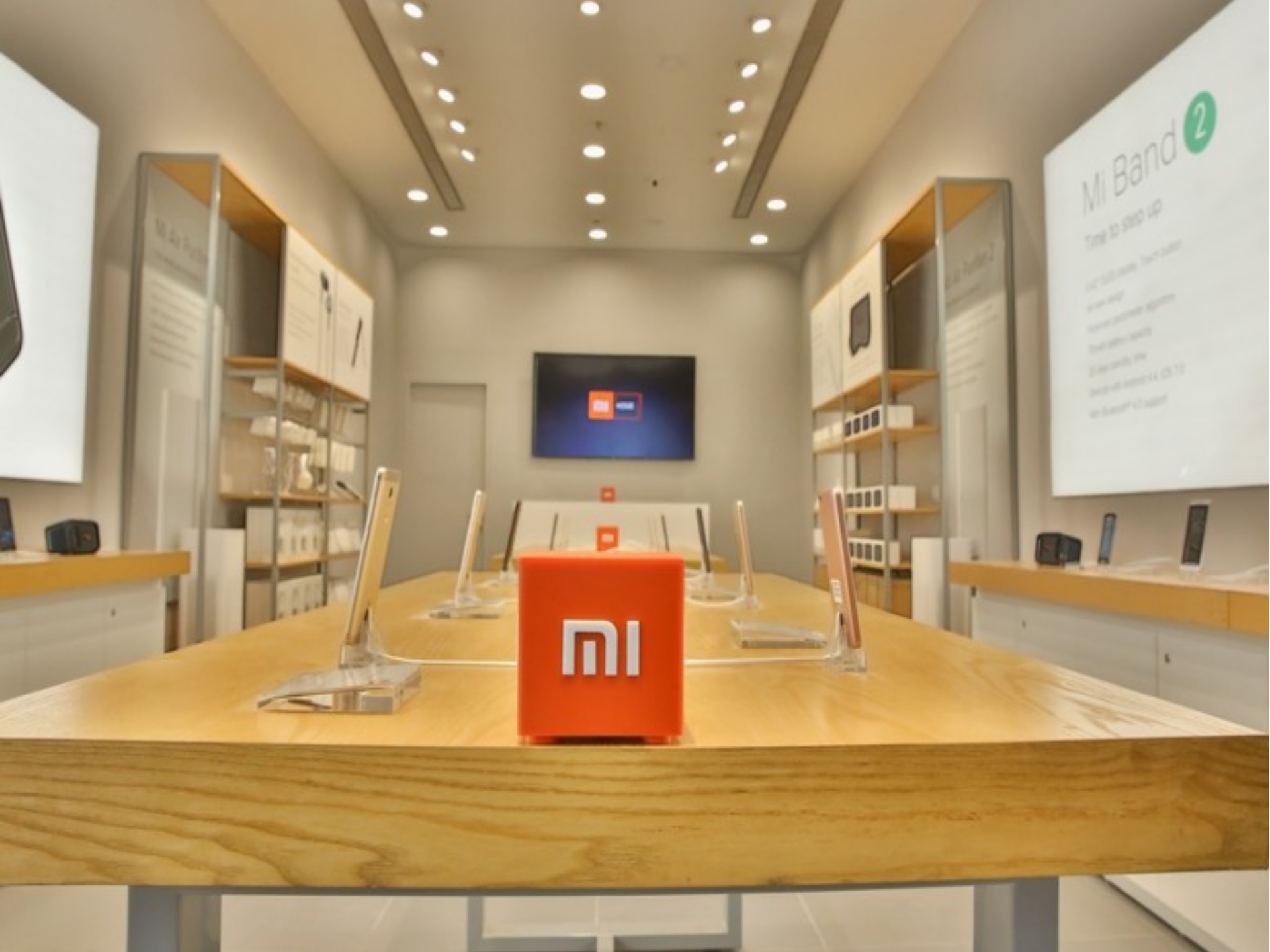
    Xiaomi will open its first store in the UK next week. The fast-growing Chinese electronics company will also sell its smartphones through the Three network, giving the brand exposure in hundreds of stores across the UK and in the Republic of Ireland.

    The Xiaomi UK launch follows openings in Spain and Paris as it joins other major global phone brands fighting for European market share.

    The first store, to be located in Westfield London, will open on November 10 and besides smartphones, will sell consumer electronics and accessories.

    In a Tweet, Xiaomi global spokesperson Donovan Sung wrote: “Excited to announce that Xiaomi will be officially entering the UK. See you all in London!”

    Just eight years after its launch, Xiaomi is now sold in 80 countries and boasts 200 million users. Already the fourth-largest smartphone brand in the world, behind Samsung, Huawei and Apple, Xiaomi sold 28.5 million handsets in the first quarter of this year.

  • Pandora opens fifth concept store at New Delhi Terminal 1D

    Pandora opens fifth concept store at New Delhi Terminal 1D

    Pandora has recently opened its fifth store at New Delhi Terminal 1D. This will be the third store opening in 2018 for Pandora. The brand launched its first store at DLF Mall of India, Noida in April 2017, followed by Select Citywalk in September 2017, DLF Promenade in April 2018 and Galleria Market Gurgaon in June 2018.

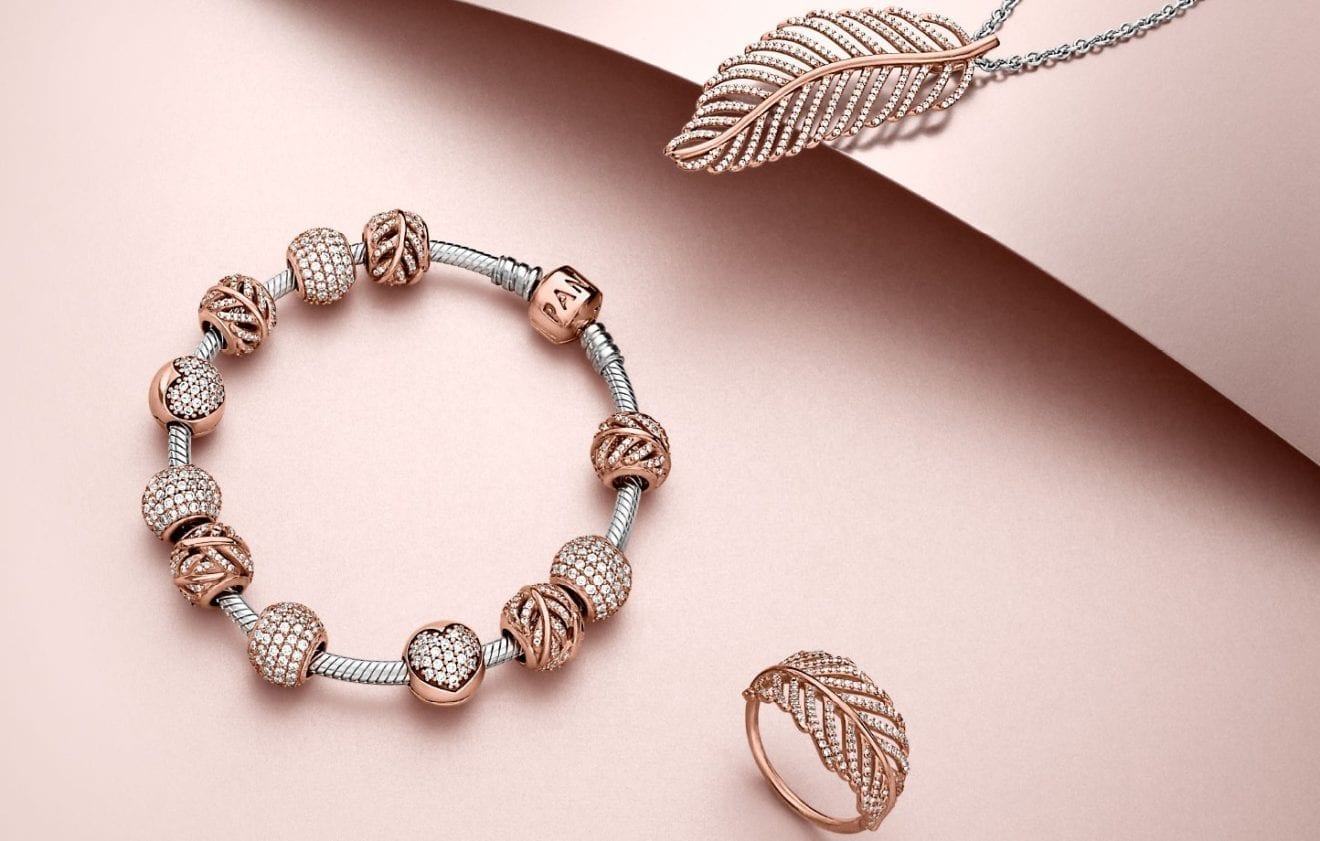
    The contemporary and aesthetically designed concept store is located on the ground floor of the domestic airport in the departure holding area of Terminal 1D, New Delhi. The new store carries the entire Pandora jewellery collection available worldwide, including the moments collection, the essence collection, Pandora Rose collection; the all-new 18k gold plated sterling silver-Pandora shine collection.

    Pandora has always encouraged women to empower themselves by celebrating their achievements. These collections are designed to capture life’s unforgettable moments at affordable prices.

    Speaking on the opening, Kanika Bakshi Talwar and Devika Bakshi, Managing Director, say, “We are proud to enter a different format of a concept store, our first in any airport in the country. This store will cater to a large variety of domestic shoppers outside of Delhi NCR and spread the excitement across various cities. Accessibility to our products would be easier now for travelers and we hope to expand further and provide an opportunity for all Indian consumers to acquire their Pandora products in the near future.”

    The Terminal 1D store is a medium size concept store, with all collections available in-store, and is aesthetically designed to give customers ample browsing space to make their shopping experience very comfortable in-transit.

  • Shibuya Apple store reopens after a year of renovation

    Shibuya Apple store reopens after a year of renovation

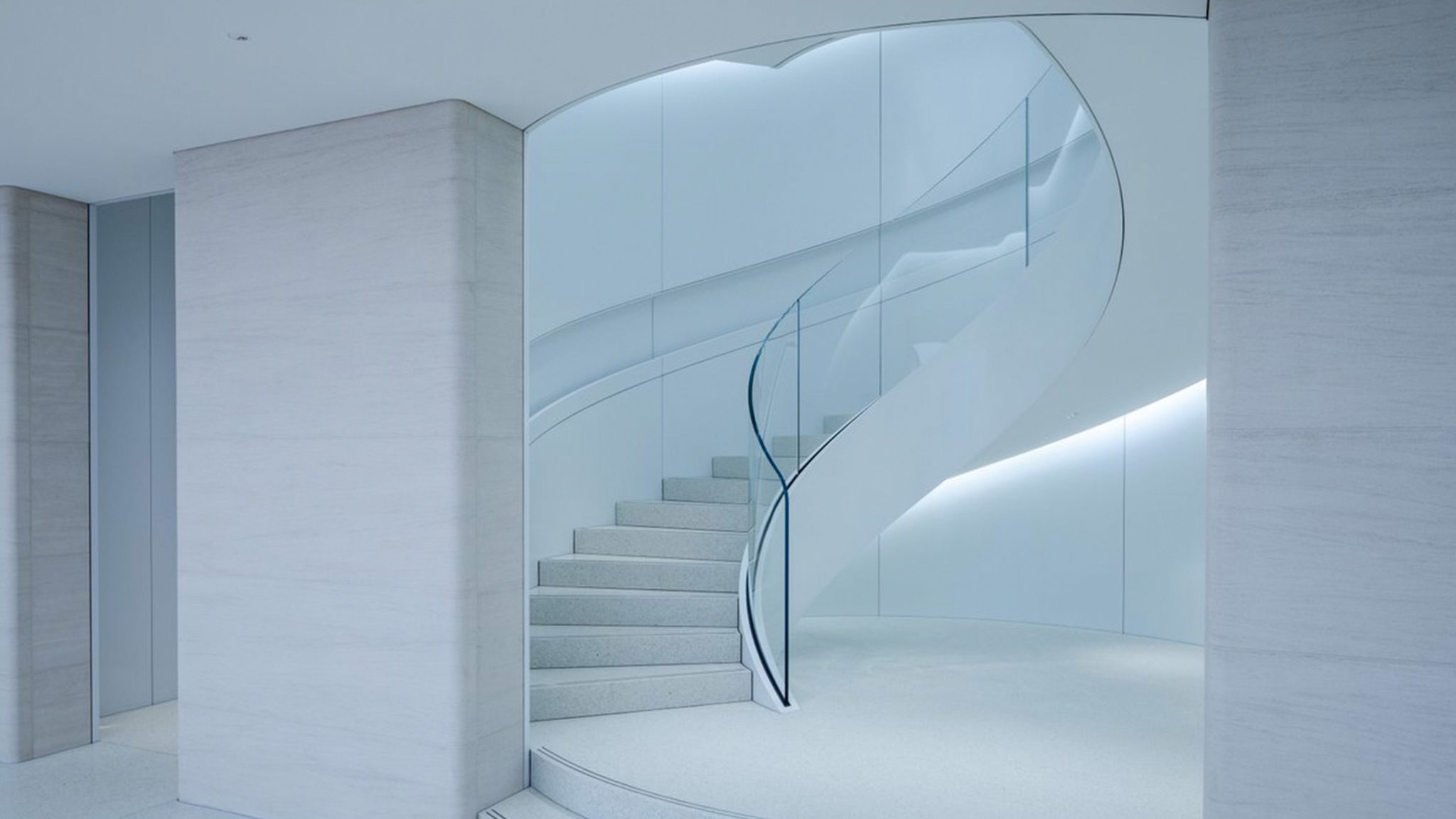
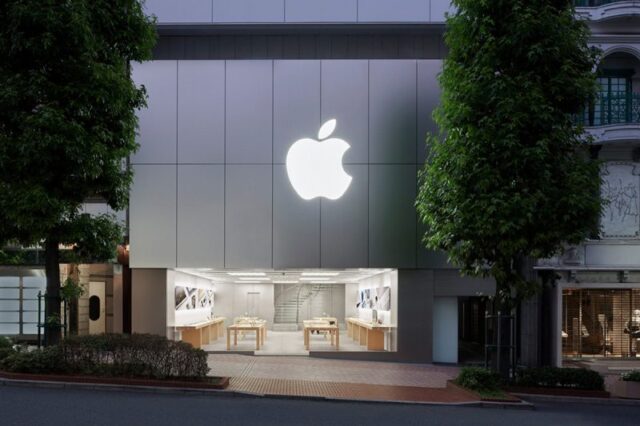
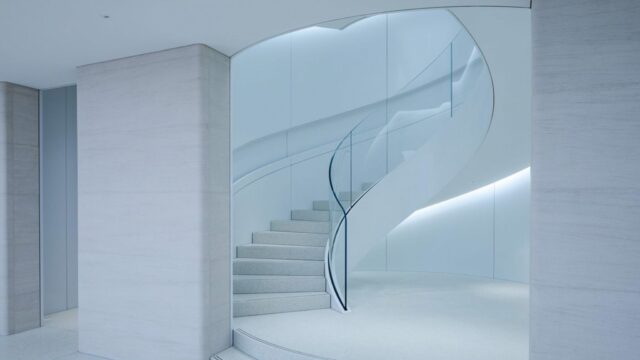
    The Shibuya Apple store in Tokyo has reopened today with striking modern styling, coinciding with the release of the iPhone XR. The new four-storey design features dramatic natural lighting and a new spiral staircase, described as “stunning” by local media. The store, which reserves substantial space for back-of-house activities, took 11 months to transform, during which time two further stores were opened in Japan.

    The original Shibuya store, which opened in 2005 as the fourth in Japan, was also well-known for its distinctive spiral staircase, reflective of Apple’s retail aesthetics at the time. The new design is closer in look to that of the Steve Jobs Theatre.

    Comparing the original design with the revamp offers a unique perspective into Apple’s evolving retail architecture. The earlier version of the store, optimised for the iPad era, has been enlarged vertically rather than relocated to more expansive premises, indicating the importance to Apple of the location over the venue’s suitability for the brand’s contemporary retail features such as its video wall, which is conspicuously absent in Shibuya.

  • Kataoka’s First U.S. Store Opened

    Kataoka’s First U.S. Store Opened

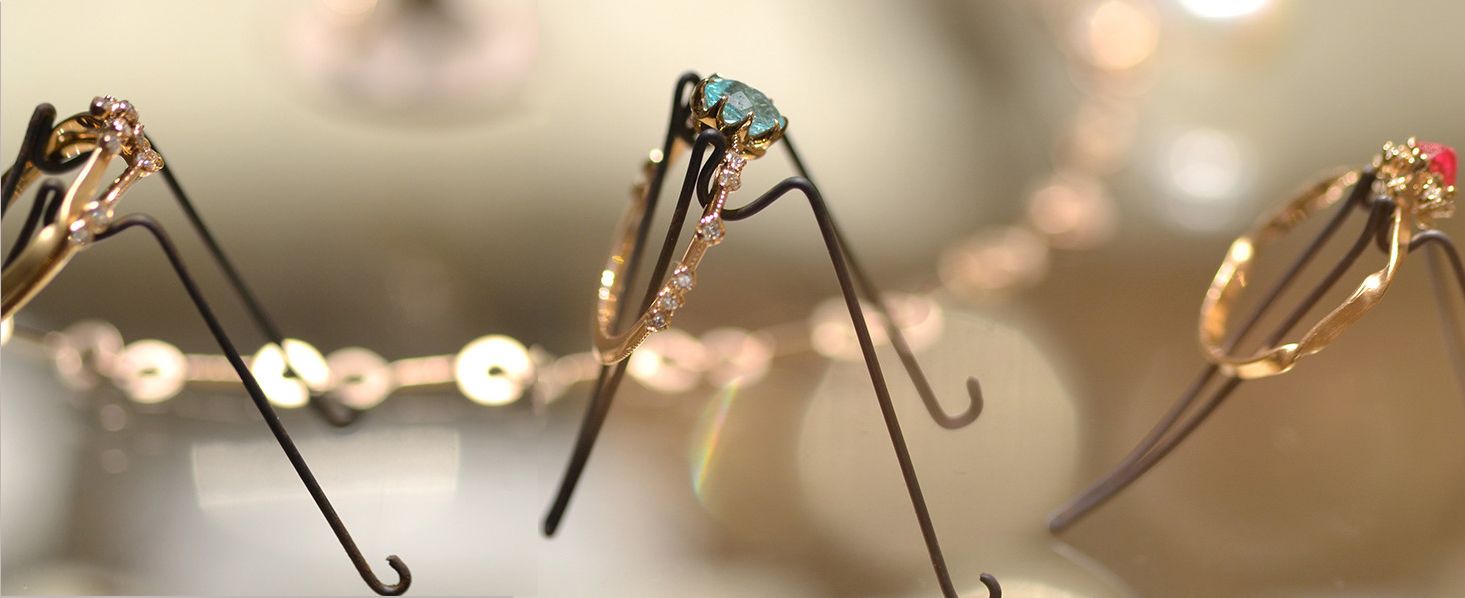
    Japanese jeweller Kataoka has opened its first store in the US. In stark contrast with the firm’s 700sqft shop in Tokyo, the new 1600sqft New York flagship has been located in the trendy Tribeca neighbourhood to reflect Kataoka’s brand identity with its historic look.

    The store has been distinctively designed with a blend of Japanese and Manhattan sensibilities to convey an exotic industrial context for the brand’s delicate jewellery designs, displayed in vintage Japanese casings.

    Company COO Anis Boudraa said the company founder and designer Yoshinobu Kataoka “only wanted display cases that are antique that have a beautiful patina… they really reflect the theory of Kataoka – working with something that’s old”.

    “Our designer hates fast fashion and everything that’s related to fast consumerism.”

    The firm makes its pieces using only recycled gold, which it salvages from the Japanese semiconductor industry. All pieces are hand made.

  • Fila opens its flagship heritage store in Pune India

    Fila opens its flagship heritage store in Pune India

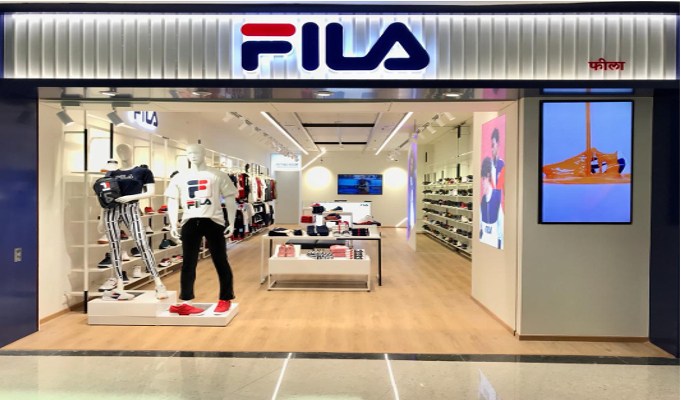
    After the success of Fila India’s flagship heritage store in Mumbai, Fila has just launched its new heritage store in Pune. Sneaking its way into the affluent neighborhood of Viman Nagar at the bustling Phoenix Market City mall Pune, the store is a 1,068 sq. ft. mecca for sneakerheads and sports fashion enthusiasts alike.

    The bold, oversized, backlit logo is configured to reveal the store’s exteriors from afar. Also reflecting its classic-meets-contemporary vibe with iconic red, white and blue colour palette, the muted store interiors serve as the ideal backdrop to showcase a show-stopping and vibrant Fila Heritage autumn/winter 2018 collection. Global campaign images are displayed around the store as a visual treat to the eyes.

    Talking about the store launch, Rohan Batra, MD of Cravatex Brands Ltd. said, “Quick on the heels of our flagship heritage store launch in Mumbai, we are excited to launch our second store in the young, vibrant city of Pune. With a dominantly cosmopolitan and fashionable student community, Pune seemed like the perfect pit stop on the road to taking on the sports fashion segment in India.”

  • Malaysia to have first Victoria’s Secret Lingerie Store

    Malaysia to have first Victoria’s Secret Lingerie Store

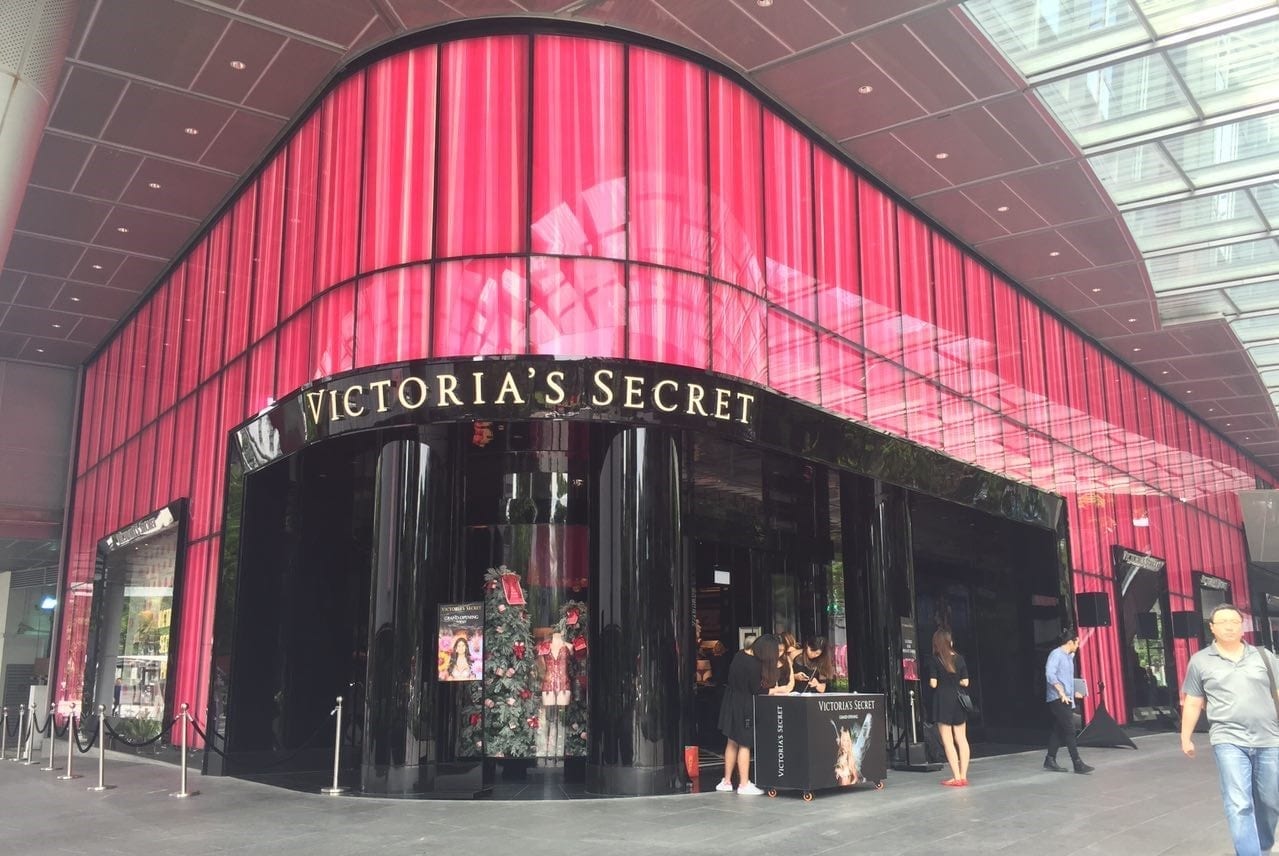
    The first full-range Victoria’s Secret Malaysia store has opened. Located in Mid Valley Megamall, the boutique has been launched by the US brand’s regional partner Valiram Group, which is also behind Victoria’s Secret stores in Macau, Bali and Singapore, (but not Hong Kong and Mainland China). It is reportedly planning more stores in Jakarta, Bangkok and Melbourne, Australia.

    The Kuala Lumpur store takes up 8233sqft, and has dedicated space for diffusion lines Pink and Victoria Sport, as well as the beauty products and perfume ranges stocked in earlier Victoria’s Secret stores in Malaysia.

    Many celebrities attended a formal opening earlier this month and social media key influencers including Joi Lynn have been photographed at the store.

  • New Look to no longer selling in China

    New Look to no longer selling in China

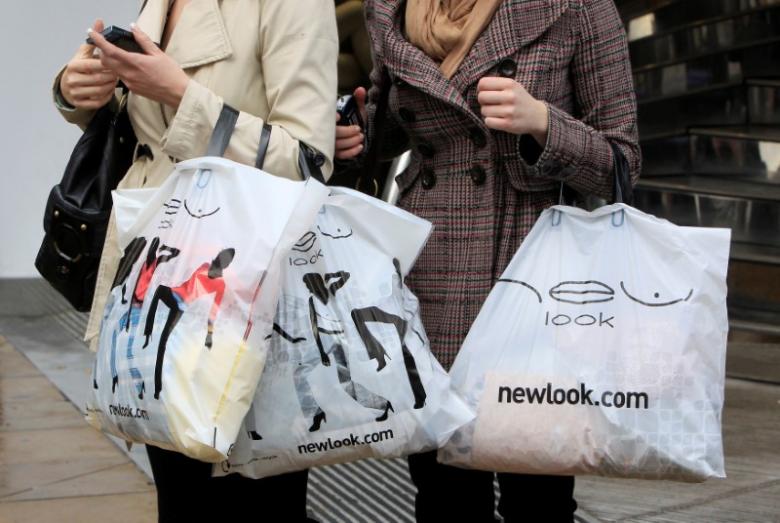
    Embattled UK fashion retailer New Look is to quite China, closing some 130 remaining stores. The move follows a strategic review of the China business announced back in June, when the company put the brakes on an ambitious 450-store rollout plan after opening just 148.

    New Look has appointed property specialist CBRE to find new tenants for the 130 remaining stores in the country.

    In March, South African-owned New Look signed a Company Voluntary Arrangement with its creditors and landlords in the UK allowing 60 stores there to be closed. Chairman Alistair McGeorge at the time cast doubt on the future of the China plans announced by former CEO Anders Kristiansen.

    New Look’s China exit comes two months after rival chain Topshop terminated a franchise agreement with local partner Shangpin “by mutual agreement”.

  • Clarks Shoes new store design showcased in Singapore store

    Clarks Shoes new store design showcased in Singapore store

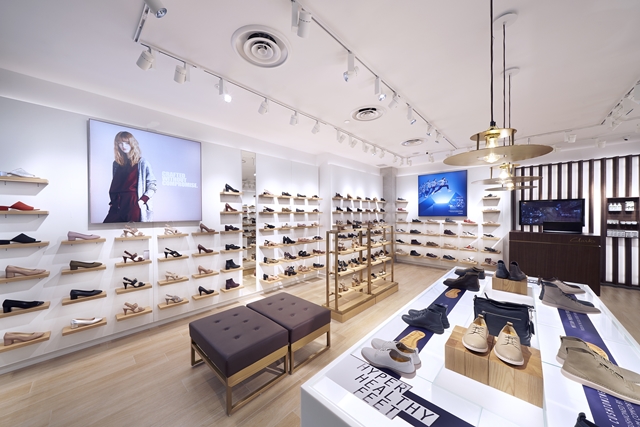
    Singapore’s first Clarks Pure concept store opened its doors today, described as “a classic, understated and uncluttered retail space which reflects the brand’s history and modern spirit”. The new Clarks Singapore store is located in the Ion Orchard shopping centre. It is the first Pure store to be opened by the footwear brand in Southeast Asia and follows successful launches in Manchester and Glasgow, in the UK.

    Guillaume Nagy, president SEA & Oceania, at Clarks, said the store is designed to breath a new personality into the brand. It will be rolled out in other Southeast Asian markets during coming months.

    “We want to offer this elevated brand experience with the Pure store design,” said Nagy. “Singapore has an incredibly dynamic retail environment and we know the extension of Pure to Ion Orchard will be well received by existing and potential consumers. It is the first retail initial initiative of many to be implemented in the city state, turning Singapore into our flagship market and a centre of excellence for the region”

    Nagy said the focus of the store design was to make the shoe the star and to tell immersive stories that resonate with consumers.

    “Pure helps us achieve both in a way that is authentic to Clarks.”

    The new Clarks Singapore store features classic leather buttonback seats on birch floors and soothing neutral colours. It uses natural materials such as oak and timber to build on the themes of simplicity and honesty.

    Light boxes and opal resin podiums create a gallery-like display space for the collections. Brand and campaign imagery are displayed within the store for enhanced storytelling, while large-scale lightboxes draw consumers in and communicate key brand messages.

    The concept was designed by Stiff & Trevillion, whose spokesperson said Pure was chosen as the concept because it links to honesty.

    “Clarks uses honest design and materials in its shoes and we wanted the store design to reflect that through the use of natural materials and truthful lighting.”

  • Uniqlo plan to double its store in SEA

    Uniqlo plan to double its store in SEA

    Japanese apparel giant Fast Retailing is eyeing massive expansion in Asia-Pacific.

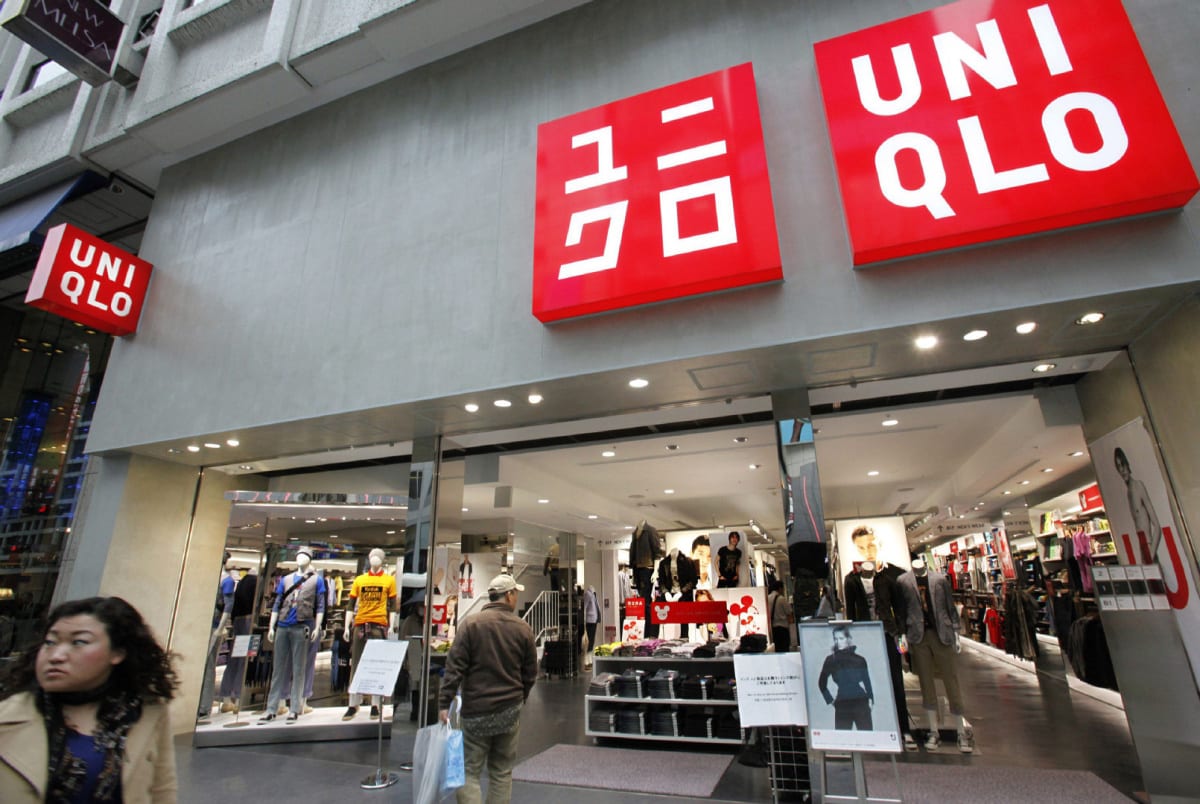
    The Uniqlo Southeast Asia and Oceania store network is set to double by 2022 to about 400 stores, Fast Retailing’s group senior VP Satoshi Hatase said in an interview.

    The company plans an emphasis on stand-alone suburban stores as it expands its Southeast Asian footprint, seeking to move beyond its traditional shopping mall locations.

    “We opened our first roadside store in Asean in Thailand in March, and it has been a huge success,” he said, adding that stand-alone stores in suburban locations were the key to Uniqlo’s original growth in Japan.

    Regionally, Uniqlo has now reached a level of recognition where “the timing is right” for suburban stores, he said.

    Fast Retailing executives in Thailand, Malaysia and the Philippines are talking with leasing agents to identify suitable sites for such stores.

    In Southeast Asian markets, middle- and high-income consumers are the ones which will fuel the Japanese company’s growth.

    “Lower-income people cannot buy Uniqlo [yet],” Hatase said. But in 10 years, “a significant number of Asean people will be able to”.

    Fast Retailing has previously said it aimed to triple its sales in the region to 300 billion yen (US$2.7 billion) in the year to the end of August 2022. Last year’s regional sales were 100 billion.

    Fast Retailing already has stores in Australia, Malaysia, Singapore, Indonesia and the Philippines. Its next target in the region is Vietnam.

    “We want to have stores in all countries [in the region],” Hatase said, especially Vietnam, Laos and Myanmar.

  • The revival for brick-and-mortar fashion retailers?

    The revival for brick-and-mortar fashion retailers?

    These are dark times for brick and mortar fashion retailers. As e-commerce grows and consumer behavior changes, the US has seen over 7,000 store closings in 2017.

    Investment bank Credit Suisse even predicts 25% of American shopping malls to close by 2022. The UK is no different, with an average of 16 high street stores closing every day last year. In this scenario, many brick and mortar retailers are finding that a couple mannequins, clothing racks and nice lighting no longer suffice to lure shoppers into coming inside, let alone to turn them into loyal customers.

    In a quest to look more attractive, a growing number of fashion retailers are drawing inspiration from art galleries, museums and magazines to plan their stores’ architecture, décor and product display.
    “By presenting goods for sale in a ‘highbrow’ setting, they increase the perceived value of products, which also creates more of an experience for the consumer”, said Petah Marian, Senior Editor of Insight at the trend forecasting company WGSN.

    However, in the fast-paced times we live in, even the most eye-popping of shops still needs to revamp itself from time to time to keep consumers interested. While museums and art galleries may be a source of inspiration, the pace in which pieces are replaced shouldn’t resemble a museum at all. A recent study revealed that online stores which constantly launch new products tend to sell more than those which are perceived by consumers as stylish. However, the latter takes longer to change their collections.

    If even e-commerce companies must speed up to not be swept away by competition, what can be said of brick and mortar retailers?

    Another report by The Future Laboratory advised stores to become “hubs of activity, with ‘rewards’ such as exclusive products, immersive experiences or lifestyle services”. Indeed, no less than 75% of Generation Z consumers prefer stores that provide a “memorable and encouraging offer”.

    This dynamism imperative might explain why the biggest cities of the world are seeing a growing number of so-called “concept stores”. Although the term is sometimes used loosely to describe retail spaces that look different than usual, it usually refers to shops which, in addition to looking “artsy”, also offer an ever-changing curated selection of products from several categories.

    It’s a smart move: ever-changing, so that consumers always feel there’s something new to discover in store. Curated, because they often find it difficult to filter all the options they come across in a world saturated by information and products. Shoppers who are overwhelmed by choice tend to look for trustworthy sources to inspire their purchases, according to trend forecaster Pernille Kok-Jensen, director at Dutch research agency Mare.

    Think of the concept store as the retail equivalent of the social media influencer. Speaking of social media, that explains why so much attention is given to product display and décor: retailers aim to look “instagrammable”. After all, today’s consumers are avid social media users and Instagram is on a quest to become an e-commerce platform.

    But perhaps the most interesting thing to be noted about this type of shop is that fashion is placed alongside other product categories which used to be sold separately, such as books, homeware and food. Some even go as far as offering workshops, concerts and other cultural activities — just like a real museum or art gallery would. “Spending on clothing in developed markets is not growing at the same rate of other categories. In some markets, it is even in decline. That means retailers need to branch out in order to maintain profitable growth”, explained Marian. Fashion is now part of a more holistic view of style.

    Concept stores’ rise in popularity can, therefore, be related to the rise of “lifestyle”. As fashion brands expand into new product categories to have customers “fully immersed into their world”, as Gucci put it when releasing its homeware line, so do stores. After all, why restrict oneself to just one product category, when one can cater to more needs and be present at all moments of customers’ lives?

    “The books we read, the clothes we wear to the skincare we use are all indicative of the lifestyle we are aspiring to create”, explains Marian.

    No wonder established apparel giants, such as the H&M Group, are jumping in the concept store bandwagon as well. In addition to expanding H&M’s product offering to include homeware, the fast fashion giant has recently launched a new brand, Arket.

    Defined by H&M itself as a “modern day market”, the store features menswear, womenswear, childrenswear, homeware, beauty products and a café. Its website even includes a recipe section. At Arket, products are displayed in a minimalistic style reminiscent of Scandinavian museums — remember H&M’s motherland is Sweden.