Tag: Store

  • First standalone Princi store in U.S. opens in Seattle

    First standalone Princi store in U.S. opens in Seattle

    Take a look at a map of Italy and you’ll find the region of Calabria at the toe of the boot, its rugged mountains jutting into a turquoise sea. Rocco Princi grew up in a small village here, surrounded by hillsides scented by wild herbs and groves of olives, figs and lemons. It was here that he discovered the art of artisanal bread-making as an apprentice at the local bakery.

    In 1986, Princi opened his eponymous boutique bakery and café in Milan at the historic Piazzale Istria. It was a feast for the senses, with crispy round loaves of sourdough bread leaning in rows, baskets of ciabatta bread alongside jars of olive oil and bins of flour. Princi uses the term ‘Spirito di Milano,’ the essence and energy of Milan, to capture the feeling from that first bakery, and infuses it into everything he creates.

    Over the next three decades Princi built a legacy, expanding to five more locations across Milan and London. In 2016, Starbucks became an investor and global licensee of the business and opened the first Princi location in the United States inside the Starbucks Reserve™ Roastery in Seattle, where his artisanal baked goods are served alongside the freshly roasted small-lot Starbucks Reserve™ coffees. Starbucks made Princi the exclusive food purveyor in its Roasteries and Starbucks Reserve store locations, and since then, new Princi bakeries have opened in the Shanghai Roastery and Starbucks Reserve store at the company’s SODO headquarters (and coming soon to future Roastery locations in Milan and New York).

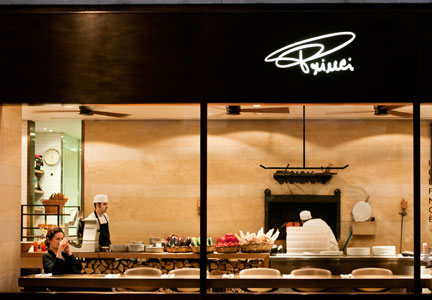
    Now, the first Princi standalone store in the United States is opening in the north end of downtown Seattle on Westlake at 9th Avenue. Starbucks store design team worked closely with Rocco Princi and his team to design the new location.

    “When you first walk into a Princi bakery, you’re suddenly hit by the energy, the theater, the smell,” said Christian Davies, Starbucks Vice President, Creative Global Design & Innovation. “Your first impression is the abundance and seduction of food. That’s what we’re trying to create with a distinctly Italian look and feel to bring that passion to life.”

    Davies and the design team took inspiration from Princi’s original Milan bakery and the nearby Starbucks Reserve Roastery, using natural materials and earth-colored stone. In every element of the space, the team tried to express Princi’s commitment to craftsmanship, from the hand-blown glass light fixtures to the hand-rubbed plaster on the walls.

    “We kept the palate neutral. The food becomes a ribbon of color and light that ties the whole space together,” Davies said.

    The oven is the centerpiece of the space, with fresh baking onsite throughout the day. A brightly-lit food case stretches along the width of the space, enough for a visual landscape of freshly baked cornetti, brioche and focaccia, pizzas and desserts. Commessas, Italian for ‘shop assistant,’ act as a guide through the journey of food.

    “We wanted to make sure every one of these elements is created with the same level of detail that Rocco puts into his food,” Davies said.

    The new store features the full Princi menu of artisanal baked goods, prepared with the highest quality ingredients sourced from Italy to Seattle, starting at breakfast with steel-cut oats with Italian jam, baked eggs in a spicy tomato sauce and cornetti sandwiches made with prosciutto cotto and fontina. At lunchtime, the menu offers soups, salads, focaccia sandwiches, pizza, and hot entrees. Afternoons expand to a wider selection of Italian cakes, tarts and other desserts. Starbucks Reserve Princi™ Blend is the signature coffee offering, along with handcrafted espresso beverages made on a manual espresso machine.

    Take a look at a map of Italy and you’ll find the region of Calabria at the toe of the boot, its rugged mountains jutting into a turquoise sea. Rocco Princi grew up in a small village here, surrounded by hillsides scented by wild herbs and groves of olives, figs and lemons. It was here that he discovered the art of artisanal bread-making as an apprentice at the local bakery.

    In 1986, Princi opened his eponymous boutique bakery and café in Milan at the historic Piazzale Istria. It was a feast for the senses, with crispy round loaves of sourdough bread leaning in rows, baskets of ciabatta bread alongside jars of olive oil and bins of flour. Princi uses the term ‘Spirito di Milano,’ the essence and energy of Milan, to capture the feeling from that first bakery, and infuses it into everything he creates.

    Over the next three decades Princi built a legacy, expanding to five more locations across Milan and London. In 2016, Starbucks became an investor and global licensee of the business and opened the first Princi location in the United States inside the Starbucks Reserve™ Roastery in Seattle, where his artisanal baked goods are served alongside the freshly roasted small-lot Starbucks Reserve™ coffees. Starbucks made Princi the exclusive food purveyor in its Roasteries and Starbucks Reserve store locations, and since then, new Princi bakeries have opened in the Shanghai Roastery and Starbucks Reserve store at the company’s SODO headquarters (and coming soon to future Roastery locations in Milan and New York).

    Now, the first Princi standalone store in the United States is opening in the north end of downtown Seattle on Westlake at 9th Avenue. Starbucks store design team worked closely with Rocco Princi and his team to design the new location.

    “When you first walk into a Princi bakery, you’re suddenly hit by the energy, the theater, the smell,” said Christian Davies, Starbucks vice president, Creative Global Design & Innovation. “Your first impression is the abundance and seduction of food. That’s what we’re trying to create with a distinctly Italian look and feel to bring that passion to life.”

    Davies and the design team took inspiration from Princi’s original Milan bakery and the nearby Starbucks Reserve Roastery, using natural materials and earth-colored stone. In every element of the space, the team tried to express Princi’s commitment to craftsmanship, from the hand-blown glass light fixtures to the hand-rubbed plaster on the walls.

    “We kept the palate neutral. The food becomes a ribbon of color and light that ties the whole space together,” Davies said.

    The oven is the centerpiece of the space, with fresh baking onsite throughout the day. A brightly-lit food case stretches along the width of the space, enough for a visual landscape of freshly baked cornetti, brioche and focaccia, pizzas and desserts. Commessas, Italian for “shop assistant,” act as a guide through the journey of food.

    “We wanted to make sure every one of these elements is created with the same level of detail that Rocco puts into his food,” Davies said.

    The new store features the full Princi menu of artisanal baked goods, prepared with the highest quality ingredients sourced from Italy to Seattle, starting at breakfast with steel-cut oats with Italian jam, baked eggs in a spicy tomato sauce and cornetti sandwiches made with prosciutto cotto and fontina. At lunchtime, the menu offers soups, salads, focaccia sandwiches, pizza, and hot entrees. Afternoons expand to a wider selection of Italian cakes, tarts and other desserts. Starbucks Reserve Princi™ Blend is the signature coffee offering, along with handcrafted espresso beverages made on a manual espresso machine.

    As the day fades in the afternoon, Bar Mixato offers traditional Italian aperitivo, including cocktails, beer, wine and spirits accompanied by complimentary small plates. Customers can relax on the patio, which will open up to a planned new city park later this year. The smell of rosemary from nearby plantings evokes the hills of southern Italy where Princi’s journey began.

    “When you go to Italy, you’ll always find people on the patio,” Davies said. “I hope customers will come here and find the spirit of Milan.”

    The standalone Princi store makes Seattle the first city in the world to offer the full suite of experiences from Starbucks Siren Retail business, dedicated to its premium Reserve™ brand, which includes a Reserve Roastery, a Reserve store, Starbucks stores with a Reserve coffee bar, and now Princi stand-alone stores. Additional standalone Princi locations are expected to open this fall in Chicago and New York.
  • Luk Fook Malaysia expands into opening of third store

    Luk Fook Malaysia expands into opening of third store

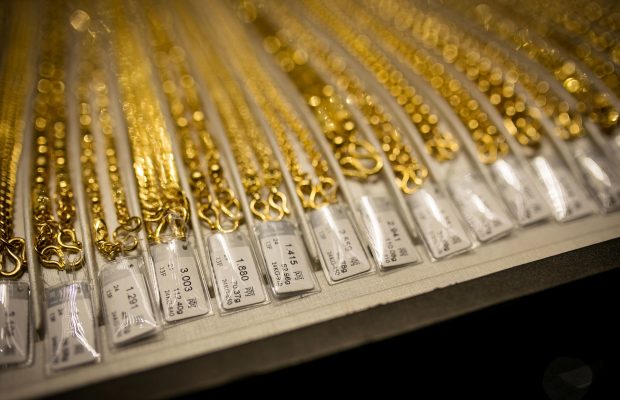
    Luk Fook Malaysia has opened its third shop, at the Genting Highlands Resort.

    The Hong Kong-based jewellery retailer expanded into Southeast Asia in 2010 and now operates 1660 locations through nine countries and regions, including greater China. The Genting Highlands shop will give the brand access to a well-established tourist market that frequents the high-altitude attraction that features casinos and theme parks.

    Luk Fook Holdings’ chairman and CEO Wong Wai Sheung said the group is dedicated to providing global customers with high-quality jewellery products, unparalleled shopping experiences, as well as caring and professional services.

    “With the drive for the Belt and Road Initiative, together with booming tourism in Southeast Asia, the group is optimistic about the prospects for the region. Following the opening of two retail shops at Pavilion Elite and Suria KLCC in Kuala Lumpur in 2016, the group has established a new retail shop at the 6000-foot highland famous casino and tourist spot – Genting Highlands of Malaysia – to further expand our retail footprint, which fulfils the corporate vision of ‘Brand of Hong Kong, Sparkling around the World’”.

    The opening ceremony was attended by multiple dignitaries and celebrities, while Rilakkuma-branded gold coins were distributed among guests.

  • Japan studies regular mandatory closings in the Retail Industry

    Japan studies regular mandatory closings in the Retail Industry

    Large-scale specialty stores such as Daiso and Ikea may be subject to mandatory closings every two weeks as the South Korean government studies the validity of such a regulation.

    Research on the appropriateness of the regulation on large-scale specialty stores will start this month, says the Korea Small Business Institute. It will examine whether the big retailers are hurting small shops, and whether the regular closures are necessary. Requested by the Ministry of SMEs and Startups, the study will determine if the regulation is necessary.

    The restriction on such large-scale specialty stores has become the thorniest issue in the retail industry. Large retail outlets such as E-mart, Home Plus and Lotte Mart are subject to restrictions on working hours following a revision of the Distribution Industry Development Act in 2012, aimed at protecting small shops. Local governments adopted ordinances based on the Act, forcing large retail outlets to close on the second and fourth Sunday of each month.

    However, critics say it is unfair as only retail outlets are subject to the regulation while shopping malls such as Shinsegae Group’s Starfield and specialty shops like Ikea were exempted.

  • Redesign looms for Bulgari Hong Kong flagship

    Redesign looms for Bulgari Hong Kong flagship

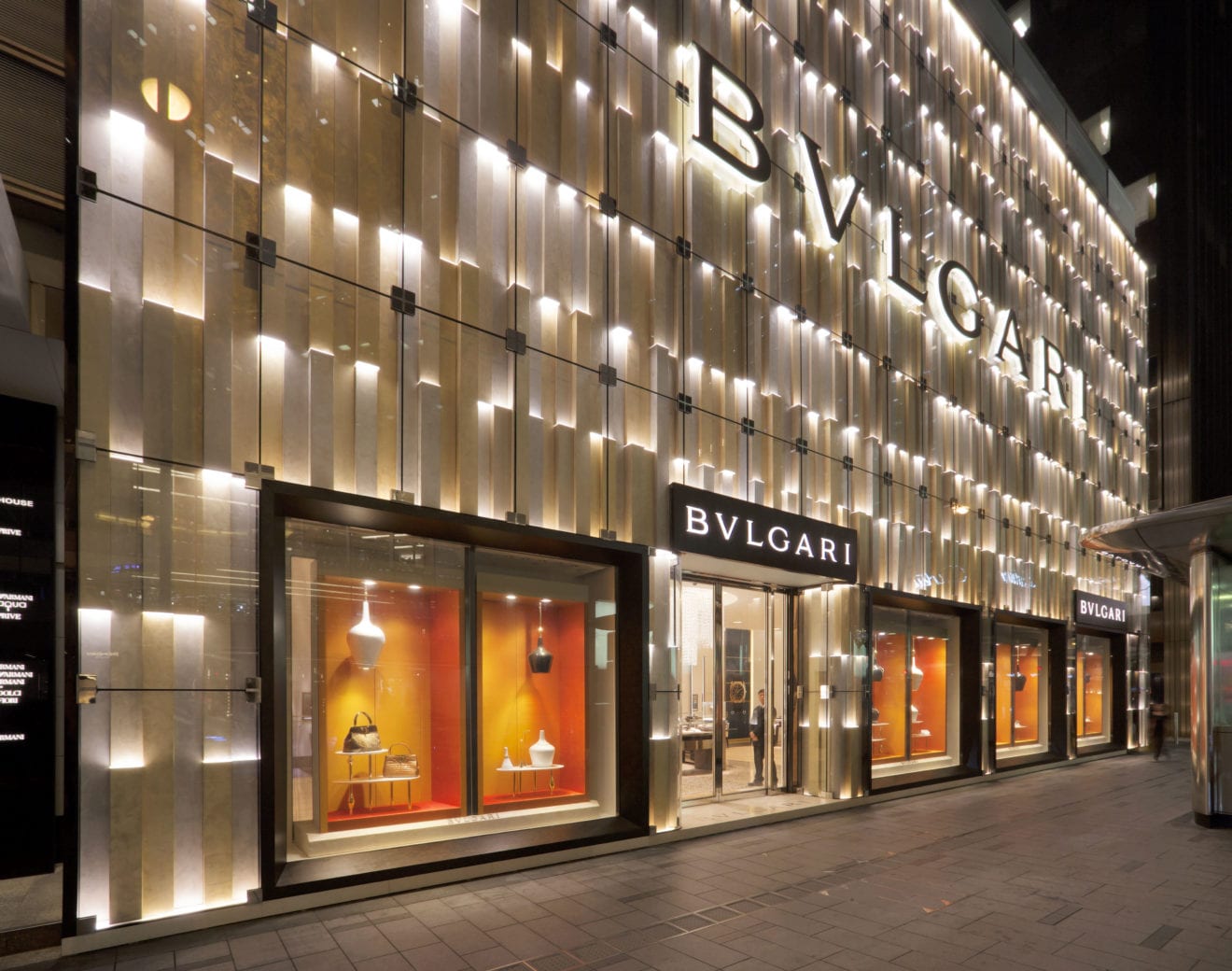
    Bulgari has reimagined its Hong Kong Landmark Chater flagship with a design concept specially developed by American architect Peter Marino.

    Opened in 2002, the flagship has been restyled to now occupy more than 3000sqft of the facade of the Landmark Chater.

    The design draws inspiration from architectural elements of the brand’s flagship store on Via Condotti in Rome, including a reproduction of the iconic door complete with a hand-crafted replica of the lantern that hangs over the entrance.

    Incorporated in the floor at the entrance is the brand’s signature eight-pointed Condotti star in red porphyry – a universal symbol of balance, harmony and cosmic order, and also a graphic representation of the saying “Roma caput mundi” (all roads lead to Rome).

    “Entering the store is like a walk in the city of Rome, kissed by the sunlight; with a central main ambiance that resembles a promenade or Italian piazza, then opening up the view to other spectacular rooms,” says Bulgari. “The round ceiling vault pays homage to the Pantheon dome, as well as to the cupolas of typical Baroque churches.”

    In the main entrance, a light bronze oval-shaped counter in galvanized iron, inspired by the Italian architect Carlo Scarpa, is an invitation to browse the store and to explore Bulgari’s iconic collections.

    Jewellery is presented on original Eros marble tables designed by Angelo Mangiarotti. The High Jewellery Room, custom-designed by Marino himself, is enriched with Imperial Saffron silk.

    A stairway in Pavonazzetto marble leads to the Happening Lounge, a VIP area that echoes the lounge originally dedicated to Elizabeth Taylor, where the Hollywood actress would spend hours after escaping from the paparazzi through a secret door to chat with Gianni Bulgari. Today, Hong Kong shoppers can have aperitifs in the lounge.

    On the other side of the store, the Bridal Room welcomes couples in an intimate atmosphere.

    Meanwhile, the High Jewellery Room, designed specially by Marino, features windows covered with saffron-coloured silk to recreate the earthy colours of Italy, and four majestic marble columns that divide the interior, reminiscent of Rome’s baroque architectural style.

    Until August 31, Bulgari has Aperitivo at the store, offering complimentary Italian beverages and snacks.

  • Victoria’s Secret store model need refreshment: Analyst

    Victoria’s Secret store model need refreshment: Analyst

    L Brands needs to revise the Victoria’s Secret store model, according to retail analyst Neil Saunders.

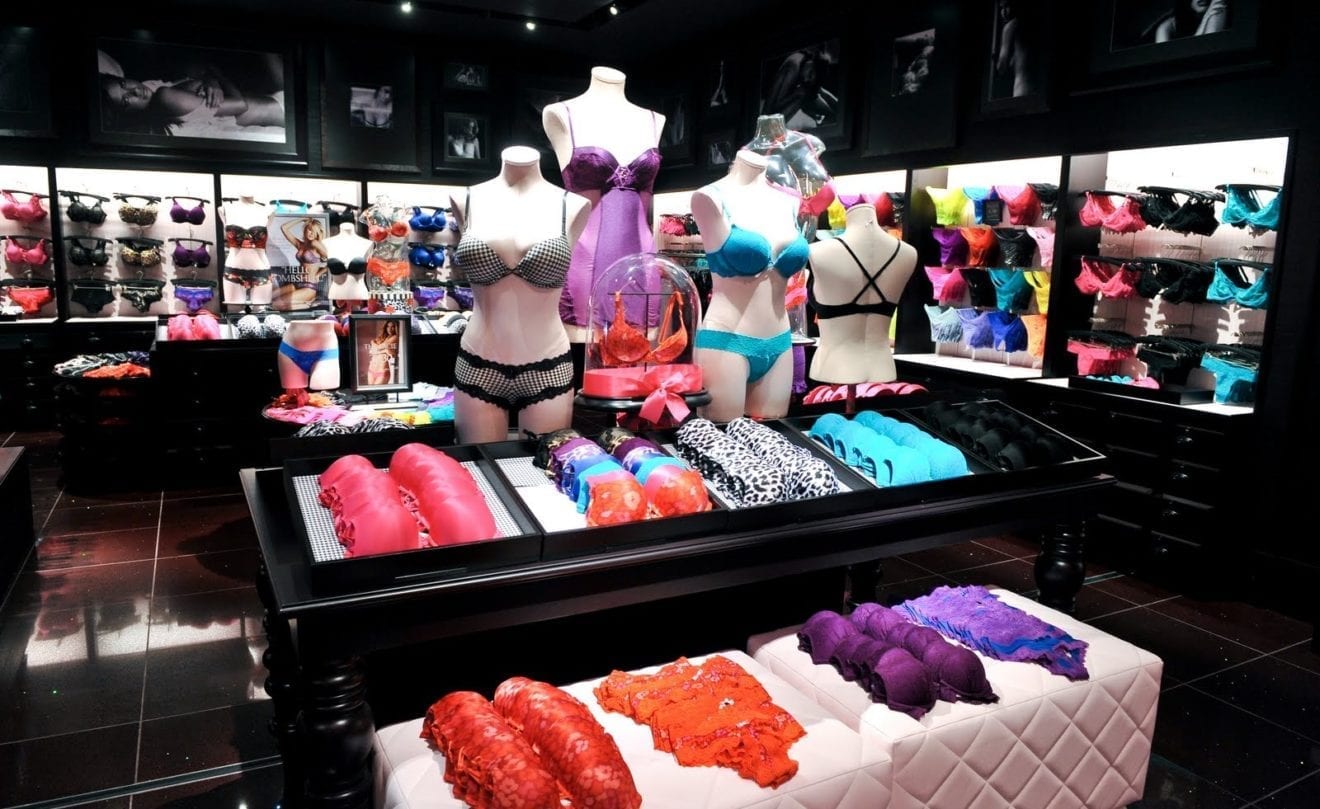
    “The dark store environment, the conspicuous sexuality of the offer, and the brash marketing are increasingly out of step with what modern consumers want. As much as we appreciate that the heritage of Victoria’s Secret is hard to change, we think more action is needed if the brand is to recover,” said New York-based Saunders, MD of GlobalData Retail.

    He was commenting after the release of L Brands’ first quarter figures which showed an 8 per cent increase in net sales to $2.626 billion. Comparable sales were up 3 per cent – but the company reported a 49 per cent decline in bottom line profit, from $94.1 million last year to $47. 5 million.

    After a long run of declines, sales at Victoria’s Secret rose by 1 per cent, but it failed to impress Saunders, who believes the brand has structural issues to address.

    “As good as it is that the brand is back in positive territory, it earns no applause – mainly because the increase came off the back of a 14 per cent comparable decline in the prior year. Moreover, comparable sales in physical stores fell by 5 per cent, following a 12 per cent decline last year.

    “To be fair to Victoria’s Secret, the work done to reset the business has likely helped to stem the tide of decline. A rebalancing of the bra offer, for example, which now includes more options that have benefits around fit and comfort as well as the traditional fashion bras, has helped to create interest.

    “Equally, there has been some growth – in terms of both sales and customer numbers – from categories like sleep and loungewear. These adjacent products are helping to lift interest in Victoria’s Secret and give the brand more firepower in terms of what it has to offer shoppers.”

    Saunders says he has issues with the tone and image of the brand, especially the dark design of stores.

    “We do not feel that Victoria’s Secret has made anywhere near enough effort to remedy the problems.”

    Rival brands like Aerie are more subtle in their store design and marketing approach and that is resonating with consumers, delivering strong growth, he says.

    “A further threat comes from the rise of specialists like Adore Me and Third Love. The latter in particular has gained a lot of ground by focusing on comfort. It is also a model that works well online because its focus on fitting means returns are low which, in turn, supports good margins. These niche players may only have a small market share compared to Victoria’s Secret, but their innovative approaches mean they are nibbling away at its market share.”

    Bath & Body Works “vibrant and fun”

    Although it is a sister brand, Bath & Body Works is almost entirely different from its sibling, says Saunders.

    “Its proposition is welcoming, vibrant and fun. This helps to drive loyalty and repeat custom. With beauty sales still growing, BBW does operate in a more robust part of the market but it is still outperforming and growing its share on both a total and comparable basis.

    “Two things underpin its success. First, its strong range development which means assortments are constantly changing. This encourages regular visits to online and stores.

    Second, good marketing and promotions which help to drive volumes through the business. In our view, both of these things stem from the fact that the BBW team is much more attuned to the market and consumers than is the case at Victoria’s Secret.”

    Saunders says he believes Victoria’s Secret will continue to struggle in the year ahead.

    “With more investment needed in the brand and some cost pressures, we think the outlook remains soft for the L Brands group.”

  • Longines opens a new flagship store

    Longines opens a new flagship store

    Luxury watchmaker Longines is the latest international retailer to secure a flagship store on Melbourne’s Collins Street after striking a deal with the landlord to modify the property’s façade to meet its global standards.

    The property at 256 Collins Street is set at 148sqm of ground space and additional 138sqm of basement space.

    The retailer initially turned down the space due to the store frontage not meeting the brand’s global requirements but later took a second look after CBRE leasing agents Zelman Ainsworth and Tan Thach worked closely with architecture firm Meiter 3 and the building landlord to draft designs that unlocked the store’s frontage potential and showed Longines what was possible.

    According to CBRE, the heritage building had significant limitations, making it challenging to modify the building. Eventually, they and Meiter 3 curated a council and heritage approved strategy, which also spoke to Longines’ sensitive design identity.

    The draft scheme included removing awnings, amplifying the building’s original architecture – circa 1950 – and mirroring the appearance of other Longines flagship locations across the globe; a classic, bright and timeless store front.

    Longines subsequently secured a 10-year lease over the property at a market rent.

    Ainsworth said there are more opportunities than ever for landlords to work with retailers to reposition their properties and stay relevant.

    “There are endless opportunities for landlords to reposition their real estate to ensure their properties suit a changing retail market,” he said. “Today, retail stores must provide brands with the platform and exposure they need to remain competitive on a global scale and engaged with their customer base.”

    “Ultimately if the shop on offer is one dimensional with no flexibility to adapt to the changing market – it will be difficult for retailers to see any value,” he added.

    Other international retailers who have leased spaced on Collins St over the past 26 months include Gucci, Bottega Veneta, Versace, Fendi, Berluti, TAG Heuer, Coach, Mercedes Me, Omega, Cartier, Burberry and Hour Glass.

  • Uniqlo Philippines plans more flagship stores

    Uniqlo Philippines plans more flagship stores

    Uniqlo Philippines will open a global flagship store this year, saying it will be the biggest in Southeast Asia.

    The Japanese fashion giant says the new flagship will be in Glorietta 5 in Makati. It will be the brand’s 15th global flagship store in 11 markets, including New York, London, Paris, Tokyo and Singapore.

    “Having been a member of the local retail scene since 2012, we remain committed to contributing to the community and to being an integral part of Manila’s growth and future,” says Uniqlo Southeast Asia/Oceania chief executive Satoshi Hatase.

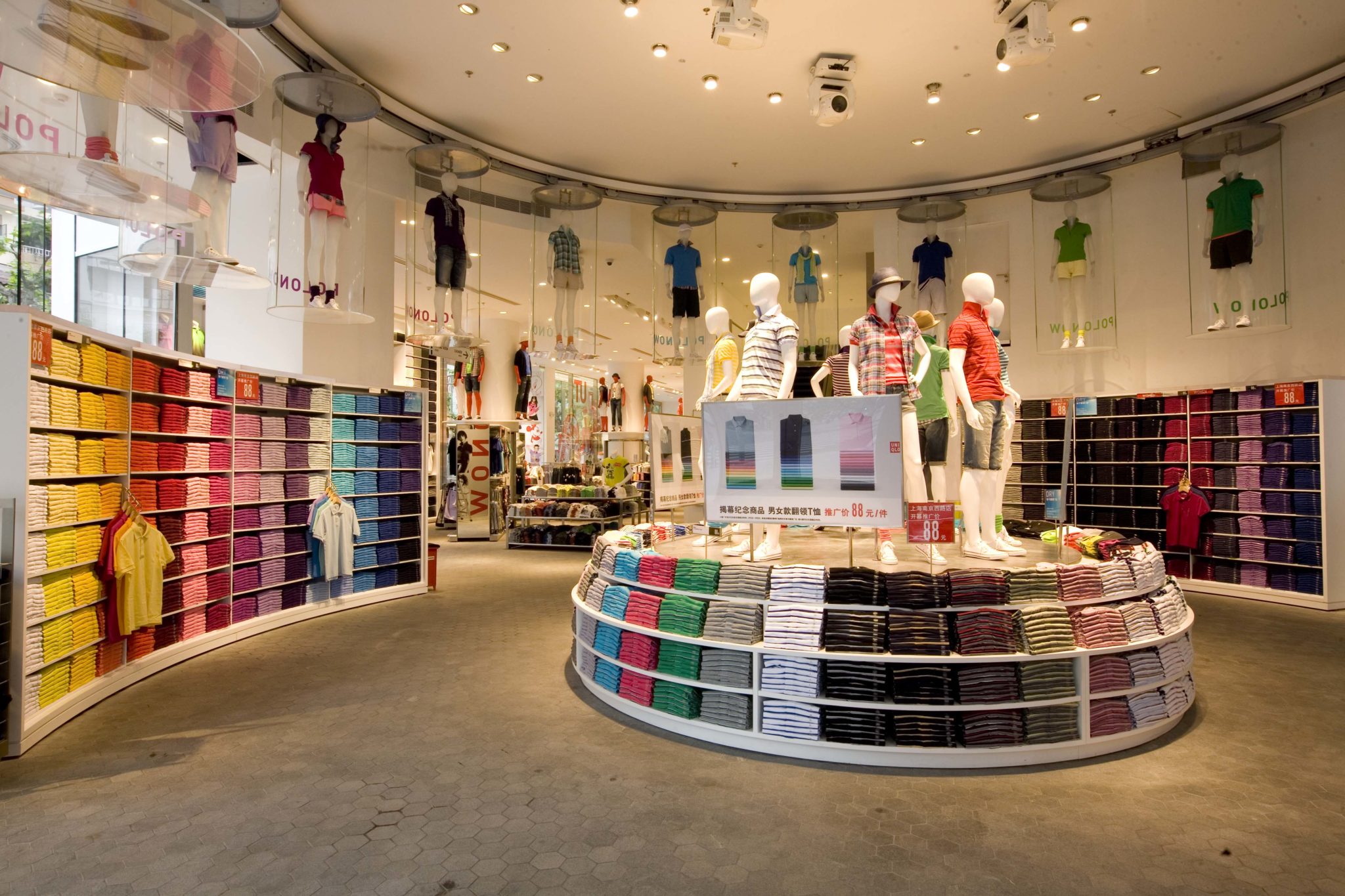
    Its sales floor area will cover 4100sqm, and as with other global flagship stores will showcase the full lineup of “LifeWear” for men, women, kids and babies.

  • Costco China planning first store opening

    Costco China planning first store opening

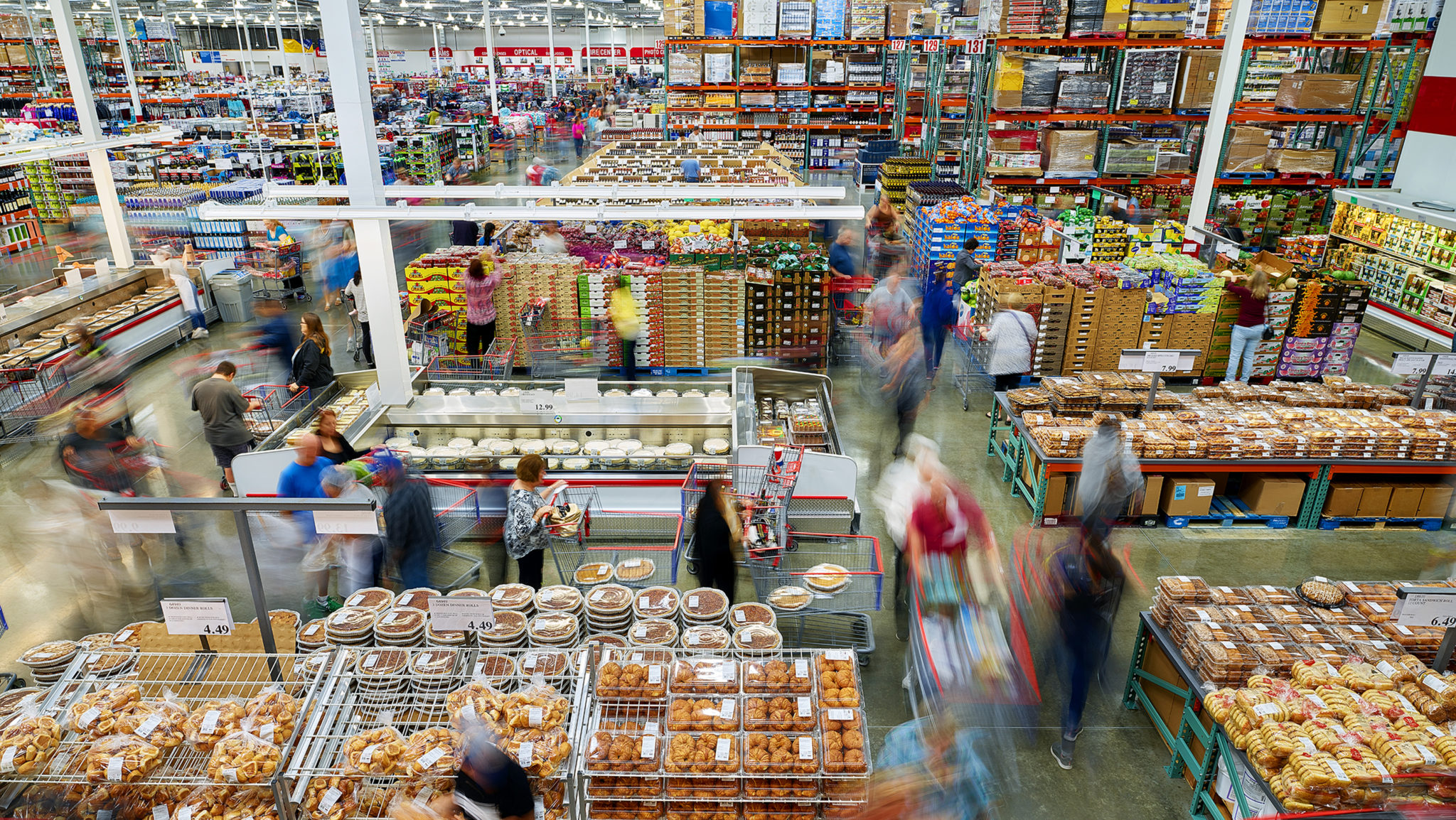
    Costco China plans to open its first store in China next year, even as other international retailers like Lotte and Tesco scale back because of market barriers and disappointing sales.

    The American wholesale giant has signed an agreement with state-owned Shanghai Pudong Kangqiao Group to set up the headquarters of its Chinese business in Kangqiao, in Shanghai’s Pudong district, according to local media reports. Costco is also opening a membership retail club store with Shenzhen-based real-estate firm Galaxy Holding.

    Kuaxiaopin.net says Costco will open its first physical store for China in Shanghai’s Minhang district next year. A second store is planned for Pudong, to open in 2021.

    The retailer has been targeting Chinese consumers since 2014 via Tmall, the online marketplace of e-commerce giant Alibaba where it sells branded products including healthcare and personal care goods.

    Costco currently has 749 warehouses, including 519 in the US and Puerto Rico, 98 in Canada, 38 in Mexico, 28 in the UK, 26 in Japan, 14 in Korea, 13 in Taiwan, nine in Australia, two in Spain, one in Iceland and one in France. The company also has e-commerce sites in Canada, Korea, Mexico, Taiwan, the UK and the US.

  • Desigual Singapore unveils new store in Singapore

    Desigual Singapore unveils new store in Singapore

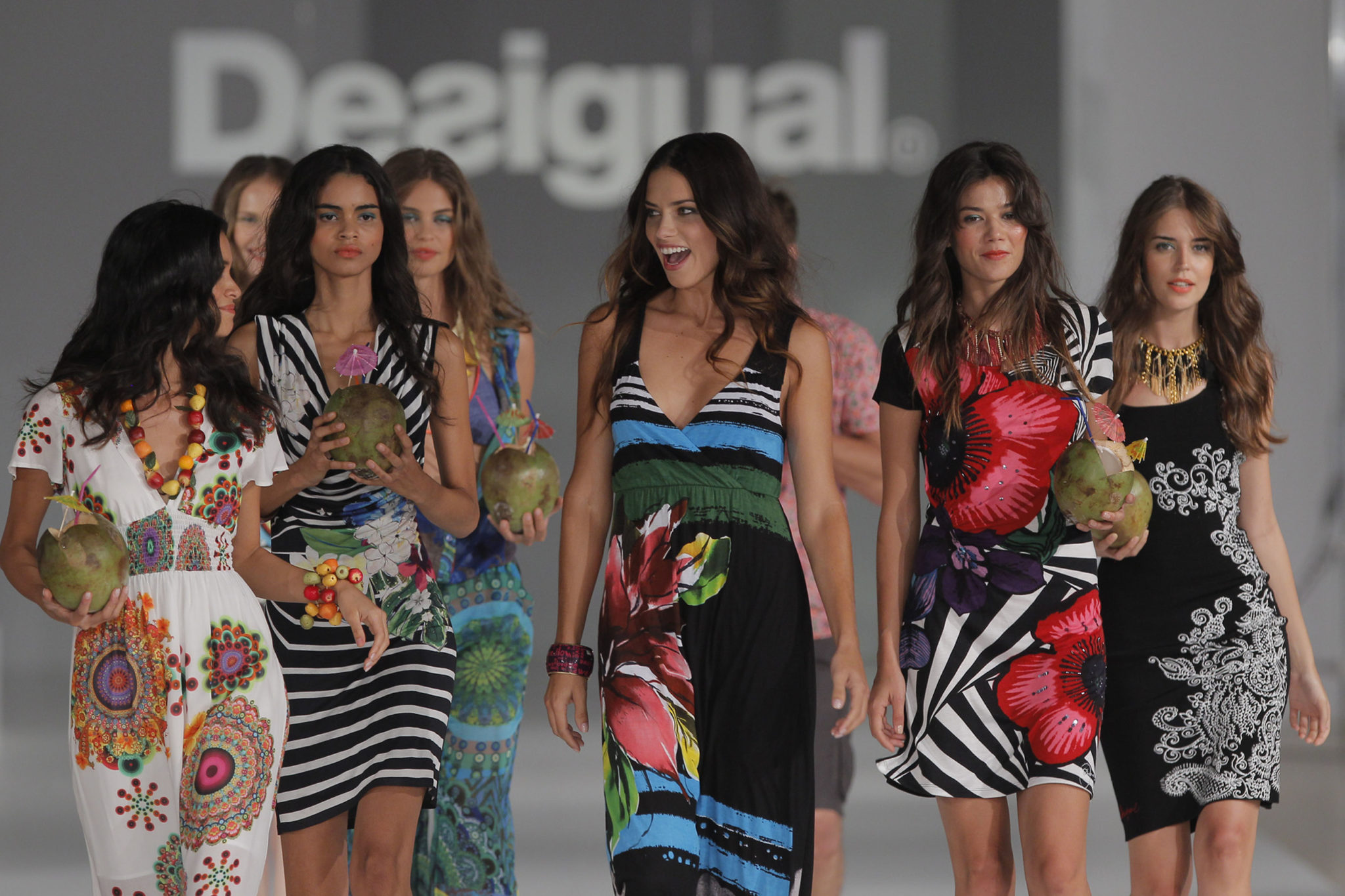
    Desigual Singapore reopens its Orchard Road store today, the first to feature the fashion brand’s new design concept with its customer-oriented shopping experience.

    The 300sqm space will also be the first Singapore outlet for the brand’s sports category, along with women’s and men’s shoes and accessories.

    Created in collaboration with architect Lazaro Rosa Violan, the store draws its inspiration from the Mediterranean with bright tones and such elements as coffered walls.

    Desigual’s sports category features garments designed for women who want to embrace physical exercise while still following fashion trends.

    Established in Barcelona in 1984, Desigual has more than 4500 employees and a presence in nearly 100 countries through 13 sales channels, more than 500 branded stores and eight product categories.

  • Profits up for Circle K Hong Kong

    Profits up for Circle K Hong Kong

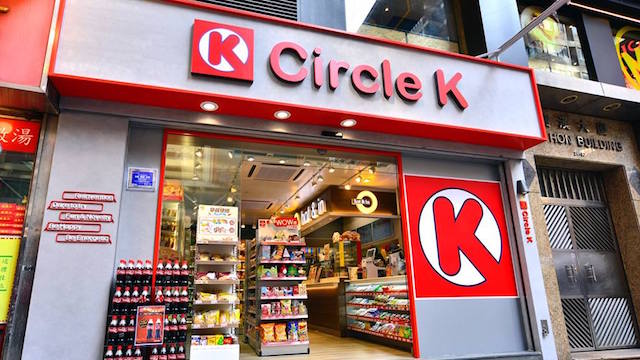
    As the retail sector finally rebounds, the CEO of Circle K Hong Kong owner Convenience Retail Asia (CRA), Richard Yeung, says the company has reinvented itself.

    He says profits have grown over the past year, while strong customer loyalty and marketing initiatives and an O2O business strategy have positioned the group for long-term growth.

    By moving its convenience store and bakery businesses toward an O2O-centric business strategy has led to a highly sustainable business model. “The strategy has been a resounding success in terms of driving customer engagement, foot traffic and sales.”

    Despite a challenging business environment, the group’s convenience store and bakery businesses had achieved satisfactory comparable-store sales growth in Hong Kong.

    Core operating profit and net profit increased by 7.4 and 7.7 per cent respectively, mainly attributable to the effectiveness of the CRM program and strong marketing campaigns by Circle K together with improved performance from Saint Honore cake shops.

    Growth has been driven by the group’s digital initiatives, led by its O2O CRM programs that saw its “OK Stamp It” and “Cake Easy” memberships exceeding 1 million and 300,000 respectively.

    During the year the group obtained the franchise for Japan’s fast-fashion eyewear chain Zoff, opening the brand’s first store in Hong Kong.

    Group turnover grew 4.6 per cent to HK$5 billion.

    Turnover for the Circle K Hong Kong business was HK$4 billion (US$5 billion), representing growth of 5.4 per cent. Turnover for the Saint Honore Cake Shop business across Hong Kong, Macau and southern China was $1 billion, an increase of 1.9 per cent.

    Core operating profit increased 7.4 per cent to $183 million while net profit grew 7.7 per cent to $150 million.

    Satisfactory comparable-store sales growth in the group’s core market of Hong Kong and improvements to the Saint Honore factory business led to a rise in gross margin and other income as a percentage of turnover from 36.6 to 36.9 per cent, despite intense retail market competition and high manufacturing costs, says the group.

  • Xiong’an New District New Showcase for another JD store

    Xiong’an New District New Showcase for another JD store

    Chinese e-commerce company JD has opened its largest-yet unmanned store, in Xiong’an New District.

    In the Xiong’an Civic Service Center,  the 246sqm outlet uses innovative technology as JD rolls out a “new-model industrial ecological chain”.

    Jingdong X unsupervised stores have already opened in more than 10 cities, including Beijing, Dalian and Tianjin, at malls, scenic spots and petrol stations. Shoppers use face-scanning technology to enter. Products have electronic price tags and payment is automatic.

    Xiong’an New District is being built south of Beijing as an economic hub, and JD is already planning a second store there. The move comes shortly after JD announced it would open 1000 convenience stores every day by the end of this year. The convenience retail plan runs on a franchise model.

  • Candystud Factory: The New Valentino Popup Store in Beijing

    Candystud Factory: The New Valentino Popup Store in Beijing

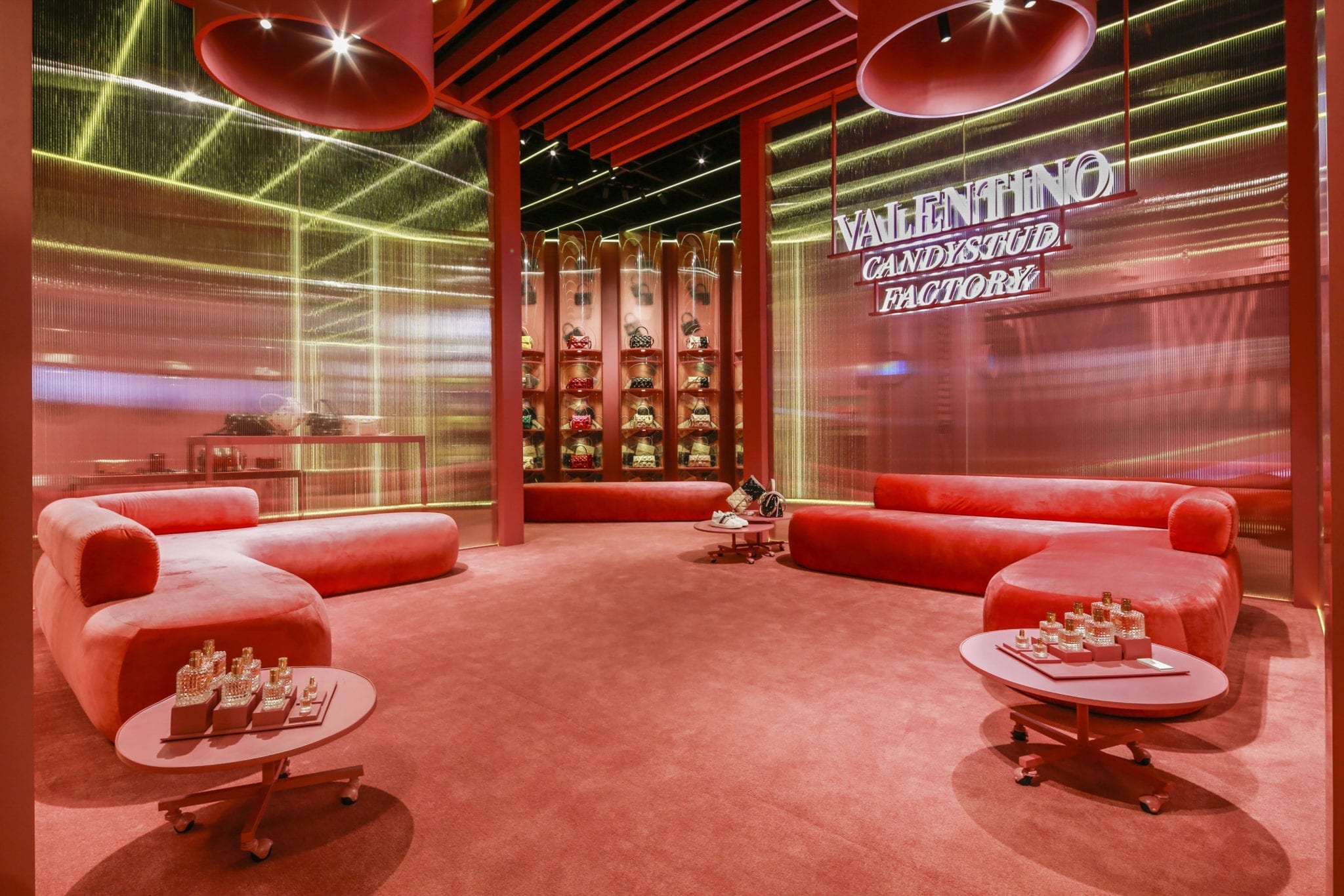
    Candystud Factory. A handbag factory just like a candy factory. Pink, entertaining, imaginary.

    Valentino will open a Pop Up store in the young and dynamic Sanlitun neighborhood in Beijing that creates a cinematographic atmosphere of a handbag f actory.

    The pop up s tore will open on the 26 th of April 2018 and will run until the 17 th of May 2018.

    For this occasion, two new limited edition Candystud bags will be pr esented.

    Fun, spherical, in the spirit of frivolity, Candystud is a small object of high craftsmanship the blends the excellence and the savoir faire of Maison Valentino with a new desire of pleasure and of joie de vivre. The Candystud Pop Up store translates this idea in a shopping and amusing experience.

    One enters is a colored and ethereal world to discover the beauty and the allure of the Valentino items together with the humanity and the e xcellence of those that cr eated them.

    The Candystud Factory collection also includes four new exclusive sneakers and a series of exclusive small leather goods such as iPhone c overs, mirror bags and charms.

    #CandyStudFactory

  • Esprit to quit Causeway Bay flagship Store

    Esprit to quit Causeway Bay flagship Store

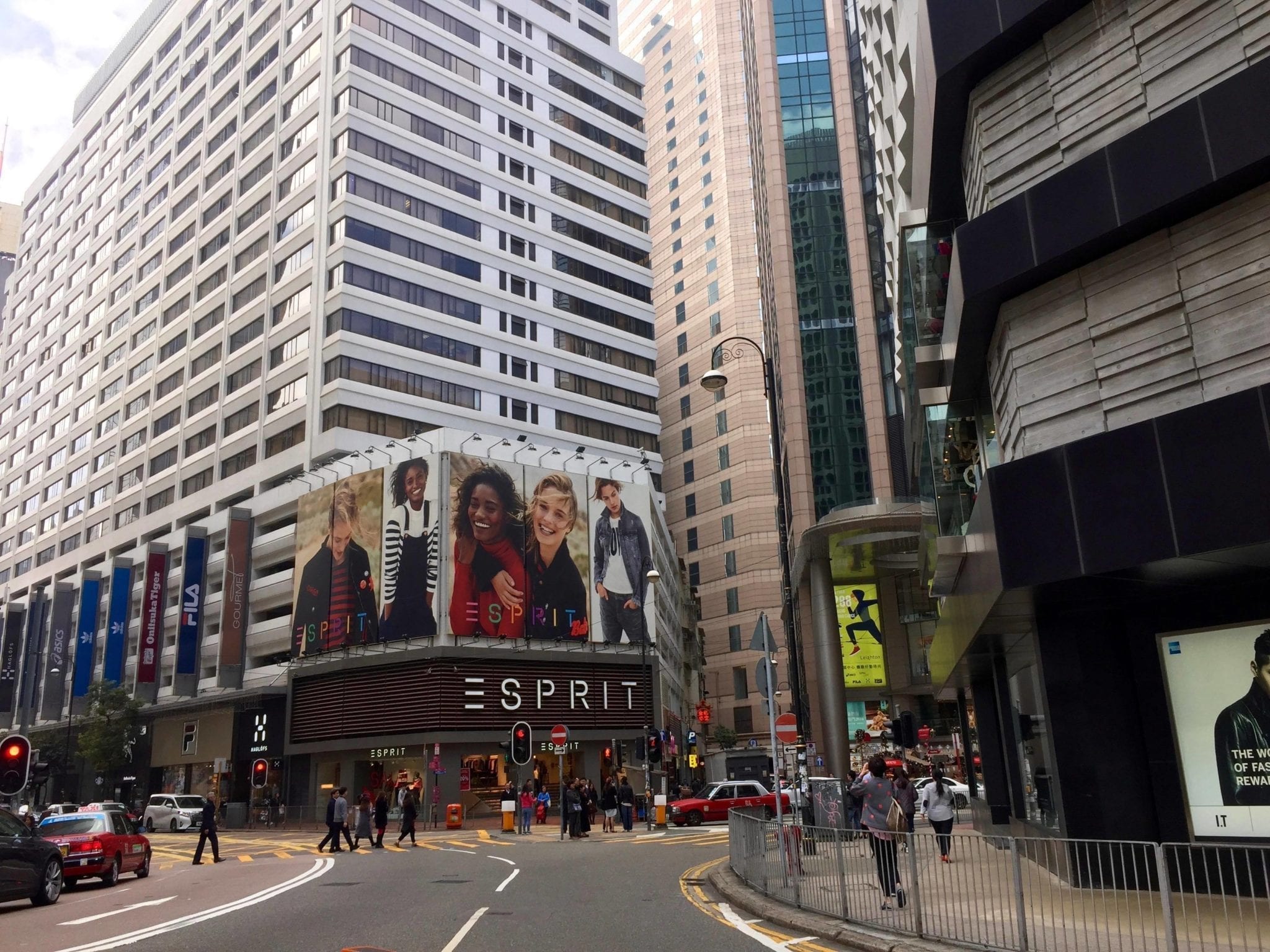
    Hong Kong-listed fashion brand Esprit Holdings will not renew the lease for its flagship store in Causeway Bay, local media reports.

    Expiring in June, the lease for the 7000sqft (650sqm) store in Leighton Centre has cost Esprit about HK$2 million (US$254,862) a month since 2014.

    Esprit chairman Raymond Or says cost saving is not the sole reason for the move. The company also considers location and size as factors. “A large store might not bring about good results,” he told Apple Daily.

    JLL national director of research Cathie Chung says Esprit may be shifting its location strategy to be more mall-focused with a smaller shop size, reports Mingtiandi. “Compared to street shops, shopping malls tend to have a more balanced trade mix and guaranteed foot traffic, so it is more likely for Esprit to enjoy spillover benefit from complementary tenants. Promotion activities by malls can also attract shoppers.”

    Hysan, which owns the commercial complex where Esprit has been leasing two units, has been marketing the property to potential tenants at the same rate, reports say.

    Shop rents in Causeway Bay in the past quarter have dropped 53 per cent from their peak in the fourth quarter of 2014, says Chung who describes the owners’ stance as “rather soft”, allowing for rent negotiations.

    Fashion brand Twist last month leased a two-storey shop in East Point Road in Causeway Bay for 56 per cent less than the $1.1 million monthly rent the previous tenant had been paying, while Russell Street, once the most expensive retail destination in the world, has also seen rent cuts. Swatch Group last week, for example, was able to renew its lease for a street-front shop at a rate about a third lower than the $1 million a month specified when it first signed three years ago.

    Meanwhile, Esprit had a net loss of $954 million in the second half of last year. CEO Jose Manuel Martinez said the results were below expectation because of weaker sales at its stores because of a drop in customer traffic.

  • Gloria Jeans to expand with 40 stores in Germany

    Gloria Jeans to expand with 40 stores in Germany

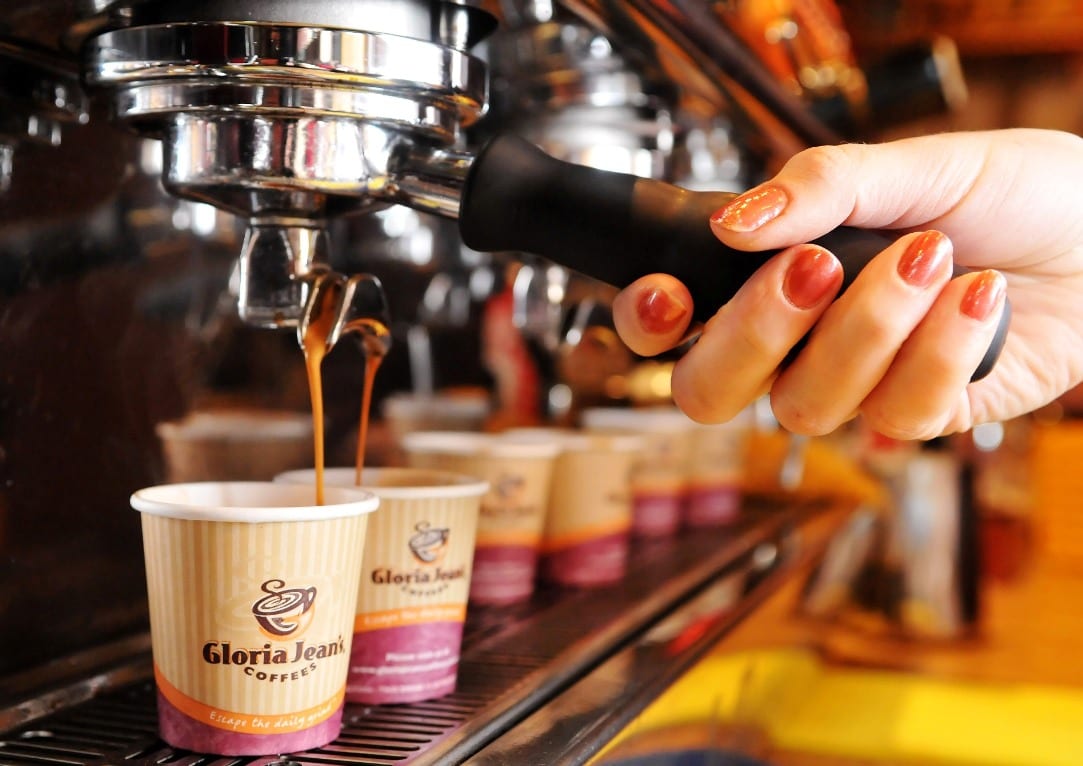
    A local scandal hasn’t dampened Retail Food Group’s international ambitions, with the franchise giant announcing that its troubled Gloria Jeans brand will expand into Germany.

    A 10-year master franchise agreement has been signed with a group of local businessmen who are slated to open 40 Gloria Jeans outlets in Germany over the next five years.

    The deal follows a slate Master Franchise Agreements signed by RFG across the Donut King and Crust Pizza Gourmet Pizza brands in recent months as it looks to diversify its operations outside of Australia.

    Gloria Jeans already has master franchise deals in the Czech Republic, Poland and Romania but Germany will considerably bolster its presence outside of eastern-Europe.

    The first German Gloria Jeans store will be in Cologne and will open by the middle of this year.

    Retail Food Group has been embarking on a modernization plan for the coffee brand recently, unveiling new store concepts to try and excite shoppers after sales from its beverages division struggled to gain traction last year.

    RFG’s chief executive of international Mike Gilbert said Europe was an important market for the business and that Gloria Jeans was positioned for success in Germany.

    “Germany has a growing speciality coffee market and Gloria Jean’s Coffees has an outstanding offering to meet that need. It’s an offering that is already very successful with close to 900 outlets throughout the world,” he said.

    “Retail Food Group is actively marketing our brands in Europe and see this region as a key part of our international growth strategy.”

    International has been one of the few bright spots for RFG in recent months as it navigates slowing trading and the fall-out from media reports that its business model is treating franchisees poorly.

    In March the business booked a $87.8 million half-year loss, flagging the closure of up to 200 stores of its thousand-plus stores.

  • Myer’s reputation suffers and on the way back

    Myer’s reputation suffers and on the way back

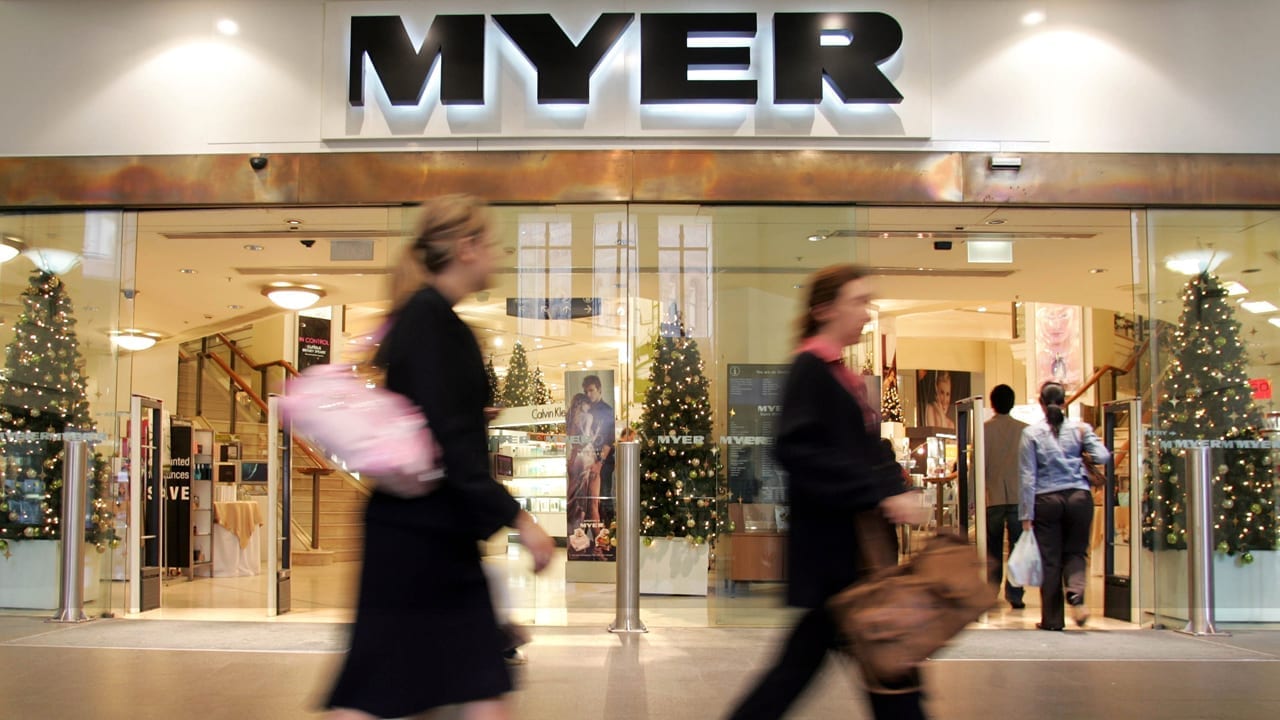
    In 2009, when former Myer CEO Bernie Brookes listed the department store on the Australian stock exchange, Myer was ranked as one of the top 10 most reputable companies in Australia.

    Today, of the 60 companies ranked on the Australian Corporate Reputation Index, it is ranked 45th.

    The Reputation Institute’s Index, the 2018 edition of which was released yesterday, has tracked a steepening decline in how consumers view the beleaguered department store chain relative to other Australian businesses.

    Myer ranked in the top 10 Australian companies on the index from 2008-2012, but in tandem with its ailing trading performance had dropped to 22nd last year, a result that has again worsened with the largest contraction in points on the index.

    It comes just a month after the retailer incurred a $515 million write down on the value of its brand names and goodwill, reflecting the erosion of the iconic business in recent years.

    Consumers were clear on what Myer was lacking – it ranked 60th on the individual measurement of innovation in 2018.

    “These results indicate that Myer has not met the challenge of adapting to the changing demands of consumers and an increasingly competitive landscape,” Reputation Institute ANZ managing director Oliver Freedman said.

    Just under 6000 Australian consumers were surveyed in late February/early March for the index, which encompasses Australia’s top 60 companies by revenue.

    JB Hi-Fi was once again the top ranked retailer on the index, despite its rank falling from 3rd to 6th in 2018 as airlines such as Virgin, Qantas and rank one business Air New Zealand surged.

    German entrant Aldi maintained its position at rank 9, well above Wesfarmers at rank 20 (19th in 2017) and Woolworths, which improved from rank 26 in 2017 to rank 22 in the latest index.

    Myer’s reputational woes are worsening, but it still fares better than 7-Eleven, which failed to change its rank in 2018 and remains at 58th on the overall measurement, above Telstra and News Corp Australia.

    Freedman said that the overall results indicate that Australian companies are bucking the trend in relation to how consumers are viewing reputation.

    “Globally, the Reputation Institute is seeing a trend of nationalism, where local consumers rank local companies higher in terms of overall reputation,” he said.

    “However, Australia is veering from this pattern, with our top 10 containing a mix of Australian and international companies, showing even those organisations headquartered overseas can make an impact locally with good leadership, a strong product and community involvement among other measures.”