Tag: Store

  • Welcia drugstore offers new instore brands

    Welcia drugstore offers new instore brands

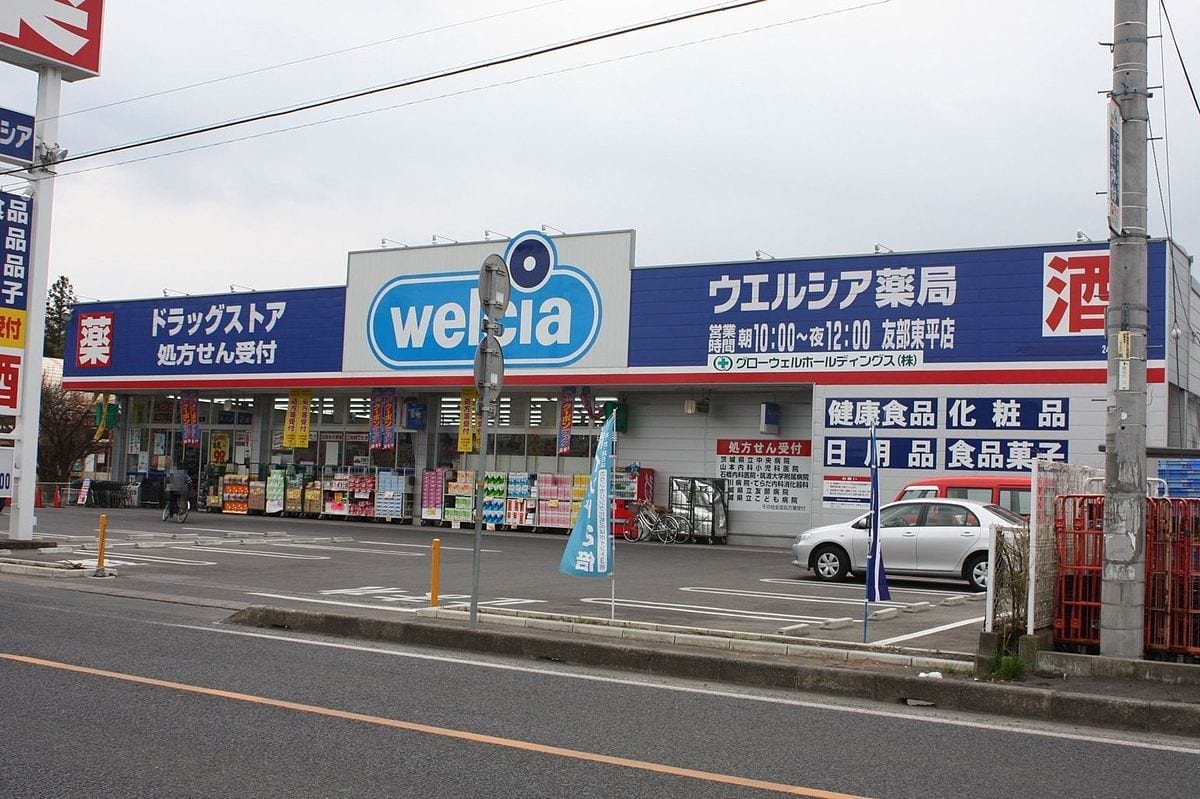
    A new Japanese drugstore, Welcia-BHG, offers brands previously not available in Singapore. It is a JV between Japanese pharmacy and drugstore chain Welcia and BHG Holdings, a department store chain that has seven outlets in Singapore.

    On level one of the BHG department store in Bugis Junction, the 2700sqft (250sqm) store has two zones, health and beauty, and offers more than 7000 products. There is also a pharmacy.

    Of the roughly 700 Japanese products offered, 100 are new to Singapore. They include Kanebo’s cult skincare line Suisai, Q&P Kowa Gold vitamins, Vantelin topical analgesics, Vegie slimming products and nailcare serum Dr Nail.

    More products will be added over time, says Welcia-BHG MD Tadahisa Matsumoto, including over-the-counter Japanese drugs.

    Japan has 1695 Welcia stores averaging 8000sqft, some of which are open 24 hours.

    Matsumoto says Singapore consumers will particularly appreciate the store’s skincare offerings formulated for Asian skin as well as sensitive skin. “Like Japan, Singapore is experiencing an ageing population, so healthcare needs are growing,” he says.

    The store also offers services such as simple health checks, skin analysis and product recommendations. The sales staff will receive regular training by experts from Japan instead of representatives from individual brands.

    Plans are also in place for a second outlet at Northpoint City mall. “We hope to have about 20 stores in Singapore in five years,” says Matsumoto, who sees Singapore as the main starting point for expanding the concept into Southeast Asia.
  • Marc Jacobs Hong Kong opens second store

    Marc Jacobs Hong Kong opens second store

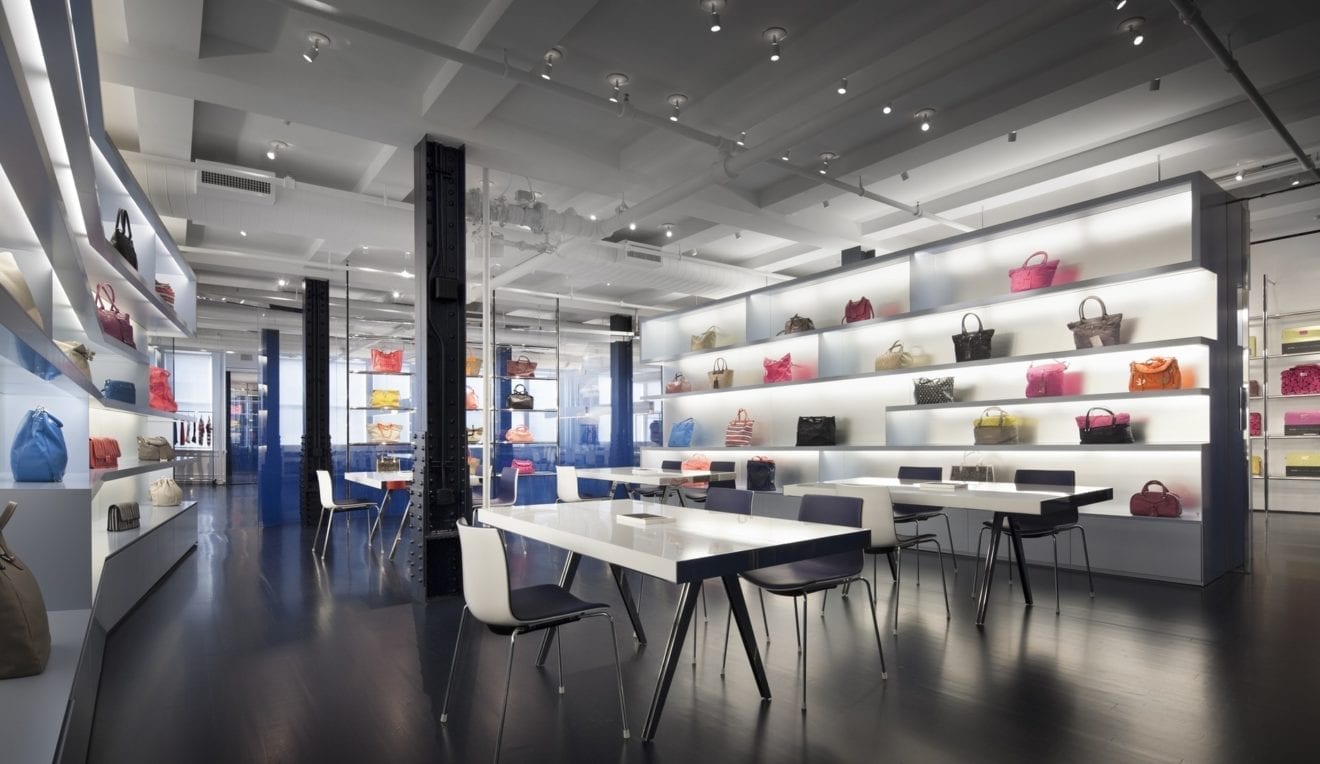
    Marc Jacobs Hong Kong has opened a boutique store at Gateway Arcade in Tsim Sha Tsui.

    With a new store concept featuring a curved display podium, the 121sqm boutique showcases the US fashion label’s latest collection including ready-to-wear, handbags, shoes, tech accessories, jewellery, fragrance, watches and eyewear.

    To celebrate the opening, the store is exclusively offering the Mini Grind handbag from the Resort 2018 Collection.

    Marc Jacobs Hong Kong has one other store, directly across the harbour at Landmark in Central.

    Earlier this month, Marc Jacobs China launched its first online flagship store with VIPlux, which carries international luxury and premium brands.

  • Nestle Korea introducing Kit Kat flagship store

    Nestle Korea introducing Kit Kat flagship store

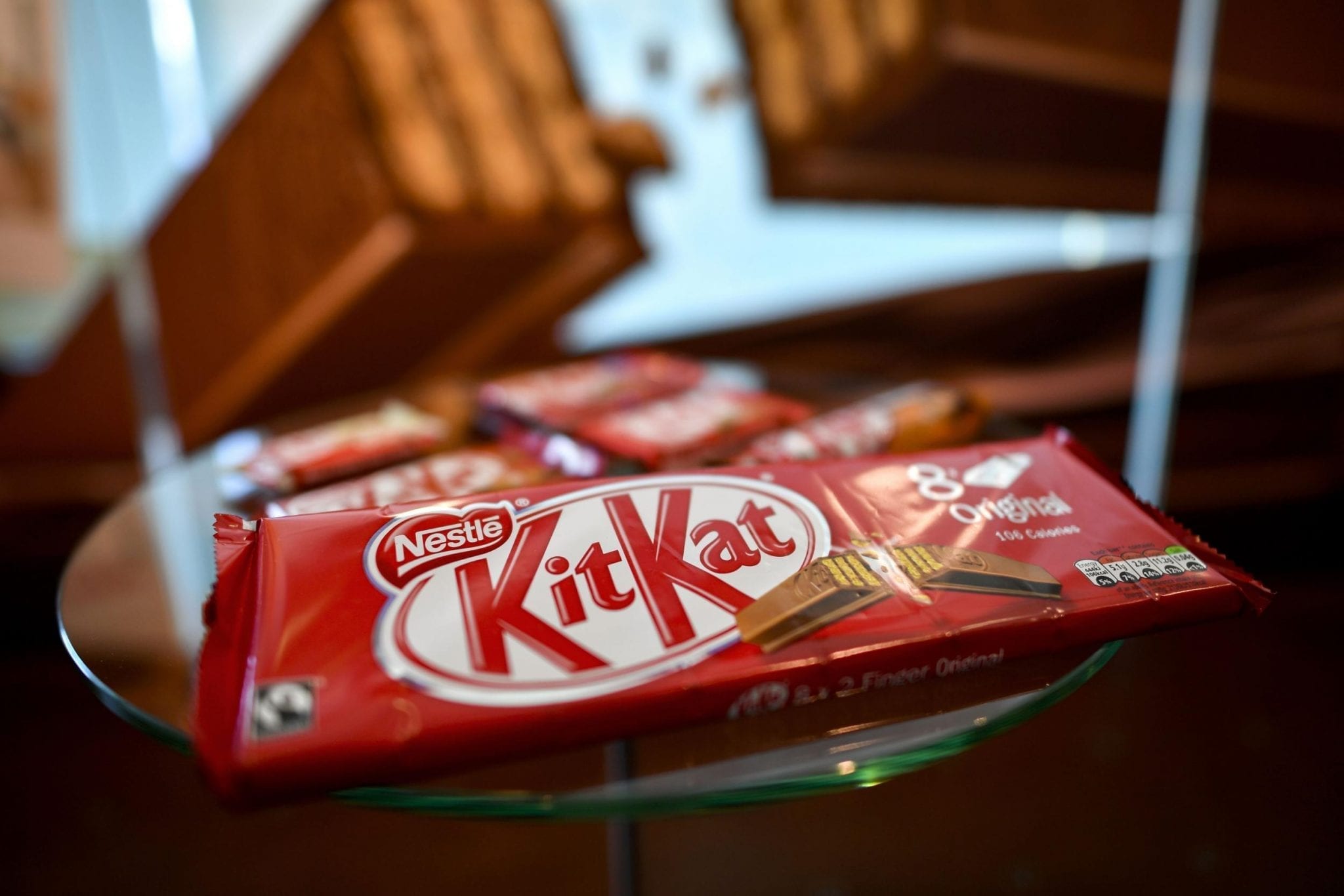
    Chocolate wafer snack Kit Kat is to have a flagship store in Seoul, being launched by Nestle Japan in co-operation with Nestle Korea.

    The Swedish snack company’s Japanese branch is known for its exclusive “chocolatory”, which offers special flavours and desserts. Flavours previously exclusive to the Tokyo store will be available at the store set to open in Shinsegae Department Store’s Gangnam location.

    Nestle Japan’s Premium Kit Kat is one of the most popular souvenirs Koreans buy when visiting Japan. The exclusive flavours, launched in co-operation with pastry chef Yasumasa Takagi, borrow from local specialties such as Kyoto’s matcha green tea and Hokkaido’s melon.

    In Korea, only the original milk and dark chocolate flavours are available. The Seoul flagship store, which opens next Thursday, will not only expand on this but also offer signature desserts.

  • Inside Alibaba’s Home Store of the future

    Inside Alibaba’s Home Store of the future

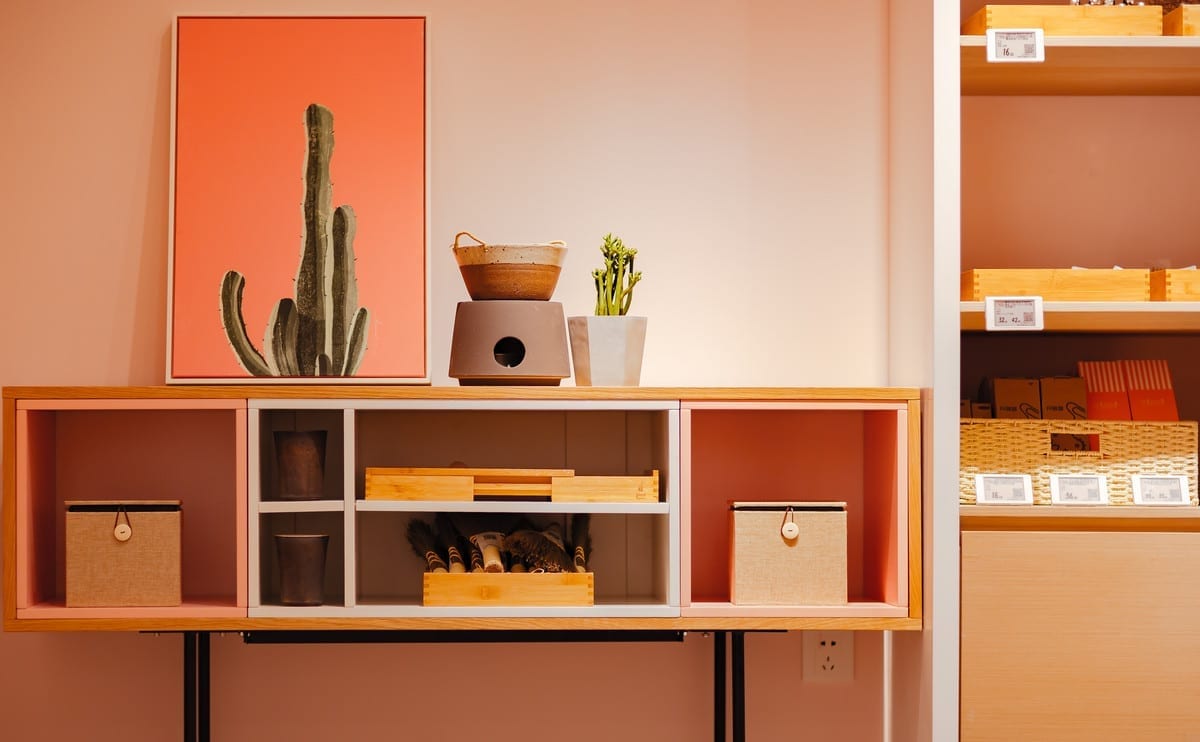
    Home Times, a furniture store supported by Alibaba Group technology, has opened for business in the Chinese city of Hangzhou.

    Attracting between 1,500 and 3,000 daily visitors since opening, the furniture store is another example of Alibaba’s  New Retail model. In recent months, Alibaba has expanded that model out to a variety of sectors, following the success with its hyperlocal Hema Supermarkets, which have shown how analytics and technology can transform traditional grocery stores into a seamless online-offline customer experience.

    Over 20,000 items are available for purchase at Home Times, including furniture, kitchenware, home décor, stationery and travel essentials—a majority of which are sourced from merchants already selling through Alibaba’s B2C shopping platform Tmall.

    And a phone in hand is all it takes for seamless shopping. Shoppers scan each item’s QR code with their smartphones to see the product name, price, description, and instantly purchase using Alibaba’s mobile payment service Alipay.

    “We have the hardware and know-how to build New Retail-driven stores, and we work with partners that have access to offline channels and expertise in operating physical storefronts,” said William Chen, who heads the Home Times project at Alibaba’s Cloud Retail division. “We provide the technology and Tmall’s pool of consumer insights.”

    Tmall analyzes the behavior and preferences of users within a five-mile radius of the shop. Products are then handpicked from these users’ top preferred categories and added to store shelves. This system cuts the time required to source products worldwide for traditional retailers down to a single day, while store offerings will change every 10 to 15 days, added Chen.

    Each product has an electronic price tag that can automatically sync prices with the latest seen online, removing the need for staff to manually print and replace the labels.

    Large screen displays on the wall allow customers to see their desired furniture and décor in a virtual home setting. This also indicates that Home Times requires significantly less display space, compared to traditional furniture sellers, since products can be displayed virtually.

    Home Times is set to open two new branches in Hangzhou by the end of 2017, including one at the In77 shopping center in the Hubin business district and another at an undecided location in West Hangzhou. It plans to open 15 to 20 new stores in 2018.

    “We definitely want to open this system to more businesses. Plans to apply our New Retail infrastructure to industries beyond home furnishing are underway,” said Chen.

  • Bangkok Apple Store in planning

    Bangkok Apple Store in planning

    Multiple reports from Thailand tip the opening of the first Bangkok Apple Store in 2018.

    The move began as a rumour when recruitment advertisements appeared in the country seeking creative, expert, “genius”, managers, store leaders and business leader roles in what – based on similar advertising in other markets – could only mean a search for qualified staff for an official Apple store. Advertisements also invited applications for the two-year Apple Store Leader Program, according to MacRumors.com.

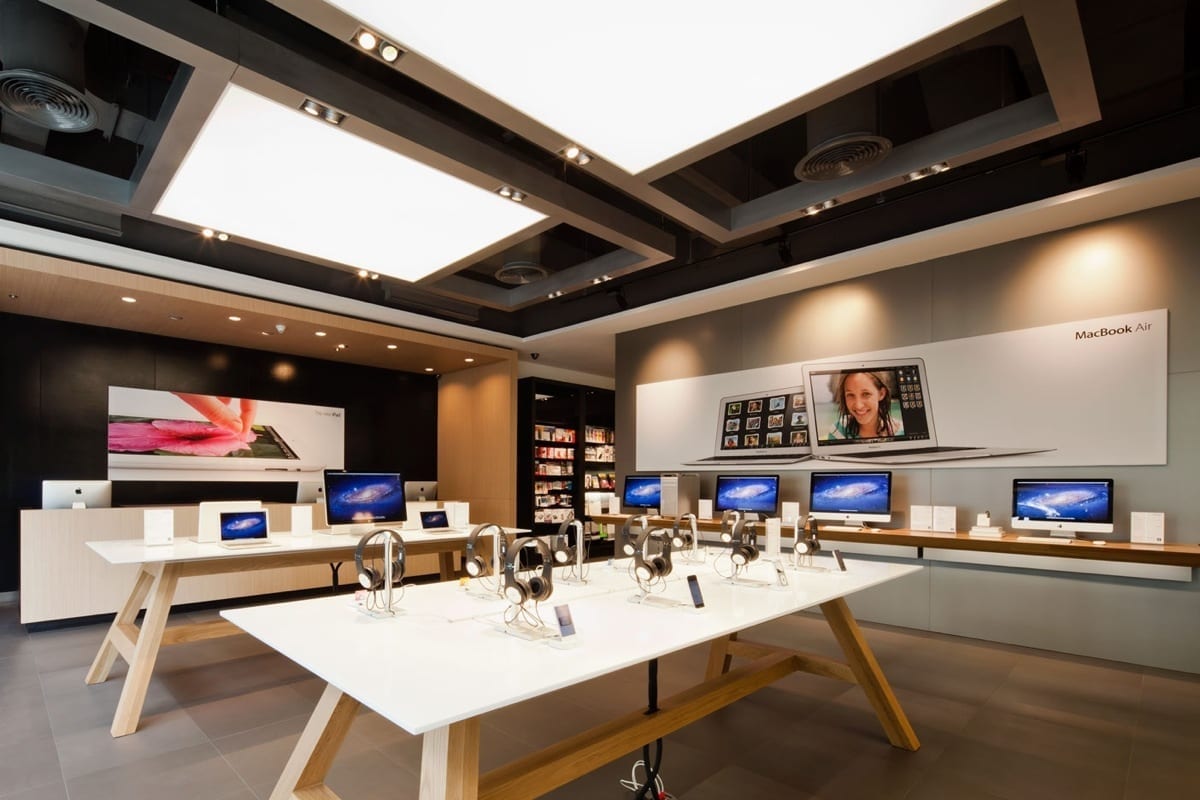
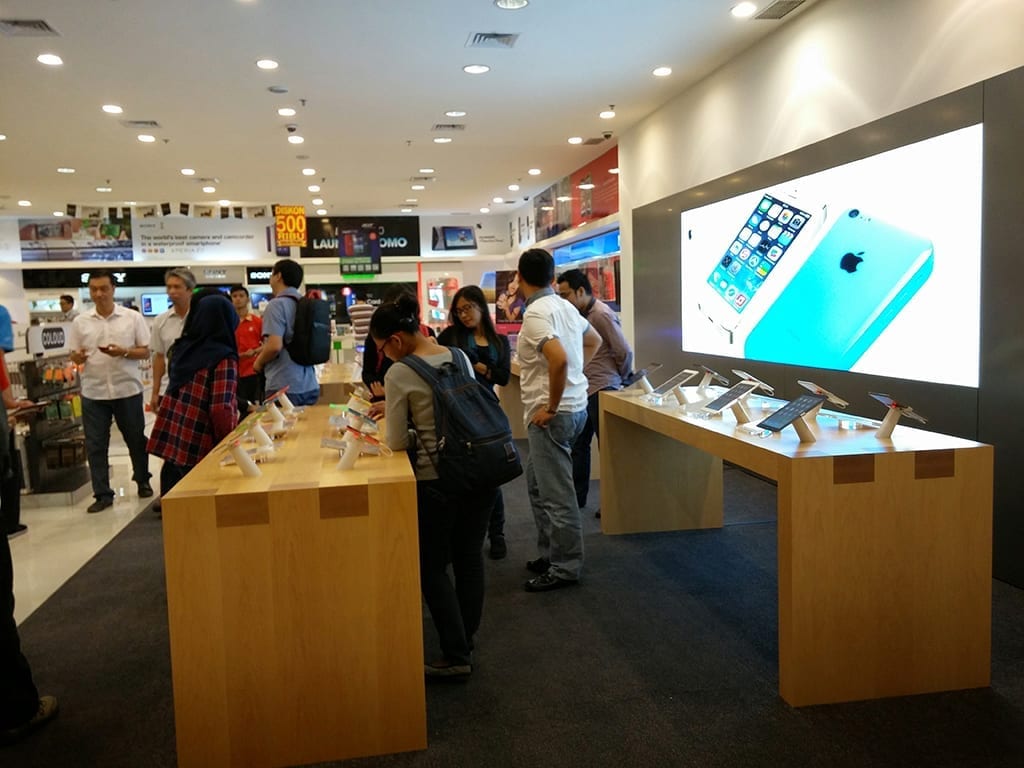
    The ads added credibility to rumours published in Thailand earlier this year which tipped the first Bangkok Apple Store would open at the IconSiam shopping centre, currently being built on the banks of the Chao Phraya River, by Siam Piwat, which also owns the Siam Paragon, Siam Discovery and Siam Center malls in the heart of Bangkok. Of those, only Siam Paragon would seem to have sufficient space to host a flagship Apple store, although it would lack the bold street frontage Apple prefers for its retail outlets. IconSiam will feature a row of two-story brand maisons which, while previously earmarked for luxury European fashion brands, could include a distinctive Apple store with bold frontage, such as that used in Apple’s Orchard Road store in Singapore, (pictured above), or its Hong Kong stores, one of which is built on an overpass spanning two buildings across a busy street.

    Apple is also working on its retail debut in Macau and Seoul in this part of the world, following the successful (but delayed) opening of the Singapore store in May.

  • Hublot opens Kyoto store

    Hublot opens Kyoto store

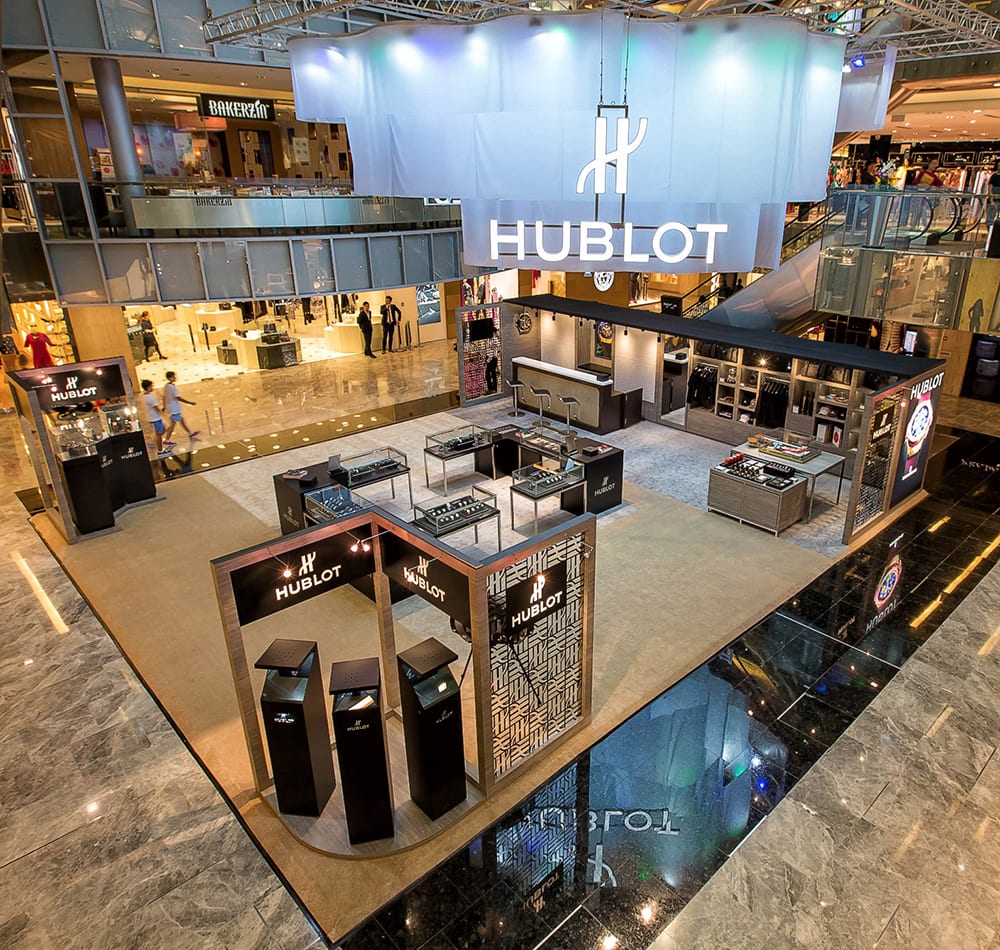
    Swiss watch brand Hublot has opened a boutique in Kyoto on 26 August 2017, taking up residence in the former space occupied by Hermès.

    Located in an old machiya-style townhouse in Kyoto’s famous Gion district, the shop features custom Japanese ‘washi’ paper and wickerwork reiterating the watchmaker’s logo.

    Shopping the latest timepieces and watch accessories from the Swiss luxury horologist, customers will also receive Japanese-style folding fans as gifts with each purchase. The Kyoto shop will primarily carry timepieces priced at around 1 million yen to 2 million yen ($9,081 to $18,162).

    The 212-square-metre boutique forms part of Kyoto’s Daimaru Matsuzakaya Department Store. In 2016, the mall retailer spent 100 million yen refurbishing the two-story wooden former teahouse. It fronts onto Hanamikoji-dori Street, which is Gion’s main street.

    French luxury brand Hermes was chosen as the first tenant, opening up a pop-up shop for a limited time from November 2016 through to July 2017.

    The history of the machiya is unknown, with records of extensions being added in 1938, according to Japan Property Central. In 2001, the overhead power lines along this street were buried underground and the road was refinished with stone paving.

    Hublot, founded in 1980 in Switzerland, targets mainly men in their late 30s and early 40s.

    The shop is the company’s third directly operated outlet in Japan after one in Tokyo’s Ginza district and another in Osaka.

  • Alibaba to open its first physical mall

    Alibaba to open its first physical mall

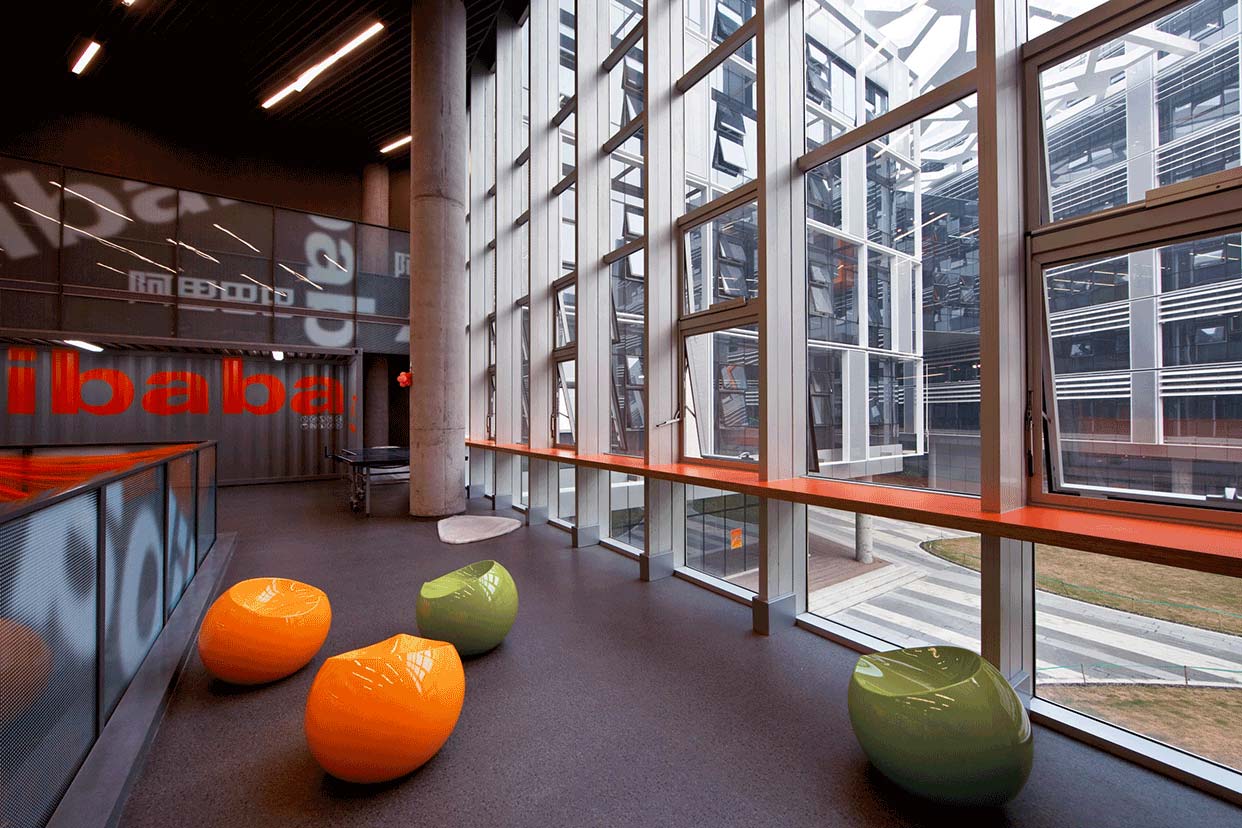
    Alibaba, the pioneer of Chinese e-commerce, is reportedly embarking on its first brick-and-mortar mall.

    The five-floor center, to be called “More Mall,” is being built near Alibaba‘s headquarters in the eastern Chinese city of Hangzhou, according to Caixin, a Beijing-based financial news group.

    Caixin first reported on the news Tuesday 2 September in the morning.

    A representative from Alibaba did not immediately respond to CNBC’s request for comment.

    The mall is being constructed on a 40,000-square-meter plot of land, Caixin said, and is scheduled to open in April 2018. Construction crews are believed to be finishing the building’s interior on time.

    Meantime, the internet giant has been making other moves in China to break into physical retailing.

    Alibaba CEO Jack Ma has said he wants to blend the online world with that of offline. One example is the company rolling out its own grocery concept, known as Hema.

    “More Mall” will feature unique brands from Alibaba’s e-commerce platform, Taobao, along with conventional retail brands, Caixin wrote.

    It will also have a Hema supermarket store, the publication said. Hema was first launched in 2015 as an app that allows shoppers to order groceries via a cellphone, using Alibaba’s Alipay to ring up purchases.

    In the U.S., Amazon is also encroaching on the physical world of retail — especially hurting grocery stores, after it bought Whole Foods.

    There are no reports of Amazon constructing its own mall, though. At least for now.

  • Old Navy Vietnam opens second store

    Old Navy Vietnam opens second store

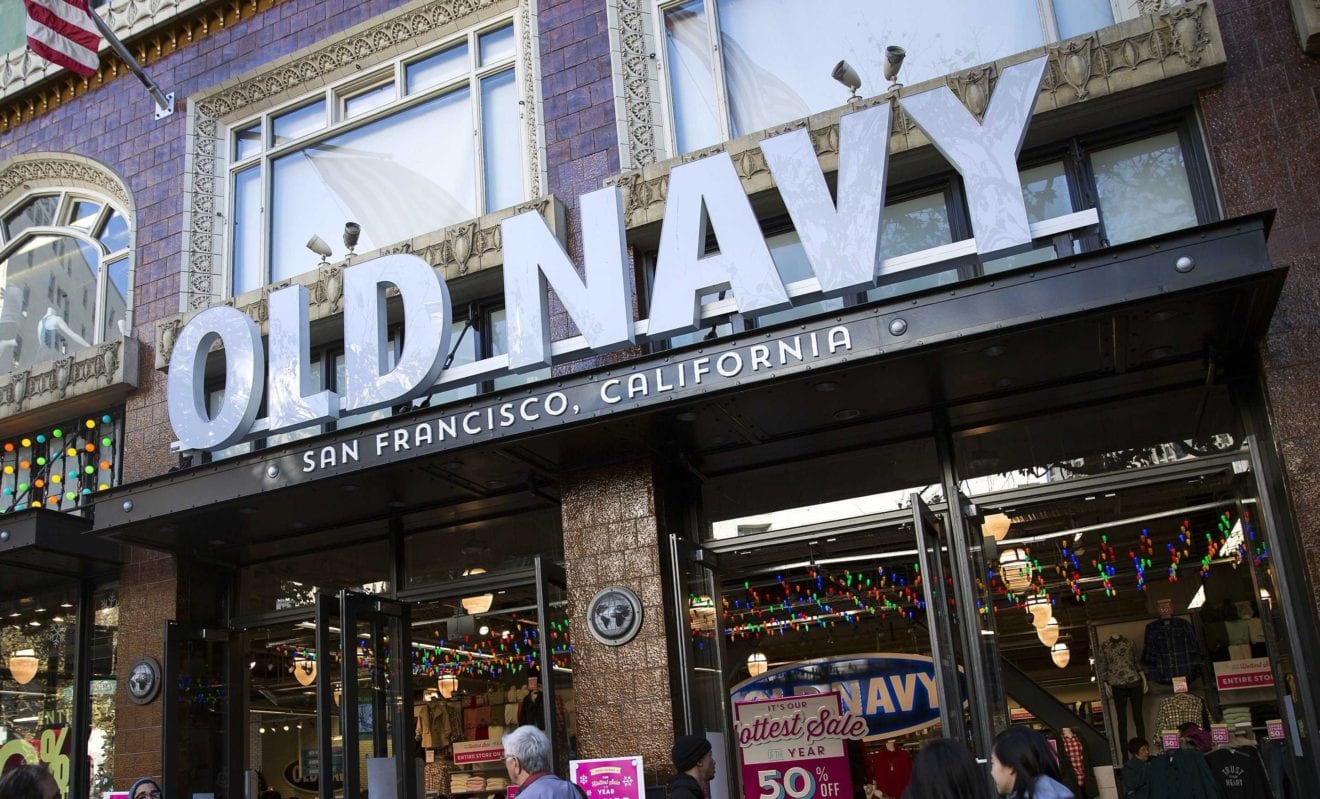
    Old Navy Vietnam has opened its first store in Hanoi, three months after its debut in the country.

    The 655sqm store is located in Vincom Nguyen Chi Thanh and offers collections for men, women, kids and babies.

    Melissa Fehlman, GM of Old Navy Vietnam, said the brand aims to open more stores throughout Vietnam in coming years, with Ho Chi Minh City’s second shop scheduled this month.

    Acknowledging that Vietnamese customers are trendy, Old Navy commits to refreshing 70-80 per cent of its products every three months, alongside core, long-term lines such as denim wear.

    Old Navy came to Vietnam under a franchise agreement between Gap Inc and Vietnam IPP’s subsidiaries ACFC and CMFC, which also hold the Gap and Banana Republic franchises in Vietnam.

    The nation’s fashion market is booming, buoyed by the recent arrival of international brands, including Pull&Bear and Stradivarius on September 1.

    H&M opens its first store in Ho Chi Minh City on September 9 and Zara will open its first Hanoi store next month.

  • Japan department stores see sales ease

    Japan department stores see sales ease

    Department-store sales in Japan fell 1.4 per cent last month on a same-store basis because of weak clothing and food sales, reports the Japan Department Stores Association.

    Sales at 229 stores run by 80 companies totalled ¥547 billion (US$5 billion), says the association. Sales decreased as most of the stores had moved their summer sale period to June, pushing down sales of clothes that would have sold well in July during a discount period.

    Accounting for 29.8 per cent of overall sales, the clothing category declined 5 per cent while there was a 2 per cent drop for food items, furniture and other home-use items.

    Among 10 major cities, Nagoya recorded the highest fall, 4.8 per cent, and Hiroshima a 3.4 per cent drop from July last year.

  • Prada reopens Suria KLCC store with new collection

    Prada reopens Suria KLCC store with new collection

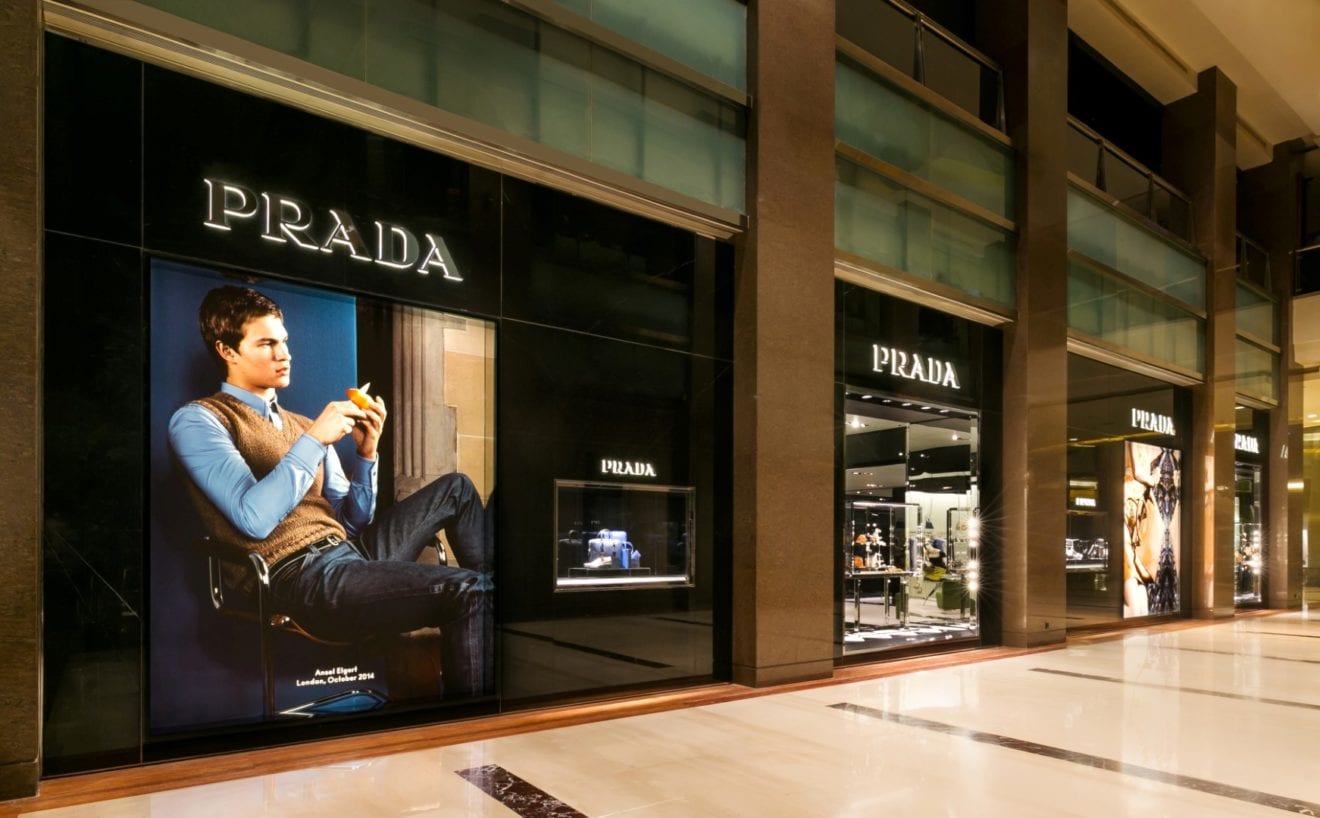
    Prada Malaysia has reopened its store at Suria KLCC Mall, Kuala Lumpur.

    The Italian luxury fashion brand’s 190 sqm boutique is now located at unit G7 & 7A, on the ground floor.

    Designed with modern interiors of black granite panelling and black and white tiles, the store features men’s and women’s collections, divided into different areas, as well as leather goods, accessories and footwear collections.

    During the opening, Prada has launched its Etiquette Collection exclusive to South Asia (Singapore and Thailand to follow) and Japan.

    The new Etiquette Bag has one center pocket with zipper closure and two inside pockets, sold in four colours – marine blue, black, dusty pink and white.

    The store is also first in Southeast Asia to offer a personalisation service for backpacks and pouches, with up to two initials applied in Saffiano leather.

    Prada currently runs three stores in Malaysia.

  • Timberland US opens Tree Lab concept store

    Timberland US opens Tree Lab concept store

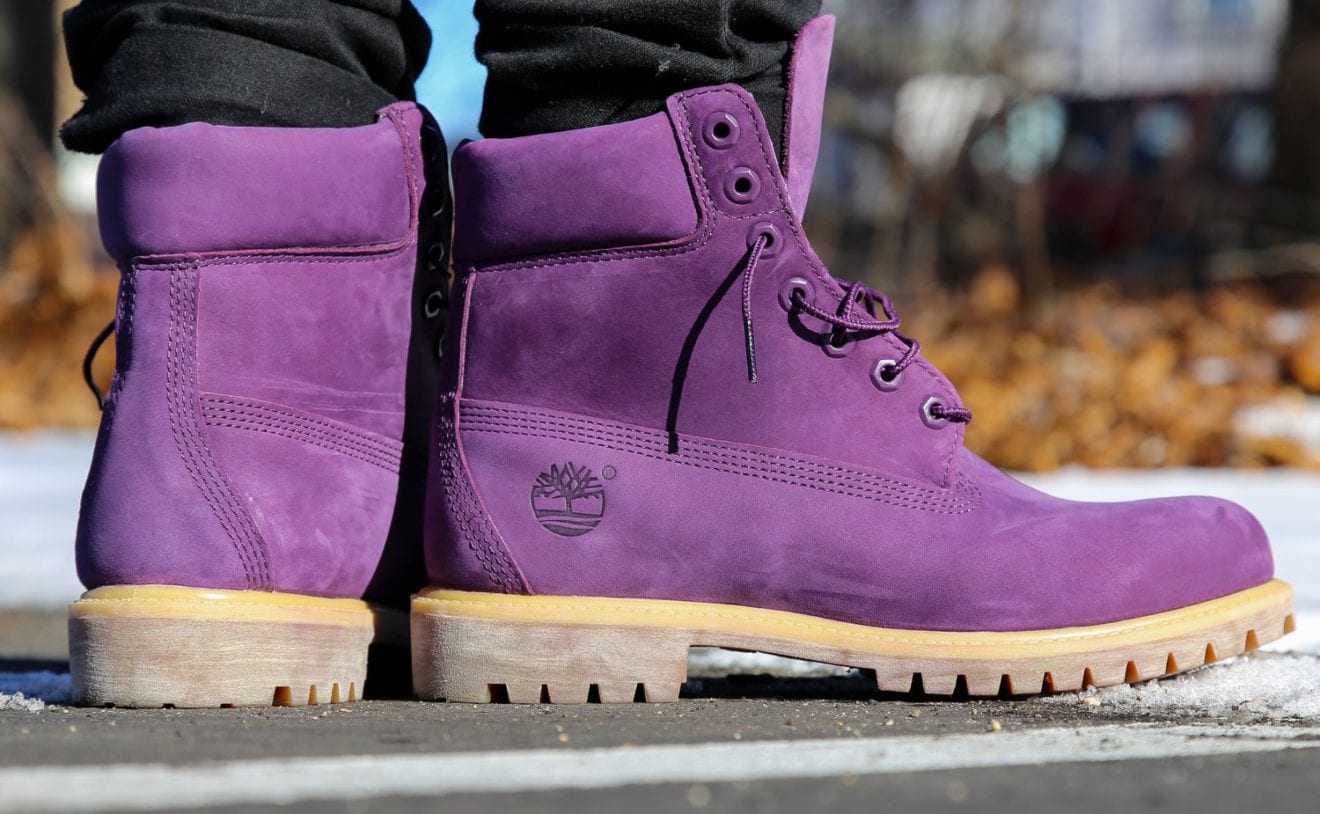
    Timberland US has opened the doors of its first specialty concept store: The Timberland Tree Lab.

    Located in the King of Prussia mall in Pennsylvania, the experiential Tree Lab features carefully curated product collections and brand stories in a gallery-style setting that will completely change every six weeks.

    The Tree Lab debuts with the theme Streetology – where versatile style for city streets meets hidden technology that’s been tested and proven for long days (and nights) in the city. Highlighting the Streetology launch will be the new men’s FlyRoam collection featuring the AeroCore energy system, as well as several new styles featuring SensorFlex comfort technology.

    Upon entering the Tree Lab – which is tagged by the brand’s signature tree logo followed by the word “Lab” – guests will immediately sense that this is something new from Timberland. Sleek, angular design elements combine with minimalist product displays for a fresh and modern brand presentation.

    Fun creative executions, like an oversized, Timberland-style periodic table, casually reinforce the science of comfort behind the new technologies. While testing the products in the Tree Lab, guests are invited to sample a local craft beer from Tröegs Independent Brewing (ages 21+) or enjoy a bottle of water that may one day be recycled into Timberland linings or shoelaces. And store associates, sporting custom Tree Lab hoodies, are always on-hand to help connect visitors to everything from the latest style trends to local city events. Every detail, down to the premium Tree Lab drawstring shopping bags, has been considered.

    “A shopping experience today reflects a journey through a hyper-connected world that’s constantly seeking something new, and our stores need to deliver on that, every day,” said Kate Kibler, VP of Timberland US’ direct-to-consumer business in North America.

    “The Tree Lab is more than just a place to shop – everything a consumer experiences from the moment they enter has been designed to enhance their visit, expand their horizons, and leave them with a great memory to go along with that beautiful new pair of shoes.”

    Following the Streetology installation, in late September Tree Lab will transform virtually overnight into SHEvolution. The entire store will be dedicated to women, with a curated selection of boots and shoes that offer everything she wants without giving up anything.  Feminine. Tough. Beautiful. Well-crafted.

    Comfortable. On the heels of SHEvolution will be a holiday-themed installation, opening early November.

    Tree Lab – the first of its kind in the world – is one of many initiatives Timberland plans to introduce this autumn. The brand plans to open a series of “flex retail” stores across the US, starting with a Mall of America location debuting on September 1.  In addition, Timberland plans to open specialty stores in Stanford, CA at the Stanford Shopping Center (August 18) and in the heart of Portland, Oregon along popular Couch Street (September 1).

  • Oppo Malaysia launches flagship at Suria KLCC

    Oppo Malaysia launches flagship at Suria KLCC

    Chinese phone brand Oppo Malaysia has officially launched its first flagship store for Southeast Asia at Suria KLCC.

    As a special service, customers can have their Oppo devices engraved. Shoppers who buy a phone in store are not charged for the laser-engraving service.

    On the mall’s third floor, the store has an interior of silver-grey aluminum composite panels with white oak wood touches, soft film ceiling and a grey sofa.

    “Malaysia has always been a key market for Oppo,” says Oppo Malaysia sales director Garry Gong. During its three years in Malaysia, the brand has been learning, adapting and improving its services, he says.

    With a focus on customer experience, the new store also offers printing services for photos taken with Oppo camera phones.

  • Peak Philippines launches concept store

    Peak Philippines launches concept store

    After 10 years in the market, activewear brand Peak Philippines has opened its first concept store, at Robinsons Place Manila.

    Fuelled internationally with collaborations with such entities as the US National Basketball Association and world basketball governing body FIBA, the Chinese brand has widened its product offering to include training, running and women’s gear, all of which are featured in the new concept store.

    “As Peak is competing with the big brands, it is time to position ourselves,” says store owner Jonathan Chenglay, who also owns the Peak outlet store at Riverbanks Center in Marikina City.

    “Some of the items in the concept store you will not find in shopping malls carrying the Peak brand, like Gaisano, Robinsons and SM, or sports shops like Olympic Village and Toby’s.”

    To mark the opening of the store, Peak brought in NBA player and brand ambassador Matthew Dellavedova of the Milwaukee Bucks, who also promoted his first signature Peak shoes, the Delly 1. Featuring Peak’s latest technology in design and cushioning, it is available in different colors.

    Chenglay says more Peak concept stores will be added down the line. “There is definitely still room for expansion.”

  • Dell Thailand launches concept store

    Dell Thailand launches concept store

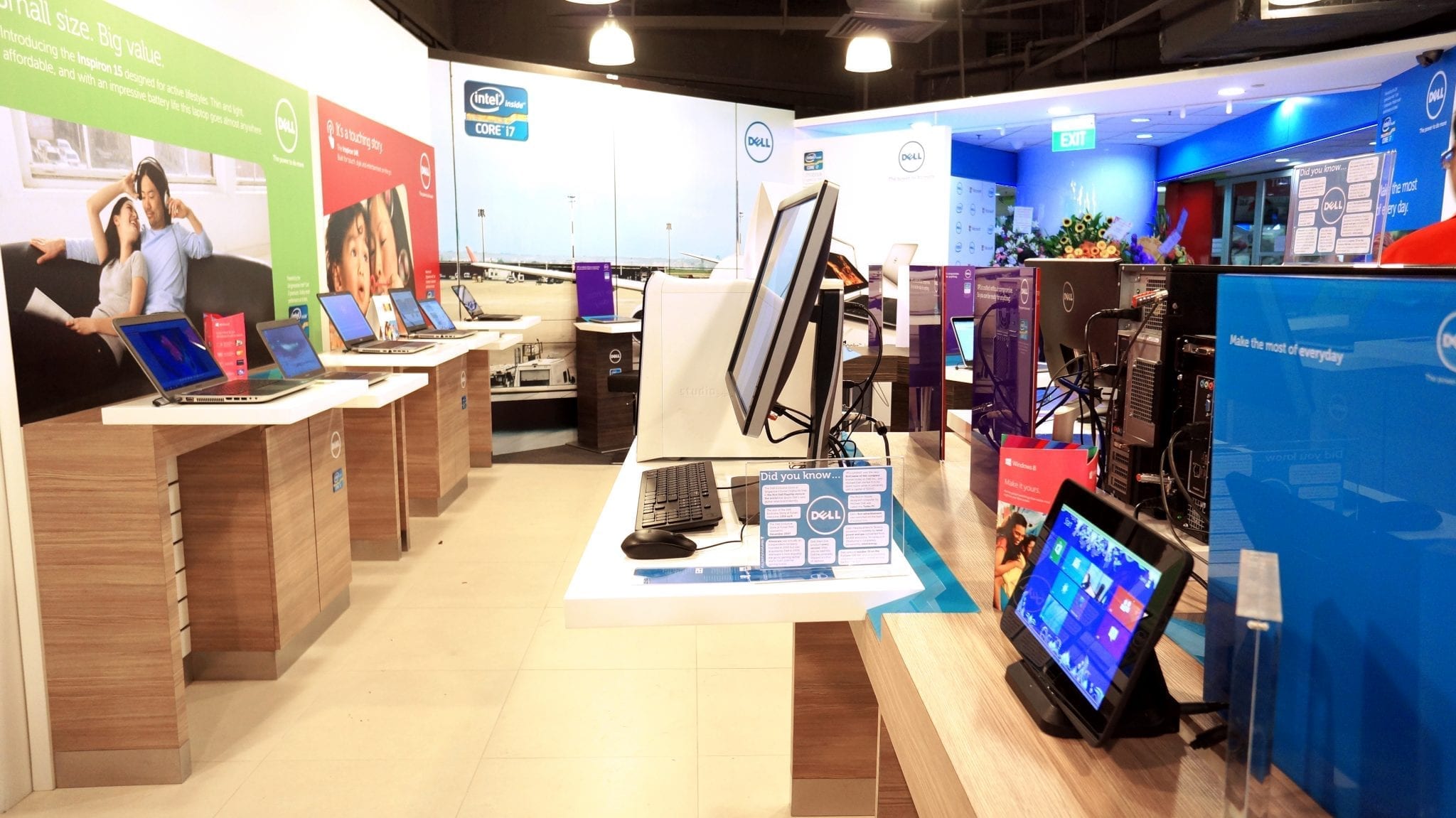
    Dell Thailand, in partnership with Chiangrai Technocom, has launched the first Dell Concept Store in Chiang Rai.

    Dell products at the store include desktop and laptop computers and peripherals for both consumer lifestyle and professional needs.

    Chiang Rai provincial mayor Wanchai Chongsutnamani presided over the store’s official opening.

    Dell EMC Indochina VP Anothai Wettayakorn says the company is confident in its partnership with Chiangrai Technocom, which has been selling Dell products through its six branches in the northern region of Thailand.

  • Motorola Philippines opens third concept kiosk

    Motorola Philippines opens third concept kiosk

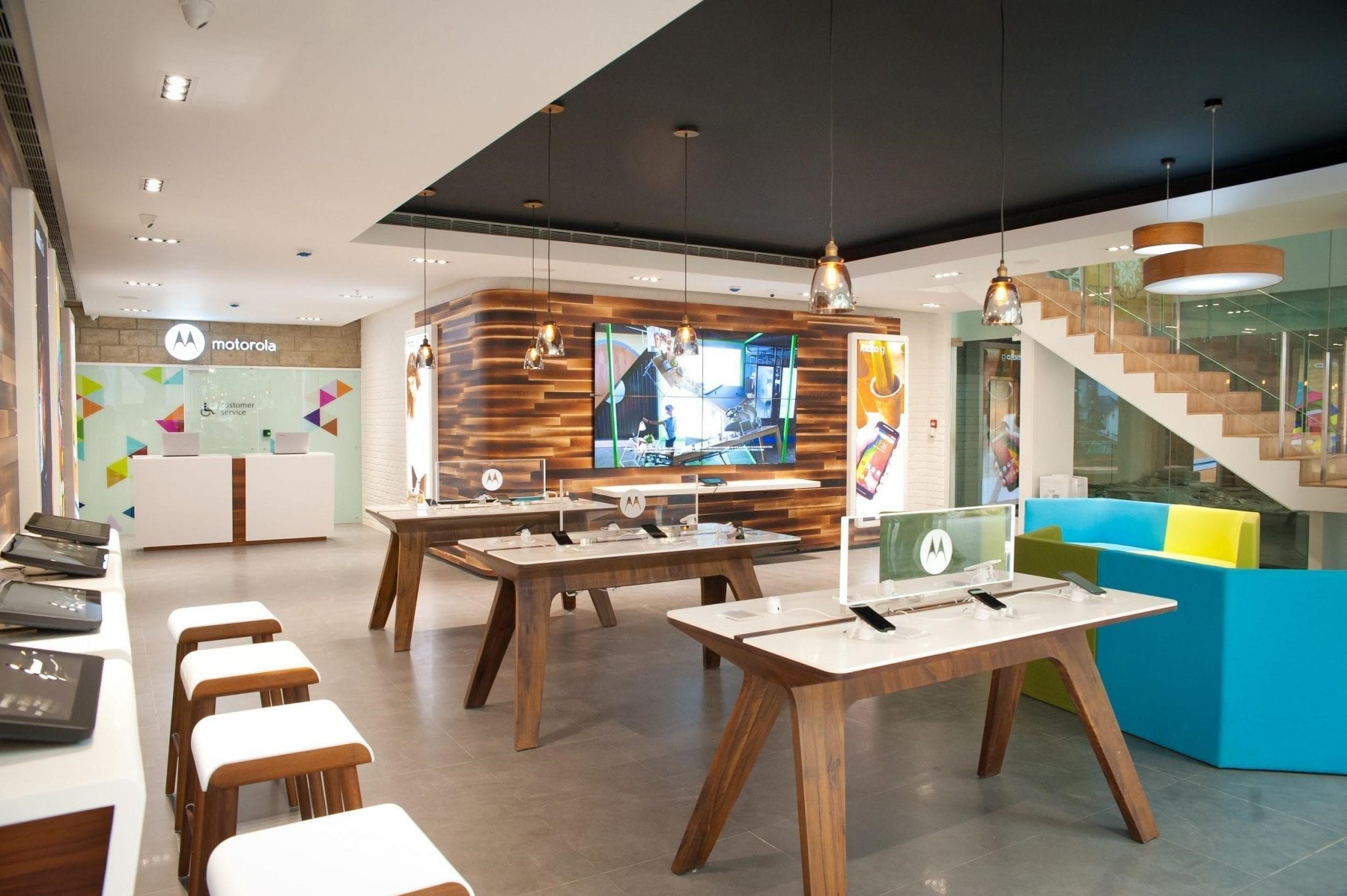
    Motorola Philippines has opened its third concept kiosk, at SM Mall of Asia in Pasay City.

    It is part of the Lenovo-owned company’s move to strengthen its retail footprint in the nation’s high-traffic malls.

    On the second level of the mall’s Cyberzone, the store features a full Moto smartphone lineup.

    “Motorola is keen to revolutionize Filipinos’ digital lifestyle,” says Lenovo Mobile Business Group Philippines country manager John Rojo.

    Shoppers at the new kiosk have been offered exclusive discounts and gifts when buying Motorola smartphones.