Tag: Store

  • Foot Locker Launches E-commerce Platform

    Foot Locker Launches E-commerce Platform

    Foot Locker has launched its first Aussie e-commerce platform, opening a website that includes the shoe retailer’s full range of sneakers and apparel.

    In a statement, the shoe retailer said it anticipates the online store will further fuel the rise of sneaker culture in Australia.

    “We’re excited to expand into the online space and give our customers the opportunity to access our full range of product from anywhere in Australia,” said Natalie Ellis, VP GM Foot Locker Asia Pacific.

    The 24/7 website will house sneakers, apparel and accessories from brands including Jordan, Nike, adidas, Puma, Asics and Converse.

    Foot Locker said it’s built the e-commerce store to meet the needs and expectations from consumers and ‘to facilitate access to the best-of-the-best sneakers from anywhere in Australia’.

    Consumers will have access to the full range of House of Hoops, a-standard, Puma Lab and Converse Prime product that had previously been available for purchaseonly within flagship stores.

    The e-store allows free returns anywhere in Australia, free delivery nationally for orders over $150 and has a selection of over a thousand products.

    Foot Locker Australia, a subsidiary of the US corporation, Foot Locker Inc, was incorporated in 1994 and is based in Murarrie, Queensland. It operates approximately 100 stores across Australia and New Zealand.

    Sneaker culture appears to be a developing phenomenon, with Foot Locker’s British rival, JD Sports, recently asserting the success of its first local offerings.

    “The highly anticipated JD Sports Parramatta launch is expected to attract sneakerheads en masse, following the success of Melbourne Central’s flagship store, which went down as one of the largest launch days of any international territory within the JD Sports business,” said Hilton Seskin, head of JD Australia. The Parramatta store opened last week with over 500 customers queueing to get their hands on limited edition sneakers.
  • Davao gains first Globe Telecom Gen3 store

    Davao gains first Globe Telecom Gen3 store

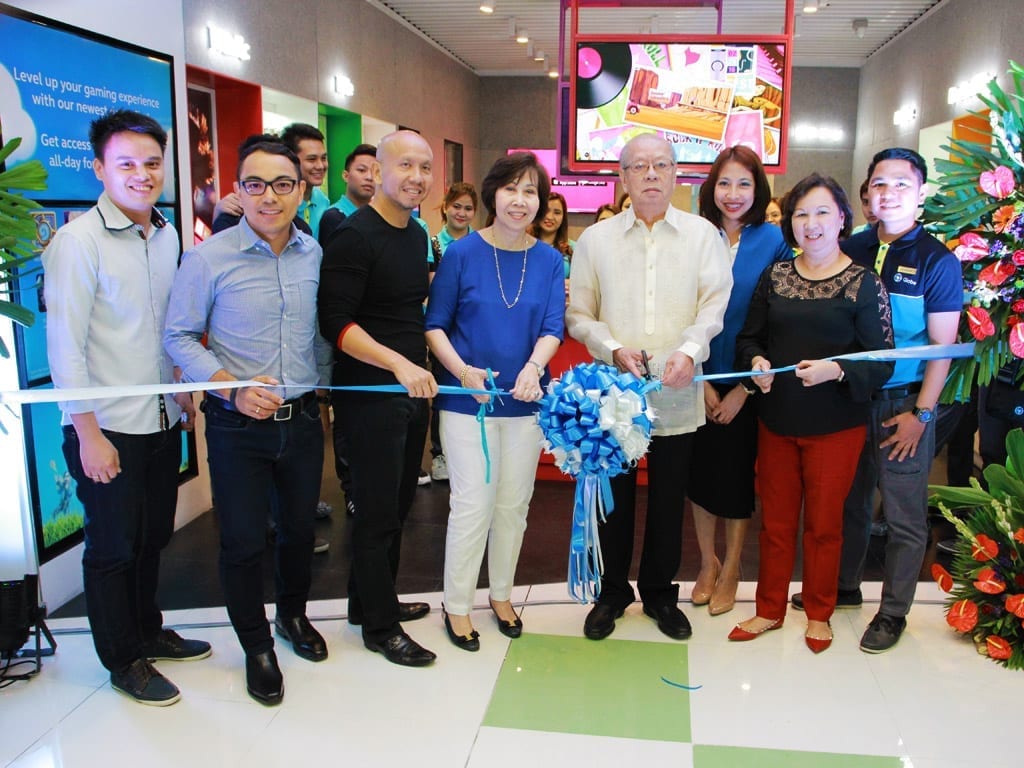
    Globe Telecom has opened its first Gen3 store for Davao City, at Gaisano Mall of Davao.

    It is described as “a new retail experience” by Irra Zarina Escandor, who owns GMI Global Ventures, the first Gen3 store owner in Davao City.

    Gmall Globe Gen3 store retail manager Ace Cabana says customers will experience lifestyle vignettes designed to catch attention. There will not be any queues as a tablet will be used to help customers.

    Cabana says the topography of the store is reconfigurable and interactive. Globe products and services will be showcased within different zones featuring video-on-demand providers, music providers, plan packages and gadgets.

    Designed by Tim Kobe, founder/CEO of Eight and designer of Apple Stores and Nike pop-ups, the Gen3 stores were first launched simultaneously in Mindanao’s Limketkai Mall in Cagayan de Oro City, and at SM North Edsa in Quezon City.

  • Ikea Philippines debut imminent

    Ikea Philippines debut imminent

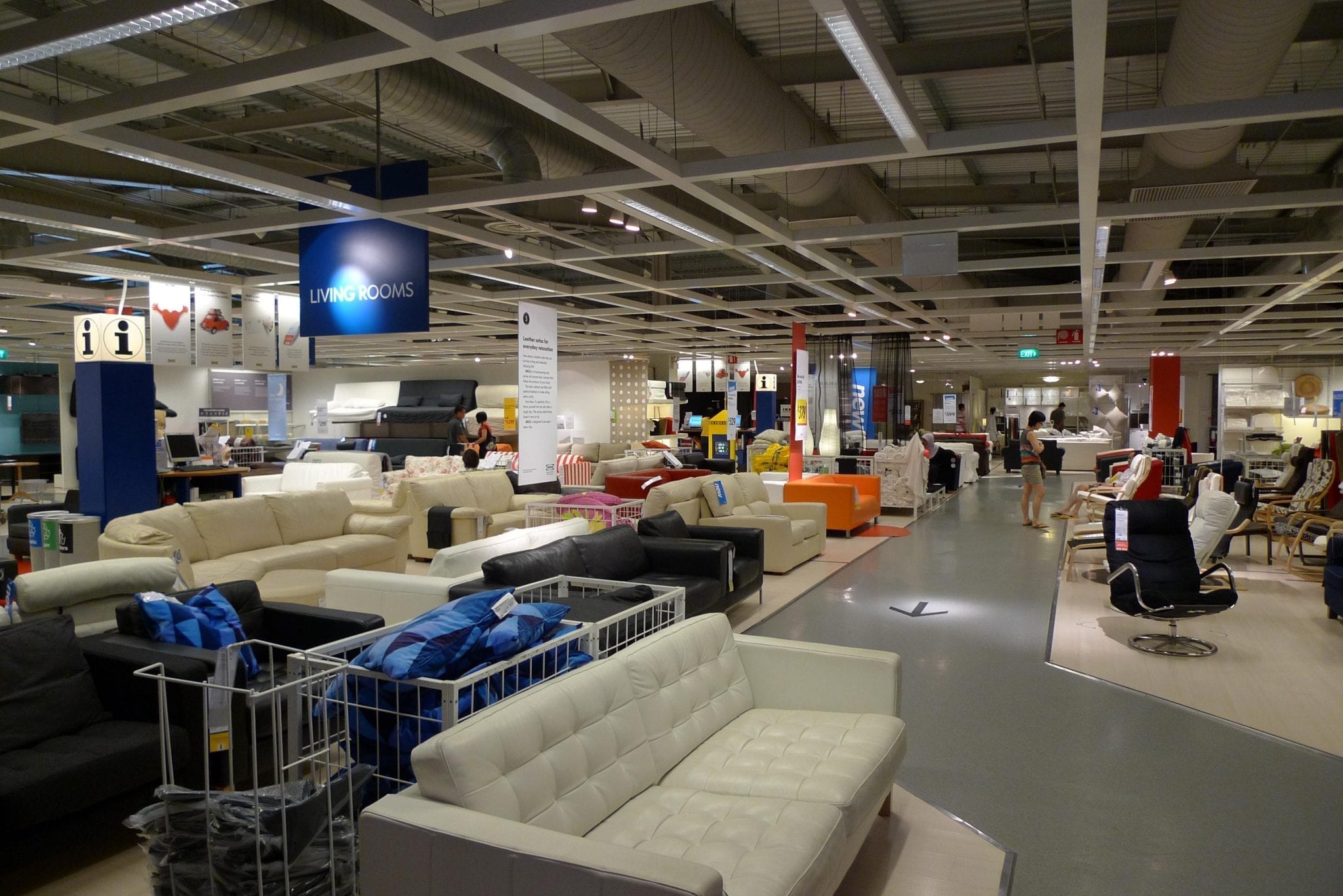
    The launch of Ikea Philippines is a major step closer after the Swedish furniture giant’s local partner won Board of Investment (BOI) approval to set up business.

    News of the BOI pre-approval of a bid by Ikano Pte Ltd, the operator and franchise-rights owner of Swedish furniture brand Ikea in key Asian markets, was broken by the Business Mirror, which cited BOI documents dated last November.

    Ikea has always wanted to establish a presence in the Philippines, especially Manila, and there have been reports of planning for a launch as far back as 2013.

    The Business Mirror points out that under current law, before engaging in retail trade business – or investing in an existing store in the Philippines – all foreign retailers must have a net worth of either US$200 million or $50 million, depending on its classification as a foreign retailer.

    “The foreign retailer must also have five operating retail branches or franchises in global locations, unless it owns at least one store worth $25 million, and a five-year track record in retailing,” the publication explained.

    Ikea is already operated in Hong Kong, Indonesia and Taiwan by a subsidiary of Hong Kong-headquartered Dairy Farm International, which also owns the Guardian chain of health and beauty shops, and pharmacies.

    It is run by a separate franchisor in Singapore, Thailand and Malaysia.

  • Microsoft expands local presence

    Microsoft expands local presence

    Microsoft is looking to extend its local retail footprint, yesterday launching a virtual store on Ebay.

    The tech giant said it is looking to tap into the 11.3 million monthly visitors that visit the online marketplace, with one in two online shoppers visiting the site.

    It represents a three-fold tilt at Aussie consumers with the Ebay store joining its own e-commerce platform and flagship store at Pitt Street mall in the Sydney CBD.

    “With the launch of the Microsoft store on Ebay, we’re making it easy for the millions of Australian Ebay users to discover and purchase their favourite Microsoft products with the assurance of the same safe online shopping experience, return policy and free shipping that they have come to expect from microsoft.com,” said Fiona Sims, online store manager, Microsoft Store ANZ.

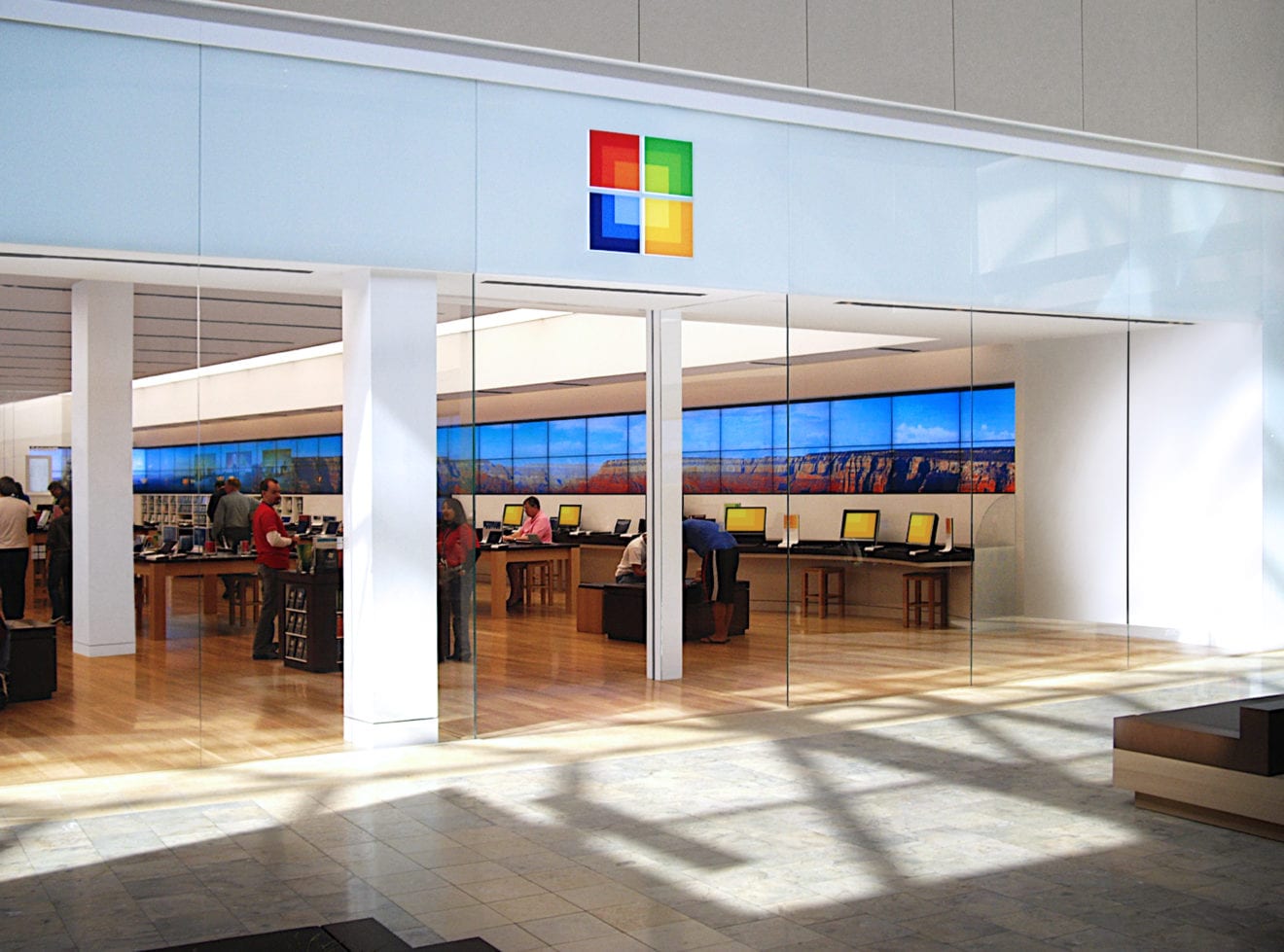
    Operated by Microsoft Australia, the Ebay store will feature Surface, Xbox, a full range of PCs, accessories, software and similar deals and promotions to those found at the flagship Pitt St location, where there are over 178 digital panels throughout the store with 38 different video feeds, and two large external screens.

  • Ksubi returns to retail with global flagship

    Ksubi returns to retail with global flagship

    Ksubi is on a fashion comeback with the opening of its global flagship store in Sydney. Located on the prime shopping strip of Oxford Street in Paddington, Ksubi has set up its return to retail within the coveted ‘The Intersection’ shopping hub in Sydney’s inner east

    The new boutique adds to the current distribution of Ksubi, which sees its jeans, apparel and accessories stocked inside the store walls of youth fashion retailer General Pants Group, who acquired distribution rights to the brand in 2014.

    The new Ksubi store comes after years of financial woes for the Sydney fashion label, after it was rescued twice from administration.

    Ksubi was founded as a streetwear label in 1999 by Gareth Moody, Dan Single, George Gorrow, Paul Wilson and Oscar Wright. Known for its impeccable denim cuts and high-octane aesthetic, the label soared to cult status among trend-lead fashionistas for several years and was stocked globally in niche boutiques.

    However, in 2010, claims of mismanagement and quarrels internally saw it fumble into administration, and it was sold to clothing manufacturer Bleach Group for around A$5 million.

    In late 2013, the Australian fashion label was then placed in receivership again after 14 years in the business, with Bleach Group chief executive Mark Byers blaming challenges in the Asian supply chain. Some 60 staff were fired from the brand’s head office, while its seven stores were also closed.

    US-based firm Breakwater Management Group took on Ksubi soon after and at the time said it would focus on the brand’s online sales. Breakwater then inked a distribution agreement with Australian multi-brand retailer General Pants Co in 2014, to sell Ksubi items from its 40-plus Australian stores, thus reviving Ksubi’s brand reach in store.

    With the news of the latest Ksubi store in Sydney, no information has been disclosed concerning future store openings for the brand in Australia or overseas. Today, Ksubi is sold in the US, Japan, the UK, and New Zealand and in Bloomingdales in Kuwait.

  • AWPL opens outdoor apparel store at Sydney Airport

    AWPL opens outdoor apparel store at Sydney Airport

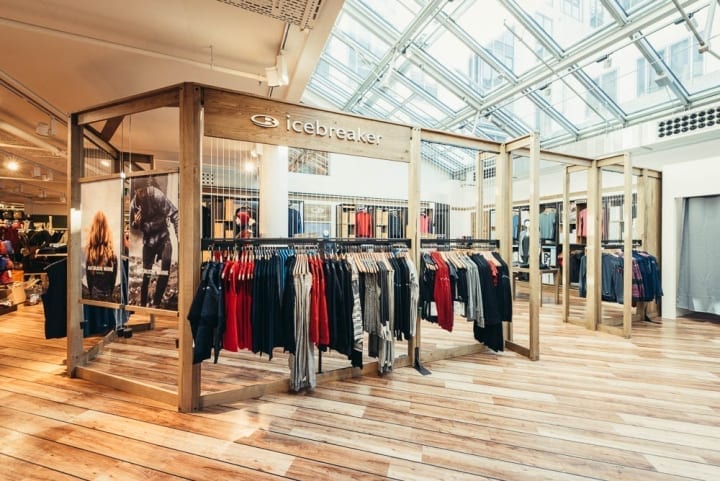
    AWPL has opened Australia’s first Icebreaker airport store in Sydney Airport’s T1 International Departures.

    New Zealand’s Icebreaker offers a range of outdoor apparel. The Sydney Airport concept store will feature Icebreaker’s merino wool apparel, including socks, underwear, base layers, performance ski gear and travel wear.

    The products are made from merino wool sourced from over 180 stations along New Zealand’s Southern Alps. According to the company, the lightweight fabric breathes in hot weather and locks in heat during icy spells, making the gear suitable for all conditions.

    “We are delighted to be the first airport in Australia to welcome Icebreaker to T1 International Departures, further bolstering our selection of global brands and offering our customers the opportunity to shop a great range of high-performance outdoor clothing,” said Sydney Airport General Manager Retail Glyn Williams.

    AWPL Managing Director Costa Kouros commented: “We at AWPL are proud to further strengthen our relationship with Icebreaker – one of the world’s most wonderful brands. Our commitment to enhancing the customer experience at Sydney Airport is unwavering, and our Icebreaker concept is another step on that journey.”

  • Convenience stores seek ways to differentiate themselves from rivals

    Convenience stores seek ways to differentiate themselves from rivals

    In the past, convenience stores differentiated themselves from privately run groceries by position, diverse goods and modern services. Now, they tend to set up large stores integrated with fast food shops to attract youth and office workers.

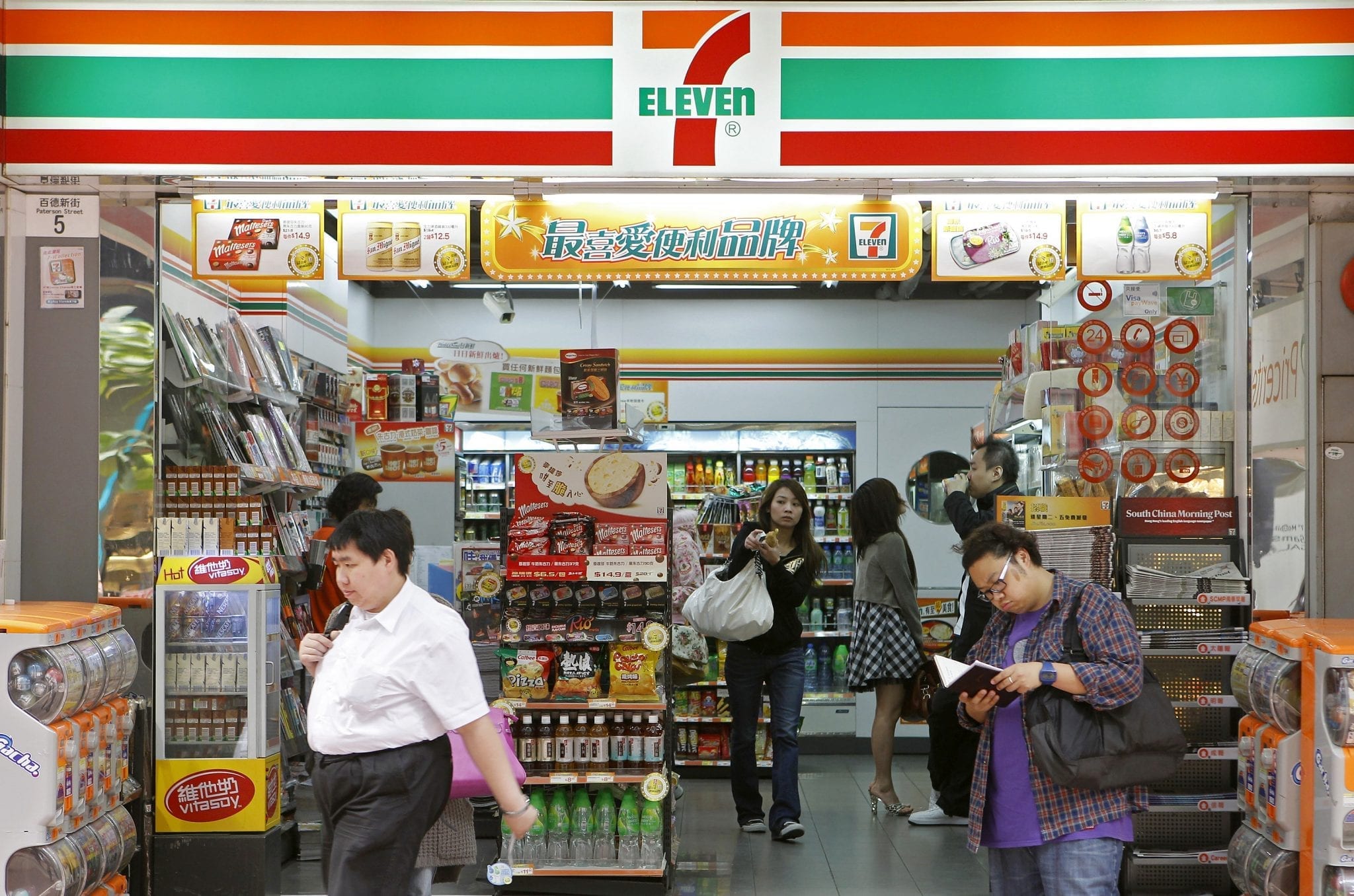
    HCMC residents were reported as queuing up at the first 7-Eleven shop at Saigon Trade Center on June 15, the opening day of the shop.

    N.N. Huong, who visited with her teenage daughter, said she was curious about the new brand and she wanted to find out if there was any difference with the Ministop shop located next to her house.

    Seven System Vietnam said 7-Eleven offers hundreds of dishes suitable to Vietnamese taste, and provides lunches to office workers with 20 alternatives. Besides the products with private brands, 7-Eleven also provides facilities such as dining area, wifi and card payment services.

    After a decade of slow development, convenience stores have been developing strongly in the last three years.

    FamilyMart, Ministop and B’s, after changing the joint venture model, have been stepping up the expansion of the chains.

    Each of the brands has had 40-50 new shops set up every year. In the last three years, the network of 24/24 convenience stores has grown threefold and expanded to other provinces and cities besides Hanoi and HCMC.

    Analysts said though the high retail premises rent remains the biggest obstacle for the development of convenience stores (which accounts for 40 percent of operation costs), convenience stores have overcome a difficult period to form large-scale chains.

    Most convenience store chains are part of large corporations such as Aeon, Central Group, Saigon Co.op, Vingroup and SATRA.

    Aeon, for example, now owns many retail chains in Vietnam, including Ministop, which is open 24/24 hours, located in central districts; Aeon Fivimart, known as food shops; Aeon Citimart B&B, located in apartment blocks; and Daiso, the single-price chain, which all connect other models, from supermarkets, hypermarkets and shopping malls to other potential segments of the retail market.

    Zakkamart, a 100 percent Vietnamese owned chain, established three years ago, opens two new shops every month on average. The difference between Zakkamart and other convenience stores is that the chain sells fresh food, vegetables and fruits and frozen products.

    Nguyen Van Khoa, deputy general director of Satra, said Satra provides daily meals, and does not only focus on FMCG (fast-moving consumer goods).

  • Porter Stand opens pop-up store in Osaka

    Porter Stand opens pop-up store in Osaka

    Japan’s Porter Stand has opened up a temporary store in Osaka. The new Porter Stand pop-up will open for a limited-time at the Hankyu Umeda head office in Osaka. It is the first time the brand will open a store in the western Japan area. 

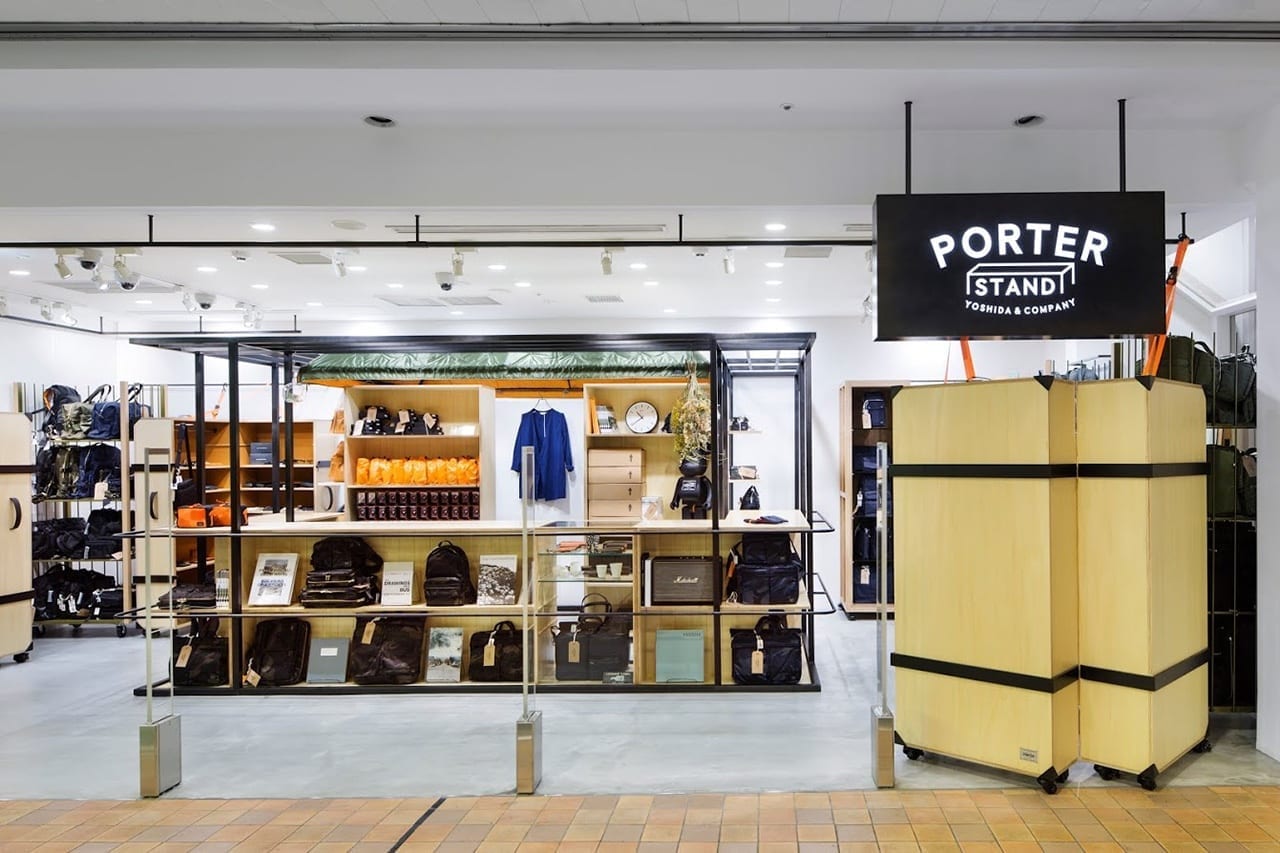
    Inside the new pop-up shop, customers will find Porter Stand’s classic series, including original items and collaborative pieces including the Orgabits × Porter Tote Bag, co-designed with organic cotton brand Orgabits. 

    The shop also stocks limited-edition items in the form of bags, wallets and pouches. Inside the store, the colourway is minimal and woody. Trunk type fixtures are placed around counters, matching the retailer’s concept of being a porter stand or “a baggage check room where many bags gather,” as per the brand’s website.

    Porter Stand is also located in Tokyo Station and Shinagawa Station, one of the busiest transportation hubs in Tokyo.

    Earlier in the year, the retailer took its concept to Paris in January, opening its ‘Trunk Store’ pop-up inside the Bows & Arrows store in the Marais area of the French capital.

    Owned by Yoshida & Co., a Japanese manufacturer of bags and accessories since 1935, Porter Stand sells the firm’s Made In Japan accessories line Porter and Porter Girl, as well as the Luggage Label line.

    The Porter Stand Osaka store will run from June 14 to 20.

  • Apple To Open The First Retail Store Taiwan

    Apple To Open The First Retail Store Taiwan

    Apple has revealed that it will be opening its first store in Taiwan in the near future. The store will be located at the Taipei 101 skycraper and will take up space on both the basement level and the ground floor. The combined floor space will be approximately 1,322 square meters. Taipei 101 is the fourth tallest building in the world and is in the Xinyi District of Taiwan’s capital city.

    “Taiwan’s first Apple Store will soon open in Taipei! Apple Store – Taipei 101 will provide a space for people to experience Apple’s full range of products and services; At the same time, for people to come together to create, share and learn,”

    Authorized resellers

    While the specific opening date has not been set, a Taiwanese publication has speculated that it could happen as soon towards the end of this month. Currently, Apple sells its range of products such as iPhones, iPads, Apple Watch, Mac desktop and laptop computers via third-party resellers. Apple also sells to its Taiwanese customers directly online. Some of the Apple authorized resellers in Taiwan include iStore, Studio A and Youth.

    So far there are about 495 Apple stores spread across 17 countries around the globe. The United States takes the lion’s share of the stores having 270 of them while the remainder is distributed in the rest of the world. In the greater China area, Apple has more than 40 retail stores with five of them located in Hong Kong and about 41 retail stores located in Mainland China. Most of these stores are stationed in MixC and Galaxy shopping malls.

    Recruitment of employees

    Apple’s plans to open a retail store in Taiwan first came to the fore in 2016 when it posted ads for various positions include business leader, store leader, manager, expert and genius. This came at a time after Apple had raised in a bond offering approximately $1.38 billion in Taiwan. The absence of an Apple retail store in Taiwan has been ironic since majority of the key suppliers to Apple such as Foxconn are headquartered on the island.

  • Xiaomi’s 100th Mi Home Store in China Opens

    Xiaomi’s 100th Mi Home Store in China Opens

    Xiaomi was once heralded as the internet phone king of China after it took the centre stage in selling its smartphones in China. That has however seen a decline due to the influx of other phone makers into the online channel. The likes of OPPO and Vivo have even outpaced Xiaomi by incorporating both offline and online sales channels, leading to a serious decline in revenue. This has prompted the company, dubbed the Apple of China, to open offline stores in China.

    Xiaomi had revealed last year that it plans to open 1000 Mi stores across several cities in China by the year 2020. In order to achieve that target, the company’s CEO Lei Jun hinted earlier this year that this company would open over 200 retail stores this year. The company has now hit 100 stores in total since the start of the project.The figure followed the opening of four new shops in Zhengzhou, Guangzhou, Foshan and Shanghai. The achievement si coming just five months after the 50th Mi home store was opened in December.

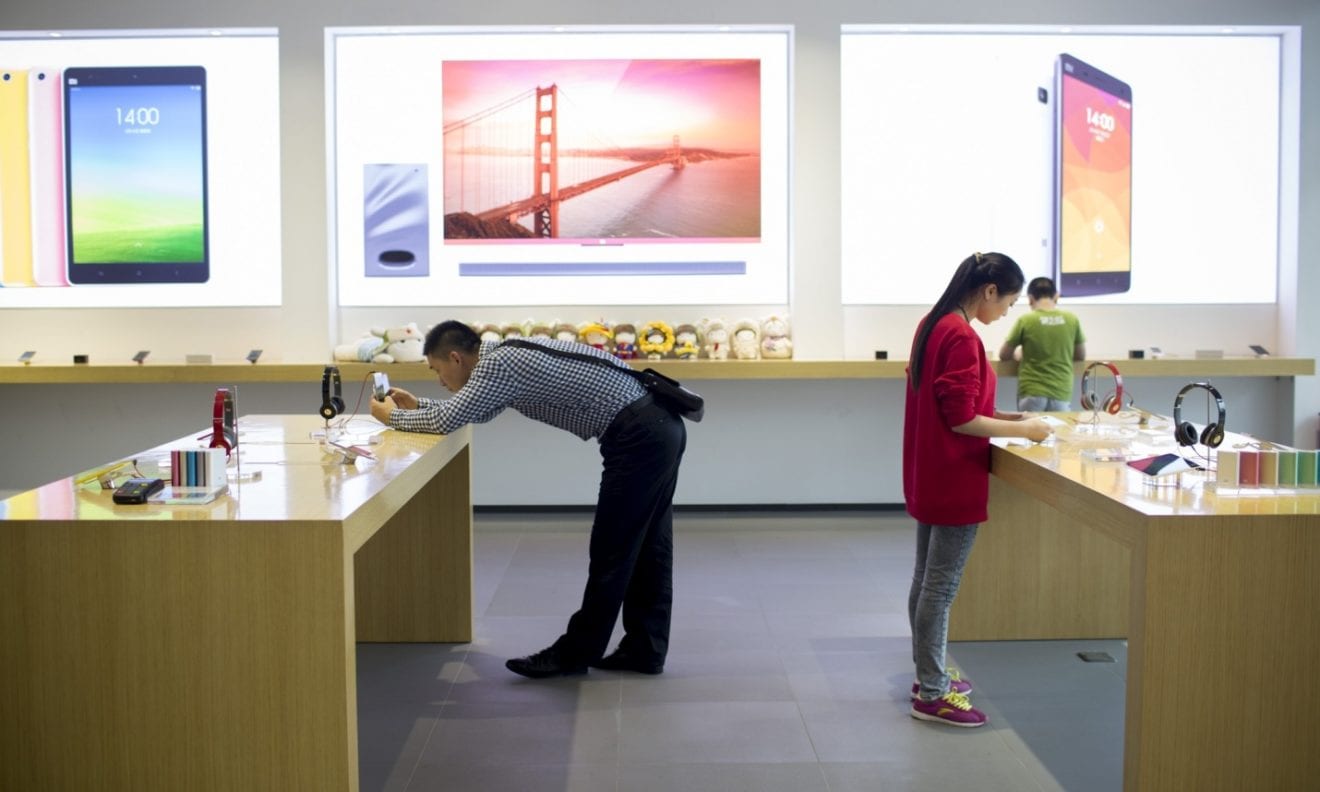
    At present, the Mi Home stores are located in major cities like Beijing, Guangzhou, Shenzhen, Nanjing, Chengdu, Hangzho, Wuhan, Zhuzhai, Zhengzhou, Changsha, Wuxi, Dongguan, Jinan, Dalian, Xiamen, Qingdao, Shenyang and others. Apart from sales, the shops cater for after sales service needs of customers as well as sales of accessories and technical support services. From the look of things, the Mi Stores seem to also stock other Mi smart gadgets apart from smartphones.

    Xiaomi has so far released quite a number of products this year and the pace seems not to be abating. With its recent determined pace, could we see Xiaomi contending at the top three at the end of this year? That is looking likely, even though its competitors are not sleeping either.

  • Apple opens flagship Singapore store, its first retail outlet in Southeast Asia

    Apple opens flagship Singapore store, its first retail outlet in Southeast Asia

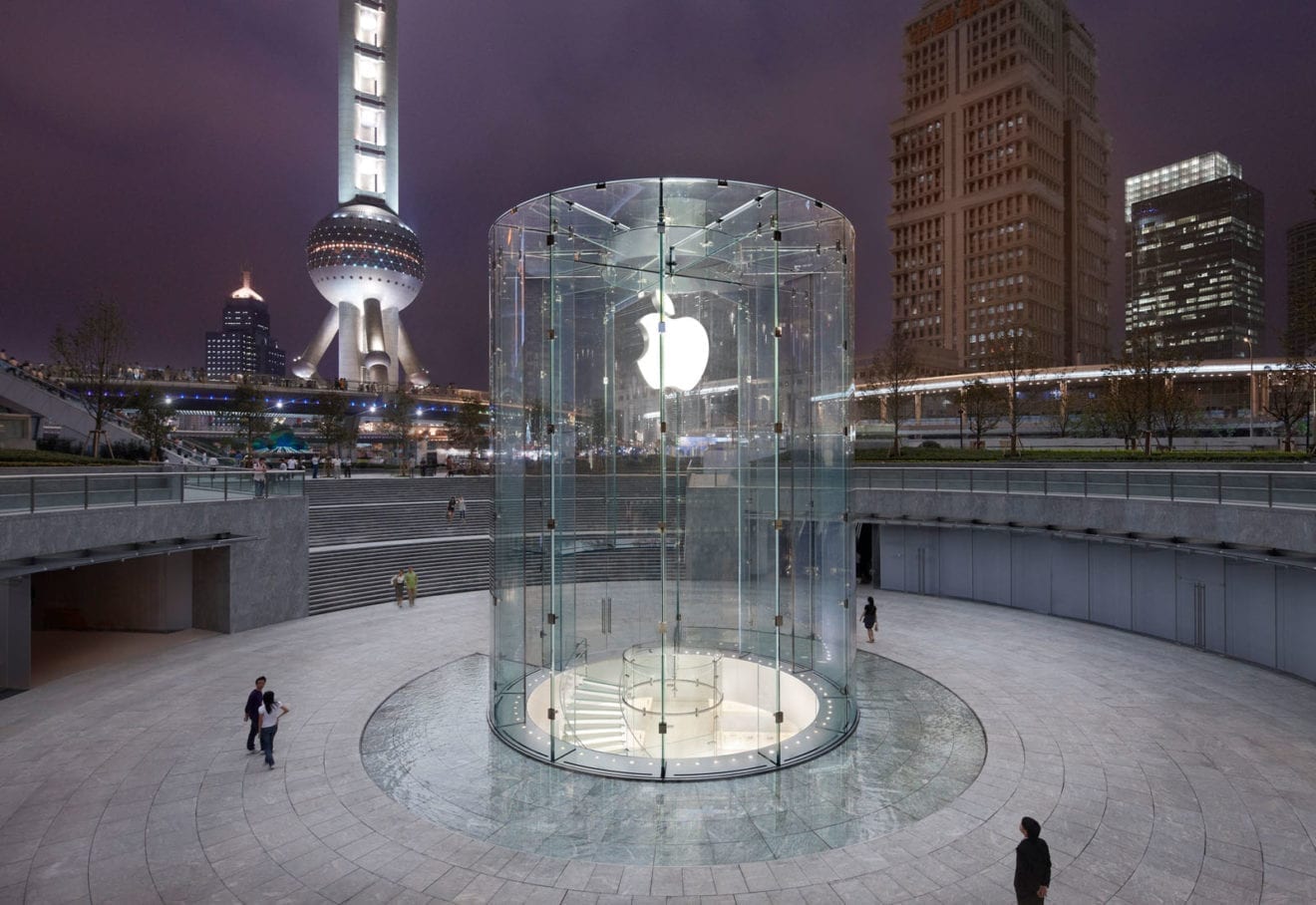
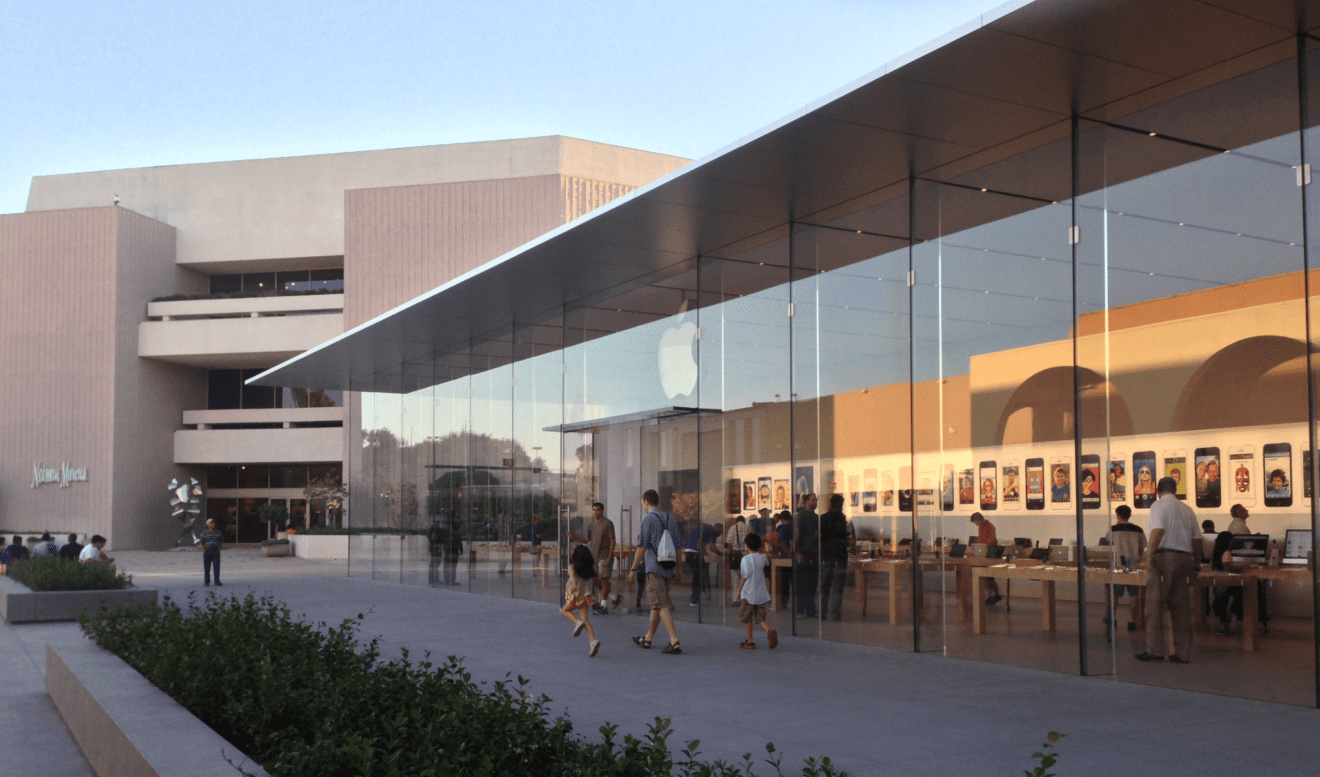
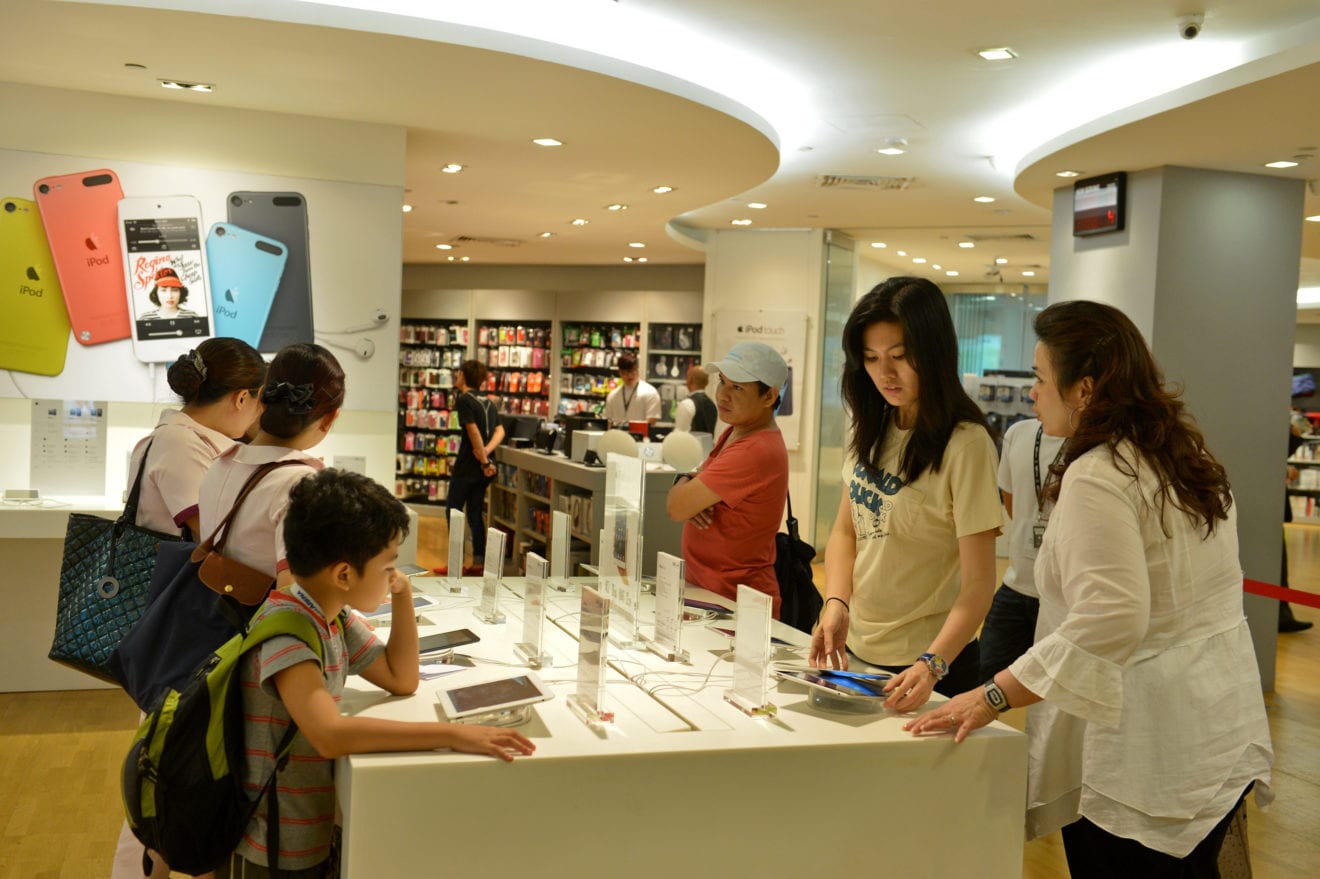
    Saturday saw the official opening of Apple‘s new retail store in Singapore, also marking the first Apple Store to open in Southeast Asia. Officially known as Apple Orchard Road, the store is the latest of Apple’s next-generation retail stores, feature design elements like a large, all-glass front, open spaces to be used for community-focused events such as Today at Apple, tree planters inside, and custom wood furniture.

    The store’s design and interior were first revealed earlier this week when Apple finally had the barricades removed after months of work. At 10:00 AM on Saturday the store was opened to the public, with a significant crowd waiting outside. Apple’s senior vice president of retail, Angela Ahrendts, was present at the opening to welcome visitors and take part in the celebration with staff.

    After spending almost two years in the planning stages, Apple Orchard Road has come to life as two-story outlet featuring a curved staircase that features design elements borrowed from the new Apple Park headquarters in Cupertino. Upstairs guests will find the Genius Grove and gathering area for Today at Apple sessions, while the bottom floor has plenty of tables showcasing the company’s many products and accessories.

    Part of Apple’s goal with redesigning their stores is to change the public’s perception of the locations as simply places to buy Apple products. Ahrendts has said that they want Apple stores to be viewed more as meeting spots, much like Starbucks, or as places where interesting events take place, with friends wanting to check it out together.

  • Jabong launches ‘The mood store’ – shopping innovation rooted in fashion insights

    Jabong launches ‘The mood store’ – shopping innovation rooted in fashion insights

    Jabong, India’s leading online fashion retailer, launches the ‘Jabong Mood Store’, which redefines how India shops for fashion online. The Mood Store is the first-ever comprehensive fashion store that allows consumers to shop the entire look per their mood. The store is based on deep consumer understanding and analytics around preferences of the Indian fashion customer.

    The Mood Store will help users understand the best choices across moods like hanging out with friends, out for a road trip, stay at home pampering, and working at the office, among many others. Users will also be able to select the entire look based on different price points basis their needs. Building on Jabong’s brand philosophy of ‘Be You’, the Mood Store is the next step in Jabong innovating for growth.

    The Mood Store launch is supported by a 360-degree marketing campaign across TV, outdoor, cinema, CRM and social media. The overall brand campaign will focus heavily on digital promotions where various influencers will showcase their looks in different moods and for different occasions. The commercial will be aired on leading TV channels in entertainment, music, movies, lifestyle and other genres.

    The Mood Store brand campaign will feature day-to-day fashion that is easily shoppable and wearable, as against the typical industry trend of showcasing outlandish, runway fashion that the shoppers grapple to find anywhere. Digital shoppable videos on YouTube and Facebook will allow customers to buy the fashion shown in the video directly by clicking on its product card

    Gunjan Soni, Head of Jabong, says, ‘We understand both fashion and our consumers really well. Jabong consumer is more affluent, well-travelled, fashion forward and likes to buy complete looks, not just apparel. Fashion shopping behaviour tells us that people buy for a specific mood or occasion, not by categories. This insight led to the mood store innovation where consumers can shop entire looks together for a specific mood. With the launch of mood store and several new brand launches we are well set for a growth momentum. Our strategy is to use ‘tailored to fashion’ innovations to attract and retain the experienced fashion shopper. ‘

    Jabong is credited with launching several industry-firsts in Indian fashion ecommerce such as ramp walk video, online shoppable fashion week and the concept of online shop-in-shop. It has also brought several top global brands exclusively to the Indian market. Its high-quality product curation, top international brands, and a deep assortment that caters to the needs of a complete wardrobe make Jabong ideal to launch this unique fashion proposition as a one-stop destination for all moods and styles of a fashion shopper.

  • Chanel opens first cosmetic boutique in Vietnam

    Chanel opens first cosmetic boutique in Vietnam

    Chanel has opened its first dedicated cosmetics and perfume boutique in Vietnam.

    Opting to debut in Ho Chi Minh City, the new store is located on the ground of the capital’s Saigon Centre shopping mall. Covering 133 square metres, the Chanel shop is designed with a tri-colour theme of black, beige, and burgundy.

    The Vietnamese outlet will sell Chanel’s latest makeup, skincare, and perfume collections – with special emphasis on the ‘Les Exclusifs de Chanel’ perfume collection with 16 scents.

    Local customers are also privy to Chanel’s special skincare service called Sublimage from Chanel beauty team.

    Chanel’s Vietnam cosmetic store opening signals the French fashion house’s continued push in to Asia, a market that is growing.

    In March, Chris Leung joined Chanel as rewards manager, Asia Pacific. Based in Hong Kong, Leung has his five years rewards experience as regional reward manager for Asia Pacific at Oxford University Press.

    According to Euromonitor International, Vietnam’s cosmetics market is vastly made up of imported foreign products, namely from South Korea, Europe and the US, accounting for 90% of the local market.

    A recent report from the Trade Map of ITC (International Trade Centre) and the World Bank showed that Vietnam imported $1.1 billion worth of foreign brand cosmetics in 2016, with the figure expected to double by 2020 to $2.2 billion.

    Perfume topped the list of biggest cosmetics items, accounting for 55% of total imports, followed by makeup products, which account for 21%.

  • 2XU launches first flagship store in Hong Kong

    2XU launches first flagship store in Hong Kong

    Australian sportswear brand 2XU has opened a Hong Kong flagship store this month, located in the prestigious Causeway Bay shopping district.

    Situated in the heart of Causeway Bay, at 77 Leighton Road, the new 930 square foot store is the official Hong Kong flagship and is the first standalone store for the high-performance sports apparel brand in the city. 2XU successfully debuted a Hong Kong e-commerce platform at the end of 2015.

    Melbourne-born, 2XU specialises in technical fabrics, particularly compression wear. Its products are used by top athletes in Australia and internationally (it is distributed in fifty markets) and has been worn by basketball players in the NBA and NFL football leagues in the United States.

    It boasted an annual 40 per cent increase in sales over the past five years, and has grown EBITDA at around 25 per cent per annum for same period.

    In December 2013, L Capital Asia acquired a 40 per cent share of 2XU. In 2015, there was talk of L Capital Asia mulling a public float in either in Australia or New York that could value the business at more than $600 million.

    2XU was founded in 2005 by Clyde Davenport, James Hunt and Aidan Clarke. The founders still hold a 42 per cent share, while Lazard Australian Private Equity holding an 18 per cent stake.

  • Apple to open first Taiwan store in Taipei 101 mall

    Apple to open first Taiwan store in Taipei 101 mall

    Tech giant Apple  is reportedly eyeing Taipei 101 mall as the location for its first retail store in Taiwan, according to an industry insider, with no official opening date given by the source.

    Located on the first basement level of the mall, the debut Taiwanese store will be spread over 1,322 square meters. It is expected that the branch will be fitted out in Apple’s new retail design, which is already being rolled out across the US.

    Further consolidating Apple’s push into Taipei, Apple premium reseller Studio A will close its shop on April 17, Studio A president Cheng Ying-lung told local media.

    Cheng said the Studio A store in Taipei 101 has seen a decline in sales over the past three months, due mainly to a drop in tourist arrivals from China.

    Last July, Apple posted its first job listings for Taiwan, which were followed by a confirmation of its plans to set up a store in the country.

    However, Apple did not say when the shop would be opened or where in Taiwan it would be located.

    Apple boasts nearly 500 retail stores in 19 countries and online stores available in 39 countries.

    After the US, China is Apple’s biggest market. Apple’s latest store opening was in China’s Nanjing in early April, one day after a Beijing court ruled in favour of Apple pertaining to a patent feud the US smartphone maker is having with Shenzhen Baili Marketing Services Co.

    The local manufacturer claims Apple stole its exterior designs, which the court found not to be the case.