Tag: Store

  • Macy’s to close stores, cut jobs amid weak sales

    Macy’s to close stores, cut jobs amid weak sales

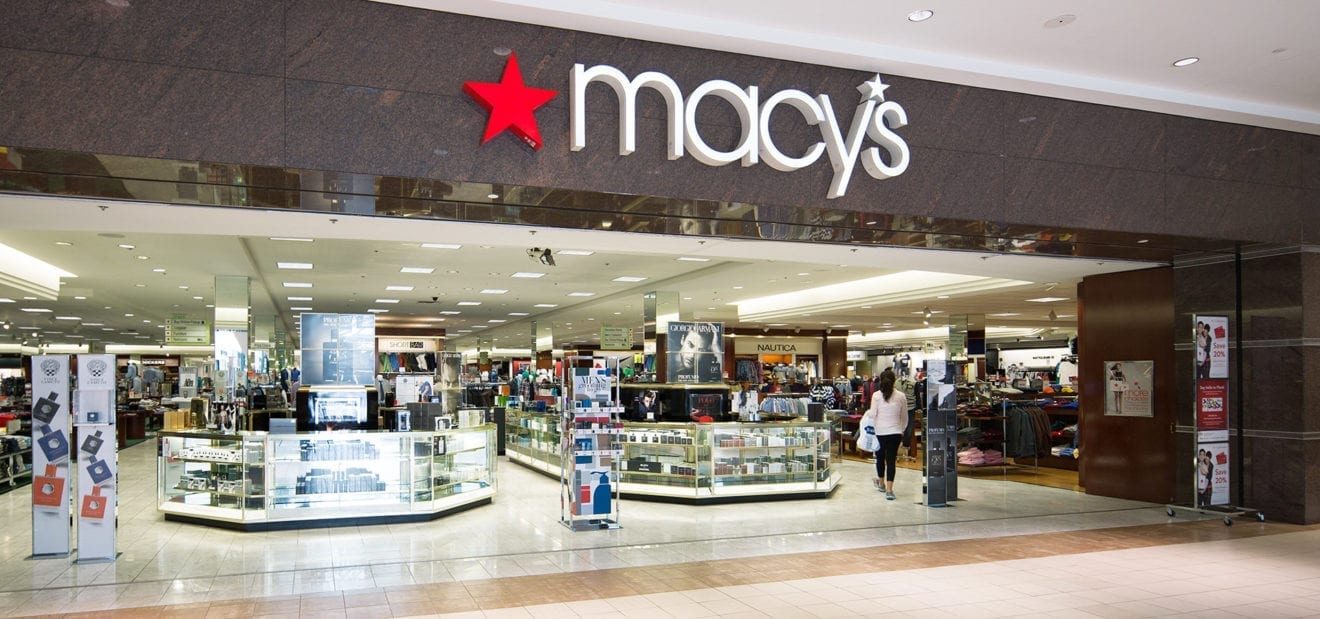
    Macy’s said the 68 store closures, which span the nation, are part of the 100 closings it announced in August. Of the 68, three were closed by the middle of 2016, 63 will close in the spring and two will be closed by the middle of 2017.

    Some employees may be offered positions at nearby stores, but Macy’s estimates that 3,900 employees will be affected by the closures.

    Macy’s also said it plans to restructure parts of its business and sell some properties. This will lead to the reduction of 6,200 jobs. The moves are estimated to save $550 million annually.

    The company, which has been under pressure from investors to sell some of its valuable real estate, is selling or has sold three locations. It is leasing the properties back and will keep operating those stores.

    Overall, Macy’s said, the job reductions represent about 7 percent of its workforce.

    The company, which owns the Macy’s and Bloomingdale’s brands, has been struggling with declining traffic in its stores, where the bulk of its business is still conducted.

    Longtime CEO Terry Lundgren, who is stepping down early this year and will be succeeded by Macy’s President Jeff Gennette, said in a statement the company is closing stores that are “unproductive or are no longer robust shopping destinations” as well as selling those with highly valued real estate.

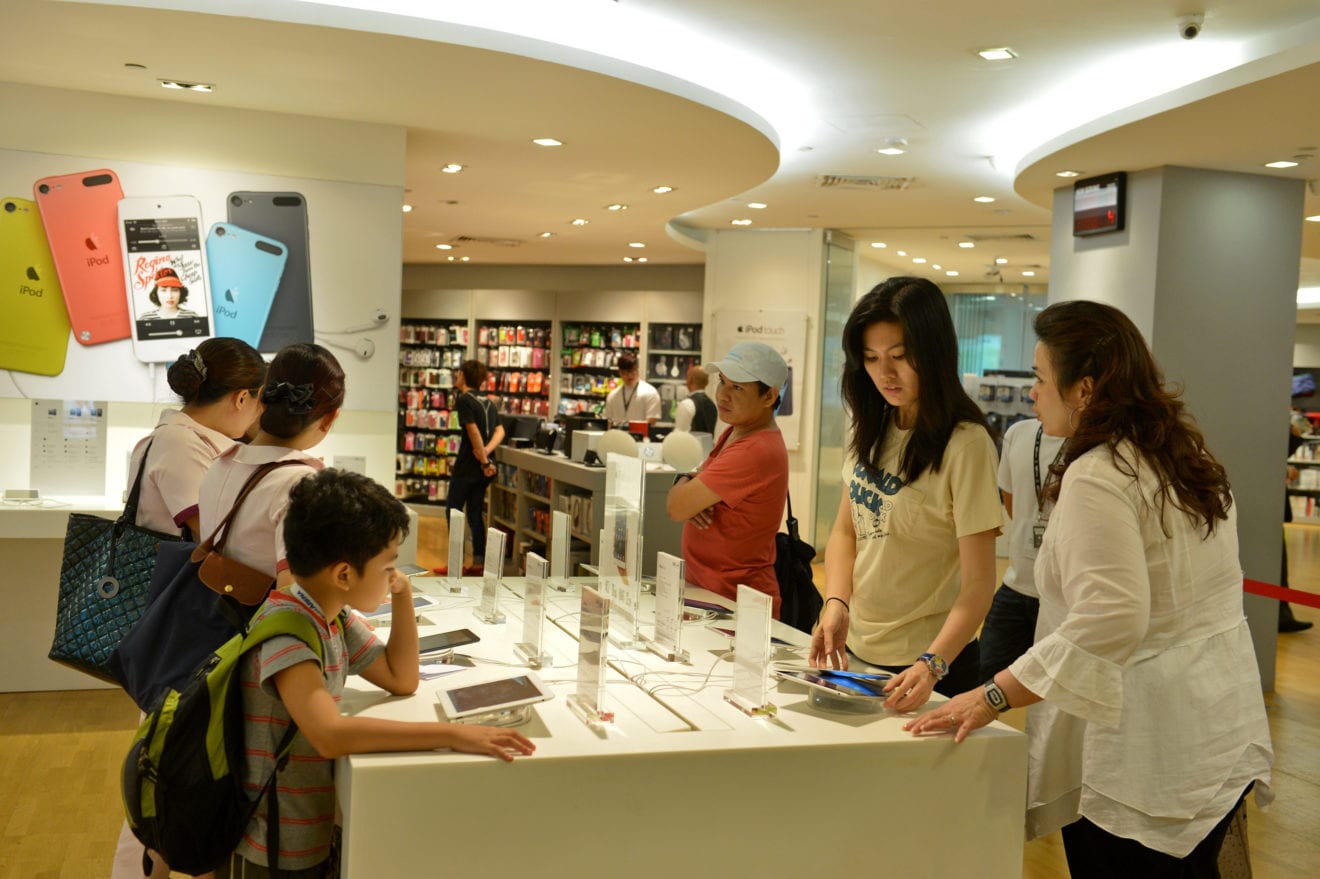
    Macy’s has seen sales growth slow as it and other traditional department store chains face competition from online and off-price rivals. It has tried new ways to attract shoppers, such as by offering more exclusive products, designating areas featuring “smart watches” and launching an Apple shop at its flagship New York store in Herald Square.

    The company said Wednesday it plans to invest some of its savings in growing its digital business.

    It said it now expects to earn between $2.95 and $3.10 per share on an adjusted basis for its 2016 fiscal year, versus its prior forecast of $3.15 to $3.40 per share. The company is scheduled to report full results in February.

    Shares in Macy’s fell more than 10 percent to $32.20 in after-hours trading.

    Kohl’s shares fell almost 15 percent to $44.15 after it cut its earnings guidance for fiscal 2016. It now expects $3.60 to $3.65 a share on an adjusted basis, down from its previous forecast of $3.80 to $4.00 per share.

  • Apple is setting up shop in Samsung territory

    Apple is setting up shop in Samsung territory

    Apple announced it plans to open its first store in South Korea — an aggressive move, considering its main rival in the smartphone space, Samsung, is headquartered there. To that end, it’s hiring 15 staff members in the region and has stated publicly how excited it is by the prospect.

    We know that the store is set to open up in the nation’s capital, Seoul, but Apple has yet to make it clear exactly where within the city. However, South Korean media has commented that it should appear somewhere in the southern district and that work is expected to begin shortly, completing at some point before the end of November.

    To make sure its new store is staffed properly, Apple’s new positions range from store leader to business manager. While the listings don’t specifically state that they will be working at the Seoul store, it seems like an awful coincidence if they aren’t set to work there.

    The opening of a facility in South Korea is somewhat of a statement to Samsung also. With the big Android manufacturer taking a bit hit to its brand at the tail end of 2016 due to problems with its Galaxy Note 7 phone, it could be that Apple smelled blood in the water. However, it is also worth pointing out that it faces a lot of competition in Asian markets now from lower-end device manufacturers, many of them originating in China.

    Apple could be looking to put a stamp on the region and maintain a foothold in what is quickly becoming one of the most hotly contested regions. Targeting South Korea is a smart move too, as it is geographically near to some of the biggest smartphone industry growth in the world but well within the borders of an economically prosperous country.

  • Toby’s Estate Indonesia Launches with North Jakarta Flagship

    Toby’s Estate Indonesia Launches with North Jakarta Flagship

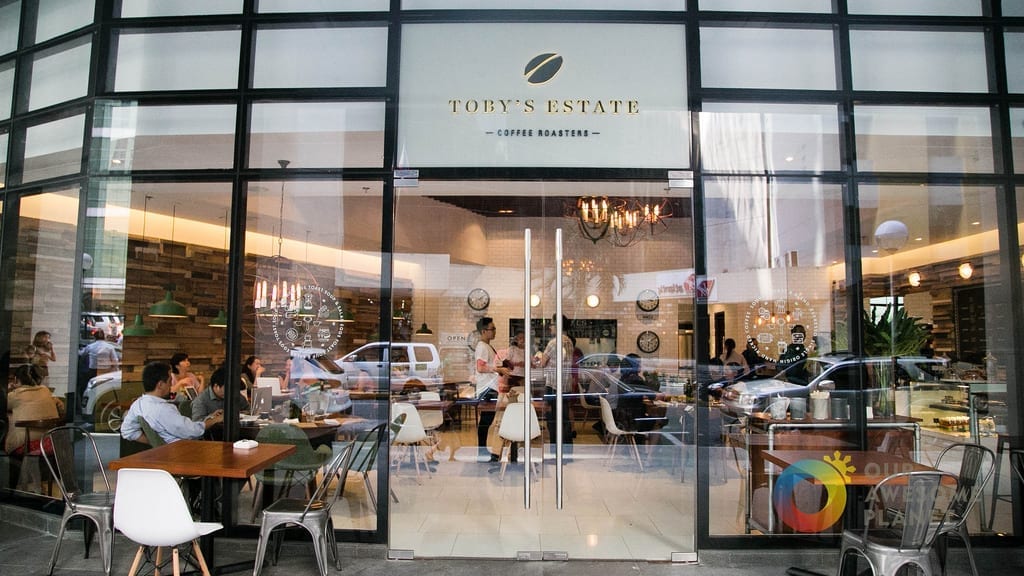
    The 15-year-old Australian-born specialty coffee powerhouse Toby’s Estate has expanded its roasting and retail presence to Indonesia, opening a flagship location in Jakarta on Dec. 10.

    Founded by Toby Smith in Sydney in 2001, the company has since expanded to New York and the Philippines, with each market receiving its own roasting division and brand under the Toby’s Estate umbrella. The company has primary Australian retail outposts in Chippendale, Brisbane and Melbourne, and the New York division has four current locations, with at least one more on the way.

    The Jakarta location is naturally the company’s second within a producing region, with Indonesia being the fourth largest producer in the world. Offering a range of single-origin coffees from throughout the world, Toby’s does source from Smith’s own Toby’s Estate farm — Finca Santa Teresa in Panama — while the Jakarta location has opened with at least one single-origin coffee from Mandheling, Indonesia.

    Toby's Estate Indonesia photo.

    In addition to a full food menu with items such as buttermilk fried chicken and Brioche French Toast — along with other Aussie café staples such as avocado toast — the Toby’s team pulled no punches on gear, with a Mavam setup and a Kees van der Westen Spirit helping to power the espresso program.

    Toby’s Estate Indonesia is now open at Pik Avenue Ground Floor, #E2 in North Jakarta.

  • Burger King sets up second store at new domestic terminal

    Burger King sets up second store at new domestic terminal

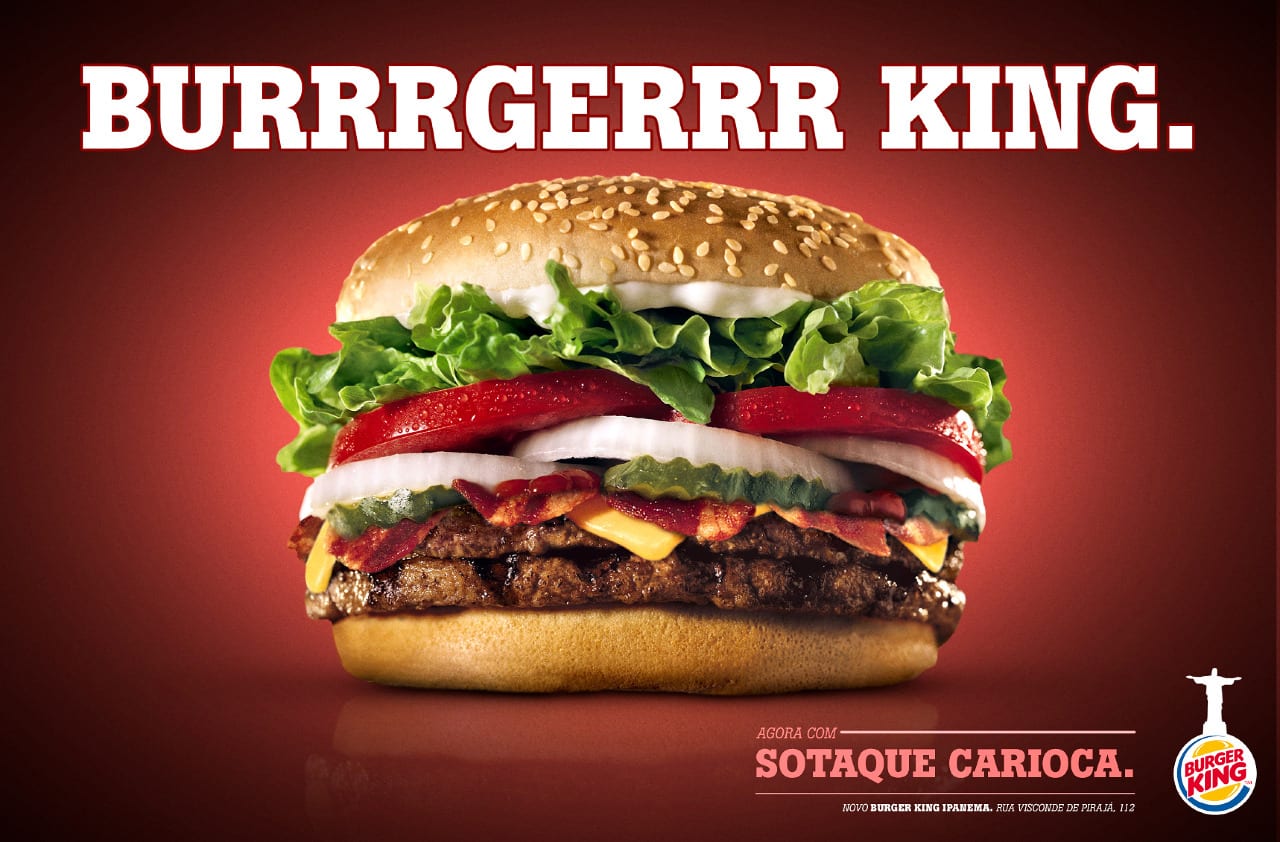
    Myanmar is getting its first ever publicly-accessible Burger King outlet, although whopper-enthusiasts will have to make their way to Yangon International Airport’s new domestic terminal to slake their hunger.

    The new Asia World-built domestic terminal – T3 – opened yesterday, with the first flights scheduled to take off later this week, according to Asia World.

    T3 spans some 44,000 square metres, boasts 38 check-in counters and will offer domestic passengers a “well-curated mix of world-renowned and local retail outlets and food and beverage options”, the firm said.

    Among the food options is the country’s “first public Burger King outlet”, according to Asia World. The new international terminal, T2, which opened earlier this year, hosts the country’s first Burger King. But that store is only accessible after going through passport control and customs.

    Thai firm Minor Food Group (MFG) has the franchise rights for Burger King in Myanmar, but could not be reached for comment on the new store. Asia World was also unavailable for comment on whether the new outlet was already up and running.

    Prapat Siangjan, MFG’s general manager for Burger King Thailand, told in August that MFG was considering a second outlet in the domestic terminal. That store would have prices denominated in kyat, and help MFG better gauge public demand, he said.

    Prices at the international terminal restaurant are dollar-denominated and geared towards international tourists, with a standard value whopper meal going for US$8.50.

    The new domestic terminal will also boast international brands including Gloria Jean, Coffee Bean and KFC. The latter chain, operated by Yoma Strategic, is well established in Myanmar, with seven outlets in Yangon and a new store in Mandalay scheduled for 2017.

    T3 opens just a few months after T2 – also Asia World-built – started operations. Passenger numbers at Yangon International Airport terminals have risen three-fold over the past five years, according to Asia World. Yangon’s airport handled 4.68 million passengers in 2015, the firm said.

    All domestic airlines are expected to move their operations to the new terminal, Department of Civil Aviation deputy director general U Ye Htut Aung previously told us. Asia World said the first domestic flights are scheduled to take place from December 9.

    Myanmar has 10 airlines operating domestic flights to 26 local destinations, according to Asia World.

  • Huawei opens new concept store

    Huawei opens new concept store

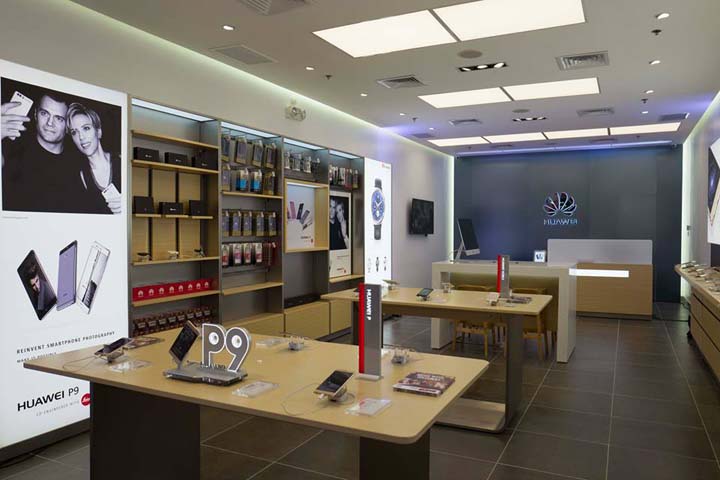
    Huawei introduced a new retail concept in its line-up of experience stores during a recent opening at SM City San Lazaro, Manila. The newly opened branch is the first in the city of Manila and the 44th in the country.

    SI 3.0, the design blueprint of the Huawei SM San Lazaro store is guided by four traits – simple, premium, warm, and comfortable. Relative to its predecessor, the SI 2.0, the new design is marked with wider spaces and lighter ventilation promising an enhanced and more welcoming customer experience.

    “Huawei continues to prove to be a game changer in the smartphone industry this year, and we have big plans to take advantage of this momentum. Our high-end premium phones such as the P9 and Mate 8 have been the drivers of this smashing success. As such, we would like to extend this premium, high-quality identity to consumer experience at our stores,” said Andy Fang, Country Head at Huawei Philippines.

  • Closure of Ralph Lauren Hong Kong flagship store

    Closure of Ralph Lauren Hong Kong flagship store

    “We are in the midst of transforming our presence in China, a region that we believe will become an important driver of growth for us over the long term,” Ralph Lauren said in 2012 after the fashion conglomerate of which he was then chief executive announced plans to open 60 stores in greater China by 2015.

    A year later, Ralph Lauren launched its first men’s flagship store in Asia in the Landmark Prince’s in Hong Kong’s Central district, and in October 2014 it opened an enormous “mansion” store at the Lee Gardens complex, presenting accessories, watches and jewellery as well as men’s and women’s fashions.

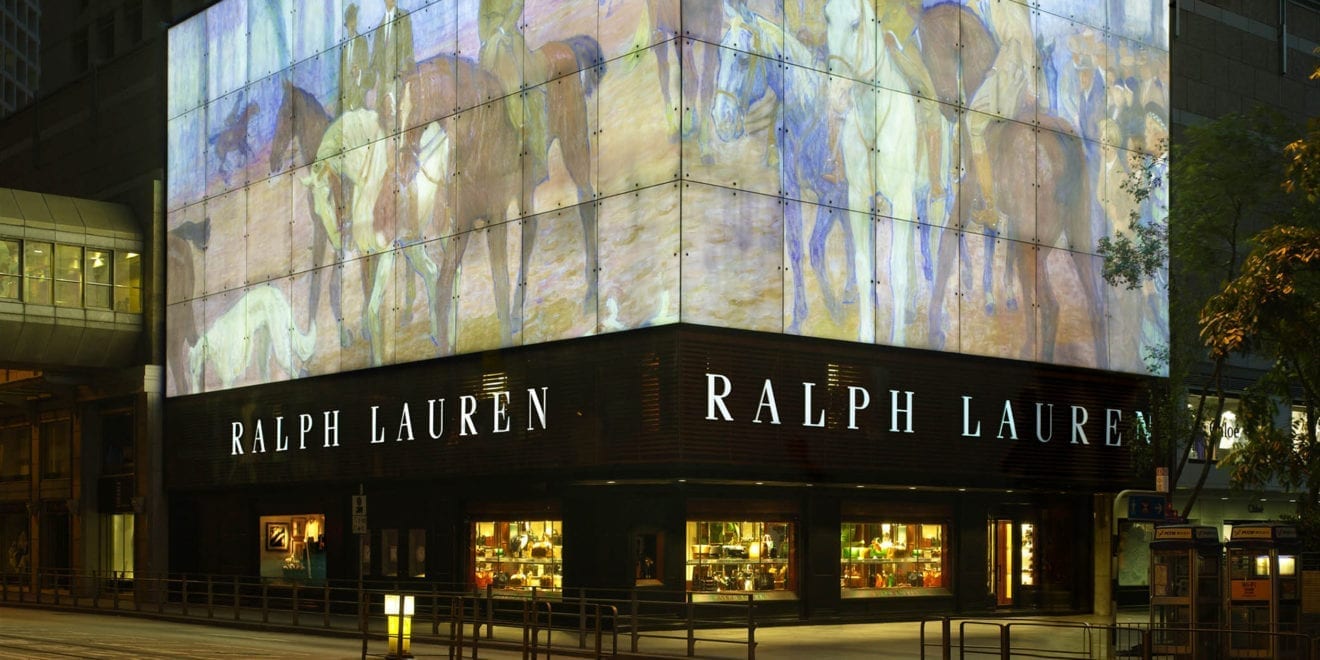
    Fast forward two years, and the 20,000 sq ft store in Causeway Bay is no more, having closed overnight late last week.

    Contacted for comment about its abandonment of the doubtless expensive space in the Lee Gardens, a representative of the brand said the closure was “part of our strategic and financial plan”, adding: “We are redeploying assets to focus on new concept stores and transition away from unprofitable formats and locations.”

    We are redeploying assets to focus on new concept stores and transition away from unprofitable formats and locations

    Ralph Lauren spokeswoman

    Ralph Lauren is “combining men’s and women’s flagships in the recently renovated Prince’s Building location, as well as remaining focused on providing our customers with the authentic style and luxury shopping experience they expect from us,” the spokeswoman said.

    The move is part of a new strategy from Stefan Larsson, who worked for Swedish fast-fashion retailer H&M for 15 years and who replaced Lauren as chief executive in late 2015 (Lauren remains executive chairman and chief creative officer). The restructuring will, according to reports, cut over 50 stores and 1,000 jobs worldwide and save the publicly traded company between US$180 million and US$220 million a year. Its share price has been under pressure in the past 12 months, twice falling below US$85. Ralph Lauren shares closed at US$108.19 on Monday, down more than 9 per cent on their US$119.59 close on December 7, 2015.

    Ralph Lauren’s sudden exit from its Causeway Bay flagship store is the latest high-profile fashion closure to have occurred or been flagged in 2016. American fast-fashion label Forever 21 has announced it will close its multi-storey Causeway Bay flagship store. British label Paul Smith closed its Times Square store and Abercrombie & Fitch is set to leave its prime location in the Pedder Building in Pedder Street, Central – although, with a flailing brand reputation, poor sales and that famous HK$7 million monthly rent to pay, the move by Abercrombie & Fitch came as no surprise. Italian luxury clothing and accessories label Tonino Lamborghini also shut down more than 10 stores and in-store counters in the city earlier this year.

    Abercrombie’s Pedder Street closure will leave it with no stand-alone stores in Hong Kong, an effective withdrawal from the market, following on the closure of some 50 stores in the US in 2016.

    Although the “umbrella revolution” protests in 2014 that were a factor in a downturn in Hong Kong’s retail sales have long ended, political turmoil continues and visitor numbers, having dropped, have not fully recovered. Competition for high-spending Chinese consumers has been stiff, with destinations such as Japan, South Korea, Milan and London stealing some of the traffic from Hong Kong.

    The city’s retail sales dropped 10.5 per cent in the first half of 2016, their worst performance since 1999.

    Still, for all the negative news there are nuggets of hope. Italian brand Versace is opening a huge flagship store opposite the Landmark in Central next year, and mega brand Louis Vuitton is revamping its Hong Kong stores and continuing to invest in the city. Louis Vuitton chief executive and chairman Michael Burke told me a few months ago that “the leader in the market still believes in Hong Kong”.

    However, Louis Vuitton and Versace are definitely in the minority.

    With little sign of major recovery, Hong Kong’s economic outlook uncertain and retail sales continuing to fall, the fashion industry is on tenterhooks and braced for tougher times ahead. Since I wrote about Gucci’s rent dispute with its landlord Hongkong Land in 2015, there have been a spate of big-brand store closures, and threats by more prestige brands to shut up shop if rents aren’t adjusted.

    A few agile, smaller brands may exploit their departure, and subsequent rent drops, but times continue to be tough for the majority. Ralph Lauren probably won’t be the last big brand to close an expensive Hong Kong flagship store. Swire Properties chief executive Guy Bradley said in August he saw no signs of a retail turnaround.
  • Lego Korea launching first official shop

    Lego Korea launching first official shop

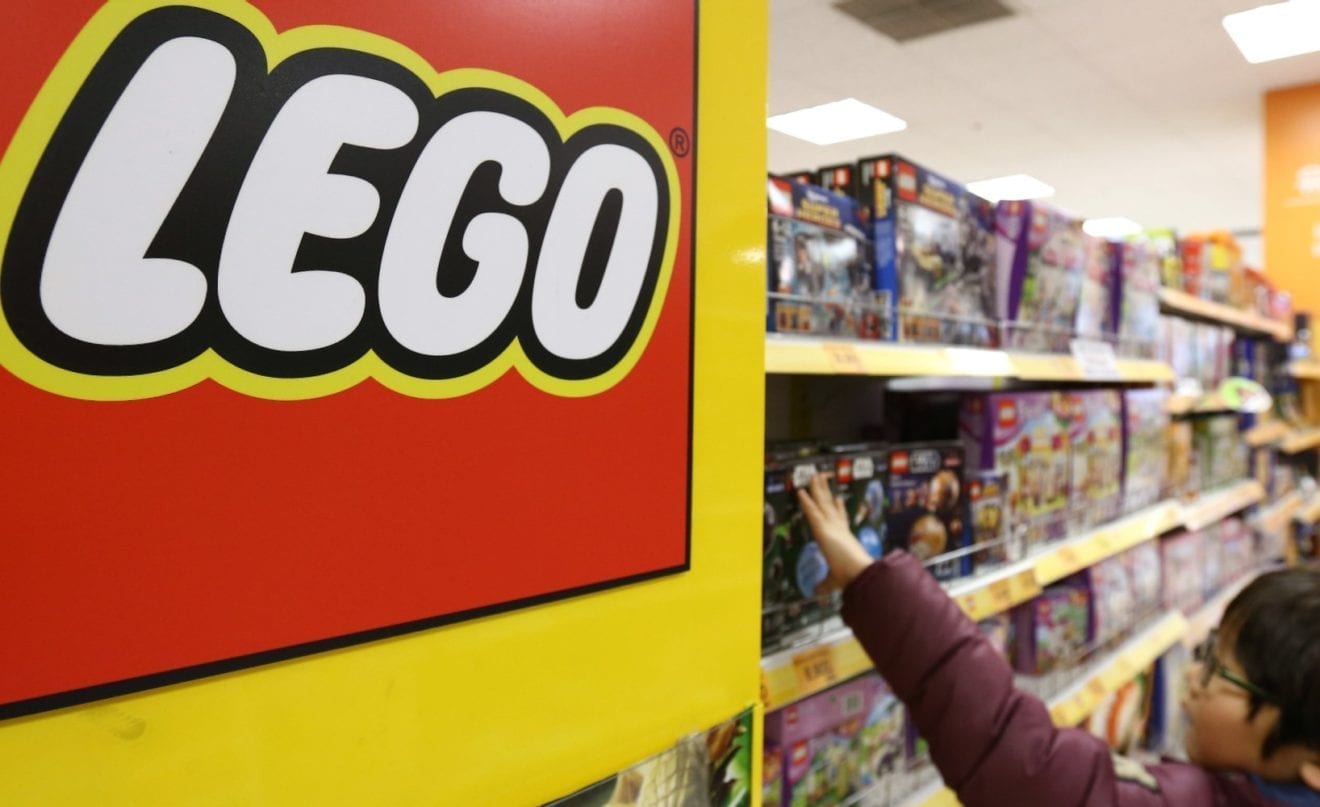
    Lego Korea is to launch its first shop at the Hyundai Department Store Pangyo branch in Gyeonggi Province, southeast of Seoul, on Friday.

    Officially certified by the Lego Group headquarters in Denmark, it will differentiate itself in design from outlets that sell a limited range of Lego sets. It joins a range of official Lego Stores in Asia including Hong Kong, Japan, Malaysia and Singapore.

    A comprehensive inventory of Lego sets, some of which are hard to buy at shops in Korea, will feature at the new official store. To mark its opening, there will also be limited editions of such sets as Lego Store and Lego Disney Castle.

    There will also be a Pick a Brick zone, where customers can put together customised sets.
    For its first six days, the Hyundai Department Store Pangyo will run Korea’s largest-ever Lego experience zone, a free attraction at its Topaz Hall.

  • 7-Eleven Malaysia Continues to Expand Store Network

    7-Eleven Malaysia Continues to Expand Store Network

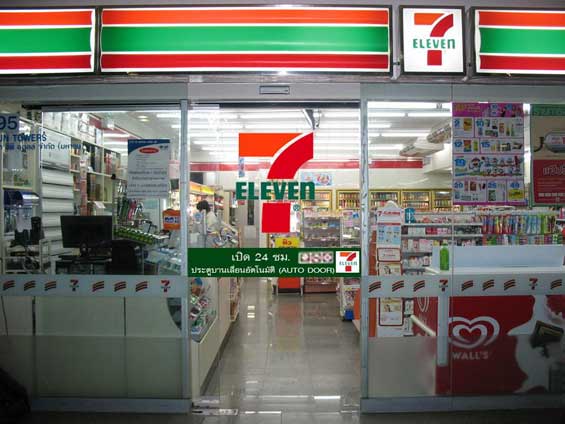
    The Group’s revenue for the current quarter of RM547.8 million grew by RM28.5 million or 5.5% against the corresponding quarter’s revenue in the previous year of RM519.2 million. The growth in revenue continued to be driven by the growth in new stores, improved merchandise mix and consumer promotion activity. This growth was achieved despite prolonged on-going retail market softness caused by weak consumer confidence/spending.

    Gross profit of RM169.0 million improved by RM9.2 million or 5.8% compared to the corresponding quarter in the previous year and this was mainly attributed to the revenue growth of 5.5%.

    Selling and distribution expenses for the quarter increased by RM14.8 million or 10.4%, mainly caused by new store expansion resulting in higher staff cost, rental cost, store depreciation expense and utility cost. In addition, the increase in the minimum wage effective 1st July 2016 has caused the store staff costs to rise by approximately 10% in the current quarter.

    Administrative and other operating expenses for the quarter increased by RM0.7 million or 3.3% due to higher staff cost, head office IT depreciation expense and amortization of intangible assets.

    The profit before tax of RM15.5 million decreased by RM7.0 million or 31.2% compared to the corresponding quarter in 2015 despite positive sales growth due to higher selling and distribution expenses caused by new store expansion and the impact of minimum wage increase effective 1st July 2016.

    For the 9 months ended 30 September 2016

    For the 9 months ended 30 September 2016, the Group’s revenue of RM1.58 billion grew RM73.2 million or 4.9% against the corresponding 9 months’ revenue in the previous year of RM1.51 billion. The growth in revenue was driven by the growth in new stores (total stores as at 30 September 2016: 2,057 stores), improved merchandise mix and consumer promotion activity.

    Gross profit improved by RM28.1 mil or 6.1% compared to the corresponding 9 months in the previous year and this was mainly attributed to the revenue growth of 4.9% and gross profit margin expansion of 0.4% points.

    Selling and distribution expenses for the 9 months period in 2016 increased by RM23.7 million or 5.7%, mainly caused by higher staff cost, rental cost, store depreciation expense and utility cost which is in tandem with new store expansion coupled with impact of minimum wage increase on the staff cost.

    Administrative and other operating expenses decreased by RM5.5 million or 8.5% vis-à-vis the corresponding 9 months in the previous year due to higher staff cost, head office IT depreciation expense and amortization of intangible assets.

    The profit before tax of RM58.8 million increased by 1.3% or RM0.8 million despite revenue growth of 4.9% and gross margin expansion by 0.4% points due to higher selling and distribution expenses from new store expansion and also the impact of minimum wage increase effective 1 July 2016 on the salary cost.

    Future Prospects

    The Board of Directors is of the view that the trading conditions for the remaining period of the current financial year is expected to remain challenging due to continued weak consumer confidence/spending and current macro-economic conditions. Despite this latest development, we remain positive of holding onto our market leading position.

  • China becomes top iOS App Store market in Q3

    China becomes top iOS App Store market in Q3

    China set new record in the third quarter for the highest iOS App Store revenue to date for any country, according to App Annie’s Market Index Report for the period.

    With total revenues of $1.7 billion, China overtook the United States by over 15% and its growth is projected to climb further by 2020.

    The Q3 2016 Market Index Report also showed that China maintained its spot as No. 1 for Games category as it accounted for the majority of the generated revenue.

    Other prominent categories making strides are Entertainment and Social Networking, which have more than tripled in the past year. Video streaming apps (like iQIYI, Tencent Video and Youku) in China have had a major impact on the Entertainment category as a whole.

    Pokemon Go was cited as the stand-out app of the year, racking up $600 million in customer spend faster than any app to date. It also outpaced the extremely successful Clash of Clans by more than 6.2 times in under three months.

    Pokemon Go has also converted a massive amount of a user’s non-mobile time to mobile time as its innovative AO gameplay and iconic IP were compelling enough to convince users to spend more time overall on their mobile devices. It has altered the playing field as it introduced augmented reality to the masses and paved the way for future AR and VR opportunities in the app stores.

    The revenue of Entertainment apps strengthened in the third quarter and it has grown substantially in both iOS App Store and Google Play. This is largely due to the popularization of in-app subscriptions as a monetization method driven by video streaming.

    With revenue more than tripling since the third quarter of 2014, people are not only using their mobile devices to stream content but also as a common form of payment.

    This represents a significant shift from traditional broadcasting and television structures where users typically enter into a contract with a cable provider.

  • NBA legend Gary Payton to celebrate opening of NBA store in Cebu City

    NBA legend Gary Payton to celebrate opening of NBA store in Cebu City

    The National Basketball Association (NBA) announced Wednesday the fourth NBA Store in the Philippines will open Nov. 24 at the Ayala Center in Cebu City.

    NBA Legend and Hall of Famer Gary Payton will be on hand to meet and interact with fans at the store opening, which will celebrate the league’s first NBA Store in the Visayas region. To commemorate the occasion, the first 300 customers that purchase an item will receive an NBA gift.

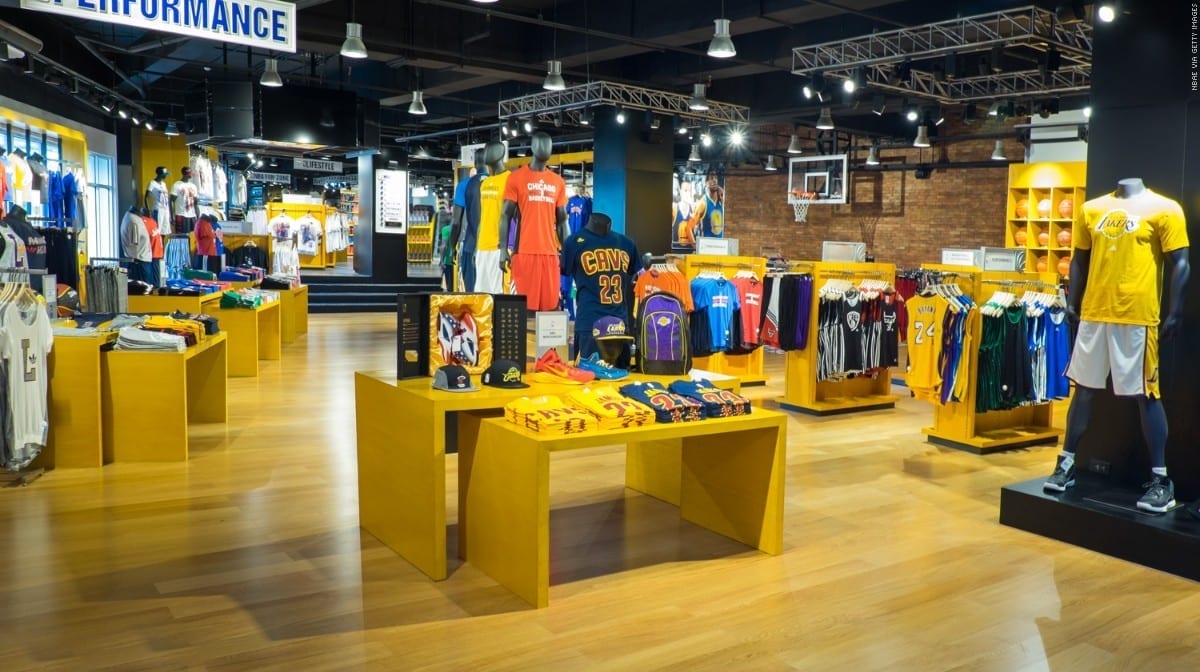
    Located on the fourth level of the Ayala Center in 452 square meters of retail space and managed by International Athletic Trading Company, Inc. (IATC), the new NBA Store will offer a wide selection of authentic NBA products from all 30 teams, including official jerseys, footwear, performance gear, lifestyle apparel, and non-apparel merchandise including basketballs, toys, collectibles, and more.

    The store will also offer personalized jerseys and will feature interactive elements including NBA 2K video game players where fans test their gaming skills and compete against each other, a Pop-a-Shot machine and a dedicated section for NBA memorabilia.

    “We had envisioned expanding the NBA footprint across the country and to have now reached the Visayas region is a milestone for us,” said IATC President and CEO Melvin Lloyd Lim.

    “We could not be more excited to open the first NBA Store in the second most populous metropolitan area in the Philippines after Metro Manila.”

    “The NBA and IATC are committed to bringing the NBA experience closer to all Filipinos nationwide,” said NBA Philippines Managing Director Carlo Singson. “The NBA Store in Cebu is the first outside of Metro Manila and is strategically positioned as a premier shopping destination for NBA fans within Central and Southern Philippines, offering an extensive range of authentic NBA products.”

    The NBA Store at the Ayala Center will carry products from brands including 2K Sports, adidas, Enterbay, Mitchell & Ness, New Era, Nike, Panini, Spalding, Spec Seats, Stance, and Under Armour. The regular store hours are 10 am – 9 pm (Sunday-Thursday) and 10 am – 10 pm (Friday-Saturday).

    On Nov. 22, Payton will also conduct a meet-and-greet with fans at the NBA Store in Glorietta 3 at 6 pm before visiting the NBA Store in Cebu City’s Ayala Center on Nov. 24 at 6 pm.

    The flagship NBA Store in the Philippines in Glorietta 3 opened in 2014, followed by the store in Mega Fashion Hall in 2015 and the store in TriNoma in 2016.

    For all the latest news and updates on the NBA, visit www.nba.com and follow the NBA on Facebook , Twitter  and Instagram.


  • Michael Kors Celebrates Singapore Flagship with Kate Hudson

    Michael Kors Celebrates Singapore Flagship with Kate Hudson

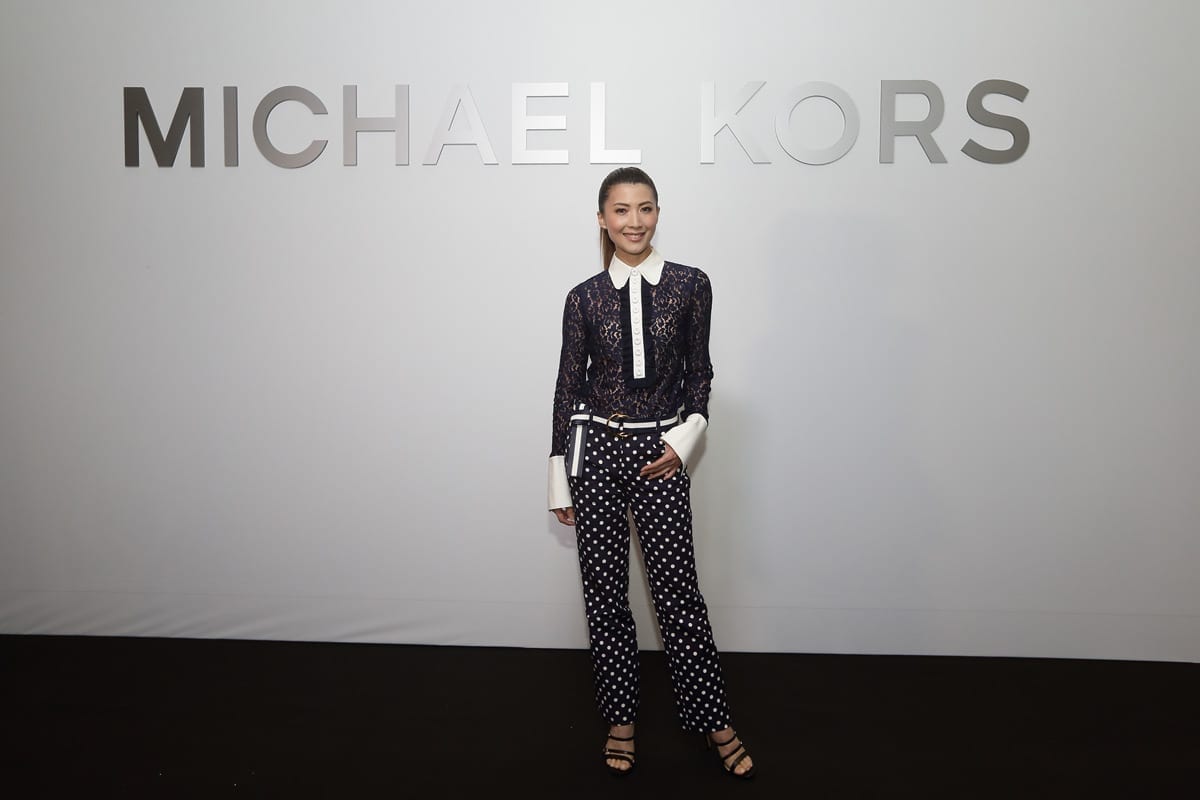
    What’s Michael Kors up to these days? The designer has been visiting Asia, where he celebrated the opening of his Singapore Mandarin Gallery flagship store. While there, he was presented a dendobrium orchid genus from Kirk Wagner, US Ambassador to the Republic of Singapore, and Serene Tan, Singapore Tourism Board member, a unique honor.

    Past recipients include Elton John and The Duke and Duchess of Cambridge. The next day, he hosted a cocktail party to kick off the store opening, where guests like Kate Hudson, Marion Caunter, and Debra Henry joined, followed by a private dinner.

  • Marks & Spencer’s China stores risk closure

    Marks & Spencer’s China stores risk closure

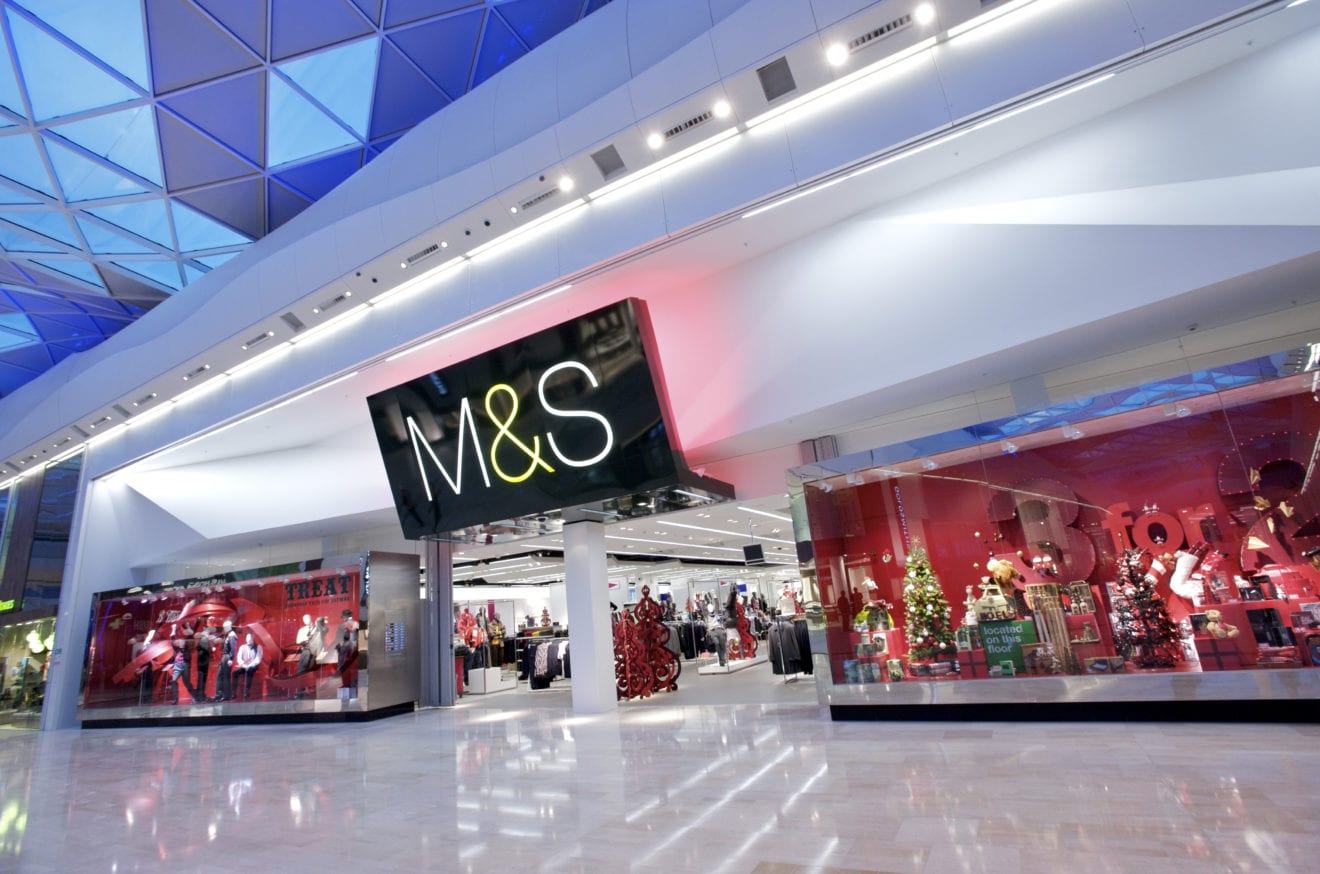
    Marks & Spencer is reportedly due to announce the closure of some of its Chinese shops when it releases its trading update next week.

    There is speculation that chief executive Steve Rowe will reveal his plans to help bring the department store chain back into business when the company’s half-year results are published.

    M&S currently has 10 stores in China, and according to Bloomberg some of them could be in the firing line.

    The news comes just a week after speculation that M&S’ Paris flagship would also close down, as part of Rowe’s plans to move away from loss-making international operations.

    The department store chain will reveal its interim results on November 8.

  • Xiaomi hopes to open 1000 stores by 2020

    Xiaomi hopes to open 1000 stores by 2020

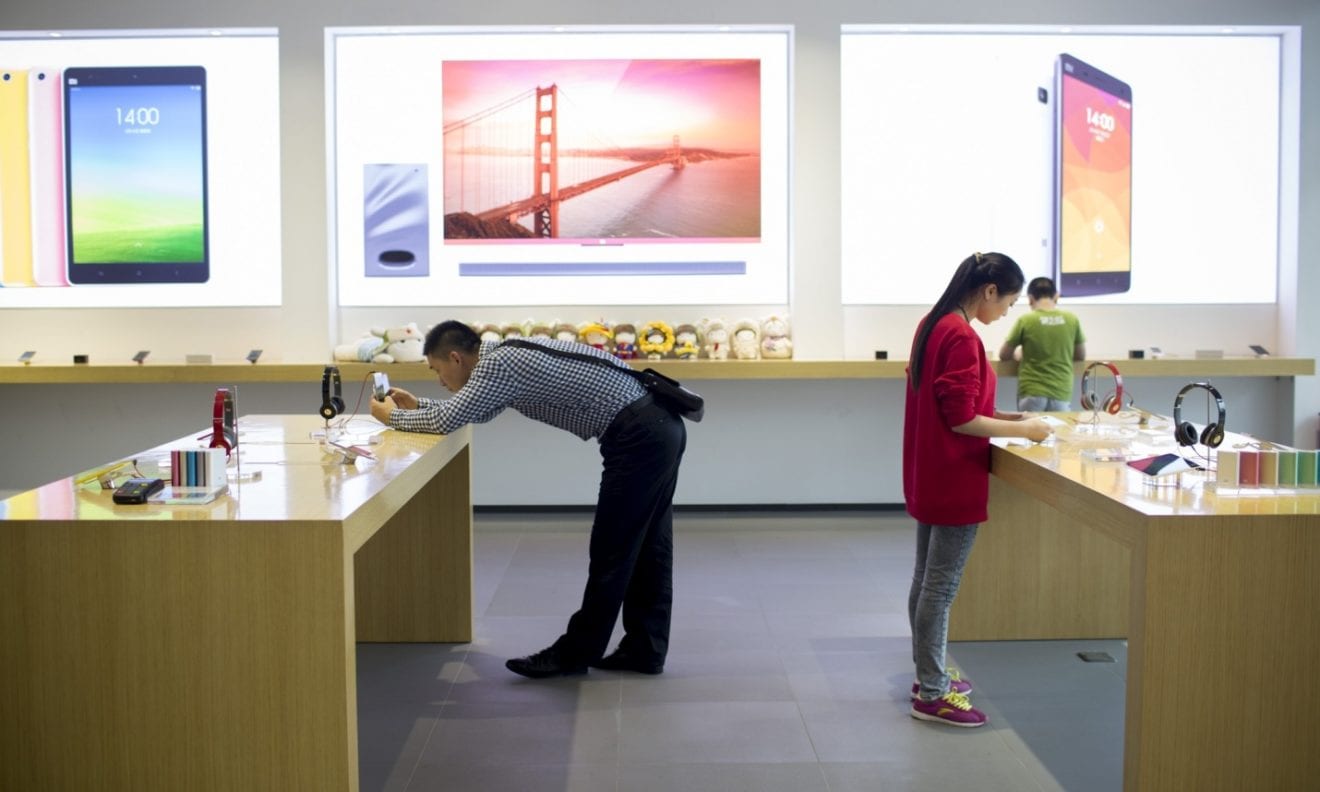
    To date, Xiaomi has focused overwhelmingly on internet sales of its smartphones and media devices in order to keep costs down. Even its tiny retail footprint has largely been limited to service centers and “experiences.” However, that’s all going to change in the next few years. Xiaomi has revealed that it plans to open 1,000 honest-to-goodness retail stores by 2020. It’ll make sure that customers can “touch and test” Xiaomi’s technology, CEO Lei Jun says. He hasn’t said where those stores will be, but it’s reasonable to expect most or all of them to be located in greater China.

    A spokesperson said that the retail plan is an acknowledgement that Xiaomi has “become a household name” in China, and that you’ll see its presence grow relatively quickly. The firm is converting its existing Mi Home outlets into full-on stores, and expects 60 Mi Home locations to be up and running by the end of 2016.

    The dive into retail is bound to be expensive for Xiaomi, and a gamble when the company is almost legendary for its razor-thin profit margins on hardware. It might not have much choice, mind you. While it’s true that Xiaomi is well-established, its smartphone shipments plunged this year — in no small part due to rivals like Huawei, which has a whopping 11,000 stores across China. Physical stores could both snap up more impulsive buyers and remind customers that Xiaomi is still a force to be reckoned with. There’s no guarantee that it’ll work, but Apple’s recovery in the 2000s was partly credited to launching stores that both increased availability and presented its products in the best light. Xiaomi is no doubt hoping for a similar effect.

  • Calvin Klein Opens First Accessories Store in Hong Kong at IFC Mall

    Calvin Klein Opens First Accessories Store in Hong Kong at IFC Mall

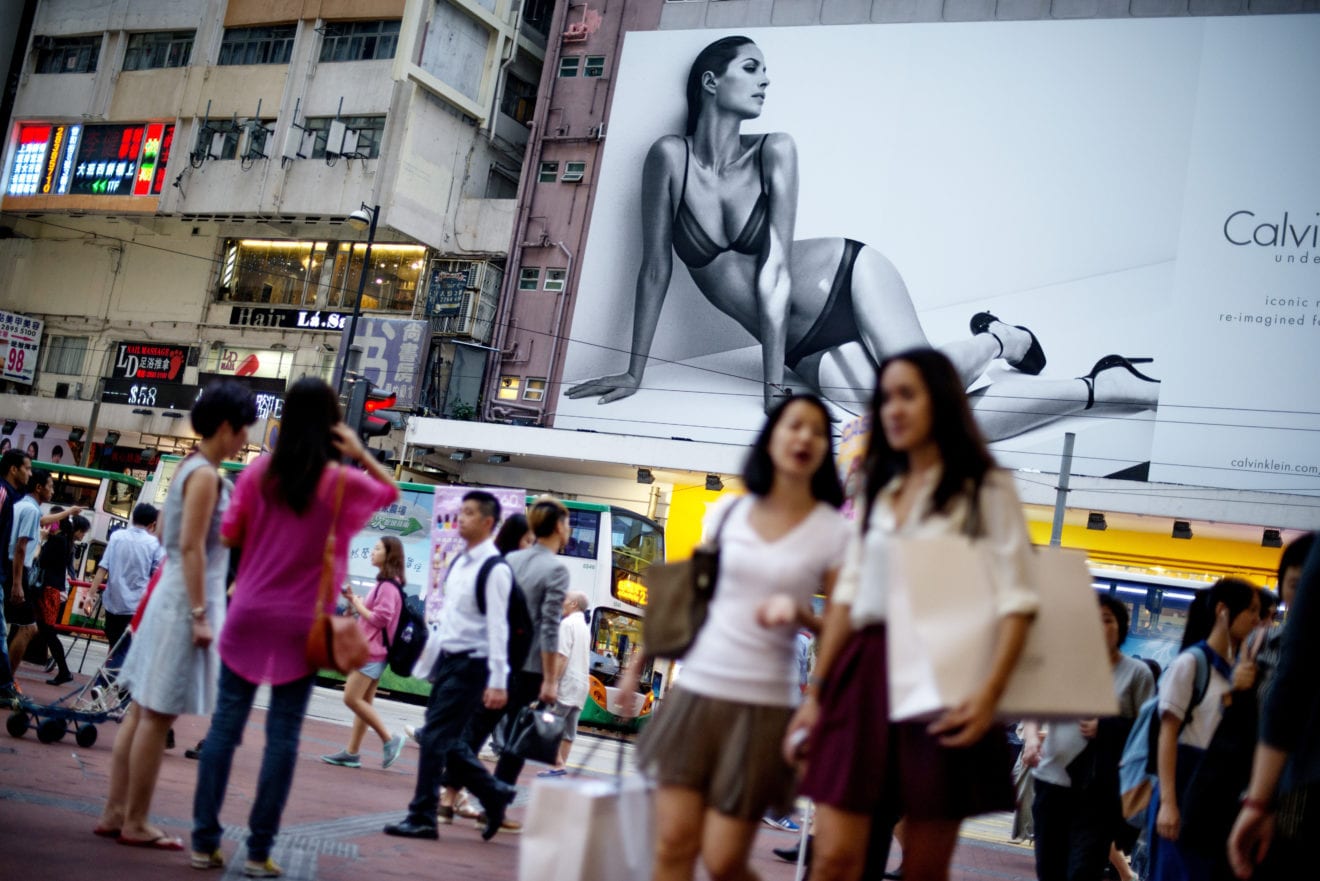
    Calvin Klein, Inc., a wholly owned subsidiary of PVH today announced the opening of the first Calvin Klein accessories store in Hong Kong at ifc mall at Central Waterfront.

    Considered one of the country’s iconic world-class shopping malls, ifc mall is the destination for an extraordinary shopping, dining and entertainment experience. The new Calvin Klein accessories store is located on level 1, and offers both men’s and women’s Calvin Klein Platinum accessories and leather goods.

     The new store’s interior is marked by simple geometric forms that create a strong but neutral framework for product display. The crispness of the store’s geometry contrasts with the muted palette of oiled wood, lustrous rose-toned metal, honed stone and concrete. 

    Calvin Klein, Inc. is one of the leading fashion design and marketing studios in the world. It designs and markets women’s and men’s designer collection apparel and a range of other products that are manufactured and marketed through an extensive network of licensing agreements and other arrangements worldwide. Product lines under the various Calvin Klein brands include women’s dresses and suits, men’s dress furnishings and tailored clothing, men’s and women’s sportswear and bridge and collection apparel, golf apparel, jeanswear, underwear, fragrances, eyewear, women’s performance apparel, hosiery, socks, footwear, swimwear, jewelry, watches, outerwear, handbags, small leather goods, and home furnishings (including furniture). For more information, please visit calvinklein.com. 

    With a heritage going back over 130 years, PVH Corp. has excelled at growing brands and businesses with rich American heritages, becoming one of the largest apparel companies in the world. We have over 30,000 associates operating in over 40 countries with over $8 billion in 2015 revenues. We own the iconic Calvin Klein, Tommy Hilfiger, Van Heusen, IZOD, ARROW, Speedo*, Warner’s and Olga brands and market a variety of goods under these and other nationally and internationally known owned and licensed brands.

  • DJI To Open Flagship Store In Hong Kong

    DJI To Open Flagship Store In Hong Kong

    DJI, the world leader in unmanned aerial vehicle technology, said Monday it will soon open a flagship store in Hong Kong featuring flight cages, experience zones, an aerial photo gallery, technical support center and DJI’s full range of consumer and professional products.

    Located at the center of Hong Kong’s busiest shopping district in Causeway Bay, the three-story, 10,000+ square-feet store will open at the end of September 2016. In keeping with the scintillating Hong Kong skyline, the building will display animated DJI logos and drone silhouettes to add to the Victoria Harbor evening backdrop.

    More than just a retail outlet, the Hong Kong flagship store will provide a location where the worldwide community can connect to share their experience of flight and explore the latest UAV products and aerial cameras. The ground floor will have on display DJI’s full range of aerial and handheld products, while the SkyPixel Gallery on the first floor will showcase breathtaking examples of aerial photography from around the world. The second floor will house the technical support center and a dedicated space for workshops, seminars and special events.

    “As interest around our aerial technologies continues to grow, the expansion of our flagship business will provide a  place for people to see, touch and learn about our products first hand,” said Frank Wang, DJI Founder and CEO. “Discovery is an important part of the learning process and when people understand how easy it is to use the technology, they will find ways to incorporate it into their lives or for their businesses.”

    The Hong Kong flagship store is DJI’s third foray into retail after the December 2015 opening of its first flagship store in in Shenzhen, China, followed by the Seoul, Korea flagship in March 2016.

    “Hong Kong is an important market for DJI here in Asia and remains a tourist hot spot for people from around the world,” said DJI Hong Kong Regional Manager Sarah Chuang. “The store will provide an opportunity for us to engage consumers from all walks of life, from local photographers to aerial enthusiasts across Asia to travelers visiting Hong Kong looking for the coolest and latest technologies. We want to provide a truly unique DJI experience for anyone who walks into our store.”

    On display and for sale will be DJI’s consumer products, such the Phantom series of drones and the Osmo stabilized 4K handheld camera, as well as professional products, including the Inspire 1 and Matrice series, the Zenmuse Z3, X5R, and XT cameras, and the Ronin handheld three-axis camera gimbal line.

    The Hong Kong Flagship store is located at TOWER 535, Shop G07, 535 Jaffe Road, Causeway Bay, Hong Kong. More details will be announced closer to the grand opening day in late September.