Tag: Store

  • Lulu opens its first hypermarket in Indonesia

    Lulu opens its first hypermarket in Indonesia

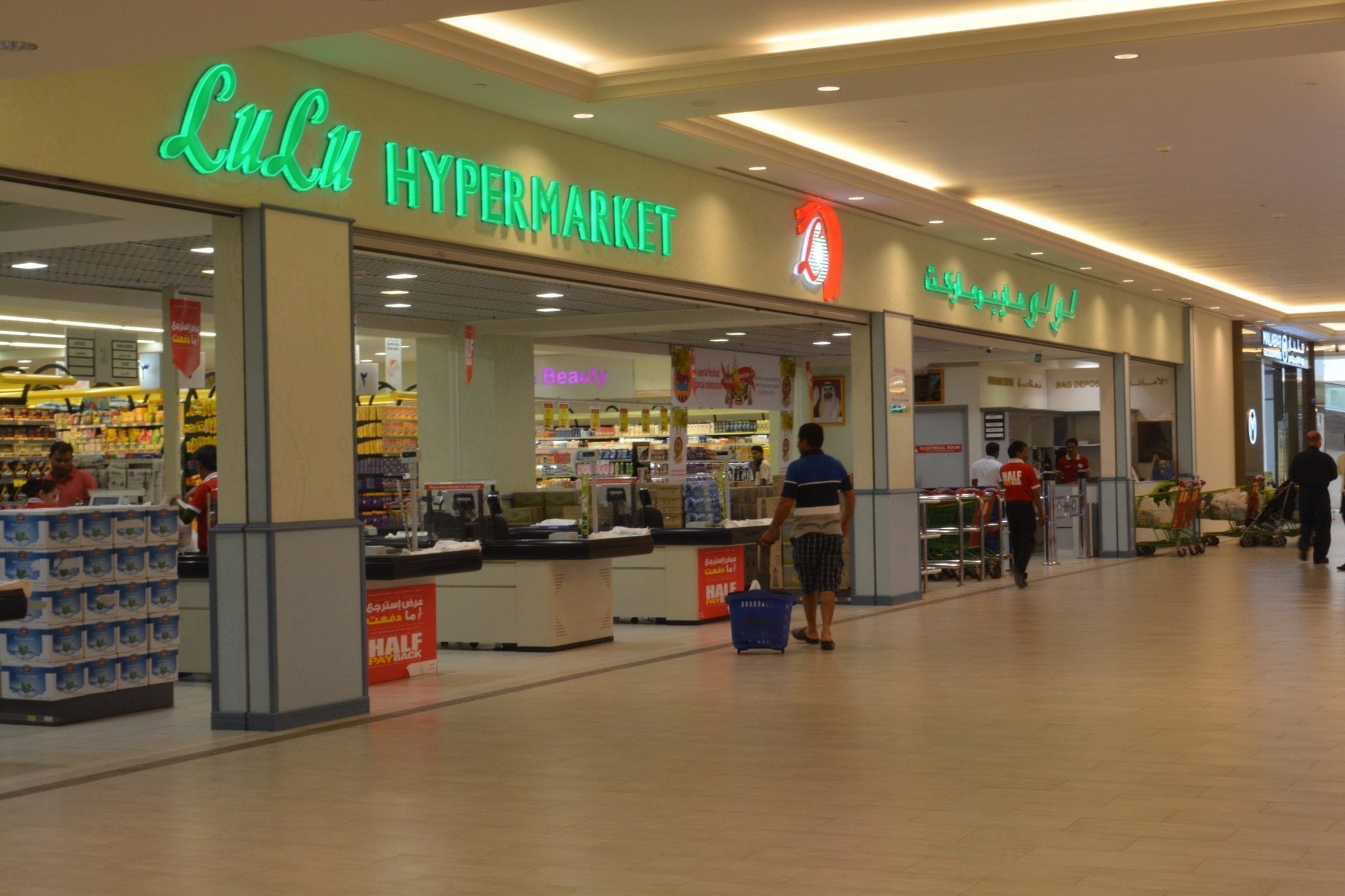
    The UAE-based retail major Lulu Group marked its retail push into Indonesia with the opening of its first hypermarket in the country in capital Jakarta.

    The group has already announced plans to invest $500 million and set up 10 hypermarkets in the next three years in the country, as part of its expansion.

    The first Lulu hypermarket of the country was officially inaugurated by Joko Widodo, the President of Indonesia in the presence of Basuki Tjahaja Purnama, Governor of Jakarta; Thomas Trikasih Lembong, Indonesian Trade Minister; Ahmed Abdullah Al Mussali Al Awadi, UAE Ambassador to Indonesia; Husin Bagis, Indonesian Ambassador to UAE; and other ministers and dignitaries.

    Located in the Cakung sub district of East Jakarta with an area of over 200,000 sq ft., the new hypermarket is designed with customer convenience in mind and provides a one-stop shopping destination for the residents of the city.

    “With an initial investment of $300 million in the first phase, we plan to open 10 hypermarkets by end-2017 and a central logistics and warehousing facility in Jakarta. These projects are likely to generate more than 5,000 job opportunities for Indonesians,” said Yusuf Ali M A, chairman, Lulu Group.

    “We also plan to set up contract farming to ensure continuous supply of high quality products and to support the Indonesian agriculture sector,” he added.

    During the official visit to UAE last year, President Widodo had visited Lulu hypermarket in Abu Dhabi and expressed keen desire to have Lulu in Indonesia. He was especially impressed by the high standards of operations, quality of products and service and also the wide variety of products available in Lulu.

    The Lulu Group currently operates 126 stores across the GCC, Egypt and India and employs more than 38,000 people from different nationalities. It is also one of the largest retail chains in the Middle East.

  • Alfamart to relieve Indonesia’s last-mile headache

    Alfamart to relieve Indonesia’s last-mile headache

    Indonesian retail company Sumber Alfaria Trijaya is reinventing its online shopping service, utilizing its vast network of Alfamart convenience stores as pickup points to tackle the country’s logistical challenges.

    Alfacart is expected to be officially launched this week and will replace the company’s existing shopping site Alfaonline. Sumber Alfaria aims to list one million products from third party sellers, from electronics to clothes and groceries, and generate online transactions worth roughly one trillion rupiah ($70 million) by 2016. The company is investing $2 million to upgrade its IT system.

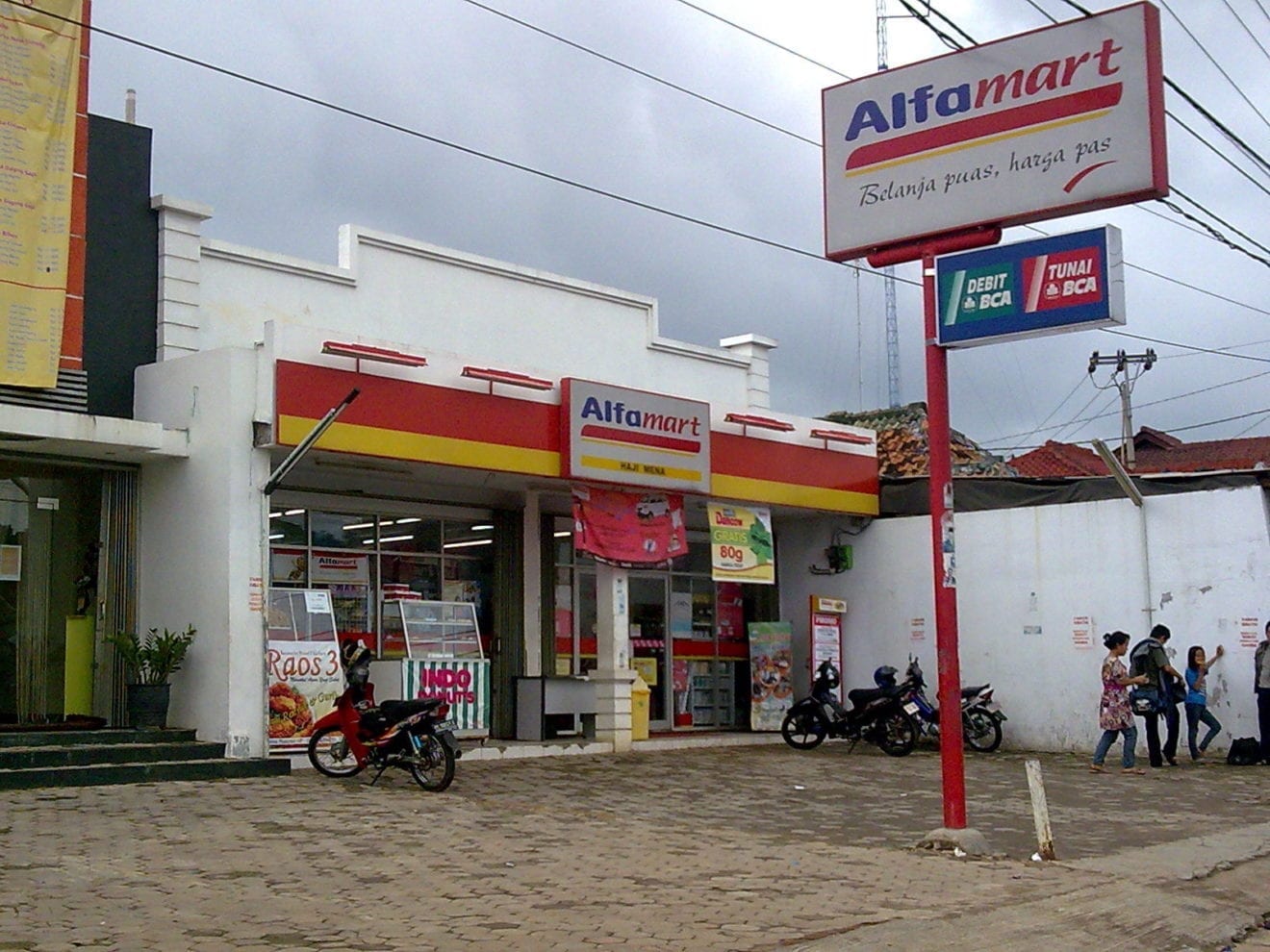
    To distinguish itself from existing players such as Lazada, Sumber Alfaria will enable Alfacart users to pay and pick up their purchases at Alfamart stores. Known for its distinctive red and yellow logo, Alfamart is of the top two convenience store chains in Indonesia with about 11,000 stores as of last December. 1,200 stores are expected to be added during 2016.

    “We understand there are some players in the market but the high cost of last mile [delivery] is still a concern,” said Sumber Alfaria president Hans Prawira, at a press conference on Friday. “We have presence in the market very close to shoppers.”

    Logistics are a significant challenge in Indonesia’s archipelago of more than 13,000 islands. In addition to poor infrastructure, home addresses are often chaotically numbered and unorganized, causing major headaches for courier companies, said IT director Bambang Setyawan Djojo. “We know the address of every Alfamart, so it will make delivery easy,” he said.

    E-commerce is booming in Indonesia but it is a costly business. Lazada recently received an investment of $1 billion from China’s Alibaba Group Holding, while Japan’s Rakuten shut down its online shopping site in the country. Sumber Alfaria only generated 451 billion rupiah in net profit on revenue of 48 trillion rupiah in 2015, a margin of less than 1%.

    Alfaonline failed to gain widespread popularity due to the perception that it only sells groceries, Bambang said. Sumber Alfaria will focus on promoting the convenience of Alfacart.

  • Hokkaido dairy pop-up educates & engages

    Hokkaido dairy pop-up educates & engages

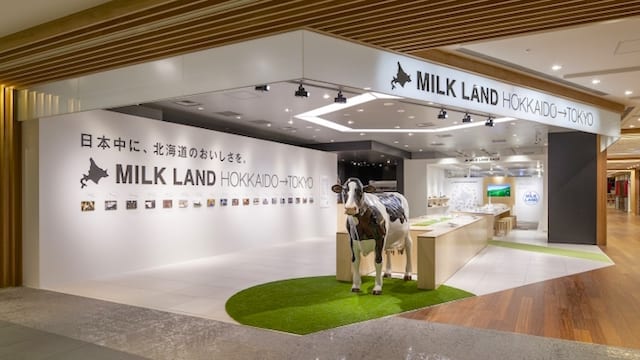
    With the idea that food needs to be tasted as well as its provenance explained, a Hokkaido dairy “pop-up flagship” shop was opened in Tokyo to introduce the brand.

    Over three months, Milk Land HokkaidoTokyo aimed to build the brand by letting consumers learn, eat and buy in the one space products from the Hokkaido dairy production area of Japan.

    MILK-LAND-HOKKAIDO-TOKYO-flagship-shop-by-Ryusuke-Nanki-Tokyo-Japan-06

    Central to the shop was an 18 metre wooden table where all three facets of the concept came together. Customers were able to learn about the dairy farmers and their products, and how the products are transported from the miniature farms to the city. They could also sample the products at the table, and buy from an inbuilt refrigerator.

    MILK-LAND-HOKKAIDO-TOKYO-flagship-shop-by-Ryusuke-Nanki-Tokyo-Japan-05

    The table was split by a green carpet leading to the cashier at the back of the store. Also at the back was a kitchen and a counter for desserts. Customers were able to combine various types of cream  from Hokkaido with cereals and sauce to create their own desserts (more than 300 combinations were possible).

    MILK-LAND-HOKKAIDO-TOKYO-flagship-shop-by-Ryusuke-Nanki-Tokyo-Japan-09

    More than 110,000 people visited the pop-up, which was designed by architects Ryusuke Nanki, Sachiko Abe and Mina Ueyama, with creative director/art director Segawa Hiroki and copywriter Ai Sakamoto.

  • Victoria’s Secret China beauty shops bought back from franchise

    Victoria’s Secret China beauty shops bought back from franchise

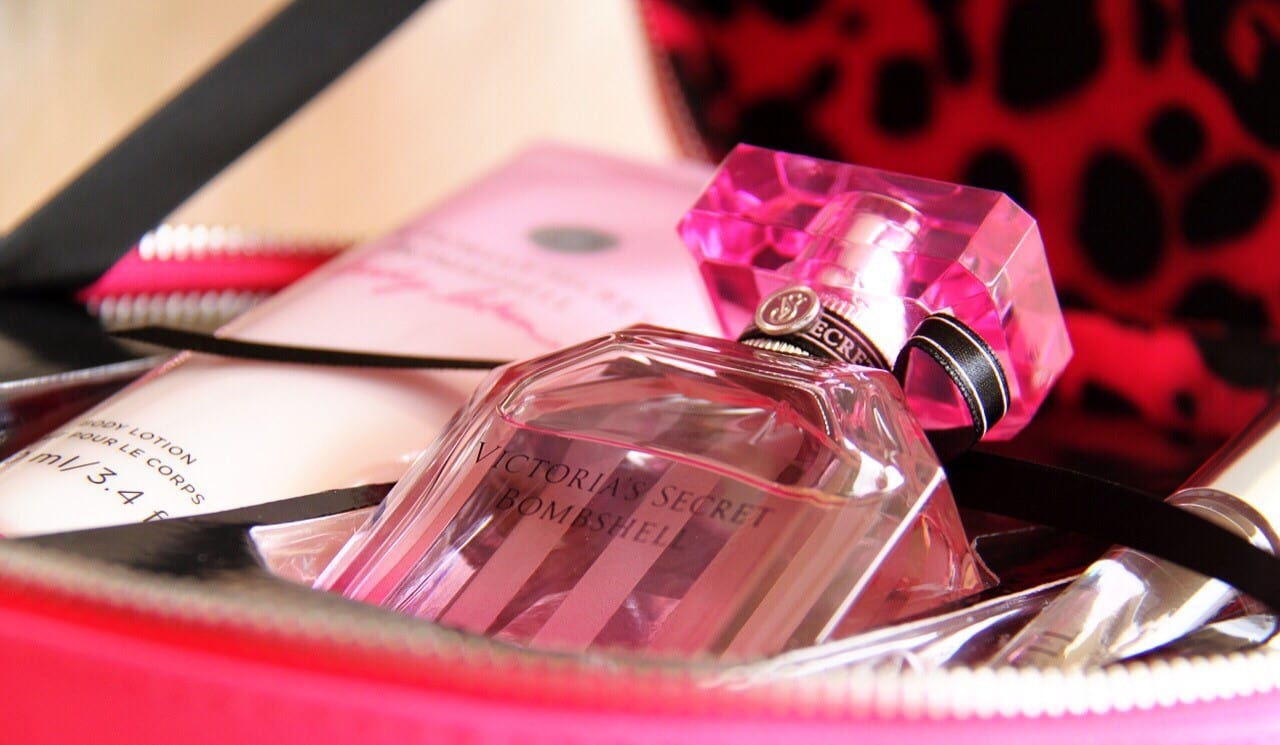
    The Victoria’s Secret Beauty & Accessory (VSBA) retail outlets in question are all situated within malls or airports across China, and sell a selection of the brand’s beauty products and accessories.

    Until now, they have been owned and operated by a domestic franchise partner within the country, but the move by L Brands to take on the stores suggests the US-based parent company is keen to assert itself in China.

    Speaking as part of the company’s annual meeting, CEO Les Wexner described China as the brand’s “second home market”, with the company asserting it is now ready to take full control of its brand presence in the country.

    Taking on the ‘heavy lifting’

    According to the company, L Brands considers China to be a market which demands focus and attention from brands operating within it, due to the complexity of the market.

    “As we look forward and we think about the scaling opportunity of the market and we combine that with the complexity [..] around regulatory affairs, how we build our stores, how we operate those stores, it seems to me that we’re going to be doing most of the heavy lifting anyway,” the company’s international president, Martin Waters, explained.

    “It makes sense that we should be in it completely,” he confirmed.

    Along with taking on responsibility for the current VSBA portfolio in the country, L Brands announced that it will also now launch flagship stores in Shanghai and Beijing, develop its presence within the country’s malls, and foster a strong online sales model too.

     China beauty regulation

    Responding to the complexity of China’s beauty regulation is a savvy move on the part of L Brands, as for now, the country remains notoriously tricky to navigate for the industry.

    However, industry insiders observe that the government is making moves to simplify regulation for beauty, and move towards a model of ‘industry-led’ regulation instead.

    Speaking at the recent in-cosmetics Paris event, Dr Gerald Renner, director of technical regulatory affairs for Cosmetics Europe, explained that the ongoing shift will result in greater in-market control.

  • Luxury brands Gucci & Zegna shutting shop as Chinese buyers turn thrifty

    Luxury brands Gucci & Zegna shutting shop as Chinese buyers turn thrifty

    It’s already happened to middle-of-the-road stores across high streets and main streets. Now the world’s biggest luxury stores are starting to shutter outlets. The culprit is the Chinese consumer, who is starting to rein in spending at home and abroad. The effect will be no less severe: expect more closures to come.

    Over the past decade, Chinese consumer demand and new store openings together turbo-charged luxury sales. New store space accounted for 55% of global luxury revenue growth over the past eight years, according to analysts at Mainfirst.

    As for Chinese nationals, they powered about two-thirds of luxury market’s growth over the past decade, according to Exane BNP Paribas.

    Now both of these forces are running out of steam. Given the slump in Hong Kong and the slowdown in China, stores there are the main focus of attention.

    MIXED BAG

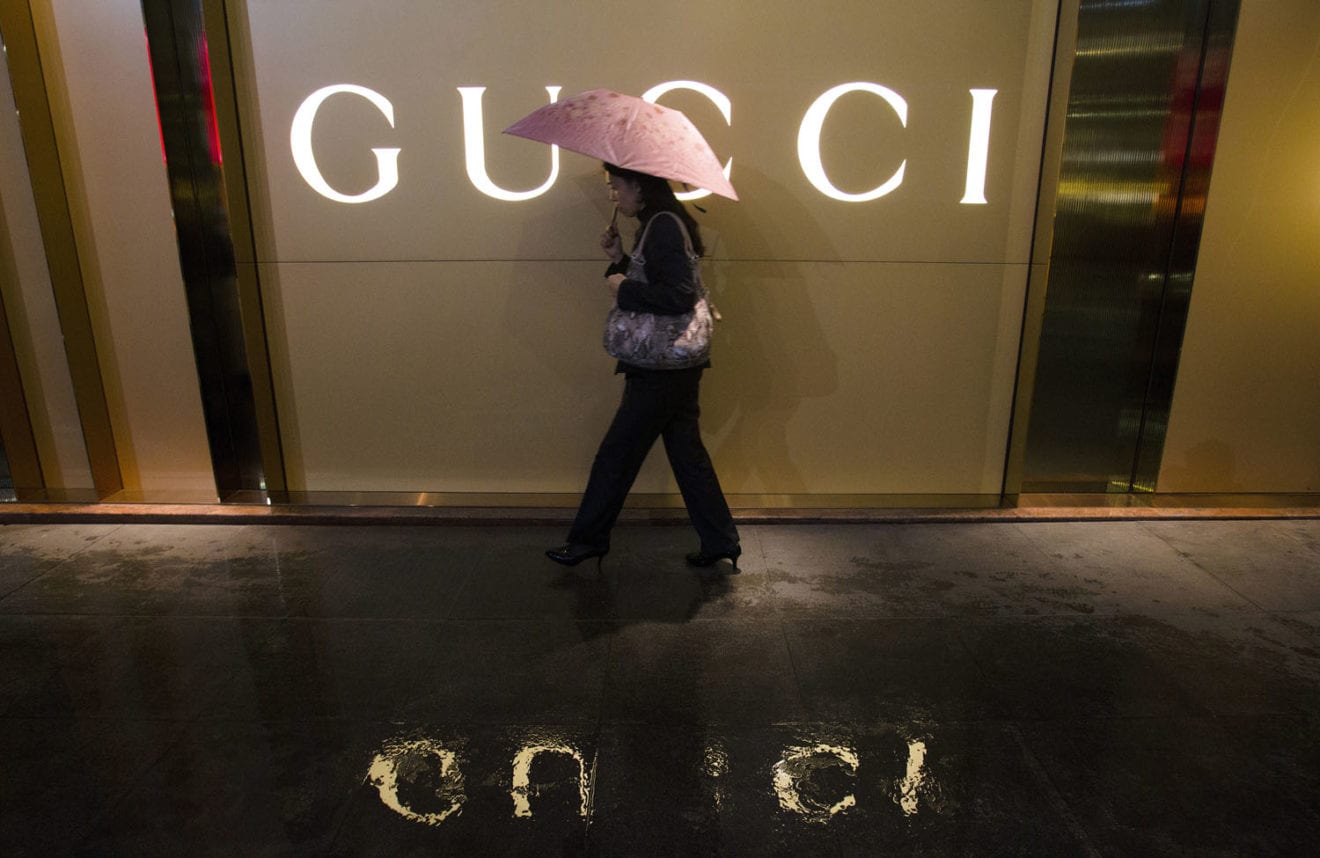
    Gucci and Zegna were among luxury brands to cut their store footprint in the first quarter.

    Hugo Boss has already announced plans to close 20 of the 131 stores it directly owns on the mainland. It’s reviewing as many as another 20 of its least-profitable 430 stores globally.

    The company is in talks with its landlords, so not all of these outlets will close but it expects to announce a sizeable number of exits later this year.

    Prada won’t say where its selective store cuts might fall, but as it expanded aggressively in Asia, it’s a good bet that some will be there.

    And last week, Richemont, maker of Cartier jewelry and Jaeger-LeCoultre watches, said it was also reviewing its retail network in Hong Kong and Macau.This could include closures, moving to cheaper premises or lease renegotiations. Indeed, seeking rent reductions is an alternative to outright closure. Bloomberg Intelligence’s Patrick Wong ays rent reductions of as much as 50% says rent reductions of as much as 50% are possible in some locations in Hong Kong. But demand remains strong for space in premium malls, limiting the scope for discounts.

    In mainland China, tenants have the most bargaining power in new malls, particularly in second-tier cities , hit by a slump in demand and plentiful new supply, Wong notes.

    While the most attention might be on China, globally, brands are focusing on making their existing stores work harder. Rather than planning large scale openings, existing outlets are being refurbished.

    The luxury groups are right to halt their dizzying expansion, and start to cut back. As they do, there could be opportunities for more niche upmarket brands to expand. Kering’s Saint Laurent, LVMH’s Givenchy Fendi and Celine, and Swatch’s Harry Winston could all open stores at more attractive rents.

    Pandora, the affordable luxury chain, is one retailer that is still growing its store base, including in China. And here’s another trend that mirrors what is happening on high streets and main streets. As mid-market brands retrench, discount players move in. Pandora is hardly the same as Primark (its jewelry can cost 60 ($87) rather than 6 at its less upscale cousin). But the Danish jeweller offers cheaper, more accessible luxury.

    That’s still a winning formula in China, whether it is LVMH’s cosmetics and fragrance brands -or Pandora’s charms.

  • Elections boost 7-Eleven Philippines profit

    Elections boost 7-Eleven Philippines profit

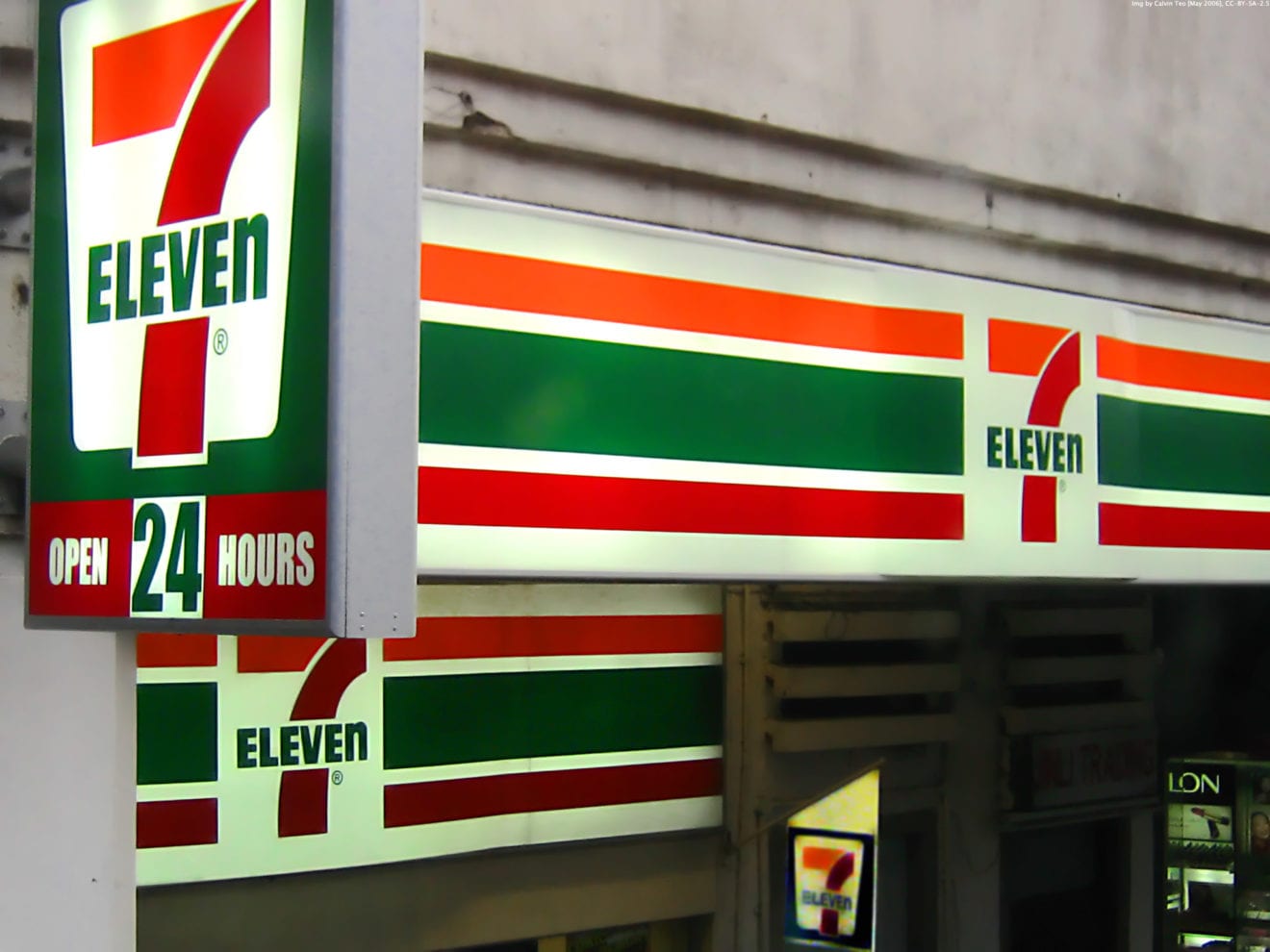
    7-Eleven Philippines stores register first-quarter sales growth on the back of election-related buying.

    Retail sales of all stores went up by 33.5 per cent to P7.3 billion (US$405 million) from P5.5 billion a year ago. This was driven by opening of new stores and increase in same store sales, which was largely attributed to election-related spending.

    Philippine Seven saw its net income up 61.6 per cent year-over-year to P182.4 million during the first quarter.

    The local licensee of 7-Eleven Convenience Stores said its improved financial performance was within expectation as the company’s profits are historically favorable during election season.

    Philippine Seven opened 55 new stores and closed two to end the quarter with 1655 stores. The company now has 1421 7-Eleven stores in Luzon, 189 in Visayas and 45 in Mindanao.

    It is set to attain another milestone this year in terms of total number of stores and profitability.

    The company said, while competition is likely to be more intense, Philippine Seven is the most capable to strengthen its position in the convenience store sector. It aims to capitalise on its first-mover advantage and intends to benefit from the capacity-building expenditures over the last three years.

    For 2016, the company plans to increase its capital expenditures budget to P3.5 billion to support its store expansion strategy.

  • Christian Dada Singapore opens flagship

    Christian Dada Singapore opens flagship

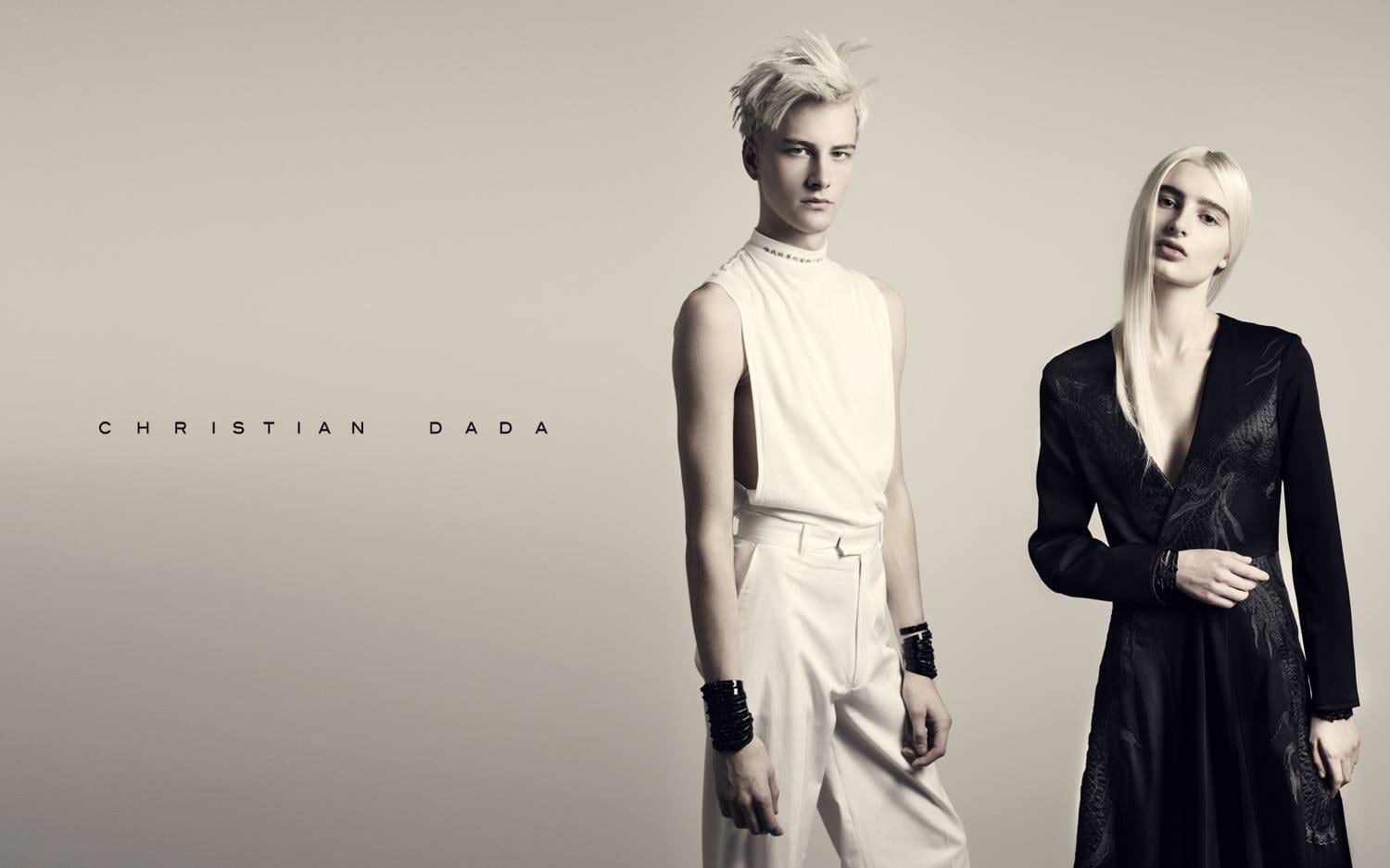
    Japanese fashion label Christian Dada has opened its first flagship store in Singapore at the 268 Orchard Road mall.

    Fumiko Takahama Architects designed the interior of the 1700 sqft (157.9 sqm) Christian Dada Singapore boutique, inspired by the Japanese karesansui garden (rock garden). Sheets of black perforated metal are folded, origami-style, to resemble rocks.

    Christian Dada Orchard road

    Founded in 2010 by designer Masanori Morikawa, the Christian Dada label is known for its deconstructed designs. He uses traditional Japanese silk-weaving techniques and the 8th- century yuzen dyeing method, commonly done by hand and used for kimonos and coats.

    Prices range from S$70 (US$51.42) for a bandana to $4620 for a jacket with rabbit-fur collar.

  • Starbucks stores in Taiwan and Hong Kong use a mix of historic and new design elements to …

    Starbucks stores in Taiwan and Hong Kong use a mix of historic and new design elements to …

  • Tesla Opens 17th Experience Store In China

    Tesla Opens 17th Experience Store In China

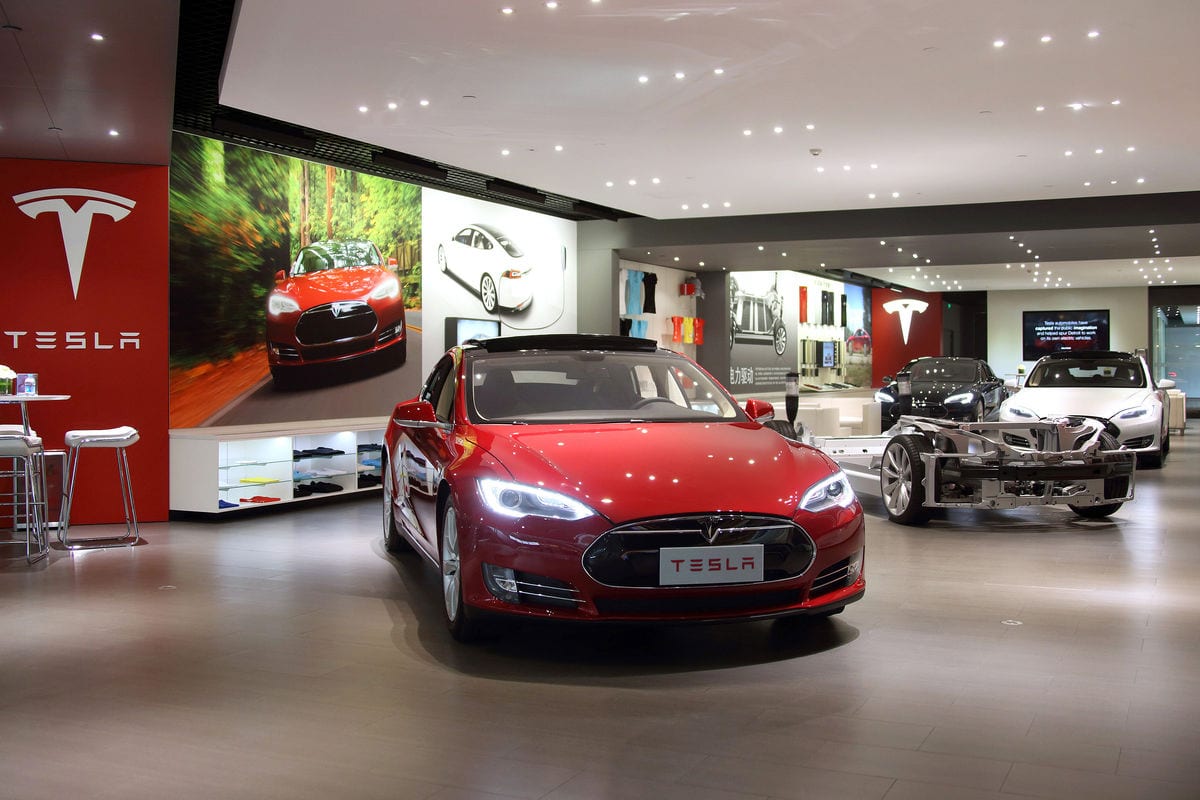
    U.S.-based electric car maker Tesla has opened a new experience center, which is the company’s largest experience center in North China and its fifth owned sales site in Beijing.

    Tesla will reportedly build ten new stores in China in 2016. At the same time, the company will stick to a direct sales model, which is the core model of Tesla. At present, Tesla’s new cars need to be booked via its official website and the cars will be delivered to physical stores.

    So far, Tesla has opened 17 experience centers in China, covering North China, East China, and South China. Those experience centers are mainly located in first-tier cities, including Beijing, Shanghai, Guangzhou, and Shenzhen, and some are in Hangzhou, Chengdu, and Xi’an.

    Zhu Xiaotong, head of Tesla China, said that the company will continue to develop within the market of first-tier cities in the future. On one hand, the potential of those super cities has not been fully explored and they can still digest Tesla’s capacity; on the other hand, it is complicated to expand into a new city. Therefore, Tesla will seek stable development based on existing sites.

    During the opening ceremony of this new store, Tesla’s new Model S also made its debut in China.

  • Cheap convenience store coffees enjoy growing popularity

    Cheap convenience store coffees enjoy growing popularity

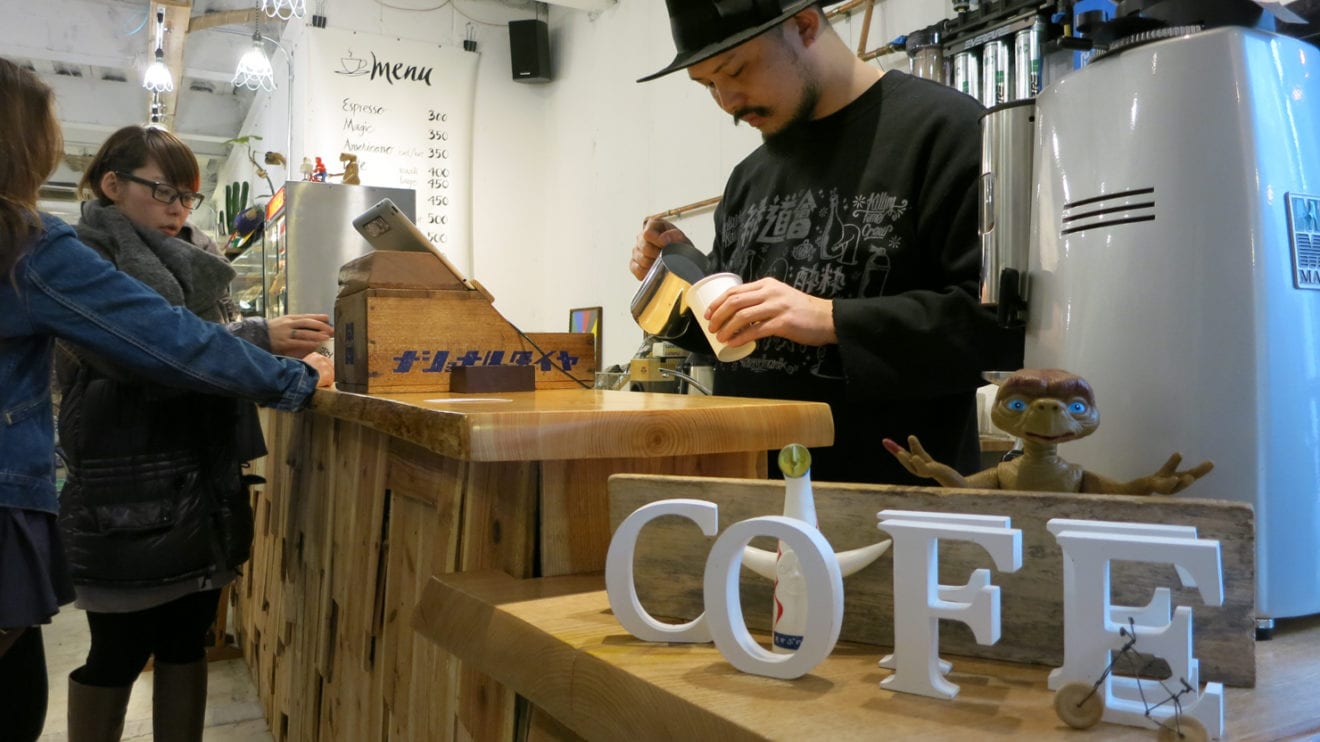
    Low-cost coffees at Korean convenience stores are increasingly popular among price-conscious consumers, posing a threat to coffee shop franchises, industry data showed Monday.

    Local convenience stores have served canned coffee and instant coffee with hot water for years, but they are expanding sales of higher-quality drinks through self-serve coffee bars to get a bigger chunk of the rapidly growing market.

    The nation’s top three convenience store chains, which each have over 7,000 outlets nationwide, offer coffee at around 1,000 won (87 cents), a price one-third or one-fourth that of major franchise coffee shops.

    Helped by affordable prices, coffee sales at major convenience store chains have soared in the first quarter compared to a year ago.

    7-Eleven, operated by Lotte’s affiliate Korea Seven, said sales at “Seven Cafe” jumped nearly four times in the first three months of this year, without elaborating on the specific sales figures.

    GS 25, a chain under GS Retail, also saw coffee sales at “Cafe 25” rise nearly three-fold during the period, and CU, a chain by BGF Retail, said its sales at “Cafe GET” rose 62 percent.

    Convenience stores plan to expand their on-the-go coffee services this year as well as bakery items and ice beverage menus this summer to expand coffee-related sales. The 7-Eleven and GS 25 chains plan to triple the machine to 3,000 this year, according to company officials.

    As major chains are set to expand coffee services to edge out their rivals, industry officials expect the competition to accelerate polarization in the market between mini take-out stores and trendy cafes. Their fast rise poses a threat to franchise coffee shops, which have posted lackluster performances amid a supply glut and rising rental fees in major retail strips.

    Ediya, a homegrown coffee brand that has the largest number of shops nationwide, said the average sales per store slipped 2 percent in 2015 from a year ago.

    “We have been paying keen attention to convenience store coffees. After in-depth discussions with employees late year, we concluded that creating Ediya’s own taste is the most important,” Ediya CEO Moon Chang-ki said during last week’s press conference.

    “Despite the influx of cheap coffee, we will strengthen R&D to improve the quality of our coffee products.”

    The coffee market was valued at 6 trillion won last year and was expected to grow about 10 percent in the next five years.

    Amid the coffee craze, convenience store coffee grew at the fastest pace to snip away the market share of other caffeine beverages. Coffee sales at convenience stores amounted to 40 billion won ($34.7 million) in 2015 and are expected to expand to 100 billion won this year, according to industry data.

  • Tobias Rehberger, artist who’s camouflaged a Hong Kong shop

    Tobias Rehberger, artist who’s camouflaged a Hong Kong shop

    Don’t try to put Tobias Rehberger into a box. The German artist’s work isn’t the sort that fits in a frame and he’d much rather it was out in the world, with people rubbing up against and interacting with it, than being gawped at in a museum. He does his own thing – and has a good time while he’s at it.

    Sitting in MCM’s flagship store, in Central’s Entertainment Building, the 49-year-old seems to be on his best behaviour, his PR minder by his side. His beard is freshly trimmed and, in a crisp white shirt, jeans and trainers, he’s rocking the urban-cool look. But every now and then there’s a flash of the raucous, hard-drinking side he’s known for.

    In Hong Kong for a week for the launch of a collection he designed for the German luxury leather goods brand, as well as Art Basel, he insists he hasn’t got jetlag, he never gets it. His secret?

    “Get drunk on the first day,” he says.

    The PR scowls, but Rehberger doesn’t seem to notice.

    The MCM collaboration began with the bags and it was a 20-year-old assistant – the youngest in his full-time team of 12 – who persuaded him to take on the job. As he explains how it came about you get the sense that Rehberger is porous, open to ideas and giving things a shot, especially if there’s a good chance he or his team might get a kick out of it.

    “‘You have to do it, it’s so cool,’ she said. And I thought, ‘OK, if she says it’s a good thing, let’s try,’” says Rehberger.

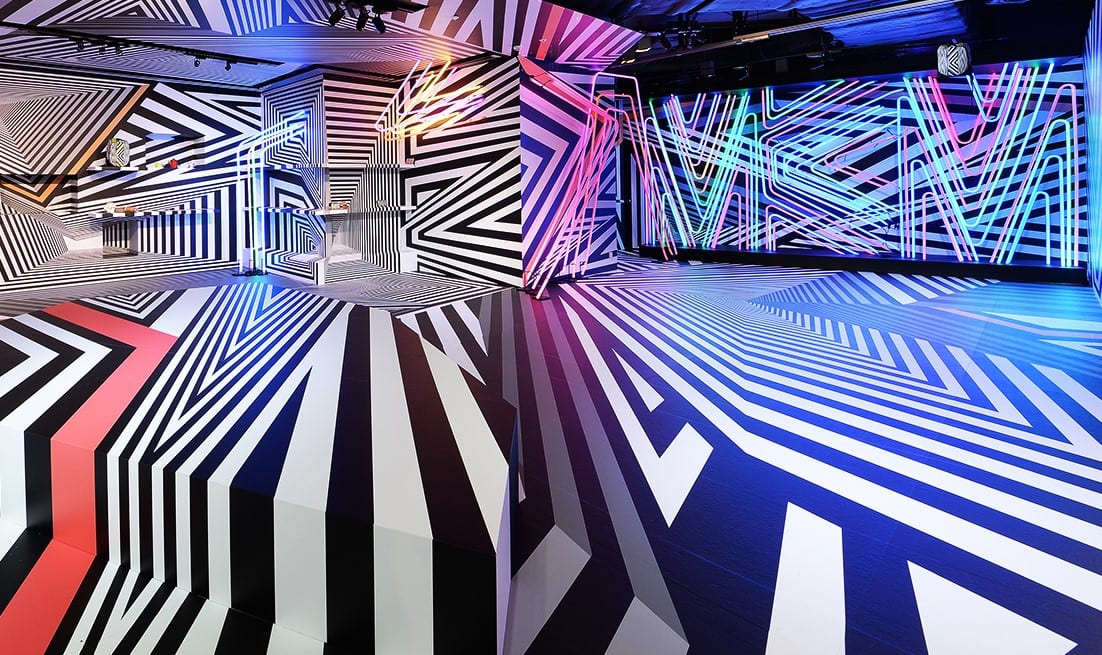
    Employing the bold black-and-white graphics that he has become known for – the “dazzle camouflage” employed during the first world war to make it difficult to visually pinpoint a target – he recreated the German brand’s logo and worked the design into a collection of backpacks, shopping bags and clutches. MCM loved it so much the brand asked him to make over the Hong Kong store – all 8,600 square feet of it.

    This isn’t as wild a leap as it sounds because Rehberger’s perhaps best-known work, which cemented him as one of Germany’s leading contemporary artists, was a massive, functional installation for the 2009 Venice Biennale. He designed the cafeteria at the biennale pavilion and called it ” Was du liebst, bringt dich auch zum Weinen” (“Whatever you love, will bring you to wines”). It was a wild, retro-inspired space, juxtaposed with a jumble of forms and colours but with black and white the unifying theme.

    The walls, floors, ceilings and furniture were covered with the disorienting camouflage used by the dazzle ships of the first world war. It won him the top prize, the biennale’s coveted Golden Lion. The jury said he’d earned the award for “taking us beyond the white cube where past modes of exhibition are reinvented and the work of art turns into a cafeteria. In this shift social communication becomes aesthetic practice”.

    “I’m not very good at starving. I’ve never had to struggle for success, it was just happening”

    Rehberger has applied dazzle camouflage to interiors elsewhere. In 2013, he created a temporary replica of his local Frankfurt bar in a New York hotel, covering the entire space in black and white geometric stripes. He even reproduced the fittings, right down to the radiators. And yes, he did drink there – and felt right at home.

    A year later, he worked on the real deal – a 1918 British warship, the HMS President. Using a print of pipework viewed from different perspectives, he completely covered the ship, to mark the centenary of the first world war. His handiwork was unveiled in July 2014, on the River Thames.

    If a German decorating a British vessel that saw active service in the Great War were not noteworthy enough, “That was special because it was a ship that had been used in the war in this desert camouflage,” Rehberger says. “I thought, ‘Can you make it in the same technique, but that it’s clear it’s not made for military reasons and still use the same strategy?’”

    So has he done it again in Hong Kong? Yes and no. The fact that, here, he has been working with a retail space has thrown up different questions.

    “It’s more about what a shape is, what a product is and how you look at it and how you deal with it and what your focus is,” says Rehberger. He speaks like this a lot – long sentences that throw up lots of ideas and directions, much like his camouflage.

    So, it’s a shop, but not a shop, I venture. Considering the exorbitant rent MCM must be paying for the prime Central spot, that doesn’t seem like the most obvious approach to turning a profit. I hesitate and the PR suddenly lights up.

    “Yes, everybody thinks it’s a shop, but what if it’s not really a shop but it is,” she says.

    She’s clearly been hanging out with Rehberger. I turn away from the pair and take in the shop that isn’t a shop. The geometric patterns in the vast interior make it hard to judge distance and the pillars and escalator – all camouflaged – add to the confusion. It’s not easy to spot the merchandise, which is designed with a similar print. What’s more, alongside the bags on the display shelves are teapots, a pig, a skull propped up against a severed arm.

    “We have the teapots and scientific models and then the bags blend in and you see them less. That’s one of the good things about it – it brings up things you normally don’t think about because you are so conditioned to do things in a certain way and then suddenly, there, hiccup,” says Rehberger.

    And it’s this hiccup, he says, that gives us the chance to think about the way we deal with life. Are we making our own decisions or have we become conditioned to doing things in a certain way?

    I don’t think I’m alone in having been conditioned into thinking that the items on the shelves of a retail space should be for sale. How refreshing to visit a shop that dares to be different, although it’s hard to see this becoming a hot retail trend. The teapots are pretty – Rehberger sourced them himself – and the pig is fun, but they are not going home with a smitten customer.

    “They are something that drops out a little, make you stumble about what you thought you already understood. Especially here, where you are expecting to come and have objects to buy and suddenly you have this almost emptied out teapot shop,” says Rehberger.

    The artist enjoys playing with the viewer – are you seeing what is really there or what you expect to see? Take that severed arm, which will turn out to be, on closer inspection, a scientific model of a worm. Twice I mention the “severed arm” to Rehberger and he doesn’t pull me up on it. True to form, he doesn’t intrude on my perception of the scene.

    For last year’s Art Basel Miami – in another underground venue – he had some fun with this notion of perception. His installation – the mural “1661-1910 from Nagasaki, Meiji, Setti” – covered the space in brightly coloured, wallpapered mosaic tiles. Close up, all you could see was a pixelated blur of colours but step back and you realised you were looking at an orgy.

    Rehberger’s embrace of so many types of media sets him apart from other contemporary artists, especially in the West. Gallery owner Urs Meile represented one of Rehberger’s most recent works, a pigmented wax, steel and wood sculpture-cum-timepiece, at this year’s Art Basel Hong Kong. Two years ago, Rehberger created a huge installation entirely made of porcelain for Galerie Urs Meile in Beijing.

    “He is very open to new media that he’s never used before,” says Meile. “His approach is not the typical Western way. You find that with some other artists working in Asia; probably the most famous is Ai Weiwei, who works with endless different materials.”

    untitled-article-1459241535

    Meile suspects that the tendency towards conceptual thinking might be the reason why Western artists are less likely to experiment with a range of materials. In the West, artists tend to begin a project with a concept and approach their art with a clear vision, doing paintings or sculpture, working in wood or bronze, but “in Asia they don’t have conceptual thinking as we have it”, says the gallerist. “They think, ‘I would like to do this’ and then it’s trial and error. Through this they make a completely other experience.”

    With the exception of Leonardo da Vinci, suggests Meile, Western art history didn’t have a tradition of experimenting with unusual materials until the late 1970s, and the start of conceptual art, when cheap materials began to be used.

    “But to use, let’s say, high-end materials to do something, this is unusual in the West,” says Meile.

    It’s no surprise, then, that Rehberger feels right at home in Asia. In the last six months, he has made at least 10 trips to the region and has a number of projects in the works here. For a Bangkok shopping mall, he is putting together an installation that “looks like an exploded Las Vegas sign”. He says retail spaces are new to him but concedes that shopping malls are where people go to hang out in Asia.

    The can-do attitude and pace in Asian cities appeal to Rehberger, who likes to get things done quickly. At art school in Frankfurt, in the late 80s, he was taught by German artist Martin Kippenberger, who is known for working in a wide range of styles and media.

    “Martin taught me to always push yourself and try not to make yourself comfortable when you find something interesting. With Martin it was not about solutions, it was always, ‘OK, but what if – and then what if from the other side’. That’s the art I’m most interested in, if it’s more about problems than questions and answers,” says Rehberger.

    He graduated in 1992 and moved to London, but stayed only a year in the British capital.

    “If I have an idea I need immediate access to the thing,” he says. “When I need teapots, I need the teapots now. In London, at the time, you had to travel half a day to buy a pencil. It was annoying.”

    From London he moved to New York before returning to Germany, where he has lived since, dividing his time between Berlin and Frankfurt. Berlin, he says, is where he finds inspiration, meets friends and hangs out. Frankfurt offers fewer distractions and is where he gets his work done. It’s also where his family lives.

    Rehberger’s wife specialises in restoring old frames and the couple have three children, aged 16, 11 and four.

    “Since they were young, they have been coming to my studio and hanging out. For them it’s normal to take a spray can and do things. I think you can sense they are visually educated, they all have a good eye – not that I hope they become artists,” he says.

    Rehberger’s father was a hobby painter and, as Tobias grew up, he was surrounded by oil paints and canvases. His father painted portraits and landscapes, copied works by artists such as Picasso and sometimes designed and made furniture. Rehberger started out playing with his father’s materials and when he came to have his first gallery show, “I copied the entire body of my father’s work, copying the paintings four times as big. It was an installation, a reflection of me as a professional artist and where that comes from.

    “I thought it was a good way to introduce myself.”

    His father apparently found it funny. Someone finding his work amusing seems to be a factor that signals to Rehberger that a mission is at least halfway to being accomplished.

    Since that introduction, life has been good to him. He’s never had to live the life of a struggling, starving artist.

    untitled-article-1459241535-body-image-1459242184

    “I’m not very good at starving,” says Rehberger. “I’ve never had to struggle for success, it was just happening.”

    He almost flinches at the suggestion that commercial projects such as the one for MCM might distract him from more personal work.

    “It’s all my own stuff. It’s not less my own stuff if I’m doing this or something in the studio that no one ever sees. There is no difference. If I want to do something, I do it, and if I don’t want to do something, I don’t do it,” he says. “I was never in the position that I had to do something that I didn’t want to.”

    As if to underline the fact he hasn’t had to endure long, cold winters going hungry in a lonely studio, the conversation turns to lunch and from there to restaurant recommendations. Rehberger has arranged to meet some artist friends after their commitments at Art Basel.

    “Thursday and Friday we plan to check out five restaurants a day – for breakfast, lunch and dinner and a couple in between,” he says.

    Whether or not you are in the market for a new leather bag, it’s worth dropping into the MCM store to be dazzled by Rehberger’s disorienting graphics and take a turn through the shop that isn’t really a shop.

    Tobias Rehberger’s installation at the MCM store (basement, Entertainment Building, Central) will be in place until May 2.
  • Adidas Sets Goal For 3,000 More Chinese Stores

    Adidas Sets Goal For 3,000 More Chinese Stores

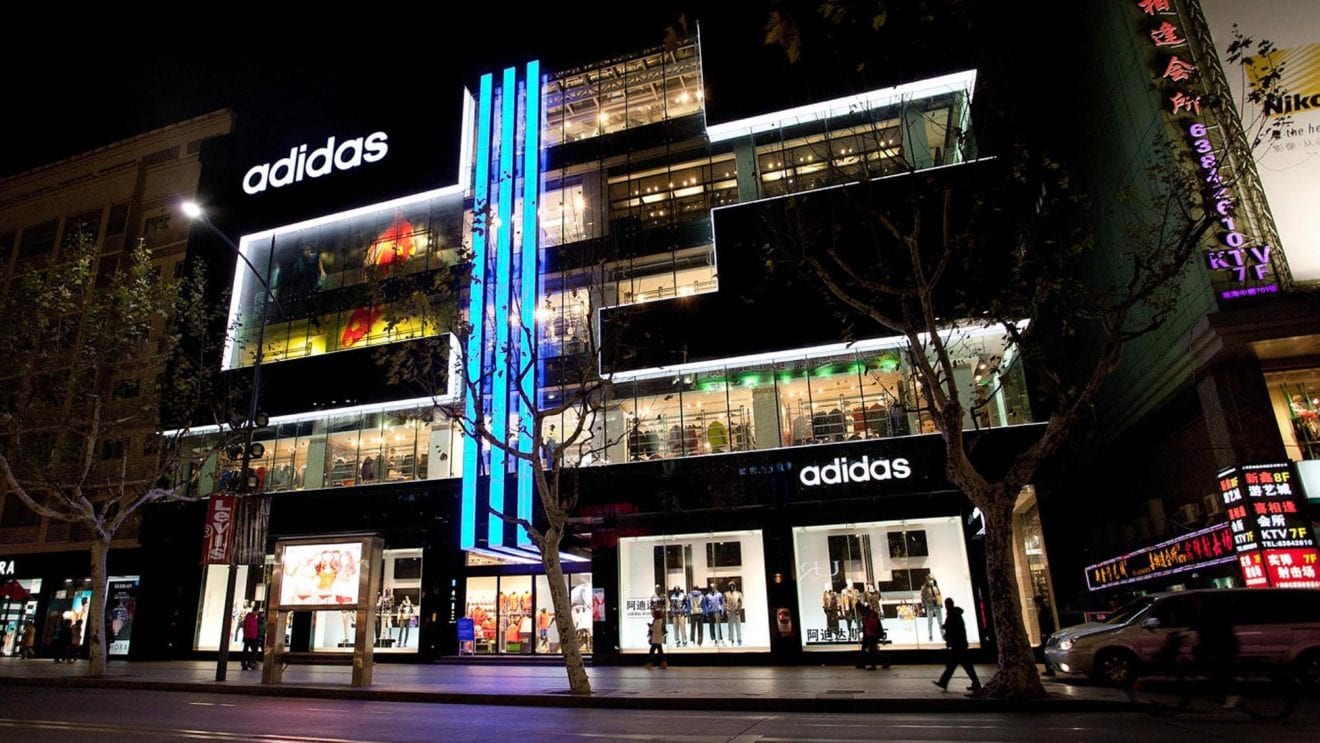
    Colin Currie, head of Adidas’ China operations, announced in a press conference that the sportswear company would be adding 3,000 more storefronts to the 9,000 it already operates inside the People’s Republic. Currie emphasized that these new stores wouldn’t just be rehashes of existing designs but targeted implementations of locations that focus on running, soccer and tennis equipment and apparel.

    It’s details like these that Currie hopes can help Adidas find revenue, even when the Chinese economy doesn’t seem to be making it any easier.

    “We are cautiously optimistic, but we’re far more on the optimistic side,” Currie said during the briefing.

    It’s one thing to say that Adidas is confident but another thing to actually mean it. A pledge to open 3,000 stores certainly seems like an earnest statement that can’t be easily walked back, explained that changing demographics might be why Adidas is so ready to hitch its wagon to the down-right-now Chinese economy. As more and more Chinese consumers enter the middle class, Adidas has planned, since at least 2010, to take advantage of the growing desire for sportswear, not just for fitness but as everyday dress as well.

    “We expect two-thirds of our growth to be from consumers in the lower-tier cities as they become attracted to sportswear — not just for fitness but for easy casual wear,” Currie said at an event in 2010.

    If it’s any consolation for Adidas and the Chinese economy at large, odds are both parties will succeed or fail together.

  • Uniqlo to open flagship store in Singapore

    Uniqlo to open flagship store in Singapore

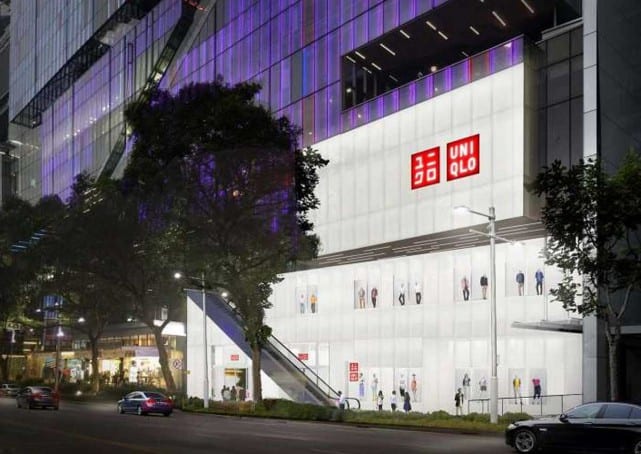
    Japanese clothing brand Uniqlo is set to open its first global flagship store in Singapore and the Southeast Asia region at Orchard Road by the second half of this year.

    The store, spanning across three levels at Orchard Central (a total area of 2,700 sqm), will generate more than 300 jobs here. It will be Uniqlo’s biggest outlet in Singapore and the region.

    “We are very honoured, and excited, to open our first UNIQLO Global Flagship Store in Singapore. Having been a member of the local retail scene since 2009, we remain committed toward contributing to the local community and being an integral part of Singapore’s growth and future,” said Taku Morikawa, CEO of Uniqlo Southeast Asia.

    Uniqlo fans can expect the flagship store to provide an extensive range of Uniqlo’s latest lines for women, men, kids and babies. The store will also serve as a platform to showcase the brand’s LifeWear collection.

    There are currently 13 global flagship stores around the world, including cities such as New York, London, Paris and Shanghai.

  • Microsoft Store opens in Lazada Thailand

    Microsoft Store opens in Lazada Thailand

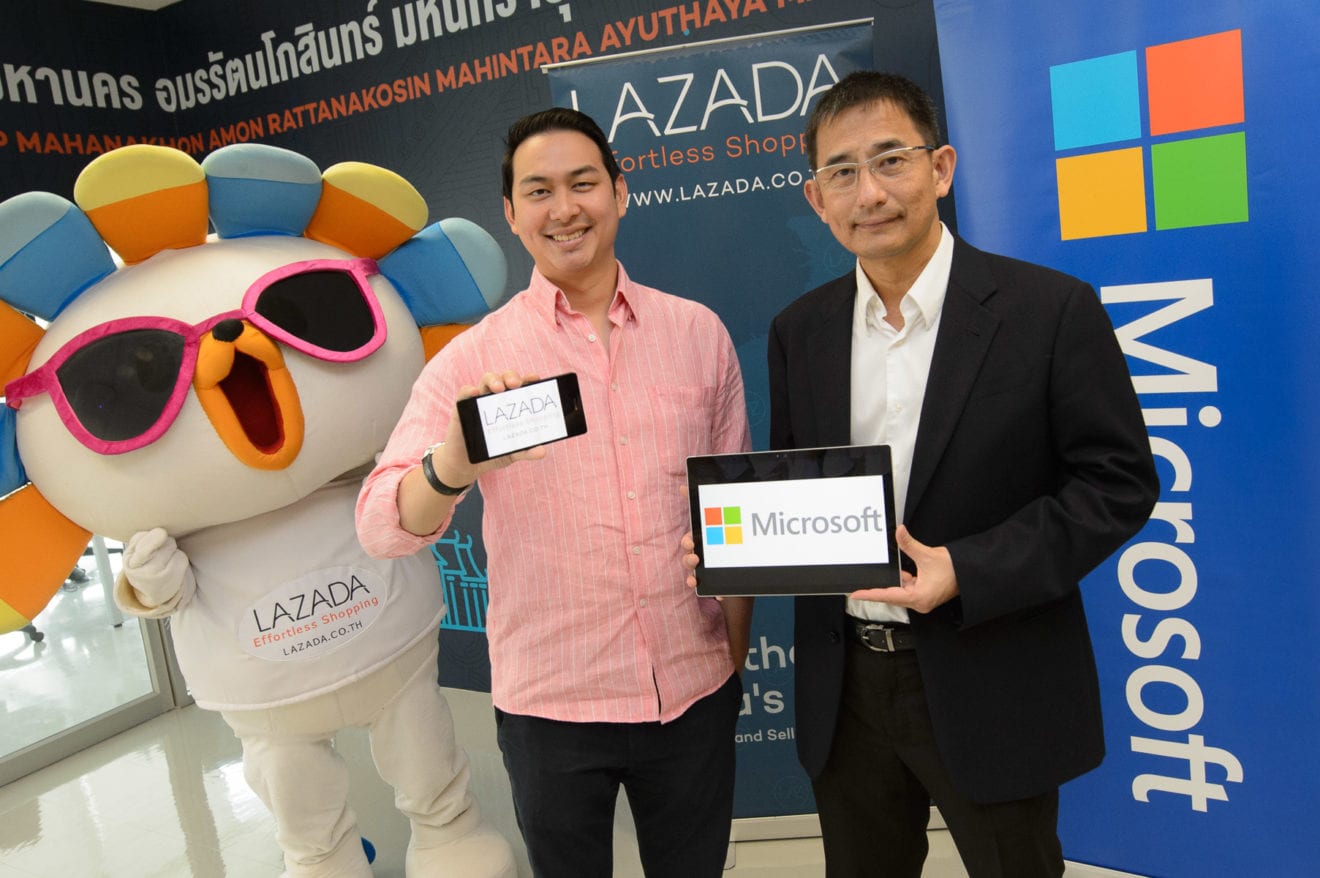
    Microsoft Thailand recently announced the official launch of its Microsoft Online Store on Lazada Thailand.

    The store is envisioned to be a one-stop shop for Microsoft’s products and a destination for exclusive offers and deals, giving Thai consumers access to the full lineup of devices, software, and services, including Surface, Lumia smartphones, Windows 10-powered laptops, tablets, and 2-in-1 devices, various hardware accessories, and the Office productivity suite.

    Following a similar partnership between Microsoft and Lazada in Malaysia last year, Thailand becomes the second country in the region to welcome the Microsoft Online Store on the Lazada platform.

    “The launch of the Microsoft Online Store on Lazada is an important milestone for Microsoft Thailand as the explosion of social and mobile technology has enabled the era of online shopping in Thailand,” said Orapong Thien-Ngern, General Manager, Microsoft Thailand. “Partnering with Lazada gives Microsoft an opportunity to build on our customer-centric approach and deliver our products and services to Thai customers via a platform that is already familiar to them.”

    The Microsoft Online Store opening comes just days before Lazada celebrated its fourth anniversary in Thailand. Lazada has seen rapid growth in the country since its launch in March 2012.

    “We are delighted that Microsoft is launching its online store with Lazada. Together with Microsoft, we are making exciting, aspirational innovative products accessible to more consumers in Thailand,” said Tarin Thaniyavarn, Chief Commercial Officer, Lazada Thailand.

  • Apple Continues Expansion in China with New Store Opening on March 19

    Apple Continues Expansion in China with New Store Opening on March 19

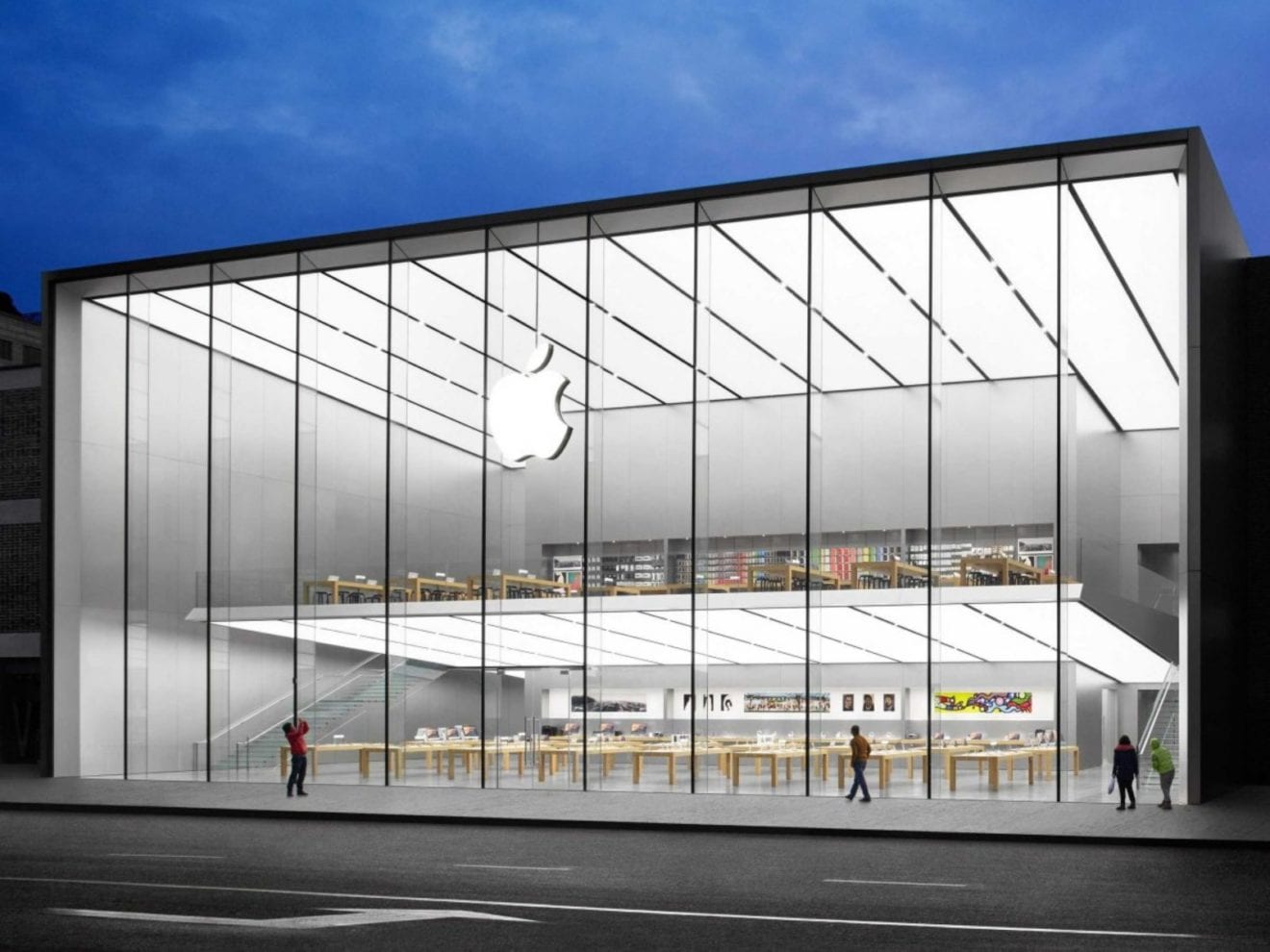
    Tech giant Apple has confirmed that a new Apple Store will open in Dalian, China, on March 19, 2016. The new store is part of the company’s ongoing mission to launch at least 40 new Apple Stores in China by October 2016.

    The new Apple Store will be located on 66 Olympia Plaza, marking it as Apple’s second retail outlet in the port city after it opened its first store In Dalian earlier in October 2015. Dalian’s central location and inflow of tourists from Japan and Korea will help the company further secure its tech presence in China, which Apple predicts will be its most dedicated market in the future.

    Apple’s agenda of launching 40 new outlets seems to be working out well after it opened stores in Nanjing, Hong Kong, Chengdu, Qingdao, Guangzhou, Xiamen, Beijing, and the “Green City” — Nanning, as part of its expansion plan. The brand new store will further strengthen Apple’s roots in China and prove great advertising for the iPhone maker in the hub of one of China’s most popular cities.

    The Dalian Apple Store will open at 10:00 am local time. Speculation suggests that this could be the same store which the company claimed to be its “largest flagship” outlet almost three years ago. However, there is no confirmation if the upcoming store will still be Apple’s largest company store to date. Considering that the iPhone maker has been working aggressively to establish its presence around the world, with new stores in Turkey and Singapore, there is a slight possibility that these former plans have changed slightly.

    Plans for Apple’s new store are already arousing curiosity regarding its architectural layout. The tech giant’s consistency in the architectural design of its stores helps give it a distinctive edge against other tech rivals, both local and international. Led by Angela Ahrendts and Jony Ive, the company’s focus on the design elements of its outlets is a clever marketing strategy for luring in more customers. The upcoming store is expected to feature some of Apple’s traditional store elements like a Genius Bar, JointVentures, workshops, and other Apple-based services.

    With the new store in Dalian, Apple could provide customers with an experience better than any other. Even though an Apple Store exists in Dalian, a brand new outlet might help drive more sales for the company.

    Therefore, judging by its fluent progress in opening new retail outlets in various regions of China, Apple seems well on track to fulfill its prophecy, and may even end up opening more than 40 stores by October.