Tag: Store

  • Sennheiser Singapore store an Asian first

    Sennheiser Singapore store an Asian first

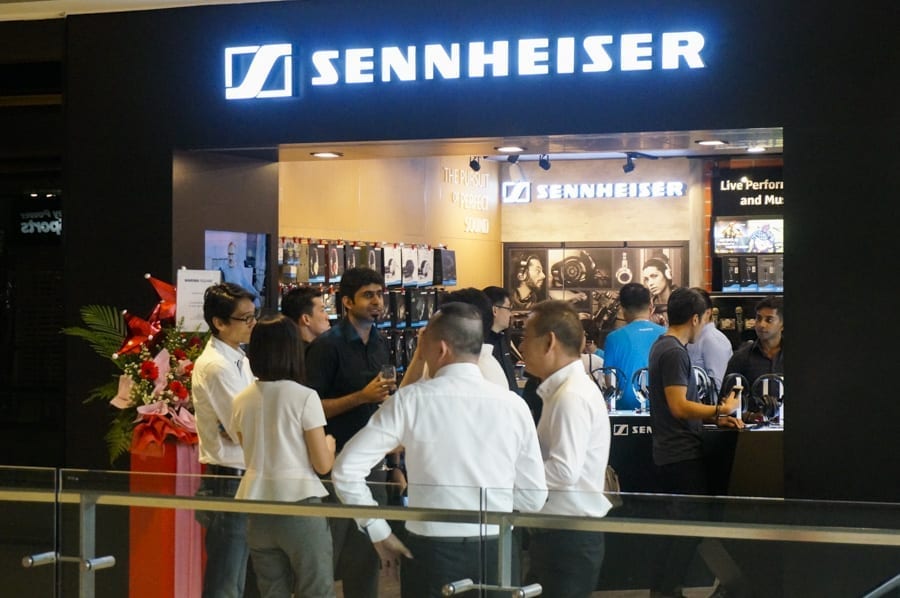
    Headphone brand Sennheiser Singapore has opened its first store, at Marina Square.

    After its home country Germany, the store is only its second fully owned outlet, but it is the only one to offer a one-week free trial service.

    sennMS-10 (1)

    Customers can take home the HD650, HD800S and Momentum Wireless models to trial for a week. The company says this will allow customers to experience product features to help them decide which model to buy.

    Sennheiser also offers a pick-up and drop-off  point for customers who want to have their products checked and/or repaired. This saves them having to go to the company’s service center at Alexandra Technopark.

    Compared to the previous outlet run by a distributor, the new Sennheiser brand store offers a wider range of products. As well as headphones there are microphones – models mainly used by musicians and video journalists – as well as enterprise audio products.

    “Singapore is a key market for us, and this is an integral part of our regional go-to-market strategy,” says Sennheiser Asia sales and marketing VP Martin Low.

  • Hugo Boss China plans to cull more stores

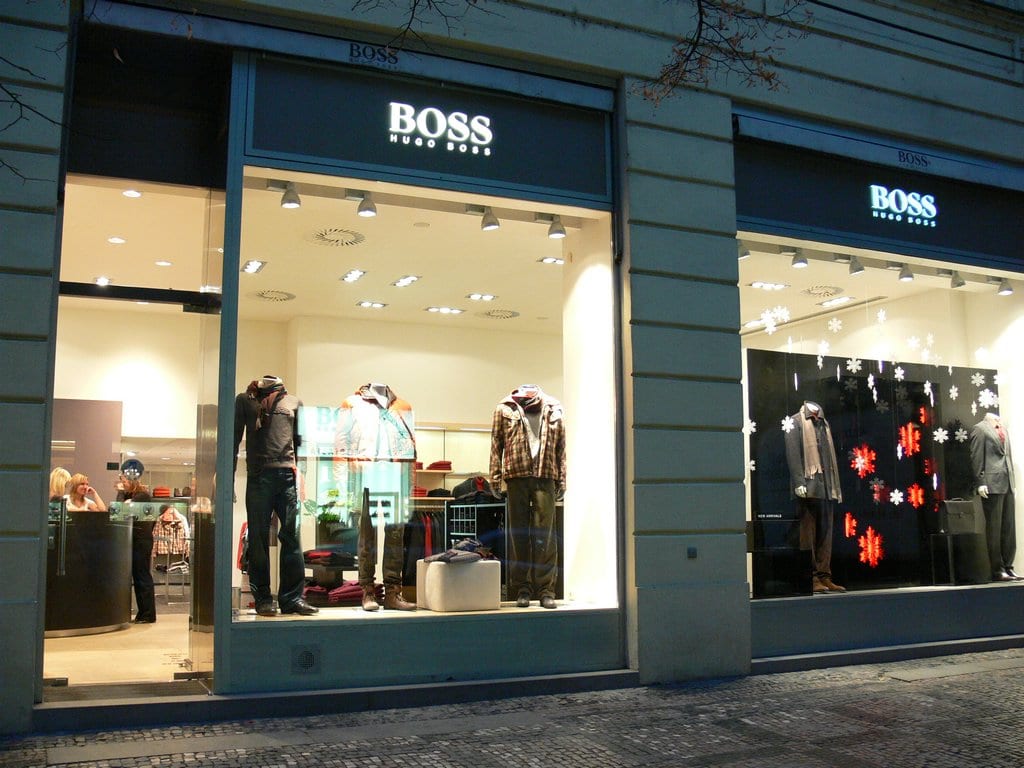
    Hugo Boss China plans to cull more stores

    The cull of Hugo Boss China stores will continue after a first round downsizing helped the German retailer’s bottom line.

    Hugo Boss revealed its quarterly operating profit on Friday, beating forecasts and giving incoming CEO Mark Langer a mandate for his tough strategy to return to profit growth.

    In March the company said it would close about 20 of its 145 stores in Greater China. Now, Langer says another 20 will follow over the next 18 months.

    “To return to profitable growth again in the medium term, we have made decisions that are painful to begin with,” Langer said. “The market environment will remain difficult for the foreseeable future.”

    Hugo Boss earnings fell 13 per cent to 108 million euros (US$120 million) in the second quarter on sales down 4 per cent to euro 622 million. Net profit has hit by 57 million in extraordinary items, largely costs relating to closing stores.

    Langer’s strategy to improve Hugo Boss’ earnings includes renegotiating rents, shutting stores and refocusing marketing spending on its core menswear range rather than womenswear, a category his predecessor diversified into.

    He also plans to sell the brand in high-quality stores in the US market, to try to reduce discounting.

    Hugo Boss’ share price rose 6 per cent on Friday after the results were revealed and some analysts are now recommending investors buy the stock.

  • NYDC Vietnam closes last store

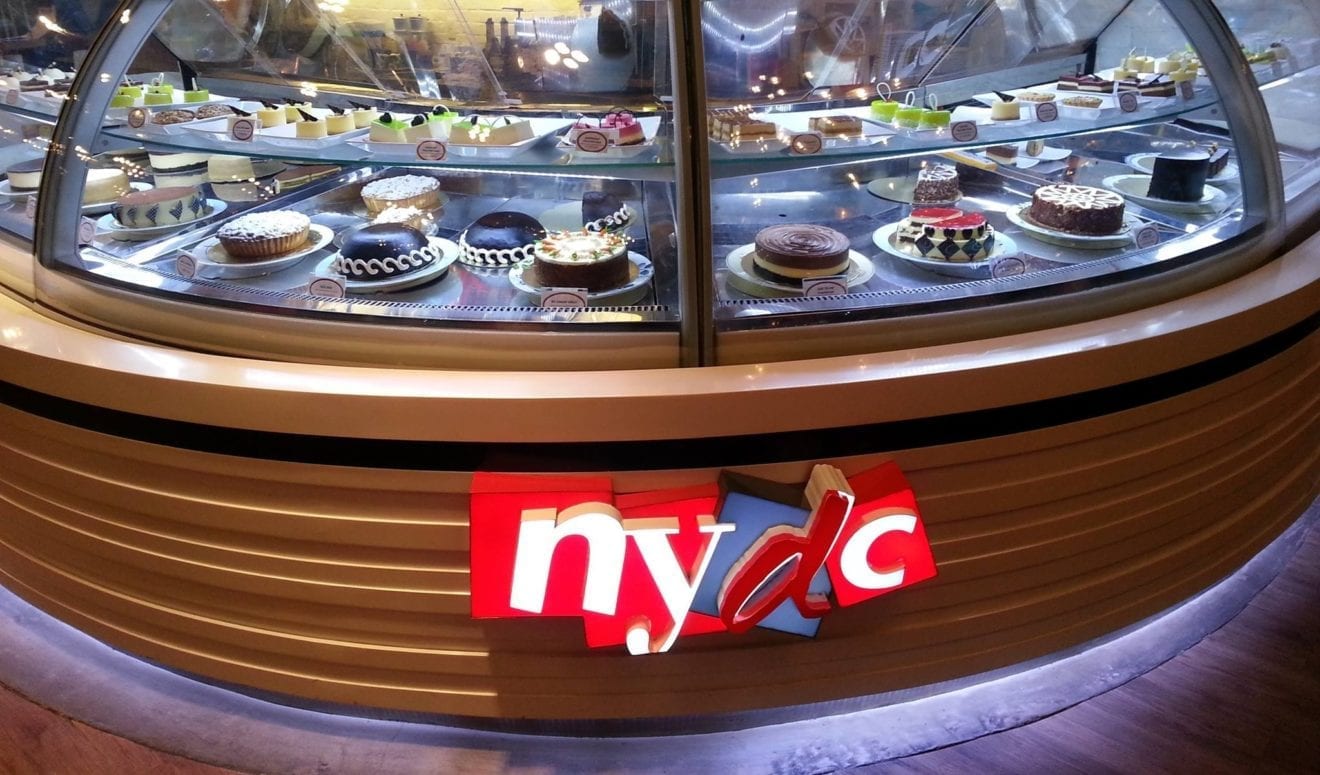
    NYDC Vietnam closes last store

    The last NYDC Vietnam dessert and cafe restaurant has closed its doors after months of struggling to stay viable.

    The chain sent its goodbyes to its customers via its Facebook page last Wednesday, promising to “return someday”.

    NYDC’s struggles first became apparent in May when it closed three stores in a row – Nguyen Trai, Cantavil, and Crescent stores in Ho Chi Minh City. It continued to operate its highest-profile store inside the Metropolitan Tower in the city’s CBD. However, after six months trying, finally they decided to close their last store.

    Two factors likely led to the demise of NYDC Vietnam: First, the increasing dominance of  local cafe chains such as The Coffee House, Phuc Long, Urban Station, Trung Nguyen, Kafe and Highlands, which offer affordable prices and comfortable spaces. The second is the more recent arrival of international chains, such as Starbucks. Before Starbucks arrived in Vietnam in 2012, NYDC’s main competitors were Gloria’s Jeans and Coffee Bean and Tea Leaf.

    Many foreign food chains have struggled to gain momentum in Vietnam market. Both Gloria’s Jeans and Coffee Bean and Tea Leaf had to close larger outlets about three years ago due to rising rentals. Burger King launched in 2012 with ambitious plans for about 60 stores within five years. It has recently closed several and as of February its network stood at just 16.

    Sean T Ngo, CEO of VF Franchise Consulting, said that even though Vietnam is one of the hottest franchising markets in Southeast Asia, the exit of NYDC from Vietnam clearly demonstrates the challenges that many foreign firms face when entering a developing market like Vietnam.

    “Clear differentiation and positioning from competitors and near perfect execution is required if any foreign brand is to do well in this market place.”

    Brought to Vietnam in 2009 by Singapore’s SUTL Group, NYDC used to be one of the most popular foreign cafe chains in HCMC. The first two outlets were opened in the center of the city, at Metropolitan tower and Now Zone shopping mall, followed by Vincom, Nguyen Trai, Cantavil, and Crescent mall stores. The original plan was to open 20 outlets in five years with more than US$300,000 investment reportedly required for each.

    Opposite to NYDC, SUTL has been successful with its investment in KFC, which now operates more than 140 stores across Vietnam.

  • 7-Eleven Malaysia Opens Historic 2000th Store in Malaysia

    7-Eleven Malaysia Opens Historic 2000th Store in Malaysia

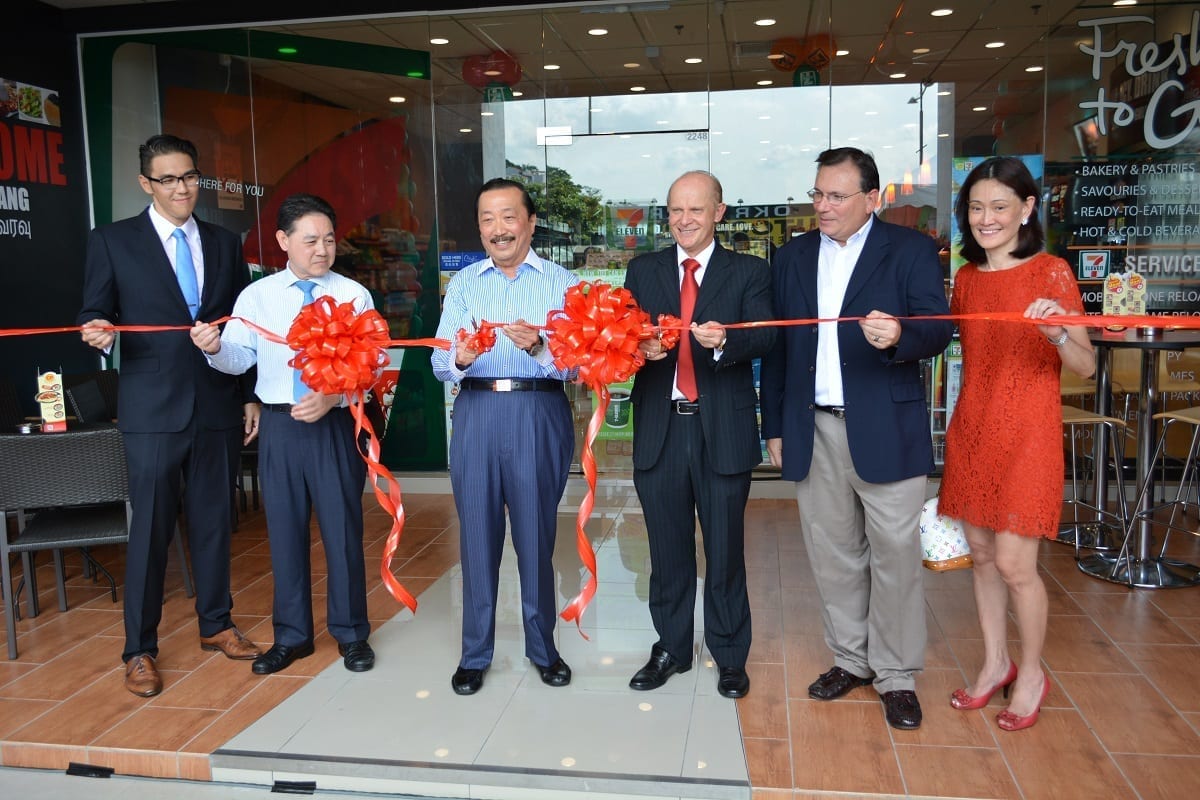
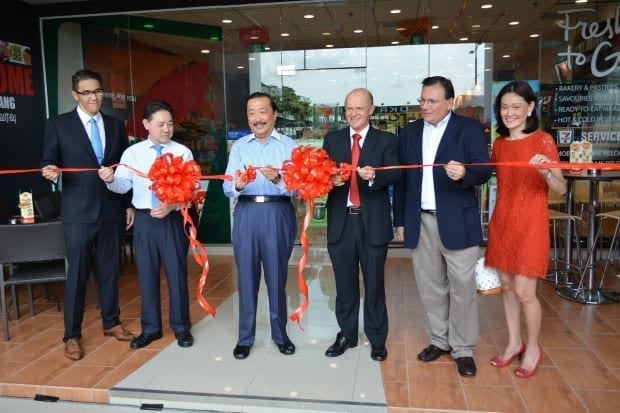
    7-Eleven Malaysia, a wholly owned subsidiary of 7-Eleven Malaysia Holdings Berhad, the No.1 standalone convenience store chain in the country, is proud to announce that it has launched its 2000th store in Malaysia at an opening ceremony held at The Scott Garden in Old Klang Road. This landmark store reflects the current 7-Eleven convenience store format, which is being rolled out across Malaysia via a programme of store refurbishments and new stores since late 2013.

    Speaking at the ceremony, Mr. Gary Brown, CEO of 7-Eleven Malaysia Sdn. Bhd. commented, “At our listing in 2014, we discussed our expansion plans and our intention to increase our number of new stores by 600 over the next three years from 2014 to 2016. We are very pleased to have reached this historic milestone of 2000 stores but it’ll be business as usual as we have no intention of stopping here and will continue with our rapid store expansion. We are also pleased to be able to showcase here today our latest product and service innovations which sets us apart from other convenience stores in Malaysia with a strong emphasis on best in class fresh food and beverage such as our well-received RM2 Fresh to Go hot beverages.”

    During the opening ceremony, there was a tour and brief on the current innovation of the stores. The current generation 7-Eleven convenience stores is to encourage customers to see 7-Eleven as a lifestyle concept, where they can enjoy the range of products on offer by spending time at the store, similar to a neighborhood café. In addition to this, 7-Eleven Malaysia has increased its range of product and services to customers by providing Touch ‘n Go reload services, bill payment for utility providers, online purchases payment through MOLPay, point-of-sales activated (“POSA”) gift cards and parcel locker services in partnership with BoxIt.

    Mr. Brown continued, “It is important to us to continue to innovate on not only our product offering, but to also play more of a role in the daily lives of our customers. By offering these services, we can offer a whole new level of convenience in Malaysia and we continue to be the leader for the convenience sector. We are enthusiastic about the future and will continue to deliver the best possible product, services and promotional offerings at our stores based on what our consumers want.”

    7-Eleven Malaysia is the largest stand-alone convenience store-chain nationwide, with 2000 outlets across the country and continuously aspires to elevate customers’ shopping experiences and to scale greater heights as the largest stand-alone convenience store operator in Malaysia. To meet today’s expectations in providing convenience to customers; 7-Eleven Malaysia opts to stay close to its customer’s heart by staying true to its motto, Always There for You.

  • Store roll-out boosts Starbucks Asia

    Store roll-out boosts Starbucks Asia

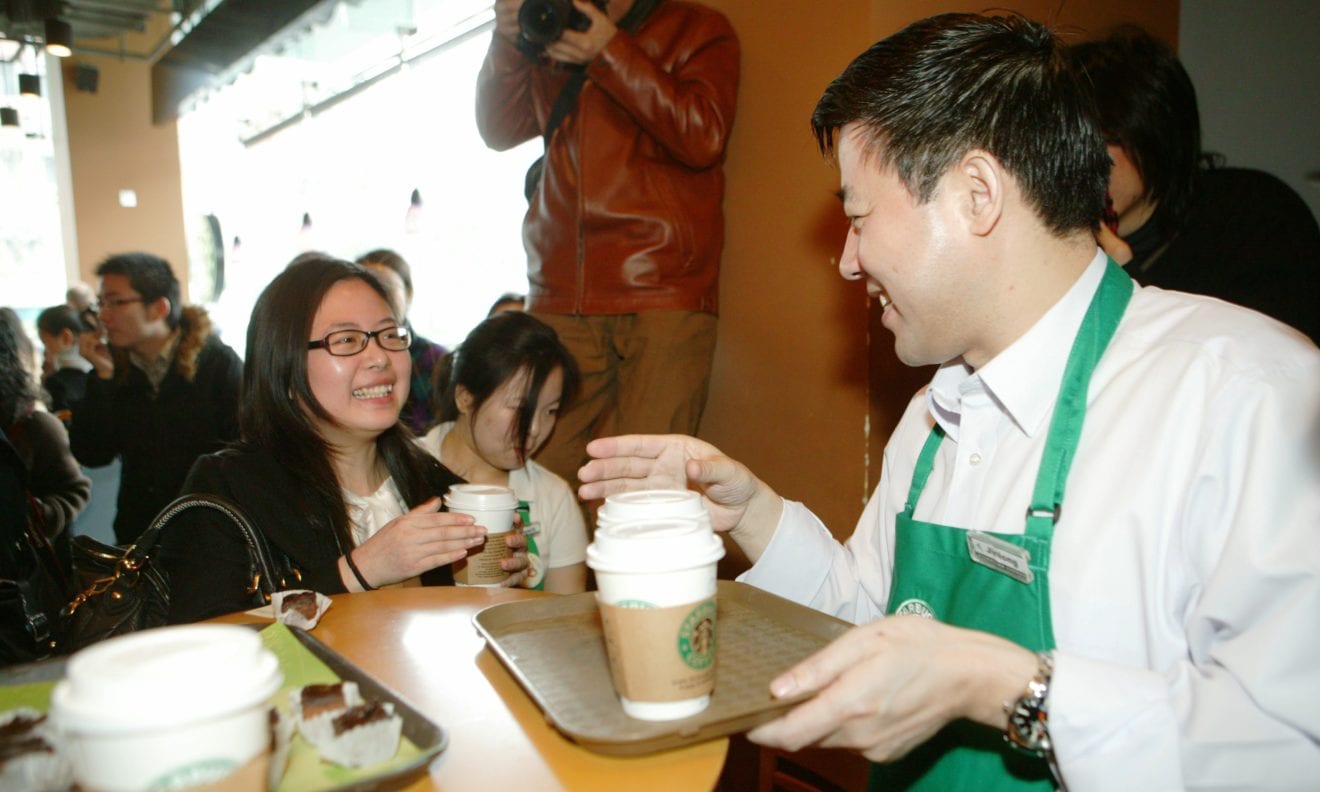
    A massive Starbucks Asia store roll-out has boosted the global coffee company’s third quarter results.

    Across China and the Asia-Pacific region, Starbucks opened 888 new stores in the first nine months of the current financial year. That helped lift revenues by 18 per cent in the region.

    However, underlying same-store sales were a far more modest 3 per cent up on the same quarter last year.

    “The concern is that some of this is related to a general slowdown in China which, if part of a longer term trend, could harm company earnings,’ observed retail analyst Neil Saunders, CEO of Conlumino.

    The company’s Channel Development division – which encompasses the sale of Starbucks branded products in grocers and other stores- also posted positive numbers, with revenues rising 9 per cent. This was aided by strong sales of single-serve Starbucks products following a new agreement with Keurig Green Mountain to push branded K-Cups into more channels. A new partnership with Nespresso to launch Starbucks-branded pods should provided a further uplift to this division in the quarters ahead.

    “Unfortunately, the stronger performances in Asia and in the Channel Development Segment were not enough to offset the weakness in the Americas, which remains larger than all other divisions combined,” said Saunders.

    “And therein lies the forward issue for Starbucks: it has to increase momentum in this part of its business if it is to get back into high growth territory and if it is to avoid a future squeeze on profits.”

    Globally, Starbucks seemed to lose momentum in the third quarter, with overall growth slowing to 7 per cent and global same-store growth moderating to 4 per cent – both below forecast.

    “Worryingly, the slowdown took hold across all regions with even the Americas division, which usually puts in a fairly robust performance, posting a lacklustre same-store increase of 4 per cent. The fact that the company appears to have run out of steam somewhat overshadows its nonetheless impressive achievement of breaking the $1 billion operating income barrier for the first time in a non-holiday quarter.”

  • 7-Eleven Malaysia launches 2000th store

    7-Eleven Malaysia launches 2000th store

    7-Eleven Malaysia Holdings Bhd’s wholly owned subsidiary has launched its 2000th store in Malaysia.

    7-Eleven said the store at The Scott Garden in Old Klang Road reflected the current 7-Eleven convenience store format, which was being rolled out across Malaysia via a programme of store refurbishments and new stores since late 2013.

    “At our listing in 2014, we discussed our expansion plans and our intention to increase our number of new stores by 600 over the next three years from 2014 to 2016.

    “We are very pleased to have reached this historic milestone of 2000 stores but it’ll be business as usual as we have no intention of stopping here and will continue with our rapid store expansion,” 7-Eleven Malaysia Sdn Bhd CEO Gary Brown said in a statement.

    “We are also pleased to be able to showcase here today our latest product and service innovations which sets us apart from other convenience stores in Malaysia with a strong emphasis on best in class fresh food and beverage such as our well-received RM2 Fresh to Go hot beverages,” he added.

    2000th store opening image

    In the statement, 7-Eleven said during the opening ceremony, there was a tour and brief on the current innovation of the stores.

    It noted that the current generation 7-Eleven convenience stores was to encourage customers to see 7-Eleven as a lifestyle concept, where they can enjoy the range of products on offer by spending time at the store, similar to a neighborhood café.

    In addition to this, 7-Eleven Malaysia has increased its range of product and services to customers by providing Touch ‘n Go reload services, bill payment for utility providers, online purchases payment through MOLPay, point-of-sales activated (POSA) gift cards and parcel locker services in partnership with BoxIt.

    “It is important to us to continue to innovate on not only our product offering, but to also play more of a role in the daily lives of our customers. By offering these services, we can offer a whole new level of convenience in Malaysia and we continue to be the leader for the convenience sector.

    “We are enthusiastic about the future and will continue to deliver the best possible product, services and promotional offerings at our stores based on what our consumers want,” Brown said.

  • One more Japanese retail brand comes to Vietnam

    One more Japanese retail brand comes to Vietnam

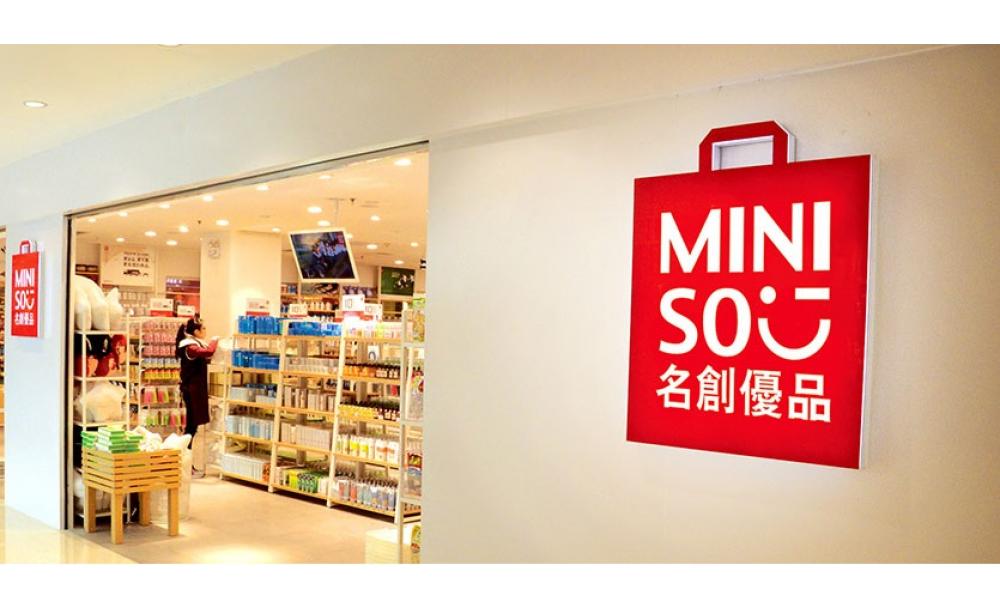
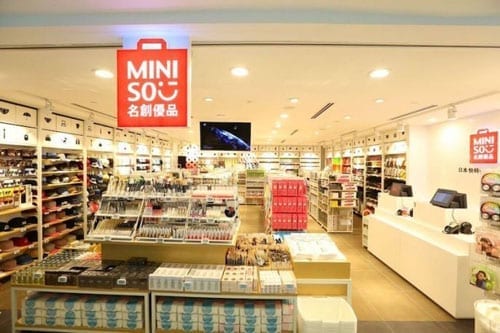
    Miniso, a Japanese lifestyle and fast fashion brand that sells merchandise such as homeware, bags and electronics at low prices, will be in Vietnam through a franchise deal inked with Vietnamese group Le Bao Minh.

    Le Thi Ngoc Hai – Chairwoman of Le Bao Minh Group – said the two sides signed the franchise deal in April 2016. “In August, we will open the first three stores in Hanoi and the number will double after a month. At the end of this year we will have 13 stores in Hanoi, Ho Chi Minh City, Da Nang, Vinh, Can Tho and Hai Phong,” she said.

    Le Bao Minh is the exclusive distributor of Canon brand in Vietnam.

    Explaining the group’s expansion into the retail sector, Hai said this plan has been implemented for three years.

    “We set up a team of experts to find opportunities for cooperation from world-renowned brands. When learning about Miniso, we find its appropriate to Vietnamese people. This Japanese brand has been very successful in Korea, Malaysia, China, the Philippines, and Thailand,” Hai said.

    Hai said with its own characteristics, Miniso will not directly compete with other retail brands in Vietnam. The targeted customers of Miniso are young people. This will be a new retail model in Vietnam.

    This group aims to open 200 shops in almost all provinces in Vietnam, creating stable jobs for about 5,000 workers in the next 5 years.
    miniso vietnam

    Miniso was founded in Japan in September 2013 by Miyake Jyunya and his Chinese partner and president of the company, Ye Guo Fu. They opened Miniso’s China office in Guangzhou the following month.

    Mr Jyunya leads a design team of about 30 in Japan, while the brand and business development team is based with Mr Ye in Guangzhou.

    The company’s first priority is to globalize the brand as they see greater business potential in other countries.

    To date, there are more than 1,110 stores in China, 25 in Hong Kong and four each in Macau and Japan. The Dubai store is currently under construction and the company will be expanding to countries such as Vietnam, Malaysia, South Korea, the United States and Italy.

    The company has increased its revenue five-fold in the past three years and reported a revenue of US$1 billion last year.
  • French sports equipment store Decathlon making big foray in Malaysia

    French sports equipment store Decathlon making big foray in Malaysia

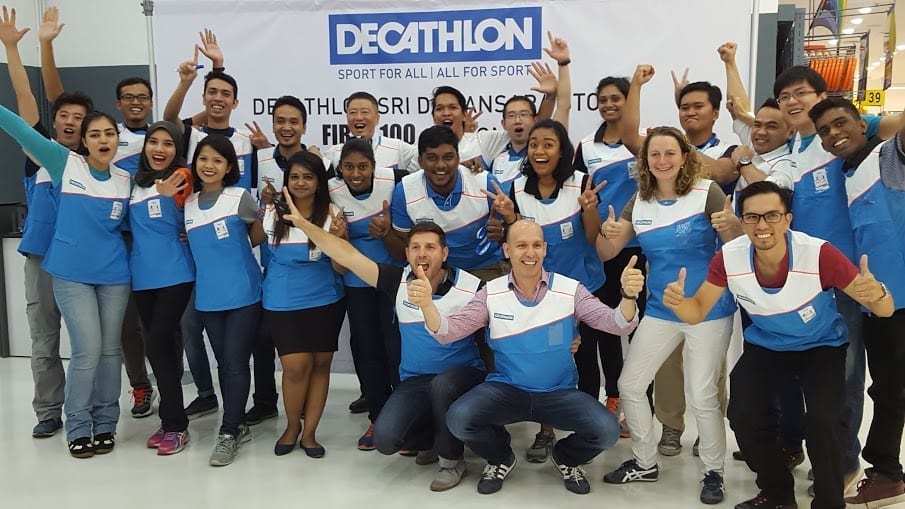
    French sports equipment chain store, Decathlon, is embarking on an aggressive expansion in Malaysia by targeting to open up to 60 stores within the next decade. Decathlon Malaysia chief executive officer Tom Meng said the expansion was in line with the company’s global strategy to triple its stores worldwide to 3,000 in the next 10 years from 1,000 currently.

    “For the first three years in Malaysia, we will open 10 stores with at least five in the Klang Valley,” he told Bernama at the launch of the company’s maiden Malaysian store in Kuala Lumpur recently. He, however, declined to reveal the investment commitment for the expansion.

    Meng said the company would also expand to other locations nationwide with Penang and Johor among the targeted destinations. He said the company’s strategy in the country was to open large stand-alone stores with retail areas of up to 6,000 sq m and offering only in-house brands. “Currently, we have over 20 such in-house brands,” he added.

    On its first store, Meng said the outlet, classified as a “retailer flagship store”, covered an area of over 2,500 sq m and offers more than 95,000 apparel, equipment and footwear products at competitive prices.

    Established in 1976, Decathlon currently has a presence in over 30 countries and has a staff of 70,000 globally. Malaysia is the third country in Asean to house a Decathlon store after Singapore and Thailand.

  • New Indian ruling appears to finally give Apple go-ahead to open retail stores

    New Indian ruling appears to finally give Apple go-ahead to open retail stores

    Amended foreign investment rules clear the way for Apple India stores, and the possibility for the US technology giant to start manufacturing there.

    Under the new rules, foreign retailers are exempted for three years from a requirement to locally source 30 per cent of the goods sold in company-owned stores.

    This means Apple, which now sells its hardware through resellers and first applied for store licences in January, can set up its own shops in India, the world’s fastest-growing major smartphone market with sales expected to rise more than 25 per cent this year.

    Apple, which has a less than 2 per cent share in India’s smartphone market, can resubmit its application for store licences.

    India has been lobbying Apple and its partner Foxconn to start manufacturing in India as part of Prime Minister Narendra Modi’s agenda to bring in foreign manufacturers to create millions of jobs. The rule-change announcement comes a month after Apple boss Tim Cook met Modi to discuss the company’s plans for retail and manufacturing in India.

    Meanwhile, India’s new look at retail rules may also help with expansion for Swedish furniture-retailer Ikea, which is setting up stores in Hyderabad and Mumbai.

  • Amazon chooses Oregon for latest offline store

    Amazon chooses Oregon for latest offline store

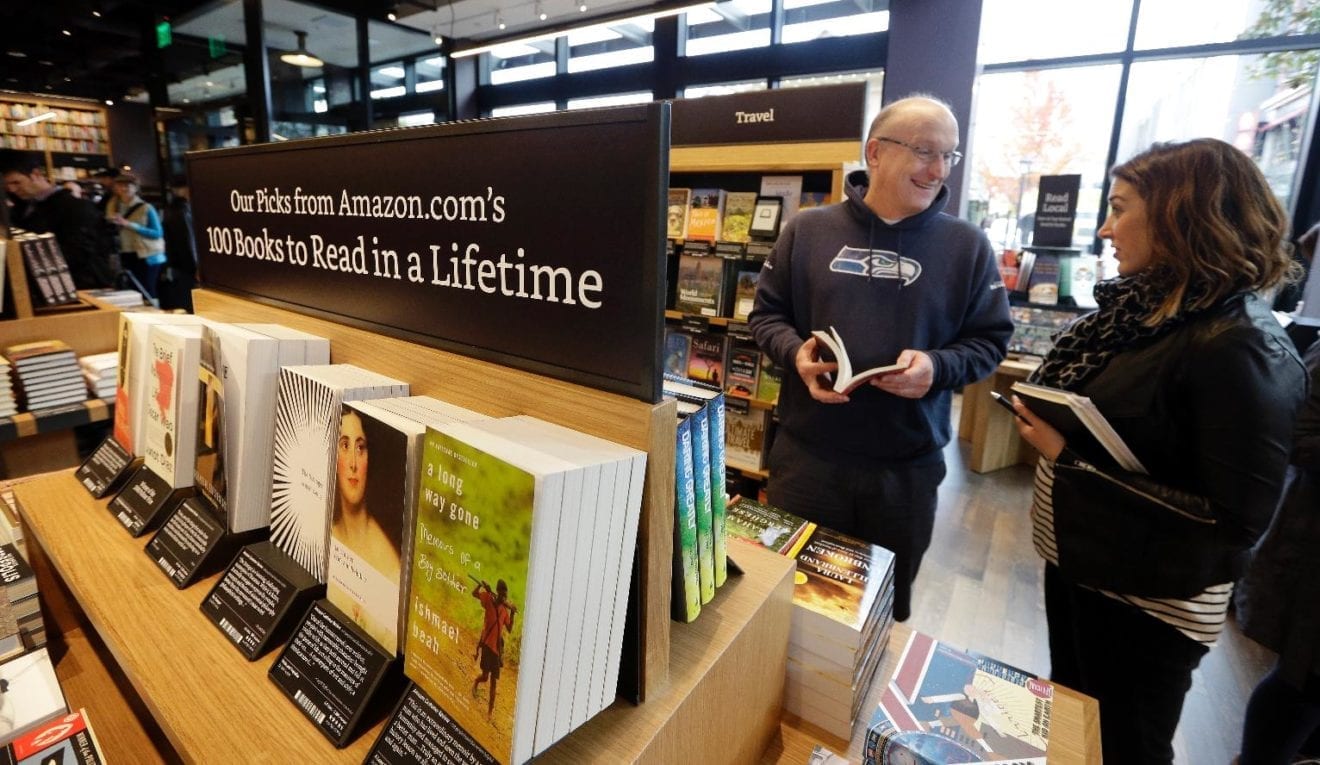
    Online retail giant Amazon has decided on Oregon as the location of its third brick and mortar store.

    The new store will open at the Washington Square mall just outside Portland, in what US media describe as a “bookish metro area” – Tigard.

    The retailer appears to be choosing sites which house Apple stores and are frequented by university students.

    Amazon’s first bookstore opened in Seattle’s University Village mall and its second in San Diego’s Westfield UTC mall.

    amazon-books-washington-squarejpg-8af21425db3e2dba

    While Amazon describes its stores as bookstores, John Mutter, editor of bookseller newsletter Shelf Awareness, prefers to call it “an electronics store that sells books”.

    “It has a very misleading name,” he said.

    One of the US’ much-loved specialist bookstores Powell’s Books is headquartered in Portland and CEO Miriam Sontz told USA Today it was no surprise Amazon should choose the city for one of its first physical locations.

    “When asked why he robbed banks, Willy Sutton reportedly replied ‘because that’s where the money is.’ I am certain that Amazon has the data to show that opening a store in the Portland area will be financially beneficial to the company,” she said.

    Mutter predicts Amazon will open 12 to 18 stores over the next two years or so.

  • Descente China marching across mainland

    Descente China marching across mainland

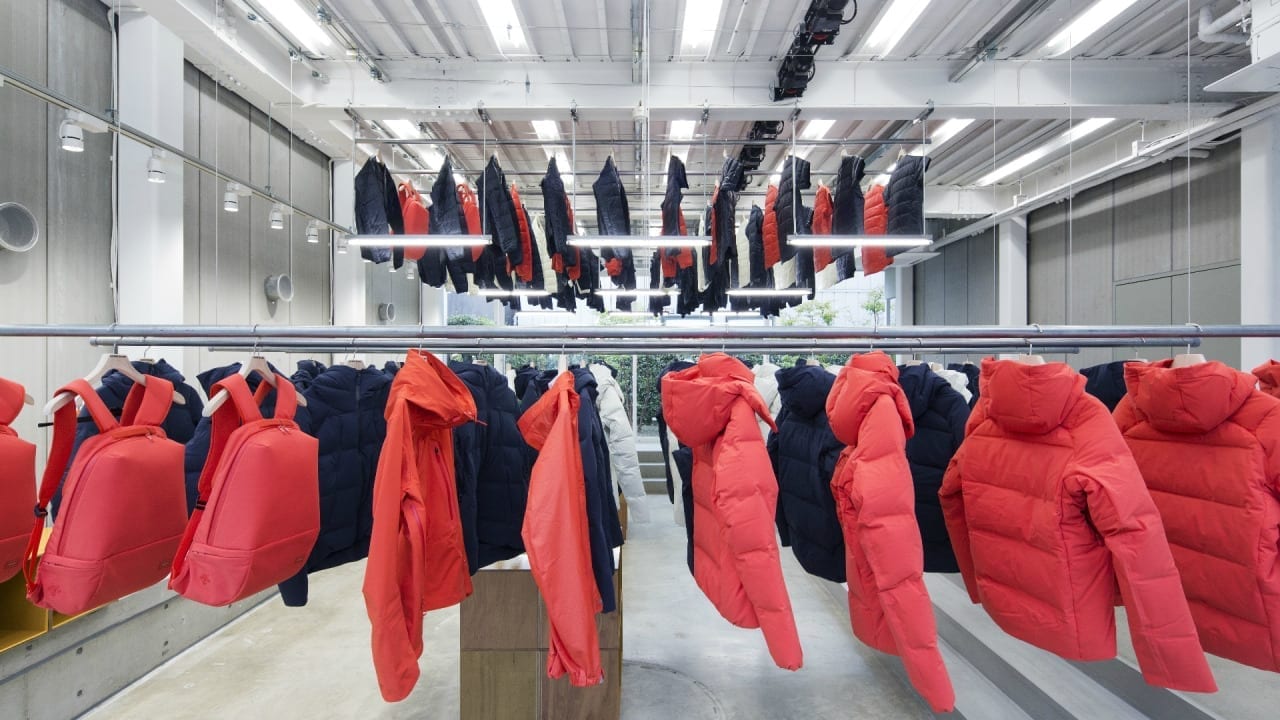
    Sportswear maker Descente China plans to open 100 retail stores under its own name before March 2019.

    Unlike the 500-odd boutique stores with swimwear and golf goods being run already in China by a foreign subsidiary of the Japanese company, the new outlets will be large shops under the Descente banner offering a wider range of products.

    Descente’s plan is to open both roadside stores and outlets in shopping malls stocked with both functional gear for sports such as golf, skiing, running and triathlons, as well as fashionable sportswear for everyday use.

    Descente has set up a joint venture with Chinese sportswear giant Anta Sports Products. Tentatively named Descente China, the JV has been capitalised at 250 million yuan ($38 million), with 60 per cent held by a subsidiary of Anta, 30 per cent by Descente and 10 per cent by the Chinese subsidiary of Japanese trading house Itochu.

    Descente and Anta will share marketing channels and collaborate in the search for store locations.

    In late August, Descente will open four or five retails stores in northeastern China, including Heilongjiang province, famous for an annual ice and snow sculpture festival. Later, Descente will open stores in major urban areas like Beijing, Shanghai, Dalian and Chongqing.

    By teaming with a local sportswear maker, Descente believes it will have an easier time fending off fakes, says company president Masatoshi Ishimoto.

    He says the company aims to double Chinese sales from last year’s figure to about 22 billion yen ($207 million).

    As well as its China expansion, the company is opening golf apparel stores in South Korea.

  • Christian Lahoude Studio designed the 60-square-meter Jimmy Choo store in Hong Kong

    Christian Lahoude Studio designed the 60-square-meter Jimmy Choo store in Hong Kong

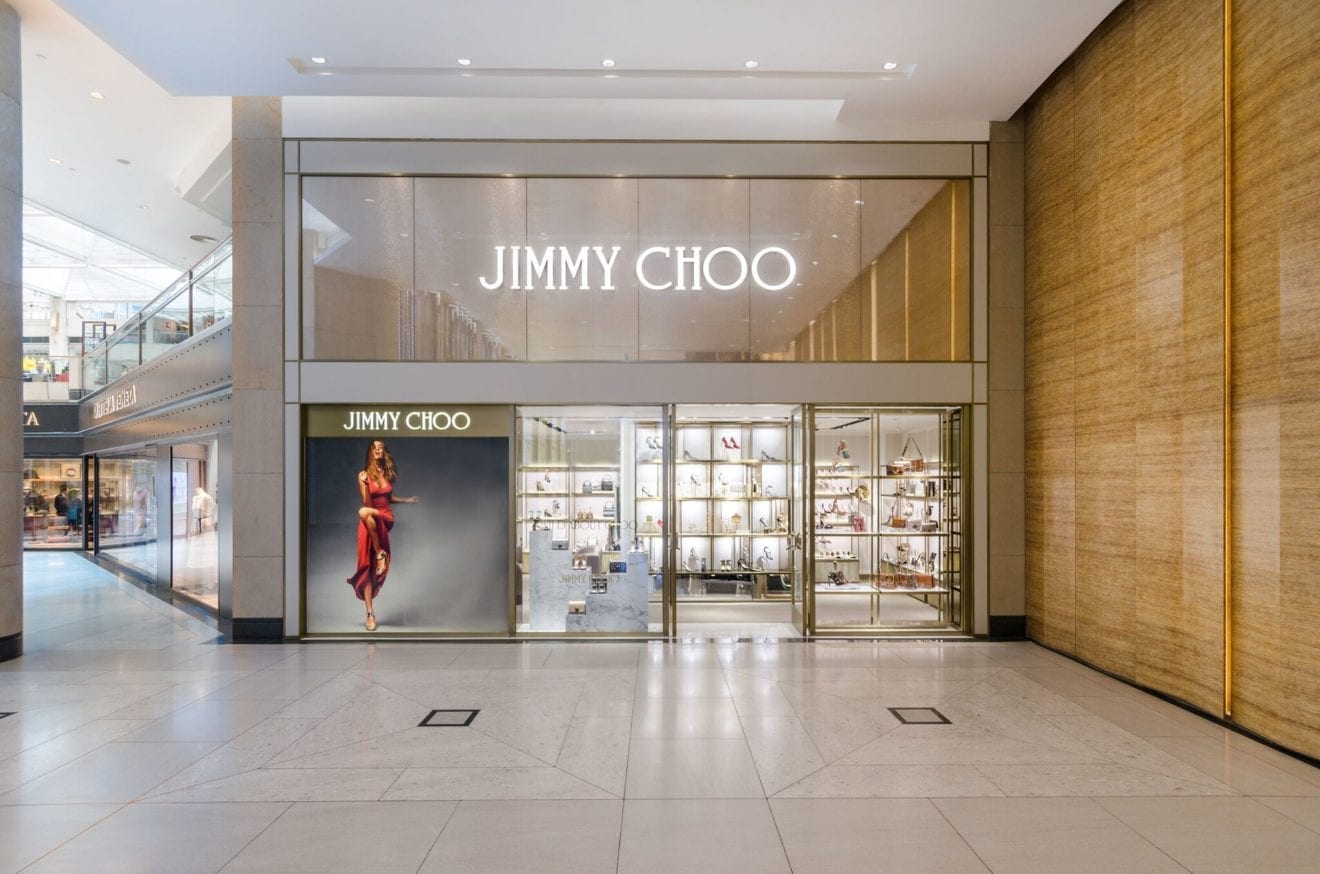
    Christian Lahoude Studio designed the 60-square-meter Jimmy Choo store in Hong Kong’s luxury LANDMARK shopping mall, updating the existing space with the refreshed brand identity. The double-height, glass façade, with a large light box display, attracts the mall traffic into the shop. The framed glass façade was designed without molding, providing the setting for the custom window displays and a clear view into the retail environment.

    Upon entering the store, visitors are greeted by the central display feature conceived by the Studio to best make use of the small footprint and to create circulation through the shopping space. Standard design elements that convey sophistication and luxury, deployed globally in the Jimmy Choo concept, include gold mesh, white Carrera marble, plush grey carpet and velvet fabric for the seating.

  • Krispy Kreme Cambodia opens first outlet

    Krispy Kreme Cambodia opens first outlet

    Krispy Kreme Cambodia has opened its first shop, in Phnom Penh.

    This makes Cambodia the 27th country to have a Krispy Kreme Doughnuts outlet.

    It will offer the brand’s classic treats and coffee, says senior VP and international president Dan Beem. “The strong fan support for the brand is exciting, and we believe that support will continue to grow as we open more shops in the country over the next several years.”

    Krispy Kreme Cambodia

    Krispy Kreme Doughnuts has signed a franchise agreement with Express Food Group to open 10 shops throughout Cambodia over five years.

    Krispykreme cambodia

    More than 1000 people visited the Phnom Penh shop on its grand opening day. The first guest in line received a voucher for a free dozen of Original Glazed doughnuts each week for a year.

    Krispy Kreme Doughnuts has its headquarters in Winston-Salem, North Carolina, where it was founded in 1937. The company has more than 1000 retail shops internationally.

  • India says Apple can open stores, but first create jobs

    India says Apple can open stores, but first create jobs

    Foreign companies eager to sell products in India must also create jobs in the country, Indian Finance Minister Arun Jaitley told CNBC in an interview, amid efforts by tech giant Apple to win approval to open its own retail stores in Asia’s third-largest economy.

    Apple’s application — aimed at boosting sales in India and countering a slowdown in China — has yet to be approved, as India typically requires single-brand retailers to source at least 30 percent of their raw material needs from local suppliers.

    Jaitley said the thought process behind the rule, which was put in place by the previous United Progressive Alliance coalition, was sound.

    “Speaking for myself, I feel it was based on good rationale, and the rationale behind the policy was, when somebody eyes such a large market, obviously job creation also is something the government of India is concerned with,” Jaitley said.

    “Now am I to be concerned with job creation or not? Or am I only to allow foreign companies to sell products in India and not create jobs in India?,” he said.

    Jaitley said exceptions could be made in case of specific high-technology areas and the government would take a call on whether Apple’s application meets this criteria.

    Apple currently sells products in India through distributors. The tech company recently opened an iOS developer center to help support and develop future app-makers.

    Bolstering jobs creation is a key cog of the Indian government’s showpiece “Make in India” initiative that aims to encourage foreign manufacturers to set up shop in India.

  • CJ CGV Opens 20th Store in Indonesia

    CJ CGV Opens 20th Store in Indonesia

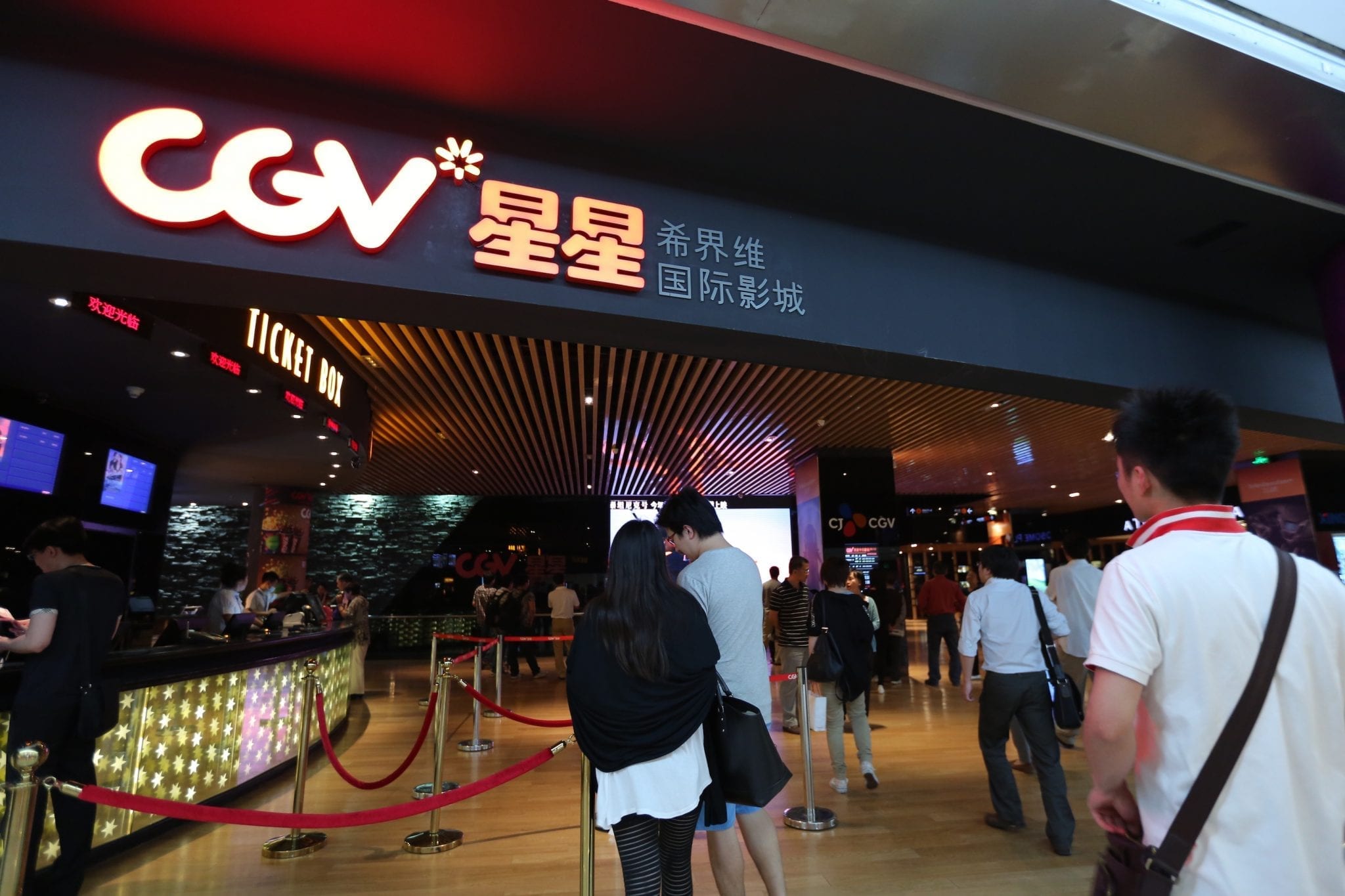
    CJ CGV announced on May 30 that it opened its 20th store “CGV Blitz Slipi” in West Jakarta of Indonesia on the 26th.

    With four screens and a total of 674 seats, CGV Blitz Slipi is located in “Slipi Jaya Plaza,” a large shopping mall situated at the center of office town and residential area. In a bid to offer the optimum viewing conditions, it has introduced premium 3S – Seat, Screen and Sound – services.

    The company now has 20 cinemas with 143 screens in two years and four months after CJ CGV started consignment management for Blitz Megaplex in January 2014.

    CJ CGV plans to open a total of eight more cinemas this year, including CGV Blitz Slipi. Based on this, it aims to generate about 60 billion won (US$50.4 million) in sales this year.

    Considering the fact that it turned over nearly 34 billion won (US$28.56 million) in 19 cinemas last year, CJ CGV is planning to aggressively double its market. It will also increase the number of audiences from 7 million last year to more than 10 million this year.