Retail News CRM

Tag: Style

  • SSI Group Sees Profits Plunge as Luxury Spending Goes Out of Style in the Philippines

    SSI Group Sees Profits Plunge as Luxury Spending Goes Out of Style in the Philippines

    In the first quarter of 2021, SSI Group, a leading luxury retailer in the Philippines, witnessed a significant drop in profits. The company reported a decrease of 58.5 per cent in net income to US$2.4 million (PHP$152.9 million), even though revenue increased by 11.4 per cent to $123.8 million. This decline in earnings is attributed to consumers prioritizing essentials over luxury goods.

    Financial Performance and Consumer Behavior

    A more promotional business environment impacted SSI’s profitability, shrinking the merchandise gross margin from 44.6 per cent the previous year to 42.6 per cent. The main reason for this change is the growing price sensitivity among consumers due to inflation and escalating living costs. Operating expenses also increased by 15.8 per cent to $48.3 million, due to inflationary pressures and store network expansion, which led to a decrease in EBITDA by 18.4 per cent to $12.3 million.

    During this same period, consumer demand was primarily focused on the essential and lifestyle categories with a 48.5 per cent sales increase in SSI’s ‘others’ segment, which includes personal care, food, and home products. Footwear, accessories, and luggage also experienced a 32.7 per cent increase in sales. However, the group’s core luxury and bridge segment witnessed a 1.7 per cent drop in sales, indicating decreased spending on premium discretionary items.

    Online Sales and Store Operations

    E-commerce sales reached $9.1 million, making up 7.4 per cent of total revenue, while rental income from its Central Square property saw an 8.1 per cent increase to $387,270.

    SSI Group also made adjustments to its physical stores. The company closed 14 underperforming stores permanently, opened five new locations, and renovated 12 stores during the quarter. At the end of the quarter, SSI Group operated 631 stores nationwide.

    SSI Group’s portfolio includes a broad range of brands, from luxury labels like Hermès, Cartier, and Salvatore Ferragamo to fashion and lifestyle brands such as Zara, Bershka, Stradivarius, Pull&Bear, Gap, Old Navy, Lacoste, and Muji. The retailer also offers beauty brands like Mac, Lush, and Beauty Bar; home retailers like Pottery Barn and West Elm; and dining concepts like Shake Shack, SaladStop!, and Venchi.

    In February, the retailer announced the termination of its franchise agreement with Marks & Spencer, which had been in operation since 1980.

    Questions & Answers

    What contributed to the decline in SSI Group’s profits for the first quarter of 2021?
    Consumers shifting their priorities from luxury goods to essentials, coupled with inflation and increased living costs, resulted in the decline of SSI Group’s profits.

    How has SSI responded to this change in consumer behavior?
    In response to changing consumer behavior, the group has focused on promoting essential and lifestyle categories more. It has also optimized its physical store network by closing underperforming stores and opening new ones.

    What is the future of SSI’s relationship with Marks & Spencer?
    SSI Group has decided to end its franchise agreement with Marks & Spencer, which had been operational since 1980. The future of this relationship is not clear at this point.
  • BlackPink’s Jennie Rocks Ray-Ban: New Global Brand Ambassador Brings K-pop Style to Eyewear

    BlackPink’s Jennie Rocks Ray-Ban: New Global Brand Ambassador Brings K-pop Style to Eyewear

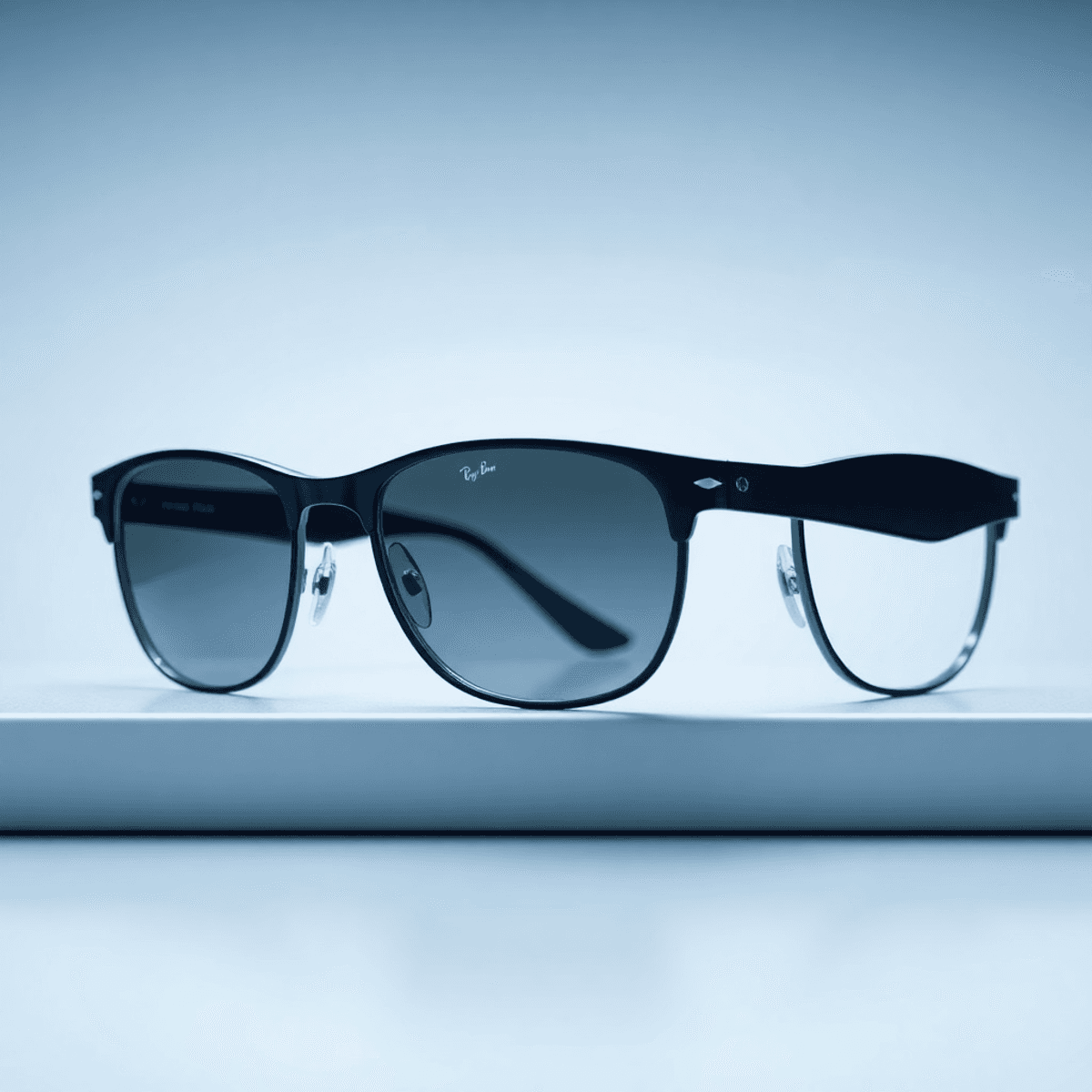
    Global eyewear leader, Ray-Ban, has announced Jennie Kim, from the K-pop girl group, Blackpink, as its newest worldwide brand ambassador. This engagement aligns with the brand’s strategy of exploring partnerships in the music and fashion spheres.

    The Campaign

    The campaign showcases minimalist imagery punctuated with deep red accents, mirroring Jennie Kim’s stage identity as Jennie Ruby Jane. The visuals are designed to resonate with her vibrant persona and dynamic stage presence.

    Curated Collection

    In conjunction with this announcement, Ray-Ban has launched a six-piece capsule collection, curated by Jennie Kim. This range encapsulates her personal style, serving as an extension of her aesthetic appeal.

    The collection features a mix of existing silhouettes, including the Daddy-O and Alix models. Additionally, it includes frames from Ray-Ban’s Asian Design Collection which boasts low-bridge fits and retro-inspired details, combining modern aesthetics with a nostalgic touch.

    Jennie Kim on the Partnership

    Expressing her delight at the partnership, Jennie Kim shared, “I’m really happy to be partnering with Ray-Ban – it felt natural from the beginning.” She further added, “To me, confidence isn’t loud; it comes from feeling comfortable with yourself and expressing who you are in a quiet way. Ray-Ban has that same energy: simple, expressive, and easy to live in.”

    Questions & Answers

    Who is the new global brand ambassador for Ray-Ban?
    Jennie Kim, from the K-pop girl group Blackpink, is the new global brand ambassador for Ray-Ban.

    What is special about the new Ray-Ban campaign?
    The campaign features minimalistic visuals with deep red accents that reflect Jennie Kim’s stage persona, Jennie Ruby Jane. Along with this, a six-piece capsule collection curated by Jennie herself has been launched.

    What does the curated collection by Jennie Kim include?
    The collection includes existing models like the Daddy-O and Alix, as well as frames from Ray-Ban’s Asian Design Collection that feature low-bridge fits and vintage-inspired details.

  • French Chic Meets Thai Style: Maje Unveils First Concept Store in Bangkok’s IconSiam

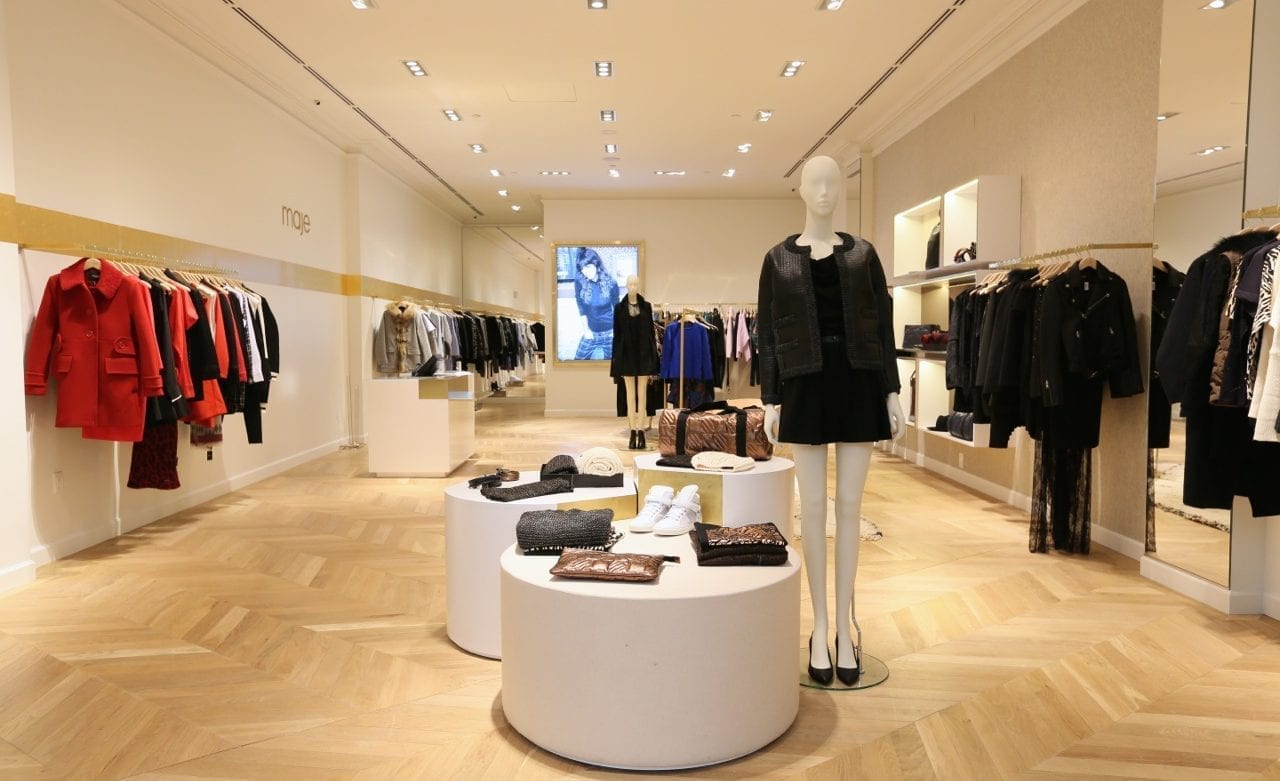
    French Chic Meets Thai Style: Maje Unveils First Concept Store in Bangkok’s IconSiam

    The French fashion label Maje has unveiled its inaugural concept store in Thailand. The new establishment is situated in Siam Takashimaya, part of the renowned Bangkok shopping complex, IconSiam.

    New Store, New Design Concept

    Positioned on the M Floor of Takashimaya, the shop introduces a rejuvenated design idea that marries Parisian chic with a contemporary, feminine sensibility. The store’s layout was crafted in collaboration with designer Valeriane Lazard, who sought inspiration from the Mediterranean’s unique aesthetic, focusing on natural materials and light.

    Visitors are welcomed with a dark-glazed facade, which leads into a more luminous interior space. The finishing touches include pink terracotta floor tiles from Raujolles, hammered wrought-iron racks, ceramic display stands crafted in Portugal, and a centrally located curved sofa.

    The store utilises materials like wood, wicker, and lime-coated walls consistently throughout its design, along with textured glass shelves and mirrors that subtly alter their appearance under different lighting conditions throughout the day.

    Spring/Summer 2026 Collection

    In addition to its stylish interior, the boutique showcases Maje’s Spring/Summer 2026 range, which draws heavily from the maritime theme. The collection fuses practical elements such as hoods and workwear inspirations with more prep-oriented details. It also features loose silhouettes, lightweight materials, culottes, and designs that are reminiscent of sails.

    Questions & Answers

    What is the design inspiration behind Maje’s new store in Thailand?
    The design concept for Maje’s new store combines Parisian style with a modern, feminine approach. It was created in collaboration with designer Valeriane Lazard, who drew inspiration from the Mediterranean, emphasising the use of natural materials and light.

    What kind of materials and elements are used in the interior of the new Maje store?
    The store uses natural materials like wood, wicker, and lime-coated walls. Other design elements include pink terracotta floor tiles, hammered wrought-iron racks, ceramic display stands from Portugal, and a curved sofa situated in the store’s centre.

    What are some key features of Maje’s Spring/Summer 2026 collection?
    The Spring/Summer 2026 collection is centred around a maritime theme. It combines practical elements like hoods and workwear inspirations with preppy touches. The range also features loose silhouettes, lightweight fabrics, culottes, and sail-inspired shapes.

  • Australian Fashion Powerhouse Zimmermann Debuts in Bangkok’s IconSiam: A New World of Style and Art

    Australian Fashion Powerhouse Zimmermann Debuts in Bangkok’s IconSiam: A New World of Style and Art

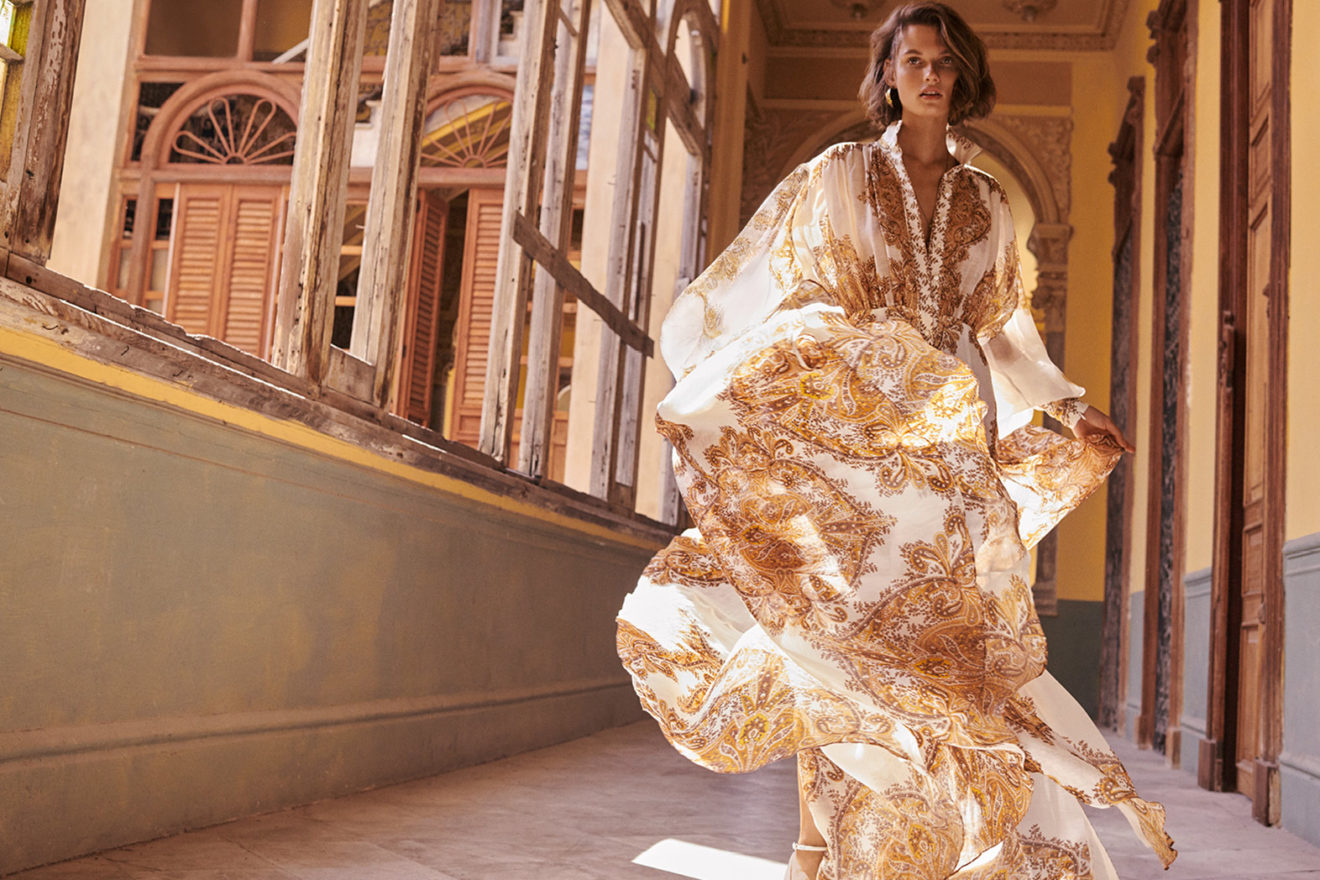
    Zimmermann, a renowned Australian fashion brand, has broadened its global presence with the inauguration of its debut store in Thailand, situated within IconSiam, Bangkok.

    Store Design and Highlights

    The boutique, created by Studio McQualter, is characterized by an expansive display of large windows, showcasing an array of ready-to-wear garments and accessories. Inside, the store encapsulates a 1970s Italian-inspired vibe, with Dutch Art Deco tables serving as the centerpiece.

    The boutique’s ready-to-wear selection is presented across wall-mounted rails, recessed displays, and individual wardrobes. Meanwhile, the accessory section, set beneath an unusually high ceiling, features muted green beams and custom aluminium shelves specifically designed to display bags.

    Customer Experience

    The store is divided into different zones, each aiming to provide a “layered spatial” experience for the customers. These areas are distinguished by unique colour schemes, patterns, and materials. Additionally, a tiled floor serves as a visual guide, assisting customers as they navigate the space.

    The store also houses two lounges, one being a public area and the other a private lounge reserved for special appointments.

    Art and Brand Identity

    The brand’s cultural roots and identity are reflected in the artwork displayed throughout the boutique. Pieces by Australian artists Angilyiya Mitchell, Laith McGregor, and Louise Paramor are featured prominently.

    Nicky Zimmermann, the brand’s creative director and co-founder, emphasized that the store is more than just a space to display clothing. She stated, “The store is a destination that fully embodies the spirit of Zimmermann, from the selection of textures and materials to the integration of art and furniture. Every element invites visitors to linger, explore, and truly inhabit the world of our brand.”

    Questions & Answers

    Where is Zimmermann’s first Thailand-based store located?
    The store is located in IconSiam, Bangkok.

    Who is responsible for the design of the store?
    Studio McQualter designed the boutique.

    What is unique about Zimmermann’s store design?
    Zimmermann’s store is meticulously designed to offer a layered spatial experience, with each area defined by specific colour palettes, patterns, and materials. The store also integrates artwork and furniture, creating a space that invites exploration and evokes the spirit of the Zimmermann brand.

  • Subtle Le Nguyen: Transforming Emotions into Fashion and Reshaping Vietnam’s Style Identity

    Subtle Le Nguyen: Transforming Emotions into Fashion and Reshaping Vietnam’s Style Identity

    At a young age of 16, Nhat Viet developed an interest in fashion while shopping with his family in Hanoi, a practice that would shape his future professional life. Viet found himself drawn towards clothing and fashion, a realization that came to him when an orange gown he had chosen for his mother was later seen worn by Beyoncé.

    The Birth of a Fashion Label

    A decade later, Viet’s natural flair for fashion led to the creation of Subtle Le Nguyen, a renowned fashion label in Vietnam. Established in 2014, the brand, initially a self-funded venture, has grown into a recognized name in fashion circuits, including popular platforms like Ssense and Moda Operandi. It even found its way into the wardrobe of Kylie Jenner for Coachella, marking a significant milestone in its journey.

    Despite this recognition, Viet maintains that he did not create Subtle Le Nguyen for fame, but rather for the sheer love and passion he has for fashion and creativity.

    A New Era in Vietnamese Fashion

    Vietnam’s fashion industry has always been a reliable partner to global brands like Uniqlo, Zara, and H&M, known for its precise and efficient manufacturing. However, a new wave of Vietnamese designers, including Viet, are now focusing on establishing their own brands that reflect their culture, identity, and artistic expression, rather than just production volumes.

    Initially, Viet faced financial constraints that limited his ability to experiment with designs. He had to settle for simple collections and carefully chosen fabrics. However, his vision remained steadfast – to build a space where he, along with others, can freely express ideas and experiment with different garment-making techniques.

    Reflecting Tradition and Emotion

    Subtle Le Nguyen stays true to its name, reflecting quiet, thoughtful designs that are laden with emotion. The designs mirror the tranquil and introspective nature of Hanoi, Viet’s hometown, with a muted color palette of soft taupes, faded olives, and dusted creams.

    Viet often incorporates Vietnamese traditions into his designs, merging them with contemporary fashion. He draws inspiration from various cultural elements, including traditional rituals, the way people interact with their clothes, and even unexpected objects such as a ceramic vase or an accordion.

    Sustainability is also central to Subtle’s philosophy, although Viet prefers to talk about its longevity and intention, rather than using the term ‘sustainability’ outright.

    Weathering the Pandemic Storm

    When the COVID-19 pandemic struck, Subtle faced a challenging period with retail sales freezing and rent pressures mounting. However, a silver lining appeared when the brand was chosen by Ssense and Moda Operandi to join their global online platforms. This opportunity provided Subtle Le Nguyen with essential exposure, placing it among the ranks of independent designers worldwide.

    Despite the economic downturn, rising production costs, and unpredictability of global retail, Viet remains committed to building relationships with customers and retailers, and improving customer service.

    Looking to the Future

    Looking ahead, Viet has ambitious plans, including hosting an independent fashion show internationally, with Paris as the dream location. However, he also acknowledges the uncertainty that lies ahead. His ultimate dream is for Subtle Le Nguyen to be more recognisable and accessible to people around the world.

    Questions & Answers

    What led to the creation of Subtle Le Nguyen?

    Nhat Viet, at a young age, developed a keen interest in fashion while shopping with his family. He later turned his passion into a career, establishing Subtle Le Nguyen.

    What makes Subtle Le Nguyen stand out in the fashion industry?

    The brand reflects traditional Vietnamese culture and contemporary design. It follows a philosophy of sustainability, focusing on the longevity and intention behind each garment.

    What does the future hold for Subtle Le Nguyen?

    Despite the uncertainty in the fashion industry, Viet plans to improve customer service, build relationships with customers and retailers, and launch an independent fashion show internationally. He hopes to make Subtle Le Nguyen more recognisable and accessible worldwide.

  • Style Theory Shuts Down: High Operational Costs, Investor Departure Mark End Of Fashion Rental Platform

    Style Theory Shuts Down: High Operational Costs, Investor Departure Mark End Of Fashion Rental Platform

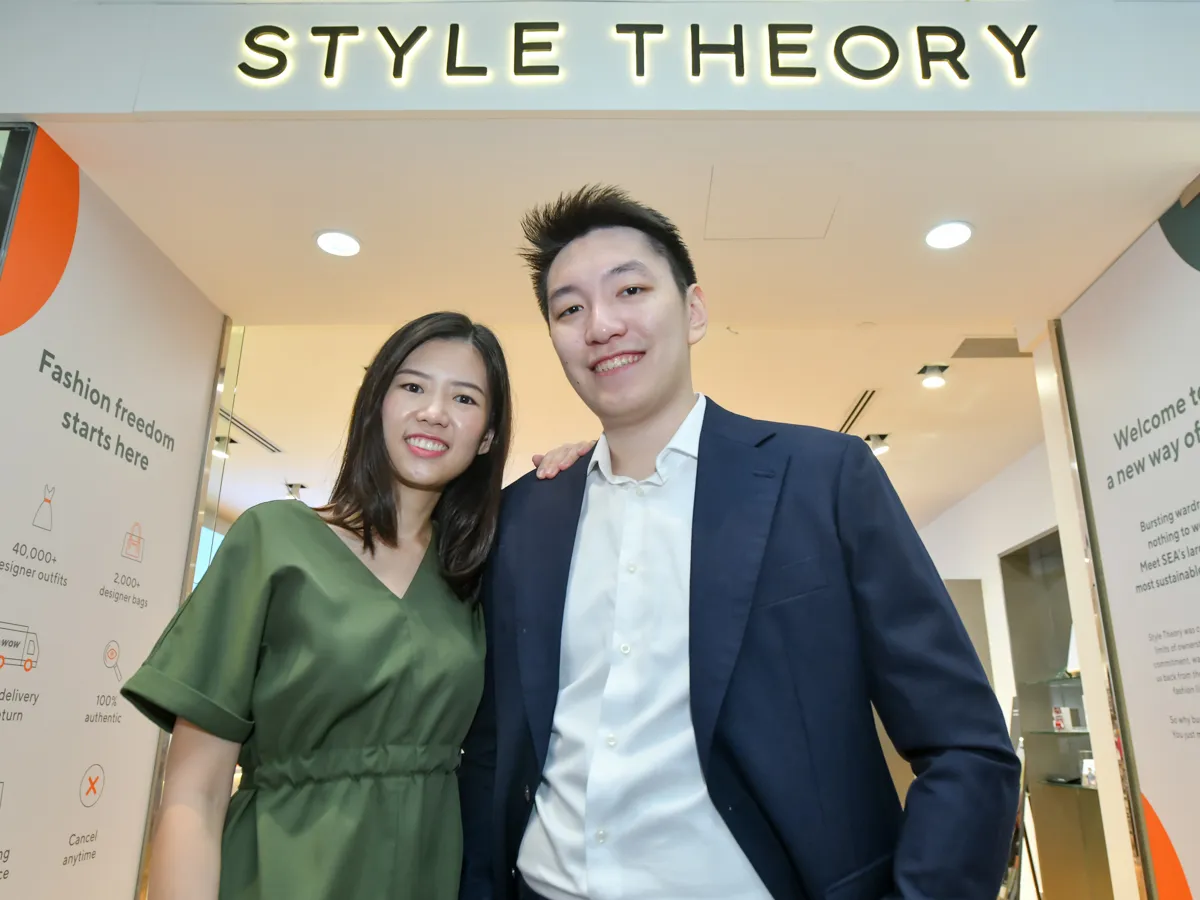
    Style Theory, a Singapore-based online clothing rental platform, has recently ceased operations due to increasing operational costs and the departure of its key investors.

    Established in 2016, Style Theory functioned as an online rental platform that operated on a subscription basis. For monthly fees ranging from $89 to $149, it provided its customers with access to designer clothing and fashionable accessories via its proprietary app.

    The company announced on its online platform that it discontinued its subscription service as of September 30. All related services including rental, delivery, membership, support among others, were also discontinued. Customers were alerted that unused points would not be refunded and they could retain any rented items indefinitely.

    The firm will go into liquidation, and those owed money will be classified as creditors. The economic climate, which the company describes as increasingly challenging, along with rising costs and unforeseen circumstances, including the withdrawal of key investors, were cited as the main factors behind this decision.

    Style Theory was supported by notable investors including Alpha JWC Ventures, Quest Ventures, The Paradise Group, and SoftBank Ventures Asia.

    The decision to shut down was not taken lightly, as stated by the founders. The main mission of Style Theory, since its inception, was to make fashion more sustainable, accessible, and circular. The unexpected discontinuation of services is regrettable, and the company sincerely apologizes for any disappointment caused. The founders assured that every possible alternative was considered before reaching this conclusion.

    This closure follows the shut down of the company’s operations in Indonesia in June. The company stated at that time that it wanted to concentrate its resources on strengthening its foundations in Singapore and Hong Kong.

    Questions & Answers

    Why has Style Theory ceased operations?
    Style Theory has ceased operations due to escalating operational costs and the departure of key investors.

    What happens to the customers who have unused points?
    Customers were informed that their unused points would not be refundable. They can, however, keep any items they have currently rented indefinitely.

    What was the primary mission of Style Theory?
    The primary mission of Style Theory was to make fashion more sustainable, accessible, and circular. The company aimed to achieve this through its online rental platform.

  • Tokyo Streetwear Label 9090 Breaks Into Chinese Market, Championing 90s Nostalgia For Gen Z Shoppers

    Tokyo Streetwear Label 9090 Breaks Into Chinese Market, Championing 90s Nostalgia For Gen Z Shoppers

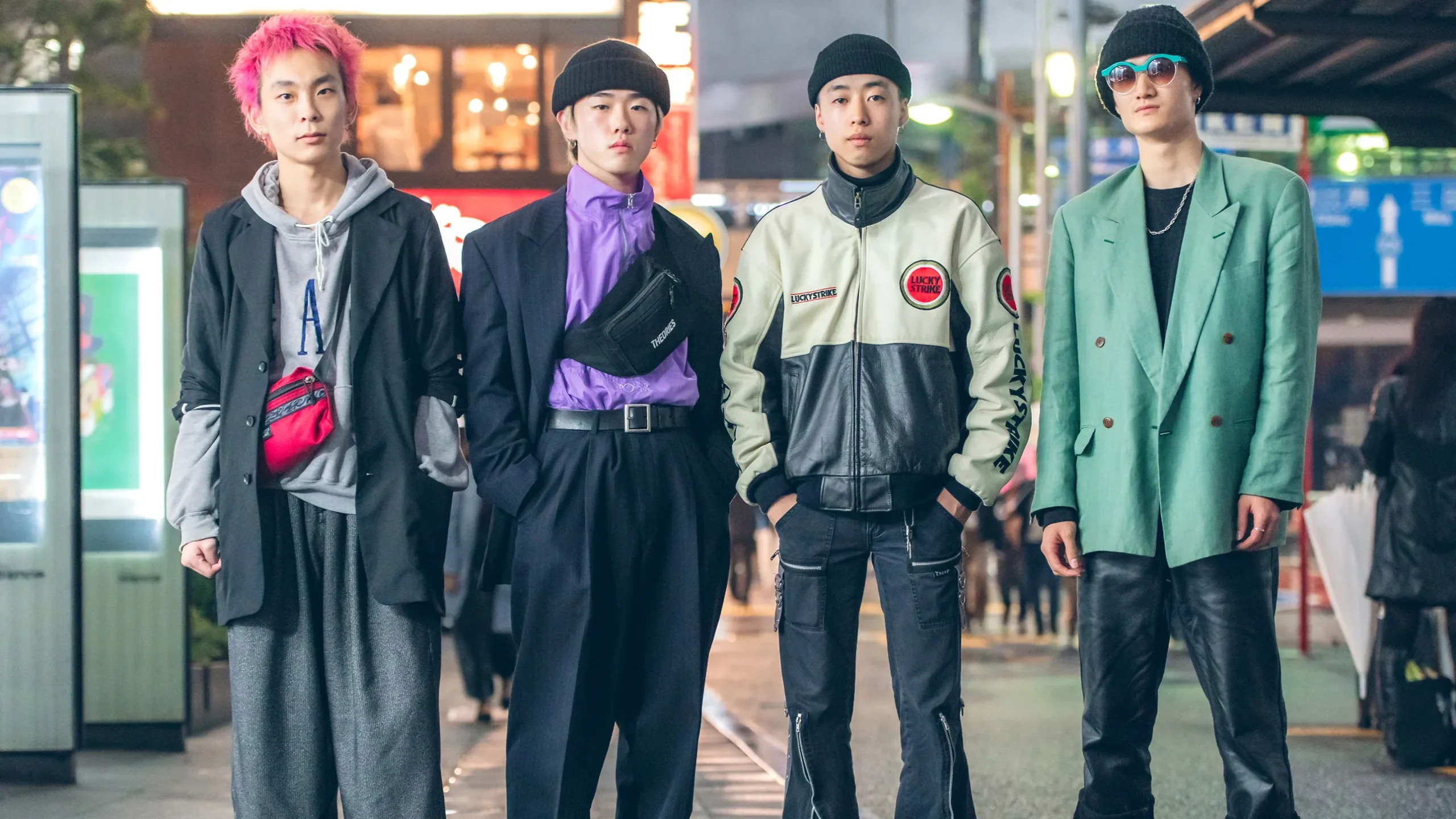
    Born and bred in Tokyo, the streetwear label 9090 has recently made its debut in the Chinese market. This expansion was facilitated via collaborations with Yutori Group and BranDNA, with the first step being the launch of a pop-up store in Shanghai.

    9090 is recognized for its unique fusion of a nostalgic 90s youth culture and contemporary streetwear design. The label’s distinct style is what sets it apart from the competition.

    BranDNA’s CEO, James Chen, attributes the introduction of this Japanese brand to the demands of China’s Gen Z consumers. He stated that these young shoppers are on the lookout for individuality, cultural depth, and affordable yet trendy fashion.

    Chen explained, “The rebellious spirit embodied by the 1990s deeply resonates with this generation. We believe that 9090 has the potential to set fresh trends in the market.”

    To further establish 9090’s presence in China, Yutori and BranDNA have plans to broaden the brand’s reach. These include opening more pop-up stores, forming retail partnerships, and pursuing collaborations, with the end goal being to make this brand more easily accessible to local consumers.

    BranDNA has previously successfully introduced over 40 international brands into the Chinese market, comprising top labels like 7 For All Mankind, BCBG Maxazria, Ben Sherman, Hydrogen, Body Glove, Dakine, Porsche Design, Bric’s, and Borghese.

    Questions & Answers

    What is the 9090 brand known for?
    The 9090 brand is renowned for its fusion of nostalgic 90s culture and modern streetwear aesthetics.

    Why did BranDNA introduce the 9090 brand to China?
    BranDNA CEO James Chen cited the demands of Gen Z consumers for personalized, culturally rich, and affordable trendy fashion as the reason behind the introduction of 9090 to the Chinese market.

    How do Yutori and BranDNA plan to expand 9090’s presence in China?
    The expansion plans include opening additional pop-up stores, establishing retail partnerships, and initiating collaborations to make the brand more available to local consumers.

  • Australia’s Surf Giants Face Competitive Surf as Retail Powerhouses and Newcomers Ride the Wave

    Australia’s Surf Giants Face Competitive Surf as Retail Powerhouses and Newcomers Ride the Wave

    As surfers hit the waves off Torquay on August 17, the challenges that lie ahead for the Australian surfing industry seem as vast as the ocean itself. Among the leading names in surfing gear—Rip Curl, Quiksilver, and Billabong—there is an unmissable concern: how to appeal to both die-hard surf enthusiasts and the casual fans of the surf lifestyle.

    Chasing the Cool Factor

    These iconic brands find themselves at a crossroads, pivoting their strategies to remain relevant in a rapidly evolving market. Some analysts suggest that Rip Curl, Quiksilver, and Billabong are becoming more synonymous with shopping malls than with the beaches they once epitomized. As their products fill shelves in retail outlets across Asia, the surf culture they represent risks losing its edge and allure.

    Market Dynamics in Asia

    In Asia’s burgeoning retail landscape, these brands are not just competing against one another but also with local surfwear companies that have learned to tap into regional trends. The challenge is exacerbated by a consumer base that is increasingly discerning, preferring authentic experiences over mere labels. Traditional marketing strategies, once effective, now seem inadequate in an environment where social media influence reigns supreme.

    Rediscovering Authenticity

    To combat this dilution of identity, brands are attempting to strike a dynamic balance between maintaining a hardcore surfing ethos and catering to the mainstream consumer. Limited-edition product lines, collaborations with local artists, and a focus on sustainability are some of the strategies being employed to reconnect with their roots and recapture that coveted “cool” factor. After all, who could resist a surfboard made from recycled materials, adorned with a stunning local design? That’s the kind of storytelling that can reel in consumers.

    The Path Forward

    Retail experts suggest that understanding the different segments of the audience—serious surfers versus aspirational shoppers—will be critical as these brands navigate their next moves. As competition heats up in both retail spaces and social media, only time will tell if the big three can adapt without losing their soul. Surfers, after all, crave authenticity. And let’s be honest, surfing gear that screams “beach vibes” yet looks great in a café doesn’t hurt either!

    Questions & Answers

    How are traditional surf brands adapting to changing consumer preferences?
    These brands are introducing limited-edition collections and collaborating with local artists to maintain relevance while staying true to their roots.

    What challenges do these brands face in the Asian market?
    They are vying for attention not only from one another but also against emerging local companies tapping into regional trends, which puts their traditional marketing strategies to the test.

    Is there still a market for hardcore surfing culture among casual consumers?
    Indeed, balancing appeals to both hardcore surfers and casual fans is essential for growth; authenticity remains a vital piece in keeping the surf culture alive.

  • Indian lingerie Clovia eyes international expansion over 5 years

    Indian lingerie Clovia eyes international expansion over 5 years

    Founder and Director, Neha Kant, says that apart from the 10 EBOs in Delhi, the brand has 2 EBOs in Gujarat and 1 in West Bengal. The average size of a Clovia store is between 275 and 400 sq. ft. “Aside from this, we are also present in 50+ shop-in-shops in these three states in India.” “We have also introduced a new distribution model – Clovia Partnership Program. Under this program, we invite women around the country to educate other women about sizing and fits and run their enterprise by selling Clovia products from the comfort of their home. At present, we have around 3,000 members on board,” she adds.

    Operating Model

    The lingerie brand sells through direct sales channels including exclusive brand e-store, partner websites like Myntra, Jabong, Flipkart and Amazon among others and also through offline retail outlets.

    “As a brand we want to be present at every customer touch point and offline was a natural progression for us. The intent was to make product touch-points that can be brand builders and self-sustaining at the same time. While online continues to grow profitably, offline helped us capture a completely complementary user base, while continuing to build the brand,” asserts Kant.

    “Our Noida office is also the central design hub. Designs and raw materials are shipped out to exclusive third party manufacturing units which have been incubated by us and work exclusively with us. Our skillful use of technology helps us ensure the industry’s most efficient mind-to-market and extremely tight inventory management. On the online front, we’ve innovated to deliver some of the best sales conversion rates. These innovations have ensured the company is operationally profitable since inception,” she adds.

    TG & Product Portfolio

    The brand’s target audience includes working women between the ages of 25-35 years and young girls aged between 18 to 24 who are either in college or have just entered the workforce.

    The brand designs, manufactures and sells premium fashion lingerie, innerwear, nightwear and shapewear. Tier II and III contribute to over 60 percent of Clovia’s orders.

    “Clovia has redefined the lingerie market by going beyond standard fits, colours and sizes. We offer customers a wide variety of choices in ‘everyday essentials’, along with ‘fashion solutions’ keeping up with customer’s evolving wardrobes,” says Kant.

    “As a brand which lives on feedback, and iterates its entire portfolio basis that, we are focused on a few major categories for now and have been slowly expanding our category focus. Clovia, started predominantly as a ‘bra & brief’ brand which extended into nightwear, shapewear and loungewear with time and demand. Within the categories, we’ve identified a lot of verticals for example: in bras, we have ranges for beginners and nursing mothers, as well as sizes till 44F. We launch 200+ new options including colours and prints per month across women’s bras, briefs, nightwear, shapewear, lounge wear, resort wear, swim wear, leisure wear and active wear categories,” she explains.

    The brand, which produces all its products in India, offers 2,000+ plus styles across categories.

    Supply Chain & Production Capacity

    Clovia is a full stack lingerie brand that controls every part of its supply chain from mind-to-wardrobe.

    “We procure raw material, design in-house, manufacture in third-party facilities working exclusively for us, ensure our own 4-level quality control and sell through a host of direct sale channels. Every product we create is first made in small quantities, monitored via state-of-the-art backend technology, which predicts future sales (based on sales patterns and customer feedback) and recommends what further quantities should be produced,” states Kant.

    At the moment, the brand is manufacturing almost a million units per month and ship close to 2 million units in a quarter.

    “We deliver pan India across 970 cities and to over 13,000 pin codes,” she says, adding, “Clovia has an established operating infrastructure with a 30,000 sq. ft. capacity warehouse and a wide distribution network with logistic partners pan India.”

    A Technology Forward Company

    Clovia uses smart technology and big data analytics for smart management of inventory ensuring that they have a highly consumer-relevant range all times with high sell-through rates resulting in industry best inventory holding.

    “We have set up a unique distribution system (both online and offline) which is based on direct interaction with customers, getting their direct feedback and using the same in planning the next product range. Big data played a big role here and this led to an extremely strong connect with our customers, leading to creation of a brand on the back of experience and not pure-play marketing,” she says.

    “We use smart technology and big data analytics to plan consumptions and purchase patterns. We stock the maximum number of SKUs in the industry with minimum inventory holding. Also, using technology for geographical understanding of tastes, we’re bringing structure to a traditionally unorganised market,” she further states.

    Future Plans

    The lingerie brand is expanding both in the online and the offline space with equal vigour. The brand is putting in the effort to understand audiences and nuances of each channel to ensure a true Omnichannel experience for customers and sellers. This is the key focus for Clovia over the next five to six quarters.

    “We have been operationally profitable,” she says.

    The brand currently generates around 15 percent of its revenue from offline channels and expects the revenue to witness a 50 percent growth in the current financial year.

    “Clovia gets over 55 percent of its total online sales through its own website which will maintain its share. The rest comes from online marketplaces such as Amazon,” Kant concludes.

  • Twitter might bring Facebook-style emoji reactions to Tweets

    Twitter might bring Facebook-style emoji reactions to Tweets

    Remember that controversial switch from Favorites to Likes on Twitter in 2015? Well, soon the social media platform could introduce another big change to the way people interact with Tweets, and this time it’ll to take some inspiration from Facebook.

    Twitter is considering the introduction of emoji-style reactions to Tweets. Users can only ‘heart’ tweets at the moment, but a feature like this one would let users react to Tweets with different emojis.

    LinkedIn and Facebook offer similar features on their platforms. Examples of their reactions include a laughing face emoji, a thumbs up, clapping hands, an angry face, a sad face, and a shocked face.

    Twitter still hasn’t made a final decision on the feature and has been surveying a select group of users this month about it, as shown in screenshots shared by users @jdm0079 and @WFBrother. It’s planned reactions include a heart, laughing face, thinking face, and a crying face.

    It has also proposed ‘awesome’ and ‘support’ reactions, in addition to ‘angry,’ ‘agree,’ and ‘disagree.’ In response to the surveys, a Twitter spokesperson said: “We’re exploring additional ways for people to express themselves in conversations happening on Twitter.”

    Twitter already offers a similar feature in the DMs section, but that doesn’t necessarily mean the company will move ahead with its plans to expand emoji reactions to Tweets. After all, some users might be put off by the idea of their Tweets being downvoted or laughed at, for example.

  • Nike opens House of Innovation in Paris, France

    Nike opens House of Innovation in Paris, France

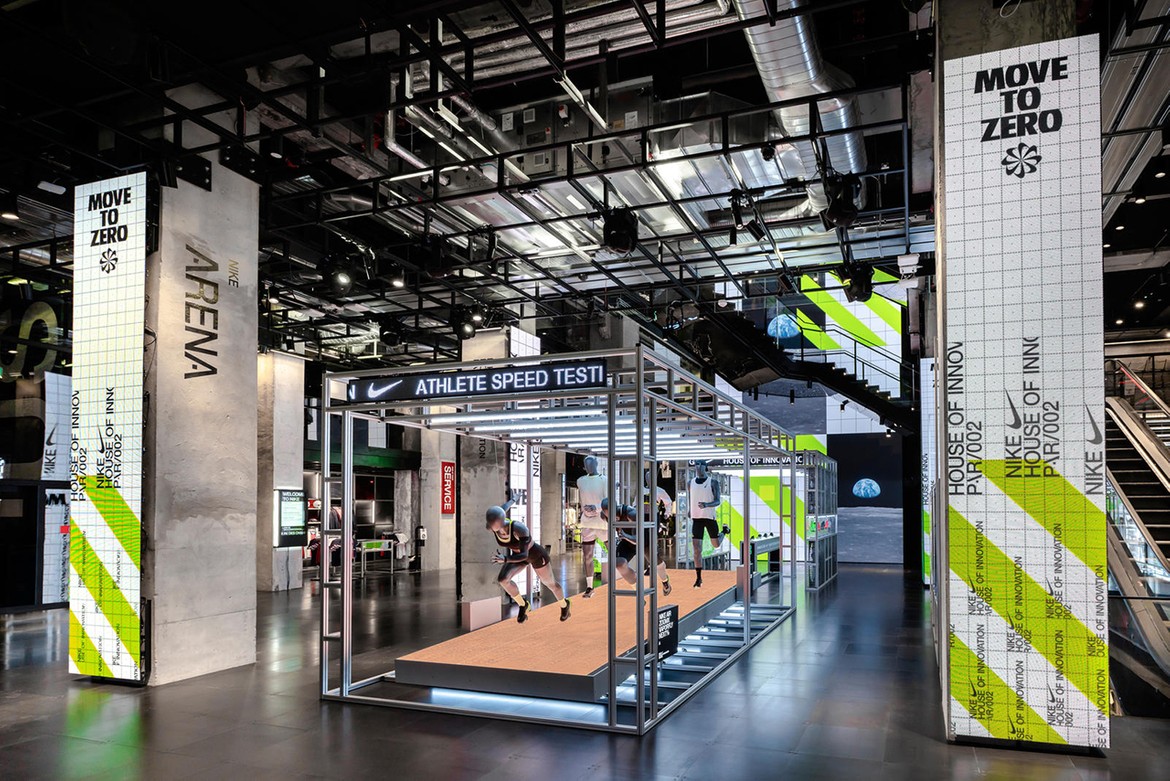
    Nike has opened the brand’s largest House of Innovation yet, in Paris, focusing on delivering a digital retail experience. Located at number 79 on the famous Avenue des Champs-Elysees, the House of Innovation 002 spans four floors and occupies a 2400sqm area.

    According to the company, Nike Paris will focus on four areas: uniting shoppers to a global sports community, innovative services and products for women, more kids’ experiences and seamless end-to-end consumer experience.

    “When consumers step into Nike Paris, they will experience our largest, most digitally connected and immersive retail concept in the world,” said Heidi O’Neill, president of consumer and marketplace.

    The House of Innovation in Paris features a wall-to-wall installation called Mission Control, connecting customers to the global sports community.

    Female shoppers can receive a fit recommendation using Nike Fit technology for any of its bras and information on their precise shape can be saved for future store visits.

    Nike Paris houses a destination for kids called Kids Pod, featuring interactive gaming and trial station such as a 360 virtual runners experience inspired by Parkour.

    “The strength of our digital portfolio combined with product innovation and amazing physical spaces will connect members to the community of sport and to one-of-a-kind experiences, serving them in an incredibly personal way,” O’Neill said.

    At the House of Innovation Paris, more than 85,000kg of sustainable material is woven into the fabric of the store design and display fixtures. The store is fuelled by a clean-energy wind farm in Spain.

  • Fashion brands urged to ‘tread carefully’ over veganism claims

    Fashion brands urged to ‘tread carefully’ over veganism claims

    Brands and retailers have been warned to tread carefully when embracing the growing veganism trend.

    “Veganism is increasingly becoming a lifestyle choice for many people, with the number of vegans in Great Britain quadrupling between 2014 and 2019, according to The Vegan Society,” says Beth Wright, apparel correspondent at GlobalData. “With this rise comes a likely surge in demand for vegan-friendly clothing and footwear.”

    Wright says it should come as no surprise that apparel and footwear companies want to be seen to be embracing veganism. But she warns that there are many issues brands and retailers must consider before declaring products free from animal-derived materials or ingredients.

    “While there are a great many gains to be made from entering the vegan fashion market, industry players must do their homework and identify the risks before joining the fray.”

    Sourcing vegan fashion products goes further than simply bypassing wool, leather and natural silk as raw materials, says Wright. Retailers must also take care to guard against the use of a number of dyes, glues and chemicals that are derived from animals.

    To help address and tackle these complexities, the British Retail Consortium (BRC) has created new guidelines to help retailers and brands sourced vegan fashion products, setting out steps and questions to ask both internally and of suppliers. The ‘Voluntary Guideline on Veganism in Fashion’ sets out a sequence of steps brands and retailers should take to verify their raw material ingredients.

    It aligns with previous advice from testing, inspection and certification specialist SGS Softlines Services, which notes the materials used in the production of vegan products must be robust and maintain the qualities of the animal-based materials they are replacing.

    Among the companies that have launched vegan products are Topshop, Asos and New Look, which last summer became the first high-street fashion retailer to register ranges with The Vegan Society’s Vegan Trademark.

    “Fashion brands and retailers must heed the advice from industry bodies such as the BRC in sourcing vegan products and do their due diligence,” says Wright.

    “Building a relationship between internal sourcing and buying teams and suppliers is key in not only instilling confidence along the supply chain but among consumers too.”

  • Gap’s outlook is gloomy due to week profits

    Gap’s outlook is gloomy due to week profits

    There is no real surprise from Gap’s third-quarter figures released last week: sales are poor, profit is weak – although marginally better than forecast – and the outlook remains gloomy.

    Given the relative lack of effort from management on resolving the underlying issues plaguing the company, it would be unreasonable to expect a different outcome. However, there is some hope that the recent change in the CEO may result in a more aggressive pace of advancement. (Art Peck stepped down from the role earlier this month after five years in the role and a replacement is being sought).

    The biggest problem within the company is the Gap brand. Here total sales within the US fell by 6.6 percent over the prior year, while global comparable sales fell by 7 percent. As much as Gap remains a sizeable business, it continues to suffer from customer attrition as shoppers defect or reduce the amount they spend at Gap in favor of other retailers. The reason for this is relatively simple: assortments are dull, and every new season Gap churns out more of the same bland product rather than innovating and trying new things. This makes it very easy for consumers to overlook Gap.

    It used to be the case that, in the absence of compelling ranges, Gap could use discounting as a mechanism to drive customer interest and footfall. However, over the past half-year, this has become far less effective. Part of this is down to the fact that discounting has become a lot more prevalent elsewhere in the market, which means shoppers have a lot more choice of stores they can visit to get discounted goods. But part also is down to fatigue with Gap itself: offering 40- or 50-per-cent off may have once been eye-catching, but Gap has educated consumers to expect this to be offered as standard.

    Unfortunately, there is no real remedy to the discounting-drug other than for Gap to rebuild its proposition and give customers new reasons to buy.

    While the Gap story is an old one, Old Navy’s recent slide from grace is a more interesting tale. Previously Old Navy had been motoring along nicely, posting consistently good sales results. However, last quarter US sales shrunk and these quarter sales are flat.

    Admittedly, Old Navy has been lapping tough prior year comparatives, however, we believe there is more to the waning performance. Extensive discounting elsewhere in the market has been unhelpful, especially as it has pulled some more price-sensitive family shoppers away from Old Navy. But the biggest reason for underperformance has been a series of missteps on assortments. Usually, Old Navy can be relied upon to produce good seasonal edits that reflect fashion trends. Over the past two seasons, these have largely been absent, and the range has become tired and relatively bland.

    In a highly competitive environment, this isn’t good enough to drive growth and it leaves Old Navy exposed to players like Target which has been making excellent progress in apparel. Unfortunately, question marks over the future of Old Navy are unhelpful when Gap Inc is looking to spin the business off.

    In a rare turn of events, Banana Republic is the star of the show with a 4.3-per-cent uplift in total sales in the US. Improvements to the quality and some better pieces within the assortment have helped to lift conversion and basket sizes from existing customers. A continued recovery at the brand will be helpful to the group, not least because within the US Banana Republic’s sales are now only a fraction behind those of Gap – so it is able to make a more meaningful contribution to the top line.

    Overall, Gap remains in a very weak position and the spin-off of Old Navy will do nothing to remedy this. The change of management provides the company with an opportunity to shift its mindset. Whether it grasps it remains to be seen.

  • LF Products Renamed into Living Style Group

    LF Products Renamed into Living Style Group

    Fung Group subsidiary LF Products will rebrand itself as Living Style Group.

    The pure-play furniture and home furnishings company said in a statement the rebrand follows the completion of Li & Fung’s strategic divestment of its three product verticals (Furniture, Sweaters, and Beauty) in April last year to form LH Pegasus, which is 45-per-cent owned by Hony Capital and 55-per-cent owned by Fung Group.

    “The new brand name, Living Style Group, coupled with a new logo and website, reaffirms the company’s position as a leading furniture company that brings speed to market and provides total supply chain solutions in furniture and furnishings to brands and customers worldwide,” the statement said.

    “Our innovative mindset, design-driven approach and deep-rooted passion has brought us to where we are today, and I am excited to enter this new chapter as we continue to grow the business and bring the highest value to our customers,” added Henry Chan, president at Living Style Group.

    Living Style Group delivers furniture and furnishings through three furniture brands – Kenas Home, True Innovations and Whalen Furniture – as well as an expanding portfolio of licensed brands including private labels and premier lifestyle brands.

    In October, Living Style Group will unveil its new brand identity at High Point Market in North Carolina, the largest home-furnishings industry trade show in the world.

  • Lagerfeld’s legacy: double-digit growth and €10 billion

    Lagerfeld’s legacy: double-digit growth and €10 billion

    Fashion icon Karl Lagerfeld delivered French maison Chanel a stunning legacy in the final year of his life. Chanel, privately owned, has revealed financial information only twice in its 109-year history. But yesterday, finance chief Philippe Blondiaux took the extraordinary step of announcing the brand had achieved global sales of almost €10 billion last year, in an apparent tribute to the designer, who died in February, aged 85. Profit exceeded €3 billion.

    The company also achieved double-digit sales growth “with great performances in leather goods and ready-to-wear”. But that was all the notoriously secretive company revealed, other than to reassert the company was not for sale, thus dashing any interpretation the details were released to pique the interest of prospective bidders.

    Chanel is owned by the Wertheimer family. Geneva-based Gerard Paul Philippe Wertheimer, 69, controls the business in partnership with his brother, Alain, 70. The former has an estimated worth of US$15.3 billion, with the pair ranking fourth and fifth on France’s rich list and among the 40 wealthiest people on the planet.

    Lagerfeld died of cancer, but reportedly worked until the end, such was his passion for his craft.

    Analysts estimate Chanel to be worth in the vicinity of $20 billion, making it one of the world’s most valuable fashion brands, and certainly one of the largest still in private ownership.

    In turnover, it is catching archrival Louis Vuitton, whose sales exceeded $10 billion last year.

    Far from resting on its laurels, Chanel invested an estimated $1 billion in digital innovation last year, embracing online, social media and seamless online/offline integration and in-store technology.