Tag: Style

  • Lagerfeld’s legacy: double-digit growth and €10 billion

    Lagerfeld’s legacy: double-digit growth and €10 billion

    Fashion icon Karl Lagerfeld delivered French maison Chanel a stunning legacy in the final year of his life. Chanel, privately owned, has revealed financial information only twice in its 109-year history. But yesterday, finance chief Philippe Blondiaux took the extraordinary step of announcing the brand had achieved global sales of almost €10 billion last year, in an apparent tribute to the designer, who died in February, aged 85. Profit exceeded €3 billion.

    The company also achieved double-digit sales growth “with great performances in leather goods and ready-to-wear”. But that was all the notoriously secretive company revealed, other than to reassert the company was not for sale, thus dashing any interpretation the details were released to pique the interest of prospective bidders.

    Chanel is owned by the Wertheimer family. Geneva-based Gerard Paul Philippe Wertheimer, 69, controls the business in partnership with his brother, Alain, 70. The former has an estimated worth of US$15.3 billion, with the pair ranking fourth and fifth on France’s rich list and among the 40 wealthiest people on the planet.

    Lagerfeld died of cancer, but reportedly worked until the end, such was his passion for his craft.

    Analysts estimate Chanel to be worth in the vicinity of $20 billion, making it one of the world’s most valuable fashion brands, and certainly one of the largest still in private ownership.

    In turnover, it is catching archrival Louis Vuitton, whose sales exceeded $10 billion last year.

    Far from resting on its laurels, Chanel invested an estimated $1 billion in digital innovation last year, embracing online, social media and seamless online/offline integration and in-store technology.

  • Pomelo launches first Beauty Line

    Pomelo launches first Beauty Line

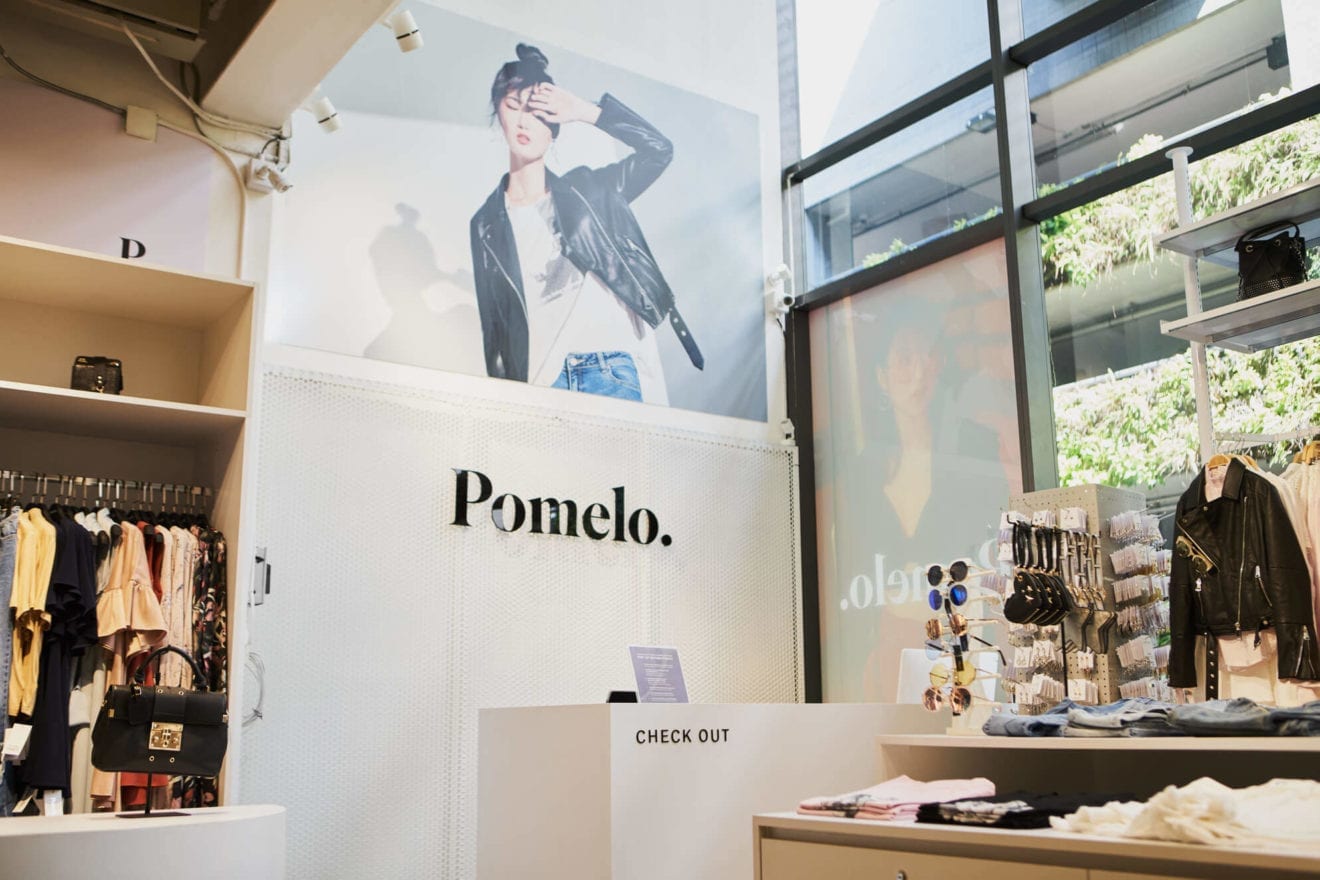
    O2O fashion brand Pomelo has launched its first cosmetics line, Beet, solidifying its identity as a one-stop lifestyle brand.

    Created with women on-the-go in mind, Beet comprises 17 products across four categories – Liquid Blush, Liquid Lipstick, Lip Gloss and Liquid Shimmer.

    All products are priced at S$10 per item and feature paraben-free and cruelty-free formulations.

    “For consumers today, beauty is integral to style,” said David Jou, Pomelo CEO, signalling the company is taking “a step in the right direction”.

    “As a fashion brand that wants to offer women everywhere their best look to become their best selves, we cannot ignore that.”

    With Beet, Pomelo provides another touchpoint for a seamless customer experience that prioritises modern consumers’ demand for convenience.

    Last month, Pomelo launched its second sustainable collection, Purpose.

  • Superdry in chaos as co-founder gets back in office

    Superdry in chaos as co-founder gets back in office

    UK clothing firm Superdry’s board of directors has resigned following the re-election of the brand’s co-founder Julian Dunkerton to the board.

    Dunkerton was made interim CEO following the immediate resignation of the four board directors and notice given by four non-executive directors in protest of the reappointment, blaming the former board member for the firm’s poor financial performance. Superdry brokers UBS and Investec have also resigned.

    Dunkerton has been publicly critical in recent months of the firm’s management following his departure a year ago.

    The co-founder was reinstated after a slim majority vote of 50.75 per cent. Former Boohoo and Selfridge’s boss Peter Williams has been appointed the firm’s new chairman based on a 50.74 per cent vote.

    “We are very pleased to be joining the board of this great British company,” said the two appointees in a joint statement. “We look forward to rebuilding the Superdry brand and the business.”

  • CLUSE opens its very first monobrand store in Taiwan

    CLUSE opens its very first monobrand store in Taiwan

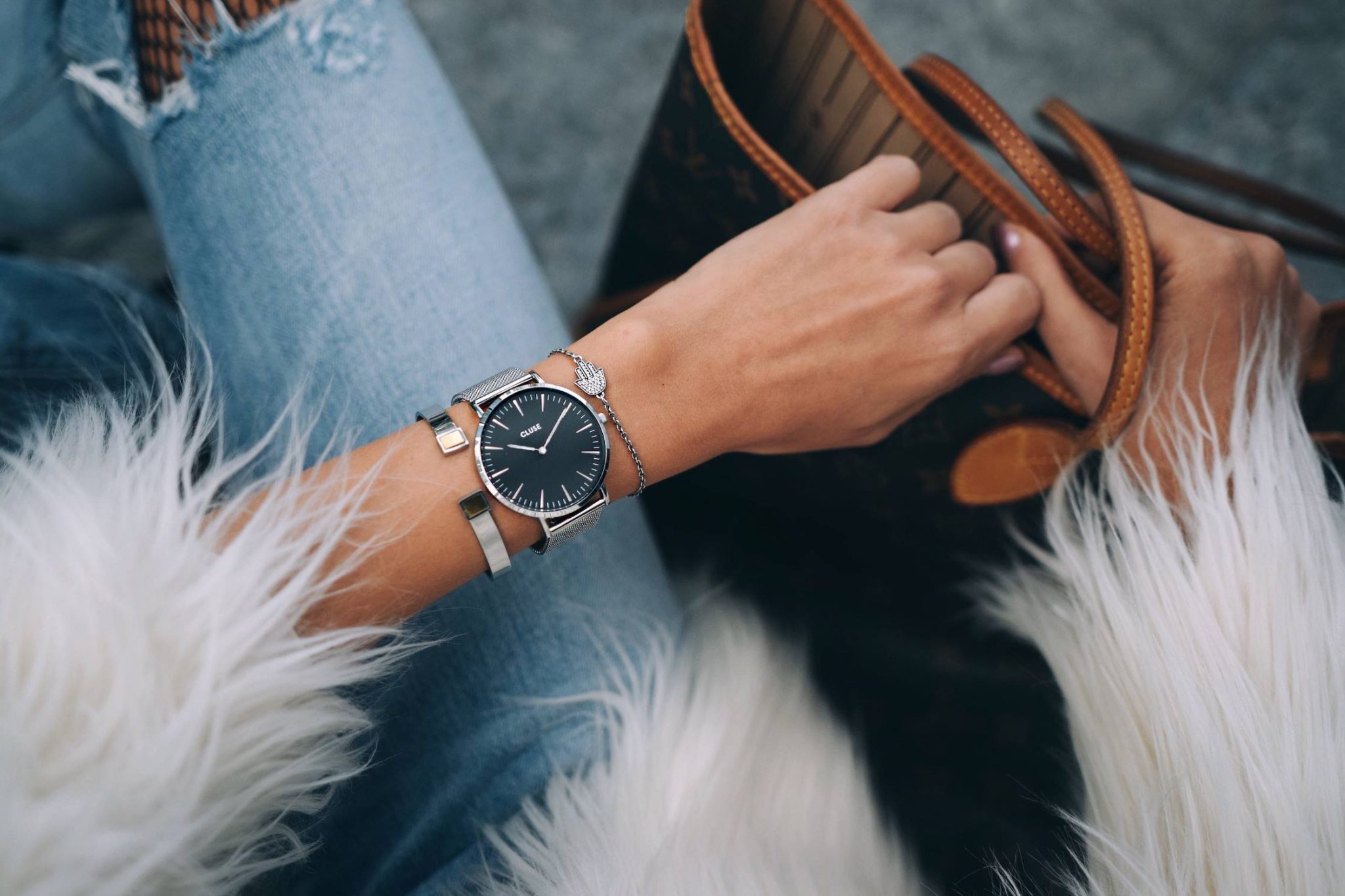
    The Amsterdam-based watch brand renowned for its timeless sophistication and strong focus on materials, quality, and style has just opened its first monobrand store in Taiwan in partnership with Bluebell. This CLUSE monobrand POS is a rotating pop-up in partnership with Eslite, which aims to attract visitors from different cities in Taiwan. This month the pop-up stops at the Eslite Taichung Parklane by CMP Store, 1F.

    CLUSE, created in Amsterdam in 2013 by a team of young and ambitious individuals, is a fast-growing watch brand for the modern and fashionable woman.

    Named after “Cluses”, one of the oldest watchmaking towns in France, CLUSE is able to combine a modern, minimalistic, and elegant design yet remaining faithful to its heritage by crafting authentic, quality analogue timepieces.

    CLUSE was discovered at an early stage by the fashion-loving crowd on social media, and among others, it has acquired worldwide fame on Instagram and Facebook, being recognized as a successful Facebook story for its effective digital marketing strategies.

    Thanks to the profound in-house knowledge of Social Media marketing, a data-driven approach and a clear customer profile based on campaign data, CLUSE has managed to grow to a staggering 1.6 million Facebook fans and 700K Instagram followers within 3 years.

    This success is boosted by CLUSE’s brand ambassadors who are recognized among the most influential kol worldwide like @sincerelyjules and @retroflame who live their life with the same philosophy of the brand.

    Drawing inspiration from minimalist fashion and subtle colours, CLUSE represents the mentality of simplicity of being grounded, empowered, sophisticated and true to oneself.

    CLUSE is designed not only to indicate time, but also to define the best moments in life.

    CLUSE is designed for dynamic and versatile women. One CLUSE watch allows infinite possibilities thanks to the mix&match easily interchangeable straps.

    CLUSE has soon become the most popular lifestyle watch brand in Europe and invested into a high-end network of distributors.

    After expanding in Europe, CLUSE has quickly conquered millennials in different countries, and it led to simultaneously launch in wholesale in Japan, Korea, Malaysia, and wholesale and mono-brand stores in Hong Kong, Singapore, and now Taiwan.

    The latest collection is La Tétragone (this new classic square shape design launched in SS18), and Triomphe (also launched in SS18).

    Following the success of CLUSE timepieces, the brand has started a new adventure into jewelry. Three collections have been created Essentielle, Idylle, and Amourette to translated unique personalities into unique pieces.

    CLUSE is definitely a brand to keep an eye on, strong brand identity,  effective digital marketing strategy, and an army of influencers boosting its brand image.

  • Warm weather blamed for worsening Bossini International loss

    Warm weather blamed for worsening Bossini International loss

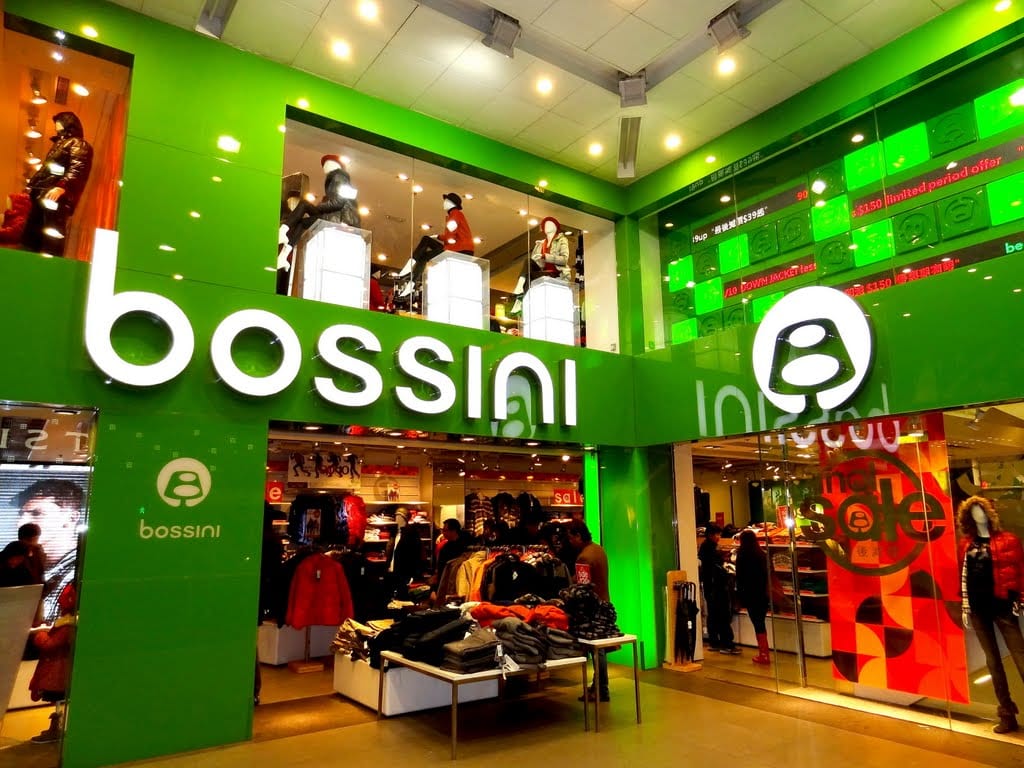
    An unseasonably warm winter and weak consumer sentiment in core markets has been blamed for a more than doubling of losses for Bossini International in the six months to December. The casual-fashion retailer reported a 10 per cent decline in group revenue to HK$875 million (US$111.5 million) and a 5 per cent drop in same-store sales for the period. Gross profit fell 11 per cent and the loss attributable to shareholders ballooned from $12 million in the same period a year earlier to $26 million (US$3.3 million).

    Operating profit in the key Hong Kong and Macau market, where Bossini has 39 stores, improved, despite a 5 per cent decline in same-store sales.

    In Singapore, sales plummeted 23 per cent due to store closures. Same-store sales there fell by 6 per cent, in Taiwan by 7 per cent and in Mainland China by 3 per cent. Group-wide same-store sales fell by 5 per cent, worse than the 2 per cent of the December 2017 half.

    As at the end of last year, Bossini International had a total net retail floor area for directly managed stores of 362,000sqft, about 4000sqft less than a year earlier, across 295 stores, (11 more than a year earlier). It opened 114 franchised stores in markets outside Hong Kong and Macau, taking the total franchised network to 768.

    Hong Kong challenge

    Bossini chairman Man Kuen Bess Tsin said the significant decline in retail sales growth in Hong Kong since July and the negative impact of the devaluation of the Renminbi had impacted on the company’s sales in its home market, which accounts for 66 per cent of group revenue.

    “The Hong Kong retail market presented a cautious optimism if not a mixed picture. Strong inbound tourism, especially from Mainland China, was recorded in Hong Kong. Nevertheless, the consumption per capita started to drop in the third quarter, despite the annually increasing numbers of tourist arrivals in Hong Kong.”

    The group’s total net retail floor area in Hong Kong and Macau reduced from 125,800sqft to 121,600sqft, a decrease of 3 per cent, while sales per square foot slipped 5 per cent to $7200 (from $7600). Operating profit in Hong Kong and Macau was $17 million, up from $12 million for an operating margin of 3 per cent (compared with 2 per cent a year earlier).

    Mainland China revenue decreased 2 per cent.

    Bossini Singapore posted an operating loss of 5 million, 20 per cent more than the comparable period and the operating margin was negative 9 per cent.

    Cautious outlook

    Tsin said Bossini International management is “cautiously optimistic” about the year ahead.

    “However, in face of the complex and volatile global economy and geopolitics, the outlook is full of uncertainties. As an open economy, Hong Kong is particularly vulnerable to the impact of the global situation. At the same time, the local economy and consumption structure are also gradually changing.

    Challenges and opportunities coexist. The group is fundamentally strong with a healthy financial position, which is capable of facing the potential challenges.”

    Tsin said the export franchising business is a main focus of the group.

    “We will further expand and optimise the distribution network, leveraging the economy of scale in market reach and profitability.”

    The company will focus on introducing more new products and designs, with a focus on functionality at the core of its product strategy. Alongside the young adult segment, the company will develop more childrenswear lines to broaden its customer base and it will strengthen supply chain management to improve operational efficiencies.

  • Millionaires are showing off their money in a new way

    Millionaires are showing off their money in a new way

    The definition of luxury is evolving, and the change applies to not only what people are spending money on, but how they’re doing it. “In the last few years, we have seen the crystallization of two luxury worlds: one which focuses on an encyclopedic choice of luxury products available at a click; another which is doubling down on the experience mantra,” the global ultra-high-net-worth intelligence firm Wealth-X said in its 2019 handbook, which examines the spending habits and preferences of people whose net worth is between $1 million and $30 million.

    That shift coincides with an era in which people are choosing to display their wealth differently than previous generations did.

    This is an era where brands like Goyard— a two-century-old Parisian company that eschews any type of advertising but represents the pinnacle of luxury for the world’s elite — and investments like education, security, and privacy are the chosen trappings of the world’s wealthiest people.

    Still, luxury fashion is booming, and it partially has to do with how it is consumed.

    Technology has left nearly no industry unchanged, and luxury is no exception.

    “Mass-market principles have worked their way into luxury and are disrupting the market,” Mike Phillips, Wealth-X’s vice president of marketing and communications said. “Now you can be selling something — and there might be only one made — but it’s on an app.”

    Whereas previously the ultimate luxury shopping experience might have included shutting down an entire store for a top spender, that person now has access to the same goods with the increased convenience of an app.

    Phillips said apps and sites like Net-a-Porter, Farfetch, and Moda Operandi that sell designer clothes, shoes, and accessories had capitalized on this trend as a new generation of wealthy shoppers emerges.

    “When it comes to wealthy millennials or Gen Xers, there are still instances where they are seeking an immersive brand experience at a brick-and-mortar store,” Phillips said, “but at other times they may want to avoid that more traditional pomp and circumstance and opt for the ‘Seamless’ option.”

    “Younger generations are less likely to be staunch loyalists to a single brand when compared to their parents and grandparents,” Phillips said. “They’re more likely to try something new if it speaks to their personal values and passions.”

    In this way, experiences may not be outright replacing the role of brands in wealthy people’s lives, but they are augmenting the significance of and consideration that goes into buying a particular brand.

    “More and more,” Phillips said, “the wealthy are evaluating a brand in terms of: What mission does this brand represent? How does it contribute to the greater good … If I choose to purchase this product, what does that say about me and my values?”

    And entire industries are developing or adjusting services to cater to this customer interest too. Wellness is increasingly regarded as a modern embodiment of luxury, and accordingly, an array of spas and studios offering treatments like cryofacials, weeklong retreats, and vitamin IV drips are delivering those experiences.

    Exclusivity and personalization also play important roles in the way luxury experiences are marketed. Customers do not want just any experience — they want a unique one tailored to them.

    Both of those preferences can clearly be seen in the hospitality industry, where high-end hotels are remembering their guests and tweaking their experiences with personalized touches. Other hotels, meanwhile, are fulfilling guests’ appetites for exclusivity by making their most luxurious or expensive rooms “invisible” and available only to well-connected clients who heard about the room by word of mouth.
  • Vietnamese women up makeup spending

    Vietnamese women up makeup spending

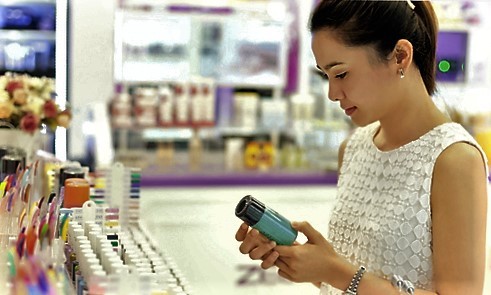
    More Vietnamese women are wearing makeup and spending more on makeup products, a new survey finds. The survey finds that Vietnamese women spend an average of VND300,000 ($13) on makeup products a month, with those with higher incomes spending even more. This number marks an increase of 5.4 percent from VND284,000 ($12.2) in 2016, says market research firm Q&Me, which carried out the survey.

    Women with higher incomes spend more on makeup products, the survey found. Those with an income of over VND20 million ($865) spend VND442,000 ($19) per month on average, while those with less than VND10 million ($433) spend just VND215,000 ($9).

    Over half, 51 percent, of the respondents said they apply makeup at least once a week, and 30 percent said they do so every day.

    The ratio of those who do not use makeup decreased from 24 percent in 2016 to just 14 percent this year.

    Women with higher incomes make up more often, the survey found. Forty-two percent of those who make more than VND20 million ($865) a month make up every day, while only 24 percent of those who make less than VND10 million ($433) per month do so every day.

    The most popular occasion to wear makeup is for a party, 87 percent of respondents said, followed by hanging out with friends (61 percent) and dating (52 percent).

    Skincare is the most used makeup product, with 73 percent of respondents saying they use it at least once a week.

    Lipstick is the most popular makeup item, carried by 88 percent of respondents whenever they go out of their homes.

    The time taken to make up has increased in recent years, the survey found. The ratio of respondents who make up in 10 minutes or less dropped from 51 percent in 2016 to 33 percent this year, while the percentage of those who take 11-30 minutes increased from 48 percent to 62 percent.

    Online shopping is the most popular way to buy makeup products, with 57 percent of respondents choosing this option, of whom 39 percent said they shop online every month.

    The main reason they shop online is convenience, 44 percent of respondents said, followed by better quality (43 percent) and good price (40 percent).

    The most frequent online shoppers of makeup products are women aged 23-29 with monthly incomes of over VND20 million ($865).

    Shopee as the most popular online shopping service, with 59 percent of respondents saying they have used it before, followed by Lazada (43 percent) and Facebook (40 percent).

    The survey polled 500 women aged 16-39 in Hanoi, Ho Chi Minh City and other localities.

  • Officine Panerai makes debut in Malaysia

    Officine Panerai makes debut in Malaysia

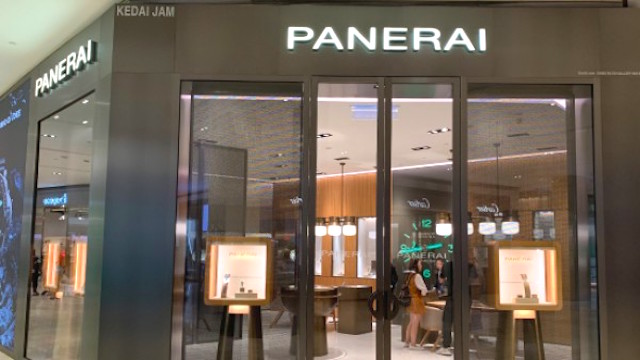
    “Together with partner Swiss Watch Gallery, we look forward to providing an exceptional experience for our clients and conveying our values and Swiss know-how”, said Panerai Southeast Asia and Oceania MD Giacomo Cinelli at the launch.

    “It’s a little exhausting for the local watch collectors here to keep having to travel to a Panerai boutique, so we are here for our existing clients and we provide an entrance and platform for the new ones as well”, he said.

    Submersible timepieces feature prominently in the store’s range, retailing from RM57,700 (US$14,180) to RM168,470 ($41,400).

  • Johnson & Johnson, Apple collaborate for healthcare

    Johnson & Johnson, Apple collaborate for healthcare

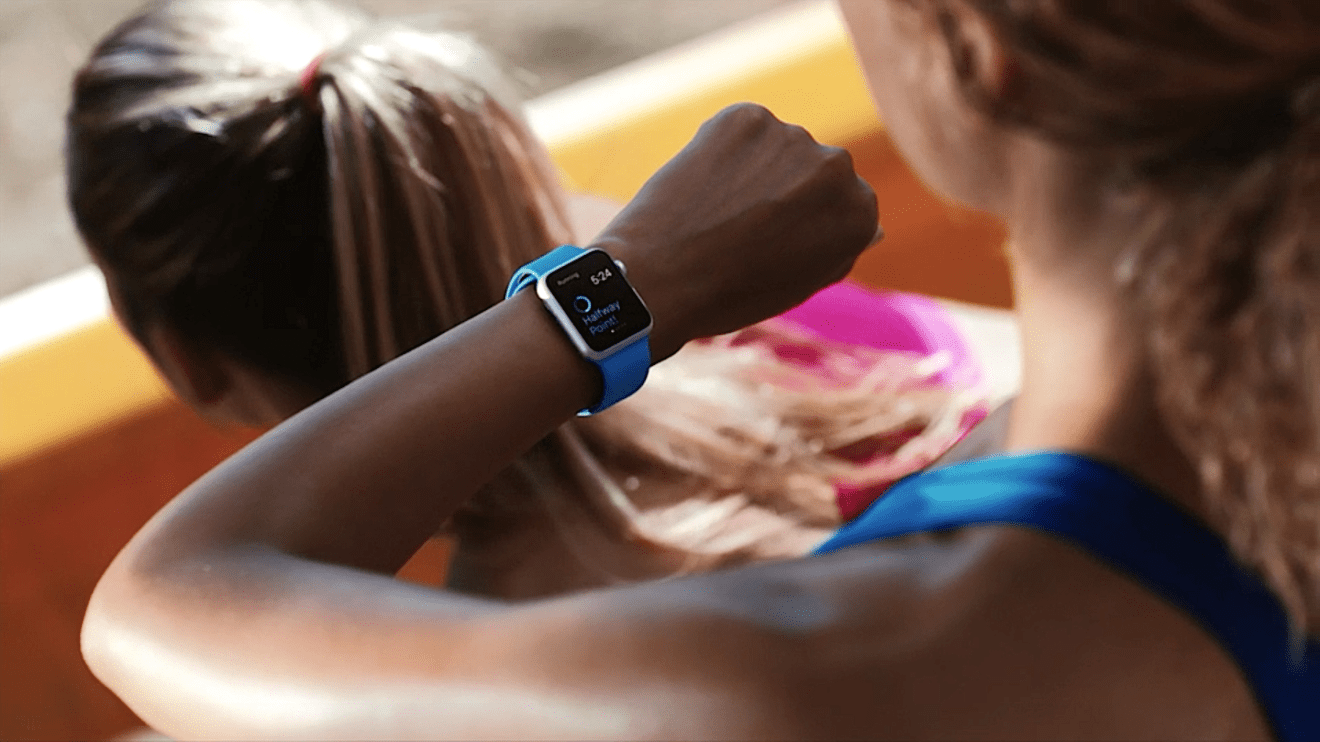
    Apple and Johnson & Johnson are teaming up on a study to determine whether the latest Apple Watch, in conjunction with an app from the pharmaceutical company, can accelerate the diagnosis of a leading cause of stroke. Atrial fibrillation, or AFib, is an irregular and often rapid heart rate that causes about 130,000 deaths and 750,000 hospitalizations each year in the U.S., Johnson & Johnson said. Up to 30 percent of cases go undiagnosed until life-threatening complications occur. Worldwide, about 33 million people have the condition.

    The controlled, randomized multi-year Johnson & Johnson study will start later this year and be limited to U.S. adults ages 65 years and older who wear the Apple Watch Series 4. Specific details on how to participate will be released later.

    The Apple Watch Series 4, which costs $399 or more, has an irregular heart rhythm notification feature, as well as an FDA-cleared ECG app, both of which are designed to detect AFib.

    “We are receiving thank you letters daily from Apple Watch wearers who are discovering they have AFib,” said Apple Chief Operating Officer Jeff Williams. “We want a deeper understanding about outcomes and prevention associated with early detection. We are excited to work with Johnson & Johnson, which has a long history and expertise in cardiovascular disease.”

    Paul Stoffels, Johnson & Johnson’s executive vice president and chief scientific officer, said “the goal is to identify early on AFib and prevent stroke by combining the physical know-how from Apple and what we have from the medical and scientific know-how.”

    Cardiologist Paul Burton, Johnson & Johnson’s vice president of medical affairs for internal medicine, added the watch has a good detection rate for the condition, but there can be false positives.

    If an AFib reading appears, patients are directed to seek a formal diagnosis from their medical provider. Johnson & Johnson’s goal is to collect aggregate data from study participants, rather than tracking individual patients.

    “When we do clinical trials, we always respect the privacy of patients,” Stoffels says.

    Burton believes “the study has the potential to show that there is a lot more atrial fibrillation out there in the real world in older people than we ever imagined, and if you use a tool like an Apple Watch to detect and funnel people to care, you can really drive down stroke risk in those patients.”

    Apple CEO Tim Cook recently talked about Apple’s ambitions in the health space. “I think you’ll be able to look back at some point in the future and Apple’s greatest contribution will have been to people’s health. I think it’s that big.”

    In November 2017, Apple teamed up with the Stanford University School of Medicine on an Apple Heart Study app that uses the heart rate sensor inside the Apple Watch to collect data on irregular heart rhythms. That study is ongoing.

    Apple also hopes iPhone owners will store medical records inside the Health app.

    Stoffels says wearable technology will continue to take on increased importance in the health field, from monitoring whether patients take medications to measuring sleep. “Digital and data will become part of everything we do.”

  • Starbucks India showcases coffee craft and innovation with ‘Starbucks Barista Pride’

    Starbucks India showcases coffee craft and innovation with ‘Starbucks Barista Pride’

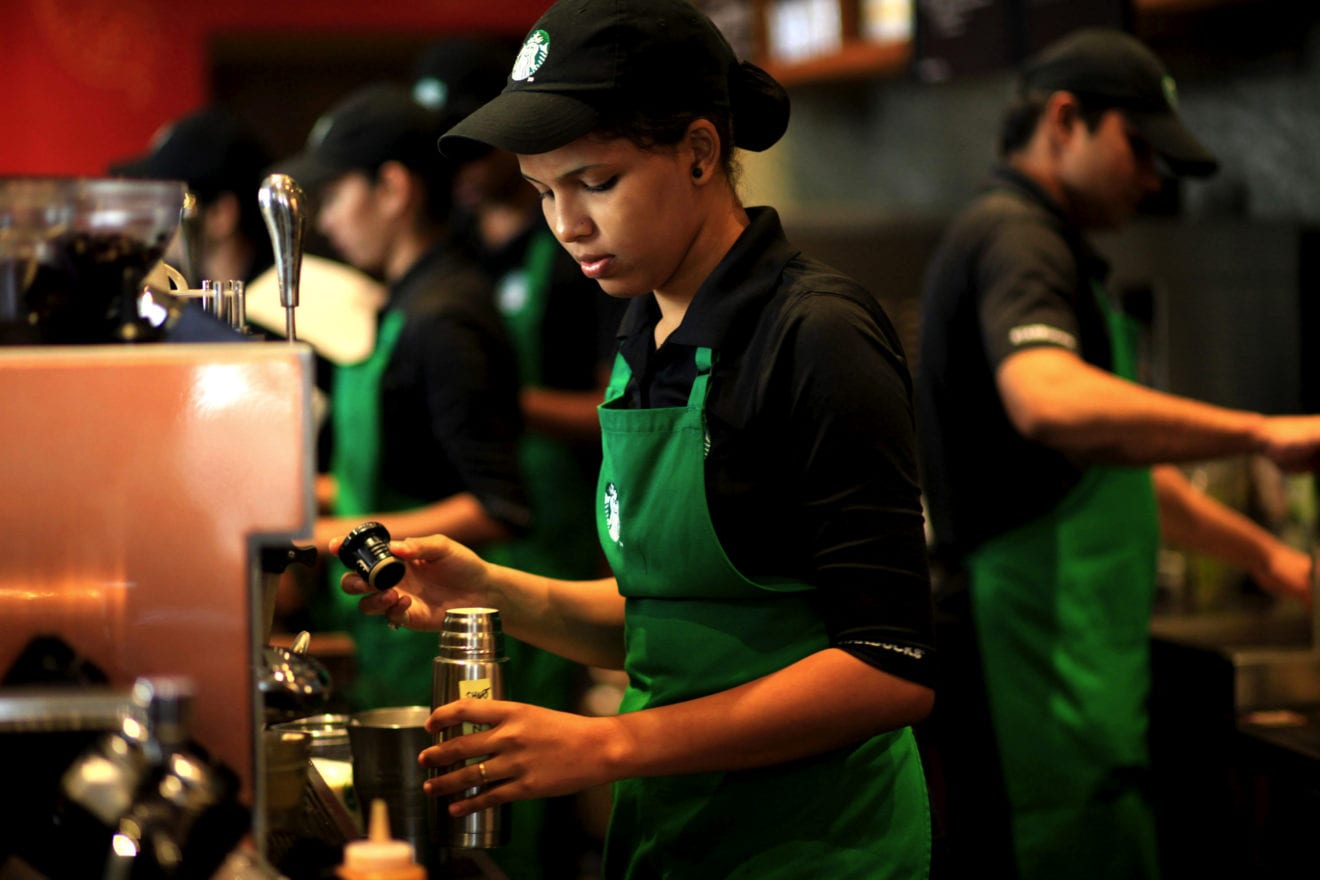
    Starbucks is taking beverage innovation to new heights with the simultaneous launch of 134 new, crafted beverages. Delivering on the iconic ‘Third Place’ experience, while strengthening commitment to innovation and coffee passion, the global coffee chain has introduced a new initiative called Starbucks Barista Pride where baristas from each Starbucks store will feature a beverage unique to their store, conceptualized and created by themselves.

    Till the end of February, all Starbucks stores across India will serve a specially curated beverage, enabling customers to ‘coffee hop’ and try 134 unique beverages across the 134 Starbucks stores in India.

    Based on the idea of customization and personalization, while celebrating the heart and soul of the signature Starbucks Experience, Starbucks Barista Pride is here to showcase the talent and innovation the Starbucks baristas have to offer.

    The wide range of unique beverages includes Turkish Espresso Praline available at the Chapel Road store in Mumbai, Chai White Chocolate Mocha available at the Vega Mall store in Bangalore and Winter Chocolate Cream available at the DLF Hub store in Delhi.

    “Starbucks is committed to delivering an unparalleled, unique experience for every customer. We are delighted to introduce ‘Starbucks Barista Pride’- a new coffee forward initiative which highlights the exemplary coffee skills of our Starbucks baristas and brings to our customers a wide range of artisanal beverages. At Starbucks, we believe in celebrating each customer’s individual coffee preference and profile. For us each cup of coffee is unique and especially suited to the coffee palette of our customer. With a deep understanding of coffee, our Starbucks baristas personalize each cup to perfection,” said Veetika Deoras, Head – Marketing, Category, Digital and Loyalty at Tata Starbucks Pvt. Ltd.

    “We are humbled to lead specialty coffee in India and initiatives like Starbucks Barista Pride are a tribute to our customers and reflect the Starbucks 47-year legacy of sourcing, roasting and serving world’s top Arabica coffee,” she added.

  • Brands planning to cash in on rising menswear trend

    Brands planning to cash in on rising menswear trend

    This week, Nike launched its new collection of yoga wear for men. While this was the company’s first foray into men’s yoga apparel, the move was very much in line with competitors who have been making a push into the menswear apparel market recently. Lululemon, whose bread and butter has long been women’s yoga trousers, is one of those competitors. Former CEO Laurent Potdevin described menswear as one of the brand’s “best-kept secrets.” The company is now looking to grow this division into a billion-dollar business.

    Gap also jumped on the bandwagon last year, with its new casual menswear brand Hill City. But a push into menswear stretches beyond the athletic wear market – Madewell rolled out menswear in September, Saks Fifth Avenue recently closed its womenswear store in Brookfield Place but kept its menswear location open, sisters Mary-Kate and Ashley Olsen launched their own menswear collection for fashion brand The Row last year, and the list continues.

    These brands are all looking to capitalise on a big change in fashion, and that is that in the not too distant future, menswear may outgrow womenswear.

    Business intelligence firm Gartner L2 estimated that in just two years, revenue growth of men’s clothing will surpass that of women’s clothing. This data is backed up by Euromonitor International, which estimated that men’s lines will outperform women’s over the next six years. 

    “Fashion has always been about women but men are finally having their time,” says Lizzy Bowring, catwalk director at trend-forecasting agency WSGN.

    Bowring believes that the rise of a young, fashion-conscious male consumer is a key reason for this. “It’s the younger men that are driving the push for menswear,” she says. “These men are more savvy and aware, and there is a lot of competition to look the part.”

    Ayako Homma, beauty and fashion consultant at Euromonitor International, echoed these thoughts in an email.

    “One key trend is men’s changing perception of fashion. Men are spending more time, effort and money on their grooming and appearance,” she wrote.

    Experts say that this peak in menswear can be traced back to a boom in streetwear clothing, which has been driven by brands such as Supreme, Yeezy, and Off-White. These brands have experienced explosive growth in recent years and are considered to be redefining the fashion landscape.

    These labels have been embraced by luxury players, a move that has in turn given new life to some of the luxury brands.

    Louis Vuitton recently hired industry pro Virgil Abloh to become its new artistic director. Abloh is responsible for setting up perhaps the buzziest streetwear brand of all, Off-White, which was recently ranked the hottest label in the world.

    “The men’s business has exploded in the past five years,” Roopal Patel, fashion director of Saks Fifth Avenue said. Patel said the focus had shifted to bringing in newer menswear-focused labels such as Off-White.

    “We’ve gone from just category addressing to designers looking at how they’re going to wardrobe a man’s lifestyle, everything from work to evening to weekend to sport,” she said.

    Industry insiders say this trend is here to stay. “It’s more than a buzz. It’s a deeper trend,” said Sidney Toledano, head of LVMH’s fashion group. He continued: “There’s strong demand across the men’s fashion industry, in all its shapes and forms, and which comes in part from a younger clientele. We see it very clearly in the sales.”

  • Living Coral proves Color of the Year sells well

    Living Coral proves Color of the Year sells well

    After color forecaster Pantone announced its annual Color of the Year in December, Korean companies, spanning cosmetics brands to hiking-gear makers, have rushed into releasing products in the vibrant hue. According to Pantone, the color was chosen for being “animating and life-affirming” able to energize and enliven with a softer edge. The color, which stands somewhere between pink and orange, is also a reminder of the beauty of coral reefs, “a source of sustenance and shelter to sea life” that is only visible in a healthy environment.

    Coral is already a popular color for many cosmetics brands in Korea, and is annually one of spring’s trendiest colors.

    One of the first local collaborators with Pantone is cosmetics brand VDL. Early this month, the company released its “2019 VDL + Pantone Collection,” including a 12-color eye shadow palette, lipstick, primer and cushion packs, all featuring the trendy hue.

    This is the company’s fifth collaboration with Pantone since 2015; every January, VDL releases a lineup of cosmetics featuring the Color of the Year.

    Olive Young, a chain of health and beauty brands, saw a 45-percent sales increase in their coral- and orange-toned cosmetics from Dec. 17 to Jan. 7.

    According to the company, the major reason behind the increase was Pantone’s annual announcement.

    Unlike previous Color of the Year picks – such as Ultra Violet in 2018 and Greenery in 2017 – which are relatively difficult to apply as makeup, Living Coral goes well with many skin tones, while “naturally brightening” one’s face.

    In recent weeks, YouTube has been dominated with hundreds of videos of beauty bloggers applying Living Coral makeup collections.

    Living Coral is also influencing the design and fashion industries.

    Korean furniture brand Modern House teamed up with Pantone to develop a special series of home goods, ranging from kitchen items and bathroom utensils to home decorations and tumblers in the beginning of the year.

    Casual wear brand Uniqlo Korea set this year’s fashion key word as “24/7 Relax & Comfort” and revealed a series of spring clothing featuring vibrant colors, including Pantone’s Living Coral.

    Sportswear brand MLB has also released a collection of hoodies, puffer jackets, beanies and pants in different shades of coral.

    “Coral [is a very popular] color in various categories – from lipsticks to blush and eye shadows,” Olive Young said in a statement on Jan. 8.

    “The sales of coral-colored products have been increasing since the beginning of the year. ”

  • ‘KAWS:HOLIDAY’ lands in Taipei

    ‘KAWS:HOLIDAY’ lands in Taipei

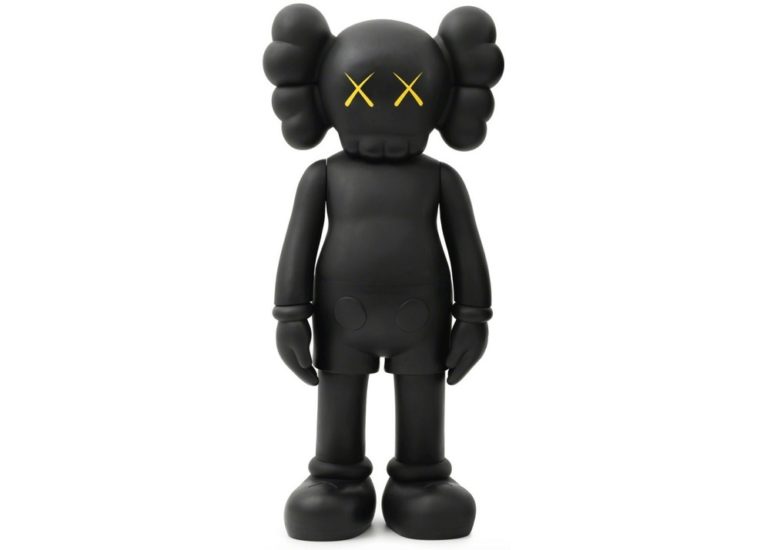
    After KAWS announced that a massive 36-meter-long COMPANION piece would be making its debut in Taipei, the collaborative project with creative studio AllRightsReserved has finally been revealed to the public. The largest sculptural work by the artist to date, KAWS:HOLIDAY depicts the recognizable COMPANION character in a seated position, overlooking Liberty Square in front of the famed Chiang Kai-shek Memorial Hall.

    Teaming up with Singaporean singer JJ Lin’s JFJ Productions, the exhibition kicked off with a grand opening event Friday evening, coupled with an exclusive merch release.

    The items include a range of vinyl figurines, ceramic plates, tees and tote bags that are available online and offline at the exhibition’s pop up shop.

  • LVMH invests into Gabriela Hearst

    LVMH invests into Gabriela Hearst

    LVMH Luxury Ventures, an investment arm of the multinational conglomerate, has taken a minority stake in New York-based luxury label Gabriela Hearst. The terms of the deal were not disclosed, although LVMH Luxury Ventures typically invests between €2 and €15 million.

    Hearst, who ran contemporary-priced label Candela for more than a decade before launching her upscale luxury offering in 2015, has briskly built a ready-to-wear business based on sharply tailored silhouettes rendered in ultra-expensive fabrics, with a focus on sustainably sourced materials. In 2018, just three years after she launched her label, the collection — which also includes a robust handbag business, mostly sold direct-to-consumer — generated between $15 and $20 million, according to sources familiar with the business.

    Launched in 2017, LVMH Luxury Ventures is an investment vehicle within the LVMH group that aims to invest in emerging labels that have already shown an ability to scale.

    Investments have included French apothecary brand Officine Universelle Buly and sneaker resale shop Stadium Goods, which was subsequently acquired by Farfetch for $250 million in December 2018.

  • Bossini losses set to double

    Bossini losses set to double

    Bossini International has warned the group is expected to record a loss attributable to owners of between HK$23 million and $28 million (US$2.93 million to $3.6 million) for the six months to December – roughly double the loss of the same period last year. Chairman Bess Tsin said in a stock exchange filing that the loss was largely due to “unseasonal warm winter weather and weak consumer sentiment in several core markets” where the group operates.

    The company said the estimate was based on a preliminary assessment of the company’s accounts for the period and details would be confirmed in late February, when the company announces its annual results.