Tag: Subaru

  • Leapmotor Overtakes Subaru and Mitsubishi Motors in Global Sales

    Leapmotor Overtakes Subaru and Mitsubishi Motors in Global Sales

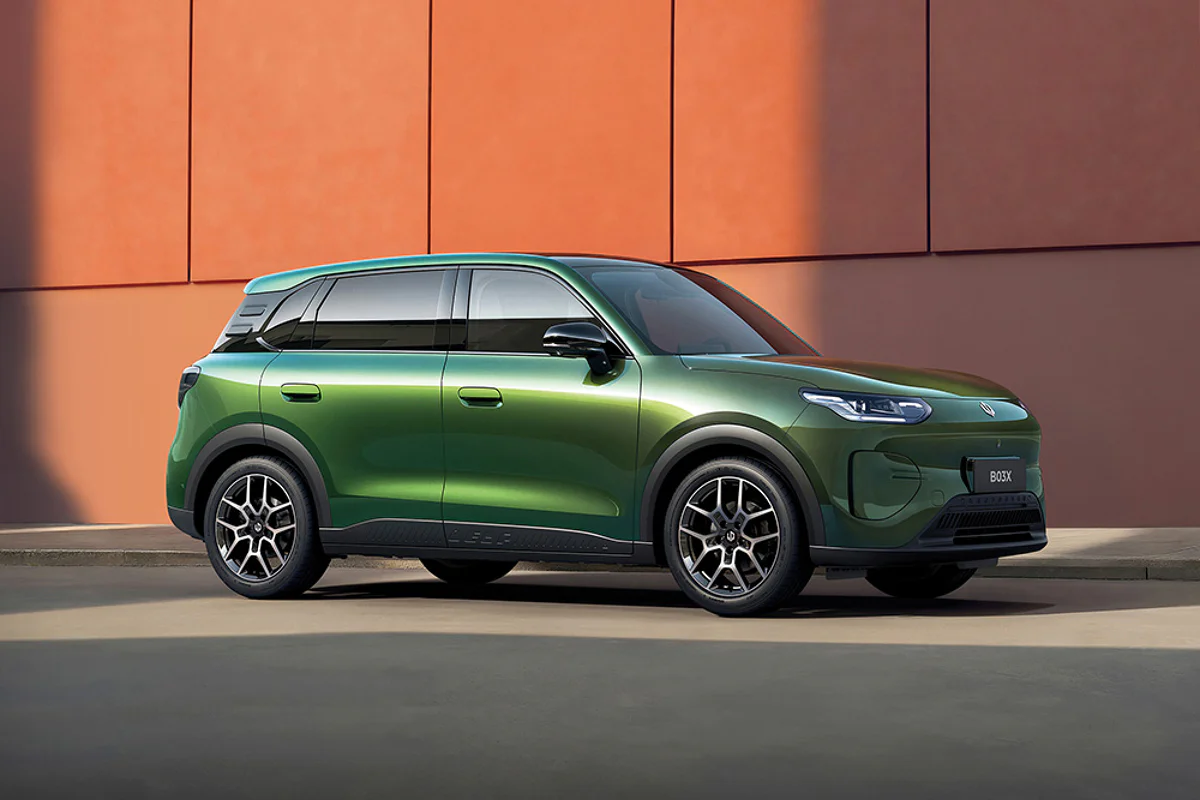
    Chinese electric vehicle startup Leapmotor surpassed Subaru and Mitsubishi Motors in global quarterly deliveries for the first time between April and June. Strong domestic sales in China drove the shift. An accelerating rollout across European dealerships also lifted volume.

    The Hangzhou-based manufacturer built momentum on budget battery-electric models and extended-range powertrains. Those lower prices unlocked retail demand in mainland tier-three cities. They also found buyers in price-sensitive European export markets.

    Shift in Global Volume

    Overtaking two established Japanese automakers shifts the competitive baseline for entry-level passenger cars. Subaru and Mitsubishi built multi-decade international sales networks through independent franchised dealers. Their slower battery-electric transition left budget segments exposed to cheaper Chinese rivals.

    Leapmotor entered European showrooms by pricing compact electric models against legacy petrol hatchbacks. That approach bypassed the premium segment. European and Japanese marques still hold stronger brand loyalty in that higher tier.

    Pressure on Traditional Dealerships

    Across Europe and Asia, independent auto retailers and multi-brand dealer groups must now adjust inventory allocation. Dealerships facing sluggish demand for internal combustion models are handing floor space to Chinese brands. These vehicles deliver higher unit turnover, though dealer margins are tighter.

    Component vendors and regional distributors tied exclusively to mid-tier Japanese manufacturers face direct exposure. As sales volume drifts toward Chinese electric platforms, legacy suppliers face shrinking factory orders unless they win contracts on dual-fuel and battery architectures.

    Export Trajectory

    Behind the quarterly milestone are two years of factory scaling and targeted export homologation by Leapmotor. The company previously relied almost entirely on mainland China registrations before opening European distribution channels.

    Delivery numbers through the second half of the year will test the expansion as European trade policy and regional import tariffs take effect.
  • Subaru to Evaluate Onsemi Platform Offering 4X EV Inverter Power Density

    Subaru to Evaluate Onsemi Platform Offering 4X EV Inverter Power Density

    Subaru has partnered with semiconductor maker Onsemi to evaluate a new power electronics architecture designed to quadruple power density in electric vehicle traction inverters.

    Under the collaboration, the Japanese automaker will receive early access to engineering samples, simulation models and technical expertise later this year to test the system across its future electrified vehicle architectures.

    Wafer-level packaging for vehicle drives

    Named the Embedded Power Platform, the system uses the silicon wafer itself as the package base. This setup combines silicon, silicon carbide and gallium nitride components. It also integrates field-effect transistors, gate drivers and system controllers inside a single module.

    Building components directly on 12-inch wafer production lines eliminates multiple assembly steps. It also cuts parasitic inductance. Lower inductance reduces electrical losses and lets power switches run at higher frequencies without excessive heat.

    Onsemi claims the architecture cuts inverter power losses by up to 15 per cent and shrinks the footprint up to fourfold. Subaru has not committed the hardware to a specific production model yet. Still, the evaluation gives the carmaker a direct look at multi-voltage powertrain integration.

    Standardising power across vehicle lines

    Modular power electronics offer Japanese carmakers a way to cut engineering overhead as they chase global battery-electric rivals. Engineers can scale one base architecture across compact cars, crossovers and commercial platforms instead of designing custom inverters for each vehicle class.

    This strategy shifts component integration risk from the vehicle assembly line to the chip fabrication plant. Automakers get smaller, lighter drive units. However, they face greater dependence on single-source packaging methods that cannot be swapped quickly during supply shortages.

    Industrial and data centre crossover

    Beyond passenger cars, the platform scales into industrial machinery and artificial intelligence data centre power racks. In non-automotive setups, Onsemi claims power density jumps by three to five times. That reduction cuts hardware development timelines to four months in select industrial cases.

    Japanese manufacturers spent the past two years consolidating electric powertrain supply chains to protect operating margins as domestic hybrid sales peak. Subaru previously committed to expanding its electrified lineup through joint projects with Toyota, focusing on shared platform costs and joint battery procurement.

    Initial engineering samples of the platform will ship to Subaru and select artificial intelligence hardware partners before the end of 2026.

  • Subaru Is Building A Dedicated EV Plant In Japan

    Subaru Is Building A Dedicated EV Plant In Japan

    Subaru is another Japanese automotive player which is suddenly turning turtle and announcing massive investments in electric powertrains. It has announced plans to build a dedicated EV assembly plant in 2027 as a part of a multi-billion dollar investment toward electrification in the next 5 years. Its CEO Tomomi Nakamura has outlined a plan which was announced on May 12 when it announced its earnings.

    Its 2023 Solterra EV will be made at Toyota’s Motomachi assembly plant in Japan which is the same plant where Toyota is making its first EV the bZ4X. But in the future, the plan for Subaru is to make its EVs in-house.

    Nakamura has said that initially, Subaru will make its EVs in a mixed production scenario with internal combustion engine vehicles in its Yajima plant in Japan in the mid-2020s. But from 2027, the EVs will be made at a dedicated factory on the site of the Oizumi plant which is currently making engines and transmissions.

    “Two or three years ago, U.S. retailers were not asking about EVs at all. But in this last year, it’s suddenly increased,” said Nakamura indicating that this transformation is being driven by the US market.

    Subaru has announced an investment of $2.05 billion. It expects 40 per cent of its global sales to come from EVs and hybrids by 2030. The Solterra EV will be the first model which starts at $44,995 in the US and will also be eligible for the $7,500 tax credit and other state incentives.

  • Subaru Says Full-Year Profit Rose 16%

    Subaru Says Full-Year Profit Rose 16%

    Subaru Corp on Monday posted a 15.7% rise in annual operating profit in the year that ended in March as it recovered from production delays and product recalls last year, but warned of uncertainties from the coronavirus outbreak this year.

    Profit was 210.3 billion yen ($1.96 billion) for the year just ended, up from 181.7 billion yen a year earlier under international financial reporting standards. It exceeded a consensus estimate of 204.7 billion yen profit drawn from 17 analysts polled by Refinitiv.

    Subaru declined to give an earnings forecast for the current business year, citing uncertainties about the longer-term impact of the coronavirus outbreak on its operations and sales.

    It saw a 3% rise in global vehicle sales in the year to March to 1.03 million units, bouncing back from last year, when a defective steering component and measures to improve inspection tests had stopped output for two weeks at its sole assembly plant in Japan.

    The issue stems from faulty airbags made by Japanese automotive parts company Takata.

    The automaker managed to grow sales for the year despite a 40% drop in global sales in March, when vehicle plants and car showrooms around the world began to close due to coronavirus lockdown measures ordered in many countries.

    The automaker resumed limited vehicle production at its plants in Japan and the United States on May 11 after weeks of closure.

    Though global automakers have begun to restart vehicle plants, anemic demand, supply chain disruptions and social distancing measures at factories are expected to limit output in the coming months.

    Some analysts believe industry-wide global auto sales could slump by a third this year and that any recovery will be slow and patchy as job losses and reduced incomes weigh on consumer spending.

  • Subaru Expands Production at Assembly Plant

    Subaru Expands Production at Assembly Plant

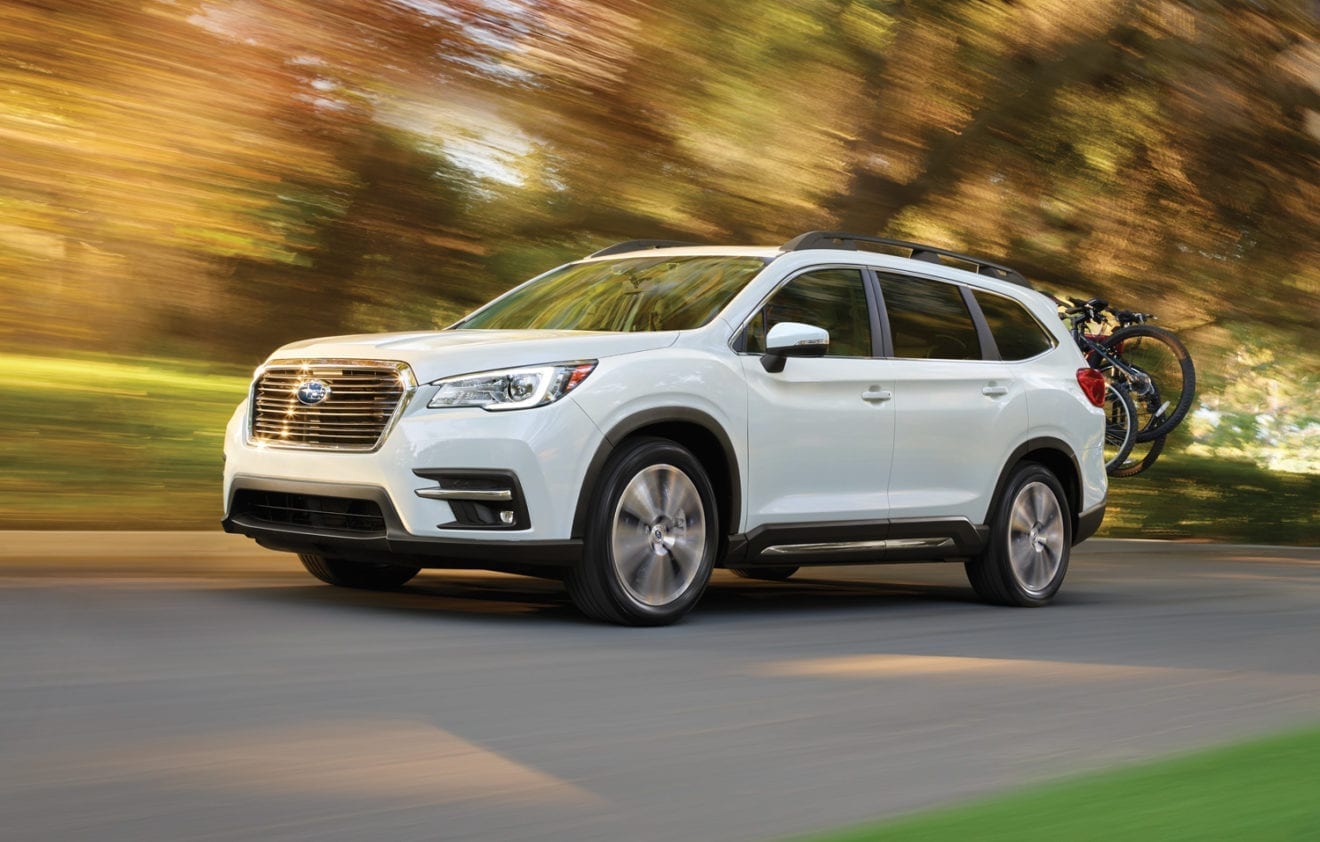
    Subaru of Indiana Automotive unveiled its new Subaru Ascent, which will be manufactured at the automaker’s assembly plant in Lafayette, Indiana. To support the increased production, the company plans to create up to 200 new jobs by 2018.

    As an incentive, Indiana Economic Development Corporation offered Subaru of Indiana Automotive Inc up to $500,000 in training grants based on the company’s job creation plans. These incentives are performance based, meaning until Hoosiers are trained, the company is not eligible to claim incentives. The city of Lafayette and Tippecanoe County support this project.

    “The Subaru Ascent is a great addition to our production mix,” said Tom Easterday, Senior Executive Vice President of SIA. “This great new family vehicle allows us to create hundreds of new jobs at SIA, and also at our suppliers in Indiana and across the country.”

    The company, which is a subsidiary of Subaru Corporation and is the company’s only assembly plant outside Japan, will invest more than $140 million to purchase new machinery and equipment to add production of the Subaru Ascent in 2018 to meet the growing demand for mid-level vehicles in North America. The all-new Subaru Ascent is a three–row crossover vehicle that has the capacity to hold seven or eight passengers.

    SIA currently employs more than 5,600 associates at its location in Indiana and will produce approximately 400,000 vehicles in 2018, including the Subaru Legacy, Impreza, Outback and Ascent. Since the start of the company’s production 30 years ago, the facility has produced more than five million vehicles.

    “Today we witness Subaru’s continued commitment to Indiana as the company unveils the all-new Subaru Ascent and announces its plans to create more jobs for Hoosiers,” Governor Eric J. Holcomb said. “For 30 years, Subaru has spurred economic growth and I’m confident they will witness continued success as we work to take Indiana to the next level by growing our economy and developing the skills of our workforce.”

    “We are pleased that the IEDC recognizes the value that SIA brings to our community,” said Lafayette Mayor Tony Roswarski. “As one of the area’s largest employers, SIA has established itself as a company who offers jobs that can translate to lifetime careers, with tangible and lasting benefits directly impacting quality of life.”

  • Japan’s Subaru posts higher profit as car sales jump

    Japan’s Subaru posts higher profit as car sales jump

    Subaru on Thursday posted a better-than-expected rise in its quarterly operating profit, buoyed by higher sales in the United States, its biggest market, where other Japanese automakers are struggling with slower demand.

    Operating profit at Japan’s No.6 automaker came in at 119.3 billion yen ($1.08 billion) in the first quarter ended June, up 17.5 percent from a year ago and exceeding the average forecast for 114.8 billion yen from seven analysts polled by Thomson Reuters I/B/E/S.

    Most Japanese automakers have been hit by both an overall slowdown in the U.S. market and a growing preference for bigger car models, versus the sedan.

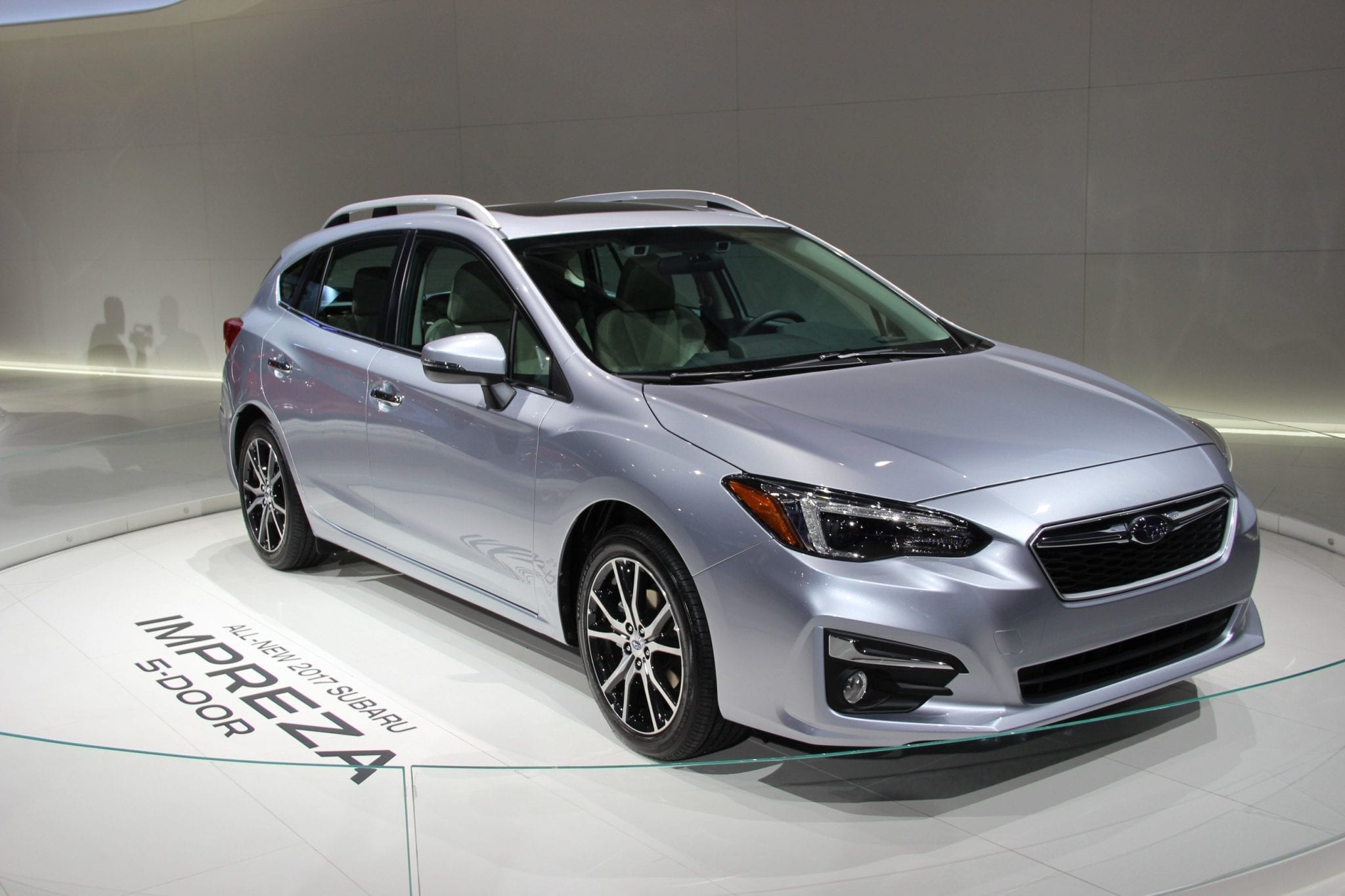
    Subaru has, however, managed to buck this trend, reporting a 12.3 percent jump in sales in the world’s No.2 auto market after China, with models such a revamped version of its Impreza sedan, along with the Forester SUV and Outback SUV crossover.

    Subaru raised production capacity last year at its plant in Indiana and was able to deliver more units over the quarter in the United States, which accounts for around 60 percent of its global sales volume.

    The automaker’s U.S. marketing strategy has focused mainly on affluent and liberal-minded consumers, with advertisements featuring slogans such as love and inclusion.

    It has won over consumers living largely on the west and east coasts – a concentration that has allowed it to leverage its production capabilities, which are a fraction of those of Toyota Motor and other bigger rivals like Nissan Motor Co.

    Toyota is expected to announce a 16 percent drop in its quarterly operating profit, according to analysts surveyed by Thomson Reuters I/B/E/S, while Nissan last week posted an almost 13 percent slide in profit, dragged by rising incentives to sell its cars in the United States.

  • Subaru sees flat profit this year on higher costs, below expectations

    Subaru sees flat profit this year on higher costs, below expectations

    Subaru on Tuesday forecast a flat operating profit this year, undershooting market estimates and sending its share price lower, as the Japanese automaker expects rising incentive-related costs and research expenses to offset higher sales.

    Subaru, which changed its name from Fuji Heavy Industries in April, said it expected operating profit to ease 0.2 percent to 410.0 billion yen ($3.62 billion) in the year to March. That was below a mean estimate of 538.5 billion yen from 19 analysts polled by Thomson Reuters I/B/E/S.

    Shares in Japan’s No. 7 automaker fell 4.2 percent after the announcement, hitting their lowest in nearly two weeks.

    Subaru posted an operating profit of 410.8 billion yen in the year ended March, down 27.4 percent on the year, as higher costs from the recall of Takata Corp’s air bags and a stronger currency offset a jump in sales.

    Subaru said it expected net profit of 285.0 billion yen this year, up 0.9 percent from last year.

    It expects to sell around 1.11 million vehicles globally this year, a record high and up from around 1.07 million in the year just ended. The automaker sees a 3 percent rise in sales in the United States, where the automaker has carved out a niche in family cars.

    The maker of the Outback SUV crossover and the Legacy and Impreza sedans has ramped up production of its cars in the United States, where it sells around 60 percent of its global production.

    Subaru is assuming an average dollar rate of 110 yen for the current year, anticipating a stronger yen over the year compared with the currency pair’s trading rate of around 113 yen on Tuesday.

    While the automaker has been increasing localised production in the United States, it continues to produce the majority of its vehicles in Japan, making it vulnerable to currency swings.

  • Fuji Heavy recalls 100,000 Subaru cars to fix air pump switch

    Fuji Heavy recalls 100,000 Subaru cars to fix air pump switch

    Japan’s Fuji Heavy Industries said on Thursday it was recalling about 100,000 of its Subaru-branded vehicles in Japan to fix a problem with an air pump switch located in the main fuse box.

    The recall covers models including the Legacy and Imprezza, along with Exiga and Forrester crossover SUVs produced in 2006-2013.

    The Japanese automaker said it was also planning to recall models overseas, but declined to give further details.