Retail News CRM

Tag: sugar

  • Philippines Bolsters Domestic Sugar Industry with Extended Import Ban till December 2026

    Philippines Bolsters Domestic Sugar Industry with Extended Import Ban till December 2026

    The Philippine government has prolonged its prohibition on sugar imports until December 2026, given the strong domestic supply. This strategic decision is designed to provide ongoing support for local farmers and producers and maintain market stability.

    Decision Based on Sugar Production and Demand Outlook

    Agriculture Secretary Francisco Tiu Laurel stated that the decision to extend the ban was influenced by the present prospects for sugar production and consumer demand. The initial ban, which was implemented from mid-October 2025 until mid-2026, was deemed necessary due to the anticipated rise in domestic raw sugar production for the 2024-2025 crop year, as indicated by actual inventory data.

    Regulation of Molasses Imports

    In addition to the sugar import ban, the Department of Agriculture and the Sugar Regulatory Administration are in the process of establishing a long-overdue regulatory framework for the import of molasses. According to Tiu Laurel, this move will offer further protection to the domestic producers.

    Questions & Answers

    Why has the Philippine government decided to extend the sugar import ban?
    The ban has been extended in order to protect local farmers and producers and maintain market stability, given the strong domestic supply of sugar.

    What factors influenced this decision?
    The decision was based on the current outlook for sugar production and demand. An expected increase in domestic raw sugar output for the 2024–2025 crop year also contributed to this decision.

    What additional measures are being taken to protect domestic producers?
    The Department of Agriculture and the Sugar Regulatory Administration are preparing a regulatory framework for molasses imports. This move is intended to provide further protection to domestic producers.

  • Australia Surpasses Who Sugar Guidelines: A Three-decade Journey To Healthier Diets

    Australia Surpasses Who Sugar Guidelines: A Three-decade Journey To Healthier Diets

    Australia has achieved the World Health Organization’s (WHO) sugar guidelines that suggest keeping sugar below 10% of daily energy intake. The Australian Bureau of Statistics (ABS) reveals that the country has reduced its consumption of sugar from food and beverages over the past three decades.

    In 1995, sugar constituted about 12.5% of our daily energy intake. This percentage fell to 10.9% in 2011-12 and further to 8.2% in 2023, even as our overall food and drink energy intake decreased by less than 5%.

    Reducing Sugary Drink Consumption

    Notably, Australians are consuming far fewer sugary drinks than in previous years. This includes beverages sweetened with sugar or artificial sweeteners, or both, such as soft drinks, cordials, fruit juices, and energy drinks.

    In 2011-12, approximately 42% of the population consumed at least one sugary drink daily. By 2023, this percentage had decreased to under 29%.

    In 1995, nearly three-quarters of children (72%) consumed a sugary drink every day. By 2023, this percentage had fallen to a mere 25%.

    Why Is Sugar Reduction Important?

    Consuming high amounts of sugar is detrimental to our health. Sugary foods and beverages are discretionary or occasional foods, offering little nutritional value while adding empty calories to our diet.

    Increased sugar intake can lead to obesity, type 2 diabetes, and tooth decay. Sweet beverages do not satiate us like regular meals do, making it easy to overlook the energy we are consuming.

    Average soft drinks contain about 40 grams (10 teaspoons) of sugar per serve, which is near the daily limit. Energy drinks may contain up to double that amount, while sports drinks may contain slightly less.

    Trends Over Three Decades

    Between 1995 and 2023, there was a 65.28% drop in children consuming sugary drinks. The percentage of adults consuming sugary drinks dropped from 40.2% in 2011-12 to 29.9% in 2023. However, adults still consume about 5% more sugary drinks than children.

    On average, Australians have less sugar in their diet than a decade ago. This shift isn’t just about soft drinks – we’re also reducing the sugar in our tea and coffee, eating fewer candies and desserts, and reaching less often for fruit juice.

    Children have seen the most significant changes. In the mid-1990s, children derived almost one-fifth of their daily energy from sugar. Today, that figure is closer to one-eighth, with our overall energy intake remaining quite similar.

    What’s Driving the Change?

    The new data suggests that efforts by individuals, families, communities, and some food manufacturers to reduce sugar intake over the past few years may be effective.

    A decline in sugary drink consumption may indicate growing awareness of the damaging effects of sugar, possibly due to social media campaigns, improved labelling on food and beverage products, increased public messaging, and industry changes, such as more brands offering lower-sugar alternatives.

    A Segment of the Larger Picture

    Despite a decrease in sugar consumption, obesity rates continue to rise among both children and adults.

    Research suggests that sugar is just one factor and that overall diet quality and broader eating patterns play a significant role in our health.

    Discretionary foods, including snacks, chips, convenience meals, chocolate, and other highly processed foods, still constitute around a third (31.3%) of the average Australian diet.

    This means many individuals are still regularly consuming sweet drinks and highly processed foods, which are sources of added sugars and excess energy, viewed as empty calories that pose their own health risks with little nutritional value.

    What’s Next?

    The new data shows progress in tackling the amount of sugar in our diets, but there’s still work to be done.

    To sustain these positive trends, we need to consider stronger government action to support all communities in addressing broader food system challenges, such as food insecurity and limited access to healthy food, which often results in people consuming more highly processed foods.

    Policies such as sugary drink taxes, restrictions on marketing junk food to children, and clear front-of-pack labels should be considered. Additionally, more incentives for industry to reformulate products to lower-sugar options where possible are needed.

    Education campaigns can help communities and schools where high-sugar habits are common to learn about healthier alternatives without stigma. Furthermore, collecting additional data to understand where dietary sugar comes from, beyond sugary drinks, is also necessary.

    Even though Australia may be shedding its historically high sugar consumption, ensuring a permanent change will require sustained effort.

    Questions & Answers

    What has been the trend in sugar intake in Australia over the past three decades?
    The Australian Bureau of Statistics reports a consistent decrease in sugar intake from food and drinks over the past thirty years in Australia.

    What are the health risks of high sugar intake?
    High sugar intake can increase the risk of obesity, type 2 diabetes, and tooth decay.

    What actions can be taken to sustain the positive trend in reducing sugar consumption?
    Actions that can help sustain the positive trend include stronger government action, implementing policies such as sugary drink taxes, clear labeling, promoting lower-sugar alternatives, educational campaigns, and further data collection.
  • Coca-Cola Beats Earnings Expectations Despite Sales Dip; Unveils Cane Sugar Product For Us Market

    Coca-Cola Beats Earnings Expectations Despite Sales Dip; Unveils Cane Sugar Product For Us Market

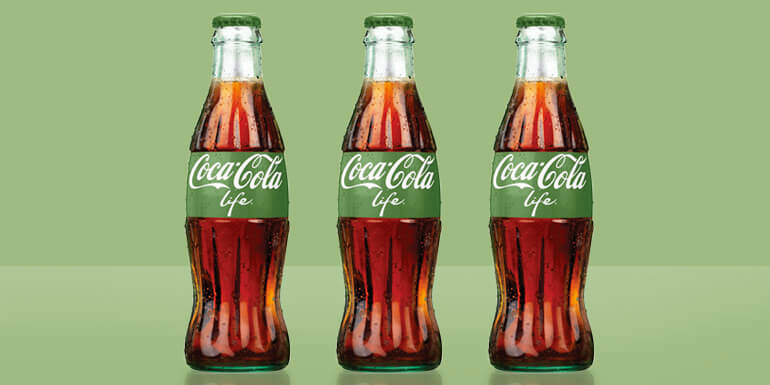
    Coca-Cola’s quarterly earnings have surpassed expectations, the company reported on Tuesday, due to increased pricing. This comes despite a decrease in sales volumes in significant markets, and the announcement of a new Coca-Cola product made with cane sugar for the U.S. market.

    Higher Prices and Lower Volumes

    The boost in prices compensated for a 1 per cent decline in sales volumes, which had increased by 2 per cent in the previous two quarters. The decline was primarily due to a decrease in sales in essential markets, including Mexico and India, and within the Coca-Cola brand in the United States. After adjusting for certain items, the company made a profit of 87 cents per share, surpassing the expected 83 cents.

    Sales of higher-priced sodas have fluctuated in recent times, especially in wealthier nations, as consumers with lower incomes become more price-sensitive.

    Healthier Substitutes

    In response to demands for healthier alternatives, food companies are looking to diversify their offerings. Recently, President Donald Trump announced that Coca-Cola had agreed to use real cane sugar in the United States. Coca-Cola’s CEO, James Quincey, stated during a post-earnings call that the company is exploring different sweetening options to meet consumer demand. This new cane sugar product will “complement” the company’s existing range, he added.

    Competing brand PepsiCo, which also exceeded quarterly earnings estimates recently, stated it would use natural ingredients if consumers expressed a preference for them.

    International Success and Domestic Challenges

    Coca-Cola already sells Coke made with cane sugar in various markets, including Mexico. Some U.S. grocery stores also offer glass bottles of Coke made with cane sugar, labelled as “Mexican” Coke.

    However, the transition to cane sugar will increase costs, including significant changes to supply chains, according to industry analysts. Higher-priced products could also put pressure on consumer budgets, as Quincey acknowledged that sales volumes in North America decreased due to continuing uncertainty and pressure affecting certain socioeconomic consumer segments.

    Coca-Cola maintains that the cost implications due to “global trade dynamics” are manageable. Approximately 61 per cent of the company’s revenue is derived from overseas markets.

    Higher Pricing and Volume Recovery

    Coca-Cola’s comparable revenue for the three months ending June 27 rose 2.5 per cent to $12.62 billion, outperforming the forecasted $12.54 billion. Quincey stated that a boycott-related drop in demand in the U.S. and Mexico has largely been resolved.

    Annual comparable earnings per share are expected to be near the upper limit of the company’s target increase range of 2 to 3 per cent, aided by a weaker dollar.

    Sales volumes of Coca-Cola Zero Sugar soared, with a 14 per cent increase recorded across all geographies.

    Questions & Answers

    What was the cause of the decrease in Coca-Cola’s sales volumes?
    The decrease in sales volumes was primarily due to a decline in sales in key markets such as Mexico and India, and within the Coca-Cola brand in the U.S.

    Is Coca-Cola planning to introduce new products to the market?
    Yes, Coca-Cola has announced it will introduce a new product made with cane sugar to the U.S. market as part of their commitment to meet consumer demand for healthier alternatives.

    What is the outlook for Coca-Cola’s annual comparable earnings per share?
    The annual comparable earnings per share are expected to be near the upper limit of Coca-Cola’s target increase range of 2 to 3 per cent, aided by a weaker dollar.

  • Vietnam to impose anti-dumping duties on Thai sugarcane products

    Vietnam to impose anti-dumping duties on Thai sugarcane products

    Vietnam has imposed anti-dumping and countervailing duties on sugarcane products from several Thai companies from August 18 to June 15, 2026.

    The duties will be imposed on the Mitr Phol Sugar group, Asia’s largest sugar and bioenergy manufacturer, along with four affiliated companies and Czamikow Group Limited.

    The Thai Roong Ruang Industry group, Thailand’s second-largest sugar manufacturer, along with its five affiliated companies, will also see duties imposed, according to the Ministry of Industry and Trade.

    The lowest rate of anti-dumping duties will be 25.73% and the highest at 32.75%. The highest rate of countervailing duties will be 4.65%.

    In June 2021, Vietnam officially began to impose anti-dumping and countervailing duties on sugarcane imported from Thailand. At the time, the rate was 47.64%. In August 2022, the ministry decided to keep this rate.

    Investigations revealed that Thailand’s sugarcane products entering the Vietnamese market have caused great damage to local production, resulting in 3,300 people losing their jobs and 93,225 farmer’s families affected, authorities have said.

  • Finance ministry again moots tax on sweetened beverages

    Finance ministry again moots tax on sweetened beverages

    The Ministry of Finance is again considering imposing a tax on sweetened beverages eight years after failing to get other ministries’ backing for it.

    A “reasonable” special consumption tax on sugary drinks would help protect people’s health in line with the World Health Organization’s recommendation and international practice, it said.

    Consumption of sweetened beverages in Vietnam had surged by nearly eight times between 2002 and 2018 to 50.7 liters per person per year.

    Surveys by the National Institute of Nutrition in 2001-10 and 2011-20 found the overweight children rate rising quickly in urban and rural areas.

    In 2012 15 countries were imposing a tax on sweetened beverages, but by 2021 it had risen to 50, including six in Vietnam’s neighborhood: Thailand, the Philippines, Malaysia, Laos, Cambodia, and Myanmar.

    “WHO recommends that governments take actions to encourage people to consume healthy food, including using tax measures on sugary drinks to orient consumption,” the ministry said.

    In 2014 the ministry had proposed a 10% special consumption tax on sweetened beverages, but other ministries opposed it. The Ministries of Planning and Investment and Justice said the argument for the tax was not convincing, and the Ministry of Industry and Trade said it could have a negative impact on businesses.

    The finance ministry is also considering hikes in the special consumption tax on beer and other alcoholic beverages and cigarettes.

    Between 2016 and 2019 it had increased the rate on beer and certain alcoholic beverages from 55% to 65% and on cigarettes and cigars from 70% to 75%.

    But the hikes do not seem have had much effect, the ministry admitted.

    Vietnam remained the biggest beer consumer in Southeast Asia and third biggest in Asia. In 2019 an average person consumed 47.6 liters a year, 20% more than in 2015.

    In 2020 around 42.3% of Vietnamese men smoked, while the government’s target had been to bring it down to 37%.

    But the country’s taxes on alcoholic drinks remain lower than in other countries, and account for only 30% of retail price compared to 40-85% elsewhere, according to WHO.

    On cigarettes, the rate is 35% compared to 70% in Thailand, 69% in Singapore, 57% in Malaysia, and 51% in Indonesia. It is as high as 80% in France and 75% in Germany.

    Another reason for the ministry’s proposal to increase the tax is that prices of alcoholic drinks have been rising slower than average incomes.

    In 1998 it had taken a person 8.2% of their annual income to buy 10 liters of Vodka Hanoi, but by 2014 the ratio had dropped to 2.2%. In the case of red wine, the rate had dropped from 5.9% to 1.6%.

  • Vietnam imposes anti dumping duty on Thai-origin sugar

    Vietnam imposes anti dumping duty on Thai-origin sugar

    Vietnam has imposed an anti-dumping and anti-circumvention levy on Thai sugar imported via 5 ASEAN nations.

    The final verdict was made Monday, and the duty of 47.64 percent will become effective between Aug. 9 and June 15, 2026.

    The probe was launched last September after local firms reported sugar products imported from Laos, Cambodia, Indonesia, Malaysia, and Myanmar did not originate in those countries.

    Sugar imports in Vietnam jumped five times year-on-year to 527,200 tons in the period between October 2020 and June 2021, according to the Ministry of Industry and Trade.

    Imports from Thailand, however, slumped 38 percent in the same period.

    This was the period that Vietnam was investigating Thai sugar for dumping and subsidizing.

    “The sugar industry has provided evidence showing signs of Thai sugar’s trade remedies evasion through five countries mentioned above, especially the sudden jump in sugar imports,” the trade ministry said in a statement.

    Last June, Vietnam imposed an anti-dumping levy of 47.64 percent on some sugar products from Thailand for five years.

    Around 3,300 Vietnamese farmers lost their jobs, and 93,225 farming households were affected due to difficulties in the domestic sugar industry, according to the trade ministry.

  • Mondelez falls short in China with Zero-sugar Oreos pitch

    Mondelez falls short in China with Zero-sugar Oreos pitch

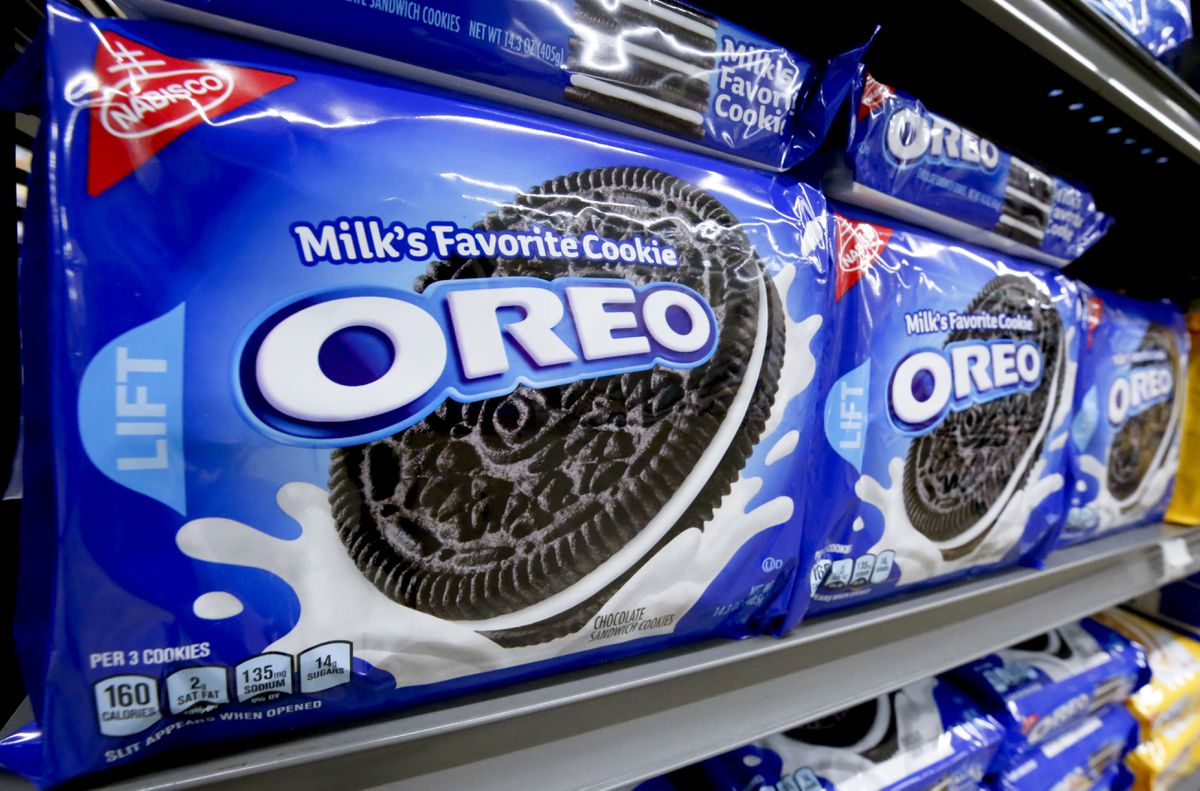
    Initial reaction from the launch of Oreo Zero sugar-free cookies in China has been disappointing, Mondelez International Inc’s CEO said, underscoring some of the challenges facing the global snack giant as it makes a big push in the market.

    Mondelez launched Oreo Zero in China in August, taking a cue from social media trends showing reduced-sugar and sugar-free diets as a key trend, and the limited availability of zero-sugar biscuits in the country.

    “The reaction of the consumer has been a little bit disappointing … for one reason or the other, the consumers feel it is not the real thing,” Chairman and Chief Executive Officer Dirk Van de Put told Reuters.

    “This indicates the dilemma,” he said. “We can offer the products to the consumer, but it’s not given that the consumer will buy and eat them.”

    Mondelez, which also makes Ritz crackers, belVita biscuits, Cadbury chocolates and Trident gum, has set a target to grow Oreo sales by $1 billion by the end of 2023. The brand surpassed $3 billion in global sales in 2019.

    Oreo Zero cookies contain maltitol instead of traditional sugars like sucrose and glucose, and the tweak gives a very slight difference in taste that only heavy consumers of regular Oreos would be able to identify, according to the company.

    The lukewarm consumer response underscores a challenge for global snack firms with a well-known brand and product. Mondelez varies the amount of sugar it includes in Oreos in different markets around the world. In China, Oreos have less sugar than do Oreos in the United States, which could make for an easier transition to no-sugar cookies.

    Chinese consumers, however, remain cautious about packaged foods’ no-sugar claims, said Michael Norris, research and strategy manager at Shanghai-based consultancy AgencyChina.

    For example, sugar-free drinks commanded only 1.25% of China’s soft drinks market in 2019, according to a June Dongxing Securities report, though Genki Forest’s sugar-free fizzy drinks and Suntory’s Oolong tea are gaining popularity.

  • Coca-Cola says new ‘No Sugar’ has the same flavour as Classic Coke

    Coca-Cola says new ‘No Sugar’ has the same flavour as Classic Coke

    In much the same way plant-based meat companies are tweaking their offerings to make them taste more like the real thing, beverage giant Coca-Cola is doing the same thing with its no-sugar cola.

    Coca-Cola has a vested interest in creating a no-sugar variety that mirrors its sugar-laden offering as a way to keep people associated with the brand. Consumers are drinking less soda as part of a broader effort to cut their sugar intake, and increasingly no sugar offerings are a more popular option.

    If consumers decide they want to drink less soda with sugar, and a no-sugar offering has the same flavor as the original, they are more likely to turn to their preferred brand. Sales of Coca-Cola Zero Sugar have been a bright spot for Coke, and the company no doubt is hoping the new flavor profile will attract more customers to the product. The new version is already on shelves across Europe and Latin America, and will roll out globally during 2021.

    “In order to continue to drive growth of our diets and lights category, we must keep challenging ourselves to innovate and differentiate just as other iconic brands have done,” Natalia Suarez, senior brand manager for Coca-Cola’s North America operating unit, said in a statement. “The consumer landscape is always changing, which means we must evolve to stay ahead.”

    No-calorie Coca-Cola Zero Sugar is sweetened with aspartame and acesulfame K. Finding a sweetener that can replace sugar’s texture and taste has been difficult for companies. Some companies have used aspartame, but many consumers stopped drinking diet soda because of concerns over the health impact of the artificial ingredient.

    Coca-Cola seems to have found the right ingredient mix for its no-sugar products. According to Euromonitor International data cited by The Wall Street Journal, Diet Coke had 35% of sales in the $22 billion global diet category in 2019 and Coke Zero Sugar had 22%.

    Coca-Cola also is making a big change in the packaging it uses for Coca-Cola Zero Sugar. The new can has the same design as its its popular Coke soda, but uses different colors and the words “zero sugar” to indicate the absence of the sweetener. The new, simpler packaging is smart in that it keeps the brand, which is trying to emulate regular Coke, with the same design scheme as the original — but gives it just a bit of its own identify to stand out on store shelves.

  • Vietnam slaps anti-dumping duty on Thai sugar

    Vietnam slaps anti-dumping duty on Thai sugar

    Vietnam has applied an anti-dumping and anti-subsidy duty of 33.88 percent on raw sugar from Thailand to protect domestic producers.

    The Ministry of Industry and Trade said that although its preliminary investigation found Thai sugar exporters have a dumping margin of 48.88 percent, it decided to collect 15 percentage points less after taking into account the socio-economic impacts of the duty and the benefits of farmers, manufacturers, and consumers.

    The ministry began its investigation in September last year upon requests by Vietnamese sugar producers who claimed they were being hurt by the low-priced Thai product.

    Its data showed that Vietnam’s sugar imports from Thailand rose 330 percent from 2019 to 1.3 million tonnes last year.

    This resulted in 3,300 people losing their jobs as many factories had to close and more than 93,200 farmers were affected.

    The final decision on the duties will be determined in the second quarter this year.

  • Sugar producers accuse Thai firms of dumping

    Sugar producers accuse Thai firms of dumping

    Thai companies are allegedly dumping sugar in Vietnam and hurting farmers, according to Vietnamese producers.

    Nguyen Van Loc, general secretary of the Vietnam Sugarcane and Sugar Association, said citing figures from Thailand’s Office of Cane and Sugar Board the average export price of Thai raw and refined sugar is $334 per ton though the cost of sugarcane alone to produce a ton is $410.

    The Thai government in April unveiled a support package of $325 million to sugarcane farmers hit by drought though Brazil had earlier filed a complaint to the World Trade Organization that Thailand had given support to cane growers that was inconsistent with international trade agreements, Loc said at a forum on Monday.

    A decree issued by the Thai government in March showed signs that it was limiting imports to protect domestic producers, he said.

    The influx of cheap Thai sugar is hurting Vietnamese companies and farmers.

    Tran Ngoc Hieu, CEO of Soc Trang Sugar Jsc in the southern province of the same name, said the area under sugarcane in his province has dropped by over 71 percent since 2017 to 2,400 hectares, and is set to fall to 2,000 hectares next year.

    Annual production has fallen 64 percent to 170,000 tons this year, he said. The competition from Thai sugar is the main reason for the declining figures, he added.

    Thai sugar is also smuggled into Vietnam, and whenever smuggled goods are seized, domestic sugar sales rise.

    Tran Thi Yen, a sugarcane farmer in the central province of Phu Yen, said: “Many sugarcane farmers have reduced their farming area or abandoned the farming due to losses.”

    The Trade Remedies Authority of Vietnam is conducting anti-dumping and anti-subsidy investigations into Thai sugar.

    Under ASEAN commitments, Vietnam has to allow unlimited sugar imports from member countries at 5 percent tariff.

    Imports of sugarcane in the first nine months surged five fold year-on-year to 1.06 million tons, with nearly 90 percent of it from Thailand, according to the Trade Remedies Authority.

  • Vietnam opens anti-dumping probe into sugar imports from Thailand

    Vietnam opens anti-dumping probe into sugar imports from Thailand

    The Ministry of Industry and Trade has initiated an anti-dumping investigation into sugar imports from Thailand, which have increased six-fold this year.

    The probe follows complaints by Vietnamese sugar producers that Thai exporters, with a subsidy from their government, are dumping their products in Vietnam and causing damage to the local sugar industry, the Trade Remedies Authority of Vietnam said in a statement.

    The import of sugar from Thailand increased six times year-on-year in the first eight months of this year to nearly 950,000 tonnes, it said.

    Vietnamese producers, represented by six major companies, said the surging imports hit their production, causing it to fall by 33 percent to 800,000 tonnes in the 2019-2020 crop.

    They have sought an anti-dumping duty of 37.9 percent. Vietnam removed import duties on sugar imported from ASEAN countries this year in accordance with the commitments of the ASEAN Trade in Goods Agreement (ATIGA).

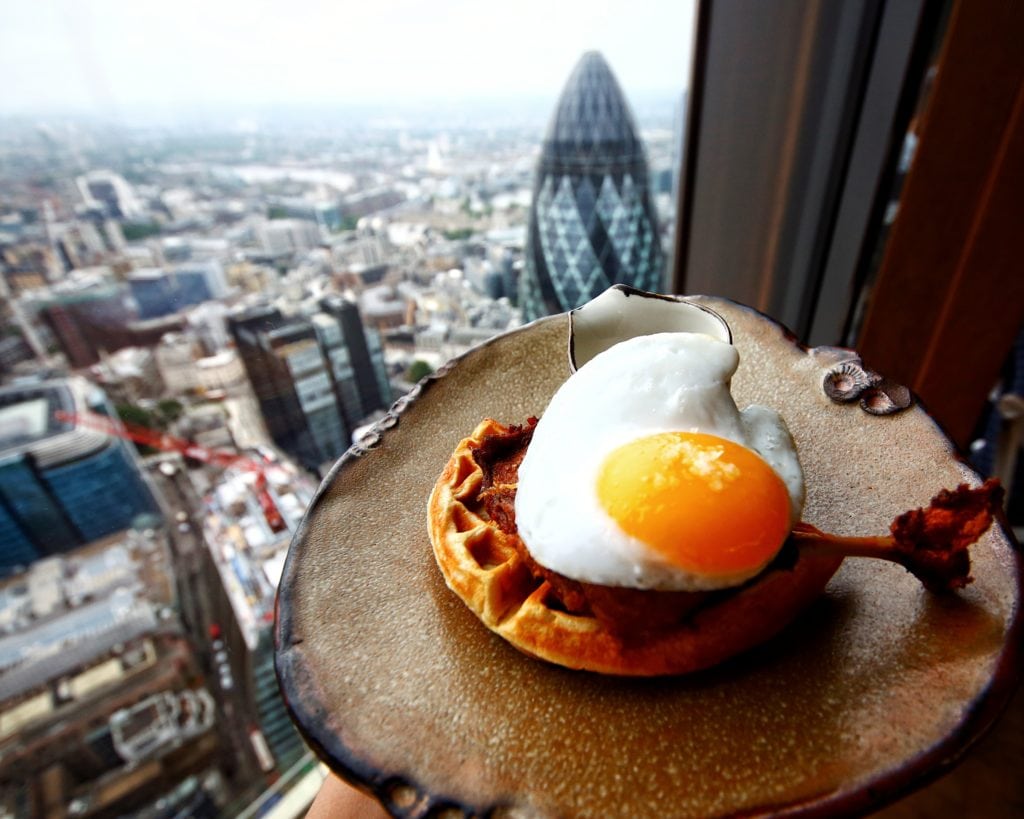
  • London’s Duck & Waffle opens in Hong Kong

    London’s Duck & Waffle opens in Hong Kong

    The Duck & Waffle restaurant will officially land in Hong Kong this September at IFC mall.

    Its first destination outside of London, the new venue is designed to welcome guests throughout the day and into the late hours of the night with a large open space and kitchen combined with an “island” bar.

    The restaurant was designed by architecture and interior design firm CetraRuddy.

    The Duck & Waffle’s menu is designed for sharing and offers a take on British cuisine with broad European and American influences. Its signature eponymous dish has sold more than 1 million servings.

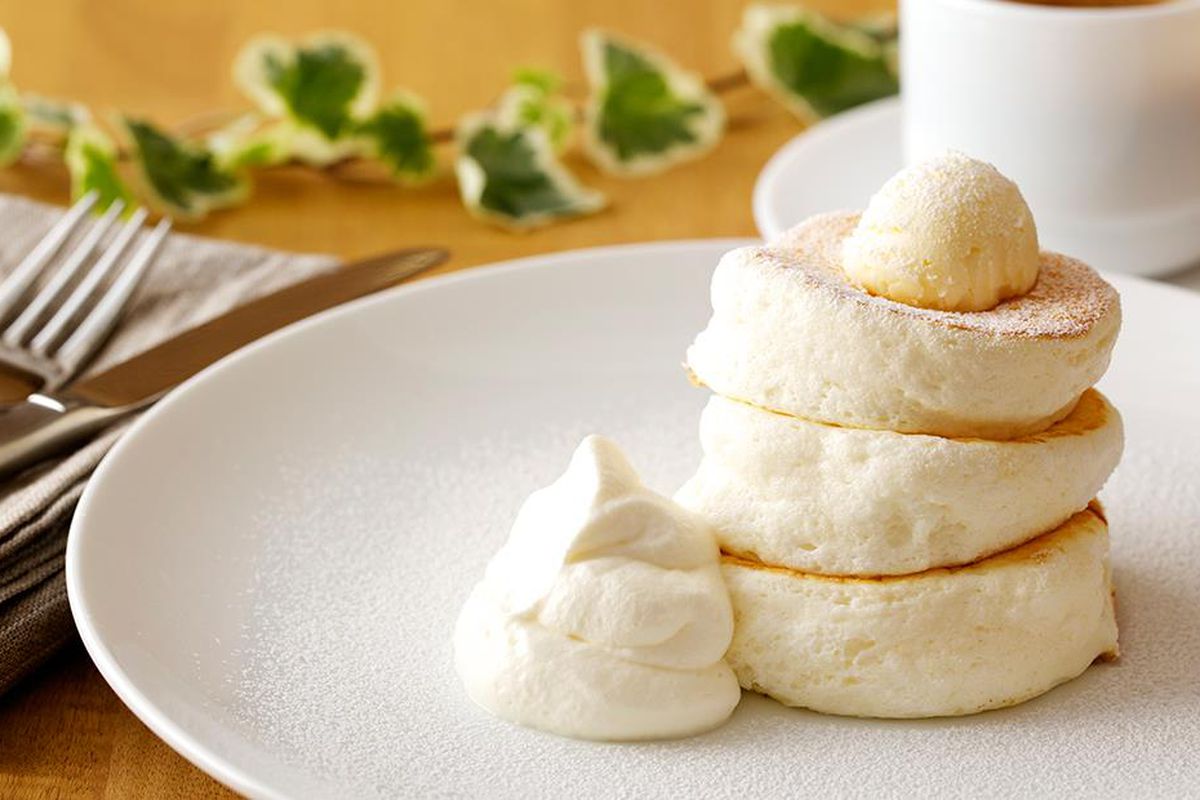
  • Emma dessert opens in Singapore

    Emma dessert opens in Singapore

    Japan’s Emma dessert has opened its first overseas outlet, at Singapore’s Plaza Singapura.

    Located on basement level 2 of the shopping mall, the outlet offers two exclusive products to Singapore – the Boba Taco Softie, and Charcoal Cheese-flavoured Soft Serve – along with its original menu.

    Signature items include Soft Serve with Okinawa Brown Sugar Bubble in Wafer Shell, Soft Serve in Cup with Okinawa Brown Sugar Bubble, Soft Serve in Charcoal Cone.

    Emma opened its first shop in Japan in May 2018, and now has seven outlets in Japan.

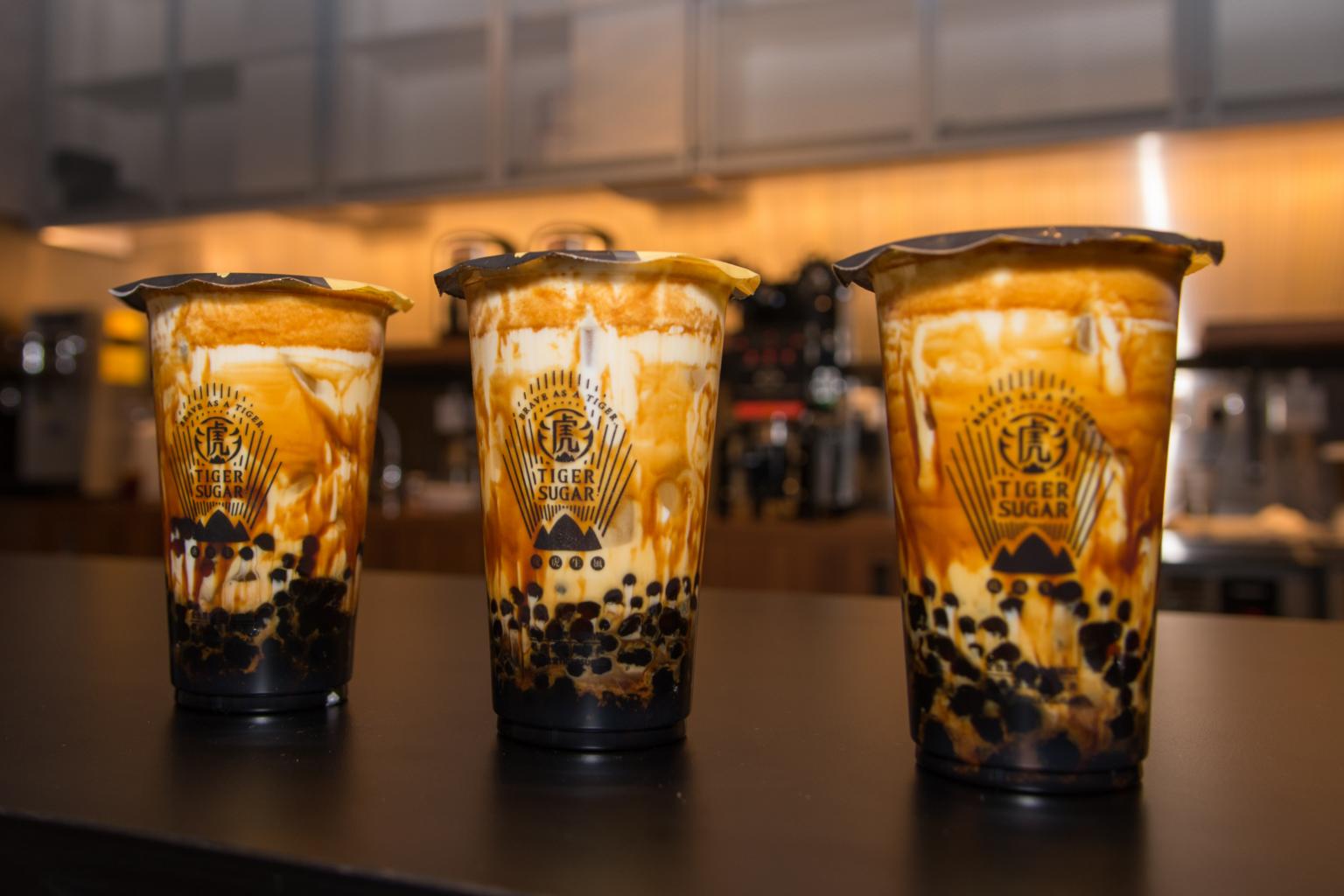
  • Tiger Sugar to open first Korea store next month

    Tiger Sugar to open first Korea store next month

    Bubble milk tea brand Tiger Sugar Korea will open first branch in Hongdae, a bustling university town of Seoul.

    Located at a popular hang-out area for young people, the Hongdae store will offer the same taste as that in Taiwan and use premium ingredients to “become the hottest dessert drink this year”.

    In order to do that, Tiger Sugar Korea will be competing with another original Taiwanese chain Gong Cha, which is now popular among locals.

    First opened in Taiwan in 2017, Tiger Sugar is known for drinks with dark-brown sugar syrup inside. The chain now has branches in eight countries including Hong Kong, Singapore, and Korea.

    It also plans to open stores in the US and China.

  • Ban sugar imports, tax other sweeteners, Vietnamese government urged

    Ban sugar imports, tax other sweeteners, Vietnamese government urged

    Failure to stop cheap, smuggled sugar from flooding domestic markets has sent local inventories soaring, local reports say.

    The trade department of the Mekong Delta province of Hau Giang, which has more than 100 hectares (247 acres) of sugarcane farms, has asked the Ministry of Industry and Trade to strengthen its anti-smuggling forces in border areas.

    And as an immediate solution to help the domestic sugar sector, it suggested that the ministry temporarily halts all sugar imports, including temporary imports for re-export, as sugar supply has far surpassed demand.

    The ministry should also impose import tax on sweet substances that can replace sugar and control the quota of those products in the market, and reduce the value added tax on made-in-Vietnam sugar from 5 percent to zero, the department said.

    In addition, it proposed establishing a sugar and sugarcane development fund. “The ministry should instruct banks to loosen credit regulations and offer loans to individuals and firms in the sugar industry at preferential interest rates,” the department stated in its letter to the ministry.

    The total unsold sugar inventory volume in Vietnam is now at a record level of 700,000 tons, including 300,000 tons in Hau Giang alone, according to the department.

    And the situation won’t get any better with just two months before Hau Giang sugarcane farmers harvest a new crop, with no guarantee for the output.

    Sugar traders said that imported sugar was more attractive to both wholesalers and retailers because it was cheaper.

    Hoa, a retailer in Ho Chi Minh City’s Go Vap District, noted sugar prices in the domestic market has never been this cheap.

    Sugar imported from Thailand currently wholesales at VND135,000 (around $6) per ten kilo pack. Vietnamese sugar costs VND5,000-10,000 more for the same quantity.

    Apart from Thailand, Vietnamese traders also buy sugar from China and South Korea.

    In June, smuggled sugar from Thailand bankrupted three of 10 factories in Vietnam’s Mekong Delta, industry insiders noted, adding that not much has been done to improve the situation.

    Nguyen Bao Ve, agronomist and professor at the Can Tho University said that high production costs for Vietnamese farmers, low productivity, and uncompetitive manufacturing technology were also part of the problem.

    Ve argued that it was essential to restore fair trade and take immediate action to prevent smuggling. “At the same time, the companies need to reform themselves, reduce costs, and cooperate with farmers to reduce sugarcane production costs.”

    He also warned that apart from improving productivity and innovating technology to match daily consumption of 6,000 tons of sugarcane, mechanizing production was of great importance. “Cambodia has fully mechanized sugarcane farming, while 60 percent of Vietnamese sugarcane farming is still conducted manually.”