Tag: supply chain

  • Supply Chain Resilience in an Era of Change and Uncertainty

    Supply Chain Resilience in an Era of Change and Uncertainty

    Automation solutions provider Dematic has been running a series of Virtual Showcases all around the world. From 20th August till 10th September, Dematic will bring the series to Asia, with four online sessions focusing on grocery, food & beverage, e-commerce, and industry & spare parts in Asia.

    The theme of the Virtual Showcase Series is Supply Chain Resilience in an Era of Change and Uncertainty.  Supply chain resilience and agility are being elevated to the top of the agenda in these increasingly uncertain times where rapid change is the norm rather than the exception. Companies across Asia are recognizing that optimized supply chains deliver companies the edge in terms of superior customer service levels, reduced costs, increased margins and profitability, and are critical for business continuity  ̶  especially in times of crisis.

    The Dematic Virtual Showcase is the digital way to keep track of the key challenges and opportunities facing supply chains and see how leading companies are implementing innovative automation to capitalise on these in an increasingly hyper-competitive world.

    To find out more and to register your place, visit: https://www.dematic.com/en-au/news-and-events/events/virtualshowcase/.


  • NY/NJ Foreign Freight Forwarders & Brokers Association Announces 2025 “Captain of Industry” Award Recipient

    NY/NJ Foreign Freight Forwarders & Brokers Association Announces 2025 “Captain of Industry” Award Recipient

    The NY/NJ Foreign Freight Forwarders & Brokers Association,  announces that Charlene Riley has been selected as the recipient of the 2025 Captain of Industry Award. This prestigious honor is awarded to individuals who have demonstrated exceptional leadership, commitment, and long-standing service to the association and the international trade and logistics community. Ms. Riley will be honored on Wednesday, June 25, 2025, during the association’s annual Dinner Cruise, an event co-hosted with the Traffic Club of New York (TCNY).

    An industry veteran and licensed Customs Broker since 1989, Ms. Riley currently serves as East Coast Import Operations Manager at J.W. Allen. With a distinguished career spanning several decades in freight forwarding and customs brokerage, Ms. Riley has served in a variety of managerial roles. Ms. Riley began her career with Barthco, where she managed numerous offices across the country. She then spent over two decades with John A. Steer Co., rising to the position of Vice President of their NY/NJ office.

    “Charlene Riley exemplifies the integrity, expertise, and dedication that define our industry,” said Jeanette Gioia, President of NYNJFFF&BA. “Her leadership has guided not only our Association but the entire trade community through complex challenges and periods of great change. It is a privilege to recognize her with the 2025 Captain of Industry Award.”

    Ms. Riley has held several leadership positions with the NYNJFFF&BA, including Board of Governors, Treasurer, Vice President of Imports, and President, and most recently as Senior Advisor and former Chair. Her strategic guidance and deep operational knowledge have been instrumental in advancing the mission of the association. She is also a key contributor on the national stage through her active involvement with the National Customs Brokers and Forwarders Association of America (NCBFAA) especially the Future Role of the Broker Committee. She had represented the Port of New York/New Jersey on the Customs Committee, chaired the Legislative Committee, and headed the FIATA Committee, having represented the U.S. at two FIATA World Congress events.

    The celebration will take place aboard the Cornucopia Destiny, departing from Liberty Harbor Marina, 11 Marin Blvd, Jersey City, NJ, with boarding beginning promptly at 6:00 PM and disembarking between 9:30-10:00 PM. For details see Dinner Cruise 2025 – NYNJ.  Guests will enjoy an evening of networking and celebration featuring an open bar, appetizers, full dinner and dessert, DJ music, and dancing. Contact (732) 741-1936 for more information.

  • DHL acquires reverse logistics leader, Inmar Supply Chain Solutions

    DHL acquires reverse logistics leader, Inmar Supply Chain Solutions

    DHL Supply Chain, the world’s leading contract logistics provider, announced the acquisition of Inmar Supply Chain Solutions, a division of Inmar Intelligence and a leading returns solutions provider for the retail e-commerce industry. The strategic acquisition will make DHL Supply Chain the largest provider of reverse logistics solutions in North America.

    The acquisition will result in 14 return centers and around 800 associates joining the DHL Supply Chain business expanding the company’s North American footprint which currently stands at over 520 warehouses supported by 52,000 associates. Additionally, DHL Supply Chain will now strengthen its returns capabilities to include product remarketing, recall management, and supply chain performance analytics. Inmar Intelligence will retain its pharmaceutical reverse distribution business.

    In the light of a rapidly growing e-commerce market and changing consumer behavior, returns are an increasingly important touchpoint for retail customers, both in store and online. These solutions will expand the value-added services available to DHL customers and create a more strategic delivery of holistic solutions for their most complex supply chain needs.

    “DHL Supply Chain’s market-leading logistics expertise and the addition of Inmar’s suite of returns services and its talented workforce will enable us to provide best-in-class logistics services to our industry customers. Together, we will create a returns business in North America that is unmatched in its depth, breadth, capabilities, and talent to fuel long-term growth,” said Oscar de Bok, Global CEO of DHL Supply Chain.

    “As companies strive to simplify their supply chain strategies and enhance their operational agility, DHL Supply Chain continues to innovate to provide comprehensive and integrated solutions. This acquisition strengthens our existing capabilities, allowing us to offer our customers a single-source solution for their entire supply chain, including the critical and complex area of returns management. This enhances the value we deliver to our customers by streamlining their operations, reducing complexity, and improving their overall supply chain efficiency,” said Patrick Kelleher, CEO of DHL Supply Chain, North America.

    He further added that, “The strategic growth opportunities that the returns market brings will enhance the success of DHL Supply Chain. It also puts us on the right path to support DHL Group’s plan to achieve 50% revenue growth by 2030 compared to 2023 as outlined in our recently announced Strategy 2030.”

    “Inmar Intelligence and DHL share a deep commitment to customer-focused innovation. Because of that, we are confident that DHL will build even greater things on top of the Inmar Supply Chain Solutions foundation that we developed over time. As well, we are thrilled that Inmar associates will have an even broader set of supply chain experiences available from which they can continue to learn and develop over time at DHL. For Inmar Intelligence, this deal sets the stage for us to apply an even deeper level of focus and investment into our core businesses that are expanding rapidly,” said Spencer Baird, CEO of Inmar Intelligence.

    Consumers expect retailers to provide a seamless returns process while retailers are faced with new challenges such as returns abuse and rising operational costs. Thus, the acquisition marks a logical step to foster DHL’s customer centric approach that involves collaboration, expertise, and integration to solve the greatest supply chain challenges.

    The acquisition of Inmar Supply Chain Solutions will also contribute to DHL’s strategic goal of decarbonizing its business by 2050. In the company’s recently announced Strategy 2030, sustainability is a strategic priority, recognizing its growing role as a key differentiator in the logistics sector. Assisting global customers to become carbon neutral is crucial, and DHL Group aims to achieve this by remaining the frontrunner in low-carbon logistics operations.

    At the core of returns management is the need to drive sustainability, and Inmar’s technology-driven reverse logistics solutions are recognized across the industry for reducing cost and eliminating the waste generated from returned consumer goods. Emphasis is placed on recommerce, which has diverted 99% of consumer returns from reaching a landfill; an approach that aligns with DHL’s commitment to make customers’ supply chains more sustainable.

  • Direct-To-Consumer Growth Fuels Supply Chain Innovation

    Direct-To-Consumer Growth Fuels Supply Chain Innovation

    While the pandemic and subsequent ecommerce explosion drove strong demand for true omnichannel supply chain commerce solutions, it also fuelled a less immediately obvious longer-term move towards direct-to-consumer (D2C) fulfilment too.

    Where suppliers of wholesale goods (including everything from FMCG goods to electrical appliances), often ship large, bulky consignments of cargo through industrial supply chains to distribution centres and then on to stores, companies selling to consumers must manage the flow of individual shipments, such as a single box of running shoes, or a polo shirt, direct to a customer’s home or preferred collection point.

    Footwear, apparel and electronics manufacturers were amongst the earliest adopters to have stepped up their D2C offerings through the Covid-19 pandemic as stores and retailers closed their doors and brands struggled to find new avenues to reach their customers.

    As the lines between what a retailer or manufacturer used to be and what they are today become more opaque, almost every company is in some way, shape or form, making attempts to get closer to their consumers. Take Adidas as an example. D2C sales helped to boost revenue at Adidas in the last year, and its own ecommerce website now accounts for more than 20 percent of its business. It recently reported that online sales grew by double-digits through large parts of 2022 too.

    Another example of a modern, successful D2C strategy is that which America’s own sporting leviathan, Nike has implemented. Since 2017, the company has actively reduced its number of retail partners (last year it withdrew from Urban Outfitters) to concentrate on growing its own online and bricks & mortar presence – its Oxford Circus flagship store in the UK and the intuitive members app are fine examples of this strategic move, providing ‘loyal’ members with a greater range of bespoke, limited edition offerings not available beyond Nike’s own online and physical retail ecosystem.

    The shift to this model has given Nike full control over its customer relationships and crucially, its customer’s associated data, making customer journeys and user experiences richer and more native in equal measure.

    Similar to Adidas’ announcement however, the D2C model has also increased the fulfilment costs per item: from managing logistics and supply chains, to hiring the right talent capable of creating those exceptional customer experiences, these extra costs can consume profits if unaccompanied by an agile and pragmatic supply chain strategy.

    If brands truly wants to harness the benefits of D2C, and serve millions of customers in a cost effective, sustainably-minded way rather than a network of third-party retail stores, they need to be nimble in every department – especially when it comes to supply chains.

    The movement towards D2C fulfilment is well illustrated by the efforts made by Nike and Adidas over the last year, and, by operating effective D2C channels, they are enjoying the freedom to optimise their logistics and deliveries, while meeting the exacting expectations of their customers.

    D2C is the latest iteration in a long line of retail supply chain evolutions and while finding the right balance may prove challenging in the short-term, the size of opportunity is huge for retailers and particularly wholesale brands as this route offers a wholly new touchpoint to interact with customers, not previously available.

    At Manhattan Associates our unified supply chain commerce platform is informed and inspired by more than thirty years of supply chain and commerce experience across retail, apparel, food, and wholesale distribution, working with some of the world’s most well-known brands including, Adidas, Lacoste, L’Oreal and Brooks Brothers.

    We also know that the key to success is to start from the ground up and build strong foundations for success. And, in the case of retailers looking to ride the D2C wave, this means first looking to their own supply chain networks and the IT infrastructure that underpins it.

    For more information on how your business can enhance its D2C supply chain capabilities, please visit: www.manh.com/en-sg

    Written by Richard Wright, Managing Director, SEA, at Manhattan Associates

  • How to Meet Demand in an e-commerce Age with Supply Chain Automation  

    How to Meet Demand in an e-commerce Age with Supply Chain Automation  

    Retailers across the Southeast Asian region are under tremendous supply chain pressure due to increased demand for online orders, hyper-competitive pricing and faster delivery times. For online orders, customers want the cheapest price, shortest delivery time, up-to-date information on stock availability, access to the real-time status of their orders, and seamless return options. On top of all this, businesses continue to contend with increasing labour costs, high staff turnover, increasing costs for building space, pressures from increased regulation and safety requirements, and supply chain disruptions, be they from pandemics, natural disasters and geopolitical tensions.

    All these factors combined have made the task of cost-effective order fulfilment more challenging than ever before. However, there is a way business can tackle these challenges and turn them into an opportunity to improve competitiveness. As this new age of retail and eCommerce coerces supply chains to work faster and harder, automation and technology in Fulfilment Centres are proving to play a critical role in helping businesses streamline their processes towards achieving higher levels of efficiency in their distribution operations.

    So, what can retailers do to meet demand in an e-commerce age when the only constant appears to be disruption?

    Optimised processes make for streamlined operations

    The answer to succeeding in the future involves adopting a strategy to optimise operations around cost-effectively meeting and exceed consumer expectations. Optimisation falls into three broad categories: processes, human efficiency, and inventory management.

    Processes provide the structure for supply chains to function. Automation and technology help optimise processes by removing non-value-adding activities, improving productivity, reducing errors and increasing the speed of the necessary tasks. As an example, the order fulfilment processes can be improved significantly in terms of speed, productivity and accuracy with the implementation of wearable devices to provide real-time instructions and interaction with operators. The process of order tracking is automatically improved with the same software that drives the technology, also providing the capability to track every transaction and movement of inventory through the order fulfilment task.

    Inventory management is key

    Inventory storage has transitioned from being a static requirement to a dynamic one, with many supply chains now able to drive high levels of optimisation across their logistics operations and their retail operations as well.  Automation and technology often play a key role in achieving these high levels of optimisation.

    Manual forklift trucks and Automated Storage Retrieval Systems (AS/RS) are no longer the only material-handling technologies that can be used to store inventory.  Technologies such as Automated Guided Vehicles (AGVs), mobile robotics and shuttle systems can provide much more flexible, scalable and dynamic storage solutions in a wider range of supply chain facilities.

    Make your workers more effective

    In traditional order fulfilment operations, operator travel consumes the largest portion of an operator’s time in fulfilling a customer order. One of the most effective ways to improve the efficiency of operators is to minimise operator travel, or to eliminate it altogether. In terms of automation, Goods-to-Person (GTP) picking solutions can increase operator productivity by over 5 times by eliminating operator travel.  Advances in robotic fulfilment technology have enabled order fulfilment processes to be performed without the involvement of operators at all in some cases.

    Case Study: RedMart’s Advanced Online Grocery Fulfilment with GTP

    To meet surging demand and growth in online orders, RedMart – the online grocery service of e-commerce giant, Lazada – implemented automation at its logistics facility in Singapore, in order to improve productivity, speed, accuracy, and space efficiency.

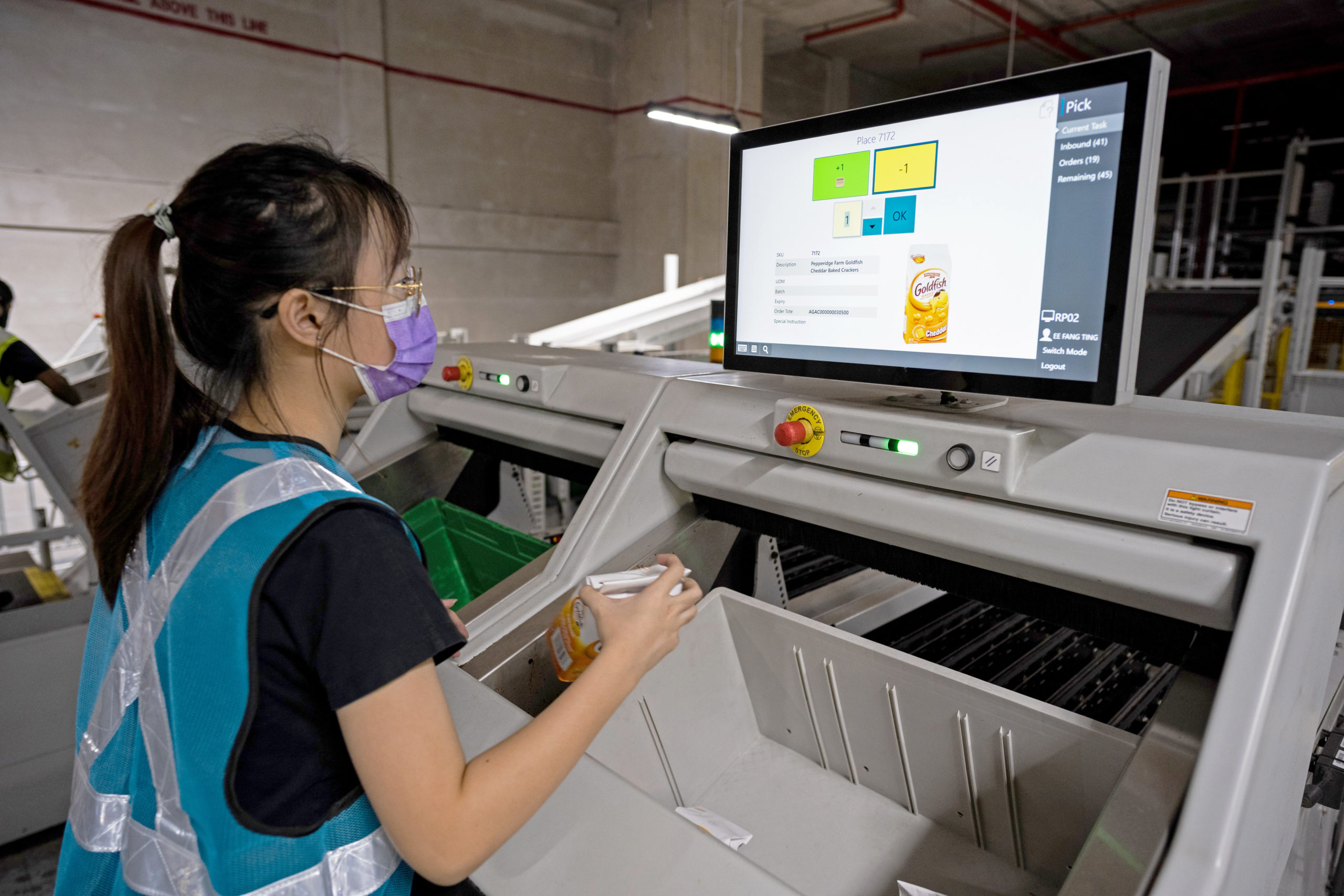
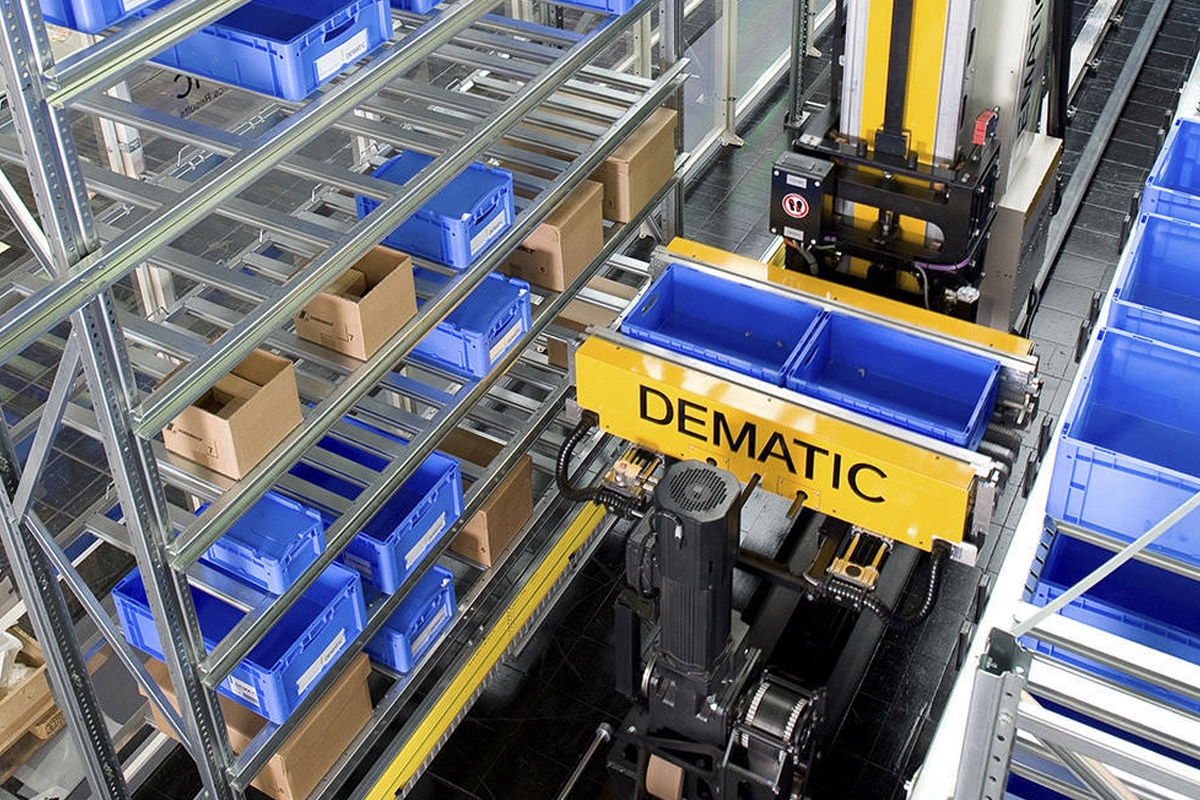
    A key part of the automation solution is the Goods-to-Person (GTP) order fulfilment, powered by a Dematic Multishuttle system. At the ergonomically designed workstations, operators pick orders up to five times faster than they were previously when they would have to manually travel through multiple aisles of shelving to pick the items required for an order.

    The GTP system covers a huge product range in a small footprint, with an extremely effective picking method. Workers stay in one place as items are automatically delivered to their workstation, increasing picking speeds, improving fulfilment accuracy, and advancing operator comfort and safety.

    Optimisation with information

    With the use of new logistics automation and technologies, retailers have a pathway to improve their fulfilment operations, achieving cost-effective and efficient fulfilment processes, higher levels of inventory availability, shorter lead times and improved traceability.  Robust and real-time integration between mechatronics, control systems and software platforms across fulfilment operations and their broader supply chain networks, is a key ingredient to achieving competitiveness and sustainable success in the future landscape of retail.

    For more information on how your business can optimise its supply chain operations and meet market demands, please visit: www.dematic.com/en-au

    Written by: Michael Bradshaw, Senior Regional Director Sales & Solution Development, Dematic Asia


  • Asos hit by supply chain disruption, volatile Christmas demand

    Asos hit by supply chain disruption, volatile Christmas demand

    British online fashion retailer ASOS reiterated its already downgraded outlook on Thursday after supply chain constraints and volatile demand limited sales growth in its four months to Dec. 31 trading period.

    It posted total sales growth of 5%, following a 22% rise in the year to end August, and said gross margin decreased by 400 basis points to 43.0% driven by a need to discount goods and higher freight costs.

    For the full year it reiterated its outlook of revenue growth in the range of 10%-15% and adjusted profit before tax of 110 million pounds to 140 million pounds. That hit its shares when it was published in October, and would represent a more than 40% drop on the year before.

    “ASOS has delivered a robust start to the year, in line with the guidance we set out at full-year results, despite challenging market conditions,” Chief Operating Officer Mat Dunn said.

    ASOS, once a darling of the stockmarket, was hit by a difficult end to 2021, when it cut its annual profit forecast and parted ways with its CEO following supply chain pressures and a return by shoppers to pre-pandemic ways.

    While shoppers often return partywear clothing and fashion, incurring a cost for the company, they retained the athleisure wear bought during the pandemic to use at home, giving the company a boost to its finances during lockdowns.

    Its shares are down 56% this year, prior to Thursday’s update, mirroring similar falls seen at rival Boohoo which has also been hit by high product return rates, disruption to international deliveries and inbound freight costs.

    ASOS added that it intended to move to the LSE’s main stock market, expected by the end of February.

  • Supply chain issues to worsen as virus impacts transport sector

    Supply chain issues to worsen as virus impacts transport sector

    Thanks to the rollout of coronavirus vaccines, the global economy is slowly starting to emerge from the pandemic.

    But Covid-19 has left one very destructive economic issue in its wake: disruption to global supply chains.

    The rapid spread of the virus in 2020 prompted shutdowns of industries around the world and, while most of us were in lockdown, there was lower consumer demand and reduced industrial activity.

    As lockdowns have lifted, demand has rocketed. And supply chains that were disrupted during the global health crisis are still facing huge challenges and are struggling to bounce back.

    This has led to chaos for the manufacturers and distributors of goods who cannot produce or supply as much as they did pre-pandemic for a variety of reasons, including worker shortages and a lack of key components and raw materials.

    Different parts of the world have experienced supply chain issues that have been exacerbated for different reasons, too. For instance, power shortages in China have affected production in recent months, while in the U.K., Brexit has been a big factor around a shortage of truck drivers. The U.S. is also battling a shortage of truckers, as is Germany, with the former also experiencing large backlogs at its ports.

    Unfortunately, experts like Tim Uy of Moody’s Analytics say that supply chain problems “will get worse before they get better.”

    “As the global economic recovery continues to gather steam, what is increasingly apparent is how it will be stymied by supply-chain disruptions that are now showing up at every corner,” Uy said in a report last Monday.

    “Border controls and mobility restrictions, unavailability of a global vaccine pass, and pent-up demand from being stuck at home have combined for a perfect storm where global production will be hampered because deliveries are not made in time, costs and prices will rise, and GDP growth worldwide will not be as robust as a result,” he said.

    “Supply will likely play catch up for some time, particularly as there are bottlenecks in every link of the supply chain—labor certainly, as mentioned above, but also containers, shipping, ports, trucks, railroads, air and warehouses.”

    Supply chain bottlenecks — congestion and blockages in the production system — have affected a variety of sectors, services and goods ranging from shortages of electronics and autos (with problems exacerbated by the well-known semiconductor chip shortage) to difficulties in the supplies of meat, medicines and household products.

    Amid higher consumer demand for goods that have been in short supply, freight rates for merchandise coming from China to the U.S. and Europe have soared, while a shortage of truck drivers across both the latter regions has exacerbated the problem of getting goods to their final destinations, and has led to high prices once those products hit store shelves.

    The pandemic has only served to highlight how interconnected, and how easily destabilized, global supply chains can be.

    At their best, global supply chains lower costs for businesses, often due to reduced labor and operating costs linked to the manufacturer of the products they want, and can spur innovation and competition.

    But the pandemic has highlighted deep fragilities in these networks, with disruption in one part of the chain having a ripple-down effect on all parts of the chain, from manufacturers to suppliers and distributors with disruptions ultimately affecting consumers and economic growth.

  • Jaguar Land Rover Trials World-First Digital Supply Chain For Leather

    Jaguar Land Rover Trials World-First Digital Supply Chain For Leather

    Jaguar Land Rover has trialed the use of secure blockchain technology to ensure full transparency within a sustainable leather supply chain. In a world-first, Jaguar Land Rover partnered with supply chain traceability provider Circular, leading UK leather manufacturer Bridge of Weir Leather Company and the University of Nottingham to trial the use of traceability technology in the leather supply chain. As well as tracking compliance, the digital process enabled Jaguar Land Rover to assess the carbon footprint of its leather supply network, working with UK-based Bridge of Weir Leather Company to trace its lowest carbon leather from farm to the finished article – all part of Jaguar Land Rover’s commitment to reducing the environmental and ethical impact of its products across their lifecycle.

    Jaguar Land Rover is committed to offering customers more sustainable and responsible material choices for their vehicle interiors, such as the premium natural fibre Eucalyptus textile interior available on Range Rover Evoque, and Kvadrat – a refined high-quality wool blend textile that’s paired with a suede cloth made from 53 recycled plastic bottles per vehicle – available on Evoque, Range Rover Velar and Jaguar’s all-electric I-Pace

    As part of the Innovate UK-funded research, a ‘digital twin’ of the raw material was created, allowing its progress to be tracked through the leather supply chain simultaneously in the real world and digitally. A combination of GPS data, biometrics and QR codes was used to digitally verify the movement of leather at every step of the process using blockchain technology.

    Defining the verification process has created a repeatable blueprint for tracing a single piece of leather at every stage. It can be used across Jaguar Land Rover’s global supply chain and by other industries that rely on leather, such as fashion and footwear.

    The project is part of Jaguar Land Rover’s Reimagine strategy: a sustainability-rich combination of modern luxury, unique customer experiences, and positive societal impact.

    Reimagine aims to achieve net zero carbon emissions across its supply chain, products and operations by 2039. Jaguar Land Rover will work with industry experts to improve sustainability, reduce emissions and collaborate on next-generation technology, data and software development leadership.

    Dave Owen, Jaguar Land Rover Executive Director of Supply Chain, said: “We are currently restructuring our supply chain as part of Reimagine, with a focus on transparency and sustainability. The outcome from this world-first trial will allow us to further improve the sustainability of the leather supply chain around the globe, ensuring the complete traceability of raw materials from origin to vehicle.

    Through InMotion, its venture capital and mobility services arm, Jaguar Land Rover previously announced an investment in Circulor, allowing the company to source premium materials with greater transparency as to the provenance, welfare, and compliance of suppliers throughout its networks.

    The technology could be deployed to trace other commodities. Circulor is already using blockchain to improve the traceability of minerals used for electric vehicle batteries. Blockchain technology is impossible to modify or tamper with, giving customers greater confidence that the sustainable supply chain is authentic, and all materials have been sustainably sourced.

  • German companies in Vietnam look to diversify supply chain due to Covid

    German companies in Vietnam look to diversify supply chain due to Covid

    Ninety percent of German companies in Vietnam are seeking new or additional suppliers in Asia Pacific due to mobility restrictions in the country.

    The majority of respondents, 83 percent, reported supply bottlenecks and price increases caused by transport problems, according to a survey by the Association of German Chambers of Industry and Commerce (DIHK).

    What has led to the current transport problems is a lack of freight capacity and containers.

    Other issues that caused supply bottlenecks are increased demand or insufficient production capacity (67 percent) and halted supplier production (58 percent).

    The impacts of supply bottlenecks on German companies are longer waiting times, higher purchase prices, and production halts or downsizing, according to 58 percent of respondents.

    Half of the respondents have no choice but to either increase or plan to increase the manufacturing prices of their products.

    Two-thirds of German companies are also considering relocating their production to the E.U.

    The Vietnam survey is part of the global inquiry by DIHK, which polled 3,000 business leaders from Jul. 22 to Aug. 9.

  • Aldi to tackle slavery in its supply chain

    Aldi to tackle slavery in its supply chain

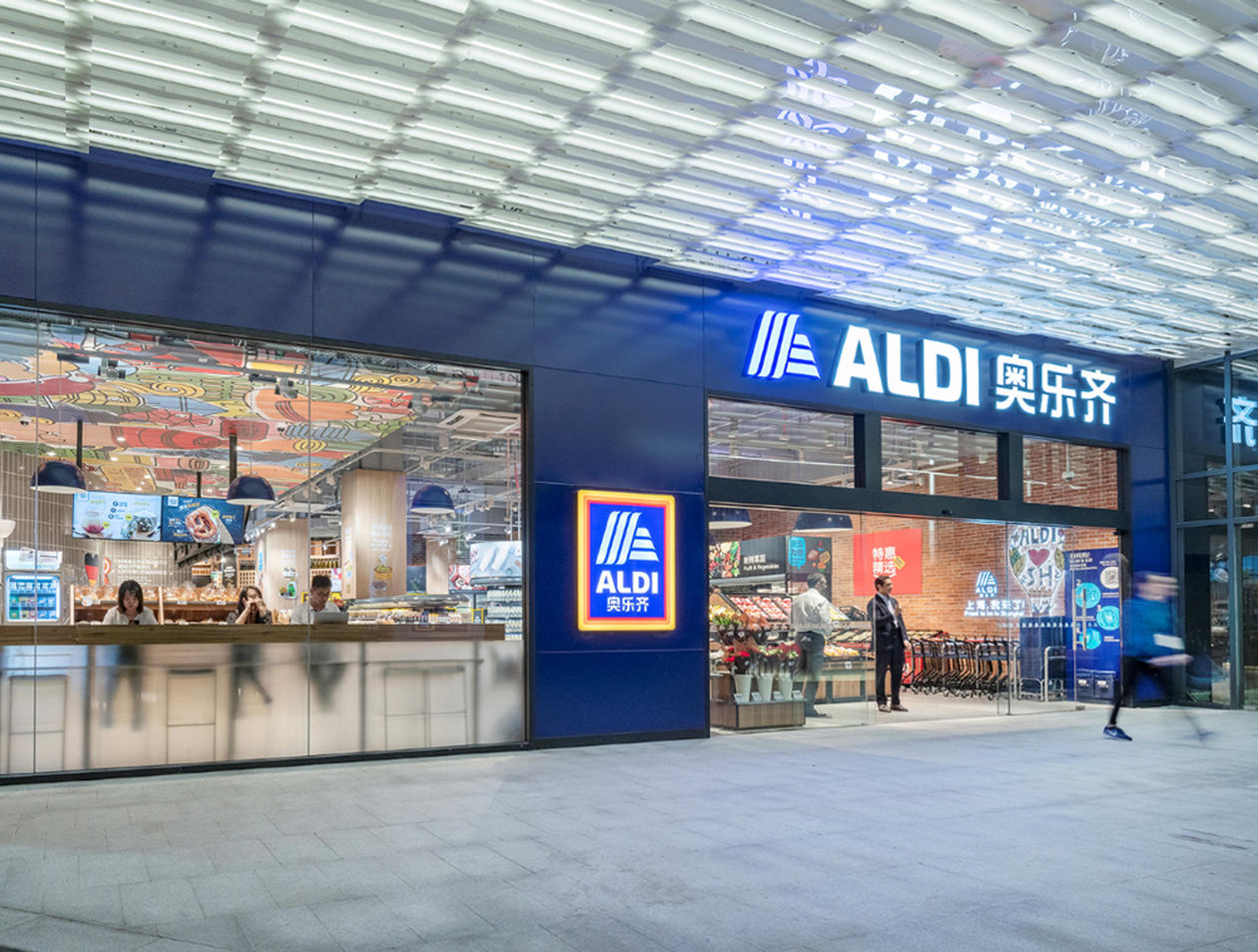
    Aldi has become the first Australian member of UK-based Slave-Free Alliance, a social enterprise that works with and supports businesses to create a supply chain free of slavery.

    The partnership comes almost a year after Aldi identified a number of high-risk areas in its local supply chain.

    Together, the businesses will conduct a ‘Human Rights Risk Assessment’ of Aldi’s local supply chain operations and will roll out ‘Modern Slavery Awareness Training’ for the supermarket’s local employees and business partners.

    The aim is to ensure all of Aldi’s employees with sourcing responsibilities, as well as its merchandise suppliers, are knowledgeable of the risks of modern slavery, and can take actions to address them when identified.

    “Modern slavery is a complex issue requiring thorough and progressive action,” said Aldi Australia corporate responsibility director Daniel Baker.

    “We understand the significant impact we can have on intercepting the exploitation of workers within our supply chain and our partnership with Slave-Free Alliance will help to ensure modern slavery continues to be identified and addressed.”

    Lynette Kay, director of Slave-Free Alliance in Australia, said it is incredibly important for businesses to take a holistic approach when it comes to dealing with supply chain issues, and that working with all parties involved is key to success.

    “We are delighted that Aldi Australia is leading the way in Australia’s fight against modern slavery, and we are looking forward to working together to achieve our shared goal; a slave-free supply chain,” Kay said.

    “We hope that other businesses will follow its example so that we can tackle modern slavery collectively.”

  • How micro-fulfilment is re-shaping the Southeast Asia grocery supply chain in 2021

    How micro-fulfilment is re-shaping the Southeast Asia grocery supply chain in 2021

    The pandemic has accelerated the proliferation of eCommerce by up to six years, and the grocery sector has been one of the most impacted, albeit positively, due to vast surges in online sales. However, there are associated challenges when it comes to eCommerce fulfilment and delivery, particularly in parts of Southeast Asia where there is a high reliance on imports, but land availability and limitations on international travel are disconnecting the flow of the eCommerce supply chain.

    Online grocery delivery and rapid ‘store-to-door’ delivery exploded in Southeast Asia during the pandemic, with businesses such as foodpanda in Singapore offering delivery of over 40,000 products across groceries, drinks, health, pharmaceuticals and electronics in under 25 mins through a mobile app. Singapore’s largest online supermarket, RedMart, also offers fast and flexible delivery with a ‘sunrise’ 7am next day delivery option catering to professionals who want their groceries delivered before work, as well as an eco-friendly option that allows RedMart to deliver to more homes in an area within certain windows of time.

    As online sales and ‘store-to-door’ delivery popularity is set to continue to rise well beyond the end of the pandemic – research from Google, Temasek Holdings Pte and Bain & Co. shows eCommerce is set to grow from $62 billion in 2020 to $172 billion by 2025 in Southeast Asia – many grocers and retailers are struggling to keep up with the competitiveness and turn a profit from online deliveries. To combat this, one innovation gaining pace for a proactive and resilient supply chain is micro-fulfilment centres.

    Micro-fulfilment is the new 2021 supply chain

    COVID-19 did not just fast-track eCommerce uptake, it also accelerated advances in technology, pushed corporate boards to revaluate their traditional business models and forced them to rethink relationships between retailers, disruptive start-ups, and automation innovations. This set the scene for a potentially radical shake up of fulfilment strategies across Southeast Asia and the world into 2021 and beyond.

    At its core, micro-fulfilment aims to speed up the delivery of goods to consumers by bringing the product closer to the consumer. As the name suggests, micro-fulfilment sites are far smaller than the traditional retail model of sprawling, labour-intensive distribution centres located in just a few remote locations. By adding more automated operations to smaller urban sites and even the backs of physical stores, retailers have the goal of slashing delivery times for online orders, allowing products to reach customers in a matter of hours, rather than days.

    Micro-fulfilment also comes with a number of additional benefits. Cheaper than larger, fully robotics-equipped warehouses, the approach of a fully automated micro-fulfilment improves COVID-19 safety, reducing the costs of floorspace and expediting the picking process. It also enables late ordering cut-offs, which reduces the carbon footprint of delivery networks by being closer to the consumer and providing additional collection points away from busy store locations, which in a region like Southeast Asia, can become incredibly advantageous.

    The fundamentals of micro-fulfilment

    Beyond the challenges of adapting to a more entrepreneurial mindset, the practical aspects of making micro-fulfilment centres work efficiently rests on three core pillars. Firstly, making sure that you have an effective omnichannel offering that connects eCommerce orders to the appropriate micro-fulfilment centres is essential. Secondly, ensuring you have complete visibility of inventory is an equally important factor for maintaining accurate insights into stock availability, so you will never end up out of pocket. Finally, making sure you have an in-warehouse system in place to meet the exact delivery demands of the end customer will see you through to a well-managed and proactive micro-fulfilment strategy.

    Other beneficial aspects of micro-fulfilment centres for retailers in Southeast Asia are the options available when it comes to setting them up. You can set up micro-fulfilment centres to primarily service customers in the local area of one store, or you can also set up a ‘spoke-hub’ distribution model where one centre is able to serve many different stores. Another approach could even be to set up a ‘dark store’ as a micro-fulfilment centre.

    Smart fulfilment to streamline 2021 supply chain operations

    While there is no doubt that the pandemic accelerated a more flexible and innovative approach to supply chain operations for many businesses in 2020, 2021 will push even more business in Southeast Asia to redefine their fulfilment strategy to future-proof operations. As many grocers and retailers remain reluctant to use their current store base for eCommerce fulfilment – because it can interrupt customers and cause issues around social distancing – concepts such as automation and micro-fulfilment will likely be the winners this year and beyond.

    While there are still many challenges ahead, we should have a positive outlook. 2020 showed the willingness of retailers and senior leadership decision makers in Southeast Asia to go above and beyond normal conventions, and as this approach carries into 2021, this should herald an exciting year during which fresh innovations, such as micro-fulfilment, build momentum.

    Receive up-to-date product, customer and partner news directly from Manhattan Associates on Twitter and Facebook.

    About Manhattan Associates

    Manhattan Associates is a technology leader in supply chain and omnichannel commerce. We unite information across the enterprise, converging front-end sales with back-end supply chain execution. Our software, platform technology and unmatched experience help drive both top-line growth and bottom-line profitability for our customers.

    Manhattan Associates designs, builds and delivers leading edge cloud and on-premises solutions so that across the store, through your network or from your fulfilment centre, you are ready to reap the rewards of the omnichannel marketplace. For more information, please visit www.manh.com/en-au

    By, Richard Wright, Managing Director, SEA, Manhattan Associates


  • DHL Supply Chain to build warehouse at DP World London Gateway

    DHL Supply Chain to build warehouse at DP World London Gateway

    DHL will construct the brand-new bespoke facility at Plot 3040 on London Gateway’s Logistics Park with the main facility build due to commence in early 2021. On completion, DHL will lease the facility from DP World London Gateway.

    The 42m high bay warehouse will feature 36m of clear internal eaves height. DHL said it would be fully automated and ready for operation in early 2023.

    When completed, the facility will be the largest single-unit at London Gateway’s Logistics Park.

    Oliver Treneman, Park Development Director at DP World London Gateway, said: “The most striking feature of this new letting is DHL’s significant investment in automation that underpins its commitment to this strategic location.”

    DHL joins UPS, Dixons Carphone, MADE.COM, Lidl, Ceva Logistics, P&O Ferrymasters, Halo Handling (SH Pratt), Ziegler UK and Compagnie Fruitiere at DP World London Gateway.

    DP World sponsored the Supply Chain Excellence Awards 2020. Discover how it feels to win a Supply Chain Excellence Award by watching the virtual ceremony on-demand.

  • Li & Fung to have new COO

    Li & Fung to have new COO

    Weizhong Zhu (“Wilson”) has joined Li & Fung as Chief Operating Officer (COO) and will lead operations across all Li & Fung’s 40+ production countries. As Li & Fung pushes ahead on its digital supply chain strategy to build the Supply Chain of the Future, Wilson will focus on strengthening the Company’s production platforms globally, ensuring consistent KPIs and driving operational excellence to improve customer service.

    A 31-year industry veteran, Wilson brings deep expertise in international trade relations and supply chain for retail and consumer products.

    His vast industry experience includes Chief Sourcing and Production Officer at Gymboree, EVP for Private Brand and Global Sourcing at Michaels Stores Inc, VP of Private Brand and Global Sourcing at Office Depot, and VP for Global Sourcing at Hudson’s Bay Company.

    Most recently, Wilson co-founded Cooper Aerobics Wellness Center in China, the first fitness and wellness center of its kind in China, and prior to that, he served as Chairman and CEO of inQbrands, where he led the transition of the US subsidiary of China-based Focus Technology into a full-service brand and product agency.

    “With the ongoing US-China trade war, Wilson’s leadership comes at a critical time as our customers rely on our scale and expertise to deliver alternative sourcing strategies and mitigate any potential risk in their supply chains” said Spencer Fung, CEO of Li & Fung.

    Wilson Zhu received his Master of Arts degree in Language and International Trade from Eastern Michigan University in 1987.

    Passionate about sharing knowledge and ideas, Zhu was a columnist for China’s New Fortune business magazine from 2013 to 2016 and regularly contributes to other media outlets on globalization, retail, management, branding and China-US trade relations.

  • The Supply Chain management dynamics in the Indian retail industry

    The Supply Chain management dynamics in the Indian retail industry

    Efficient supply chain management has a cascading impact on all aspects of retail – from sourcing of raw materials based on demand forecast and then speeding up the production to getting the product to the store and finally to the consumer, everything depends on the supply chain. Experts unanimously agree that besides infrastructure and complications in taxation, it is the efficiency of manpower and adoption of technology that gives a huge boost to supply chain management. However, it still remains to be seen whether the Indian Retail Industry has actively invested in the smooth running of its backend supply and logistics.

    Setting the context of the story, Farah Malik Bhanji, Metro Shoes says, “While supply chain may be invisible to the end consumer, it is definitely very visible on a business’ balance sheet. It is as critical to the functioning of a retail business, as the central nervous system is to the functioning of a body. A warehouse is the heart of a business and the nerves are the dispatches across the retail network.”

    Malik throws light on two aspects of supply chain management –the first is the physical movement of goods and the second is the tracking of these movements and bringing efficiencies into place. She points out that where there is not a very high level of talent needed for the former with goods needing to go from A to B, it is however vital to know the processes, and the flow of supplies and to understand that to be able to achieve the latter.

    Vasanth Kumar, Managing Director, Lifestyle International shares, “Supply chain is increasingly getting sophisticated on two counts: one is that there is constant demand to deliver freshness always at the B&M stores. And two, we are moving to an Omnichannel world where customer delivery happens through real time supply chain connecting warehouse or store inventory for which supply chain needs to implement advanced ERP/ planning tools to be effective including web order fulfillment. With the advent of e-commerce and Omnichannel, the supply chain function is no longer limited to B2B as it now encompasses B2C deliveries direct to customer. And the single biggest factor which affects NPS is quality of deliveries which is very much the responsibility of the supply chain. This is a huge shift in terms of mindset and capabilities indeed moving from cost efficiency to customer experience orientation.”

    Echoing the effects of e-commerce in shaping up supply chain management efficiency, Hemant Gupta, Chief Operating Officer & Chief Finance Officer – The Mandhana Retail Ventures Ltd. shares, “The introduction of e-commerce in the Indian market has brought about a drastic change in the retail scenario leading to a different perception of the supply chain management. The advancement of technology has helped decrease manual processes comparatively and has also been adopted by our logistic partners and warehouses easing out the entire supply chain process.”

    Talking specifically about the jewelry sector, Vijay Jain, CEO & Founder Director, ORRA shares, “Historically, supply chain in diamond jewellry centers around trust and long term relationships and while prior experience, or training/ certification in diamond and allied areas is given due regard is taken as secondary to integrity and trust. However, given the new complexities of businesses what is held in premium is skills that understand the trade offs in managing inventories, vendors, commercial demands, deliveries, and responsiveness to market conditions and balances the pressures across departments, like design, merchandising, procurement, vendor management and logistics. Mind sets required to run the front end part of the business and supply chain are different.”

    Moving towards food, the role that supply chain management plays cannot be underestimated. Gaurav Dewan, COO & Business Head, Travel Food Services shares his take, saying, “India today has a burgeoning economy, rising urban population and a fast growing middle class; and along with an increase in their disposable income, there has also been a proportionate rise in travel and consumption rates. However, given the vastness of the country, and the magnitude of people, there are definitely challenges involved, being in the F&B sector. Among the major challenges that we face, the lack of proper infrastructure is one that has hampered the growth of the food retail sector across the country. And while we are in the process of developing the right infrastructure to support the growth, we also need to build a network of reputed and reliable suppliers, to move away from the current scenario of multiple vendors and lack of aggregators for products. Because of this, we also face challenges in the distribution system, which is quite poor across the country.”

    “The logistics and supply chain management function has been undergoing an unprecedented transformation in the last few years, fueled by innovations in IT and digitization. Government initiatives like Make in India and Digital India are providing thrust towards the logistics and supply chain management function. According to a study by The Associated Chambers of Commerce and Industry of India (ASSOCHAM), the logistics market in India is expected to grow to US $307 billion by the year 2020, recording a CAGR of 16 percent on an average,” says Vivekanand, Country Manager, India & SAARC, Greyorange.

    Complications & Challenges

    Complications in taxation are one of the biggest hurdles gripping the industry besides infrastructure. Where GST has bee introduced to simplify the taxation woes, there seems to be a long way to go before the issue of taxes, invoicing etc. cease to be an issue. Gupta explains, “The challenges we face are more on the statuary compliance side with the change in laws on day-to-day basis like the introduction of GST and error in E-way bills due to lack of knowledge and inefficient websites. Currently due to the difficulty in generating the E-way bills, the entire process of movement of goods has been slowed down.”

    On the challenges, Malik says, “While logistics companies are doing very well today, there is still a lot of uncertainty involved in Tier II players. Tier I logistics players are still very highly priced and have not passed on benefits of scale to companies. There is a heavy dependence on documentation that can be better streamlined through efficient technology solutions like tracking and tagging.”

    Elaborating on the set of challenges and roadblocks being faced as a retailer when it comes to implementation of effective supply chain, Malik talks about infrastructure particularly the conditions of the roads.

    She says, “Although in recent years there has been an improvement, but still a lot more is needed. This coupled with a lot of documentation requirements lead to an uncertain lead time. During monsoons and extreme weather conditions, this lead time is further extended.”

    However, she does add that there has been some relief as far as documentation is concerned as on the introduction of GST last year multiple taxes and multiple documents are done away with. A new e-way has also been built and hopes are high that it will ease the lead time as well.

    Malik, however, shares some concerns with regards to the e-way stating, “The recent introduction of the e-way may cause some disruptions initially but are then expected to help smooth movement of goods without much harassment from various authorities. Another area, which may not be very relevant to us is the availability of proper storage facilities, particularly for perishable goods. While bigger companies are adopting advanced technology to make the supply chain efficient and robust, small and medium scale industries also need to have access to the benefits of these technological advances.”

    Jain talks to challenges specific to his sector i.e. diamond jewelry, “Supply chain challenges stem primarily from the complexity induced by the range of stock keeping units that jewelry demands in its variety that is further accentuated by sizes, diamond qualities, regional preferences, price points preferred and coordinated ensembles. The increasing use of technology has helped cope with the complexity. However, while technology can manage complexity it does not mitigate uncertainty. Uncertainty in preferences, demand, regulatory changes make demands on organization mechanisms like teams, cross functional groups etc. that have to keep sharing information to respond to market conditions, competitive pressures etc. Diamond jewelry continues to be a closely held conservative business that remains fragmented despite the growth of organised retail. While new regulatory controls have brought more transparency and eliminated grey zones it will still take a while to bring in greater transparency.”

    Dewan adds, “As aggregators, we are into all formats of QSR, which makes supply chain management across our various restaurants requires to be individually managed. In India, supply chain management is still in its nascent stages and the entire ordering process is still very manual, making it a challenge for us. Logistics too, which forms a very important part of seamless supply chain management needs to be developed further with the inclusion of GPS enabled vehicles to track their movements. If we are to be on par with other developed countries, these are two very important aspects which need to be worked on.”

    He further adds, “As diverse as India’s culture is, her travelscape is equally so, and to tend to each variant in the sector, we need to understand the different nuances of each. Although we have the second largest road network in the world, logistics and supply chain management are not yet fully developed, keeping in mind, the location of most highways and roads being in remote locations. And while we also have the fourth largest railway network in the world by size, fully developing supply chain management in the sector is reliant on traditional small-midsized vendors who operated on a cash system, and in some cases are not too educated. With regards to the air travel sector, these are high security zones and entry into facilities is an elaborate process, often taking hours on end. At TFS, we follow a system with thorough internal checks and receiving audit frameworks to ensure products are supplied in the most desirable state. Therefore, we maintain high inventory levels and have to be extremely careful with supplies.”

    Highlighting the challenge gripping the industry from logistic point of view, Vineet Kanaujia, Vice President – Marketing, Safexpress Pvt. Ltd. shares, “Due to the significant increase in customer expectation and demand over the last decade, time-definite delivery of goods has been the biggest challenge for the retail supply chain. Also, the demand for last mile delivery continues to be an uphill task for the industry. With the vast geographic spread of our country, time-definite delivery will continue to be a major challenge. And with congestion on the highways as well as inside city limits being at all-time-high levels, managing last mile delivery has never been tougher.”

    With access to 22,344 pincodes, Safexpress has been helping the Indian retail industry with warehousing support and time-definite deliveries of goods anywhere in India.

    The Supply Chain Challenges

    The growth in retail is outpacing the delivery of key infrastructure programs within India. This will only be exacerbated by the ongoing population growth and the rise of megacities. Technology costs have hindered retailers in the past however this is an area that retailers will need to have solid investment plans for the future. Modernisation of supply chains will require a combined effort from government, private industry and foreign investments. The challenges are also amplified by volatile demand and increasing expectation of the consumers, changing trends and preferences of the consumers, increasing number of SKUs and the huge Indian customer base – ranging from highly populated metro cities to millions of sparsely populated villages.

    Having the right pricing strategy and tools is another factor to consider. It is a well-known fact that 50 percent of promotions don’t generate the necessary ROI.

    For a diverse market like India with many fragmented players, what works at national level doesn’t necessarily work at regional level. Executing a sledgehammer promotional strategy across the entire chain without understanding factors like local events, weather, localized competitors can result in suboptimal returns. Retailers need a pricing tool which not only helps them automate decision making across the enterprise but also provides important metrics like halo and cannibalisation to compete eff ectively.

    Another tricky area for retail in India is that of last mile delivery. Indian retailers are tackling these challenges in ways that cannot be addressed by a cookie-cutter approach used in the developed countries. The preferred mode of delivery like trucks in these countries face a difficult time navigating the crowded streets. Postal services can be leveraged but they are known for delays. A new option in India is the use of couriers to deliver goods using smaller modes of transportation like motorcycles and scooters. It is a common sight to see these drivers carrying giant backpacks filled with merchandise. These drivers navigate narrow streets, potholes, and erratic drivers to deliver everything from ice cream to guitars to laptops. Without the use of these couriers to deliver, the e-commerce market as a whole would grind to a halt in India.

    The Role of Technology in Supply Chain Management

    Jain is quick to point out, and rightly so, that adoption of new technology is not a matter of choice but timing; organizations cannot insulate themselves from the same. He shares, “Though technology is widely deployed the depth of its penetration remains limited. Technological capability outstrips our ability to harness its possibilities though it inexorably invades our decision making. ORRA has chosen two platforms that are under integration ETP and ICSoft that drive point of sale demand to supply chain responsiveness.”

    Accentuating the benefits of technological advancements in boosting supply chain management, Gupta minces no words when he shares, “Due to lack of technology, there was a huge gap in the time taken between the arrivals of merchandise in the warehouse till the time taken to dispatch the goods as all the processes were then done manually. The introduction and advancement of technology has played a very important part in the supply chain, including the logistics and warehousing functions. We now have an electronically generated process which helps decide the key responsibility area which clearly indicates the cycle for the goods to come in and move out. The entire supply chain management functioning has evolved over a period of time and has been structured in a way to adhere to timelines accordingly which helps to reduce our working cycle capital of the overall supply chain management. For e.g.; to track a package, earlier one would have to manually dial a number and call the logistic partner to find out where the package is, today most of the logistic partners have developed websites with GPS enabled systems thus making tracking easier.”

    “We use an ERP call Genesis which is a retail solution. It has an inbuilt operation that tracks all the processes including billing, tracking and tallying the goods. It also helps us manage our inventory agent which is an important part as far as the supply chain is concerned,” he adds.

    Kumar says, “At Lifestyle International we have successfully implemented Oracle ARS as well as TOC Symphony software apart from single view inventory (SVI) order management for effective last mile deliveries from warehouse.”

    At Metro Shoes, the company has migrated to SAP as an ERP. According to Malik, this has enabled them to get accurate data on the movement of goods across the country. She explains, “SAP ensures that movement of goods and the accounting of those movements happens simultaneously. This enables us to analyse our data much closer to realtime and monitor the cost effectiveness of our processes. We have invested in TOC (Theory of Constraints) to automate replenishments to stores as well as analyse vendor effectiveness. This has allowed us to streamline our purchase process and capitalize on styles preferred by customers in a much faster time period. It is also the ability of our internal team to be able learn how to look at data effectively and base their decision making on data that has been vital in the optimization of these processes.”

    The lack of/ sporadic robotics technology adoption is also a challenge. While robots are widely used in manufacturing and assembling, the supply chain function has remained technologically starved for a long time. In the last five years, e-commerce and logistics companies across the globe have pioneered adoption of advanced robotics technology to create high productivity warehouses and optimizing supply chains to match the dramatic evolution – in terms of volumes and values. The vital challenge now is faster adoption of new technologies and trends such as 3D printing, automation, robotics and big data in the supply chain function.

    “More international retail companies and brands are investing in supply chain automation in other parts of the world. Our Butler system is being deployed in Japan, Europe and the Americas at a faster rate,” says Vivekanand.

    Supply Chain Management & E-commerce

    The onset of e-commerce has played a huge role in having retailers work diligently on strengthening their supply chain management systems and practices. A large section of people has migrated to online shopping and they have become accustomed to having their products delivered to them within a day or so. Therefore, more and more retailers are upgrading their warehouses with some degree of automation as they race to deliver goods to the shoppers ever faster. The increasing demand for goods to be delivered, not only on time but on the same day is pushing the need for robotised warehouses which will make the whole process of sorting orders and delivery quicker.

    Online players have been more receptive towards investing in automated supply chains as they do not have any physical stores and have relied completely on technology to run their operations. Many offline retailers could be seen as laggards in this trend simply because their development and growth may not have primarily depended on technology.

    “The absence of technology and limited online presence, means that offline retailers are not faced with the kind of volume and surge ordering often witnessed by online platforms/ e-commerce players. Hence, such players are not pressed to invest in automation at the warehouse level,” says Vivekanand.

    According to Gupta, the introduction of the Omnichannel module has helped to bridge the gap in the supply chain. Elaborating further, he shares, “If you are running out of stock in a store in a particular category, the Omnichannel module helps to deliver the product to the consumer due to the specialization in deliveries of the Omnichannel partners. Additionally, even at the retail store, E-look books are available which helps the customer to browse through and place their orders which can then be delivered at their doorstep. To cater to our customer’s needs, we too have started the Omnichannel module. It will keep the pressure off from the normal logistics and supply chain function and they can save the cost of transferring the goods from one location to another.”

    Sourcing Manpower

    Effective human resource management is often the biggest hurdle to overcome for businesses across genres. Besides lack of skilled manpower, it is the attrition level that increases that challenge of having the right team in place. Supply Chain Management until recently faced a huge challenge when it came to sourcing of manpower owing to two reasons – being a backend process, not many opted for a career in supply chain due to lack of exposure and excitement and secondly because the industry was at its nascent there was a lack of organized training. Though things are changing gradually.

    Gupta says, “As far as sourcing talent is concerned, there is no problem as the retail industry is now considered to be growing successfully at a fast pace. With courses specializing in supply chain management and the introduction of technology, it is now becoming easier to source talent as opposed to earlier times.”

    One of the leading logistics company in supply chain management, Safexpress Pvt. Ltd. has set a lot many standards for the industry to follow. From a world class logistic parks to a well-equipped transportation system in place, the company has a team of efficient skilled manpower as well.

    Vineet Kanaujia of Safexpress says, “Training has a huge role to play in this industry, and we have been focusing heavily on the same. This has helped us in managing an employee retention rate which is way ahead of the industry average.”

    EOSS & Supply Chain Management

    A mad rush to grab discounts and offers is common during the EOSS. But it is only those brands that can cater to the demand of customers in terms of size and style will see an inflow of customers during the next EOSS. Hence the role of supply chain management is ever so important during EOSS to ensure that the store is well stocked.

    Gupta says, “During EOSS, the movement of goods is faster as compared to the normal period, thus ensuring timely replenishment of goods is a must. Especially in retail chains, there is a term called pivotal sizes which includes 28-36 sizes as 80 percent of the demand is in these sizes. This is where the auto replenishment technology is extremely beneficial to the supply chain ensuring timely deliveries. There should not be any deliveries planned which will take longer period to reach the customer as it will increase the stock only without increasing the sales.”

    Brand Speak

    On the supply chain management system in place at Metro Shoes, Malik reveals, “We have over 415 stores of 4 different brand formats – Metro, Mochi, Walkway and Crocs, in 110 cities in India. For Walkway we also have shop-in-shops format in DMart stores. We retail our in-house brand as well as other brands such as Clarks, Skechers, Fitflop, etc. In case of in-house brands, the goods are received from the vendors as per purchase orders raised by our buyers in our central warehouse at Bhiwandi. The vendors are from Mumbai and from other cities such as Agra, Kanpur, Delhi, Chennai. We receive goods in our warehouse and dispatch it to 110 cities across India from our centralized warehouse. It takes between one to seven days to receive the goods from the warehouse to a store, depending on the distance of the store from the warehouse. The dispatches are on daily basis. After the introduction of GST, the company has been preparing tax. There are detailed processes in place at the warehouse to ensure control over inventory and safety. The goods at various stages of processes are recorded and daily MIS is sent to the management which covers the goods received, processed and dispatched highlighting any delay in processing or dispatch. Very recently, the company has implemented SAP ERP in the warehouse in place of warehouse management system and the inventory is kept style/ item wise in these bins so that it is tracked through system.”

    She further adds, “In case of other brand’s goods, they are dispatched by the manufacturer or distributor to our stores directly as these are from organized players and there are generally no quality issues. On receipt of goods at a store, they are checked for any damage or discrepancy in quantities and then added in the stock and discrepancy is intimated to the warehouse or the supplier for corrective action. The goods received at the stores from customers for repairs are sent to repair depots in Mumbai and after repairs sent back to the stores for delivery to the customers. We run our e-commerce operation through a separate warehouse facility where we conduct Flipkart and amazon processes through our own warehouse. We currently work with eight portals in India.”

    At Being Human Clothing (Mandhana), the company has a warehouse of approximately 25,000 sq.ft where they manage almost around 30 lakh pieces in a year with a team strength of about 50 people.

    There is formulised KRAfunction of each employee defining each one’s role in the entire process. The company has also partnered with various logistic partners depending on the zones to ensure a quicker turn around /in the respected areas.

    From ensuring the sourcing is done on a timely basis from the different vendors to management of the goods to decrease the time taken to dispatch, each and every minute detail is carefully taken note of to ensure timely deliveries to the consumer.

    At ORRA, the front end and the backend of the supply chain use two different but integrated technology platforms. The key functions of the supply chain team include, diamond and metal procurement, production planning and control, vendor selection and management, quality control, pricing, distribution, repairs and custom order management apart from support processes of audit and raw material inventory management. The staff strength of the supply chain team is approximately a third of the total HO staff .

    Providing the Best Service

    Talking about the services offered by Safexpress, Kanaujia says, “Safexpress covers all 720 districts of India through its massive distribution network of over 620 destinations. The company has a fleet of over 6,000 GPS-enabled vehicles, operating 365 days a year on more than 1,000 defined routes across the country. The firm delivers in excess of 100 million packages to over 5,000 corporates in India. We offer 3PL solutions ranging from designing, implementing to operating the complete supply chains of companies. These solutions help in reducing costs, streamlining delivery schedules and enabling organizations to focus on their core competencies. The 3PL services offered include inventory management, packaging, labeling and reverse logistics and the services are supported by 35 ultra-modern Logistics Parks and a total warehousing space of over 14 million sq.ft. across India.”

    Besides logistical support, Safexpress also offers value added services in the form of supply chain consulting. Kanaujia adds, “The team of consultants is vastly experienced and offers global know-how, best practices and cutting edge technology solutions, to make an organization’s supply chain model more dynamic. We create strategies which focus on processes and technologies required to drive growth and profi tability. The consulting services include planning, strategising, network designing as well as end-to-end supply chain implementation.”

    It is interesting to note that Safexpress has been early adapter of technology for ease of taxation. Kanaujia shares, “We are India’s first logistics service provider to adopt Oracle Fusion Cloud, the next generation compliance and accounting solution for instant GST accounting. With GST having been implemented for more than a year now, technologies like Oracle Fusion Cloud ensure accounting compliance which is proving to be crucial from a customer perspective. This has led to a considerable increase in demand for our services.”

    The GreyOrange Butler goods-to-person solution for automated material movement in warehouse also caters to end customer, retail stores and production floors. The AI-powered Butler robots, using Machine Learning, are able to react to various situations as well as adapt to scenarios such as seasonal peaks, or surge in demands due to flash sales. In 2018, they introduced the AI-powered Butler XL that can be used in manufacturing facilities and Omnichannel warehouses, to move different kinds of loads from raw materials to finished goods.

    Talking about another innovation by the company, Vivekannd says, “The GreyOrange sorter is an advanced sortation system that automates outbound profiling and sortation process in fulfillment and distribution centres. It is a conveyor based system that routes packages based on customized logic such as destinations, cut-off times, vehicles, cities, zip codes and more. This system enables faster sorting of same and next day deliveries. This is very useful for month end scenarios in Retail/ FMCG sector.”

    Niranjan Thirumale, Senior Vice President & Managing Director of Global Centers of Excellence (India, Poland, and Mexico) at JDA Software says, “JDA can address the end-to-end retail supply chain to assist retailers in delivering a profitable Omnichannel shopping experience for their customers.”

    He talks about the three key areas that JDA solutions cover are Intelligent Planning, Intelligent Fulfillment and Intelligent Store: JDA Intelligent Planning which parses data from all demand channels, JDA Intelligent Fulfillment which synchronizes all physical and digital order demand channels and JDA Intelligent Store which aligns inventory, labour and store operations with demand, merchandising and fulfillment tasks.

    In conclusion, effective supply chain management unlike before is not plagued with challenges that cannot be tackled, all thanks to technology and the changing mindset of decision makers.

    Where the Government is seen working towards building on a strong infrastructure, companies and brands too are realising the need to invest in supply chain as that truly is the backbone of the organisation.

    When a product fails to reach the customer the way it is intended to, the entire purpose stands defeated. Outsourcing supply chain management to industry experts such as Safexpress can boost the companies’ allocation of resources and when in able hands, logistical challenges can be turned into opportunities.

  • Tug-of-War: Will Blockchain Bring Data Ownership Back to Users?

    Tug-of-War: Will Blockchain Bring Data Ownership Back to Users?

    Since the advent of the internet, users have marvelled at the ability to create a persona of themselves online – be it in the first virtual communities, social networks, retail sites and multi-player games. Increasingly, a greater proportion of our personal lives and information can now be found on digital platforms.

    Coupled with a plethora of emerging technologies such as the Internet of Things (IoT), 5G and Artificial Intelligence (AI), we can only expect that generated data, particularly of the individual, will increase exponentially. In fact, the global datasphere is projected to hit a staggering 163 Zettabytes (163 trillion GB) in 2025, according to a recent IDC-Seagate study.

    Even as data continues its exponential increase, recent cyber breaches and incidents around the misuse of user data have also cast the spotlight on the ownership of user data and how blockchain is disrupting this.

    Growing concern over data ownership

    The notion of one’s identity in the online world has evolved over time – once solely defined by a username and password, the increased integration of social media profiles, shopping history and other personal data has meant that our digital identity is fast becoming a reflection of our physical lives.

    Such data can be beneficial for businesses to better understand their customers and provide tailored services and offerings for an improved overall customer experience, particularly in e-commerce.

    However, the issue arises when individuals no longer have control over how their data is used and collected, particularly in the scenarios where organisations monetise user data without the user’s knowledge or request for more personal information than required.

    It’s unsurprising that consumers are increasingly becoming concerned about how their data is used and shared, and policies such as the European Union’s recent General Data Protection Regulation (GDPR) are also a reflection of the growing demand for greater ownership over personal data.

    Gaining a foothold on one’s data

    Blockchain, a technology that has seen success in cryptocurrency and beyond through its security, efficiency and non-centralised control, has been seen as a way of democratising data and putting ownership back into the hands of users.

    As compared to the current practices where ownership of user data is held by the enterprise, blockchain would enable the creation of a self-sovereign identity, where individuals control their own identities and personal data and are able to decide who to share it with, and to what extent.

    In addition, blockchain offers the possibility of micro-incentivising people to share data at their own will, which can significantly disrupt current ways of working for industries such as advertising and content.

    Organisations will need to come to terms with this new reality and be aligned with the changing mindsets and desires of their users when it comes to management of personal data. While a selfsovereign identity that is enabled by blockchain could revolutionise how personal data is managed, it does not come about without hurdles.

    For starters, the burden of managing and allocating access would have to be borne by the individual. Education would be crucial to familiarise users themselves with treating and managing data as assets that they now control and use to their benefit. Additionally, users themselves should be aware of the pros and cons of self-managing their data, rather than having organisations manage these on their behalf.

    At the broader level, this new approach also requires organisations to evaluate and adapt existing systems to ensure compatibility and that they continue to deliver the same user-friendly experience for their users.

    Despite the hurdles, blockchain will undoubtedly bring about changes with regard to personal data and digital identities as barriers to adoption gradually decrease for both enterprises and individual consumers. Given the rallying call for organisations to be more open about the data they collect about their users and how it is used, organisations will need to be prepared for the possibility of a future of acquiring data on the conditions of their users.

    Blockchain may pave the road to a future where large scale cyber breaches involving millions of stolen personal identities could be a thing of the past. Organisations too will need to evolve accordingly and bear responsibility for the just use and management of user data. After all, personal data belongs solely to the individual, and blockchain might well enable users to regain that control.