Retail News CRM

Tag: Supply

  • Dragon Fruit Dilemma: Surplus Supply and Falling Demand Trigger Price Crash in Vietnam

    Dragon Fruit Dilemma: Surplus Supply and Falling Demand Trigger Price Crash in Vietnam

    Dragon fruit farmers in central and southern Vietnam are faced with declining prices due to an oversupply and reduced demand for their produce. Farmers are being forced to sell their crops at prices far below their cost of production, resulting in significant losses.

    Plummeting Dragon Fruit Prices

    In the Central Highlands’ Lam Dong Province, a farmer named Luong finds her offer of VND3,000–8,000 per kilogram for her harvested dragon fruits met with little interest from traders. “I need to sell at VND10,000 or more to be profitable,” Luong said, noting that prices have plummeted by 50–70% since the start of the year.

    Meanwhile, in the southern province of Dong Thap, farmer Hanh is struggling to cover costs as she sells her dragon fruits between VND8,000–12,000 per kilogram. This is insufficient considering the 25-40% rise in fertilizer and pesticide expenses this year. Hanh states that prices must remain above VND13,000–15,000 per kilogram for her to breakeven. “If prices remain lower than this range, we might have to reduce our cultivation area for the next harvest,” she warns.

    The Causes of the Price Crash

    Dinh Van Hien, a dragon fruit trader, attributes the price plummet to the sharp increase in supply, as it is currently the peak harvest season in most growing areas. This, coupled with the harvest of other fruits such as durian, mangosteen, lychee, and plum, has led to a decrease in demand for dragon fruit.

    Huynh Canh, chairperson of the Binh Thuan Dragon Fruit Association, agrees that the drastic drop in dragon fruit prices is primarily due to oversupply. Additionally, he states that China’s imports have sharply decreased after the country expanded its dragon fruit cultivation area in recent years. Furthermore, with the dragon fruit season in China running from May to November, there is heightened competition with Vietnam’s produce.

    There are also challenges with Vietnam’s exports to the European Union due to tightened rules, including an inspection frequency of 30% at the border. According to Canh, only the highest quality fruits meeting the import standards of the receiving countries will command high prices.

    Currently, Vietnam has around 55,000-60,000 hectares dedicated to dragon fruit cultivation, primarily in the central and southern regions, with an annual output of approximately 1.4 million tonnes.

    Questions & Answers

    What is the main cause of the drop in dragon fruit prices in Vietnam?
    The primary cause of the price drop is an oversupply of dragon fruits due to the peak harvest season and a decrease in demand.

    How has the increase of cultivation in other countries affected Vietnam’s dragon fruit market?
    Increased cultivation in other countries, particularly China, has led to a decrease in imports of Vietnam’s dragon fruits, contributing to the oversupply and drop in prices.

    What challenges is Vietnam facing with its fruit exports to the European Union?
    Vietnam is facing challenges with its fruit exports due to tightened regulations, including a higher frequency of inspections at the border. Only the highest quality fruits that meet the import standards of the receiving countries can secure high prices.

  • Domestic Airfares Skyrocket Amid Fuel Price Hike and Supply Chain Disruptions

    Domestic Airfares Skyrocket Amid Fuel Price Hike and Supply Chain Disruptions

    The escalating tensions in the Middle East have disrupted fuel supply chains, leading to a rise in average domestic airfares by 15-20%. This has resulted in airlines discontinuing their low-cost options.

    Demand and Supply Imbalance

    The disruption has severely affected the airlines as domestically, Jet A1 fuel only caters to around 20% of the demand. This has forced them to depend on imports from countries that are currently imposing export restrictions such as China, South Korea, and Thailand, as stated in a fresh report by the Airports Corporation of Vietnam.

    To combat this situation, airlines have started consolidating flights and suspending overnight operations. This strategic move is aimed at increasing the number of passengers per flight and optimizing load factors.

    Impact on Aviation Operations

    As a consequence of these adjustments, there has been a significant reduction in the number of takeoffs and landings at airports managed by the Airports Corporation of Vietnam (ACV). The unavailability of affordable tickets has led to a decline in passenger demand, especially in the leisure travel segment, as per the report.

    The International Air Transport Association has reported that jet fuel prices in the Asia-Pacific region surpassed $207 per barrel in mid-April, which is 2.4 times the average price in 2025. The airlines are confronted with further challenges due to fluctuating exchange and interest rates that are negatively impacting their operational efficiency.

    Passenger Statistics

    Despite these challenges, in the previous year, ACV airports welcomed 120.3 million passengers, marking a 9.4% increase. Among these, international passengers accounted for a 14% rise, reaching 47.1 million.

    Questions & Answers

    What has caused the rise in average domestic airfares?
    The escalating tensions in the Middle East have disrupted fuel supply chains, leading to a hike in average domestic airfares.

    How are airlines dealing with the disruption in fuel supply chains?
    Airlines are consolidating flights and suspending overnight operations to increase the number of passengers per flight and optimize load factors.

    What is the impact on passenger demand due to the rise in airfares?
    The unavailability of affordable tickets has led to a decline in passenger demand, especially in the leisure travel segment.

  • Revolutionizing Logistics: FedEx Unveils Expanded Taiwan Hub, Boosting APAC Supply Chain Capabilities

    Revolutionizing Logistics: FedEx Unveils Expanded Taiwan Hub, Boosting APAC Supply Chain Capabilities

    FedEx, a leading express transportation company worldwide, is bolstering its Asia Pacific network by unveiling its recently expanded Transhipment Centre at Taoyuan International Airport. This development symbolizes FedEx’s most substantial investment in Taiwan throughout its 35 years of presence. The expansion greatly optimizes the centre’s sorting capacity, catering to the escalating logistics demands originating from high-tech, semiconductor, and e-commerce industries within Taiwan and the broader APAC region.

    Overview of the New Facility

    The freshly expanded facility is twice the size of the previous location, covering approximately 19,000 square meters. It integrates an advanced automated sorting system capable of handling up to 9,000 packages every hour. The efficiency of the new facility outmatches the previous one, with imports being 2.5 times more efficient and exports 1.2 times more efficient. Enhanced abilities to manage express parcels, freight, and specialized shipments, including hazardous materials and cold-chain goods, bolster operational safety and supply-chain resilience. This development contributes significantly to businesses engaging in cross-border shipping by promising greater speed and reliability.

    Supporting Technological Advancements

    The new facility mirrors the rising significance of the APAC region as a global technology force. The region is responsible for over 80% of the global semiconductor production. The rapid progression in AI and other burgeoning technologies is spurring the need for a logistics infrastructure that can seamlessly connect technology hubs, manufacturing centers, and high-growth markets.

    Shipping high-value, time-sensitive products such as semiconductors and precision instruments compels exceptional reliability, real-time visibility, and strict security throughout the shipping process. FedEx addresses these prerequisites by incorporating FedEx Surround® Monitoring and Intervention, and SenseAware ID sensor technology into its cross-border shipping.

    Investment in Trade Support

    Salil Chari, the regional president of Asia Pacific for FedEx, commented on the need for a robust logistics network in a world where economies are becoming more interconnected through trade and investment. The expansion of the Taiwan Transhipment Centre showcases FedEx’s dedication to develop a logistics infrastructure that delivers agility, speed, and reliability that customers need to strengthen their supply chains and expand their reach across emerging markets.

    With 40 weekly flights linking Taiwan to the United States, Europe, and other Asia Pacific markets, the new facility upgrades FedEx’s network capabilities. Businesses can tap into intra-Asia’s trade growth and access new opportunities in Europe and the US.

    In line with FedEx’s 2025 network enhancements, this investment strengthens intra-Asia trade corridors. New flight routes connecting South Korea with Vietnam and Taiwan have improved transit times for high-tech and e-commerce shipments. Also, extended connectivity between the FedEx Asia Pacific Hub in Guangzhou with key Southeast Asian markets has further boosted FedEx’s value proposition.

    To meet the growing demand along the Asia-Europe trade lane, FedEx has added five weekly flights connecting the Asia-Pacific to its European hub in Paris, making the total weekly frequencies 26. These network investments enable more flexible and efficient cross-border movement of goods, helping reduce trade barriers and accelerate access to international opportunities for small and medium-sized enterprises (SMEs) across APAC.

    Supporting Asia-Pacific’s growth as a global trade engine, FedEx continues to invest in air networks, logistics infrastructure, and smart digital solutions that aid businesses to flourish along the world’s most dynamic trade corridors.

    Questions & Answers

    Q: What capacity does the new automated sorting system at FedEx’s expanded Transhipment Centre have?
    A: The advanced automated sorting system at the center can process up to 9,000 packages per hour.

    Q: How does the new Transhipment Centre support high-tech supply chains?
    A: The facility can handle the movement of high-value, time-sensitive products like semiconductors and precision instruments with exceptional reliability, real-time visibility, and strict security.

    Q: What are FedEx’s plans to support intra-Asia trade growth?
    A: FedEx is planning more direct flights within Asia, connecting South Korea with Vietnam and Taiwan. It has also expanded connectivity between the FedEx Asia Pacific Hub in Guangzhou and key Southeast Asian markets.

  • Mekong Delta Mango Prices Soar by 33% as Tet Celebrations Approach Amid Low Supply

    Mekong Delta Mango Prices Soar by 33% as Tet Celebrations Approach Amid Low Supply

    The Mekong Delta’s renowned Hoa Loc mangoes are currently being sold at a retail price of VND200,000 (US$7.70) per kilogram, reflecting a surge of 33% compared to the previous year, primarily due to a supply shortage.

    Market Dynamics

    Several retail stores in Ho Chi Minh City (HCMC) have reported difficulties in procuring sufficient quantities of this fruit, which is a traditional component of the Tet (Lunar New Year) fruit tray. As the New Year approaches, larger and more attractive fruits are being sold out rapidly, despite their steep prices.

    Nguyen Thi Loan, a fruit store owner located in the An Hoi Dong Ward of the city, revealed that her daily sales have dropped to approximately 150 kilograms compared to last year’s 200 kilograms during the same period. The availability of other mango varieties has also decreased, subsequently pushing their prices upwards.

    Weather Impact and Export Priorities

    Unfavorable weather conditions have hampered timely fruit-bearing in many large orchards, contributing to the supply-demand imbalance. Nguyen Thi Hong, a mango grower with over a hectare of land in the Mekong Delta province of Dong Thap, claimed that Hoa Loc yields have declined by 20-30% compared to the previous year.

    This reduction in output has inflated both farm-gate and wholesale prices. For instance, at the Thu Duc agricultural wholesale market in HCMC, mango prices have skyrocketed by over 60% since the last Tet, reaching VND130,000 per kilogram.

    A manager at the market also indicated that certain businesses are prioritizing their export orders, thereby intensifying the local supply crunch.

    Questions & Answers

    Why have the retail prices of Hoa Loc mangoes increased significantly?
    The prices have escalated due to a supply shortage, which has resulted from unfavorable weather conditions and lower yields.

    What other factors are contributing to the rise in the prices of these mangoes?
    In addition to the supply-demand imbalance, some businesses are prioritizing their export orders over local supply, leading to a further increase in prices.

    How has this affected the traditional Tet fruit tray?
    The scarcity of Hoa Loc mangoes and their high prices have led to a reduction in sales, impacting the traditional Tet fruit tray which typically includes these mangoes.

  • Unprecedented Silver Boom: Vietnam Witnesses Record-Breaking High Amid Global Supply Crunch

    Unprecedented Silver Boom: Vietnam Witnesses Record-Breaking High Amid Global Supply Crunch

    Vietnam’s silver prices reached record heights on Monday morning. This surge was triggered by a worldwide increase in the value of the precious metal due to a supply shortage. The selling price at the jewelry chain Phu Quy increased by 6% from Sunday, standing at VND3.07 million (US$117) per tael (37.5 grams). The rate has experienced a substantial increase of 169% within the year.

    Global Silver Prices

    On an international scale, the price of silver soared past the $80-per-ounce mark for the first time. However, it later saw a sharp decrease in a volatile trading environment on Monday.

    Charu Chanana, the Chief Investment Strategist at the investment bank Saxo, said precious metals have experienced a boost this year due to a potent combination of factors. These include rate-cut tailwinds and hedging against geopolitical and fiscal uncertainties. She noted, “Adding supply concerns to the mix has resulted in a parabolic movement. However, the abrupt spike towards the end of the year, particularly in silver prices, also points towards the possibility of greater volatility. In the short-term, the risk is primarily technical and positioning-led.”

    Investments in Silver and Other Alternatives

    Significant debt loads in major economies such as the U.S., France, and Japan, combined with a lack of political determination to address these issues, have encouraged some investors to turn to silver and other alternative assets this year.

    Moreover, the global production of silver from mines has been restricted due to decreasing ore grades and a lack of new project development.

    Questions & Answers

    What has driven the recent surge in silver prices in Vietnam?
    The recent upsurge in Vietnam’s silver prices has been driven by a global increase in the value of the precious metal due to supply shortages.

    What factors have boosted the value of precious metals this year?
    The value of precious metals has surged due to a combination of rate-cut tailwinds and hedging against geopolitical and fiscal uncertainties.

    Why have some investors been accumulating silver and other alternative assets this year?
    Significant debt loads in major economies, coupled with a lack of political will to address these issues, have prompted some investors to accumulate silver and other alternative assets.

  • Beyond The Cup: Matcha’s Rising Popularity Influences Fashion, Beauty, And Wellness Trends

    Beyond The Cup: Matcha’s Rising Popularity Influences Fashion, Beauty, And Wellness Trends

    Matcha, previously a specialty tea in Japan, has gained considerable international popularity. This trend is especially noticeable among the younger demographic that values both taste and health benefits. The green tea powder has permeated various sectors beyond food and drinks, including the fashion and beauty industries, transforming it into a cultural and commercial sensation.

    Matcha in Food and Drinks

    In South Korea, convenience store chain CU has shared plans to enlarge its product range to include matcha-flavored cakes, and even a sparkling matcha variant of makgeolli, a traditional rice wine. This comes in light of a 130% year-on-year sales increase for their green-colored products. In addition, the Seven-Eleven convenience store chain has reported that their matcha dessert sales have nearly tripled within the last month. Another chain, GS25, has collaborated with renowned chef Edward Lee for a limited-edition matcha makgeolli. Even beauty company Amorepacific’s tea brand Osulloc has joined the trend, opening a “Matcha Noodle Bar” in Jeju, where they serve noodles made from tea leaves grown in their own estates.

    Matcha Influence on Fashion and Beauty

    The matcha trend is not limited to edibles. Retail company LF revealed there’s a rising trend in “matcha-core” looks, characterized by green, khaki, and mint hues. Searches for these colors have surged 2.5 times compared to the previous year. Sales of mint-colored sandals and accessories have also seen a steep climb. The beauty industry has followed suit, releasing matcha-inspired perfumes, candles, and skincare products, and the hashtag #matcha has accumulated over 9 million posts on Instagram.

    The Healthful Alternative

    Experts attribute the surge in matcha’s popularity to the shift towards wellness and health consciousness. The green tea powder, rich in antioxidants and amino acids, is often marketed as a healthier alternative to coffee. Grand View Research predicts that the global matcha market will rise from US$4.3 billion in 2023 to $7.4 billion in 2030, while DataM Intelligence anticipates more than a twofold increase by 2032.

    Supply Challenges

    The demand for matcha, however, is beginning to outstrip supply. The majority of matcha production is still centralized in Japan and China, where tea plants require at least five years to mature. In Kyoto, one of the premium matcha growing regions, rising temperatures combined with an aging farmer workforce have further reduced yields, causing the price of tea leaves to more than double within the past year. Anna Poin from the Global Japanese Tea Association cautions that shortages will likely continue to worsen until the end of the year.

    Despite these issues and the fact that matcha’s caffeine content is comparable to an espresso shot, industry experts believe that the matcha trend is here to stay. As one food executive from Seoul put it, “It’s more than a drink. It’s become a lifestyle.”

    Questions & Answers

    What is causing the increased popularity of matcha?
    The surge in matcha popularity is largely attributed to the shift toward wellness and health consciousness. Matcha, rich in antioxidants and amino acids, is marketed as a healthier alternative to coffee.

    Is matcha only used in food and beverage products?
    No, the influence of matcha extends beyond edibles. The green, khaki, and mint hues associated with matcha have become trendy in the fashion industry. The beauty industry has also released matcha-inspired perfumes, candles, and skincare products.

    What challenges is the matcha industry currently facing?
    The matcha industry is currently dealing with supply challenges. Tea plants require a minimum of five years to mature, and the majority of matcha production is concentrated in Japan and China. Rising temperatures and an aging farm workforce have further reduced yields, particularly in Kyoto, a premium matcha growing region.

  • Apparel Giants Adidas And Uniqlo Grapple With Rising Tariffs On Asian Imports

    Apparel Giants Adidas And Uniqlo Grapple With Rising Tariffs On Asian Imports

    Adidas and Fast Retailing have joined the ranks of apparel magnates grappling with the reality of increased product costs in the United States due to new import tariffs levied on key Asian manufacturing nations.

    The Impact of Rising Tariffs

    The US has instigated reciprocal import duties of 20 per cent on Vietnam, 35 per cent on Bangladesh, 36 per cent on Cambodia, and 19 per cent on Indonesia and the Philippines. These tariffs target those countries that rule the roost in the worldwide apparel sourcing industry.

    Adidas CEO, Bjorn Gulden, has indicated that these tariffs could hike the company’s product costs in the US by a staggering US$218 million for the remainder of the year. “The tariffs will directly increase the cost of our products for the US,” Gulden commented. He added that Vietnam is Adidas’ chief production hub for the American market. The company has already felt the sting of tariff-related losses amounting to “double-digit euro millions” in the second quarter.

    Price Adjustments and Strategy

    Fast Retailing CFO, Takeshi Okazaki, confirmed that Uniqlo is set to raise prices to counteract escalating costs. “We will adjust prices flexibly, considering tariffs and other costs to strike a balance between price and value,” he stated. Fast Retailing oversees 74 Uniqlo stores in the US and sources extensively from Southeast Asia, including 60 factories in Vietnam, 27 in Bangladesh and 19 in Cambodia.

    Other world-class corporations are also bracing for the cost surge. Nike, which manufactures half its footwear in Vietnam and 27 per cent in Indonesia, previously announced its anticipation of an additional $1 billion in tariff-related costs and has already initiated price increases. Gap had previously forecasted $250 million to $300 million in extra costs, and H&M has hinted at contemplating price adjustments.

    The Apparel Trade Landscape

    According to the US International Trade Commission, apparel imports into the country amounted to $79.3 billion last year, equivalent to one-fifth of the global total. Vietnam was responsible for 18 per cent of the US market, followed by Bangladesh (9 per cent), India (6 per cent), and Indonesia (5 per cent).

    Questions & Answers

    What is the projected increase in Adidas’ product costs in the US due to the new tariffs?
    Adidas CEO, Bjorn Gulden, estimates that the tariffs could increase the company’s US product costs by up to US$218 million for the rest of the year.

    How is Fast Retailing planning to handle the rising costs due to tariffs?
    Fast Retailing CFO, Takeshi Okazaki, has confirmed that Uniqlo will raise prices to offset the rising costs. He stated that the company will adjust prices flexibly, considering tariffs and other costs to strike a balance between price and value.

    What is the value of apparel imports into the US according to the US International Trade Commission?
    The US International Trade Commission reports that the value of apparel imports into the country last year was $79.3 billion, which is equal to one fifth of the global total.

  • Hanoi’s Mid-Priced Serviced Apartment Rents Surge as Demand Outpaces Supply

    Hanoi’s Mid-Priced Serviced Apartment Rents Surge as Demand Outpaces Supply

    According to property consultancy Avison Young, the occupancy rate for serviced apartments has hit a solid 77%. Yet, the high-end segment is outshining the rest, maintaining rental prices at $35 with occupancy peaking at 82%. Meanwhile, Savills has reported a year-on-year climb of 5% in overall serviced apartment rents, now averaging $23 before VAT, with occupancy rates enjoying an uptick to 86%—a 2-percentage-point increase from the final quarter of 2024.

    Matthew Powell, director of Savills Hanoi, attributes this surge in demand to burgeoning industrial zones and a significant influx in foreign direct investment (FDI), which has soared to nearly $1.5 billion this year—up 31% compared to the same time last year. The clientele primarily consists of experts from Japan and South Korea employed at various enterprises, embassies, international banks, and industrial zones, who are increasingly keen on serviced apartments.

    With limited options available in nearby industrial hubs like Hai Phong, Bac Ninh, and Hai Duong, Hanoi continues to reign supreme for foreigners in search of high-quality accommodations. Adding fuel to the fire, analysts from Avison Young note that a recovering tourism industry is also providing a boost to the serviced apartment market. In the first quarter alone, Hanoi welcomed an estimated 7.3 million tourists, marking an 8.7% increase year-on-year.

    The growing preference for flexible accommodation among international visitors has placed properties with enticing amenities—such as swimming pools, gyms, and 24/7 security—at the top of the list. Furthermore, enhanced infrastructure, including new ring roads and expressways, is making travel between the city and industrial zones smoother than ever.

    However, the market is not devoid of hurdles. The looming prospect of U.S. tariffs poses a potential threat to foreign capital inflows, which could indirectly dampen demand in industrial zones and commercial services. David Jackson, general director of Avison Young Vietnam, warns that if tariffs take effect, foreign enterprises may hesitate, opting to delay investments while keeping a wary eye on the situation. Still, optimism persists; Jackson believes that foreign investors are likely to have contingency plans and long-term strategies in place.

    Lessons learned from the pandemic have prompted businesses to be more cautious in managing inventory and production, so they are better prepared to respond to rising logistics costs. Savills experts maintain that Vietnam continues to offer long-term strategic advantages for foreign investors, thanks in part to government initiatives aimed at streamlining administrative processes and simplifying investment procedures. Notably, significant projects like the North-South Expressway and the Hai Phong-Hanoi-Lao Cai railroad further enhance Vietnam’s attractiveness as a destination for investment.

    With this growing momentum, the supply of serviced apartments is expected to increase as well. Savills reports that seven new apartment projects are set for completion in Hanoi this year, adding over 1,000 units, primarily concentrated in the inner city.

    Questions & Answers

    What is the current occupancy rate for serviced apartments in Hanoi?
    The occupancy rate currently stands at 77%, though high-end apartments boast an impressive 82%.

    How much has foreign direct investment (FDI) increased this year?
    FDI has surged to nearly $1.5 billion, reflecting a 31% increase from the same period last year.

    What amenities are becoming increasingly popular among serviced apartments?
    International visitors are gravitating towards serviced apartments that offer amenities such as swimming pools, gyms, reception services, and 24/7 security.

  • Vietnam Electricity owes Petrovietnam $971M

    Vietnam Electricity owes Petrovietnam $971M

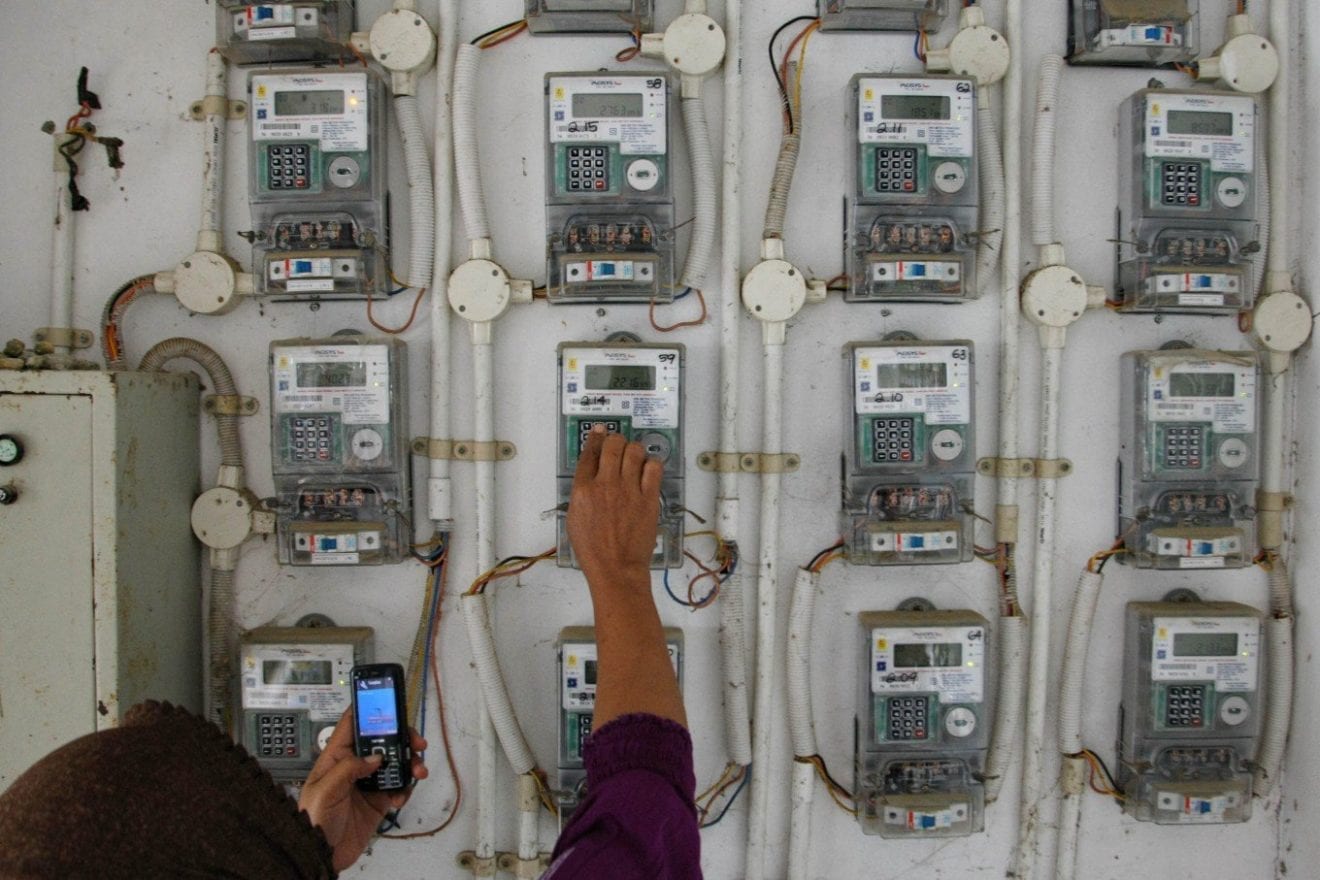
    Oil and gas giant Petrovietnam has liquidity issues because it has not been able to collect payables of VND23 trillion ($971 million) from state-owned utility Vietnam Electricity.

    Over VND14 trillion of the amount is past due, and this is having a major impact on its own business, the oil company said in its first-half financial report.

    EVN has financial problems after making a loss of VND19.5 trillion last year.

    Petrovietnam also said that the oil and gas industry has been hit by plunging prices amid economic challenges.

    In the first six months Petrovietnam produced nearly 12.7 billion kilowatt-hours of electricity, 4.5% higher than the target.

    Its crude oil output was 5.3 million tons of which it sold 83% domestically.

  • Vietnam promises adequate gasoline supply for Q2

    Vietnam promises adequate gasoline supply for Q2

    Vietnam has enough gasoline for the second quarter even without the supply from Nghi Son Refinery, the Ministry of Industry and Trade assured.

    The refinery, which accounts for around a third of domestic supply, has no plans to deliver products in April and May. It also has not made clear its production plan after that, the ministry reported to lawmakers Tuesday.

    For this reason, the ministry will not take into account Nghi Son’s supply for the second quarter, but would ensure enough supply “in every scenario”.

    It has tasked 10 gasoline distributors to increase its import quota by 2.4 million cubic meters for the second quarter.

    Vietnam’s gasoline supply has met with difficulties in the last two months, partly because a cash crunch forced Nghi Son Refinery, one of two such plants in the country, to reduce production from 105 percent to 80 percent, then 55 percent.

    The other refinery, Dung Quat, has increased its supply to 105 percent since earlier last month to bolster the market.

    With the Russia-Ukraine crisis sending oil prices up, Vietnam’s gasoline prices have risen by 28 percent since the end of December to an all-time high of VND29,820 ($1.30) now.

    The government has proposed to lawmakers that a 50 percent cut on environmental tax on gasoline and diesel be implemented to reduce prices.

  • Vietnam power utility unit to go public

    Vietnam power utility unit to go public

    A $2-billion power generation unit of state-owned utility Vietnam Electricity (EVN) will have an initial public offering on the country’s main bourse next month.

    The Power Generation Corporation 2 (EVNGENCO 2), based in the southern city of Can Tho, will issue nearly 580 million shares on the Ho Chi Minh City Stock Exchange, or nearly 49 percent of its charter capital, on February 8.

    The offering will have a reference price of VND24,520 ($1.05) per share.

    Tran Phu Thai, chairman of EVNGENCO 2, said at a forum Thursday that the company, wholly-owned by EVN, was valued at around VND46.1 trillion ($2 billion) as of January 1, 2019. No updated valuation was available at the time of publishing.

    The company, which has been operating for seven years, had an installed capacity of 4,421 megawatts by the end of last year, accounting for 15.1 percent of EVN’s output.

    It is also developing 59 megawatts of renewable energy.

    Over half of its non-renewable energy capacity comes from coal-fired plants, 30 percent from hydropower plants, and the rest from oil-fired plants.

    Last year, its profits exceeded the annual target by 59 percent at nearly VND3.93 trillion.

    The IPO is part of EVN’s effort to equitize its subsidiaries. It had earlier completed the equitization of EVNGENCO 3 and is in the process of equitizing EVNGENCO.

  • Li & Fung, JD to invest $100 million in developing a future digital supply chain strategy

    Li & Fung, JD to invest $100 million in developing a future digital supply chain strategy

    Chinese e-commerce giant JD has invested US$100 million in Li & Fung via newly issued capital as a move to further develop its digital supply chain.

    The move is expected to assist Li & Fung expands its own business within the Chinese mainland via private-label initiatives, using the JD relationship and its partnership with Singapore-based logistics solutions provider GLP to further develop its end-to-end digital supply chain. JD’s own proprietary supply-chain technologies have already contributed to fully integrated digital retail and supply-chain platforms designed to serve its omnichannel strategies.

    “Amidst the continuing digital disruption to retail and the ongoing global trade tensions, compounded by the dramatic impact of Covid-19, the global retail supply chain has become more and more complex,” read a statement by the firm. “With the breadth and depth of its global sourcing and production ecosystem, pan-Asia logistics network, and industry-leading digital product development capabilities, Li & Fung is helping global retailers and brands navigate a highly uncertain and ever-changing macro environment.”

    “Our goal to create the supply chain of the future and to improve the lives of 1 billion people in our global supply chain remains more relevant than ever in this turbulent world,” said Li & Fung CEO Spencer Fung. “The partnership with GLP and the addition of JD will be instrumental in further strengthening Li & Fung.”

    The firm will remain under the control of the Fung family who are retaining 60 percent of voting shares.

  • Man vs. Machine: The Next Generation of the Retail Supply Chain

    Man vs. Machine: The Next Generation of the Retail Supply Chain

    Demand for retail goods continues to grow exponentially in today’s omnichannel world. In addition to this, COVID-19, which has seen a huge increase in activity within the e-commerce space, has put retail businesses and supply chains under even more pressure to keep up with increasing demand and sharper consumer expectations.

    Alongside the current high pressure retail climate, demand for labour in warehouses has never been higher, and this is leading to many retail businesses adopting advanced warehouse and automation technologies to stay ahead of the game and maintain their strength within the market.

    Turning to automation

    The switch from man to machine has quickly become a critical factor for many retail distribution centres (DCs) to maximise throughput, particularly when demand is high. As more orders flow through more warehouses, operations become tighter – with smaller delivery windows and less employees than ever to complete the work.

    When faced with these challenges, many businesses have had no choice but to adopt automated technologies to become less dependent on human labour. In fact, 99% of supply chain companies globally say that they are already using automation in the warehouse to assist with retail fulfilment operations.

    Online orders, which are rolling in at soaring volumes, are expected to be packed and delivered quicker than ever before as consumer expectations rapidly grow. Without the integration of automation in DCs, retailers simply can’t keep up with demand, which is why many of them are looking to invest in automation, not only as a solution to the current problem, but as a way to prosper in the future.

    Gaining operational control 

    Advanced Warehouse Management Systems (WMSs), are the leading innovation for businesses looking to take full control of their operations. They allow businesses to gain visibility and real-time insights into things like productivity rates, inventory and fulfilment, and the coordination of their workforce, as well as complete control of all deployed automated technologies

    WMSs work to provide a centralised point of control for all operations within a retail warehouse, including tasks outside of fulfilment, such as receiving and inspecting products and other value-added services. The integration of a WMS within retail warehouses has become an increasingly business-critical method for capitalising on any innovations as they emerge, offering a close-up view of one or all aspects of operations and coordinating the workflows of humans’ to collectively work together with robotics.

    The right WMS also uses machine learning to improve processes. Using artificial intelligence, the system creates a baseline by predicting how long tasks should take. As work is executed, it analyses the results, then armed with real data, the WMS couples advanced orchestration logic with real-time awareness of capacity to optimise operations. The resulting improvements lead to reduced dwell time, shorter order cycle times and more accurate allocation of work. This means retail warehouse managers can act on more orders, increase service levels and maximise asset utilisation.

    Technology fit to unify operations

    The future of the retail supply chain will be an integration of people, robotics, and technology innovations, and while they all have a major role to play, the key to better productivity lies in helping them to work better together. An advanced WMS takes a holistic view of operations to bring both labour and automation together, and then incorporates machine learning to maximise efficiency.

    This technology, built for purpose now and into the future, allows retail businesses to utilise all of their assets, synthesising any type of new automation they wish to add, to continually optimise operations. The right WMS gives retail businesses the best of man and machines, so they can take on any challenges that arise, as well as continue to get the most out of their operations and meet rising consumer demnds. 

    About Manhattan Associates

    Manhattan Associates is a technology leader in supply chain and omnichannel commerce. We unite information across the enterprise, converging front-end sales with back-end supply chain execution. Our software, platform technology and unmatched experience help drive both top-line growth and bottom-line profitability for our customers. Manhattan Associates designs, builds and delivers leading edge cloud and on-premises solutions so that across the store, through your network or from your fulfillment center, you are ready to reap the rewards of the omnichannel marketplace. For more information, please visit www.manh.com.au. 

    Written by: Richard Wright, Managing Director Southeast Asia, Manhattan Associates


  • Malaysia property market to remain flat in 2019: Rahim & Co

    Malaysia property market to remain flat in 2019: Rahim & Co

    The property market is expected to remain flat this year before picking up again next year, said Rahim & Co International Sdn Bhd. Executive chairman Tan Sri Abdul Rahim Abdul Rahman said the property market will remain flat across all sectors this year, except for the warehousing sub-sector, which will be driven by growth of e-commerce.

    He said the overall market will take about 12 months to begin picking up, in line with the anticipated resolution of the trade war between the US and China.

    Rahim & Co director of research Sulaiman Akhmady Mohd Saheh said the residential market will take one to two years to improve due to affordability issues while the office market will remain slow for more than a year due to incoming supply.

    He said asking rents for offices have dropped 20% while effective rents have dropped 8-10%.

  • Malaysian office space to remain vibrant despite influx of new supply

    Malaysian office space to remain vibrant despite influx of new supply

    The Klang Valley office market is expected to remain vibrant this year, despite the influx of new buildings which is expected to affect occupancy rates, said Knight Frank Malaysia. “Due to the influx of new buildings, particularly in TRX, occupancy rate in Kuala Lumpur city is expected to decline marginally. However, rental rates will continue to hold steady as newer buildings tend to command higher rental rates,” it said in its Real Estate Highlights 2nd Half 2018 report.

    The report highlighted the trend of co-working and shared services as a sweet spot in the challenging office market environment.

    Labelled “space as a service”, the rising popularity of this market segment is demand driven by freelancers, start-ups and small and medium sized entrepreneurs. Knight Frank expects to see active take-up by co-working, shared services and IT related industries this year.

    “Moving into 2019, occupancies in selected sub-office office markets are expected to be under pressure due to heightened competition from impending and existing office stock while rentals will continue to hold steady as newer buildings tend to command higher rates.

    “We continue to observe active enquiries and leasing activities in the co-working and IT related segments. Also, an increasing number of older buildings are looking into repositioning and refurbishment to meet current occupier needs,” said Knight Frank Malaysia executive director of corporate services Teh Young Khean.

    Dated but well located office buildings such as Menara Weld, Menara Standard Chartered, Menara Maxis and Menara Milenium will reportedly be undergoing repositioning/upgrading works to improve their market competitiveness in terms of rental and occupancy levels.

    Knight Frank noted that the new government’s concerted efforts to implement numerous regulatory reforms will augur well for the business operating environment and this is expected to be positive for the country’s economic and property market performance over the longer term.

    Looking back at 2H2018, the cumulative supply of purpose-built office space in Kuala Lumpur and Selangor stood at 103.17 million sq ft following the completion of six buildings with a combined space of 1.84 million sq ft.

    In 1H2019, office buildings slated for completion include The Exchange 106, Menara Prudential, Menara Star 2, 1Powerhouse and Symphony Square.

    Overall occupancy rate for Kuala Lumpur city was about 78.7% in 2H2018 compared with 79% in 1H2018. The overall occupancy rate for decentralised office locations in Kuala Lumpur fringe fell to 82.2% from 83.8% during the same period.

    In Selangor, overall occupancy was slightly lower at 78.3% in 2H2018 compared with 79.2% in 1H2018.

    The average rentals in Kuala Lumpur fringe and Selangor rose marginally in 2H2018 to RM5.75 psf and RM4.22 psf respectively compared with RM5.72 psf and RM4.20 psf respectively in 1H2018.

    However, average rental in Kuala Lumpur city remained flat at RM7.15 psf as owners and landlords of newer office buildings offered competitive rental and attractive tenancy terms to improve take-up.