Retail News CRM

Tag: sustainability

  • Home Credit Vietnam Triumphs Again: Wins Coveted Finance and Sustainability Awards for 2026

    Home Credit Vietnam Triumphs Again: Wins Coveted Finance and Sustainability Awards for 2026

    Home Credit Vietnam has been awarded ‘Finance Company of the Year’ for the second consecutive year, and also received the ‘Sustainability Initiative of the Year’ at the Asian Banking & Finance Retail Banking Awards 2026. The awards acknowledge the company’s robust business performance, as well as its endeavors in financial inclusion, promoting environmentally friendly consumption, and fostering community development.

    Striving for Sustainable Growth

    The FiinGroup’s Vietnam Consumer Finance Report 2026 indicates that Vietnam’s consumer finance market is evolving, with a shift in focus towards the quality of growth, operational efficiency, and risk management in the wake of a period of market instability. In this context, Home Credit Vietnam has consistently invested in augmenting its governance capabilities and integrating technology into its operations and customer service. The company has fortified its credit assessment models and digital systems, which has facilitated quicker processing of applications and honed loan portfolio management.

    Moreover, the company has crafted financial solutions tailored to diverse customer segments, considering their repayment capacity, and has enhanced the transparency of product information and loan terms to aid customers in making more informed borrowing decisions. These efforts have culminated in Home Credit Vietnam receiving the ‘Finance Company of the Year’ award, which acknowledges financial institutions based on their operational performance and adaptability to fluctuating market conditions. The company’s 2025 financial statements reveal a 36.8% increase in total assets compared to the start of the year, with an after-tax profit of VND2.077 trillion (US$79 million).

    Embedding Sustainability in Business Practices

    Pham Ngoc Khang, the Chief Strategy Officer and Chairman of Home Credit Vietnam’s ESG Steering Committee, emphasized that sustainable development forms a key part of the company’s long-term strategy. He asserted that a company’s growth should align with the interests of customers and communities, as financial solutions are truly meaningful only when they improve the quality of life and broaden people’s access to financial services.

    The company’s sustainability strategy, which was recognized by the ‘Sustainability Initiative of the Year’ award, centers on increasing access to responsible finance, promoting green consumption, and supporting community development. In 2025, Home Credit Vietnam launched preferential financing packages for electric motorcycles to spur the use of zero-emission transportation. They also broadened their financial literacy initiatives. By the end of 2025, the company’s Home Smart online platform had reached over 21 million people, and they had organized personal finance management workshops for over 4,000 students and women.

    Questions & Answers

    What awards did Home Credit Vietnam receive at the Asian Banking & Finance Retail Banking Awards 2026?
    Home Credit Vietnam was recognized as ‘Finance Company of the Year’ for the second year in a row and also received the ‘Sustainability Initiative of the Year’ award.

    What are some of the initiatives Home Credit Vietnam has undertaken to promote sustainable growth?
    The company has been investing in enhancing its governance capabilities, integrating technology into its operations, and crafting tailor-made financial solutions for diverse customer segments. They have also increased the transparency of product information and loan terms to aid customers in making informed decisions.

    What is the focus of Home Credit Vietnam’s sustainability strategy?
    The sustainability strategy of the company involves expanding access to responsible finance, promoting green consumption, and supporting community development. They have launched financing packages for electric motorcycles and extended their financial literacy initiatives to promote responsible lending.
  • Vietnam’s Textile Exports Soar to $22.2B in H1: Embracing Sustainability and Tech for Future Growth

    Vietnam’s Textile Exports Soar to $22.2B in H1: Embracing Sustainability and Tech for Future Growth

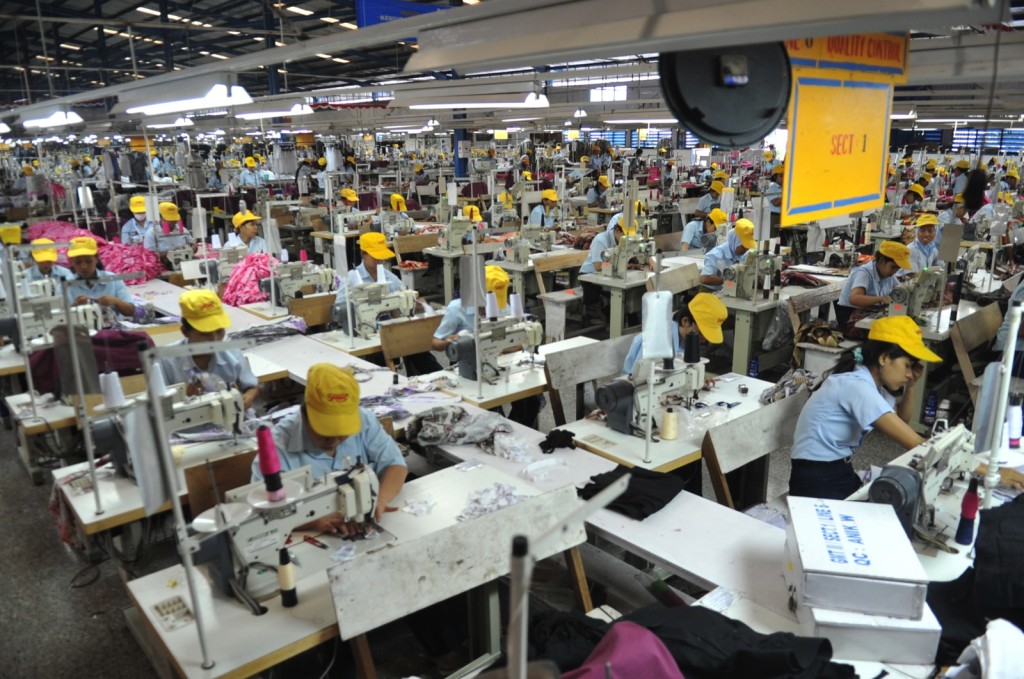
    Vietnam’s textile and garment industry saw a slight increase in exports for the first half of the year, reaching an estimated $22.2 billion, marking a 1.7% rise compared to the same period in the previous year. This information was released by the Vietnam Textile and Apparel Association (VITAS), which also noted that certain areas of the industry, including fibre, fabric, accessory, and nonwoven material exports, experienced a more substantial growth, with rates between 5.6% and 10.6%. However, the garment sector experienced a slight downturn, with exports decreasing by 0.4% due to weakened consumer demand in key markets.

    Export Markets and Trade Surplus

    In the first five months of the year, the U.S. continued to be the largest export market for Vietnam, with shipments amounting to $6.81 billion. This was a 1.3% increase, and represented approximately 45% of total exports. The E.U. market showed the strongest growth, with an increase of 8.8%, equating to $1.94 billion, whereas exports to Japan and the Republic of Korea dropped by 6.2% and 8.9% respectively. The industry was able to maintain a trade surplus of nearly $10 billion in the first half of the year.

    Challenges remain for the industry, despite the overall positive performance. VITAS outlined these obstacles, which include weak demand in key markets, high price competition, a heavy reliance on imported raw materials, increasing costs related to environmental, social and governance (ESG) standards and product traceability, and a growing uncertainty surrounding global trade policies.

    Future Focus and Strategy

    VITAS Chairman Vu Duc Giang spoke about the industry’s limited scope for expansion through solely increasing production volume. He expressed that the future growth of the industry hinges on enhancing productivity and creating higher-value products. This will be achieved by developing domestic sources of raw materials, diversifying export markets, and speeding up the digital and green transformations.

    To facilitate this shift, VITAS has given the green light for the establishment of four specialised committees during the 2025–2030 term. These committees will focus on fashion and domestic market development, international business and supply chains, sustainable development, and technology, innovation, and digital transformation. The committees are expected to commence their pilot operations in the third quarter of 2026.

    As the industry’s exports reached $22.2 billion in the first half of the year, the goal is to sustain an average monthly export revenue exceeding $4 billion in the remaining months. This will help to achieve the full-year target of roughly $48 billion. The industry’s key priorities in this endeavor include adapting to new purchasing strategies of global brands, expanding domestic supplies of raw materials, diversifying markets and products, preparing for potential legal and trade risks, and increasing investment in technology, automation, and digital transformation.

    Questions & Answers

    What growth did Vietnam’s textile and garment exports experience in the first half of the year?
    They experienced a slight increase of 1.7%, reaching an estimated $22.2 billion.

    What are the major challenges faced by Vietnam’s textile and garment industry?
    Major challenges include weakened demand in key markets, high price competition, reliance on imported raw materials, rising costs related to ESG standards and product traceability, and growing uncertainty regarding global trade policies.

    What strategies does the industry plan to implement for future growth?
    Strategies include enhancing productivity, creating high-value products, developing domestic raw material sources, diversifying export markets, and accelerating the digital and green transformations.

  • New Trends in Lifestyle Retail: Sustainability, Personalisation, and Silver Economy Spotlighted at Upcoming Hong Kong Fairs

    New Trends in Lifestyle Retail: Sustainability, Personalisation, and Silver Economy Spotlighted at Upcoming Hong Kong Fairs

    The upcoming Hong Kong Gifts & Premium Fair and Home InStyle, set to take place later this month, are poised to once again underscore Hong Kong’s pivotal role in highlighting changing trends in Asia’s lifestyle and retail sourcing sectors.

    Program Overview

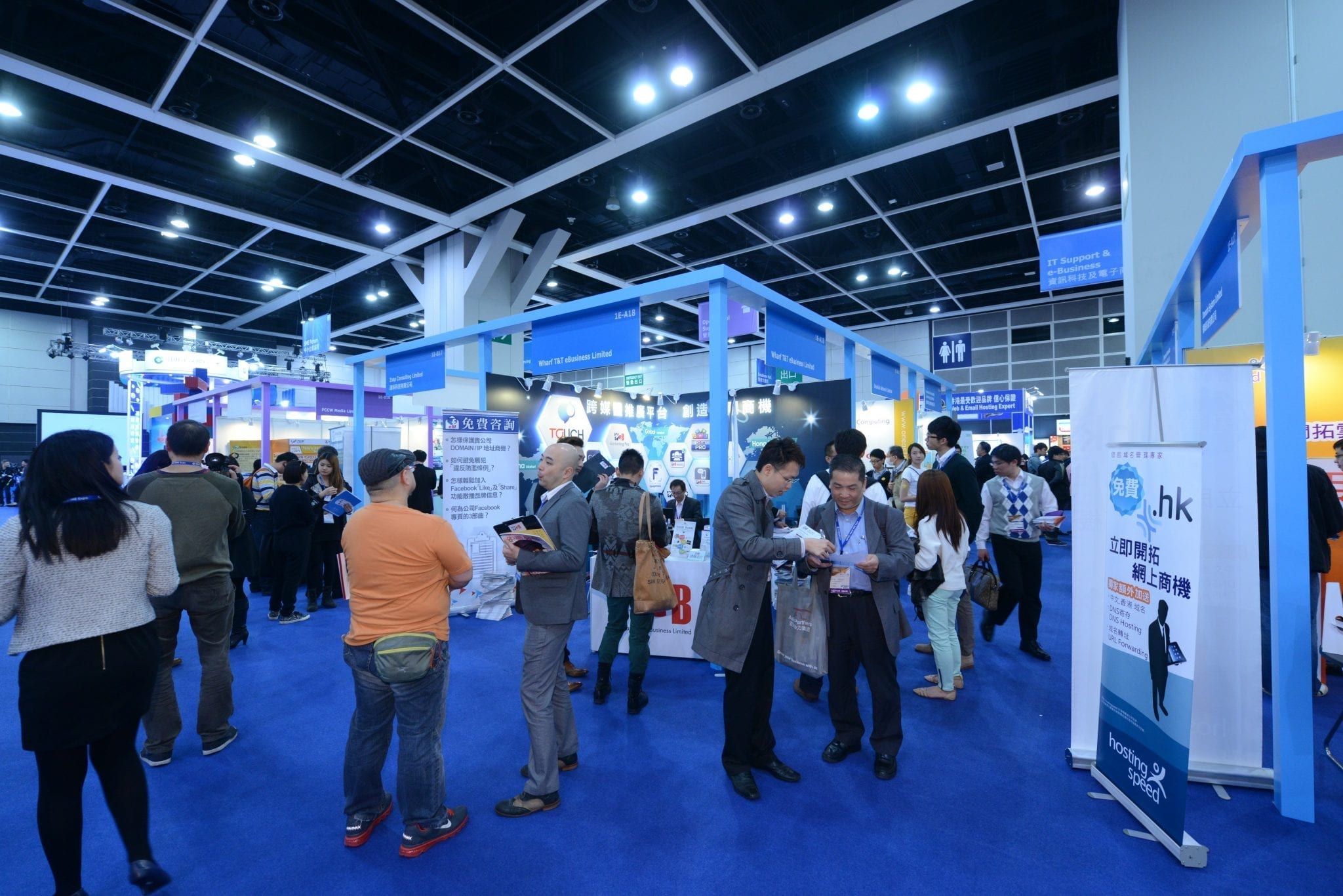
    Scheduled from April 27th to 30th at the Hong Kong Convention and Exhibition Centre, the two events are components of a broader program of seven parallel trade fairs. These fairs cover a wide array of areas including gifts, home, fashion, packaging, and licensing.

    Key Themes of 2026

    This year, the Hong Kong Gifts & Premium Fair will center around four main themes: personalisation, sustainability, health and wellness, and culture and creativity. The Color of the Year for 2026, ‘Cloud Dancer,’ will be showcased, reflecting the fair’s ongoing partnership with Pantone. This demonstrates how international color forecasting is being incorporated into commercial applications across a variety of lifestyle sectors.

    Focus on New Materials and Gerontechnology

    Concurrently, Home InStyle will shed light on innovative materials, cultural design, and gerontechnology. These highlights align with the increasing business interest in aging populations and the expanding ‘silver economy’ throughout Asia. The event will also present international exhibitors known for their design-led and craft-focused products. These range from Bohemian glassware and handmade woven baskets to bamboo homeware and licensed lifestyle items such as illuminated signage featuring popular characters.

    Creating Business Opportunities

    According to the Hong Kong Trade Development Council (HKTDC), these fairs aim to facilitate business opportunities by bringing together a broad spectrum of suppliers and buyers. Simultaneously, they provide a platform to exhibit an assorted mix of lifestyle products and services spanning multiple categories.

    Questions & Answers

    What are the key themes of the 2026 Hong Kong Gifts & Premium Fair?
    The key themes are personalisation, sustainability, health and wellness, and culture and creativity.

    What will Home InStyle highlight in its upcoming event?
    Home InStyle will highlight innovative materials, cultural design, and gerontechnology, which aligns with the increasing business interest in aging populations and the expanding ‘silver economy’ throughout Asia.

    What is the purpose of these fairs according to the Hong Kong Trade Development Council (HKTDC)?
    The HKTDC states that these fairs aim to generate business opportunities by connecting a wide spectrum of suppliers and buyers, while also showcasing a diverse mix of lifestyle products and services across multiple categories.

  • APAC SMEs Prioritize Sustainability: FedEx Study Reveals Green Business Imperative in Supply Chain

    APAC SMEs Prioritize Sustainability: FedEx Study Reveals Green Business Imperative in Supply Chain

    FedEx, a leading global express transportation company, has recently disclosed significant insights from its Asia Pacific (APAC) research. The study examines consumer and business perspectives on sustainability and international trade, spotlighting key areas of interest for businesses throughout the region.

    APAC Businesses Show High Environmental Awareness

    The study reveals that majority (80%) of the region’s small and medium-sized enterprises (SMEs) take into account environmental issues when carrying out trade activities with Europe. This showcases how sustainability is progressively playing a more significant role in logistics-based decisions. SMEs from Southeast Asian markets, including over 55% of those in Malaysia and Indonesia, are at the forefront of this trend, with a keen focus on sustainable supply chain alternatives. This demonstrates an escalating awareness and proactive approach towards environmental concerns among regional businesses and consumers.

    Consumer Influence on Business Sustainability

    According to the study, consumers are the primary force behind the demand for eco-friendly business practices. 84% of APAC consumers are encouraging businesses to establish environmentally conscious e-commerce alternatives. Environmental responsibility is increasingly becoming a key differentiator that is impacting purchasing choices.

    The study shows that 81% of APAC consumers show a preference for companies that visibly integrate sustainability into their operations, as opposed to competitors providing similar products without clear sustainable practices. While product authenticity and competitive pricing remain crucial for e-commerce consumers, nearly 40% are willing to pay higher prices for products with sustainable packaging. As environmental consciousness increases, businesses are responding accordingly, recognizing that sustainable practices are vital for maintaining competitiveness in the digital marketplace. This consumer-driven environmental focus could directly influence business profitability.

    Salil Chari, the regional president for Asia Pacific at FedEx, commented, “Sustainability is transitioning from being merely a compliance requirement to being a critical element for growth, resilience, and differentiation in global commerce. At FedEx, we are dedicated to supporting this transition by aiming to achieve carbon-neutral operations globally by 2040.”

    Innovative Steps Towards Sustainable Logistics

    FedEx is responding to the growing demand for sustainable logistics by investing in advanced technologies and infrastructure that not only reduce environmental impact but also enhance operational efficiency.

    An illustration of this innovative approach is FedEx’s AI-powered Stops Sequencing tool, which intelligently organizes delivery routes in real-time based on package volume and customer requirements. By minimizing unnecessary mileage, this tool has the potential to lower carbon emissions and improve operational efficiency.

    Moreover, FedEx offers customers the transparency needed to make informed decisions about sustainability. FedEx® Sustainability Insights, a cloud-based platform, provides improved transparency into environmental impact. Using up-to-the-minute FedEx network data, the platform estimates CO2e emissions for individual tracking numbers and entire FedEx shipping accounts.

    In addition to these efforts, FedEx has started using sustainable aviation fuel (SAF) at Chicago O’Hare and Miami International Airports. This is another step towards reducing aviation-related emissions within its global air network. In urban delivery, FedEx is going electric. Electric vehicles have been deployed across several APAC markets and account for over 20% of the company’s delivery fleet in China. In Taiwan, electric tricycles have been introduced to navigate dense urban environments more efficiently, resulting in lower emissions and improved delivery efficiency.

    As international trade evolves, FedEx maintains its commitment to providing faster, smarter, and more sustainable shipping solutions. These solutions will not only enable customers to succeed but also contribute to a more sustainable future.

    Questions & Answers

    What percentage of APAC SMEs consider environmental issues in their trade activities with Europe?
    Around 80% of APAC SMEs take environmental issues into account when trading with Europe.

    What proportion of APAC consumers are willing to pay premium prices for sustainable packaging?
    Nearly 40% of APAC consumers are ready to pay higher prices for sustainable packaging.

    What is FedEx’s goal for carbon-neutral operations?
    FedEx aims to achieve carbon-neutral operations globally by 2040.

  • Singapore Retailers Seek Increased Budget Support for Enhanced Competition and Sustainability in 2026

    Singapore Retailers Seek Increased Budget Support for Enhanced Competition and Sustainability in 2026

    In Singapore, the lifestyle industry, particularly retailers, has expressed the need for continuous support from the Budget allocation due to mounting challenges such as elevated costs, labour shortages, and fierce competition.

    According to the Singapore Retailers Association (SRA), the retail sector in the country continually faces obstacles that include labour shortages, high rents and operating costs, competition from the e-commerce sector, and evolving consumer preferences.

    The SRA cautioned that without ongoing support, local businesses could find themselves trailing behind their well-funded international competitors.

    Retail Sales Figures Reflect Struggles

    The tough conditions being faced by the industry are evident in the 2025 retail sales figures. Segments such as clothing and footwear have seen a continuous decrease, while other sectors such as supermarkets have managed to maintain their resilience, stated Ernie Koh, the president of the SRA.

    The retail market has also experienced a split-speed with well-funded global brands controlling high-traffic locations. This has put smaller local operators under pressure, added Koh.

    Joint Call for Support

    In an alliance with other lifestyle trade bodies including the Restaurant Association of Singapore and the Singapore Fashion Council, the SRA has marked several recommendations for the 2026 Budget to address the ongoing and future challenges facing the retail industry.

    The recommendations focus on three major areas: enhancing the competitiveness of SMEs, addressing labour issues, and promoting sustainability efforts.

    To boost the competitiveness of local SMEs, the groups suggest introducing a scale-up programme that provides them with capital for growth acceleration, as well as access to strategic guidance, mentorship, partnerships, and commercial opportunities.

    Proposed Measures

    The groups have also suggested a franchise and licensing accreditation system to gain more transparent insights into the entry of foreign brands. This would allow stakeholders to better forecast market shifts and protect local businesses.

    Refining the Community Development Council (CDC) voucher system was another suggestion, aiming to channel government support directly to essential items, thereby balancing the cost-of-living relief with support for local retailers.

    To address the labour shortage issue, the groups recommend extending the Progressive Wage Credit Scheme for the retail and food service industries until 2028, and increasing the co-funding for the retail industry from 20 per cent to 75 per cent this year.

    Further suggestions to tackle manpower shortages include reducing the cost of hiring foreign staff for frontline retail roles, encouraging the hiring of PMETs (professionals, managers, executives, and technicians) over 50, improving the career conversion programme, and implementing trade testing for new foreign workers.

    To accelerate sustainable retail, the group recommends expanding the Climate Vouchers scheme to include companies with trusted green certifications, such as B-Corp, Singapore Furniture Industries Council’s Sustainability Furniture Mark or Green Mark.

    The Future of Retail

    The SRA emphasised that the future of retail hinges on the seamless integration of omnichannel strategies, leveraging AI and personalisation, enhancing experiential retail, prioritising sustainability, and upskilling the workforce to overcome the challenges faced by the industry. These challenges include high costs and labour shortages, with growth being supported by tourism and technological adoption, despite short-term economic uncertainties.

    Questions & Answers

    What are the major challenges faced by the retail industry in Singapore?
    The key challenges faced by the industry mainly include high rents and operating costs, labour shortages, competition from e-commerce platforms, and shifting consumer demands.

    What are the recommendations made by the SRA for the 2026 Budget?
    The SRA has recommended actions in three key areas – enhancing SME competitiveness, addressing labour issues, and supporting sustainability efforts. These include a scale-up programme for SMEs, extension of the Progressive Wage Credit Scheme, and expanding the Climate Vouchers scheme.

    How does the SRA suggest dealing with labour shortages and high costs?
    The SRA suggests that extending the Progressive Wage Credit Scheme until 2028 and increasing co-funding for the retail industry could help with manpower shortages. To deal with high costs, the association recommends refining the CDC voucher system to balance cost-of-living relief with support for local retailers.

  • Shiseido Announces Major Organizational Restructure for 2026: Embracing Sustainability, Creativity, and Digital Transformation

    Shiseido Announces Major Organizational Restructure for 2026: Embracing Sustainability, Creativity, and Digital Transformation

    Shiseido, the multinational personal care company, has recently revealed significant organizational and personnel changes which will come into effect at the start of the new year.

    Organizational Changes

    Shiseido plans to streamline its operations by introducing new business units to consolidate areas related to sustainability, creation, and digital operations. The company is set to establish the Sustainability Strategy Acceleration Office within its corporate transformation acceleration department. This new office will integrate all functions related to sustainability, including the DE&I group, which will result in the dissolution of both the Sustainability Strategy Acceleration Department and the DE&I Department.

    A new division, the Art and Creation Division, will also be established by merging functions from the Beauty Creation Center, Shiseido Creative, and the Art & Heritage Department. Shiseido Creative’s functions will be transferred to the newly formed Creation Department, while the Art & Heritage Department will be restructured as the Corporate Value Creation Office.

    Digital Operations Consolidation

    In a move towards digitalization, Shiseido will establish the Global Digital Division and the Global Business Engagement Department. These new entities will streamline resources by merging digital and IT functions under a single, unified platform. Existing IT capabilities, currently dispersed across various units, will be consolidated into the Global Digital Division.

    Following the completion of the core system FOCUS rollout, the Business Transformation Department will be dissolved. It will be replaced by two new teams: the Global Business Engagement Department and the Global Enterprise Application Department.

    The Digital Transformation Office will also be restructured and will be known as the Global Digital Platform Department henceforth.

    Leadership Appointments

    Alongside these structural changes, Shiseido has also announced its associated leadership appointments. The newly appointed leaders include Naoko Hase, Maki Yamamoto, Atsushi Yasuda, Venkatesh Somasundaram, Yuki Mikita, Keiko Sakurai, Takuma Kurahashi, and Yuu Miura. They will take the reins across various functions such as risk management, digital governance, global process management, creation, and product value development.

    Questions & Answers

    What are the significant organizational changes announced by Shiseido?
    Shiseido is set to introduce new units for the consolidation of functions related to sustainability, creation, and digital operations. Also, several existing departments will be restructured or dissolved accordingly.

    What is the aim of Shiseido’s digital operations consolidation?
    The aim is to streamline resources by merging digital and IT functions under a unified platform. Existing IT capabilities, currently dispersed, will be consolidated into the newly formed Global Digital Division.

    Who are the newly appointed leaders at Shiseido?
    The newly appointed leaders include Naoko Hase, Maki Yamamoto, Atsushi Yasuda, Venkatesh Somasundaram, Yuki Mikita, Keiko Sakurai, Takuma Kurahashi, and Yuu Miura, who will oversee various functions such as risk management, digital governance, global process management, creation, and product value development.

  • Shaping the Future: DHL’s Strategic Leap into Digitalization, Sustainability & Infrastructure Growth in Asia Pacific

    Shaping the Future: DHL’s Strategic Leap into Digitalization, Sustainability & Infrastructure Growth in Asia Pacific

    DHL Express has confidently set its sights on growth amidst a rapidly changing global trade environment. The company is guided by its recently launched Strategy 2030, marking a full year of an ambitious plan. CEO for Asia Pacific, Ken Lee, explains that the strategy focuses on harnessing key strengths such as a robust and resilient network, deep industry know-how, and a dedicated workforce. Simultaneously, it emphasizes proactive investments in infrastructure, digital transformation, and sustainability in order to capture opportunities in high-growth sectors.

    Strategic Highlights

    Strategy 2030 outlines five primary areas of growth: capitalizing on geographic advantages, targeting life sciences and healthcare, focusing on new energy, bolstering e-commerce, and enhancing digital sales. Additionally, it introduces a new “fourth bottom line” aimed at making DHL the preferred choice for green logistics, reflecting the company’s commitment to leading in low-carbon logistics.

    DHL’s investments in infrastructure, including expanding air hubs in Hong Kong, Singapore, and Kuala Lumpur as well as modernizing the Air Hong Kong fleet, aim to increase resilience, enhance capacity, and offer seamless connectivity across its global network. These tangible improvements are reinforced by innovations in digital technology, robotics, automation, and strategic partnerships to increase Sustainable Aviation Fuel (SAF) usage and develop carbon-neutral facilities. These efforts have led to DHL being recognized as the first-ever Sustainability Advocate of the Year at the 2024 Payload Asia Awards.

    Resilience amidst Global Trade Dynamics

    Global trade continues to be influenced by changing supply chain patterns, geopolitical tensions, and economic uncertainty. However, DHL maintains a robust position as a logistics leader and trade enabler, underpinned by three core strengths: a complete portfolio spanning air, road, and ocean transportation; a presence in over 220 countries and territories; and a seasoned, committed workforce.

    Lee acknowledges the uncertainty of the current trade environment but stresses DHL’s ability to navigate it, citing their agility and flexibility in adapting to shifting customer demands and trade regulations. This resilience bolsters DHL’s capacity to make bold, forward-looking infrastructure investments across the region.

    Expanding Hubs and Modernizing Fleet

    DHL’s role as a trade facilitator involves assisting customers in expanding internationally. This necessitates a network of hubs and gateways at critical airports, backed by service centers and state-of-the-art ground facilities. In recent years, DHL has consistently invested ahead of demand to accommodate rising shipment volumes.

    Significant developments include the second expansion of the Central Asia Hub in Hong Kong in 2023 to meet growing shipment demand within and outside Asia. DHL also opened an expanded gateway in Kuala Lumpur and upgraded its South Asia Hub in Singapore. These improvements cater to expected growth from e-commerce and the region’s increasing importance as a global trading partner.

    Additionally, DHL has modernized its fleet, upgrading the Air Hong Kong-operated fleet with 14 new A330 freighters and retiring the older A300-600 aircraft. Lee notes that companies are increasingly requiring their suppliers to diversify sourcing options to minimize operational risks, and this is where DHL’s expertise comes into play.

    Operational Excellence and Customer Flexibility

    DHL’s success is not solely defined by its physical infrastructure. The company is also deeply integrating advanced digital technologies into its operations to streamline workflows, enhance service quality, and create a safer, more efficient working environment.

    In warehouses, AI-based tools and robotics platforms are reducing travel distances for staff and speeding up robot integration. Automated guided vehicles transport shipments and cargo pallets safely, improving productivity while relieving employees from strenuous tasks.

    The introduction of On-Demand Delivery (ODD) offers customers the flexibility to reschedule contactless deliveries at their convenience. This not only optimizes operational and cost efficiencies but also enhances the overall customer experience.

    Green Logistics and Decarbonization

    DHL Express’ commitment to sustainability is evident in its recognition as the first-ever Sustainability Advocate of the Year at the 2024 Payload Asia Awards. With a clear target of achieving net-zero greenhouse gas emissions by 2050, DHL is advancing initiatives such as fleet electrification, carbon-neutral building design, and scaling of SAF adoption.

    However, the scaling of SAF does pose its challenges. Lee acknowledges that supply has not yet reached economies of scale, which is why DHL is investing in SAF and other areas that can significantly reduce GHG emissions. DHL is also aiming to electrify two-thirds of its pickup and delivery fleet by 2030, although progress in some markets is limited due to the lack of mature charging infrastructure.

    Future Growth and Employee Contribution

    Looking ahead, DHL is focusing on 20 markets worldwide that exhibit strong geographic and economic advantages, two-thirds of which are in Asia. These markets are expected to benefit from increasing domestic and foreign investment, reshoring, and nearshoring strategies.

    Life sciences and healthcare logistics remain a top priority, with DHL expanding its Health Logistics division and strengthening its pharmaceutical capabilities. Growth in e-commerce, particularly in emerging markets, also shows no signs of slowing down. “With more SMEs turning to e-commerce to engage more customer segments, we continue to put resources into capturing these opportunities,” Lee says.

    Lee emphasizes that DHL’s ability to execute these ambitious plans relies on its people. Hence, the company offers training programs to ensure staff alignment with DHL’s culture and equips them with tools for continuous improvement. Emphasizing the importance of employee contribution, Lee encourages team members to contribute ideas and solutions, thereby fostering a sense of ownership over initiatives.

    Shaping the Future of Logistics

    Beyond its network, DHL engages with partners, regulators, and governments to strengthen the logistics ecosystem. Lee underscores the importance of public forums, workshops, and seminars to identify sector challenges and encourage collaboration. Despite global uncertainties, Lee remains optimistic, attributing DHL’s competitive edge to the strength of its group and its presence in many markets worldwide.

    Questions & Answers

    What is DHL’s Strategy 2030?
    Strategy 2030 focuses on harnessing key strengths such as a robust and resilient network, deep industry know-how, and a dedicated workforce. It emphasizes proactive investments in infrastructure, digital transformation, and sustainability in high-growth sectors.

    How is DHL addressing the challenge of sustainability in its operations?
    DHL is advancing initiatives such as fleet electrification, carbon-neutral building design, and scaling of Sustainable Aviation Fuel (SAF) adoption. The company aims to achieve net-zero greenhouse gas emissions by 2050.

    What role do DHL’s employees play in the company’s strategic plans?
    CEO Ken Lee emphasizes that DHL’s ability to execute ambitious plans relies on its people. The company offers training programs to ensure staff alignment with DHL’s culture and equips them with tools for continuous improvement. Employees are encouraged to contribute ideas and solutions, fostering a sense of ownership over initiatives.

  • Transforming Old Smartphones into Micro Data Centers: A Smart Solution for Cities and Oceans

    Transforming Old Smartphones into Micro Data Centers: A Smart Solution for Cities and Oceans

    In a groundbreaking initiative, researchers from the University of Tartu Institute of Computer Science have developed an innovative and sustainable approach to tackling electronic waste by transforming outdated smartphones into miniature data centers. This method not only provides an eco-friendly alternative but also reimagines the potential use of these often-discarded devices.

    A Surprising Data Solution to E-Waste

    With over 1.2 billion smartphones produced each year—most of which are tossed aside within just a few years—this new solution offers a cost-effective and practical alternative to both landfills and the energy-intensive processes of traditional recycling. By removing the original batteries and utilizing external power sources, the researchers have significantly reduced environmental risks while ensuring that the devices can operate continuously.

    Innovative Prototyping and Testing

    The project features a prototype composed of four interconnected smartphones encased in 3D-printed housings. Remarkably, these devices have been tested in a variety of challenging conditions, including underwater scenarios, where they autonomously gathered and processed data on marine life. It’s a testament to the surprising resilience and adaptability of technology that many might consider obsolete.

    Affordable and Scalable for Future Cities

    Each repurposed smartphone comes at a modest cost of approximately EUR 8, presenting an affordable option for smart city infrastructures and environmental monitoring systems. This initiative not only facilitates a significant reduction in electronic waste but also emphasizes the immense potential of older devices in fostering sustainable, decentralized networks for data processing. Imagine a future where your old smartphone could help monitor river pollution or track wildlife in real-time—what a twist on the planned obsolescence narrative!

    Questions & Answers

    How does repurposing smartphones contribute to reducing electronic waste?
    Repurposing smartphones minimizes the volume of discarded electronics that typically end up in landfills, while also providing an eco-friendly alternative to energy-intensive recycling.

    What are the costs associated with transforming smartphones into data centers?
    The conversion of each smartphone into a miniature data center costs about EUR 8, making it an accessible option for various applications in smart city projects.

    What are some practical applications for these repurposed devices?
    These converted smartphones can be used for environmental monitoring, such as tracking marine life data or monitoring air quality, integrating seamlessly into modern smart city infrastructures.

  • Retail Revolution: How Giants Adapt To Consumer Trends, Tech Innovations, And Sustainability

    Retail Revolution: How Giants Adapt To Consumer Trends, Tech Innovations, And Sustainability

    Retail News has gathered all the latest buzz from the retail sector, and it’s alive with exciting developments. Here’s what’s making waves.

    Retail Giants Adapt to Evolving Consumer Trends

    In a rapidly changing market, retail giants are not just keeping up; they’re reinventing the shopping experience. Companies are increasingly tapping into technology to enhance customer engagement. With the rise of augmented reality (AR) and artificial intelligence (AI), retailers like Zara and H&M are using these innovative tools not only to attract tech-savvy consumers but also to streamline inventory management and optimize pricing strategies.

    Armed with insights from data analytics, these brands are customizing their offerings, ensuring that shoppers not only find what they need but also discover new favorites tailored to their tastes. And as consumers embrace sustainability, retailers are shifting their focus toward more eco-friendly practices, including sourcing materials responsibly and reducing waste throughout their supply chains.

    The Rise of Omnichannel Shopping

    Omnichannel retailing has emerged as a game-changer, blurring the lines between physical and digital shopping experiences. Shoppers today expect seamless transitions from online browsing to in-store purchasing. Retailers are meeting this demand by integrating their platforms, making it easier for customers to pick up online orders in store or return items purchased online with ease.

    A recent survey revealed that over 75% of consumers prefer shopping with retailers that offer this flexibility. This shift is not just a trend; it’s a transformation that is likely to shape the future of retail. As retailers refine their omnichannel strategies, they are learning to ensure that personalized experiences await consumers at every turn – whether they’re shopping on their phones or strolling through a brick-and-mortar store.

    Sustainable Practices Become Central

    Meanwhile, sustainability is no longer an afterthought but a central tenet of retail philosophy. Brands across Asia are increasingly prioritizing green initiatives to appeal to a socially conscious consumer base. Uniqlo, for instance, is investing in recycling programs and responsible sourcing, while Adidas is stepping up its use of recycled materials in product lines.

    Not only does this commitment help the environment, but it also strikes a chord with consumers who are more likely to support brands that echo their values. As the adage goes, “You are what you wear,” and more shoppers are keen to wear their hearts on their sleeves—literally.

    And in an unexpected twist, it seems that socially responsible shopping might even trend faster than the next TikTok dance fad.

    Challenges on the Horizon

    Despite the positive developments, retailers are not without challenges. Inflationary pressures and supply chain disruptions are forcing companies to rethink their pricing strategies and inventory practices. With costs rising, many brands are walking a tightrope between delivering value and maintaining profitability.

    As tricky as it sounds, the ability to adapt to these challenges and communicate transparently with consumers will be crucial for brands looking to remain competitive.

    As the retail landscape continues to evolve at a dizzying pace, businesses must not only stay informed but also engage with their customers in innovative ways. After all, who doesn’t love a good bargain or a fun shopping experience?

    Questions & Answers

    What are the key technologies influencing retail today?
    Brands are leveraging augmented reality and artificial intelligence to elevate customer engagement and efficiency while providing personalized experiences.

    How important is sustainability in retail?
    Sustainability is becoming a core element of retail strategy, as consumers increasingly gravitate toward brands that prioritize eco-friendly practices.

    What challenges are retailers currently facing?
    Inflation and supply chain issues remain significant hurdles for retailers, necessitating a thoughtful approach to pricing and inventory management.

  • H&M Subsidiary Plans $1B Recycling Factory to Boost Sustainable Fashion in Vietnam

    H&M Subsidiary Plans $1B Recycling Factory to Boost Sustainable Fashion in Vietnam

    Syre Group Unveils Ambitious Recycling Complex Plan in Vietnam

    In a significant move towards sustainable fashion practices, Susanna Campbell, chairwoman of Syre Group, announced plans for new major recycling complexes during a meeting with Prime Minister Pham Minh Chinh on Wednesday. The joint venture, backed by H&M and technology investment firm Vargas, aims to revolutionize the textile waste recycling landscape.

    A Commitment to Sustainability

    Syre Group’s innovative approach leverages advanced technology and renewable energy to recycle textile waste. The Binh Dinh factory is expected to commence operations by the end of 2028, with an impressive annual capacity of 250,000 tons. Prime Minister Chinh commended the initiative’s focus on green production methods, highlighting its potential contribution to environmental protection in Vietnam.

    Strategic Advantages of Binh Dinh

    Prime Minister Chinh articulated Binh Dinh’s strategic appeal, noting its robust investment environment. “Binh Dinh is emerging as a hub for clean energy,” he stated, emphasizing the region’s well-developed infrastructure, which includes highways, international airports, and deep-water ports. He urged local authorities and relevant ministries to collaborate closely with Syre to ensure the project’s success.

    Prioritizing Local Resources

    In line with Vietnam’s environmental goals, the Prime Minister advised Syre to prioritize the use of locally sourced green materials, including lotus and jute fibers, as well as recycled fabric scraps and old clothing generated within the country. This aligns with Syre’s commitment to enhancing local supply chains and maximizing resource efficiency.

    A Vision for a Circular Economy

    Expressing her confidence in Vietnam’s strategic position, Campbell remarked, “We believe Vietnam has the potential to become a global leader in developing a circular economy.” With a focus on local partnerships, Syre aims to integrate sustainable practices into its operations while reinforcing the strength of Vietnam’s textile industry.

    Continued International Cooperation

    Swedish Ambassador to Vietnam, Johan Ndisi, who attended the meeting, echoed the sentiment of long-term commitment among Swedish businesses to enhance collaboration in green transformation. He proposed that establishing a comprehensive partnership in science, technology, innovation, and digital transformation could further bolster Vietnam’s sustainability efforts.

    Impact on the Retail Sector

    As consumer demand for sustainable products continues to surge, Syre Group’s initiatives highlight a pivotal shift in the retail sector towards environmentally friendly practices. This project not only promises to transform the recycling landscape in Vietnam but also sets a precedence for other brands to follow suit. By prioritizing green solutions, companies can cater to increasingly eco-conscious consumers while contributing to global sustainability goals.

  • Armani banning angora wool from next winter season

    Armani banning angora wool from next winter season

    The Italian luxury company joins a string of brands banning the extremely soft wool removed from live rabbits, under pressure from animal rights organizations and more environmentally conscious shoppers.

    Last month, People for the Ethical Treatment of Animals (PETA) announced that luxury e-commerce platform Farfetch would stop selling angora wool by April 2022.

    The organization launched a campaign years ago to ban angora wool, which is mainly produced in China, describing the techniques used to strip the fur from rabbits as cruel.

    Armani’s move marks another step towards sustainability after the group banned animal fur in 2016 and signed in 2019 the ‘Fashion Pact’ with other major industry players to address climate change, the company said in a statement.

  • Vietnam beats global average in sustainable lifestyles

    Vietnam beats global average in sustainable lifestyles

    Vietnam is ahead of the global average in adopting healthy and sustainable lifestyles, a survey has found.

    Forty seven percent of respondents in Vietnam said they had supported a socially responsible company last year, against a global average of 33 percent, the survey by research company GlobeScan and digital payment firm Visa said.

    Eighty two percent said they had sought out information related to healthier lifestyles last year, well above the global average of 56 percent.

    The survey, which polled 27,000 people in 27 countries and territories, also found that people in Vietnam are taking proactive steps towards healthier and more sustainable lifestyles.

    Ninety percent said they had made changes to their lifestyles last year to be more environment-friendly, and 87 percent made changes to be healthier.

    Vietnamese also display a high interest in environment-friendly lifestyle choices, with 81 percent saying they had sought out information about them last year against a global average of 47 percent.

    “It is encouraging to see that consumers in Vietnam are already taking concrete steps to lead healthy and sustainable lifestyles,” Dang Tuyet Dung, Visa country manager for Vietnam and Laos, said.

    Asked what companies could do to help them live healthily and sustainably, Vietnamese listed a desire for new products that are better for both people and the environment as a top priority.

  • Nespresso launches farm-to-table sustainability initiative

    Nespresso launches farm-to-table sustainability initiative

    Capsule coffee brand Nespresso is inviting business partners to join an exclusive farm-to-table culinary experience designed by Chef Vicky Cheng, owner and executive chef of Michelin-starred Vea Restaurant and Lounge in Hong Kong.

    To further encourage the public to participate in the Nespresso’s sustainability initiatives, Cheng will extend the unique farm-to-table experience to the acclaimed restaurant with a special gift. From November 11 to December 14, diners will receive a complimentary jar of rosella jam, made with rosella grown using recycled coffee grounds at the Nespresso Farm.

    As the chief ambassador of Nespresso Hong Kong, Cheng will be creating a one-of-a-kind luncheon using fresh vegetables harvested straight from the Nespresso Farm.

    Guests will not only indulge in the gourmet-coffee pairing menu but will also see how used coffee grounds from recycled Nespresso capsules are repurposed as compost and given new life.

    “As chef ambassador of Nespresso, I have had the opportunity to travel to the brand’s headquarters and even to the coffee farms in Colombia,” said Cheng. “From these experiences, I have witnessed the brand’s deep commitment to quality, craftsmanship, and sustainability, which are shared values that I believe are key to delivering the ultimate experiences to customers … It is a delight to be able to craft this Nespresso farm-to-table menu and cook using top quality, fresh ingredients grown from repurposed coffee grounds; I hope this inspires people to join the sustainability journey.”

    Nespresso capsules are fully recyclable, from the aluminum capsules to the coffee grounds within them. The brand’s current local capsule recycling rate is running at 24 percent. Club members can drop off their used capsules at any Nespresso Boutique or use the Recycling@Home service – a doorstep collection system where used capsules are picked up when a new order is delivered.

  • Le petit h by Hermès launched in HK

    Le petit h by Hermès launched in HK

    Hermès presents a workshop of metamorphosis for materials and the invention of forms themed from now on till 9th December in Hong Kong. From a giant elephant pouffe to a target mirror, the Landmark Price’s store is transformed with scenography designed by Hong Kong artist Kevin Cheung. Once upon a time, there was a meeting of materials, their inimitable mix, their singular hybridisation. Petit h shares with upcycling product designer Kevin Cheung a passion for slumbering materials, from bamboo to silk, cashmere and many more.

    The staging is inspired by daily life and everyday objects. A tree and its bubble-like buds unfurl across the three levels of the store where new petit h inventions appear, paying homage to the diversity of Hermès materials and know-how, and to the dreams that take shape during our daily lives.

    Petit h was founded in 2010 by Pascal Mussard, who had the idea of bringing leftover materials from all over the house under one roof and giving them new life through Hermès craftsmanship and know-how.

    Godfroy de Virieu, creative director since January 2018, is now leading the dialogue between artisans, designers and artists from all backgrounds.

    Together, they create dreamlike, playful, poetic and surprising objects from noble materials as either unique pieces or limited editions.

    Petit h permanent home remains in Paris, in the Hermès store at 17 rue de Sèvres, as well as Hermes.com.

    Petit h will be traveling Asia in 2019.

  • E-commerce platform JD introduces reusable packaging

    E-commerce platform JD introduces reusable packaging

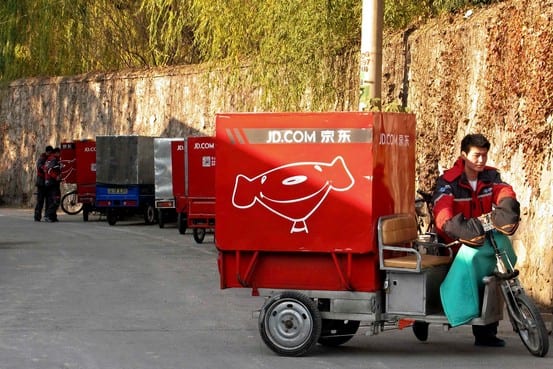
    E-commerce platform JD has launched a reusable packaging initiative to promote sustainable consumption. The new program offers JD’s customers the option of ordering reusable packaging for their small and medium-sized parcels, returning the green boxes to delivery personnel after receiving their order. The firm estimates the program can save RMB32.5 million (US$4.68 million) per year if 10 per cent of orders use the new packaging.

    Customers who choose the packaging are rewarded with JD’s “Jingdou” loyalty points, which can be exchanged for products on JD.

    The service, which kicked off in Beijing, Shanghai, Guangzhou and Shenzhen, will expand to Chengdu and five other cities by the end of this month, and will cover 20 cities by the end of the year.

    JD Logistics’ head of planning and development Bing Fu said: “JD.com is always exploring ways to reduce e-commerce waste through green logistics. By using this green packaging, and taking part in our other innovative recycling programs, JD’s customers can enjoy the convenience of e-commerce while knowing that their purchases have involved minimal carbon emissions.”

    By deploying green boxes, JD expects to reduce the number of boxes used throughout the supply chain by 10 billion by 2020. The company has also set the target for 80 per cent of packaging materials to be recyclable; over 50 per cent of plastic packages to be replaced by biodegradable material; and 100 per cent of logistics packaging to be composed of recyclable or reusable materials.

    Meanwhile, JD introduced a fleet of hydrogen energy delivery trucks to greater Shanghai earlier this year, marking the first significant commercial deployment of hydrogen-powered vehicles for logistics in China as well as the latest expansion of JD’s goal to make the ‘last mile’ of the distribution process carbon-free. In early June, the company unveiled a fleet of 50 solar-powered delivery vehicles in Beijing.