Tag: sustainability

  • Fashion Brands Influence 30 Percent of Global Farmland, Oxford Study Finds

    Fashion Brands Influence 30 Percent of Global Farmland, Oxford Study Finds

    Global fashion brands hold purchasing influence across 1.45 billion hectares of agricultural land, representing 30.15 percent of the world’s farmland, according to a joint study by the University of Oxford and Dirt Charity.

    Livestock grazing for leather and wool accounts for almost 97 percent of that total footprint, linking apparel buyers directly to commercial livestock farming networks worldwide ahead of European Union due diligence enforcement starting Sept. 27.

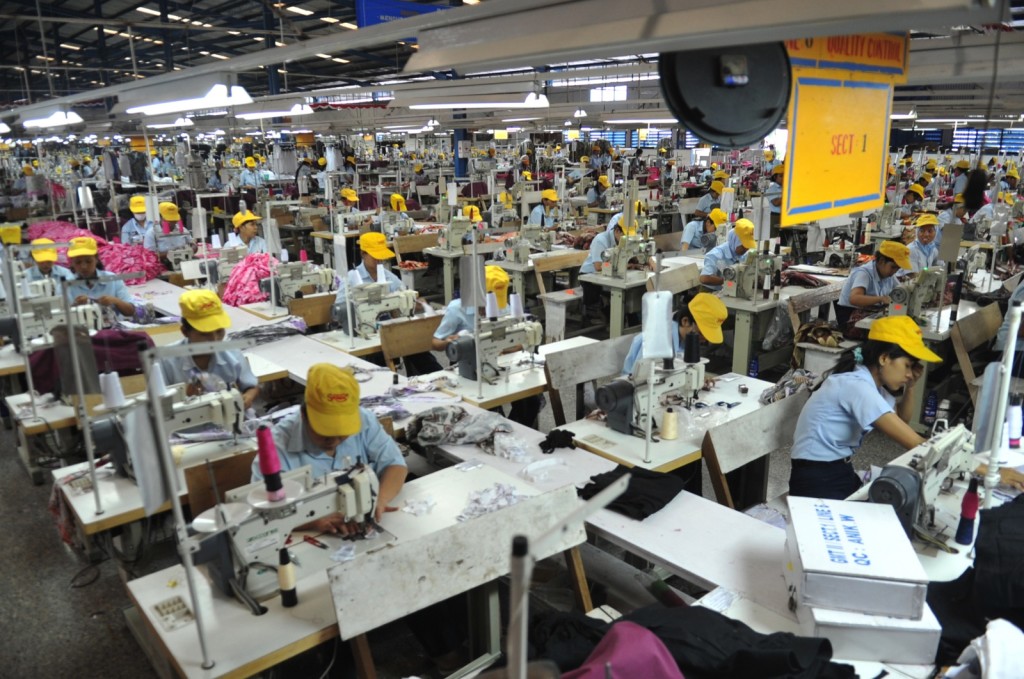
    Researchers at Oxford’s Smith School of Enterprise and the Environment and Dirt Charity analyzed five natural fiber categories to measure the full territory shaped by textile demand. Leather production ties into 876 million hectares of grazing land, while wool involves 528.4 million hectares. Cotton farming occupies 34.7 million hectares, linen and hemp cover 5.9 million hectares, and silk accounts for 2.3 million hectares.

    Allocating Land Across Shared Commodity Chains

    The calculation counts the entire agricultural area involved in growing crops or grazing animals rather than isolating the textile portion alone. Cotton lint makes up roughly 40 percent of harvested seed cotton, with the rest processed into cottonseed oil and animal feed, yet farm-level chemical inputs and soil practices apply to the entire crop. Because livestock systems serve meat, dairy, and leather markets simultaneously, the researchers treated the whole grazing area as subject to brand procurement requirements.

    Industrial leather processing reached more than 2.9 billion square meters globally in 2024. Footwear, apparel, and leather goods consumed 1.2 billion square meters of that output, while automotive interiors and furniture manufacturers bought the remaining volume.

    “We are not measuring blame. We are measuring power, and it turns out fashion has far more of it than anyone has been telling us.”

    Supply Chain Gaps Across Asian Sourcing Hubs

    For Asian garment hubs and raw material producers, the findings place commercial responsibility squarely on brand purchasing offices. Sourcing directors across Europe and North America often treat raw material agriculture as an unmanageable Tier-4 liability, leaving farm-level investments to local growers in India, China, and Pakistan. That separation is ending as buyers face mandatory supply chain due diligence rules in their home retail markets.

    Asian yarn spinners and fabric mills now face conflicting pressures from Western clients. Buyers demand verified low-impact cultivation methods such as organic or regenerative farming, but rarely offer long-term price premiums or multi-year purchasing volume guarantees. Without committed off-take contracts, smallholders across South Asian cotton belts bear the entire capital risk of switching soil management practices.

    Carbon Variations Outweigh Material Selection

    Production methods create wider environmental gaps within the same fiber category than the switch between alternative materials, the report found. Life cycle reviews cited in the study showed leather emissions ranging from 8.5 kilograms to 151.9 kilograms of carbon dioxide equivalent per square meter. Viscose emissions spanned 0.20 to 8.30 metric tons of carbon dioxide equivalent per metric ton of fiber, governed by feedstock origin and local electricity grids.

    Agricultural trials cited in the research show operational benefits from alternative soil methods. Long-term cotton trials running over 12 years in India demonstrated stronger soil microbial activity under biodynamic management systems. A five-year project at Egypt’s Sekem initiative cut chemical pesticide use to below 10 percent of previous levels, lifted cotton yields by almost 30 percent, and reduced soil salinity by 18 percent.

    European Compliance Deadlines Press Brand Filings

    The Oxford assessment builds on earlier NGO audits of fashion supply chains, which identified persistent traceability blind spots between Tier-1 assembly plants and upstream agricultural holdings. European retailers are now scrambling to document farm-level provenance as the European Union begins enforcement of its Empowering Consumers for the Green Transition Directive on Sept. 27.

    Dirt Charity and Biodynamic Federation Demeter International are finalizing the Demeter Textile Standard, a commercial framework covering 11 raw material categories across agricultural production, processing, and garment compostability. Apparel groups face mounting scrutiny to verify farm-level environmental claims before the next round of statutory sustainability disclosures opens in 2027.

  • Coles Opens Its First Fully Electric Supermarket in Melbourne

    Coles Opens Its First Fully Electric Supermarket in Melbourne

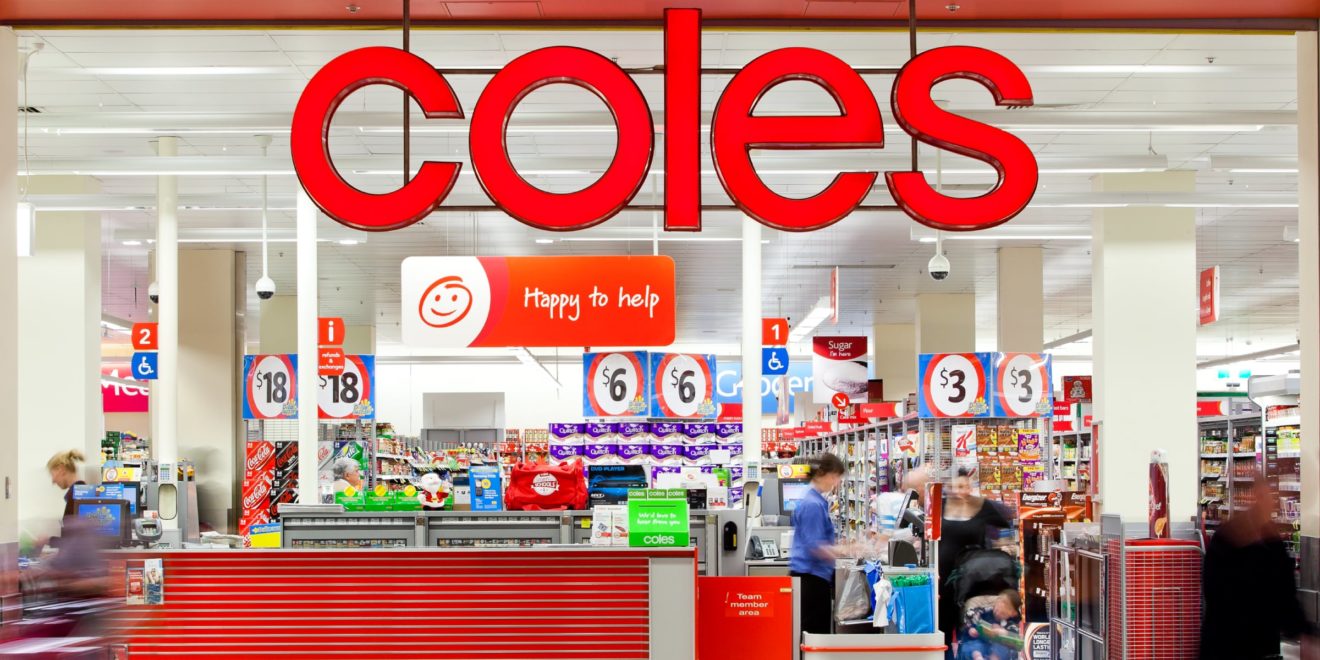
    In September 2026, Coles opened its first fully electric supermarket at Orana Village in Clyde, Melbourne. The site eliminates on-site fossil fuels through a 270-kilowatt rooftop solar array and battery storage.

    Its rooftop holds 487 solar panels. These connect to a 110-kilowatt, 225-kilowatt-hour battery energy storage system that powers daily operations and backs up essential services during outages.

    How the Store Runs Without Gas

    Natural gas is gone from the site. Electric heat pumps link directly to a natural carbon dioxide refrigeration system. This setup captures waste heat from chilled cabinets and feeds it into climate control, delivering 171 kilowatts of heating capacity alongside full LED lighting fixtures.

    Drivers have access to four on-site fast-charging bays delivering up to 200 kilowatts direct current via Evie Networks. These chargers connect straight to the battery storage system. That buffer smooths power spikes when multiple electric vehicles draw high current during peak shopping hours.

    Origin Energy developed the on-site battery as an on-market backup unit. When checkouts and lighting do not require reserve power, the battery feeds capacity into Origin’s virtual power plant. That allows power trading on the wholesale electricity market.

    The Operational Read-Across for Retail Landlords

    Pressure is mounting on supermarket operators across Australia and Southeast Asia to remove direct gas connections from standalone shopping centres and strip developments. Coles expects the Clyde installation to reduce electricity drawn from the grid by up to 25 per cent. That drop eases baseline utility overheads in high-tariff energy markets.

    Property owners face distinct physical and capital hurdles if they copy this layout. Rooftop structures must support heavy panel arrays. Battery containment also demands dedicated exterior real estate and specialised fire suppression infrastructure. Landlords negotiating new leases with national grocers will need to absorb shared electrification costs during base-building stages.

    The Rollout Plan Through 2029

    Following the Clyde commissioning, Coles and Origin Energy extended their renewable energy partnership for another three years to 2029. Under the expanded agreement, Origin will install an additional 15 megawatts of rooftop solar capacity across up to 75 stores. It will also add 15 megawatt-hours of battery storage across up to 20 locations.

    Orana Village gives us a blueprint for what a lower emissions and more resilient store network could look like.

    Work on the initial phase began in 2023, delivering 16.45 megawatts of solar capacity across 73 stores and distribution centres, alongside 1.35 megawatt-hours of battery storage across five sites. Across participating locations, the combined systems cut grid electricity demand by an average of almost 20 per cent.

    Grid Exposure and Capital Allocation

    This project ties into the retailer’s plan to reach net-zero operational emissions by 2050. At the close of financial year 2026, Coles reported an 82.6 per cent reduction in combined Scope 1 and Scope 2 greenhouse gas emissions compared with its 2020 baseline. That progress rests on national power purchase contracts covering its network of more than 1,800 outlets and logistics facilities.

    Rivals Woolworths and Aldi have similarly contracted renewable power for their store fleets while introducing electric freight trucks. Attention now turns to whether savings from heat recovery and peak-demand management justify the upfront capital cost of retrofitting older, leasehold supermarkets before the 2029 rollout deadline.

  • Heineken Malaysia Cuts Brewery Emissions 45 Percent and Replaces Secondary Plastic

    Heineken Malaysia Cuts Brewery Emissions 45 Percent and Replaces Secondary Plastic

    Heineken Malaysia cut production emissions by 45 percent at its Sungei Way brewery against a 2022 baseline. On-site solar generation and renewable grid procurement drove the reduction.

    The brewer took top honours in two categories at the ESG Positive Impact Awards 2025. It recycled all 35,637 tonnes of its production waste and eliminated 195 tonnes of single-use packaging plastic.

    Sungei Way Brewery Energy and Water Overhauls

    Power for the Petaling Jaya facility now comes entirely from renewable sources via Tenaga Nasional Berhad’s Green Electricity Tariff programme. An array of 3,500 rooftop solar panels adds roughly 2,600 megawatt-hours annually. For heat, the site relies partly on an upgraded wastewater treatment plant. That RM7 million facility captures biogas during effluent processing to supply approximately 4 percent of thermal requirements.

    Water management forms the other major capital focus at the site. Using flow meters, equipment overhauls and recycling loops, the brewer improved water efficiency by 36 percent compared with 2014 levels. Independent auditor LimnoTech verified the results. In 2025, the company hit 221 percent of its targeted water balancing volume, returning more treated water to the watershed than its operations consumed.

    Value Chain Pressures for Regional Brewers

    Breweries across Southeast Asia face tougher scrutiny from institutional investors and retail off-trade buyers over Scope 3 supply chain footprints. Malaysian beverage makers must balance high excise duties against the capital expenditure needed to electrify thermal brewing. Decarbonising industrial heat remains difficult. To cut upstream emissions, Heineken brought 40 tier-one suppliers into the UN Global Compact’s ESG Start programme, pushing compliance down to local packaging and logistics vendors that lack dedicated sustainability budgets.

    Competitors like Carlsberg Malaysia and Thai Beverage are deploying similar resource reduction programmes to protect operating margins against rising industrial water tariffs and volatile power costs. Packaging penalties loom for laggards. Grocery chains now demand certified recycled content and paperboard alternatives. The steepest financial risk sits in thermal energy replacement: replacing remaining fossil fuel boilers requires heavy capital that cannot be offset by rooftop solar alone.

    Tracking Circularity and Watershed Protection

    At the Sungei Way site, operational adjustments build on long-term capital investments. Heineken Malaysia has routed zero production waste to landfill since 2017. The site sends organic outputs like spent brewing grains into animal feed and agricultural upcycling streams. For packaging, the company switched secondary can wraps from shrink plastic to paperboard, cutting single-use plastic across retail channels.

    Community watershed investments run alongside the plant works. The SPARK Foundation, the brewer’s corporate responsibility arm, has spent more than RM16 million since 2007 on peatland restoration, rainwater harvesting installations and river rehabilitation projects around Selangor’s river basins.

    Managing Director Martijn van Keulen and his supply chain team are aligning the Petaling Jaya plant with the group’s Brew a Better World 2030 roadmap. That plan sets binding deadlines for net-zero carbon production and complete water circularity across all Asian operations.

  • Brita Marks 60 Years with Launch of Limited Edition Glass Jug

    Brita Marks 60 Years with Launch of Limited Edition Glass Jug

    Brita is marking 60 years in September 2026 by expanding beyond traditional water filter jugs into a broader hydration category spanning smart bottles, tap solutions, and dispensers.

    The German brand, founded in 1966, is rolling out the Brita 60th Anniversary Limited Edition Glass Jug alongside carbonators and integrated appliance filtration to connect with modern shoppers.

    Nadine Miller, marketing director of Brita ANZ, said the brand’s ‘Drink better. Do better.’ campaign reflects an effort to place hydration at the intersection of homewares, wellness, technology, and lifestyle.

    Expanding Beyond the Plastic Filter Jug

    Countertop jugs with replaceable cartridges built the modern filtration category, but growth in developed retail markets requires higher-ticket hardware. Department stores and specialty homewares chains in the Asia-Pacific region have increasingly given prime shelf space to premium glass carafes and integrated carbonation dispensers over utilitarian white plastic pitchers. Brita is responding by pushing higher-margin glass designs and tap fittings into its existing retail footprint.

    Retailers face inventory trade-offs when shifting from simple replacement cartridges to multi-format hydration systems. Cartridges generate reliable repeat footfall, whereas hardware installations demand more display space and shopper education. If consumers treat filtration as an occasional lifestyle purchase rather than a daily consumable habit, replenishment velocity across mass-merchant channels risks slowing down.

    Recycling Metrics and Shelf Space Competition

    Sustainability claims are now central to how hydration products compete against bottled water in major supermarkets. Brita tracks its environmental footprint using an internal metric called Planet Contribution, which balances single-use plastic bottles avoided against the company’s carbon output. In Australia, the business runs a national take-back scheme with TerraCycle to collect and recycle used Maxtra Pro cartridges and soft-plastic packaging wrappers.

    Heinz Hankammer founded the company in Germany in 1966, building filters by hand before releasing the AquaDeMat car-battery demineraliser in 1967. Brita introduced its first consumer household filter jug in 1970 and launched its first industrial cartridge recycling programme in 1992. Those core filter mechanics remain the foundation of the business, even as the exterior form shifts toward glass and plumbed appliances.

    Retail buyers across Australia will evaluate sell-through rates for the 60th Anniversary Limited Edition Glass Jug over the coming holiday quarter as Brita tests consumer appetite for premium materials against standard plastic SKUs.

  • Pomelo Operator KCG Collects 231 Kilos of Garments in Indonesian Take-Back Push

    Pomelo Operator KCG Collects 231 Kilos of Garments in Indonesian Take-Back Push

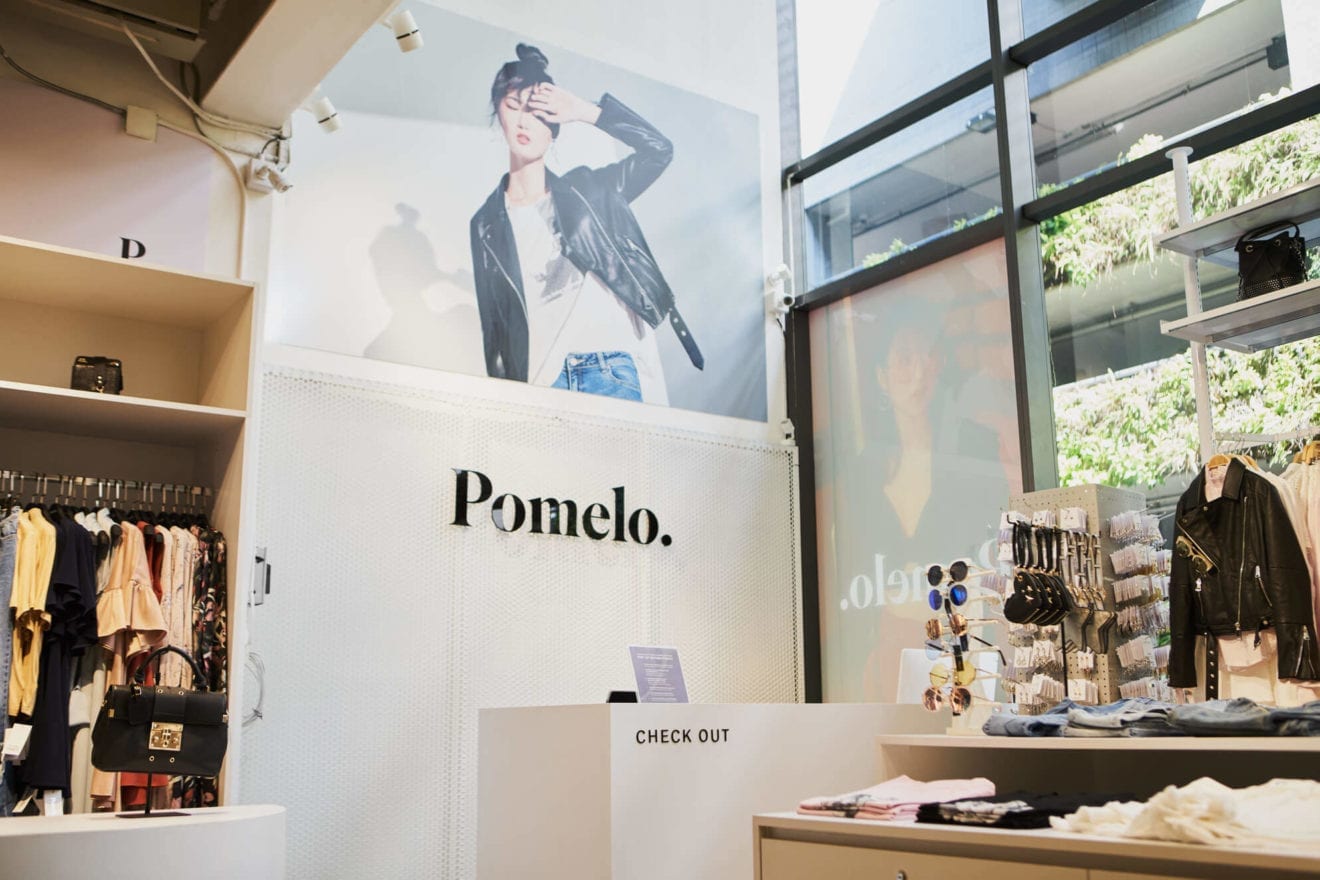
    PT Kurnia Ciptamoda Gemilang collected 231 kilograms of used clothing across eight Pomelo stores in Indonesia during the first month of its in-store take-back programme.

    The haul more than doubled the retailer’s initial 100-kilogram target despite launching without promotional marketing.

    KCG installed drop-off boxes in every Indonesian Pomelo branch to collect apparel directly from shoppers. Wearable items go to the Cinta Laura Foundation for distribution to orphanages and local communities. Unwearable, damaged pieces head to domestic textile recyclers Lestari and New Factory for industrial processing.

    Haryanto Pratantara, business and operations director at KCG, said the intake relies on repeat donors seeking practical reuse for old apparel. Turning ruined garments into usable raw material carries high processing costs that the company cannot sustain alone. KCG is seeking corporate social responsibility funding and state backing to expand the processing chain.

    High Processing Costs and Policy Gaps

    Pratantara expects garment recycling to shift from a competitive differentiator to standard retail practice within five years. Government policy will dictate how fast that transition happens.

    “The key is the government,” Pratantara said. “Regulation cuts the timeline. Without it, this cannot work.”

    Fashion operators across Southeast Asia frequently launch circularity pilots to retain younger shoppers, but few manage to scale mechanical recycling without state subsidies or formal producer responsibility rules. While donation bins clear closet space and bring foot traffic back into stores, true fibre-to-fibre recycling remains bottlenecked by local sorting and processing infrastructure across the region.

    Expanding Beyond Store Bins

    KCG has not yet measured the direct revenue impact of the programme on overall apparel sales. The operator is now tracking repeat drop-offs while waiting for state policy clarity and corporate partners to fund the next stage of textile processing.

  • Who Gives A Crap Targets A$100 Million Annual Donations on Retail Push

    Who Gives A Crap Targets A$100 Million Annual Donations on Retail Push

    Melbourne consumer brand Who Gives A Crap has distributed more than A$50 million to global sanitation initiatives as it expands into mainstream supermarket chains worldwide.

    The company, which gives half of its profits to water and hygiene projects, is now mapping a growth path aimed at generating A$100 million in annual donations by 2050. That target requires building a commercial footprint large enough to challenge legacy paper giants such as Kimberly-Clark.

    From web stunt to supermarket shelves

    Co-founders Simon Griffiths, Danny Alexander and Jehan Ratnatunga launched the business in 2012 by raising A$50,000 through a 50-hour crowdfunding web feed. Bootstrapped for its first nine years, the company took outside institutional funding in 2021 and expanded its workforce to nearly 300 employees.

    While direct-to-consumer delivery drove early revenue across Australia, the United States, Britain, Canada, France and Germany, long-term growth now depends on physical grocery distribution. In the United States, placement with Whole Foods Market opened access to shoppers who do not buy paper goods online. Supermarket distribution across Australian chains followed a similar pattern, forcing the brand to compete directly against entrenched multinational FMCG lines on store shelves.

    Targeting global scale in paper goods

    Entering physical stores presents distinct margin and packaging challenges for direct-to-consumer challengers across the Asia-Pacific region. Brand visibility in high-traffic aisles requires heavy inventory commitments and immediate shelf recognition, especially in staple categories where consumers buy on autopilot.

    The company plans to use expanded supermarket listings in North America and Europe to fund its target of A$100 million in yearly charitable disbursements by 2050.

  • Home Credit Vietnam Triumphs Again: Wins Coveted Finance and Sustainability Awards for 2026

    Home Credit Vietnam Triumphs Again: Wins Coveted Finance and Sustainability Awards for 2026

    Home Credit Vietnam has been awarded ‘Finance Company of the Year’ for the second consecutive year, and also received the ‘Sustainability Initiative of the Year’ at the Asian Banking & Finance Retail Banking Awards 2026. The awards acknowledge the company’s robust business performance, as well as its endeavors in financial inclusion, promoting environmentally friendly consumption, and fostering community development.

    Striving for Sustainable Growth

    The FiinGroup’s Vietnam Consumer Finance Report 2026 indicates that Vietnam’s consumer finance market is evolving, with a shift in focus towards the quality of growth, operational efficiency, and risk management in the wake of a period of market instability. In this context, Home Credit Vietnam has consistently invested in augmenting its governance capabilities and integrating technology into its operations and customer service. The company has fortified its credit assessment models and digital systems, which has facilitated quicker processing of applications and honed loan portfolio management.

    Moreover, the company has crafted financial solutions tailored to diverse customer segments, considering their repayment capacity, and has enhanced the transparency of product information and loan terms to aid customers in making more informed borrowing decisions. These efforts have culminated in Home Credit Vietnam receiving the ‘Finance Company of the Year’ award, which acknowledges financial institutions based on their operational performance and adaptability to fluctuating market conditions. The company’s 2025 financial statements reveal a 36.8% increase in total assets compared to the start of the year, with an after-tax profit of VND2.077 trillion (US$79 million).

    Embedding Sustainability in Business Practices

    Pham Ngoc Khang, the Chief Strategy Officer and Chairman of Home Credit Vietnam’s ESG Steering Committee, emphasized that sustainable development forms a key part of the company’s long-term strategy. He asserted that a company’s growth should align with the interests of customers and communities, as financial solutions are truly meaningful only when they improve the quality of life and broaden people’s access to financial services.

    The company’s sustainability strategy, which was recognized by the ‘Sustainability Initiative of the Year’ award, centers on increasing access to responsible finance, promoting green consumption, and supporting community development. In 2025, Home Credit Vietnam launched preferential financing packages for electric motorcycles to spur the use of zero-emission transportation. They also broadened their financial literacy initiatives. By the end of 2025, the company’s Home Smart online platform had reached over 21 million people, and they had organized personal finance management workshops for over 4,000 students and women.

    Questions & Answers

    What awards did Home Credit Vietnam receive at the Asian Banking & Finance Retail Banking Awards 2026?
    Home Credit Vietnam was recognized as ‘Finance Company of the Year’ for the second year in a row and also received the ‘Sustainability Initiative of the Year’ award.

    What are some of the initiatives Home Credit Vietnam has undertaken to promote sustainable growth?
    The company has been investing in enhancing its governance capabilities, integrating technology into its operations, and crafting tailor-made financial solutions for diverse customer segments. They have also increased the transparency of product information and loan terms to aid customers in making informed decisions.

    What is the focus of Home Credit Vietnam’s sustainability strategy?
    The sustainability strategy of the company involves expanding access to responsible finance, promoting green consumption, and supporting community development. They have launched financing packages for electric motorcycles and extended their financial literacy initiatives to promote responsible lending.

  • Vietnam’s Textile Exports Soar to $22.2B in H1: Embracing Sustainability and Tech for Future Growth

    Vietnam’s Textile Exports Soar to $22.2B in H1: Embracing Sustainability and Tech for Future Growth

    Vietnam’s textile and garment industry saw a slight increase in exports for the first half of the year, reaching an estimated $22.2 billion, marking a 1.7% rise compared to the same period in the previous year. This information was released by the Vietnam Textile and Apparel Association (VITAS), which also noted that certain areas of the industry, including fibre, fabric, accessory, and nonwoven material exports, experienced a more substantial growth, with rates between 5.6% and 10.6%. However, the garment sector experienced a slight downturn, with exports decreasing by 0.4% due to weakened consumer demand in key markets.

    Export Markets and Trade Surplus

    In the first five months of the year, the U.S. continued to be the largest export market for Vietnam, with shipments amounting to $6.81 billion. This was a 1.3% increase, and represented approximately 45% of total exports. The E.U. market showed the strongest growth, with an increase of 8.8%, equating to $1.94 billion, whereas exports to Japan and the Republic of Korea dropped by 6.2% and 8.9% respectively. The industry was able to maintain a trade surplus of nearly $10 billion in the first half of the year.

    Challenges remain for the industry, despite the overall positive performance. VITAS outlined these obstacles, which include weak demand in key markets, high price competition, a heavy reliance on imported raw materials, increasing costs related to environmental, social and governance (ESG) standards and product traceability, and a growing uncertainty surrounding global trade policies.

    Future Focus and Strategy

    VITAS Chairman Vu Duc Giang spoke about the industry’s limited scope for expansion through solely increasing production volume. He expressed that the future growth of the industry hinges on enhancing productivity and creating higher-value products. This will be achieved by developing domestic sources of raw materials, diversifying export markets, and speeding up the digital and green transformations.

    To facilitate this shift, VITAS has given the green light for the establishment of four specialised committees during the 2025–2030 term. These committees will focus on fashion and domestic market development, international business and supply chains, sustainable development, and technology, innovation, and digital transformation. The committees are expected to commence their pilot operations in the third quarter of 2026.

    As the industry’s exports reached $22.2 billion in the first half of the year, the goal is to sustain an average monthly export revenue exceeding $4 billion in the remaining months. This will help to achieve the full-year target of roughly $48 billion. The industry’s key priorities in this endeavor include adapting to new purchasing strategies of global brands, expanding domestic supplies of raw materials, diversifying markets and products, preparing for potential legal and trade risks, and increasing investment in technology, automation, and digital transformation.

    Questions & Answers

    What growth did Vietnam’s textile and garment exports experience in the first half of the year?
    They experienced a slight increase of 1.7%, reaching an estimated $22.2 billion.

    What are the major challenges faced by Vietnam’s textile and garment industry?
    Major challenges include weakened demand in key markets, high price competition, reliance on imported raw materials, rising costs related to ESG standards and product traceability, and growing uncertainty regarding global trade policies.

    What strategies does the industry plan to implement for future growth?
    Strategies include enhancing productivity, creating high-value products, developing domestic raw material sources, diversifying export markets, and accelerating the digital and green transformations.

  • New Trends in Lifestyle Retail: Sustainability, Personalisation, and Silver Economy Spotlighted at Upcoming Hong Kong Fairs

    New Trends in Lifestyle Retail: Sustainability, Personalisation, and Silver Economy Spotlighted at Upcoming Hong Kong Fairs

    The upcoming Hong Kong Gifts & Premium Fair and Home InStyle, set to take place later this month, are poised to once again underscore Hong Kong’s pivotal role in highlighting changing trends in Asia’s lifestyle and retail sourcing sectors.

    Program Overview

    Scheduled from April 27th to 30th at the Hong Kong Convention and Exhibition Centre, the two events are components of a broader program of seven parallel trade fairs. These fairs cover a wide array of areas including gifts, home, fashion, packaging, and licensing.

    Key Themes of 2026

    This year, the Hong Kong Gifts & Premium Fair will center around four main themes: personalisation, sustainability, health and wellness, and culture and creativity. The Color of the Year for 2026, ‘Cloud Dancer,’ will be showcased, reflecting the fair’s ongoing partnership with Pantone. This demonstrates how international color forecasting is being incorporated into commercial applications across a variety of lifestyle sectors.

    Focus on New Materials and Gerontechnology

    Concurrently, Home InStyle will shed light on innovative materials, cultural design, and gerontechnology. These highlights align with the increasing business interest in aging populations and the expanding ‘silver economy’ throughout Asia. The event will also present international exhibitors known for their design-led and craft-focused products. These range from Bohemian glassware and handmade woven baskets to bamboo homeware and licensed lifestyle items such as illuminated signage featuring popular characters.

    Creating Business Opportunities

    According to the Hong Kong Trade Development Council (HKTDC), these fairs aim to facilitate business opportunities by bringing together a broad spectrum of suppliers and buyers. Simultaneously, they provide a platform to exhibit an assorted mix of lifestyle products and services spanning multiple categories.

    Questions & Answers

    What are the key themes of the 2026 Hong Kong Gifts & Premium Fair?
    The key themes are personalisation, sustainability, health and wellness, and culture and creativity.

    What will Home InStyle highlight in its upcoming event?
    Home InStyle will highlight innovative materials, cultural design, and gerontechnology, which aligns with the increasing business interest in aging populations and the expanding ‘silver economy’ throughout Asia.

    What is the purpose of these fairs according to the Hong Kong Trade Development Council (HKTDC)?
    The HKTDC states that these fairs aim to generate business opportunities by connecting a wide spectrum of suppliers and buyers, while also showcasing a diverse mix of lifestyle products and services across multiple categories.

  • APAC SMEs Prioritize Sustainability: FedEx Study Reveals Green Business Imperative in Supply Chain

    APAC SMEs Prioritize Sustainability: FedEx Study Reveals Green Business Imperative in Supply Chain

    FedEx, a leading global express transportation company, has recently disclosed significant insights from its Asia Pacific (APAC) research. The study examines consumer and business perspectives on sustainability and international trade, spotlighting key areas of interest for businesses throughout the region.

    APAC Businesses Show High Environmental Awareness

    The study reveals that majority (80%) of the region’s small and medium-sized enterprises (SMEs) take into account environmental issues when carrying out trade activities with Europe. This showcases how sustainability is progressively playing a more significant role in logistics-based decisions. SMEs from Southeast Asian markets, including over 55% of those in Malaysia and Indonesia, are at the forefront of this trend, with a keen focus on sustainable supply chain alternatives. This demonstrates an escalating awareness and proactive approach towards environmental concerns among regional businesses and consumers.

    Consumer Influence on Business Sustainability

    According to the study, consumers are the primary force behind the demand for eco-friendly business practices. 84% of APAC consumers are encouraging businesses to establish environmentally conscious e-commerce alternatives. Environmental responsibility is increasingly becoming a key differentiator that is impacting purchasing choices.

    The study shows that 81% of APAC consumers show a preference for companies that visibly integrate sustainability into their operations, as opposed to competitors providing similar products without clear sustainable practices. While product authenticity and competitive pricing remain crucial for e-commerce consumers, nearly 40% are willing to pay higher prices for products with sustainable packaging. As environmental consciousness increases, businesses are responding accordingly, recognizing that sustainable practices are vital for maintaining competitiveness in the digital marketplace. This consumer-driven environmental focus could directly influence business profitability.

    Salil Chari, the regional president for Asia Pacific at FedEx, commented, “Sustainability is transitioning from being merely a compliance requirement to being a critical element for growth, resilience, and differentiation in global commerce. At FedEx, we are dedicated to supporting this transition by aiming to achieve carbon-neutral operations globally by 2040.”

    Innovative Steps Towards Sustainable Logistics

    FedEx is responding to the growing demand for sustainable logistics by investing in advanced technologies and infrastructure that not only reduce environmental impact but also enhance operational efficiency.

    An illustration of this innovative approach is FedEx’s AI-powered Stops Sequencing tool, which intelligently organizes delivery routes in real-time based on package volume and customer requirements. By minimizing unnecessary mileage, this tool has the potential to lower carbon emissions and improve operational efficiency.

    Moreover, FedEx offers customers the transparency needed to make informed decisions about sustainability. FedEx® Sustainability Insights, a cloud-based platform, provides improved transparency into environmental impact. Using up-to-the-minute FedEx network data, the platform estimates CO2e emissions for individual tracking numbers and entire FedEx shipping accounts.

    In addition to these efforts, FedEx has started using sustainable aviation fuel (SAF) at Chicago O’Hare and Miami International Airports. This is another step towards reducing aviation-related emissions within its global air network. In urban delivery, FedEx is going electric. Electric vehicles have been deployed across several APAC markets and account for over 20% of the company’s delivery fleet in China. In Taiwan, electric tricycles have been introduced to navigate dense urban environments more efficiently, resulting in lower emissions and improved delivery efficiency.

    As international trade evolves, FedEx maintains its commitment to providing faster, smarter, and more sustainable shipping solutions. These solutions will not only enable customers to succeed but also contribute to a more sustainable future.

    Questions & Answers

    What percentage of APAC SMEs consider environmental issues in their trade activities with Europe?
    Around 80% of APAC SMEs take environmental issues into account when trading with Europe.

    What proportion of APAC consumers are willing to pay premium prices for sustainable packaging?
    Nearly 40% of APAC consumers are ready to pay higher prices for sustainable packaging.

    What is FedEx’s goal for carbon-neutral operations?
    FedEx aims to achieve carbon-neutral operations globally by 2040.

  • Singapore Retailers Seek Increased Budget Support for Enhanced Competition and Sustainability in 2026

    Singapore Retailers Seek Increased Budget Support for Enhanced Competition and Sustainability in 2026

    In Singapore, the lifestyle industry, particularly retailers, has expressed the need for continuous support from the Budget allocation due to mounting challenges such as elevated costs, labour shortages, and fierce competition.

    According to the Singapore Retailers Association (SRA), the retail sector in the country continually faces obstacles that include labour shortages, high rents and operating costs, competition from the e-commerce sector, and evolving consumer preferences.

    The SRA cautioned that without ongoing support, local businesses could find themselves trailing behind their well-funded international competitors.

    Retail Sales Figures Reflect Struggles

    The tough conditions being faced by the industry are evident in the 2025 retail sales figures. Segments such as clothing and footwear have seen a continuous decrease, while other sectors such as supermarkets have managed to maintain their resilience, stated Ernie Koh, the president of the SRA.

    The retail market has also experienced a split-speed with well-funded global brands controlling high-traffic locations. This has put smaller local operators under pressure, added Koh.

    Joint Call for Support

    In an alliance with other lifestyle trade bodies including the Restaurant Association of Singapore and the Singapore Fashion Council, the SRA has marked several recommendations for the 2026 Budget to address the ongoing and future challenges facing the retail industry.

    The recommendations focus on three major areas: enhancing the competitiveness of SMEs, addressing labour issues, and promoting sustainability efforts.

    To boost the competitiveness of local SMEs, the groups suggest introducing a scale-up programme that provides them with capital for growth acceleration, as well as access to strategic guidance, mentorship, partnerships, and commercial opportunities.

    Proposed Measures

    The groups have also suggested a franchise and licensing accreditation system to gain more transparent insights into the entry of foreign brands. This would allow stakeholders to better forecast market shifts and protect local businesses.

    Refining the Community Development Council (CDC) voucher system was another suggestion, aiming to channel government support directly to essential items, thereby balancing the cost-of-living relief with support for local retailers.

    To address the labour shortage issue, the groups recommend extending the Progressive Wage Credit Scheme for the retail and food service industries until 2028, and increasing the co-funding for the retail industry from 20 per cent to 75 per cent this year.

    Further suggestions to tackle manpower shortages include reducing the cost of hiring foreign staff for frontline retail roles, encouraging the hiring of PMETs (professionals, managers, executives, and technicians) over 50, improving the career conversion programme, and implementing trade testing for new foreign workers.

    To accelerate sustainable retail, the group recommends expanding the Climate Vouchers scheme to include companies with trusted green certifications, such as B-Corp, Singapore Furniture Industries Council’s Sustainability Furniture Mark or Green Mark.

    The Future of Retail

    The SRA emphasised that the future of retail hinges on the seamless integration of omnichannel strategies, leveraging AI and personalisation, enhancing experiential retail, prioritising sustainability, and upskilling the workforce to overcome the challenges faced by the industry. These challenges include high costs and labour shortages, with growth being supported by tourism and technological adoption, despite short-term economic uncertainties.

    Questions & Answers

    What are the major challenges faced by the retail industry in Singapore?
    The key challenges faced by the industry mainly include high rents and operating costs, labour shortages, competition from e-commerce platforms, and shifting consumer demands.

    What are the recommendations made by the SRA for the 2026 Budget?
    The SRA has recommended actions in three key areas – enhancing SME competitiveness, addressing labour issues, and supporting sustainability efforts. These include a scale-up programme for SMEs, extension of the Progressive Wage Credit Scheme, and expanding the Climate Vouchers scheme.

    How does the SRA suggest dealing with labour shortages and high costs?
    The SRA suggests that extending the Progressive Wage Credit Scheme until 2028 and increasing co-funding for the retail industry could help with manpower shortages. To deal with high costs, the association recommends refining the CDC voucher system to balance cost-of-living relief with support for local retailers.

  • Shiseido Announces Major Organizational Restructure for 2026: Embracing Sustainability, Creativity, and Digital Transformation

    Shiseido Announces Major Organizational Restructure for 2026: Embracing Sustainability, Creativity, and Digital Transformation

    Shiseido, the multinational personal care company, has recently revealed significant organizational and personnel changes which will come into effect at the start of the new year.

    Organizational Changes

    Shiseido plans to streamline its operations by introducing new business units to consolidate areas related to sustainability, creation, and digital operations. The company is set to establish the Sustainability Strategy Acceleration Office within its corporate transformation acceleration department. This new office will integrate all functions related to sustainability, including the DE&I group, which will result in the dissolution of both the Sustainability Strategy Acceleration Department and the DE&I Department.

    A new division, the Art and Creation Division, will also be established by merging functions from the Beauty Creation Center, Shiseido Creative, and the Art & Heritage Department. Shiseido Creative’s functions will be transferred to the newly formed Creation Department, while the Art & Heritage Department will be restructured as the Corporate Value Creation Office.

    Digital Operations Consolidation

    In a move towards digitalization, Shiseido will establish the Global Digital Division and the Global Business Engagement Department. These new entities will streamline resources by merging digital and IT functions under a single, unified platform. Existing IT capabilities, currently dispersed across various units, will be consolidated into the Global Digital Division.

    Following the completion of the core system FOCUS rollout, the Business Transformation Department will be dissolved. It will be replaced by two new teams: the Global Business Engagement Department and the Global Enterprise Application Department.

    The Digital Transformation Office will also be restructured and will be known as the Global Digital Platform Department henceforth.

    Leadership Appointments

    Alongside these structural changes, Shiseido has also announced its associated leadership appointments. The newly appointed leaders include Naoko Hase, Maki Yamamoto, Atsushi Yasuda, Venkatesh Somasundaram, Yuki Mikita, Keiko Sakurai, Takuma Kurahashi, and Yuu Miura. They will take the reins across various functions such as risk management, digital governance, global process management, creation, and product value development.

    Questions & Answers

    What are the significant organizational changes announced by Shiseido?
    Shiseido is set to introduce new units for the consolidation of functions related to sustainability, creation, and digital operations. Also, several existing departments will be restructured or dissolved accordingly.

    What is the aim of Shiseido’s digital operations consolidation?
    The aim is to streamline resources by merging digital and IT functions under a unified platform. Existing IT capabilities, currently dispersed, will be consolidated into the newly formed Global Digital Division.

    Who are the newly appointed leaders at Shiseido?
    The newly appointed leaders include Naoko Hase, Maki Yamamoto, Atsushi Yasuda, Venkatesh Somasundaram, Yuki Mikita, Keiko Sakurai, Takuma Kurahashi, and Yuu Miura, who will oversee various functions such as risk management, digital governance, global process management, creation, and product value development.

  • Shaping the Future: DHL’s Strategic Leap into Digitalization, Sustainability & Infrastructure Growth in Asia Pacific

    Shaping the Future: DHL’s Strategic Leap into Digitalization, Sustainability & Infrastructure Growth in Asia Pacific

    DHL Express has confidently set its sights on growth amidst a rapidly changing global trade environment. The company is guided by its recently launched Strategy 2030, marking a full year of an ambitious plan. CEO for Asia Pacific, Ken Lee, explains that the strategy focuses on harnessing key strengths such as a robust and resilient network, deep industry know-how, and a dedicated workforce. Simultaneously, it emphasizes proactive investments in infrastructure, digital transformation, and sustainability in order to capture opportunities in high-growth sectors.

    Strategic Highlights

    Strategy 2030 outlines five primary areas of growth: capitalizing on geographic advantages, targeting life sciences and healthcare, focusing on new energy, bolstering e-commerce, and enhancing digital sales. Additionally, it introduces a new “fourth bottom line” aimed at making DHL the preferred choice for green logistics, reflecting the company’s commitment to leading in low-carbon logistics.

    DHL’s investments in infrastructure, including expanding air hubs in Hong Kong, Singapore, and Kuala Lumpur as well as modernizing the Air Hong Kong fleet, aim to increase resilience, enhance capacity, and offer seamless connectivity across its global network. These tangible improvements are reinforced by innovations in digital technology, robotics, automation, and strategic partnerships to increase Sustainable Aviation Fuel (SAF) usage and develop carbon-neutral facilities. These efforts have led to DHL being recognized as the first-ever Sustainability Advocate of the Year at the 2024 Payload Asia Awards.

    Resilience amidst Global Trade Dynamics

    Global trade continues to be influenced by changing supply chain patterns, geopolitical tensions, and economic uncertainty. However, DHL maintains a robust position as a logistics leader and trade enabler, underpinned by three core strengths: a complete portfolio spanning air, road, and ocean transportation; a presence in over 220 countries and territories; and a seasoned, committed workforce.

    Lee acknowledges the uncertainty of the current trade environment but stresses DHL’s ability to navigate it, citing their agility and flexibility in adapting to shifting customer demands and trade regulations. This resilience bolsters DHL’s capacity to make bold, forward-looking infrastructure investments across the region.

    Expanding Hubs and Modernizing Fleet

    DHL’s role as a trade facilitator involves assisting customers in expanding internationally. This necessitates a network of hubs and gateways at critical airports, backed by service centers and state-of-the-art ground facilities. In recent years, DHL has consistently invested ahead of demand to accommodate rising shipment volumes.

    Significant developments include the second expansion of the Central Asia Hub in Hong Kong in 2023 to meet growing shipment demand within and outside Asia. DHL also opened an expanded gateway in Kuala Lumpur and upgraded its South Asia Hub in Singapore. These improvements cater to expected growth from e-commerce and the region’s increasing importance as a global trading partner.

    Additionally, DHL has modernized its fleet, upgrading the Air Hong Kong-operated fleet with 14 new A330 freighters and retiring the older A300-600 aircraft. Lee notes that companies are increasingly requiring their suppliers to diversify sourcing options to minimize operational risks, and this is where DHL’s expertise comes into play.

    Operational Excellence and Customer Flexibility

    DHL’s success is not solely defined by its physical infrastructure. The company is also deeply integrating advanced digital technologies into its operations to streamline workflows, enhance service quality, and create a safer, more efficient working environment.

    In warehouses, AI-based tools and robotics platforms are reducing travel distances for staff and speeding up robot integration. Automated guided vehicles transport shipments and cargo pallets safely, improving productivity while relieving employees from strenuous tasks.

    The introduction of On-Demand Delivery (ODD) offers customers the flexibility to reschedule contactless deliveries at their convenience. This not only optimizes operational and cost efficiencies but also enhances the overall customer experience.

    Green Logistics and Decarbonization

    DHL Express’ commitment to sustainability is evident in its recognition as the first-ever Sustainability Advocate of the Year at the 2024 Payload Asia Awards. With a clear target of achieving net-zero greenhouse gas emissions by 2050, DHL is advancing initiatives such as fleet electrification, carbon-neutral building design, and scaling of SAF adoption.

    However, the scaling of SAF does pose its challenges. Lee acknowledges that supply has not yet reached economies of scale, which is why DHL is investing in SAF and other areas that can significantly reduce GHG emissions. DHL is also aiming to electrify two-thirds of its pickup and delivery fleet by 2030, although progress in some markets is limited due to the lack of mature charging infrastructure.

    Future Growth and Employee Contribution

    Looking ahead, DHL is focusing on 20 markets worldwide that exhibit strong geographic and economic advantages, two-thirds of which are in Asia. These markets are expected to benefit from increasing domestic and foreign investment, reshoring, and nearshoring strategies.

    Life sciences and healthcare logistics remain a top priority, with DHL expanding its Health Logistics division and strengthening its pharmaceutical capabilities. Growth in e-commerce, particularly in emerging markets, also shows no signs of slowing down. “With more SMEs turning to e-commerce to engage more customer segments, we continue to put resources into capturing these opportunities,” Lee says.

    Lee emphasizes that DHL’s ability to execute these ambitious plans relies on its people. Hence, the company offers training programs to ensure staff alignment with DHL’s culture and equips them with tools for continuous improvement. Emphasizing the importance of employee contribution, Lee encourages team members to contribute ideas and solutions, thereby fostering a sense of ownership over initiatives.

    Shaping the Future of Logistics

    Beyond its network, DHL engages with partners, regulators, and governments to strengthen the logistics ecosystem. Lee underscores the importance of public forums, workshops, and seminars to identify sector challenges and encourage collaboration. Despite global uncertainties, Lee remains optimistic, attributing DHL’s competitive edge to the strength of its group and its presence in many markets worldwide.

    Questions & Answers

    What is DHL’s Strategy 2030?
    Strategy 2030 focuses on harnessing key strengths such as a robust and resilient network, deep industry know-how, and a dedicated workforce. It emphasizes proactive investments in infrastructure, digital transformation, and sustainability in high-growth sectors.

    How is DHL addressing the challenge of sustainability in its operations?
    DHL is advancing initiatives such as fleet electrification, carbon-neutral building design, and scaling of Sustainable Aviation Fuel (SAF) adoption. The company aims to achieve net-zero greenhouse gas emissions by 2050.

    What role do DHL’s employees play in the company’s strategic plans?
    CEO Ken Lee emphasizes that DHL’s ability to execute ambitious plans relies on its people. The company offers training programs to ensure staff alignment with DHL’s culture and equips them with tools for continuous improvement. Employees are encouraged to contribute ideas and solutions, fostering a sense of ownership over initiatives.

  • Transforming Old Smartphones into Micro Data Centers: A Smart Solution for Cities and Oceans

    Transforming Old Smartphones into Micro Data Centers: A Smart Solution for Cities and Oceans

    In a groundbreaking initiative, researchers from the University of Tartu Institute of Computer Science have developed an innovative and sustainable approach to tackling electronic waste by transforming outdated smartphones into miniature data centers. This method not only provides an eco-friendly alternative but also reimagines the potential use of these often-discarded devices.

    A Surprising Data Solution to E-Waste

    With over 1.2 billion smartphones produced each year—most of which are tossed aside within just a few years—this new solution offers a cost-effective and practical alternative to both landfills and the energy-intensive processes of traditional recycling. By removing the original batteries and utilizing external power sources, the researchers have significantly reduced environmental risks while ensuring that the devices can operate continuously.

    Innovative Prototyping and Testing

    The project features a prototype composed of four interconnected smartphones encased in 3D-printed housings. Remarkably, these devices have been tested in a variety of challenging conditions, including underwater scenarios, where they autonomously gathered and processed data on marine life. It’s a testament to the surprising resilience and adaptability of technology that many might consider obsolete.

    Affordable and Scalable for Future Cities

    Each repurposed smartphone comes at a modest cost of approximately EUR 8, presenting an affordable option for smart city infrastructures and environmental monitoring systems. This initiative not only facilitates a significant reduction in electronic waste but also emphasizes the immense potential of older devices in fostering sustainable, decentralized networks for data processing. Imagine a future where your old smartphone could help monitor river pollution or track wildlife in real-time—what a twist on the planned obsolescence narrative!

    Questions & Answers

    How does repurposing smartphones contribute to reducing electronic waste?
    Repurposing smartphones minimizes the volume of discarded electronics that typically end up in landfills, while also providing an eco-friendly alternative to energy-intensive recycling.

    What are the costs associated with transforming smartphones into data centers?
    The conversion of each smartphone into a miniature data center costs about EUR 8, making it an accessible option for various applications in smart city projects.

    What are some practical applications for these repurposed devices?
    These converted smartphones can be used for environmental monitoring, such as tracking marine life data or monitoring air quality, integrating seamlessly into modern smart city infrastructures.

  • Retail Revolution: How Giants Adapt To Consumer Trends, Tech Innovations, And Sustainability

    Retail Revolution: How Giants Adapt To Consumer Trends, Tech Innovations, And Sustainability

    Retail News has gathered all the latest buzz from the retail sector, and it’s alive with exciting developments. Here’s what’s making waves.

    Retail Giants Adapt to Evolving Consumer Trends

    In a rapidly changing market, retail giants are not just keeping up; they’re reinventing the shopping experience. Companies are increasingly tapping into technology to enhance customer engagement. With the rise of augmented reality (AR) and artificial intelligence (AI), retailers like Zara and H&M are using these innovative tools not only to attract tech-savvy consumers but also to streamline inventory management and optimize pricing strategies.

    Armed with insights from data analytics, these brands are customizing their offerings, ensuring that shoppers not only find what they need but also discover new favorites tailored to their tastes. And as consumers embrace sustainability, retailers are shifting their focus toward more eco-friendly practices, including sourcing materials responsibly and reducing waste throughout their supply chains.

    The Rise of Omnichannel Shopping

    Omnichannel retailing has emerged as a game-changer, blurring the lines between physical and digital shopping experiences. Shoppers today expect seamless transitions from online browsing to in-store purchasing. Retailers are meeting this demand by integrating their platforms, making it easier for customers to pick up online orders in store or return items purchased online with ease.

    A recent survey revealed that over 75% of consumers prefer shopping with retailers that offer this flexibility. This shift is not just a trend; it’s a transformation that is likely to shape the future of retail. As retailers refine their omnichannel strategies, they are learning to ensure that personalized experiences await consumers at every turn – whether they’re shopping on their phones or strolling through a brick-and-mortar store.

    Sustainable Practices Become Central

    Meanwhile, sustainability is no longer an afterthought but a central tenet of retail philosophy. Brands across Asia are increasingly prioritizing green initiatives to appeal to a socially conscious consumer base. Uniqlo, for instance, is investing in recycling programs and responsible sourcing, while Adidas is stepping up its use of recycled materials in product lines.

    Not only does this commitment help the environment, but it also strikes a chord with consumers who are more likely to support brands that echo their values. As the adage goes, “You are what you wear,” and more shoppers are keen to wear their hearts on their sleeves—literally.

    And in an unexpected twist, it seems that socially responsible shopping might even trend faster than the next TikTok dance fad.

    Challenges on the Horizon

    Despite the positive developments, retailers are not without challenges. Inflationary pressures and supply chain disruptions are forcing companies to rethink their pricing strategies and inventory practices. With costs rising, many brands are walking a tightrope between delivering value and maintaining profitability.

    As tricky as it sounds, the ability to adapt to these challenges and communicate transparently with consumers will be crucial for brands looking to remain competitive.

    As the retail landscape continues to evolve at a dizzying pace, businesses must not only stay informed but also engage with their customers in innovative ways. After all, who doesn’t love a good bargain or a fun shopping experience?

    Questions & Answers

    What are the key technologies influencing retail today?
    Brands are leveraging augmented reality and artificial intelligence to elevate customer engagement and efficiency while providing personalized experiences.

    How important is sustainability in retail?
    Sustainability is becoming a core element of retail strategy, as consumers increasingly gravitate toward brands that prioritize eco-friendly practices.

    What challenges are retailers currently facing?
    Inflation and supply chain issues remain significant hurdles for retailers, necessitating a thoughtful approach to pricing and inventory management.