Tag: sustainability

  • H&M Subsidiary Plans $1B Recycling Factory to Boost Sustainable Fashion in Vietnam

    H&M Subsidiary Plans $1B Recycling Factory to Boost Sustainable Fashion in Vietnam

    Syre Group Unveils Ambitious Recycling Complex Plan in Vietnam

    In a significant move towards sustainable fashion practices, Susanna Campbell, chairwoman of Syre Group, announced plans for new major recycling complexes during a meeting with Prime Minister Pham Minh Chinh on Wednesday. The joint venture, backed by H&M and technology investment firm Vargas, aims to revolutionize the textile waste recycling landscape.

    A Commitment to Sustainability

    Syre Group’s innovative approach leverages advanced technology and renewable energy to recycle textile waste. The Binh Dinh factory is expected to commence operations by the end of 2028, with an impressive annual capacity of 250,000 tons. Prime Minister Chinh commended the initiative’s focus on green production methods, highlighting its potential contribution to environmental protection in Vietnam.

    Strategic Advantages of Binh Dinh

    Prime Minister Chinh articulated Binh Dinh’s strategic appeal, noting its robust investment environment. “Binh Dinh is emerging as a hub for clean energy,” he stated, emphasizing the region’s well-developed infrastructure, which includes highways, international airports, and deep-water ports. He urged local authorities and relevant ministries to collaborate closely with Syre to ensure the project’s success.

    Prioritizing Local Resources

    In line with Vietnam’s environmental goals, the Prime Minister advised Syre to prioritize the use of locally sourced green materials, including lotus and jute fibers, as well as recycled fabric scraps and old clothing generated within the country. This aligns with Syre’s commitment to enhancing local supply chains and maximizing resource efficiency.

    A Vision for a Circular Economy

    Expressing her confidence in Vietnam’s strategic position, Campbell remarked, “We believe Vietnam has the potential to become a global leader in developing a circular economy.” With a focus on local partnerships, Syre aims to integrate sustainable practices into its operations while reinforcing the strength of Vietnam’s textile industry.

    Continued International Cooperation

    Swedish Ambassador to Vietnam, Johan Ndisi, who attended the meeting, echoed the sentiment of long-term commitment among Swedish businesses to enhance collaboration in green transformation. He proposed that establishing a comprehensive partnership in science, technology, innovation, and digital transformation could further bolster Vietnam’s sustainability efforts.

    Impact on the Retail Sector

    As consumer demand for sustainable products continues to surge, Syre Group’s initiatives highlight a pivotal shift in the retail sector towards environmentally friendly practices. This project not only promises to transform the recycling landscape in Vietnam but also sets a precedence for other brands to follow suit. By prioritizing green solutions, companies can cater to increasingly eco-conscious consumers while contributing to global sustainability goals.

  • Armani banning angora wool from next winter season

    Armani banning angora wool from next winter season

    The Italian luxury company joins a string of brands banning the extremely soft wool removed from live rabbits, under pressure from animal rights organizations and more environmentally conscious shoppers.

    Last month, People for the Ethical Treatment of Animals (PETA) announced that luxury e-commerce platform Farfetch would stop selling angora wool by April 2022.

    The organization launched a campaign years ago to ban angora wool, which is mainly produced in China, describing the techniques used to strip the fur from rabbits as cruel.

    Armani’s move marks another step towards sustainability after the group banned animal fur in 2016 and signed in 2019 the ‘Fashion Pact’ with other major industry players to address climate change, the company said in a statement.

  • Vietnam beats global average in sustainable lifestyles

    Vietnam beats global average in sustainable lifestyles

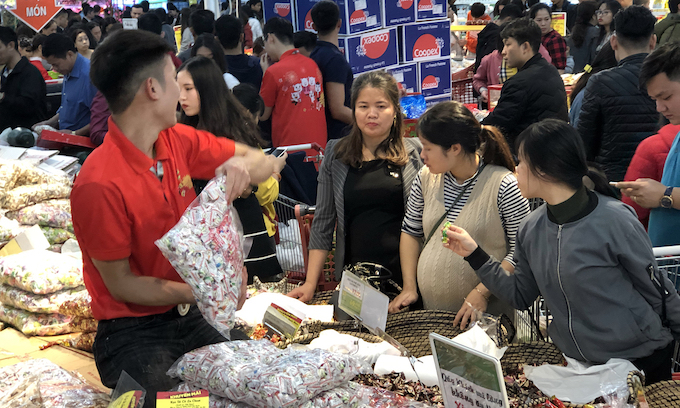
    Vietnam is ahead of the global average in adopting healthy and sustainable lifestyles, a survey has found.

    Forty seven percent of respondents in Vietnam said they had supported a socially responsible company last year, against a global average of 33 percent, the survey by research company GlobeScan and digital payment firm Visa said.

    Eighty two percent said they had sought out information related to healthier lifestyles last year, well above the global average of 56 percent.

    The survey, which polled 27,000 people in 27 countries and territories, also found that people in Vietnam are taking proactive steps towards healthier and more sustainable lifestyles.

    Ninety percent said they had made changes to their lifestyles last year to be more environment-friendly, and 87 percent made changes to be healthier.

    Vietnamese also display a high interest in environment-friendly lifestyle choices, with 81 percent saying they had sought out information about them last year against a global average of 47 percent.

    “It is encouraging to see that consumers in Vietnam are already taking concrete steps to lead healthy and sustainable lifestyles,” Dang Tuyet Dung, Visa country manager for Vietnam and Laos, said.

    Asked what companies could do to help them live healthily and sustainably, Vietnamese listed a desire for new products that are better for both people and the environment as a top priority.

  • Nespresso launches farm-to-table sustainability initiative

    Nespresso launches farm-to-table sustainability initiative

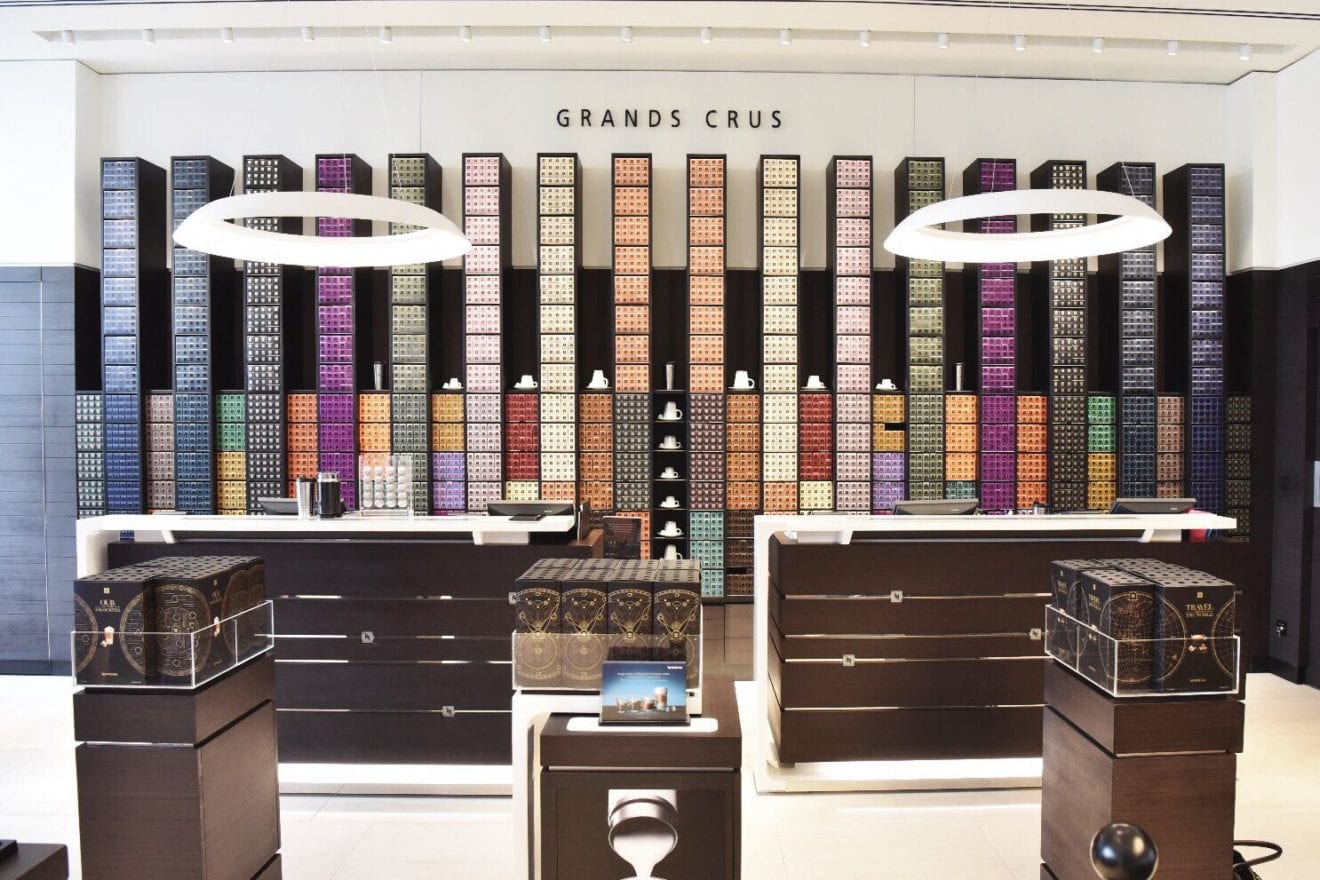
    Capsule coffee brand Nespresso is inviting business partners to join an exclusive farm-to-table culinary experience designed by Chef Vicky Cheng, owner and executive chef of Michelin-starred Vea Restaurant and Lounge in Hong Kong.

    To further encourage the public to participate in the Nespresso’s sustainability initiatives, Cheng will extend the unique farm-to-table experience to the acclaimed restaurant with a special gift. From November 11 to December 14, diners will receive a complimentary jar of rosella jam, made with rosella grown using recycled coffee grounds at the Nespresso Farm.

    As the chief ambassador of Nespresso Hong Kong, Cheng will be creating a one-of-a-kind luncheon using fresh vegetables harvested straight from the Nespresso Farm.

    Guests will not only indulge in the gourmet-coffee pairing menu but will also see how used coffee grounds from recycled Nespresso capsules are repurposed as compost and given new life.

    “As chef ambassador of Nespresso, I have had the opportunity to travel to the brand’s headquarters and even to the coffee farms in Colombia,” said Cheng. “From these experiences, I have witnessed the brand’s deep commitment to quality, craftsmanship, and sustainability, which are shared values that I believe are key to delivering the ultimate experiences to customers … It is a delight to be able to craft this Nespresso farm-to-table menu and cook using top quality, fresh ingredients grown from repurposed coffee grounds; I hope this inspires people to join the sustainability journey.”

    Nespresso capsules are fully recyclable, from the aluminum capsules to the coffee grounds within them. The brand’s current local capsule recycling rate is running at 24 percent. Club members can drop off their used capsules at any Nespresso Boutique or use the Recycling@Home service – a doorstep collection system where used capsules are picked up when a new order is delivered.

  • Le petit h by Hermès launched in HK

    Le petit h by Hermès launched in HK

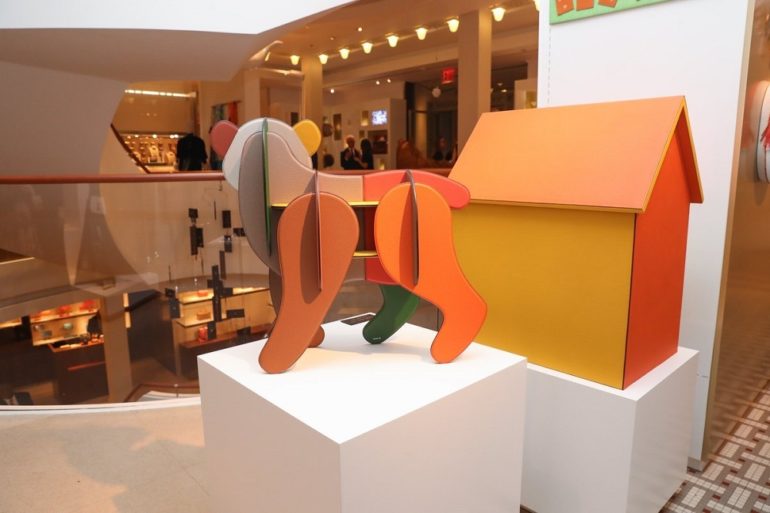
    Hermès presents a workshop of metamorphosis for materials and the invention of forms themed from now on till 9th December in Hong Kong. From a giant elephant pouffe to a target mirror, the Landmark Price’s store is transformed with scenography designed by Hong Kong artist Kevin Cheung. Once upon a time, there was a meeting of materials, their inimitable mix, their singular hybridisation. Petit h shares with upcycling product designer Kevin Cheung a passion for slumbering materials, from bamboo to silk, cashmere and many more.

    The staging is inspired by daily life and everyday objects. A tree and its bubble-like buds unfurl across the three levels of the store where new petit h inventions appear, paying homage to the diversity of Hermès materials and know-how, and to the dreams that take shape during our daily lives.

    Petit h was founded in 2010 by Pascal Mussard, who had the idea of bringing leftover materials from all over the house under one roof and giving them new life through Hermès craftsmanship and know-how.

    Godfroy de Virieu, creative director since January 2018, is now leading the dialogue between artisans, designers and artists from all backgrounds.

    Together, they create dreamlike, playful, poetic and surprising objects from noble materials as either unique pieces or limited editions.

    Petit h permanent home remains in Paris, in the Hermès store at 17 rue de Sèvres, as well as Hermes.com.

    Petit h will be traveling Asia in 2019.

  • E-commerce platform JD introduces reusable packaging

    E-commerce platform JD introduces reusable packaging

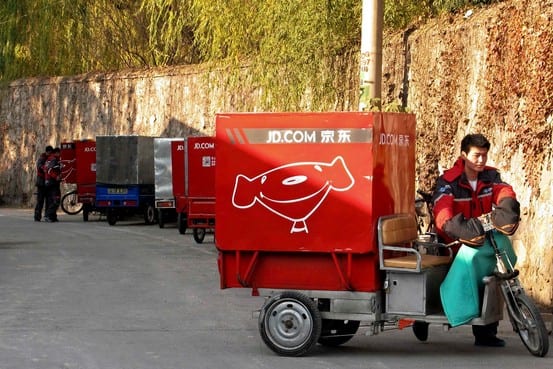
    E-commerce platform JD has launched a reusable packaging initiative to promote sustainable consumption. The new program offers JD’s customers the option of ordering reusable packaging for their small and medium-sized parcels, returning the green boxes to delivery personnel after receiving their order. The firm estimates the program can save RMB32.5 million (US$4.68 million) per year if 10 per cent of orders use the new packaging.

    Customers who choose the packaging are rewarded with JD’s “Jingdou” loyalty points, which can be exchanged for products on JD.

    The service, which kicked off in Beijing, Shanghai, Guangzhou and Shenzhen, will expand to Chengdu and five other cities by the end of this month, and will cover 20 cities by the end of the year.

    JD Logistics’ head of planning and development Bing Fu said: “JD.com is always exploring ways to reduce e-commerce waste through green logistics. By using this green packaging, and taking part in our other innovative recycling programs, JD’s customers can enjoy the convenience of e-commerce while knowing that their purchases have involved minimal carbon emissions.”

    By deploying green boxes, JD expects to reduce the number of boxes used throughout the supply chain by 10 billion by 2020. The company has also set the target for 80 per cent of packaging materials to be recyclable; over 50 per cent of plastic packages to be replaced by biodegradable material; and 100 per cent of logistics packaging to be composed of recyclable or reusable materials.

    Meanwhile, JD introduced a fleet of hydrogen energy delivery trucks to greater Shanghai earlier this year, marking the first significant commercial deployment of hydrogen-powered vehicles for logistics in China as well as the latest expansion of JD’s goal to make the ‘last mile’ of the distribution process carbon-free. In early June, the company unveiled a fleet of 50 solar-powered delivery vehicles in Beijing.

  • Caelum Greene, the first multi-brand fashion store in Hong Kong

    Caelum Greene, the first multi-brand fashion store in Hong Kong

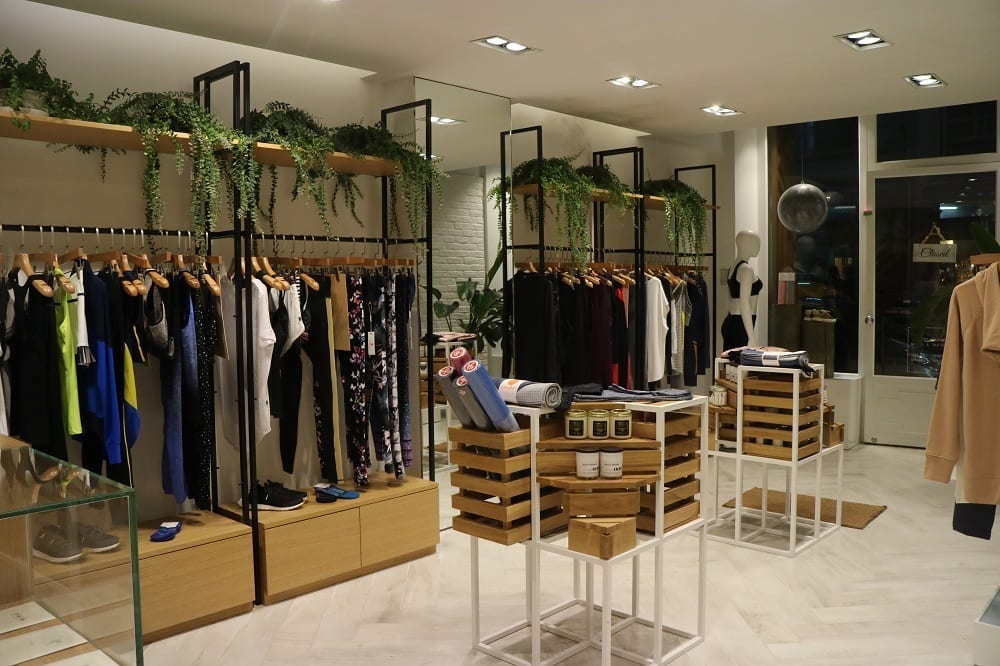
    Featuring mannequins stretched out in graceful yoga poses, Caelum Greene is hard to miss on Hollywood Road.

    Hong Kong’s first multi-brand athleisure and lifestyle fashion store soft-opened in June 2016, attracting a clientele of health-conscious customers who love looking and feeling good.

    After only 1 year of operations, Caelum Greene is launching its e-commerce site on 5 January 2018.

    Designed and curated for the modern-day mindful customer, the brands offered readily merge wellness with fashion. With two elegant yet cozy, eco-friendly locations in Hong Kong, Caelum Greene is looking to extend its ethos to a wider audience with its upcoming online presence.

    Serving as the bridge between the modern day gal and sustainably conscious designers, Caelum Greene’s online presence will continue to showcase its outstanding ethos and dedication to a better world.

    Caelum Greene carries brands offering versatile, high-quality fabrics made with the heart and mind. These include high-tech athleisure brands Daquini, MICHI, Monreal London, as well as fashion and lifestyle brands Tach Clothing and Filippa K. Caelum Greene is committed to actively giving back to the community, and its online experience will be no different.

    Continuing its partnership with Asia’s largest sustainable fashion NGO, Redress, Caelum Greene will donate a percentage of the online sales to the organization for every order placed. The aligned missions and collaboration will give clothing a second chance at life, filtering it through the system to be upcycled or recycled. The collaboration aims to prove that together, we can reduce waste in the fashion industry.

    Together, the online platform and brick-and-mortar stores will allow Caelum Greene to maximize its positive impact.

    Founder Charlotte Tsuei emphasizes that “it is important to me that wherever Caelum Greene goes, it brings positive and meaningful change to the community.”

    Charlotte Tsuei describes Caelum Greene as “an alternative to shopping more sustainably without compromising on style and quality.” The brands at Caelum Greene are carefully curated based on their style, quality, value, uniqueness and their core ethics similar to Caelum Greene. “We hope to able to move the needle, even just ever so slightly, towards a more sustainable future for fashion.”

  • Avoiding Supplier Sustainability Scandals Through Better SRM

    Avoiding Supplier Sustainability Scandals Through Better SRM

    Corporate ethics are under greater scrutiny than ever before; any failing is rapidly exposed on social media and very soon hits the global headlines. Investigative media – be that online, on television, or on paper – will eagerly expose the latest scandal, whether it’s to do with child labour, slave workers or bribery in high places, while Governments, which must be seen to act, respond with public inquiries, new legislation, or prosecutions. But it’s not just about protecting brand reputation and adhering to regulations, it’s also about being able to reassure and cater for customers.

    Daniel Weston, Chief Operating Officer (Europe), Adjuno, discusses how best to implement effective Supplier Relationship Management (SRM) to help avoid nasty surprises.

    Conscious Consumers
    Many of today’s shoppers want to know exactly where the items they buy come from and that they are sourced sustainably and ethically. Is that garden furniture made from illegally logged rainforest teak rather than the FSC (Forest Stewardship Council) variety from sustainable plantations? Can you trust the supplier to have honestly labelled it as such? As various scandals in recent years have highlighted, what certain suppliers say about their products is not always strictly true, and when the deception hits the headlines then most members of the public will remember the retailer’s name – not the lesser known supplier.

    Our global world is also highly competitive: consumers are increasingly demanding with across to cross-border ecommerce commonplace, while product life cycles grow ever shorter. Add to that concerns over rapidly changing business-to-consumer (B2C) dynamics as well as the total “cost to serve” – as competition and consumer demand increase pressure on high-level services – and the need for good supplier relations becomes ever more significant.

    Implementing Supplier Relationship Management
    Supplier relationship management is all about strategic collaboration with suppliers to add value, minimise risk and ensure consistent and compliant governance. Any SRM implementation should start small with a pilot project involving a handful of key strategic suppliers before embarking on more significant developments.

    Implementing an SRM process is made a lot simpler when following a step structure, such as in the following checklist.

    1. Define objectives and priorities.
    2. Analyse the activities involved, process change needed and the necessary toolkit.
    3. Identify and define the necessary roles and responsibilities.
    4. Assess the maturity of your procurement department and their ability to cope with change.
    5. Establish the internal competences needed and give training where required.
    6. Identify suppliers and their core competencies.
    7. Segment suppliers: identify the strategic with whom to develop SRM.
    8. Examine existing and needed technology.
    9. Establish parameters for measuring and improving supplier performance.
    10. Establish systems to identify and mitigate risk.
    11. Select meaningful KPIs relevant to both you and your strategic supplier.
    12. Ensure both partners in the relationship are committed and all stakeholders throughout the
    13. Don’t expect a one- size-fits all solution: relations with each strategic supplier may take on a organisation aligned unique character.

    Overcoming Obstacles

    Putting a set of standardised, open and transparent SRM tools in place, plus a rigorous and consistent management approach can help improve the chances of SRM success. But there are still several pitfalls to consider and avoid when setting up SRM, three key ones are:

    1. Placing too much focus on costs rather than value
      Effective SRM demands attributes, such as change management, team leadership, and the long-term planning necessary to develop lean and agile supply chains. Too much preoccupation with short-term cost control and it’s back to those old adversarial combats with buyers pushing down the price while disgruntled suppliers watch their profits evaporate.
    2. Lack of specific SRM competencies and skills
      While the right software tools can ease SRM implementation, it is more than just an electronic filing cabinet. The success also depends on the people and processes across both supplier and buyer organisations. For example, this new way of operating may be challenge for those transitioning from traditional procurement departments that have previously been responsible for running sourcing projects and have specialised in taking an adversarial approach to negotiation. Extra training will help to combat any of these sorts of issues.
    1. Non compatible strategic objectives
      SRM also requires that both supplier and buyer adopt a complementary strategy: developing long-term collaborative partnerships will not work if either side is still in combative mood looking for weaknesses to exploit. The decision to introduce and develop SRM needs good executive leadership and agreement from selected strategic suppliers so that they, too, are comfortable with such an approach.

    Conclusion
    There are lots of benefits to supplier relationship management, as well as more sustainable processes and improved customer satisfaction, they generate better access to technological innovations, improved on-time delivery, reduction on inventories, higher responsiveness to customer demand and more product innovation opportunities.

    SRM is not a quick-fix solution, it is a long-term game and involves a strategic approach to business improvement. Success requires commitment and persistence. Especially, in the global economy with ever-increasing competition, where securing a reliable and supportive supplier base is essential: if businesses do not become the “customer of choice” then it is very likely that one of their competitors will. Equally, if procurement departments maintain a traditional adversarial stance, the performance management is poorly monitored or contracts are buried deep in a filing cabinet, then the likelihood of supply chain breakdown increases – and brands will have no excuse when the ethical failings of their suppliers become public knowledge and damage their hard earned reputation.

  • SM Malls proves disaster resiliency makes business sense

    SM Malls proves disaster resiliency makes business sense

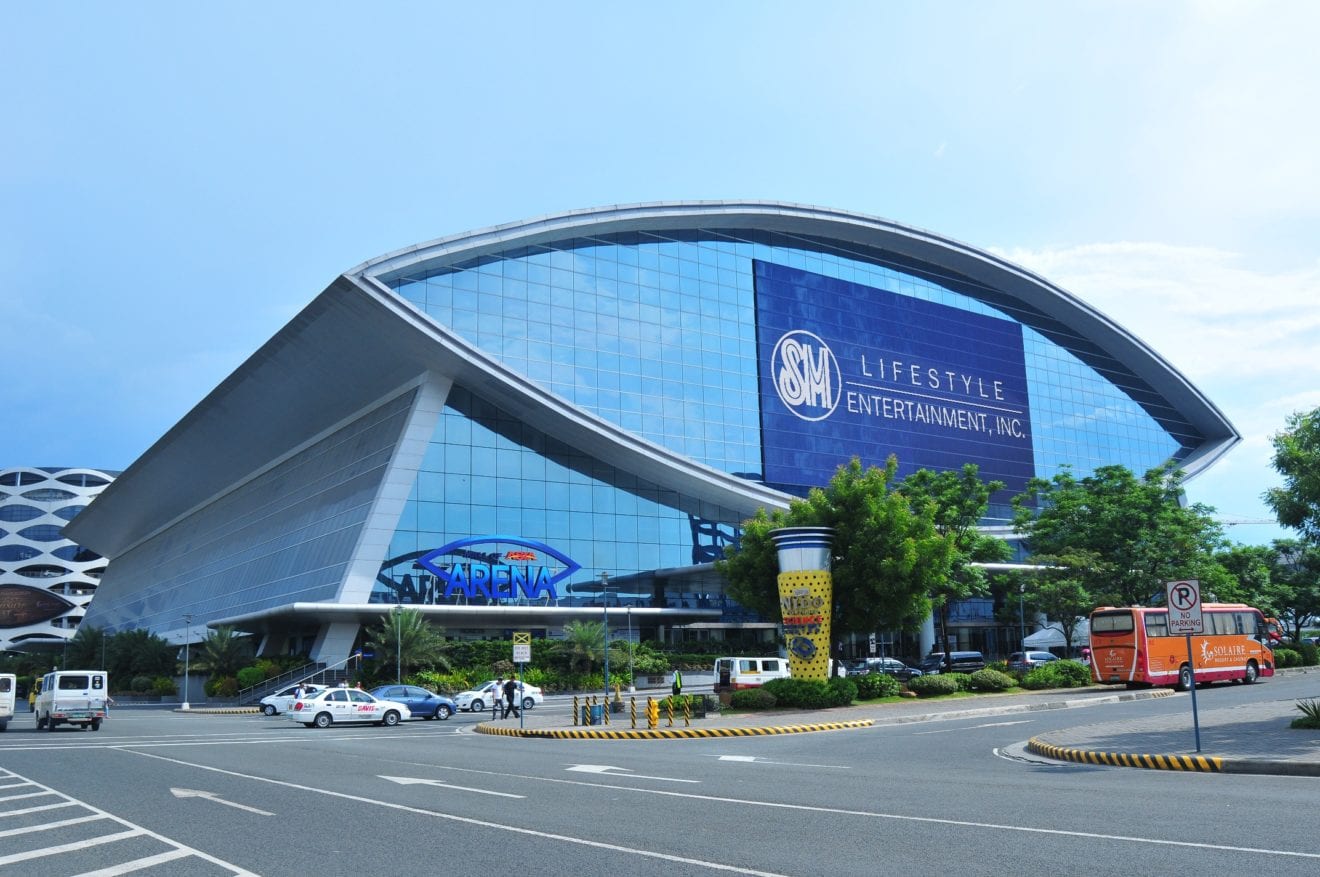
    SM Malls shopping centres – now a 56-strong network across the Philippines – have evolved into sustainable structures that are proving to be valuable investments in the event of the frequent natural disasters which strike the nation.

    In the last few years, SM malls have consciously integrated disaster risk reduction into design and operations in the midst of worsening effects of climate change.

    Speaking before the annual meeting of the United Nations International Strategy for Disaster Risk Reduction (UNISDR) in London, recently, SM Prime president Hans T Sy shared that the company has taken major steps to ensure the longevity of its developments and safeguard its host communities given this context.

    SM’s malls, with a total gross area of over 7 million sqm, have an average daily foot traffic of over 4 million people and some 15,000 tenants.

    “My experience has proven that investing in resilience of our company’s assets makes good business sense. Depending on the location and assessment of the project, around 10 per cent of capital expenditure is allocated to Disaster Resiliency,” said Sy who is the only Filipino to be part of the UNISDR’s Private Sector Advisory Group.

    “We see the entirety of our malls as a city in itself, with locators, employees, customers and the communities we serve,” he added.

    One of the latest SM malls to open, SM City Cabanatuan in Nueva Ecija, is a good example of how SM Prime has adapted to climate change by making its infrastructure more disaster resilient.

    Cabanatuan was affected by Super Typhoon Lando (International name: Koppu) which caused massive flooding, mudslides and power outages that affected 9 million people in the northern region. The mall’s design allowed the free flow of creek floodwater during extreme flooding while the lower ground structure served as a flood catchment, thereby reducing the risk of flooding and ensuring the safety of the surrounding communities. The mall likewise served as a refuge for over 400 customers and families in the area at the height of the typhoon.

    Over the past several decades, SM Prime has made significant inroads in incorporating disaster resiliency in its centres. The best example is SM City Marikina which opened in 2008 and was built on concrete stilts to allow flood water from the nearby Marikina River to flow freely. When Typhoon Ondoy (International name: Ketsana) flooded most of Marikina City, the mall stood high above flood waters and all its tenants were undamaged and safe.

    The roads surrounding the Marikina mall are at ground level. Anticipating floods during heavy rains at that level, SM Prime constructed the first two levels of SM Marikina as parking areas without wall enclosures. The upper parking level was constructed at an elevation of 20.5 meters. During extreme floods, the parking floors are vacated and the supportive stilts allow for the free flow of water through the lower levels, while the business units continue to operate safely as was seen at the onset of Typhoon Ondoy (Ketsana) when a huge part of Marikina was flooded. The mall became a refuge for stranded people and food seekers. It also became a re-packing center for relief goods.

    SM City Masinag in Antipolo, SM BF Paranaque, SM Angono and SM San Mateo both in Rizal province were provided with catch basins underneath the mall to hold water during flooding.

    SM Muntinlupa in Alabang, was also designed to ensure the safety of the customers even if it was found to be located on a “discontinued major fault line”. Its design features a slab system that minimises the effects of earthquakes.

    The Mall of Asia Complex in Pasay City, one of SM Prime’s biggest investments located on 60 hectares of reclaimed property, has also been been designed for resiliency. He said that the main feature of the complex is that all structures were constructed at a height of 4.5 meters above the National Building Code requirements.

    “SM Prime places crucial importance on disaster resilience, not as an additional cost, but as part of our core business strategy. It allows us to serve our communities better, to be competitive, to increase our value and bottomline. But most of all, disaster resilience ensures the safety of our customers and the communities where we operate,” Sy said.

    Aside from introducing sustainable features in its malls, SM Prime also educates and updates its partners and stakeholders on disaster risk reduction (DRR) through internal procedures and various forums, such as the Green Retail Agenda, Business Case for Disaster Resilience, Top Leaders Forum and others. It also values and supports the government’s programs and initiatives in their information and educational campaigns such as the first Metro Manila Shake Drill for Earthquake Preparedness.

    SM Prime also supports DRR projects such as the Weather Philippines Foundation’s Automated Weather Station (AWS) which specialises in local weather forecasting.  All SM malls have also installed the AWS device which provides online five-day local weather forecasts as a form of public service in support of the government’s weather forecasting.

    SM has also donated 1000 units of disaster resilient houses to victims of Typhoon Haiyan, the strongest storm to make landfall in the southern part of the Philippines.

    SM Prime set up its efforts to lead Philippine businesses and communities disaster-resilient through the Private Sector Alliance for Disaster Resilient Societies (Arise), a worldwide initiative spearheaded by the UNISDR to create more resilient societies.

    Arise was introduced for the first time in Southeast Asia during the 2015 Top Leaders Forum at the SMX Mall of Asia in Pasay City.

    Arise, which was launched in London last September, was created in order to implement the Sendai Framework for Disaster Risk Reduction, a 15-year global roadmap adopted in March 2015 which aims to curb disaster mortality and economic losses substantially.