Retail News CRM

Tag: Swarovski

  • Swarovski Unveils Iconic Flagship Store In Osaka, Ushering New Era Of Retail Experience

    Swarovski Unveils Iconic Flagship Store In Osaka, Ushering New Era Of Retail Experience

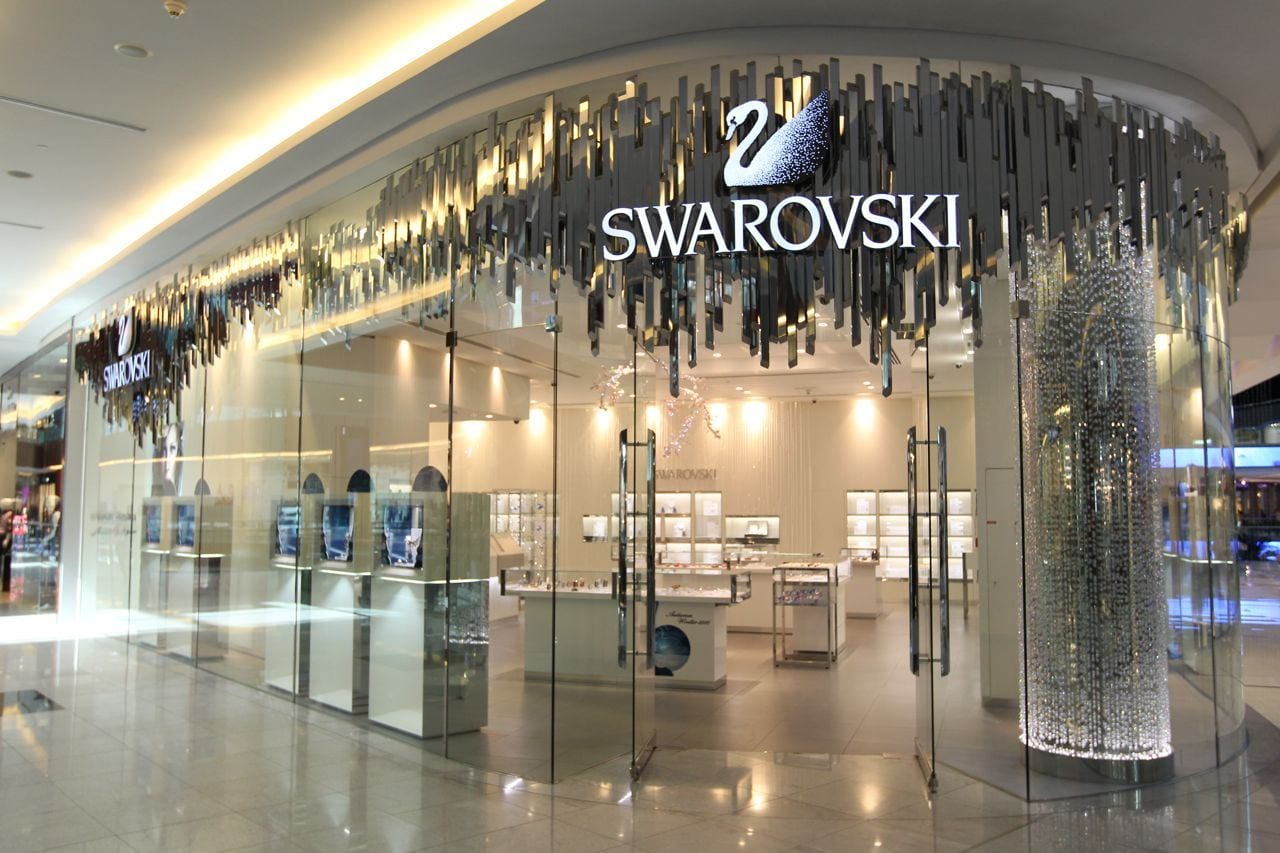
    This week, Swarovski, the renowned Austrian producer of luxury cut lead glass, inaugurated its new flagship store in Shinsaibashi, Osaka, Japan, marking another step forward in the brand’s expansion across Asia.

    Store Design

    The new retail space, which is spread over three levels and spans more than 122 square meters, was conceived and executed under the creative guidance of Giovanna Engelbert, the brand’s global creative director. The store offers an immersive, sensorial journey that reflects both Swarovski’s iconic aesthetic and its legacy in the world of crystal.

    The ground floor of the new store, bathed in a soothing palette of blues, houses a broad selection of Swarovski’s jewelry, watches, and accessories. This includes a hands-on earring spinner, as well as a special display dedicated to Swarovski Created Diamonds.

    Thematic Zones

    Moving up to the first floor, the mood shifts to a sunny yellow theme, where the emphasis is on lifestyle and gifting. Here, customers can browse home decor items, collectibles, and collaborative pieces with Rosenthal.

    The top level of the store, painted in a soft pink, is where Swarovski’s heritage and innovative spirit come to the fore. This floor serves as a showcase for the brand new Vienna collection, the Millenia line, and pieces from the Swarovski Creators Lab.

    Creating a Unique Customer Experience

    Masaki Suzuki, the General Manager of Swarovski Japan, shared that the freshly opened Osaka store is designed to provide customers with a luxurious space where they can experience the entire spectrum of what the brand has to offer. Suzuki went on to describe the Swarovski Osaka store as a symbol of the brand’s retail evolution. He emphasized that the store represents a refined environment where creativity, craftsmanship, and savoir-faire converge to create an immersive and engaging customer experience.

    This new opening in Osaka comes on the heels of Swarovski’s recent store launches in New York, Milan, and Seoul.

    Questions & Answers

    What does the new Swarovski store in Osaka offer?
    The store provides an immersive experience across three themed floors. The ground floor offers jewelry, watches, and accessories; the first floor focuses on home decor and gifting; and the top floor showcases the brand’s heritage and innovation.

    Who designed the new Swarovski store in Osaka?
    The store was designed by Swarovski’s global creative director, Giovanna Engelbert.

    What is the significance of the new Swarovski store in Osaka?
    This store represents Swarovski’s expanding footprint in the Asian market and an evolution of its retail strategy, offering consumers a space where they can fully experience the brand’s universe.
  • Inside Swarovski’s first Asian flagship store, at Shanghai

    Inside Swarovski’s first Asian flagship store, at Shanghai

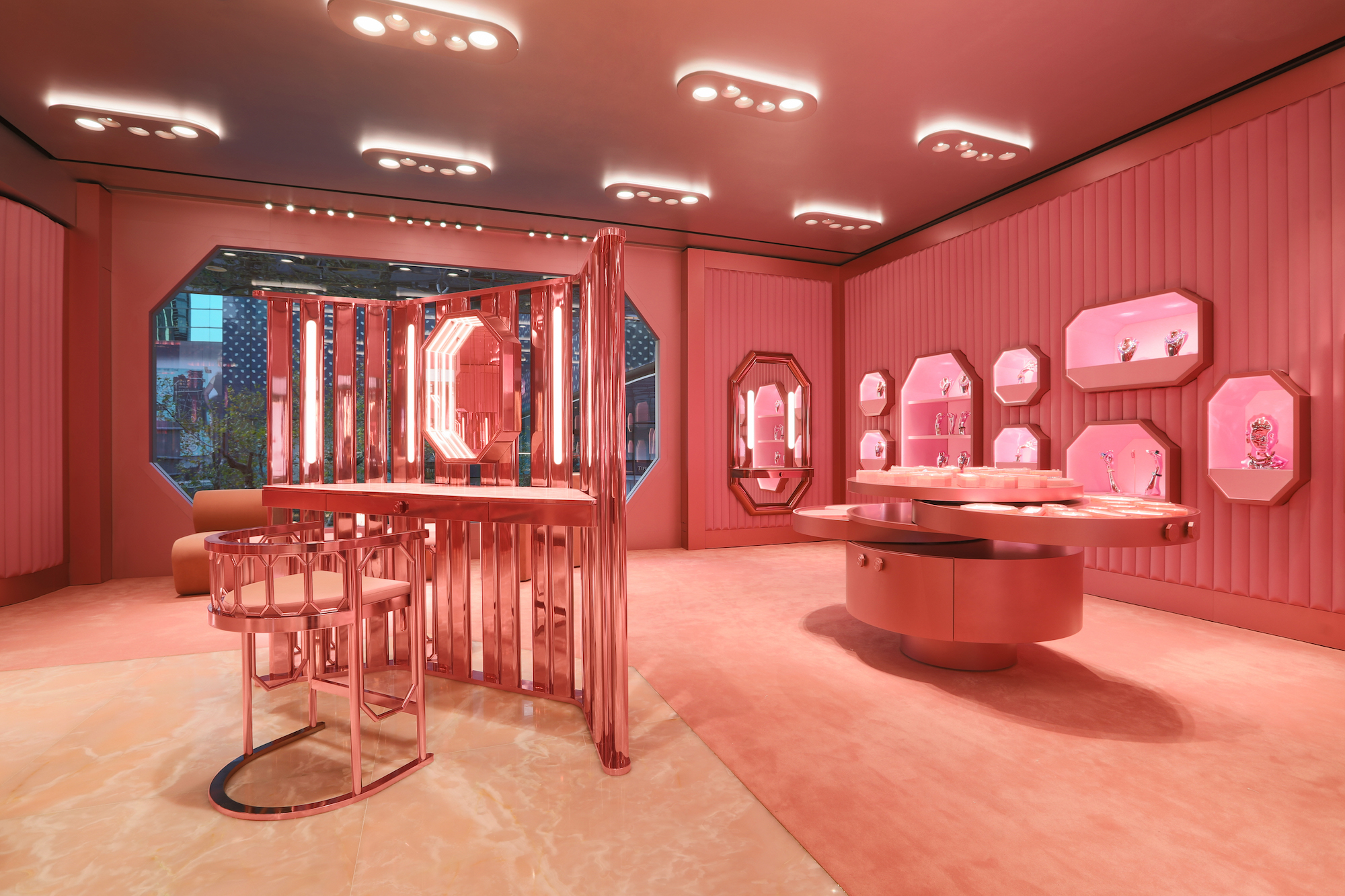
    Swarovski has just opened its first Asian flagship store in HK Plaza, Shanghai. On the heels of the brand opening its Instant Wonder pop-up boutiques in 27 key locations around the world earlier this year, the Shanghai flagship will welcome customers into Swarovski’s world on a more permanent basis.

    “Throughout the journey of our transformation, we have been working towards a moment like this,” notes CEO Michele Molon, “The moment where guests can not only explore Swarovski products, but immerse themselves in our point of view, our personality, and the experience of intimately understanding the sense of joy and innovation from which each item is created.”

    As one of the key markets of Swarovski — and luxury as a whole — China, in particular the creative hub of Shanghai, feels like the natural place to open the brand’s first flagship in Asia. And this is no normal flagship. Creative Director Giovanna Engelbert sought to create in Wonderlab a place that transports customers into the imaginative world of Swarovski.

    Rooted in brand codes, colors, packaging, and heritage, the Swarovski Wonderlab does just that. “I am incredibly excited to unveil this beautiful space, inspired by the forward-moving landscape of China and her people. It’s the biggest, most ambitious store we’ve made, centimeter by centimeter thought through and brought into reality,” commented Englebert.

    Ambitious isn’t even half of it. Take in the metallic pink of the Wonder Room with a rotating central display and custom Swarovski Swan chairs or the Lucent stairwell which climbs to the Dream Room. Robotic arms nod to the innovation behind Swarovski’s developing offering, standing in stark contrast to the pastel pinks and mesmerizing crystals that define the rest of Wonderlab. The Swarovski Wonderlab is nothing short of a dreamscape in the heart of Shanghai.

    Swarovski’s Shanghai flagship opened on December 10, so be sure to visit for a taste of the future of retail if you’re in Shanghai.

  • Swarovski opens Crystal Studio concept store in KL, Malaysia

    Swarovski opens Crystal Studio concept store in KL, Malaysia

    Swarovski has launched Southeast Asia’s first Crystal Studio concept store, in Kuala Lumpur, Malaysia. Located in Mid Valley Megamall, the store offers interactive digital touchpoints throughout the store, including shop window screens and interactive tablets.

    Designed by Patricia Urquiola, the store concept “follows the last store redesign 10 years ago and heralds a new phase in Swarovski’s differentiated approach to the retail experience,” the company said.

    “The new Swarovski retail concept truly puts consumers at the center,” said Michele Molon, EVP omnichannel and commercial Oo/erations. “We are breaking the traditional distance between staff and customers, facilitating an interactive and continuous dialogue with them.”

    The store theme color is an incorporation of a warm color palette and Swarovski’s signature blue. Crystal Studio Malaysia houses a Crystal Bar, a station where customers can view new products with in-store experts.

    “Innovation, creativity, and the customer are at the core of this exciting new store concept,” said Robert Buchbauer, chairman and CEO, consumer goods business.

    “Before we started working on the aesthetics, we focused on functionality, with the ambition being to meet the digital demands of our consumers while offering them a unique and immersive brand and shopping experience,” he said.

  • Swarovski says sorry for ‘misleading’ communication over Chinese sovereignty

    Swarovski says sorry for ‘misleading’ communication over Chinese sovereignty

    Jewelry retailer Swarovski has issued a sweeping apology over implying Hong Kong is not part of China, the latest international brand to fall foul of rising nationalistic sentiments on the mainland.

    The apology followed the resignation of its Chinese brand ambassador Jiang Shuying and follows a string of social-media controversies in recent weeks over fashion brands differentiating Hong Kong and China, including Coach, Givenchy, and Versace.

    Instances of Hong Kong is portrayed as an independent country or market have garnered far more attention since June, coinciding with growing protests in the territory against perceived mainland encroachment on Hong Kong laws and governance.

    “Considering the recent happenings in China, Swarovski takes full responsibility and sincerely apologises to the people of China, as well as to our collaborative partners and brand ambassador, Ms Jiang Shuying, who have been deeply disappointed due to misleading communication on China’s National Sovereignty,” Swarovski wrote in a statement distributed via social media.

    “We have strengthened our global brand awareness and we will continue to review all our digital platforms globally to correct any inaccuracies,” the statement continued.

    “We abide by our commitment to act as a responsible corporate citizen, which has been embedded in the way we do business since the foundation of our company in 1895. In keeping with this tradition, Swarovski has always firmly respected China’s national sovereignty and territorial integrity, providing the Chinese market with unified worldwide services and products.

    “Swarovski will continue to support a harmonious society, together with the Chinese people.”

  • Empire State Building Store sets tourist retail benchmark

    Empire State Building Store sets tourist retail benchmark

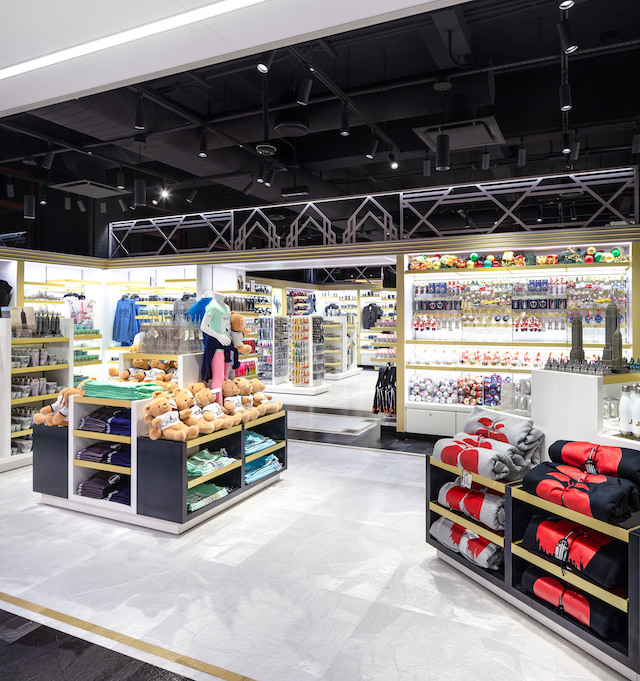
    North American travel retail firm Hudson Group has announced the unveiling of the Empire State Building Store, part of the reimagined Empire State Building Observatory experience. The newly renovated 4500sqft retail space offers more than 800 items exclusive to the property, including destination mementos, curated souvenirs, and modern luxury, as well as a new shop-in-shop experience, Empire on Fifth.

    “With our US$160 million Observatory upgrade, the redesign of the Empire State Building Store elevates the retail experience at the building and caters to our guest’s interests,” said senior VP of the Observatory Jean-Yves Ghazi.

    “From the King Kong section to exclusive merchandise from top brands Baccarat Crystal, Puma, Swarovski and more, there truly is something for everyone”.

    The Empire State Building Store is one of more than 300 specialty retail locations operated by Hudson Group.

    “Hudson Group is elevating the gift store experience in our properties across North America by bringing 30 years of travel retail experience to tourism,” said Hudson Group CEO Roger Fordyce. “We could not be prouder to partner with Empire State Realty Trust to offer this new amenity to visitors at the most recognised building in the world, the Empire State Building”.


  • Celebrating Lunar New Year with offers from DFS

    Celebrating Lunar New Year with offers from DFS

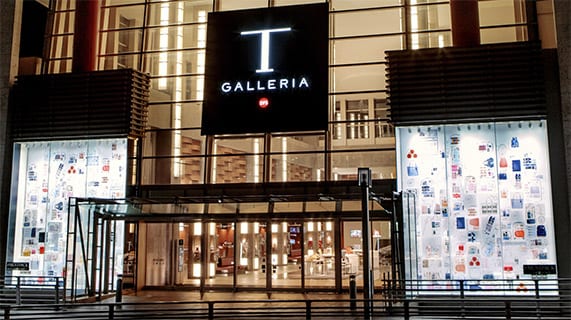
    To celebrate Lunar New Year and the arrival of the Year of the Dog, luxury travel retailer DFS Group will offer special promotions and interactive activities at certain T Galleria and DFS stores worldwide next month.

    There will also be exclusive offers from the group’s Give Joy Together gift guide.

    In-store activities will include a Pokemon Go-inspired game featuring the DFS Lunar New Year dog character Lolo. This will be available at T Galleria by DFS, Hong Kong, Canton Road; T Galleria Beauty by DFS, Hong Kong, Causeway Bay; and T Galleria by DFS, Angkor. It will also be at outlets in Hawaii and Sydney.

    Other activities include a Fortune Tree and Wishing Tree with lucky prize envelopes, and a personalised charm giveaway set for customers taking advantage of Give Joy Together promotions.

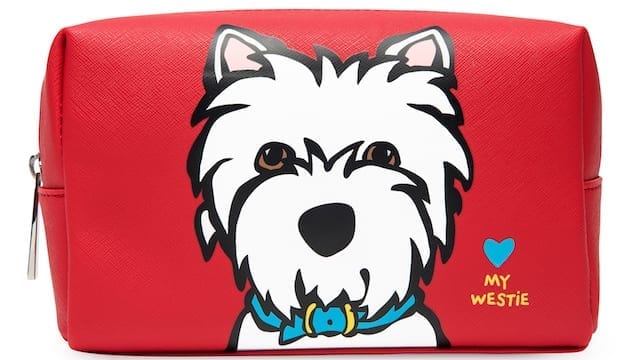
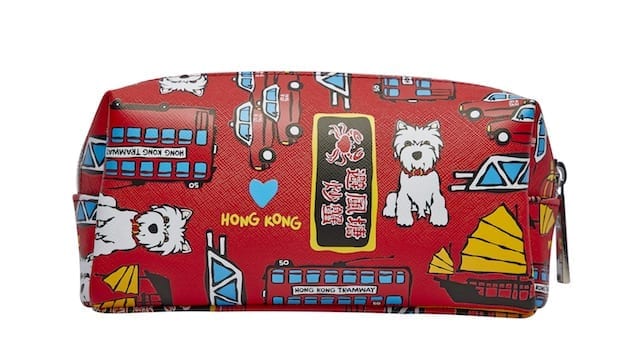
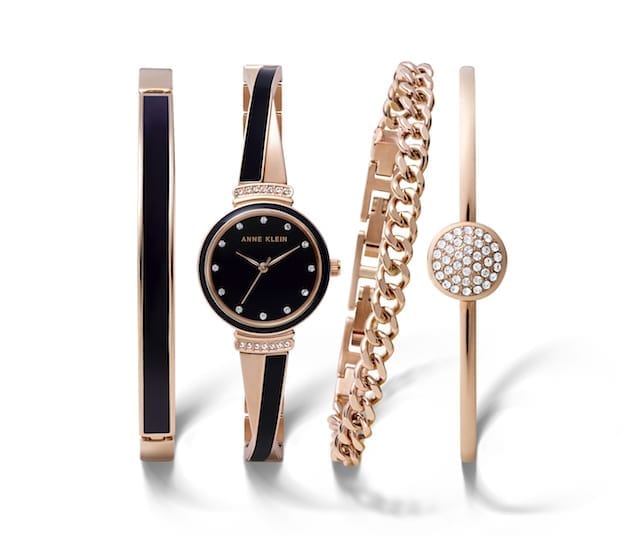
    Exclusive products for the month include: Anne Klein Blush women’s ceramic watch with Swarovski crystals; Bulgari Serpenti Twist Your Time, with either mother-of-pearl or red dial; Emporio Armani Connected touchscreen smartwatch; Estee Lauder limited-edition Pure Color Envy Sculpting Eye Shadow & Lipstick; Hamilton’s Ventura Elvis 80 automatic men’s watch with a complimentary exclusive Elvis Presley tote bag; Marc Jacobs exclusive tote bag; Marc Tetro Hong Kong Pug cosmetic bag and Westie tote bag; Swarovski Haves bracelet, pendant and earrings; and Tiffany & Co Keys Fleur de Lis Key and Keys Petals pendants.

  • Swarovski debuts Perth flagship store

    Swarovski debuts Perth flagship store

    Crystal maker and jeweller Swarovski has opened its Perth flagship store, the second store in Australia to feature the brand’s crystal drop chandelier, as part of its new retail design.

    Located in Perth Hay Street Mall, the new Western Australia store boasts Swarovski’s new ‘crystal forest’ outfit, which was unveiled at the opening of the Austrian firm’s Sydney store in May.

    Updating the store layout, Swarovski employed renowned architect Tokujin Yoshioka as part of the brand’s plan to improve aesthetics across its distribution network.

    Robert Buchbauer, member of the Swarovski Family and of the company’s CEO, said the new store design is “a tremendous illustration of Swarovski’s contemporary vision and taste for design.”

    In an interview earlier in the year, Australia managing director of Swarovksi, Brett Spinks, said Australia was a “growing” market, adding that the high-end jeweller plans to roll out more new store in 2017.
    “We see robust growth in our retail channel both online and in our physical [stores],” Brinks said.

    “Due to this significant growth, we are delighted to be able to further meet our consumer demand by opening a number of new stores in 2017.”

    The Australian watch and jewellery retailing industry grew by an annualised 2.9% over the five years through 2016-17, to reach $3.3 billion, according to Ibis World.

  • Swarovski launches WeChat Mini program for mother’s day campaign

    Swarovski launches WeChat Mini program for mother’s day campaign

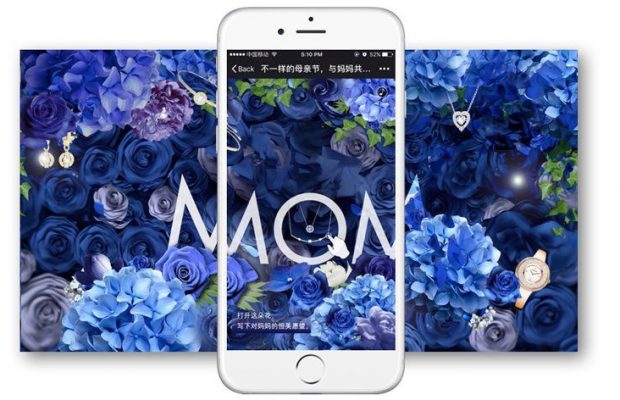
    Since launching in early January 2017, WeChat mini programs offer brands an alternate avenue to develop advanced functionalities, whether it’s making purchases, finding up-to-the-minute information, or editing photos. Conceptually similar to Google’s instant apps, WeChat mini programs take away the barrier to download additional apps from an app store, and instead allow brands to offer users new and additional functionalities without having to leave the WeChat ecosystem. While it may not be relevant to serve all purposes, Swarovski is the first watch and jewelry brand to find a way to leverage the technology of mini programs and complement both their social and retail activities.

    To celebrate Mother’s Day, Swarovski launched a social media campaign on May 5, that speaks to all sons and daughters to celebrate their mother’s eternal beauty and share with them well wishes to continue living youthfully and differently. A vivid and beautiful garden design features Key Opinion Leaders’ (KOLs) wishes to their mothers and brilliant Swarovski products to inspire gift ideas among online audiences.

    “The Swarovski brand spirit of ‘Daring & Irresistible’ is not only reflected in the design of our products, but also ingrained in our marketing strategy,” said Donna Pang, managing director of Swarovski China. Pang continues to say that, “social media continuously evolves quickly, so it is important to us that we find new and innovative ways to use new technology and functionality to improve the consumer experience with Swarovski, from brand awareness to aspiration, to purchase.”

    Working together with Tencent and DLG China, Swarovski launched a mini program that serves as a 1-click solution to purchase the campaign’s featured Mother’s Day gift ideas, directly through their official WeChat account. “Working with Swarovski, a brand that embodies love and beauty, launching the ‘Swarovski’s Brilliant Gifts mini program for Mother’s Day created a smooth experience for users to express themselves on the occasion,” said Juliet Zhu, head of marketing at WeChat.

    The mini program can be shared like a contact and pinned like a chat, keeping consistent with native WeChat behaviors. Staying within WeChat means that users can also pay with their WeChat Pay for a complete consumer journey. Zhu elaborates that “thinking about the user experience at every step is a top priority. We are continuously striving to develop connections between brand products and services with users.”

    Additionally, leveraging their vast retail footprint in China, Swarovski stores are supporting the launch by driving foot traffic with key visuals featuring the scannable mini program QR code in stores.

    In the future, Swarovski plans to leverage further on its WeChat mini program and make it a sustainable component of the brand’s social media strategy. For WeChat, Zhu says they “hope to take this successful collaboration encourages more brands to leverage WeChat mini programs in their brand activities.”

  • China tops US as Swarovski’s largest market

    China tops US as Swarovski’s largest market

    China has surpassed the US to become the biggest market for the Austrian crystal producer Swarovski, CEO Robert Buchbauer told Ladymax in an interview. Buchbauer also said that sales in China for the company’s goods reached RMB 1.7 billion ($247 million) in 2016, a 13-percent increase from the year before.

    The brand has long placed great emphasis on Chinese consumers, according to Buchbauer, and has strategically grown and nurtured the market by focusing on three aspects: products, market distribution, and online sales.

    In recent years, China has become a key playground for the brand to gauge consumer sentiment towards their new offerings. When Swarovski decided to launch a fine jewelry line in 2015, it chose China and the US as its testing grounds. The CEO also mentioned that there is a Chinese team devoted to understanding the local culture and clients’ preferences for the products and designs.

    Swarovski has made efforts to exploit business opportunities both online and offline in China, which has greatly contributed to its growth there. Apart from opening stores in major cities like Beijing and Shanghai, the brand is active in expanding to second- and third-tier cities like Ningbo and Suzhou by building networks of local agents. According to Chinese domestic media, Swarovski opened its first flagship store in 2010 at Peace Hotel, the iconic building on the Bund, Shanghai. However, the family-run brand, which was founded in Austria in 1895, made its first entry into Chinese markets much earlier, back in the 1970s.

    Among the first wave of Western luxury brands taking advantage of China’s vibrant e-commerce market, Swarovski opened a flagship store on Alibaba’s Tmall in 2015. It is currently setting up a presence on JD.COM, another key player in the market but has been met with some setbacks, like the sale of counterfeit merchandise.

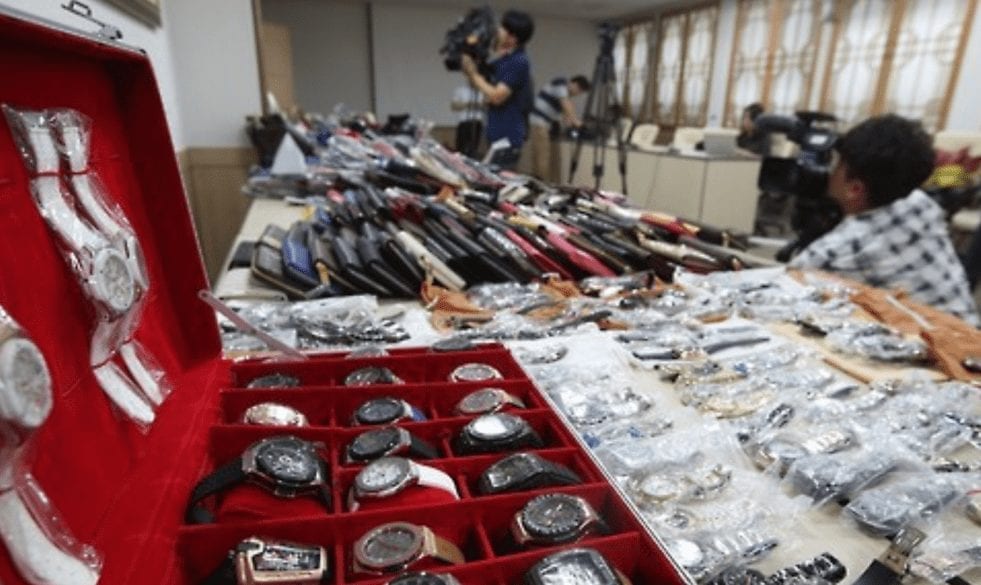
    In January this year, Alibaba sued two Tmall merchants for allegedly circulating fake Swarovski watches on the platform and claimed that it caused a loss of RMB 1.4 million. Counterfeit sales pose a potential loss to the reputation of the brand, making it imperative for Swarovski to cooperate with Alibaba to combat it. But, overall, Buchbauer sees the issue from a surprising perspective.

    “Many brands in Europe think that fake products in China have caused a billion-dollar loss to their businesses,” Buchbauer said. “But I don’t think so. Those customers who purchase knock-off goods actually do not intend to buy the real ones, that’s why I will not call it a ‘real’ loss.”

    Swarovski’s China expansion isn’t without its challenges. As Chinese luxury consumers have become more sophisticated and millennials are playing a much bigger role in the market, the brand has garnered a crop of rivals such as the Danish jeweler Pandora, which is winning the hearts of young Chinese consumers with its signature customizable charm bracelet.

    Identifying the need to appeal to younger audiences, Swarovski has appointed the supermodel Karlie Kloss to be its ambassador with the hope of leveraging her popularity among millennials.

    And of course, social media is on Buchbauer’s mind. “WeChat is everywhere in China,” he said. “We have to embrace it and make full use of it.”

  • Alibaba joins forces with counterfeited brands

    Alibaba joins forces with counterfeited brands

    Chinese eCommerce giant Alibaba has teamed up with some of the world’s most-counterfeited brands to fight against copycats.

    Collaborating with such global brands as Louis Vuitton, Samsung and Swarovski, Alibaba will provide its members with big data and other support to help them block, identify and even take down listings from its marketplaces such as Taobao and Tmall. Those two sites boast 1 billion product listings at any given time.

    In return, the brands have committed to share their anti-counterfeiting data with Alibaba.

    The move follows a lawsuit filed by the internet powerhouse against two vendors selling knock-off Swarovski watches from their online shopping bazaars on Taobao, claiming 1.4 million yuan (US$202,950) in losses. Taobao is the retail platform for smaller merchants.

    “The most powerful weapon against counterfeiting today is data and analytics, and the only way we can win this war is to unite,” says Alibaba’s chief platform governance officer Jessie Zheng.

    “Alibaba welcomes brands and other organisations to join us in what we believe is the world’s first ‘big-data anti-counterfeiting alliance’.”

    Taobao was returned to the US government blacklist of “notorious markets” last month for hosting fake items, four years after Alibaba lobbied American trade officials to drop the platform from the list.

    Listings removed

    Alibaba says it is disappointed by the decision, noting it has “proactively removed more than double the number of infringing product listings than in 2015”. The company employs 2000 permanent staff and 5000 volunteers devoted to spotting fake goods.

    According to the International Anti-Counterfeiting Coalition, a nonprofit watchdog overseeing piracy concerns, China is the biggest market for knockoffs globally with handbags, footwear, watches and iPhones topping the list of most-faked items.

    Louis Vuitton, Nike, Ray Ban and Rolex are among the labels that seem to be more intensely targeted by counterfeiters, says a report by the Organisation for Economic Co-operation and Development (OECD).

    Domestic brands also have fallen victim. Chinese liquor maker Kweichou Moutai has confiscated 300 tonnes of fake Moutai in a three-year drive against bootleggers, whose products can feature packaging identical to genuine products.

    Chinese authorities have also stepped up efforts to root out people involved in marketing fake goods, staging raids and arresting thousands of suspected offenders.

  • Versace Hong Kong opens flagship store

    Versace Hong Kong opens flagship store

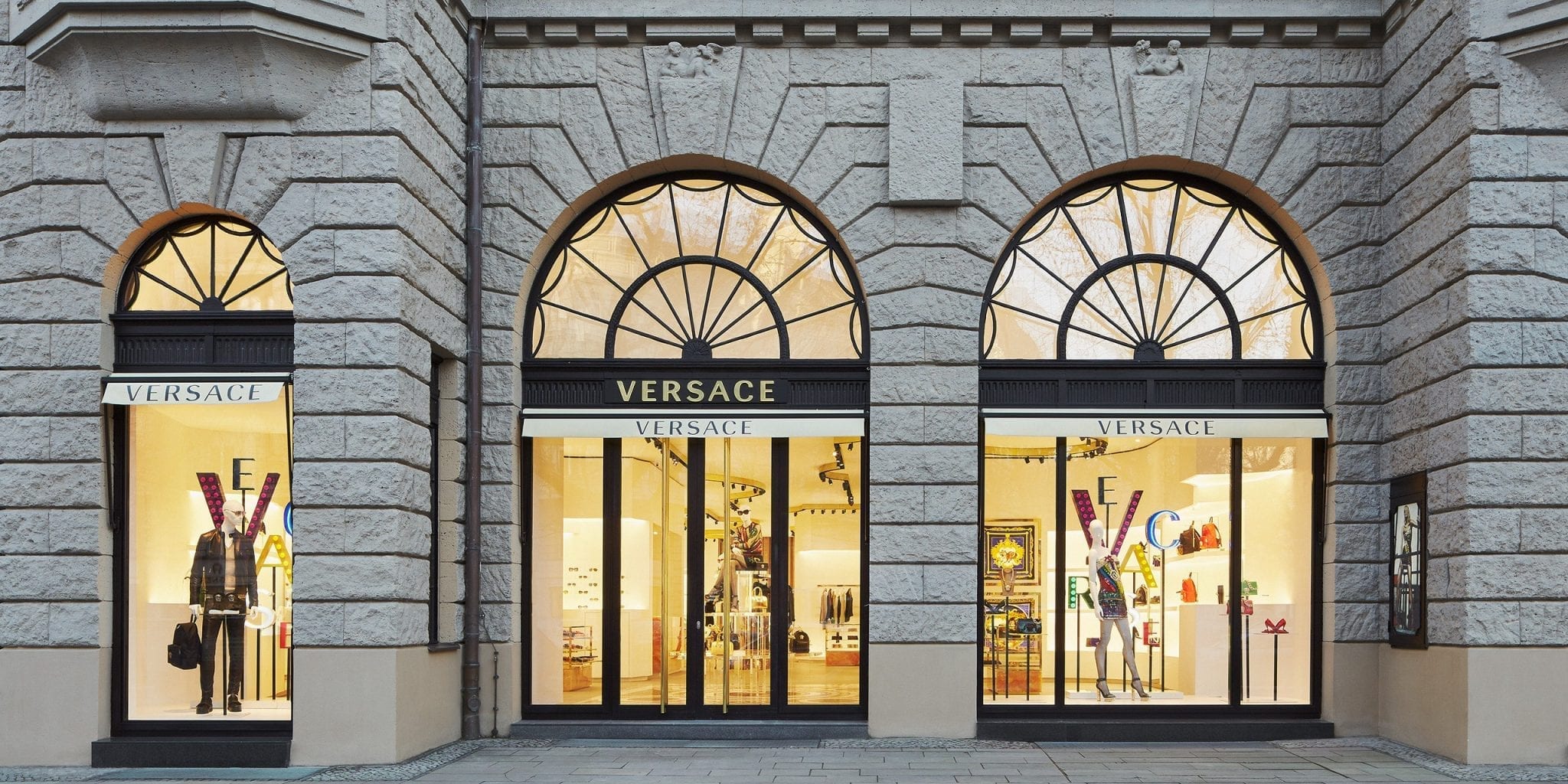
    Versace Hong Kong has opened a flagship store in the Shanghai Commercial Bank Tower in Central.

    Covering about 743 sqm, it features men’s and women’s ready-to-wear and accessories. It joins standalone stores for the Italian fashion house at Gateway Arcade, MixC Mall, Pacific Place and Sogo Causeway Bay.

    versace-hong-kong-shanghai-commercial-bank-central-2

    The flagship incorporates traditional Italian architectural values with modern touches. Architectural elements include Fior di Bosco marble flooring and brass features, while the facade features backlit onyx.

    versace-hong-kong-shanghai-commercial-bank-central-1

    “For me, the boutique suggests an uninterrupted dialogue between our past and our future, between Versace and our clients,” says Versace Group VP and chief designer Donatella Versace.

    To celebrate, Versace has designed a limited-edition mini Palazzo Empire handbag especially for the store. It is embellished with silver Swarovski crystals and includes a detachable leather shoulder strap and a palladium Medusa head, the symbol of Versace. There is also a metallic tag inscribed “The Palazzo Empire celebrating Hong Kong”.

    versace

    Also at the boutique is a limited number of medium and large Palazzo Empire handbags in exotic skins in various colours. These handbags include a removable interior metallic tag reading “Versace for Shanghai Commercial Bank Tower, Hong Kong”.

  • How to grow for Luxury brands

    How to grow for Luxury brands

    Luxury brands need to use new technologies and offer experiences for their customers, the second Luxury Society keynote event in Shanghai has been told.

    UCO Cosmetics CEO Arthur Zhang told the event that the early-stage eCommerce model of simply providing a platform for selling products online is dead.

    He said key technologies being experimented and improved upon in China include augmented reality, virtual reality and live-streaming.

    “The millennial generation in China, which already numbers about 300 million people, seeks experiences and emotional connection – they are not just bystanders,” DLG China partner/MD Pablo Mauron told the audience of more than 150 luxury-industry brand executives. “As a result, live-streaming has become a medium for them to express themselves.”

    He told how brands such as Maybelline, Montblanc and Swarovski are taking advantage of these new opportunities.

    Underlining the key message of the event that eCommerce is changing, CEO Thibault Villet of luxury fashion eCommerce platform Mei.com told how a live-streamed show in collaboration with TMall resulted in 65 per cent of the products featured quickly selling out.

    Meaningful data

    Social customer-relationship management (CRM) makes highly targeted messaging and engagement possible, the event was told by Four Seasons Hotels Asia Pacific director of marketing communications John Hamilton. He said the luxury hotel chain has been gaining meaningful data about its customers, which in turn has driven growth. In the past year, through trial-and-error and optimisation, the group has defined a CRM-led content strategy on WeChat.

    Celebrity and key-opinion-leader partnerships can make a big impact in China, said East Entertainment commercial director Qing Dai, who spoke of her experience of partnering luxury brands with appropriate celebrities. One of Easy Entertainment’s most successful was in linking up Cartier with singer/actor Lu Han.

    Baidu GM for East China Wan (Grace) Zhang said Cartier was the most-searched luxury watch brand among the generation born between 1990 and 2000, linked to Cartier’s collaboration with Lu Han.

    Other speakers at the event included Four Seasons Hotel Pudong (Shanghai) GM Arthur Ho, writer Casey Hall of Women’s Wear Daily, Digital Luxury Group founder/CEO David Sadigh and MD for China Pablo Mauron, Baidu senior project manager Di Fu and Sephora China digital manager Vanessa Qian.

    Attendees included representatives of Alexandre de Paris, Baume & Mercier, Bottega Veneta, Bulgari, Cartier, Chanel, Chaumet, Conde Nast, De Beers, Dior, Hublot, Loewe, LVMH, Marc Jacobs, Massimo Dutti, Michael Kors, Montblanc, Nars, Net-a-Porter, Nike, Sephora, Shiseido, Swarovski, TAG Heuer, Tiffany & Co and Vacheron Constantin.

    Luxury Society, published by Digital Luxury Group, is an online destination for luxury-brand executives covering digital and technology matters and with more than 40,000 members across 150 countries.

  • Swarovski nail salons returning to DFS Group stores

    Swarovski nail salons returning to DFS Group stores

    This Christmas Swarovski is offering a nail treatment service to shoppers at DFS Group stores. The jewellery brand is returning to the T Galleria by DFS stores to offer its nail service for free to shoppers who have spent a certain amount.

    The service, which is available on select dates across December, will take place in T Galleria by DFS stores in Canton Road, Hong Kong, City of Dreams and Shoppes at Four Seasons in Macau.  The pop-up nail salons will offer the Swarovski “sparkling nail service” along with a Star Ornament crystal for shoppers.

    Director of Travel Retail Asia Pacific at Swarovski, Karen Tse, said: “Female shoppers at Swarovski have traditionally taken a more subtle approach by opting for our classic crystal jewelry and iconic pieces. However, over the past year, we’ve observed the trend in Travel Retail shifting towards a desire for customization and personal styling.

    “Our customers now want to create their own style so as to express their identity in a bold new way, and seeking a sales assistant’s advice has become an important step in the purchasing process.  We’re thrilled that our partnership with T Galleria by DFS has empowered them to fulfill this aspiration.”

    Swarovski is set to unveil a new fall/winter 2016 collection from brand ambassador Karlie Kloss, which features stars and icicle motifs.

  • US investor buys into Mitra Adiperkasa

    US investor buys into Mitra Adiperkasa

    US private-equity company General Atlantic has made its first investment in Indonesia by buying into lifestyle retailer Mitra Adiperkasa (Map).

    It has subscribed for Rp1.08 trillion (US$80.5 million) in bonds issued by Map which are convertible into shares in its F&B subsidiary Map Boga Adiperkasa (MBA), which runs Cold Stone Creamery, Godiva, Krispy Kreme, Pizza Express and Starbucks in Indonesia. It has more than 300 stores across 24 cities, and has more than doubled its store count over the past five years.

    Map runs multi-channel retail concepts in Indonesia across a diversified portfolio of department stores, sportswear, specialty fashion, F&B, and lifestyle products. It has nearly 2000 retail stores.

    “We believe the rapid rise in Indonesia’s middle and young working classes, the increase in this population’s disposable income, and the continued rural-to-urban migration represents an opportunity for us to strengthen our international food brands and cement our leadership position in the F&B market,” says Map CEO V.P.

    Sharma. A portion of the investment money will be used to accelerate the F&B division’s network expansion.
    “Indonesia’s domestic consumption comprises more than half of gross domestic product, and consumption patterns are increasingly shifting toward modern and aspirational lifestyle brands,” says General Atlantic Southeast Asia head Wai hoong Fock. “These secular trends position MBA’s food & beverage portfolio well for further expansion.”

    Regional commitment

    The partnership, General Atlantic’s first investment in Indonesia, indicates its commitment to long-term market prospects in South-east Asia,” says Fock, who joined General Atlantic from CVC Capital Partners last year to lead its South-east Asia investing program. He is based in the firm’s Singapore office.
    General Atlantic has 18 investment professionals in Asia, based in offices in Beijing, Hong Kong, Mumbai and Singapore. The firm opened its Singapore office in 2011, investing three years later in Singapore-based online mobile entertainment/communication Garena platform. It has also supported the growth of retail and F&B companies including lifestyle brand Tory Burch, luxury fashion brand Zimmermann, restaurant group Barteca Holdings, urban juice-bar concept Joe & The Juice, community accommodation marketplace AirBNB and transportation network company Uber.

    Map has 1921 retail outlets in 68 cities throughout Indonesia. Its retail concepts include department stores (Debenhams, Galeries Lafayette, Seibu and Sogo), fashion and lifestyle (Crabtree & Evelyn, Kipling, Lacoste, Marks & Spencer, Massimo Dutti, Nautica, Sephora, Swarovski, Topman, Topshop and Zara), sports (Converse, Golf House, Oakley, Payless ShoeSource, Reebok, Rockport, Skechers, The Athlete’s Foot and The Sports Warehouse), F&B (Burger King, Cold Stone Creamery, Domino’s Pizza, Godiva, Krispy Kreme and Starbucks), kids (Kidz Station and Oshkosh B’Gosh) and bookstore Kinokuniya.

  • Critics slam Miniso for Japanese image

    Critics slam Miniso for Japanese image

    Controversies continue to hound Miniso, a retail chain in mainland China that projects the image of a Japanese fashion brand.

    Critics have accused it of piggybacking on Japanese retail giants Daiso, Muji and Uniqlo, reports the Hong Kong Economic Journal Monthly.

    Also, the Guangzhou-based vendor of household and consumer items, which has already penetrated the Hong Kong market, has been accused by a Hong Kong designer of stealing his original design of stickers, which he says he found on smartphone cases sold in Miniso stores. But Miniso regional manager Mike Wong says there must be a misunderstanding as his company has no intention of infringing on others’ intellectual property as it can well afford the licensing fee.

    Miniso opened its first Hong Kong store in downtown Yuen Long in November 2014, expanding since into Tsuen Wan, Kwun Tong and Yau Ma Tei, boosting its network to 35 stores in less than two years. Its employee headcount is 450 and growing, with Wong aiming to double the number by the year’s end.

    By comparison, Muji and Uniqlo together have no more than 36 outlets in Hong Kong.

    A typical Miniso store is around 200 sqm and sells such goods as cosmetics, stationery, toys and kitchenware at prices as low as HK$15 (US$1.93). Most items are sourced from China.

    Sales are brisk enough that the brand needs less than eight months to recoup the initial investment, around HK$3 million, for each new store.

    Since 2013, Miniso has opened 1600 stores, with more than 1000 in mainland China and others in Hong Kong, Singapore, Taiwan, Thailand, the Philippines and the UAE. Aggregate sales will double from last year’s HK$5 billion.

    Wong, who once worked as a procurer for Swarovski, says the first time he visited a Miniso store he thought it was another brand under Muji. Now, with Miniso hiring Japanese designers and advocating a simple, low-carbon lifestyle, he says he sees no problem if customers “sometimes can’t tell us from other Japanese brands”.

    He also says that all items in its Hong Kong stores conform to intellectual property regulations. “You can’t say we are copycats.”

    However, he cannot deny the fact that customers in Hong Kong and the mainland trust a Japanese brand more than their homegrown offerings, and many find Miniso’s corporate identity misleading. Nevertheless, the group has four stores in Tokyo’s Harajuku, Ikebukuro and Shibuya districts.