Tag: Sydney

  • Temple & Webster Revenue Drops 8% as Price Hikes Lift Margins

    Temple & Webster Revenue Drops 8% as Price Hikes Lift Margins

    Temple & Webster recorded an 8 per cent drop in revenue from July 1 to October 19 as the online furniture retailer deliberately curbed discounting and raised product prices across Australia.

    Contribution margin dollars rose 16 per cent during the same period, offsetting the top-line decline through higher unit profitability.

    Pruning discounts to lift margins

    Chief executive Susie Sugden recalibrated merchandising terms by pulling back promotional depth across core catalogues and lifting prices on selected ranges. The strategy trades customer conversion volume for cash retention on every parcel dispatched.

    “Since our update in August , trading has improved, and the business has continued to step up its profitability, in line with our strategy,” Sugden said.

    Pricing discipline against regional discounters

    Pure-play e-commerce platforms spent two years chasing top-line revenue through perpetual sales campaigns, eroding cash reserves as freight and storage costs climbed. Temple & Webster is breaking from that pattern, accepting transaction softness to protect working capital.

    Competitors relying on aggressive clearance tactics face margin compression if supplier wholesale rates stay sticky. The risk sits in demand elasticity, because higher checkout totals may drive price-sensitive Australian households toward omnichannel operators and physical flat-pack discounters.

    The turn toward full-year profit targets

    Management laid the operational groundwork for the pricing shifts during the prior fiscal term after freight inflation began squeezing furniture delivery economics. The August update flagged early gains in unit efficiency, which the business consolidated through early spring trading.

    Earnings guidance for FY27 targets EBITDA between $33 million and $40 million, representing an increase of 50 to 80 per cent over FY26 performance. The retailer aims to cycle comparable promotional intensity starting in mid-February, setting that point as the baseline to restore double-digit top-line revenue growth by FY28.

  • Hourglass Enters Australian Travel Retail at Sydney Airport Terminal 1

    Hourglass Enters Australian Travel Retail at Sydney Airport Terminal 1

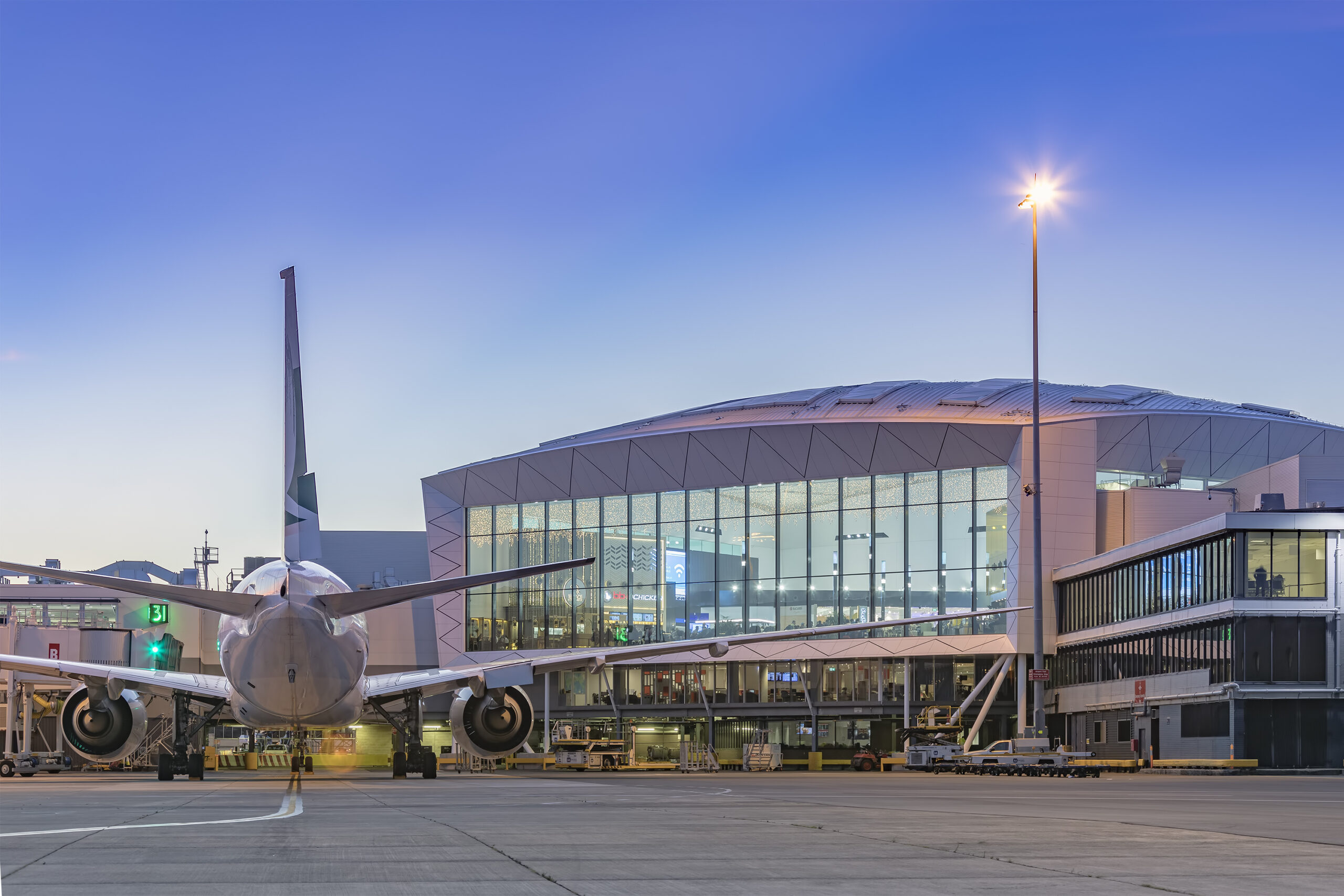
    Hourglass Cosmetics opened its first Australian airport counter inside Sydney Airport Terminal 1 International Departures, partnering with duty-free operator Heinemann.

    The debut marks the luxury beauty label’s first travel retail presence nationwide, following its initial domestic launch in February through Sephora Australia and local e-commerce.

    Featuring 1 dedicated location at Terminal 1, the counter shows complexion, colour, and finishing lines including Vanish Airbrush Concealer, Veil Hydrating Skin Tint, and Unlocked Instant Extensions Mascara alongside Ambient Lighting Edit Unlocked palettes.

    Terminal 1 Footprint and Service Formats

    Travellers passing through the terminal can access personalised consultations and beauty artistry services before flights. Formats include Signature Glow and Amplified Eyes looks, accompanied by a bespoke Lip Wardrobe experience.

    “Opening our first counter in Australian travel retail is a proud moment for Hourglass,” said Ai San Beaumont, regional GM Apac and head of global travel retail, Hourglass.

    “Travel brings people, cultures, and experiences together, and we’re delighted to be part of that at Sydney Airport. With Heinemann and Sydney Airport, we look forward to introducing travellers to our vegan and cruelty-free formulas, from on-the-go essentials like Vanish Airbrush Concealer to curated gifting with Ambient Lighting Edit Unlocked palettes.”

    Travel Retail Strategy and Asian Traffic Flows

    Airport concessions operate under distinct retail dynamics compared with downtown counters, requiring strong sales productivity and high turnover during compressed pre-flight dwell windows.

    Sydney Airport channels steady outbound passenger volumes, where Heinemann uses premium beauty to capture international travel spend.

    Concession operations present both distinct reach and commercial pressure: high airport tenant overheads demand efficient basket conversion and solid margins to outperform traditional domestic retail channels.

    Building Out Australian Distribution

    The Sydney Airport counter extends the brand’s local footprint established earlier in the year. Hourglass initially debuted in Australia in February via its dedicated online portal and Sephora Australia retail doors.

    Terminal 1 departures now serves as the brand’s sole travel retail window in the country. The partnership tests whether premium service concepts such as live skin consultations can pull transaction conversion in high-turnover duty-free concourses as flight frequencies expand.

  • Sydney Opens A$5.6 Billion International Airport to Commercial Passengers

    Sydney Opens A$5.6 Billion International Airport to Commercial Passengers

    Sydney’s new A$5.6 billion ($3.94 billion) Western Sydney International Airport opened to passenger traffic on Sunday following more than a decade of planning. Located across a 1,780-hectare site at Badgerys Creek, the facility gives airlines round-the-clock operating capacity 60 kilometres west of the city centre.

    Budget carrier Jetstar was scheduled to fly the inaugural outbound service to the Gold Coast, initiating passenger operations alongside parent group Qantas Airways. Built to serve Australia’s most populous city, the complex holds capacity for more than 80 million passenger movements each year.

    Prime Minister Anthony Albanese hailed the completion of the long-planned infrastructure project as passenger services officially got underway.

    Round-the-clock operations bypass curfew restrictions

    Unrestricted operational hours distinguish the new hub from Sydney’s current airport. The legacy facility enforces a strict flight curfew between 11 p.m. And 6 a.m., which restricts scheduling flexibility and night cargo handling.

    Removing the overnight window alters aircraft utilisation models for domestic and regional carriers. Airlines can now cycle narrow-body aircraft through late-night turnarounds and stage departures to match early morning arrival windows across Southeast Asian hubs.

    Commercial cargo infrastructure and logistics shifts

    Passenger services follow dedicated air freight operations that began at Badgerys Creek in July. Running belly-hold cargo alongside freight aircraft without nocturnal halts allows freight forwarders to bypass highway bottlenecks around the inner-city port precinct.

    For logistics operators and retail importers, late-night processing reduces clearance lags on high-value electronics and cross-border consumer consignments. Distribution hubs situated across Western Sydney gain direct runway access rather than trucking goods across congested arterial motorways to the current airport.

    For the first time in more than 50 years, Australia is opening a major new airport. It’s a milestone that has been decades in the making.

    Prime Minister Anthony Albanese confirmed the project’s delivery in an official statement, noting the prolonged development timeline behind the federal infrastructure asset.

    Project execution spans decades of federal planning

    Federal authorities acquired the Badgerys Creek land parcels in the 1980s, leaving the site dormant before formal planning resumed fifteen years ago. Physical construction commenced seven years ago, culminating in core building delivery in July 2025.

    International carriers will monitor route yields as foreign airlines negotiate future slot allocations against the existing terminal. The immediate commercial test rests on passenger uptake across Jetstar’s domestic network before scheduled international operators begin services from the runway.

  • GOKO Launches M6 Robotic Lawn Mower in Australia at A$3,999

    GOKO Launches M6 Robotic Lawn Mower in Australia at A$3,999

    GOKO brought its M6 robotic mower to Australia on 13 October 2026, opening direct pre-orders at A$3,999 to target homeowners managing steep, large-format lawns.

    The brand, owned by robotics company Robot++, capped the initial early-bird run at 300 units ahead of a broader retail rollout on Amazon Australia scheduled for 10 November 2026.

    Hardware specifications and pricing structure divide the initial release across two configurations on the company’s portal. The single-battery M6 sells for A$3,999, while the dual-battery edition costs A$4,299.

    Hardware specifications and pricing structure

    Pre-orders on the company’s Australian portal split across two configurations. The single-battery M6 sells for A$3,999, while the dual-battery edition costs A$4,299. That dual-pack configuration covers up to 4,000 square metres on a single cycle, or 8,000 square metres across a 12-hour window that includes automated docking and recharging.

    The machine runs on four-wheel drive with adaptive suspension, climbing slopes up to 42 degrees or a 90 per cent grade. Active front-wheel steering limits turf drag during turns. Cutting takes place through two 42-centimetre discs driven by twin 250-watt motors, fitted with interchangeable razor discs or rotary mulching blades. Navigation relies on wire-free vision and network real-time kinematic fusion, supported by obstacle avoidance sensors and an application that manages distinct yard zones.

    Commercial grounds and municipal maintenance

    Alongside the residential mower, the brand showed the X5, a remote-controlled tracked machine aimed at resort operators, municipal teams and rural estate owners. The unit handles slopes up to 45 degrees under remote operation from up to 200 metres away. Integrated safeguards trigger shutdowns if the chassis tilts past operating tolerances or loses control signals.

    Power comes from a petrol-electric hybrid setup designed to charge the drive battery continuously during operation. The platform swaps between mowing, towing and snow-blowing implements, using a modular layout to shorten maintenance turnaround times.

    Read-across for outdoor power retail

    Specialist garden equipment retailers face a shifting category mix as wire-free navigation reaches larger residential acreage. Early robotic mowers demanded buried boundary wires and stalled on uneven ground, limiting sales to small suburban blocks. By combining real-time kinematics with multi-zone mapping, hardware makers now compete directly with entry-level ride-on petrol tractors.

    The retail risk centres on post-sale maintenance and service networks. Ride-on mowers rely on established regional dealer networks across regional Australia for blade replacements, mechanical repairs and battery swaps. GOKO is assembling service points across multiple Australian locations, but convincing rural buyers to abandon mechanical servicing in favour of modular robotics requires proven field durability.

    Rollout timeline from August pre-orders

    The Sydney demonstration at Curzon Hall follows an initial pre-order window that opened on 17 August 2026. Local distributors and technology reviewers tested the machines on sloped turf before the public launch.

    Retail availability expands when sales go live on Amazon Australia on 10 November 2026, testing whether consumer demand extends beyond the initial 300 early-bird direct orders.

  • Nick Scali ANZ Orders Drop 15 per Cent After Cyberattack and Market Slump

    Nick Scali ANZ Orders Drop 15 per Cent After Cyberattack and Market Slump

    Nick Scali has cautioned investors that first-half revenue across Australia and New Zealand will drop by approximately 11 per cent to 14 per cent compared to the prior corresponding period. The ASX-listed furniture retailer recorded a 15 per cent decline in first-quarter sales orders following a mid-August cyberattack and persistent weakness across its core consumer markets. That contraction contrasts with the first quarter of fiscal 2026, when sales climbed 11 per cent.

    The mid-August intrusion triggered “uncertainty and delays” for shoppers, the company stated at the time. Nick Scali alerted the Australian Cyber Security Centre and the Australian Federal Police, which subsequently investigated the security incident.

    By contrast, the company reported stronger momentum in the UK, where it entered the market through the acquisition of Fabb Furniture in 2024. Ongoing capital expenditure into renovating and expanding British stores helped lift written orders by 29 per cent year-on-year in the first quarter.

    The Cost of Three Weeks Offline

    The operational disruption began in mid-August when unauthorised parties breached internal systems and accessed customer names, addresses, emails and phone numbers. Nick Scali informed the Australian Cyber Security Centre and the Australian Federal Police to investigate the intrusion.

    Enterprise resource planning systems stayed offline for roughly three weeks. Store staff continued writing business manually while technicians contained the incident.

    Cleaning up the breach generated a $980,000 bill for legal advisers and forensic consultants. Management will classify those advisory expenses as non-underlying items rather than counting them against operating earnings.

    Contrasting Fortunes in Britain

    Nick Scali is finding better traction in the United Kingdom, where it acquired Fabb Furniture in 2024 to seed an offshore division. Written orders in the British network jumped 29 per cent year-on-year during the first quarter.

    Like-for-like sales across the UK estate grew 14 per cent. Temporary closures during store refurbishments accounted for the gap between total orders and comparable trade.

    Management plans to launch one new British showroom in late December as it refits existing Fabb sites under the core retail brand. The retailer continues to invest capital to convert British floorspace while protecting group gross margins and cutting administrative overhead.

    Diverging Paths for Bulky Goods Operators

    Big-ticket homeware merchants face a difficult climate as households cut discretionary outlays and housing market turnover moderates. Australian domestic demand has cooled under high interest rates, hitting furniture chains harder than nondiscretionary retailers.

    Retail landlords housing large-format showrooms also face reduced turnover rents and tougher renewal discussions.

    The contrast between Britain and the domestic market exposes the split in modern retail turnarounds. British consumers are taking to newly upgraded store concepts even in a flat economy, while Australian shoppers are staying away from domestic showrooms despite decades of brand loyalty.

    Shifting Consumer Spending Patterns

    The current slump follows an extended boom when post-lockdown home renovations drove furniture sales across Australia and New Zealand. That surge eventually ebbed into an Australian retail recession across 2023 and 2024 before stabilizing.

    Economic forecasts published in September projected national retail turnover growth to ease from 2.8 per cent in fiscal 2026 to 1.5 per cent in fiscal 2027. While that deceleration remains milder than the downturn seen two years ago, big-ticket home goods retailers face the steepest drop.

    Nick Scali operates 132 stores worldwide across its three geographic territories. Despite the order decline in Australasia, the retailer will open two new stores in Australia and New Zealand in late December alongside its British debut.

  • 58% Of Shoppers Will Let AI Buy Groceries to Save 30 Minutes, EY Finds

    58% Of Shoppers Will Let AI Buy Groceries to Save 30 Minutes, EY Finds

    More than half of consumers will delegate online grocery orders to artificial intelligence if the technology saves up to 30 minutes on a large shop, according to research published by professional services firm EY.

    The study found 58 per cent of shoppers back algorithmic buying to remove decision fatigue from routine pantry replenishment, while 61 per cent will provide personal data to tools that reliably trim their weekly planning time.

    The shift alters how consumer packaged goods brands win shelf space across digital platforms. Richard Rome, associate partner for consumer industry at EY, pointed out that grocery shopping forces dozens of micro-decisions over nutrition, cupboard stock, household taste, and waste reduction that leave buyers mentally drained.

    Automating transactions offers basic speed, yet consumers expect systems to interpret broader health and dietary parameters. About 26 per cent of surveyed buyers want automated systems to grasp personal preferences, and the same share wants direct help selecting healthier alternatives.

    Data Demands on FMCG Suppliers

    Another 23 per cent want digital agents to audit ingredients and packaging claims. Support for dietary restrictions registered at 16 per cent, while 14 per cent sought verification of ethical and environmental claims.

    Those demands mean standard catalog assets will fail to convert autonomous agents. Pack photographs and net weights no longer suffice when machine buyers parse nutritional breakdowns, farm provenance, manufacturing processes, and verified supply chain footprints.

    Understanding how consumers frame requests, and why AI recommends one product over another, will become an important commercial capability.

    Product visibility will depend on whether back-end technical data satisfies automated filters rather than standard digital advertising banners. Suppliers lacking structured, verified certification data risk falling out of automated consideration loops entirely.

    From Eyeballs to Automated Replenishment

    Supermarkets spent a decade designing mobile apps to maximise session length and screen engagement. Delegated automated purchasing reverses that entire operational model.

    Shoppers wanting fewer interactions will reward merchants that remove manual screen time completely. For grocers, retail media networks built around paid banner clicks and eye-level digital placements face rapid obsolescence if agentic software compiles baskets autonomously in the background.

    The operational danger for consumer brands lies in price erosion. When software selects meals under fixed budget thresholds, such as a meal for the family under $20, automated agents bypass brand loyalty to hit nutritional and financial parameters.

    Australian shoppers spend an average of one hour each week buying groceries. Automated tools that strip that friction will shift brand discovery from visual marketing to software search parameters, testing whether legacy food brands can protect their margins against white-label alternatives.

  • Australian Auto Retailers Fetch 11.2X Valuation as Apparel Slips to 6.4X

    Australian Auto Retailers Fetch 11.2X Valuation as Apparel Slips to 6.4X

    Australian automotive retailers traded at 11.2 times earnings in 2026 while apparel multiples slumped to 6.4 times, according to Grant Thornton Australia’s Dealtracker transaction data.

    The five-turn valuation divide reflects an aggressive buyer preference for cash-generative operations with locked-in distribution over discretionary fashion merchants struggling with discount cycles.

    Grant Thornton released the findings in the final installment of its four-part transaction study, warning retail boards that chasing top-line sector expansion will not insulate them from acquisition discounts. Dealmakers are pricing businesses based on procurement controls, balance-sheet resilience, and customer retention rather than broad category growth projections.

    Multiples Split Discretionary Categories

    Valuations across consumer discretionary assets show stark divergence within the same retail spending pools. Automotive businesses commanded double-digit multiples by pairing vehicle sales with parts supply, workshop servicing, and rigid customer replacement cycles.

    Apparel operators faced steep discounts as selective shoppers trimmed discretionary wardrobes and forced merchants into promotional price battles. Brand equity alone no longer commands premium deal pricing without evidence of repeat purchase loyalty that survives inflationary pressure.

    Tam Goldin, financial advisory partner at Grant Thornton Australia, pointed out that category classification accounts for only part of a target’s pricing. “The sector matters, but the underlying business model matters more,” Goldin said.

    Private capital in Australia has pivoted toward specialized operators that scale distribution networks without multiplying administrative overhead. Scaled retailers with integrated inventory pipelines hold pricing power, whereas mid-tier general merchants face margin compression across both physical stores and digital storefronts.

    Capital Discipline Replaces Platform Sprawls

    Technology spending in the sector has shifted from speculative platform rollouts to strict return hurdles. Retailers are halting open-ended artificial intelligence trials to focus on inventory visibility, demand forecasting, and operational productivity.

    Kirsten Ridgway, management consulting partner and head of retail and consumer products at Grant Thornton Australia, stated that board-level technology choices cannot center on software procurement alone. Executive teams must identify specific operational bottlenecks before committing capital to enterprise platforms or machine-learning tools.

    Enterprise cleanups now take priority over front-end digital additions. Merchandisers are overhauling fragmented legacy databases because untested algorithmic tools compound pricing errors when fed inconsistent stock records.

    RetailNews Asia sees this operational retrenchment as a defensive realignment across Australasia. Regional retail conglomerates in Singapore, Tokyo, and Sydney spent three years buying disparate commerce software packages, only to find that operational complexity wiped out expected margin gains.

    Second-Hand Marketplaces Erode Price Power

    Traditional clothing chains face mounting margin erosion from circular commerce platforms. Second-hand marketplace Vinted entered the Australian market and disrupted established local resale channels, drawing cost-conscious consumers away from full-price fast-fashion and mid-market apparel racks.

    Resale platforms operate without inventory carrying costs or physical store lease liabilities. That structural cost advantage lets them reset shopper expectations around everyday apparel pricing, penalizing conventional store operators whose rent and utility charges remain fixed.

    Online commerce penetration continues to anchor these digital shifts. Australia Post eCommerce data recorded that 82 percent of Australian households made online purchases during 2025, with 41 percent shopping online fortnightly or more.

    High e-commerce participation allows overseas circular platforms to scale rapidly across Australian metropolitan centres. Traditional apparel chains unable to justify their price premiums risk losing volume permanently to these asset-light competitors.

    Payment Reforms Squeeze Margin Buffers

    Regulatory mandates are compounding pressures on retail margins. The Reserve Bank of Australia removed payment surcharges on eftpos, Mastercard, and Visa transactions on October 1, 2026, forcing merchants to absorb payment processing fees rather than passing them directly to shoppers at the checkout.

    This surcharge prohibition hit high-frequency merchants immediately, narrowing cash gross margins that were already compressed by wage rises and freight volatility. Operators without volume-based acquiring discounts must now extract operating efficiencies elsewhere in their supply chains.

    Stored-value and loyalty instruments offer partial relief from transaction friction. Australia’s gift card market is projected to reach US$8.22 billion in 2026, expanding 10.9 percent annually as supermarket chains and department stores deploy closed-loop digital balances to defend basket sizes.

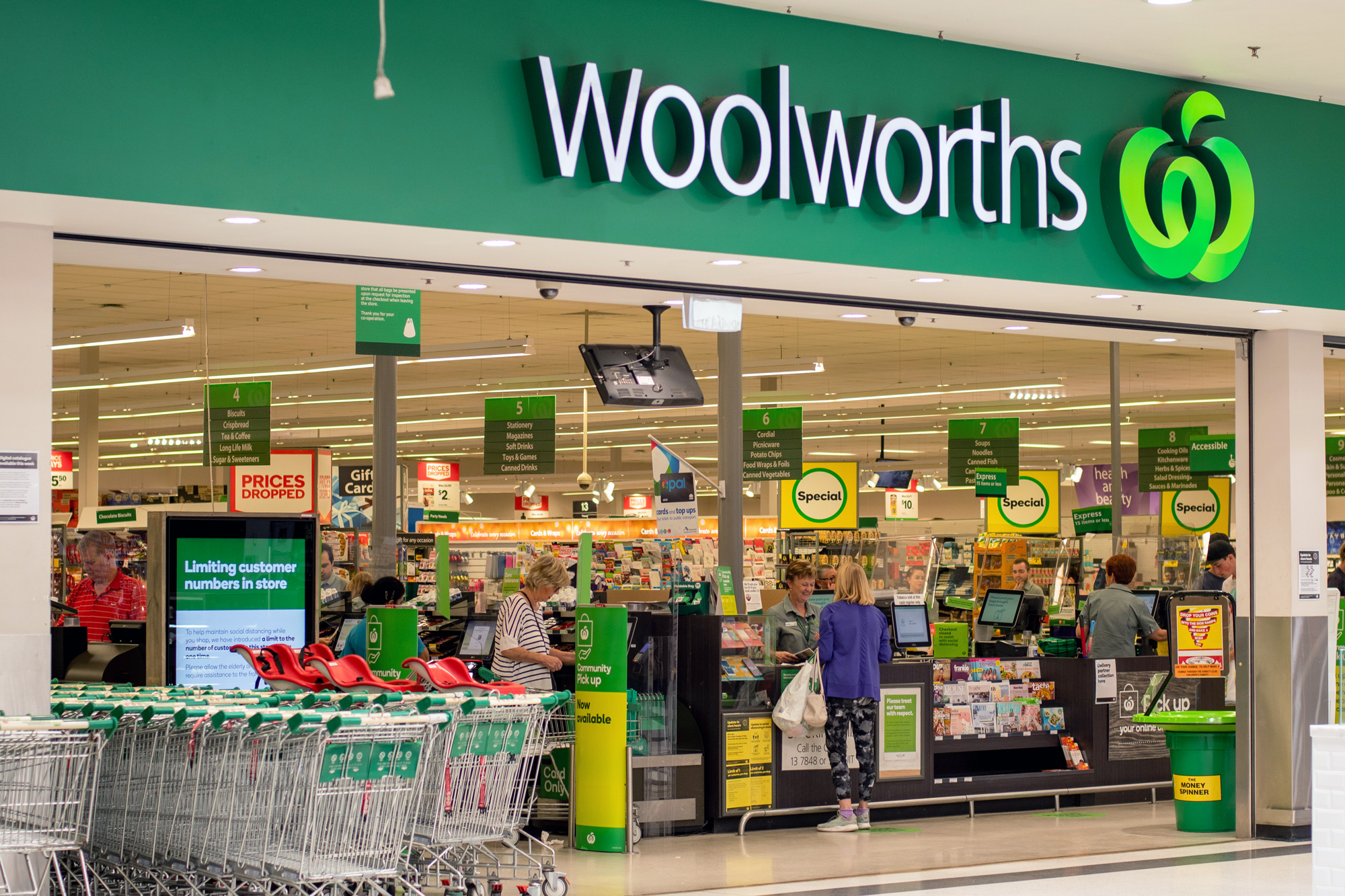
    Woolworths integrated its Everyday Gifting system directly into its rewards smartphone application, letting loyalty members buy and redeem electronic cards with stored loyalty balances. Supermarkets and department chains use these closed networks to capture prepaid sales, avoid merchant terminal surcharges, and keep spend locked within their retail ecosystems.

    The Australian Retail Council convenes its supply chain summit on October 27, 2026, where national logistics directors will assess port freight disruption and inventory holding costs ahead of the peak November shopping weekend.

  • Stax Names New CEO and Issues 1.7 Million Dollars in Customer Credit

    Stax Names New CEO and Issues 1.7 Million Dollars in Customer Credit

    Australian activewear label Stax will relaunch online on November 6. The business is offering 1.7 million Australian dollars in store credits to settle 13,000 orders stranded by its collapse. A private syndicate led by Pushas founders Justin Truong and Sandy Li-Truong bought the brand assets after Stax collapsed with more than 24 million Australian dollars in liabilities.

    Former Turo marketing director Anna Cheng steps in as chief executive officer to run the restructured direct-to-consumer business. Former head of product Georgia Bachmann returns as creative director alongside lead designer Jaclyn Benson. Customer service staff completes a lean team of 10 employees.

    Converting stranded orders to store credit

    Reviving the brand hinges on resolving customer backlash from late June. At the time, the original company took payments until lender National Australia Bank appointed receivers from FTI Consulting. Under the recovery plan, Stax is granting full credit balances to affected buyers without assuming formal legal liability for the old entity’s debts.

    Management retrieved transaction records from Shopify and past vendors, emailing affected buyers in late September to confirm balances. Around 8,500 customers have verified their details so far. Remaining shoppers have until December 31, 2026, to confirm accounts. Issued store credits will remain valid until June 30, 2027.

    Orders placed through third-party financing platforms are excluded from the internal credit ledger. Shoppers who used Afterpay, PayPal, Klarna, or Zip must seek resolution through provider buyer-protection programs. Stax customer service agents will supply purchase records to support those claims.

    Lean operating model and new leadership

    Cheng’s appointment establishes an independent management tier apart from Pushas, the sneaker marketplace operated by the Li-Truongs. Her primary focus is tightening fulfillment controls. Supply chain delays and inconsistent production quality damaged customer retention during the label’s prior expansion.

    Bachmann oversees design and inventory architecture after managing product lines during the brand’s peak valuation period. Her team is consolidating suppliers. The push aims to shorten production cycles and ensure consistent garment sizing across manufacturing batches.

    Relaunch collection and product lineup

    The digital storefront resumes trade at 9am on November 6 with the Girls Gone Wild collection. Registered waitlist members receive early access on the evening of November 5.

    Core proprietary textiles return with the range, including high-compression Nandex and lightweight Airlyte fabrics. Sizing spans Australian sizes 4 to 24. Updated garments will also feature a wider, bolder logo as part of the visual repositioning.

    Navigating brand trust in direct-to-consumer fashion

    Don and Matilda Robertson founded Stax in 2015, pivoting from a bankrupt sports supplement venture into apparel that reached a 52 million Australian dollar valuation by 2022. Aggressive physical store expansion, high commercial rents, and falling discretionary retail spending triggered a cash crunch. The company entered receivership in June.

    Across the Asia-Pacific region, the bailout serves as a test case in rebuilding consumer trust after insolvency. Offering store credits rather than leaving shoppers as unsecured creditors represents a direct customer acquisition cost. The strategy aims to convert burnt shoppers into repeat buyers.

    Customer account verifications remain open through December 31, 2026, ahead of redemptions running into mid-2027.

  • Pryme Snacks Launches Wagyu Jerky Across Coles Nationwide

    Pryme Snacks Launches Wagyu Jerky Across Coles Nationwide

    Pryme Snacks launched its Wagyu jerky across all Coles supermarkets nationwide in October 2026, marking the brand’s largest grocery distribution milestone to date.

    National shelf space across major grocers

    Co-founder Eylon Levy said the Coles agreement transitions the company into a brand with national reach across major retail channels.

    Gaining direct access to major grocery aisles shifts the company from niche distribution to mass consumer volume. Securing national distribution at Coles requires maintaining consistent supply across state distribution centres, testing the company’s manufacturing capacity.

    Expansion through transport and forecourt channels

    The Coles rollout follows a series of retail partnerships secured over the past eighteen months. Pryme Snacks gained entry into forecourt retail through an expansion into Ampol service stations in April.

    Travel retail followed four months later. By August, the company placed its jerky into WHSmith outlets across Australian domestic and international airport terminals, capturing impulse purchases from commuter traffic.

    Competition in premium protein snacking

    Meat snacks face heavy competition in Australian grocery aisles, where legacy brands dominate traditional beef jerky fixtures. Premium lines such as wagyu jerky target shoppers seeking higher-grade protein options, commanding higher price points than standard dried meat products.

    Supermarket placement gives independent snack brands high product visibility, but sustaining shelf allocation requires rapid stock turnover. Coles regularly reviews category sales rates, putting pressure on emerging producers to drive consumer uptake without eroding margin through heavy discounting.

    Distribution track record across Australia

    Pryme Snacks began building its wholesale footprint last year through distribution agreements with Metcash, which supplies independent grocers and the IGA network. That base provided the logistics foundation required before pitching national supermarket chains.

    With Coles stores now stocked, inventory turnover rates over the final trading quarter will determine whether the brand secures permanent ranged space and shelf extensions across the category.

  • Sydney Plans 20 Entertainment Zones to Boost 5,000 Nightlife Businesses

    Sydney Plans 20 Entertainment Zones to Boost 5,000 Nightlife Businesses

    The Council of the City of Sydney plans to establish more than 20 special entertainment precincts. The zones will support approximately 5,000 hospitality, dining and cultural venues across the city.

    Public consultation on the live music and late-night trading zones runs until November 26. Councillors will consider final endorsement after the review.

    Tailored Sound Rules and State Incentives

    Designated precincts will let the local council tailor sound rules and trading hours to individual streets. Operators inside the zones can also qualify for NSW Government incentives. These perks include extended trading hours and discounts on liquor licence fees.

    City leaders want to reverse foot traffic losses after Sydney dropped behind Melbourne in national nightlife rankings. Noise regulation will shift away from individual resident complaints. Clear precinct-level thresholds will replace them.

    “Special entertainment precincts are about supporting the live music, cultural and hospitality venues that make Sydney a global city, while ensuring residents continue to enjoy a high quality of life,” said Lord Mayor of Sydney, Clover Moore AO.

    Operating Pressures Across Commercial Districts

    Hospitality venues across Australian metropolitan centres face high rents, wage costs and restrictive licensing laws. These pressures have curtailed late-night patronage over the past decade. Blanket limits have also depressed commercial yields for landlords and food and beverage tenants during weekday and late weekend trading windows.

    The overhaul gives operators certainty to schedule live performances and extend dining shifts without facing sudden noise penalties. Execution risk centres on municipal coordination. Inconsistent enforcement across neighbouring council boundaries could dilute patron traffic.

    Enforcement Shift After Lockout Policy Repeals

    State and municipal authorities have spent years adjusting regulations to rebuild nighttime activity following the repeal of Sydney’s lockout laws. Previous piecemeal reforms struggled to deliver uniform foot traffic recovery across fragmented commercial strips.

    By grouping venues under statutory precincts, municipal planners now treat nightlife infrastructure as a commercial asset rather than a residential nuisance.

    Council Decision and Newtown Expansion

    Following the close of public feedback on November 26, the proposal will return to the Council of the City of Sydney for a final vote. The authority will then begin joint consultation with Inner West Council in early 2027 to establish a separate special entertainment precinct along King Street in Newtown.

  • Hackers Raise Fridge Temperatures Across 400 French Supermarkets

    Hackers Raise Fridge Temperatures Across 400 French Supermarkets

    A coordinated cyber attack struck roughly 400 French supermarkets in October 2026, forcing commercial freezers to 50 degrees Celsius overnight and destroying tens of millions of euros in refrigerated stock.

    The breach hit stores operated by Intermarché Coopérative U, Carrefour, Monoprix, and E.Leclerc, causing immediate inventory write-offs across fresh food and frozen aisles.

    How Hackers Infiltrated Cooling Controls

    Intruders targeted centralised refrigeration software supplied by Danish engineering group Danfoss, which enables remote monitoring and automatic temperature regulation across commercial networks. Rather than breaching individual retail units on site, attackers exploited outdated firmware to alter master temperature settings across hundreds of stores simultaneously.

    Les Mousquetaires, parent company of Intermarché and Netto, confirmed that cooling units across approximately 150 of its outlets were heated to 50 degrees Celsius for six consecutive hours. The chain disconnected another 100 stores from the network during the incident to prevent further damage. Carrefour reported compromised systems across 80 stores, while Monoprix lost inventory across 5 per cent of its locations.

    Supply Chain Exposure Across Asia-Pacific

    For supermarket operators across Australia and the wider Asia-Pacific region, the incident shifts operational technology from backroom maintenance into board-level risk. Australian grocers manage thousands of distributed stores using identical internet-facing refrigeration and building management systems to cut energy costs and meet emissions targets.

    Retailers in the region carry heavy exposure when third-party maintenance contractors retain direct administrative access to store controllers. An intrusion into a corporate facility network or a shared vendor management platform bypasses store-level alarms and ruins cold-chain compliance before morning shift managers enter the building.

    Legacy Systems and Unpatched Firmware

    The technical fault line sits in legacy hardware that operators rarely replace during routine store refurbishments. Danfoss stated that the compromised units in France ran outdated firmware that could not support current defensive updates. The manufacturer maintains that it has long advised commercial clients to update supported hardware and migrate obsolete systems.

    Cybersecurity researchers at Claroty documented critical flaws in the Danfoss AK-SM 800A controller in August, showing that attackers could bypass authentication protocols to execute remote code. Danfoss issued software patches following that disclosure, but independent franchise operators and decentralized supermarket networks frequently lag in deploying updates across thousands of field devices.

    Investigations Open as Retailers Audit Assets

    French prosecutors and national cybersecurity agency ANSSI have opened a formal investigation into the breach, treating the incident as a coordinated assault on commercial food infrastructure. Retailers across Australia and Asia-Pacific must now verify whether local cold-chain assets run unpatched Danfoss controllers or unprotected vendor links before investigators publish the final incident report.

  • AI Concept for Hunter Boots with Rhode Lip Gloss Holder Sparks Demand

    AI Concept for Hunter Boots with Rhode Lip Gloss Holder Sparks Demand

    When AI studio Clauré Studio shared a concept of Hunter boots featuring a holder for Rhode lip gloss this week, consumer inquiries revealed immediate interest in buying the fictional item.

    Retail brand strategist Bethany Paris Ramsay and Triptk strategy director Frankie Margotta noted that while AI mockups show what shoppers want, social media buzz is no guarantee of sales and can create expectations real manufacturing struggles to meet.

    The trend mirrors past viral beauty experiments, such as Colourpop Cosmetics teasing a pickle-flavored lip balm in 2025 before rivals released real versions in 2026, proving that digital interest can occasionally highlight commercial opportunities.

    Separating Social Signals From Factory Orders

    Online traction offers brands an unprompted window into shopper tastes, yet social media metrics do not reflect commercial demand. Liking an image costs nothing, whereas tooling a factory line requires significant capital commitments and minimum order volumes.

    A flood of comments asking where to buy an item indicates brand affinity, but it does not guarantee customer follow-through at checkout. Retailers that mistake digital commentary for verified intent risk overproducing niche merchandise that fails on store shelves.

    Physical manufacturing imposes hard limits that synthetic imaging tools bypass. Generative models routinely display smooth material joins, impossible structural tolerances or incompatible chemical formulations that real factories cannot replicate at scale.

    The Cost of Falling Short on Physical Execution

    When physical products fail to match elaborate digital fantasies, customer sentiment quickly turns negative. Disappointment emerged when the official Swatch and Audemars Piguet Royal Pop collaboration debuted, with consumers comparing the final retail models unfavorably against synthetic renders circulating online.

    Such misalignments erode brand credibility. Shoppers who discover an appealing product image is entirely fictional may disengage from future marketing campaigns altogether.

    “Generative AI can visualise almost anything, including products that can’t actually be manufactured as represented,” Margotta warned.

    Clear communication policies are becoming necessary for commercial teams. Brands that comment on or lean into viral fan renders must evaluate whether an engineering path exists before teasing a commercial drop.

    Turning Novelty Into Commercial Releases

    Translating viral concepts into verified physical runs has precedent in the cosmetics and personal care sector. Makeup label Colourpop Cosmetics ran an April Fools’ Day campaign in 2025 teasing a dill pickle lip balm, which gathered enough sustained interest to push rival brands ELF Cosmetics and Burt’s Bees into launching real limited-edition versions in 2026.

    Rhode previously demonstrated the commercial power of functional novelty when it built a dedicated lip gloss slot into its branded mobile phone cases. The design generated substantial sales by turning everyday personal accessories into wearable cosmetic carriers.

    Merchandisers evaluating synthetic concepts must isolate the exact element driving online interest. Commercial value often rests on a specific colorway, an unexpected utility feature or the sheer novelty of combining two distinct product categories.

    Prototyping Takes Priority Over Digital Renderings

    As synthetic design tools become ubiquitous, rendering speed no longer provides a competitive edge for retail design studios. Basic image generation is now accessible to individual social media accounts and competing merchant brands alike.

    Market advantage will shift back to rapid prototyping, physical testing and nimble supply chains capable of delivering small test batches. Brands that can contract manufacturers quickly and deliver compliant physical goods will capture value that render creators leave on screen.

    Retail operators and sourcing teams are now tracking whether third-quarter concept spikes convert into commercial holiday licensing deals before fiscal 2027 budgets close.

  • Australian Malls Post AU$118.8 Billion in Turnover as Dining and CBDs Lead Recovery

    Australian Malls Post AU$118.8 Billion in Turnover as Dining and CBDs Lead Recovery

    Australian shopping centres generated AU$118.8 billion in turnover across 516 properties. Food retail, dining and central business district locations drove the post-disruption growth.

    Trading across 14.6 million square metres of gross leasable area and 46,743 tenants stabilized between 2025 and 2026, according to the latest Urbis Shopping Centre Benchmarks. Spending patterns shifted across categories and geographies.

    Dining and Jewellery Drive Tenant Gains

    Food catering delivered the strongest momentum across all centre categories, rising 7.5 per cent year-on-year. Food retail sales gained 6.9 per cent over the same period.

    Discretionary categories diverged. Jewellery sales jumped 11.6 per cent. Entertainment venues rose 8.8 per cent, and retail services advanced 6.2 per cent. Non-food mini-majors expanded sales by 7 per cent. That segment benefited from apparel brands like Uniqlo taking over floor space previously held by traditional department store anchors.

    Central Precincts Outpace Outer Suburbs

    Downtown centres recorded the strongest geographic performance, lifting retail sales by 7.1 per cent. Super-regional malls followed at 5.0 per cent.

    Outer metropolitan centres trailed the national recovery, posting sales growth of 3.9 per cent despite recording the fastest residential population expansion. High mortgage rates and debt servicing costs curtailed spending in suburban family corridors.

    Shifting Floorplates Across Asia-Pacific

    Landlords across Asia-Pacific are cutting department store allocations. They favour high-turnover fast fashion and experiential dining instead. Australian figures confirm that food and beverage tenancies now anchor footfall better than general merchandise.

    Risks remain concentrated in outer suburban assets. If mortgage stress persists, neighbourhood and suburban centres heavily reliant on mass apparel and homewares will face occupancy pressure unless they rebalance toward essential services and food concepts.

    Stabilisation After Years of Pressure

    The 2026 benchmark results follow multi-year trading disruptions marked by rapid interest rate hikes and inflation across the Australian consumer economy. Comparable mall performance over the 2025 to 2026 window points to normalising floor productivity across major retail hubs.

    The shift towards experiences and in-centre consumption also shows the growing social role of shopping precincts and is helping centres remain resilient as e-commerce continues to expand

    Operators now enter the next leasing review cycle with vacancy rates tightest in prime CBD strips and regional assets. Upcoming leasing negotiations will test tenant margins against rising operational costs.

  • Woolworths Expands Soft Plastics Scheme to over 700 Stores

    Woolworths Expands Soft Plastics Scheme to over 700 Stores

    Woolworths Group has collected more than 50 million pieces of soft plastics across Australia since February 2024. The retailer has expanded its in-store recycling network to more than 700 supermarket locations.

    Domestic recycling processors received the recovered packaging, diverting approximately 415,000 kilograms of material from landfill.

    Scaling the supermarket drop-off network

    The program started as a five-store trial. It has since expanded across the grocer’s national store network. Shoppers drop flexible plastic wrapping, bags and food pouches into designated collection points inside participating outlets.

    Woolworths runs the scheme through Soft Plastic Stewardship Australia. The company works alongside rival supermarket chains and major packaged goods manufacturers to manage collection logistics and downstream processing contracts.

    Managing packaging waste after REDcycle

    This initiative replaces REDcycle, Australia’s previous national soft plastic collection framework. REDcycle collapsed in late 2022 after stockpiling thousands of tonnes of material. Instead of warehousing inventory, the current model distributes processing loads across verified Australian recyclers capable of handling mixed polymers.

    Consumer goods manufacturers can use the network to meet emerging packaging mandates without building independent collection channels. Diverting 415,000 kilograms proves operating viability, though processing capacity in Australia remains tight for heavily contaminated household films.

    Shifting commercial responsibility to brand owners

    Retailers and brand owners fund the stewardship model directly, sparing municipal waste collectors the operational expense. Supermarkets gain foot traffic from collection bins while managing the front-end sorting burden at store level.

    Downstream remanufacturing demand remains the main operational risk. Recyclers must turn recovered flexible films into commercially viable industrial products, asphalt additives or packaging materials to keep collection points open.

    Next steps for national collection targets

    Jasmine Medwell, head of sustainable impact at Woolworths Group, oversees the rollout as the consortium evaluates store collection volumes and recycling throughput. Participating operators are monitoring regional processing capacity before extending collection points into remaining regional stores.

  • Boody Adds $700,000 in Annual Sales by Replacing Tape Measures with Guided Sizing

    Boody Adds $700,000 in Annual Sales by Replacing Tape Measures with Guided Sizing

    Australian apparel brand Boody generated an estimated $700,000 in extra annual revenue across Australia and New Zealand after replacing static size charts with guided sizing software.

    A split test run across 230,000 shopper sessions from August 28 revealed that roughly one in eight first-time buyers abandoned purchases when forced to use traditional measurement tables.

    The Conversion Cost of Tape Measures

    Boody started testing Magic Fit software in March 2026 to resolve sizing drop-offs across its bamboo viscose underwear and wire-free bra collections. Because the brand produces bras in sizes XS to 4XL across three cup ranges rather than traditional band-and-cup measurements, shoppers struggled to match their dimensions to products.

    A post-purchase survey of 816 shoppers who used the tool found that 41 per cent did not own a soft measuring tape, could not locate one, or refused to use it while shopping online. For the remaining 59 per cent who owned measuring tapes, confusion over non-standard sizing categories remained the primary barrier to purchasing.

    Repeat Orders and Lower Return Rates

    Shoppers assigned to the guided sizing tool reordered 19 per cent more frequently over a 90-day tracking window than those who used standard size charts. Of the survey respondents whose parcels had arrived, 97 per cent kept their items, with fit-related returns and exchanges dropping to 3 per cent.

    Magic Fit generates size recommendations in two clicks by drawing on a proprietary dataset of more than 100,000 body scans compiled over a decade by sister apparel label Citizen Wolf. The tool aims to cut friction before checkout rather than relying on post-purchase return logistics to sort out sizing mismatches.

    What Sizing Friction Means for Online Retailers

    For direct-to-consumer apparel brands across Asia-Pacific, static measurement guides have become an expensive point of friction. Online shoppers increasingly purchase on mobile devices where switching tabs to look up body dimensions reliably kills conversion.

    Retailers that rely on proprietary fabrics or non-standard fit profiles carry the highest risk of abandonment. When brands force customers to calculate their own measurements, they transfer the burden of fit accuracy to the buyer, driving up customer acquisition costs and depressing lifetime value.

    Evolution of Boody’s Digital Operations

    The sizing overhaul follows Boody’s broader push to expand its basic-wear footprint across regional digital channels. The brand previously relied on manual dimension tables across its localized storefronts in Australia and New Zealand before rolling out algorithmic recommendations.

    Magic Fit co-founder Zoltan Csaki is now offering 30-day split tests to other regional apparel merchants to benchmark checkout drop-offs against their existing size tables.