Tag: Sydney

  • Flexport Connects Freight Platform to AI Tools Claude, Gemini and OpenAI

    Flexport Connects Freight Platform to AI Tools Claude, Gemini and OpenAI

    Flexport has linked its freight forwarding, customs brokerage and fulfilment platform to commercial artificial intelligence tools including Claude, Gemini and OpenAI. Flexport CEO Ryan Petersen presented the integration, which uses an open API and the Model Context Protocol, during a technology release in September.

    The system allows Australian retailers importing goods or expanding into overseas markets to replace spreadsheets stitching together five vendors with a single system of record. Connecting live freight data directly into enterprise planning platforms helps supply chain teams automate forecasting without waiting 12 hours for manual updates across international time zones.

    How the Data Pipeline Operates

    Cross-border retail shipments frequently stall when tracking numbers fail to match purchase orders across disconnected third-party logistics portals. Customs paperwork, transit updates and carrier records arrive through separate emails and PDFs. Discrepancies between enterprise resource planning software and physical transit status often go unnoticed. Containers then miss scheduled delivery windows at regional distribution centres.

    Live transit status, container utilisation rates and customs filings now feed directly into forecasting software. Enterprise planning platforms can adjust safety stock thresholds automatically. They also update landed cost calculations without staff chasing forwarders across time zones.

    The Operational Shift for Asia-Pacific Retailers

    Regional operators face compounding logistics risks as product origins multiply across manufacturing corridors in Australia and Southeast Asia. A single delayed container in transhipment hubs like Singapore disrupts wholesale commitments when inventory systems rely on manual entry. Direct data piping gives supply chain teams early warning before transit delays turn into retail stockouts.

    Operational risk now shifts from manual data entry errors to data governance and integration reliability. Connecting logistics data to external large language models requires clean origin records and consistent carrier updates at the source. Automated forecasting tools still produce faulty delivery estimates if upstream freight partners fail to digitise customs milestones.

    September Product Rollout Sets the Foundation

    Flexport chief executive Ryan Petersen introduced the Model Context Protocol architecture during a corporate technology release in September. The deployment targeted chronic data disconnects between freight forwarders, domestic customs brokers and enterprise resource planning systems.

    Older freight software rollouts focused on internal tracking dashboards rather than machine-readable feeds for external analytical models. By exposing live shipping data to outside generative tools, the company aims to reduce manual reconciliation across multi-lane retail supply chains.

    Next Steps for Integration and Rollout

    Global forwarding lanes now run the technical deployment for commercial importers and exporters using the platform. Supply chain operators must next integrate their proprietary forecasting algorithms and enterprise resource planning software with the open protocol to automate real-time reordering schedules.


  • Nespresso and Swarovski Launch Festive Coffee and Accessories Range

    Nespresso and Swarovski Launch Festive Coffee and Accessories Range

    Nespresso rolled out a festive collaboration with Swarovski in October 2026, launching co-branded coffee blends, machines, and accessories ahead of the holiday season. The seasonal lineup includes Festive Crystal Spark Espresso for Original machines and Festive Crystal Spark Double Espresso for the Vertuo system.

    Packaging across the range adopts Swarovski’s octagonal motif and colour scheme, targeting premium gift buyers during the fourth-quarter retail rush.

    Dual formats and crystal merchandise

    The product release spans coffee capsules, drinkware and seasonal collectables. Both Original and Vertuo systems receive dedicated advent calendars, engineered to reveal two capsules on selected countdown dates rather than the standard single pod.

    Hardware and accessories extend into standalone display pieces. A crystal ornament shaped like the classic Nespresso capsule carries 62 facets with a shimmer effect, finished with a brushed chrome-tone top and pink satin ribbon. The merchandise roster also adds branded travel mugs, mug holders and Pixie Lungo cups designed for the festive sales window.

    Premium positioning in holiday gifting

    Seasonal capsule drops have become standard across the single-serve coffee sector, but tie-ups with luxury jewellers push price points higher. For Nestle, pairing single-portion coffee with crystal glassware helps lift average basket values when discretionary consumer spending faces margin pressure across regional retail networks.

    Department stores and branded boutiques rely heavily on limited-edition packaging to drive footfall in November and December. Swarovski gains direct placement in kitchen counters and home pantries, extending its brand presence beyond traditional jewellery counters into everyday consumer goods.

    Earlier retail collaborations

    Nespresso previously anchored its holiday campaigns around high-profile fashion designers and pastry chefs to generate seasonal momentum. Integrating crystal design elements represents a pivot toward collectible lifestyle items that outlast the consumable coffee supply inside the box.

    Inventory across the Swarovski range rolls out through Nespresso boutiques, online channels and selected retail partners ahead of peak holiday trading.

  • Astor Recalls 150G Chocolate Wafer Sticks over Undeclared Cashew

    Astor Recalls 150G Chocolate Wafer Sticks over Undeclared Cashew

    In October 2026, Astor issued a recall for its Chocolate Wafer Stick 150g due to the presence of an undeclared allergen, cashew.

    The affected products have been sold in Asian grocers and online across NSW, carrying best-before markings of MEI 2027 (May 2027).

    Allergen Risk Prompts Stock Withdrawal

    Consumers with a cashew nut allergy may react if they consume the product. Anyone concerned about their health should seek medical advice, and consumers who purchased the product are advised to return it to the place of purchase for a full refund.

    Distribution Footprint Across Sydney Retailers

    Distribution remained concentrated in New South Wales, where specialized grocers cater to demand for Southeast Asian packaged snacks. More Impex coordinated shelf clearance directly with independent store owners and digital stockists handling ethnic FMCG imports. Regulators advised any consumer experiencing allergic symptoms after eating the confectionery to seek prompt medical assessment.

    Compliance Pressures on Specialty Importers

    Cross-border snack distribution faces tight regulatory scrutiny across Australasia. Mandatory allergen declarations carry strict financial and legal liabilities. Parallel importers and ethnic food distributors often manage complex packaging runs across several markets, where regional language differences can obscure required warnings. The Indonesian date code MEI 2027 indicates stock packaged for Southeast Asian retail channels, where local labeling rules differ from Australian standards.

    Specialty grocery chains across Australia have stepped up audits of third-party wholesale supply lines as state health departments intensify random shelf inspections. Retailers that fail to pull flagged stock promptly risk fines and inventory seizures under state enforcement powers. Importers face greater pressure to verify full ingredient breakdowns before clearing customs at port.

    Prior Enforcement and Supplier Checks

    State food inspectors in Sydney uncovered the issue during regular quarterly packaging surveillance runs across ethnic grocery retailers. Previous enforcement rounds across snack foods have similarly targeted imported biscuits and wafers that omitted dairy, peanut, or tree nut declarations on translated stickers applied over original factory packaging.

    Next Steps for Retail Stockists

    More Impex opened a customer inquiry line at 0403 595 977 to manage batch returns and verify supplier documentation with retailers. Store audits across suburban Asian grocery outlets in Sydney will continue through October to ensure all unsold inventory from the May 2027 batch has been removed from shelves.

  • Styld Partners with Mattel to Launch Limited-Edition Barbie Collection

    Styld Partners with Mattel to Launch Limited-Edition Barbie Collection

    Australian lifestyle brand Styld has partnered with Mattel to launch a limited-edition Barbie drinkware and homewares line across Australia this month.

    The range pairs Mattel’s entertainment rollout with everyday functional goods. Products are designed for adult nostalgia.

    Carafe design and product range

    A 750ml insulated stainless-steel carafe anchors the lineup. It represents the brand’s first build at that capacity. Features include a protective silicone bumper base and an integrated holder designed to carry lip gloss on the go.

    Other products include insulated cooler bags, stemware goblets, drink tumblers and kitchen chopping boards. Every piece carries Barbie’s pink-and-peppermint striped exterior finish.

    Mattel entertainment licensing pipeline

    The product release lands ahead of the premiere of Mattel’s Barbie Nutcracker film. Mattel continues to push its classic intellectual property into adult lifestyle, gifting and kitchenware rather than relying solely on traditional toy aisles.

    These collaborations give global entertainment groups access to domestic retail networks through local lifestyle labels. Alicia Stephens, founder and creative director at Styld, positioned the range to capture adult shoppers who grew up with the property alongside younger consumers.

    Commercial distribution and consumer response

    Retailers across the Asia-Pacific region have expanded licensed homewares shelf space over the past two years to capture higher-margin impulse gift purchases. Co-branded functional accessories give specialty lifestyle businesses immediate consumer recognition without the customer acquisition overhead required for unbranded launches.

    The rollout tests how effectively nostalgic entertainment properties convert into repeat purchases within Australia’s competitive insulated drinkware category this quarter.

  • Marley Spoon Expands Australian Menu to over 200 Items as Subscriber Numbers Slide

    Marley Spoon Expands Australian Menu to over 200 Items as Subscriber Numbers Slide

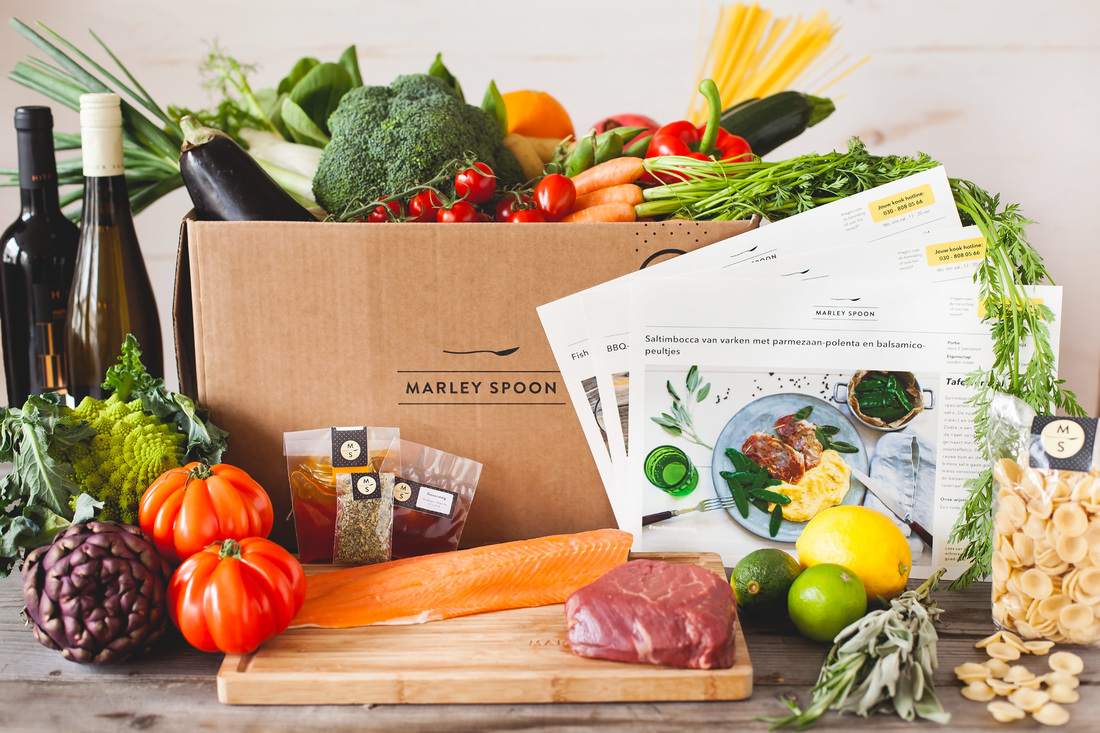
    Marley Spoon has expanded its Australian catalog beyond dinner meal kits to more than 200 weekly recipes. The lineup now includes ready-to-eat dishes, breakfasts, lunches and pantry items.

    That rollout follows an 11,000 drop in the company’s Australian active subscriber base during the first half of 2026.

    Australian customers can now order single-serve prepared meals, snacks, beverages and dietary ranges alongside standard dinner boxes. This shifts the brand from dinner kits toward all-day food. Rolf Weber, chief executive officer of Marley Spoon Australia, is steering the strategy to capture a larger share of household grocery budgets.

    Adding Meals Across the Day

    Dinner kits require prep time and cooking skills that busy households often abandon. By adding single-serve heat-and-eat dishes and breakfast items, Marley Spoon is chasing customers who want speed over a culinary project. The expanded menu gives existing buyers fewer reasons to supplement orders at supermarket chains.

    Adding snacks, drinks and lunches also lifts average basket sizes. That helps offset high refrigerated delivery freight costs across Australia. Global order frequency edged up 0.8 per cent in the first half of 2026. Retaining engaged users generated incremental spend even as overall accounts fell.

    Subscriber Churn and Revenue Pressure

    Menu expansion in Australia comes during severe operational contraction across Marley Spoon Group SE. Group revenue fell 23.9 per cent to €105.6 million in the first half, down from €138.9 million in the prior corresponding period. Total active subscribers across all markets dropped 21 per cent, sliding from 154,000 to 121,000.

    Australia proved more resilient than other markets, but average active subscribers still fell from 58,000 to 47,000 in the first half. United States subscribers dropped from 73,000 to 57,000, while European accounts declined from 23,000 to 17,000. Contribution margins held at 36.5 per cent against 36.3 per cent a year earlier, protecting unit economics despite lower volume.

    Supply Chain Troubles Compound Losses

    Global operations suffered disruption when key manufacturing partner FreshRealm entered Chapter 11 bankruptcy in April 2026. Marley Spoon transferred its United States meal-kit fulfillment to Misfits Market in a ten-week move, while shifting its BistroMD ready-meal arm to ColdTrack.

    Those sudden vendor handoffs caused inventory shortages, missing ingredients and recipe substitutions that drove cancellations through August. Australian operations rely on domestic supply networks, but the corporate balance sheet absorbed the cost of customer credits and emergency logistics in North America.

    Restructuring and the Australian Market

    Marley Spoon announced group-wide job cuts and fresh refinancing measures on September 29, 2026, to stabilize its cash position. The company is leaning on menu variety to lower customer acquisition costs, which have risen across the direct-to-consumer food sector.

    A broader Australian menu widens defenses against rival HelloFresh and local ready-meal producers such as Youfoodz. Success depends on whether local warehouse teams can manage 200 distinct recipes per week without driving up packing errors and spoilage.

    Management will report its third-quarter trading update later this year. Those customer retention figures will show whether the expanded Australian catalog arrested subscriber decline.

  • Global-e and DHL Urge Retailers to Address Four Key Cross-Border Buyer Demands

    Global-e and DHL Urge Retailers to Address Four Key Cross-Border Buyer Demands

    Australian retailers targeting overseas markets risk losing sales if they fail to provide upfront pricing and clear customs information, industry executives warned this week. Stewart Smith, MD of Asia Pacific at Global-e, said merchants must show full costs in local currency while customers browse.

    According to Smith, shoppers bring four practical questions to an international purchase: total cost, familiar payment options, delivery timeframes, and ease of returns. Presenting unexpected duties or foreign currency conversions at checkout undermines buyer confidence at the critical moment of purchase.

    Upfront Landed Cost Replaces Checkout Surprises

    Denise McGrouther, MD of DHL eCommerce Australia, noted that operational compliance and accurate dispatch data are equally vital to prevent customs delays and unexpected charges upon delivery.

    Smith noted that true market localisation requires more than surface translation or mechanical currency conversion. Merchants must tailor the entire transaction structure, including local payment methods and clear return protocols, to match the domestic standards of each target territory.

    A surprise charge upon delivery can feel like a broken promise, damaging customer trust and satisfaction

    Customs Compliance Dictates Delivery Success

    The operational friction of cross-border commerce extends directly into customs processing and logistics documentation. Denise McGrouther, managing director of DHL eCommerce Australia, said export data captured at checkout determines whether shipments clear borders or face impoundment.

    Customs agencies rely on electronic shipment manifests to evaluate duties, tax liabilities, and regulatory clearance. Inaccurate product descriptions or incorrect valuation data trigger physical inspections, delivery delays, and costly returns to origin warehouses.

    McGrouther explained that compliance functions serve as an active element of the customer experience rather than a post-sale back-office task. Correct product classification codes and accurate tariff calculations entered during order placement ensure packages move through international sorting hubs without manual holds.

    Tracking Visibility During Transit Delays

    Cross-border carriers require direct data integration with merchant storefronts to maintain parcel visibility across overseas distribution legs. When border authorities hold shipments for routine inspections, automated carrier tracking alerts prevent customer disputes by explaining transit pauses immediately.

    Unclear tracking status drives inbound customer service inquiries and chargebacks for cross-border operators. Providing milestone updates from dispatch through final customs clearance allows merchants to maintain buyer confidence even when international transit encounters unavoidable inspection delays.

    Operational Alignment Across Border Checkpoints

    Retailers scaling export volumes must coordinate checkout software calculations directly with freight carrier documentation pipelines. Discrepancies between the landed cost paid at checkout and the commercial invoice submitted at customs cause tax reassessments at destination ports.

    Aligning upfront catalog pricing with downstream logistics documentation protects brand equity in competitive international markets. Merchants that automate duty calculations and customs data filing eliminate clearance bottlenecks while establishing predictable delivery timeframes for overseas buyers.

  • Only 50% of Australian Loyalty Program Members Actively Use Accounts

    Only 50% of Australian Loyalty Program Members Actively Use Accounts

    A record 93 per cent of Australian consumers hold loyalty memberships, but only 50 per cent actively used all their cards over the past 12 months, according to a 2026 survey by consultancy The Point of Loyalty.

    The Australian loyalty program market is expanding by 13.5 per cent annually toward a valuation of $1.57 billion in 2026, as rising living costs push shoppers to seek savings.

    The Scale of Inactive Accounts

    A survey of more than 800 customers across Coles, Woolworths, Aldi, IGA and FoodWorks by Edith Cowan University researchers examined why consumers join retail reward programs only to neglect them.

    Researchers Sanjit K Roy and Saalem Sadeque from Edith Cowan University found financial rewards alone fail to retain active users. Fatigue sets in quickly when redemption rules require high baseline spend, such as outlays of $2,000 to earn a $10 voucher. Shoppers abandon programs that demand excessive tracking or complicated checkout app interactions.

    Supermarket Duopoly Dominance

    Two major operators control most of the domestic membership base. Woolworths counts 14 million registered accounts in its Everyday Rewards network. Coles reports more than 9 million active members in Flybuys, which links grocery baskets with Wesfarmers-owned chains including Bunnings, Kmart and Target.

    For retail operators across the Asia-Pacific region, these enrolment numbers look impressive on paper but mask balance sheet liabilities. Unredeemed points sit as deferred revenue obligations. Inactive accounts generate zero incremental basket value. Rivals that rely on upfront shelf discounting, such as ALDI, continue to capture price-sensitive volume without funding complex points administration.

    Trust and Data Exchange

    Shoppers surrender personal details, contact lists and payment patterns in exchange for program benefits. When retail pricing feels opaque or discounts appear trivial, participation drops immediately.

    The university study identified three distinct operational levers that dictate whether a member remains active: institutional trust, relationship commitment and clearly visible return value. Programs that fail to send targeted offers lose out to straightforward discount mechanics. High-frequency users expect direct discounts on regular purchases rather than generic promotions on slow-moving inventory.

    Friction in Reward Redemption

    Security concerns also weigh on consumer willingness to maintain secondary retail memberships. Major corporate data breaches across Australia over recent years raised shopper scrutiny regarding who stores their purchase histories and contact records.

    Competition will test whether broad coalition ecosystems hold an advantage over single-banner apps. Flybuys relies on cross-category earning power across home improvement and department store networks to keep accounts active. Woolworths counters by integrating fuel, insurance and pharmacy tie-ins directly into its digital wallet ecosystem.

    Supermarket executives will watch the active redemption rate per registered member as annual retail data filings land later this year.

  • Australian Retail Spending Climbs 7% as Stronger Dollar Eases Import Costs

    Australian Retail Spending Climbs 7% as Stronger Dollar Eases Import Costs

    Australian retail spending grew 7.0 per cent year on year in July, driven by consecutive monthly gains across all major discretionary merchandise categories.

    Monthly household expenditure expanded 1.1 per cent in July, marking a third straight monthly advance and providing merchant relief ahead of fourth-quarter trade.

    Official Australian Bureau of Statistics data showed apparel and footwear leading the monthly lift with a 1.6 per cent increase, while recreation and culture gained 1.5 per cent. Discretionary spending climbed 7.8 per cent compared to July 2025, even as higher price points accounted for part of the top-line dollar expansion.

    Currency Relief on Sourced Inventory

    Landed costs across consumer electronics, toys, apparel and homewares have eased as the Australian dollar moved above 70 US cents in late September. That contrasts with an average exchange rate near 64 US cents throughout 2025, lowering procurement expenses on goods invoiced in US currency.

    For regional supply chains and Asia-based manufacturers supplying Australian retail networks, a stronger local currency alters order timing and pricing use. Importers that locked in inventory during early 2026 faced compressed margins, whereas buyers placing late-year purchase orders now capture direct landed savings.

    GDP Expansion and Capital Investment

    Broader economic output expanded by 0.4 per cent during the June quarter, bringing annual gross domestic product growth to 2.1 per cent. Across the full 2025-26 financial year, the economy grew 2.4 per cent, outpacing performance recorded across the prior two fiscal periods.

    Capital allocations also widened during the period. Private business investment reached 12.7 per cent of gross domestic product, the highest level recorded in a decade, underpinned by capital outlays in data centres, renewable power installations and commercial aircraft fleets.

    Labour Market Resilience and Household Buffers

    Consumer cash reserves showed slight replenishment as the household saving ratio ticked up to 6.5 per cent in the June quarter from 6.4 per cent. Total employment expanded by approximately 39,000 positions in August, while the national participation rate stood at 67.1 per cent.

    Unemployment rose to 4.6 per cent as additional jobseekers entered the market, a level Reserve Bank of Australia Governor Michele Bullock noted sits within a range capable of cooling lingering price pressures. Headline inflation tracked at 3.5 per cent in July, with the trimmed mean indicator registering at 3.6 per cent.

    Interest Rate Pressures Heading into Peak Season

    Monetary policy remains the primary headwind for merchant balance sheets and household debt servicing. The central bank entered its late September policy review with the cash rate target at 4.35 per cent, having already executed three rate hikes earlier in 2026.

    Department store operator Myer flagged persistent market uncertainty, with executive chair Olivia Wirth noting consumer behaviour is likely to stay volatile across the coming 12 months. Australia’s four largest domestic commercial banks forecast a 25 basis point cash rate increase to 4.60 per cent at the next monetary policy determination.

  • Sixty-One per Cent of Shoppers Use AI for Grocery Decisions, EY Finds

    Sixty-One per Cent of Shoppers Use AI for Grocery Decisions, EY Finds

    Sixty-one per cent of respondents have used artificial intelligence to help make grocery decisions, according to a report released by EY in September 2026.

    The study, titled What Happens When Shoppers No Longer Do the Shopping?, found that almost half of surveyed consumers would likely use a tool that reliably sourced their usual basket across several supermarkets, though only 17 per cent were very likely to do so.

    Richard Rome, associate director for consumer industry at EY, examined whether shoppers would allow an AI assistant to plan, compare and purchase groceries, noting that the shift represents a more human-centric model with less human touch rather than humanless shopping.

    What Drives Automated Basket Decisions

    Cost reduction remains the main hurdle before consumers surrender control of their shopping carts. EY found that 40 per cent of respondents demand clear financial savings on their total grocery bill before delegating purchases to an automated system.

    Time savings offer a faster route to practical adoption. Fifty-eight per cent of shoppers said they would hand over an online order if software saved them up to 30 minutes a week, while 47 per cent would do so for trips to physical stores. Another 25 per cent pointed to practical assistance with dietary rules, label verification, health goals and ethical sourcing as sufficient incentive to use automated tools.

    Families Lead Early Adoption Rates

    Younger households with children show the highest appetite for delegating routine shopping chores. In the EY data, 70 per cent of families with children under 18 ranked as potential early adopters, followed closely by consumers aged between 18 and 34, full-time workers and higher-income earners.

    The concentration among busy households points to an immediate opportunity for automated replenishment tools. Consumers with packed schedules want to eliminate the mental friction of tracking household staples, checking ingredient lists and comparing pack sizes across multiple store apps.

    Why Supermarkets Face Platform Risk

    Retail incumbents such as Woolworths and Coles face a structural shift if third-party software takes over product discovery. When an independent algorithm chooses brands based on unit price or nutritional parameters, traditional investments in eye-level shelf placement, endcap displays and on-site search advertising lose their pull.

    Trust in automated shopping requires tools to remain entirely neutral between competing retail chains. Software created by a single supermarket chain restricts the selection pool, opening the door for price comparison portals, payment platforms, meal planners and standalone AI applications to capture the customer relationship instead.

    How Suppliers Must Structure Product Data

    Packaged goods manufacturers now need clean, machine-readable specifications to ensure autonomous agents select their items. If an algorithm filters out products lacking explicit dietary tags, standardized ingredient data or clear unit pricing, those products drop out of the basket before a human ever sees them.

    The research builds on earlier consumer shifts across Asia-Pacific toward algorithmic grocery planning and quick-commerce meal kits. Richard Rome, associate director for consumer industry at EY, will present detailed data from the report during an Australian Food & Grocery Council webinar on October 28.

  • Australia Central Bank Raises Cash Rate to 4.6 per Cent in Fourth 2026 Hike

    Australia Central Bank Raises Cash Rate to 4.6 per Cent in Fourth 2026 Hike

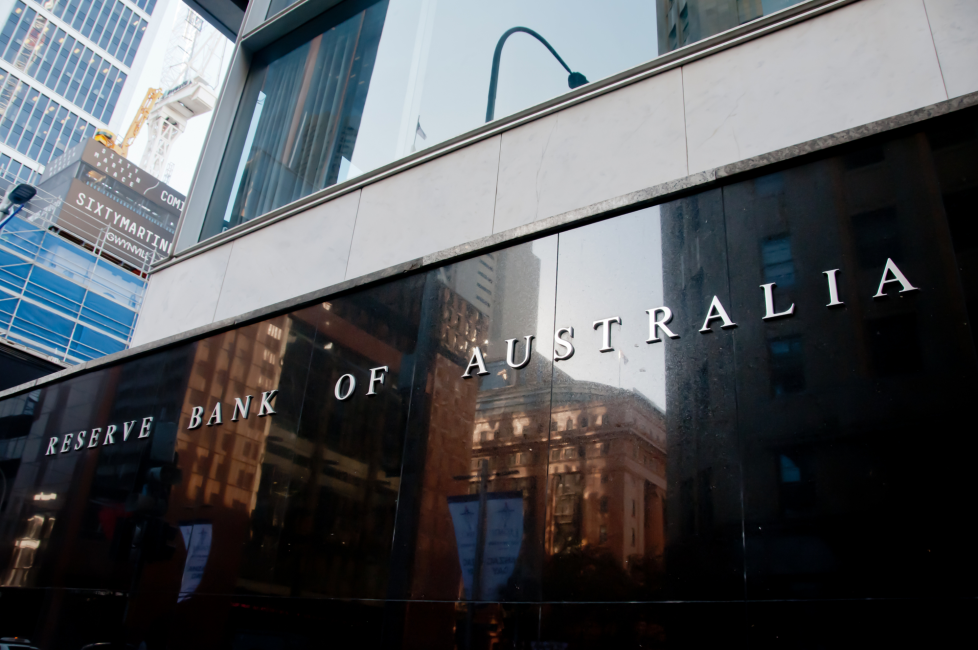
    The Reserve Bank of Australia lifted its cash rate target by 25 basis points to 4.6 per cent on Tuesday. The benchmark is now at its highest level since 2011.

    This is the central bank’s fourth rate hike of 2026, decided unanimously by its monetary policy committee. Higher borrowing costs take effect immediately across the banking sector. Household discretionary budgets across the country now face fresh pressure.

    Energy Costs and Inflation Drivers

    Persistent inflationary pressures and climbing global energy prices triggered the tightening, officials said. Several upside risks identified during the August meeting have now materialised. Conflict in the Middle East also pushed oil markets above baseline projections. The committee said its priority is stopping elevated inflation from becoming permanently embedded in price-setting behaviour.

    Market intelligence firm Circana warned that the rate rise will alter household buying habits immediately. Shoppers will reduce visit frequency and trade down to cheaper goods. They will also concentrate purchases around discount events.

    Tighter Margins Ahead of Peak Season

    Store operators and brand owners face this policy squeeze at a vulnerable time. Discretionary retail chains rely on the fourth quarter, particularly Black Friday and the weeks before Christmas, to generate cash flow and rebuild financial reserves. Higher debt servicing costs and elevated transport fuels directly erode retail operating margins.

    Passing cost increases to value-conscious shoppers is difficult. Merchants must absorb rising logistics and operational expenses through compressed margins, or risk losing transaction volume to cheaper rivals.

    Productivity and Regulatory Debate

    Industry groups are challenging the macroeconomic policy mix behind the repeated rate adjustments. Top-line retail turnover held up through mid-2026, according to the Australian Retail Council. Spending momentum is now showing signs of fatigue under concurrent rate and fuel increases.

    Lagging domestic efficiency is driving inflation rather than demand alone, the Business Council of Australia said. The group called for a 25 per cent cut in regulatory compliance costs. Returning productivity growth to historical averages would provide substantial long-term relief to household budgets.

    The Trajectory Leading to 4.6 Per Cent

    Tuesday’s adjustment follows three consecutive rate increases earlier in 2026, designed to cool domestic price pressures without triggering an outright contraction. Previous policy statements in August had assumed stabilizing energy import prices. Subsequent global supply disruptions invalidated that assumption.

    Analysts will now track fourth-quarter retail sales volumes and November promotional discounting data to determine whether consumer demand can withstand the 4.6 per cent benchmark.

  • Chobani Enters Australia High-Protein Milk Category with Five Flavours

    Chobani Enters Australia High-Protein Milk Category with Five Flavours

    Chobani entered Australia’s high-protein drinks category on September 29 with a five-flavour line of ready-to-drink yogurts packing up to 30 grams of protein per bottle.

    The rollout targets health-focused shoppers across the country, selling in 270ml and 400ml bottle sizes with 20-gram and 30-gram protein formulations.

    Formulation and format specifications

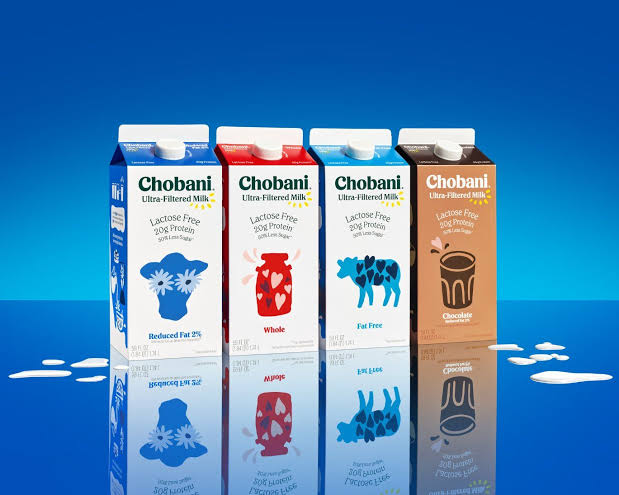
    Chobani’s new line arrives in Vanilla, Mixed Berry, Tropical, Mango and Strawberry. The company sources the protein content entirely from fresh milk rather than added milk powders.

    Each bottle is lactose-free and contains no added sugar or artificial sweeteners. The formulation gives supermarket buyers a clean-label dairy option in grab-and-go refrigerated beverage cases, where shelf competition from RTD shakes and functional milks has sharpened.

    Shifting fridge space beyond traditional yogurt

    Australian retailers are allocating more linear shelf space to high-protein dairy beverages as consumer demand shifts toward functional snacking. Chobani built its market position in Australia on traditional tub Greek yogurt, but chilled beverage aisles offer higher purchase frequency and faster inventory turn.

    Entering liquid drinks puts the brand into direct competition with established functional milk processors and sports nutrition brands. The clean-ingredient profile is Chobani’s main lever to pull shoppers away from powder-reconstituted protein shakes that dominate convenience coolers.

    Broader protein and ready-to-drink expansion

    The Australian rollout aligns with the group’s global pivot toward high-protein formats and functional ready-to-drink beverages. Chobani recently introduced its 20-gram Protein Flip yogurt snacks in North America, pairing strained dairy bases with nuts and freeze-dried fruit mix-ins across four varieties.

    Beverage diversification has also accelerated through coffee. Chobani expanded into ready-to-drink cold brews and liquid creamers after acquiring La Colombe, which has generated more than 30 per cent annual growth in ready-to-drink coffee formats.

    Manufacturing investment backs volume goals

    Capacity expansions underpin this product pipeline across international territories. The company recently committed $1.2 billion to acquire and expand a 1.5 million square-foot manufacturing facility in Allentown, Pennsylvania, to support production scale for dairy, coffee and prepared foods.

    Supply chain control remains central to the brand’s margin strategy. Sourcing liquid milk directly from regional dairy farm networks allows the group to avoid processed whey concentrates while sustaining production volumes across expanding product categories.

    Australian retail stockists are expected to complete nationwide shelf resets for the new beverage line across supermarket and convenience channels over the coming quarter.

  • Baileys and Magnum Launch Six-Pack Non-Alcoholic Mini Ice Cream Bars

    Baileys and Magnum Launch Six-Pack Non-Alcoholic Mini Ice Cream Bars

    Baileys Original Irish Cream Liqueur has partnered with The Magnum Ice Cream Company to launch a non-alcoholic ice cream bar in September 2026.

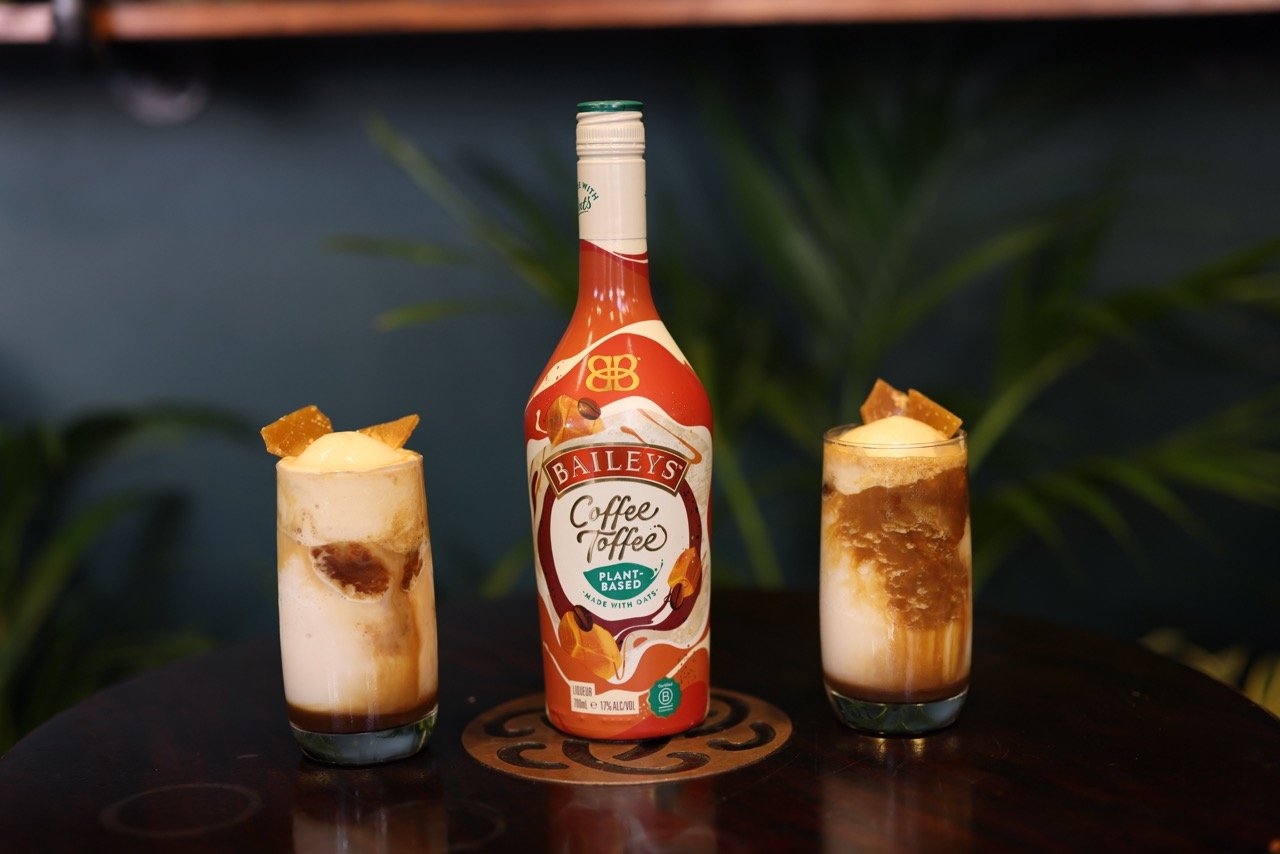
    The six-pack product, Magnum Mini Inspired by Baileys, pairs vanilla ice cream with Baileys flavour, wrapped in Magnum’s chocolate shell and biscuit pieces.

    Brand licensing agency Asembl supported the collaboration, with the treats containing no alcohol and manufactured locally at The Magnum Ice Cream Company’s facility in Minto, NSW.

    Production runs out of the company’s factory in Minto, New South Wales. Brand extension agency Asembl brokered the partnership to broaden the Baileys trademark across non-liquor grocery categories.

    The Non-Alcohol Brand Extension Play

    Liquor brands across the Asia-Pacific region increasingly license non-alcoholic food products to capture everyday consumption occasions. Stripping out the alcohol opens mainstream supermarket shelves, convenience chains, and younger demographics without licensing constraints.

    For Magnum, co-branding provides differentiation in a crowded premium segment where private labels pressure margins. The recipe borrows flavour equity from Baileys while keeping standard production lines at the Minto site.

    Supermarket Freezer Competition

    Licensing deals of this scale rely heavily on novelty to drive initial trial. Sustaining repeat sales in frozen desserts is harder. Freezer space is tightly allocated, and retailers delist slow-moving stock quickly if volume drops once launch marketing ends.

    Competitors across Oceania use similar strategies, pairing legacy bakery or confectionery names with dairy bases to secure premium pricing. Peters Ice Cream recently deployed Lotus Biscoff across its frozen lineup, forcing rival Unilever brands to defend market share with recognizable global partnerships.

    Retail Distribution Timelines

    Asembl previously managed licensing agreements that pushed Baileys into Australian bakery, dessert, and confectionery aisles. Each rollout tests consumer appetite for spirit-inspired flavours in everyday food aisles.

    Sales performance across major Australian supermarkets will determine whether the six-pack format expands into single-serve convenience formats ahead of the southern hemisphere summer.

  • Fanta and Snapchat Launch Map Campaign with 7-Eleven in Australia

    Fanta and Snapchat Launch Map Campaign with 7-Eleven in Australia

    Fanta and Snapchat have partnered with 7-Eleven across Australia on an interactive map retail campaign. The promotion runs through October 4, 2026, offering a 10,000 Australian dollar travel voucher prize.

    Users are directed into physical 7-Eleven stores to drive sales of the newly released Fanta Fantasies drink range.

    How the in-store map mechanic works

    Snapchat brought its Promoted Places format to Australia for the campaign. The app displays a floating bottle icon on the Snap Map over 7-Eleven storefronts. Users open the map to find nearby stores, visit with friends, and take a screenshot within the application while on site. Customers then scan a QR code on the Fanta Fantasies packaging to submit their screenshot on a landing page.

    Map pins are paired with full-screen takeovers, including First Snap and First Story formats that launch when a user opens the platform. EssenceMediacom handled media planning. Ogilvy Australia created the campaign creative, featuring creator-led video content.

    “What Snapchat offers is something genuinely different: more than 8 million Australians already on the platform, already using Snap Map to find their friends and decide where to go next.”

    Active users on the mapping tool exceed 8 million monthly in Australia and 450 million globally, according to Snap. Entry is open once per person daily. No retail purchase is necessary to participate.

    Shifting convenience foot traffic from screens to aisles

    Convenience operators across Asia-Pacific face rising digital customer acquisition costs. They still need younger shoppers walking through physical doors. Smartphone location triggers remove friction between seeing an online drink ad and grabbing a can from an impulse chiller. For 7-Eleven, turning storefronts into active map nodes tests whether geolocated mobile mechanics can lift basket sizes beyond single drink units.

    Drink makers like Coca-Cola face a fragmented convenience retail market. Younger demographics regularly ignore standard endcap displays and static transit posters. By requiring shoppers to physically enter a 7-Eleven to complete entry, Fanta shifts marketing spend from passive impressions to verified foot traffic. Conversion at the shelf remains the primary risk, since free entry terms do not guarantee a register sale.

    Pushing digital utility across retail networks

    Across the region, convenience chains are investing in digital inventory visibility and gamified mobile loyalty tools. Retailers in Japan, South Korea, and Southeast Asia have tested augmented reality and app check-ins to defend foot traffic against on-demand delivery apps. Tying sponsored map pins to physical store footprints gives national chains an edge over independent grocers who lack single-network media scale.

    Entries close at 11:59pm AEDT on October 4. Judging for the 10,000 Australian dollar squad travel prize takes place on October 12, 2026.

  • Canada Goose Opens 254-Square-Metre Chatswood Store in Sydney

    Canada Goose Opens 254-Square-Metre Chatswood Store in Sydney

    Canada Goose opened its third Australian store on September 30 at Sydney’s Chatswood Chase. The retailer secured 254 square metres on the centre’s new luxury level.

    That space sits inside a 625 million Australian dollar redevelopment targeting affluent shoppers across Sydney’s lower north shore.

    The location introduces the brand’s 2.0 Luxury Retail Concept to Australia. Norwegian architecture firm Snøhetta co-developed the design. It combines limestone, terrazzo, and local Australian timber with Canadian elements, including tactile walls depicting Canadian mountain ridges and river valleys.

    The Snøhetta Layout and Materials

    Interior finishes mix regional sourcing with brand heritage. Snøhetta avoided purely functional alpine aesthetics, choosing polished stone and textured surfaces common in high-end fashion boutiques.

    Flagship stores in Paris, Milan, Chicago, and Vancouver already use the layout. Sydney represents the concept’s first installation in the southern hemisphere.

    Adapting Product for Southern Seasons

    Chatswood stock spans womenswear, menswear, and kidswear, plus dedicated areas for footwear and eyewear. The floor carries the Fall/Winter 2026 collection designed by creative director Haider Ackermann.

    Merchandising heavy thermal parkas in a temperate coastal market demands adjustments. To draw shoppers outside peak winter, the store holds exclusive regional launch rights for the Loma Half Zip and Loma Fleece Jacket. Those garments anchor a wider lightweight fleece line built for transitional weather.

    Chatswood Chase Luxury Expansion

    Landlords across major Australian retail hubs are shifting lower floors toward luxury labels to protect foot traffic from e-commerce. Developer Vicinity Centres pointed its 625 million dollar capital expenditure directly at building this luxury precinct.

    For luxury brands, Chatswood captures wealthy suburban shoppers who skip trips to Sydney’s central business district. High rents per square metre present clear risks if demand for expensive performance wear drops during long warm spells.

    From Milan to Sydney Suburbs

    Canada Goose first entered Australia with shops in Melbourne and downtown Sydney. Opening in Chatswood shifts that focus from downtown flagships into dense suburban luxury enclaves.

    Ackermann’s upcoming seasonal collections will reveal whether the Toronto outerwear brand can sustain year-round apparel sales through the Australian calendar.

  • Vinarchy Appoints Nicole Battistessa as Managing Director for ANZ

    Vinarchy Appoints Nicole Battistessa as Managing Director for ANZ

    Vinarchy appointed former Nestlé and Unilever executive Nicole Battistessa as managing director for Australia and New Zealand earlier this year to overhaul how the wine group targets younger consumers.

    The appointment brings more than 20 years of packaged goods experience to a wine group formed barely 12 months ago.

    FMCG Playbook for Wine

    Battistessa joined Vinarchy after senior commercial roles across Nestlé, Unilever and Kimberly-Clark. Her remit focuses on importing standard fast-moving consumer goods discipline into a domestic wine market long shaped by heritage branding and traditional cellar-door distribution.

    Wine producers across Australasia face falling consumption rates among legal-drinking-age consumers under thirty-five. Beer, ready-to-drink spirits and zero-alcohol substitutes have steadily taken retail shelf space from mid-tier wine labels across major retail banners.

    Portfolio Modernisation

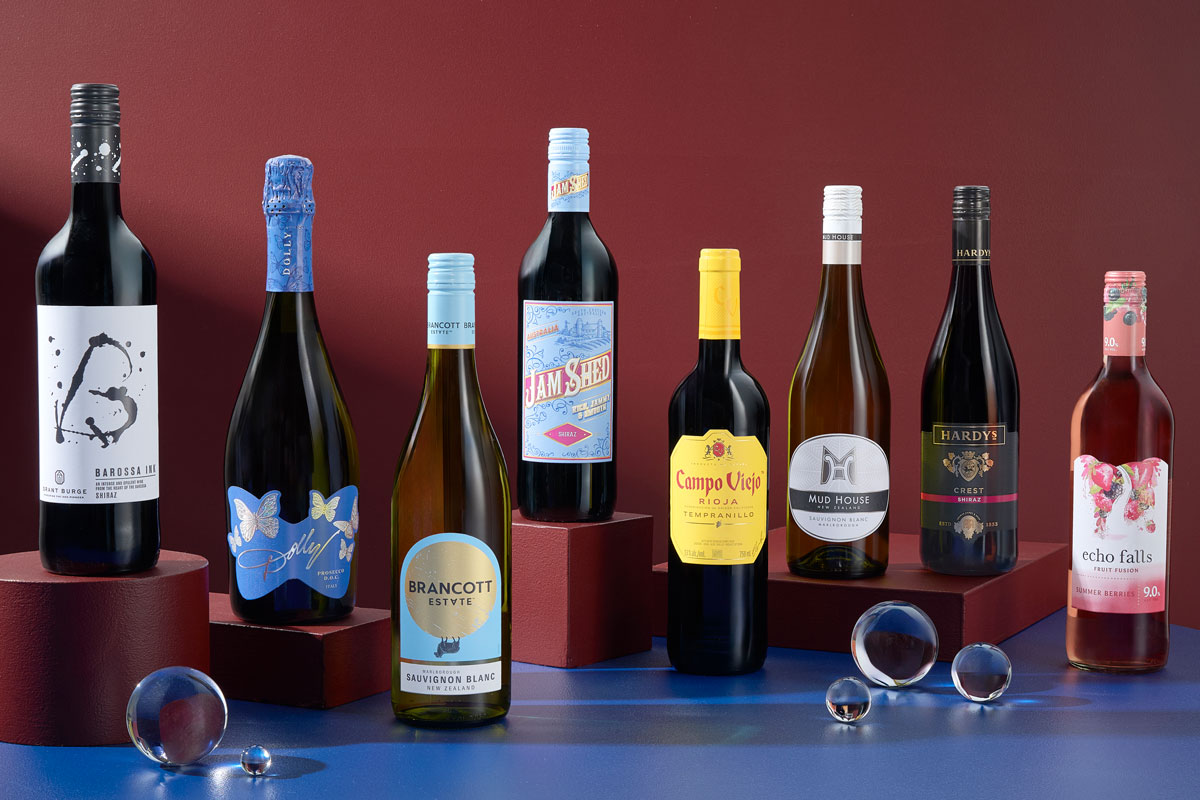
    Vinarchy manages a blended portfolio that combines heritage regional labels with newer commercial lines. Applying packaged goods discipline means tighter stock management, faster product development cycles and packaging formats tailored to grocery aisles rather than fine wine specialists.

    For liquor retailers and supermarket groups across Australia and New Zealand, dealing with FMCG-trained leadership usually means firmer volume targets, structured promotional calendars and data-driven category management. The operational friction sits between established winemaking cycles and the speed demanded by modern convenience retail.

    Category Pressure

    The Australian wine sector entered 2026 working through supply imbalances and shifting export patterns across Asia-Pacific. Domestic consumption volume has contracted as household budgets tightened and younger demographics diversified their alcohol spend.

    Winning those consumers requires rethinking entry-level price points, brand messaging and format sizing. Traditional 750ml glass bottles carry less appeal for casual social occasions than single-serve cans and lighter alcoholic alternatives.

    What to Watch

    Battistessa has completed her first seven months running the Australia and New Zealand operation. The next operational test will be the release of Vinarchy’s upcoming commercial product slate and retail ranging agreements ahead of the peak summer trading quarter.