Tag: Sydney

  • Zuum Adds Strawberry Energy Gum in Ten-Product Expansion Push

    Zuum Adds Strawberry Energy Gum in Ten-Product Expansion Push

    Australian functional consumer brand Zuum launched an extra-strength strawberry energy gum in September 2026. The release kicks off a planned 10-product rollout across domestic and overseas retail networks.

    The new variant expands the core Performance Energy Gum line. Zuum is targeting wider shelf space in convenience chains, pharmacies and online direct-to-consumer channels.

    Expanding the functional gum lineup

    Cool Mint, Extra Strength Arctic Mint, Spearmint and Watermelon already sit in the range. The strawberry gum sells through Zuum’s website alongside physical retail stockists.

    Functional chewing gums deliver active ingredients like caffeine and vitamins through oral absorption. That format provides faster uptake without liquid volume, giving shoppers an alternative to ready-to-drink energy beverages and traditional confectionery.

    Convenience and pharmacy distribution

    Convenience stores and pharmacy banners serve as the primary distribution ground for impulse functional products across Australia. Checkout placement captures commuters and workers seeking quick alertness fixes.

    For retailers, high-margin functional confectionery delivers strong sales density per square centimetre at front registers. The products challenge conventional mints and sugary gums, which face steady volume pressure from health-conscious consumers.

    Competitive pressure in energy alternatives

    Energy gum competes directly with canned energy drinks, caffeine pouches and functional tablets. While canned drinks dominate total volume, portable formats win on pocket-sized convenience and zero-sugar recipes.

    Survival in functional confectionery requires steady sales velocity after opening promotional campaigns fade. Retail buyers routinely clear counter space of slow-moving stock keeping units.

    Retail rollout timeline

    Zuum established its mainstream retail footprint in 2024 when convenience operator 7-Eleven introduced the gum line to Australian stores. That partnership gave the brand national visibility across high-traffic urban and roadside locations.

    Nine additional products will arrive before the end of the second half of 2026. The company is now negotiating broader listings in domestic pharmacy chains and selected international markets.

  • Nearly Six in 10 Australian Shoppers No Longer Buy at Full Price

    Nearly Six in 10 Australian Shoppers No Longer Buy at Full Price

    Nearly six in 10 Australian shoppers no longer buy goods at full price, according to a KPMG report released in September 2026. The retail sector is being forced to adapt as consumers learn to wait out price cycles rather than simply weather a cost-of-living downturn.

    This shift has turned sale events into planned buying exercises rather than spontaneous sprees. Rachael Hockaday, managing director of retail performance agency Haeday, told Inside Retail that consumers are increasingly planning ahead.

    Shifting Consumer Timelines

    Consumer price discipline has eroded standard trading periods across the sector. Hockaday said shoppers now arrive at major sales events with a clear idea of what they want and the specific price they are willing to pay.

    “Sales become the time to buy, often with planning in between so they’re prepared,” Hockaday said.

    Margin Pressure Across Supply Chains

    Waiting penalises inventory holders who stock seasonal merchandise. Holding stock past scheduled markdown cycles inflates warehousing costs. It also forces deeper clearance discounts later in the product lifecycle.

    Suppliers and brand owners see their wholesale margins squeezed. Retail buyers demand larger vendor allowances and promotional funding to protect their gross margin targets when baseline shelf prices drop.

    Operational Risks for Landlords and Brands

    Lease structures built on turnover rent clauses face direct exposure to these tighter margins. Volume now concentrates heavily in discounted periods. Top-line revenue may hold, but net merchant profitability shrinks.

    Lower-cost international direct-to-consumer platforms gain an edge over domestic multi-brand stockists under these conditions. Domestic retailers carry heavy store fleet costs. They must compete directly with offshore digital operators running agile, on-demand supply chains.

    Discount Cycles Ahead

    Persistent cost-of-living pressures across major cities have entrenched this cautious buying behaviour. Consumers who adopted promotional tracking tools out of necessity have retained those habits as standard routines.

    Retail operators head into the final calendar quarter with inventory adjusted for heavy discounting. Upcoming peak sales in apparel, footwear, and consumer electronics will test whether full-price trading can recover in the next financial year.

  • DigiDirect Fined $99,000 over Misleading Online Discounts

    DigiDirect Fined $99,000 over Misleading Online Discounts

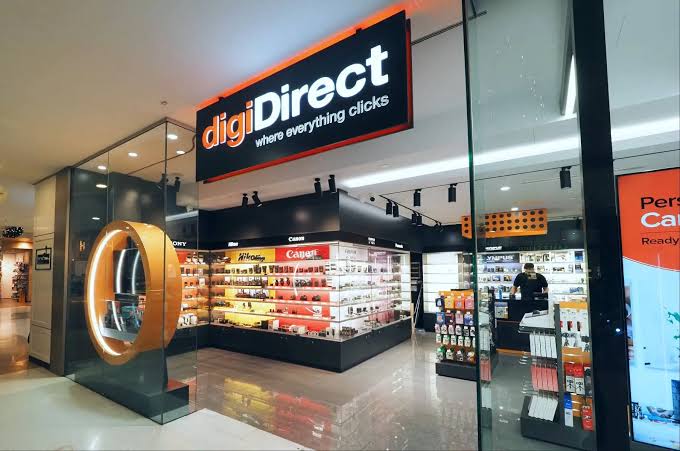
    Electronics retailer Digital Imaging Express, trading as DigiDirect, has paid a $99,000 fine after the Australian Competition and Consumer Commission investigated misleading online advertising.

    The retailer agreed to a three-year undertaking under ACCC oversight after promoting fake strikethrough discounts across products that were never sold at higher rates.

    How the Strikethrough Pricing Worked

    Investigators found listings claiming slashed prices for items that never existed on the site at those baseline figures. In one case, a mini wireless keyboard appeared for $149 beside a strikethrough price of $229. DigiDirect had never charged that higher amount.

    The watchdog determined the practice breached Australian Consumer Law through false savings claims. Digital Imaging Express then signed a section 87B court-enforceable undertaking. The agreement places the retailer under regulatory oversight for three years.

    DigiDirect’s advertising may have misled consumers into thinking they were getting a genuine discount when in reality the products were rarely advertised and almost never sold at the higher strikethrough price, and the suggested discount was illusory.

    Conditions of the Regulatory Settlement

    Beyond the $99,000 fine, the settlement forces DigiDirect to pull the listings immediately. It must also publish a corrective notice to shoppers on its website.

    ACCC deputy chair Mick Keogh said deceptive discounts distort consumer behaviour and stop shoppers from comparing prices across competitors. Buyers assume they found a bargain and stop checking elsewhere.

    Enforcement Pressure Across Digital Retail

    Online operators across the region face strict auditing over promotional pricing. E-commerce platforms rely heavily on strikethrough deals. However, automated systems that invent artificial baselines carry legal exposure under consumer protection laws.

    Marketplace sellers now face scrutiny over automated sale banners. Internal compliance teams must prove reference prices reflect actual sales history rather than supplier lists or inflated baselines.

    Consolidation and Revenue Goals

    Enforcement comes as DigiDirect pushes into wider consumer goods categories. The retailer operates an omnichannel model across its digital store and seven physical shops.

    Its parent group is chasing $500 million in annual retail revenue. That portfolio includes DigiDirect, Mwave, and recently acquired book assets Booktopia, Angus & Robertson, and James Bennett.

  • Tokyo Tatemono and UBS Back A$1.2B Charter Hall Logistics Venture

    Tokyo Tatemono and UBS Back A$1.2B Charter Hall Logistics Venture

    Charter Hall has set up an Australian logistics vehicle with Tokyo Tatemono and UBS Asset Management targeting an end value of A$1.2 billion ($859.3 million). The seed portfolio covers 335,000 square metres of east coast warehousing. Long-term leases to major grocery and beverage operators back the assets.

    Known as Charter Hall Industrial Partnership 5, the vehicle holds six industrial properties transferred mostly from the manager’s A$14.3 billion Charter Hall Prime Industrial Fund. Supermarket chains Coles and ALDI anchor the sites alongside Coca-Cola. These tenants secure immediate cash flow from essential consumer supply chains.

    The deal is Tokyo Tatemono’s initial entry into Australian logistics and its first direct venture with Charter Hall. Under its fiscal 2025 to 2027 plan, the Japanese property group allocated JPY 110 billion ($687.1 million) for overseas deployments. This partnership is its fourth commercial commitment in Australia.

    East coast assets and tenant footprint

    In Sydney, the portfolio holds three single-storey buildings in Wetherill Park, roughly 32 kilometres west of the central business district. Charter Hall completed the facilities in 2023 following a 2020 commitment by Coles. The site spans 142,599 square metres and delivers 73,835 square metres of net lettable area. Coles leases the whole complex for online fulfilment.

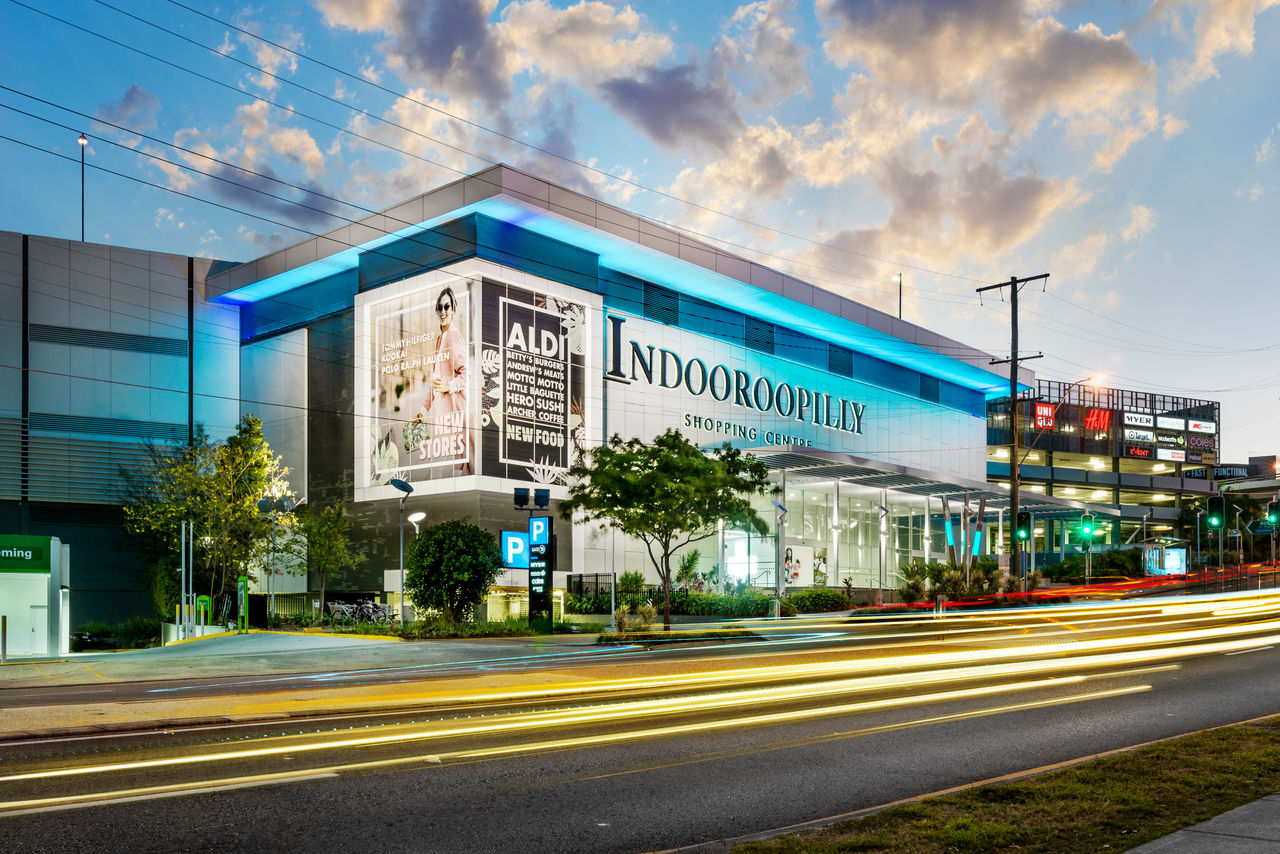
    Two established distribution centres make up the Queensland holdings. The first is a 71,670 square-metre facility in Brendale, 22 kilometres north of Brisbane, on a 185,500 square-metre plot. ALDI occupies the entire site after agreeing to a long-term lease expansion earlier this year. The second is a 79,261 square-metre warehouse on a 249,000 square-metre parcel in Richlands. It was built in 1993, expanded in 2017, and is leased entirely to Coca-Cola.

    Melbourne hosts the portfolio’s development component in Dandenong South, 31 kilometres from the city centre. The project will yield four single-storey warehouses with 110,943 square metres of net lettable area. It adds capacity to Melbourne’s tight outer-east market.

    Capital shifts across Asia-Pacific logistics

    Japanese developers and institutional asset managers continue redirecting balance sheet capital into developed Asia-Pacific logistics hubs. Yield spreads in Australia remain wide compared to domestic Japanese debt costs. This gap encourages groups like Tokyo Tatemono to take equity positions alongside local managers rather than building operational teams from scratch.

    Wholesale partnerships offer Australian landlords and retail tenants fresh development equity as traditional bank financing faces tighter underwriting constraints. Partnerships tied to grocery and beverage tenants reduce vacancy risks for offshore investors. At the same time, they fund dedicated fulfilment centres for major supermarket chains.

    Charter Hall expands wholesale partnerships

    This transaction broadens Charter Hall’s institutional roster and extends operational ties with UBS Asset Management into direct logistics ownership. Demand for modern warehousing across Australia’s eastern seaboard is up sharply. Leasing data from CBRE shows net industrial take-up surpassed 1.4 million square metres during the first half of 2026. That is more than double the volume recorded in the previous six months.

    Earlier this month, Charter Hall spent A$192.4 million on three logistics properties southwest of Brisbane for a parallel vehicle, Charter Hall Industrial Partnership 6. Those assets feed into an under-construction A$350 million industrial precinct near Darra, about 20 kilometres from central Brisbane.

    Timelines and next development milestones

    Past Australian projects for Tokyo Tatemono include a 25-unit residential build in Sydney’s Crows Nest and two suburban warehouse projects near Sydney. It also holds a build-to-rent residential development at 899 Collins Street in Melbourne.

    Australia’s industrial and logistics sector presents a compelling investment opportunity, supported by attractive market fundamentals, resilient occupier demand and long-term growth drivers.

    Work on the Dandenong South logistics estate in Melbourne begins in 2026, with staged handovers running through 2030. Charter Hall and its partners will also start planned expansion work at the Brendale distribution facility before the end of this financial year.

  • Greystar Appoints Tom Livelli to Run $3.9 Billion Asia-Pacific Living Portfolio

    Greystar Appoints Tom Livelli to Run $3.9 Billion Asia-Pacific Living Portfolio

    Greystar has appointed former EQT partner Tom Livelli as head of Asia Pacific. He will run a $3.9 billion living-sector portfolio across four regional markets.

    Based in Sydney, Livelli takes up the executive director post in early 2027. He will direct roughly 250 staff managing more than 11,500 rental apartments and student beds across Australia, Japan, South Korea, and mainland China. He replaces Adam Pillay, who has left the firm.

    Executive reshuffle across regional markets

    Livelli spent the past three years in Madrid as head of living strategies for Europe at EQT Real Estate. Before that, he built Greystar’s South American operations between 2017 and 2023. That expansion took the platform past $800 million in assets across 19 investments, alongside eight management contracts covering roughly 6,000 units. His earlier career includes tenures at Boston Andes Capital and Clark Realty Capital.

    The leadership change puts Livelli in charge during a regional shift toward residential formats. Institutional investors across Asia-Pacific have pulled capital from secondary offices and speculative logistics. They are targeting cash-generating living assets instead. Livelli must now consolidate operations and reallocate equity across the firm’s living formats.

    Pivot to purpose-built student beds

    Capital has flowed directly toward Australian student housing. In April 2025, the firm completed its largest deal in the region to date: an A$1.6 billion ($1.1 billion) buyout of a 5,662-bed student portfolio from Singapore sovereign fund GIC and Wee Hur Holdings.

    Student housing offers immediate rental indexation and counter-cyclical cash flows. Pure-play multifamily developments struggle to match those returns under current construction costs. Student accommodation also brings faster tenant turnover and flexible rate adjustments, providing a stronger inflation hedge than multi-year commercial leases.

    Pruning industrial sites and rental developments

    Greystar has simultaneously stepped back from other property sectors in the region. It wound down an Australian infill industrial drive launched in 2022, selling a Sydney logistics development plot to Gateway Capital for A$78 million ($55.9 million) in May 2026.

    Traditional build-to-rent projects have faced similar pruning. Warburg Pincus-backed Kio Investment Management recently acquired a former Greystar development site in Melbourne’s Collingwood neighbourhood. In Japan, Greystar put several apartment assets on the market to test institutional liquidity.

    Expansion in Seoul and regional funds

    The manager first entered Asia-Pacific in 2017 through a partnership with Macquarie Capital. Over the next nine years, it opened six offices across the region. Growth has since expanded beyond Australia and Japan into mainland Asia.

    In May 2025, the group recruited former Samsung SRA Asset Management executive Junghwan Kang to launch its South Korea platform. Around the same time, the Teacher Retirement System of Texas allocated $25 million to the manager’s Asia-Pacific value-add vehicle.

    When Livelli takes over in Sydney in early 2027, the focus shifts to execution. The firm faces decisions on whether to deploy fresh capital into Korean residential assets or accelerate divestments across its Japanese apartment holdings.

  • David Jones’s 2012 Mystery UK Takeover Approach: Historical Context

    David Jones’s 2012 Mystery UK Takeover Approach: Historical Context

    Historical context correction (8 November 2026): This article concerns the takeover approach reported on 29 June 2012, not a new approach in 2026. ABC’s report from that date subsequently identified the bidder as EB Private Equity and described an initial A$1.65 billion proposal. ABC’s updated report recorded a 14.6% share-price rise; it does not verify the 12.3% / A$2.54 snapshot retained below. References to a forthcoming offer describe expectations at the time, not a live transaction. The broader commentary about online competition and lease risks is analysis, not a finding established by that ABC report.

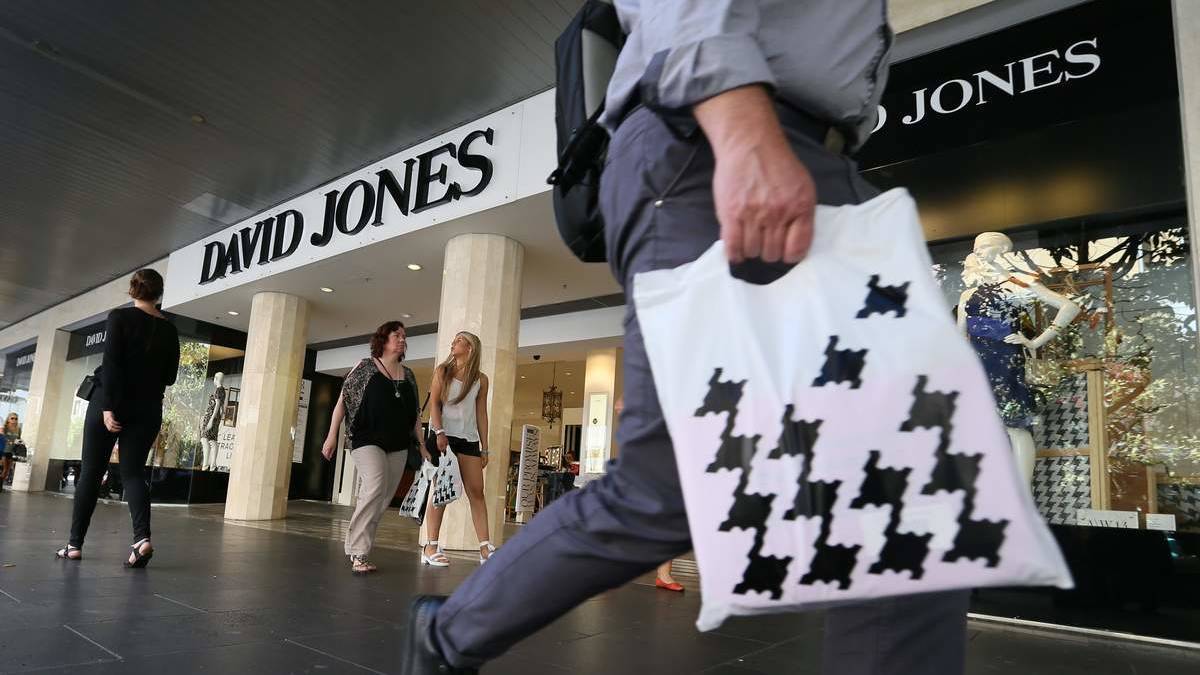
    David Jones shares surged 12.3 per cent to Aus$2.54 on 29 June 2012 after the upmarket Australian department store received an unsolicited takeover approach from a mystery British bidder.

    Early trading peaked with an intraday gain of more than 17 per cent before easing in the afternoon.

    Unsolicited letter from an unincorporated entity

    The Australian retailer confirmed receipt of an indicative letter from a non-incorporated UK business seeking to explore a buyout of the company. Board members stated they lack sufficient operational and financial detail to evaluate the proposal at this stage.

    The directors do not believe they currently have relevant information to enable them to qualify or value the approach but, should this change, will advise the market accordingly.

    Sector-wide rally across department store rivals

    Trading desks reacted immediately across the broader Australian discretionary retail sector. Shares in key domestic rival Myer advanced more than four per cent to Aus$1.61 following the announcement.

    Investors view the approach as an opportunistic bid to acquire prime retail footprint at discounted valuations. Department store operators across the region face margin compression, elevated leasing costs and intensifying competition from foreign e-commerce platforms.

    Balance sheet pressures and online competition

    Traditional multi-brand retailers in Australia continue to grapple with sluggish household spending and shifting shopping patterns. Physical department stores carry substantial fixed property overheads while digital pure-plays capture market share in apparel and beauty categories.

    For institutional shareholders, an offshore buyout approach tests whether current trading prices reflect underlying asset backing. Commercial landlords face lease renegotiation risks if new ownership chooses to rationalise underperforming store space.

    Profit downgrade set the stage for opportunistic bids

    The takeover approach follows a difficult operational stretch for the Sydney-based retail group. In March, David Jones warned that full-year profit could drop by up to 40 per cent as stalled consumer demand and accelerating digital sales weighed heavily on store traffic.

    At the time, attention focused on whether the approach would develop into a formal offer; this was a 2012 development, not a current transaction.

  • Asian Fast Food Chains Accelerate Australian Expansion Beyond 10 Outposts

    Asian Fast Food Chains Accelerate Australian Expansion Beyond 10 Outposts

    Asian quick-service restaurant operators are accelerating their Australian rollouts. Chinese beverage group Mixue leads the charge. It has expanded beyond 10 locations across the country since entering Sydney in 2023.

    The push targets Australia’s youth demographic. Consumers aged 15 to 24 represent the largest single group buying takeaway food, according to IbisWorld data.

    New entrants target metropolitan centres

    Arrivals across Sydney and Melbourne picked up sharply after 2023. Malaysian halal fried chicken chain Marrybrown, Japanese cafe brand Nana’s Green Tea, Philippine soft-serve seller Miguelitos and Chinese tea group Molly Tea have all opened corporate or franchised doors.

    Indonesian restaurant operator Sederhana opened in Melbourne to serve West Sumatran Minang dishes. In Sydney, Chinese tong sui specialist Makkee Dessert launched its first storefront with street-level queues on opening day. Korean fried chicken franchisor NeNe Chicken laid early groundwork for Asian QSR formats when it entered Melbourne in 2015.

    Operational shifts favour grazing and small transactions

    These incoming concepts rely on high-turnover, small-ticket sales rather than traditional full-meal sittings. Menus built around single-portion fried chicken, sweet soups, soft-serve ice cream and brewed teas match changing routines geared toward all-day snacking.

    Store footprints are configured around digital ordering infrastructure. Outlets deploy self-service touchscreen kiosks, QR-code ordering tables and flexible modular seating. This setup cuts labour overheads and handles heavy foot traffic during afternoon and late-evening peaks.

    Merchandising drives youth brand loyalty

    Visual branding and proprietary merchandise drive customer retention across these chains. Operators sell accessories including cooler bags, character magnets and toy outfits alongside drinks and meals. Collectable goods anchor repeat business.

    Mascots give these brands instant visibility. Mixue uses its Snow King snowman across store facades and packaging, while Marrybrown deploys Brownie the chipmunk. Both characters provide social media cut-through in prime urban retail strips that carry high commercial rents.

    Pipeline builds for late 2026 rollouts

    Japanese curry specialist Coco Ichibanya is preparing its first Melbourne opening before the end of the year, introducing its spoon-wielding cat mascot to the local market. Philippine fast-food giant Jollibee is also tracking Australian real estate after signaling entry plans for several years.

    Industry attention now turns to execution. Rivals are watching how fast Coco Ichibanya scales its initial Melbourne footprint and whether Jollibee secures its first Australian flagship site.

  • Soul Origin to Double Store Network to 400 Locations over 10 Years

    Soul Origin to Double Store Network to 400 Locations over 10 Years

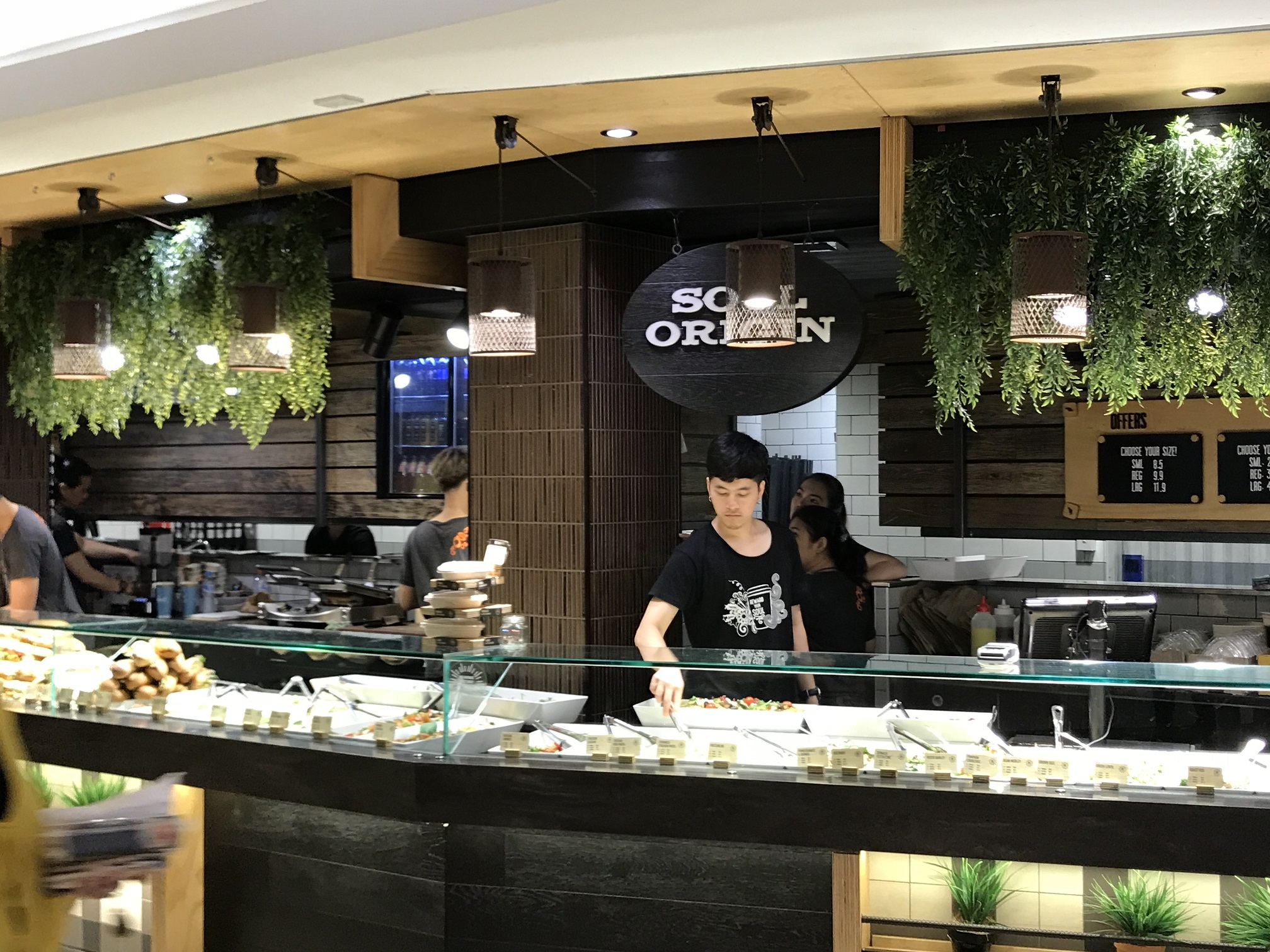
    Fast-casual chain Soul Origin plans to more than double its store network to approximately 400 locations globally over the next 10 years.

    The company, which marks its 15th anniversary this year, has grown into a network of 178 locations with around 22 million customer visits each year. Opening 15 to 20 stores annually across Australia, New Zealand and additional international markets will drive the expansion.

    Shifting Out of the Food Court

    Alongside continued growth in shopping centres, Soul Origin will add more regional, drive-through, airport, hospital, university and service-centre locations. Six new stores are scheduled to open before Christmas, including a new company-owned flagship at Sydney International Airport.

    Highway retailing forms a central pillar of the push. Soul Origin operates a hybrid service-centre format in partnership with fuel retailer Ampol, with two additional co-located sites scheduled to open before the end of the year. The business is scouting further roadside and regional plots across New South Wales, Queensland and Victoria.

    Trans-Tasman Growth and Extended Trading

    New Zealand represents the immediate cross-border priority. The company currently runs four stores across the country and has mapped out approximately 10 additional openings there over the next two years.

    Longer operating hours in roadside and transit hubs require a wider menu. Kitchens across the network are rolling out hot dinner items, matcha drinks and expanded iced beverage selections. Soul Origin is also taking side dishes and add-ons first tested in its drive-through prototypes and adding them to traditional metro counters.

    Franchise Pressures and Highway Formats

    Transitioning from enclosed shopping mall food courts into roadside and transit locations alters the underlying store economics. Food court units rely on captive foot traffic with heavy daytime peaks, whereas highway service centres and airport terminals demand split-shift staffing, higher capital expenditure for kitchen fit-outs and steady evening volume to recover rent.

    Competing quick-service operators across Australia and the wider region have pursued identical fuel-convenience partnerships to escape rising mall occupancy costs. For Soul Origin, sustaining average transaction values during afternoon and dinner trading will determine whether these extended-hour formats generate acceptable returns for franchise partners.

    Management Transition at Fifteen Years

    The expansion plan arrives as the company marks 15 years since its founding as a single family-run food outlet. Current chief financial officer George Gebran will step into the chief executive role on October 1 to manage the operational expansion.

    Co-founder and current managing director Hao Quach will step down from day-to-day management on the same date. Quach will remain with the business to focus on long-term strategy, market entry and corporate development.

    Network development will center on the delivery of the six pre-Christmas openings, the performance of the new Sydney Airport terminal site, and the execution of the 10-store pipeline planned for New Zealand through 2028.

  • Frasers Group Extends 65-Cent Takeover Bid for Accent Group to January 2027

    Frasers Group Extends 65-Cent Takeover Bid for Accent Group to January 2027

    Frasers Group extended its hostile on-market takeover bid for Australia’s Accent Group on Friday. Shareholders now have until January 29, 2027 to accept the cash offer of 65 cents per share.

    The London-listed retail conglomerate already controls 22.9 per cent of Accent. It wants to buy every remaining share listed on the Australian Securities Exchange.

    Under the revised schedule announced through broker Barrenjoey Markets, the acceptance deadline shifts from September 30 to 4:00pm Sydney time on January 29. All other financial terms remain unchanged at 65 cents per ordinary share.

    Board Resistance and Turnaround Friction

    Accent’s board has urged shareholders to reject the approach from the start. Directors labelled the 65-cent valuation insufficient and opportunistic. They warned investors that tendering stock forfeits future dividend streams and upside from the retailer’s 2030 strategic growth plan.

    Frasers argues that current leadership broke the business model. Christopher Wootton, a director at Frasers, stated that the group has significant concerns regarding Accent’s strategic direction and performance under chairman Lawrence Myers and the incumbent executive team.

    Ashley’s group has also demanded that Myers step down from the board. Frasers backs the footwear and apparel brands across Accent’s network, but it insists the business needs hands-on operational restructuring rather than standalone turnaround promises.

    Earnings Pressure Across the Australian Footwear Network

    Trading numbers have put Accent under heavy scrutiny. The Melbourne-headquartered retailer recorded $1.64 billion in sales for fiscal 2026, but finished the financial year with a net loss of $13.8 million.

    This playbook matches the standard Frasers takeover blueprint across the Asia-Pacific retail market. The company builds a blocking minority stake, waits for margin compression or losses, and tables a low-premium cash bid to squeeze institutional holders.

    For Australian retail landlords and rival apparel chains, prolonged ownership battles create operational paralysis. Store network optimisation, lease renewals, and capital expenditure decisions slow down while executives defend against board spills and creeping takeovers.

    Timeline of the On-Market Pursuit

    The takeover fight started on June 15, 2026, when Frasers lodged its initial bidder’s statement on the ASX after amassing its 22.9 per cent holding. A supplementary bidder’s statement followed on August 10 to address technical offer disclosures.

    Barrenjoey Markets registered the extension notice with the ASX on September 18. The revision keeps the offer active through holiday trading and forces Accent’s board to defend its interim performance numbers in the middle of the takeover window.

    Shareholders face a four-month wait until the January 29, 2027 closing bell. Market attention now turns to whether Frasers lifts its 65-cent price or attempts a formal boardroom challenge at the upcoming annual general meeting.

  • Italian Trade Agency Targets Australia in 18-Month Retail and Foodservice Push

    Italian Trade Agency Targets Australia in 18-Month Retail and Foodservice Push

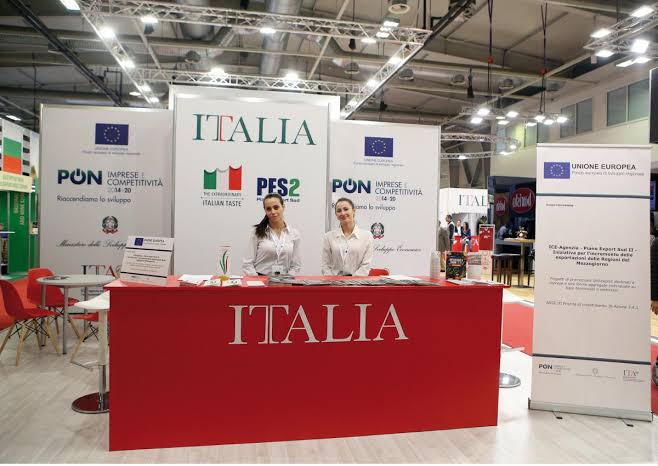
    The Italian Trade Agency is running an 18-month commercial push across Australian grocery and foodservice channels to widen distribution beyond core staples.

    Sydney-based Trade Commissioner Alessandro Lamura, who began his role on August 31, leads the effort targeting hotel catering, institutional dining and major supermarket shelves with specialty bakery goods, sauces, confectionery and frozen foods.

    Targeting Professional Kitchens and Supermarket Shelves

    Italian exporters have long relied on steady demand for pasta, extra virgin olive oil, wine, cheese and cured meats. The agency now wants to place preserved goods, specialty ingredients and ready-to-use food solutions into mainstream supermarkets and independent delicatessens.

    Foodservice sits at the center of the push. Lamura wants Italian ingredients in commercial restaurant groups, hotel kitchens and institutional catering operations, moving past traditional Italian dining rooms. As an institutional matchmaker, the agency gathers market intelligence and connects Italian producers directly to Australian importers, distributors and retail buyers.

    Shifting from Re-Export Hubs to Final-Destination Retail

    Lamura took charge of the Sydney office on August 31. He previously served as deputy trade commissioner across the United Arab Emirates, Pakistan and Oman. Unlike Middle Eastern trade hubs built on logistics zones and re-export volumes, Australia is a high-value domestic market with strict biosecurity protocols and long distributor vetting cycles.

    Australia offers reliable margins for European suppliers eyeing Asia-Pacific. Still, it demands local compliance and shelf consistency. European producers frequently struggle with national biosecurity rules and high transport costs across the continent. Direct work with domestic distributors aims to cut inventory delays and secure permanent shelf space against domestic and regional Asian food brands.

    Strengthening Commercial Presence After Melbourne Trade Event

    This campaign follows the Italian National Pavilion at Fine Food Australia 2026 in Melbourne, which included an August visit by Italian Trade Agency president Matteo Zoppas. Zoppas directed the Sydney office to secure deeper ties with Australian grocery chains and digital marketplaces while expanding attendance at regional industry exhibitions.

    Preparations are underway for Italy’s pavilion at next year’s trade exhibition. The agency will add a live demonstration kitchen and product workshops for commercial buyers.

  • Dexus Wholesale Property Fund Returns 9.3 per Cent as Retail Yields Beat Office

    Dexus Wholesale Property Fund Returns 9.3 per Cent as Retail Yields Beat Office

    Dexus Wholesale Property Fund delivered a 9.3 per cent total return in the year to 30 June. It beat its benchmark across an A$13 billion commercial portfolio.

    That performance was the unlisted vehicle’s strongest in four years. Retail rental growth and income yields outpaced the fund’s office and industrial holdings.

    Management resolved a redemption backlog exceeding A$1 billion that had accumulated over the past year. Brad Collier, head of diversified funds at Dexus, told a Sydney industry forum that the fund cleared the queue by selling secondary assets while existing and incoming unitholders bought up liquidity.

    Clearance of Redemptions and Yield Performance

    Capital returned to the fund once asset valuations stabilized after rapid interest rate adjustments across Asia-Pacific property markets. Steady rental increases and high income yields drove performance. Capitalisation rates did not need to compress.

    Sydney premium office space drove much of the return. Assets like Gateway at 1 Macquarie Place held tenant demand as corporate employers paid higher rates for central floorplates to draw staff back into central business districts.

    Retail Outpaces Office on Yields and Sales

    Shopping centres held by the fund delivered income yields above 6 per cent. By comparison, office and logistics assets yielded below 5 per cent. Annual retail tenant turnover grew 5 per cent across the portfolio, giving the landlord pricing power during lease renewals despite subdued consumer sentiment.

    Occupancy across these shopping centres sits above 99 per cent. Collier noted that co-ownership with retail operators like Scentre Group helped maintain tenant retention and rental revenue across major regional destinations.

    Malls as Residential Development Sites

    Large shopping centres with surplus land represent the fund’s primary avenue for value expansion. Dexus is pursuing master-planned rezonings around suburban retail hubs to construct high-density residential towers above and beside existing retail footprints.

    Plans at Westfield Warringah Mall in Sydney’s Northern Beaches call for more than 1,500 apartments across six residential towers on the Scentre co-owned site. The project will double the vehicle’s capital commitment to the property over the long term.

    “They’re seeing returns of 9.3 percent for what is a core portfolio.”

    Institutional landlords across the region are reallocating capital away from standalone department store wings toward housing and health services. This structure generates recurrent residential sales or rental income on owned land. It reduces land acquisition risk while providing built-in foot traffic for ground-floor retailers.

    Divergence Across Sydney, Brisbane and Melbourne

    Performance continues to diverge across Australia’s eastern seaboard capital cities. Brisbane office assets gained institutional investor support after years of restrained construction kept vacancy low. Meanwhile, Melbourne faces high vacancy, landlord leasing incentives, and Victorian state property surcharges.

    The twelve-month campaign of non-core disposals reversed the liquidity freeze that hit unlisted Australian property trusts between 2022 and 2024. That recovery establishes a baseline for institutional capital allocators assessing core real estate entries across Australasia.

    Dexus is advancing planning approvals for the six-tower residential precinct at Warringah Mall while monitoring tenant absorption in Melbourne before lifting its office allocation there.

  • Investa and BGO Expand Australian Office Venture to A$1.8 Billion

    Investa and BGO Expand Australian Office Venture to A$1.8 Billion

    Investa and North American investment giant BGO expanded their Australian commercial property partnership to A$1.8 billion with an agreed A$715 million portfolio purchase across Sydney and Brisbane.

    The acquisition covers 123 Albert Street in Brisbane alongside 30-34 and 36 Hickson Road in Sydney, splitting ownership equally between BGO and the Investa Commercial Property Fund at the Queensland site.

    Alongside the joint portfolio purchase, the A$6 billion Investa Commercial Property Fund agreed last month to sell 1 Market Street in Sydney for A$450 million to the Investa Core Plus Office Partnership. Chief Executive Peter Menegazzo said the sale frees capital from a 30-year-old building to manage fund gearing following recent development outlays.

    “Office is back,” Menegazzo told the Mingtiandi Australia Forum in Sydney. “We operate in a cyclical sector and industry, and we knew it would come. It was just a matter of when.”

    Capital recycling and portfolio reshuffle

    The transaction at 1 Market Street relies on rental growth across roughly 50 tenants rather than cap rate compression, offering frequent windows to reset income to current market levels. Sydney has recorded consecutive quarters of net absorption, underpinning institutional demand for well-located assets with manageable vacancy risks.

    Investa signed 133,000 square metres of leases over the past 12 months. Tenants with lease expiries falling between 2029 and 2031 are already opening renewal negotiations early to lock in prime space ahead of projected shortages.

    Development barriers squeeze prime office supply

    Elevated construction costs and tight capital markets have stalled the supply pipeline across major Australian central business districts. New developments require asking rents between 30 and 50 percent above prevailing levels, alongside lower capitalisation rates, to reach commercial viability.

    Sydney faces a four-to-five-year development cycle, prolonging the shortage of modern office space. Institutional buyers are responding by acquiring standing premium buildings at prices below replacement cost rather than taking on greenfield construction risk.

    Brisbane displaces southern office capital

    Brisbane has emerged as one of the strongest office markets globally for effective rental growth over the past 18 to 24 months. Queensland’s commercial property market is drawing allocations away from Melbourne, supported by Olympic infrastructure preparations and tight physical supply.

    Offshore institutions are widening their presence in Brisbane. Recent transactions include Japanese investment into Central Plaza I, TPG’s venture with GPT on Central Plaza II, and Barings’ A$700 million acquisition of 480 Queen Street.

    Asian institutional backing expands into living sectors

    Japanese capital has expanded beyond traditional commercial towers into Australian living sectors. Daibiru bought 135 King Street in Sydney for A$600 million from Investa’s flagship fund last year, adding an ongoing management mandate.

    Tokyo-based groups JR West Real Estate & Development, Sotetsu Real Estate and Sumitomo Mitsui Trust Bank are financing Investa’s 251-studio co-living project at 140 Elizabeth Street in Sydney. The company is now seeking A$500 million in equity to back a co-living platform with A$1 billion in initial development capacity, with negotiations underway on the capital commitment.

  • Nespresso Pilots $5 Doorstep Capsule Recycling Service in Sydney

    Nespresso Pilots $5 Doorstep Capsule Recycling Service in Sydney

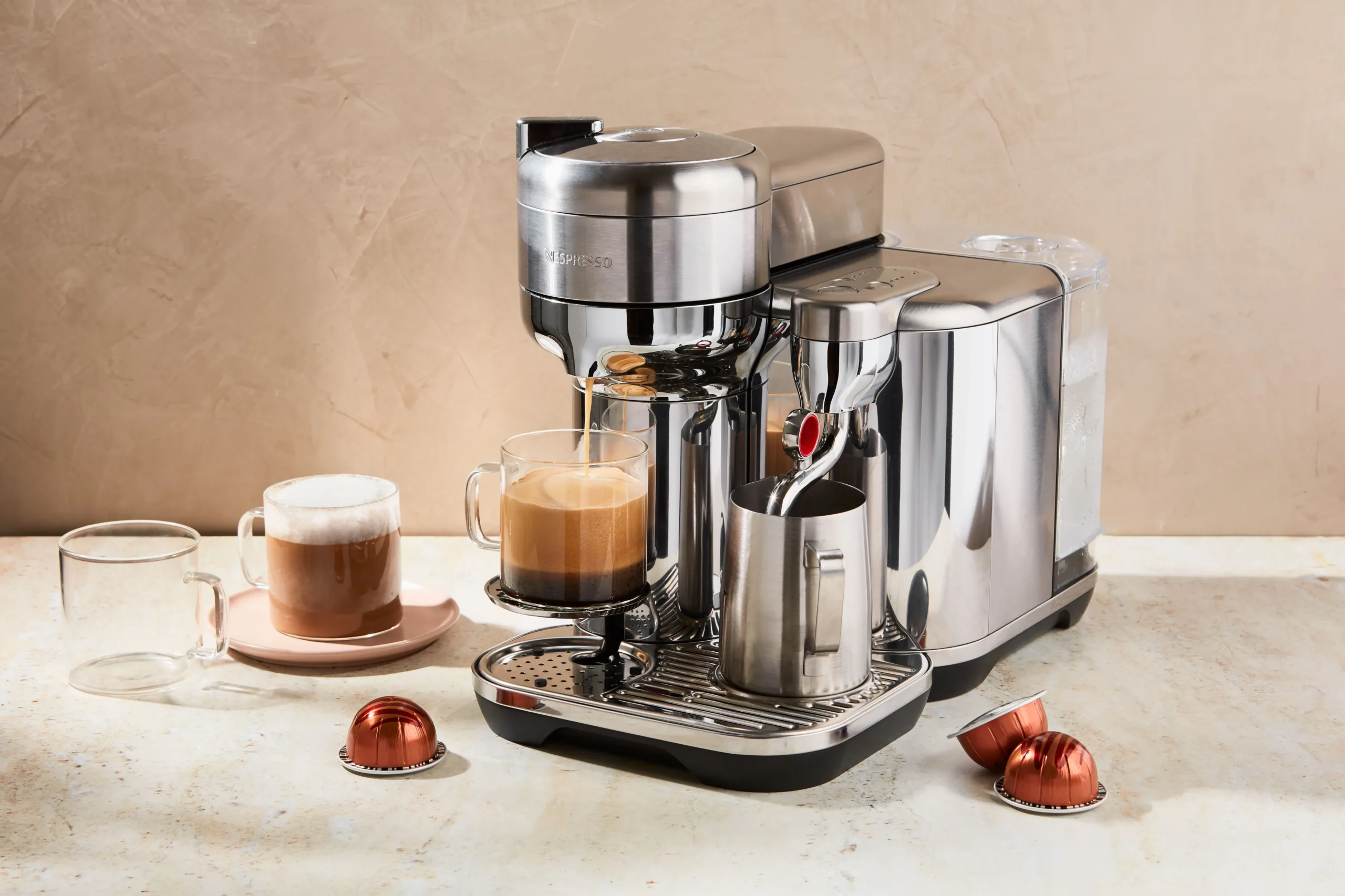
    In September 2026, Nespresso began piloting The Doorstep Collection, a new recycling service across metropolitan Sydney that allows customers to return used coffee capsules directly from their homes for $5.

    Each collection bag holds up to 180 Original capsules or 90 Vertuo capsules. Once filled, users can seal the bag and arrange a collection directly through the Nespresso app.

    How the collection model works

    The pilot tackles the main bottleneck in aluminium capsule recovery. Previously, consumers had to return used pods to brand boutiques or post offices. Folding collection into home delivery channels shifts reverse logistics costs onto willing buyers while defending the closed pod ecosystem.

    Recycling facilities separate the aluminium casings from residual coffee grounds. Smelters reprocess the metal. The organic waste goes to commercial composting facilities.

    Reverse logistics across regional markets

    Single-serve coffee brands across Asia-Pacific face mounting regulatory pressure to fund packaging waste management. In mature consumer markets like Australia, Singapore and Japan, drop-off rates consistently lag behind pod sales volumes without home collection infrastructure.

    Charging five dollars per bag tests how much financial responsibility consumers will shoulder for convenience. Competitors rely on third-party mail-back envelopes or retail bins that place the legwork on the shopper.

    What happens next

    Nespresso previously expanded drop-off points across postal networks and independent grocery stockists in Australia. Sydney now serves as the benchmark trial market ahead of a planned rollout across other Australian metropolitan regions.

  • PepsiCo Launches Nobby’s Protein Coated Almonds in 45G Packs

    PepsiCo Launches Nobby’s Protein Coated Almonds in 45G Packs

    PepsiCo Australia expanded its impulse snacking portfolio on September 16, 2026, with the launch of Nobby’s Protein Coated Almonds.

    The single-serve range comes in 45g packages featuring whole roasted almonds enclosed in a protein-enriched coating and seasoning.

    Functional Formats for Front-of-Store Displays

    The product enters the market in two flavours: Cacao, delivering 11g of protein per pack, and Salted Caramel, providing 10.8g of protein per pack.

    Traditional packaged nuts already carry a natural health halo, but multinational snack makers face rising competition from dedicated sports nutrition bars and fortified confectionery. Adding a concentrated protein coating lets PepsiCo position a heritage pub-snack brand like Nobby’s directly against specialized fitness snacks on convenience racks.

    Margin Pressure and Category Competition

    For convenience operators and grocers, the format offers higher revenue per square centimetre of impulse shelf space compared to conventional salted peanuts. The risk rests in repeat purchase behaviour: coated nuts carry a heavier processing load, and shoppers buying functional protein often scrutinize sugar levels and ingredient purity before committing to daily consumption.

    Rival consumer goods manufacturers in Australia and across broader Asia-Pacific markets have pursued similar line extensions, turning core confectionery and nut brands into macro-friendly alternatives. PepsiCo itself continues to tweak recipe formulations across its regional portfolio to counter slowing volume growth in traditional fried snacks.

    Shelf Performance Metrics to Watch

    The Australian launch follows wider category revamps across PepsiCo’s regional business, where the company has sought to offset shifts away from high-sodium savoury snacks with portion-controlled, higher-margin impulse items.

    Retailer uptake across nationwide fuel and grocery chains over the fourth quarter will indicate whether the brand can hold dedicated impulse real estate outside its traditional salted nut stronghold.

  • Woolworths and Coles Control 67% of Supermarket Sales, ACCC Finds

    Woolworths and Coles Control 67% of Supermarket Sales, ACCC Finds

    Independent grocery operators across Australia are capturing cross-shopping trade from Woolworths and Coles as the two dominant chains control around 67 per cent of national supermarket retail sales.

    Findings from the Australian Competition and Consumer Commission (ACCC) 2024-25 Supermarkets Inquiry reveal that nearly 70 per cent of consumers visit two or three grocery stores in a typical week to save money or seek out different products. The watchdog concluded that the two major supermarket groups offer largely undifferentiated ranges, pricing and promotions across their store networks.

    Scale Across Independent Networks

    Alternative grocery models in Australia are expanding by differentiating their assortments rather than competing purely on nationwide standardisation. The IGA banner now spans more than 1,200 independently owned supermarkets, operating under family ownership structures such as the three-generation Xyrakis family store in Canberra and the D’Anna family’s Boccaccio IGA in Balwyn.

    Regional fresh food specialist Harris Farm has expanded to 33 stores across New South Wales and Queensland since starting in Villawood in 1971. The family-owned grocer rolled out a delivery partnership with Amazon this year, distributing fresh produce on same-day and next-day delivery schedules across Sydney, Brisbane, the Gold Coast, Canberra and Newcastle.

    Operational Focus Over Duopoly Formats

    For suppliers and property owners across Asia-Pacific retail corridors, the Australian grocery structure demonstrates that high market concentration creates clear openings for agile specialty chains. Large grocers operating rigid supply contracts struggle to curate hyper-local merchandise, leaving regional producers to build volume through independent distribution channels.

    Landlords face shifted leasing economics as shoppers intentionally bypass generic anchor supermarkets in favour of destination fresh-market operators. The financial risk shifts toward mid-tier commercial centres that rely exclusively on duopoly supermarket foot traffic without distinctive secondary food anchors to keep dwell times up.

    Earlier Contractions and Format Shifts

    Format discipline has driven turnarounds elsewhere in the Australian consumer sector after earlier overexpansion. Starbucks entered the Australian market in 2000 and shuttered 61 stores in 2008 to leave 23 sites, before rebuilding its footprint around drive-through convenience and mobile ordering to post its first Australian annual profit in financial year 2023.

    Wholesale distributors and independent banners are now tracking whether multi-store grocery shopping rates will hold above the 70 per cent threshold as cost pressures continue across Australian metro centres.