Tag: Sydney

  • 127-Year-Old Italian Brand Mutti Enlists Sam Kerr for ANZ Campaign

    127-Year-Old Italian Brand Mutti Enlists Sam Kerr for ANZ Campaign

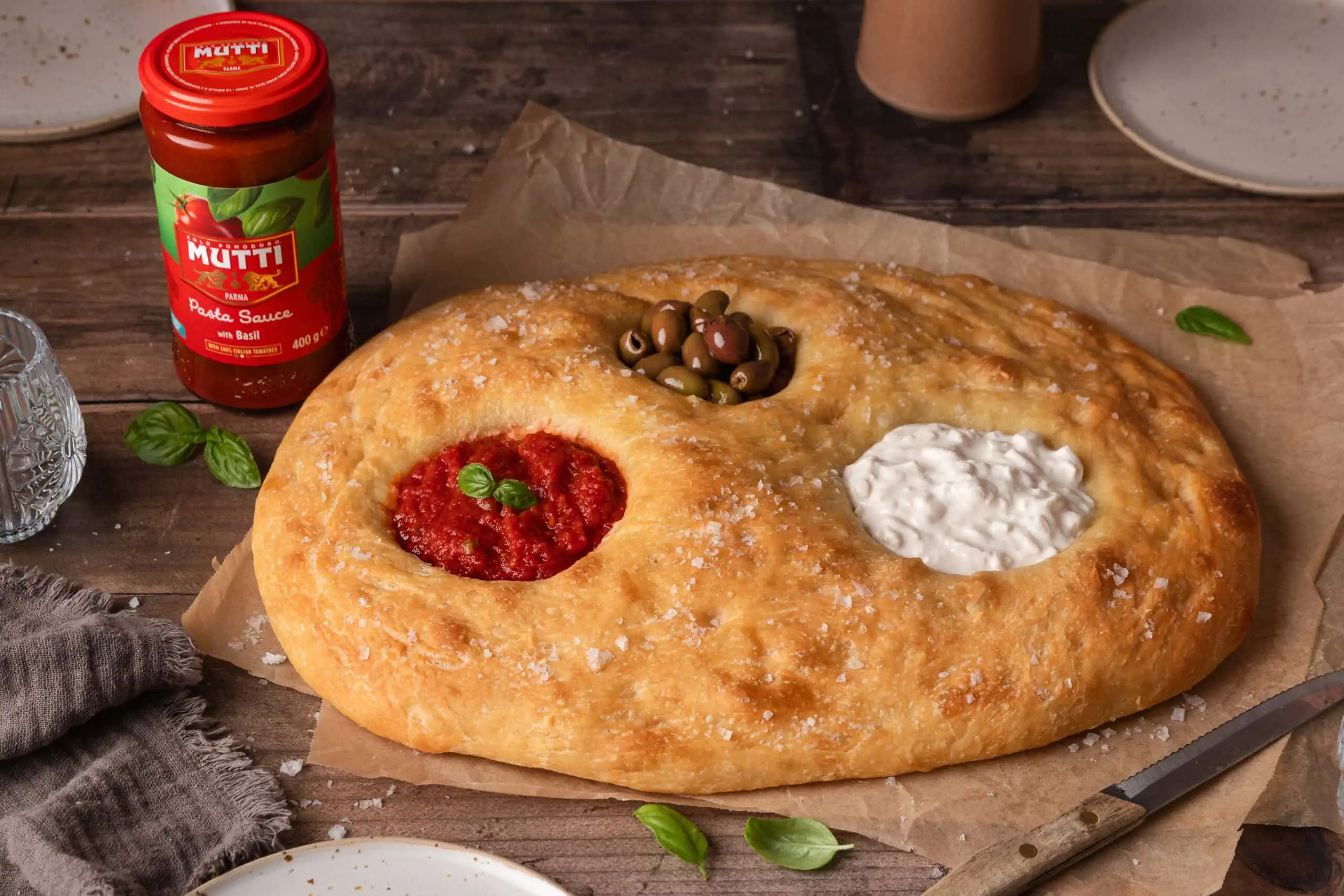
    Italian packaged tomato producer Mutti launched a marketing campaign across Australia and New Zealand in September 2026. Football star Sam Kerr, Paralympic champion Dylan Alcott and television presenter Chris Brown front the push.

    The 127-year-old Italian company targets pantry staple shoppers across Australian supermarkets. It relies on character-driven storytelling rather than standard recipe demonstrations.

    Celebrity Roster and Storytelling Pivot

    Creative spots take the form of scripted vignettes framed as confessions from dedicated brand buyers. In the lead spot, Kerr carries Mutti Passata in her luggage at a hotel and interacts with a chef named Matteo. The scene sets an intentionally humorous tone for the packaged grocery category.

    Samantha Filocamo, marketing director for Australia and New Zealand at Mutti, designed the platform to inject personality into the heritage canned tomato business. She aims to expand brand recall across competitive retail aisles.

    Supermarket Shelf Competition

    Packaged food brands in Australia face sharp margin pressure from private-label supermarket lines. Premium European suppliers must defend higher price points through distinct branding. Mutti has historically relied on provenance and quality credentials to justify its shelf premium over standard tinned tomato competitors.

    Enlisting national sporting figures shifts the brand from niche culinary positioning into mainstream consumer recognition. For grocery retailers, strong branded campaigns in staple ambient categories help protect category value against lower-priced store brands.

    Category Dynamics Across ANZ

    Mutti built its presence in Australasian retail through major supermarket distribution, focusing on whole peeled tomatoes, chopped tomatoes and passata. The promotional push pivots away from traditional food service and home-cooking messaging toward mass-market entertainment.

    Supermarket operators across Sydney and Melbourne will track shelf velocity across the ambient tomato range as the campaign rolls out across broadcast and digital channels.


  • Brita Marks 60 Years with Launch of Limited Edition Glass Jug

    Brita Marks 60 Years with Launch of Limited Edition Glass Jug

    Brita is marking 60 years in September 2026 by expanding beyond traditional water filter jugs into a broader hydration category spanning smart bottles, tap solutions, and dispensers.

    The German brand, founded in 1966, is rolling out the Brita 60th Anniversary Limited Edition Glass Jug alongside carbonators and integrated appliance filtration to connect with modern shoppers.

    Nadine Miller, marketing director of Brita ANZ, said the brand’s ‘Drink better. Do better.’ campaign reflects an effort to place hydration at the intersection of homewares, wellness, technology, and lifestyle.

    Expanding Beyond the Plastic Filter Jug

    Countertop jugs with replaceable cartridges built the modern filtration category, but growth in developed retail markets requires higher-ticket hardware. Department stores and specialty homewares chains in the Asia-Pacific region have increasingly given prime shelf space to premium glass carafes and integrated carbonation dispensers over utilitarian white plastic pitchers. Brita is responding by pushing higher-margin glass designs and tap fittings into its existing retail footprint.

    Retailers face inventory trade-offs when shifting from simple replacement cartridges to multi-format hydration systems. Cartridges generate reliable repeat footfall, whereas hardware installations demand more display space and shopper education. If consumers treat filtration as an occasional lifestyle purchase rather than a daily consumable habit, replenishment velocity across mass-merchant channels risks slowing down.

    Recycling Metrics and Shelf Space Competition

    Sustainability claims are now central to how hydration products compete against bottled water in major supermarkets. Brita tracks its environmental footprint using an internal metric called Planet Contribution, which balances single-use plastic bottles avoided against the company’s carbon output. In Australia, the business runs a national take-back scheme with TerraCycle to collect and recycle used Maxtra Pro cartridges and soft-plastic packaging wrappers.

    Heinz Hankammer founded the company in Germany in 1966, building filters by hand before releasing the AquaDeMat car-battery demineraliser in 1967. Brita introduced its first consumer household filter jug in 1970 and launched its first industrial cartridge recycling programme in 1992. Those core filter mechanics remain the foundation of the business, even as the exterior form shifts toward glass and plumbed appliances.

    Retail buyers across Australia will evaluate sell-through rates for the 60th Anniversary Limited Edition Glass Jug over the coming holiday quarter as Brita tests consumer appetite for premium materials against standard plastic SKUs.

  • Australian Functional Drinks Market Generates over $2 Billion

    Australian Functional Drinks Market Generates over $2 Billion

    In September 2026, Australian innovation is helping drive a new phase in functional beverages, targeting a domestic market that generates more than $2 billion a year.

    The shift toward what industry observers call 4th Gen Drinks moves past adding electrolytes, caffeine, vitamins, protein or probiotics to instead use naturally occurring compounds from food and food-production streams.

    Chris Plazzer, founder of Olive Mill Water, has developed a functional drink made from polyphenol-rich liquid released during olive oil production, without added sugar, caffeine, flavourings or artificial sweeteners.

    Extracting Value From Agricultural Waste

    Olive processors have historically discarded wastewater despite high concentrations of active phenolic compounds. Pre-clinical research currently links olive-derived phenolics to metabolic, cardiovascular and gut microbiome function, drawing commercial interest from functional food formulators.

    Rather than dosing purified extracts into standard liquid bases, upcycling systems capture active compounds directly from existing farmgate processing lines. The method reduces waste management costs for agricultural millers while generating raw inputs for consumer-packaged drinks.

    The next generation of functional drinks won’t be built by adding more to the formula. It’ll be built by discovering what’s already there; in ingredients the industry has spent decades overlooking, or throwing away entirely.

    Shifting Formulations in Regional Beverage Retail

    Australian beverage brands face changing consumer patterns as younger demographics reduce alcohol intake and demand clean-label alternatives. Convenience retailers and supermarket chains across the region are reallocating refrigerated shelf space away from high-sugar soft drinks toward functional hydrators and natural extracts.

    The main commercial bottleneck for upcycled functional beverages sits in taste profile regulation and supply stability. Olive wastewater carries natural bitterness that requires precise filtration without thermal degradation of target polyphenols, limiting initial batch yields.

    Export Pathways and Science Backing

    Functional drink makers previously relied on imported vitamin premixes and synthetic electrolytes to build label claims. Upcycled domestic ingredients allow manufacturers to shorten ingredient supply chains while tapping into Asian retail demand for clean Australian agricultural provenance.

    Clinical trials on olive phenolic bioavailability in beverage formats continue across independent laboratories, with initial commercial retail distributions scheduled for review in late 2026.

  • Dove Expands Advanced Care Deodorant Range to Six Scents in Australia

    Dove Expands Advanced Care Deodorant Range to Six Scents in Australia

    Dove upgraded its Advanced Care deodorant lineup in Australia in September 2026, adding active skincare ingredients across six distinct fragrance varieties.

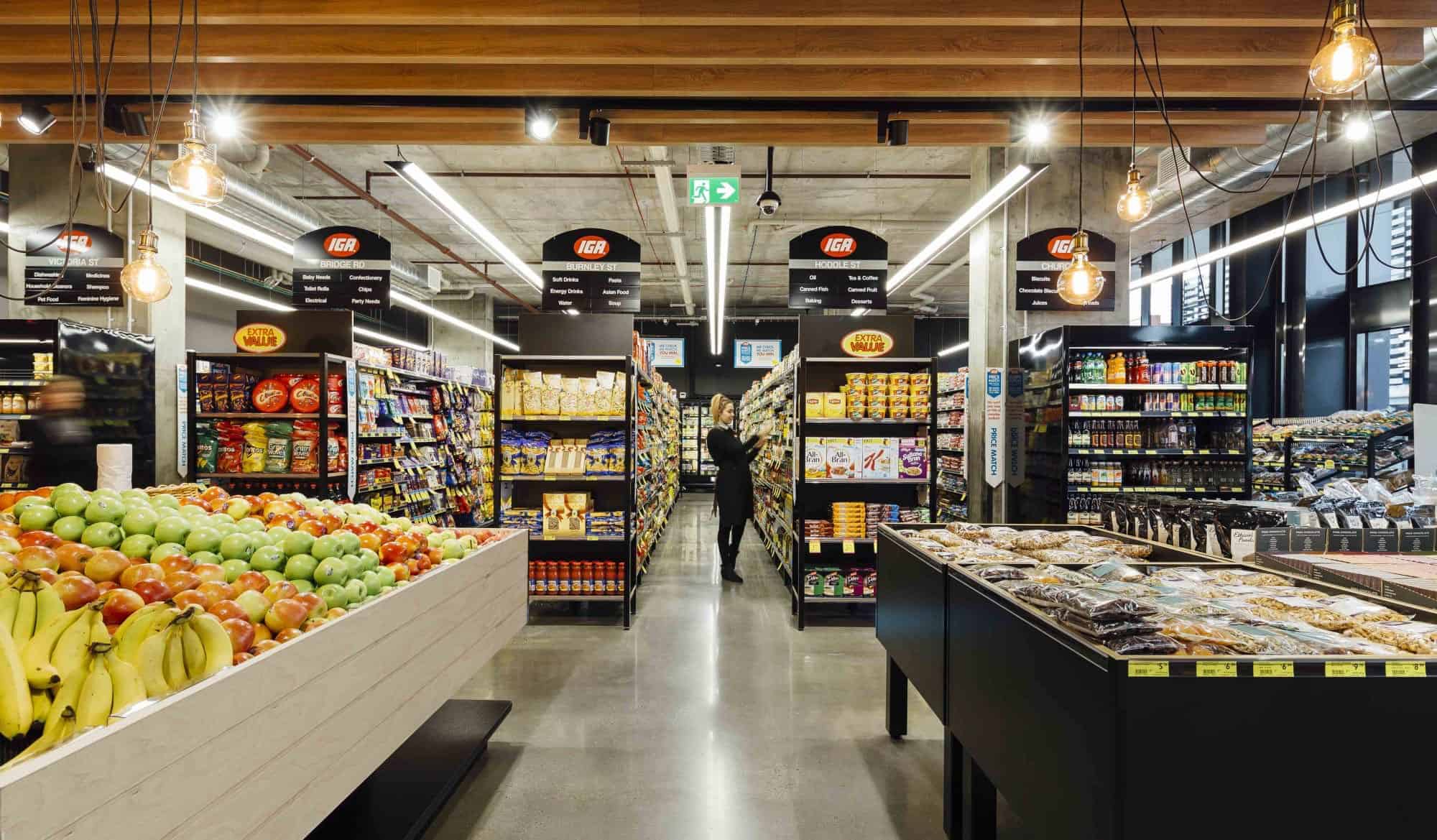
    The revamp introduces pro-ceramide serum and hyaluronic acid directly into the brand’s mass-market underarm portfolio, featuring an exclusive scent for independent retailer IGA.

    Skincare Ingredients Enter Daily Deodorants

    Formulations across the refreshed line now blend barrier-repair ingredients typically reserved for facial serums. Pro-ceramide serum works alongside hyaluronic acid to hydrate skin, targeting irritation caused by daily shaving and friction.

    The range spans six fragrances: Original, Pomegranate & Lemon Verbena, Acai Berry & Waterlily, Coconut & Jasmine Flower, Passionfruit & Lemongrass, and Apple & White Tea.

    Retail Distribution and Exclusive Variants

    Supermarket distribution splits the lineup across major national grocers and independent operators. The Apple & White Tea variant sells exclusively through independent IGA stores across the country.

    Channel-exclusive scents give independent operators a defensive shield against major supermarket chains. Tier-one grocers take the core five variants, while IGA uses the exclusive fragrance to drive foot traffic into its personal care aisles.

    Shifting Formulations on Supermarket Shelves

    Personal care manufacturers across the region continue migrating premium skincare ingredients down into high-volume grocery categories. Adding active hydrators allows everyday consumer brands to protect shelf space against specialty pharmacy competitors.

    Retail buyers are watching whether functional skincare claims can lift basket values in basic grocery aisles as shoppers manage everyday household budgets.

  • Over 60 per Cent of Black Friday Shoppers Pre-Plan Holiday Purchases

    Over 60 per Cent of Black Friday Shoppers Pre-Plan Holiday Purchases

    Australian retailers face a structural shift in holiday spending as 57 per cent of shoppers concentrate gift purchases in November after pre-selecting brands in October.

    Data compiled by market research agency Retail Safari and consultancy PwC shows 64 per cent of holiday budgets remain unspent entering November, even as buyers finalise purchase shortlists weeks earlier. Black Friday alone now captures 55 per cent of holiday shoppers, turning the discount window into an execution phase rather than a discovery channel.

    The Split Between Early Planning and Peak Spending

    Consumer research from Mintel indicates more than six in ten Black Friday shoppers choose their target products before promotional events begin. Shoppers use September and October to compare specifications, check customer reviews and track merchant pricing before committing funds. In Australia, research from the Australian Retailers Association and Roy Morgan showed 29 per cent of consumers started browsing earlier in 2025 than the previous year, while only 8 per cent started later.

    The US-based National Retail Federation recorded an identical baseline, with roughly 40 per cent of consumers starting holiday research before November. Shoppers cite three main drivers: managing household budgets over time, avoiding store congestion, and eliminating late delivery risks.

    Big-Ticket Sales Diverge From Headline Retail Growth

    Official figures mask underlying pressure across discretionary categories. Australian Bureau of Statistics data analyzed by investment research firm MST Marquee placed July retail turnover growth at 6.6 per cent year on year, running above the 4.9 per cent historical average. Food services rose 9.3 per cent and clothing gained 7.1 per cent, but major durable goods operators failed to capture that momentum.

    First-quarter trading updates reflect the divide. Online furniture seller Temple & Webster reported sales down 13 per cent across its first seven weeks, department store operator Myer posted a 4 per cent decline, and Accent Group recorded a 2 per cent like-for-like drop. Electronics chain JB Hi-Fi saw comparable sales slip 1.4 per cent, while its home appliance unit The Good Guys declined 1.7 per cent and furniture retailer Nick Scali tracked flat from July 1.

    Household Wealth Pressures Shorten Brand Lists

    For store operators and suppliers, the divergence means consumers are buying smaller items frequently while delaying expensive, considered purchases until deep discounting begins. Retailers that spend their marketing budgets solely on late November discounts risk losing shoppers who eliminated unfamiliar brands during the October evaluation window. Merchant margins face compounding pressure if price cuts merely settle competition among pre-selected names rather than bringing in new foot traffic.

    The shift follows a broader contraction in gift-buying participation. ARA and Roy Morgan figures showed 68 per cent of Australian adults planned holiday gift purchases last year, down 9 per cent from 2024, while average spend per remaining buyer climbed 7.1 per cent to A$757.

    MST Marquee projects household goods demand will soften further through the fourth quarter as property price weakness and potential interest rate hikes from the Reserve Bank of Australia curb discretionary outlays.

  • 91 Per Cent of Australian Consumers Switch Brands for Better Offers

    91 Per Cent of Australian Consumers Switch Brands for Better Offers

    A report by retail industry association Shop ANZ and consumer insights platform Vypr reveals that 91 per cent of Australian consumers have switched brands for a better offer.

    The study found that 79 per cent of shoppers have visited a different retailer to secure an offer, putting sustained pressure on retailers to continue promotional activity.

    According to the findings, 81 per cent of respondents said price has become a more important factor when purchasing a product than it was a year ago, making customer retention increasingly difficult.

    Promotional Cycles Drain Brand Value

    Heavier promotional spending generates short-term transaction spikes, but it fails to secure lasting customer retention once items return to full shelf price. Suppliers that fund continuous price reductions face falling margins without gaining repeat foot traffic.

    Vypr chief revenue officer Sam Gilding noted the structural weakness of relying on perpetual markdowns. “If a brand is recruiting shoppers heavily and then losing them to the next offer on shelf, it’s funding a cycle rather than building a base,” Gilding said.

    Middle-Aged Buyers Drive Shift

    Demographic data reveals acute pressure among mid-career shoppers, with 42 per cent of consumers aged 35 to 44 frequently switching brands because of a promotion. This demographic carries higher mortgage commitments and household expenses, making them faster to trade down than younger or older cohorts.

    Retailers across the Asia-Pacific region have expanded loyalty apps to protect basket sizes, yet Australian consumer behaviour suggests shoppers treat these programs as discount search engines rather than commitments to a banner. When every rival matches the discount, the retailer funding the deepest markdown simply buys temporary volume at the expense of profit.

    Shelf Pricing Faces Margin Test

    Shop ANZ general manager Carla Bridge explained that while shoppers discover promotions across apps, email catalogues, and social media feeds, purchasing decisions are still confirmed directly at the physical shelf.

    The findings follow two years of compounding inflation across Australian consumer staples, which reshaped grocery shopping habits and made weekly catalogue specials the primary driver of household spending routes.

    Packaged goods suppliers negotiating trade terms for the upcoming trading quarters now face demands from major supermarket chains to co-fund deeper price cuts to protect category volume.

  • Australian Retailers Overhaul Content Models to Curb Omnichannel Delays

    Australian Retailers Overhaul Content Models to Curb Omnichannel Delays

    Australian retailers have spent years adding digital touchpoints, but many are now getting slower at producing the experiences those platforms require as teams contend with cautious consumers and margin pressure. The operational challenge has mounted as websites, apps, marketplaces, loyalty programs, social commerce, and digital signage expand alongside physical stores.

    In many retail businesses, marketing teams and developers repeat work by building one version of a product launch for the website, another for the app, and separate material for email, social channels, and in-store displays. This fragmented production process leaves campaigns reaching one channel days after another while increasing the likelihood of inconsistent pricing and outdated product details.

    Ending Repetitive Channel Production

    When turning a single campaign into live assets requires weeks of handovers and developer queues, retail teams lose the capacity to personalize experiences or adapt to local trading conditions. To eliminate duplicated effort and lower costs, businesses are shifting toward composable models where product benefits, imagery, and promotional messages are created once and governed centrally.

    The alternative infrastructure treats product details, pricing banners, promotional terms, and media files as reusable modular components. Central governance teams control core brand messaging and product claims, while regional managers assemble approved components into distinct channel formats without writing custom code or rebuilding entire digital pages.

    Regional Adaptation and Guardrails

    For retail networks spanning diverse state territories and multiple brand banners, modular architectures protect brand standards while allowing localized commercial flexibility. Store managers can adapt pre-approved digital assets to reflect local inventory levels, regional weather events, and suburban community promotions without violating national brand guidelines.

    Across the wider Asia-Pacific retail sector, similar pressures have forced department store operators and convenience chains in Singapore, Tokyo, and Hong Kong to adopt composable technology architectures. Retailers that maintain monolithic content management systems risk falling behind agile pure-play operators who test, deploy, and retire promotional campaigns in hours rather than weeks. The primary operational risk sits in execution, as marketing teams often resist structural changes to publishing workflows without clear internal compliance mandates.

    The Operational Drag of Artificial Intelligence

    The operational shift follows several years of capital expenditure directed toward customer-facing channels, including social commerce integrations, automated locker networks, and mobile loyalty applications. While these investments widened customer reach, they divided digital production resources across disconnected content management software platforms.

    Recent deployments of generative artificial intelligence have highlighted these structural limitations. Retail operations that feed unstructured, fragmented catalogue data into automated generative tools produce inconsistent pricing and conflicting marketing claims at high speed, reinforcing the requirement for structured component databases.

    Merchandising and technology teams are now tracking campaign turnaround metrics and content reuse rates as key performance indicators ahead of the high-volume holiday trading period.

  • Metcash Boosts Sales 2.8 per Cent but Warns of Food Margin Pressures

    Metcash Boosts Sales 2.8 per Cent but Warns of Food Margin Pressures

    Wholesaling giant Metcash lifted sales by 2.8 per cent in the first 18 weeks of the financial year, excluding tobacco, but warned investors that elevated food inflation could dent profit margins.

    Hardware and tools led the gains with a 6 per cent rise, while wholesale liquor climbed 5.1 per cent over the same period.

    Hardware and Drinks Outpace Core Food

    Core food expanded 2.6 per cent against the previous year, with group chair Peter Birtles noting that cost inflation continues to challenge the company’s bottom line.

    Logistics and retail expenses stayed elevated. Supply lines held stable, however, with no material disruption from Middle East shipping conflicts.

    Birtles told investors that Metcash’s “diversified portfolio, disciplined execution” and independent retail model have supported resilience despite external challenges.

    Cost Pressures Squeeze Independent Grocers

    For independent supermarkets, rising wholesale prices present a direct dilemma. Passing costs to shoppers risks losing market share to dominant chains. Absorbing them erodes thin retail margins.

    Margin pressure shifts the burden onto wholesale inventory. Distributors must lean on categories like trade hardware and commercial tools, where pricing flexibility beats daily grocery staples, to protect profits.

    New Zealand Liquor Exit Nears Completion

    Trading updates follow fiscal 2026 results of higher sales revenue but lower net profit. Warehousing and freight costs weighed on full-year earnings despite steady turnover.

    Metcash is now closing its New Zealand liquor distribution business to simplify operations and protect returns. The wind-down wraps up before the second half of fiscal 2027, reducing total earnings by approximately $2 million.

  • Sydney Fashion Label Asta Resort Opens Permanent Flagship in New York

    Sydney Fashion Label Asta Resort Opens Permanent Flagship in New York

    Sydney luxury label Asta Resort opened its first permanent US flagship in Manhattan’s SoHo. Helena and Jasmine Ammitzboell founded the brand in 2021. The permanent boutique converts an earlier New York pop-up trial into a long-term presence.

    The retail launch coincides with a back-office buildout in Williamsburg, designated as the operational base for North American distribution.

    From Sydney Harbour to Manhattan

    Designers Joel Harding and Yuria Kailich of Studio of Enso planned the SoHo space around a Mediterranean resort aesthetic. The boutique features a quartz-clad champagne bar and a dedicated bridal podium. Ceramic plates hand-painted by the founders line one wall.

    Sydney is where Asta Resort began. New York is where we are laying down roots for our North American home.

    Wholesale Bypass and Direct Retail

    High digital customer acquisition costs push Australian resortwear labels toward physical flagships in global hubs. Securing permanent SoHo space lets independent brands bypass wholesale intermediaries. It also captures higher direct margins from affluent shoppers who first discovered the label online.

    Operating in New York brings steep lease commitments in a commercial market far costlier than Sydney. Operators expanding abroad also face inventory exposure across two hemispheres with opposing seasonal apparel demands.

    Building the US Operations Base

    Asta Resort opened its first permanent flagship boutique in Sydney in December. That domestic store served as the testbed for translating its online catalogue into an experiential physical space.

    Centralising regional management in Brooklyn gives the label direct control over inventory dispatches, styling appointments and client services across North American time zones.

    RetailNews Asia will track whether the label follows Manhattan with dedicated resort outposts in Florida or California retail corridors.

  • Australian Retail Health Index Drops to Negative 1.07 as Insolvencies Rise

    Australian Retail Health Index Drops to Negative 1.07 as Insolvencies Rise

    Australian retail conditions worsened sharply in the three months ending June 2026, dragging KPMG’s Retail Health Index down to negative 1.07 from negative 0.37 in the previous quarter.

    A steep 11.4 per cent drop in consumer sentiment drove the decline, even as total household spending and producer prices recorded modest gains.

    Pressures on cash flow and demand led to 254 retail insolvencies during the three-month period. Employers pulled back hiring across store networks, cutting job vacancies by 15.3 per cent to leave 26,000 open roles across the country. The index measures spending, sentiment, turnover, pricing and underlying business performance to gauge sector viability.

    Value Hunting Alters Store Economics

    Shoppers across Australia have shifted their habits toward planned, price-sensitive purchases rather than halting expenditure entirely. Foot traffic and checkout totals increasingly concentrate around major promotional windows such as End of Financial Year sales, thinning margins for operators between events.

    For regional retail groups and brand distributors, this concentration creates sharp operational volatility. Inventory holding costs rise between discount periods, while staffing models must flex quickly to handle brief spikes in transaction volume without blowing out payroll costs.

    Digital Channels and Labour Adjustments

    Suppliers face renegotiations on wholesale terms as storefront operators fight to protect gross margins against higher input costs. Landlords in secondary shopping centres risk longer lease negotiations, particularly where specialty fashion and discretionary merchants struggle to sustain standard rent-to-sales ratios.

    The contraction follows a prolonged period of cautious buying that started when higher borrowing costs began constraining disposable income across major metropolitan centres. Earlier quarters had managed to absorb rising operational overheads through modest price adjustments, but consumer pushback against shelf prices has now limited further retail pass-through.

    Promotional Execution Takes Centre Stage

    Relief for the sector depends heavily on whether lower supply chain disruptions and sustained population growth can offset cautious household budgets. Retailers are directing investment into automated personalisation and inventory tracking systems to lift conversion rates ahead of high-volume seasonal trading.

    Merchant performance across the market now hinges on order execution during the upcoming Black Friday and Cyber Monday discounting calendar.

  • Virtue Mirage Launches 17-Tool Fashion Personalisation Platform

    Virtue Mirage Launches 17-Tool Fashion Personalisation Platform

    Australian entrepreneur Lukas Cervenan launched Virtue Mirage in September 2026, introducing a hyper-personalisation platform designed to reshape the online fashion shopping experience.

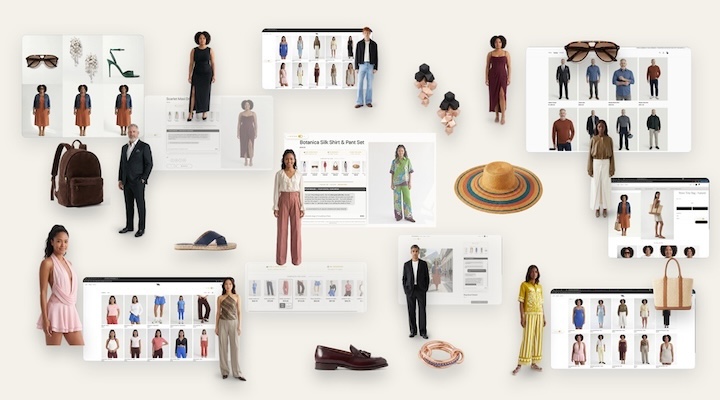
    The system offers 17 tools that create a digital twin of a shopper using photos or exact measurements, extending personalisation across entire online stores rather than limiting it to individual products.

    By replacing traditional model imagery across every product gallery, the platform allows shoppers to see garments on their real body sizes across participating stores running on services such as Shopify and BigCommerce.

    How the Network Functions

    Shoppers manage their profiles through a central dashboard that stores saved outfits, real-time stock availability, and tailored size advisories for specific garments. A semantic search engine pairs items across a merchant’s inventory directly onto the user’s avatar, rather than displaying isolated product grids. New inventory drops can be pre-rendered for registered customer profiles before users land on the store page.

    To our knowledge, we are the only platform in the world that is transforming entire websites. So a size-16 shopper is never looking at a professional size-6 model; she sees her real size, on her real body, in every image across a brand’s entire store.

    The Return Problem Across Regional Fashion

    Retail margins across Asia-Pacific e-commerce continue to erode under the weight of reverse logistics. Fit failures drive the bulk of fashion returns, worsened by bracket-buying habits where shoppers purchase several sizes of a single item with the intention of returning most of them. Eliminating the disconnect between model proportions and real customer bodies attacks reverse logistics costs at the point of discovery.

    Standalone virtual fitting widgets rarely alter overall conversion because they sit isolated on individual product detail pages. By transforming whole catalogues into personalised galleries, operators attempt to lift checkout completion while defending independent web stores against dominant regional marketplaces like Shein and Zalora. The primary technical hurdle remains rendering fidelity, as artificial intelligence tools frequently struggle with drape and textile weight across edge sizes.

    Decade of Commercial Imaging Preceded Launch

    The platform builds directly on Cervenan’s commercial imaging business, Virtue Creative Studios, which produced e-commerce and campaign photo shoots for more than 500 apparel brands over the past ten years. That production background informed the platform’s visual architecture, which formats store catalogs to allow external AI shopping agents and semantic web scrapers to parse inventory data directly.

    Participating merchants on Shopify and BigCommerce are now integrating the software into their live storefronts ahead of peak year-end trading cycles.

  • Tetra Pak Names Michael Wu Managing Director for Oceania Operations

    Tetra Pak Names Michael Wu Managing Director for Oceania Operations

    Tetra Pak appointed Michael Wu as managing director of its Oceania business, taking charge of operations across Australia and New Zealand effective September 1.

    Wu brings 18 years of executive experience across the Swiss-Swedish packaging giant, stepping into the role after serving as market operations quality and sustainability director.

    Leadership Track Across Southeast Asian Markets

    Before his latest global role, Wu led Tetra Pak businesses across Malaysia, Singapore, the Philippines and Indonesia. His appointment shifts an executive with deep Southeast Asian operating experience into the mature Oceania dairy, beverage and liquid food packaging market.

    Food manufacturers across Australia and New Zealand face tight regulatory mandates on packaging circularity and emissions reductions. Placing a former quality and sustainability lead in charge of Oceania reflects packaging producers aligning commercial leadership directly with compliance demands from major supermarket chains and brand owners.

    Shifting Packaging Demands in Oceania

    For beverage processors and dairy co-operatives in the region, processing and packaging machinery upgrades require heavy capital expenditure. Wu inherits client relationships across Australia and New Zealand where processors are balancing automation investments against shifting retail carton consumption.

    Competition from alternative barrier packaging and local carton converters adds pressure on supply agreements. Tetra Pak has relied on integrated equipment and service contracts across Australasia to protect its volume footprint against cheaper imported carton blanks and plastic formats.

    Regional Supply Chain Realities

    Wu oversaw rapid packaging volume growth across Southeast Asian beverage markets before his transition into global sustainability and operations quality management. That background gives him direct insight into regional raw material flows and converting plant efficiency.

    His immediate focus turns to commercial execution across key Oceania accounts as dairy and beverage brand owners finalise processing equipment budgets for the coming operating cycle.

  • Australian Grocery Baskets Rise 8.5% as Shoppers Trade Down

    Australian Grocery Baskets Rise 8.5% as Shoppers Trade Down

    Australian households face an 8.5 per cent jump in standard grocery costs, pushing four-person families to spend an average of $245 weekly at supermarket checkouts. That identical basket of goods climbed to $232 in July 2026 from $214 in March 2025, according to tracking data from consumer research firm Canstar.

    Overall household grocery spending rose two per cent year on year from an average of $240 per week, held down only because shoppers are actively ditching premium items and buying cheaper alternatives. Research from ANZ Institutional shows consumers are managing higher food costs by swapping beef for chicken, picking private-label staples like pasta and canned tomatoes, and structuring purchases around promotional cycles.

    Trading down to private labels

    Price scrutiny has altered basket composition across major supermarket chains. Canstar survey data indicates 40 per cent of shoppers cut back on discretionary treats and snacks, while 38 per cent spend extra time evaluating unit pricing on shelves. Another 30 per cent target marked-down stock, and 25 per cent now buy supermarket home brands instead of proprietary labels.

    The shift demonstrates how consumer adaptation blunts headline shelf inflation. Families who alter their purchasing baskets shield their weekly budgets, while those maintaining rigid preferences for items like fresh beef, dairy and convenience foods absorb the full weight of cumulative price gains.

    “Food inflation doesn’t just change prices; it changes habits,” said Matthew Mann, director of research and analysis at ANZ Institutional.

    Margin squeeze for national brands

    For packaged goods manufacturers and tier-one food brands, this behavioral pivot threatens market share in key dry-grocery and dairy categories. Major supermarket operators in Australia continue to expand their private-label ranges, securing margin while offering entry-level price points that squeeze branded suppliers off shelf space.

    Suppliers unable to fund trade promotions or justify premium pricing risk permanent volume losses as private-label loyalty solidifies. The margin pressure sits heavily on domestic food processors, who must navigate higher logistical and ingredient costs without full pricing power at the retail negotiating table.

    Tracking the checkout shift

    Cost pressures built steadily through 2025 before escalating into mid-2026, compounded by wider supply chain friction and energy costs. University of Sydney retail researcher Lisa Asher noted that real wage growth has failed to keep pace with cumulative food cost increases over that window.

    The key metric for Australian retail suppliers through the final quarter of 2026 is volume recovery in branded meat and snack categories as promotional discounting deepens.

  • Destination Italy Adds Two Frozen Pizza Lines Across Australia and New Zealand

    Destination Italy Adds Two Frozen Pizza Lines Across Australia and New Zealand

    Destination Italy expanded its frozen pizza lineup across Australia and New Zealand on September 7, 2026, launching two Italian-made varieties into regional supermarket freezers.

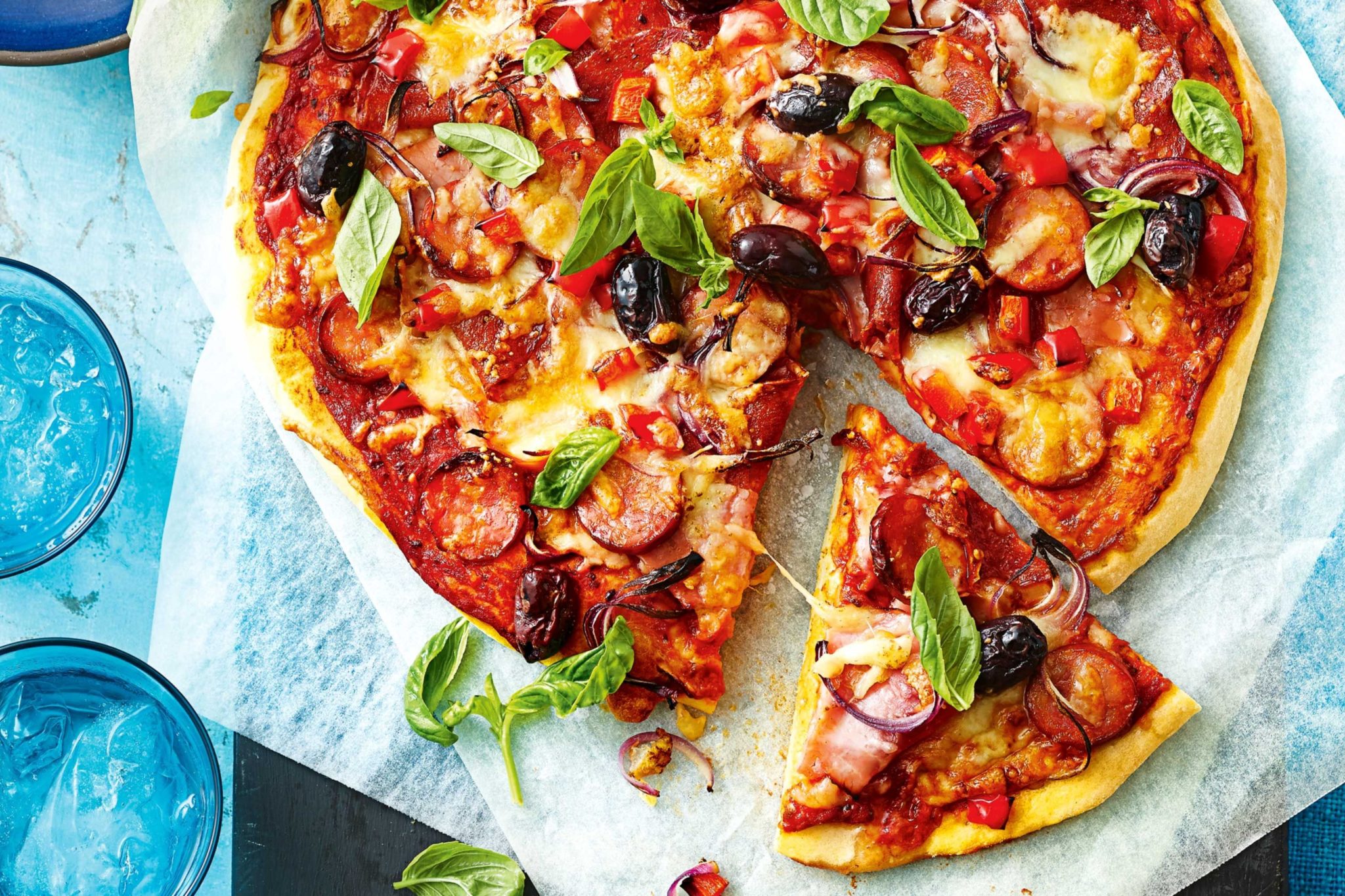
    Made in Italy, Woodfired Puttanesca and Woodfired Salame ship directly to Australian and New Zealand retailers catering to demand for imported convenience meals.

    Ingredients and Recipe Formats

    The Woodfired Puttanesca pizza uses a traditional tomato and mozzarella base topped with black olives, capers, and oregano. Woodfired Salame pairs that same base with sliced salami, produced in Italy before frozen transport.

    Both products rely on Italian-baked woodfired crusts to stand out from local alternatives. The format targets shoppers who want regional recipes without paying foodservice prices.

    Premium Competition in the Freezer Aisle

    Major grocers across Australia and New Zealand have steadily reallocated freezer space to imported and specialty private-label items over the past three years. Mainstream frozen pizzas face ongoing margin compression. That pressure has prompted distributors to push higher-value imported SKUs onto shelves.

    For retailers, imported lines offer higher basket values in a category historically dominated by discount domestic labels. Cold-chain freight costs and exchange-rate swings between the euro and the Australian dollar remain key operational hurdles, squeezing margins when shipping volumes fluctuate.

    Retail Distribution Timelines

    Destination Italy built its initial ANZ footprint around core woodfired SKUs before widening the range with specialized regional flavor profiles. Across the supermarket frozen sector, brands are taking similar premium routes, using origin-certified manufacturing to defend shelf share.

    Supermarkets will roll out the two new varieties across national freezer networks through the remainder of the month.

  • Mecca Opens 285-Square-Metre Store at Sydney International Airport

    Mecca Opens 285-Square-Metre Store at Sydney International Airport

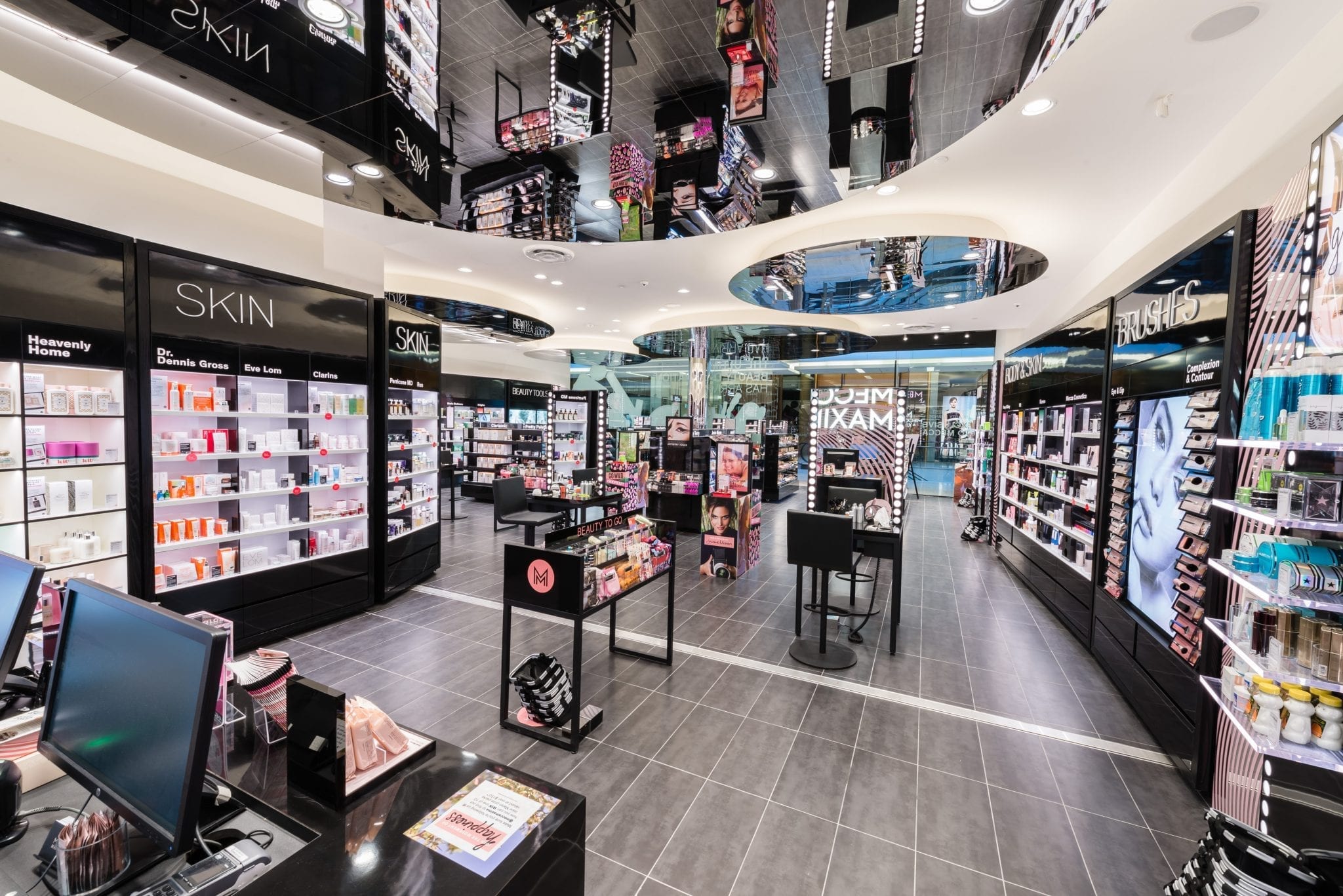
    In September 2026, Mecca opened a 285-square-metre retail space in Sydney’s T1 International terminal, marking the Australian beauty brand’s first international airport store.

    The footprint sits inside the Heinemann Tax and Duty Free concession, trading standard duty-free product walls for interactive service stations and dedicated brand zones. That footprint is roughly half the size of a standard Mecca high-street flagship, forcing the retailer to compress its inventory into high-velocity skincare, cosmetics, and travel exclusives.

    Shifting airport beauty from transaction to service

    Airport beauty retail across Asia-Pacific has historically relied on branded island counters, multi-buy discounts, and quick transactions before boarding gates call. Operators like Shilla, Lotte, and Heinemann have traditionally built duty-free concessions around volume and liquor-tobacco margins rather than high-touch advisory services.

    Mecca is testing whether hands-on consultations, application stations, and curated indie labels can extract higher basket values from outbound passengers who have cleared customs with dwell time to spare. The risk falls on staffing costs and turnaround speed: consultative beauty takes ten to twenty minutes per shopper, a cadence that clashes directly with flight departure windows.

    Heinemann’s concession strategy in Sydney

    For Heinemann, integrating a domestic specialty powerhouse allows the German travel retailer to defend sales against competing downtown duty-free stores and suburban flagship locations. Domestic travelers familiar with the Mecca brand loyalty ecosystem get an immediate reason to spend before departure rather than waiting for overseas destinations.

    Sydney Airport restructured its T1 luxury and retail precincts over recent years to capture higher average spends from returning international traffic, particularly routes across East Asia and North America. Adding specialized domestic operators inside wholesale duty-free concessions gives landlords a blueprint to raise sales per square metre without carving out independent tenancy leases.

    The travel retail rollout pipeline

    The Sydney terminal opening establishes the operating template Mecca needs before negotiating similar airside locations in Melbourne, Brisbane, or Auckland. The immediate metric to monitor is sales productivity per square metre against Heinemann’s conventional multi-brand cosmetic floorplates during peak morning departure banks.