Tag: Sydney

  • 87% Of Australians Have AI Privacy Concerns, Report Finds

    87% Of Australians Have AI Privacy Concerns, Report Finds

    Eighty-seven per cent of Australians have concerns about privacy for artificial intelligence, according to Australian Retail Council research discussed at an industry roundtable in September 2026.

    The findings, highlighted by Diebold Nixdorf, show that only 5 per cent of Australians say they trust AI companies, presenting a live commercial risk for retailers integrating automation into everyday operations.

    Senior retail leaders at the gathering noted that while the technology for age verification, customer service, and loss prevention is ready, customer trust remains the primary barrier to adoption across Australian stores.

    Designing privacy into the checkout lane

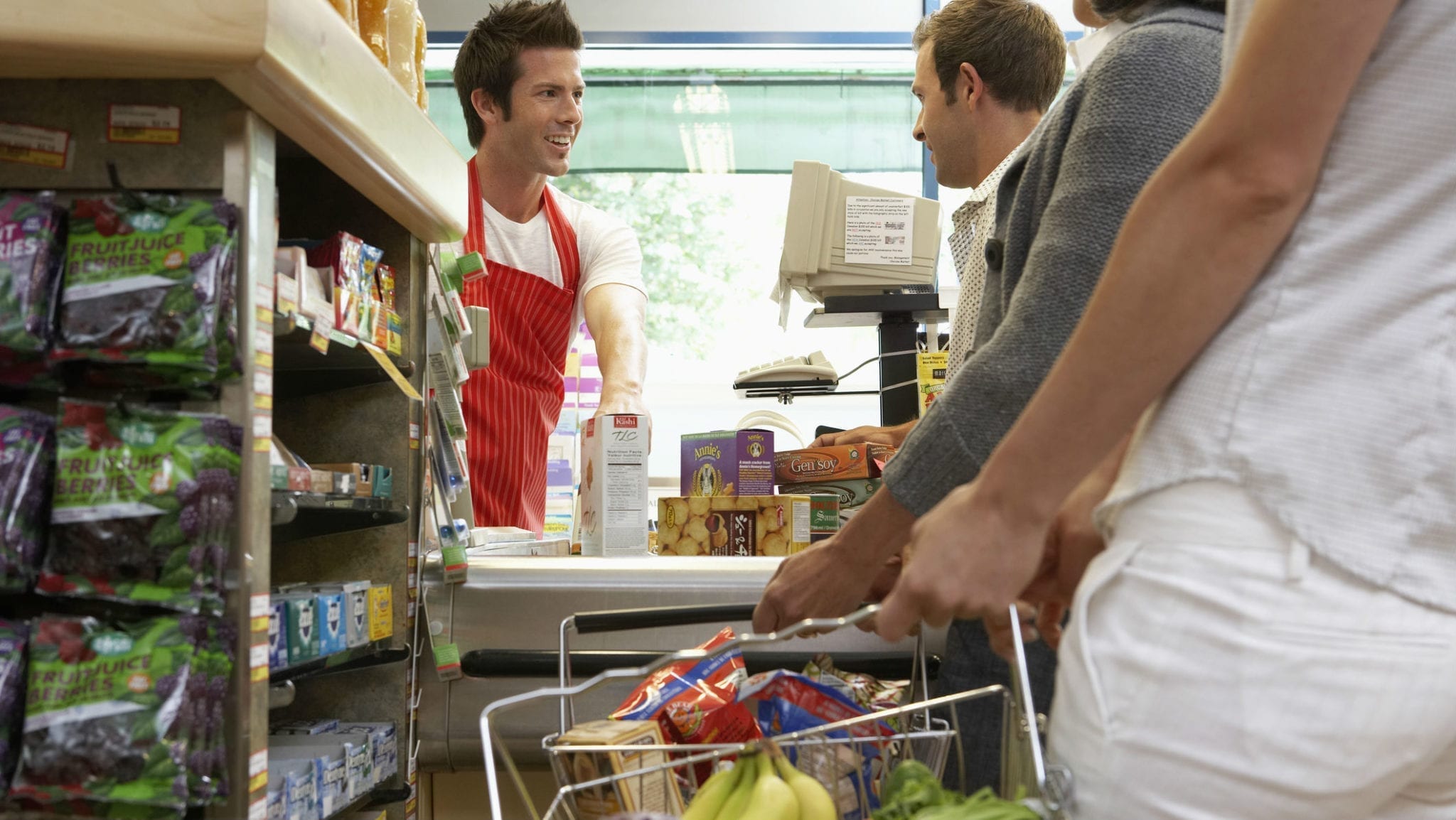
    Automated age verification and theft detection represent the front line of store deployment. In international grocery markets, automated systems now approve most age-restricted purchases at self-checkout within seconds by processing visual data locally without retaining personal files.

    Hardware suppliers argue that keeping customer records off retail servers prevents chains from becoming targets for regulatory scrutiny. Similarly, loss prevention algorithms in newer self-checkouts prompt shoppers to scan missed items before store staff intervene, reducing confrontation at the register.

    Operating standards across store networks

    Supermarket operators across the Asia-Pacific region have accelerated camera-assisted checkout rollouts over the past three years to curb inventory shrink. Australian grocers that run uncoordinated systems across point-of-sale, payments, and security cameras risk alienating shoppers if privacy safeguards vary between store departments.

    For regional retail executives, deploying store AI without clear boundaries creates legal and operational liabilities. While Asian retailers in markets such as Singapore and Japan have integrated automated kiosks with high public compliance, Australian consumers push back when surveillance feels unchecked.

    Industry proposals for shared rules

    The push toward automation follows earlier disputes between major Australian supermarket chains and privacy regulators over facial recognition testing in retail aisles. Industry participants at the roundtable raised support for a retail-specific AI code of practice to set standard data retention limits across the sector.

    Diebold Nixdorf published the findings alongside its research report on self-service systems in Australia. Retailers now weigh whether to adopt voluntary operating rules or wait for formal regulatory guidelines on customer data capture at the till.

  • Hims Enters Australia with Pilot Rebrand in $1 Billion Global Push

    Hims Enters Australia with Pilot Rebrand in $1 Billion Global Push

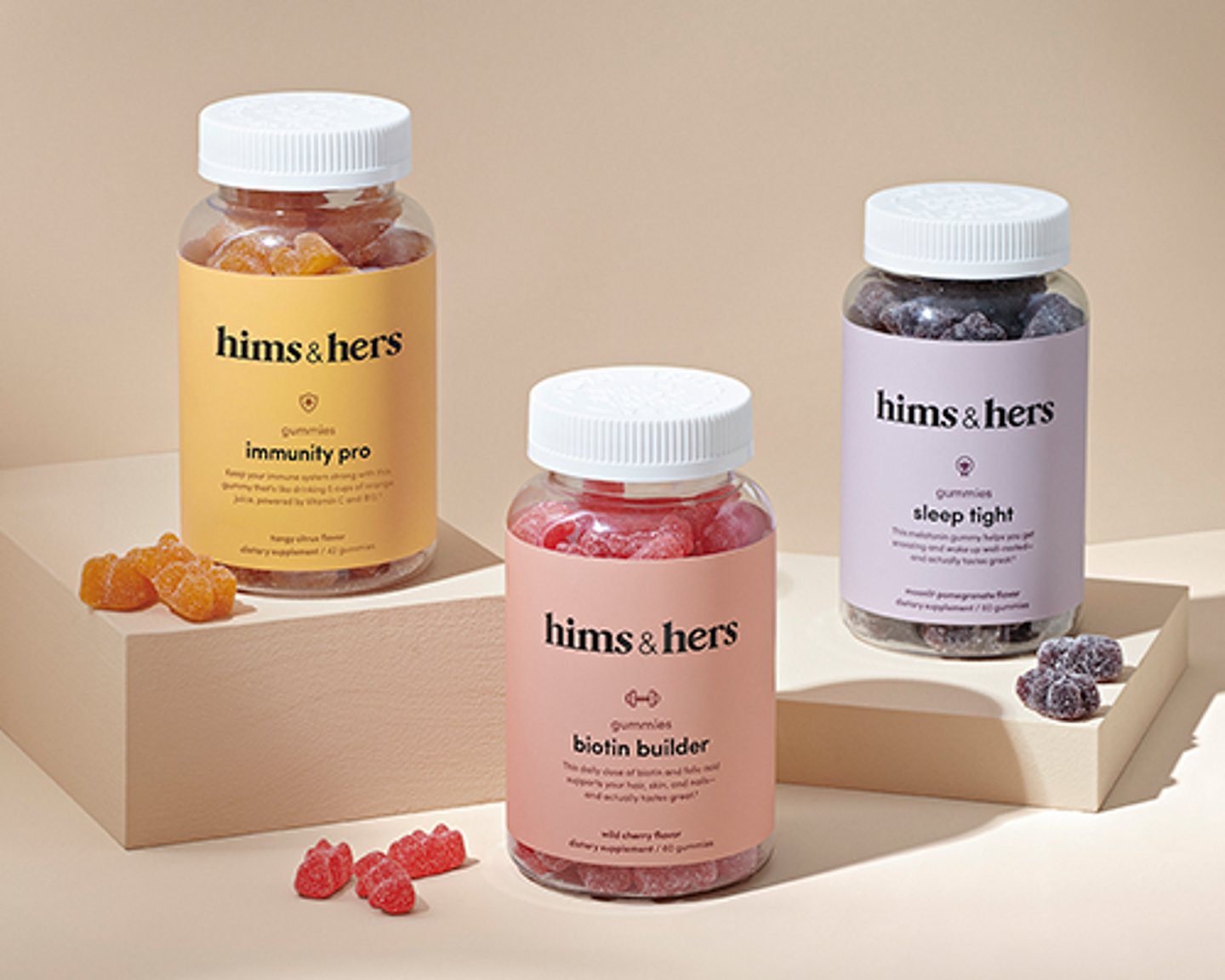
    Hims & Hers Health has launched operations in Australia by rebranding local men’s clinic Pilot, setting its sights on a 1 billion dollar international annual revenue target within three years.

    The transition gives the New York-listed group immediate access to a domestic telehealth market projected to reach 2.56 billion dollars by 2034. It also establishes the company’s first operating foothold in the Asia-Pacific region following its takeover of Sydney-based parent Eucalyptus earlier this year.

    How the Transition Operates

    Existing Pilot patients will transfer directly to the Hims platform, keeping their current treatment plans and practitioner links. Roughly 30 percent of the platform’s patient base lives in regional and rural Australia, where physical clinic access remains thin and appointment wait times run long.

    Former Eucalyptus chief executive Tim Doyle leads the international division as senior vice president, running Australian operations alongside country general manager Gus Wood. Dr Matt Vickers serves as chief medical officer for the local entity to oversee clinical governance and domestic regulatory standards.

    Pilot proved that Australian men want a different model of healthcare: one that is proactive, personal, and built around their lives.

    The Read Across for Digital Health

    Consolidating Eucalyptus under the core Hims identity shows how direct-to-consumer health brands are moving away from multi-brand regional stables toward single global flags. Maintaining separate platforms in every territory drives up customer acquisition costs and fragments marketing spend. By putting its primary brand on Australian screens, Hims can funnel global brand marketing and technology infrastructure straight into a market with high average revenue per user.

    The risk lies in consumer attachment and regulatory scrutiny. Digital health platforms in Australia face strict advertising rules around prescription treatments and compounding pharmacies, alongside tight supervision from medical boards. Pilot built significant local recognition, and erasing the name risks alienating repeat customers if the migration disrupts prescription delivery or doctor consultations.

    The Steps That Led Here

    Hims & Hers completed its buyout of Eucalyptus earlier this year, securing established patient networks in Australia and the United Kingdom. Eucalyptus had originally built discrete vertical brands including Pilot for men, Kin for fertility, and Software for dermatology, proving out direct-to-door medicine across Australasia before selling to the San Francisco operator.

    Market watchers will track whether Hims rebrands the remaining Eucalyptus product lines across women’s health and dermatology, and whether Australian patient numbers keep the company on course for its 1 billion dollar international revenue goal by 2029.

  • Solum Expands Electronic Shelf Labels Across Australian Retailers

    Solum Expands Electronic Shelf Labels Across Australian Retailers

    Retail technology provider SOLUM has expanded its electronic shelf label network across Australia. The deployment covers rollouts with appliance chain Bing Lee and The Natural Grocery Company.

    Bing Lee is extending digital price tags across multiple consumer electronics stores. The chain aims to eliminate paper ticketing and curb pricing discrepancies on shop floors.

    Centralised Pricing at Scale

    The system connects in-store tags directly to a central management platform. Store managers can push real-time price updates and promotions instantly. Staff no longer need to replace physical shelf tags manually.

    Across its grocery aisles, The Natural Grocery Company has deployed the same digital setup. Freeing employees from manual repricing shifts floor labor toward customer service. It also cuts paper waste from recurring promotional cycles.

    “For The Natural Grocery Company, our ESL solution supports real-time pricing, rapid promotional updates, and greater pricing accuracy,” said Paul Kyriakos, General Manager at SOLUM Australia.

    Automation on Shop Floors

    Australian retailers face elevated labor costs and high operational overheads. Automated shelf-edge tools have become an operational priority across electronics and food retail. Supermarket operators and specialty chains across the Asia-Pacific region have accelerated similar rollouts to compete with dynamic pricing used online.

    SOLUM plans to roll out additional digital store infrastructure across retail partners in Australia and the wider Oceania region.

  • Aldi Loses Appeal in Little Bellies Copycat Packaging Case

    Aldi Loses Appeal in Little Bellies Copycat Packaging Case

    Aldi has lost an appeal against Australian baby food maker Little Bellies over copyright infringement in its private-label snack packaging. An appellate court upheld the 2024 Federal Court ruling against the discounter. It also extended the infringement finding to cover additional products.

    At issue is the grocer’s Mamia toddler snack line, which copied packaging created by Little Bellies. Brothers Clive and Steven Sher founded the Australian snack business before expanding it across supermarket shelves.

    Expansion of the 2024 ruling

    Federal Court judges in 2024 found that three products in the Mamia range infringed Little Bellies’ design copyright. That verdict was a rare legal defeat for the retailer’s Australian packaging strategy.

    Judges dismissed the appeal and widened the scope of that finding. The extended ruling confirms Mamia’s visual similarities went beyond allowable category cues to breach copyright protections.

    Private-label scrutiny across the region

    Aldi built its global discount model on private-label goods that mimic market-leading national brands. Across the Asia-Pacific region, grocers often test the line between standard category cues and intellectual property infringement to win value-focused shoppers.

    The decision narrows legal leeway for store-brand lookalikes across grocery aisles. The court will now determine final orders and damages for the affected product lines.

  • Lion Launches Kirin Asobi Alcoholic Iced Tea in Australia

    Lion Launches Kirin Asobi Alcoholic Iced Tea in Australia

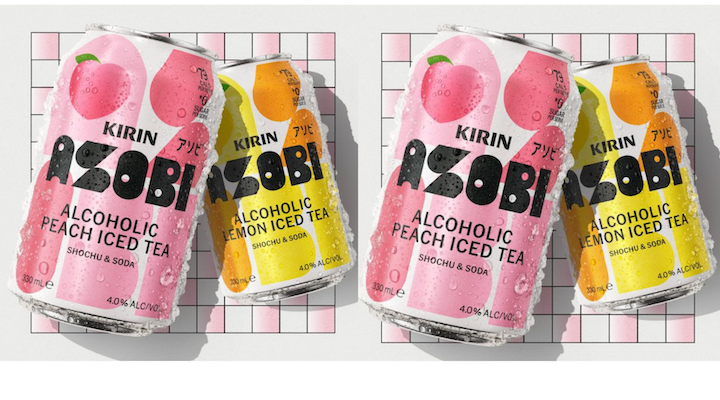
    Lion launched Kirin Asobi in Australia on September 3, entering the alcoholic iced tea category with a 4 per cent alcohol by volume premixed drink.

    The zero-sugar line rolls out across national liquor chain Liquorland in 330ml cans.

    Shochu Base and Flavour Options

    Lion formulated Kirin Asobi with a blend of Japanese shochu, brewed black tea, sparkling water, and fruit juice. The lineup debuts with two options: Lemon and Peach.

    Each 330ml can contains no sugar. That profile places the brand directly in the low-sugar premix segment, where major beverage makers are fighting for younger drinkers who avoid standard beer.

    Premix Competition in Oceania

    Japanese brewing group Kirin Holdings continues to push Asian spirit profiles into Western retail channels through its regional subsidiaries. Shochu and chuhai-style ready-to-drink cans have taken significant shelf space from malt-based seltzers across Australasia over the past two years.

    Liquorland carries the range across its store network starting this week, with initial retail sell-through over the southern hemisphere spring determining whether Lion broadens distribution to independent banner groups.

  • Woolworths to Drop Tasmanian Beef Sourcing in 2027 over Rising Freight Costs

    Woolworths to Drop Tasmanian Beef Sourcing in 2027 over Rising Freight Costs

    Woolworths will stop selling Tasmanian beef across its supermarket network from 2027, ending a supply pipeline of 80 cattle per week. The Australian grocer is cutting ties with meat processor JBS Foods and its Longford abattoir after shipping expenses across Bass Strait made island sourcing unviable.

    Rising production expenses and maritime freight rates prompted the decision to consolidate beef procurement on the mainland. Tasmanian beef producers, including long-term suppliers such as farmer Jerrod Nichols, now face finding alternative buyers in an increasingly volatile livestock market.

    Freight Pressures Across Bass Strait

    Transporting livestock and processed meat across Bass Strait requires dedicated cold-chain shipping that adds fixed overheads to wholesale purchasing costs. Supermarket operators have faced mounting transport inflation across island supply chains over the past three years. Woolworths concluded those logistics costs could no longer be absorbed without passing price increases directly to shelf prices.

    The exit shows how major retailers across Asia-Pacific are rationalizing local sourcing contracts in favour of centralized, lower-cost mainland processing hubs. When transport costs spike, regional supply arrangements often become the first casualty in margin defense strategies.

    Supply Pipeline Until 2027

    Local farmers will continue to supply the supermarket giant for the remainder of the current agreement. Woolworths confirmed it will maintain its regular weekly intake through the end of 2026 before shifting volume to its existing mainland abattoir partners.

  • Pizza Hut Owner Flynn Group Pledges $10 Million to Expand in Australia

    Pizza Hut Owner Flynn Group Pledges $10 Million to Expand in Australia

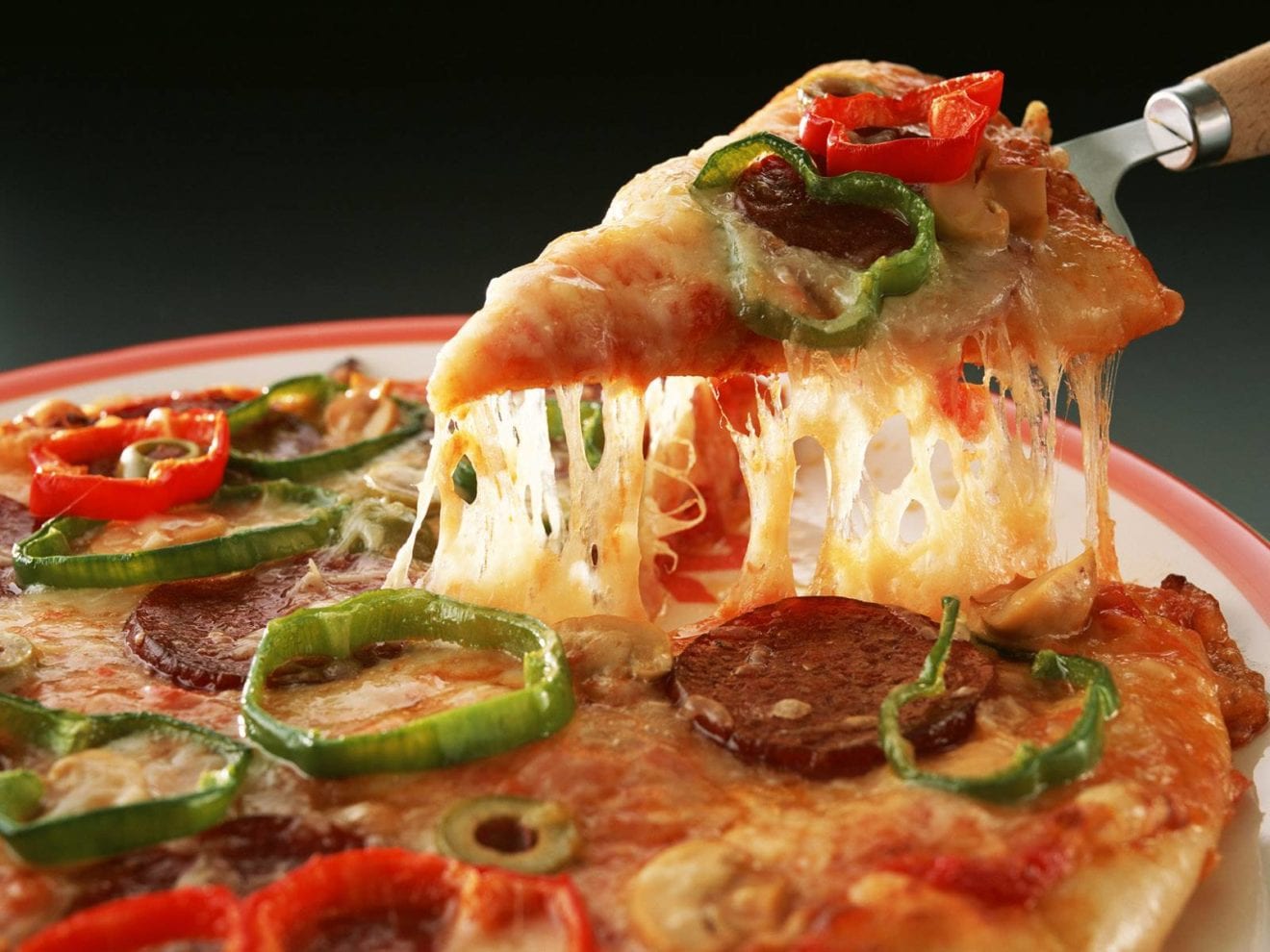
    Flynn Group will invest $10 million to overhaul Pizza Hut Australia and open 100 outlets across the country. The expansion aims to add 300 jobs and lift the chain from its current footprint of roughly 300 stores.

    US-based Flynn Group, which acquired the master franchise from private equity firm Allegro Funds in 2023, plans to roll out redesigned store layouts, updated menus and upgraded ordering hardware. The chain has traded in Australia since 1970, but recent financial filings from Flynn Group’s local operating division showed a $1 million loss for the previous financial year.

    Digital Sales And Store Redesigns

    Online channels now generate roughly 80 per cent of all sales for the brand in Australia. Flynn Group said the business has recorded seven straight years of same-store revenue growth, with average sales per location doubling over the past five years despite the recent bottom-line loss.

    “This isn’t a lick of paint; it’s a complete reinvestment in the product, the stores, and the people behind them, moving at a pace this category has never seen,” said Richard Wallis, president of Flynn Group Apac.

    Turning Around Australian Losses

    Across Asia-Pacific, legacy quick-service restaurant chains face tight margins from wage inflation and delivery aggregator fees, forcing operators to downsize dining rooms and automate order processing. Flynn Group is testing whether streamlined formats and higher store density can convert steady same-store sales momentum into sustainable net profits in a crowded fast-food sector.

    The group has not named the locations for the first batch of new outlets, leaving the timeline for reaching the 400-store mark as the primary metric for the turnaround plan.

  • Beauticate Launches Curated Marketplace Beauticate Shop

    Beauticate Launches Curated Marketplace Beauticate Shop

    Australian beauty platform Beauticate has relaunched its digital publication and debuted Beauticate Shop, an online marketplace built on selective product curation rather than high-volume inventory.

    Founder Sigourney Cantelo, former beauty director at Vogue Australia, established the digital editorial site in 2014 before integrating the new direct-to-consumer sales arm.

    Editorial Selection Over Infinite Shelves

    The new marketplace operates against the prevailing trend in beauty e-commerce, where digital platforms compete primarily on catalogue depth, customer reviews and automated recommendation engines. Beauticate Shop is structuring its inventory around professional editorial selection, pitching verified product evaluation to shoppers facing decision fatigue across digital channels.

    Cantelo is positioning the platform to bridge content and transaction directly on the site. Rather than relying purely on affiliate links or third-party retail referrals, the marketplace model allows Beauticate to capture transactions directly from its readership base.

    Content-to-Commerce in Asia-Pacific

    Content-led retail models have gained steady traction across Asia-Pacific as customer acquisition costs climb on standard advertising networks. Digital publishing brands and specialist creators in Australia and Southeast Asia increasingly launch proprietary storefronts to monetize existing organic traffic directly.

    Beauty retailers across the region have traditionally scaled through expansive brand partnerships and aggressive discounting. Beauticate is testing whether smaller, curated product edits can achieve sustainable conversion rates against established category giants.

    The marketplace rollout will test consumer appetite for tight editorial edits as the broader online beauty market continues its consolidation around algorithmic discovery.

  • Bodie’z Rolls Out Waterless Functional Sherbet Sachets Across Kmart

    Bodie’z Rolls Out Waterless Functional Sherbet Sachets Across Kmart

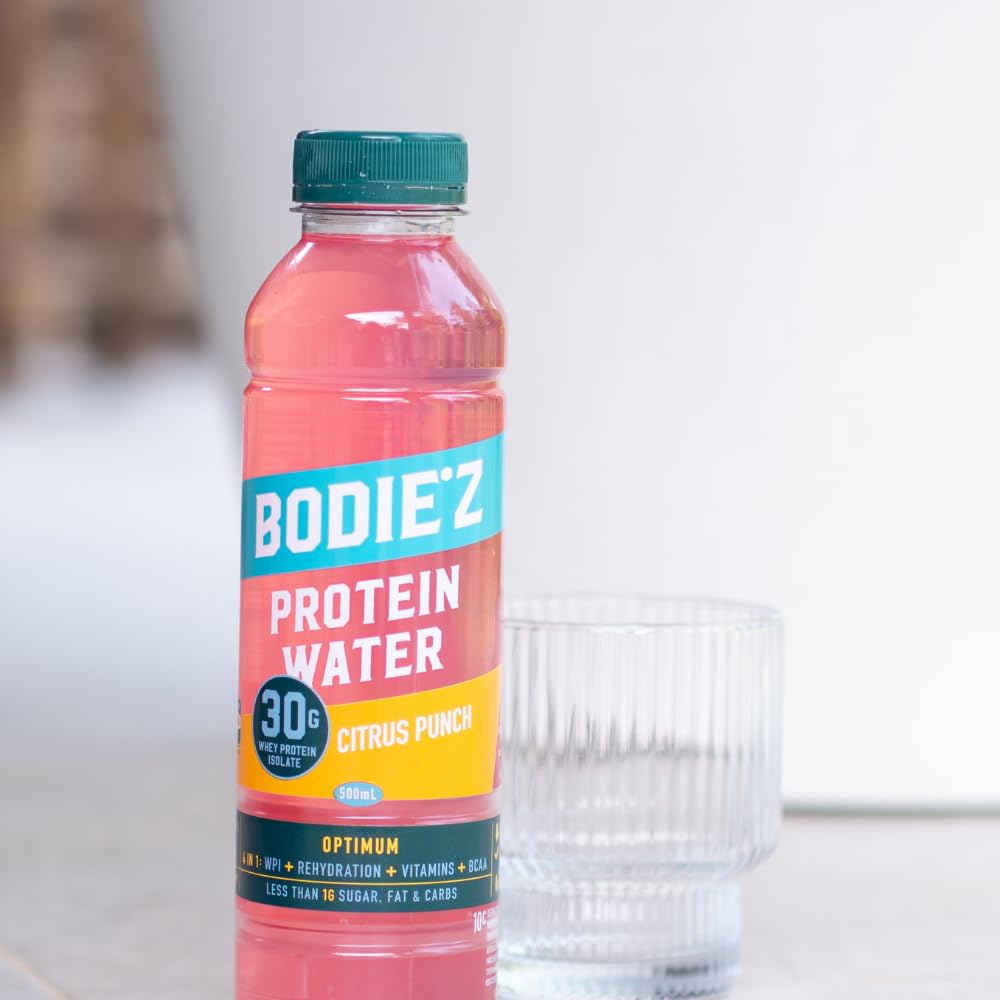
    Sydney sports nutrition brand Bodie’z has launched a waterless functional sherbet range called Fizzers across Australia, pricing single-serve sachets at $2.50. The rollout puts the direct-to-mouth powders into discount department store chain Kmart alongside Amazon and the company’s direct retail site this September.

    The launch shifts the company beyond its established ready-to-drink protein water products into portable dry formats. Each sachet delivers active nutritional compounds without requiring water or shaker bottles, targeting consumers seeking faster daily supplement habits.

    Three functional recipes

    Bodie’z built the Fizzers lineup around three specific formulations. Electrolyte Fizz focuses on hydration and mineral replenishment, while Creatine Fizz provides 3 grams of creatine monohydrate per serving. The third option, Lock In Fizz, combines L-tyrosine, matcha, and vitamin B6 for cognitive support.

    Every variant is low in sugar and uses natural flavouring. Founder Bodie Lazar designed the recipes to eliminate common points of friction in sports nutrition, including measuring scoops and swallowing large capsules.

    Waterless formats and retail reach

    Functional food manufacturers across the Asia-Pacific region are increasingly testing waterless and confectionery-inspired formats to capture shoppers who find standard powders and pills inconvenient. Moving into Kmart gives Bodie’z direct access to high-footfall general retail shelves, broadening its consumer base beyond specialist supplement channels.

    Distribution begins this month across Kmart’s national store network, Amazon Australia, and the brand’s e-commerce platform.

  • Hims & Hers Rolls Out Weight-Loss and Prescription Platform in Australia

    Hims & Hers Rolls Out Weight-Loss and Prescription Platform in Australia

    Telehealth group Hims & Hers has launched branded GLP-1 weight-loss drugs and prescription treatments in Australia, chasing a global revenue target of US$6.5 billion by 2030.

    The rollout follows the completed acquisition of Sydney-based digital health firm Eucalyptus, which gave the US provider control of local men’s telehealth brand Pilot. Australian patients can now access treatments for sexual health, cholesterol and weight management directly through the combined digital channel.

    Integration of Pilot and Juniper

    Existing Pilot clinicians are shifting directly over to the Hims platform. A spokesperson for the company confirmed that the weight-loss catalogue includes access to branded GLP-1 medications, mirroring its US lineup of treatments such as Novo Nordisk’s Wegovy and Eli Lilly’s Zepbound.

    Former Eucalyptus chief executive Tim Doyle, who now serves as senior vice president at Hims & Hers, will oversee the Australian rollout. The company plans to bundle consultations and products that consumers previously bought as separate transactions, focusing on suburban and regional areas where physical access to specialists is limited.

    Digital health platforms across the Asia-Pacific region are consolidating fast to capture soaring consumer demand for metabolic care and discreet direct-to-consumer treatments. Local pharmacy operators face stiffer competition as international platforms buy up homegrown startups rather than building customer rosters from scratch.

    International Expansion and Margins

    Expanding across foreign markets has lifted monthly revenue per subscriber by 21 per cent year-on-year. That top-line gain comes with a cost: management told investors during its second-quarter earnings call that gross profit margins will stay below historical levels while international operations scale.

    The Australian launch builds on the 2025 purchase of London-based Zava, which distributes weight-loss drugs across the UK, Germany, France and Ireland. Next on the Australian schedule is the launch of its dedicated women’s health service through Eucalyptus brand Juniper before the end of the year.

  • Bandai Namco to Open Australia’s First Gundam Base and Tamashii Nations in Sydney

    Bandai Namco to Open Australia’s First Gundam Base and Tamashii Nations in Sydney

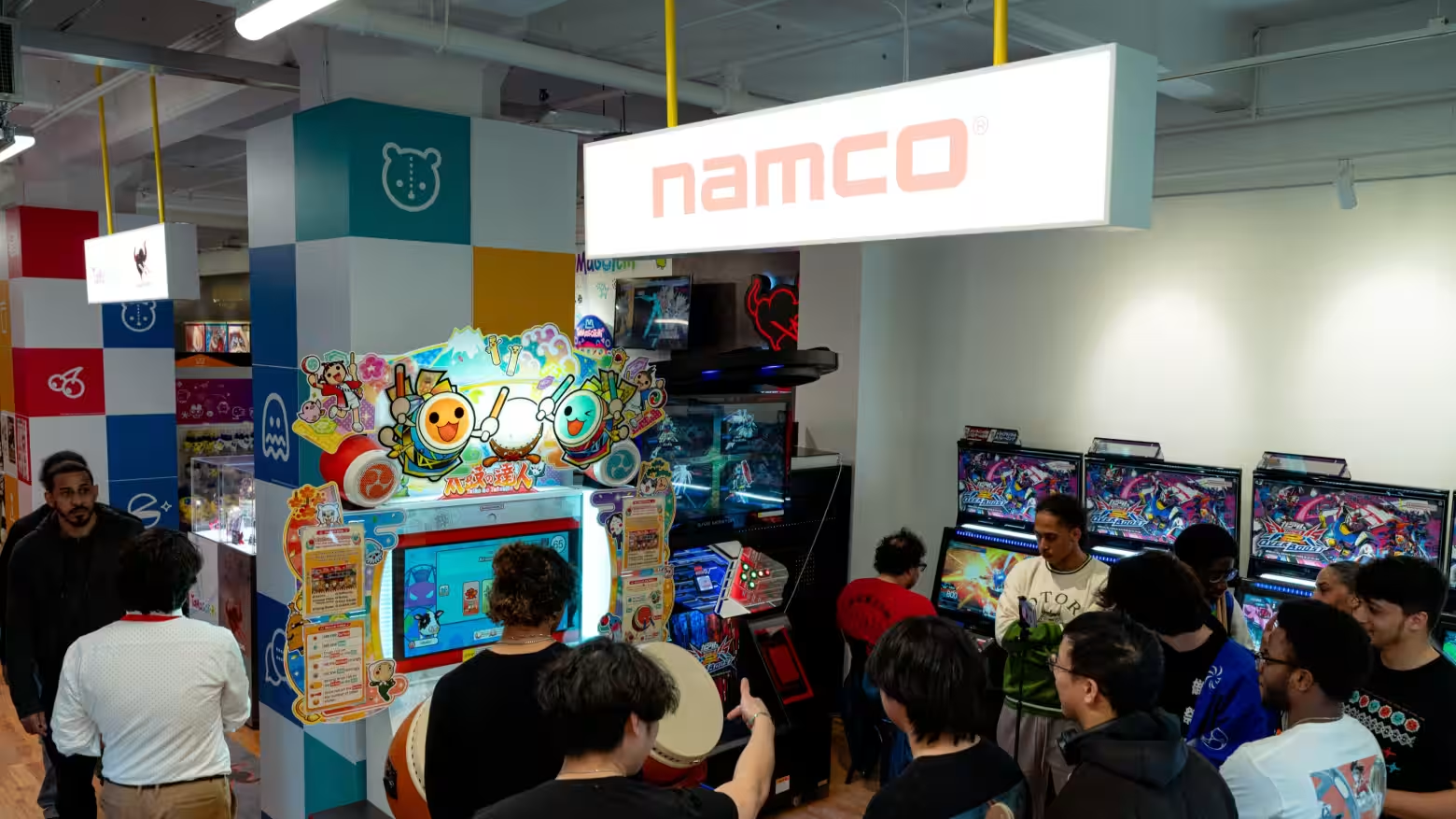
    Bandai Namco Asia will open Australia’s first The Gundam Base store at Broadway Sydney in November 2026. The location will also house one of only four Tamashii Nations flagships worldwide.

    Both permanent shops will sit on level one of the retail complex. They follow a trial pop-up tour at the Mirvac-owned centre last year.

    Expanding Japanese IP Across Asia-Pacific

    The Gundam Base serves as Bandai’s dedicated retail brand for Mobile Suit Gundam ‘Gunpla’ model kits. The Sydney site will sell kits, apparel, and exclusive releases unavailable through standard wholesale channels.

    Next door, Tamashii Nations will stock finished collector figurines. That store focuses on high-end robot models and licensed merchandise from anime franchises such as Dragon Ball, One Piece, and Demon Slayer.

    Bandai Namco Asia president Hiroyuki Fujita said the Sydney destination will run prototype shows, immersive displays, and regional fan events alongside standard retail sales.

    Building Out Physical Collector Hubs

    Japanese entertainment companies are rolling out direct-to-consumer flagships across Asia-Pacific to secure higher margins and cultivate collector communities. Bandai opened a flagship in Hong Kong in December, testing regional appetite before committing capital to Australia.

    Landlord Mirvac relies on fandom-driven concepts to pull foot traffic into Broadway Sydney. Fit-outs for both stores will finish ahead of the November 2026 launch.

  • Australian Grocers Expand Private Labels as Coles Posts $1.09B Profit

    Australian Grocers Expand Private Labels as Coles Posts $1.09B Profit

    Coles Group posted a 1.09 billion Australian dollar net profit for the financial year ending June 28, as the country’s supermarket giants add thousands of private-label lines to store shelves.

    The expansion of store brands directly targets margin defence and customer retention across Australian grocery aisles.

    Private label pressure from Aldi

    Aldi entered the Australian market through Sydney in 2001, building its network on an inventory model where 90 per cent of products were private labels sold at lower price points. At that stage, Coles and Woolworths together controlled about 71 per cent of the national grocery market.

    The German discounter captured substantial market share by 2015. That persistent push forced both incumbent chains to rethink their merchandise mix and build out multi-tier house brands to compete across basic grocery categories.

    Margin defence and shelf allocation

    Supermarket operators use own-brand ranges to secure higher gross margins and gain greater use over suppliers. For grocery retailers across the Asia-Pacific region, allocating more shelf space to proprietary labels offers direct protection against wholesale price inflation.

    Both Coles and Woolworths face continued consumer demand for cheaper basket alternatives as shoppers swap branded packaged goods for supermarket-owned items.

  • Australian Shoppers Trust AI Recommendations over In-Store Retail Staff

    Australian Shoppers Trust AI Recommendations over In-Store Retail Staff

    Australian consumers now place more trust in artificial intelligence for shopping recommendations than in human retail staff, according to new industry research tracking store-floor buyer habits.

    The findings point to a decisive shift in how shoppers research products, compare prices, and finalize purchasing decisions across Australian retail channels.

    The shift away from floor staff

    Shoppers increasingly turn to automated search assistants, chatbot tools, and algorithm-driven recommendation engines before speaking to floor employees. Fast access to product specifications, unvarnished peer reviews, and real-time inventory checks gives digital tools an edge over human staff who may lack deep product knowledge.

    Retail workers face higher shopper expectations as a result. Store visitors often arrive having already researched technical details online, using physical visits primarily to confirm choices rather than seek basic sales guidance.

    What the preference change means for store networks

    Across the Asia-Pacific region, merchants in mature retail markets like Australia, Japan, and Singapore are reallocating technology budgets to support instant customer queries at the shelf edge. Retailers that integrate generative assistants into loyalty apps and in-store digital kiosks capture buyer intent earlier in the shopping cycle.

    Store operators must now decide how to retrain frontline staff to handle complex customer service issues rather than standard product lookup tasks.

  • Australian Retail Profit Lags Sales as Hidden Operating Costs Bite Margins

    Australian Retail Profit Lags Sales as Hidden Operating Costs Bite Margins

    Australian retail sales rose 2.8 per cent in the 2024-25 financial year, but operating profit before tax grew just 1.5 per cent to $38.8 billion as margin pressure intensified.

    Data from KPMG’s Retail Health Index shows that gap widening further into 2026, forcing boards to rethink conventional cost cutting.

    Retailers confronting squeezed margins often reduce store staff hours and trim marketing budgets. Advisory firm Olvera Advisors found these immediate cuts routinely fail to stop profitability leaks, which sit deeper in inventory management, returns handling and supplier contracts.

    Holding Costs and Inventory Drag

    Aged stock sitting in warehouses past 90 days creates an unmeasured drag on working capital. Benchmarking from APQC puts median inventory carrying costs at 10 per cent of value each year. A business holding $5 million in aged stock absorbs $500,000 annually in holding expenses before accounting for final clearance markdowns.

    Supplier renegotiations also remain narrowly focused on unit pricing rather than structural terms. Data from the Payment Times Reporting Regulator shows average retail payment terms at 31 days, though the 95th percentile extends to 77 days. Rebate structures frequently remain poorly tracked at the executive level, echoing findings from the Australian Competition and Consumer Commission’s supermarket inquiry.

    The Multi-Channel Fulfilment Trap

    E-commerce fulfilment and customer returns represent another growing source of unallocated operational losses. Total costs for a single product return average roughly $47 on an $80 basket, factoring in $20.78 for two-way freight, $10 in handling and an average $16 markdown. For a merchant processing one million orders annually, each single percentage point in return rate drains approximately $470,000.

    Similar accounting oversights previously hit Australia’s largest conglomerates. Woolworths paid $217.4 million for an 80 per cent stake in marketplace MyDeal in 2022 before shutting it in 2025 at a cash cost between $90 million and $100 million, alongside a $45 million impairment charge. Rival Wesfarmers similarly wound down its Catch marketplace after channel-level operating costs outpaced unit economics.

    Retail operators now face pressure from commercial lenders to present granular reporting on stock ageing past 90 days, net channel profitability and full-year return costs ahead of the next seasonal markdown cycle.

  • Australia Food Manufacturing Turnover Hits $182.6 Billion

    Australia Food Manufacturing Turnover Hits $182.6 Billion

    Australia’s food and grocery manufacturing turnover rose 5.5 per cent to $182.6 billion in the 2024-25 financial year. Steady consumer demand across supermarket aisles drove the increase.

    Total workforce numbers across processing plants and distribution hubs passed 301,000 people over the 12-month period. That headcount now represents 33 per cent of all manufacturing jobs in the country.

    Squeezed margins and factory payrolls

    The annual State of the Industry 2024-25 report from the Australian Food and Grocery Council shows steady top-line expansion across packaged goods, beverages and daily essentials. Yet the headline revenue growth conceals worsening operational headwinds inside processing facilities.

    Persistent cost pressures and compressed margins are reducing the capital available for factory upgrades, automation and long-term expansion, the council warned. While consumer spending on staples supported turnover, wholesale input prices and elevated running expenses continue to erode net profitability across supply chains.

    Regional production pressures

    Similar margin pressure affects food manufacturing hubs across the Asia-Pacific region. Processors face higher utility bills, freight volatility and stubborn ingredient costs. When consumer-facing brands cannot fully pass wholesale cost increases to supermarket buyers, capital spending plans are routinely deferred.

    Factory operators are now recalibrating capital expenditure budgets for the 2025-26 cycle. They continue to monitor wholesale input pricing ahead of supplier negotiations with national retail chains.