Tag: Sydney

  • Humii Report Finds Flawed E-Commerce Signals Hurt Shopper Trust

    Humii Report Finds Flawed E-Commerce Signals Hurt Shopper Trust

    Almost 30 per cent of online retail refunds take more than three days to reach Australian shoppers, contradicting timeline promises made by 90 per cent of merchants. The finding comes from the 2026 Online CX Report by digital benchmark platform Humii, which tracked interface friction and post-purchase communication breakdowns across major consumer brands.

    Technical systems often report success while customer journeys falter. While automated triggers update internal order statuses instantly, shoppers face unexplained gaps between warehouse label generation, banking settlement cycles and actual parcel movement.

    Interface Habits and Misplaced Features

    Customer expectations increasingly penalise unconventional website layouts. Humii found that 91 per cent of digital shoppers expect live support chat widgets in the bottom-right corner of a desktop screen. When grocer Coles positioned its chat icon on the bottom left, users experienced higher friction locating assistance compared to rival Woolworths, which positioned its tool on the standard bottom right.

    Apparel giant Zara presents a similar design friction by requiring users to scroll product photos vertically instead of swiping horizontally. While the code operates without technical defects, the layout runs against standard touchscreen reflexes established across modern mobile operating systems.

    The Gap Between Fulfilment and Delivery

    Post-purchase messaging creates a wider credibility divide. Mystery shopping assessments revealed that apparel brands, including Ralph Lauren, generated automated dispatch notifications when carriers had merely received initial electronic documentation. Parcels remained uncollected in warehouses while buyers checked empty tracking links.

    Financial processing shows identical friction points. Retail systems mark refunds complete once an internal instruction issues to a merchant payment gateway. Because Australian interbank settlements frequently take up to five days to credit personal accounts, buyers are left contacting support desks to trace missing funds.

    Across regional e-commerce markets, engineering teams continue to optimise for system completion rather than customer receipt. Digital platforms that align notification triggers with physical carrier scans and realistic banking windows reduce inbound customer service volumes without redesigning their underlying tech stack.
  • Koala Revenue Rises 20% to $332 Million as Japan Sales Jump

    Koala Revenue Rises 20% to $332 Million as Japan Sales Jump

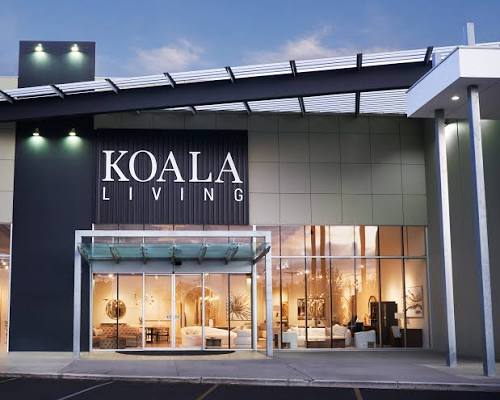
    Australian furniture retailer Koala posted a 20 per cent rise in annual revenue to $332.3 million for the fiscal year ended June 30.

    Growth in overseas markets offset tighter consumer spending at home, lifting pro forma EBITDA by 139 per cent to $27.9 million.

    Japan and American Sales Fuel Expansion

    Domestic sales in Australia rose 10.7 per cent to $166.7 million during the twelve-month period. International divisions expanded at a much sharper clip.

    In Japan, revenue climbed 23.5 per cent to $89.4 million, carried by demand for sofa beds and mattresses. The United States registered the fastest geographic growth, where sales jumped 67.6 per cent to $74.9 million. Koala also entered the United Kingdom during the fiscal year.

    Direct-to-consumer furniture makers across the Asia-Pacific region have spent two years navigating softer home goods demand and volatile shipping rates. Koala’s performance in Tokyo shows that flat-pack formats tailored for compact urban living continue to find traction outside Australia even when consumer sentiment cools.

    Bottom Line and Public Markets

    Operating margins improved across core product lines, supported by new releases in sitting furniture. Constant-currency revenue grew 24 per cent across the group.

    “FY26 was a defining year for Koala,” chief executive and co-founder Dany Milham said, noting the completion of the company’s listing on the Australian Securities Exchange.

    Market attention now shifts to initial sales figures from the United Kingdom and customer uptake of the expanded seating lines in the first quarter of fiscal 2027.

  • Suntory Oceania Expands Maximus Lineup with Pink Lemonade Sports Drink

    Suntory Oceania Expands Maximus Lineup with Pink Lemonade Sports Drink

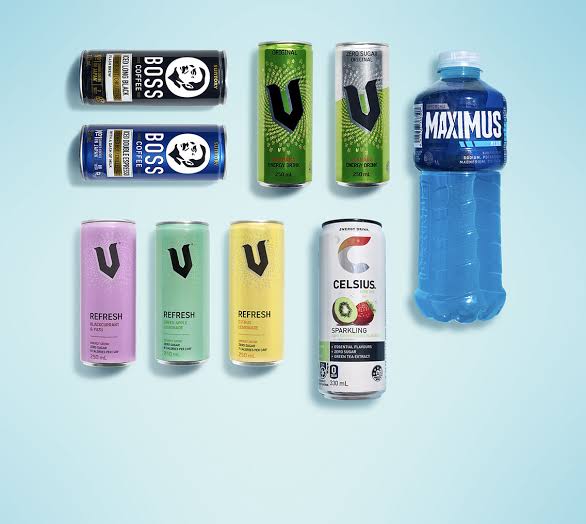
    Suntory Oceania launched a Pink Lemonade variant for its Maximus sports drink brand across Australia. The standard 1-litre bottle carries an RRP of $3.15.

    This addition expands the core beverage lineup. It follows reported incremental volume growth across the regional sports hydration category.

    Category Expansion and Flavor Lineup

    Shipments join existing Maximus varieties on retail shelves, including Blue, Mango Passionfruit, Grape, Red, and Lemonade Ice Block. Retailers are stocking the 1-litre single-serve bottle to capture commuter and athlete demand for high-volume functional drinks.

    Brand teams aimed the release at consumer demand for familiar citrus profiles in hydration. Maximus leans on its value-per-volume pitch against traditional 600ml rivals in convenience stores and supermarkets.

    Oceania Hydration Strategy

    Japanese parent firm Suntory Holdings consolidated its Australia and New Zealand commercial operations to speed up distribution across soft drinks, ready-to-drink options, and functional beverages. Maximus acts as the group’s primary volume driver against global incumbents in the regional isotonic category.

    Across Asia-Pacific, beverage makers face tighter shelf space as retailers cut underperforming SKUs for high-turnover line extensions. Suntory Oceania is pushing mainstream flavor profiles to secure fridge door share in independent petrol and grocery channels.

    Rollouts continue across major Australian retail chains and convenience networks this month. Sales velocity and inventory levels over the spring trading period will determine whether the flavor secures a permanent core ranking.

  • New Zealand Children Food Brand Odi Launches Direct Sales in Australia

    New Zealand Children Food Brand Odi Launches Direct Sales in Australia

    New Zealand children’s food maker Odi entered Australia on August 28, 2026. The launch brings direct-to-consumer sales in the brand’s first international expansion outside its home market.

    Domestic retail distribution across New Zealand came first. Now, the company is targeting Australian shoppers through an online-first model.

    Direct Sales Before Supermarket Shelves

    Odi sells directly to households through its website during this initial launch. Later, it plans to secure distribution agreements with nationwide Australian grocery and food retailers.

    This export push tests whether New Zealand brand momentum translates across the Tasman without immediate supermarket placement. Direct shipping builds customer demand data first. That gives the brand use before it negotiates wholesale terms with major supermarket chains.

    Scrutiny on Infant Food Formulations

    Regulators in Australia are paying closer attention to packaged children’s food formulations. Government research found commercial infant and toddler products are major sources of dietary sugar. That finding puts pressure on established FMCG manufacturers to reformulate ranges.

    Retail buyers have responded by reviewing children’s food ranges, opening shelf space for newer independent labels. Direct sales offer New Zealand brands a fast entry point while buyers evaluate these category shifts.

    Odi will run direct fulfillment in Australia while it finalizes retail supply partnerships for a planned nationwide physical store rollout.

  • Shippit Targets Grocery Fleets with NowGo Dispatch Software

    Shippit Targets Grocery Fleets with NowGo Dispatch Software

    Shippit rolled out its NowGo fleet software to fast-moving consumer goods suppliers in Australia, aiming to automate dynamic re-routing across supermarket delivery networks. The Sydney-based logistics provider claims the system lifted vehicle utilisation by 15 per cent and expanded completed drops by 12 per cent.

    Built on historical Australian and New Zealand transport data, the platform manages temperature-controlled loads, fixed dock booking windows, and delivery-in-full, on-time performance targets. The software combines owned vehicle fleets and third-party transport operators into a single dispatch dashboard. Dispatchers reassign delivery stops and adjust routes instantly when vehicles break down or store receiving slots shift, replacing manual spreadsheet adjustments.

    Dynamic Dispatch and FMCG Time Slots

    Supermarket supply chains across Australia enforce strict delivery windows and immediate penalties for missed dock bookings. When a chilled vehicle fails or a store moves a delivery window forward, manual rescheduling across legacy software often forces suppliers to dispatch costly emergency backup vehicles.

    NowGo allows operators to adjust live runs without pulling drivers off the road, according to Helen Studley, Senior Product Manager at NowGo. The platform also includes scenario-modelling tools designed to test fleet capacity ahead of seasonal volume spikes.

    Fleet Pressures Across Regional Supply Chains

    Across Asia-Pacific grocery networks, suppliers face continuous margin pressure from elevated fuel prices, driver shortages, and tighter supermarket service agreements. While regional logistics giants have historically built bespoke tracking tools or relied on fragmented transport management systems, software providers are pushing modular dispatch algorithms to mid-tier suppliers.

    Fleet operators now face the challenge of integrating real-time routing data across mixed subcontractor networks ahead of peak end-of-year trading volumes.

  • Chris Hemsworth Buys Stake in Archie Rose Distilling Co

    Chris Hemsworth Buys Stake in Archie Rose Distilling Co

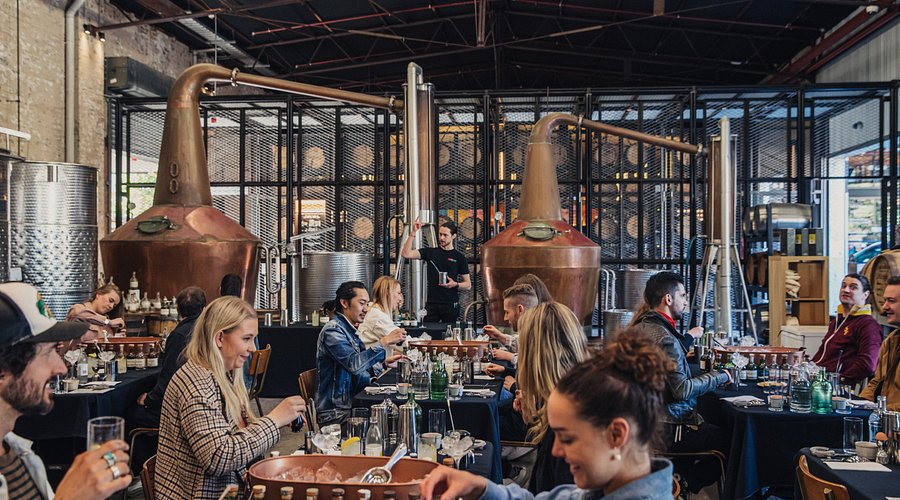
    Australian actor Chris Hemsworth has acquired an equity stake in Archie Rose Distilling Co, partnering with founder Will Edwards to finance an international retail rollout.

    The Sydney-based spirits producer plans to use the capital injection to enter the United States later this year while introducing three new whiskies across Asia and New Zealand.

    Global push from Sydney

    Hemsworth will work directly on product development at the distillery alongside his co-ownership role. The collaboration focuses on blending three distinct whiskies tailored for regional export markets.

    Archie Rose has built its business on botanical gins, single malts, and rye whiskies in Australia. Securing high-profile backing reflects a broader push by independent Australian craft distillers to secure distribution shelf space in high-margin Asian retail channels and premium hospitality venues.

    Whisky demand in Asia

    Regional consumers across Southeast Asia and East Asia continue to trade up into premium and craft brown spirits. Independent distillers often struggle against established global liquor conglomerates for retail distribution in major commercial hubs without significant marketing support.

    The company plans to complete its initial US market entry before rolling out the three Hemsworth-backed whisky releases to Asian retail partners in the coming months.

  • Ella Baché Deploys AI Across Retail Operations and Supply Chain

    Ella Baché Deploys AI Across Retail Operations and Supply Chain

    Australian skincare brand and salon operator Ella Baché is rolling out artificial intelligence across its buying, inventory forecasting, and customer management systems. The rollout follows a network-wide shift to omnichannel retail.

    Tracing its origins to 1936, the Sydney-headquartered company operates roughly 150 Australian salon locations alongside its digital retail channels.

    Supply Chain and Digital Pivot

    Chief executive Pippa Hallas said the deployment focuses on practical operational tasks. Automated tools now handle routine data analysis in order planning and customer service. That rollout builds on an operational reset that began when pandemic lockdowns forced the temporary closure of the entire 150-store salon network.

    To survive that disruption, the group built 150 digital storefronts for its therapists and franchise partners. That shift converted the legacy salon chain into a blended digital operator. A dedicated research, manufacturing, and distribution facility in Sydney supports the network.

    Local Manufacturing and Category Pressure

    Local manufacturing relies on domestic ingredients to meet consumer demand for traceable Australian skincare. This integrated setup gives the business direct control over formulations and packaging lines without relying on offshore contract packagers.

    Across the Asia-Pacific personal care sector, heritage skincare brands face competition from fast-turnaround cosmetics labels and expanding invasive aesthetic clinics. Newer rivals chase viral social media trends and quick procedures. Ella Baché is instead leaning into proprietary formulation and non-invasive salon treatments to protect its margin profile.

    Work is now underway to integrate these artificial intelligence tools into internal staff training modules and product development workflows ahead of scheduled product releases.

  • Australian Certified Organic Sales Hit AU$1.02 Billion

    Australian Certified Organic Sales Hit AU$1.02 Billion

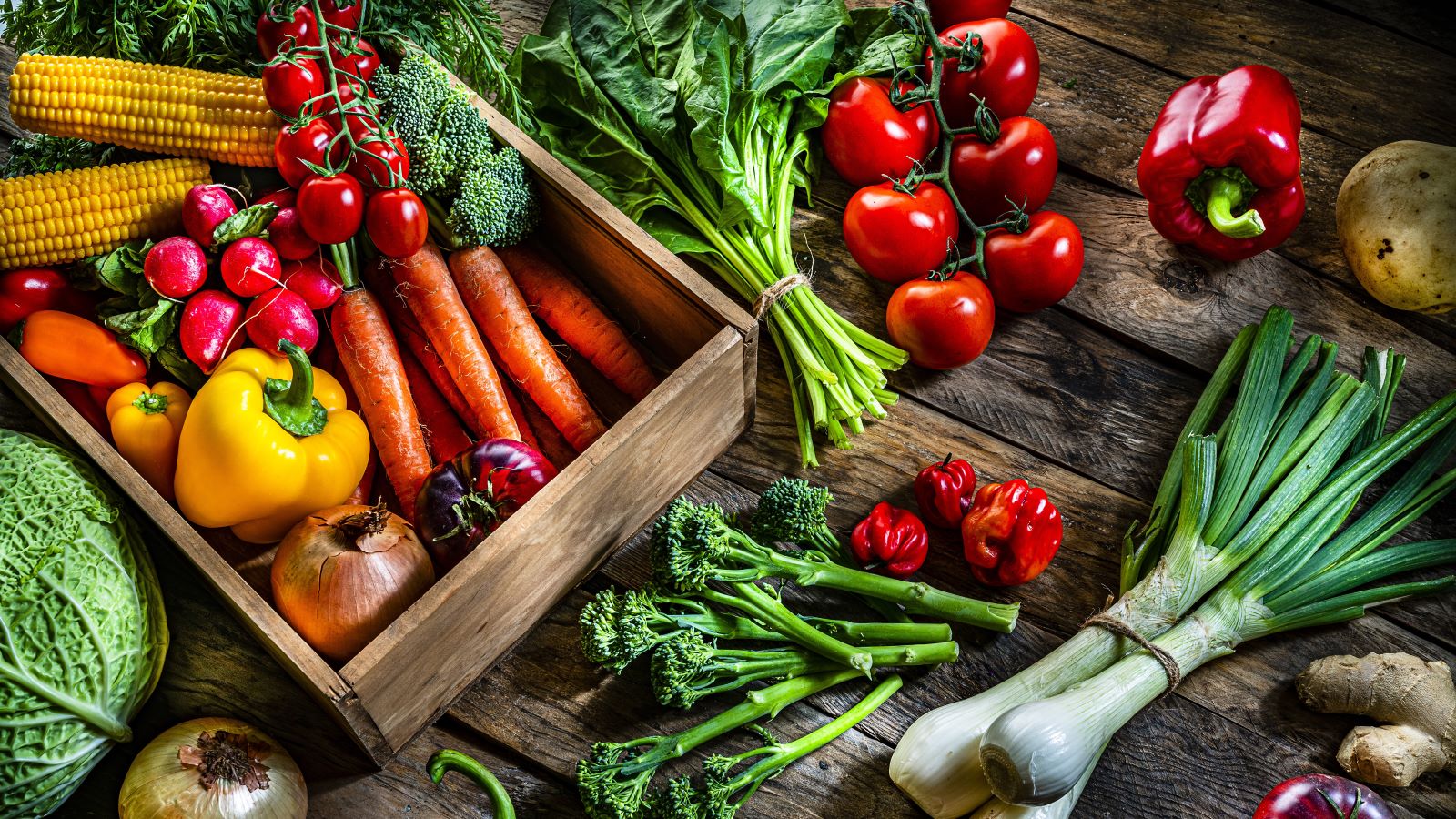
    Australia certified organic sector generated AU$1.02 billion in annual sales during the 2024-25 financial year. The total represents the first time the market cleared the billion-dollar threshold, driven largely by supermarket shelves and household pantry purchases.

    Retail sales for take-home consumption reached AU$657.6 million, climbing 11.9 per cent year on year, according to the Australian Organic Market Report 2026 released by Australian Organic Limited. The growth in household buying outpaced broader packaged grocery volume across major Australian supermarket chains.

    Supermarket Aisles Drive Revenue Gains

    Packaged food and fresh produce accounted for the bulk of retail spend, with shoppers prioritizing chemical-free certifications despite broader inflationary pressures on household food budgets. Certified supply chains kept up with the volume demand, helping standardise shelf placements across national grocery operators.

    The AU$1.02 billion total spans domestic agriculture, food manufacturing and retail channels across the country. Commercial operations continued converting conventional acreage to certified standards to capture premium wholesale margins.

    Wholesale Margins and Export Volumes

    Across the Asia-Pacific region, premium food producers face tight price sensitivity, yet certified organic goods continue to hold distinct price premiums in tier-one retail channels. Australian producers are positioning their certified output against competing high-end food exports from New Zealand and Europe.

    Industry bodies will monitor whether retail volume growth holds through the 2025-26 period as supply contracts renew and private-label organic ranges expand in major supermarket chains.

  • Real Pet Food Expands Fussy Cat Range with Dental Dry Food

    Real Pet Food Expands Fussy Cat Range with Dental Dry Food

    Real Pet Food Company expanded its Australian cat care line with the release of Fussy Cat Dental Defence Ocean Fish, a grain-free dry formula targeting dental health.

    The product uses an engineered kibble shape designed to prompt chewing and reduce tartar accumulation on teeth. Australian-sourced ocean fish forms the core protein base alongside added calcium for bone and tooth maintenance.

    Oral Care in Pet Grocery

    Specialised pet nutrition remains one of the steadiest sub-sectors in Australasian grocery aisles. Supermarket operators continue giving shelf space to functional lines that address specific conditions such as joint health, digestion, and dental hygiene. Fussy Cat competes directly against established premium dry pet food lines across supermarket networks in the region.

    Sourcing and Format Strategy

    Domestic ingredient sourcing gives local pet manufacturers a clear marketing point against imported dry kibble brands. Real Pet Food Company relies on local fish supply to back its grain-free recipe specifications across Australian grocery distribution.

    Retailers will track sell-through rates as the new dental stock hits Australian pet food fixtures over the coming retail quarter.

  • Australian Retailers Face Margin Squeeze as 59% of Shoppers Shun Full Price

    Australian Retailers Face Margin Squeeze as 59% of Shoppers Shun Full Price

    Australian retailers must overhaul operational discipline as 59 per cent of shoppers now refuse to pay full price, according to Grant Thornton Australia’s 2026 Retail Dealtracker analysis.

    Data from Australia Post’s FY26 fourth-quarter e-commerce update shows 46 per cent of consumers will switch stores for a discount, while 32 per cent report increased price sensitivity.

    The advisory firm identified five interconnected capabilities required to protect margins: customer proposition, earnings quality, operating model, technology, and organizational capability. Mounting pressure on household budgets means customer retention, repeat visits, full-price sales ratios, and customer lifetime value now carry far more commercial weight than raw top-line revenue growth.

    Protecting Margins Beyond Top-Line Sales

    Converting sales into profit requires tighter control over inventory, customer acquisition costs, returns, and shrinkage. Tam Goldin, financial advisory partner at Grant Thornton Australia, noted that many merchants need to strengthen fundamental disciplines, including clearer pricing and operating models that scale without adding unnecessary overhead.

    Shrinkage remains a critical operational drain for large physical store networks, while changing wage settings require closer management of store labor deployment. Retailers must track where value is lost across working capital rather than relying solely on headline profit and loss statements.

    Restructuring Operations and Supply Chains

    Scaling businesses frequently outgrow founder-led workflows, creating operational bottlenecks across supply chains and merchandising. Kirsten Ridgway, management consulting partner and head of retail at Grant Thornton Australia, pointed out that the largest opportunities emerge when companies simplify decision-making and align capital spending with actual customer demand.

    Supply chain models require flexible sourcing and inventory visibility to handle fluctuating lead times and freight expenses. Technology investments must resolve specific operational problems, starting with foundational systems such as point-of-sale platforms, integrated inventory tracking, and clean customer data before deploying artificial intelligence for demand forecasting and pricing.

    Across Asia-Pacific markets, rising labor costs and deal-seeking consumer behavior have forced merchants to pivot away from rapid floor-space expansion toward customer lifetime value and strict loss prevention. Retailers now face the next reporting cycle with shrinkage rates, full-price sales percentages, and inventory turns serving as the decisive operational numbers to track.

  • Champagne Bureau Australia Launches Education Prize for Wine Retailers

    Champagne Bureau Australia Launches Education Prize for Wine Retailers

    Champagne Bureau Australia has launched the Champagne Education Prize for early-career hospitality and fine wine retail staff. Australia ranks as the world’s seventh-largest Champagne export market.

    The training scheme targets frontline workers. It combines technical category study with direct travel to France.

    Focus on frontline wine sellers

    Organisers view sommeliers, bartenders and fine wine retail employees as the primary channel for introducing Australian consumers to the category. The program aims to deepen their technical knowledge through direct interaction with shoppers and restaurant diners.

    Selected participants will travel directly to the Champagne region for on-the-ground study.

    Australia holds seventh place globally

    Sustaining demand across Asia-Pacific liquor retail channels relies heavily on trade education. Premium wine distributors face stiff competition from domestic sparkling producers for shelf space and wine list placements.

    Intake dates and selection details for the inaugural cohort will determine when the first group of Australian trade professionals heads overseas.

  • On Opens First Sydney Store at Westfield Bondi Junction

    On Opens First Sydney Store at Westfield Bondi Junction

    Swiss sportswear company On has opened its first Sydney store at Westfield Bondi Junction. The launch brings its Australian retail network to two physical locations.

    Located on Level 3, the 493-square-metre space pushes the brand’s global corporate-owned store count past 70 units across major metropolitan centres.

    Footwear, Collaborations and Local Design

    The shop carries On’s core inventory across running, training, tennis, and lifestyle footwear, apparel, and accessories. Shoppers can also buy limited-edition collaborative collections with external partners, including Post Archive Faction, Sky High Farm Goods, and grocery brand Erewhon.

    Local design elements run throughout the interior. Builders fitted the unit with textured concrete, sandstone-style seating, regional tiles, and a bespoke accent wall created by Australian finish firm Pretty in Paint Australia to match coastal running corridors around Bondi.

    “It is a place that feels deeply connected to what On stands for,” said Lauren Portelli, commercial director for Oceania at On.

    Direct Retail Push in Asia-Pacific

    Direct retail expansion has become a primary channel for performance footwear labels seeking higher margins and greater control over brand presentation across Asia-Pacific. Wholesale distribution through specialty running shops gave On its initial market volume in Australia. Dedicated company stores now allow the business to show full technical lines alongside higher-priced lifestyle apparel that multi-brand stockists rarely carry.

    Founded in Zurich in 2010, the company now distributes products across more than 80 countries worldwide. Attention turns to whether the Swiss group will add direct retail sites in Melbourne and Brisbane as it scales regional store operations.

  • Balter Brewing Launches Dark Lager Exclusively with Liquorland in Australia

    Balter Brewing Launches Dark Lager Exclusively with Liquorland in Australia

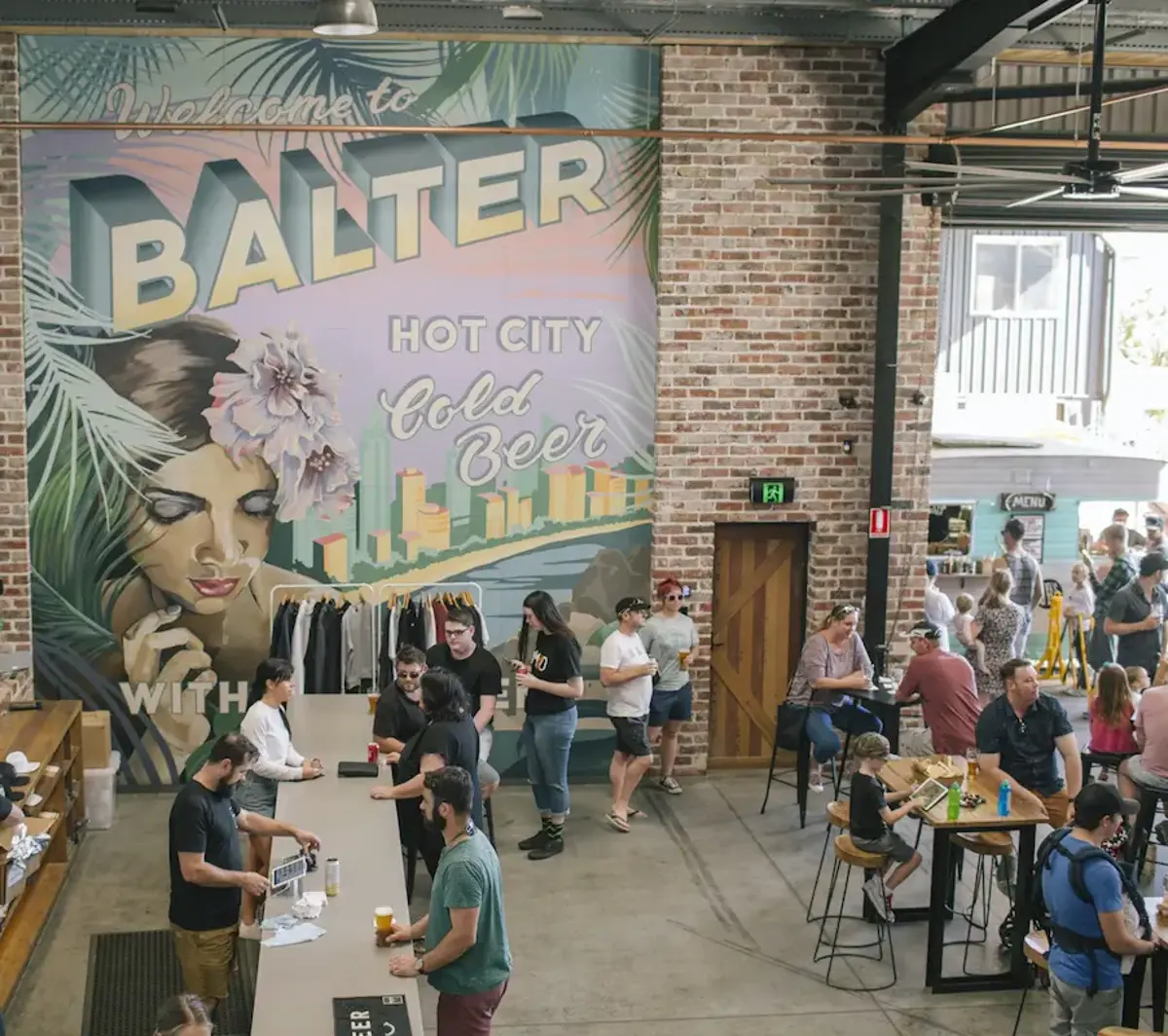
    Balter Brewing, an Australian craft beer producer, has unveiled its new dark lager, Balter Black. The product is launching as an exclusive retail offering through Liquorland, one of Australia’s prominent liquor retailers. This partnership highlights the growing consumer demand for diverse beer options, particularly in the dark brew segment.

    The Balter Black lager is designed to appeal to drinkers seeking an alternative to traditional heavy stouts. It combines the characteristic chocolate notes and mild roasted flavour of a dark malt with the lighter, crisp profile typically found in standard lagers. This approach aims to capture consumers who are drawn to the increasing popularity of dark beers, influenced by the resurgence of traditional varieties like Guinness.

    Exclusive Retail Partnership

    Initially developed as a limited-run special brew, Balter Black is now being brought to a wider market through its collaboration with Liquorland. This exclusive distribution model gives Liquorland a unique product in a competitive retail landscape, potentially driving foot traffic and sales for the retailer. For Balter Brewing, it secures significant shelf space and market penetration for their new product.

    Exclusive product launches and strategic retail partnerships are a common and effective strategy for brands seeking to gain market share or introduce new categories. In Asia, similar models are frequently seen, with craft brewers in markets like Japan and Singapore often partnering with specific supermarket chains or online platforms to launch new limited editions or seasonal brews. This allows brands to test market response while offering retailers a competitive edge. The trend for premium and craft alcoholic beverages continues to grow across the Asia-Pacific region, with consumers increasingly looking for unique flavour profiles and brand stories.

    Responding to Consumer Trends

    The introduction of Balter Black directly addresses evolving consumer preferences within the Australian beer market. The rising interest in dark beers, alongside a general appreciation for craft and specialty brews, indicates a shift from mainstream lagers towards more nuanced and experimental styles. By offering a dark lager that is both flavourful and approachable, Balter Brewing positions itself to capitalise on this trend, providing a product that caters to both seasoned dark beer enthusiasts and those exploring the category for the first time.

  • Kinrise Expands Poppin Snack Range with Maltesers Popcorn in Australia

    Kinrise Expands Poppin Snack Range with Maltesers Popcorn in Australia

    Australian food manufacturer Kinrise has launched Maltesers-flavoured ready-to-eat popcorn in retail aisles nationwide. The rollout extends its existing brand partnership with confectionery giant Mars Snacking.

    The product sells in a 110-gram sharebag format tailored for supermarket snack aisles across Australia. It blends traditional popped corn with malt and chocolate seasoning based on the Mars confectionery brand.

    Mars Snacking partnership and packaging updates

    This release builds on an established commercial licensing agreement between Kinrise and Mars Snacking. Alongside the new malted variant, Kinrise refreshed the packaging across its Mars Bar flavoured popcorn range.

    Kinrise also introduced a dedicated multipack format for that Mars Bar popcorn line. The pack contains smaller, single-serve bags designed for lunchboxes and on-the-go shoppers seeking portion control.

    Supermarket aisle brand crossover trends

    Confectionery licensing into adjacent grocery categories is gaining speed across Asia-Pacific supermarkets. Packaged food manufacturers lean on established sweet brand equity to attract impulse buyers facing higher grocery price points.

    Retail buyers in Oceania increasingly set aside shelf space for hybrid sweet snacks bridging savoury chips and premium confectionery. Kinrise and Mars Snacking will track scan data across major supermarket accounts as the 110-gram format moves through national inventory systems this quarter.

  • City Chic Lifts Underlying Earnings 92% to $12.3 Million Despite US Sales Drop

    City Chic Lifts Underlying Earnings 92% to $12.3 Million Despite US Sales Drop

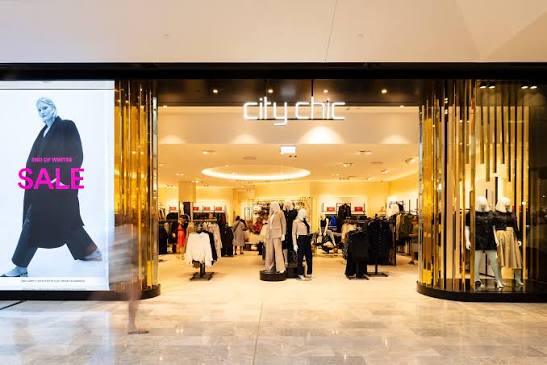
    City Chic Collective nearly doubled its underlying core earnings to $12.3 million in the fiscal year ended June 28, despite total group revenue slipping 3 per cent to $130.5 million.

    Margin expansion and strict operational discipline drove underlying earnings before interest, taxes, depreciation, and amortisation up 92 per cent from the previous year.

    Australia and New Zealand anchored the turnaround. Revenue across the home market rose 7.6 per cent to $113.8 million, with comparable sales lifting 5.6 per cent across physical stores and digital channels. Higher average selling prices and steady customer acquisition cushioned the group while its overseas operations took a hit.

    Retreat from American Tariffs

    The United States delivered a sharp contraction. US sales plunged 42 per cent after management deliberately throttled purchasing activity to limit exposure to import tariff volatility.

    To fix the unit economics, City Chic converted its US Amazon operation from a wholesale setup to a direct marketplace model. Group inventory fell 11 per cent to $24.1 million by the close of the financial year, reflecting reduced capital tied up in North American stock.

    The Sydney-based apparel retailer has deployed automated forecasting and software tools to sharpen buying decisions and lower product return rates. Chief executive Phil Ryan said the company has built a simpler and more resilient operating base after clearing out high-risk inventory channels.

    Trading Momentum in Early FY27

    Cross-border apparel brands have faced intense margin pressure across international channels over recent reporting cycles, forcing operators to protect local margins rather than chase unprofitable foreign volume. City Chic’s retrenchment in North America reflects a broader shift among Australasian specialty chains refocusing on core domestic trade.

    Early numbers indicate the strategy is holding. Comparable store sales in Australia and New Zealand rose 11.4 per cent through the first seven weeks of FY27, with management forecasting a return to revenue and margin growth in the US during the first half.