Tag: Sydney

  • Equinix links to Oracle Cloud in Sydney

    Equinix links to Oracle Cloud in Sydney

    Equinix has announced the launched dedicated, private access to Oracle Cloud in its Sydney, Australia International Business Exchange (IBX) data center.

    Available via Oracle Cloud Network Service – FastConnect and the Equinix Cloud Exchange, access will be available for Oracle Infrastructure as a Service (IaaS) as well as Platform as a Service (PaaS).

    This direct access enables enterprise customers in this growing region to migrate compute, applications and data to Oracle Cloud in a high-performance, low-latency manner for an optimal user experience.

    This builds on previous announcements between Equinix and Oracle to offer direct connection to several Oracle PaaS and IaaS services, including database, Java, integration, analytics, compute and storage – in multiple regions around the globe. The addition of Sydney brings the total number of markets that Equinix is offering private access to Oracle Cloud to five globally.

    Cloud deployments in Asia Pacific, and specifically Australia, are on the rise. According to a recent report by IDC, 67% of all Australian organizations surveyed are embracing cloud, using public or private cloud for more than one or two applications or workloads. Yet, factors such as security and privacy concerns still inhibit public cloud adoption.

    Through the Equinix Cloud Exchange integration with Oracle FastConnect, customers in Australia can establish direct connectivity between their private IT infrastructure and Oracle Cloud. This enables them to fully realize the benefits of hybrid cloud – moving application, middleware and database workloads seamlessly between private IT infrastructure and Oracle Cloud on a private, dedicated connection.

    The Equinix data centers in Sydney are the most interconnected in Australia. Enterprise customers in Sydney are able to establish direct links to both of the continent’s largest peering points, as well as key submarine cable systems, and gain direct access to multiple network and cloud providers such as Oracle via the Equinix Cloud Exchange.

    Oracle Cloud delivers nearly 1,000 SaaS applications and 50 enterprise-class PaaS and IaaS services to customers in more than 195 countries around the world, and supports 55 billion transactions each day. Oracle Cloud Infrastructure is also part of the fast growing sector of cloud computing. According to a recent Gartner report the highest cloud growth is expected to come from IaaS, with a growth of 38.4% in 2016.

    The Equinix Cloud Exchange is currently available in 21 markets globally – Amsterdam, Atlanta, Chicago, Dallas, Frankfurt, Hong Kong, London, Los Angeles, Melbourne, New York, Osaka, Paris, Sao Paulo, Seattle, Silicon Valley, Singapore, Sydney, Tokyo, Toronto, Washington DC and Zurich.

  • Cebu Pacific seeks to increase Manila-Sydney flight frequency

    Cebu Pacific seeks to increase Manila-Sydney flight frequency

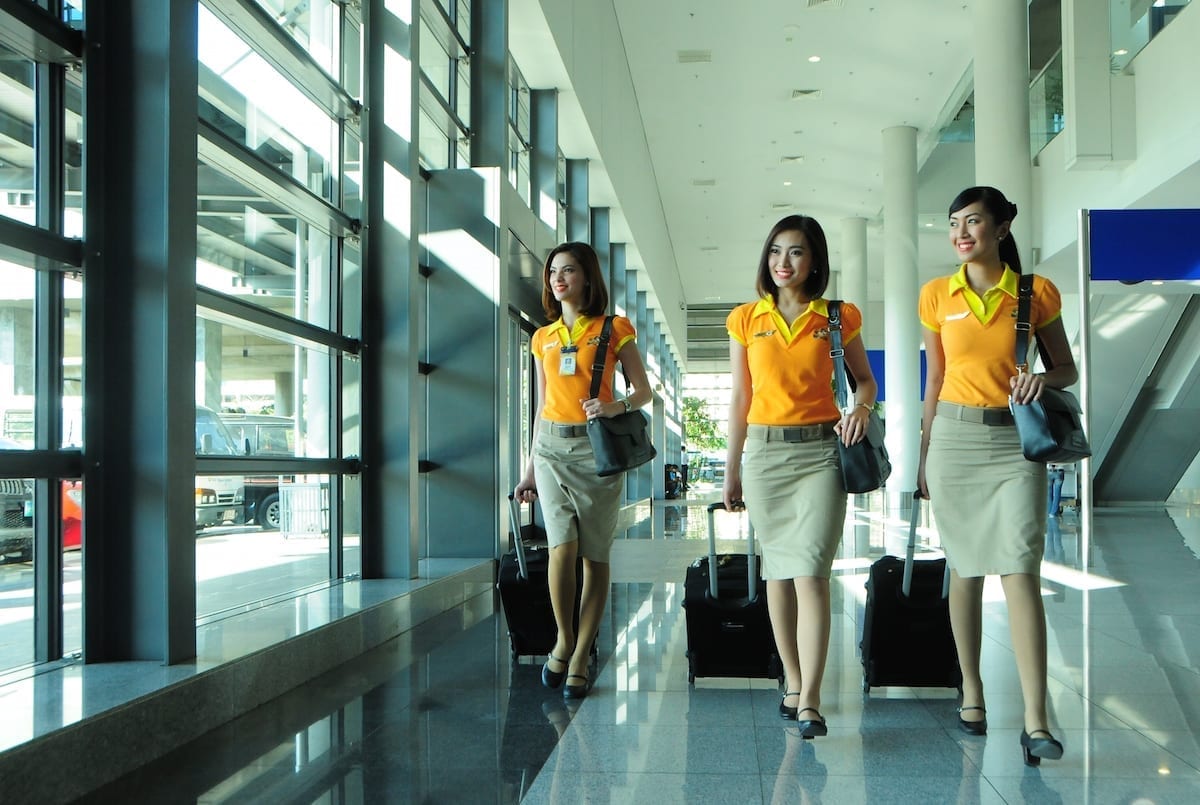
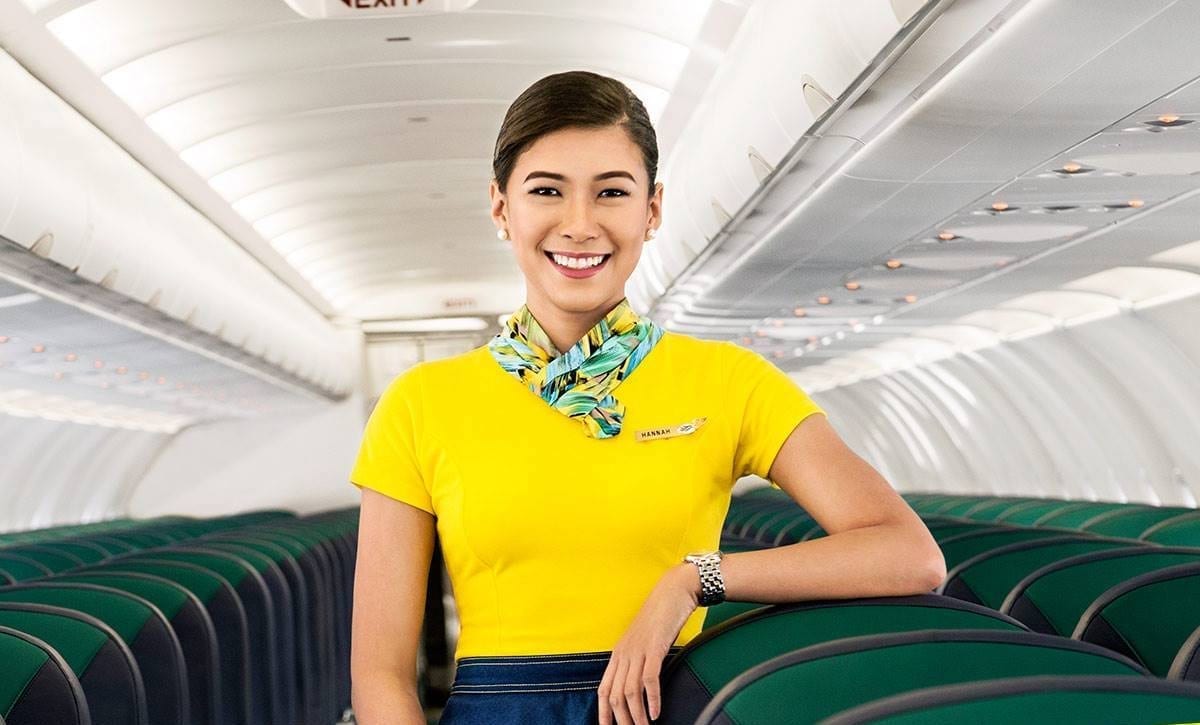
    Cebu Pacific (CEB), the only low-cost carrier servicing Manila and Sydney in Australia, has captured the largest market share for both passenger and cargo services on the route as of April 2017 and wants to increase its flight frequencies to this destination.

    Data from Australia’s Bureau of Infrastructure, Transport and Regional Economics (BITRE) showed that CEB flew 16,441 passengers in April alone, representing 41.8% of the total market share for the Manila-Sydney route, the highest among the three carriers flying this route.

    This brings the total number of passengers flown by CEB to 59,953 – representing 41.7% market share. Its closest competitor, on the other hand, captured 33.5% market share. Load factor for CEB for the Manila-Sydney route was at an average 80% for the first four months of 2017.

    Year-on-year, total passenger volume for the first four months of 2017 of all three carriers plying the Manila-Sydney route reached 143,765, up 12% versus the 128,352 passengers flown in the same period in 2016.

    For cargo service between Manila and Sydney, CEB captured 43.8% market share of the total 789 tons carried in April 2017. From January to April 2017, CEB had 47.4% market share of the total 3,114 tons of cargo carried for that route. The total cargo volume for the first four months of 2017, however, is 30.6% lower than the 2,128 tons carried in the comparable period last year.

    “Since opening the Sydney route in 2014, we have contributed to the growth of trade and tourism between the Philippines and Australia, through year-round low fares. Today, Sydney is one of our top international routes and bodes well for our future expansion plans in the Australian market,” according to Atty. JR Mantaring, Vice President for Corporate Affairs of Cebu Pacific.

    Cebu Pacific currently offers the most number of seats between Manila and Sydney, operating up to five weekly nonstop services between Sydney and Manila, departing every Tuesday, Wednesday, Thursday, Saturday and Sunday from Sydney at 11:35 a.m. and arriving Manila at 5:50 p.m.

    The flights from Manila to Sydney, on the other hand, depart at 12:05 a.m. and arrive Sydney at 10:05 a.m.

    Recently, the airline expressed interest to increase frequency between Manila and Sydney, noting strong demand for this route.

    Cebu Air, Inc. is the largest carrier in the Philippine air transportation industry, offering its low-cost services to more destinations and routes with higher flight frequency within the Philippines than any other airline. It also offers flights to over 60 destinations including Dubai, Tokyo, Beijing, Bali and Sydney.

    CEB’s 61-strong fleet, comprised of 4 Airbus A319, 36 Airbus A320, 8 Airbus A330, 8 ATR-72 500 and 5 ATR 72-600 aircraft, is one of the most modern aircraft fleets in the world. Between 2017 and 2022, Cebu Pacific will take delivery of 7 Airbus A321ceo, 32 Airbus A321neo, and 11 ATR 72-600 aircraft.

  • Ksubi returns to retail with global flagship

    Ksubi returns to retail with global flagship

    Ksubi is on a fashion comeback with the opening of its global flagship store in Sydney. Located on the prime shopping strip of Oxford Street in Paddington, Ksubi has set up its return to retail within the coveted ‘The Intersection’ shopping hub in Sydney’s inner east

    The new boutique adds to the current distribution of Ksubi, which sees its jeans, apparel and accessories stocked inside the store walls of youth fashion retailer General Pants Group, who acquired distribution rights to the brand in 2014.

    The new Ksubi store comes after years of financial woes for the Sydney fashion label, after it was rescued twice from administration.

    Ksubi was founded as a streetwear label in 1999 by Gareth Moody, Dan Single, George Gorrow, Paul Wilson and Oscar Wright. Known for its impeccable denim cuts and high-octane aesthetic, the label soared to cult status among trend-lead fashionistas for several years and was stocked globally in niche boutiques.

    However, in 2010, claims of mismanagement and quarrels internally saw it fumble into administration, and it was sold to clothing manufacturer Bleach Group for around A$5 million.

    In late 2013, the Australian fashion label was then placed in receivership again after 14 years in the business, with Bleach Group chief executive Mark Byers blaming challenges in the Asian supply chain. Some 60 staff were fired from the brand’s head office, while its seven stores were also closed.

    US-based firm Breakwater Management Group took on Ksubi soon after and at the time said it would focus on the brand’s online sales. Breakwater then inked a distribution agreement with Australian multi-brand retailer General Pants Co in 2014, to sell Ksubi items from its 40-plus Australian stores, thus reviving Ksubi’s brand reach in store.

    With the news of the latest Ksubi store in Sydney, no information has been disclosed concerning future store openings for the brand in Australia or overseas. Today, Ksubi is sold in the US, Japan, the UK, and New Zealand and in Bloomingdales in Kuwait.

  • AWPL opens outdoor apparel store at Sydney Airport

    AWPL opens outdoor apparel store at Sydney Airport

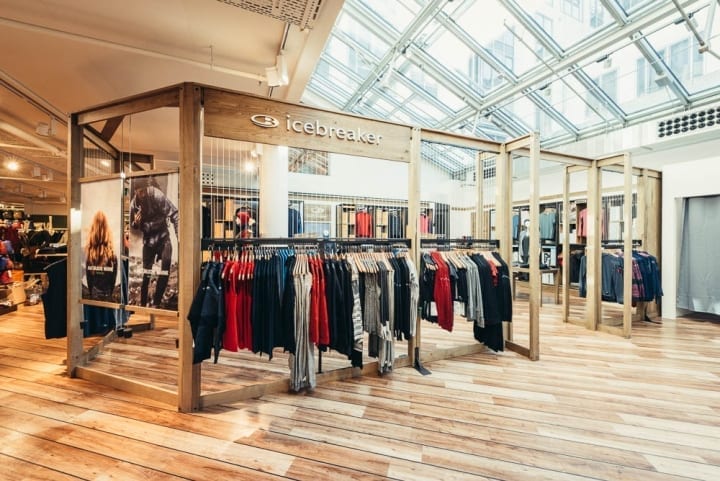
    AWPL has opened Australia’s first Icebreaker airport store in Sydney Airport’s T1 International Departures.

    New Zealand’s Icebreaker offers a range of outdoor apparel. The Sydney Airport concept store will feature Icebreaker’s merino wool apparel, including socks, underwear, base layers, performance ski gear and travel wear.

    The products are made from merino wool sourced from over 180 stations along New Zealand’s Southern Alps. According to the company, the lightweight fabric breathes in hot weather and locks in heat during icy spells, making the gear suitable for all conditions.

    “We are delighted to be the first airport in Australia to welcome Icebreaker to T1 International Departures, further bolstering our selection of global brands and offering our customers the opportunity to shop a great range of high-performance outdoor clothing,” said Sydney Airport General Manager Retail Glyn Williams.

    AWPL Managing Director Costa Kouros commented: “We at AWPL are proud to further strengthen our relationship with Icebreaker – one of the world’s most wonderful brands. Our commitment to enhancing the customer experience at Sydney Airport is unwavering, and our Icebreaker concept is another step on that journey.”

  • Louis Vuitton and Supreme to host first collaboration pop up in Sydney

    Louis Vuitton and Supreme to host first collaboration pop up in Sydney

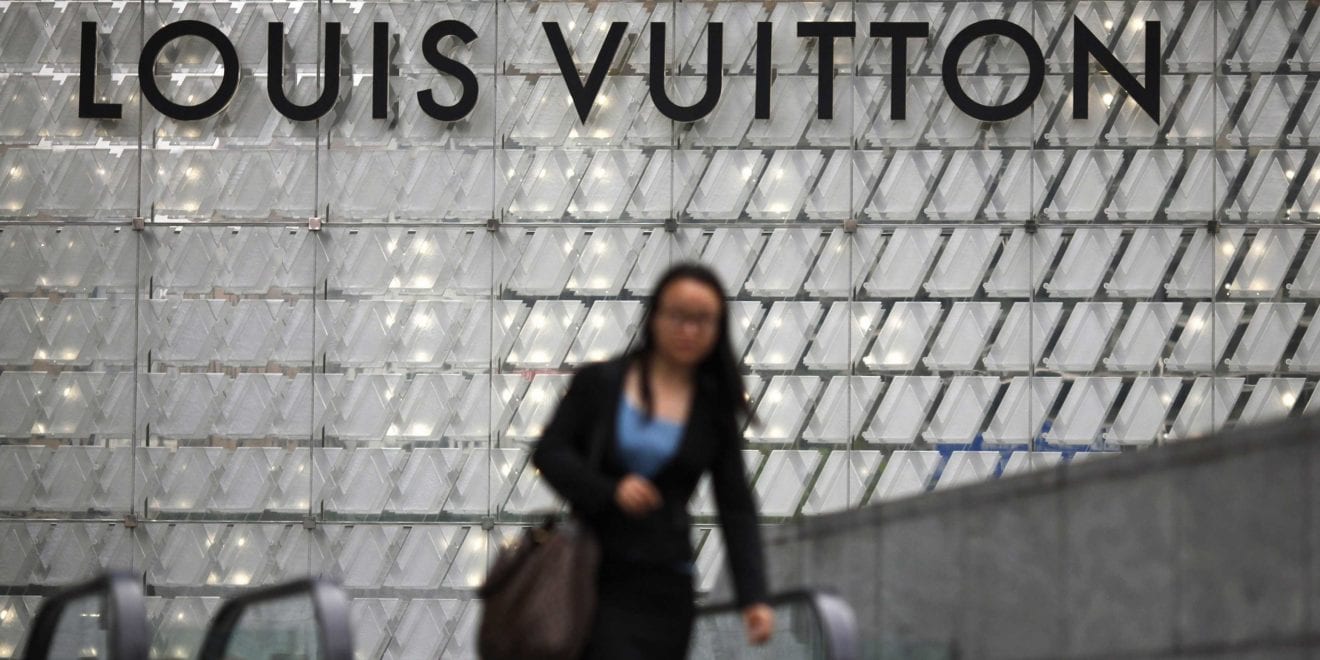
    The long-awaited collaboration between Louis Vuitton and Supreme has finally come, and the two labels announced the location of the first collaboration pop up shop.The LVxSupreme collaboration debuted in January at the Louis Vuitton fall 2017 show.
    Louis Vuitton and Supreme fans in Sydney, Australia will be happy to hear that the world’s first LVx Supreme pop up will be located at 95 Roscoe St in Bondi Beach, and the pop up will be open from June 30 through July 13, 2017.

    The fashion world went into frenzy in January when the LVxSupreme collaboration collection debuted at the Louis Vuitton fall 2017 show in Paris.

    Rumors of a New York City pop up began circulating and looked real for a period of time, until a Manhattan community board unanimously voted against the idea, citing preparedness concerns. The board felt that those manning the event would not be ready for the number of shoppers that would line up for the pop up, which was originally planned to be located at 25 Bond Street.

    Since the possibility of a New York City pop up has been shut down, Sydney will host the first pop up for the collaboration, and more pop up locations are to be announced soon.

  • Cebu Pacific dominates Manila-Sydney route

    Cebu Pacific dominates Manila-Sydney route

    he Philippines’ leading airline, Cebu Pacific (CEB) continues to soar high, capturing the lion’s share for both passenger and cargo traffic between Manila and Sydney in the first quarter of 2017. Data from the Bureau of Infrastructure, Transport and Regional Economics (BITRE) of Australia showed that CEB carried over 43,512 passengers, representing 42% passenger market share on the Manila-Sydney route, the highest among the three carriers covering this route.

    The BITRE report noted that from January to March 2017, passenger traffic between Manila and Sydney totalled 104,446, up seven percent (7%) versus the same period last year.  The growth in passenger traffic was dominated by CEB, which carried 16% more passengers from the 37,640 reported in the first quarter of 2016. Load factor for CEB for the Manila-Sydney route was at an average 78% for the first three months of 2017.

    “We are very pleased to see that the Cebu Pacific effect continues across one of our strongest international markets. Our goal is to make flights affordable, accessible and available to a greater number of travellers. These numbers do not only showcase the Philippines as a flourishing destination, but it also shows our strong commitment to remain and further stimulate our key market in Australia,” said Candice Iyog, Vice President for Marketing and Distribution of Cebu Pacific.

    Aside from the growth in passenger volume, Cebu Pacific also reinforced its leadership in the Manila-Sydney airline cargo service. CEB flew 1,131 tons of cargo between Manila and Sydney in the first three months of 2017, covering 49% of the total 2,325 tons carried by the three carriers.

    The growth in CEB’s cargo service tracked the increase in total volumes, from 1,567 tons carried in the comparable quarter last year.

    BITRE, an agency under the Department of Infrastructure and Regional Development of the Australian government, “provides economic analysis, research and statistics on infrastructure, transport and regional development issues,” according to its official website. The bureau holds data and statistics on the aviation industry.

    Cebu Pacific offers the most number of seats between Manila and Sydney, covering close to 40% of the route’s total capacity.

  • DHL eCommerce launches Fulfillment Center in Sydney

    DHL eCommerce launches Fulfillment Center in Sydney

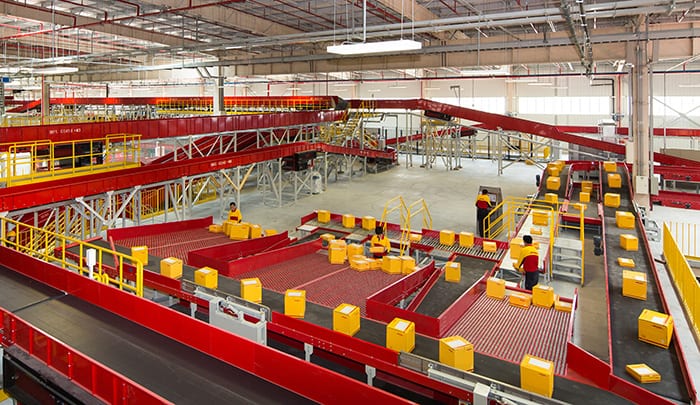
    The Fulfillment Center will provide overseas merchants with fast, flexible shipping that integrates inbound freight, inventory, and last mile delivery in a single consolidated service.

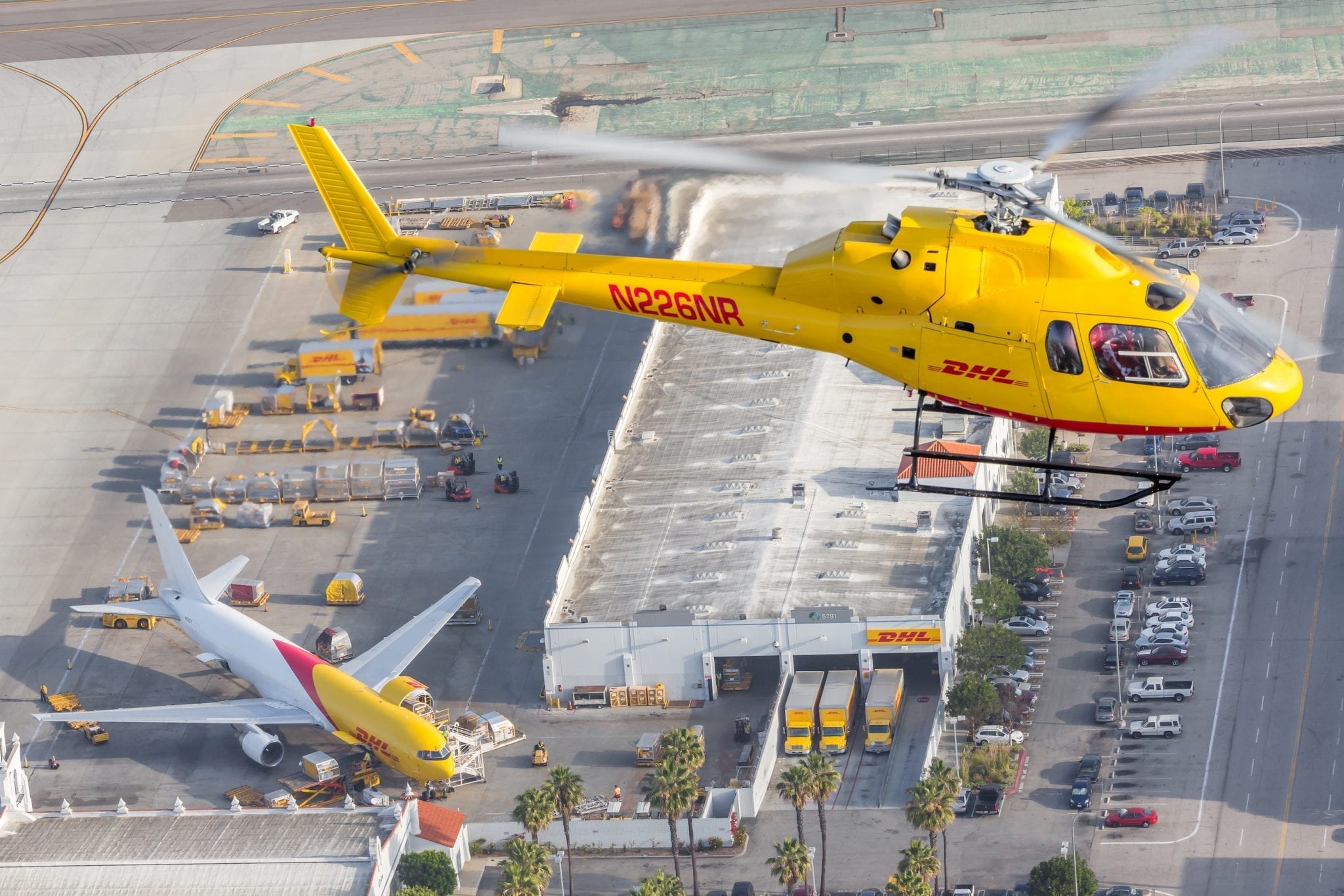
    DHL eCommerce, a division of the world’s leading logistics company, Deutsche Post DHL Group, announced the launch of its Fulfillment Center in Sydney, Australia to support booming demand for overseas goods amongst Australia’s online shoppers. International brands and retailers are now able to reach out to the rapidly growing Australia market.

    “Australian shoppers are the second-most likely in the world to buy online from overseas merchants, and the significance of their purchasing power will only increase as cross-border e-commerce grows at an average of 29 percent per year until 2020,” said Damien Sheehan, managing director Australia, DHL eCommerce. “Online retailers need to overcome the traditional problems associated with overseas expansion – finding new suppliers in each market, delivering shipments within days not weeks, and keeping costs in check – if they want to stay competitive in this borderless future.”

    Adding, “The launch of our Australian Fulfillment Center gives our customers immediate access to one of the world’s most mature and fastest growing e-commerce markets, with the scalability and quality needed to reach Australia’s highly savvy online shoppers.”

    The Fulfillment Center will provide overseas merchants with fast, flexible shipping that integrates inbound freight, inventory, and last mile delivery in a single consolidated service. The center also operates using the same service level agreements, management platforms, and customer support as all other parts of DHL eCommerce’s global Fulfillment network, allowing existing customers to expand their sales into Australia with minimal onboarding time and hassle.

    “E-commerce has gone borderless, and order fulfilment needs to do the same,” says Charles Brewer, CEO DHL eCommerce. “Our Australian facility adds another node to our standardized global network of Fulfillment Centers located in US, Mexico, India, Hong Kong and Central Europe, eliminating the need for e-commerce merchants to hunt for new logistics partners as they look to expand their global reach.”

    The center’s design accommodates front-end integration with a range of popular marketplace and web-shop platforms, as well as multichannel order management and last-mile solutions for immediate and highly-accurate deliveries all across Australia. All of the center’s services operate on a pay-per-use model with no capital spend or fixed costs.

    “The value of Australian e-commerce sales is expected to grow by nearly 50 percent between now and 2020, making cost-effectiveness and scalability the critical issues for online retailers in the country,” said Malcolm Monteiro, CEO Asia Pacific, DHL eCommerce. “Whether it’s extending into new channels, offering more delivery options, or simply increasing inventory and warehouse capacity, global brands need fulfilment solutions that can adapt to their needs without requiring hands-on intervention every time a change occurs.”

    Concluding, “Global e-tailers can access our latest fulfillment center for simplified nationwide inventory and last-mile delivery and also as part of a rapid and painless global expansion.”

  • DHL eCommerce has launched its fulfillment centre in Sydney

    DHL eCommerce has launched its fulfillment centre in Sydney

    “E-commerce has gone borderless, and order fulfillment needs to do the same,” said Charles Brewer, CEO of DHL eCommerce. “Our Australian facility adds another node to our standardized global network of fulfillment centres located in the US, Mexico, India, Hong Kong and Central Europe, eliminating the need for e-commerce merchants to hunt for new logistics partners as they look to expand their global reach.”

    According to DHL, the new facility integrates inbound freight, inventory and last-mile delivery into a single consolidated service, operating under the same service level agreements, management platforms and customer support as the rest of the DHL eCommerce fulfillment network. All services will be offered on a pay-per-use basis.

    “Australian shoppers are the second-most likely in the world to buy online from overseas merchants, and the significance of their purchasing power will only increase as cross-border e-commerce grows at an average of 29% per year until 2020,” said Damien Sheehan, managing director of Australia at DHL eCommerce. “Online retailers need to overcome the traditional problems associated with overseas expansion — finding new suppliers in each market, delivering shipments within days not weeks, and keeping costs in check — if they want to stay competitive in this borderless future. The launch of our Australian fulfillment centre gives our customers immediate access to one of the world’s most mature and fastest-growing e-commerce markets, with the scalability and quality needed to reach Australia’s highly savvy online shoppers.”

    Malcolm Monteiro, CEO of Asia Pacific at DHL eCommerce, said that cost-effectiveness and scalability are the most critical issues for online retailers in Australia because the value of the country’s e-commerce sales is expected to grow by almost 50% between now and 2020.

    “Whether it’s extending into new channels, offering more delivery options, or simply increasing inventory and warehouse capacity, global brands need fulfillment solutions that can adapt to their needs without requiring hands-on intervention every time a change occurs,” he said. “Global e-tailers can access our latest fulfillment centre for simplified nationwide inventory and last-mile delivery and also as part of a rapid and painless global expansion.”

  • SIA delays launch of Jakarta-Sydney route after Indonesia withdraws approval

    SIA delays launch of Jakarta-Sydney route after Indonesia withdraws approval

    Flag carrier Singapore Airlines (SIA) said on Wednesday (Nov 9) it has delayed plans to launch a new route linking Singapore, Jakarta and Sydney, after Indonesia withdrew its approval due to runway maintenance work.

    The airline had earlier announced that it planned to launch the thrice-weekly Singapore-Jakarta-Sydney route on Nov 23. SIA said Indonesia’s civil aviation authorities had issued written approval, and the airline had secured the necessary airport slots.

    However, Indonesian authorities have informed the airline that they are now unable to approve the flights due to runway maintenance work at Jakarta’s Soekarno-Hatta International Airport, SIA said. The runway work also affects other airlines, it added.

    In response to media queries, the Civil Aviation Authority of Singapore (CAAS) said it was aware of the delay in the launch of the new route.

    “SIA’s new service will enhance air connectivity between Singapore, Jakarta and Sydney, which will facilitate people and trade flows between these cities,” CAAS said.

    “We hope the Indonesian civil aviation authorities can give approval for this new service as soon as possible so that it can be launched.”

    SIA said it will contact customers with bookings on the route and transfer them to other flights. “The airline apologises for the inconvenience caused to our customers,” it said.

  • Menswear milestone: Hugo Boss opens 200th airport store

    Menswear milestone: Hugo Boss opens 200th airport store

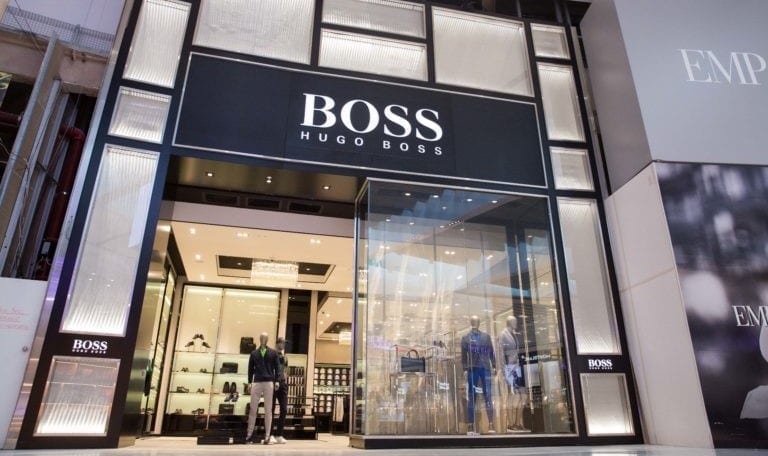
    Luxury menswear specialist Hugo Boss opened its 200th airport store earlier this year at Sydney Airport, as the brand maintains its strong focus on growth in travel retail.

    The store, which opened in April, measures 187sq m and is located at Sydney Airport Terminal 1. It offers Boss menswear including ready-to-wear, shoes, accessories as well as sportswear lines such as Boss Green.

    The opening takes the brand’s total number of airport stores in Asia Pacific to 47.

    Hugo Boss entered travel retail in the 1990s and has four lines: Boss, Boss Green, Boss Orange and Hugo. The company has a dedicated global travel retail team, with offices in Zürich, New York and Hong Kong.

    The company said growth in the channel over the years has been stable apart from 2001/2002 and 2008/2009 when the travel retail and fashion industries were shaken by global events such as 9/11 and the financial crisis.

    Hugo Boss Travel Retail Director Jesper Gustafsson said Hugo Boss had proven a success in travel retail because it offers all three product pillars in men’s fashion: formalwear, sportswear, shoes and accessories. “The share among the three pillars is equal today, with shoes and accessories the fastest growing product segment for the past two to three years.”

    Gustafsson continued: “Last year’s exceptional growth of fashion and accessories in the travel retail industry was mainly driven by womenswear and by the accessories category in particular. For Hugo Boss, this has been a blessing in disguise. On the one hand, it has given us tough times as some airport authorities have been chasing the accessories segment for women blindly, sometimes deciding to dedicate 100% of the available stores in their airports to this product category.

    Hugo2_32 - Copy

    Hugo Boss Travel Retail Director Jesper Gustafsson says there is limited competition in men’s fashion in travel retail

    “On the other hand, it has given us little competition in our area of expertise, namely fashion for the male customer at the airports. Our strategy has always been to be the number one menswear brand in travel retail, a vision we have kept and fulfilled for several years now.”

    The importance of travel retail to Hugo Boss’ business is highlighted in the brand’s investments in new stores and renovations, he said. “On average we finalise between 40 to 50 store projects per year, with a strong distribution network as a result,” noted Gustafsson.

    “We develop both through franchise partners and directly operated stores, which enables us to act fast and balance our distribution in a way that we can learn from direct contact with the traveller. It is imperative to learn how the needs of the travelling customer develop and how we can adapt as a brand to become better, and more responsive in the way we develop our business.”

    Opening Photo

    According to Gustafsson, fashion is not considered a priority by many male travellers. “Fashion, especially for men, often comes after the core categories, food & beverage and sometimes also behind technology. This means that a clear, powerful message is needed in your offer as well as good customer service to enable the purchase to happen within the restricted time limit for the customer.

    “Another important factor is omnichannel. If we can start the buying process before our customer leaves his home, we have a head-start and our airport conversion rates will be affected positively.

    “Like many other fashion companies out there, Hugo Boss is investing heavily in this area and in due time several functions such as click & collect for example will be available at our airport stores.”

    So, where does Gustafsson see Hugo Boss’ travel retail business in five years’ time? “Having 200 airport stores is certainly a milestone, but the road ahead is filled with more opportunities, which does not necessarily have to be more stores. It can also mean new ways of connecting to the customer through an omnichannel approach, or, for example, to offer a deeper customer service with tailoring at the airport and free home delivery of an altered suit.”

    Gustafsson continued: “Airports will develop more and more towards downtown shopping centres, where customer experience takes precedence rather than the spur-of-the-moment or last-minute approach used today by airport authorities when they develop their retail areas.

    “I also think that we will see the fashion & accessories category continue to outpace the traditional airport categories in growth, leading to a welcome shift in focus from how the main duty free stores should develop separately from the rest of the stores and cafes/restaurants, to how the entire airport shopping area should develop to give the customer a better experience.”

    “A brand like Hugo Boss can make gains as there’s still a mismatch between demand and supply for men’s and women’s fashion at airports today if you compare it to downtown,” concluded Gustafsson.

  • Sweden’s H&M opens doors in Sydney

    Sweden’s H&M opens doors in Sydney

    An artist’s impression of the H&M store in Pitt Street Mall’s Glasshouse building.

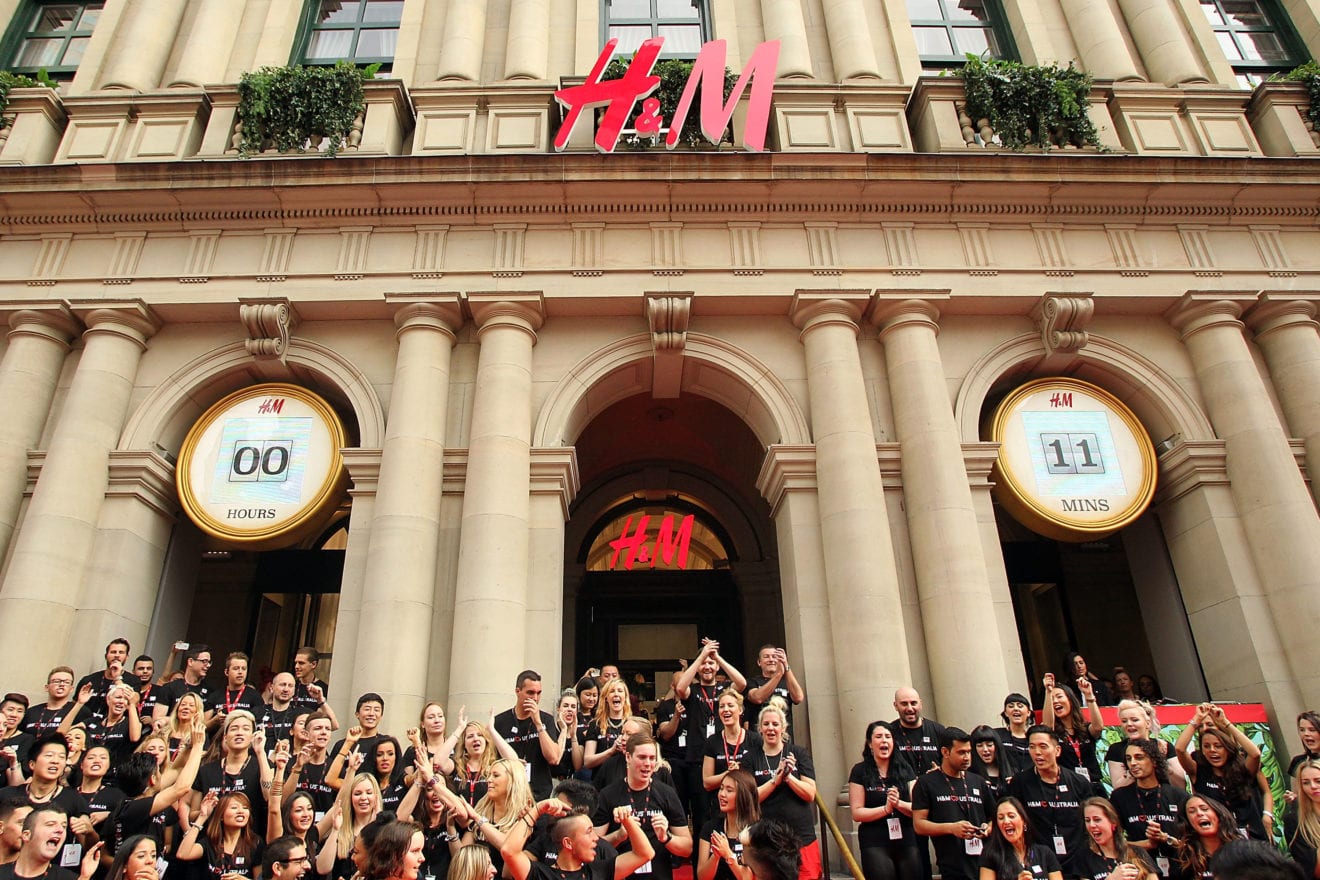
    The opening of Swedish fast fashion giant H&M Australia’s store this weekend in Sydney’s Pitt Street Mall will boost revenue for city retail landlords, agents says.

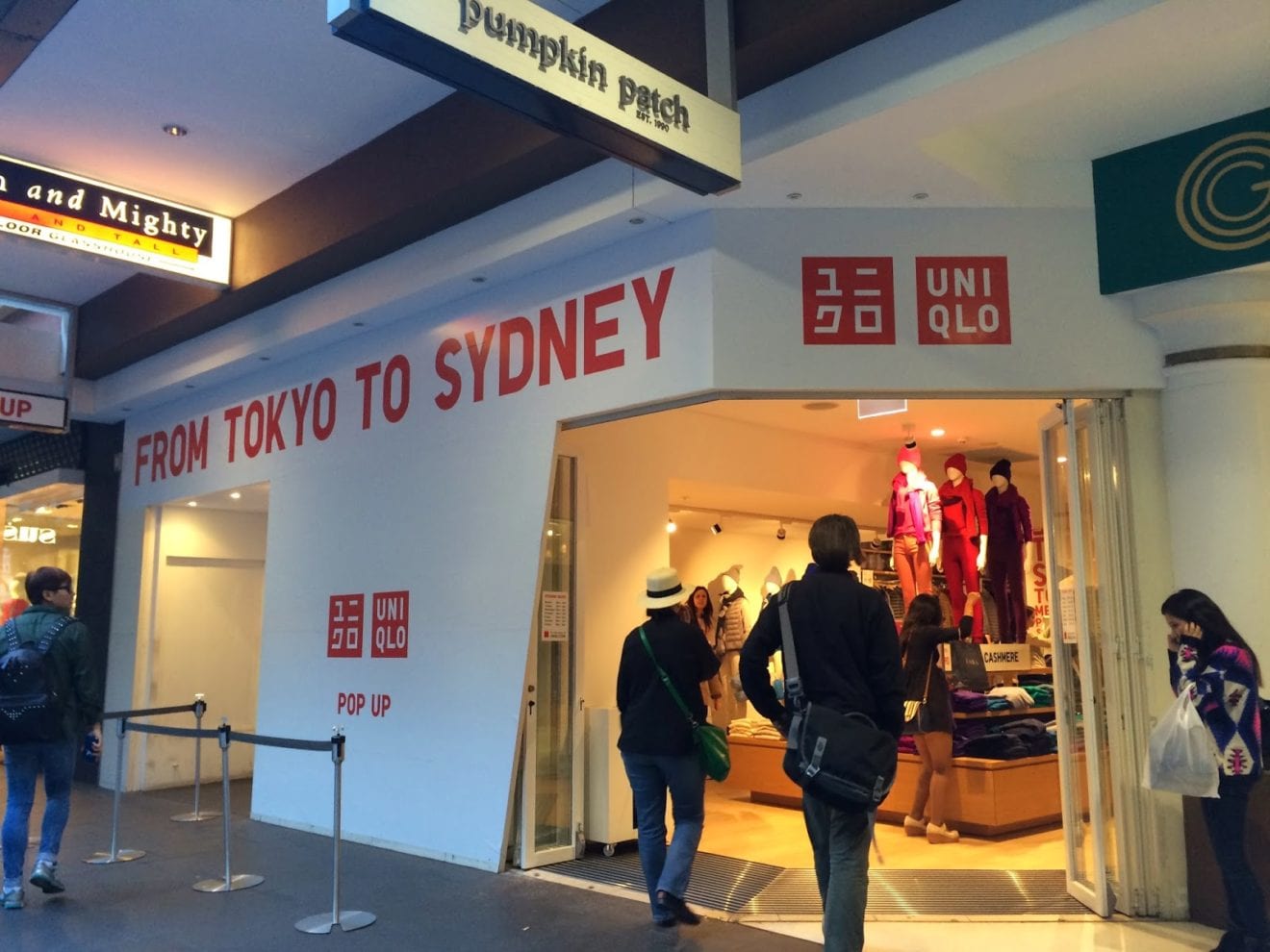
    It follows Forever 21, Zara and Uniqlo onto the strip. They were the first major international brands to put the area on the global map.

    CBRE said that with openings or leases secured on more than 30 new stores, the pace of first-time international brand entrants and expansion in Australia continued unabated.

    This compares with more than 35 new openings and lease deals for 2014, CBRE’s third-quarter 2015 Retail MarketView​ shows.

    CBRE’s senior research manager, Danny Lee, said Sydney and Melbourne had had the highest activity in 2015, followed by Brisbane and Perth.

    “Foreign brand penetration in Australia is fairly low in comparison to other countries at 28 per cent, which is a key attraction for these offshore retailers,” Mr Lee said.

    “It would take an additional 50 brands to enter the market to reach the same level as some Asian countries, such as Singapore and Hong Kong, with 90 more required to reach the UK’s level of 57 per cent.”

    CBRE’s head of retail tenant representation Australia, Tim Starling, said the low penetration rate in Australia served to minimise competition between foreign brands.

    “Other key attractions for foreign retailers include the fact that Australia is one of the highest-consuming developed nations, with consumption per capita growing at twice the rate of the US between 2008 and 2014,” Mr Starling said.

    CBRE’s head of retail brokerage leasing Australia, Leif Olson, said the impact on the market would also mean that super prime rents would grow by a forecast 4 per cent per annum over the next three years

  • Sydney hosts Indonesia AirAsia X

    Sydney hosts Indonesia AirAsia X

    “We’re pleased to welcome Indonesia AirAsia X to Sydney, providing more choice for Sydneysiders travelling to Bali, as well as greater connectivity to Indonesian and Asian destinations from the airline’s Bali hub,” Sydney Airport managing director and chief executive officer Kerrie Mather said.

    “We’re thrilled that Sydney Airport is now the world’s leading low-cost long-haul airport, with five international low-cost long-haul carriers.”

    Bali is Australia’s largest outbound leisure market. Around 416,000 Australians travelled from Sydney to Indonesia in the 12 months to July 2015, an increase of eight per cent on the prior corresponding period.

    “More than 555,000 passengers travelled between Sydney and Indonesia in the past year, and this new service will significantly increase capacity to one of Sydney’s favourite travel destinations in time for the summer holidays,” Ms Mather said.

    Indonesia AirAsia X CEO Dendy Kurniawan, who touched down in Sydney on the inaugural flight, operated by an A330-300 aircraft, said that Australia is an important market to Indonesia AirAsia X and the airline is committed to further strengthening its presence in Australia.

    “We are delighted to serve direct flights between Bali and Sydney, providing Sydneysiders the opportunity to explore Bali and beyond at affordable fares. From Bali, our guests can fly onwards to many exotic destinations within Indonesia such as Jakarta, Bandung, Surabaya and Yogykarta,” Mr Kurniawan said.

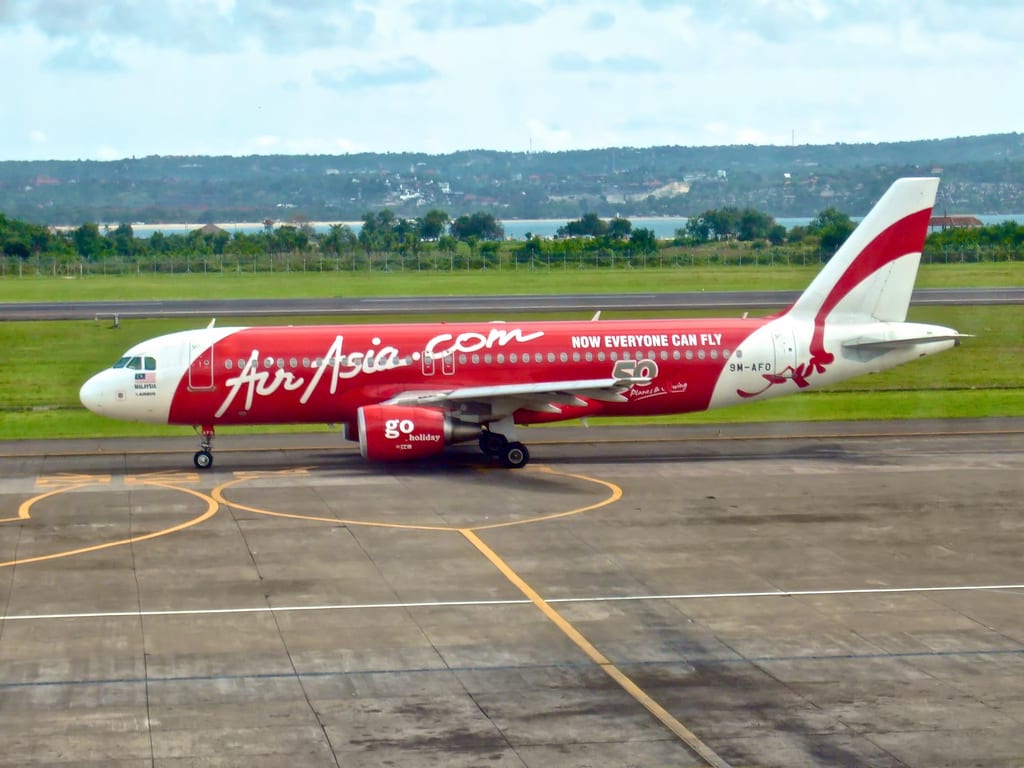
    Indonesia AirAsia X is the fourth airline servicing the Sydney-Bali route

  • Qantas adds more flight to Sydney from Hong Kong

    Qantas adds more flight to Sydney from Hong Kong

    Qantas will add more flights between Hong Kong and Sydney, Australia as a result of increasing demand from travellers.

    From 26 October 2015*, Qantas will operate an additional four Hong Kong-Sydney services each week, on top of the current daily services available to Sydney, Melbourne and Brisbane.

    Qantas International CEO Gareth Evans said the airline was pleased to offer customers more choice from Hong Kong, on a route that is experiencing strong demand from customers.

    “Customers travelling from Hong Kong will have the choice of double daily flights to Sydney on peak days of the week for business travel and we’ll look at expanding beyond that if the opportunity is available,” said Mr Evans.

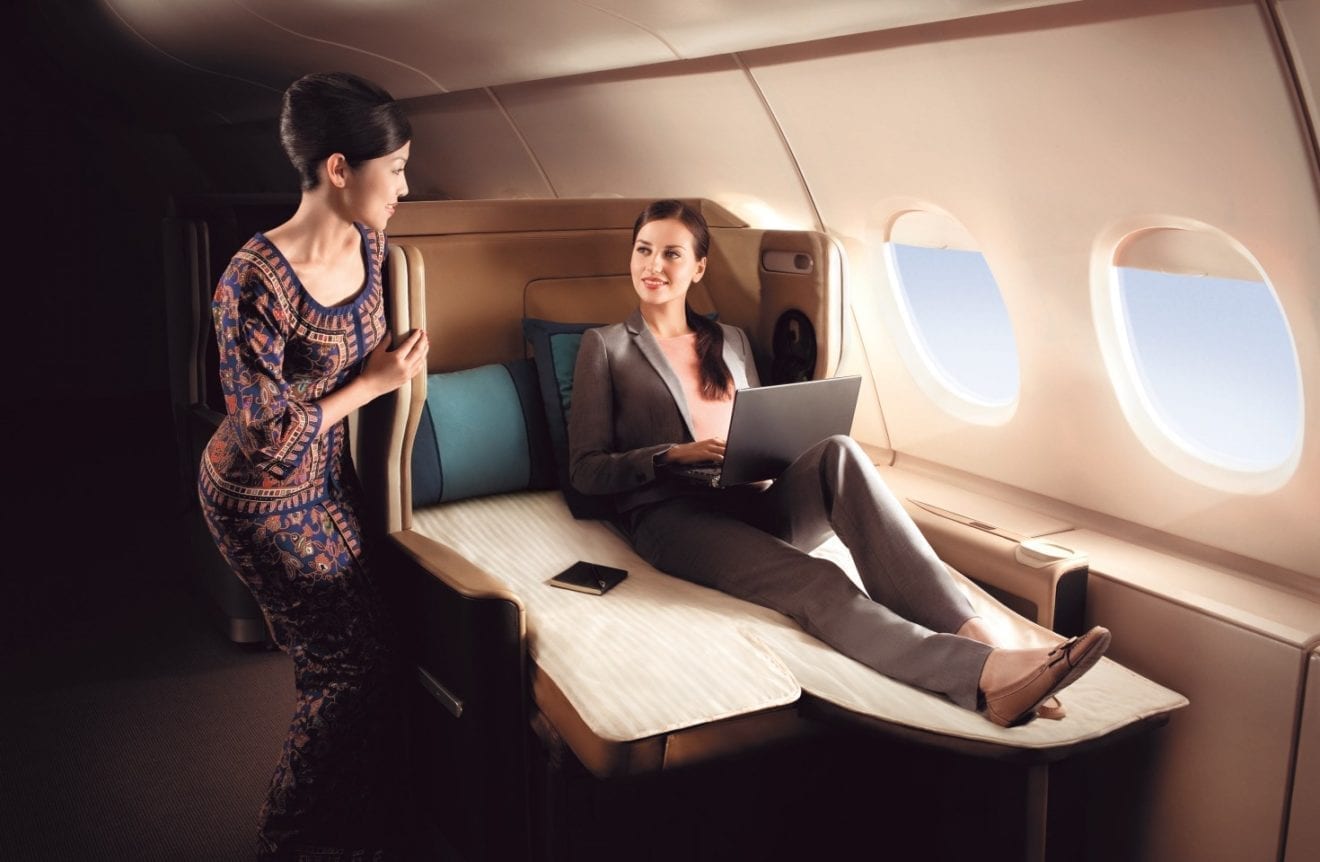
    The four new Hong Kong-Sydney services will be operated by Qantas’ refurbished A330 aircraft with lie-flat seats in Business and new Economy seats, the first time customers travelling on this route will experience the airline’s latest international product.^

    The new services have been made possible by Qantas’ continued focus on more efficient use of aircraft across its fleet. It coincides with the airline also today announcing an increase in services from Manila to Sydney from four to five per week between early December 2015 and late March 2016 and follows an additional 140 international services recently announced to operate to Australia from Singapore, Jakarta and New Zealand over the upcoming summer holiday season.

    “We’re pleased to add to the seasonal services we’re set to operate from Asia later this year, with the new services again representing the dynamic nature of our network, which has the flexibility to offer our customers more flights during peak seasons,” said Mr Evans.

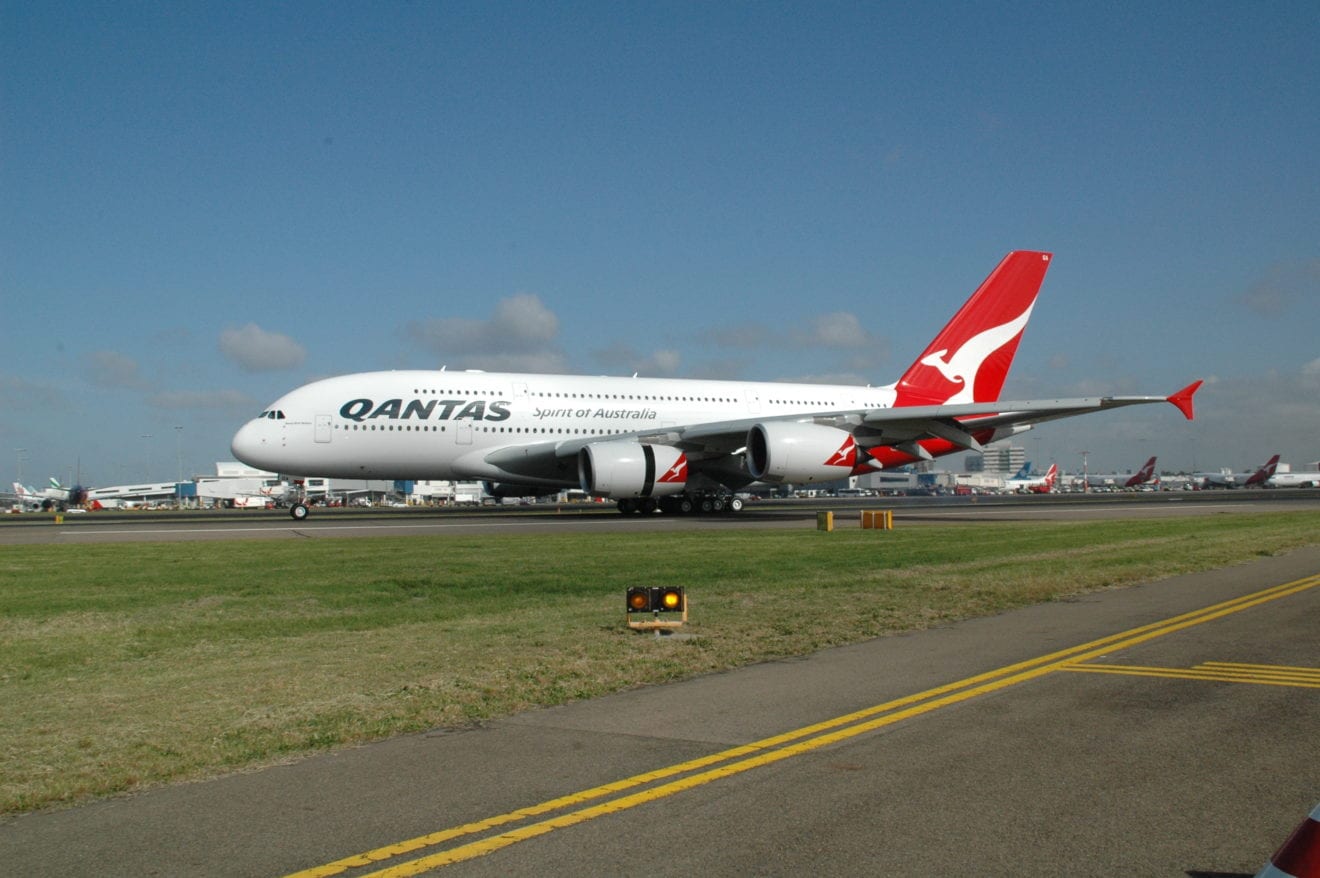
    With the new services, Qantas will operate 25 services per week from Hong Kong to Australia, in addition to daily services which operate from Shanghai to Australia. From 21 January to 16 February, Qantas will upgrade its B747 services to daily A380 services between Sydney and Hong Kong. 

    Schedule*

    Flight

    Dep

    Arr

    Days of week

    Aircraft

    QF118 HKG-SYD

    2135

    1000+1

    Monday, Tuesday, Wednesday, Thursday

    A330

    QF117 SYD-HKG

    1315

    1940

    Monday, Wednesday, Thursday

    A330

    1340

    2005

    Tuesday

    A330


    * Flights subject to regulatory approval.

    ^ All aircraft subject to change for operational requirements.

  • Uniqlo opens main Australian retailer

    Uniqlo opens main Australian retailer

    Uniqlo has opened its latest Australian retailer – within the Sydney suburb of Parramatta, regionally generally known as the town’s “second CBD”.

    The brand new 1090sqm retailer anchors the Westfield Parramatta purchasing centre.

    The store is Uniqlo’s third retailer in Sydney and its fifth in Australia, a promote it entered final yr.

    “We’re excited to open the doorways to Uniqlo Parramatta, and to be sharing our merchandise with native consumers,” stated Uniqlo Australia CEO Shoichi Miyasaka.

    “We’re devoted to creating our merchandise extra accessible to all Australians, and our latest retailer opening is a show of our dedication to the native suburban Australian market.”

  • Microsoft to open flagship Pitt Street Mall store in Sydney

    Microsoft to open flagship Pitt Street Mall store in Sydney

    Pitt Street Mall in Sydney has morphed into the playground of the rich and famous, with Microsoft, founded by Bill Gates, said to be the latest international name to have signed up a flagship store along the strip.

    In the most recent Main Streets Around the World survey by Cushman & Wakefield, Pitt Street Mall was named the fifth most expensive strip in terms of rent, and only sits behind New York’s Upper Fifth Avenue, London’s Bond Street and Hong Kong’s Causeway Bay. The average rent is about AUD10,000 (USD7787) per square metre, per annum.

    It is said the computer giant’s first major site in the country will be where the Guess was and could even spill over to the next-door space which was, until recently, leased by Cue. If the two stores are leased the site will total about 650 square metres over two levels.