Tag: Sydney

  • Sydney Beer Co enters administration

    Sydney Beer Co enters administration

    Sydney Beer Co entered administration last Friday, Australian Securities and Investments Commission (ASIC) filings showed.

    The company tapped Richard Stone and Brett Stephen Lord from RSM Australia Partners as administrators.

    Sydney Beer Co’s website states that former cricketer Bret Lee and actor and writer Matt Nable co-founded the company.

    Dean Joseph Woodbridge and David Richard Catterall are listed as directors on the ASIC documents.

    Sydney Beer Co is among the brewers to enter administration recently, along with Kaiju and Billson’s.

    Earlier this month, Prime Minister Anthony Albanese said his government would freeze the indexation on draught beer excise for two years.

  • Cinnabon to launch into Sydney

    Cinnabon to launch into Sydney

    US cinnamon scroll chain, Cinnabon, is reportedly set to open its first store in Darling Square, later in the year.

    The Seattle-based bakery chain opened its first Australian outpost back in 2020, making its debut in Brisbane thanks to a licensing deal with Queensland import business Bansal Foods.

    Cinnabon is famed for its fresh cinnamon scrolls, which are cooked in-store every half-hour for customers. It is this reputation, combined with a lack of immediate competition in Australia, that attracted Bansal to the chain.

    “You have world-famous doughnuts, you have world-famous burgers but there’s no world-famous scroll brand in Australia,” Bansal Group co-owner Gaurav Bansal said. “Their frosting and cinnamon make them different from any other brand that people can’t imitate.”

    Cinnabon Australia has already built up a strong foundation, opening five locations across Queensland, and one in Victoria, within the last two years.

    While the upcoming Darling Square location may be the first Sydney store on the cards, it certainly won’t be the last. Further expansion across NSW has been promised, with a plan to roll out 15 stores over the next five years.

  • AirAsia X adds three new routes

    AirAsia X adds three new routes

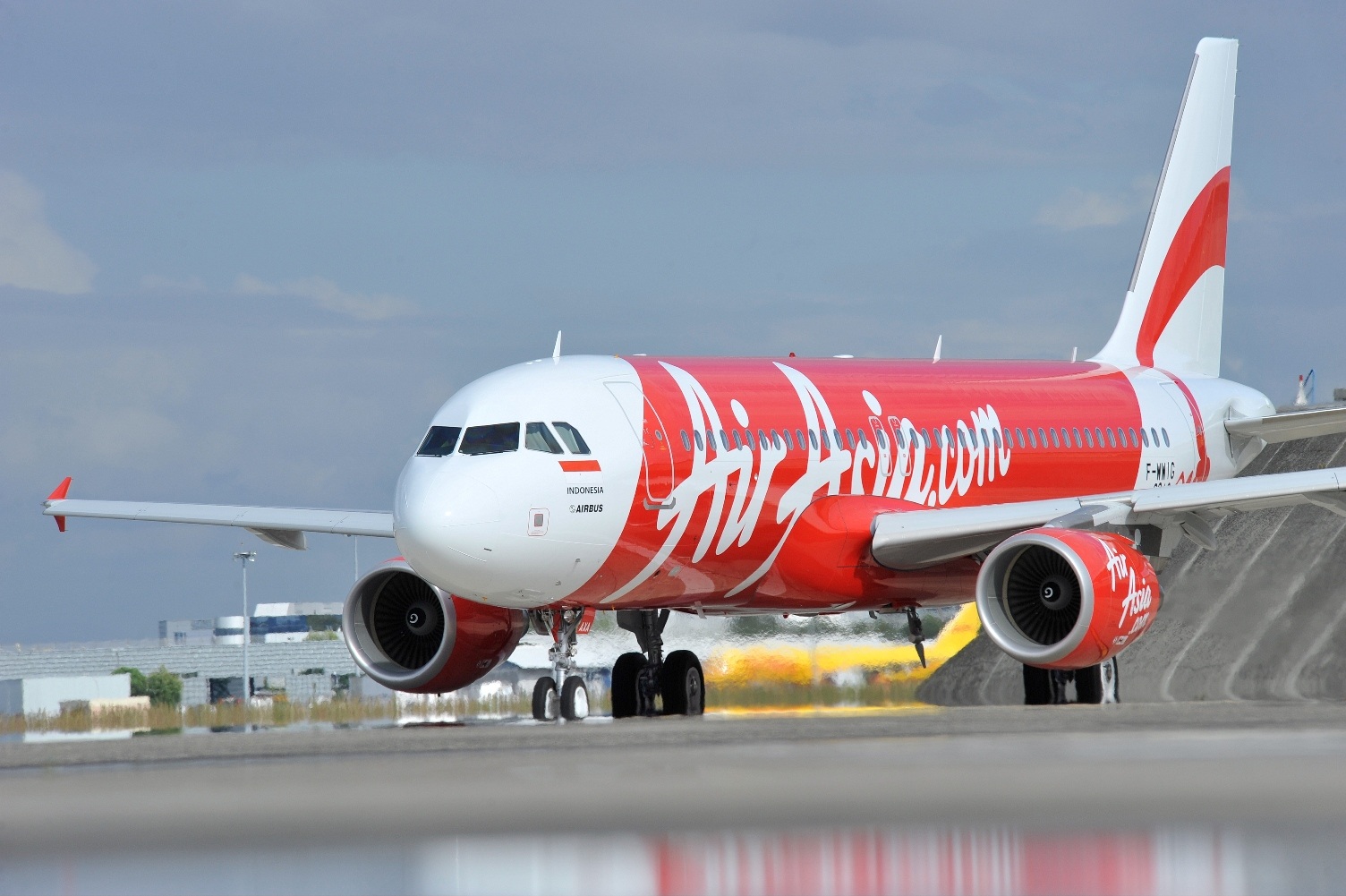
    AirAsia X confirms its latest services to Melbourne (Tullamarine), and Perth in Australia and Auckland in New Zealand will launch on 1 November 2022.

    The three new services boost the airline’s routes to 13. It is already serving  Sydney, New Delhi, Seoul, Tokyo, Sapporo, Osaka and Honolulu, as well as London, Dubai and Istanbul.

    AAX will recommence its services to Melbourne (Tullamarine), Perth and Auckland (via Sydney) with three weekly flights starting in November and gradually increasing to daily flights by the first quarter of 2023.

    On the AirAsia Super App and website, the starting fare to Perth is MYR 499, to Melbourne  MYR699 and Auckland MYR999 (inclusive one-way economy). Premium Flatbed fares start from MYR1,999 to Perth, MYR2,999 to Melbourne and MYR5,999 to Auckland.

    Guests flying to Kuala Lumpur can also enjoy all-in value fares one way from AUD209 from Perth, AUD359 from Melbourne, and NZD499 from Auckland in economy class.

    AAX also flies from Kuala Lumpur to Sydney with all-in fares from MYR899 (economy) and MYR2,799 (Premium Flatbed) one-way.

  • Sydney Rum Distillery to take control of Cargo Cult

    Sydney Rum Distillery to take control of Cargo Cult

    The Sydney Rum Distillery (SRD) has acquired the independent craft producer Cargo Cult for an undisclosed fee as it sets out to build up a portfolio of brands in preparation for the construction of a new distillery capable of producing 1.2 million litres of pure alcohol a year.

    Founded in 2015 by manufacturing and retail veteran David Ward alongside spirits industry professional Chris Middleton, the startup has invested considerable research and development in creating plans for a large-scale manufacturing facility for Australian rum.

    The team behind SRD is now ready to secure a site for the distillery in Northern Sydney or Central Coast while actively looking to collaborate, partner and acquire like-minded rum producers and brands at home and in the Asia Pacific.

    After appointing Steve Magarry – previously the group distiller at Bickford’s’ Beenleigh Distillery in Queensland – as CEO earlier this year to drive its next phase of growth, the premium rum collective felt the time was right to capitalise on several months of discussions and acquire Cargo Cult.

    “The quality of the liquid attracted us – it is a low, no added sugar alternative for a spiced rum,” Magarry told Business News Australia.

    “There is authenticity there with the liquid, and it has a great botanical profile compared to other spice rums available on the market. We recognise the low- and no-sugar health trend moving forward and plan to capitalise on that from a product perspective and business opportunity.

    Established in 2014 by Jonny Croft, premium South Pacific rum brand Cargo Cult is made by The Small Batch Spirits Company and is composed of distillates from Papua New Guinea and Fiji which are blended, spiced and bottled in Australia.

    Cargo Cult, uniquely featuring no added sugar, is made with botanicals like ginger, cardamom and clove to provide a spicy kick and is available in two varieties; a dry spice rum and an innovative banana spiced rum made with Queensland bananas.

    Croft, who worked at US beverage manufacturer giant Brown Forman for almost a decade before founding Cargo Cult in 2014, claims his rums are favoured by bartenders who prefer working with a less syrupy and more-balanced mixture.

    “Cargo is a brand with a great story, and it is a great product with a unique origin, but what it really needs at this stage is scale,” Croft explains to Business News Australia about why he thinks it is the right time to sell the business.

    “We need to get to the global market and be able to support the brand in the right way. After this initial bootstrapping period, now’s the opportunity to scale the brand and start to get those economies of scale.

    “We want to build the brand with consumers all around the world while also continuing to support the local market, but this feels like perfect timing.”

    Having already raised $4 million from investors like logistics specialist Paul David and timber and hardware merchant Danny Gattone, the founders behind SRD are convinced of the potential of combining Australia’s unique botanicals with artisanal craftsmanship.

    Magarry points to the rise in the popularity of premium spirits in the last few years, pointing out that consumers will pay more for brands that provide “integrity, authenticity and transparency”.

    He thinks the leading indicators suggest rum is the next spirit likely to take off in this sector following the recent revival and regrowth of premium whiskey.

    Croft agrees and thinks rum will be the “next cab off the rank” and has been very impressed with SRD’s knowledge of the Australian market while also seeing the growth opportunities the global market offers.

    “When you look across the spirits categories, you see all these other categories that have gone through this premiumisation journey; you look at it look at whiskey, tequila, gin, even bourbon; and rum, as the third-largest global category is the last big category to go on that journey,” Croft said.

    “I see a tremendous opportunity for rum, especially as people start to appreciate origin stories and product stories and learn how it’s made and how each rum offers a distinctive taste depending on where it originates from.

    “I think we will see this category go on the same premiumisation journey shortly.”

    Having “ticked the box” and served his apprenticeship as a sole entrepreneur, Croft is not fazed, having been appointed chief marketing officer and director of Sydney Rum Distillery following the conclusion of the deal.

    “When you come out of a big organisation, like Brown-Forman, to become a solo entrepreneur, it’s a big cultural shift,” Croft says.

    “From sitting on the 22nd level of a tower in Hong Kong, worrying about the emerging middle class in China over the next 10 years, to selling bottles of rum out the back of your car to tattoo-covered bartenders for cash – it’s not for everyone!”

    “I kind of expected that’s how it was going to work because when you are a start-up, no one’s going to be interested in you, no distributor will want to touch you, so you’re going to have to build the product and brand by yourself.”

    Croft found the experience refreshing and loved the journey while finding it scary but also very exciting and fulfilling.

    However, he has admitted to himself that the business reached an inflexion point, and he needed to sell the company to shift gears, bring it to the next level, and be ready to capitalise if an opportunity comes.

  • The Short Shift: 67% of Australian Workers Unable to Secure Desired Shifts Today

    The Short Shift: 67% of Australian Workers Unable to Secure Desired Shifts Today

    Lack of technology options limiting retail workplace flexibility, forcing 62% of employees to work at multiple businesses to get the number of shifts they need

    Research by Humanforce, a provider of intelligent workforce management solutions, has shown that in spite of a talent shortage across many key industries today, 67% of Australian part-time and casual workers including retail sector employees are still unable to secure the shifts that they desire each week.

    This is leading to over 62% of part-time or casual retail employees seeking work at multiple businesses to get the number of shifts they need.

    “Many Australian retailers have faced worker shortages due to closed borders and Omicron isolation requirements, creating operational and customer service challenges. While there may be an assumption that there is an overabundance of retail work today, new research shows that there is a disconnect with the local flexible workforce who are not able to secure work when they want it each week,” says Bruce Mackenzie, Founder & Managing Director at Humanforce.

    A key workplace challenge for part-time or casual retail employees was the lack of workplace flexibility, with 61% of workers stating that they had experienced multiple instances of being unable to swap shifts with a co-worker over the last twelve months.

    For workers that need to swap shifts, 30% reported they had to find someone to cover their shift themselves, with 63% having to call or text message managers and fellow workers to swap shifts.

    Only 18% of respondents currently work for employees that automate shift-swapping via online or mobile apps – with a further 44% of people saying that such a system would be important in their workplace in the future.

    “A lack of technology in the retail workplace is limiting the flexible working options of many part-time and casual employees. Advanced workplace management solutions can help facilitate a flexible work environment for employees, through automating shift management, onboarding, training, leave management and more,” said Mackenzie.

    “People undertaking flexible work want to be able to fulfill their employment obligations around other important life commitments. They are attracted to flexible work and in a tight labour market, businesses need to position themselves as an employer of choice by having systems in place that can make the lives of their workers easier.”

    About Humanforce

    The intelligent platform for your shift-based workforce.

    Almost every shift has its no-shows, late arrivals, and special requests, but you’ve also got to stay up to date with the big shifts in how people work – everything from new employee expectations to new technologies, new regulations and more. Humanforce brings a whole new approach to managing your teams by simplifying the process, giving you complete visibility and allowing you to stay ahead of the curve. That’s why thousands of businesses of all sizes – from hotels to hospitals, resources to recreation, stadiums to shops and more – use Humanforce to get ready for the next shift. www.humanforce.com


  • AirAsia X to resume flights between Kuala Lumpur and Sydney

    AirAsia X to resume flights between Kuala Lumpur and Sydney

    AirAsia X (AAX) has unveiled plans to resume flights between Kuala Lumpur and Sydney on Feb 14. Flights will initially be operated weekly on Mondays from Kuala Lumpur to Sydney, returning on Tuesdays. Flight D7 228 is scheduled to depart from Kuala Lumpur at 19:25, arriving in Sydney at 06:30. The return leg, flight D7 229, is slated to leave Sydney at 08:30 and arrive back in Kuala Lumpur at 14:15.

    “Following our travel downtime over the last two years, and the recent completion of our restructuring process, we are thrilled to be able to relaunch and commence our gradual return to the skies. This would not have been possible without the overwhelming support from our guests and creditors and we thank them for their patience and understanding,” said Benyamin Ismail, CEO of AirAsia X. “Without any domestic routes AAX has been significantly affected by the pandemic. We now see light at the end of this long tunnel and we are working hard to operate again in all of our key markets, as one of the world’s leading low-cost medium-haul operators. Starting with flights to and from Sydney, we will progressively continue to honor outstanding bookings and Credit Accounts for our guests and creditors in other markets as soon as possible.”

    The airline has confirmed that it will prioritize full redemptions for customers affected by the restructuring. AAX customers can reinstate their flight booking and utilize their credit account to book the flights.

    Captain Suresh Kumar Bangah, COO of AirAsia X, said, “We have been very active on all-cargo flights throughout the pandemic and this has been a lifeline for us. For the first time, we are adding on passengers to supplement cargo revenue in our push to be a major combination carrier in this part of the world. Whilst take-up will be gradual, it can only get better in the coming months as more people return to the skies. We are ready for that pent-up demand.”

  • KFC Australia pilots drone-delivery service in Queensland

    KFC Australia pilots drone-delivery service in Queensland

    In an Australian-first, KFC has enlisted a drone delivery company to bring Zingers and other fried faves to homes and workplaces in the Logan area between Brisbane and the Gold Coast.

    Wing, owned by Google parent Alphabet, launched in Canberra in 2019 in a world-first, and in Logan the following year.

    Since then, suburbs within a 10km radius have been having burgers, groceries, pharmacy items, hardware products, coffee and other products zoomed in via 5kg styrofoam drones that can carry up to 1.5kg.

    Under a pilot program kicking off on Friday, the world’s most famous fried chicken brand will initially be available to a small number of households in the South East Queensland suburbs of Kingston, Logan Central, Slacks Creek, Underwood, and Woodridge.

    The service will gradually expand to include other nearby locations, Wing says, dubbing Logan “the drone delivery capital of the world”.

    “You know the future truly is here when you can get hot, fresh Kentucky Fried Chicken delivered by a drone from the click of a few buttons,” KFC Australia chief marketing officer Kristi Woolrych said.

    Wing says the number of deliveries rocketed last year as the pandemic raged on and strong demand has continued in 2022.

    Earlier this week, spokesman Jesse Suskin said the company was planning expansion in Australia.

    “We’ll be in more places in southeast Queensland. We’ve submitted for those permissions from our regulators,” Mr. Suskin said.

    “For other states, we’re actively starting to have those conversations right now.”

  • Vegan food platform VEats launches in Sydney

    Vegan food platform VEats launches in Sydney

    Founded by Australian duo Lara Young and Susan McCarthy, VEats is a new plant-based platform focussed on helping consumers looking for convenient plant-based options in the country. They describe the digital solution as a “first-of-its-kind” for the market, enabling users to explore all businesses with animal-free food options within a designated city. Whilst a user finds a restaurant they want to go to on the site, tables can be booked at restaurants, food can be ordered for delivery and takeaways can be queued.

    The Australian-based VEats platform is currently being piloted, with a Sydney-first rollout. Coordinating the launch to happen as part of Veganuary, the founding team is thinking on an international scale. U.K. expansion is in the planning stage, with Brighton and London as first targets. Bamford Capital is on board as an equity partner and business advisor for domestic and global ambitions.

    Young and McCarthy have more than three decades of combined business and marketing expertise. The two have worked together before, they created a joint digital marketing agency. VEats is being launched alongside as something of a passion project, particularly for Young.

    “Having grown up as a meat-eater all my life, it never crossed my mind that there was another way of living,” she explained in a press statement. “At the age of 36 I was overweight, overworked, managing being a wife, a mother of three, running two businesses, and everything else life had to throw at me. Food was always there to comfort me.

    “Being a massive foodie, I had to learn about a whole new way of eating. The journey wasn’t easy and I spent hours and days researching restaurants, checking menus, calling ahead to get them to accommodate me, and trying to veganise food through other delivery platforms. I knew that if it was hard for me, it would be hard for anyone trying to make the transition to plant-based eating. That’s when I had the idea for VEats.”

    Young and McCarthy say they have 600 businesses listed on the VEats platform already, spanning the breadth of Sydney. Included are fully plant-based companies, as well as any offering three or more animal-free food options. The two are confident that as Veganuary comes to a close, more than 50 directory inclusions will offer table booking and delivery options. Sydney was selected for the pilot launch due to its plethora of vegan hubs. Newtown has become synonymous with plant-based eating, with its ‘vegan mile’ reportedly growing by the week.

    Confirmed restaurant partners include KoshariKorner, Gigi Pizzeria and recently-opened Flave. Meal delivery service Just Add Vegan has linked up as well. In a coup for the founders, Australia’s leading online ordering platform Order Up! has come on board. It will give directory-listed businesses cost-effective access to ordering and pick-up functionalities. “We are proud to be partnering with the team at VEats to help make plant-based eating easy and accessible in your everyday life,” Clive Thorpe, CCO of Order Up! said in a statement.

    Australia is making strides to become a leading producer of animal-free products. Wide Open Agriculture is a perfect example of a domestic company seeking to disrupt the status quo. In this case, the dairy industry, which is the country’s fourth largest sector. Having bagged $20 million at the end of last year to ramp up production of plant milk, it represents a significant consumer mindset shift.

    Fellow Australian brand ProForm Foods received in the region of $5 million last year, from Harvest Road. With new facilities completed, expansion of a Sydney location is planned, alongside global distribution.

    It’s not all positive news, however. Australia’s meat industry has taken umbrage at the rise in popularity of animal-free foods. It claims that consumers are confused by packaging and are accidentally buying and eating plant-based meats. Supported by a survey paid for by various meat, seafood and poultry companies.

  • AuMake and Miniso to launch dual-branded stores in Sydney

    AuMake and Miniso to launch dual-branded stores in Sydney

    The specialist retailer in Australia and New Zealand, Aumake Limited shared on Thursday that it has entered into a distribution agreement with a Japanese-inspired lifestyle product retailer MINISO Master Franchisee Pty Ltd (MINIS0).

    As per the agreement, MINISO will provide operational support and products to three of Aumake’s physical stores initially, strategically picked for their high foot traffic locations and traction with Asian customers.

    The key terms of the distribution agreement include:

    • Initial physical stores are located in Chinatown, World Square CBD and Burwood in Sydney, NSW.
    • Physical stores to be dual-branded as Aumake and MINISO.
    • MINISO will pay Aumake a percentage of sales (GST incl.) in exchange for using Aumake’s premises to sell the products.

    Aumake’s deal with MINISO creates a significant revenue opportunity and subsequent reduction in overhead costs due to increased physical foot traffic, especially when the restrictions on international borders are likely to be eased for Asian tourists and international students in the coming weeks.

    In addition, the cooperation between the two companies will also provide Aumake with an opportunity to introduce and expand new skincare and cosmetic brands.

    Meanwhile, the stock AUK was spotted trading 10% higher at AU$0.016 per share at 2:00 PM AEDT.

  • Finder Acquires Financial Comparison Platform GoBear

    Finder Acquires Financial Comparison Platform GoBear

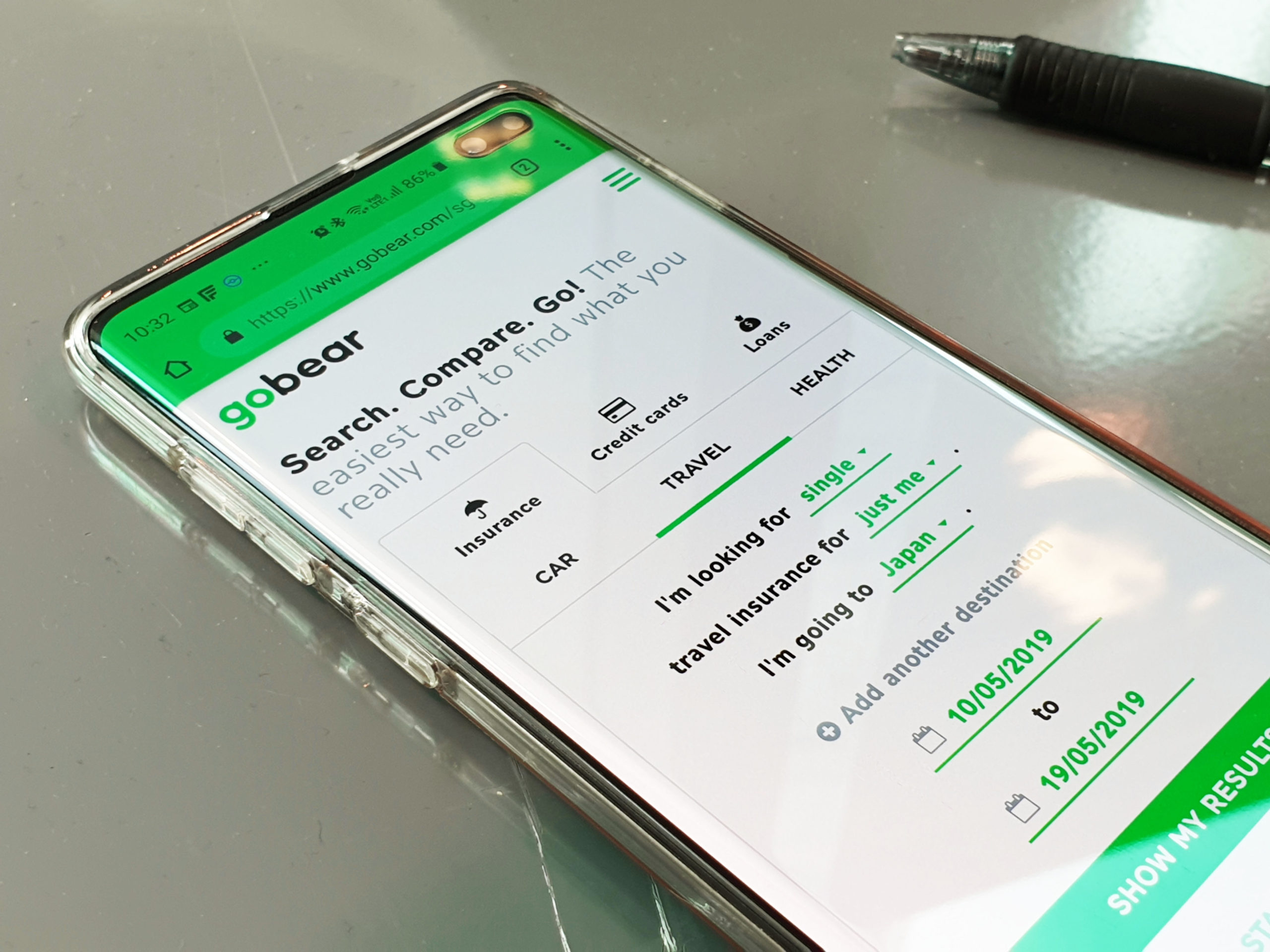
    Finder, a global comparison platform founded in 2006 in Sydney, Australia, has acquired the GoBear brand as it accelerates its global expansion.

    Finder aims to grow its presence as a key financial comparison platform in Southeast Asia with the acquisition of the GoBear brand, it said in an announcement on Thursday.

    Singapore-based GoBear, which was founded in 2015, operated a platform for insurance, banking, and lending products in seven markets in Southeast Asia, but shut down at the start of 2021, citing a challenging operating environment and its inability to raise new funds from existing or new investors.

    We felt there was a great alignment between the two brands and, after three years with a light presence in the region, we couldn’t pass up the opportunity to step in and purchase the like-minded brand, the announcement said.

    Finder noted the region’s large unbanked market, which includes some 438 million consumers, and said there is a significant opportunity for growth, as digital financial services are set to grow to a $60 billion business by 2025.

    As part of the deal, GoBear’s website content will be integrated into local Finder sites across the seven markets: Singapore, Hong Kong, Vietnam, Thailand, Philippines, Malaysia, and Indonesia. The GoBear brand will continue to operate via social media and email channels

  • Nokia partners University of Technology Sydney for 5G innovation facility

    Nokia partners University of Technology Sydney for 5G innovation facility

    The 5G Innovation Lab will enable Nokia, UTS and their partners to push the boundaries of 5G technology by testing exciting new 5G use cases with real world applications, including Industry 4.0, IoT and smart cities. While providing a live 5G test bed for commercial partners, the 5G Innovation Lab will also serve as an environment for new research opportunities within the ICT sector.

    This multi-year, multi-million-dollar investment by Nokia reflects the company’s commitment to Australian innovation and the essential role telecommunication plays in both securing critical infrastructure and fostering economic growth.

    Researchers and commercial partners will undertake projects to explore the capabilities of 5G and 6G technologies for Industry 4.0 applications such as industrial automation, agriculture and human-robot interactions, as well as ‘Internet of Things’ capabilities for Internet of Energy applications in smart grid, energy storage and management and wireless power transfer.

    The facility will include a 5G lab and a 5G use case demonstration area, with campus-wide 5G coverage planned to allow for the development & testing of potential 5G use cases in both the lab and the field. The new lab will also connect directly into the university’s anechoic radio frequency test chamber – the largest of its kind in the southern hemisphere – allowing researchers to test the potential of Nokia’s Massive MIMO and other innovative antenna technologies.

    Nokia and UTS are very excited to be partnering together to lead the way for 5G innovation in Australia.

    Ray Kirby, Associate Professor, Director of UTS Tech Lab said: “UTS Tech Lab is a unique facility that supports collaboration with industry on research and development projects, such as this partnership with Nokia, which will drive innovation and growth in 5G and 6G network infrastructure. Our cutting-edge equipment and world-class research talent combined with Nokia’s commitment to innovation and technology leadership, is a strong partnership to facilitate the development of new applications to unlock the huge potential of 5G and 6G.”

    Robert Joyce, Chief Technology Officer at Nokia Oceania, said: “We are pleased to collaborate with UTS on this exciting 5G adventure. This partnership builds upon the existing innovative facilities at the university’s Tech Lab and will enable researchers to develop, test and demonstrate innovative uses of 5G here in Australia. We are already exploring some exciting 5G use cases unique to Australia and look forward to demonstrating these soon.”

  • Amazon acquires e-commerce platform Selz

    Amazon acquires e-commerce platform Selz

    Global e-commerce marketplace Amazon has bought up Sydney-based e-commerce platform Selz.

    The platform works in much the way as Shopify, providing an e-commerce-ready backend for small businesses to utilize when creating their websites.

    “We have signed an agreement to be acquired by Amazon and are looking forward to working with them as we continue to build easy-to-use tools for entrepreneurs,” said Selz chief executive Martin Rushe.

    The acquisition could signal a shift in how Amazon seeks to grow its position in the e-commerce industry – no longer aiming to get all sellers on its marketplace, and instead of working with them behind the scenes to provide a white-label shopping experience powered by Amazon’s platform.

    The option could be attractive for businesses looking to eschew Amazon’s commission and delivery fees, though the difference between the two options are currently unknown.

    An Amazon spokesperson confirmed the acquisition but didn’t disclose any terms.

  • Dematic to Commission New Automated National Distribution Centre for Woolworths in Sydney

    Dematic to Commission New Automated National Distribution Centre for Woolworths in Sydney

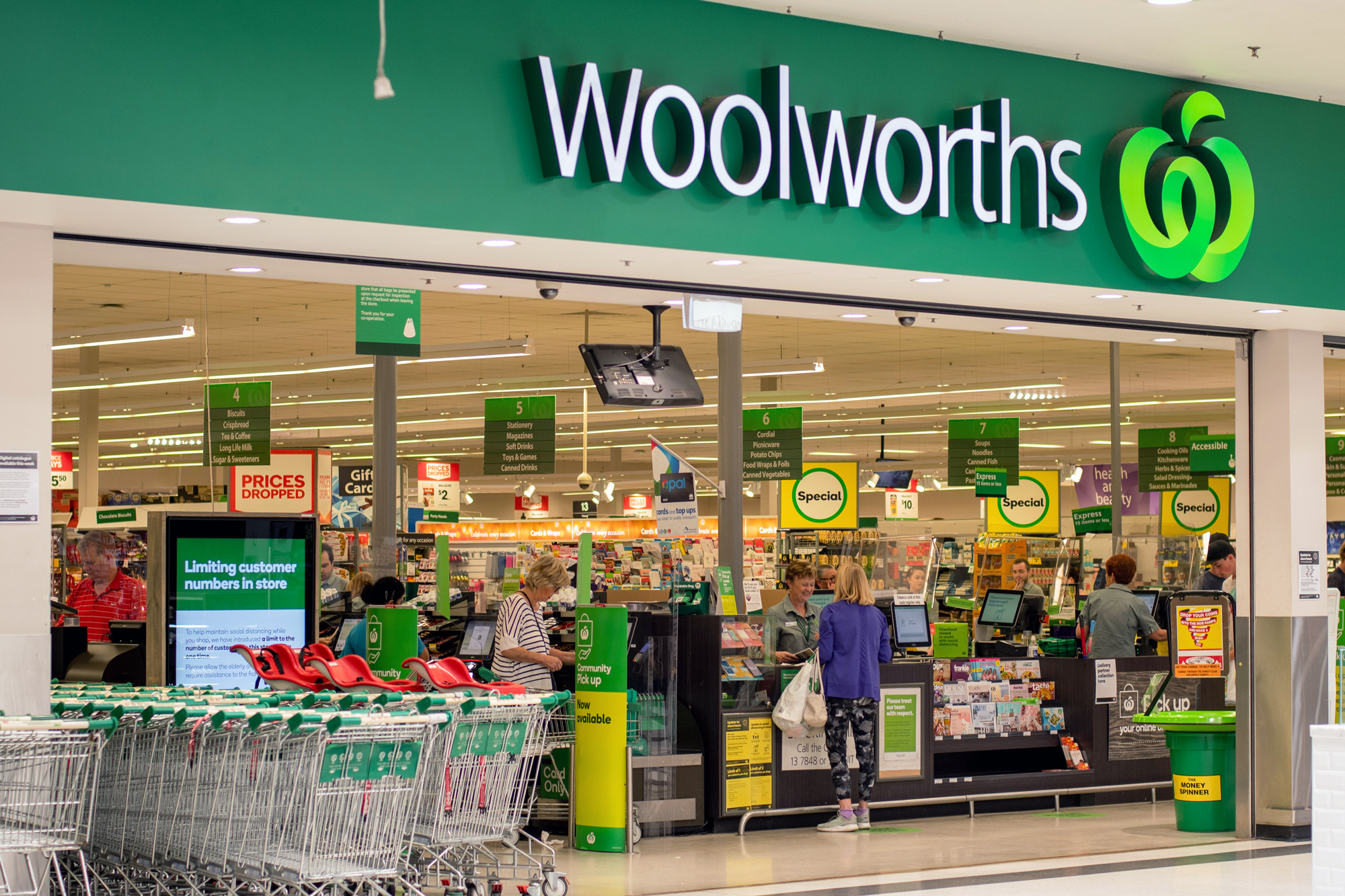
    Dematic today announced it has been selected by Primary Connect — the supply chain arm of Australia’s largest supermarket, Woolworths Group — to supply a state-of-the-art automated fulfillment system for the new National Distribution Centre (NDC) in Moorebank Logistics Park, Sydney. 

    Dematic, a global leader and innovator in warehouse automation, has a long history with over 50 years presence in Australia serving the supply chain industry. “Our local capability with over 600 employees and a manufacturing facility in Belrose, Sydney, ensures we continue to provide quality service and systems to our customers,” said Michael Jerogin, CEO of Dematic APAC. “We are very proud to be a trusted partner of Woolworths and thrilled to be building on this partnership by playing a key role in Woolworths’ automation strategy.” 

    The Dematic solution for the new NDC will build store-friendly pallets for Woolworths’ retail stores. The Flexible Mixed Case Order Fulfilment system, powered by the Dematic iQ Warehouse Management System (WMS), will handle 9,000+ products from 900 suppliers, delivering daily to over 1,000 stores nationally. 

    The 40,700 square metre Moorebank NDC is planned to feature wall-to-wall automation, providing the flexibility to cater for seasonal and other peaks in demand, such as those experienced during the COVID-19 pandemic. It is designed to deliver store orders, catering for Woolworth’s expected growth with built-in scalability and modularity. 

    The transport advantages alone are expected to provide benefits to Woolworths, helping to remove at least 26,000 truck movements between Woolworths facilities from New South Wales roads annually. 

    “The investment at Moorebank is designed to transform the way we serve our stores, strengthen our network and deliver on our ambition to create Australia’s best food and grocery supply chain,” said Paul Graham, Primary Connect Managing Director and Woolworths Group Chief Supply Chain Officer. 

    “Cutting-edge automation will build tailored pallets for specific aisles in individual stores — helping us improve on-shelf product availability with faster restocking, reducing congestion in stores and enabling a safer work environment for our teams with less manual handling. 

    “We expect the new facilities to also help us progress our localised ranging efforts, with the ability to hold thousands of additional products centrally than we can in our existing facilities.” 

    Pas Tomasiello, Senior Director – Integrated Systems, Dematic and his team have worked closely with Woolworths Supply Chain Development Team to optimise and leverage the full scalability of the Dematic systems. 

    “The new facility is designed to help Woolworths carry a higher range of slow-moving packaged products much more efficiently in a centralised location, rather than being spread across multiple sites,” explained Pas. “Consolidation, coupled with advanced automation, will allow Woolworths to achieve new volume milestones and make significant gains in the speed and accuracy of deliveries to stores across the nation.” 

    The Dematic iQ WMS will interface into Woolworths’ systems and provide Industry 4.0 DC capabilities with system interconnectivity, data-driven intelligence and decision support tools, delivering enhanced DC operations with faster insights and decision capabilities. 

    The Moorebank NDC is scheduled to be operational late 2023. 

    For more information about Dematic, visit dematic.com, check out the Dematic Connections blog, or follow us on LinkedIn, Facebook and Twitter. 

    About Dematic 

    Dematic is an intralogistics innovator that designs, builds and supports intelligent, automated solutions for manufacturing, warehouse and distribution environments for customers that are powering the future of commerce. With engineering centres, manufacturing facilities and service centres located in more than 25 countries, the Dematic global network of 10,000 employees has helped achieve more than 6,000 worldwide customer installations for some of the world’s leading brands. Headquartered in Atlanta, Dematic is a member of KION Group, one of the global leaders in industrial trucks and supply chain solutions, and a leading provider of warehouse automation. 

    Media Contacts: 

    Philip Makowski 

    Director Marketing APAC 

    Philip.Makowski@dematic.com 

    Kristen Delphos VP, Head of Global Marketing & Communications Kristen.Delphos@dematic.com 

    Dematic Pty Ltd 

    24 Narabang Way 

    Belrose NSW 2085 

    +61 2 9486 5555 

    dematic.com 

  • Tigerair Cancels Flights From The Whitsundays To Sydney

    Tigerair Cancels Flights From The Whitsundays To Sydney

    Tigerair has announced it will cancel flights from Whitsunday airport to Sydney in early 2020. Flights will still continue over the Christmas and New Year period, but anyone who has booked the service from Feb 2020 onwards will be notified by the airline.  Direct flights will still continue to be available through Jetstar.

  • US food delivery service DoorDash expands to Sydney

    US food delivery service DoorDash expands to Sydney

    Two months after entering the local market with food delivery services in Melbourne, DoorDash has expanded to Sydney and now covers more than 40 percent of the Australian population it says.

    Launched in the US in 2013, the platform is the market leader in America with 35 percent market share. But it has a long way to go to catch up with the major players in Australia – UberEats, Deliveroo and Menulog – which have had a significant head start in the much smaller market.

    DoorDash says it has partnered with more than 2000 local restaurants, including major QSR chains, such as Carl’s Jr, Nandos, Subway, Grill’d, Crust and Oporto, which is giving away 10,000 free burgers to customers in Sydney to mark the launch on Tuesday. It also offers in-store pick-up for hundreds of restaurants.

    DoorDash aims to grow its presence in Australia by targeting customers in the suburbs, not just city centers.

    “The unique challenge we’ve sought to solve is not only offered great selection and service in urban environments but suburban ones as well,” Thomas Stephens, DoorDash’s general manager in Australia said.

    “It’s an incredible opportunity, as it’s where the vast majority of Australian’s live, and one we’re excited to connect.”

    But the platform also has faced criticism for what some call an aggressive expansion strategy. DoorDash had signed up restaurants to the platform without their permission.

    The platform allows customers to order from restaurants that haven’t signed up to DoorDash, with restaurants often finding out an order has been placed only when a delivery rider shows up to collect it.

    Stephens said the platform is acting as a “courier service” in these instances, and said restaurants can request to be removed from the platform.

    But this doesn’t match up with the “restaurant-led approach” that supposedly differentiates DoorDash from its competitors.

    “We’re differentiated from our peer group because of our restaurant-led approach, meaning we offer the most comprehensive suite of services to help bring restaurants online and drive incremental in-store sales,” Stephens said.

    Deloitte estimates online food delivery in Australia will reach $1.3 billion this year. According to Stephens, less than 10 percent of food sales outside of pizza are delivered currently.