Retail News CRM

Tag: tablet

  • Apple Challenges Qualcomm With In-house Modem In New M5 Ipad Pro

    Apple Challenges Qualcomm With In-house Modem In New M5 Ipad Pro

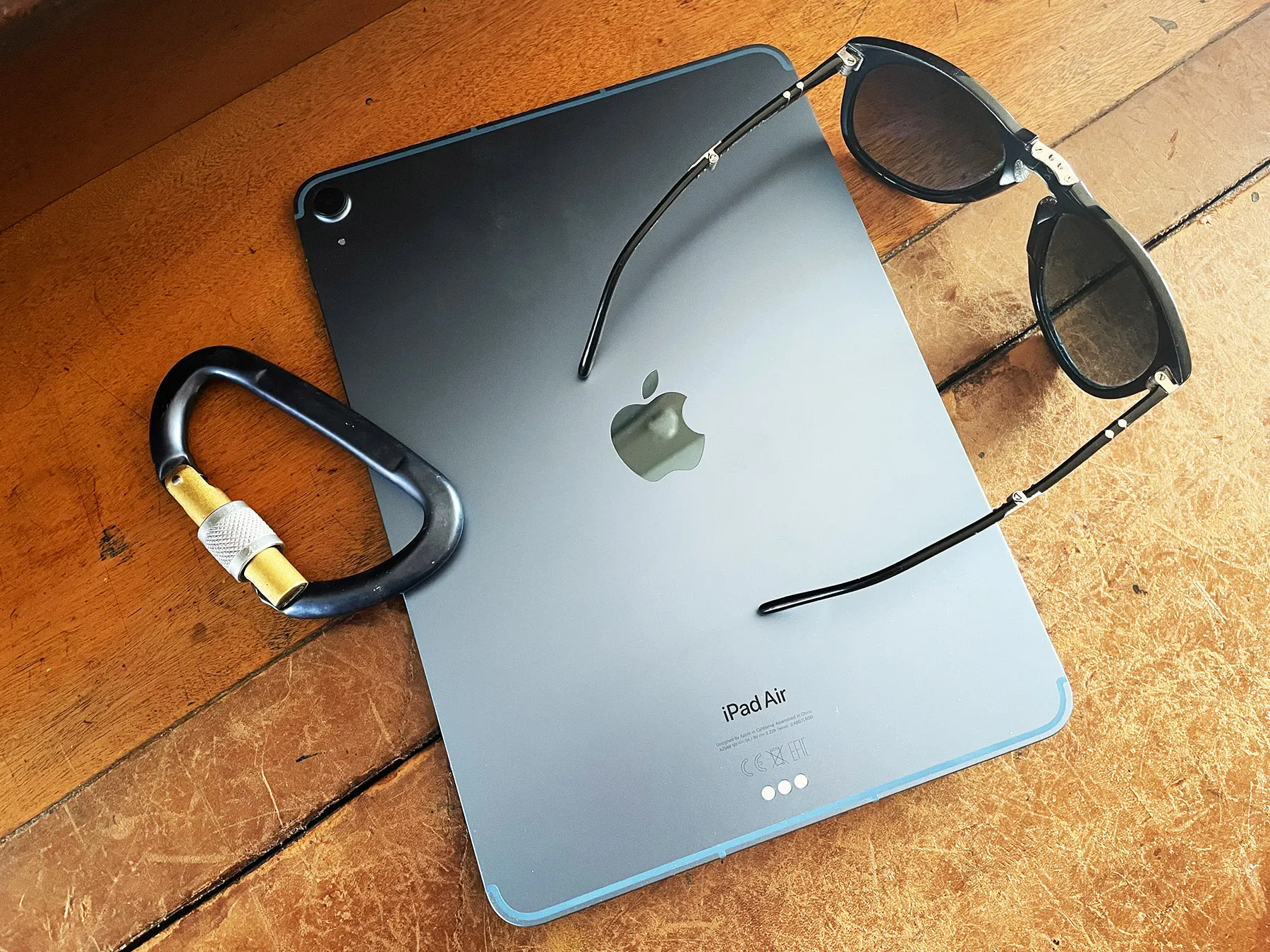
    Apple’s most recent M5 iPad Pro has been unveiled, exhibiting yet another relatively insignificant, ‘chip-and-ship’ upgrade that most users are likely to bypass. However, the real point of interest is the modest addition of an in-house cellular chip, marking a critical step in Apple’s ongoing rivalry with Qualcomm.

    What’s New in the M5 iPad Pro?

    Similar to the latest MacBook releases, the M5 iPad Pro was launched without much fanfare, primarily featuring a processor enhancement. According to expert observations, the device only boasts ‘modest improvements’ beyond the M5. The preceding M4 iPad Pro is already a powerful tool, and as such, the day-to-day experience for M4 iPad Pro users is unlikely to differ significantly with this update.

    The most notable adjustment, certainly for those within the industry, is not the M5 itself. Instead, the focus is on the newly incorporated C1X cellular modem, an in-house development replacing the third-party component previously utilized by Apple. Additional features include a new N1 chip for Wi-Fi 7 and faster external display support, though these are generally considered minor, specialized upgrades.

    The Importance of the Modem

    On the surface, the average consumer may not be particularly concerned with a modem. However, for Apple, it is of significant importance. The ‘third-party component’ that Apple has recently abandoned was supplied by Qualcomm. Those well-versed in the tech industry are likely aware of the protracted and complicated legal battles between Apple and Qualcomm over patents and licensing fees.

    Beneficial for Apple, not the Consumer

    This update is a quintessential ‘Apple’ move. It represents an enormous business and technical victory for the company, but it offers little to no benefit to the average consumer. Switching to in-house components is a strategic business decision for Apple, but it has yet to noticeably impact the user experience.

    Moreover, it should be noted that the majority of iPad purchasers opt for the Wi-Fi only model, rendering this new chip inconsequential for most customers. The introduction of this chip does not affect the purchasing decision in any significant way. The real test will come when these in-house modems are incorporated into iPhones. That’s when performance must be flawless, and when Qualcomm will truly start to feel the pressure. For the time being, this is just a subtle, strategic move by Apple.

    Questions & Answers

    What is the most significant upgrade in the M5 iPad Pro?

    The most significant upgrade in the M5 iPad Pro is the addition of an in-house C1X cellular modem, replacing the third-party component previously supplied by Qualcomm.

    Does the new in-house C1X cellular modem affect the consumer experience?

    No, the switch to in-house components, including the new modem, has not yet led to a noticeable change in the user experience.

    What is the potential impact of the in-house modem on Apple’s relationship with Qualcomm?

    The introduction of an in-house modem indicates a strategic move by Apple that could put pressure on Qualcomm, particularly when in-house modems begin to be incorporated into iPhones.
  • Apple’s Subtle Strategy: Unveiling New Ipad Pro Amidst Rising Competition And Foldable Tech Future

    Apple’s Subtle Strategy: Unveiling New Ipad Pro Amidst Rising Competition And Foldable Tech Future

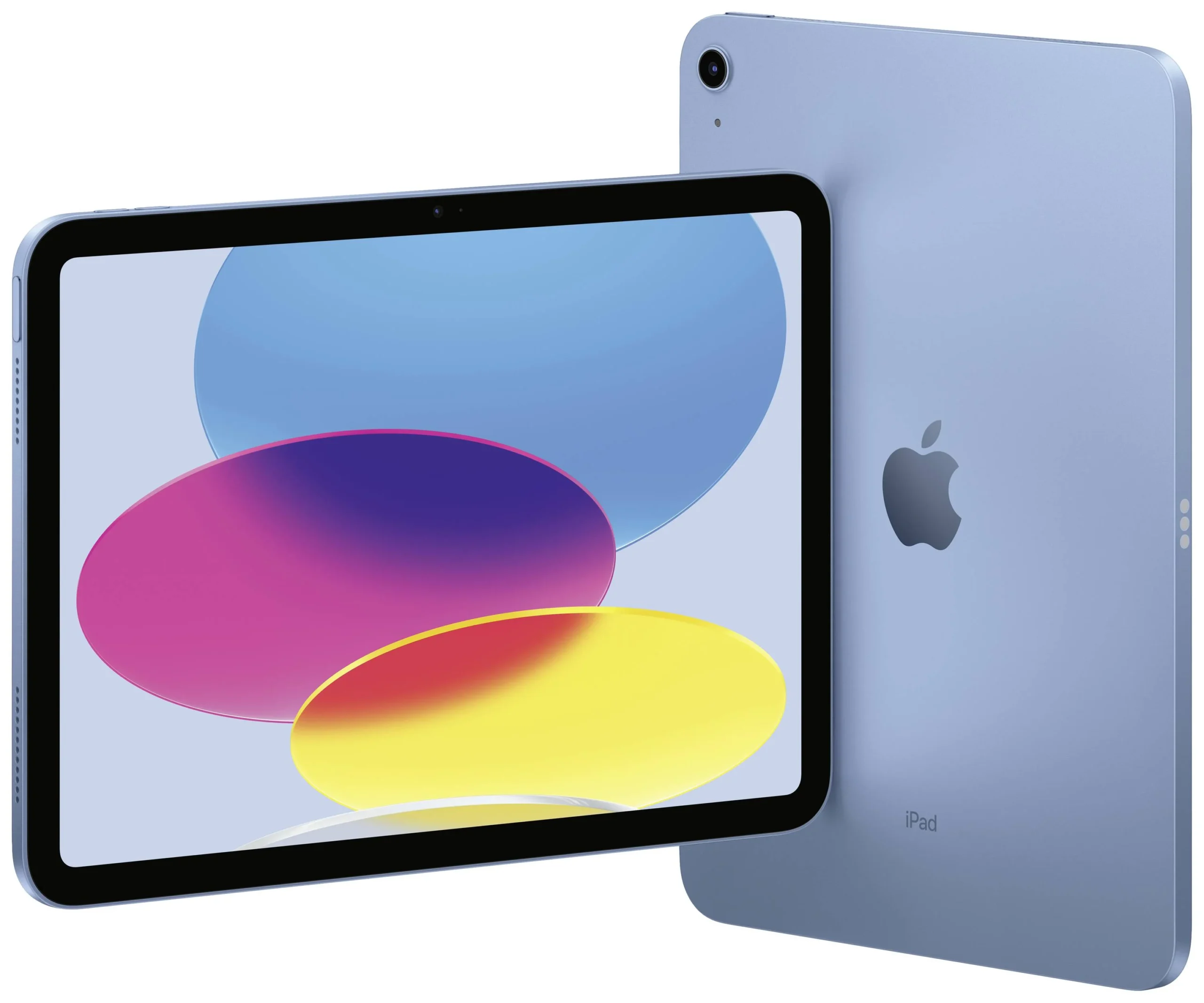
    While there might not be any flashy Apple product launch event in the offing, it seems a new collection of Cupertino’s devices are set for a low-key announcement in the following days. This subtle approach to unveiling a new generation of iPad Pro via a simple press release, though not entirely unheard of, sparks the question: does Apple still have faith in its tablet line?

    Apple’s Shift in Focus: iPad or Not?

    Considering Apple’s current range of iPads, including the 11-inch iPad, two 2025 iPad Air models with M3 power, a seventh-generation iPad mini only around a year old, and the May 2024-released 11 and 13-inch iPad Pros with M4 power expected to be succeeded this month, the answer seems to be a resounding yes.

    However, some might argue that iPads have been relegated to the background in Apple’s product lineup in recent years. This wasn’t always the case; recall the buzz surrounding the release of the 2020 iPad Pro (4th Generation) with its “breakthrough LiDAR” technology.

    While the iPad might not have been the apple of the company’s eye as much as the iPhone family, it does seem that the gap between the two product lines is widening. For instance, when was the last time you saw an iPad advertisement on TV, on YouTube, or elsewhere? If Apple’s marketing budget is anything to go by, AirPods and Apple Watches have taken precedence, making iPads feel like third-class citizens in the product hierarchy.

    The Puzzle of Market Leadership

    Despite this, iPads still dominate the tablet industry. So, why is the new M5-powered iPad Pro edition not receiving the grand launch it deserves? In the second quarter of 2025, Apple sold around a third of the world’s tablets. Moreover, during the same period the previous year, when the predecessor of the iPad Pro debuted on the market, Apple’s market share stood at an even more remarkable 36.6 percent, beating out competitors Samsung and Lenovo.

    Indeed, competition might be part of the problem. With competitors like Samsung, Lenovo, Amazon, Xiaomi, Huawei, and Microsoft stepping up their game in the tablet market, one would expect Apple to follow suit and increase both advertising efforts and innovation for the iPad line.

    The Innovation and Marketing Conundrum

    However, iPads have an apparent problem with innovation and marketing. Consider, for instance, the 60Hz refresh rate-limited iPad Air (2025) screens, the largely unchanged iPad Pro design over the years, or the outdated Apple A16 Bionic processor in the 2025 “vanilla” iPad.

    Despite these issues, it’s challenging to criticize the potentially familiar-looking iPad Pro (M5) edition, especially when competitors like the Galaxy Tab S11 Ultra have their own flaws and a high starting price of $1,200.

    The Age of Foldables

    In recent years, Apple seems to be focusing on more than just enhancing the iPad Pro. The tech giant appears to be investing in the development of foldable devices. Rumors of the first-ever foldable iPhone, likely to be launched next year, and the first foldable iPad, which may follow soon after, are making the rounds. The latter is anticipated to be a hybrid between a tablet and a full-scale Mac computer, potentially carrying a hefty price tag.

    Questions & Answers

    Does Apple still believe in tablets?
    Given their current lineup of iPads and upcoming releases, it appears that Apple still has faith in its tablet line.

    Why isn’t the new M5-powered iPad Pro receiving a grand launch?
    While iPads are still market leaders, it seems that Apple has shifted its marketing focus towards other products like the iPhone, AirPods, and Apple Watches.

    What are the upcoming innovations expected from Apple?
    Apple appears to be focusing on the development of foldable devices, with rumors suggesting the launch of the first-ever foldable iPhone and iPad in the near future.

  • Apple could be introducing three new iPad models this coming Tuesday

    Apple could be introducing three new iPad models this coming Tuesday

    Many assumed that after unveiling the new iPhone 15 series, the Apple Watch Series 9, and the Apple Watch Ultra 2 last month, we wouldn’t be seeing Apple release any more hardware in 2023. But there could be one last squeeze of the toothpaste tube left by the gang in Cupertino resulting in an announcement that would reveal three new iPad tablets, according to Supercharged. We could also see a new Apple Pencil with USB-C charging.

    The report cites a source “familiar with Apple’s media plans” who says that this Tuesday, October 17th, Apple will introduce a new entry-level iPad, an M2-powered iPad Air, and a new iPad mini. The entry-level iPad would be the 11th generation model replacing the 10th generation iPad which was announced in October 2022. The new iPad Air should come with an upgrade in the form of a faster M2 chip. The previous iPad Air, the first to use an M-series chip, was announced in March 2022.

    The new iPad Air, rumored to be announced this Tuesday, will supposedly be powered by a powerful M2 Apple Silicon chip.

    Also rumored to be announced on Tuesday is the iPad mini 7 which could be powered by the A16 Bionic chipset, the same one that currently is used to run the iPhone 15 and iPhone 15 Plus models. Additionally, the new iPad mini 7 will do away with the “jelly scrolling” flaw that causes the left side of the screen to lag while the right side moves at a normal pace. All three tablets are expected to receive minor boosts in specs.

    Apple is not expected to put on a big show for the release of the new iPads as an announcement will be made by the company on YouTube and through its newsroom site. If you hope the announcement will include a new iPad Pro, you’re early. The OLED iPad Pro models are expected to become official during the second half of 2024.

    This makes sense since Apple’s Vision Pro spatial computer will dominate the first half of the year. We expect the new iPad Pro model to be offered with an 11-inch and a 13-inch display.

    Ever since the pandemic ended, tablet sales have dropped. Apple saw a surge in iPad sales when many worked from home and students attended virtual classes. Perhaps an injection of fresh new iPad models will stimulate Apple’s tablet sales.

  • iPad Air with boosted specs is apparently right around the corner

    iPad Air with boosted specs is apparently right around the corner

    The current iPad Air came out in March 2022 and Apple is already contemplating a new model for this year, per Bloomberg journalist Mark Gurman.
    In the latest edition of his weekly Power On newsletter, Gurman says that Apple could announce the first Mac computers with the rumored M3 chip in October. He thinks Apple could reveal a new iMac, 13-inch MacBook Air, and 13-inch MacBook Pro in October.
    He also says that Apple is working on a new iPad Air model. He didn’t go into the specifics and only revealed that the model could feature boosted specs. He had previously said that the spec bump would be minor.
    The iPad Air 2022 has a 10.9 inches LCD screen, the M1 chip, and single main and front-facing cameras.
    If we were to speculate, we’d say that the new iPad Air will have the M2 chip that powers the iPad Pros and maybe a Thunderbolt port.

    Gurman has also said that Apple is unlikely to reveal new iPad Pros this year. Instead, the next iteration will probably arrive next year. The 2024 iPad Pros are rumored to have OLED displays and will allegedly be powered by the M3 chip.

    As for the M3 chip, it will be based on TSMC’s 3nm process, which would make it more powerful and power efficient than the M2, which is already insanely fast. The fabrication process allows for a higher-density chip, enabling manufacturers to fit more cores into a processor.
    It’s not clear whether these October products will be announced through a press release or if Apple will hold a dedicated event for them.
    Before that, in September, the company is expected to reveal the next crop of iPhones: iPhone 15, 15 Plus, 15 Pro, and 15 Pro Max. Like the M3 chip, the Pro model’s A17 chip will also be manufactured on the 3nm node.
  • Kobo launches improved Elipsa 2E e-ink tablet with magnetic stylus

    Kobo launches improved Elipsa 2E e-ink tablet with magnetic stylus

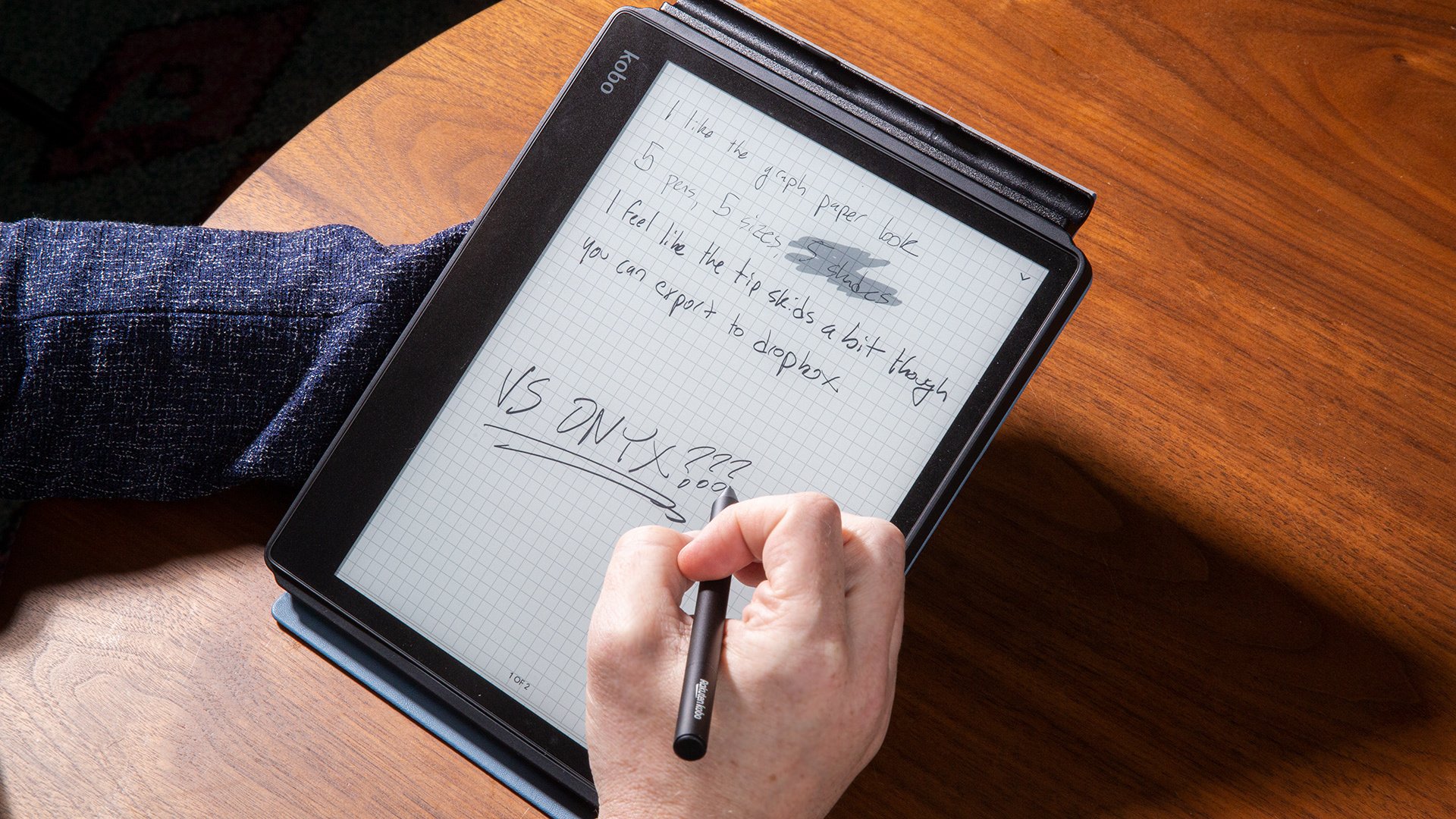
    Kobo’s new Elipsa 2E easily goes into the large tablets category considering that it has a massive 10.3-inch display. It also features an upgraded magnetic stylus that can be easily attached to the side of the tablet.

    The Elipsa 2E offers an upgraded digital reading and writing experience made from eco-conscious materials. The 10.3-inch glare-free e-ink touchscreen and ComfortLight PRO reduces blue light and eyestrain features that many other eReaders provide to different degrees.

    The tablet has around 32GB of storage and it’s supposed to offer weeks of battery life on a single charge, but that will highly depend on how you use it. It’s fully compatible with audiobooks, so you can switch between reading ebooks to listening to Kobo audiobooks with Bluetooth wireless technology.

    As per Kobo’s statement, the tablet’s exterior is 85% made of recycled plastic, while 10% is made of ocean-bound plastic. The Elipsa 2E can be protected with the eco-friendly SleepCover, which is also made with 97% recycled plastic, including 10% ocean-bound plastic. This is only available in Black and promises to save battery life by putting the tablet to sleep when you close it.

    As mentioned earlier, the Elipsa 2E has an upgraded Kobo Stylus 2 that has been redesigned for better ergonomics. It’s also rechargeable and allows users to write directly on the tablet. You can make highlights, use the eraser on the back, write in the margins, and highlight standout passages with the dedicated button.

    Regarding the price, Kobo Elipsa 2E is now available for pre-order for $400. The tablet can be picked up in stores and online as of April 19 in Canada, the US, the UK, the Netherlands, Belgium, France, Italy, Spain, Portugal, Sweden, Switzerland, Australia, New Zealand, Poland, the Czech Republic, Romania, Singapore, Malaysia, Taiwan, Hong Kong, Japan, and Turkey. The retail package includes the Kobo Stylus 2.

  • Oppo’s first ever Android tablet leaks once again

    Oppo’s first ever Android tablet leaks once again

    Following rumors about OnePlus’ first Android tablet, sister company Oppo seems to have similar plans. Although nothing official has been announced yet, Oppo’s tablet has been recently spotted on Geekbench benchmark database.

    The listing uncovered by MySmartPrice reveals some of the tablet’s features like processor, memory and operating system, but the rest of the specs sheet remains a mystery. Apparently, Oppo has decided to pack a very powerful Qualcomm Snapdragon 870 processor inside its upcoming tablet.

    Tablets typically come in more than one version, so depending on the amount of memory/storage and type of connectivity, we might have more than one Oppo tablets, but we do know that at least one model will come with 6GB RAM.

    Unfortunately, the listing reveals the tablet runs Android 11, a real downside for such a powerful tablet. We’re really hoping Oppo will have a change of heart and ship its first ever tablet with Android 12 instead of an older version.

    The new Geekbench listing adds new information to a previous rumor that claims Oppo’s tablet will feature an LCD display with 120Hz refresh rate. The same report mentions a 13-megapixel main camera and a secondary 8-megapixel selfie snapper. Oppo’s Android tablet is expected to be initially launched in China, followed by a release in India in the first half of the year.

  • Apple & Samsung continue to dominate the tablet market

    Apple & Samsung continue to dominate the tablet market

    The Coronavirus affected and continues to affect all kinds of businesses. The tech industry is no exception. There are various component shortages, delayed shipments, and delayed product releases, most notably Huawei’s P50 series of phones that were supposed to arrive almost two months ago (expected to arrive this May/June).

    However, the need to work from home has helped certain businesses do much better than before. Unsurprisingly, that’s the tablet and Chromebook market. Tablets had an exceptional first quarter of 2021 (1Q21) with 55.2% year-over-year growth and a total of 39.9 million units shipped, according to initial data from the International Data Corporation (IDC).

    This is exceptional in and of itself, but it’s even more impressive when put into some context. For example, the last time the tablet market grew to such an extent was in 2013, when it surged by 56.9% year over year. Although Chromebooks are becoming more popular, they’ve only managed to sell about 13 million units in 1Q21, up from 2.8. million the year before. Tablets remain more popular, but the competition is real, and we are here for it since it always results in better products and value for the end-user.

    Unsurprisingly, Apple remains on top of the food chain when it comes to tablet shipments. Its year-over-year growth is 64.3%, and the Cupertino-based company holds 31.7% of the global market share. Samsung has seen a very similar growth – 60.8% year-over-year, and it currently holds exactly 20% of the global market share for tablets.

    However, it’s not Apple or Samsung that saw the most significant growth, compared to last year. Amazon and Lenovo hold the first two spots if we take into account the year-over-year increase in tablet sales. Amazon is first, with 143.0% growth, with Lenovo being close second with a 138.1% surge in shipments.

    As expected, Huawei’s influence in the market has died out due to the fact that its latest devices don’t run Google Services due to the US trade ban. If it weren’t for that, Huawei and Honor would have been one company, and the combined entity likely would have been on the second spot when it comes to market share, second only to Apple.
  • Samsung Galaxy Fold launched

    Samsung Galaxy Fold launched

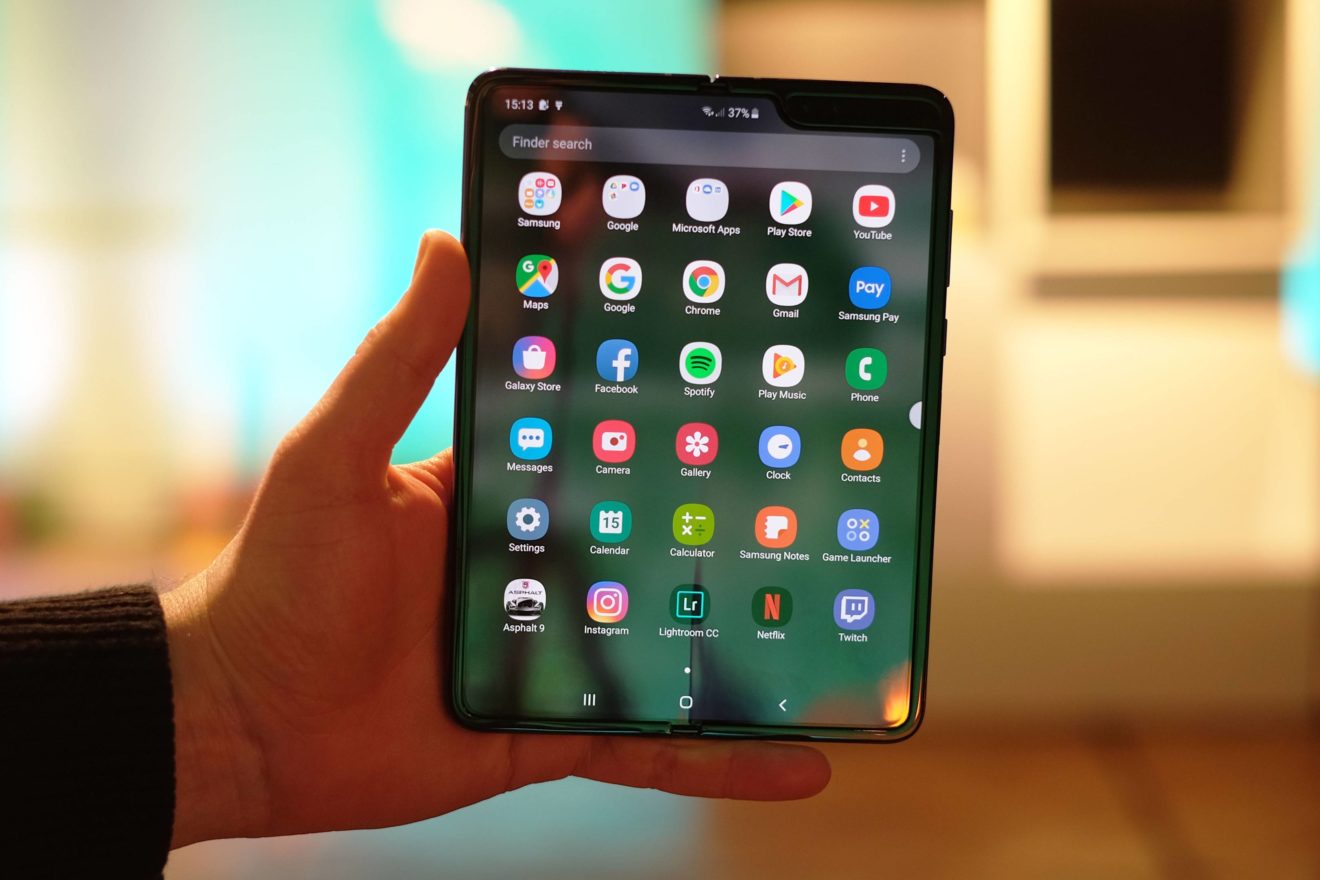
    Samsung confirmed that the Galaxy Fold will be launched on the market in September, but it didn’t reveal an exact release date. Although reports pointed to a rather late September launch, it looks like Samsung has decided to greatly advance the launch schedule.

    The Korean media reports Samsung is ready to launch the Galaxy Fold on September 6, the first day of IFA 2019 trade fair. Even though pre-registrations for the foldable smartphone recently opened in China, South Korea will be the first country to get the Galaxy Fold.

    The same report claims Samsung Galaxy Fold will be released in September in the United States and China, although an exact release date hasn’t been unveiled yet. Samsung expects to sell around 20-30,000 Galaxy Fold units in South Korea by the end of the year.

    A Samsung official responded to the report by saying that “the specific launch schedule is not yet confirmed,” but if the information is accurate, we’ll learn more about the Galaxy Fold availability in less than a week from now.

  • Microsoft reportedly builds Surface Pro prototypes

    Microsoft reportedly builds Surface Pro prototypes

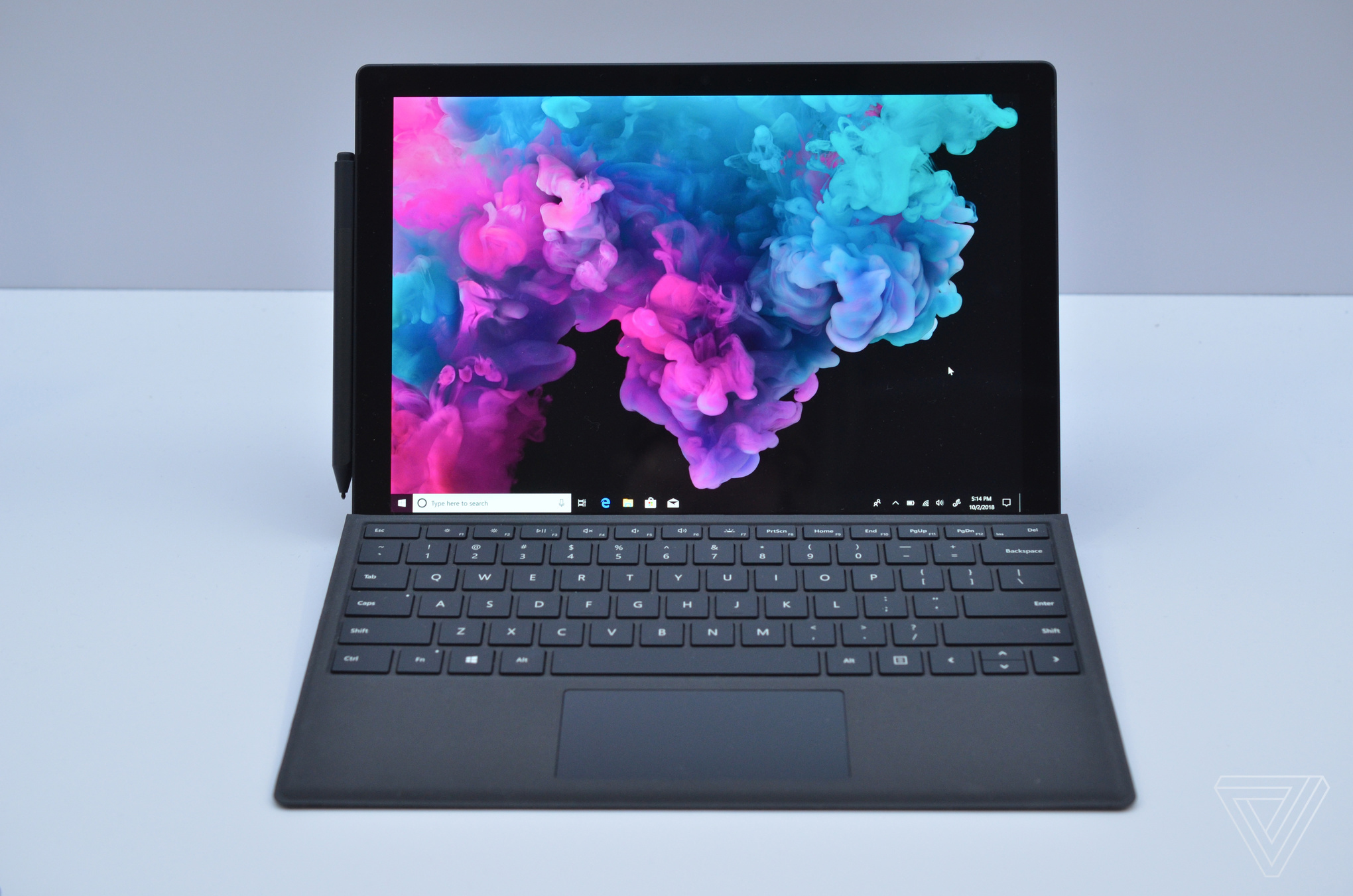
    Microsoft has apparently become more serious about offering at least some versions of its Surface Pro tablets powered by ARM-based processors. Right now, the Surface Pro 6 runs on an Intel Core i5 or Core i7 processor. According to Thurrott, Microsoft has built prototypes of the Surface Pro that run on Qualcomm’s Snapdragon chips. The report says that Microsoft has considered stuffing some of its low-end Surface Pro models with a Snapdragon processor.

    There also is speculation that the original plans for Microsoft’s iPad competitor, the Surface Go tablet, called for the device be powered by Qualcomm’s Snapdragon chips. Intel reportedly pressured Microsoft to have the lower priced tablets run on Intel’s Pentium Gold Processors instead. If Intel doesn’t put the squeeze on Microsoft so hard this year, the second generation Surface Go models could end up with Intel outside and Qualcomm inside.

    The Surface Pro line is supposed to get a major redesign with new models to be unveiled during the fourth quarter of this year. Thurrott’s Brad Sams says to expect thinner bezels, the long awaited USB-C port, new color options and some other changes. That would be the time to expect Microsoft to make the change to Snapdragon chips for the Surface Pro, starting with the lower-end variants of the tablet.

    In a related piece of news, testing has started on the Firefox for Windows 10 ARM browser.

  • Google confirms more Pixel tablets to Arrive

    Google confirms more Pixel tablets to Arrive

    The Android tablet market was once much riches with many more options than the iPad market, but as consumers shifted their attention to smartphones with big displays, many companies have decided to shrink their tablets portfolio or drop it altogether.

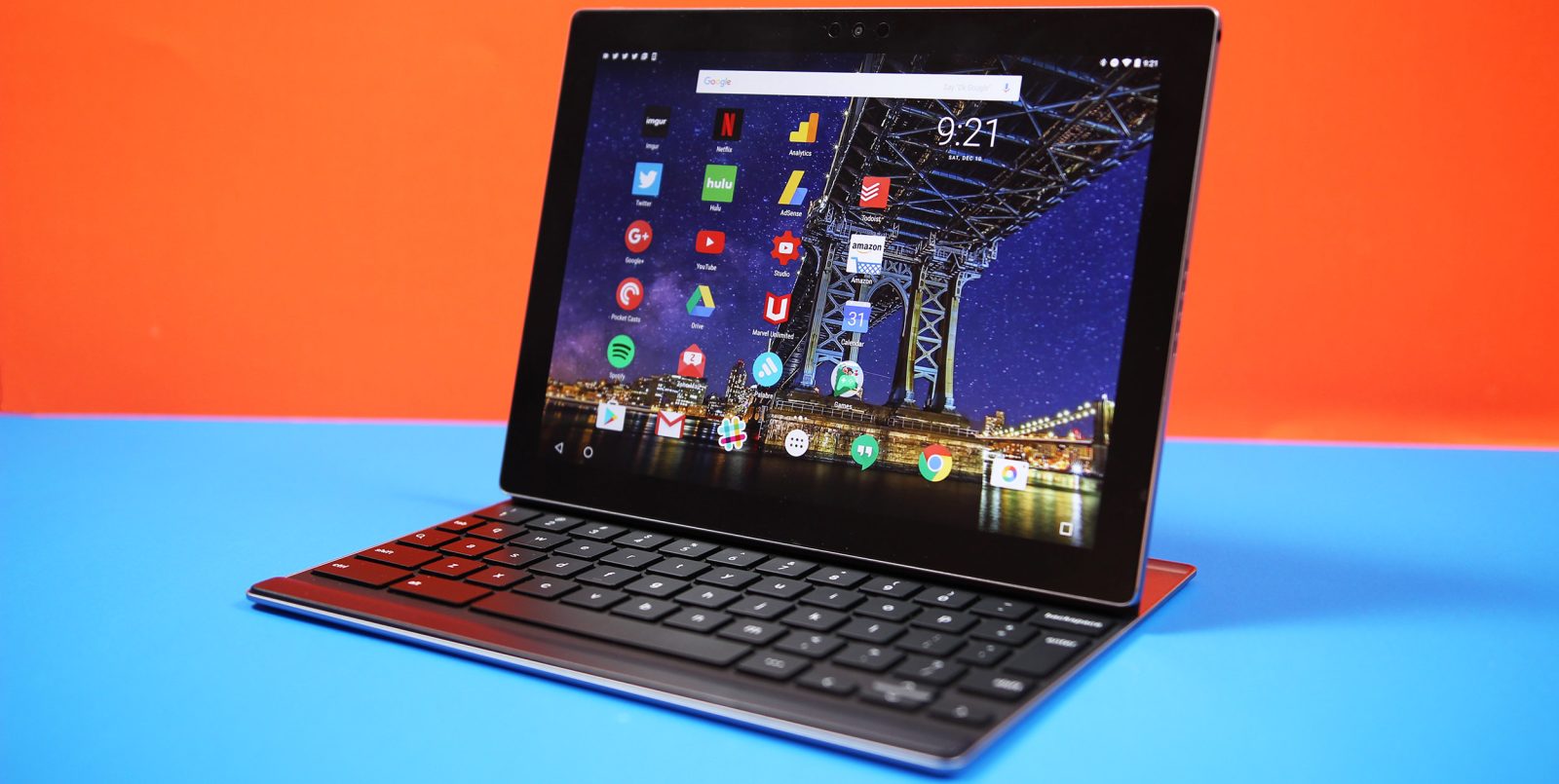
    Google has adopted the same strategy in the last couple of years. Even though the Pixel Slate was launched about six months ago, this is a 2-in-1 tablet and laptop rather than a pure Android tablet. The last such product Google released on the market is the Nexus 9, an Android tablet built in collaboration with HTC, which made its debut on the market back in 2014.

    Samsung on the other hand, along with a couple of other Chinese companies like Lenovo and Huawei, has continued to launch Android tablets on a regular basis. Of course, the same applies to Apple, as the Cupertino-based giant now owns an impressive iPads portfolio.

    All information coming from various sources painted a rather bleak picture for the Android tablets segment, as reported last month that even Google plans to move dozens of employees from its laptop and tablet division to other posts within the company.

    The report cites “roadmap cutbacks,” but also points out that team members have been advised to find new roles “temporarily” within Google or Alphabet. The fact that people working for the laptop and tablet division were supposed to find temporary roles in other teams suggests that Google may decide to boost staffing on these teams at any time.

    At the beginning of the week, at Cloud Next 2019, Google hosted a conference, suggestively named “Introducing Google Hardware for Business,” where it reiterated that a new device to help the workforce “be production on-the-go” might be launched soon.

    The tools they have aren’t really conducive to the lifestyle and work style that makes them maximally productive and excited about going to work every day. And we think there are some unique things we can do differently than the Pixelbook and Pixel Slate that are going to really help give them what they’re looking for when they’re working in this new modern cloud-first era.

    A Pixel Slate sequel is more likely rather than a traditional Nexus tablet. Google also mentioned that although it doesn’t have any announcements ready to go live regarding the upcoming laptop/tablet this week, such a product will certainly be revealed “down the road.”

    Although statements made during Google’s Cloud Next 2019 even allow us to make some predictions the company’s plans for the laptop and tablet division, it’s impossible to tell what the search giant wants to do “differently than the Pixelbook and Pixel Slate.”

    Interestingly enough, Steve Jacobs, Pixelbook Group product management leader, who stated the above, coordinates three different categories within Google’s Core Technology group: Pixelbook, Pixel Slate, and Emerging.

  • Poptel V9, the largest videophone with Android

    Poptel V9, the largest videophone with Android

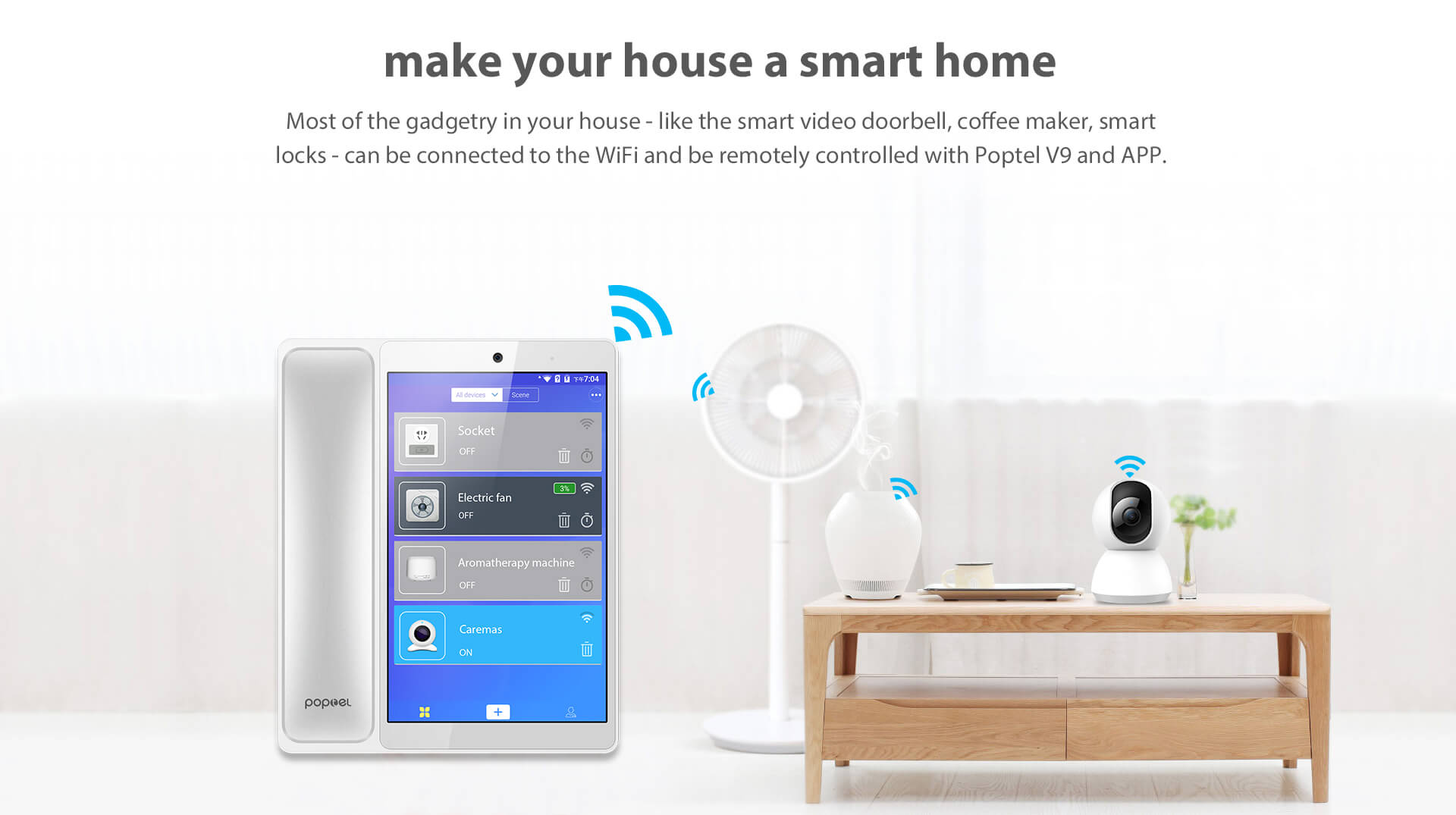
    It’s not often that a videophone comes along, let alone one with a huge, Android-driven display, but the ever-enterprising Poptel just introduced the intriguing V9 to cover that homey dream. Equipped with a SIM card slot, the Poptel V9 nevertheless lets you take calls the old-fashioned way, like on home phones of yesteryear by simply picking up the receiver. Needless to say, it is rechargeable, so you can roam with it freely around the house and even outside in the yard or down the street.

    The biggest asset of the Poptel V9, however, is its screen – literally. Equipped with a tablet-sized display, it is the biggest among all videophones with Android and allows you to gobble media content, glean caller info, use it as a digital clock and picture frame, or control your smart home appliances from the touchscreen.

    That last feature is an extra added value when it comes to the eventual home security cameras you outfitted your house with, as it can display what they are showing at any given time. Is dinner ready, where exactly did the FedEx guy leave your package on the porch, and why is the neighbor’s dog pissing on the lawn again are all pressing questions one can answer with the Poptel V9 videophone and a streaming camera.

    The specifications of the device are in line with its extremely affordable $130 price tag – 2GB RAM/16GB of storage space for apps, and 5MP front-facing camera for video chat, but that sweet 8″ display is what makes it the largest Android-laden videophone in an admittedly narrow category. The only ho-hum part is the 1800mAh battery pack and the 300 mAh one in the receiver that is good for about 3 hours of talking but you shouldn’t be yapping more than that daily anyway, you social butterfly, you.

    The SIM slot is neighboring a microSD card on for storage expansion should you need the V9 to cycle more photos than the ones you uploaded for picture-framing duties. Poptel puts an extraordinary focus on the smart home supervisory abilities of its new videophone, and with a good reason. You can prop the V9 on the kitchen table, discuss that YouTube recipe video that worked so well for the neighbor the other night, and at the same time run the robotic vacuum cleaner upstairs, check out who’s ringing at the video doorbell, turn on the floodlight outside to see them clear, and if it’s the neighbor, command the app-controlled coffee maker to start pouring a brew.

    In addition, you can control the lighting, thermostat, AC unit, smart locks, or any other home automation gizmo you have equipped your house with from the comfort of your own videophone. It’s the 90s family soap opera dream come true in a quirky, refreshingly old-fashioned looks with a modern twist. At $130, just the retro experience of walking around the house with a receiver sounds like a steal when we add the Android media machine it is attached to.

  • Walmart is taking on Amazon with its upcoming tablet

    Walmart is taking on Amazon with its upcoming tablet

    Soon, those searching for a cheap Android tablet won’t have to deal with the lack of Google Play Services found on the low-priced Amazon Fire Tablets. The line, powered by a forked version of Android, does not come with core Google apps including the Play Store. Instead, Amazon’s own app storefront is included. A tweet disseminated by XDA’s Mishall Rahman reveals that discount retailer Walmart is prepping an 8-inch Android slate that has Android 9 Pie pre-installed. The device will offer the usual bevy of Google apps and will feature the Google Play Store. Made in China, the tablet will carry Walmart’s own ONN brand, which it uses on low-priced tech accessories like headphones and cables.

    The new tablet, model number ONA19TB002, is expected to be “kid-friendly” according to a subsequent Bloomberg report. The 8-inch display will carry a resolution of 1200 x 800. Other specs included in Rahman’s tweet mention that the tablet will have a quad-core MediaTek MT8163 chipset under the hood, along with 2GB of memory and 16GB of expandable storage. The slate will have a microUSB port, and carry a 3500mAh battery.

    Walmart’s tablet has already received certification from the FCC, and could be priced under $200. A low priced tablet like this will probably not to do much to reverse the decline in shipments of the device. Strategy Analytics says that tablet shipments declined 6.2% last year. The Apple iPad remains the market share leader followed by Samsung and Amazon.

  • Microsoft offers free keyboard and Surface Pen with select Surface Pro 6

    Microsoft offers free keyboard and Surface Pen with select Surface Pro 6

    It’s been raining sweet deals of late at Microsoft and third-party retailers like Best Buy on both 2018’s Surface Pro 6 and fifth-gen models released the previous year, but if you don’t want to make any processing power compromises, today’s the day to pull the trigger and score a discount of up to $259.

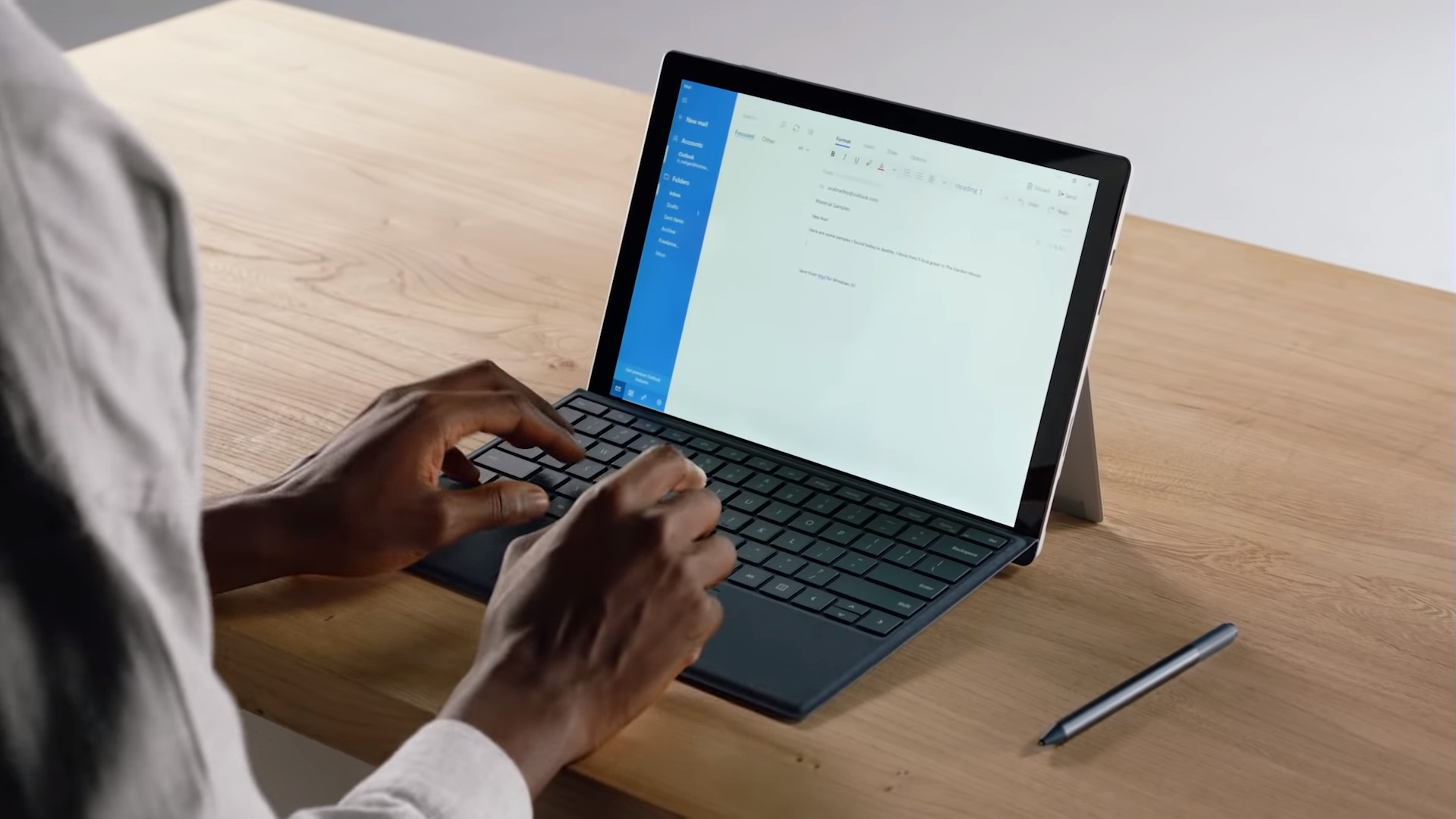
    Five different Surface Pro 6 variants are currently eligible for a pair of cool freebies on their manufacturer’s official US e-store. If you’re wondering what this fast five has in common, the answer is actually quite simple: a state-of-the-art 8th Generation Intel Core i7 chipset. That makes this tablet a very worthy replacement for essentially any conventional laptop out there, so it’s definitely fitting (and nice) that Microsoft lets you bundle these powerhouses with a keyboard and Surface Pen at no extra cost.

    You can get the complimentary stylus in your favorite color from a quartet of options including black, platinum, cobalt blue, and burgundy, while the gratis keyboard can be an older Surface Pro Type Cover model, normally worth $129.99, or a newer, fancier Signature Type Cover in platinum, blue, or burgundy, which separately fetches $159.99. All in all, after also taking the $99.99 retail value of that productivity-enhancing Surface Pen into consideration, you’re looking at maximum savings of around 260 bucks.

    Of course, you’ll have to cough up a pretty penny to get a Surface Pro 6 with Intel Core i7 inside in the first place and qualify for the two extremely valuable and popular gifts. We’re talking at least $1,499 if you can “settle” for a 256GB SSD/8GB RAM configuration and up to a whopping $2,299 for a Windows 10 tablet/laptop hybrid pulling out all the stops, with 16 gigs of memory and a full 1TB of storage space.

    The most “affordable” model on sale today is available in black and platinum paint jobs, while the costliest version can only be purchased in platinum. Finally, black and platinum models with 16GB RAM and 512GB storage will set you back $1,899 a pop in combination with a pen and keyboard that you need to add to your cart before checking out.

  • Prime members can get Amazon’s Fire tablets at massive discounts

    Prime members can get Amazon’s Fire tablets at massive discounts

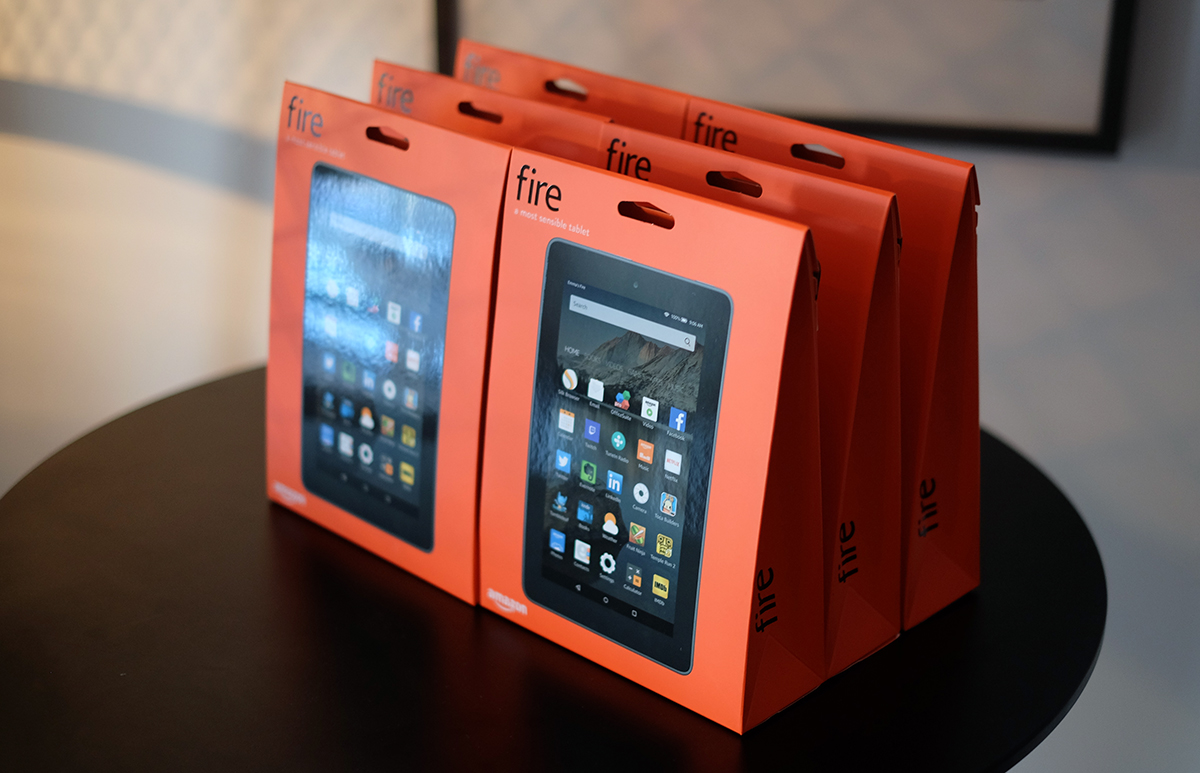
    If you’re in the market for a significantly cheaper tablet than the likes of Apple’s 2018-released iPad Pros or the last two Surface Pro generations, the Amazon Fire 7, Fire HD 8, and Fire HD 10 should be at the top of your wishlists. By no means powerhouses, these three typically deliver some of the best possible bang for your buck starting as low as $50.

    Even better, they’re frequently on sale at hefty discounts, recently reaching as high as 30 percent off the list price of a kid-friendly Fire 7 variant. Unfortunately for parents thinking of introducing their children to mobile technology, the Fire 7, HD 8, and Fire HD 10 Kids Editions are not marked down this time around. But if you’re an Amazon Prime member, you can get the regular Fire HD 10 for a whopping 50 bucks less than usual.

    That represents a 33 percent price reduction that brings the 10-incher down to its lowest retail cost in several months. The same $50 discount applies to the 64GB configuration as it does to the entry-level 32 gig version, both of which pack a respectable 2GB RAM and quad-core processor clocked at up to 1.8 GHz. The 10.1-inch screen delivers decent 1920 x 1200 resolution while helping the battery last an excellent 10 hours of mixed use between charges.

    Naturally, the Amazon Fire HD 8 is both smaller and slightly lower-end, with a slower quad-core chipset, 1.5GB RAM, and 1280 x 800 display in tow, but the same winning 10-hour battery endurance rating. The 8-incher can be had at $30 off with a Prime membership in 16 and 32GB configurations, the former of which is thus discounted by a sweet 37 percent or so.

    Finally, the ultra-low-end Amazon Fire 7 is getting the smallest markdown of the trio, but it’s actually dropping to its lowest ever price, also as an exclusive Prime offer. The $15 discount applies to both 8 and 16GB variants, the latter of which is however listed as “temporarily out of stock” at the time of this writing. The 7-incher comes with a modest screen, 1GB RAM, and only up to 8 hours of battery life, but just like its bigger brothers, it supports hands-free Alexa interaction.

  • Tablet market shrinks 9% during Q4

    Tablet market shrinks 9% during Q4

    The global tablet market fell 9% during the fourth quarter, with shipments from market leaders Apple and Samsung down by double digits, according to Strategy Analytics.

    The research firm estimates that around 63.5 million tablets shipped during the quarter, down 69.6% from a year earlier.

    Apple’s iPad shipments sank 19% to 13.1 million, with the vendor’s market share declining from 23.2% to 20.6%. Strategy Analytics attributed the sluggish performance to the lack of a new iPad Pro model or any price cuts during the quarter.

    Samsung’s tablet shipments meanwhile fell 10% to 8.1 million, but its market share dipped a mere 0.1 percentage point to 12.8%.

    Third-placed Amazon increased its market share from 5% to 6.7%, with shipments growing 21% to 4.2 million.

    “Amazon has broken out of its unique seasonal patterns with the majority of its tablet sales occurring in Q4 to a more balanced approach all throughout the year, which speaks to the success of its low-cost, feature-rich Fire 7,” commented Peter King, director of Strategy Analytics’ tablet and touchscreen strategies service.

    “While Amazon’s play is to bring more users into its ecosystem for incremental revenue, we believe other technology companies can mimic this success as the tablet still holds strong entertainment value.”

    Lenovo was next with a 16% increase in shipments to 3.7 million, representing a total market share of 5.8%. Fifth-ranked Huawei was the strongest performer of the major vendors during the quarter with a 49% year-on-year increase in shipments to 3.4 million. The company’s market share increased to 5.4% from 3.3%.