Retail News CRM

Tag: Taco Bell

  • Yum! China fortunes rebound

    Yum! China fortunes rebound

    Yum! China has showed progress with a system wide sales increase of 3 per cent in the latest quarter – or 7 per cent on a constant currency basis.

    Same restaurant sales are now in positive growth, although by a fairly meagre 2 per cent given the 16 per cent decline in the same quarter last year. Nevertheless, the strong pace of 743 new restaurant openings, combined with some good productivity gains, helped to swell operating profit by 200 per cent.

    Given the big differential in growth prospects and the fact that China faces a very different set of problems and opportunities, it is hardly surprising that Yum! is looking to split its business into two separate companies. This is a sensible step that will allow Yum! and Yum! China to focus on their respective priorities. However, without the boost to growth provided by China, the legacy business will need to work much harder to reestablish its relevance if it is to grow in a much more competitive market.

    Globally, Yum! produced a set of results that exactly mirrors those of last quarter.

    KFC has ended its fiscal year with a fairly solid set of numbers. That said, the growth figures are expressed on a constant currency basis and so exclude the negative impact of the strong US dollar. When this is factored in the outcome is a little less rosy with total revenue for the quarter falling by 1.2 per cent over the prior year.

    Behind the numbers, both KFC and Pizza Hut continue to struggle with system wide sales, including the impact of exchange rates, falling by 5 per cent and 2 per cent respectively. Fortunately this has been somewhat offset by the rebuilding of restaurant margins, but not by sufficient enough a degree to prevent profits at KFC dipping and profits at Pizza Hut virtually flatlining. Across the quarter, these two traditional engines of growth simply failed to propel the company forward.

    One of the key issues for both brands is the relatively slim growth within the US, which in the case of KFC is the division’s single largest market, and in the case of Pizza Hut accounts for the majority of the division’s sales. In our view both suffer from the challenge of maturity and, while they remain popular, the rather tired nature of the brands and a lack of meaningful menu innovation means they struggle to compete against rivals like Chick-Fil-A which are seen as more interesting by consumers. In many ways, both brands need to take a leaf out of the McDonald’s playbook in terms of reinventing themselves to become more relevant to diners.

    In contrast the Taco Bell division saw a strong rise in sales on at both total and same restaurant level. Restaurant margins also increased thanks to some favorable cost changes for commodities. While the combination of these things should have resulted in a good uplift in operating profit, a number of one-off costs – which included investment spending, legal fees, and the creation of a scholarship program – put pay to that. For the quarter Taco Bell operating profit declined by 7 per cent.
  • Yum China to split from parent

    Yum China to split from parent

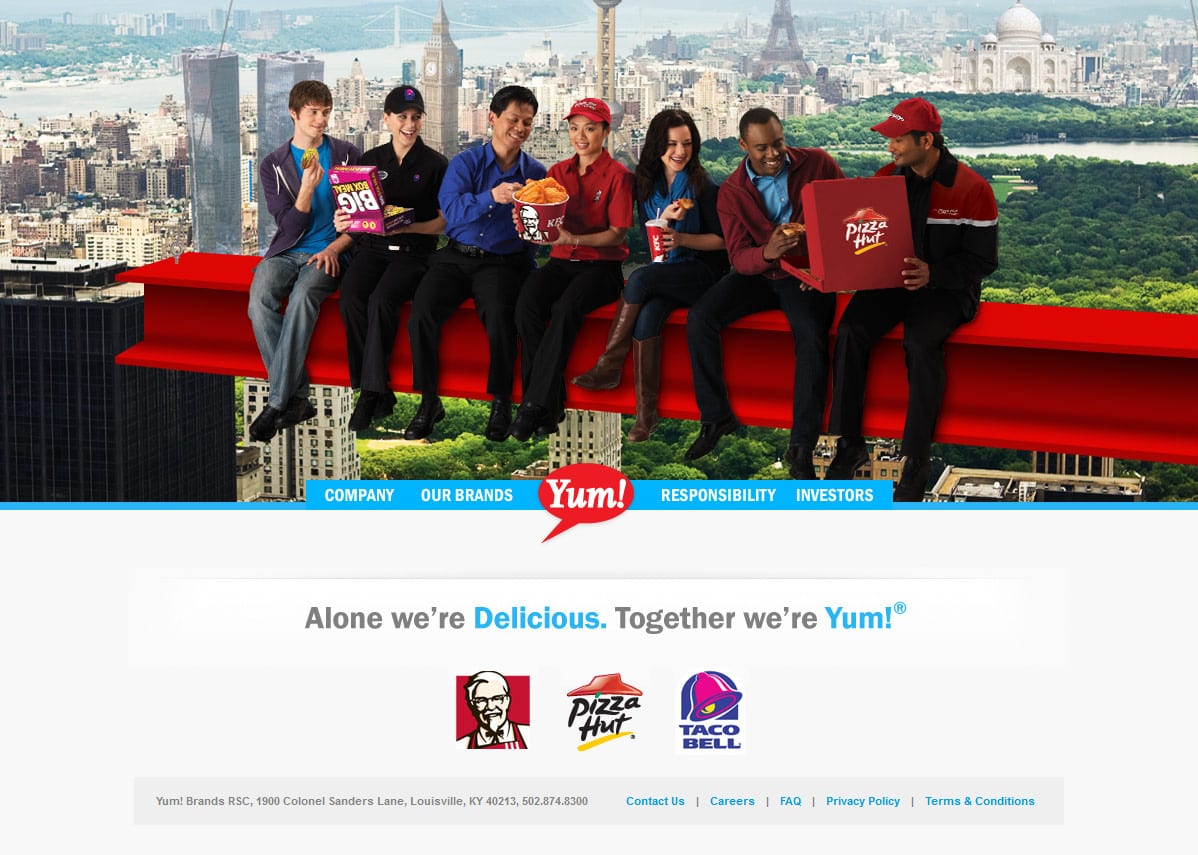
    US fast food giant Yum! Brands is to spin off its troubled Chinese operation into a separate business.

    The new company will be called Yum China.

    The move will strengthen the parent company which will retain 41,000 restaurants trading under the KFC, Pizza Hut and Taco Bell brands in 125 countries – and which will no loger be saddled with the ongoing losses from the Chinese operations. Nearly all of its restaurants will be operated by franchisees.

    “Following the separation, each standalone company will be able to intensify focus on its distinct commercial priorities, allocate its own resources to meet the needs of its business, and pursue distinct capital structures and capital allocation strategies,” said Yum CEO, Greg Creed in a statement.

    “This will provide a clear investment thesis and visibility to attract a long-term investor base suited to each business.”

    The likely interpretation of that statement is that Yum China will seek local investors or possibly a joint venture partner to help bring the business back on track.

    Yum China has 6900 KFC and Pizza Hut restaurants, but has struggled for more than two years after high profile food safety scares involving suppliers.

    Mid last year, a Chinese TV network screened footage of a supplier mixing allegedly expired meat with fresh meat. The company, a subsidiary of OSI Group, was a minor supplier to Yum! and its contract was cancelled immediately. But the TV news footage was sufficient to spook Chinese customers, many of whom stopped eating at KFC China outlets.

  • Yum profit beats as China sales fall less than forecast

    Yum profit beats as China sales fall less than forecast

    Yum Brands shares rallied on Tuesday after the restaurant operator topped earnings expectations as comparable sales in China declined less than forecast.

    Yum, which operates KFC, Pizza Hut and Taco Bell restaurants, reported first-quarter earnings of 80 cents per share on revenue of USD2.62 billion.

    Same-store sales in China, a key division for the company, fell 12 percent during the quarter after allegations that a former supplier used expired meat. The company’s China unit has been especially hard hit this year because of a supplier scare last summer. Analysts expect same-store sales in the country to shrink 14.4 percent.

  • Taco Bell Japan makes comeback

    Taco Bell Japan makes comeback

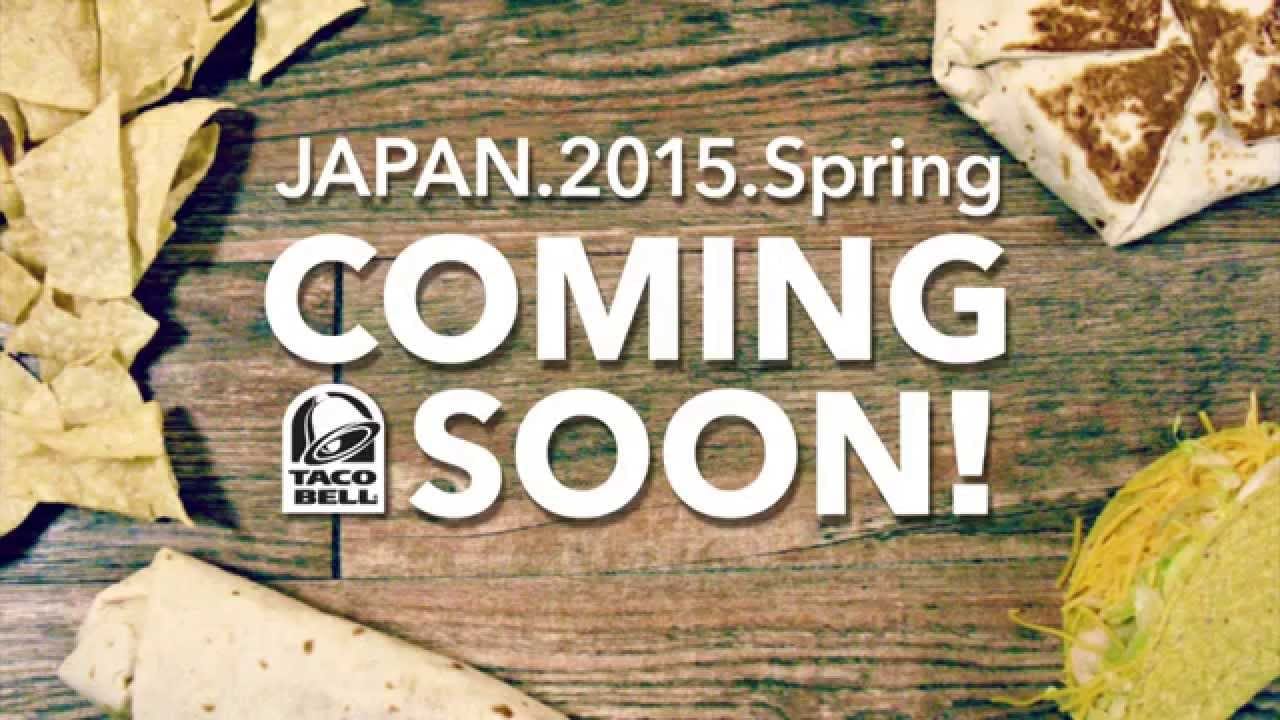
    US fast food brand Taco Bell is to make a comeback in Japan.

    Restaurant chain operator Asrapport Dining Co has partnered with the Taco Bell brand’s parent Yum! Brands and will open the first store in Shibuya, Tokyo, on April 21.

    It will be the brand’s first outlet in Japan in more than 20 years.

    Taco Bell Japan will serve the staples of the US fast food menu – burritos, tacos and quesadillas, along with items unique to the Japanese market, to suit the local population: a shrimp and avocado burrito and something called ‘taco rice’.

    “Taco rice will be a plate of taco meat and vegetables served on top of rice,” a spokeswoman told Japanese media.

    An unspecified number of stores is planned, with a distinct layout including an open kitchen where customers can see food being prepared.

    A combination meal is likely to be priced at about ¥800 ($US6.70).

    Taco Bell originally entered Japan in the 1980s but its foray was short lived, its Mexican style cuisine failing to excite the Japanese palate.

    Some Taco Bell outlets operate in Japan within US military bases, inaccessible to the general public.