Retail News CRM

Tag: Takashimaya

  • Takashimaya’s 2024 Flagship Store: Redefining Luxury Shopping In Tokyo’s Shinjuku District

    Takashimaya’s 2024 Flagship Store: Redefining Luxury Shopping In Tokyo’s Shinjuku District

    The bustling streets of Tokyo are set to welcome a new gem in the retail scene as luxury department store Takashimaya prepares to unveil its latest flagship store in early 2024. This ambitious project, situated in the heart of Shinjuku, promises to redefine the shopping landscape in the world-renowned Shinjuku Gyoen district, an area famed for its blend of urban life and natural beauty.

    Takashimaya’s impending opening is poised to captivate retail enthusiasts with its innovative blend of high-end fashion, gourmet food options, and cutting-edge technology. A striking feature of the flagship store will be its transparent escalators, offering customers a unique view of the multiple levels while they make their ascent through the store. It’s as if shoppers will be gliding up through a stylish art installation—what a way to shop!

    The design, marked by elegant lines and spacious layouts, reflects the aesthetic preferences of modern consumers who seek both luxury and comfort. The store will feature an impressive array of global brands alongside exclusive Japanese labels, ensuring that it caters to both local shoppers and international visitors alike.

    As the retail sector continues to evolve, Takashimaya’s focus on sustainability and local culture stands out. The store will incorporate environment-friendly materials and showcase products from regional artisans, highlighting Japan’s rich craft traditions. In a move designed to foster a strong community connection, Takashimaya will also offer rotating exhibitions of local artists’ work throughout the year, giving visitors a reason to return and engage with both the store and wider creative scene.

    This flagship opening comes at a time when the retail industry is rebounding from the challenges posed by the pandemic. With increased foot traffic as travel restrictions ease, Takashimaya is betting on a resurgence of luxury shopping—an experience that more than ever includes entertainment, culture, and a strong sense of place.

    The department store’s management team expresses excitement about the upcoming launch, seeing it as a pivotal moment for the brand as it not only re-establishes its presence in a competitive market but also fortifies its commitment to delivering unforgettable shopping experiences.

    As Takashimaya gears up for this iconic opening, one thing is crystal clear: the retail landscape in Asia is evolving, and this flagship store might just write a new chapter in the story of luxury shopping.

    Questions & Answers

    What makes the Takashimaya flagship store unique?
    The store will feature transparent escalators for a distinctive shopping experience along with a mix of high-end fashion, gourmet food, and technology, creating an engaging environment for shoppers.

    How does Takashimaya plan to connect with the local culture?
    Takashimaya will highlight local artisans and sustainable practices through rotating exhibitions and eco-friendly materials, thereby reinforcing its bond with the community.

    What recent trends have impacted Takashimaya’s decision to open this flagship store now?
    As the retail sector rebounds post-pandemic and travel restrictions ease, Takashimaya aims to capitalize on the resurgence of luxury shopping, merging entertainment and culture into the retail experience.

  • Takashimaya plunges into the red as Covid-19 eats into sales

    Takashimaya plunges into the red as Covid-19 eats into sales

    Takashimaya, the Japanese department store operator, has reported a loss of US$190 million in the May quarter as it faced extraordinary payments related to the Covid-19 pandemic and falling sales.

    The company was forced to effectively close 22 stores in Japan from April 8 after Prime Minister Shinzo Abe declared a state of emergency. Only the food departments were allowed to continue to trade as the government ensured social-distancing measures.

    Sales in May plunged by more than 60 percent as a result, but last month’s decline was a much less dramatic 16 percent as cities began to reopen and consumers ventured out shopping again. For the full quarter, sales were down by 48 percent to $1.08 billion.

    As well as reduced domestic spending, Takashimaya sales were impacted by the absence of tourists as borders were closed as a Covid-19 prevention strategy.

    For the May quarter, Takashimaya recorded a one-off loss of $79.8 million relating to pandemic costs, including paid leave for staff unable to work due to the shutdown.

    The company did not release any figures on the performance of its overseas stores in Vietnam, Singapore, Thailand and Mainland China and it declined to proffer earnings guidance for the full year.

  • Takashimaya about to offer financial services in Japan

    Takashimaya about to offer financial services in Japan

    Takashimaya is to sell financial products and services in partnership with an online securities company, SBI Securities.

    According to Nikkei Asian Review, the department store is targeting its wealthy but aging shoppers.

    Takashimaya plans to sell a wide range of financial products out of more than 2700 SBI offerings, which include investment trusts, foreign stocks, futures and options trading, FX, and domestic and foreign bonds.

    Takashimaya will also offer its customers in-store consultations to help consumers decide on their investments. The department store will play as an intermediary services provider with the customer accounts will be managed by SBI.

    SBI Securities is one of Japan’s largest online securities companies, providing a selection of financial products in nine markets including the US, Hong Kong, South Korea and Singapore.

  • Takashimaya bullish about profit opportunities in Asia

    Takashimaya bullish about profit opportunities in Asia

    Japanese department-store operator Takashimaya is banking on its Vietnam and Thailand flagships to drive growth this year as it seeks to achieve profitability in its Southeast Asian business.

    To date, Singapore has been the sole profitable store outside Japan, but this financial year the Takashimaya Vietnam store in the Saigon Centre in Ho Chi Minh City is expected to produce 100 million yen (US$919,000) in operating profit and the company’s president Yoshio Murata told Nikkei in an interview he sees Vietnam as “another Singapore” in the future.

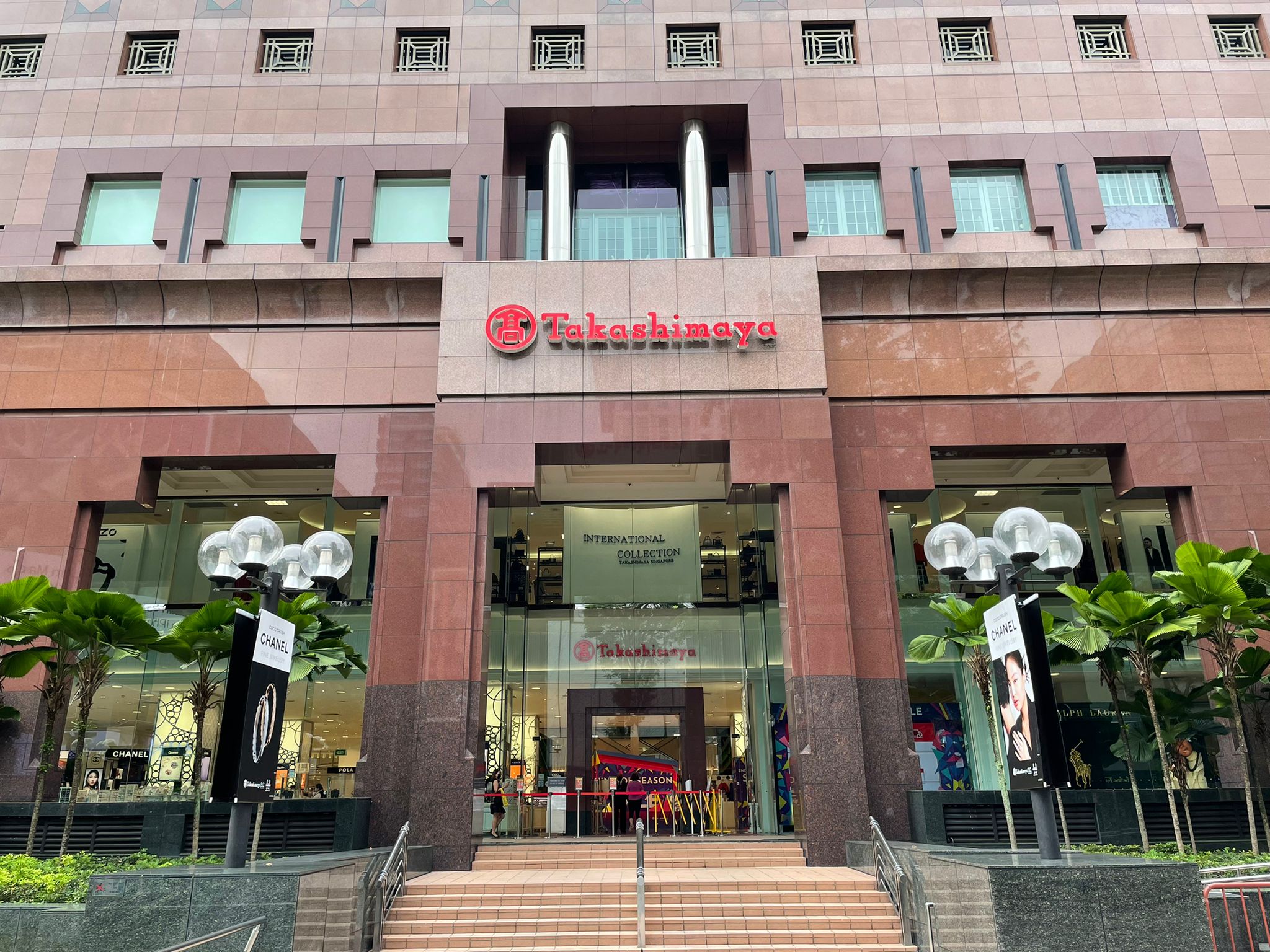
    Takashimaya opened its first Southeast Asian store in 2013 in Singapore. Located in the heart of the Orchard Road precinct, that store took several years to turn into the black but now drives the retailer’s business in the region. Last year it reportedly earned 3 billion yen (US$27.2 million) and this year is reportedly on track to achieve 4.8 billion yen ($44 million) in operating profit.

    The Vietnam store opened in 2016 and struggled initially before the company refocused its offer by stocking more mid-market brands, a strategy that already seems to be working. The company is believed to be exploring an opportunity to open a second store in the capital Hanoi where it is investing in an urban-development project including a bilingual school.

    Takashimaya’s most recent store in the region is at the IconSiam shopping centre in Bangkok, which opened last November.

    In an interview with the Nikkei last week, Murata said the success of that store depended in part on the completion of a delayed BTS railway line extension which would deliver people to the centre’s front door. He expects the store will lose about 900 million yen ($8.2 million) this financial year.

    As the company learned in Vietnam, the key to its success is likely to lie in stocking more mid-range products rather than focusing purely on the luxury sector as the train will bring more middle-class shoppers.

    “Upper-middle product ranges like menswear are not satisfactory,” Murata said.

    In June of this year, Takashimaya announced it would close its Shanghai store, opened in 2012, its lone post in China. But that decision was reversed when local government authorities adjusted the rent to make the store viable. Takashimaya now expects it to turn a profit in 2021.

    Meanwhile, the company is playing down widespread reports of plans to expand into other major Asian cities, including Manila – where rival Mitsukoshi will open next year – Kuala Lumpur and Jakarta.

    Murata confirmed to Nikkei that the company had been approached to open in new markets but said its focus for now was on its existing four stores.

  • Change of heart for Chinese Takashimaya

    Change of heart for Chinese Takashimaya

    Takashimaya in China has reversed its decision to shut down its Shanghai store after negotiating a rent reduction.

    “Due to support from the landlord and Shanghai Changning District, we can expect improvement in profitability of the business,” read a statement from the firm.

    Takashimaya in China has not turned a profit since its launch in 2012 despite its location in close proximity to a large and affluent Japanese community. Takashimaya was anticipating a ¥2–3 billion (US$18.7–28.1 million) loss at the end of this financial year before the reversal.

    It is not clear whether or not the firm received assistance from the Chinese government to continue operating, although tax incentives may have been likely. The closure of Takashimaya would have had a significant effect on the local area’s economy given the recent sale of a large interest in nearby rival store Carrefour following years of losses.

    An online commentator referenced in a Nikkei report wrote, “The problem with Takashimaya is its location, which is far away from the main road and the poor goods on offer. Probably only ghosts will shop there.”

  • Burberry Bespoke launches first counter at Takashimaya

    Burberry Bespoke launches first counter at Takashimaya

    Burberry Bespoke has launched its first standalone counter at Takashimaya.

    Located on Level 1 of the shopping mall, the counter is designed in the style of ‘an English bar set in a gentleman’s club’, with green-colored marble top and brass fixtures.

    There is a collection of nine fragrances created by renowned perfumer Francis Kurkdjian. Inspired by British landscapes, each perfume comes with varying concentrations.

    “For each fragrance, the concentration has been carefully chosen to offer customers the perfect blend possible. It allows the same fragrance to tell us a different translation of a story,” Francis said.

    Each bottle can be personalized with up to three monogrammed initials at the counter, and the buyer can also choose from 16 shades of leather ribbon.

  • Takashimaya Closing Shanghai store

    Takashimaya Closing Shanghai store

    Japanese department-store operator Takashimaya is to close its Shanghai department store after years of losses, and exit China.

    The company said it would recommend to shareholders at a special meeting on August 25 that its Shanghai Takashimaya Co subsidiary be liquidated after it failed to negotiate a rent reduction from its Chinese landlord. Assuming approval – essentially a formality – the store will close on the same date.

    Located in the city’s Changning District, the store had sought to deliver an authentic Japanese-style department store experience, and Takashimaya says it had developed “a large local following”.

    However, figures supplied by the company show net sales rose from US$59.2 million in the year to February 2017 to $65.44 million last year and then slumped to just $29.78 million this year. The division’s loss attributable to shareholders was $15 million in 2017, $28.84 million last year and $14.28 million this year.

    Takashimaya says the proposed dissolution and liquidation may lead to a further loss for the parent company of $18.69 million to $28.04 million.

    In a statement, Takashimaya said the lack of profitability is largely due to tough competition within the industry coupled with delays and changes in development projects for adjacent commercial facilities.

    “These problems have been compounded by China’s economic slowdown and falling consumer spending, which reflect the protracted US-China trade friction. In view of these developments, the board of directors concluded that it was no longer feasible for Shanghai Takashimaya to continue.”

    The Japanese company will now focus its growth and expansion planning to Southeast Asia where it sees greater opportunities. It currently has stores in Singapore, Bangkok and Ho Chi Minh City, Vietnam. The company will expand the Ho Chi Minh City store to carry more items suited to families and is considering opening another department store in Vietnam.

    The Takashimaya Shanghai store opened in 2012 and has a floor space of 40,000sqm, a similar size to one of its larger stores in Japan.

  • Takashimaya After Opportunities in South East Asia

    Takashimaya After Opportunities in South East Asia

    Three Southeast Asian countries are on Japanese department store operator’s radar. Takashimaya says it is evaluating opportunities to open department stores in the Philippines, Malaysia and Indonesia.

    However, in an interview, Takashimaya’s president Yoshio Murata said while new stores in those markets could be an option, the company’s priority now is to focus on “raising the profitability of the four stores” it already has in Southeast Asia and China.

    Takashimaya opened a store in the IconSiam development in Bangkok late last year, adding to stores it already had in Shanghai, Singapore and Ho Chi Minh City.

    In May last year, it was reported that just one of its overseas stores was then trading at a profit – the Singapore flagship on Orchard Road. But the company said it believed it could make them all profitable by 2023, including the Bangkok one.

    This week, Murata said the company plans to strengthen its overseas operations and sees an opportunity for growth in Southeast Asia, in particular.

    Additional locations “are entirely possible,” he said, so long as there were good locations available.

    The company is facing problems in its home market where an aging population and declining birth rate are making business growth a challenge.

  • Takashimaya opens in Bangkok megamall

    Takashimaya opens in Bangkok megamall

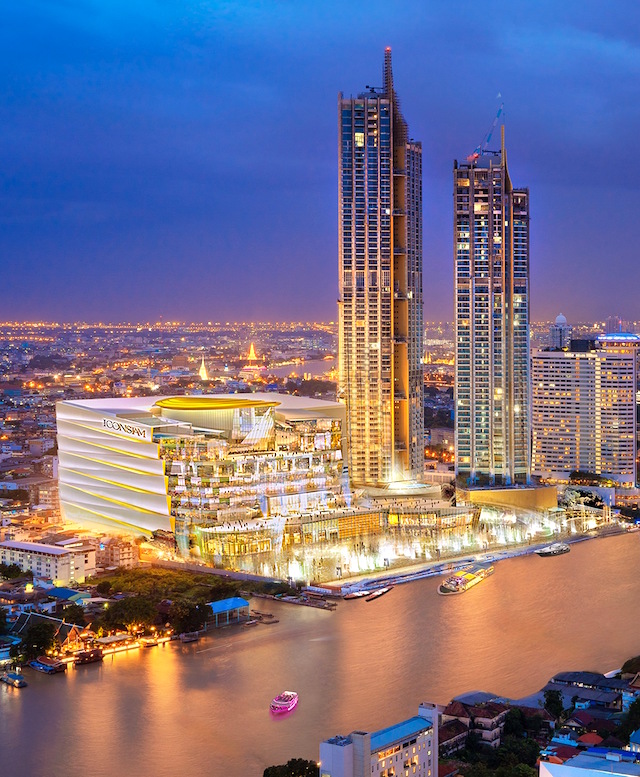
    Japanese department store operator Takashimaya has opened inside a brand new shopping mall in Thailand, opting for the capital city of Bangkok to bring the Japanese way of luxury retailing to the nation. Scaling seven floors, the newly named and opened Siam Takashimaya will form just a small part of the $1.7 billion megamall, which also houses the entertainment development project, Iconsiam.

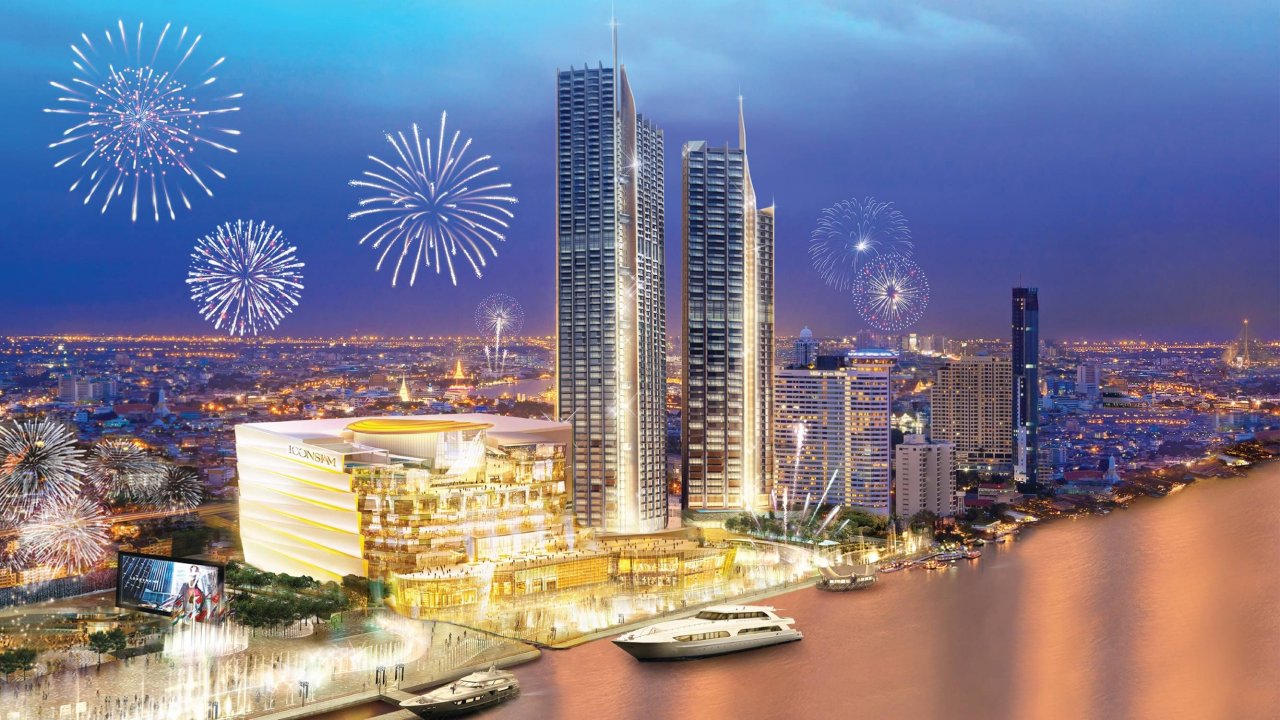
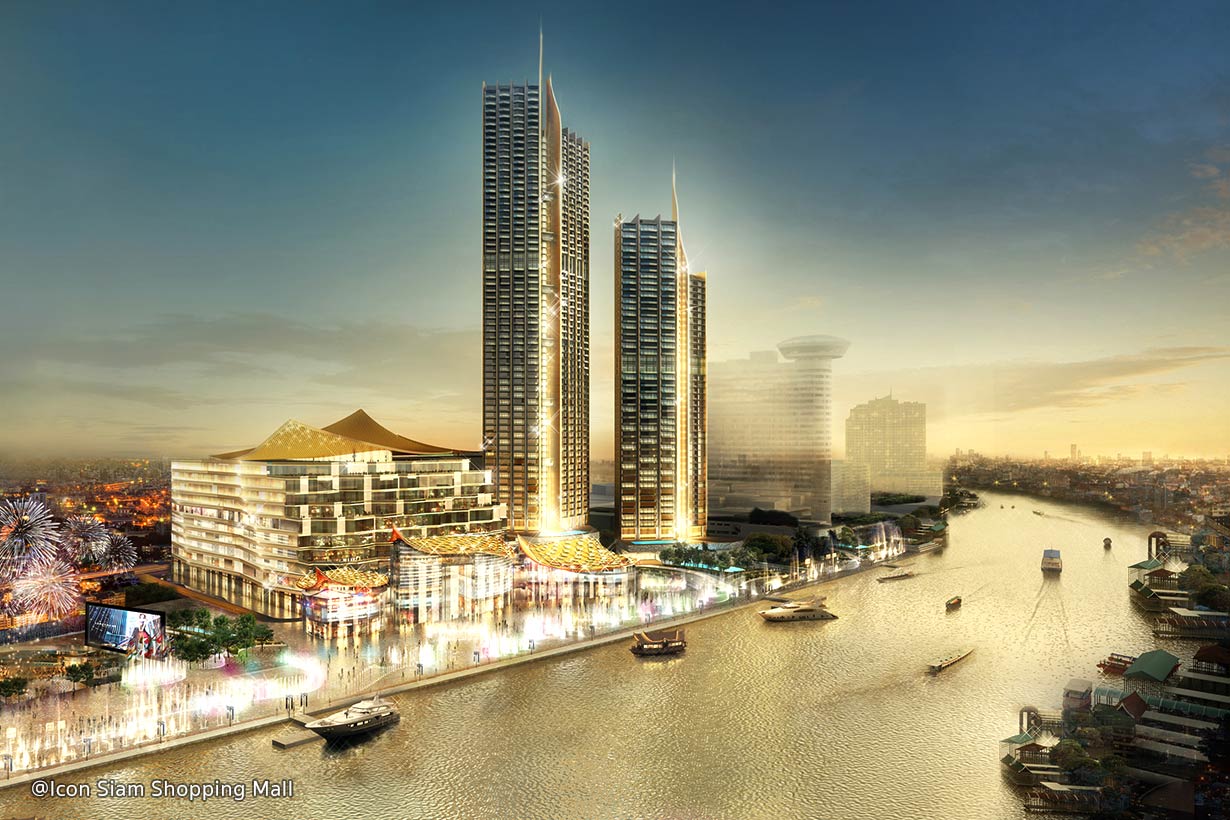
    The Iconsiam is a sprawling 525,000-square-metre complex developed by Siam Piwat and Charoen Pokphand Group, which includes two residential towers over 50 floors high, a movie theatre, a concert auditorium and a variety of retail options, outside of Takashimaya.

    The mall location looks to serve as draw card for the Japanese retailer, whose expansion into Thailand comes at a time when Japanese physical retail is shrinking back home and consumer tastes are moving toward online shopping.

    The shift means Takashimaya  — and other Japanese department stores like it – are entering nearby Asian economies where tourism is high, and retail is burgeoning, in order to survive.

    “Southeast Asia and China are growing economically, so in order to increase our sales we have to go to these types of markets,” said Hironobu Hanai, a Takashimaya representative.

    “That is one of the reasons why we are opening a store in Thailand.”

    Takashimaya has already witnessed great success with its Singapore store opening some 25 years ago, and it is hoping to replicate the same in Thailand – bringing the best of Japan to rich Thais.

    To date, the Singapore store accounts for around 20% of the group’s operating profit, at 6.1 billion yen ($54 million).

    The department store’s complete offerings include a large proportion of Made in Japan, with 30% of the 530 brands, on sale at the new Siam Takashimaya, originating in Japan.

    An entire floor is dedicated to Japanese food, including a supermarket selling luxury products and premium restaurants.

    Another floor of Siam Takashimaya is devoted to beauty products and perfume along, as well as cosmetic services, in addition to floors for women’s and menswear.

    Finally, the last floor sells kid’s products and homewares and will host more restaurants.

    Siam Takashimaya expects to turn its first profit in the year ending February 2020.

  • Bangkok’s IconSiam launches tonight

    Bangkok’s IconSiam launches tonight

    Six years in design and construction, Bangkok’s US$1.6 billion IconSiam development will finally be officially launched tonight before opening its doors to the public tomorrow morning. With 500 stores, more than 100 restaurants and 14 cinema screens, a luxury apartment tower and a Mandarin Oriental hotel, the ambitious development is probably the most significant addition to Asia’s retail landscape in decades.

    Tonight, 10,000 businesspeople, retailers, media and guests have been invited to an opening ceremony which kicks off a weekend of festivities costing US$30 million. A fleet of 1500 drones organised by Intel will take to the sky above the Chao Phraya River and a “famous US singer” whose identity is being kept a closely guarded secret, will perform on stage somewhere along the 400-metre riverfront promenade of the building.

    Tickets to the invitation-only event, which also features a raft of Asian entertainers, fireworks, light and water shows, have been trading online for 10,000 THB (US$300), despite never being sold in the first place.

    Tomorrow, thousands of Thais are expected to visit the 750,000sqm venue, with stores offering rewards for early customers – like H&M issuing a 20,000 THB voucher to its first – and Apple is expected to draw long queues for its first official retail outlet in Thailand.

    About 80 per cent of the stores at IconSiam will be open for business tomorrow, the balance opening in ensuing weeks as fitouts are completed and approved by offshore head offices. But the project is still not complete. Several stories above the retail and dining area remain under construction, scheduled to open in July. They will house a world-class 6500sqm River Museum, a 3000-seat concert hall and other community facilities.

    Defining IconSiam is not easy.

    “It’s not a mall. It’s not a mixed use project,” IconSiam MD Supoj Chaiwatsirikul said last night. “It’s a destination.”

    The story of how IconSiam investors acquired the 8.8 hectare riverfront site gives an insight into how the project evolved into much more than a shopping centre. The owners of the land had been approached many times over the years, including by cashed up foreign developers. But they wouldn’t sell – until Siam Piwat CEO Chadatip Chutrakul talked to them, promising to create something that could showcase Thai culture and history to the world and be something all Thais could be proud of.

    Since then, IconSiam’s operational team have worked with Thais literally the length and breadth of the country to involve them in the project. Artworks and sculptures have been selected from 100 artists, mostly Thai, to appear throughout the complex, a 1.6 hectare space called SookSiam (“a city of Thai happiness”) will feature products and cultural heritage of the nation’s four regions, showcasing their handicrafts, performing arts, food, beverages “and local wisdom” in a single destination promised as “immersive, emotional and entertaining”.

    “IconSiam inaugurates a globally innovative model for destination development that moves the project away from being a mall or a mixed-use complex to being an inspiring destination,” explains Chutrakul.

    “It’s a place to regenerate and refresh, to be inspired and seek new ideas, and a place to discover the best of Thailand and the best on offer from around the world.”

    Unprecedented coordination has taken place with city and government authorities to enhance the transport system surrounding the site. A new skytrain track – aptly called the Gold Line – is under construction linking two other rail routes and which ultimately will make it a 20-minute railway journey from downtown Bangkok to the river. The company has built its own wharf in front of the building and worked to enhance a network of 73 river piers making it easier to reach the venue. Some 45,000 Thais travel along the river using public transport every day and they are starting to find that more convenient than ever.

    Work is continuing with landowners and hotel properties along the waterfront to create a public walkway, opening up the riverfront to the people for the first time in centuries.

    SiamPiwat’s Siam Paragon shopping centre which, when neighbouring properties Siam Center and Siam Discovery are added, create the city’s largest single shopping destination, attracts about 250,000 visitors on a typical weekend day. The company expects IconSiam to draw as many as 400,000 once the project is fully operational. About 60 per cent of those will be Thais, the balance tourists, although it is obvious from the size and scale of the luxury duplexes facing the river – bearing brand names including Louis Vuitton, Gucci, Cartier and Hermes – that the ratio will be quite different zone-by-zone: This part of the project is very clearly designed to appeal to the growing legions of Chinese tourists heading to Thailand.

    Another key retail drawcard of IconSiam will be the country’s first Takashimaya department store spread over several levels and including a comprehensive food and grocery offer as well as fashion and accessories.

  • Spotlight on ASEAN for Korean retail, beauty and entertainment biz

    Spotlight on ASEAN for Korean retail, beauty and entertainment biz

    With Southeast Asia becoming the center stage for South Korean businesses in expanding their global presence, retail conglomerates like Lotte, Shinsegae and CJ have been successfully tapping into the markets. Lotte Group has focused its investments on its retail arm Lotte Shopping’s entrance to the Indonesian market. According to the company, the Indonesia market accounts for 17 percent of total sales earned from overseas Lotte Group businesses.

    Lotte Mart, a discount chain operated by Lotte Shopping, currently runs 46 stores in 25 cities in Indonesia. These stores raked in 1.1 trillion won (US$971 million) in sales as of the end of last year.

    By 2020, the company aims to open 36 more stores in 10 additional Indonesia cities.

    Following a successful entrance in the Indonesian market, Lotte Shopping now targets large-scale investment in Vietnam.

    The company will inject 330 billion won to complete the construction of Lotte Mall Hanoi by 2020.

    Shinsegae Group has been also speeding up its expansion into countries in the Southeast Asia.

    In 2015, Shinsegae’s discount chain operator E-mart opened a two-story mall located in the heart of Ho Chi Minh City at Go Vap District, one of the most developed and densely populated areas in the capital.

    The Go Vap branch marks E-mart’s first overseas store since the brand redirected its focus to the Southeast Asian market in 2011 after officially exiting the Chinese market.

    For over the next three years, E-mart will invest 549 billion won to open four more stores in Vietnam by 2020.

    The second outlet in Ho Chi Minh will open in the first half of next year, the group said.

    Singapore is another crucial country — geographically and economically — for the groups.

    SPC Group opened the first Paris Baguette store in Singapore in 2012. Now nine outlets are operated there, including one at Changi Airport.

    The group said its Singaporean branch Paris Baguette Singapore PTE marked a 12 percent increase in sales from 12.9 billion won in 2015 to 14.4 billion won in 2016.

    SPC Group said it has taken care to localize its services as much as possible to meet the needs and lifestyle of Singaporean consumers.

    Entertainment businesses have also penetrated Southeast Asian markets.

    CJ ENM, a merged corporation of CJ O Shopping and CJ E&M that officially launched in July, will open Asia’s largest virtual commerce content production center in Ho Chi Minh City, Vietnam, targeting audiences in Southeast Asian countries.

    The center, called DADA Studio Vietnam, will create and distribute at least 1,000 pieces of virtual commerce content from early next year.

    Focusing on making use of the low-cost production system and high efficiency of the talent pool in Vietnam, CJ ENM said its attempt to operate a content hub abroad would lead to boosted content sales from the global market.

    “CJ O Shopping and CJ E&M had already witnessed the possibility of the v-commerce content business through our DADA Studio and online creators’ platform DIA TV. To dominate the expanding global content market, a merger of the two CJ companies will show the synergized effect of CJ’s digital content and channel operation,” said Kim Do-han, a director at CJ O Shopping.

    Following the K-pop boom and popularity of Korean style makeup trends, Amorepacific opened an outlet of its high-end makeup and skin care brand Hera this year at the Takashimaya Department store in the heart of Singapore’s shopping district.

    “Targeting the Singaporean market is important with the K-pop and Korean culture wave’s sensational influence to surrounding countries. Hera’s trendy brand image will suit well with Singapore consumers’ taste,” said Na Jung-kyun, head of Amorepacific’s Southeast Asian region division.

  • Japanese department stores Takashimaya and Mitsukoshi upgrading

    Japanese department stores Takashimaya and Mitsukoshi upgrading

    Major Japanese department stores Takashimaya and Isetan are opening new developments in Tokyo.

    Both newly-refurbished stores will launch in Tokyo’s Nihonbashi district to attract a wider customer base. The move occurs against a backdrop of declining department store sales in Japan.

    Today’s Takashimaya launch opens a seven-storey annex with one underground level next to its existing store, accommodating a high proportion of F&B tenants as well as clothing and variety stores, amongst others. The development targets nearby company employees in their 30s and 40s and families, many of whom visit the store to eat.

    Takashimaya President Shigeru Kimoto said: “We integrated a department store with specialty stores. It’s the culmination of meeting the needs of today’s customer.”

    The Isetan renovation to its Mitsukoshi main store in Nihonbashi will open in late October. Among its new features will be a new concierge service.

    The store will share data on the tastes and purchasing histories of key customers with concierge staff and other employees, leading them to use suggestion selling techniques so as to meet customer preferences. Customers will be able to designate a specific concierge before visiting the store via smartphone app.

  • IconSiam Bangkok due to open November 9

    IconSiam Bangkok due to open November 9

    Bangkok’s massive IconSiam development will open on November 9, its developers have confirmed.

    The US$1.67 billion complex being constructed on a 400-metre-long stretch of the Chao Phraya River will feature 14 flagship stores of internationally renowned brands, many of them taking space in the ultra-luxury 25,000sqm glass pavilion called IconLuxe, located next to the river and featuring the longest pillarless glass facade in the world.

    The development will be home to two shopping centres, whose tenants will include 188 brands and store concepts from around the world making their debut in Thailand, including duplex maisons for luxury brands.

    IconSiam CEO Supoj Chaiwatsirikul says IconSiam will represent “a completely new business model for destination development” in Thailand.

    “We are committed to making IconSiam a new national landmark and an exciting global destination. We have therefore placed particular emphasis on becoming the location of choice for the flagship stores of the world’s finest brands as well as introducing many firsts and innovations at the various outlets.”

    The development will comprise a 750,000sqm mega-destination featuring not only two shopping precincts, but theme parks, a museum, hotel and apartment towers.

    “IconSiam will excite visitors with a rich diversity of offerings, including art and culture, in addition to extraordinary dining and shopping possibilities,” said Chaiwatsirikul. “The project is co-designed and co-activated in collaboration with enterprises of all sizes and with people from all walks of life, and the benefits of the project are shared among all parties.

    “We have made every participant in IconSiam – whether they be outlets selling products, or designers and artists showcasing their creations, or even neighborhood communities helping in our operations – an inseparable part of our business model and they play a part in shaping our development.”

    Flagships line up

    Flagship stores at IconSiam will include the largest Adidas Original store in Asia, H&M-owned fashion label Cos, an Aland lifestyle concept store from Korea, and local accessories brand Naraya. H&M will open a three-level store.

    UK retailer JD Sports will open its first Thai store at the development and Nike’s store will be the first in Asia with a Kicks Lounge.

    The retail development is anchored by Thailand’s first Takashimaya department store from Japan which plans to introduce 170 brands into the market for the first time.

    Details have yet to be released about world-class restaurants and a rooftop bar planned for the complex. Besides those, IconSiam will feature seven food and beverage zones, each with a different atmosphere and concept. Tenants will include Singapore’s Jumbo seafood restaurant and Taiwan’s Harbour restaurant.

    Fitness First will open its largest Thai venue yet.

    Opening festival

    Chaiwatsirikul says IconSiam has budgeted THB1 billion (US$31 million) on an opening and launch festival, including extensive international communications.

    “Because IconSiam will be a showcase for the very best that Thailand has to offer and serve as a platform to propel Thai brands, products, artists, artisans and Thai culture onto the global stage, we are investing heavily to make IconSiam globally visible. We want IconSiam to be a magnet for the country, capable of drawing hundreds of thousands of international and local visitors a day, and to bring honour to Thailand,” he said.

    Meanwhile, the development’s two luxury residential towers remain under construction. The 70-floor, luxury Magnolia Waterfront Residences with 379 residential units is 90 per cent complete, while the 52-floor, super luxury The Residences at Mandarin Oriental Bangkok with 146 units is 80 per cent complete.

    IconSiam is being developed by three Thailand companies: shopping centre operator Siam Piwat, which owns Siam Center, Siam Paragon and Siam Discovery; residential developer Magnolia Quality Development Corporation; and multinational conglomerate Charoen Pokphand Group.

  • Takashimaya Bangkok is opening soon

    Takashimaya Bangkok is opening soon

    The long-awaited Takashimaya Bangkok department store will open in November.

    The Japanese retailer’s seven-story shop will be a key anchor of the IconSiam shopping centre under construction on the banks of the Chao Phraya River.

    IconSiam says the store will have 36,000sqm of space, offering “an authentic Japanese experience with modern, playful and exciting twist”.

    Kenji Horiguchi, MD of Siam Takashimaya (Thailand) says the store will deliver a new experience to customers who like authentic Japanese items.

    “With an extensive selection of quality products to serve people of all ages, the store carries more than 500 brands, 180 of which are well-known Japanese brands and 80 new to Thailand,” he said.

    An entire floor is dedicated to Japanese food, including a supermarket selling high-quality ingredients and premium restaurants.

    “As a highlight of this floor, Hokkaido Dosanko Plaza, a local specialty shop, will excite shoppers with fresh produces, sweets and delicacies,” said Horiguchi. There is also a tourism booth located on this floor for the island of Hokkaido.

    Another floor of Takashimaya Bangkok will be devoted to beauty products and perfume along with beauty-related services. There will be floors for women’s and men’s clothing.

    The last floor provides kid’s products, home products and restaurants.

    “The department store, preserving a Japanese charm, has chic cafes on each floor for shoppers to take a break after the shopping spree,” said Horiguchi.

  • Takashimaya is more losing money than profit

    Takashimaya is more losing money than profit

    Just one of Japanese department store chain Takashimaya’s three overseas stores is currently trading at a profit.

    But the company says it believes it can make them all profitable by 2023, including a fourth store set to open in Bangkok late this year.

    The successful store is on Singapore’s Orchard Road, which opened in 1993 and is reportedly earning more than 3 billion yen (US$27.2 million) annually.

    The chain’s Shanghai store, which opened in 2012, has been hampered by delays in the completion of neighbouring projects which would have drawn higher visitor numbers, along with administration costs running over budget. According to a report published by Nikkei, the store is expected to post its seventh consecutive loss in the 12 months to February next year, but should make money in 2020.

    The Ho Chi Minh City store in Vietnam, which opened in 2016, has “struggled from the start” according to Nikkei, its offer apparently too expensive for middle-class Vietnamese consumers. The company plans to boost sales by “broadening offerings of everyday items for families” which it hopes will lead it into profit in the 2022 year.

    The planned Siam Takashimaya store will be one of the anchors of Siam Piwat’s IconSiam, currently under construction and scheduled to open late this year – possibly in October.

    Takashimaya anticipates the Bangkok store to be profitable in its first year, thanks to rent concessions.

    The company’s president, Shigeru Kimoto, said it plans to continue Southeast Asian expansion, despite the challenges to date because it sees potential in the region.

    “In the long term, we seek to capitalise on Asia’s growth,” he said.