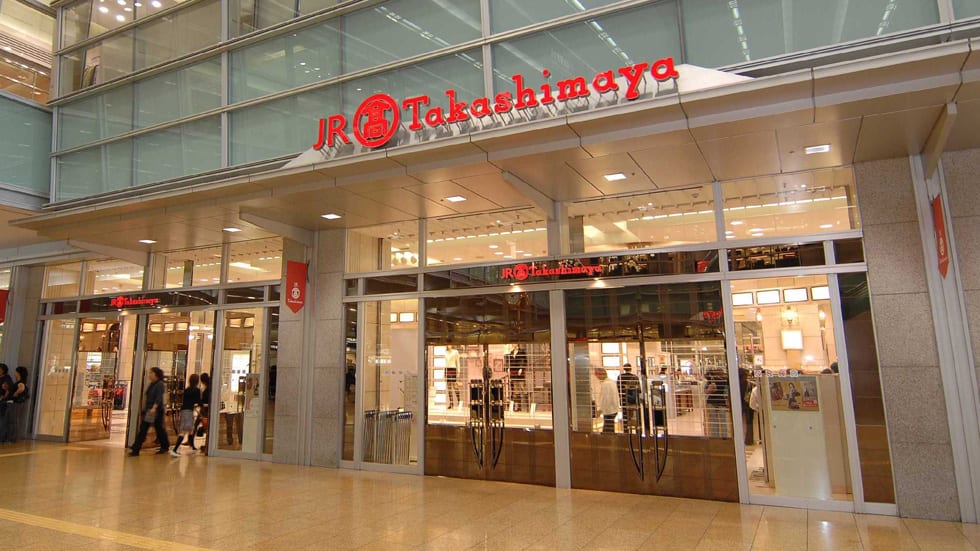
Tag: Takashimaya

  • Takashimaya is more losing money than profit

    Takashimaya is more losing money than profit

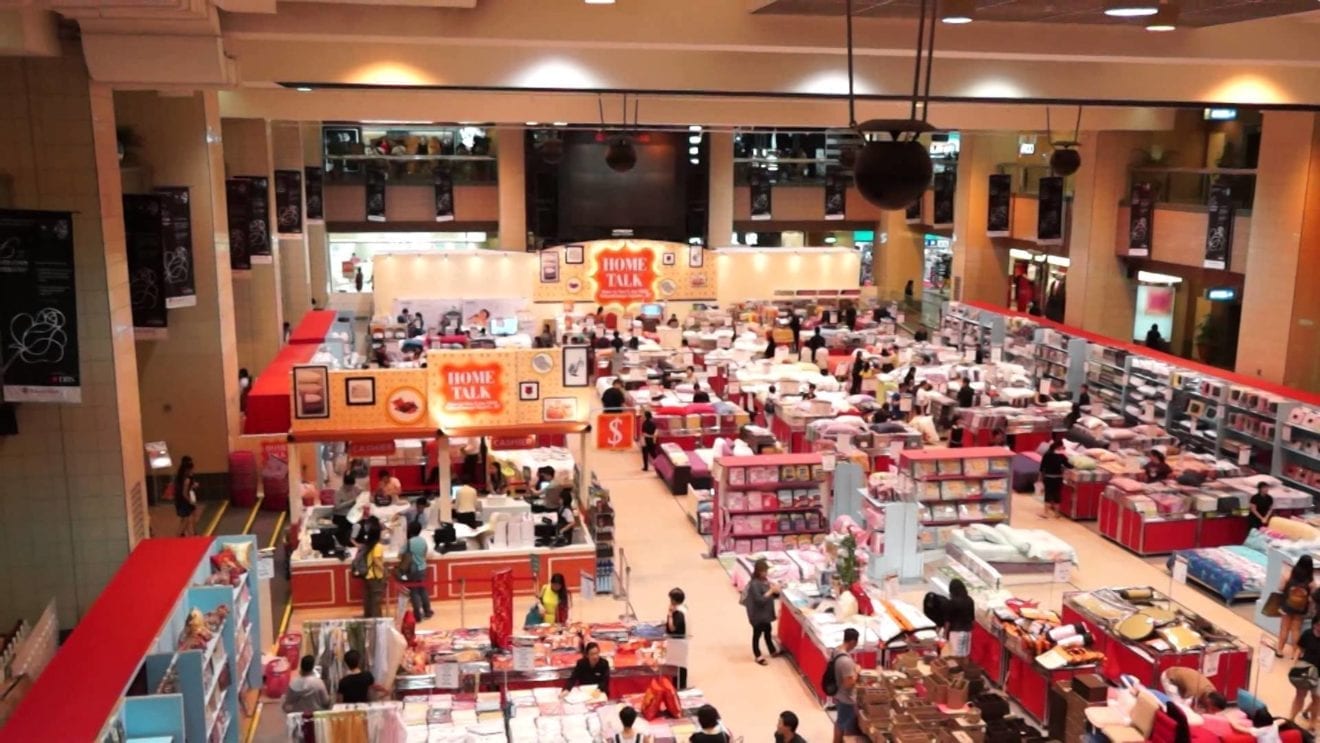
    Just one of Japanese department store chain Takashimaya’s three overseas stores is currently trading at a profit.

    But the company says it believes it can make them all profitable by 2023, including a fourth store set to open in Bangkok late this year.

    The successful store is on Singapore’s Orchard Road, which opened in 1993 and is reportedly earning more than 3 billion yen (US$27.2 million) annually.

    The chain’s Shanghai store, which opened in 2012, has been hampered by delays in the completion of neighbouring projects which would have drawn higher visitor numbers, along with administration costs running over budget. According to a report published by Nikkei, the store is expected to post its seventh consecutive loss in the 12 months to February next year, but should make money in 2020.

    The Ho Chi Minh City store in Vietnam, which opened in 2016, has “struggled from the start” according to Nikkei, its offer apparently too expensive for middle-class Vietnamese consumers. The company plans to boost sales by “broadening offerings of everyday items for families” which it hopes will lead it into profit in the 2022 year.

    The planned Siam Takashimaya store will be one of the anchors of Siam Piwat’s IconSiam, currently under construction and scheduled to open late this year – possibly in October.

    Takashimaya anticipates the Bangkok store to be profitable in its first year, thanks to rent concessions.

    The company’s president, Shigeru Kimoto, said it plans to continue Southeast Asian expansion, despite the challenges to date because it sees potential in the region.

    “In the long term, we seek to capitalise on Asia’s growth,” he said.
  • Luxury cosmetics brand Hera opens store in Singapore

    Luxury cosmetics brand Hera opens store in Singapore

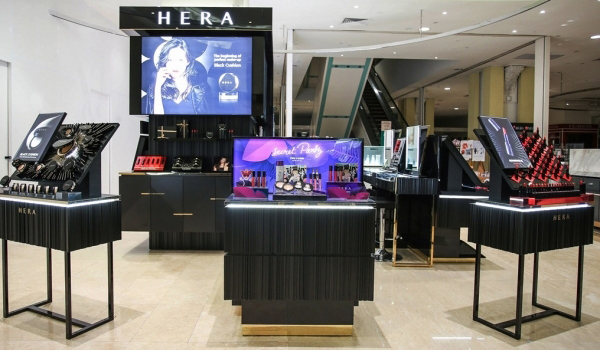
    Luxury beauty brand Hera under South Korea’s largest cosmetics conglomerate Amorepacific Group has opened its first store in Singapore that is expected to serve as the Korean beauty brand’s gateway to neighboring countries in Southeast Asia.

    According to Amorepacific on 11 May, Hera was officially launched in Singapore with the opening of its standalone boutique store inside Takashimaya Department Store.

    The move comes as luxury cosmetics brand Hera has been putting out efforts to expand its global business by entering into Association of Southeast Asian Nations (ASEAN) countries. Hera that entered China in 2016 plans to use Singapore as a bridgehead to venture into other markets in Southeast Asia.

    Hera expects the store in Singapore where hallyu, or Korean wave, is still catching on and consumers chase trendy lifestyle would help to accelerate its advance into other ASEAN markets.

    Amorepacific plans to mainly introduce skin care and beauty products that can help maintain fresh look against high humidity and temperature at its first store in the Southeast Asian country.

    In addition to the boutique store in Takashimaya Department Store, Hera plans to open a flagship store in the country before launching the brand in other neighboring countries.

    Amorepacific ventured into China immediately after Korea and China established diplomatic relations in 1992. The beauty powerhouse that has been seeking to drive the growth through overseas operations made a foray into Vietnam with its mid-tier Laneige brand in 2003 and now manages 20 direct outlets in the country.

    It also has been aggressively expanding its presence in other countries in Southeast Asia and the Middle East including Indonesia, Thailand, Singapore, and Dubai.

  • Permanent Pokemon Center opens at Nihonbashi Takashimaya Tokyo

    Permanent Pokemon Center opens at Nihonbashi Takashimaya Tokyo

    Japanese fans can step into a whole world of Pokemon in a new experiential store in Tokyo.

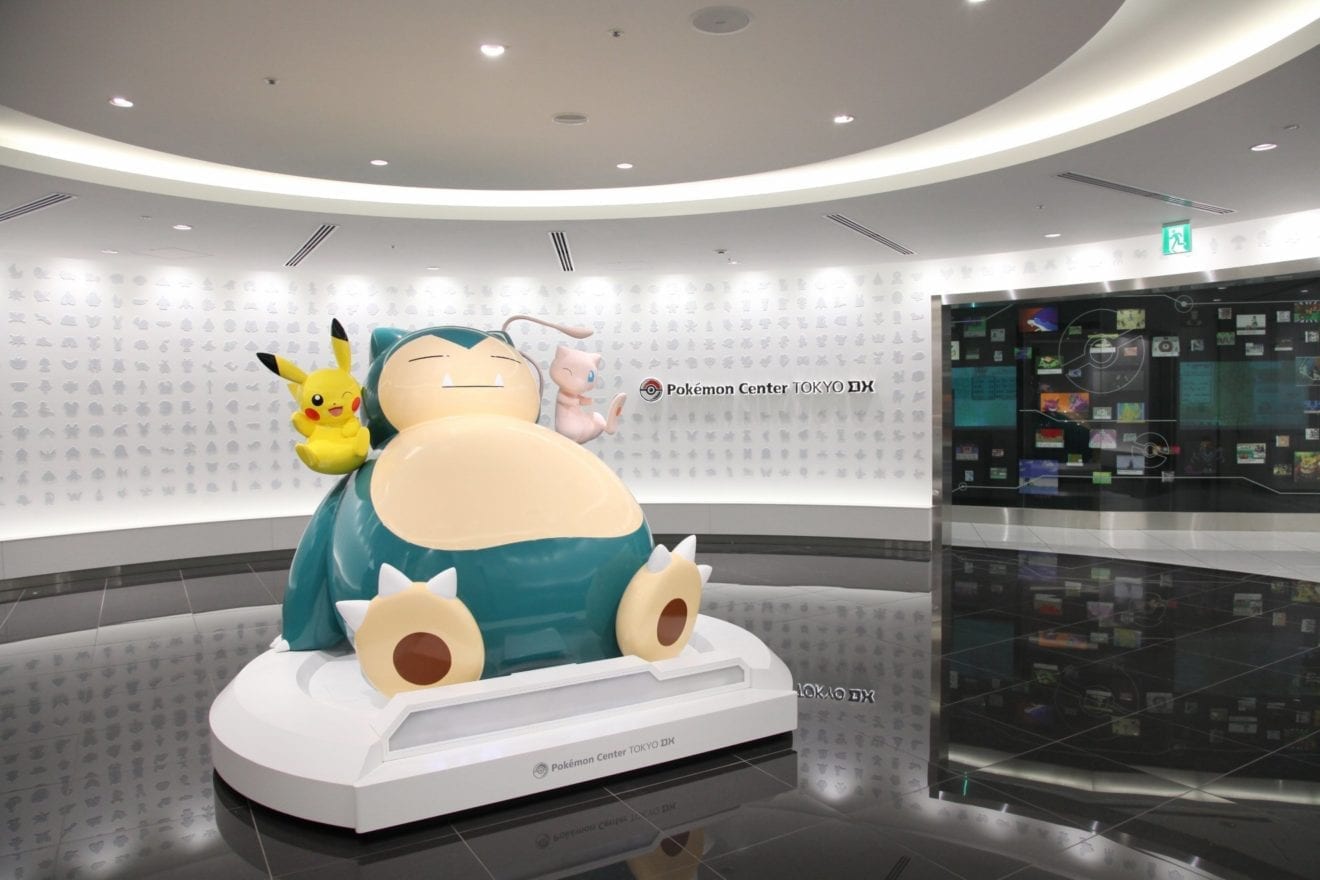
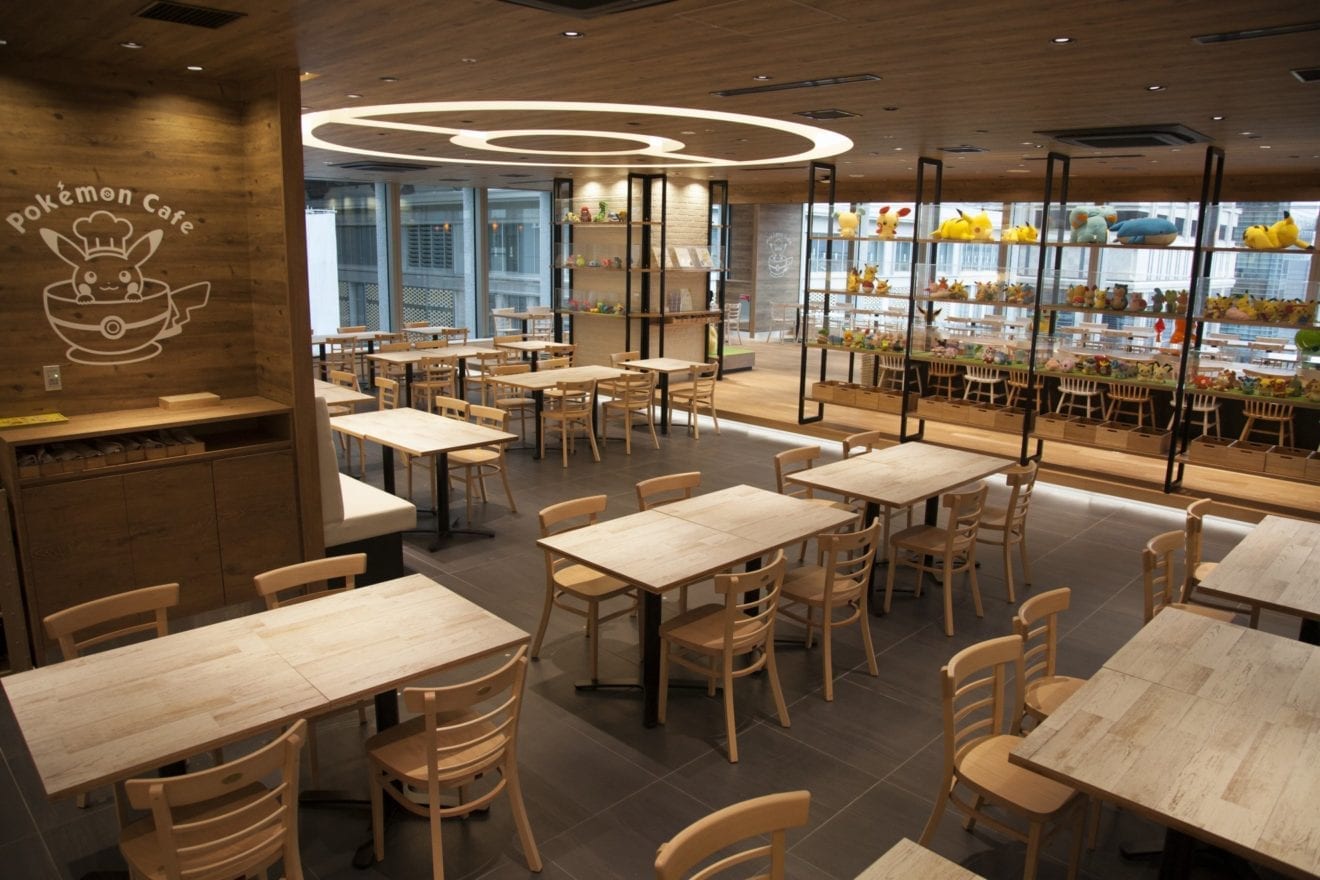
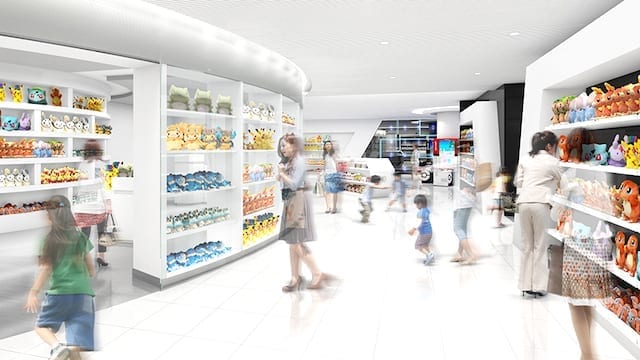
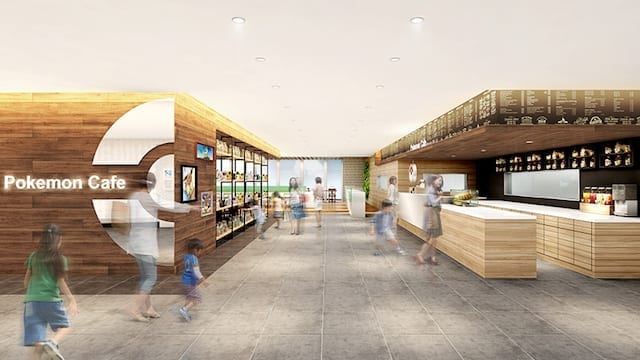
    The Pokemon Center brings the game franchise to life with a range of Pokemon merchandise on sale. This is the Japanese franchise’s third Pokemon Center, and by far its largest with 1300sqm of floor space. It is also the first to include a cafe, which offers a range of foods including themed curries and pancakes in the shape of the Pokemon character Pikachu.

    Located inside the Nihonbashi Takashimaya Department store, it serves as another example of how traditional department stores are embracing new experiential concepts to make up for declining sales in traditional categories.

    The store opened yesterday and a special promotion will run until April 22 offering shoppers giveaways, including assets to use in the smartphone-based Pokemon game.

    Merchandise on sale at the Pokemon Center include soft toys and accessories.

    Earlier stores are in Sapporo, which was recently upgraded, and at the Tokyo Skytree complex, which opened in July 2016.

  • Takashimaya Singapore to sell Hera soon

    Takashimaya Singapore to sell Hera soon

    Korean beauty company Amore Pacific is to introduce its makeup and skincare brand Hera in Singapore with a counter at Takashimaya.

    Launching in April, the counter will offer not only Hera’s full range, but also its Homme line.

    Hera has been one of the main sponsors for Seoul Fashion Week in the past few years, and is fronted by Korean actress Gianna Jun of My Sassy Girl.

    Singapore is only the second country outside Korea after China to have Hera, as reported, , and a standalone store is planned for the third quarter of this year.

  • Japanese baby products firm Ficelle makes full-scale Thai debut

    Japanese baby products firm Ficelle makes full-scale Thai debut

    Japanese baby products retailer Ficelle has launched its first outlet in Thailand.

    In partnership with distributor K-AG Kin All Gen, it has opened a store in Bangkok’s Central Embassy shopping mall. This follows a six-month trial of online sales in Thailand last year, which raked in THB5 million (US$155,000).

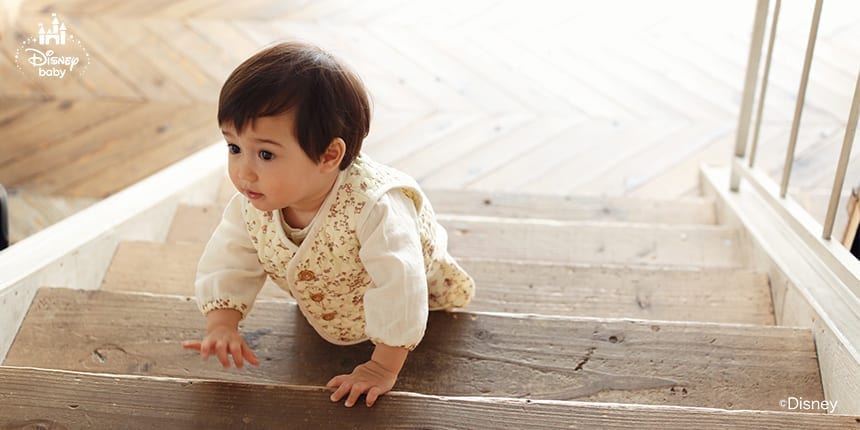
    Ficelle offers a range of brands, including Japan’s 10mois, with such items as baby and maternity clothes, sleeping vests, bibs and portable chairs.

    K-AG Kin All Gen executive director Lukkana Jaovisidha says the luxury goods market in Thailand, particularly babycare products, is expected to grow. The trend of having fewer children means parents are likely to spend more on infant apparel and baby accessories per child.

    Nearly a third of customers are expected to be expatriates in Thailand.

    Two more stores are planned for Bangkok this year, including a flagship in a Takashimaya department store. The partners hope to have five shops in Thailand by 2020.

    Ficelle has also just opened an outlet in Singapore following product launches in Hong Kong, South Korea and Taiwan.

  • Mamonde flagship to open at Takashimaya

    Mamonde flagship to open at Takashimaya

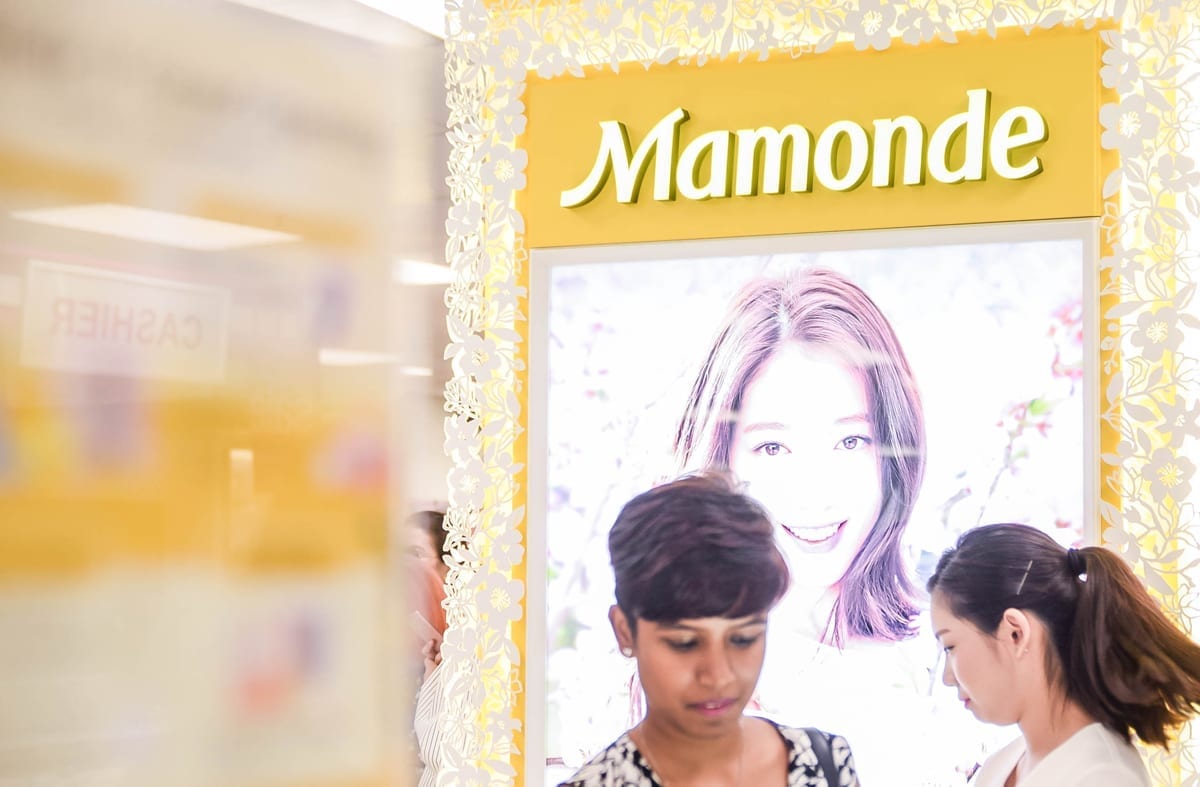
    After launching into Singapore via e-commerce this year, Korean beauty brand Mamonde has opened its first-ever global flagship store at Takashimaya Shopping Centre.

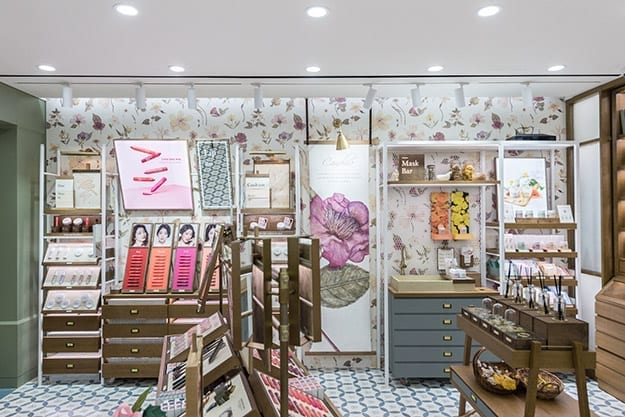
    It is decorated with blooms (both real and illustrated) giving it the air of a sensorial floral studio, as reported. The design inspiration comes from the Mamonde Garden in Korea where the brand harvests its organic ingredients.

    As well as wooden shelves and counters stocked with makeup and skincare products, there is a corner Mask Bar complete with a sink where customers can try out Mamonde’s specialty clay packs or sleeping masks. There is also a Korean eyebrow makeover service.


    Owned by AmorePacific, the skincare and cosmetics brand was launched in 1991.

  • Tokyo plan its permanent Pokemon cafe

    Tokyo plan its permanent Pokemon cafe

    While themed restaurants are usually temporary affairs in Japan, Tokyo is about to have its first permanent Pokemon diner.

    Opening in the Takashimaya department store in Nihonbashi, the cafe will feature food, drinks, and décor that draws on decades of Pokemon anime and videogame aesthetics.

    Scheduled to arrive at Takashimaya Nihonbashi at the same time is a Pokemon specialty shop, Pokemon Center Tokyo DX. Like similar Pokemon shops, it will offer exclusive merchandise related to the game character.

  • Parkson Retail Asia 1Q Net Loss Widens On Year As Sales Decline

    Parkson Retail Asia 1Q Net Loss Widens On Year As Sales Decline

    Parkson Retail Asia has had a lacklustre start to its fiscal year, its unaudited first-quarter figures show.

    Gross sales proceeds fell by 8.3 per cent year on year to S$202.4 million (US$148.9 million) for the quarter.

    Total merchandise sales generated $198.1 million, with concessionaire sales contributing 74.2 per cent, down from 77.9 per cent for the same period last year, and direct sales contributing the balance of 25.8 per cent.

    Attributable net losses to the owners of the company for the period, to September 30, reached $12.9 million. The group also had net current liabilities of $67.9 million at the end of September, the result of investments in new stores and ventures yet to reach optimal level. This was an increase of 22.5 per cent from its June 30 position.

    Same-store sales in Indonesia and Malaysia were impacted during the quarter by the absence of Lebaran/Hari Raya festival buying following a shift in the calendar.

    Malaysia remained challenging, with the country’s consumer sentiment index, at 77.1, continuing to register below the 100-point confidence threshold for the 13th consecutive quarter.

    Consumer spending appears to have also softened in Indonesia, where retail spending has been declining, while Parkson’s same-store sales in Vietnam dropped by 7.8 per cent. This is attributed to the “fading of novelty effects” arising from the entry into the market of such international players as H&M, Takashimaya and Zara.

    “Competition in Vietnam’s retail market remained intense,” says Parkson.

    In Myanmar, the group closed its store at FMI Centre, Yangon, in January with a new store at Junction Square in the city opening two months later.

    Parkson says its performance in the next quarter is expected to benefit from year-end school holidays and festive buying. However, it expects challenges with fragile consumer sentiment and stiff competition.

  • Takashimaya profits soar in Q1

    Takashimaya profits soar in Q1

    Takashimaya announced on June 26th that net profit for the first quarter of the fiscal year surged 44.7%, as the company saw revenues increase slightly and “endeavoured to cater to the increasingly diverse array of customer needs and create sales spaces that deliver new value.”

    The Japanese department store operator reported a net profit of 5.45 billion yen (US$48.7 million) for the three months ended May 31, compared to the same period last year, while operating profit lifted 5.1% to 8.09 billion yen.

    The retailer said first-quarter sales grew 2.8%, hitting 225.48 billion yen (US$2.02 billion).

    Takashimaya credited its rejigged operating strategy with a focus on omni-channel, and an improved consumer sentiment in Japan for the financial result.

    “We made efforts to harmonize the product lineup between stores and the online store, develop distinctive merchandise, provide a streaming service aimed at enhancing convenience for customers and in-store tablets to introduce customers to the online store,” the retailer said in a statement. “These and various other measures contributed to strong sales.”

    During the quarter, the department store’s Shinjuku location opened a specific level for ‘wellbeing’, boasting shops and a café with healthy items, as well as studios and a gym.

    Takashimaya said it expects net profit to life 3% to 21.5 billion yen (US$191.1 million). The firm forecast 12-month operating profits to increase 2.9% to 35 billion yen (US$311.2 million) and a yearly sales growth of 2.% to 943 billion yen (US$8.38 billion).

  • Takashimaya Duty Free Shop opening soon

    Takashimaya Duty Free Shop opening soon

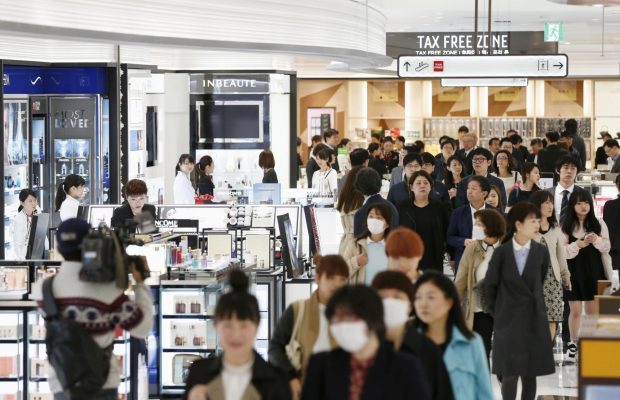
    Takashimaya Duty Free Shop, Tokyo’s latest downtown duty-free store, will open late next month.

    The 2800 sqm retail outlet is a JV between department store company Takashimaya, travel retailer ANA Trading and Hotel Shilla. It will be on the 11th floor of the new Takashimaya Times Square development, in the Shinjuku area.

    Other major downtown duty-free projects scheduled to open in Tokyo include Japan Duty Free Ginza and Lotte Duty Free Tokyo Ginza.

    Takashimaya Duty Free Shop is directly connected to Shinjuku Station and to Shinjuku Expressway Bus Terminal, allowing easy access to Tokyo’s airports.

    A spokesperson for The Shilla Duty Free says Japanese cosmetics will be a key focus of the store. There will also be a tax-free zone for Japanese brands including cosmetics, food/confectionery, souvenirs, fashion and electronics.

    Goods bought at downtown duty-free stores must be collected at Narita or Haneda airport, while tax-free Japanese-made items can be collected in the stores.
    Chinese group tours will be a target audience, with Takashimaya Duty Free establishing infrastructure such as bus parking spaces, and developing offers to appeal to such visitors.

    A&S Takashimaya Duty Free Company was established last June, with Takashimaya holding a 60 per cent stake, with ANA Trading and Shilla each holding 20 per cent.

    Takashimaya Times Square includes a Takashimaya department store, brands like Nitori, Tokyo Hands and Uniqlo, as well as restaurants and a spa avenue.

  • Concept store Uniqlo Move opens in Tokyo

    Concept store Uniqlo Move opens in Tokyo

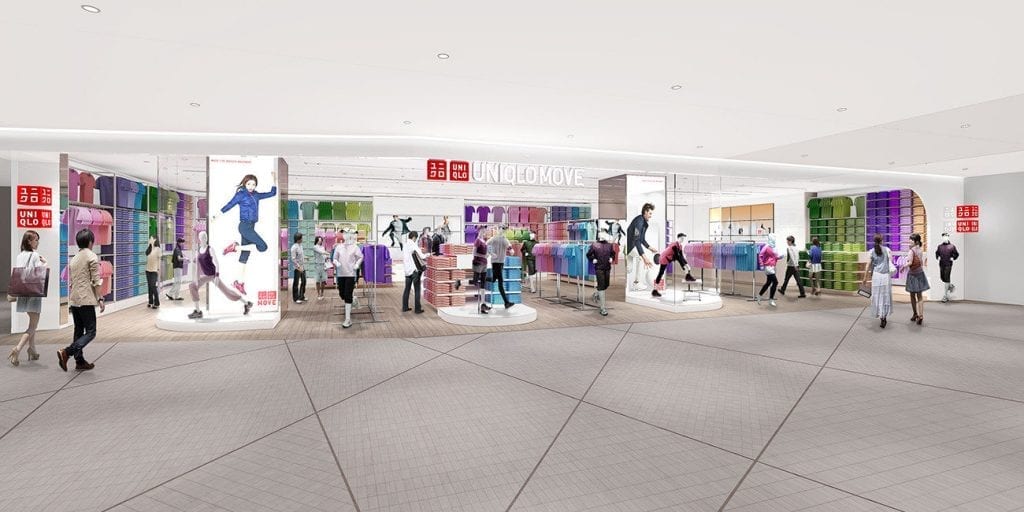
    A lifestyle-focussed concept store, Uniqlo Move, has been launched in Tokyo by the Japanese fashion basics retailer.

    It features its LifeWear range of activewear in a space on the eighth floor of Shinjuku Takashimaya department store.

    Sections of the 75 sqm store will be arranged according to movement, ranging from everyday life to exercise. Not only will the store offer products and visuals different to Uniqlo stores, but it will also act as an information hub for tips on making everyday life “more active and comfortable”, says the retailer.

    Dubbed “The Science of Lifewear” in its entirety, the brand’s first global campaign launched last year, being described by creative director John Jay at Uniqlo parent company Fast Retailing as “the ongoing innovation of simplicity”.

    As the range was developed last year, mountaineer Marin Minayama has appointed the brand’s first female ambassador.

  • Keppel boosts Saigon Centre stake

    Keppel boosts Saigon Centre stake

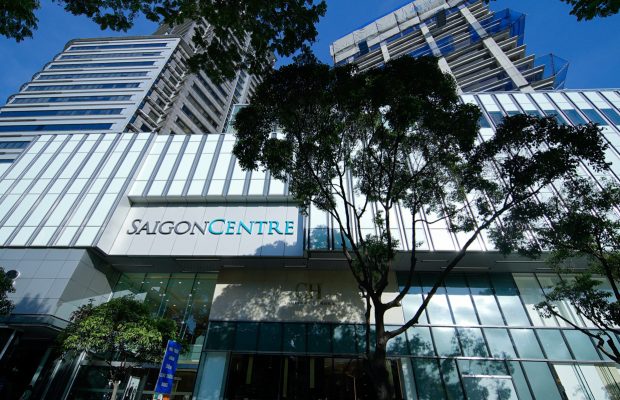
    Singapore-headquartered Keppel Corp has paid VND 845.9 billion (S$53.5 million) to boost its stake in Ho Chi Minh City’s Saigon Centre beyond 50 per cent.

    Saigon Centre, a mixed-use development incorporating a shopping centre anchored by Takashimaya department store, apartments and office space, is a joint venture between Keppel and local company Watco. The first stage, a small shopping mall beneath an 11-story tower, opened in 1996. Last year the expanded 55,000 sqm mall opened, and construction continues on a second tower of approximately 40 stories above it.

    The mall is trading well, 100 per cent leased, with several Japanese retailers, including Owndays, making their debut in the market. Chanel is constructing what is expected to be a make-up studio on the ground level in a prime space previously used for events and pop-ups.

    Keppel now owns 53.5 per cent of the Keppel Land Watco I, II and II companies and 76.2 per cent of Keppel Land Watco IV and V.

    “Keppel Land is committed to grow its commercial portfolio in key Asian cities. Vietnam, one of our key growth markets, continues to attract foreign direct investments which will drive positive demand in the property market from homes to offices and mixed-use developments,” said Keppel Land CEO Ang Wee Gee in a statement.

  • Mujosh eyewear to open in Vietnam

    Mujosh eyewear to open in Vietnam

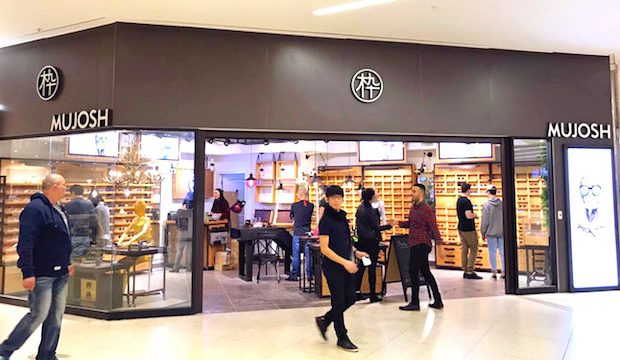
    Hong Kong-headquartered Mujosh eyewear is about to open its first store in Vietnam.

    The edgy brand, which made its international debut in Malaysia just last year, will open a store inside Saigon Center in Ho Chi Minh City. The mall houses the Takashimaya department store along with the first Japanese-headquartered Owndays shop in Vietnam.

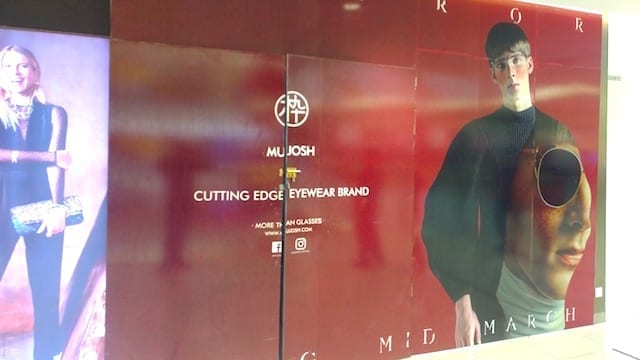
    The store is undergoing fitout with a billboard promising an opening in “mid-March”.

    Established in 2010, Mujosh describes itself as “an innovative fashion eyewear brand” which combines unique elements and styles into frame designs.

    “Appreciating creative ideas, valuing the value of handicraft, cherishing the original touch of materials, Mujosh is deeply loved by fashion icons and wearers.”

    The brand also has stores in Singapore (on Haji Lane), Thailand and Australia. It plans to open 1000 stores globally within five years.

    Owned by Photosynthesis Group Co, Mujosh is the company’s first brand to go international since it started its international business expansion at the beginning of 2015.

    Edmonton marks Canadian debut

    Meanwhile, Mujosh opened its first store in Canada, a flagship in West Edmonton Mall, the largest shopping centre in North America. The mall hosts about 32 million visitors per year; between 90,000 and 200,000 daily.

    Among early customers was one who said she had become familiar with the brand while travelling in Shanghai and Singapore.

  • Hermes sales rise 7 per cent in Asia

    Hermes sales rise 7 per cent in Asia

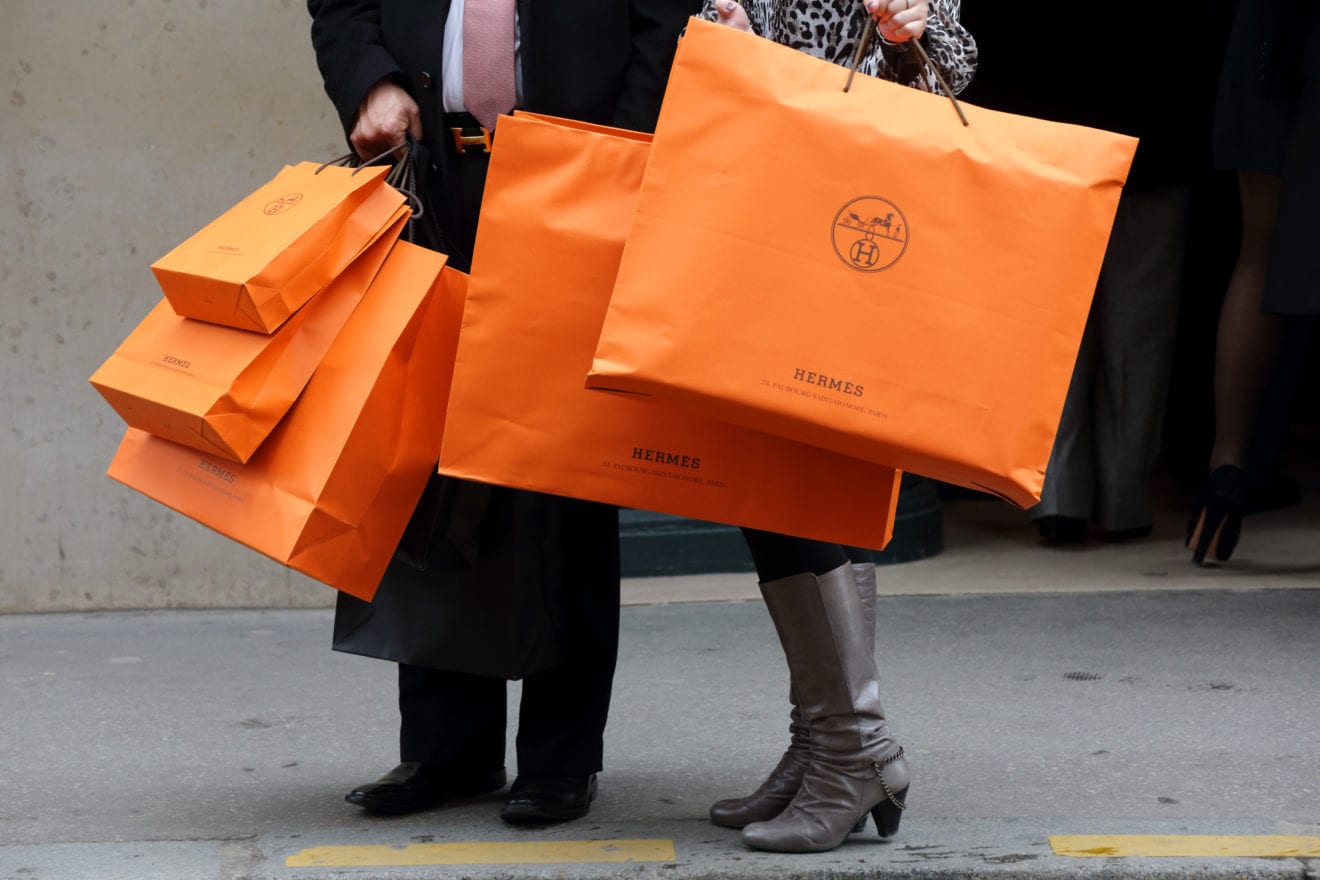
    Hermes sales rose 8 per cent last year for French high-fashion goods manufacturer Hermes International.

    In what it describes as a “difficult context”, the group’s consolidated revenue reached €5202 million (US$5.5 billion).

    Sales growth was sustained in the fourth quarter (up 8 per cent at current exchange rates, and 7 per cent at constant exchange rates), with all geographies progressing.

    Hermes continued to improve the quality of its distribution network, with four store openings and renovation and extension works.

    Japan (up 9 per cent) performed well thanks to its selective distribution network, despite the strengthening of the yen and a high comparison basis.

    Asia excluding Japan (up 7 per cent) pursued growth, particularly with extensions of the Liat Towers and Takashimaya stores in Singapore and store openings in Macau, at Hong Kong Airport and in Chongqing in China.

    In Mainland China, the group says it continued to develop even though the context remains challenging in Hong Kong and Macau.

    Growth over the year was driven by leather goods and saddlery products, which continue to be the mainstay of the group. Otherwise, sales benefitted from a positive momentum at year end in such sectors as silk and the ready-to-wear and accessories division.

    Growth “remarkable”

    Hermes says the 14 per cent growth in leather goods and saddlery was remarkable, thanks to the success of the collections and the diversity of models, particularly the Constance, Halzan and Lindy bags alongside the Birkin and Kelly.

    The ready-to-wear and accessories division was stable over the year, posting a 4 per cent increase in the fourth quarter driven by the latest women’s collections, particularly shoes.

    While sales eased 1 per cent for the silk and textiles business line in the fourth quarter, Hermes says it was a good result in the face of being penalised by events in Europe and slowing sales in Greater China during the first half of the year.

    A 9 per cent growth in sales of perfumes was driven by the success of Terre d’Hermes, the launch of Galop d’Hermes and the latest creations such as colognes Eau de Neroli Dore and Eau de Rhubarbe Ecarlate.

    Down 3 per cent, the watches division was penalised by a still challenging market and a high comparison basis at year end. Sales rose 2 per cent for other Hermes business lines, encompassing jewellery, Art of Living and Hermes Table Arts.

    Meanwhile, Hermes is pursuing its long-term development strategy based on creativity. This year it is celebrating the “Meaning of Objects”.

  • Manolo Blahnik Malaysia debuts in KL

    Manolo Blahnik Malaysia debuts in KL

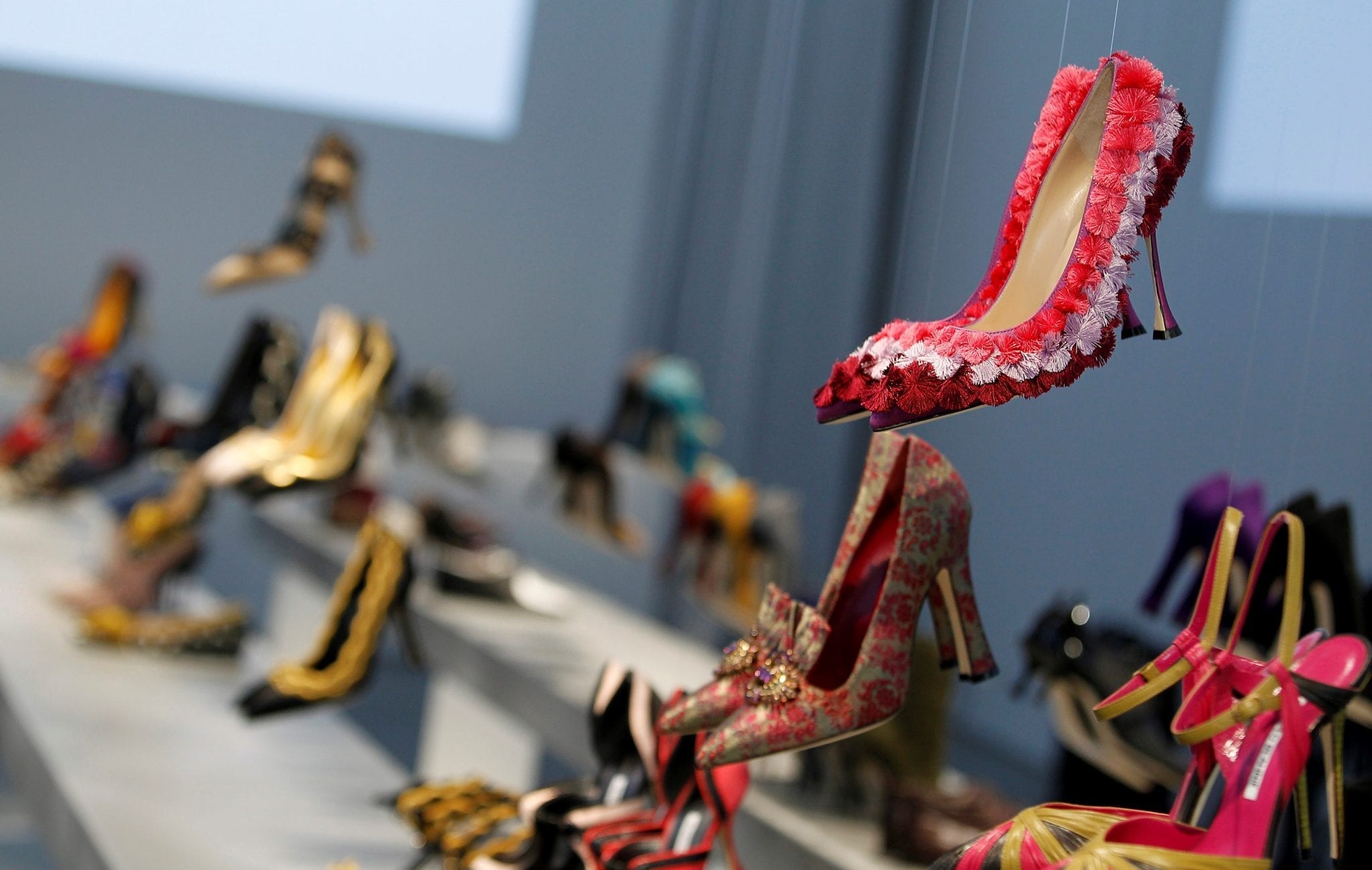
    Women’s shoe retailer Manolo Blahnik Malaysia has launched its first store, in Pavilion KL.

    The 95 sqm store is part of an Asia expansion plan that includes the refurbishment of its Singapore store at Takashimaya, as well as the launch of a flagship store in Tokyo next year. The brand is partnering with retailer Bluebell Group on the projects.

    Founder Manolo Blahnik, who opened his first shop in Chelsea in London in 1973, was born in the Canary Islands to a Spanish mother and Czech father. He studied languages and art in Geneva before moving to Paris in 1965, where he became a set designer.

    On a visit to New York in 1970, he showed his theatre designs to Diana Vreeland, then editor-in-chief of American Vogue, who encouraged him to concentrate on his shoe designs.

    Blahnik learnt the art of making shoes by visiting factories, and by 1971 was in London making shoes.