Retail News CRM

Tag: Tax

  • Thailand Abolishes Tax Exemptions for Online Purchases from Abroad: A Boost for Local Businesses

    Thailand Abolishes Tax Exemptions for Online Purchases from Abroad: A Boost for Local Businesses

    Thailand is set to impose taxes on all foreign goods sold through online platforms starting from January of next year. This move marks an end to the existing exemptions granted to low-value imports that are priced under 1500 baht (US$46.30).

    Creating a Fair Business Environment

    Panthong Loikulnan, the director-general of the customs department, has said that the motivation behind this change is to establish a more level playing field for local businesses and to increase government revenue. He stated, “The absence of duties grants foreign goods an advantage over Thai businesses. This is particularly unjust to our SMEs.”

    In the new system, all imported goods, regardless of their value, will be subject to customs duties and value-added tax (VAT) as mandated by law. This change is set to replace the existing tariff exemption which is due to expire at the end of this year.

    Currently, imported goods priced below 1500 baht account for over 30 billion baht ($927 million) in annual imports.

    Loikulnan has indicated that enforcing an average 10 per cent duty could generate at least an additional 3 billion baht ($92.7 million) in government revenue each year.

    Ensuring Compliance

    The system will primarily depend on data verification from online platforms. Random inspections will also be carried out to ensure compliance.

    Thailand’s customs department has been engaging in discussions with major e-commerce operators, including Shopee and Lazada, to directly link their sales and import data.

    Loikulnan stated that this reform will assist in leveling the playing field for domestic retailers who are already paying taxes, particularly the small and medium-sized enterprises that are affected by the surge of low-cost imported products.

    He expressed concerns about the delay in implementing this process, stating that, “If we procrastinate, we will find ourselves at a disadvantage because all other countries are beginning to face the same issue: domestic sellers pay taxes, but foreign goods are imported tax-free.”

    Future Suggestions

    For the longer term, Loikulnan suggested introducing a “lump-sum tax”, which would be a flat rate of 20 to 30 per cent per imported package. He believes this would help simplify the system and increase its efficiency. However, he noted that such a change would necessitate legislative amendments and would require time to implement.

    Questions & Answers

    What is the motivation behind the imposition of taxes on foreign goods sold online?
    The introduction of the tax is aimed at creating a level playing field for local businesses and increasing government revenue.

    How will the system ensure compliance?
    The system will primarily depend on data verification from online platforms, with random inspections being carried out to ensure compliance.

    What is the ‘lump-sum tax’ that is being suggested for the longer term?
    The ‘lump-sum tax’ refers to a flat rate of 20 to 30 per cent per imported package. This is aimed at simplifying the system and increasing its efficiency.

  • Thailand Unveils New 45% Tax on Vintage Cars: A Bold Move for Classic Car Enthusiasts

    Thailand Unveils New 45% Tax on Vintage Cars: A Bold Move for Classic Car Enthusiasts

    Thailand will introduce a 45% tax on imported vintage cars in fiscal year 2026, a strategic move projected to boost government revenue by an additional THB1-2 billion (US$31.4-62.9 million) annually.

    The regulations accompanying this tax will restrict these classic vehicles to use only on Saturdays, Sundays, and public holidays, although exceptions may be made for special events with prior police approval.

    Revving Up Vintage Car Culture

    Kulaya Tantitemit, the director-general of the Thai Excise Department, explained that the new tax aims to transform Thailand into a vibrant hub for vintage car exhibitions while also supporting the local car restoration industry. “We want Thailand to be the go-to destination for vintage enthusiasts,” Kulaya said, perhaps envisioning a future where restored beauties cruise down Bangkok’s streets like it’s 1955.

    Who’s Affected? The Details of the Tax

    This tax will specifically target vintage cars that are imported, with the initial classification declaring a vehicle must be at least 30 years old. Future regulations may provide further specifications on models and reference international pricing to ensure fairness. However, be advised: vintage motorbikes and cars already registered in Thailand will remain untouched by this levy.

    Revenues Surpassing Expectations

    The announcement comes on the heels of encouraging news from the Excise Department, which is optimistic about surpassing its revenue goals for the current fiscal year. For the first 11 months of fiscal year 2025, the department reported collections of THB489 billion, marking a 1.6% increase from the previous year.

    Questions & Answers

    What prompted Thailand to implement this new tax on vintage cars?
    The tax aims to boost government revenue while positioning Thailand as a key player in the vintage car exhibition scene and supporting the domestic car restoration industry.

    Who will be affected by the 45% tax on vintage cars?
    The tax specifically targets vintage cars imported into Thailand, defined as vehicles that are at least 30 years old. It will not apply to vintage motorbikes or vehicles already registered in the country.

    How much revenue is expected to be generated from this tax?
    The government expects the new tax to raise between THB1-2 billion (US$31.4-62.9 million) annually, significantly contributing to the national coffers.

  • Indonesia Slashes Taxes for Hotels and Restaurants to Boost Business Recovery

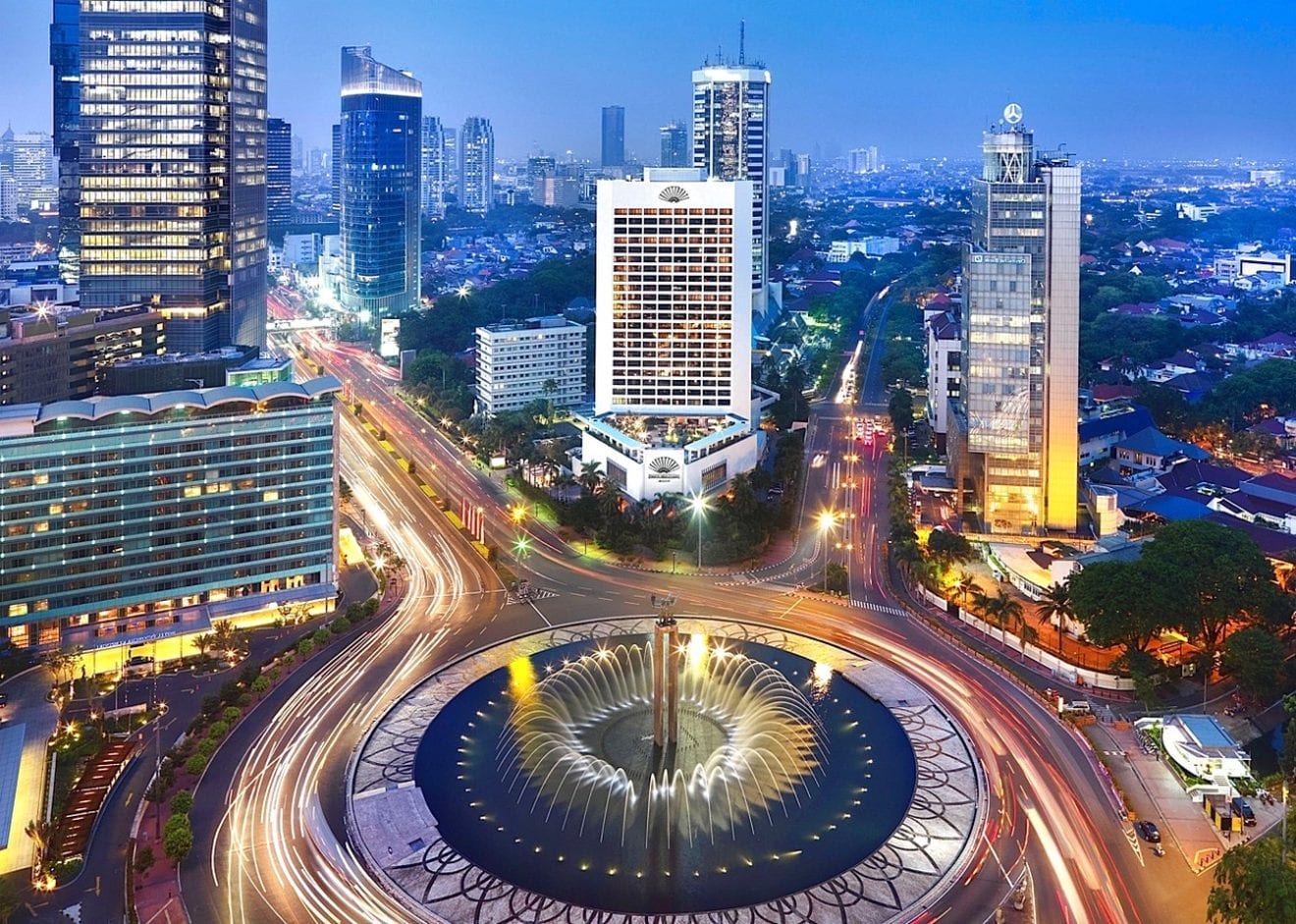
    Indonesia Slashes Taxes for Hotels and Restaurants to Boost Business Recovery

    In a proactive move to aid its beleaguered hospitality industry, Jakarta officials have unveiled a temporary tax reduction initiative for hotels and restaurants amid escalating costs and a dip in consumer demand. The new regulation introduces a hefty 50% tax reduction for hotels from late August until the end of September, tapering to a 20% cut from October through December. Restaurants are not left out, as they too will enjoy a 20% reduction during these same time frames. As an added condition, hotels must participate in the E-TRAPT system by submitting electronic transaction data to foster transparency and accountability.

    Supporting a Vital Industry

    Jakarta Governor Pramono Anung emphasized that this decision was not made lightly. He pointed out that the revenue from hotels and restaurants in the capital already exceeds the national average by 14–15%. This tax relief is designed to keep businesses afloat and encourage growth within the sector. “It’s not just a gift; it’s a strategic maneuver,” he noted.

    A Short-Term Relief with Longer Implications

    The policy is set to last until the year’s end with the possibility of extending into January 2026, depending on the economic climate.

    Industry Reaction and Economic Impact

    The hotel association has warmly embraced the tax cuts, viewing them as a crucial lifeline for operational stability, service quality, and job preservation in this challenging environment characterized by rising operational costs and declining occupancy rates. As one industry leader put it, “It’s not a magic wand, but it’s a significant boost.” Officials have also pointed out that improved cash flow will allow hotels to roll out promotions and elevate services without eroding profit margins—showing that sometimes, a little tax relief can go a long way in shaking up a stagnant market.

    Questions & Answers

    What prompted the Jakarta government to implement tax reductions for hotels and restaurants?
    The tax reductions were introduced in response to rising costs and declining customer demand in the hospitality sector, aiming to support these businesses during tough times.

    How long will the tax reductions be in effect?
    The tax relief measures will apply until the end of December 2025, with the possibility of extension into January 2026.

    What conditions must hotels meet to qualify for the tax cuts?
    To qualify for the tax reductions, hotels are required to submit electronic transaction data through the city’s E-TRAPT system, ensuring transparency and accountability.

  • LVMH’s Bernard Arnault Challenges Proposed Billionaire Tax, Sparking Controversy in France’s Wealth Debate

    LVMH’s Bernard Arnault Challenges Proposed Billionaire Tax, Sparking Controversy in France’s Wealth Debate

    In a robust defense of wealth and economic freedom, Bernard Arnault, the chairman and CEO of LVMH and France’s wealthiest individual, has vehemently criticized a proposed 2% tax targeting billionaires, labeling it a direct threat to the nation’s economic stability.

    The proposed tax aims to levy a charge on fortunes exceeding 100 million euros (around $117 million) and has garnered increasing political momentum in France. Prime Minister Sébastien Lecornu is under pressure from the Socialist Party to integrate the measure into the 2026 budget, with failing to do so possibly leading to a confidence vote that could destabilize his government.

    Arnault did not hold back in an interview asserting, “This is clearly not a technical or economic debate, but rather a clearly stated desire to destroy the French economy.” He directed his ire at the proposal’s main architect, economist Gabriel Zucman, dismissing him as “first and foremost a far-left activist” leveraging “pseudo-academic competence” to undermine the economic system he believes is essential for societal welfare.

    In a spirited rebuttal, Zucman, who teaches at France’s École Normale Supérieure and the University of California, Berkeley, defended his position. “I’ve never been an activist for any movement or party,” he stated on X, emphasizing that his research is based on empirical analysis rather than ideological bias.

    Though Zucman has been affiliated with left-leaning economic initiatives, he has consistently argued that the super-wealthy are often paying a disproportionately lower share of taxes compared to average citizens. The proposed tax, according to Zucman, seeks to bridge that widening divide.

    Public sentiment appears to sway in favor of the tax, with an Ifop poll commissioned by the Socialist Party revealing an impressive 86% approval rate among respondents. This support highlights a growing desire for equity in the tax system, indicating a potential shift in societal perspectives toward wealth distribution in France.

    Questions & Answers

    What is the proposed billionaire tax in France?
    The proposed 2% tax would apply to fortunes exceeding 100 million euros ($117 million) and is aimed at addressing perceived inequities in the tax burden among the ultra-wealthy.

    Who is Gabriel Zucman, and what is his stance on the wealthy’s tax contributions?
    Gabriel Zucman is a prominent economist advocating for the tax, arguing that the ultra-rich pay a lower tax rate relative to their wealth compared to average citizens, and he believes the proposed tax would help close this gap.

    What level of public support does the tax have?
    Recent polling indicates strong public backing for the tax, with 86% of respondents approving of the initiative, reflecting a potential shift in attitudes toward wealth distribution and tax fairness in France.

  • Vietnam’s 35% Top Income Tax: A Look at Southeast Asia’s Steepest Rates and Its Impact on Retail

    Vietnam’s 35% Top Income Tax: A Look at Southeast Asia’s Steepest Rates and Its Impact on Retail

    In the ever-evolving landscape of taxation, Vietnam’s Ministry of Finance has stirred the pot with a proposal to overhaul the Personal Income Tax Law, aiming to streamline tax brackets from seven down to five. While maintaining the maximum marginal rate at 35%, the ministry plans to raise the income threshold for this rate from VND80 million to VND100 million per month. But wait—this cap might feel like a heavy chain for those earning in the upper-middle class.

    An International Perspective on Taxation

    According to insights from a leading British audit and consulting firm, this proposal aligns Vietnam’s tax structure with similar economies. Thailand, Indonesia, and the Philippines all impose a 35% top rate, while neighbors like China, South Korea, and Japan push the boundary even further, reaching rates up to 45%. The Ministry argues that this alignment is necessary to ensure competitiveness on the global stage.

    Health and Education Deductions on the Table

    In addition to reconfiguring the brackets, the Ministry aims to increase deductions for health and education expenses, offering some relief to taxpayers. Yet many economists have voiced concerns about the hefty 35% rate itself. KPMG Vietnam’s personal tax advisory head, Nguyen Thuy Duong, points out that Vietnam’s threshold for this rate is significantly lower than its regional counterparts, leading the upper-middle class to shoulder a tax burden typically reserved for the wealthiest in other nations.

    Calls for a Rate Reduction

    Some experts advocate for a reduced top rate, suggesting a drop from 35% to 30% to not only reflect more international norms but also to attract skilled professionals to Vietnam. This sentiment has been echoed by entities such as the Ho Chi Minh City Tax Advisors and Agents Association and the Vietnam Automobile Manufacturers Association. A lower tax rate is seen not merely as a burden alleviation strategy but as a catalyst for foreign investment and a tool to combat tax evasion.

    Support for a More Modest Cap

    Supporters of a more conservative tax strategy have proposed a cap of 25%. Phan Huu Nghi, deputy director of the Institute of Banking and Finance, argues this would resonate better with Vietnam’s economic landscape, where average incomes remain modest. “We can consider increasing the personal income tax rate once our average income reaches higher thresholds,” he notes.

    Positive Trends Amid Tax Concerns

    As of last year, Vietnam’s per capita income climbed to $4,700, while the government has set impressive growth aspirations, targeting high-income status by 2045. With a robust annual GDP growth rate of 6.5%, experts like Vu Minh Khuong from the Lee Kuan Yew School of Public Policy predict that per capita income could soar to $15,000 by 2045 and even $20,000 by 2050. Personal income tax currently stands as the government’s third-largest revenue source, generating VND189 trillion last year—a 20% increase from the previous year.

    Public Sentiment Shifts

    A recent survey by VnExpress revealed that a significant majority—73%—favor a maximum personal tax rate ranging from 20% to 25%. Conversely, only 5% supported the 35% cap, highlighting a clear desire for reform. Many analysts urge that even if the 35% rate remains intact, the income thresholds must be adjusted upwards. Nguyen Van Duoc of Trong Tin Accounting and Tax Consulting advocates for raising the threshold to VND120–150 million instead of VND100 million, arguing that such a change is essential to align with economic realities.

    As discussions continue, one thing is clear: Vietnam’s tax landscape is undergoing a significant review, and the stakes are high for both taxpayers and the economy. Will these proposed changes pave the path to a more balanced tax system, or will they perpetuate burdens that challenge economic growth? Time will tell!

    Questions & Answers

    What changes is the Vietnamese government proposing regarding personal income tax?
    The government plans to reduce the tax brackets from seven to five while maintaining the maximum marginal rate at 35% but raising the income threshold for this rate to VND100 million per month.

    Why do some analysts consider the 35% tax rate too high?
    Many analysts argue that the current 35% rate disproportionately affects the upper-middle class in Vietnam, as it applies to incomes significantly lower than what other countries use as thresholds for their highest tax rates.

    What are the public sentiments regarding personal income tax rates in Vietnam?
    A survey indicated that 73% of respondents favored a maximum tax rate between 20% and 25%, with only a small fraction supporting the 35% cap, indicating a strong desire for reform in the tax structure.

  • Thailand Considers Gold Trading Tax to Rein in Baht’s Surge: What It Means for Retail Investors

    Thailand Considers Gold Trading Tax to Rein in Baht’s Surge: What It Means for Retail Investors

    The Thai government is weighing a tax on physical gold trading as a strategy to temper the surging value of the baht, a move that could have significant repercussions for the country’s export and tourism sectors.

    Discussions are ongoing between the Bank of Thailand and the Ministry of Finance regarding a potential tax on gold transactions conducted online and settled in baht, according to sources familiar with the matter. However, the proposed tax may provide exemptions for gold traded in U.S. dollars, gold futures exchanges, or purchases made directly from bullion shops.

    Aiming to Curb Gold Exports

    The primary objective behind this tax initiative is twofold: to diminish gold exports and to raise the cost of gold ownership for Thai citizens. The demand for physical gold has surged impressively, with Thailand witnessing a staggering 69% increase in gold exports, amounting to THB254 billion (approximately US$8 billion) in the first seven months of 2025 compared to the same period last year.

    Monitoring Currency Risks

    In a recent meeting, the central bank engaged with representatives from the Thai Gold Traders Association, urging them to scrutinize bullion transactions settled in baht more closely. This call to vigilance aims to mitigate currency risks and thwart any illicit activities related to gold trading.

    The Baht’s Unabated Rise

    The baht has eclipsed other regional currencies this year, appreciating nearly 7% since January, as reported by The Nation. This rise has largely been fueled by a greater-than-expected current account surplus and soaring global gold prices. While it may make Thai gold gleam brighter, the stronger currency casts a shadow over the nation’s vital export and tourism industries, which jointly account for 70% of Thailand’s GDP.

    Industry Insights and Recommendations

    The Federation of Thai Industries has chimed in, suggesting the ideal baht exchange rate should hover between THB34-35 per U.S. dollar, rather than the current THB31-32. Additionally, they recommend that gold trading be excluded from current account calculations to lessen its impact on the baht’s valuation. Who would have thought that shiny gold bars could have a hand in steering the direction of a nation’s economy?

    Questions & Answers

    What is the Thai government’s proposed tax aimed at?
    The proposed tax on physical gold trading is intended to curb gold exports and increase the cost of gold ownership for Thais, thereby influencing the value of the baht.

    How much did Thailand’s gold exports increase in 2025?
    Gold exports from Thailand surged by 69%, reaching THB254 billion (approximately US$8 billion) in the first seven months of 2025 compared to the same period last year.

    What challenges does the stronger baht pose for Thailand?
    The appreciation of the baht presents challenges for the export and tourism sectors, which together constitute 70% of Thailand’s GDP, as a stronger currency can make Thai goods more expensive for foreign buyers.

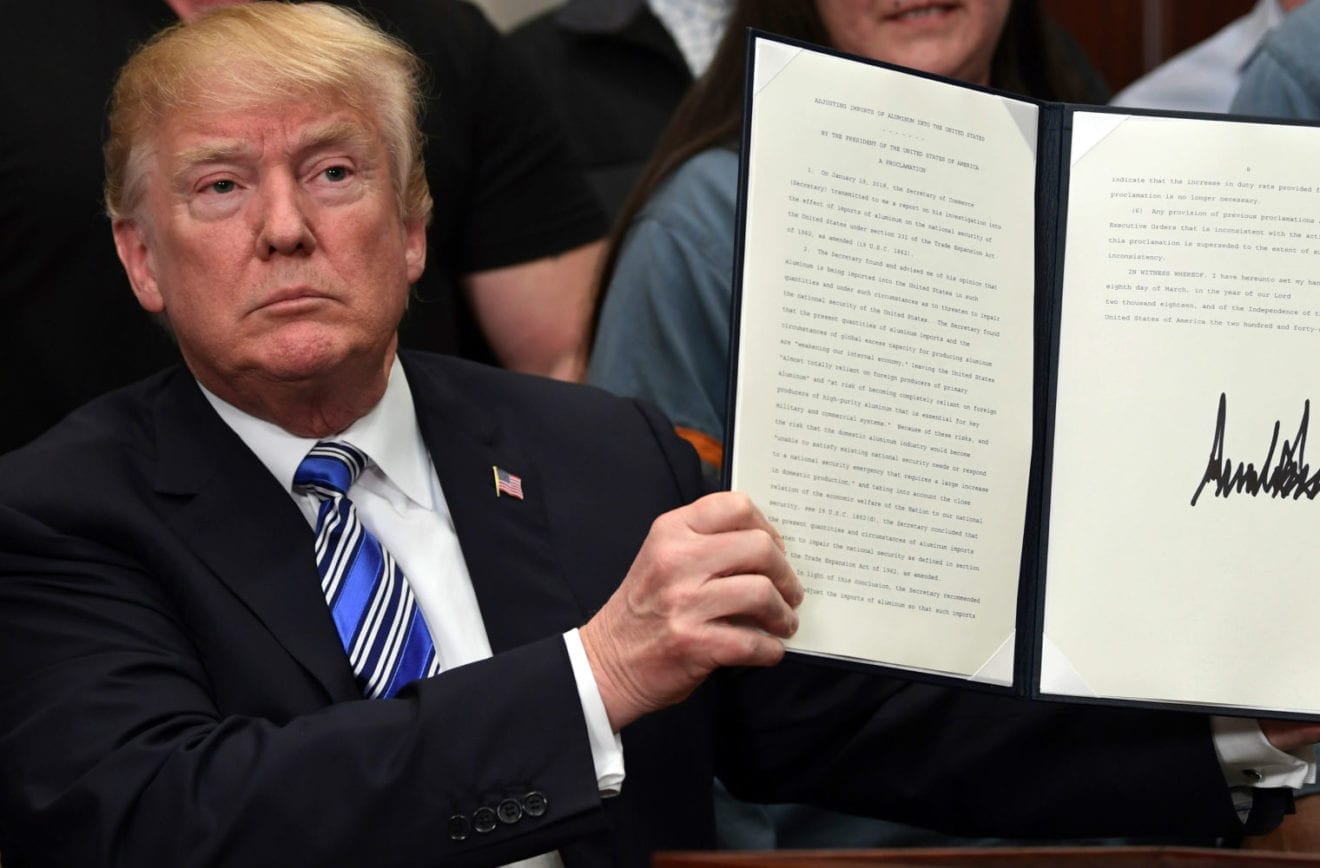
  • Trump Ends Duty-Free Exemption for All Foreign Packages Starting August 29th: What Shoppers Need to Know

    Trump Ends Duty-Free Exemption for All Foreign Packages Starting August 29th: What Shoppers Need to Know

    In a significant shift in U.S. trade policy, the Biden administration has announced that duty-free shipping for low-value commercial packages from all countries will be suspended effective August 29. This move, aimed at curbing the influx of fentanyl precursor materials entering the U.S., underscores a broader strategy to tighten border controls and address issues related to illegal drug imports.

    Cracking Down on De Minimis Shipments

    The suspension of duty-free privileges specifically targets what are known as de minimis shipments, which allow small packages valued at $800 or less to enter the country without incurring tariffs. The White House’s decision reflects growing concerns over the soaring number of these shipments entering the U.S. over the past decade, creating loopholes that can be exploited by smugglers.

    The Implications for Retailers

    This change poses new challenges for retailers and e-commerce platforms that rely heavily on cross-border sales. As online shopping continues to gain momentum, especially in the wake of the COVID-19 pandemic, retailers must now navigate the complexities of increased shipping costs and regulatory scrutiny. While consumers may soon face higher prices, one can only hope their shopping carts don’t become the next treasure trove of tariffs!

    Addressing Tax Loopholes and Fentanyl Concerns

    In addition to combatting drug smuggling, the Biden administration is also targeting tax loopholes that have arisen in the digital marketplace. By imposing stricter regulations on de minimis shipments, officials aim to establish a level playing field for U.S. retailers, ensuring that reforms also contribute to broader fiscal goals.

    Looking Ahead

    The impending regulatory changes will not only reshape the landscape of international shipping but also prompt retailers to reevaluate their logistics strategies. The administration’s comprehensive approach signals a move toward greater accountability in global trade practices while advancing public safety measures.

    Questions & Answers

    How will the suspension of duty-free shipping affect consumers?
    Consumers are likely to see increased prices on low-value packages, as they will no longer benefit from duty-free shipping, making cross-border purchases less appealing.

    What are de minimis shipments?
    De minimis shipments refer to small packages valued at $800 or less that can enter the U.S. without incurring duties, often used to expedite e-commerce transactions.

    Why is this move significant for U.S. retailers?
    This policy is designed to mitigate unfair competition from international sellers who benefit from tax loopholes, ultimately aiming to create a more equitable market for U.S. businesses.

  • Indonesia to raise cigarette tax in January

    Indonesia to raise cigarette tax in January

    Cigarette tax in Indonesia will be increased by an average of 10 percent starting January 1 next year in a move to control the production and consumption of cigarettes in the country.

    Local media quoted Indonesian Finance Minister Sri Mulyani Indrawati as saying her ministry had approved regulations on hiking tax on all types and brands of cigarettes effective January 1, 2017.

    “The increase would be deterrent enough but not give a negative impact on employment opportunities in the tobacco industry and at the same time provide sufficient for space for small industries,” she said.

    The Indonesian government is targeting to earn Rp150 trillion (RM450 million) in taxes, an increase of 5.7 percent compared to this year.

    The most popular cigarette in Indonesia is keretek, a type of cigarette made from a mixture of tobacco, cloves as well as other spices.

    The price of keretek is said to be the lowest in the world as a stick of the machine-made cigarette is sold at about 10 sen while a hand-rolled keretek cigarette is sold at about 15 sen a stick.

    Factory manufactured white cigarettes are sold at about 15 sen a stick while white hand-made cigarettes cost about 18 sen a stick.

    Online media quoted Indonesian Public Administration analyst, Agus Pambagyo as saying the regulations to raise cigarette tax would not affect the cigarette industry even though the prices of cigarettes would remain as the cheapest in the world.

    He said the prices of cigarettes should not be so low and in the effort to raise cigarette prices, the government should also take steps to eradicate the sale and production of illicit cigarettes as well as smuggled products.

    At the same time, he said an increase in the prices of cigarettes could provide irresponsible parties the opportunity to sell more cheap cigarettes illegally.

  • Vietnam Unveils Ambitious Plan to Raise Alcohol Tax to 90% by 2031: A Bold Move Against Excessive Drinking

    Vietnam Unveils Ambitious Plan to Raise Alcohol Tax to 90% by 2031: A Bold Move Against Excessive Drinking

    Vietnam’s National Assembly made headlines by greenlighting a significant increase in the special consumption tax on alcoholic beverages, lifting it from 65% to a staggering 90% by the year 2031. This bold initiative, revealed on Saturday, is part of a strategy to reduce alcohol consumption, however, it casts a shadow over an industry already facing considerable hurdles.

    Tax Increment Journey

    The new legislation outlines a gradual escalation of tax rates on beer and spirits, which will hit 70% by 2027—delayed from initial plans—and reach the ultimate rate of 90% in 2031. Currently, Vietnam maintains a 65% tax on alcoholic beverages. An earlier proposal even contemplated taxes soaring to 100%, indicating the government’s firm stance on the matter.

    The finance ministry has articulated that the primary goal of these increased taxes is to mitigate alcohol consumption. Vietnam stands as the second-largest beer market in Southeast Asia, according to a 2024 KPMG report.

    Brewing Challenges Ahead

    Notably, the local beer industry, dominated by giants like Dutch brewer Heineken, Denmark’s Carlsberg, and domestic players such as Sabeco and Habeco, has already been grappling with tribulations since the introduction of strict drink-driving regulations in 2019, which instituted a zero-alcohol limit for drivers. As a result, the head of the Beer and Alcoholic Beverage Association has reported a steady decline in industry revenues over the past three years, emphasizing the sector’s precarious state.

    In a simultaneous move on Saturday, lawmakers also enacted an 8% levy on sugary drinks containing more than 5g of sugar per 100ml, set to launch in 2027 and increase to 10% in 2028, expanding the government’s fiscal reach into other dietary concerns as well.

    With all these changes, one can only wonder: will the rising taxes put a cork in beer consumption, or will the Vietnamese spirit of resilience remain uncorked?

    Questions & Answers

    What is the new tax rate on alcoholic beverages in Vietnam?
    The special consumption tax on alcoholic drinks is set to rise from 65% to 90% by 2031.

    When will the tax rate on beer and strong liquors reach 70%?
    The tax rate will increase to 70% by 2027.

    What new levy was also approved alongside the alcohol tax?
    An 8% tax on sugary drinks exceeding 5g of sugar per 100ml was approved, to take effect in 2027, with a rise to 10% in 2028.

  • UBS Settles Credit Suisse U.S. Tax Case for $511 Million

    UBS Settles Credit Suisse U.S. Tax Case for $511 Million

    UBS Resolves Credit Suisse Tax Investigation with $510 Million Settlement

    The U.S. Department of Justice has concluded its protracted investigation into Credit Suisse’s tax practices, resulting in a settlement considerably lower than initial projections.

    In a significant development within the retail banking sector, Credit Suisse Services—now a subsidiary of UBS Group—will pay over $510 million to resolve two major U.S. tax inquiries. The settlement, announced by the Department of Justice (DOJ), addresses serious misconduct involving American clients.

    Major Allegations and Settlement Details

    The guilty plea from Credit Suisse reveals its role in aiding U.S. taxpayers to conceal assets totaling more than $6 billion across offshore accounts. This included over $4 billion hidden in at least 475 undeclared accounts in Switzerland and an additional $2 billion linked to U.S. assets in Singapore. These actions occurred despite Credit Suisse’s previous admissions of guilt in a 2014 agreement aimed at achieving full compliance with U.S. tax laws.

    A Settlement Lower Than Expected

    Speculation surrounded the potential settlement amount, with earlier reports suggesting a figure much higher than the final tally of $511 million. This sum is broken down into $371.9 million related to Swiss misconduct and $138.7 million for issues tied to Singapore. Two critical factors may have influenced the lower resolution: changes in the administration’s enforcement priorities and the decline in interest in prosecuting past Credit Suisse executives following UBS’s acquisition.

    Continued Misconduct Up to 2021

    The DOJ’s findings confirm that Credit Suisse continued to assist American clients in tax evasion well beyond its 2014 commitment to compliance. Bankers engaged in activities such as crafting fraudulent donation documents and misrepresenting account holders as recently as 2021.

    Connections to Singapore and Ongoing Litigation

    The investigation’s ties to Singapore include claims of undisclosed funds associated with Georgian billionaire Bidzina Ivanishvili, who is currently pursuing legal action against Credit Suisse for alleged fraud. UBS has emphasized its non-involvement in misconduct, reiterating its stringent “zero tolerance” policy toward tax evasion.

    Looking Ahead: Financial Impact Still Unclear

    The ramifications of this settlement for UBS are still being assessed. While UBS anticipates a credit this quarter resulting from a contingent liability adjustment following its acquisition of Credit Suisse, a related charge will also be recorded.

    As this case culminates, it brings to light ongoing challenges within the retail banking sphere, particularly regarding compliance with tax regulations. The implications of this case could resonate through the sector, prompting a reassessment of regulatory practices and consumer trust in financial institutions.

  • Thailand to tax influencers and online sellers

    Thailand to tax influencers and online sellers

    The Thai Revenue Department has urged social media influencers and online sellers to file their annual income tax by the end of March to avoid fines and penalties.

    Director-General Pinsai Suraswadi expressed concern that many young earners, including e-commerce vendors, influencers, and product reviewers, have never filed income tax returns.

    Thailand’s e-commerce platforms, such as Shopee, Lazada, and TikTok, host around 3 million online sellers, while an estimated 2 million full-time influencers and content creators generate billions in revenue. A recent survey found that many in this group, particularly younger individuals, fail to report their earnings or pay taxes.

    Pinsai warned that the Revenue Department can audit records up to five years back and that failure to file tax documents will lead to penalties. However, he reassured earners that filing errors can be corrected.

    A study by Tellscore, FutureTales LAB, and the Thailand Institute for Mental Health Sustainability (Tims) estimated that Thailand’s content creator industry contributes at least THB45 billion (US$1.25 billion) annually to the economy.

    The country has around 2 million full-time content creators, rising to 9 million when part-time creators and “micro-influencers” are included.

  • Thailand expects to collect global minimum corporate tax from Jan 2025

    Thailand expects to collect global minimum corporate tax from Jan 2025

    Thailand expects to implement a global minimum corporate tax of 15% on multinational companies from January 2025, its finance minister said on Friday.

    The government will urgently issue a law on the tax collection, Pichai Chunhavajira said on a local television program. Pichai’s comments came after a Reuters report that the cabinet on Wednesday approved draft legislation to collect the global minimum corporate tax.

    Under new rules being shepherded by the Organization for Economic Cooperation and Development (OECD), a minimum 15% tax will be charged on multinationals with an annual global turnover of more than 750 million euros (US$784.58 million), regardless of their location.

    Thailand’s corporate tax is currently set at 20%, but companies receiving incentives from the Thailand Board of Investment can get an exemption of up to 13 years.

    Vietnam’s parliament approved the minimum global tax rate last year.

    Indonesia, Southeast Asia’s largest economy, Malaysia and Singapore have also said they will implement the minimum tax rate in 2025.

  • Tax collection from online vendors rises by 54%

    Tax collection from online vendors rises by 54%

    Tax collection from online sellers rose 54% year-on-year in the first half to VND9.98 trillion (US$392 million) as the government cracks down on tax evasion by e-commerce sellers.

    Some 43,000 vendors and businesses aid taxes, with over 4,500 also paying fines for violations, according to the General Department of Taxation.

    Typically, a seller needs to pay 1.5% revenue tax.

    Delays in registering a business and apprising the tax office about sales data could result in a fine of VND15 million.

    The government estimates there are 3.1 million households and individuals doing business across the country, many of them online, who have not registered with tax authorities.

    The department of taxation is cross-checking their data with that of the Ministries of Public Security and Industry and Trade, and e-commerce platforms such as Shopee, Lazada, Sendo, and Tiki to ensure no one escapes the tax net.

    Hanoi has identified thousands of online vendors, including livestreamers, and collected VND10 trillion from them in the first six months.

  • Tax evasion by wealthiest Americans tops $150B a year

    Tax evasion by wealthiest Americans tops $150B a year

    The U.S.’s Internal Revenue Service estimates that the country’s millionaires and billionaires are evading over US$150 billion in taxes annually.

    Audits of taxpayers earning over $1 million a year have declined by more than 80% over the last decade despite a 50% rise in the number of taxpayers with this income, according to IRS statistics last week.

    IRS Commissioner Danny Werfel blamed the decline on a prolonged lack of funding, which has left the agency understaffed and lacking the necessary technology and resources to conduct audits, particularly for intricate and sophisticated returns.

    In response to these challenges, the IRS has initiated an extensive crackdown on wealthy individuals, partnerships and large companies.

    The Treasury Department estimates that improved IRS enforcement could generate an additional $561 billion in tax revenues between 2024 and 2034, a figure higher than initially projected.

    The IRS estimates that for every additional dollar invested in enforcement, it can generate approximately $6 in revenues.

    It has reported success in a program targeting unpaid taxes from millionaires, collecting over $480 million from 1,600 millionaire taxpayers who failed to pay at least $250,000 each in assessed taxes.

    Another area of potential tax evasion highlighted by Werfel is in limited partnerships.

    Werfel said the IRS is not only focused on finding instances of tax evasion but is also using AI to avoid unnecessary audits for taxpayers who are following the rules. It has urged taxpayers to report any income received through illegal activities, such as dealing drugs.

  • Samsung family members sell $2B worth of shares to pay inheritance taxes

    Samsung family members sell $2B worth of shares to pay inheritance taxes

    Family members of Samsung Electronics chairman Jay Y. Lee have sold 2.8 trillion won (US$2.12 billion) worth of shares in the company and its affiliates to pay inheritance taxes.

    The sale of about 29.8 million shares, or a 0.5% stake in Samsung Electronics, was at a discount of 1.2% to 2.0% from Samsung shares’ Wednesday closing price of 73,600 won, citing unnamed investment banking sources.

    Shares in affiliates Samsung C&T, Samsung SDS and Samsung Life Insurance were also offered simultaneously in block deals worth around 644 billion won for the same purpose, the report said.

    The shares were sold by Hong Ra-hee, the widow of late Samsung Group chairman Lee Kun-hee, and her children, including Jay Y. Lee.

    Korea’s top inheritance tax rate of 50% is considerably greater than the OECD’s typical rate of 25% and is second only to Japan’s 55%. It is therefore not uncommon for members of Korea’s chaebol families to sell company shares or secure bank loans using those shares as collateral to cover their inheritance tax obligations.