Tag: tea

  • Chinese Milk Tea Titans Embark on Global Conquest: Expanding Across US and South Korea Amid Southeast Asia Saturation

    Chinese Milk Tea Titans Embark on Global Conquest: Expanding Across US and South Korea Amid Southeast Asia Saturation

    Chinese milk tea brands are broadening their horizons and expanding into new markets in Asia and the West. These brands have traditionally focused on Southeast Asia as their primary area for foreign expansion. However, with the market becoming overcrowded, they are now setting their sights on other regions. This comes as the tea market grows increasingly saturated, prompting a shift in emphasis from rapid expansion to improving store performance and streamlining operations.

    Over 60 Chinese milk tea brands had established more than 6,100 outlets throughout Asia by the end of 2024, most notably led by major chains such as Mixue and Chagee. Mixue, the largest food and beverage chain globally in terms of store count, has begun adjusting its operations in Indonesia and Vietnam. Despite a decrease in store numbers in these markets, the company maintains its focus on the region while pushing into emerging markets, including its first location in Kazakhstan.

    Expansion and Competition

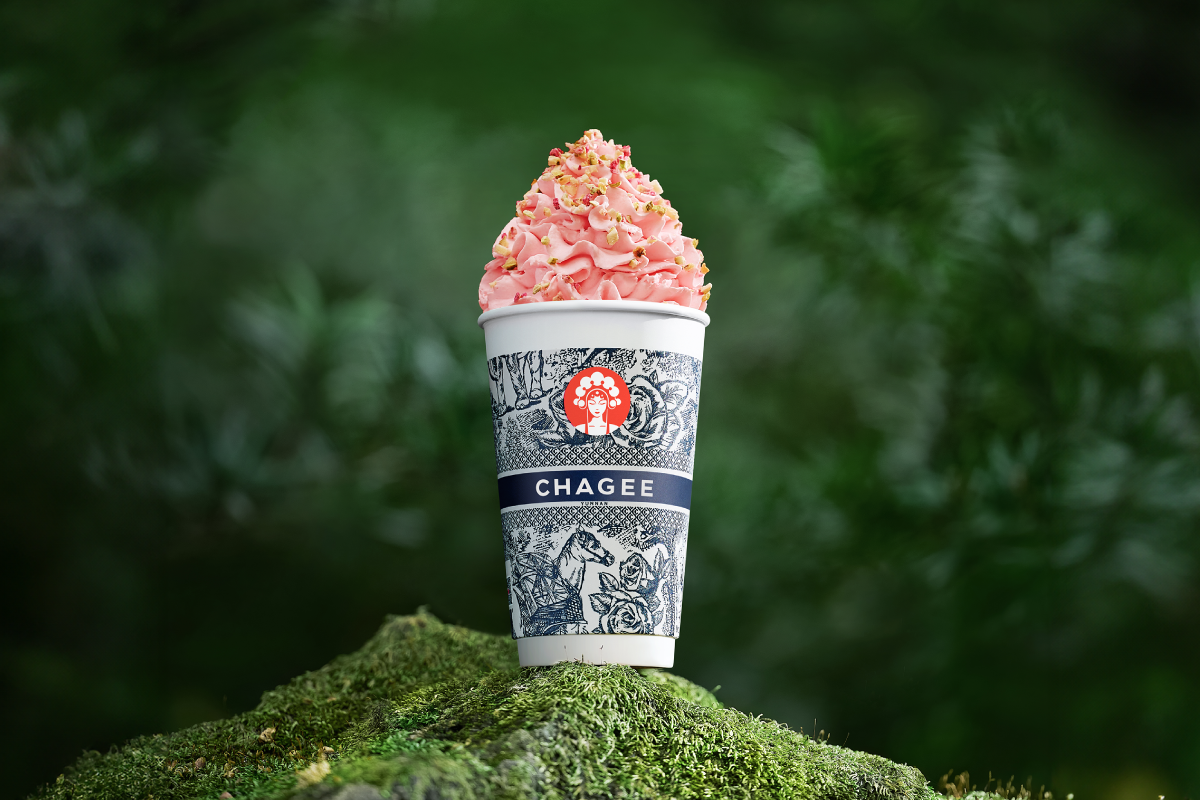
    Chagee, another renowned milk tea brand, has plans to venture into the South Korean market with three upcoming outlets in Seoul. It joins a growing number of its peers already established in the market, including Heytea, Mixue, ChaPanda, and Auntea Jenny. Chagee has further signaled its intent to spread its reach into Japan.

    Understandably, the homefront competition for these Chinese brands is fierce, with the milk tea boom of the last decade leading to around 420,000 outlets. To attract customers, some brands resort to pricing their products at less than a dollar or offering free online orders.

    Moving Westward

    Besides nearby Asian markets, several brands are also extending their presence to the United States. The country has become a significant focus for the sector, with the number of fresh tea retailers rising by 18.2% annually to 7,845 in 2025. It is projected that the U.S. market for freshly made tea drinks will be worth $2.9 billion by 2029.

    However, penetrating the U.S. market brings its challenges. Amanda Wang, co-founder of beverage chain Ningji Lemon Tea, highlights the need to adapt to local tastes, noting American consumers’ preference for sweeter drinks. She also cites differences in the business landscape.

    Despite these hurdles, various Chinese brands, including Mixue, Chagee, Chahalo, Molly Tea, and Auntea Jenny, have successfully launched U.S. stores or announced expansions in recent years. For instance, Mixue’s recently opened New York store, twice as large as its typical outlet in China, has managed to maintain the brand’s familiar look and affordable prices.

    Competitive Edge and Consumer Response

    Nevertheless, competitive pricing is not the only strength of Chinese tea brands. HeyTea, with its drinks averaging around $10, has enjoyed robust demand. Its Times Square store sold over 3,500 cups on its opening day and has since averaged over 2,000 cups daily. Other brands, such as Chagee and Auntea Jenny, have also experienced strong debuts in the U.S. market.

    Consumers appreciate the diverse flavors offered by Chinese brands, distinguishing them from established chains like Starbucks. Consumers’ preference for different flavors and affordable prices are significant factors driving their patronage of Chinese tea brands.

    Questions & Answers

    Why are Chinese milk tea brands expanding into new markets?
    Chinese milk tea brands are expanding into new markets as their traditional focus area, Southeast Asia, becomes overcrowded, and the tea market becomes increasingly saturated. This has led to a shift from rapid expansion to improving store performance and operations.

    How are Chinese brands faring in the U.S. market?
    Despite facing challenges such as adapting to local tastes and a different business environment, several Chinese brands have successfully launched stores or announced expansions in the U.S. They have garnered a positive response from consumers who appreciate the diverse flavors and competitive prices they offer.

    What distinguishes Chinese tea brands from established chains like Starbucks?
    Chinese tea brands stand out from established chains like Starbucks due to their unique flavors and affordability. They offer a variety of flavors not typically found in Western chains, boosting their appeal among consumers.
  • End of an Era: T2 Tea Shutters Last Singapore Stores, Signaling Market Withdrawal

    End of an Era: T2 Tea Shutters Last Singapore Stores, Signaling Market Withdrawal

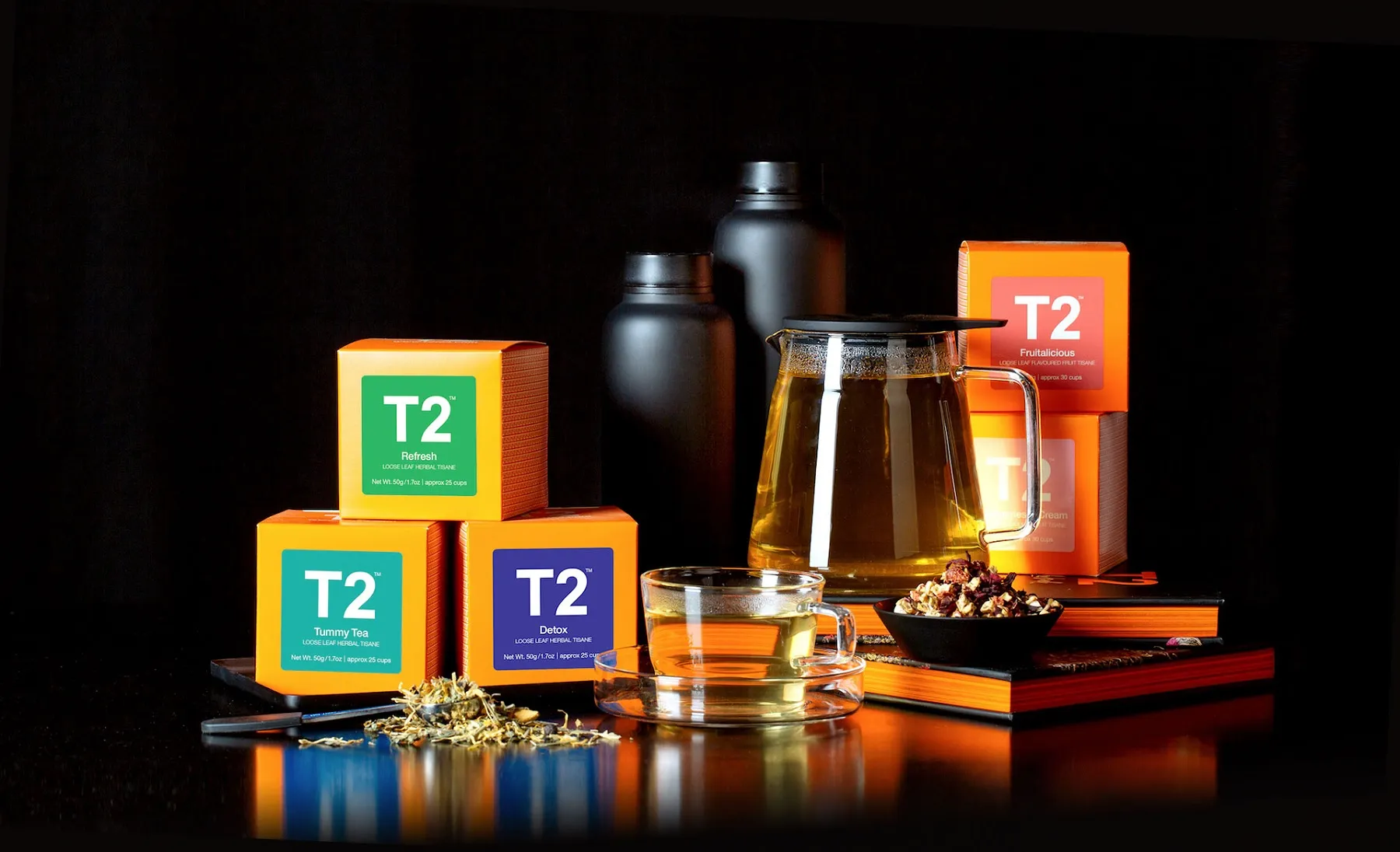
    T2 Tea has announced that it will be shutting down its remaining three stores in Singapore, bringing an end to a nine-year presence in the market. The closures, which will occur between March 20 and 25, involve outlets located in VivoCity, 313@Somerset, and Suntec City. The company has been offering substantial discounts of up to 70% off as part of its closing sales, details of which have been widely shared across various social media platforms.

    Established in 1996, T2 Tea, originally based out of Melbourne, was purchased by Unilever in 2013 for a reported sum of approximately $60 million. In 2022, the company underwent another shift in ownership when Unilever sold its tea division to the private equity firm, CVC Capital Partners. The division was subsequently renamed as Lipton Teas and Infusions.

    T2 faced significant changes in 2023, shortly after the deal with CVC Capital Partners. The company decided to close its operations in the UK and the US to concentrate its efforts on markets in Australia, New Zealand, and Singapore. The move was a response to the “unprecedented changes” that had been experienced in the previous years.

    T2 Tea had a substantial footprint in Asia, with retail partnerships in the Philippines and a flagship e-commerce platform in Mainland China. Leaf Beverages, its official retailer in the Philippines, operates from kiosks and shopping centers. Meanwhile, the company primarily used the Tmall Global Flagship platform to distribute its products in China.

    Multiple local news reports have covered the story of the brand’s departure from the region. A spokesperson for the business informed a popular news outlet that the stores will be closing “indefinitely”. However, the spokesperson also noted that the brand would be open to assessing potential opportunities to make a comeback in the Singaporean market in the future. T2 Tea has been contacted for additional comments regarding the closure.

    Questions & Answers

    Why is T2 Tea closing its outlets in Singapore?
    The decision to close the outlets comes as part of a strategic shift for the company, although specific reasons behind their exit from the Singaporean market have not been disclosed.

    What were the major changes that T2 Tea experienced?
    In 2023, T2 Tea decided to close its operations in the UK and the US to concentrate on markets in Australia, New Zealand, and Singapore. This move was in response to “unprecedented changes” the company had been facing.

    Could T2 Tea re-enter the Singaporean market in the future?
    While the stores are closing “indefinitely”, a spokesperson for the business has noted that the company would be open to evaluating potential opportunities to return to Singapore in the future.

  • Molly Tea Brews up a Storm in Singapore with its Largest Southeast Asian Outlet

    Molly Tea Brews up a Storm in Singapore with its Largest Southeast Asian Outlet

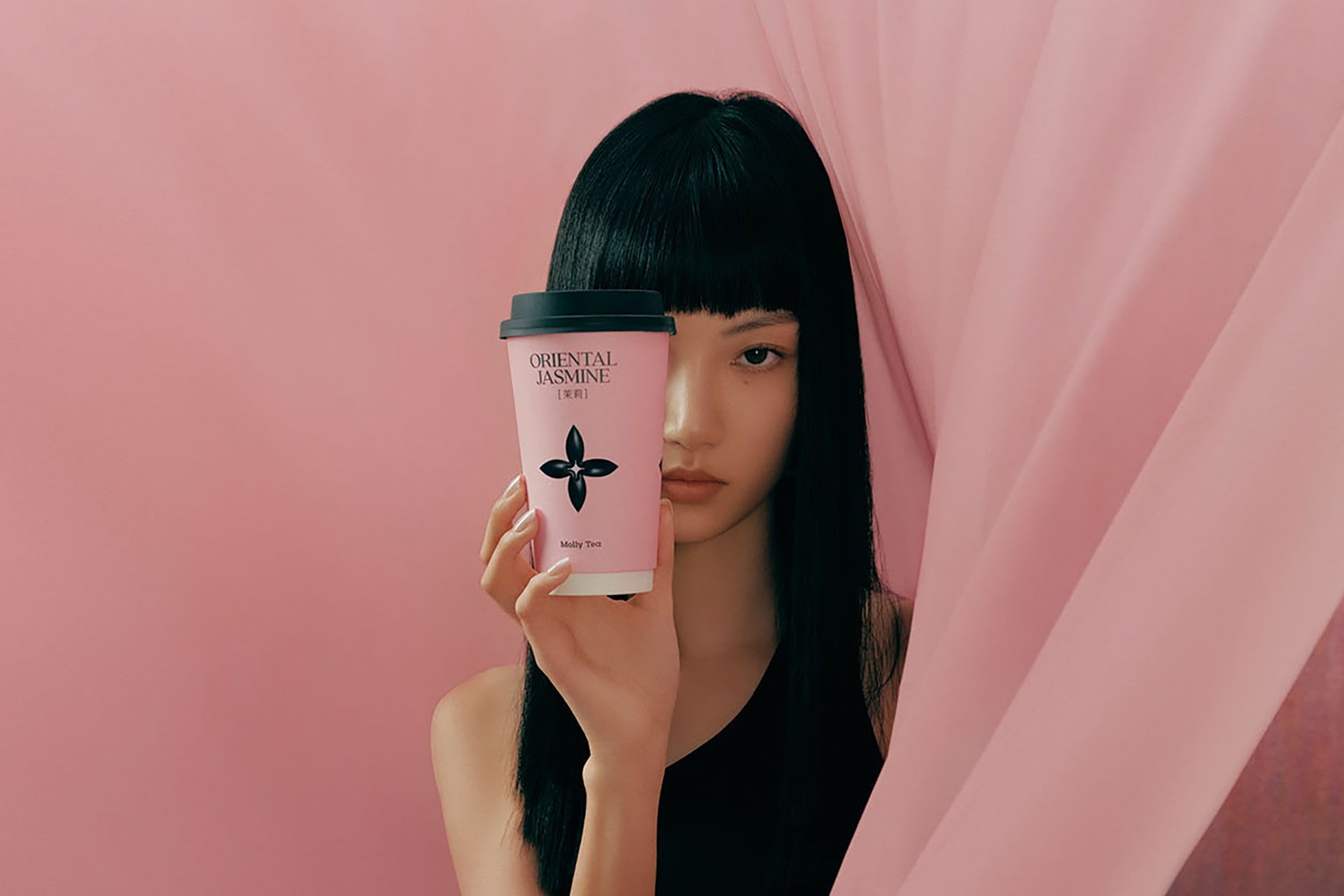
    Molly Tea, a renowned Chinese tea chain, has marked its entrance into the intensely competitive food and beverage markets of Southeast Asia with the opening of its debut store in Singapore, situated at Orchard Central.

    The new establishment, which is the largest of its kind in Southeast Asia, has been designed to accommodate up to 40 customers at a time and spans across an impressive area of 1,400 square feet.

    Despite the recent unveiling of its Singaporean branch, the rapidly expanding brand is already laying plans for the inauguration of a second store in the country in the near future. The specifics of this forthcoming project have not yet been publicly disclosed.

    Molly Tea, with its origins in Shenzhen, was founded in 2020 and has since experienced an accelerated growth trajectory. This has not only allowed it to firmly establish its presence across China but also propelled it into international markets. The brand is largely recognised for its array of jasmine-based tea beverages.

    Currently, Molly Tea operates an extensive network of over 2,000 stores worldwide. Their reach extends to several major markets including, but not limited to, China, Thailand, Japan, and the United States.

    In the previous year, Molly Tea broadened its geographical footprint by foraying into the Indonesian market, establishing two stores in the capital city, Jakarta.

    Questions & Answers

    When and where was Molly Tea founded?
    Molly Tea was founded in Shenzhen, China in the year 2020.

    How many stores does Molly Tea operate globally?
    Currently, Molly Tea operates more than 2,000 stores across the globe.

    What type of beverages is Molly Tea known for?
    Molly Tea is particularly recognized for its diverse range of jasmine-based tea beverages.

  • Gong Cha Launches ‘Super Wu’ Automated System in Revolutionary 2.0 Global Model Upgrade

    Gong Cha Launches ‘Super Wu’ Automated System in Revolutionary 2.0 Global Model Upgrade

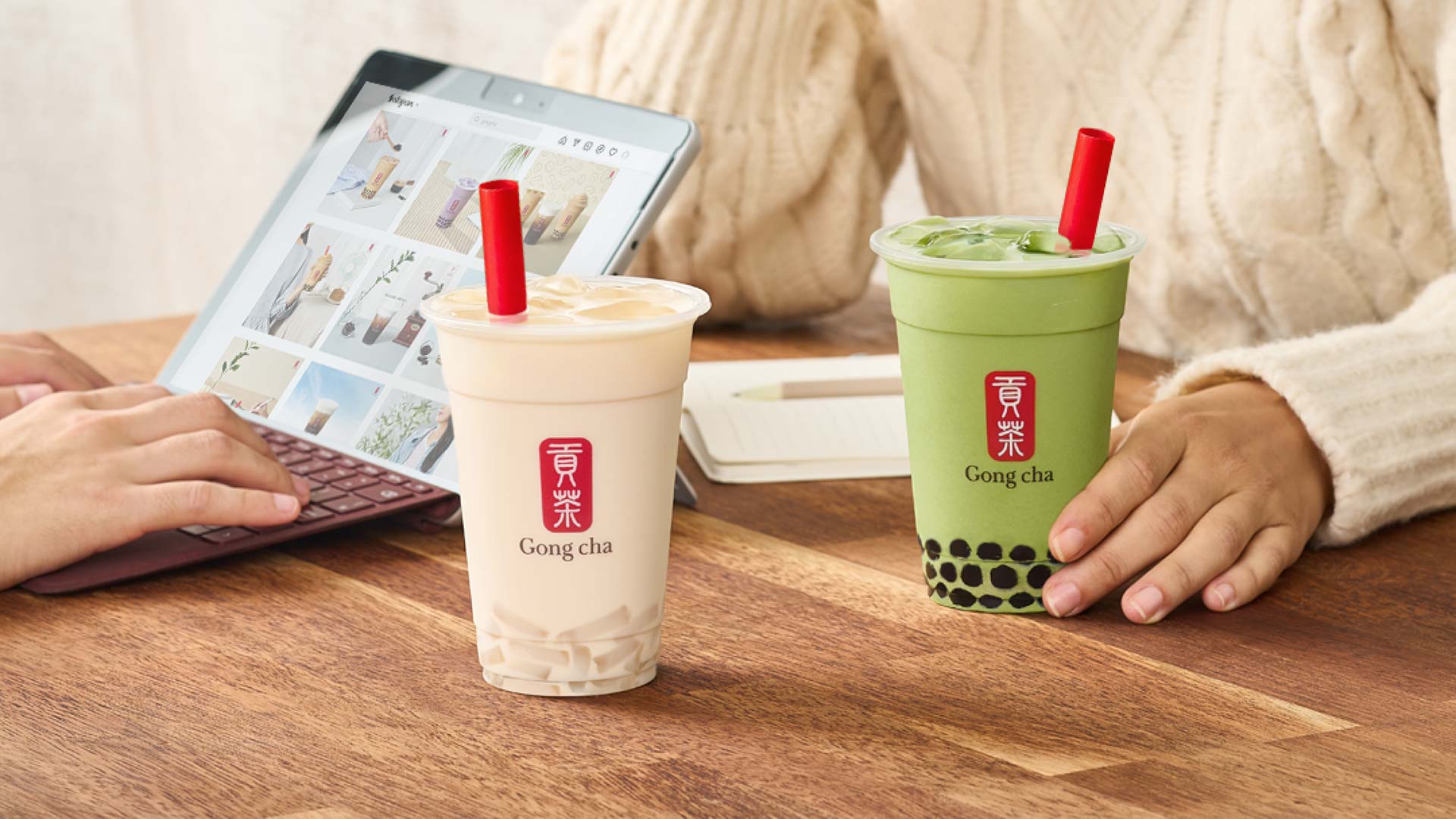
    Gong Cha, a globally recognized tea brand, is introducing significant updates to its business model, labeled Gong Cha 2.0, that will enhance efficiency across its franchise locations.

    The New Operating Model

    The highlight of Gong Cha 2.0 is Super Wu, an innovative, automated beverage-making system designed for repetitive duties and real-time operation tracking. Following a successful trial period of over two years at 40 outlets in 13 different countries, the company is ready to roll out Super Wu on a larger scale.

    The upgrades are not just confined to the beverage-making system. Newly built and remodeled stores will also implement self-ordering kiosks and updated store layouts, aiming to quicken service, alleviate labor pressures, and boost digital ordering and customer loyalty programs.

    Redesigned Stores and Enhanced Efficiency

    The brand’s revamped store designs will embody open layouts, digital menu displays, and more streamlined configurations at the back of the house. Despite the changes, the brand assures that their focus will remain on offering customized tea beverages.

    Super Wu and the digital kiosks are expected to improve efficiency significantly, enabling staff to shift their attention from monotonous tasks to engaging with customers. Geoff Henry, president of Gong Cha Americas, explained how the new technology has made onboarding easier for franchisees, reduced pressure during peak times, and freed up more time for customer interaction.

    About Gong Cha

    Established in Taiwan in 2006, Gong Cha has rapidly expanded its footprint to almost 2200 outlets in 33 markets worldwide, including over 240 locations in the United States.

    Questions & Answers

    What is Gong Cha 2.0?
    Gong Cha 2.0 is a global update to the operating model of Gong Cha, aiming to improve efficiency across its franchise network with enhanced technology and revamped store designs.

    What is Super Wu?
    Super Wu is an automated drink-making system that performs repetitive tasks and provides real-time operational data. It is a part of the Gong Cha 2.0 update.

    What changes will Gong Cha 2.0 bring to the stores?
    Gong Cha 2.0 will introduce self-ordering kiosks, updated store layouts, digital menu displays, and a more efficient back-of-house configuration. These changes aim to speed up service, ease labor demands, and support digital ordering and customer loyalty programs.

  • Cai Ca: Singapore’s Upcoming Bubble Tea Sensation Takes Over Former Gong Cha Outlets

    Cai Ca: Singapore’s Upcoming Bubble Tea Sensation Takes Over Former Gong Cha Outlets

    Cai Ca, a novel bubble tea brand, conceived and established by the ex-CEO of Gong Cha’s Singapore franchise, Kang Puay Seng, has effectively filled the void left by Gong Cha’s departure from the city-state by taking over six of its former outlets.

    The Birth of Cai Ca

    Cai Ca made its debut in Singapore with stores at prominent locations such as Lot One, Bugis Junction, NUS UTown, King Albert Park, Northpoint City, and Century Square. The brand also has plans for an additional outlet at the National University of Singapore. The development of the new tea brand was an expedited process, taking only a month to come to fruition, a feat achievable due to the vast experience of the founder and his team.

    Menu Highlights

    Cai Ca’s offerings include beverages made with Japanese soya milk and tea, such as Osmanthus Soy Milk Tea, Toffee Chewy Pearl Soy Milk Tea, and Da Hong Pao Soy Milk Tea. In addition to these innovative concoctions, it also offers fresh milk tea and a variety of other tea options. Furthermore, the brand plans to unveil healthier drink options and snacks that perfectly complement its beverages in the near future.

    Gong Cha’s Legacy in Singapore

    Gong Cha, a bubble tea brand originating from Taiwan, was among the pioneers of the bubble tea market in Singapore. Since opening its first outlet in 2009, it rapidly gained popularity among Singaporeans. The brand briefly exited the Singapore market in June 2017, only to return six months later under the new franchisee, Gong Cha Singapore. However, all the 29 Gong Cha outlets in Singapore were closed last month, with plans to reopen in 2026 through new local franchisees with updated Gong Cha 2.0 stores.

    Despite the brand’s fluctuating presence, all full-time staff members of Gong Cha, numbering over 20, were retained and have now been assimilated into the Cai Ca team. Kang expressed his commendation for the team’s resilience, noting the immense pressure they faced and their relentless effort in building the new in-house brand. He emphasised the brand’s intention to first establish a robust brand image and assure product quality before considering further expansion.

    Questions & Answers

    What is Cai Ca’s plan for future outlets?
    The brand has plans to open an additional outlet at the National University of Singapore.

    What are some of the unique offerings on Cai Ca’s menu?
    The menu includes innovative drinks like Osmanthus Soy Milk Tea, Toffee Chewy Pearl Soy Milk Tea, and Da Hong Pao Soy Milk Tea.

    What happened to the staff at Gong Cha after its outlets closed in Singapore?
    All full-time employees at Gong Cha were retained and are now part of the Cai Ca team.

  • Chagee Holdings Stands Firm On Premium Pricing Amid Falling Sales And Rising Competition

    Chagee Holdings Stands Firm On Premium Pricing Amid Falling Sales And Rising Competition

    Chinese beverage company Chagee Holdings is maintaining its focus on premium products, even in the face of falling sales and profits as customers turn to more affordable competitors. The company’s co-founder, Shang Xiangmin, stated in a recent interview, “We haven’t been fully engaged in the price wars. Price wars may be a way to compete but we want to stick to our long-term strategy to build a premium brand.”

    Unchanged Pricing Strategy Amidst Competition

    Despite the growing competition from domestic companies like Luckin Coffee and Mixue Group, who are offering subsidized, deeply discounted beverages, Chagee Holdings remains firm on its pricing strategy. These competitors have teamed up with China’s tech giants to sell drinks at a fraction of Chagee’s price.

    Chagee’s flagship store in Hong Kong is experimenting with a new selection of drinks made from premium Chinese tea leaves. These drinks are brewed in-store by specialists and are sold at prices that are on par with single-origin coffee sold at Starbucks Reserve outlets in the city, ranging from HKD40 to HKD50 (US$5.2-6.4).

    Second Quarter Sales and Future Outlook

    The company’s adherence to its pricing strategy has seen second-quarter sales growth slow to 10%, down from 35% in the previous period. Adjusted operating income has also dropped by 10%, compared to the double-digit increases seen in the first quarter. This weak performance has wiped out nearly a quarter of its market value. Despite this, the company remains optimistic and is not deterred by the decrease in competitiveness. Chagee has decided to follow a development path similar to that of American coffee giant, Starbucks.

    “We’ve always wanted to go down the same path to take tea further,” said Shang, comparing Chagee’s ambitions to those of Starbucks.

    Expansion Plans

    Chagee opened its first U.S. store in Los Angeles in May, following its debut on the Nasdaq. The company operates more than 200 international outlets as part of its network of over 7,000 stores. It reported a 70% jump in overseas sales in the second quarter, with Southeast Asia being a key target for expansion.

    Questions & Answers

    What is Chagee Holdings’ strategy in the face of competition?
    Despite falling sales and profits, Chagee Holdings is maintaining its focus on premium products and has not engaged in price wars with its competitors.

    What are some of the offerings at Chagee’s flagship store in Hong Kong?
    The flagship store in Hong Kong offers drinks made from premium Chinese tea leaves, brewed in-store by specialists, and priced similarly to single-origin coffee at Starbucks Reserve outlets.

    What are Chagee’s future plans for expansion?
    Chagee plans to follow a development path similar to that of Starbucks. The company recently opened its first U.S. store in Los Angeles and is targeting Southeast Asia for further expansion.

  • Gong Cha Exits Singapore Market After Franchise Agreement Ends; Plans For A Revamped Return Underway

    Gong Cha Exits Singapore Market After Franchise Agreement Ends; Plans For A Revamped Return Underway

    Taiwan’s popular milk tea brand, Gong Cha, has ceased operations and shuttered all its outlets island-wide as of October 1. This move follows the expiration of its franchise agreement with Gong Cha Singapore, which has been running the brand’s operations since 2017.

    All the physical stores were abruptly closed, and the brand’s digital presence was also taken down, including its website, social media accounts, and listings on food delivery platforms.

    Kang Puay Seng, Gong Cha Singapore’s CEO, confirmed these developments, expressing his gratitude to customers, staff, and business partners for their support.

    Future Prospects

    Gong Cha’s Global has confirmed plans to re-enter the Singapore market next year. The global CEO, Paul Reynish, stated that the company is currently in the process of selecting a new master franchisee and will relaunch with an updated ‘Gong Cha 2.0’ store concept, which has already been successfully implemented in select international markets.

    Gong Cha initially entered the Singapore market in 2009 but later withdrew due to a franchise dispute. The brand then re-entered the market under a new agreement with its now-former franchisee.

    The decision to exit the Singapore market follows a period of strong global performance for the brand. Earlier this year, Gong Cha reported an impressive US$600 million in system-wide sales for the 12 months ending in December, a milestone attributed to its aggressive international expansion.

    Questions & Answers

    What is the reason for Gong Cha’s exit from the Singapore market?
    Gong Cha’s exit from the Singapore market followed the end of its franchise agreement with Gong Cha Singapore.

    Will Gong Cha return to the Singapore market?
    Yes, Gong Cha Global has announced plans to re-enter the Singapore market in the coming year with a new master franchisee and an updated ‘Gong Cha 2.0’ store concept.

    What has been Gong Cha’s performance in the past year?
    Gong Cha reported strong global performance, with system-wide sales reaching $600 million for the 12 months ending in December. This success is mainly attributed to the brand’s rapid international expansion.

  • Chapanda Prepares To Launch First U.s. Store In NYC, Aiming To Reach Larger Demographic

    Chapanda Prepares To Launch First U.s. Store In NYC, Aiming To Reach Larger Demographic

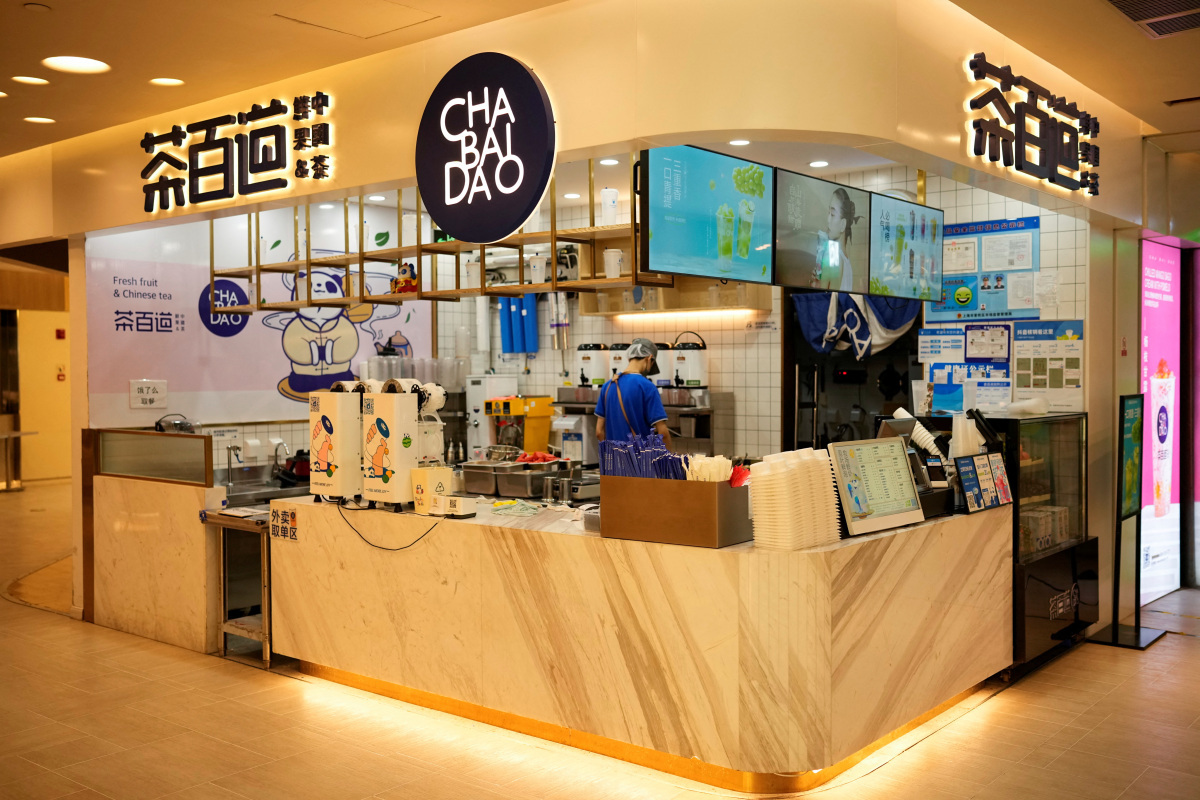
    Chinese tea retail chain Cha Bai Dao, widely known as ChaPanda, is preparing to launch its inaugural US-based store in Flushing, a neighborhood in Queens, New York City.

    Main Street Debut

    The new store is slated to open on Main Street, an area identified by the company as the bustling commercial heart of Flushing and a locale with one of America’s largest Chinese populations.

    Wang Huan, the Overseas CEO of ChaPanda, explained that the expansion intends to introduce the brand to a much larger demographic. “ChaPanda is committed to providing an unrivaled selection of products and a superior service experience for American consumers. Through our standardized operating systems and extensive global supply chain network, we ensure that our products and services remain consistent across all our international stores,” Huan elaborated.

    Spreading its Wings

    This development comes in the wake of numerous global inaugurations throughout the current year. In May, ChaPanda opened its premier European store in Paris, and just last month, it made its debut in Singapore with two new outlets.

    Notable market analysts from Galaxy Securities and Huaxin Securities have pointed out the effectiveness of ChaPanda’s unique “one location, one strategy” model in yielding positive outcomes in foreign markets. They anticipate that, with the acceleration of its international expansion, the firm is well-positioned to capitalize on a dual growth strategy encompassing both domestic and international markets.

    Questions & Answers

    What is ChaPanda’s expansion strategy?
    ChaPanda’s expansion strategy involves a unique “one location, one strategy” model, which allows the company to customize its approach for each specific market it enters.

    Where is ChaPanda’s first US store going to be located?
    ChaPanda’s inaugural US store will be located on Main Street in Flushing, Queens, New York City, an area known for being a bustling commercial hub and having one of the largest Chinese populations in America.

    What does Wang Huan, Overseas CEO of ChaPanda, say about the company’s approach to maintaining quality and consistency?
    Wang Huan stated that through standardized operating systems and a comprehensive global supply chain network, ChaPanda ensures the consistency of its products and services across all its global stores.

  • Chatime And Maybelline Unveil Mascara-inspired Beverage Line With Unique Promotional Prizes

    Chatime And Maybelline Unveil Mascara-inspired Beverage Line With Unique Promotional Prizes

    Chatime and Maybelline New York have come together to unveil a series of four beverages that draw inspiration from Maybelline’s latest addition to its product line, the Colossal Bubble Mascara. The mascara promises to offer a voluminous yet lightweight effect.

    The Limited-Edition Beverage Collection

    The unique, limited-edition drink line-up includes Bubbillicious Mango Fruity, Colossal Mango Passion Frozen, Maybe It’s Peach Fruity, and Maybelline Sugar Swirl. These beverages aim to offer a refreshing twist and a new dimension to the beverage experience for customers, reflecting the bold and innovative nature of the two brands.

    Rachel Druce, who is in charge of marketing at Chatime, has expressed that this partnership has opened up a novel dimension in the brand’s line of collaborations. According to her, this initiative blends the worlds of beauty and beverages in a manner that is unique, enjoyable, and perfectly in tune with Chatime’s brand identity.

    An Exciting Offer for Customers

    As part of the promotion, customers who purchase any of the Maybelline-themed bubble tea drinks will receive a ‘Scratch and Win’ card. This allows them the opportunity to win a variety of prizes, including over 3000 full-size mascaras and an array of Chemist Warehouse vouchers.

    Melanie Bower, the marketing director of Maybelline New York ANZ, has expressed that this collaboration perfectly complements the launch of their new mascara. Being the leading mascara brand in Australia, Maybelline New York is constantly seeking unique and exciting ways to engage with its consumers. According to Bower, the collaboration with Chatime perfectly encapsulates this ethos by celebrating bold lashes and bold flavours together.

    The promotion is set to run nationwide from August 12th to 25th across all Chatime outlets.

    Questions & Answers

    What is the nature of the collaboration between Chatime and Maybelline New York?

    The collaboration involves the launch of four limited-edition beverages inspired by Maybelline’s new Colossal Bubble Mascara.

    What benefits do customers get from this collaboration?

    Customers who purchase any of the Maybelline-themed bubble tea drinks will receive a ‘Scratch and Win’ card, providing them a chance to win a variety of prizes, including over 3000 full-size mascaras and Chemist Warehouse vouchers.

    How long is the promotion set to run?

    The promotion is scheduled to run from August 12th to 25th across all Chatime outlets nationwide.

  • Chagee’s Return To Vietnam Spurs Renewed Criticism Amid Expansion Plans

    Chagee’s Return To Vietnam Spurs Renewed Criticism Amid Expansion Plans

    Despite facing an earlier boycott due to its utilization of a contentious ‘nine-dash line’ map in its mobile application, Chinese milk tea franchise Chagee has made a return to the Vietnamese market.

    New Store Opens

    Recently, Chagee set up shop in Tan Huong Ward, a location which was previously part of District 7 prior to the administrative reorganization implemented in Ho Chi Minh City on the first of July. In an effort to regain customer trust and loyalty, the company has been offering promotional discounts.

    In an official statement shared on its fanpage, Chagee expressed its commitment to its mission “Chagee Together!”. The company also outlined its goal to “bring a complete tea experience closer to Vietnamese customers”.

    Renewed Criticism

    Nevertheless, the company’s reintroduction into the Vietnamese market has provoked a renewed wave of public criticism. A number of Vietnamese consumers continue to be skeptical of Chagee due to the brand’s link to the unlawful maritime claim represented in its former mobile application.

    One Facebook user stated, “Vietnam has no shortage of great milk tea brands. We should be supporting local businesses.” Following this renewed backlash, Chagee has deactivated comments on its social media platforms.

    Expansion and Controversy

    Additionally, Chagee has developed a website catered to the Vietnamese market, showcasing a beverage menu with prices varying from approximately US$1.65 to $3.35. The company reportedly has plans for further expansion by setting up numerous stores throughout Ho Chi Minh City in the forthcoming period.

    Chagee, established in 2017 in Shanghai, has swiftly expanded throughout Southeast Asia. Earlier this month, it inaugurated its first Philippine outlet.

    Chagee’s original foray into Vietnam was marked by the opening of a flagship store located at the crossroads of Dong Khoi and Nguyen Thiep streets in downtown Ho Chi Minh City, an area formerly part of District 1, now known as Saigon Ward.

    However, this initial launch rapidly fell apart after internet users identified a map on the Chagee app that represented China’s controversial “nine-dash line”. After this revelation, the company deactivated its social media platforms without providing a public explanation.

    Questions & Answers

    Why did Chagee face an earlier boycott in Vietnam?
    Chagee faced a boycott due to the use of a controversial ‘nine-dash line’ map in its mobile application, representing China’s contentious maritime claim.

    How is Chagee handling the renewed criticism and backlash?
    Chagee has responded by disabling comments on its social media platforms to mitigate the negative feedback.

    What are Chagee’s plans for the Vietnamese market?
    Chagee has launched a website targeted at the Vietnamese market and is reportedly planning to establish multiple stores across Ho Chi Minh City.

  • Chinese Tea Giant Chayanyuese Debuts In North American Market With Unique Beverage And Snack Line

    Chinese Tea Giant Chayanyuese Debuts In North American Market With Unique Beverage And Snack Line

    Chayanyuese, a renowned Chinese tea brand, has announced its expansion into the North American market via various e-commerce platforms. The Changsha-based tea company has launched an exclusive online store on Shopify while simultaneously opening official outlets on Amazon, TikTok Shop, and Walmart.

    Chayanyuese’s initial product assortment comprises approximately 40 items. Included in this range are intriguing snacks such as Jasmine Green Tea Flavored Potato Sticks, as well as an array of tea sets and brewing paraphernalia.

    Chayanyuese was established in 2013 and has since become a household name in China, operating more than 900 stores across the country. The company manages these outlets under its primary and subsidiary brands, which include names such as Yuanyang Coffee, Gudemoning, and Xiaoshenxian Tea House.

    The company’s unique tea beverages and snack offerings have gained significant popularity nationwide, resulting in stores being opened in major Chinese cities such as Changsha, Wuhan, and Chongqing.

    Questions & Answers

    Which e-commerce platforms is Chayanyuese using for its North American expansion?
    Chayanyuese has launched its North American venture using a dedicated online store on Shopify, in addition to official storefronts on Amazon, TikTok Shop, and Walmart.

    What types of products is Chayanyuese offering initially to the North American market?
    The brand’s initial product line includes about 40 items, featuring snacks like Jasmine Green Tea Flavored Potato Sticks and a variety of tea sets and brewing utensils.

    Where does Chayanyuese operate its stores in China?
    Chayanyuese operates over 900 stores across China, including in major cities such as Changsha, Wuhan, and Chongqing.

  • Chagee: Chinese Tea Giant Set To Brew Success In The Philippine Market

    Chagee: Chinese Tea Giant Set To Brew Success In The Philippine Market

    Chagee: The Chinese Tea Brand Poised to Enter Philippine Market

    Chagee, a renowned Chinese tea brand, is poised to infiltrate the Philippine market. This expansion is earmarked for August, with three branches slated for unveiling in Metro Manila.

    The fresh outlets will be strategically located at notable locales such as SM North EDSA, Robinsons Galleria, and Venice Grand Canal Mall.

    A Modern Take on Traditional Tea

    Chagee has carved a niche for itself as a contemporary tea bar that fuses traditional Chinese tea-making techniques with an emphasis on natural ingredients.

    The brand’s signature concoctions are milk-based tea beverages, expertly brewed using whole tea leaves from a variety of plants including green, black, and oolong. These teas are free from artificial sweeteners or flavorings, underscoring the brand’s commitment to all-natural products.

    Chagee’s Global Footprint

    With its roots in Yunnan, China, Chagee has successfully extended its reach across Asia and beyond. The company presently boasts of over 6000 stores worldwide. Its international presence can be felt in a number of markets such as Malaysia, Thailand, Singapore, and the United States among others.

    Questions & Answers

    What is Chagee?
    Chagee is a Chinese tea brand that is recognized for infusing modern flavors with traditional Chinese tea-making methods.

    Where are the new Chagee outlets in the Philippines going to be located?
    The new Chagee outlets in the Philippines are planned to be located at SM North EDSA, Robinsons Galleria, and Venice Grand Canal Mall.

    What distinguishes Chagee’s tea beverages?
    Chagee’s signature tea beverages are milk-based and are brewed using whole tea leaves from a variety of plants such as green, black, and oolong. These teas are free from artificial sweeteners or flavorings.

  • Stray Kids’ Felix Tapped As Global Ambassador For Gong Cha Bubble Tea In Strategic Bid For Gen Z

    Stray Kids’ Felix Tapped As Global Ambassador For Gong Cha Bubble Tea In Strategic Bid For Gen Z

    Taiwanese bubble tea company Gong Cha has announced the enlistment of Felix, a member of the renowned South Korean group Stray Kids, as their global brand ambassador.

    Gong Cha Launches New Campaign

    The brand aims to bolster its global presence with a campaign featuring Felix, set to roll out in Korea in June before making its way to the United States. Gong Cha believes that Felix’s personal experience with their bubble tea, coupled with his love for the product, will serve as an effective introduction of the brand to his global fan base.

    Felix’s Role as a Brand Ambassador

    As a global ambassador, Felix is expected to boost Gong Cha’s brand recognition through high-visibility marketing campaigns showcasing the company’s signature beverages. This partnership is part of Gong Cha’s strategic move to reach out to Generation Z consumers via culturally significant marketing initiatives.

    Gong Cha’s Collaborative Ventures

    In addition to partnering with Felix, Gong Cha has recently teamed up with Line Friends Minini and Final Fantasy XIV. These collaborations aim to attract new consumers to the brand’s offerings, expanding the customer base.

    Questions & Answers

    How will the brand utilize Felix’s association with Gong Cha?
    Felix will be leveraging his global popularity to boost brand awareness through high-profile marketing campaigns featuring Gong Cha beverages.

    What is Gong Cha’s strategy for reaching out to new audiences?
    The company’s strategy involves forging connections with Generation Z customers via culturally significant marketing campaigns and collaborations with popular entities like Line Friends Minini and Final Fantasy XIV.

    What is the significance of Felix’s personal experience with Gong Cha’s products?
    Felix’s personal affinity for bubble tea, and his positive experiences with Gong Cha, are expected to resonate with his global fan base, thereby serving as an effective brand introduction to potential new consumers.

  • Chagee sees double-digit revenue growth in first quarter

    Chagee sees double-digit revenue growth in first quarter

    Chagee, a renowned Chinese milk tea chain, has reported a significant increase in its net revenues for the first quarter of this year. The figure soared to RMB3.39 billion (US$467.5 million), marking a robust growth of 35.4 per cent compared to the equivalent period last year.

    Financial Highlights of the Quarter

    The first quarter of the fiscal year was marked by strong financial performance for Chagee. The company’s net income also grew considerably, rising 13.8 per cent to RMB677.3 million. Meanwhile, operating income has been notably up from RMB705.9 million to RMB820.2 million, indicating an impressive operating margin of 24.2 per cent.

    Nevertheless, the company had to bear an increase in operating costs, which surged by 42.8 per cent, amounting to RMB2.57 billion year-on-year.

    Expansion Efforts and Product Innovation

    Chagee’s expansion strategy took a leap forward as they inaugurated key stores in Malaysia and Singapore during this quarter. The successful launch was followed by the opening of new outlets in Indonesia and the US in the consecutive months of April and May.

    Staying true to its commitment to product innovation, Chagee continued the introduction of new products. They included a range of low-caffeine beverages, designed to cater to the preference of customers who enjoy their teas later in the day.

    Questions & Answers

    What was the percentage growth in Chagee’s net revenues for the first quarter compared to the same period last year?
    Chagee’s net revenues for the first quarter of this year grew by 35.4 per cent compared to the same period last year.

    What new markets did Chagee enter during this quarter?
    Chagee entered the Malaysian and Singaporean markets this quarter, followed by expansions into Indonesia and the US.

    What new product line did Chagee introduce recently?
    Chagee introduced a new line of low-caffeine beverages, allowing customers to enjoy their teas later in the day.

  • Taiwanese bubble tea chain Gong Cha hits US$600m in global sales

    Taiwanese bubble tea chain Gong Cha hits US$600m in global sales

    Taiwanese bubble tea chain Gong Cha has reached US$600 million in global system sales for the 12 months ended December, driven by its rapid global expansion.

    Group revenue also rose 12 percent year-on-year to US$190 million as the brand expanded operations in Japan, South Korea, and the US.

    The company opened 240 new stores and entered five new markets: Saudi Arabia, Morocco, Mauritius, Honduras and Puerto Rico. Gong Cha now operates 2162 stores across 28 countries.

    “It’s been a fantastic year for Gong Cha,” said Paul Reynish, global CEO. “We’ve invested heavily in our supply chain and operations, expanded our footprint through new stores and geographies, and focused on making our existing stores more efficient and profitable for our franchisees.”

    The company recently introduced a new store format, Gong Cha 2.0, alongside a digital kitchen system that features ordering kiosks and automated drink machines.

    The brand also launched several marketing campaigns, including a high-profile collaboration with Final Fantasy XIV and limited-time drink offerings, resulting in more than 1.3 billion media impressions last year.

    “Looking ahead, we see huge potential for Gong Cha to become a global brand,” Reynish added.

    Founded in Taiwan in 2006, Gong Cha relocated its global headquarters to London in 2019. The company plans to enter at least six new markets this year and reach 10,000 stores globally by 2032.