Retail News CRM

Tag: tea

  • Malaysian bubble tea chain brewing up rapid expansion, to revisit IPO plans

    Malaysian bubble tea chain brewing up rapid expansion, to revisit IPO plans

    Malaysia’s Loob Holding, which owns Southeast Asia’s biggest bubble tea brand by stores, will consider plans for a share listing once it reaches its target of operating 1,000 Tealive stores in the country by 2024, its top executive said.

    “By then, we may consider an IPO if the timing and pricing are attractive,” Bryan Loo, Loob’s chief executive officer, told Reuters in an interview.

    Loob, which opened its 800th Tealive store in Malaysia last month, had previously planned for a Malaysian IPO but put it on hold due to the coronavirus pandemic in 2020, according to a media report.

    In June last year, Loob gained funding from Malaysian private equity fund Creador, which bought a 30% stake in it but the companies did not provide financial details.

    “With Creador on board, our options for funding have indeed widened very much,” Loo said, adding that Loob was “adequately funded” for its current planned expansion.

    “So the question of whether we will go for an IPO and if so, in which market, is best re-visited a year from now,” said Loo, who founded Loob in 2010 and launched Tealive in 2017.

    Tealive makes and sells beverages ranging from pearl milk tea to coffee and has expanded to countries including Vietnam, the Philippines, Australia and the United Kingdom.

    The expansion comes a time when Malaysia’s economy grew at its fastest annual pace in a year in the second quarter, with consumer spending picking up strongly following the easing of coronavirus restriction. Other milk tea brands such as CHAGEE and KOI have also expanded rapidly in the Southeast Asian country.

    Loob is also gearing up to double Tealive’s store count in the Philippines annually, with a target of 300 stores by 2024 from 25 currently, Loo said.

    Besides Tealive, Loob also owns sparkling water maker Sodaxpress, kombucha brand Wonderbrew and coffee brand Bask Bear Coffee. Loob is expanding at a rate of 100 Tealive and 100 Bask Bear Coffee outlets a year in Malaysia, according to Loo.

  • Vietnam third largest market for bubble tea in Southeast Asia

    Vietnam third largest market for bubble tea in Southeast Asia

    Turnover of the Vietnamese bubble tea market hit $362 million in 2021, ranking third among six major Southeast Asian markets, according to a recent study.

    The region’s largest market was Indonesia with an estimated $1.6 billion annual turnover. Thailand came in second with $749 million, according to a study by Singapore-headquartered venture outfit Momentum Works and digital payments solution firm Qlub.

    Turnover in the Southeast Asian market last year accumulated to $3.66 billion, it added.

    As of April 2022, Vietnam had 439 bubble tea shops, with over half located in Ho Chi Minh City, a survey by German data portal Statista and Vietnamese market researcher Q&Me showed.

    Bobapop, a local brand, was the leader in terms of locations with 89 stores.

    It was followed by three foreign players, Tiger Sugar (48 stores), The Alley (47) and Gong Cha (42).

  • Mood Tea offers unique flavours with a purpose

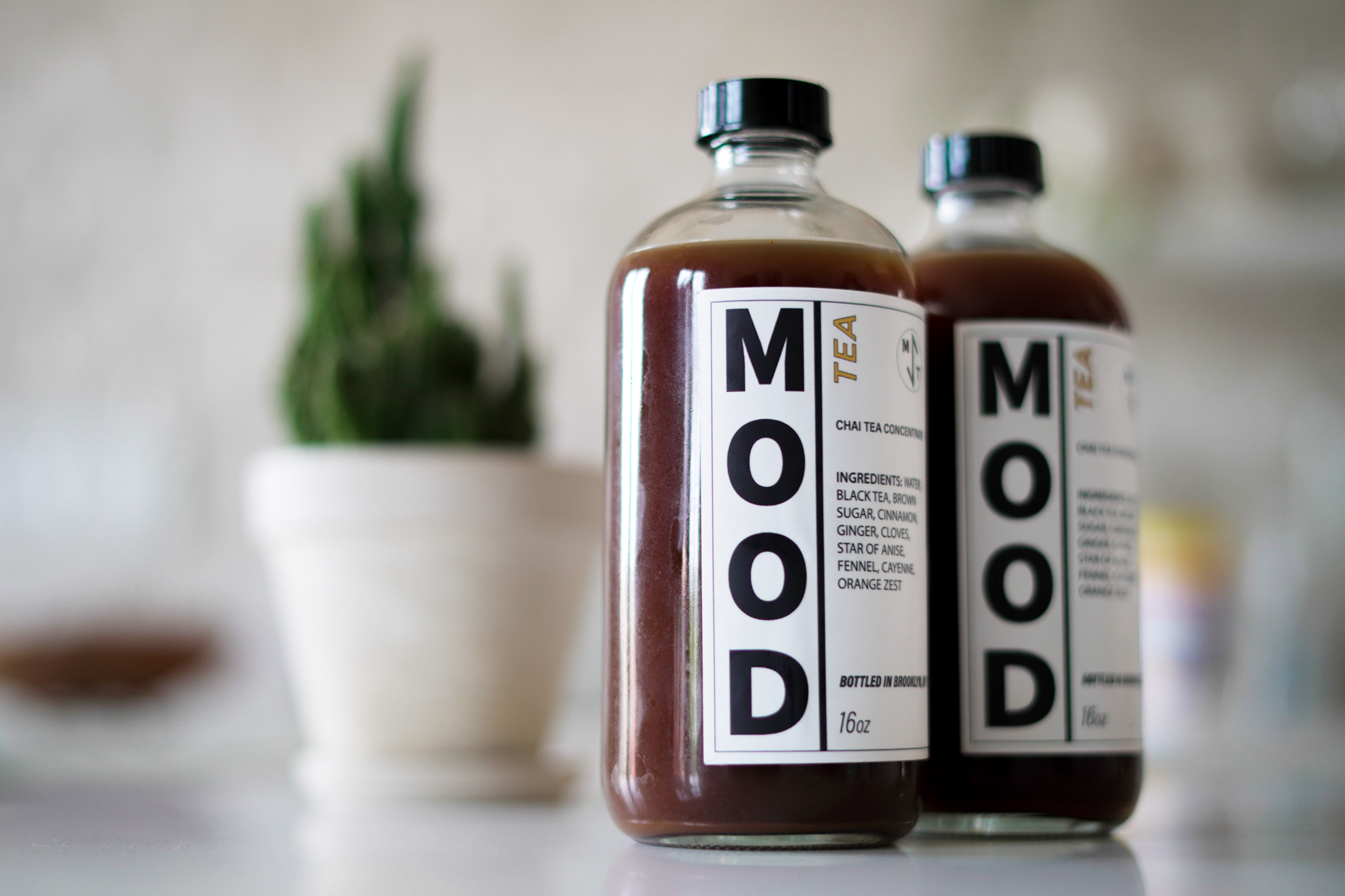
    Mood Tea offers unique flavours with a purpose

    In times of stress or crisis, when things tend to go wrong, it’s important you let your mind relax and take it easy. So when time gets tough, may we suggest tea to rescue? It’s believed that in times of stress, a cup of tea can work wonders for your nerves. In countries like Japan and India, brewing and bonding over cups of tea is a usual practice and it ensures general well being of the family.

    It’s been quite a long journey for tea as a beverage. What started as a humble cup of regular chai has now ended up in elegantly packed designer boxes of flavored teas. Tea has become more of a lifestyle now. There’s a tea for every mood, flavor for every season. While your workout regime is incomplete without wellness and detox green teas, your winter evenings just cannot happen without a hot steaming cup of Kashmiri Kahwa or Darjeeling.

    Don’t you remember Mad Hatter from ‘Alice in Wonderland’? Even he seemed to agree that “it’s always tea-time”. A hearty breakfast with a cup of earl grey and late nights with Masala chai or Vanilla tea pretty much sums the day up. However, many of us aren’t much aware of the options of teas available. Here’s a comprehensive list of teas for all moods available with exclusive makers of flavored single origin teas.

    Tea for Moods:

    Kick-start flavours: For the times we drag ourselves out of bed and still don’t seem to be fully awake, let our good old strong black Assam tea wake you up every morning. With or without milk, it is a perfect good cup to start your day.

    Herbal De-stress: A long day at work, the fever and fret, leave you tired and stressed. Nothing can be more refreshing than a hot shower followed by a cup of warm de-stress relaxing tea. Jasmine tea and refreshing lemon -ginger herbal infusion work on stress and calm your nerves like magic!

    Mood Lifters: Didn’t have a good day at work? Upset over a job not done? Rejuvenate with tea and start anew! Spicy chilli tea, lemon tea and masala chai are great mood lifters. They give you just the right push to get things done.

    Weekend Detox: After a long hard week, a crazy weekend is the least you can ask for. But what about the Sunday morning hangover? Nevermind because we do have a tea solution for that as well. The goodness of organic green tea not only detoxes you but also increases your metabolism. The antioxidants found in herbal green tea play an important role in keeping your natural immunity in place.

    Post Workout: And ofcourse, for the fitness freaks. How can we forget that your workout ain’t complete without a cup of weight-loss tea to mark the finish! A cup of green tea with a tinge of honey can work wonders for your weight loss program.

    Sleep well: Last but not the least, when you go to bed, teas that ensure you sleep well. Try out sleepwell carrot orange multivitamin herbal infusion or relaxing pomegranate orange herbal infusion to relax you before going to bed.

    When nothing else seems to work, keep calm and settle down with a cup of steaming tea and let your mind figure out a way.

  • Huawei plans to launch coffee chain

    Huawei plans to launch coffee chain

    Telecommunication giant Huawei Technologies Co’s recent plan to enter the on-premise coffee market in China has triggered heated discussions on the beverage’s role in rejuvenating established non-food brands among younger consumers.

    Huawei has applied for two trademarks related to coffee. The registered name of one trademark is “One Cup of Coffee Absorbs Cosmic Energy”. The name is classified into the category of convenience food and the application is waiting for acceptance, according to Qichacha, a data bank that tracks business registrations.

    The other trademark is classified into the category of catering and accommodation, covering services including cafes, restaurants and mobile food supply. The application is waiting for review.

    The move is a follow-up to the company’s management interests in the coffee sector.

    In August, Ren Zhengfei, founder of Huawei, said that the company plans to open more than 100 coffee stores in the company’s Qingpu base in Shanghai to attract young people to work for the company.

    Before Huawei, domestic leading sportswear brand Li-Ning recently started its own freshly brewed coffee as it has applied to register its brand as “Ning Coffee”.The sportswear company already operates coffee services in Beijing, Xiamen in Fujian province, and Zhanjiang in Guangdong province. The company runs coffee as an innovation and added value to its in-store shopping experiences, according to Li-Ning, which owns more than 7,000 stores in the country.

    Li-Ning is one of the large-scale retail networks that have banked on the beverage to get closer to younger consumers. Beijing TRT Group, a traditional Chinese medicine pharmacy, China Post, Petro-China, Sinopec Group and even Goubuli-an iconic Tianjin-based bun specialist-have opened their own coffee units. The list of brands entering the coffee sector goes on.

    Zhu Danpeng, a food and beverage analyst, said the recent cross-sector marketing events, which have involved business extension into the coffee sector, have shared one identical aspiration-to get engaged with the younger generation, which has become a dominant consumer group, playing a crucial role in a brand’s future. “To make a brand younger is more or less about how to grow loyalty and frequency with the Gen Z consumers,” said Zhu.

    The capital market and investors have also been drawn to the fast-rising coffee industry, pushing the growth of on-premise coffee niche brands including Manner Coffee, M Stand and Seesaw as well as those internet-based packaged instant coffee brands such as Saturnbird Coffee.

    According to a report by Jiemian, the domestic coffee sector received financing of more than 4 billion yuan ($594 million) in 2021. In March, Canadian coffee group Tim Hortons in China announced it had received an investment of 1.2 billion yuan, propelling the chain to grow from the current 410 stores in the country to 2,750 stores by 2026.

    According to research institute iiMedia Research, in 2021, the coffee market has been valued at 381.7 billion yuan and is estimated to grow to 1 trillion yuan in 2025, with an average annualized growth rate of 27.2 percent.

    By comparison, milk tea, a darling among Chinese youth, has been gradually losing its appeal. According to Nayuki Tea’s annual financial report for 2021, the milk tea maker has seen a loss of 145 million yuan in net profit, which was 16.6 million yuan a year earlier.

  • Global milk tea chain Gong Cha will add 17 stores in Australia

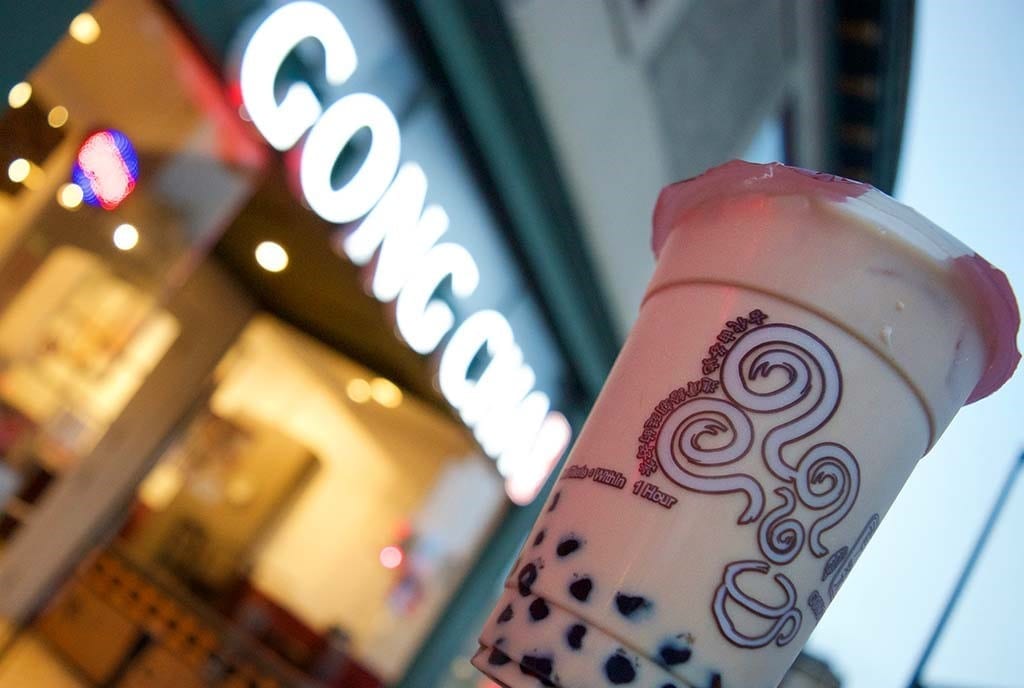
    Global milk tea chain Gong Cha will add 17 stores in Australia

    Global milk tea chain Gong cha is planning to expand in Australia with a further 17 stores this year.

    That’s adding to the 118 stores already operating.

    The plan for growth is part of a bigger international expansion goal, which sees the business focus on development in countries such as Japan, Mexico, New York, and the Philippines.

    Around the world Gong Cha had 1661 stores at the end of 2021, including 90 new outlets opened in Japan. The growth represents a 17 percent rise from the previous year.

    Also this year, another 25 stores planned to open under the guidance of the New York master franchise. South of the border in Mexico the plan is to almost double the number of stores to 51; while the Philippines store count is expected to grow by another 34 new milk tea venues.

    The Gong cha brand was founded in Taiwan in 1996 and is now owned by the Gong Cha Group, headquartered in London.

  • TWG holding V3 Group to launch Hong Kong IPO

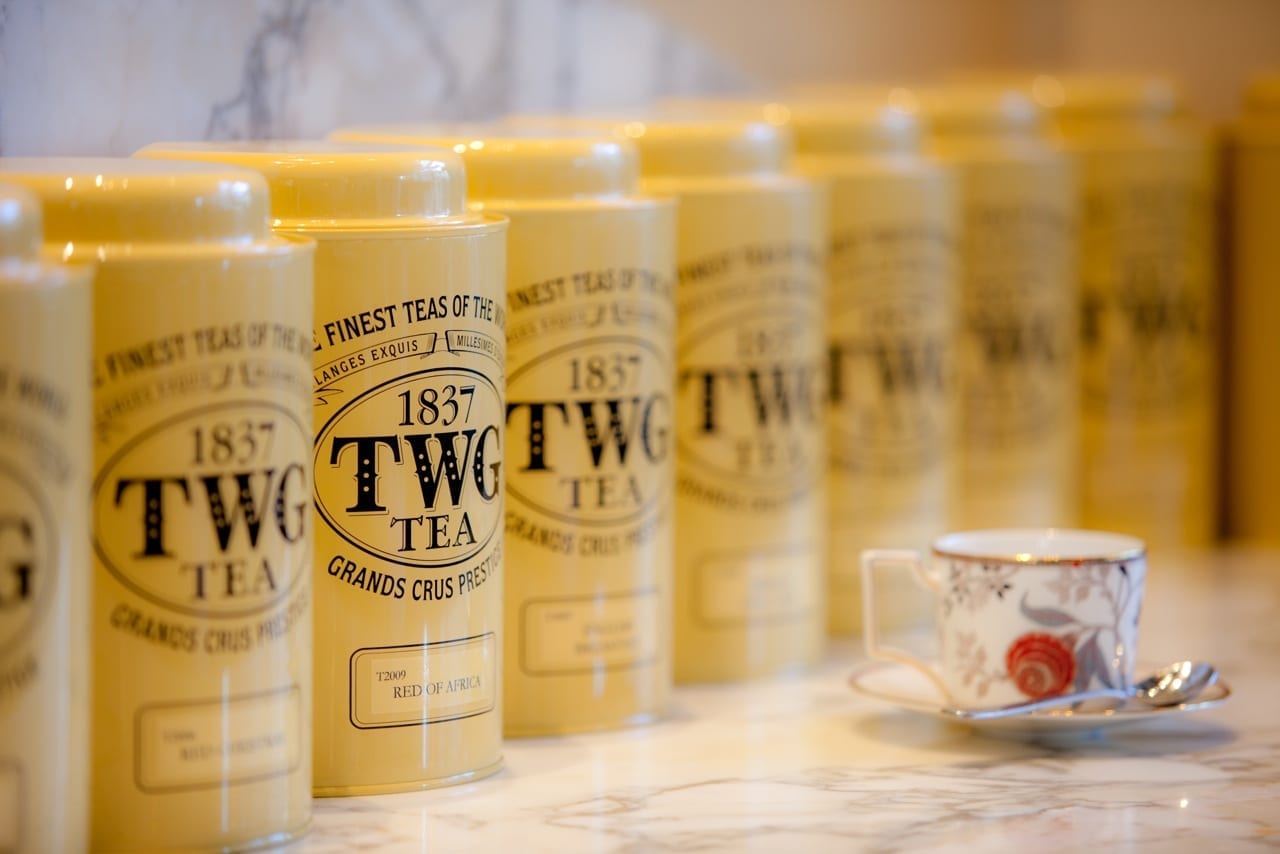
    TWG holding V3 Group to launch Hong Kong IPO

    V3 Group, which owns brands such as Osim and TWG Tea, has filed for an initial public offering (IPO) on the main board of Hong Kong’s stock exchange.

    V3 Brands Asia, an investment holding company wholly owned by V3 Group – made an application to the Hong Kong Exchange for a global offering on Monday (Feb 28).

    The application proof redacted pricing details, the size of the offering, and the number of shares up for grabs.

    Osim listed on the Singapore Exchange in 2000, but delisted in 2016 when its founder, Mr Ron Sim, took the company private.

    Mr Sim lamented then that the stock had not been fairly valued due to a lack of financial depth and liquidity in the Singapore market.

    In 2018, he shelved plans for V3’s Hong Kong listing, letting its application lapse, amid intense volatility and weakness in the global stock market.

    Monday’s application to the Hong Kong bourse comes after the lifestyle products group posted a surge in profit for the nine months ended Sept 30 last year. Profit after tax for the period stood at $72.7 million, 2.5 times the $28.7 million recorded in the year-ago period. Revenue rose 32.8 percent to $332.8 million, from $250.6 million previously.

    For the full year ended Dec 31, 2020, revenue was 15.6 percent higher year on year at $377.8 million, from $326.9 million in the financial year 2019. Profit after tax stood at $43.4 million, 58.9 percent higher than $27.3 million in the year-ago period.

    V3’s higher revenue during the two years ended Dec 31, 2020, and nine months ended Sept 30, 2021, was attributed to higher sales due to increased consumer demand for lifestyle and wellness products, targeted marketing and sales activities, and the success of blockbuster products.

    V3 owns the Osim brand, known for its massage chairs and relaxation products, luxury tea brand TWG Tea, nutritional supplement retailer ONI Global and Futuristic – a Singapore-headquartered manufacturer of store fixtures.

    Mr Sim opened his first store in Singapore in 1983 and later in Hong Kong in 1986. The company also expanded to Taiwan and Malaysia before officially launching the Osim brand name in 1993 and entering China.

  • Masan acquires majority stake in Phuc Long tea chain

    Masan acquires majority stake in Phuc Long tea chain

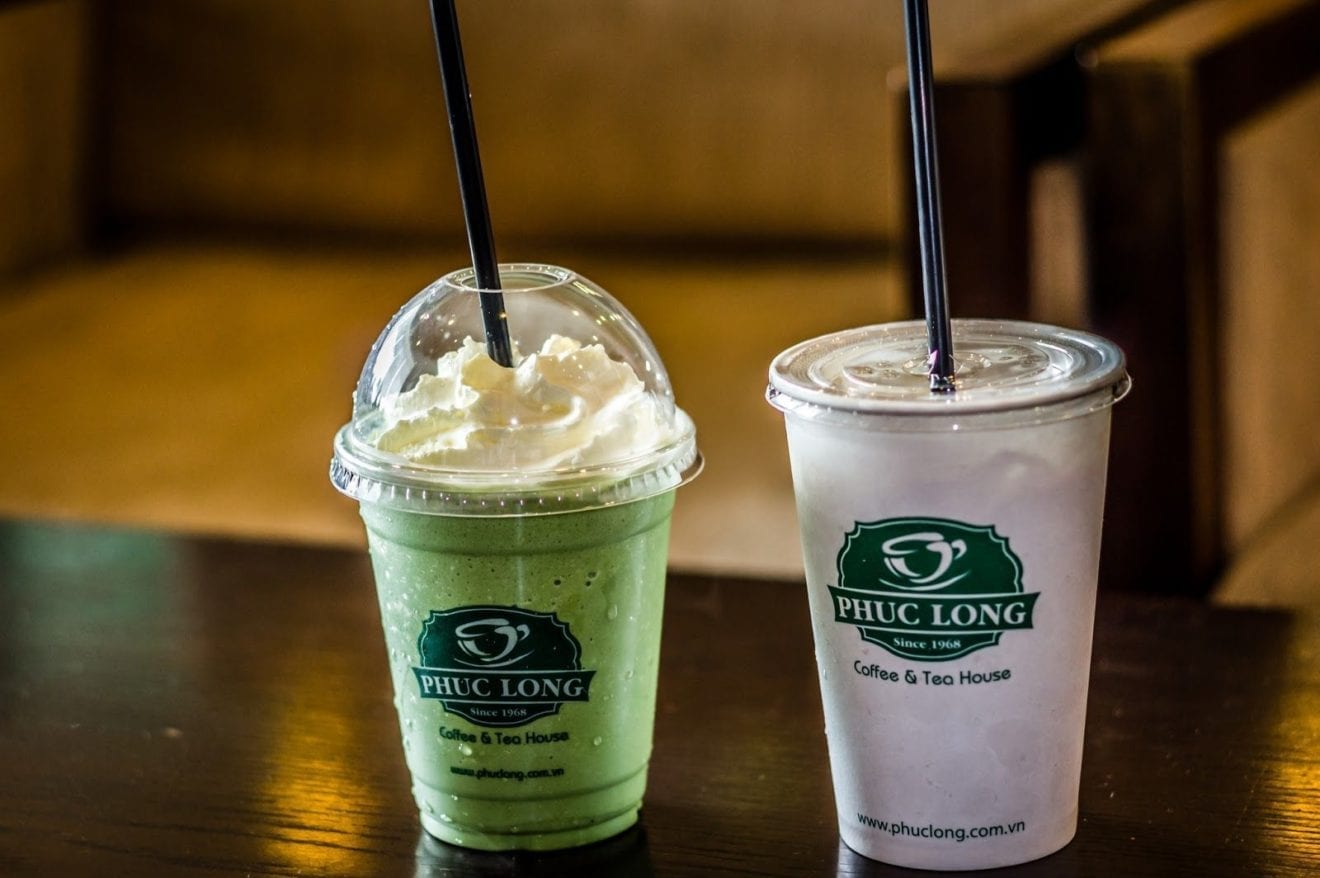
    Conglomerate Masan announced Wednesday that it has spent an additional $110 million to increase its ownership in the Phuc Long beverage chain from 20 percent to 51 percent.

    “Since Masan’s initial investment, Phuc Long has demonstrated strong synergies with MSN’s Point-of-Life strategy, which can now be accelerated with Phuc Long as a consolidated subsidiary of Masan,” it said in a press release.

    Masan first bought a 20 percent stake in Phuc Long in May last year for $15 million. The latest purchase puts the valuation of the tea and coffee chain at $355 million.

    Incorporating Phuc Long’s tea kiosks into Masan’s WinMart+ stores nationwide has been part of the conglomerate’s plan since last year as it sought to advance its “point of life” strategy by developing a mini-mall concept that serves a wide array of essential products and services such as groceries, beverage, pharmaceuticals and financial products.

    Masan plans to launch 2,000 such mini-malls this year, and Phuc Long is set to contribute up to VND3 trillion ($132 million) to the conglomerate revenues, which hit VND88.6 trillion last year.

    Phuc Long was established in 1968 in the Central Highlands province of Lam Dong. The company launched its tea and coffee chain in 2012 with is first store in HCMC.

  • Vietnamese coffee industry game changer

    Vietnamese coffee industry game changer

    King Coffee has a presence in 120 countries and is still on its way to expand further on the world map. Expo is a 170-year old event that takes place every five years, gathering businesspeople from more than 190 countries. This expo showcases all the remarkable events of a country’s past, present, and future. This is an extremely great opportunity for King Coffee to reach more than 190 countries at once.

    Appearing at Expo 2020 Dubai, King Coffee has represented the coffee industry and Vietnam’s agriculture. We have cooperated with the Ministry of Culture, Sports and Tourism to organize activities to promote Vietnamese coffee to the world for six months (October 2021 – March 2022), especially the event of Vietnam National Day (Dec. 30, 2021) and Vietnam Coffee Week (Jan. 1, 2022).

    As a major coffee brand, we participated in coffee-related activities during this event. All visitors really enjoyed our coffee, which impressed them by quality.

    When we introduced Vietnamese coffee during Vietnam Coffee Week, visitors were surprised by egg coffee, Ede coffee, iced-milk coffee… They enjoyed learning how to use coffee filters, and discovering the philosophy of softness, lightness, sophistication to create a perfect cup of coffee compared to using compact espresso machines.

    The exhibition is already halfway through and we have left our mark and accomplished our targets.

    -How has King Coffee connected Vietnamese businesses to Dubai Gateway?

    At Expo Dubai, King Coffee aims to promote coffee culture and development strategies for the coffee industry, and at the same time, widely inform businesses in other industries in Vietnam, who also consider this a great opportunity to go global.

    We worked with Viettravel to engage most associations in all industries, supporting them to participate in this expo. Up to now, hundreds of Vietnamese businesses have gathered here. Expo Dubai makes it easy to set up an online exhibition channel, allowing businesses that are unable to attend offline events due to Covid-19 to participate, and promote their images. Meanwhile, we can follow all the events on social media channels and grab opportunities from Expo.

    Since October 2021, we have done a wonderful job of connecting businesses in Dubai, and at the same time, promote our country. Dubai is an iconic city with a significant impact in 22 Arab countries. By having a presence in Dubai, businesses would enjoy many opportunities to access this market.Expo also organizes a National Day for participating countries. If a country has a potential industry, enterprises in that country might be invited to gather on National Day to find collaboration opportunities.

    First autobiography

    What excites you the most at Expo 2020 Dubai?

    I have a clear goal in everything I do. When I decided to attend Expo 2020 Dubai, I thought about what would make King Coffee stand out and shine there. I started writing the book “The Queen of King Coffee” from the beginning of 2021, in order to release it at Expo Dubai. Without travel or business trips during the pandemic, I had more time for the book.

    While publications regarding the Vietnam War are widely available, English-language books about Vietnamese culture, people, and business opportunities in Vietnam are scarce. Therefore, I decided to launch a book to introduce Vietnamese coffee and the country’s coffee culture to the world. This event drew the attention of the international media. Expo Dubai organizers also promoted this book on their media channels, reaching 192 countries.

    The book was released on Dec. 29, 2021. More than 100 newspapers around the world have reported on King Coffee and the book. I am very happy to tell the story of Vietnamese coffee. I also published the book on Amazon, and it has received positive feedback from readers. When someone places an order, Amazon prints the book and delivers it to the customer.

    As planned, the book will be translated into several languages, first in Arabic to reach 22 Arab countries. When I released the book in Dubai, local businesspeople wanted me to take part in many activities to talk to women, young people about starting a business, not just the book. They want to translate the book into Arabic to make it reach more people.

    They are impressed with the image of women running startups, not only in the coffee sector but also other industries. The book offers them a lot of information. In fact, women are being encouraged to step out of their comfort zone and obtain freedom in doing business. I expect my book to motivate them to be more confident.

    Will the book be available in Vietnamese?

    The book is expected to be released in March in Vietnam, followed by Vietnamese and English versions in June 7 in the U.S. Many readers in the U.S. told me they were looking forward to the premiere.

    The Vietnamese book is not a translated version from English but a different one. The book is a guide for startups and women to balance life and business, as well as female leaders’ responsibilities and aspirations for their country.

    If the English book represents the world’s view of Vietnam, the Vietnamese version describes the viewpoint of a coffee business leader.

    I was a business leader for more than 20 years, but I didn’t let people get to know me. This was good for my family before, but not so good for me when something went wrong.What do you expect from this book?

    I think a female leader should balance her reputation and personal life to proactively play the right role, which will strengthen the business.

    Everyone may know my important decisions to establish the Trung Nguyen and G7 brands, the journey to make them successful not only in the country but also around the world.

    For me, every challenge can be dealt with. When you know how to overcome it, you can strengthen your position.

    Do you have any ideas for your next book?

    Because I am a coffee aficionado, the next book might be “The Master of Coffee” by a coffee specialist. In order to promote Vietnamese coffee, I also have to do many other things. King Coffee will have a chain of coffee shops around the world, and its products will be available in supermarkets all over the world. I want to introduce the very unique and different ideas and culture of Vietnamese coffee to the world. Surely it will be worthy of world recognition.

    World record for Vietnamese Robusta

    Why are you so devoted to coffee?

    I was born and raised in a coffee region. Since I was a child, I witnessed the coffee price drop after bountiful crops, and vice versa. Coffee prices were very low and precarious. The farmers had no idea what the outside world was like. In the coffee ecosystem or global value chain, the farmer segment generated very small value.

    At that time, in my knowledge, there were many well-known coffee companies in countries that did not grow coffee like Sweden, the U.S… I always wondered why they could do it but we couldn’t?

    During 1975–1986, coffee was considered a luxury commodity. I clearly saw that coffee was in great demand, so why not make coffee popular? While coffee had so many benefits, like boosting creativity and concentration, efficiency at work, why didn’t we give coffee a chance to live?

    More than 20 years ago, we hardly saw coffee in supermarkets, but today coffee occupies six shelves at Coopmart. Visitors to Vietnam give priority to buying Vietnamese coffee to bring home because of its good quality. That is a good foundation to promote Vietnamese coffee, as well as King Coffee, in the world market.

    In October 2021, The World Records Union recognized Vietnam as the largest producer and exporter of Robusta coffee. How did this affect Vietnamese coffee?

    It is a historic milestone because Vietnam’s coffee industry had endured several hundred years to achieve a world record.

    I believe Vietnamese coffee has all the conditions to achieve a world record. Although facing many difficulties in persuading associations or state agencies to consider coffee a national asset, I am still determined to push for the World Records Union to recognize Vietnam as a the largest Robusta coffee producer and exporter in terms of output and productivity, along with heritages of the unique and distinctive art of brewing (Ede coffee, racquet coffee, filter coffee), the art of blending and enjoying diverse, creative and unique coffee through drinks and dishes (egg coffee, iced milk coffee…). When I announced this record at Expo Dubai, all the visitors burst into applause and paid special attention to King Coffee.

    It is worth mentioning the World Records Union has recognized specially prepared Vietnamese coffees like iced milk, egg coffee, and Ede coffee. Here, we are mixing different types of coffee together to create a more tasty, unique cup of coffee, all without the use of flavorings and chemicals. The recognition of the art of blending is useful for coffee makers to improve their products.

    In addition, I see many other opportunities to spread awareness and responsibility among the coffee business community, including using reputable branded products. That paves a way to create sustainable development for the coffee industry.

    What are your expectations for the development of Vietnamese coffee in 2022?

    Despite Covid-19, the coffee industry still grew in 2021. Although coffee shops had to close, the products were still delivered to the door. People usually consumed 1-2 cups of coffee per day, but 3-4 glasses during the pandemic. The global coffee industry grew by 4 percent last year, also in Vietnam.

    I think Vietnam needs to quickly develop strategies for the coffee industry, to take advantage pf huge opportunities in the next five years with the law of supply and demand. If we don’t, other countries will do better, and surpass us. This is a very good time for Vietnam to reflect, prepare a solid strategy to create a game changer for the whole coffee industry.

    What do you usually think during the Tet holiday?

    Leaders need to pay more attention to their employees at any time, especially in this pandemic period. They should be concerned about how to keep employees safe, fully vaccinated, and unaffacted by the pandemic. Motivation from the leader also helps employees have a more positive mindset, thereby maintaining operations.

    Tet is a time that brings family together. I miss my father very much, who passed away more than 20 years ago. My Tet grew warmer with him. The street around my house would be lit by fireworks. Everyone drank champagne, congratulated each other. He taught me to understand myself, the value of living life. Dad also taught me little things. I miss my father very much and miss Tet holidays with him. Now my family often tells stories about him at gatherings. When all members are united, the family always feels warm and happy.
  • Starbucks launches Coffee Experience Center in Bali, Indonesia

    Starbucks launches Coffee Experience Center in Bali, Indonesia

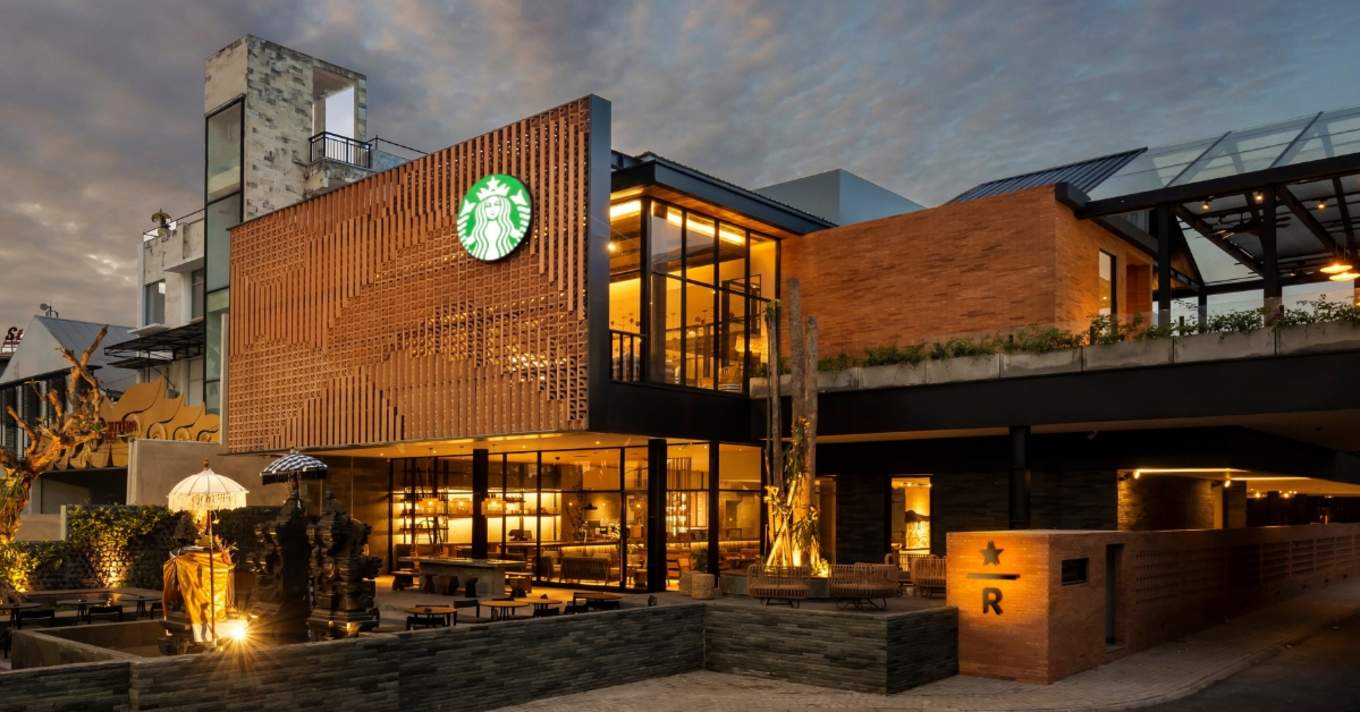
    Today, Starbucks celebrates the journey of coffee from seed-to-cup by opening its largest destination in Southeast Asia – the Starbucks Dewata Coffee Sanctuary. The one-of-a-kind Coffee Sanctuary demonstrates Starbucks Indonesia’s coffee leadership in partnership with licensee PT Sari Coffee Indonesia Limited, building upon 16 years of innovation in design, customer experience, and community impact. The store pays tribute to the important role that Indonesia, the fourth largest Arabica coffee growing region in the world, plays in bringing Starbucks customers the highest quality coffees, including the popular single-origin coffee from Sumatra. Sumatra coffee has been a staple offering at Starbucks since 1971.

    “We began sourcing Indonesian coffees more than four decades ago and have always been struck by the sense of community and care for the coffee journey at every step,” said Kevin Johnson, ceo, Starbucks Coffee Company. “The Starbucks Dewata Coffee Sanctuary amplifies our passion for the coffee journey, our ongoing commitment to Indonesia’s rich coffee culture, and our tireless pursuit of fostering moments of connection between our partners and customers. This is Starbucks at its best, and we are proud to open the doors of this unique experience in one of Southeast Asia’s most dynamic markets.”

    Designed as a coffee sanctuary, the expansive 20,000 square foot store beautifully highlights local craftsmanship and culture alongside premium coffee in this one-of-a-kind coffee experience, a sort of “origin-centered version” of the Roasteries, igniting all five senses. Visitors enter through an Arabica coffee farm, try their hand at coffee bean de-pulping and washing during harvest season, dry and rake green coffee beans, visit budding seedlings in the nursery, take in the store’s locally-inspired design featuring traditional Balinese craft and Indonesian art, and enjoy the more than 100 Dewata-exclusive handcrafted beverages, food and merchandise, including the Lavender Latte.

    “Bali has an envied reputation as one of Asia’s top travel destinations and Indonesia is one of coffee’s most extraordinary coffee origin regions, so we’re excited to invite customers here to ignite their senses and explore the seed-to-cup coffee journey at this unique Coffee Sanctuary,” said Anthony Cottan, managing director, Starbucks Indonesia, at PT Sari Coffee Indonesia Limited.  “We’re very pleased to further strengthen the longstanding partnership between Starbucks and PT Sari Coffee Indonesia with this truly one-of-a-kind Starbucks store, inspired by and filled with the finest examples of Indonesian art, design, and craftsmanship.”

    Located in Bali’s up-and-coming premium retail district on Sunset Road, the Coffee Sanctuary provides a carefully curated series of interactive experiences.

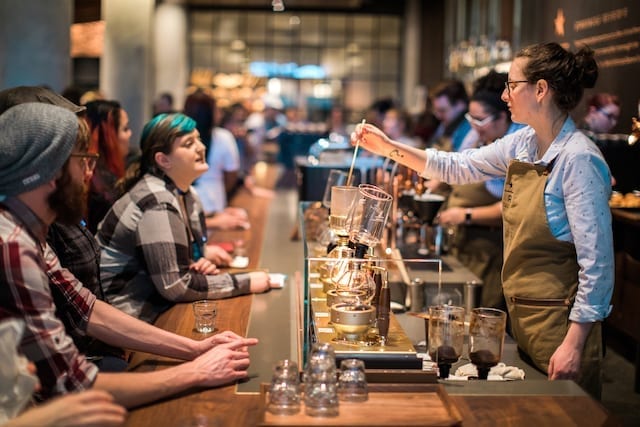
    As customers enter, they’ll be greeted at the concierge reception and then guided through a working, 1,000 square foot coffee tree farm, the size of a typical Indonesian farm. Customers will continue their journey through contemporary Balinese landscaping, passing coffee plants and a de-pulping station before trying their hand at washing, drying and raking green coffee beans. Inside, the expansive Reserve bar offers customers an intimate experience to taste Starbucks Reserve small-lot coffees, while the core bar offers Starbucks signature core beverages.

    Located on the second floor is the seedling nursery, a greenhouse canopied by panes of glass to create an open-air experience. Here, customers can touch the first stages of the seed-to-cup journey, as well as deepen their understanding of the art of tending to coffee plants alongside a local Balinese farmer. In the adjoining tasting room, customers’ tastebuds will come alive as they enjoy coffee as coffee quality professionals do, without a filter – simply coffee and water – to draw out the flavors that set each cup apart.

    For those looking for more, visitors can engage with an interactive video wall and hear how coffee is planted, processed, roasted, shipped, and brewed into a delicious cup of espresso. On the second floor, a dedicated media room features two synchronized video walls, showcasing the work of the Starbucks Farmer Support Center (FSC) in Sumatra and agronomist, Dr. Surip Mawardi’s, work with Indonesian coffee farmers.

    The Sanctuary was designed as an homage to Indonesia’s rich culture and coffee heritage. The store’s expansive interior was inspired by traditional Balinese houses with free-flowing, connected rooms that promote discovery from one space to the next.

    The store’s interior was designed in partnership with local craftspeople and artists with one goal: tell the story of coffee in Indonesia. This is brought to life by a wood carving depicting the country’s six coffee-growing regions’ local culture and architecture. A two-story mural in the courtyard pays tribute to local farmers who carefully nurture and protect the beans each step of their journey to Starbucks.

    On the main floor, Starbucks partners (employees) welcome customers to the 13-meter teak Reserve bar, drawing inspiration from Bali’s terraced rural landscapes, where customers can taste some of Starbucks rarest coffee offerings. Across the store, eyes are drawn to the living wall filled with flora from the region, situated behind the core bar designed to remind customers of Bali’s ocean waves which are replicated on the layered red-brick exterior façade.

    Starbucks is dedicated to working with farmers in Indonesia to ethically and sustainably bring high-quality Indonesian coffee to the world, and today, the company is the largest buyer of Indonesian arabica coffee.

    In 2015, Starbucks opened the Farmer Support Center in Berastagi, North Sumatra where Starbucks agronomists led by Dr. Mawardi, conduct research to develop disease-resistant coffee varietals in an effort to make coffee the world’s first sustainable agricultural product through the Sustainable Coffee Challenge. The Sumatra FSC is one of nine globally, including China, which offers open-source agronomy assistance and support for regional coffee farmers to improve the productivity and sustainability of their coffee trees.

    In a combined effort, Starbucks Indonesia has donated more than 330,000 coffee seedlings, along with technical assistance, to smallholder farmers to-date. Through locally driven initiatives to support coffee tree replanting, Starbucks commits to donating 100,000 seedlings annually in partnership with the FSC.

    Since 2006, The Starbucks Foundation has provided more than $4 million dollars to support farming communities and promote education, water, sanitation and health (WASH) programs across Indonesia. In 2018, The Foundation provided grants to Lutheran World Relief to support women-led community health and hygiene programs for 2,100 households in Sumatran coffee-producing villages over the next three years and to CARE to support economic empowerment for women tea workers and community WASH programs in West Java over the next two years.

    Today, Starbucks Indonesia delivers the Starbucks Experience across 370 stores where nearly 4,500 partners proudly wear the green apron. The Dewata Coffee Sanctuary marks the first Starbucks Reserve Bar in Bali and its tenth in Indonesia as Starbucks continues to elevate the coffee journey for customers across the market.

  • $4 Starbucks coffee has become a daily staple

    $4 Starbucks coffee has become a daily staple

    While the franchise’s 2021 financial results took a hit because of the Covid-19 pandemic, a tangible gain has been the Starbucks VND90,000 ($4)coffee becoming a daily staple in Vietnam.

    Starbucks Vietnam general manager Patricia Marques said that despite the impacts of the nine-week social distancing orders in 2021, the global coffee brand has built up a regular customer base for its coffee worth VND90,000-100,000.

    She said it has also established more outlets away from the downtown in new urban areas, buildings, and local communities. While people used to prefer living close to the center of a locality, they are willing to live a little further away these days, she said.

    Starbucks Vietnam closed three outlets but opened nine new ones in 2021. Between December 2021 and January 2022, it opened another six: three in Hanoi; two in HCMC; and one in the southern province of Binh Duong.

    In Vietnam, Starbucks currently has 77 outlets whose takeaway sales have grown amid Covid-19 outbreaks.

    Marques said she expected instability to continue in Vietnam’s food and beverage market this year, but takeaway revenue, non-cash payment, and e-commerce would continue to grow.

    While there is still a lot of vacant space, it will not be easy for food and beverage businesses to find satisfactory locations at a reasonable price, she said. Citing data from a partner, she said the rent of commercial premises in Vietnam increased by 3 percent, while it decreased 10 percent in Singapore, Hong Kong, Thailand, Cambodia, and Laos.

    According to the brands’ official websites, chains with the highest number of outlets in Vietnam are the domestic brands Highlands (462 stores), The Coffee House (146), and Trung Nguyen (89).

    U.S.-based Starbucks made consolidated revenues of $29.1 billion in the fiscal year 2021 (ending in the third quarter of 2021), up 24 percent against over 2020.

    In the fiscal year 2022, the brand expects global earnings of $32.5-33 billion, beating Wall Street’s estimate of $32.07 billion, and plans to open about 2,000 new outlets globally, three-quarters of them outside the U.S. According to data recorded by Statista, as of November 2021, Starbucks had 33,833 outlets worldwide.

  • Unilever sells 34 tea brands

    Unilever sells 34 tea brands

    Unilever has sold its global tea business – including T2 – to private equity company CVC Capital Partners, for €4.5 billion ($A7 billion)

    The business, called Ekaterra, owns 34 brands including Lipton, PG tips, Pukka, T2 and Tazo and turned over €2 billion ($A3.1 billion) last year. The company has 11 production factories on four continents and tea estates in three countries.

    “The evolution of our portfolio into higher-growth spaces is an important part of our growth strategy for Unilever,” said CEO Alan Jope of the reason for the divestment. “Our decision to sell Ekaterra demonstrates further progress in delivering against our plans.

    “We are proud of the place that our tea business has in our company’s history. We look forward to seeing Ekaterra, with its strong brands and global footprint, prosper under CVC’s ownership.”

    The sale is scheduled to be settled during the second half of next year and is subject to receipt of regulatory approvals. The deal excludes Unilever’s tea business in India, Nepal, and Indonesia, as well as its joint venture with Pepsi Lipton covering ready-to-drink teas, and any associated distribution business.

    Pev Hooper, a managing partner at CVC Capital Partners described Ekaterra as “a great business, built on strong foundations of leading brands and a purpose-driven approach to its products, people and communities”.

    “Ekaterra is well-positioned in an attractive market to accelerate its future growth, and to lead the category’s sustainable development. We look forward to working with the team to realise Ekaterra’s full potential,” said Hooper.

    Inside FMCG understands rival private-equity firms Advent and Carlyle unsuccessfully bid for the business.

  • Jollibee takes stake in Milkshop

    Jollibee takes stake in Milkshop

    Jollibee Foods Corp has acquired a majority stake of Milkshop International, operator of Taiwanese milk tea chain Milksha, through its subsidiary Jollibee Worldwide.

    The acquisition deal, equivalent to 51 per cent ownership, is valued at approximately US$12.8 million. Meanwhile, one of the co-founders of Milkshop will retain the remaining 49 per cent.

    “This gives JFC the opportunity to participate in this fast-growing beverage category and together with Milkshop’s Founder, grow the Milksha brand globally,” the Philippine multinational company said in a disclosure statement.

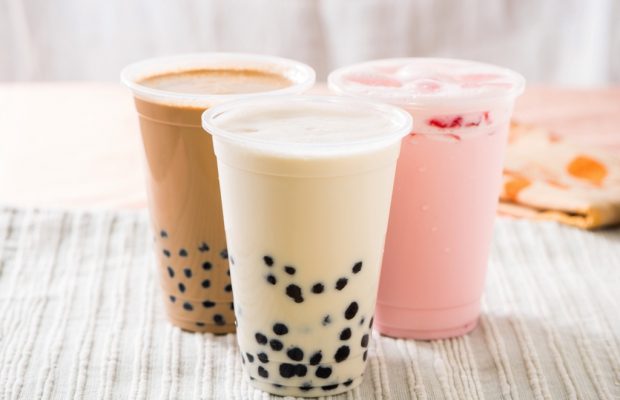
    Founded in 2008, Milkshop International is primarily involved in the development, operations and franchising of specialty tea shops under the trade names Milkshop and Milksha (for international markets). Currently, the company operates more than 250 outlets, with 231 stores in Taiwan, four in Hong Kong, two in Melbourne, two in Vancouver and 12 in Singapore.

    Despite the pandemic, the chain generated $47.7 million in system wide sales, higher than the year before when the sales amounted to $66.5 million.

    “Milkshop is generating modest net income and positive earnings before interest, taxes and depreciation,” the company said.

    JFC and its subsidiaries, Fresh N’ Famous Foods and Mang Inasal Philippines, now have the exclusive rights, through a licensing agreement with Milkshop, to sell and market products under the Milksha brand in their stores. Jollibee said Milksha products will be sold in Chowking stores soon.

  • Coffee prices surge to seven-year high

    Coffee prices surge to seven-year high

    Arabica coffee prices rose 10 percent more on Monday, after jumping nearly 20 percent last week, to their highest in nearly seven years as unusual cold weather threatens coffee crops in the world’s largest producer Brazil.

    Severe frosts last week damaged a large part of fields in the main Brazilian coffee belt and a new polar air mass is forecast to move over the same areas later this week, which will be the third strong cold front to hit crops this year.

    Coffee trees are extremely sensitive to frost, which can cause severe damage and even kill trees completely. If a farm needs to replant trees, production would take around three years.

    Preliminary estimates from the Brazilian government’s food supply agency Conab said that last week’s frosts had affected 150,000 to 200,000 hectares – about 11 percent of the country’s total arabica crop area.

    “This marks the first time since 1994 that the country has experienced such a weather event,” coffee trader I & M Smith said in a market update, referring to the July 20 harsh frosts.

    Arabica coffee futures prices on ICE rose sharply on Monday, with the September contract climbing to a peak of $2.1520 per lb, the highest for the front month since October 2014.

    “The extent of the damage is still unclear, however, estimates are now between 5.5 million and 9 million (60 kg) bags, up from 2 million to 3 million last week,” said Charles Sargeant, softs and agricultural commodity broker at Britannia Global Markets.

    Sargeant was referring to the 2022 Brazilian crop. This year’s smaller production has been mostly harvested. A good production next year in Brazil was seen as important in balancing the global supply.

    Arabica coffee futures have risen by about 35% since the end of June, raising the prospect that major brands may have to raise prices in the coming weeks.

    Starbucks, Nestle and JAB Holdings, which are among the largest coffee processors and retailers in the world, declined requests for comments regarding possible impacts to the industry and the prospect of reduced availability next season.

    Smaller players would certainly suffer, while consumers will have to pay more.

    “We have stocks only up to September. We raised prices already three times this year, following the market moves, but the situation remains difficult,” said Luciane Carneiro Mendes, a partner at Cafe Carneiro, a small roaster in Brazil.

    Coffee prices in Brazil, she said, have risen from 400 reais ($77.30) per 60-kg bag in December to around 800 reais this month, but there are estimates for further increases ahead to around 1.000 reais.

  • Leading milk tea brands plot Australian expansion

    Leading milk tea brands plot Australian expansion

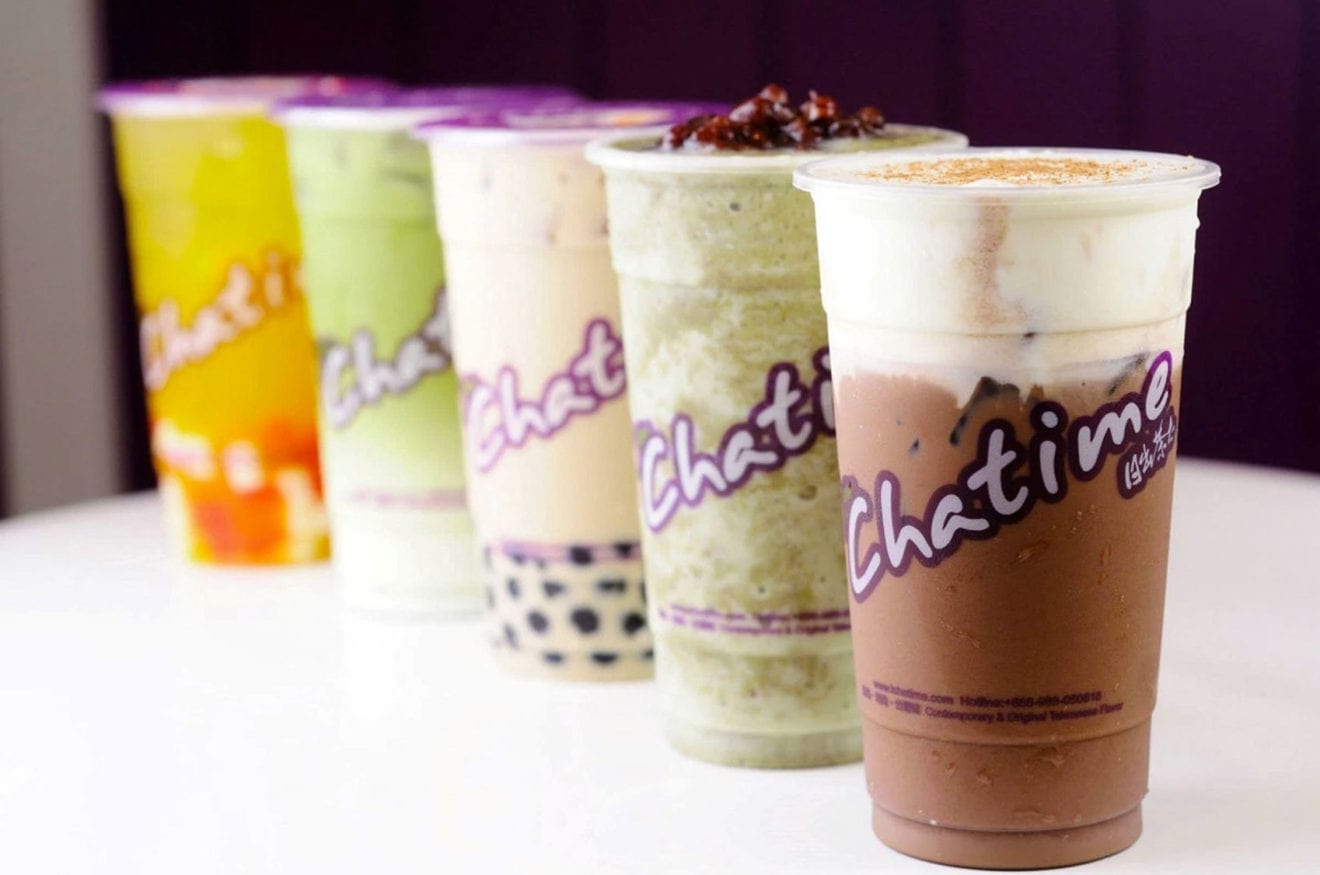
    Major milk tea brands Gotcha and Chatime have disclosed Australian expansion plans and their focus during the next few years.

    The assistant MD of Gotcha, Christy Chen said that the brand is set to open 20 new stores by the end of the year.

    “Gotcha will continue to focus on the interior of our stores to deliver an elevated level of design,” Chen said.

    Launching in 2018, the brand now operates more than 20 stores across the country. Gotcha aims to expand to Saudi Arabia, New Zealand and Singapore this year, and is expanding its store network in Indonesia.

    “We are very confident the bubble-tea market will continue to grow, especially as we expand into international regions.”

    Meanwhile, rival Chatime, said it will add 29 more stores to its existing 126 franchises in Australia this year.

    “As of right now, we currently have over 50 percent of our target locked in,” said Andrew Benefield, chief development officer at Chatime.

    The company expects the market will consolidate to just two to three key players including itself. Chatime’s goal is to hit 250 stores across the country during the next five years. At the same time, it will shift its focus to be more environmentally friendly and reduce plastic waste.

    “Chatime is currently working on Project Happy Turtle, which aims for us to completely eradicate single-use plastic within our stores across Australia,” Benefield said. “We’ve tried this through the introduction of reusable bubble-tea cups, as well as paper straws across the network.”

  • Nerada Tea releases plastic-free loose-leaf tea box

    Nerada Tea releases plastic-free loose-leaf tea box

    Queensland’s Nerada Tea company is marking Plastics Free July with the launch of a cardboard tea package that features no plastic lining or wrapping.

    The box, made from recycled cardboard, comes with a pour spout that folds out to dispense the loose-leaf tea into a brewing pot. It will sell for RRP$3.30 in supermarkets.

    Nerada Tea, which sells 1.5 million kilograms of tea a year, is also currently trialing a 100-per-cent plastic-free paper for its tagless pot bags which it hopes to roll out in stores by the end of this year.

    In what the company describes as “a high priority,” further research is ongoing into a plastic-free solution for tea bags which the company hopes to bring to market within a year.

    Launched in 2010, Plastic Free July has reportedly inspired more than 326 million participants around the world to reduce their household waste and recycling by 21kg per person, per year – equivalent to almost 5 percent – contributing to a total saving of 940 million kilograms of plastic waste annually.