Retail News CRM

Tag: telco

  • Singtel Faces Back-to-Back Disruptions: Singapore’s Largest Mobile Network Grapples with Connection Issues

    Singtel Faces Back-to-Back Disruptions: Singapore’s Largest Mobile Network Grapples with Connection Issues

    On Tuesday, customers of Singtel, the largest mobile network in Singapore, faced connectivity issues for the second consecutive day. These disruptions followed a Monday outage that lasted more than eight hours and impacted thousands of users, creating significant inconvenience for customers and affecting crucial services such as payments, ride-hailing, and food delivery.

    Singtel revealed that a “small number” of customers were experiencing connectivity issues, but clarified that these problems were unrelated to the Monday outage. By 5 p.m. on Tuesday, connectivity had been restored. The company issued an apology for the inconvenience caused to its customers.

    The Infocomm Media Development Authority (IMDA), in a recent statement, confirmed that initial investigations into the two incidents found no evidence of any cyber-related issues. They emphasized that they seriously view any service disruptions and pledged to thoroughly investigate both incidents. They also sternly warned that they would not hesitate to take stringent regulatory action against Singtel if any lapses were identified.

    Previous Disruption and Cyber Attack

    On Monday, Singtel experienced a severe network outage that lasted more than eight hours. This disruption led to many Singtel users reporting issues with their mobile services. Some were even unable to make payments or use mobile data for work-related tasks.

    Last month, the authorities in Singapore reported that all four major telcos, including Singtel, had been targeted in a cyberattack by UNC3886. This assault, disclosed last year, enabled the attackers to access critical systems at the telcos. However, no sensitive customer data was compromised.

    Continuing Issues and Customer Dissatisfaction

    Despite the restoration of services, many Singtel and GOMO users reported that they were still unable to reconnect on Tuesday. They expressed frustration over the slow customer service responses. GOMO is a budget-friendly sub-brand of Singtel.

    Priscilla Wee, a 56-year-old homemaker, shared her ordeal of repeatedly turning her phone off and on and reloading her GOMO e-SIM. However, her efforts were in vain. Out of frustration, she terminated her GOMO line on March 17 and switched to StarHub. She stated, “The trust factor with Singtel is now gone.”

    Aaron Ang, chief technology officer of Cyber Leaders Nexus, a Singapore-based cybersecurity company, commented on the situation. He suggested that engineers responding to a significant outage often resort to restarting systems, rerouting traffic, or implementing quick fixes. Such remedial actions can put stress on other parts of the system or reveal hidden issues, potentially causing a second, separate outage.

    Questions & Answers

    What was the cause of the recent Singtel disruptions?
    The company stated that they were unrelated incidents and not associated with any cyber-related issues.

    What were the consequences of these disruptions?
    Thousands of users were affected, with some unable to use essential services such as payments, ride-hailing, and food delivery, leading to significant inconvenience.

    What is the IMDA’s stance on these incidents?
    The Infocomm Media Development Authority takes a serious view of service disruptions, pledging to thoroughly investigate both incidents and warning of stringent regulatory action if any lapses are identified.

  • Nokia Hits the Mark: Reports 3% Q4 Revenue Boost and Meets Full-Year Goals for 2025

    Nokia Hits the Mark: Reports 3% Q4 Revenue Boost and Meets Full-Year Goals for 2025

    Nokia Corporation recently announced a 3% increase in comparable net sales for Q4 2025, achieving EUR 6.1 billion. This increase is attributed to growth in both its network infrastructure and mobile networks businesses. The company’s outcomes are in line with its full-year financial objectives, demonstrating a year of strategic redirection and portfolio growth.

    Financial Overview

    In 2025, Nokia saw a 2% year-on-year rise in net sales on a constant currency and portfolio basis, and a 3% increase as reported.

    The company reported a full-year operating profit of EUR 2.0 billion, marginally surpassing its previously issued guidance midpoint of EUR 1.85 billion.

    Although Q4 saw a rise in revenue, Nokia’s comparable operating margin fell by 90 basis points year-on-year to 17.3%. This decrease can primarily be attributed to increased investment in network infrastructure and costs tied to the integration of Infinera, a recent acquisition aimed at strengthening Nokia’s optical networking portfolio.

    The comparable gross margin expanded by 90 basis points to 48.1%, underpinned by a robust product mix that compensated for a reduced contribution from Nokia Technologies. The reported gross margin, on the other hand, fell by 120 basis points to 44.9% due to augmented restructuring costs.

    In Q4, the comparable diluted EPS was EUR 0.16 (reported EUR 0.10), with a free cash flow of EUR 0.2 billion and a net cash balance of EUR 3.4 billion. For the full year, net sales expanded by 2% on a constant currency and portfolio basis (+3% reported). All these figures are within the prior guidance.

    Networks Overview

    Optical networks became a major growth catalyst, bolstered by robust demand from AI and cloud deployments. IP networks saw roughly 3% growth, facilitated by a strong Q4 2024 showing. Fixed networks stayed largely steady as portfolio optimization actions balanced out growth in fiber OLT shipments. The company’s book-to-bill ratio remained well above 1, reflecting ongoing momentum across both optical and IP networks. Gross margins stayed mostly consistent year-on-year, but operating margins declined due to continued investments related to growth and the integration of Infinera.

    Cloud and network services experienced a slight year-on-year dip in Q4, though full-year net sales increased by 6%, driven by strong demand in core networks. Q4’s gross margin benefited from a modest provision reversal of EUR 37 million. Even excluding this, margins improved, reflecting ongoing efforts to enhance profitability. Mobile networks also witnessed strong year-end demand, leading to a 6% growth in net sales in Q4, with gross margins bolstered by a favorable product mix. Meanwhile, Nokia Technologies signed several deals during the quarter, maintaining the contracted net sales run-rate at around EUR 1.4 billion.

    Questions & Answers

    What was Nokia’s full-year operating profit for 2025?
    Nokia’s full-year operating profit for 2025 was EUR 2.0 billion.

    What factors contributed to the decline in Nokia’s comparable operating margin in Q4 2025?
    The decline in Nokia’s comparable operating margin in Q4 2025 was primarily due to increased investment in network infrastructure and costs associated with the integration of Infinera.

    What trends were observed in Nokia’s network businesses in 2025?
    In 2025, optical networks emerged as a key growth driver for Nokia, supported by strong demand from AI and cloud deployments. Fixed networks remained stable, while IP networks saw about 3% growth.

  • “Telenor Retreats from Asian Markets: Sells $3.9 Billion Stake in True Corporation, Bids Adieu to Thailand”

    “Telenor Retreats from Asian Markets: Sells $3.9 Billion Stake in True Corporation, Bids Adieu to Thailand”

    Telenor, the Nordic telecom operator, has confirmed its departure from the Thai telecom sector. After a quarter of a century presence in the country, the company is selling its majority stake in True Corporation. This development is part of Telenor’s strategic withdrawal from the Asian marketplace.

    Details of the Deal

    The agreement outlines that Telenor will sell its 24.95% share in True Corporation to Arise Digital Technology Company. The sale price is set at NOK 32.3 billion. The buyer, Arise, is a company run by Thai businessman Khun Suphachai Chearavanont. Furthering the deal, both parties have reached a consensus allowing Arise to purchase Telenor’s residual 5.35% stake within the forthcoming two years. The cost for this additional acquisition is NOK 6.9 billion.

    Withdrawal from Asia

    The exit from Thailand’s market echoes Telenor’s recent business moves in other Asian territories, epitomizing the company’s ongoing strategy of pulling out of Asia. Notably, it recently sold its Pakistani business to Pakistan Telecommunication Company Limited for upwards of USD 500 million. The company is now placing a greater emphasis on strengthening its Nordic foundations.

    Telenor still has a presence in Bangladesh and Malaysia through its holdings in Grameenphone and CelcomDigi, respectively. Previously, Telenor operated in both India and Myanmar, but has since withdrawn from these markets.

    Remarks from the CEO

    Telenor’s CEO, Benedicte Schilbred Fasmer, expressed satisfaction with the arrangement made with Arise. She noted that at the company’s Capital Markets Day in November, they had mentioned their search for opportunities to create structural value in Asia. With the completion of Telenor Pakistan’s sale in December and the agreement to sell their shares in True, she believes they have made significant progress towards that goal.

    Telenor’s journey in Thailand began in 2000 when it acquired shares in Total Access Communication (TAC). TAC later became dtac, one of the largest mobile operators in the country. In 2023, dtac and True merged to bolster its competitive stance against the market leader, AIS.

    Questions & Answers

    What is the significance of Telenor selling its stake in True Corporation?
    The sale of Telenor’s stake in True Corporation marks the company’s exit from the Thai telecoms market, signifying a strategic pullback from Asia and a refocus on its Nordic operations.

    What other recent business moves has Telenor made in Asia?
    Besides its exit from Thailand, Telenor recently sold its Pakistani business to Pakistan Telecommunication Company Limited. The company has also previously ceased operations in India and Myanmar.

    Which Asian markets does Telenor still operate in?
    Telenor maintains its presence in Asia through its holdings in Grameenphone in Bangladesh and CelcomDigi in Malaysia.

  • India Ascends to Second Spot Globally with Over 400 Million 5G Users: A Story of Rapid Digital Transformation

    India Ascends to Second Spot Globally with Over 400 Million 5G Users: A Story of Rapid Digital Transformation

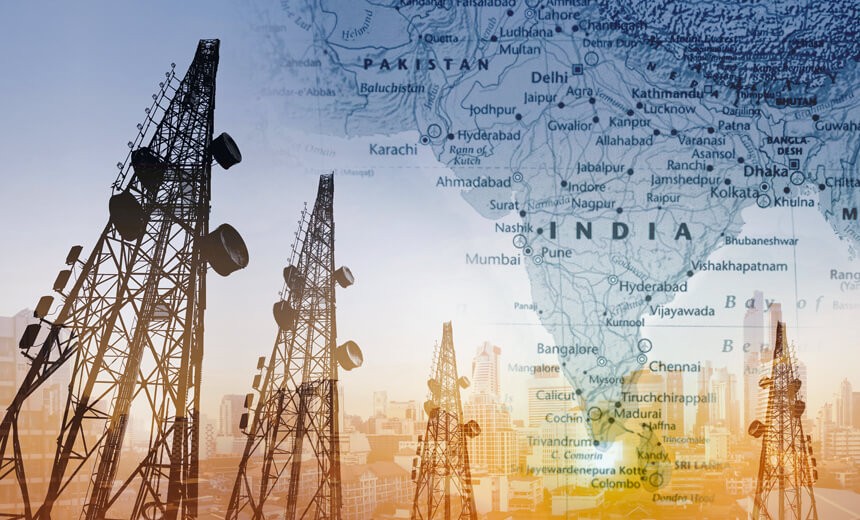
    India has solidified its position as the world’s second-largest 5G subscriber market, just after China. This achievement highlights the nation’s speedy embrace of next-generation connectivity and one of the fastest global network rollouts, as stated by the Union Minister of Communications, Jyotiraditya M. Scindia.

    Impressive Numbers in 5G Adoption

    Currently, India boasts of more than 400 million 5G users, making it home to the world’s second-largest 5G subscriber population. Data presented by the Ministry of Communications indicates that telecom service providers have installed approximately 4.69 lakh 5G base transceiver stations nationwide as of March 2025. This reflects the swift pace of 5G deployment in India, which started in October 2022 and is among the fastest rollouts globally.

    Today, 5G services encompass over 99% of India’s districts, with an estimated population coverage of around 85%. Since the initial launch, 25 crore users have migrated to 5G services, and the total subscriber base has surged past 400 million as network accessibility and device adoption have grown.

    Notable Strides in Rural Connectivity

    The Ministry also pointed out significant improvements in rural connectivity. There has been a 42.9% increase in rural telephone connections, almost twice the rate of urban growth. The number of connections has risen from 377.78 million in March 2014 to 539.83 million by September 2025.

    Digital Expansion and Internet Usage

    The digital expansion in India is further mirrored in internet usage. Total internet connections have crossed the one billion mark, reaching 1.0029 billion, compared to 251.5 million in March 2014. This represents a growth of nearly 299%.

    Progress in Telecom Self-Reliance

    In line with the Atmanirbhar Bharat vision, India has made substantial progress in telecom self-reliance. It has joined the select group of nations that have developed an end-to-end 4G stack which is upgradable to 5G. While it took other countries decades to mature similar technologies, India achieved this milestone in just two years. Additionally, there is growing momentum in indigenous 6G research and development under the ambitious Bharat 6G Mission.

    Collectively, these developments firmly establish India as a primary global player in 5G adoption and digital infrastructure. This has implications for enterprise connectivity, innovation, and long-term economic growth across the region.

    Questions & Answers

    What is India’s current rank in the global 5G subscriber market?
    India has emerged as the second-largest 5G subscriber market in the world.

    How many 5G users does India currently have?
    India currently has over 400 million 5G users.

    What has been the growth in rural telephone connections in India?
    Rural telephone connections in India have grown by 42.9%, nearly double the urban growth rate.

  • Revolutionizing Telco Strategy: The Power of Mobile-First in Asia’s Data Consumption Boom

    Revolutionizing Telco Strategy: The Power of Mobile-First in Asia’s Data Consumption Boom

    The Asia Pacific continues to be a global hotspot for mobile innovation, acting as a catalyst for change in telco strategies due to the growing data consumption rate in the region.

    According to the Ericsson Mobility Report, global mobile network data traffic grew approximately 20% annually by the end of 2025. Significantly, 5G accounted for nearly one-third of the total mobile data traffic, a percentage that is swiftly increasing in the Asia Pacific region.

    It’s not just the volume of data consumption that’s driving change. The way people use data, the timing, and the reasons for their usage are also contributing factors. The increase in video-oriented lifestyles, app-based commerce, remote work, and digital public services have transformed mobile connectivity into a basic necessity. Thus, Asia’s telcos are realizing that their success isn’t merely about pursuing traffic growth but rather managing experience, intelligence, and value.

    Asia’s Data Growth Continues Unabated

    The Asia Pacific region contributes significantly to global mobile data growth, primarily due to its size. The region makes up over half of global mobile subscribers and continues to add new users, with total mobile data traffic set to quadruple by 2030.

    While mature markets in other parts of the world begin to level off, Asia’s blend of high population density, affordable smartphones, and aggressive data pricing keeps demand on the rise. For providers, this growth presents both an opportunity and a challenge. Although traffic volumes are increasing, the economics of delivering that data are becoming more complex.

    Video’s Impact on Network Regulations

    The most noticeable change is the emergence of a video-first economy, with traffic expected to account for 76% of all mobile data by the end of 2026. Short-form video, particularly TikTok, has become the new norm for mobile usage, necessitating an evolution of providers like AIS to become a “Cognitive Tech-Co”. This new model uses real-time AI analytics to autonomously adjust network capacity while partnering with platforms to cater to the high-data demands of the burgeoning tourist sector.

    Furthermore, providers like SK Telecom in South Korea have recognized that managing these fluctuations requires more than traditional capacity upgrades. AI-driven traffic forecasting, real-time optimization, and automated network controls are becoming essential. The network must now be capable of thinking, adapting, and responding independently.

    Hyper-Personalization and AI

    Telcos are incorporating hyper-personalization and AI into their strategies to differentiate their offerings, enhance engagement, and capture greater lifetime value. For example, Reliance Jio analyzes usage patterns across its 300+ million subscribers to provide personalized plans, content bundles, and contextual offers in real time.

    Additionally, Telkomsel uses AI-driven analytics and its chatbot to personalize interactions. Similarly, Airtel uses AI-based recommendation engines to push context-aware data and retention offers, improving engagement in high-churn segments. These shifts indicate that erratic data spikes driven by social trends or large-scale gaming releases are now managed using generative AI and machine learning.

    5G as National Infrastructure

    The growth in mobile data consumption in Asia has elevated 5G to the status of national infrastructure, as governments increasingly view high-capacity, low-latency networks as crucial to economic resilience, industrial digitization, and digital inclusion. As a result, telcos are restructuring their strategies around network intelligence to position themselves as foundational platforms for digital economies.

    Monetizing Experience Rather Than Megabytes

    In more developed markets like Australia, operators are experimenting with new ways to generate value from data-hungry users. Optus, for instance, has moved towards speed-tiered broadband plans, prioritizing consistent performance during peak periods rather than data caps. This shift reflects a wider understanding that across the Asia Pacific, customers are willing to pay for quality, low latency, high reliability, and predictable performance, especially for cloud gaming, remote work, and UHD streaming.

    Looking Ahead: Towards an Intelligent, Hybrid Future

    As Asia’s mobile-first journey moves forward, the next step will likely involve a deeper integration between terrestrial networks and satellite connectivity. The ultimate aim is to redefine telco strategy across Asia, competing not just on coverage or price but on the ability to transform networks into intelligent, hybrid platforms.

    Questions & Answers

    What is the key factor driving the transformation of Asia’s telco strategies?
    The key factor is not just the volume of data people consume, but how, when, and why they use it. Trends like video-led lifestyles, app-based commerce, remote work, and digital public services have made mobile connectivity a basic utility.

    Why is the rise of a video-first economy significant for telcos?
    The rise of a video-first economy is significant because it’s projected to account for 76% of all mobile data by the end of 2026. This surge in video consumption requires telcos to adjust their network capacities and strategies to accommodate the increased traffic.

    What does the future look like for telco strategies across the Asia Pacific?
    The future of telco strategies across the Asia Pacific will involve deeper integration between terrestrial networks and satellite connectivity. Telcos will compete not just on coverage or price but on their ability to transform networks into intelligent, hybrid platforms.

  • Unlocking Vietnam’s Digital Economy: The Transformative Impact of 5G Expansion

    Unlocking Vietnam’s Digital Economy: The Transformative Impact of 5G Expansion

    Vietnam’s burgeoning 5G network is forecasted to bolster the forthcoming wave of the nation’s digital economy. This expectation comes as local telecommunications companies hasten infrastructure development and commence the expansion of commercial and public sector applications.

    5G Infrastructure Expansion

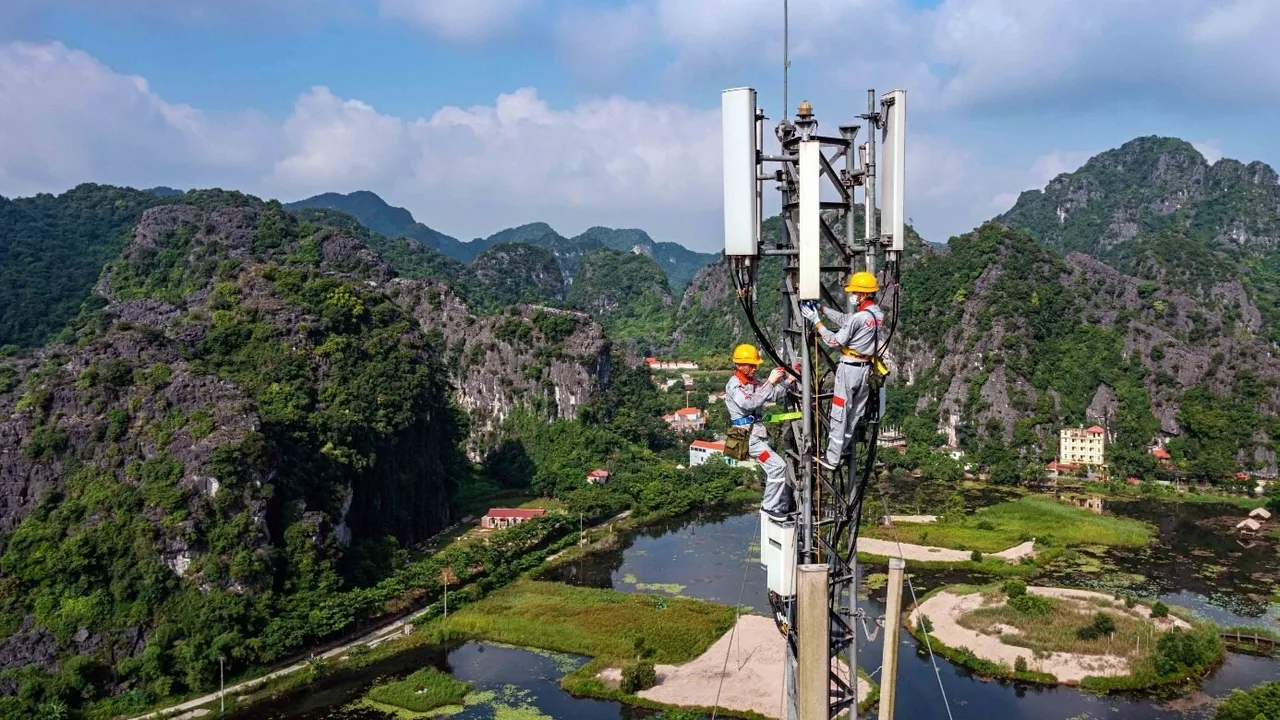
    Viettel, Vietnam’s premier operator, has established around 30,000 5G base stations, achieving approximately 90% outdoor coverage and 70% indoor coverage. This surpasses the commitments the company made to the government. As predicted by Vietnam’s Ministry of Science and Technology, by 2025, 5G services were widely commercialized throughout the nation, reaching over 90% of the population.

    Practical Economic Benefits

    Telecommunications providers affirm that the extended availability of 5G is already producing tangible economic advantages, particularly within rural commerce and agriculture. Since August 2025, Viettel Post has facilitated numerous livestream sales sessions in several provinces such as Thai Nguyen, Vinh Long, Bac Ninh, and Lai Chau, to assist farmers in reaching consumers across the nation.

    In Sin Ho commune, located in Lai Chau province, three livestream sessions led to more than 300 tons of yacon root being sold by local Mong farmers. According to Dinh Thanh Son, Deputy General Director of Viettel Post, the marriage of 5G connectivity and integrated logistics systems is aiding farmers in reducing their reliance on traditional intermediaries and managing price fluctuations. The existence of stable, high-speed connections allows farmers to livestream directly from production sites, while 5G-enabled Internet of Things applications are being trialed to monitor conditions such as temperature, humidity, and weather in agricultural production.

    5G Rollout and Development

    Nguyen Duy Lam, a Senior Telecommunications Solutions Expert at Huawei Vietnam, shared that the rollout of 5G in Vietnam has made rapid strides in areas like e-commerce. However, the establishment of smart city and smart factory applications will necessitate continued enterprise investment and supportive government policies.

    Nguyen Ha Thanh, Deputy General Director of Viettel Telecom, considers 5G as strategic national digital infrastructure, aligning with a specific national resolution. She believes the impact of 5G investments should be evaluated from a national viewpoint, taking into account improvements in governance efficiency, quality of life, and the development of novel digital business models.

    Network Coverage and Focus Shift

    With network coverage largely in place, operators are now shifting their attention towards applications and platforms. Viettel Telecom intends to launch three virtual assistant platforms for individuals, households, and enterprises over its 5G network. Concurrently, MobiFone is executing 5G-based smart city solutions in Hanoi, inclusive of AI-powered camera systems, emergency response drones, and comprehensive urban monitoring platforms that address issues like traffic congestion, flooding, environmental pollution, and food safety.

    Questions & Answers

    What is the current state of Vietnam’s 5G network?
    Vietnam’s 5G network has been extensively developed, with the country’s largest operator, Viettel, establishing approximately 30,000 base stations. This has resulted in around 90% outdoor coverage and 70% indoor coverage.

    How is 5G aiding Vietnam’s rural sectors?
    5G is proving particularly beneficial to rural commerce and agriculture, where high-speed connections allow for activities such as livestream sales sessions. This is helping farmers reach consumers nationwide without the need for traditional intermediaries.

    What future applications are being planned for Vietnam’s 5G network?
    Looking ahead, operators are shifting their focus towards applications and platforms. Viettel Telecom plans to introduce three virtual assistant platforms, while MobiFone is implementing smart city solutions in Hanoi. These advancements will further integrate 5G connectivity into everyday life and enterprise operations.

  • Singtel Pioneers Singapore’s First 50 Gbps Fiber Broadband Trial, Ushering in New Era of Ultra-High-Speed Connectivity

    Singtel Pioneers Singapore’s First 50 Gbps Fiber Broadband Trial, Ushering in New Era of Ultra-High-Speed Connectivity

    Singapore’s premier telecommunications company, Singtel, has initiated the country’s inaugural 50 Gbps fiber broadband technical trial. The aim of this groundbreaking move is to fortify the fixed connectivity infrastructure of the country, which is crucial for the delivery of emerging data-intensive digital amenities propelled by Artificial Intelligence (AI).

    Exploring the Potential of Next-Gen Technology

    This technical trial employs the cutting-edge XGS-PON-based fiber technology, which is capable of facilitating speeds of up to 50 Gbps. The trial has been conceptualised keeping in mind the anticipated use cases of the imminent future, such as ultra-realistic Augmented Reality (AR), Virtual Reality (VR), and Mixed Reality (MR), AI-powered smart homes, high-performance remote working setups, and cloud gaming. Singtel’s objective with this initiative is to prepare both residential and commercial customers for the smooth adoption of novel technologies as they become mainstream over the next three to five years.

    Through this trial, Singtel aims to assess the network performance and capabilities needed to support the increasing complexity of multi-device environments driven by AI. Singtel maintains that the trial is a significant milestone towards the future large-scale rollout of ultra-high-speed fiber broadband for diverse users, both residential and commercial.

    Preparing for a Digital Future

    Ng Tian Chong, Singtel Singapore’s CEO, emphasised that digital technologies are already a part of everyday life in Singapore, with near-universal internet access, high device ownership, and extensive use of digital services for work, learning, and entertainment. The next leap in fiber broadband connectivity, he said, will ensure that homes and businesses can keep up with increasingly immersive and AI-enabled digital experiences.

    Singtel insists that its early adoption of the 50 Gbps fiber technology places Singapore at the vanguard of next-generation broadband innovation. This aligns with the nation’s Digital Connectivity Blueprint, which prioritises the construction of a robust and future-ready digital infrastructure.

    Enabling Advanced Applications

    The 50 Gbps trial facilitates a new grade of whole-home, multi-gigabit connectivity. Singtel believes this will support ultra-high-definition entertainment, including 8K and future 12K video streaming, high-quality AR, VR, and XR experiences, and low-latency cloud gaming and cloud PCs. The technology also caters to data-heavy workflows for home-based businesses and professionals, including engineering simulations and secure enterprise-level remote connectivity.

    Moreover, the ultra-high-speed broadband is anticipated to enable advanced telemedicine and remote diagnostics, such as real-time medical imaging transmission, VR-based physiotherapy, and connected at-home medical devices. AI-driven smart homes will reap the benefits of real-time analytics across security cameras, IoT appliances, and autonomous devices. It also provides a solid foundation for next-generation Wi-Fi, dense IoT ecosystems, and emerging AI-generated entertainment formats.

    Questions & Answers

    What is the purpose of Singtel’s technical trial?

    The purpose of the technical trial is to assess the network performance and capabilities needed to support the increasingly complex multi-device environments enabled by AI. It also aims to prepare residential and commercial customers for the smooth adoption of novel technologies as they become mainstream.

    How will the 50 Gbps fiber broadband technology benefit homes and businesses?

    The technology will support ultra-high-definition entertainment, low-latency cloud gaming, high-quality AR, VR, and XR experiences, and data-heavy workflows for home-based businesses and professionals. It will also enable advanced telemedicine and remote diagnostics, as well as provide real-time analytics for AI-powered smart homes.

    How does this initiative align with Singapore’s nationwide digital strategy?

    The trial aligns with Singapore’s Digital Connectivity Blueprint, which focuses on building a robust and future-ready digital infrastructure. By positioning Singapore at the forefront of next-generation broadband innovation, it is helping prepare the nation for a rapidly evolving digital future.

  • Asia’s Telecom Titans Rise to Meet Cybersecurity Challenges: A Dive into 5G Security and Fraud Prevention

    Asia’s Telecom Titans Rise to Meet Cybersecurity Challenges: A Dive into 5G Security and Fraud Prevention

    As the telecommunications sector in Asia rapidly moves towards 5G technology, cloud-native architectures, and digital services, operators throughout the region contend with intensifying cyber threats. These threats, which range from data breaches to scams and fraud within mobile networks, impact not only businesses, but also a considerable number of consumers. Consequently, governments and mobile operators are implementing stricter regulations and enhancing enforcement strategies. In addition, they are investing in more sophisticated security systems to safeguard national networks.

    Increasing Cybersecurity Risks and Consumer Fraud in the Region

    The Asia Pacific region has experienced some of the highest levels of mobile fraud, digital scams, and identity-based attacks globally. A 2025 report commissioned by GSMA revealed that the percentage of consumers who fell victim to scams increased from 31% to 43% over the past year. Additionally, 81% of those surveyed said they are willing to switch financial providers to achieve better security. Consumers prefer solutions that prioritize verification, offer a confirmation-of-payee feature, provide safer payment tools, and allow for simple “official call-back only” habits for enhanced protection.

    Cybersecurity trust in Southeast Asia is dwindling as the number of cyber scams continue to rise. A significant number of mobile users have reported encounters with fraudulent calls, SMS, and online impersonation attempts. According to the GSMA’s Intelligence 2024 Report on Telco Security Landscape and Strategies – Asia Pacific, there is an urgent need for innovative telecom security solutions.

    Telecom Operators Enhancing Defenses and Security Practices

    Asian governments have started to enact laws and establish regulatory frameworks aimed at protecting critical infrastructure and personal data. These measures obligate telecom operators to bolster their networks’ security.

    In China, the Cybersecurity Law, the Data Security Law, and the Personal Information Protection Law (PIPL) regulate telecom operators. These laws demand strict protection of critical information infrastructure, data handling, security reviews, and compliance obligations. As a result, operators are compelled to integrate security measures from the inception of their projects.

    In South Korea, the Personal Information Protection Act (PIPA) regulates telecom operators. The legislation mandates the implementation of measures to securely handle data, maintain accountability, and safeguard user privacy. Though primarily regulating data protection rather than network infrastructure security, PIPA forms a crucial regulatory framework for safeguarding personal data as 5G networks and virtualization continue to grow across the country.

    In Japan, the Cybersecurity Basic Act and related national cybersecurity strategies guide the broad infrastructure protection framework. Telecom operators, including those exploring advanced network innovations such as virtualized RAN or 6G-ready systems, are expected to comply with government-endorsed security standards, threat-sharing mechanisms, and incident-response protocols.

    In the Philippines, national cyber defenses are progressively strengthening. The Cybercrime Prevention Act of 2012 (RA 10175) and the National Cybersecurity Plan 2023-2028 establish a legal framework and outline strategies for enhancing resilience across critical infrastructure.

    Several major telecommunications firms are investing in AI-based network analytics to bolster security and operational efficiency. For instance, Globe Telecom deploys AI and machine learning for anomaly detection across its infrastructure. Similarly, PLDT is mitigating phishing, DDoS attacks, and other cyber threats through its cybersecurity operations center and collaboration with government agencies.

    India, driven by its enormous telecom market, has introduced some of the region’s most comprehensive cybersecurity rules. CERT-In mandates prompt incident reporting, strict log retention for 180 days, and real-time collaboration with national cyber emergency response teams. The Department of Telecommunications now requires 5G network elements to be procured from trusted vendors under the Trusted Telecom Portal policy.

    Singapore has set up a robust cybersecurity framework for its telecom sector. Under the Cybersecurity Act, telecom and infocomm systems can be designated as Critical Information Infrastructure (CII), which mandates operators to implement a cybersecurity code of practice, conduct audits, and quickly report incidents.

    Building Collective Defense: Collaboration, Standards, and Shared Cyber Intelligence

    Given the scale and interconnectedness of modern telecom networks, many operators acknowledge the limitations of tackling cyber threats individually. As a result, collaborative initiatives, public-private partnerships, and industry-wide frameworks are emerging as fundamental strategies for defense.

    The theme of the 19th edition of the Telecom Review Leaders’ Summit was ‘Tech Intelligence Beyond Mobility.’ The event held in Dubai, UAE, facilitated discussions among leading experts on the evolving challenges of protecting information in an increasingly connected world. The summit served as a collaborative platform for telecom-based cybersecurity collaboration, standardization, and knowledge sharing.

    The Need for Collective Defense, Transparency, and Regulatory Backing in Asia

    The security challenge faced by Asia’s telecom sector is not limited to individual operators or markets. Scams, fraud, cross-border intrusion threats, and the growing complexity of virtualized networks have necessitated a regional and systemic response.

    The continual rise in consumer fraud, data protection failures, and regulatory scrutiny necessitates treating cybersecurity in the same vein as infrastructure policy, consumer protection, and national security. To cope with these risks, operators need to prioritize transparency, share threat intelligence, and adopt common security standards. Regulators should support these efforts with clear rules, consistent enforcement, and incentives that reward genuine compliance.

    By embracing an approach that combines strong governance, robust technical controls, and cross-border collaboration, Asia’s telecom sector can build networks that not only offer connectivity but also provide meaningful protection for users in an increasingly hostile digital environment.

    Questions & Answers

    What is the current state of cybersecurity in Asia’s telecom industry?
    The telecom industry in Asia is grappling with increasing cybersecurity risks, including data breaches, scams, and fraud within mobile networks. Governments and mobile operators are responding by implementing stricter regulations, enhancing enforcement strategies, and investing in advanced security systems.

    What measures are being taken to improve cybersecurity in Asia’s telecom industry?
    Governments across Asia are enacting laws and regulatory frameworks to protect critical infrastructure and personal data. Telecom operators are obligated to bolster their network security and are investing in AI-based network analytics to enhance security and operational efficiency.

    What strategies are recommended for managing cybersecurity risks in the telecom industry?
    Telecom operators need to prioritize transparency, share threat intelligence, and adopt common security standards. Regulators should support these efforts with clear rules, consistent enforcement, and incentives that reward genuine compliance. Collaborative initiatives, public-private partnerships, and industry-wide frameworks are also recommended.
  • HPE Partners with Chunghwa Telecom: Boosting Cyber Resilience with Innovative Disaster Recovery Center in Taiwan

    HPE Partners with Chunghwa Telecom: Boosting Cyber Resilience with Innovative Disaster Recovery Center in Taiwan

    Hewlett Packard Enterprise (HPE) and Chunghwa Telecom’s Enterprise Business Group have recently revealed their plans to establish an international disaster recovery (DR) center in Taiwan. The alliance aims to reinforce cyber resilience and data protection for local companies.

    A Cyber Resilience Vault for Taiwan

    The upcoming DR center will leverage HPE’s Cyber Resilience Vault, incorporating sophisticated ransomware protection and a blend of cyber and disaster recovery technologies. The proposed solution aims to support Taiwanese businesses in setting up a global off-site backup system with second-level Recovery Point Objectives (RPO) and minute-level Recovery Time Objectives (RTO). Furthermore, it promises Continuous Data Protection (CDP) for faster recovery and enhanced defense against ransomware attacks.

    This move comes amidst growing apprehensions about ransomware and data disruption. Recent studies show that organizations globally face an average of 4.2 data disruption incidents annually, including at least one ransomware attack. Surprisingly, despite having backups, 48% of organizations opt to pay ransoms to expedite recovery or limit data loss. Yet, only 20% manage to fully recover their data.

    Addressing Ransomware Attacks and Data Loss

    Jon Wang, HPE’s Managing Director of Taiwan and Hong Kong, commented on the initiative. He highlighted that the HPE Cyber Resilience Vault, integrated with Chunghwa Telecom’s Internet Data Center services, would enable businesses to recover swiftly, decrease downtime, and restore lost data within seconds, thus ensuring full protection and backup of confidential information.

    Pen-Yuang Chang, General Manager of Chunghwa Telecom Enterprise Business Group, emphasized the importance of preventing significant business damage from ransomware attacks. He stated that their collaboration with HPE will allow local businesses to implement extensive disaster recovery mechanisms, thereby boosting their cyber resilience and international competitiveness.

    Through this partnership, Chunghwa Telecom plans to offer this new disaster recovery capability via its Internet Data Center (IDC) Value-Added Services – Equipment Subscription Service. Customers will have the opportunity to deploy protected virtual machines with enterprise-grade reliability, back up mission-critical workloads to Chunghwa Telecom’s robust IDC facilities, and conduct regular disaster recovery drills to validate readiness. The operator also intends to introduce a Disaster Recovery as a Service (DRaaS) model, priced according to the number of protected virtual machines, offering customers greater flexibility and scalability.

    A Proven Disaster Recovery Solution

    A prominent Taiwanese petrochemical manufacturer has already adopted this collaborative solution to secure sensitive operational data. By duplicating critical plant information to Chunghwa Telecom’s data center and utilizing HPE’s continuous data protection, the company has reduced cybersecurity risk, decreased maintenance overhead, and improved confidence in meeting recovery objectives.

    On a technical note, HPE Cyber Resilience Vault integrates various HPE technologies including HPE Alletra Storage MP B10000, HPE ProLiant Compute servers, HPE Zerto disaster recovery software, and HPE Networking wired and wireless solutions. The platform creates an air-gapped, isolated data vault with immutable, FIPS-compliant storage. Its journal-based CDP tracks recovery checkpoints every five to ten seconds, enabling near-synchronous replication, second-level RPO, and minute-level RTO.

    The solution, deployed within Chunghwa Telecom’s IDC satellite data centers, is expected to significantly decrease recovery times and reduce data loss from hours to seconds. It will also speed up service restoration from days to minutes, whilst providing Taiwanese enterprises with a more robust foundation for cyber resilience amid an escalating threat landscape.

    Questions & Answers

    What is the primary goal of the HPE and Chunghwa Telecom partnership?

    The collaboration aims to establish an international disaster recovery center in Taiwan to strengthen cyber resilience and data protection for local enterprises.

    How does the HPE Cyber Resilience Vault benefit businesses?

    The HPE Cyber Resilience Vault enables businesses to swiftly recover from data loss, minimize downtime, and restore lost data within seconds, ensuring comprehensive protection and backup of confidential information.

    What specific services will Chunghwa Telecom offer through this collaboration?

    Chunghwa Telecom will offer the new disaster recovery capability via its Internet Data Center (IDC) Value-Added Services – Equipment Subscription Service. This will allow customers to deploy virtual machines with enterprise-grade reliability, back up mission-critical workloads, and conduct regular disaster recovery drills. They also plan to introduce a Disaster Recovery as a Service (DRaaS) model.

  • Revolutionizing Connectivity in Southern Philippines: Globe’s Groundbreaking Mindanao Submarine Cable Project Begins 2026

    Revolutionizing Connectivity in Southern Philippines: Globe’s Groundbreaking Mindanao Submarine Cable Project Begins 2026

    Globe Telecom has announced plans to implement a new submarine cable system in Mindanao, set to begin in early 2026. This advancement highlights the ongoing commitment to strengthen network resilience and extend capacity in Southeast Asia’s archipelagic markets.

    Project Details

    The forthcoming project involves the installation of a 48-core, 175-kilometer submarine cable that will link Zamboanga to Isabela City in Basilan, with an extension to Sulu. According to Globe, the infrastructure will bolster both broadband and mobile services by incorporating submarine and inland cable systems, landing stations, fronthaul facilities, and core and access network nodes.

    Survey activities for the submarine cable are slated to commence in early 2026, with full construction anticipated by mid-2027. The operational hub in Isabela City is set to function as a regional aggregation point for high-capacity internet traffic. This will enhance redundancy and service stability in parts of Mindanao and the broader southern Philippines region.

    This innovative initiative aligns with the Philippine government’s National Broadband Plan. It reflects the concerted regional effort to extend digital infrastructure to remote and underserved communities, a persistent challenge for many ASEAN countries with dispersed island geographies.

    More than Infrastructure

    Carl Cruz, President and Chief Executive Officer of Globe Telecom, emphasized the significance of the project beyond its physical infrastructure. He stated, “This is more than infrastructure; it is a bridge to opportunity.” Cruz added that the average monthly data consumption has skyrocketed beyond 30 gigabytes per user, necessitating sustained investment in fiber and broadband networks to support digital services, small businesses, and economic participation.

    The Mindanao submarine cable is part of Globe’s broader network modernization program, which has already transitioned more than 600 towns across 70 provinces to full-fiber infrastructure. This shift from legacy copper networks has enhanced service reliability and reduced energy usage, aligning with regional operators’ sustainability goals.

    Impact on Communities

    Jowin Marquez, Senior Director and Territory Lead for Globe’s Network Technical Group, highlighted the transformative potential of reliable connectivity. He noted that it empowers communities with access to education, bolsters local businesses, and fosters greater participation in the digital economy.

    In the past three years, Globe has invested PHP 228 billion in capital expenditures and PHP 236 billion in operating expenses to fortify and future-proof its network. Its GFiber Prepaid service – a reloadable, no-contract broadband offering – experienced a 53% growth in early 2025. It currently serves approximately 400,000 households nationwide, contributing to Globe’s total broadband subscriber base of 1.83 million.

    Questions & Answers

    What is the purpose of Globe Telecom’s new submarine cable system?
    The new submarine cable system aims to strengthen network resilience and expand capacity in archipelagic markets, particularly in Mindanao, Philippines.

    What does the project entail?
    The project involves the deployment of a 48-core, 175-kilometer submarine cable connecting Zamboanga to Isabela City in Basilan, with an extension to Sulu. It will enhance both broadband and mobile services.

    How does this initiative align with broader efforts in the region?
    The project is consistent with the Philippine government’s National Broadband Plan and mirrors a wider regional effort to extend digital infrastructure to geographically isolated and underserved communities.

  • Spark NZ and HPE Pioneer Advanced Hybrid Cloud Solutions for New Zealand’s Digital Boom

    Spark NZ and HPE Pioneer Advanced Hybrid Cloud Solutions for New Zealand’s Digital Boom

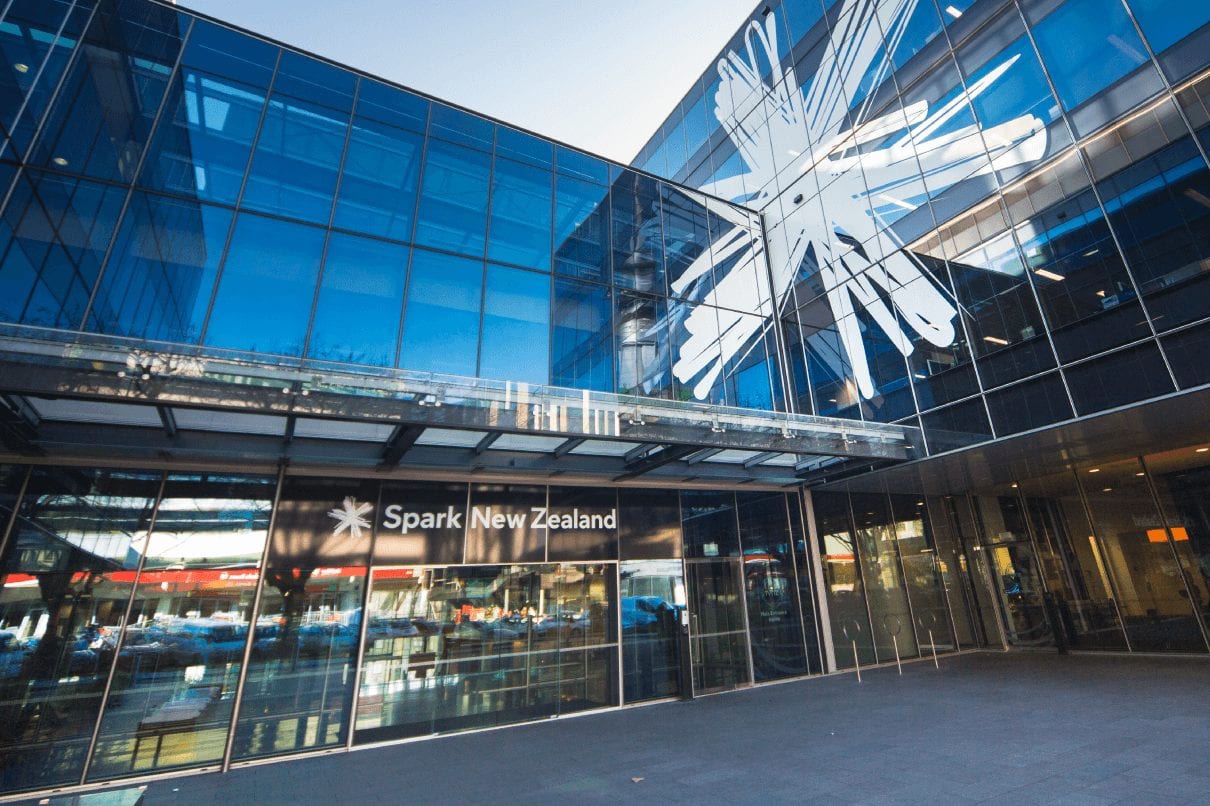
    Hewlett Packard Enterprise (HPE) recently declared that Spark NZ, a leading telecom company in New Zealand, has embarked on a series of substantial infrastructure transformations. Undertaken in conjunction with HPE, these projects aim to provide rapid and reliable hybrid cloud and managed IT services to Spark NZ’s customers. The IT overhaul will integrate new streamlined and automated features for the telecom company. Spark NZ’s objective is to entirely transform its cloud management platform in response to the substantial growth in digital consumption in New Zealand and the escalating demand for quick, reliable, and uninterrupted connectivity across all its services.

    Fostering Hybrid Cloud Growth: Merging Strategies for Optimal Cloud Solutions

    Working in tandem with HPE, Spark NZ has upgraded its antiquated infrastructure, establishing a modern, purpose-built hybrid cloud environment. This includes the integration of HPE GreenLake cloud and HPE Morpheus Enterprise Software to deliver scalable, unified services. This expansion equips Spark NZ to serve its customers more effectively with improved connectivity, advanced scalable AI solutions, and heightened control, agility, and security. The modernization process has been conducted in several stages, aimed at revolutionizing Spark NZ’s crucial infrastructure while concentrating on delivering measurable outcomes that stimulate transformative business change for customers.

    Chris Weber, Vice President and Managing Director at HPE South Pacific, expressed his pride in the partnership with Spark NZ and the innovations it has brought about. He emphasized the broad range of modern solutions HPE offers, from upgrading cloud infrastructure capability to increasing efficiency and scalability. Weber shared his anticipation regarding how the partnership will continue to yield results in the constantly evolving landscape and the business opportunities it will unveil as these projects mature.

    The Changing Face of Telecommunication Services

    The telecommunications sector in New Zealand is structured to cater to a large and widely distributed network of customers, businesses, and enterprises. As global productivity and innovation thrive, there is a rising demand for inventive solutions to meet the requirements of critical national infrastructure and private enterprises. Spark NZ’s proactive approach to embracing new solutions positions New Zealand competitively on the global stage, prioritizing improved customer outcomes and enhanced cost-efficiency.

    Penny White, Business Technology Services General Manager at Spark NZ, emphasized the changing needs of businesses as technology evolves. She noted that depending solely on public or on-premises cloud does not provide the flexibility, control, and speed necessary for them to maximize the benefits of technology to boost productivity. White stated that these barriers can be surmounted by hybrid cloud – the area where Spark NZ is focused. She affirmed that their strategic partnership with HPE has not just fortified their foundational infrastructure but also enabled them to continue delivering a seamless, user-friendly experience to their customers while unlocking enhanced efficiency, tangible business outcomes, and new potential capabilities.

    Questions & Answers

    What is the goal behind Spark NZ’s infrastructure transformation?
    The goal is to provide faster and more reliable hybrid cloud and managed IT services to its customers in New Zealand.

    How is Spark NZ addressing the growing demand for quick and reliable connectivity?
    Spark NZ is addressing this demand by modernizing its cloud management platform and integrating new streamlined and automated capabilities.

    What are the benefits of Spark NZ’s partnership with HPE?
    The partnership enables Spark NZ to serve its customers more effectively with improved connectivity, advanced scalable AI solutions, and heightened control, agility, and security. It also positions Spark NZ to continue delivering a seamless, user-friendly experience while unlocking enhanced efficiency, tangible business outcomes, and new potential capabilities.

  • Turbocharging Indonesia’s Digital Journey: GSMA Calls for Heightened Investment in 5G and AI Technologies

    Turbocharging Indonesia’s Digital Journey: GSMA Calls for Heightened Investment in 5G and AI Technologies

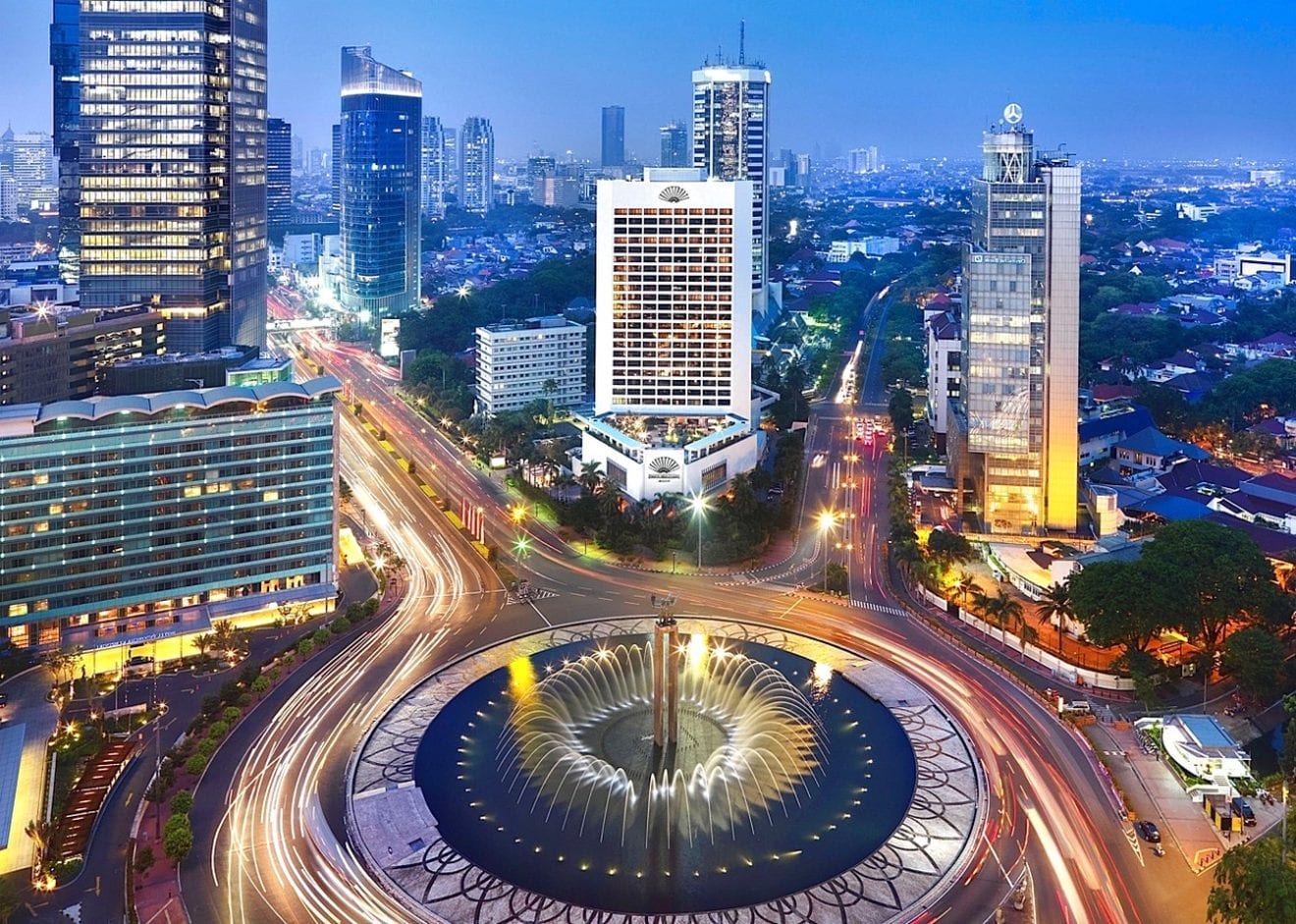
    The GSMA has highlighted the need for a more robust, investment-focused strategy to expedite Indonesia’s digital transformation and stimulate innovation, according to its recent findings published in the reports GSMA Digital Nations 2025 and ASEAN Consumer Scam 2025.

    Moving Towards a Digital Future

    The GSMA has proposed a feasible strategy to facilitate the unlocking of private capital and hasten the roll-out of 5G spectrum, fiber backhaul, and AI-optimized data centers. This strategy is underpinned by policy consistency and cooperation across sectors. There is a strong inclination among Indonesian businesses towards digital transformation.

    Indications of such enthusiasm were evident in a recent GSMA Intelligence survey where over 580 firms spanning across ASEAN were surveyed. The results revealed that Indonesian companies intend to dedicate an average of 10% of their revenues to digital transformation between 2025 and 2030, exceeding both the ASEAN (10.4%) and global (9.8%) averages. Two-thirds of the participants prioritized AI in their top three expenditure areas, with over half deeming 5G-powered Internet of Things (IoT) vital for future growth. This underscores Indonesia’s ambition to capitalize on cutting-edge technologies to fortify its competitive edge and security.

    Economic Impact of 5G

    GSMA Intelligence anticipates that the ensuing wave of 5G investments in Indonesia could inject an extra USD 41 billion into the country’s GDP between 2024 and 2030, underlining the transformative economic potential of digital connectivity. Since 2015, mobile operators have pumped nearly USD 29 billion into Indonesia’s network infrastructure and services. Given the right investment conditions, the sector, including operators and ecosystem partners, is projected to inject an additional USD 16 billion from 2024 to 2030, primarily targeting 5G proliferation.

    Julian Gorman, Head of Asia Pacific at the GSMA, expressed his thoughts on the matter, highlighting the unique opportunities presented by Indonesia’s significant scale, entrepreneurial vigor, and youthful, tech-savvy population. The focus now should be on targeted investment in areas such as affordable, dependable spectrum; robust backhaul; and AI-compatible, sustainable data centers, coupled with clear consumer protections.

    Assessing Progress and Challenges

    The GSMA’s Digital Nations report evaluated the advancement of Asia Pacific nations in five key areas: infrastructure, innovation, data governance, security, and people. It provided insights into where investment could yield the highest returns.

    Indonesia ranked midway among the 21 nations assessed. The report underscored Indonesia’s advantages in terms of its population, digital skills, and cybersecurity, while also pointing out areas in need of enhancement, particularly in innovation and investment. Potential obstacles to progress include delays in mid-band spectrum allocation, inconsistent rural coverage, and limited AI-ready capability. Consumer trust is also a matter of concern.

    Findings from the ASEAN Consumer Scam Report 2025 indicate that Indonesia mirrors the wider ASEAN trend, with 45% of adults admitting to having been scammed at some point, and 68% of victims losing money. In Indonesia, scam contacts are predominantly mobile-oriented, with over-the-top (OTT) messaging (50%) and voice calls (44%), both exceeding the ASEAN average.

    Preventing Fraud and Enhancing Security

    On a brighter note, 81% of Indonesians endorse operators sharing minimal, purpose-specific network signals such as SIM-change and number-verification during high-risk instances to prevent fraud, thus setting the stage for a broader application of GSMA Open Gateway anti-fraud APIs. Indonesia’s three primary mobile operators, Telkomsel, Indosat, and XL Axiata, have teamed up to shield customers from scams and other cybersecurity threats by collectively adopting Open Gateway APIs, such as SIM swap, number verification, and device location, to secure payments and logins.

    Questions & Answers

    What approach does the GSMA recommend to accelerate Indonesia’s digital transformation?
    The GSMA suggests a more robust, investment-focused strategy to expedite Indonesia’s digital transformation. This includes unlocking private capital and hastening the roll-out of 5G spectrum, fiber backhaul, and AI-optimized data centers.

    What potential economic impact could the next wave of 5G investment have on Indonesia?
    GSMA Intelligence anticipates that the ensuing wave of 5G investments in Indonesia could inject an additional USD 41 billion into the country’s GDP between 2024 and 2030.

    How are Indonesia’s major mobile operators responding to cybersecurity threats?
    Indonesia’s three major mobile operators, Telkomsel, Indosat, and XL Axiata, have formed an alliance to protect customers from scams and other cybersecurity threats by jointly adopting GSMA Open Gateway anti-fraud APIs, such as SIM swap, number verification, and device location, to secure payments and logins.

  • Singtel Slapped with $774K Fine after Major Service Disruption Impacts Half a Million Customers

    Singtel Slapped with $774K Fine after Major Service Disruption Impacts Half a Million Customers

    The Singaporean telecommunications giant, Singtel, has been hit with a hefty fine of SGD1 million, equivalent to US$774,000, by local authorities over a significant voice service disruption in 2024 that negatively impacted roughly 500,000 customers.

    Impact of the Service Disruption

    The communications interruption also affected the public’s ability to reach customer service departments for numerous government bodies, healthcare entities, banks, corporations, and critical emergency call services, according to the Infocomm and Media Development Authority (IMDA).

    Ng Tian Chong, Singtel Singapore’s CEO, has openly accepted the ruling and monetary punishment from IMDA. He admitted the severity of the interruption to the fixed voice service in the previous October, reiterating his apology for the inconvenience and disruption experienced by the affected populace.

    Justification of the Fine

    The IMDA explained that the scale and the impact of the outage, coupled with the duration to restore the services to normal, were the critical elements taken into consideration while imposing the penalty. The regulatory body categorized the incident’s impact as “significant” and highlighted that the potential ramifications concerning public safety and security could have been very serious.

    The IMDA’s examination found deficiencies in Singtel’s monitoring systems, which lacked “adequate filters” to protect the hardware from high-intensity traffic on October 8, 2024. This inadequacy caused the voice system’s firewall to malfunction and operate intermittently. Consequently, calls were dropped intermittently as traffic alternated between the malfunctioning and functioning voice systems.

    Prior Incidents

    Before this event, Singtel experienced another setback in September when an emergency service outage from its subsidiary, Optus, led to three fatalities in Australia. This event was succeeded by a smaller mobile outage from Singtel on November 18, where more than 1,600 disruption reports were logged.

    Singtel, the largest mobile network operator in Southeast Asia, serves a massive customer base of 800 million customers worldwide.

    Questions & Answers

    What was the reason behind the fine imposed on Singtel?
    The fine was levied due to a significant voice service disruption in 2024, impacting approximately 500,000 customers.

    What was the magnitude of the fine imposed on Singtel?
    Singtel was fined SGD1 million, equivalent to US$774,000, by the Infocomm and Media Development Authority (IMDA).

    What was the major fault found in Singtel’s systems that led to the service disruption?
    The IMDA’s investigation discovered that Singtel’s monitoring systems lacked “adequate filters” to protect the hardware from high-intensity traffic, resulting in the malfunction of the voice systems’ firewall.

  • Huawei Unveils Snow-Capped Mountain Inspired WiFi 7 Router: A Blend of Artistic Design, AI Intelligence, and Blazing Performance

    Huawei Unveils Snow-Capped Mountain Inspired WiFi 7 Router: A Blend of Artistic Design, AI Intelligence, and Blazing Performance

    Huawei has raised the bar for Wi-Fi routers with the introduction of its new product, the Huawei Wi-Fi Mesh X3 Pro. This device, which serves as a central hub for home internet connections, combines functional excellence with a stunning aesthetic design.

    An Artistic Masterpiece

    The Huawei Wi-Fi Mesh X3 Pro is endowed with an artistic design that embodies the beauty of a snow-capped mountain. This artistic look is further enhanced by lights that illuminate the router and mimic the radiant glow of sunset and sunrise. The device’s lighting system is designed to adjust automatically based on the time of day and prevailing weather conditions. It’s also customizable, allowing users to tap it on or off at will.

    A Fusion of Beauty and Power

    While the Wi-Fi Mesh X3 Pro is visually captivating, it is also a powerhouse of efficiency and cutting-edge technology. The router, equipped with the state-of-the-art Wi-Fi 7 technology, offers tremendous capabilities for a seamless and superior internet experience. It fully leverages the high-speed capabilities provided by gigabit+ fiber networks, enabling users to download large 4K/8K video files nearly instantly, enjoy lag-free 3A game streaming, and maintain simultaneous connections across multiple devices even in busy households.

    Extending Coverage and Enhancing Connectivity

    To ensure extensive coverage, the Wi-Fi Mesh X3 Pro comes with an extender that shares the router’s exceptional design. It operates using Huawei WiFi Mesh+ technology to keep devices connected to the strongest available signal as users move around the house. This ensures seamless roaming with very low latency below 50ms.

    The Huawei WiFi Mesh X3 Pro Suite, which includes the router and the extender mesh network, provides adaptable coverage suitable for various apartment layouts. It delivers up to 120+ square meters of whole-home Wi-Fi coverage, ensuring a strong signal in all rooms.

    The device supports Wi-Fi 7, which offers speeds of up to 3.6Gbps. Huawei has also incorporated advanced features such as Multi-Link Operation (MLO) for dual-band connections and 4K-QAM for efficient data transfer. Completing the device’s impressive feature set is a 2.5GE port that delivers speeds 2.5 times faster than standard Gigabit Ethernet.

    Smart Performance

    The performance of the Huawei Wi-Fi Mesh X3 Pro is powered by the first-party Gigahome SoC. The router’s operation is further optimized through the use of Artificial Intelligence (AI) capabilities, ensuring the network is smooth and efficient. This, combined with a powerful processor and 4-channel signal amplifiers, allows the router to maintain a reliable connection through multiple concrete walls.

    Questions & Answers

    What is the design inspiration for the Huawei WiFi Mesh X3 Pro?
    The Huawei WiFi Mesh X3 Pro is designed to resemble a snow-capped mountain and includes an automatic lighting system that emulates the glow of sunsets and sunrises.

    What are some of the advanced features of the Huawei WiFi Mesh X3 Pro?
    The Huawei WiFi Mesh X3 Pro comes with Wi-Fi 7, which delivers speeds of up to 3.6Gbps. It also features Multi-Link Operation for simultaneous dual-band connections and 4K-QAM for efficient data transfer, and a 2.5GE port for faster connectivity.

    How does the Huawei WiFi Mesh X3 Pro ensure extensive coverage?
    The device includes an extender that uses Huawei WiFi Mesh+ technology to maintain a strong signal throughout the home. The suite provides up to 120+ square meters of Wi-Fi coverage with a strong signal in every room.

  • Revolutionizing Thai Industries: TrueBusiness Unveils ‘True AI Hub’ for Seamless AI Integration and Accelerated Transformation

    Revolutionizing Thai Industries: TrueBusiness Unveils ‘True AI Hub’ for Seamless AI Integration and Accelerated Transformation

    TrueBusiness is pledging to serve as a dependable ally for Thai businesses navigating the complexities of digital and AI transformation. The company has unveiled True AI Hub, an exhaustive AI platform engineered to address the AI needs of businesses both big and small. The platform is scalable to accommodate the needs of small, medium, and large enterprises, aiming to amplify their capabilities, expedite results, keep costs in check, and bolster competitiveness in an increasingly AI-centric business environment.

    The Innovation of True AI Hub

    True AI Hub is a revolutionary platform that makes AI adoption more accessible by offering superior performance, precision, and adaptability. It caters to a broad spectrum of business needs by granting access to over 50 AI models sourced from more than 10 premier AI platform providers. The hub was designed with user-friendliness in mind, boasting a web interface and an intelligent recommendation system that proposes the most fitting AI model and capability in accordance with the business’s objectives. This enables users to conveniently access a variety of AI models all in one place.

    One of the key features of the platform is its commitment to data security. It incorporates Algorithm Guardrail, a top-tier security mechanism designed to offer robust data protection. In addition, it includes an enterprise management system with features such as centralized monitoring, cost control, and security governance, all managed via a dashboard. True AI Hub presents an affordable monthly subscription model, with prices starting at only THB 399 per user per month, thus eliminating the need for hefty initial investments.

    A Word from the Chief Business Officer

    According to Dr. Teeradet Dumrongbhalasitr, Chief Business Officer at True Corporation Plc., working closely with businesses of all sizes has given TrueBusiness deep insights into their needs and challenges in business transformation and hastening AI adoption. These challenges often require investment in effective technologies capable of producing the right outcomes. As he explained, a single AI model is not enough to tackle today’s multifaceted business issues as each model has its strengths and weaknesses, whether in terms of data-type accuracy, processing speed, or creative capabilities.

    For this reason, TrueBusiness launched ‘True AI Hub’, an all-in-one AI platform that consolidates top-tier AI capabilities in a single location. Dr. Dumrongbhalasitr went on to say that, in conjunction with EGG Digital, Thailand’s foremost big data analytics provider, they utilize AI-driven technologies to analyze data with a deep contextual understanding of consumer challenges. This approach enhances True AI Hub’s ability to truly comprehend the unique context of Thai businesses, offering tailored AI solutions that precisely, effectively, and realistically meet their specific needs across all industries. He expressed confidence that True AI Hub will emerge as a powerful instrument that catalyzes and expedites comprehensive, end-to-end transformation for businesses in the AI era.

    Questions & Answers

    What does the True AI Hub aim to offer?
    True AI Hub is a comprehensive and scalable AI platform designed to meet the AI needs of small, medium, and large enterprises. It provides access to over 50 AI models, offers robust data protection, and features an enterprise management system.

    What makes True AI Hub user-friendly?
    True AI Hub features a user-friendly web interface and an intelligent recommendation system that suggests the most suitable AI model and capability based on business objectives.

    How does True AI Hub ensure data security?
    True AI Hub incorporates Algorithm Guardrail, an enterprise-grade security mechanism, to offer robust data protection. The platform also includes an enterprise management system with centralized monitoring, cost control, and security governance.