Tag: Teleco

  • Globe Teams Up with Bridge Alliance and Thales for Innovative Enterprise IoT Proof of Concept Launch

    Globe Teams Up with Bridge Alliance and Thales for Innovative Enterprise IoT Proof of Concept Launch

    In a significant leap towards advancing the Internet of Things (IoT) landscape in the Philippines, Globe Telecom has joined forces with Thales, a global leader in eSIM technology, and the regional telecom consortium Bridge Alliance. This partnership is set to kick off a groundbreaking proof of concept (PoC) for the GSMA SGP.32 standard, marking a first for the country and opening new avenues for businesses seeking enhanced connectivity solutions.

    New Frontiers in Connectivity

    This collaboration allows Globe to pilot the latest GSMA specifications, offering scalable, flexible, and secure connectivity tailored for enterprise IoT applications. Central to this initiative is Thales’s Adaptive Connect Services, which will facilitate the integration of the SGP.32 eSIM IoT Remote Manager and Fleet Manager—tools designed to tackle a variety of regional and local challenges head-on.

    Building a Regional Network

    Bridge Alliance, which includes notable telecom operators like Singtel from Singapore, Optus from Australia, and AIS from Thailand, will oversee the project management. The consortium is committed to ensuring the technology’s regional readiness while simulating cross-border applications among its members. This collaborative effort will also enable Thales to showcase the interoperability of its platform with the new SGP.32 standard, a move that could set the stage for a game-changing shift in enterprise connectivity.

    Empowering Enterprises with eSIM Technology

    The PoC is poised to demonstrate how businesses can efficiently manage IoT devices via eSIMs, enabling features such as remote bulk provisioning, SIM profile switching, seamless interconnectivity, and rapid activation. “With the PoC, we are laying the groundwork for IoT deployments that meet the evolving needs of Philippine enterprises,” stated Globe President and CEO Carl Cruz. “Our goal is to simplify how businesses connect their devices and help them unlock greater efficiency, flexibility, and reach.”

    Security and Seamlessness for Client Success

    Jon Cahilig, Thales Asia’s Head of Sales for Mobile Connectivity Solutions, praised the integration of Thales’s solutions with Globe and Bridge Alliance services. He emphasized that this collaboration will offer enterprise clients a secure and seamless platform to manage their IoT connectivity needs. “This also provides an opportunity for all IoT companies to introduce their SGP.32 devices to a broad market when they participate in this collaborative project,” he added, hinting at an expansive future for IoT innovations.

    Looking ahead, Globe plans to launch the PoC in the third quarter of 2025, following final development steps. The initiative will continue until SGP.32-compatible devices are commercially available. Upon readiness, Globe intends to invite original equipment manufacturers (OEMs) and its business clients to explore and test their IoT devices on the new platform.

    Questions & Answers

    How does the partnership between Globe Telecom and Thales enhance IoT connectivity in the Philippines?
    The partnership allows Globe to test advanced GSMA specifications for secure and scalable IoT solutions, simplifying how businesses connect their devices and increasing efficiency.

    What is the role of Bridge Alliance in this collaboration?
    Bridge Alliance will manage the project and ensure regional readiness of the technology, facilitating cross-border enterprise applications among its member operators.

    When will the proof of concept begin, and what will it offer to businesses?
    The PoC is set to launch in the third quarter of 2025; it will provide businesses with a platform to manage IoT devices through features like remote provisioning and SIM profile switching.
  • Harnessing artificial intelligence to transform telcos

    Harnessing artificial intelligence to transform telcos

    The telecommunications industry is the backbone of technological growth and digital transformation. While revenues in the telecom sector declined in the first half of 2020, owing to economic impact as a result of the pandemic, GSMA reported that recovery took place in the second half of the year with increased consumers and households acquiring integrated bundle services and high-speed connectivity becoming sought after across all rungs of society.

    If anything, telcos have learned in the past year that they need to support communities and enterprises to become more digital, using flexible and scalable approaches to cope with volatilities. As countries set sights on becoming digital economies, the telecommunications industry needs to jumpstart transformation from within, using artificial intelligence (AI) and tools like machine learning, deep learning and natural language processing (NLP) to capitalize on its connectivity capabilities and the vast amount of collected data to drive new business opportunities and seek growth.

    Projected to reach US$13.45 billion by 2026, the global AI market value in the telecommunications industry is expected to grow at a CAGR of 49.8 percent from 2021. Within the sector, AI can be harnessed to bring about multi-pronged benefits to telcos.

    Any transformation must first begin from within. To ensure robust networks to support growing demand in IoT and connectivity, telcos can only stand to benefit from developing their network infrastructure. One such way is building self-optimizing networks (SONs) to automatically improve network quality.

    GSMA Intelligence estimates 8.6 billion mobile connections by 2025, up from 7.9 billion in 2020. Of which, two-thirds of the 600 million new connections will arise from APAC and Sub-Saharan Africa. When pressured to provide higher quality and faster networks, telcos can turn to AI applications and algorithms to manage their networks. Using AI-powered solutions, telcos can predict network congestions and address issues using historical data to prevent outages. For telcos, this means leveraging data to perform predictive analytics and anticipate failures based on past patterns. Using AI-powered cameras, IoT sensors and machine learning, real-time monitoring and maintenance of mobile towers can also be carried out effectively and efficiently.

    Telcos are constantly challenged to improve customer services. In competitive telco landscapes where services are priced not too differently, a rewarding customer journey is what stands out. While humans have limited ability to make sense of the vast amount of data, AI and machine learning can make use of the same set of data to identify consumer behaviors and patterns to better predict and influence outcomes from every point of contact with a consumer. For instance, these tools can also be used to identify and divert customer service calls that can be easily resolved to eventually reduce service calls and operator costs.

    Using intelligent virtual assistants or chatbots on AI-powered customer platforms can automate and conduct one-on-one conversations to provide maximum support at reduced business costs.

    With prevalent low loyalty rates and high churn rates in the industry, telcos can leverage AI and automation to conduct churn analysis and predictions to map out strategies to achieve customer loyalty. Using algorithms, telcos can work on customers’ profiles to provide meaningful insights into consumers’ behaviors. This allows telcos to personalize customer journeys and deliver seamless customer experiences, providing custom products and services that lead to maximum uptake, and eventually revenue.

    Conversational service automation (CSA) platforms tap on conversational AI, robotic process automation (RPA) and NLP to understand sentiments and manipulate human language to better handle communications and encourage upselling.

    According to the 2019 Cyber Telecom Crime Report by Europol and Trend Micro, global telecoms fraud costs the industry US$33 billion each year. Of which, International Revenue Share Fraud (IRSF) is the most common fraud scheme encountered. With accelerated digital adoption worldwide and the growing sophistication of cyber-attacks, this figure is expected to be on the rise. One way to counter such errant activities is using fraud management systems that perform real-time fraud detection via machine learning algorithms to mine historical fraudulent activities and detect anomalies and threats in the telecom network.

    Essentially, data is king. In today’s data-driven landscape, telcos can seek growth opportunities by tapping on the power of data to drive insights across industries and their digitalization trajectories. To stay abreast, telcos must develop future-proof solutions to spearhead transformation and generate growth, using analytics to make sense of future paths. For the telecommunications industry, accelerated AI adoption has become a necessity.

  • NEC Completes Asia Direct Cable, Boosting Regional Connectivity

    NEC Completes Asia Direct Cable, Boosting Regional Connectivity

    The ADC submarine cable is owned by the ADC Consortium and consists of multiple pairs of high-capacity optical fibers. It is designed to handle over 160 Tbps of traffic, allowing for the efficient transmission of data across East and Southeast Asia.

    This new cable is a significant achievement as it’s the most recent Intra-Asia cable connecting China (Hong Kong SAR), Japan, and Singapore in the last eight years. It provides essential infrastructure to meet the growing demand for data transmission in the region and creates new opportunities for communication and society’s future.

    This milestone marks a crucial step in supporting the increasing communication needs of Asia and the world. It represents the culmination of collaborative efforts and partnerships with stakeholders from various countries, including NEC.

    Koji Ishii, MC Chairperson of the ADC Consortium noted that this cable system will greatly benefit the development of the AI industry in Asia.

    Billy Li, MC Co-Chairperson of the ADC Consortium, highlighted that the cable offers the necessary capacity and diversity for Asia’s major information hubs, allowing telecom carriers and service providers to enhance their networks and service planning to achieve sustainable growth.

    Tomonori Uematsu, Senior Vice President at NEC Corporation added that the partnership with the consortium will overcome the challenges that have previously inhibited this project from coming to fruition.

    NEC has a long history of supplying submarine cable systems and has built over 400,000 km of cable, making it a reliable partner in the field. NEC’s subsidiary, OCC Corporation, manufactures optical submarine cables capable of withstanding extreme water pressures at ocean depths exceeding 8,000 meters.

  • Ericsson and Bharti Airtel Extend Partnership

    Ericsson and Bharti Airtel Extend Partnership

    Under the new agreement, Ericsson will implement centralized RAN and Open RAN-ready solutions to transform the network, providing customers with broader coverage and increased capacity. Additionally, Ericsson will upgrade the software of its existing 4G radios to enhance the overall customer experience.-

    Randeep Sekhon, CTO of Bharti Airtel, stated, “The strategic partnership with Ericsson to deploy the latest technology demonstrates Airtel’s commitment to network excellence. This deployment will help us improve the speed, reliability, and coverage of our network, ensuring an exceptional experience for our customers.”

    Andres Vicente, Head of Ericsson Southeast Asia, Oceania, and India, commented, “This extension of our partnership reflects our joint goal to establish a strong 4G and 5G infrastructure for Bharti Airtel to meet the connectivity needs of its customer base, including emerging 5G use cases. We will collaborate closely with Bharti Airtel to deliver excellent user experiences for their customers.”

    As a global leader in 5G technology, Ericsson currently supports 170 operational 5G networks in over 70 countries. Ericsson’s technological expertise has been acknowledged by independent analysts, such as Frost Radar™ 5G Network Infrastructure Market 2024, where Ericsson has been ranked as the top performer for the fourth consecutive year.

    Moreover, Ericsson has maintained its position as a leader in the Gartner Magic Quadrant for 5G for the fourth year running. Having been a trusted connectivity partner for Airtel for more than 25 years, Ericsson has supported every generation of mobile communications. This strategic partnership underscores the shared commitment of Ericsson and Airtel in developing an advanced digital ecosystem in India.

  • M1 grows enterprise digital services and regional expansion with acquisition

    M1 grows enterprise digital services and regional expansion with acquisition

    M1 announced that it has signed an agreement to acquire up to 70% stake in Glocomp Systems (M) Sdn Bhd (Glocomp), as well as its affiliated companies, Global Computing Solutions Sdn Bhd (GCS) and GCIS Sdn Bhd (GCIS). All three companies are Malaysia-based digital solutions providers. The remaining 30% stake will continue to be held by its founders.

    M1, through its wholly-owned subsidiary based in Malaysia, AsiaPac Technology (M) Sdn Bhd, will pay a total purchase consideration of up to SGD$36 million. As part of this transaction, GCS and GCIS will be restructured as wholly-owned subsidiaries of Glocomp and managed by a unified management team. The founders of Glocomp, including – Joseph Giam, Managing Director; Alex Liew, Executive Director; Chan Tze Ming, Executive Director; and Chan Yue Mun, Executive Director will continue to play active roles as senior management of Glocomp.

    Glocomp has been operating for more than 24 years in the industry and is one of the region’s pioneer Information and Communications Technology (ICT) solution providers, with a comprehensive portfolio of solutions. Glocomp’s strong competencies in the areas of computing and information management, IP communications, security and privacy, automation and analytics, chart the path to strategically position the company to meet the growing demand in digital services. The company’s excellent track record, broad coverage across multiple industry verticals and close collaboration with key technology and channel partners, provide Glocomp with the robust foundation needed to be competitive in the enterprise digital solution market.

    The investment into Glocomp marks M1’s continued expansion of its cloud and managed services business, following the acquisition of AsiaPac Technology Pte Ltd (AsiaPac) in 2018. This transaction is the initial strategic expansion into other regional markets starting with Malaysia. The Glocomp acquisition is a natural extension of M1’s cloud services business and provides strong synergies with AsiaPac’s hybrid multi-cloud competencies and established partnerships. Glocomp also adds new capabilities and talent resources to M1 with certified competencies in cybersecurity, enterprise systems and multi-cloud infrastructure.

    M1, a subsidiary of Keppel Corporation, is a key pillar of Keppel Group’s connectivity business. By building upon its enterprise capabilities, M1 aims to strengthen innovation to enhance Keppel’s suite of connectivity offerings for sustainable urbanization. Additionally, this investment into Glocomp will not only provide recurring revenue contribution to the Group, but also generates overseas revenue for M1.

    “The addition of Glocomp to our portfolio marks another milestone for M1 as we continue to strengthen our enterprise digital service capabilities while accelerating growth in the region. We are thrilled to have Glocomp, a pioneer in the ICT industry with over two decades of experience, to be part of our growing team. Importantly, Glocomp’s expertise in the ICT sphere helps M1 to advance Keppel Vision 2030 and continuously create value for enterprises through innovative technology and digital solutions,” said Mr. Manjot Singh Mann, Chief Executive Officer, M1.

    “Glocomp has established itself as one of the premier enterprise solutions providers in Malaysia and remains committed to developing in-country ICT talent capital while fostering regional investment in the country. We are excited to be part of M1, leveraging its competencies in connectivity and cloud infrastructure and look forward to driving strong synergies with M1 as well as enhancing our overall suite of offerings. This opportunity will equip Glocomp with the necessary support to expedite growth in the region, and strengthen our position in the ICT sector with major global technology partnerships,” commented Mr. Joseph Giam, Managing Director, Glocomp.

  • Powering 5G and beyond with satellites

    Powering 5G and beyond with satellites

    The development of 5G and its applications in the Internet of Things, where 1.8 billion active 5G connections are estimated by 2025, is generating greater interest in satellite solutions to fulfill the criteria of reduced network latency, increased data volume, and connection density. In areas where terrestrial networks are absent or found lacking, satellites can fill the gap to provide ubiquitous connectivity in an increasingly connected world.

    In powering the next wave of technological innovations, satellites offer coverage that surpasses terrestrial networks, delivering high-powered reliable connectivity and secure global mobility. Satellite connectivity plays a particularly significant role in maritime and aeronautical industries, as well as use in critical disaster relief and emergency response missions.

    Without a doubt, satellites are emerging as integral components in 5G networks to address the unprecedented surge in connectivity demand to ensure that consumers and enterprises have access to data anytime, anywhere. Advances in this field have also been rapid to keep up with the global digital evolution. Satellite connectivity, once synonymous with high costs and high latency, is now viewed in a new light with recent advancements. For instance, low earth orbit (LEO) constellations have gained momentum as a more cost-effective alternative to improve coverage area, improve quality and deliver low-latency connections, particularly for remote populations. Next-generation LEOs are launched to significantly increase bandwidth to benefit all rungs of societies.

    With satellites playing an important role in the global connectivity ecosystem to connect the unconnected and provide backhaul connectivity for mobile network operators, both satellite communications startups and giants are pushing boundaries to deliver innovation and seamless solutions. For instance, UK satellite operator Immarsat recently announced the launch of Orchestra, a new and innovative multi-orbit global narrowband network that combines geostationary (GEO), low earth orbit, highly elliptical orbit (HEO), and terrestrial 5G. Building on existing connectivity capabilities, Immarsat also launched ELERA to accelerate IoT development and support humanitarian missions.

    SES also unveiled its O3b mPOWER constellation of 11 satellites to deliver multi-gigabit connectivity services to industries including telecommunications, aviation and maritime. This system is capable of providing intelligence-driven connectivity services with optimized global bandwidth availability and resiliency.

    To support intelligent 5G networks, satellite connectivity must be embraced to empower consumers, enterprises, and governments. For communications providers and mobile network operators, this means that satellite solutions are becoming important features to enhanced 5G networks to keep up with increased broadband demand. Satellites will complement terrestrial networks through traffic offloading, harnessing satellite’s multicasting or broadcasting functionality for new uses, enabling verticals such as smart mines, ports, and farms. It also opens up opportunities for the use of cloud in industries such as marine and offshore and fisheries, where activities are conducted predominantly in remote areas.

    However, mobile network operators tend to place emphasis on 5G upgrades in highly-populated cities. Because of this, satellite-based broadband is critical to increasing the reach to often neglected, underserved populations in rural areas, where connectivity can close a digital divide already aggravated by the pandemic to raise overall digital inclusion levels.

    In Asia Pacific, for instance, countries comprising tens of thousands of islands, such as Indonesia and the Philippines, are well-positioned to benefit from satellite as a viable and affordable alternative to connect the country and underserved geographies, as opposed to incurring high economic costs from building terrestrial network infrastructure.

    In the industry, some providers are primarily focused on providing 5G services to smartphone users – serving as mobile roaming partners to offer connections to hard-to-reach precincts. In view of this, 3GPP is currently looking into introducing non-terrestrial networks in 5G standards, to be published in the 3GPP Release 17 in 2022. This could signal new collaboration opportunities between mobile network operators and satellite operators in the near future.

    As countries accelerate digitalization ambitions, connectivity will become the new driver of economic growth and social cohesion. Citing Indonesia as an example, where its digital economy is predicted to triple to US$124 billion by 2025, the government is already looking into launching its largest telecommunications satellite in the near future. Clearly, the rise of satellites can be transformative. It is the vision of many for the region to witness faster digitalization and stronger economies.

  • Viettel shrugs off Covid, remains profitable

    Viettel shrugs off Covid, remains profitable

    Telecom giant Viettel reported pre-tax profits of VND 19.9 trillion ($867.2 million) for the first half of 2021, a year-on-year increase of 3.1 percent.

    The growth came despite the ongoing Covid-19 outbreak, which has forced 95 percent of its HCMC-based points of sale and 80 percent in Hanoi to suspend operations, and the number of mobile subscribers and telecom use declined.

    The military-owned firm continued to work on digital transformation and sought to maximize online channels, and as a result achieved revenues of VND128.6 trillion in the first half, a 6.8 percent rise.

    In all its foreign markets, Viettel increased market share, with the biggest increases seen in Haiti and Peru with 1.5 and 1.4 percentage points.

    Its four leading foreign markets remain Cambodia, Laos, East Timor, and Burundi, while in Myanmar, it closes to the top with a 30.8 percent share.

    Viettel has used technology for combating the Covid-19 pandemic by launching a vaccination management platform and installing 7,500 cameras in quarantine facilities.

  • Indosat Ooredoo launches iAds based on augmented reality

    Indosat Ooredoo launches iAds based on augmented reality

    As an experienced trusted digital partner, Indosat Ooredoo Business presents an innovative service “iAds” at the 4th Connex Webinar to answer the promotional needs of these enterprises. iAds is a digital ad platform that is designed by utilizing Augmented Reality (AR), interactive messaging, and mobile video. iAds offers the excitement of advertising and the convenience of using innovative telecommunication media.

    Chief Business Officer of Indosat Ooredoo, Bayu Hanantasena said, “Indosat Ooredoo Business is committed to supporting the growth of Indonesia’s business sector by utilizing digital technology. Today, we launched iAds to support the promotional needs of enterprises to be more innovative through social media and relevant to the current situation. We hope that through the 3 iAds services that we launched today, it will help enterprise not only survive, but also growing rapidly so that they can compete in both local and global markets, as well as supports Indonesia’s digital economy.”

    Through iAds, promotional activities can be more varied and attractive because Indosat Ooredoo Business offers several choices of digital promotion mediums, namely iAds, iAds Biz, and iAds MGram.

    • iAds: Augmented Reality (AR) technology.
    • iAds Biz: A broadcast and interactive SMS service solution that responds more precisely to promotional needs for target customers and is easily controlled through a dashboard by enterprise. Regular SMS, Premium SMS, and Interactive SMS are all promotional options provided by iAds Biz.
    • Ads MGram: Consumers can engage with interactive promotion and digital transformation solutions through images and videos that can be viewed on a variety of mobile phones, feature phone or smartphone. The other benefit of iAds MGram is that it does not require a specific application and can be accessed without internet connection or data packages. Thus, it unlocks vast reach, customer engagement and business possibilities.

    iAds can target more than hundreds of thousands of large and medium-sized companies in Indonesia to inform their products to millions of mobile users as potential targeted consumers. This service is also in line with Indosat Ooredoo’s vision as the Indonesia’s leading digital telecommunication company that encourages a more rapid and effective growth of the digital economy.

  • Indosat Ooredoo earns 11.6% cellular revenue growth in 2020

    Indosat Ooredoo earns 11.6% cellular revenue growth in 2020

    President Director and CEO Indosat Ooredoo, Ahmad Al-Neama said: “Despite the challenges created by the COVID-19 pandemic and pricing pressure, Indosat Ooredoo has continued to deliver on our three-year strategy and maintained growth momentum. We are grateful for the on-going support of our loyal subscribers that have encourage us to continue to invest in our 4G network and launch innovative new digital offerings to ensure that our customers have the best mobile experience possible.

    Our commitment to our customers and to provide simple and relevant products has contributed to an increase in our subscriber base and data traffic volume. This growth has translated into an above market increase in cellular revenue and a significant and accelerating gain in market share.”

    “Looking ahead, we anticipate that the shift to online lifestyles and remote working and learning, which have increased sharply by the pandemic, are here to stay. Indosat Ooredoo is fully committed to supporting our cellular and business customers adapt to the new normal by continuing to improve network performance to meet growing demand for data. We believe our new digital solutions will enrich and enable our customer’s digital lives. Through these initiatives we will support Indonesia’s digital transformation agenda and create value for all our stakeholders.”

    Indosat Ooredoo has recorded solid performance for the full year ended 31 December 2020, with total revenue increasing by 6.9% YoY to IDR 27.9 trillion, cellular revenue increasing by 11.6% YoY to IDR 23.1 trillion.

    EBITDA reaching IDR 11.4 trillion, an increase of 16% YoY due to resilient revenue growth and a focus on operational efficiencies. EBITDA margin increased by 3.2 ppt to 40.9%.

    Cellular subscriber numbers grew by 1.7% to 60.3 million by end of 2020, and Average Revenue per User (ARPU) increased to IDR 31.9 thousand from previously IDR 27.9 thousand, driven mainly by a substantial data traffic increase of 52.8% YoY.

    Indosat Ooredoo also delivered strong operational performance, including improving our video experienced by 55.8% YoY, doubling our 4G download speed, and significantly improving our upload speed by 88.4% YoY.

    During the year Indosat Ooredoo has successfully partnered with global digital players like Facebook, Google, Cisco and Ericsson to bring advanced technologies and capabilities to fast-track digitalization of the customer experience and deliver network improvements to Indonesia.

    We have continued to introduce new innovative products to help customers stay connected as well as business and education to continue to operate during the pandemic. Through IM3 Ooredoo we launched a new IMPreneur package, a business package specially designed for SMEs and through Indosat Ooredoo Business, we recently introduced the “iDo Voice” solution, which consists of 3 new voice services for corporate customers.

    Indosat Ooredoo’s investment in 4G network infrastructure and commitment to our customers continued to be recognized by prestigious international business awards. At the Opensignal Global Mobile Network Experience Awards 2020, we received the “Global Rising Star” award in Video Experience. We have also recently won the Corporate Excellence category in Telecommunications & ICT Industry at the Asia Pacific Enterprise Awards (APEA) 2020 Regional Edition.

    In 2021, Indosat Ooredoo will continue the upgrade and expansion of our network, focusing on 4G/LTE and the Video Grade Network capable of providing improved internet services to customers. Our networks enhancement is part of our effort to enable digital transformation of Indonesia, in-line with the digital economy plan of Indonesian government and to accelerate national economy recovery.

    “We are confident for our growth momentum to continue in 2021. However, due to uncertainties associated with the economic recovery from the pandemic, we are cautiously optimistic in guiding revenue growth to be in-line with the industry, EBITDA margin to be in the low 40s, and Capex at approximately IDR 8 trillion.”

  • U.S. actions killed Huawei’s 2020 dream

    U.S. actions killed Huawei’s 2020 dream

    Back in early 2016, the head of Huawei’s consumer division, Richard Yu, said that in five years Huawei would be the top smartphone manufacturer in the world. In 2015, the company had delivered 104.1 million handsets worldwide and had become more familiar to Americans thanks to the Nexus 6P. Huawei and Google teamed up to produce the device. Things did not go well for Nexus 6P users as they suffered from a boot looping problem and another issue that drained the battery so fast that the device would just shut down.

    Thanks to a settlement of a class-action lawsuit, Nexus 6P owners who suffered through both issues received $400 while owners of the phone who had no issues received $29.11 each. In retrospect, the Nexus 6P release was the start of Huawei’s problems in America. But Huawei still had its eyes on the prize; in November 2018, Yu once again expressed Huawei’s goal of topping Apple and Samsung and had it not been for the actions taken by the U.S. to quash Huawei’s momentum over the last year, the company could be on the way to replacing Samsung on the throne.

    Because of Huawei’s perceived ties to the communist Chinese government, last year the company was placed on the Commerce Department’s Entity List which prevents Huawei from accessing its U.S. supply chain; in 2018, Huawei spent $18 billion buying supplies in the U.S. While Huawei is able to find workarounds for many of the components it once sourced from the U.S., it cannot find a replacement for the Google Mobile Services version of Android. Unable to sign a licensing deal with Google, the latter’s core Android apps like Search, Gmail, Maps and YouTube are not allowed to run on Huawei’s domestic models including last year’s Mate 30 flagship line and this year’s P40 series. This doesn’t matter inside China where Google’s apps are banned anyway but does hurt sales of global models.

    Huawei’s rotating chairman Eric Xu said that in 2019, the company fell short of its internal revenue estimate by $12 billion dollars. Most of that shortfall came in the consumer division which includes smartphones. Still, last year Huawei shipped 240 million handsets, 17% more than the 205 million it delivered in 2018 allowing it to top Apple and become the second-largest smartphone manufacturer in the world. But the Chinese manufacturer’s market share declined from the 18.9% it achieved during the first quarter of 2019 to 15.2% during the fourth quarter of 2019. Huawei’s slice of the global smartphone pie rose to 17.8% during this year’s first three months, but it was still lower than the company’s share during the same quarter one year earlier.

    And then on the anniversary of its inclusion on the Entity List, the U.S. landed an even harder blow to Huawei by changing an export rule. Now, any foundry that uses American technology to produce chips for Huawei and its HiSilicon unit must obtain a license to ship those chips to the company. This is aimed mostly at TSMC, the largest independent foundry in the world. The company can still ship chips to Huawei made from wafers in production on May 15th but they must be delivered by the end of the second week of September. Huawei hopes that this will allow it to receive enough cutting-edge chips for it to build enough units of its flagship Mate 40 series to carry it through the year.

    Data indicates that Huawei’s game plan is to aim for huge success in its home market where its Q1 2020 share has risen to 42.6% from 35.5% during last year’s first quarter. And it also has found success selling older models outside of China; these models are old in the sense that they were originally released prior to the bans and are allowed to run Google’s Android apps. This has allowed the firm to raise its market share in central and eastern Europe according to Counterpoint Research. And IDC says that during the second quarter, Huawei increased its market share in Latin America on an annual basis. IDC’s Bryan Ma, vice president of devices research for the researcher says, “In mature markets outside of China, the lack of Google services is a big problem for its flagship phone ambitions. Huawei can temporarily get around it by focusing on older, lower-end models in selected developing markets, but that can only go so far.”

    Already, there are signs that in Western Europe, Huawei’s homegrown competitors like Oppo and Xiaomi are taking advantage of the fact that their newer and more powerful phones can run Google apps and Google Mobile Services. In Western Europe, Huawei’s market share fell during the first quarter from 24.3% last year to 18.2% this year. During the second quarter in India, Huawei’s share declined from 3.4% in 2019 to 0.4% in 2020.

    With this in mind, it would appear that Samsung won’t have to worry about its reign as the top global smartphone manufacturer coming to an end this year.

  • Starhub, Amazon Prime strike new membership deal for subscribers

    Starhub, Amazon Prime strike new membership deal for subscribers

    StarHub has become the first info-communications company in Singapore to offer Amazon Prime membership to its entire mobile customer base, including no-contract SIM Only and prepaid customers.

    StarHub is home to more than 40 unique channels, amassing diverse entertainment programming of over 160 ‘live’ and on-demand channels in total. In collaboration with Amazon following the launch of its Singapore marketplace Amazon.sg, StarHub now enables its mobile customers to enjoy the full range of Amazon Prime membership benefits, from fast, free delivery on millions of items on Amazon.sg and Prime Now, to unlimited streaming of Amazon Original series, popular movies and hit TV shows on Prime Video, as well as access to free games and in-game loot on Twitch Prime. The Amazon Prime membership is available at S$2.99 per month.

    “We are reaffirming our #HelloChange commitment in 2020 to deliver to customers the best experience and transparent offers without a contract,” said Johan Buse, Chief of Consumer Business Group, StarHub. “Offering innovative digital lifestyle services with best-in-class businesses enhances our customers’ experience, and we are delighted to announce this collaboration with Amazon Singapore. First, to offer Amazon Prime membership for all StarHub Mobile customers, we enable them to enjoy the best of Amazon’s shopping and entertainment options on Singapore’s fastest mobile network.”

    “We are pleased to collaborate with StarHub to offer Amazon Prime membership to more people in Singapore,” said Henry Low, Country Manager, Amazon Singapore. “We welcome StarHub customers to experience the many benefits of Amazon Prime, including exclusive shopping deals on items they love most on Amazon.sg and Prime Now, free and fast delivery on millions of products, unlimited streaming of movies and TV series on Prime Video, and a wide selection of free games on Twitch Prime.”

    All StarHub Mobile customers will enjoy a three-month Amazon Prime membership on StarHub when they get a new #HelloChange two-year or no-contract SIM Only plan. Existing customers can also enjoy the same offer by renewing their two-year plans or upgrading to the abovementioned plans.

    After the renewal or sign-up is complete, customers can simply activate their Amazon Prime membership through the My StarHub app. Following the three-month period, the Amazon Prime membership is available at $2.99 per month, which will be charged to their StarHub Mobile bill.

    Additionally, StarHub also launched a new prepaid data plan with Amazon Prime. The data plan is called ‘600MB with Amazon Prime’ and offers prepaid customers four weeks of Amazon Prime membership and 600MB of data for $6.

    These customers can conveniently extend their Amazon Prime membership by buying the same data plan through the StarHub Prepaid app. Customers who need more data can add on other plans, from as low as $3 for 1GB to options that offer free data usage on Sundays.

    Amazon Prime members in Singapore can enjoy three main benefits as part of their membership; shopping and delivery, entertainment and gaming. For shopping and delivery, members will enjoy a free one-day local delivery with no minimum purchase on Amazon.sg’s domestic Prime eligible selection, free international delivery on millions of eligible items from Amazon US on Amazon.sg for orders over S$60, free two-hour delivery for tens of thousands of items, including groceries and household essentials on Prime Now, for orders above S$40 and 30 minutes early access to Prime eligible lightning deals and exclusive access to special shopping deals and events before other customers.

    In terms of entertainment, Amazon Prime members can stream or download Amazon Originals, popular movies and TV shows on Amazon Prime Video, including critically acclaimed and award-winning Amazon Originals such as Carnival Row, Tom Clancy’s Jack Ryan, The Marvelous Mrs Maisel, Good Omens, Mirzapur, Made in Heaven, Inside Edge and more. There is also a range of content for the whole family including Pete the Cat, Just Add Magic, and Kung Fu Panda: The Paws of Destiny. Prime Video is available via the Prime Video app on select smart TVs, mobile devices, tablets, game consoles, Apple TV, Chromecast, or online at PrimeVideo.com. In the Prime Video app, users can download all episodes on their mobile devices and tablets and watch anywhere offline at no additional cost. Prime Video also offers exclusive X-Ray functionality. Powered by IMDb, X-Ray uses authoritative data that gives users instant access to cast photos, bios and filmographies, and soundtrack info related to your TV shows and movies while you watch, right on the screen.

    Lastly, a selection of free games every month, exclusive in-game loot, and a free channel subscription on Twitch.tv will also be offered in the membership.

  • ZTE commissions 5G networks in Chinese hospital amid coronavirus outbreak

    ZTE commissions 5G networks in Chinese hospital amid coronavirus outbreak

    ZTE Corporation, a major international provider of telecommunications, enterprise and consumer technology solutions for the Mobile Internet, today announced that it has assisted China Mobile, China Telecom, China Unicom and China Tower deploy telecommunications networks, including 5G networks, in Dabie Mountain Medical Center in Huanggang, to cope with the outbreak of new coronavirus pneumonia in Wuhan.

    On January 25th, ZTE’s technical personnel performed an on-site investigation and developed a solution. On January 26th, ZTE retrieved devices from operator warehouses and local ZTE warehouse. Some devices were in short supply and sent from ZTE headquarters in Shenzhen. ZTE actively coordinated with the local government to apply for a pass for goods transfer from Wuhan. All the devices arrived at the operators’ offices in Huanggang before 12 am on January 26th. The devices were commissioned on January 27th and put into use together with the hospital.ZTE assisted operators in commissioning wireless macro-station equipment, wireless indoor coverage equipment, and IPTV networks, and achieved good cell phone signal coverage and TV signal transmission in the building, thereby fully meeting the requirements of medical staff for communication, video transmission, and radio and TV broadcasting.The Huanggang Municipal Government of Hubei Province has decided to transform the unfinished Dabie Mountain Medical Center into a hospital and set up more than 1,000 beds to treat fever patients in a centralized manner. The hospital will be built within 48 hours and put into use on January 27.

    Huanggang City is adjacent to Wuhan, but its medical conditions and resources are far inferior to that of Wuhan. The epidemic control situation in Huanggang is very serious. Moreover, the medical center is in a remote location. To ensure smooth information transmission, the telecommunication networks need to be built immediately.

    ZTE will continue to pay close attention to the epidemic situation, respond to the temporary construction requirements of communications networks in various places in real-time, and make every effort in the production, distribution, construction, and commissioning, to ensure smooth communication in responsible areas and help contain the new coronavirus pneumonia as soon as possible.

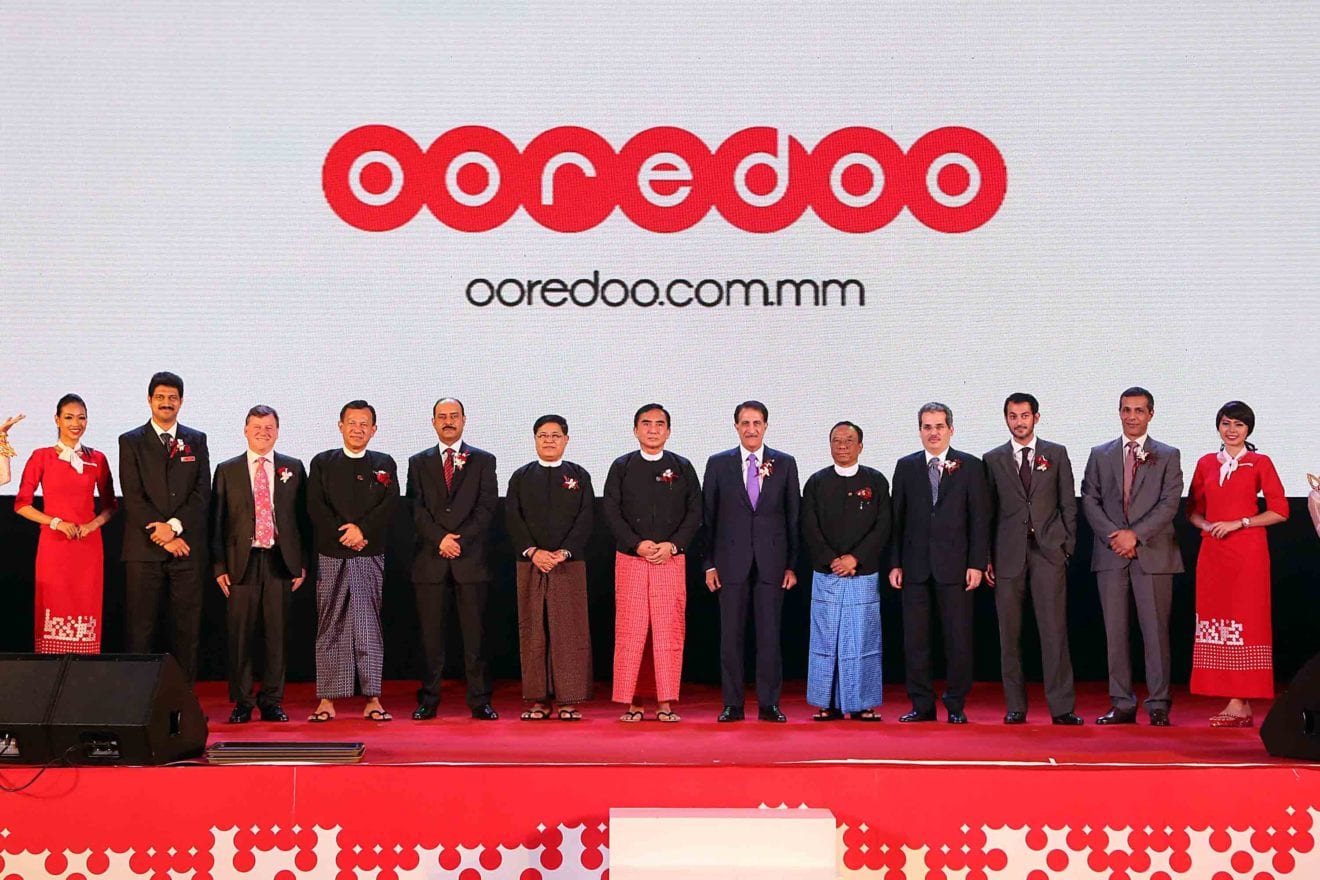
  • Ooredoo Myanmar prioritises CSP via donation to non-profit organization

    Ooredoo Myanmar prioritises CSP via donation to non-profit organization

    “This is a remarkable event for Ooredoo Myanmar and we are very glad to have the opportunity to help the community that we work in. We have set out our Corporate Social Responsibility efforts to help promote the need for the health and education sector. We, as a responsible business, strive to help close the gap of demands for these two sectors. Daw Khin Kyi Foundation is an outstanding exemplary when it comes social works. We are hereby acknowledging their efforts and lending a helping hand with ways we can contribute,” said U Tint Naing Htut, Head of Corporate Communications Ooredoo Myanmar.

    The donated vehicles are well equipped with extensive electrical, plumbing and furniture such as air-conditioning and heating systems, patient attendance seats, storage cabinet, folding work table, work-light, wash hand basin and 110/220V electrical inverter system. It also has an intercom system for communications and medical equipment required for the Emergency Response Unit. Daw Khin Kyi Foundation plans to use the vehicles to respond to medical emergencies and humanitarian assistance works in Myanmar.

    Ooredoo Myanmar believes that immediate medical and humanitarian assistance should be inclusive regardless of ethnicity, race or religion. Daw Khin Kyi Foundation also works towards the same goal by reaching out and providing assistance where and when necessary. They believe that improvement in one place at a time creates a better future for all.

  • Qualcomm unveils world’s biggest fingerprint sensor for smartphones

    Qualcomm unveils world’s biggest fingerprint sensor for smartphones

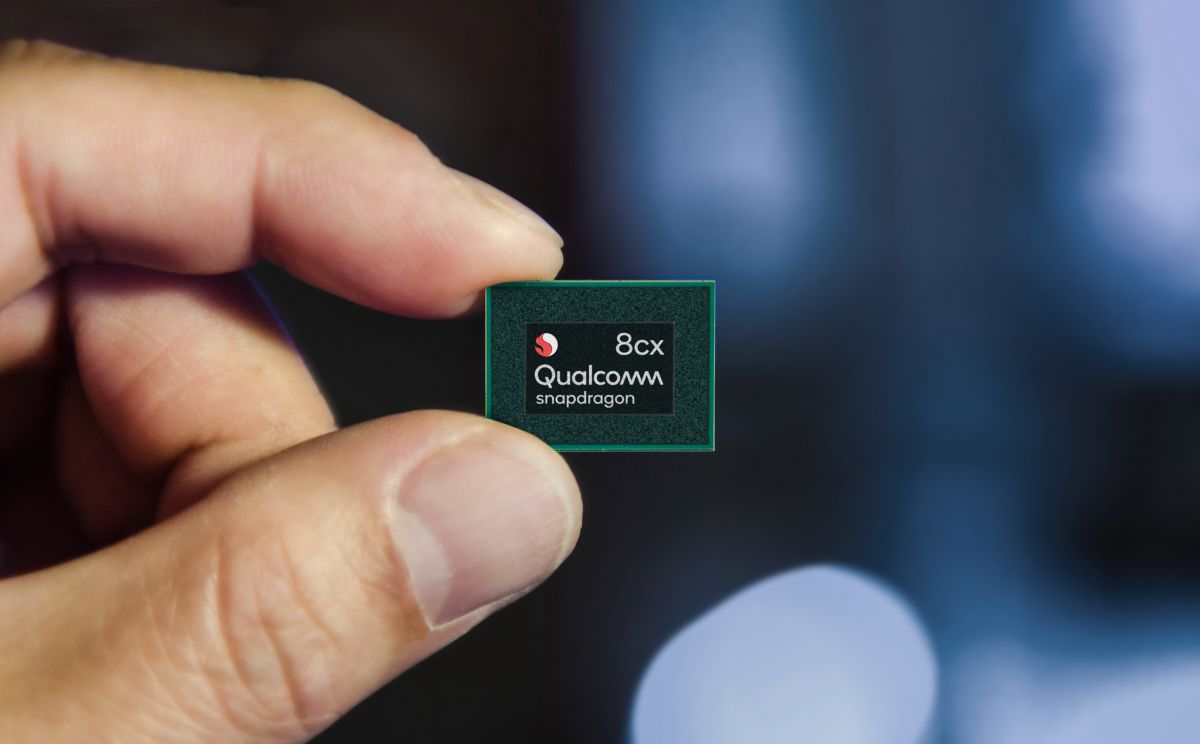
    Qualcomm was the first company to introduce an under-display ultrasonic fingerprint scanner, the 3D Sonic Sensor, the same piece of technology that’s now embedded under Samsung Galaxy S10’s stunning display.

    Fast forward one year and the US company announced an upgrade to its last year ultrasonic fingerprint scanner, the 3D Sonic Max, which promises to accurately scan a fingerprint in three dimensions.

    Unlike the first iteration that only allows users to scan one fingerprint, the 3D Sonic Max lets you scan two fingerprints at the same time. 3D Sonic Max, the latest version of Qualcomm’s ultrasonic fingerprint sensor offers a recognition area that is 17x larger than the previous generation, allowing for increased security via simultaneous two-finger authentication, increased speed and ease of use.

    This makes the 3D Sonic Max the world’s largest fingerprint sensor and also the first in the world to enable two-finger authentication. On top of that, 3D Sonic Max promises to deliver 1::1,000,000 rather than 1::50,000, which should prevent fingerprint spoofing and inaccurate results. Qualcomm also claims that its new fingerprint sensor is faster than the previous generation, but doesn’t say by how much.

    We have yet to learn which handset makers will implement Qualcomm’s new fingerprint sensor into their phones, but it looks like Samsung might be one of its clients.

  • ZTE, Ooredoo Myanmar alliance to display multiple 5G use cases

    ZTE, Ooredoo Myanmar alliance to display multiple 5G use cases

    This standard specifies the technical requirements of centralized control of shared air-conditioners, setting a benchmark for the centralized control operation of the shared economy in the home appliance industry. It is another breakthrough in the wake of the joint release of the industry’s first shared air-conditioning technology standard based on NB-IoT in September 2018 by ZTE, China Telecom Shanghai Research Institute, Haier AC and other partners.

    ZTE, China Telecom and Haier AC carried out a comprehensive evaluation and pre-commercial verification of the shared air-conditioner centralized control model at University of Shanghai For Science and Technology. China Telecom and ZTE provided indoor and outdoor wireless network coverage to ensure stable and reliable signal quality, data transmission, and service applications in the centralized control area. The centralized control based on NB-IoT wireless network can effectively address the problems of traditional centralized control, such as difficult engineering, complex cabling, and overwhelming maintenance.

    With the release of the shared home appliance industry standard, the NB-IoT network can realize the centralized control of temperature, mode and switch of the shared air conditioners, hence the wide application in campus, apartment and hotel scenarios.

    ZTE has always been exploring continuous innovations in the field of IoT. Based on its self-developed IoT platform and its leading edge in the 5G field, ZTE has created a series of end-to-end 5G+ integrated industry solutions in various fields, including 5G+ Smart Campus, 5G+ Industrial Park, 5G+ Smart Water Control, 5G+XR Cloud Coordination, 5G+ Cloud Education, 5G+ Smart Stadium, Smart Home, and Internet of Vehicles. By integrating the cutting-edge technologies, such as big data and AI, with the IoT, ZTE is committed to promoting the incubation and deployment of innovative IoT solutions.

    “We have been exploring the opportunities in each industry with our industry partners to create values by virtue of our experience and capabilities in the ICT field,” said Mr. Yin Gang, vice president of ZTE Corporation. “We’re happy to join hands and connect closely to build a bright future together.”

    ZTE is a provider of advanced telecommunications systems, mobile devices, and enterprise technology solutions to consumers, carriers, companies and public sector customers. As part of ZTE’s strategy, the company is committed to providing customers with integrated end-to-end innovations to deliver excellence and value as the telecommunications and information technology sectors converge. Listed in the stock exchanges of Hong Kong and Shenzhen (H share stock code: 0763.HK / A share stock code: 000063.SZ), ZTE sells its products and services in more than 160 countries.

    To date, ZTE has obtained 25 commercial 5G contracts in major 5G markets such as Europe, Asia Pacific, MEA (Middle East and Africa), etc. ZTE commits 10 percent of its annual revenue to research and development and has leadership roles in international standard-setting organizations.