Tag: telecom

  • Mysterious $1B Investment in True Telecom Sparks Investigation by Thailands Market Regulator

    Mysterious $1B Investment in True Telecom Sparks Investigation by Thailands Market Regulator

    The Thai market regulator has initiated an investigation after an individual surfaced with an estimated one billion US dollars in shareholdings in telecom titan True Corporation, thereby becoming one of its largest shareholders. The regulatory body intends to gather further details and seek explanations from relevant entities in compliance with the standard procedures, as per a recent announcement.

    Stake Increase and Company Backing

    The individual, identified as Supaporn, disclosed in a regulatory filing last week that she had amplified her stake in True, which is based in Bangkok, from 3.9% by purchasing shares through an international broker. Her investment equates to roughly 32 billion baht ($960 million), calculated based on True’s closing price on Monday.

    True Corporation enjoys the backing of Charoen Pokphand Group (CP Group), one of the largest conglomerates in Thailand, and holds the position of the country’s second-largest mobile phone service provider. Earlier this year, Arise Digital Technology, under the control of True’s chairman Suphachai Chearavanont, bought approximately a 25% stake in True from Norway’s Telenor for 39 billion kroner (US$3.9 billion). Both CP Group and Telenor had studied the possibility of merging their telecom units in 2021.

    This deal also included an opportunity to buy an extra 5.4% stake within a two-year timeframe.

    Discrepancies and Legal Implications

    However, there seem to be some inconsistencies in the details provided by Supaporn in her regulatory filing, according to a statement issued by True. The firm stated that it has never offered preference shares to the public and currently does not have any outstanding preference shares. The company has reportedly informed the SEC about the inconsistency.

    The Thai regulator has issued a warning that stern legal measures would be enforced if the ongoing probe uncovers any breaches of the prevailing regulations.

    True also mentioned that the disclosure made by Supaporn about her augmented stake was labeled as preliminary, indicating that the details are incomplete and remain under scrutiny.

    On a different note, this Monday marked the completion of the sale of a 10% stake in True by the CP Group, achieved via a series of transactions as per an official statement.

    Questions & Answers

    What initiated the review by the Thai market regulator?
    The review was initiated after an individual emerged owning nearly one billion US dollars in shareholdings in True Corporation, making her one of its largest shareholders.

    Who is backing True Corporation?
    True Corporation is backed by Charoen Pokphand Group, one of Thailand’s largest conglomerates.

    How did True Corporation react to Supaporn’s regulatory filing?
    True Corporation pointed out some inconsistencies in Supaporn’s filing, stating that the company has never offered preference shares to the public and currently does not have any outstanding preference shares. The firm has notified the SEC about the discrepancy.

  • Singtel Faces Back-to-Back Disruptions: Singapore’s Largest Mobile Network Grapples with Connection Issues

    Singtel Faces Back-to-Back Disruptions: Singapore’s Largest Mobile Network Grapples with Connection Issues

    On Tuesday, customers of Singtel, the largest mobile network in Singapore, faced connectivity issues for the second consecutive day. These disruptions followed a Monday outage that lasted more than eight hours and impacted thousands of users, creating significant inconvenience for customers and affecting crucial services such as payments, ride-hailing, and food delivery.

    Singtel revealed that a “small number” of customers were experiencing connectivity issues, but clarified that these problems were unrelated to the Monday outage. By 5 p.m. on Tuesday, connectivity had been restored. The company issued an apology for the inconvenience caused to its customers.

    The Infocomm Media Development Authority (IMDA), in a recent statement, confirmed that initial investigations into the two incidents found no evidence of any cyber-related issues. They emphasized that they seriously view any service disruptions and pledged to thoroughly investigate both incidents. They also sternly warned that they would not hesitate to take stringent regulatory action against Singtel if any lapses were identified.

    Previous Disruption and Cyber Attack

    On Monday, Singtel experienced a severe network outage that lasted more than eight hours. This disruption led to many Singtel users reporting issues with their mobile services. Some were even unable to make payments or use mobile data for work-related tasks.

    Last month, the authorities in Singapore reported that all four major telcos, including Singtel, had been targeted in a cyberattack by UNC3886. This assault, disclosed last year, enabled the attackers to access critical systems at the telcos. However, no sensitive customer data was compromised.

    Continuing Issues and Customer Dissatisfaction

    Despite the restoration of services, many Singtel and GOMO users reported that they were still unable to reconnect on Tuesday. They expressed frustration over the slow customer service responses. GOMO is a budget-friendly sub-brand of Singtel.

    Priscilla Wee, a 56-year-old homemaker, shared her ordeal of repeatedly turning her phone off and on and reloading her GOMO e-SIM. However, her efforts were in vain. Out of frustration, she terminated her GOMO line on March 17 and switched to StarHub. She stated, “The trust factor with Singtel is now gone.”

    Aaron Ang, chief technology officer of Cyber Leaders Nexus, a Singapore-based cybersecurity company, commented on the situation. He suggested that engineers responding to a significant outage often resort to restarting systems, rerouting traffic, or implementing quick fixes. Such remedial actions can put stress on other parts of the system or reveal hidden issues, potentially causing a second, separate outage.

    Questions & Answers

    What was the cause of the recent Singtel disruptions?
    The company stated that they were unrelated incidents and not associated with any cyber-related issues.

    What were the consequences of these disruptions?
    Thousands of users were affected, with some unable to use essential services such as payments, ride-hailing, and food delivery, leading to significant inconvenience.

    What is the IMDA’s stance on these incidents?
    The Infocomm Media Development Authority takes a serious view of service disruptions, pledging to thoroughly investigate both incidents and warning of stringent regulatory action if any lapses are identified.

  • Nokia Hits the Mark: Reports 3% Q4 Revenue Boost and Meets Full-Year Goals for 2025

    Nokia Hits the Mark: Reports 3% Q4 Revenue Boost and Meets Full-Year Goals for 2025

    Nokia Corporation recently announced a 3% increase in comparable net sales for Q4 2025, achieving EUR 6.1 billion. This increase is attributed to growth in both its network infrastructure and mobile networks businesses. The company’s outcomes are in line with its full-year financial objectives, demonstrating a year of strategic redirection and portfolio growth.

    Financial Overview

    In 2025, Nokia saw a 2% year-on-year rise in net sales on a constant currency and portfolio basis, and a 3% increase as reported.

    The company reported a full-year operating profit of EUR 2.0 billion, marginally surpassing its previously issued guidance midpoint of EUR 1.85 billion.

    Although Q4 saw a rise in revenue, Nokia’s comparable operating margin fell by 90 basis points year-on-year to 17.3%. This decrease can primarily be attributed to increased investment in network infrastructure and costs tied to the integration of Infinera, a recent acquisition aimed at strengthening Nokia’s optical networking portfolio.

    The comparable gross margin expanded by 90 basis points to 48.1%, underpinned by a robust product mix that compensated for a reduced contribution from Nokia Technologies. The reported gross margin, on the other hand, fell by 120 basis points to 44.9% due to augmented restructuring costs.

    In Q4, the comparable diluted EPS was EUR 0.16 (reported EUR 0.10), with a free cash flow of EUR 0.2 billion and a net cash balance of EUR 3.4 billion. For the full year, net sales expanded by 2% on a constant currency and portfolio basis (+3% reported). All these figures are within the prior guidance.

    Networks Overview

    Optical networks became a major growth catalyst, bolstered by robust demand from AI and cloud deployments. IP networks saw roughly 3% growth, facilitated by a strong Q4 2024 showing. Fixed networks stayed largely steady as portfolio optimization actions balanced out growth in fiber OLT shipments. The company’s book-to-bill ratio remained well above 1, reflecting ongoing momentum across both optical and IP networks. Gross margins stayed mostly consistent year-on-year, but operating margins declined due to continued investments related to growth and the integration of Infinera.

    Cloud and network services experienced a slight year-on-year dip in Q4, though full-year net sales increased by 6%, driven by strong demand in core networks. Q4’s gross margin benefited from a modest provision reversal of EUR 37 million. Even excluding this, margins improved, reflecting ongoing efforts to enhance profitability. Mobile networks also witnessed strong year-end demand, leading to a 6% growth in net sales in Q4, with gross margins bolstered by a favorable product mix. Meanwhile, Nokia Technologies signed several deals during the quarter, maintaining the contracted net sales run-rate at around EUR 1.4 billion.

    Questions & Answers

    What was Nokia’s full-year operating profit for 2025?
    Nokia’s full-year operating profit for 2025 was EUR 2.0 billion.

    What factors contributed to the decline in Nokia’s comparable operating margin in Q4 2025?
    The decline in Nokia’s comparable operating margin in Q4 2025 was primarily due to increased investment in network infrastructure and costs associated with the integration of Infinera.

    What trends were observed in Nokia’s network businesses in 2025?
    In 2025, optical networks emerged as a key growth driver for Nokia, supported by strong demand from AI and cloud deployments. Fixed networks remained stable, while IP networks saw about 3% growth.

  • “Telenor Retreats from Asian Markets: Sells $3.9 Billion Stake in True Corporation, Bids Adieu to Thailand”

    “Telenor Retreats from Asian Markets: Sells $3.9 Billion Stake in True Corporation, Bids Adieu to Thailand”

    Telenor, the Nordic telecom operator, has confirmed its departure from the Thai telecom sector. After a quarter of a century presence in the country, the company is selling its majority stake in True Corporation. This development is part of Telenor’s strategic withdrawal from the Asian marketplace.

    Details of the Deal

    The agreement outlines that Telenor will sell its 24.95% share in True Corporation to Arise Digital Technology Company. The sale price is set at NOK 32.3 billion. The buyer, Arise, is a company run by Thai businessman Khun Suphachai Chearavanont. Furthering the deal, both parties have reached a consensus allowing Arise to purchase Telenor’s residual 5.35% stake within the forthcoming two years. The cost for this additional acquisition is NOK 6.9 billion.

    Withdrawal from Asia

    The exit from Thailand’s market echoes Telenor’s recent business moves in other Asian territories, epitomizing the company’s ongoing strategy of pulling out of Asia. Notably, it recently sold its Pakistani business to Pakistan Telecommunication Company Limited for upwards of USD 500 million. The company is now placing a greater emphasis on strengthening its Nordic foundations.

    Telenor still has a presence in Bangladesh and Malaysia through its holdings in Grameenphone and CelcomDigi, respectively. Previously, Telenor operated in both India and Myanmar, but has since withdrawn from these markets.

    Remarks from the CEO

    Telenor’s CEO, Benedicte Schilbred Fasmer, expressed satisfaction with the arrangement made with Arise. She noted that at the company’s Capital Markets Day in November, they had mentioned their search for opportunities to create structural value in Asia. With the completion of Telenor Pakistan’s sale in December and the agreement to sell their shares in True, she believes they have made significant progress towards that goal.

    Telenor’s journey in Thailand began in 2000 when it acquired shares in Total Access Communication (TAC). TAC later became dtac, one of the largest mobile operators in the country. In 2023, dtac and True merged to bolster its competitive stance against the market leader, AIS.

    Questions & Answers

    What is the significance of Telenor selling its stake in True Corporation?
    The sale of Telenor’s stake in True Corporation marks the company’s exit from the Thai telecoms market, signifying a strategic pullback from Asia and a refocus on its Nordic operations.

    What other recent business moves has Telenor made in Asia?
    Besides its exit from Thailand, Telenor recently sold its Pakistani business to Pakistan Telecommunication Company Limited. The company has also previously ceased operations in India and Myanmar.

    Which Asian markets does Telenor still operate in?
    Telenor maintains its presence in Asia through its holdings in Grameenphone in Bangladesh and CelcomDigi in Malaysia.

  • Revolutionizing Taiwan’s Connectivity: Chunghwa Telecom Spearheads North Asia’s First O3b mPower Ground Station with SES

    Revolutionizing Taiwan’s Connectivity: Chunghwa Telecom Spearheads North Asia’s First O3b mPower Ground Station with SES

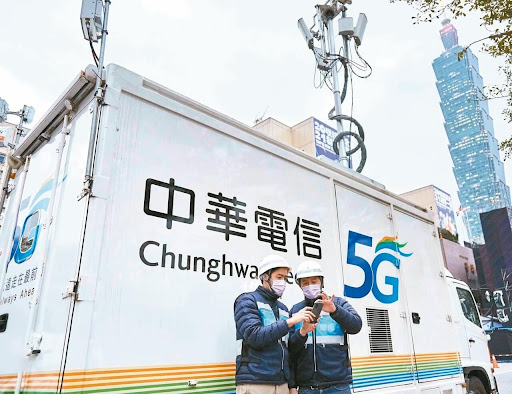
    Chunghwa Telecom, a Taiwan-based telecommunications company, has officially partnered with SES, a satellite operator based in Luxembourg. The two companies have struck a Memorandum of Understanding (MoU) to develop the first second-generation O3b mPower ground station in North Asia, located in Taiwan.

    The Aim of the Agreement

    The primary objective of this cooperation is to substantially improve Taiwan’s Medium Earth Orbit (MEO) satellite data transfer capacity and service performance. The project expects to provide faster, more reliable, and highly robust satellite connectivity. In addition to enhancing the data transmission, the project also seeks to strengthen Taiwan’s vital communication infrastructure. To achieve this, it will ensure that essential traffic information is landed directly within the country, thereby supporting network sovereignty and resilience.

    Collaboration’s Contributions

    As part of their collaboration, SES will use their system deployment and operational expertise from their Satellite Innovation Centre in The Hague, the Netherlands. The partnership will highlight the advanced applications that satellites can offer. These include the integration of multi-orbit satellite communications, connectivity to the cloud, edge computing, data analytics for the Internet of Things (IoT), and automated machine vision.

    Furthermore, Chunghwa Telecom and SES are looking into the possibility of establishing a Satellite Innovation Lab in Taiwan. This proposed undertaking will have demonstration sites and certification processes meant to aid domestic companies in speeding up the validation of technology and the adoption of products. By aligning with SES’s global ecosystem, Taiwanese firms might have the opportunity to penetrate international supply chains and gain commercial opportunities.

    Benefitting Taiwan’s Global Stature

    This collaborative effort utilizes Taiwan’s proficiency in semiconductors and avant-garde manufacturing to create a cooperative hardware-and-software ecosystem. This will further reinforce Taiwan’s strategic position in the global satellite and space technology sector.

    Jia Chung-Yung, President of Chunghwa Telecom’s Network Technology Group, shared that the company continues to amalgamate diverse communication resources to build a new-generation network architecture. This structure marries high resilience and technological innovation. He assured that the company will continue to invest in the development of next-generation communication technologies and promote diversified services and application innovations. Furthermore, he emphasized the company’s commitment to its ESG sustainability goals, laying a long-term foundation for Taiwan’s communication resilience.

    Questions & Answers

    What is the primary aim of the collaboration between Chunghwa Telecom and SES?
    The collaboration primarily aims to improve Taiwan’s Medium Earth Orbit (MEO) satellite data transfer capacity and service performance, and strengthen Taiwan’s essential communication infrastructure.

    What will be SES’s contribution to this collaboration?
    SES will leverage its system deployment and operational expertise from their Satellite Innovation Centre to highlight advanced satellite-enabled applications such as cloud connectivity, edge computing, and IoT data analytics.

    What is the purpose of the proposed Satellite Innovation Lab in Taiwan?
    The Satellite Innovation Lab aims to provide demonstration sites and certification processes to aid domestic firms in speeding up the validation of technology and product adoption, potentially opening up access to international supply chains and commercial opportunities.

  • India Ascends to Second Spot Globally with Over 400 Million 5G Users: A Story of Rapid Digital Transformation

    India Ascends to Second Spot Globally with Over 400 Million 5G Users: A Story of Rapid Digital Transformation

    India has solidified its position as the world’s second-largest 5G subscriber market, just after China. This achievement highlights the nation’s speedy embrace of next-generation connectivity and one of the fastest global network rollouts, as stated by the Union Minister of Communications, Jyotiraditya M. Scindia.

    Impressive Numbers in 5G Adoption

    Currently, India boasts of more than 400 million 5G users, making it home to the world’s second-largest 5G subscriber population. Data presented by the Ministry of Communications indicates that telecom service providers have installed approximately 4.69 lakh 5G base transceiver stations nationwide as of March 2025. This reflects the swift pace of 5G deployment in India, which started in October 2022 and is among the fastest rollouts globally.

    Today, 5G services encompass over 99% of India’s districts, with an estimated population coverage of around 85%. Since the initial launch, 25 crore users have migrated to 5G services, and the total subscriber base has surged past 400 million as network accessibility and device adoption have grown.

    Notable Strides in Rural Connectivity

    The Ministry also pointed out significant improvements in rural connectivity. There has been a 42.9% increase in rural telephone connections, almost twice the rate of urban growth. The number of connections has risen from 377.78 million in March 2014 to 539.83 million by September 2025.

    Digital Expansion and Internet Usage

    The digital expansion in India is further mirrored in internet usage. Total internet connections have crossed the one billion mark, reaching 1.0029 billion, compared to 251.5 million in March 2014. This represents a growth of nearly 299%.

    Progress in Telecom Self-Reliance

    In line with the Atmanirbhar Bharat vision, India has made substantial progress in telecom self-reliance. It has joined the select group of nations that have developed an end-to-end 4G stack which is upgradable to 5G. While it took other countries decades to mature similar technologies, India achieved this milestone in just two years. Additionally, there is growing momentum in indigenous 6G research and development under the ambitious Bharat 6G Mission.

    Collectively, these developments firmly establish India as a primary global player in 5G adoption and digital infrastructure. This has implications for enterprise connectivity, innovation, and long-term economic growth across the region.

    Questions & Answers

    What is India’s current rank in the global 5G subscriber market?
    India has emerged as the second-largest 5G subscriber market in the world.

    How many 5G users does India currently have?
    India currently has over 400 million 5G users.

    What has been the growth in rural telephone connections in India?
    Rural telephone connections in India have grown by 42.9%, nearly double the urban growth rate.

  • Revolutionizing Telco Strategy: The Power of Mobile-First in Asia’s Data Consumption Boom

    Revolutionizing Telco Strategy: The Power of Mobile-First in Asia’s Data Consumption Boom

    The Asia Pacific continues to be a global hotspot for mobile innovation, acting as a catalyst for change in telco strategies due to the growing data consumption rate in the region.

    According to the Ericsson Mobility Report, global mobile network data traffic grew approximately 20% annually by the end of 2025. Significantly, 5G accounted for nearly one-third of the total mobile data traffic, a percentage that is swiftly increasing in the Asia Pacific region.

    It’s not just the volume of data consumption that’s driving change. The way people use data, the timing, and the reasons for their usage are also contributing factors. The increase in video-oriented lifestyles, app-based commerce, remote work, and digital public services have transformed mobile connectivity into a basic necessity. Thus, Asia’s telcos are realizing that their success isn’t merely about pursuing traffic growth but rather managing experience, intelligence, and value.

    Asia’s Data Growth Continues Unabated

    The Asia Pacific region contributes significantly to global mobile data growth, primarily due to its size. The region makes up over half of global mobile subscribers and continues to add new users, with total mobile data traffic set to quadruple by 2030.

    While mature markets in other parts of the world begin to level off, Asia’s blend of high population density, affordable smartphones, and aggressive data pricing keeps demand on the rise. For providers, this growth presents both an opportunity and a challenge. Although traffic volumes are increasing, the economics of delivering that data are becoming more complex.

    Video’s Impact on Network Regulations

    The most noticeable change is the emergence of a video-first economy, with traffic expected to account for 76% of all mobile data by the end of 2026. Short-form video, particularly TikTok, has become the new norm for mobile usage, necessitating an evolution of providers like AIS to become a “Cognitive Tech-Co”. This new model uses real-time AI analytics to autonomously adjust network capacity while partnering with platforms to cater to the high-data demands of the burgeoning tourist sector.

    Furthermore, providers like SK Telecom in South Korea have recognized that managing these fluctuations requires more than traditional capacity upgrades. AI-driven traffic forecasting, real-time optimization, and automated network controls are becoming essential. The network must now be capable of thinking, adapting, and responding independently.

    Hyper-Personalization and AI

    Telcos are incorporating hyper-personalization and AI into their strategies to differentiate their offerings, enhance engagement, and capture greater lifetime value. For example, Reliance Jio analyzes usage patterns across its 300+ million subscribers to provide personalized plans, content bundles, and contextual offers in real time.

    Additionally, Telkomsel uses AI-driven analytics and its chatbot to personalize interactions. Similarly, Airtel uses AI-based recommendation engines to push context-aware data and retention offers, improving engagement in high-churn segments. These shifts indicate that erratic data spikes driven by social trends or large-scale gaming releases are now managed using generative AI and machine learning.

    5G as National Infrastructure

    The growth in mobile data consumption in Asia has elevated 5G to the status of national infrastructure, as governments increasingly view high-capacity, low-latency networks as crucial to economic resilience, industrial digitization, and digital inclusion. As a result, telcos are restructuring their strategies around network intelligence to position themselves as foundational platforms for digital economies.

    Monetizing Experience Rather Than Megabytes

    In more developed markets like Australia, operators are experimenting with new ways to generate value from data-hungry users. Optus, for instance, has moved towards speed-tiered broadband plans, prioritizing consistent performance during peak periods rather than data caps. This shift reflects a wider understanding that across the Asia Pacific, customers are willing to pay for quality, low latency, high reliability, and predictable performance, especially for cloud gaming, remote work, and UHD streaming.

    Looking Ahead: Towards an Intelligent, Hybrid Future

    As Asia’s mobile-first journey moves forward, the next step will likely involve a deeper integration between terrestrial networks and satellite connectivity. The ultimate aim is to redefine telco strategy across Asia, competing not just on coverage or price but on the ability to transform networks into intelligent, hybrid platforms.

    Questions & Answers

    What is the key factor driving the transformation of Asia’s telco strategies?
    The key factor is not just the volume of data people consume, but how, when, and why they use it. Trends like video-led lifestyles, app-based commerce, remote work, and digital public services have made mobile connectivity a basic utility.

    Why is the rise of a video-first economy significant for telcos?
    The rise of a video-first economy is significant because it’s projected to account for 76% of all mobile data by the end of 2026. This surge in video consumption requires telcos to adjust their network capacities and strategies to accommodate the increased traffic.

    What does the future look like for telco strategies across the Asia Pacific?
    The future of telco strategies across the Asia Pacific will involve deeper integration between terrestrial networks and satellite connectivity. Telcos will compete not just on coverage or price but on their ability to transform networks into intelligent, hybrid platforms.

  • Unlocking Vietnam’s Digital Economy: The Transformative Impact of 5G Expansion

    Unlocking Vietnam’s Digital Economy: The Transformative Impact of 5G Expansion

    Vietnam’s burgeoning 5G network is forecasted to bolster the forthcoming wave of the nation’s digital economy. This expectation comes as local telecommunications companies hasten infrastructure development and commence the expansion of commercial and public sector applications.

    5G Infrastructure Expansion

    Viettel, Vietnam’s premier operator, has established around 30,000 5G base stations, achieving approximately 90% outdoor coverage and 70% indoor coverage. This surpasses the commitments the company made to the government. As predicted by Vietnam’s Ministry of Science and Technology, by 2025, 5G services were widely commercialized throughout the nation, reaching over 90% of the population.

    Practical Economic Benefits

    Telecommunications providers affirm that the extended availability of 5G is already producing tangible economic advantages, particularly within rural commerce and agriculture. Since August 2025, Viettel Post has facilitated numerous livestream sales sessions in several provinces such as Thai Nguyen, Vinh Long, Bac Ninh, and Lai Chau, to assist farmers in reaching consumers across the nation.

    In Sin Ho commune, located in Lai Chau province, three livestream sessions led to more than 300 tons of yacon root being sold by local Mong farmers. According to Dinh Thanh Son, Deputy General Director of Viettel Post, the marriage of 5G connectivity and integrated logistics systems is aiding farmers in reducing their reliance on traditional intermediaries and managing price fluctuations. The existence of stable, high-speed connections allows farmers to livestream directly from production sites, while 5G-enabled Internet of Things applications are being trialed to monitor conditions such as temperature, humidity, and weather in agricultural production.

    5G Rollout and Development

    Nguyen Duy Lam, a Senior Telecommunications Solutions Expert at Huawei Vietnam, shared that the rollout of 5G in Vietnam has made rapid strides in areas like e-commerce. However, the establishment of smart city and smart factory applications will necessitate continued enterprise investment and supportive government policies.

    Nguyen Ha Thanh, Deputy General Director of Viettel Telecom, considers 5G as strategic national digital infrastructure, aligning with a specific national resolution. She believes the impact of 5G investments should be evaluated from a national viewpoint, taking into account improvements in governance efficiency, quality of life, and the development of novel digital business models.

    Network Coverage and Focus Shift

    With network coverage largely in place, operators are now shifting their attention towards applications and platforms. Viettel Telecom intends to launch three virtual assistant platforms for individuals, households, and enterprises over its 5G network. Concurrently, MobiFone is executing 5G-based smart city solutions in Hanoi, inclusive of AI-powered camera systems, emergency response drones, and comprehensive urban monitoring platforms that address issues like traffic congestion, flooding, environmental pollution, and food safety.

    Questions & Answers

    What is the current state of Vietnam’s 5G network?
    Vietnam’s 5G network has been extensively developed, with the country’s largest operator, Viettel, establishing approximately 30,000 base stations. This has resulted in around 90% outdoor coverage and 70% indoor coverage.

    How is 5G aiding Vietnam’s rural sectors?
    5G is proving particularly beneficial to rural commerce and agriculture, where high-speed connections allow for activities such as livestream sales sessions. This is helping farmers reach consumers nationwide without the need for traditional intermediaries.

    What future applications are being planned for Vietnam’s 5G network?
    Looking ahead, operators are shifting their focus towards applications and platforms. Viettel Telecom plans to introduce three virtual assistant platforms, while MobiFone is implementing smart city solutions in Hanoi. These advancements will further integrate 5G connectivity into everyday life and enterprise operations.

  • Philippines Telecom and Pay-TV Eye $9.7B Revenue Boom by 2029, Fuelled by Mobile Data and Broadband Growth

    Philippines Telecom and Pay-TV Eye $9.7B Revenue Boom by 2029, Fuelled by Mobile Data and Broadband Growth

    The Philippines’ telecommunications and pay-TV service sectors are set to experience a surge in revenue, increasing from USD 8 billion in 2024 to an estimated USD 9.7 billion by 2029, representing a compound annual growth rate (CAGR) of 3.8%. The expected growth can be attributed to the expanding mobile data and fixed broadband service sectors.

    Mobile Voice Service Revenue Facing a Decline

    Despite the overall projected growth in the telecom industry, mobile voice services are anticipated to experience a decline in revenue. This is a result of a consistent drop in the average revenue per user (ARPU) levels of mobile voice services. Consumers are increasingly turning towards internet or application-based communication platforms, and operators are providing complimentary voice minutes in their service plans.

    Promising Growth in Mobile Data Service Sector

    The mobile data service sector, however, is expected to witness substantial growth, with an anticipated CAGR of 7.1% over the forecast period. This growth is driven by an increase in mobile internet subscriptions, especially the upswing in 5G subscriptions, which will significantly enhance mobile data ARPU levels.

    The adoption of 5G services is expected to escalate rapidly in the coming years, with 5G projected to become the dominant mobile technology generation by subscriber base in 2029. This growth surge in 5G adoption can be credited to the ongoing 5G network expansion initiatives by operators across the country.

    Fixed Communication Services Sector

    In the fixed communication services sector, revenue from fixed voice services is likely to reduce due to a decrease in circuit-switched subscriptions and a decline in fixed voice ARPU levels. However, the fixed broadband service revenue is projected to grow at a CAGR of 4.7% from 2024 to 2029. This growth can be linked to the rising adoption of higher ARPU fiber-to-the-home (FTTH) broadband services.

    The increased adoption of FTTH broadband services in the Philippines is a response to the growing demand for high-speed broadband services and the ongoing expansion of fiber network coverage by operators.

    Projected Growth in Pay-TV Services Revenue

    The revenue from pay-TV services in the country is also predicted to increase over the forecast period, backed by robust growth in IPTV subscriptions and a steady rise in DTH subscriptions.

    Leading Telecom Market Players

    In the mobile services sector, Globe Telecom and PLDT are expected to retain their market leader positions by subscription share throughout the forecast period. This is due to their concentrated efforts on mobile network expansion and modernization. PLDT will continue leading in the fixed broadband sector, largely driven by its extensive fiber network coverage and increasing FTTH subscriber base.

    Questions & Answers

    What is contributing to the growth in the Philippine telecommunications industry?
    The growth in the industry is primarily due to the expanding mobile data and fixed broadband service sectors.

    Why is the mobile voice services revenue expected to decline?
    The projected decline is a result of a consistent drop in mobile voice service ARPU levels as consumers increasingly prefer internet or application-based communication platforms.

    Which telecom operators are expected to remain market leaders in the Philippines?
    In the mobile services sector, Globe Telecom and PLDT are expected to maintain their market leader positions due to their focused efforts on mobile network expansion and modernization.

  • Singtel Pioneers Singapore’s First 50 Gbps Fiber Broadband Trial, Ushering in New Era of Ultra-High-Speed Connectivity

    Singtel Pioneers Singapore’s First 50 Gbps Fiber Broadband Trial, Ushering in New Era of Ultra-High-Speed Connectivity

    Singapore’s premier telecommunications company, Singtel, has initiated the country’s inaugural 50 Gbps fiber broadband technical trial. The aim of this groundbreaking move is to fortify the fixed connectivity infrastructure of the country, which is crucial for the delivery of emerging data-intensive digital amenities propelled by Artificial Intelligence (AI).

    Exploring the Potential of Next-Gen Technology

    This technical trial employs the cutting-edge XGS-PON-based fiber technology, which is capable of facilitating speeds of up to 50 Gbps. The trial has been conceptualised keeping in mind the anticipated use cases of the imminent future, such as ultra-realistic Augmented Reality (AR), Virtual Reality (VR), and Mixed Reality (MR), AI-powered smart homes, high-performance remote working setups, and cloud gaming. Singtel’s objective with this initiative is to prepare both residential and commercial customers for the smooth adoption of novel technologies as they become mainstream over the next three to five years.

    Through this trial, Singtel aims to assess the network performance and capabilities needed to support the increasing complexity of multi-device environments driven by AI. Singtel maintains that the trial is a significant milestone towards the future large-scale rollout of ultra-high-speed fiber broadband for diverse users, both residential and commercial.

    Preparing for a Digital Future

    Ng Tian Chong, Singtel Singapore’s CEO, emphasised that digital technologies are already a part of everyday life in Singapore, with near-universal internet access, high device ownership, and extensive use of digital services for work, learning, and entertainment. The next leap in fiber broadband connectivity, he said, will ensure that homes and businesses can keep up with increasingly immersive and AI-enabled digital experiences.

    Singtel insists that its early adoption of the 50 Gbps fiber technology places Singapore at the vanguard of next-generation broadband innovation. This aligns with the nation’s Digital Connectivity Blueprint, which prioritises the construction of a robust and future-ready digital infrastructure.

    Enabling Advanced Applications

    The 50 Gbps trial facilitates a new grade of whole-home, multi-gigabit connectivity. Singtel believes this will support ultra-high-definition entertainment, including 8K and future 12K video streaming, high-quality AR, VR, and XR experiences, and low-latency cloud gaming and cloud PCs. The technology also caters to data-heavy workflows for home-based businesses and professionals, including engineering simulations and secure enterprise-level remote connectivity.

    Moreover, the ultra-high-speed broadband is anticipated to enable advanced telemedicine and remote diagnostics, such as real-time medical imaging transmission, VR-based physiotherapy, and connected at-home medical devices. AI-driven smart homes will reap the benefits of real-time analytics across security cameras, IoT appliances, and autonomous devices. It also provides a solid foundation for next-generation Wi-Fi, dense IoT ecosystems, and emerging AI-generated entertainment formats.

    Questions & Answers

    What is the purpose of Singtel’s technical trial?

    The purpose of the technical trial is to assess the network performance and capabilities needed to support the increasingly complex multi-device environments enabled by AI. It also aims to prepare residential and commercial customers for the smooth adoption of novel technologies as they become mainstream.

    How will the 50 Gbps fiber broadband technology benefit homes and businesses?

    The technology will support ultra-high-definition entertainment, low-latency cloud gaming, high-quality AR, VR, and XR experiences, and data-heavy workflows for home-based businesses and professionals. It will also enable advanced telemedicine and remote diagnostics, as well as provide real-time analytics for AI-powered smart homes.

    How does this initiative align with Singapore’s nationwide digital strategy?

    The trial aligns with Singapore’s Digital Connectivity Blueprint, which focuses on building a robust and future-ready digital infrastructure. By positioning Singapore at the forefront of next-generation broadband innovation, it is helping prepare the nation for a rapidly evolving digital future.

  • Game-Changing Telenor Pakistan Sale Complete: PTCL Takes Reigns in Boost to Telecom Sector

    Game-Changing Telenor Pakistan Sale Complete: PTCL Takes Reigns in Boost to Telecom Sector

    The Telenor Group, a leading global telecommunications company, recently finalized its sale of Telenor Pakistan to Pakistan Telecommunication Company Limited (PTCL), a member of the international technology conglomerate e&. The transaction, first announced on December 14, 2023, saw Telenor Pakistan valued at NOK 5.3 billion on a cash-and-debt-free basis. The completion of the transaction certifies this valuation, reaching NOK 5.4 billion when factoring in currency rates from September, subject to any final adjustments to be made at year’s end.

    An Overview of the Transaction

    In addition to the finalized sale, Telenor has also acknowledged receipt of NOK 0.9 billion in cash flow from Telenor Pakistan since the announcement of the transaction. For the past two decades, Telenor Pakistan has been a crucial player in providing digital services and connectivity to over 40 million customers. A significant achievement for the company is its introduction of 4G technology in regions that had previously been underserved, thereby promoting digital inclusion throughout Pakistan.

    Telenor Pakistan’s array of products and services have played a significant role in boosting key economic sectors in Pakistan. These sectors span agriculture, banking, and technology freelancing communities. A noteworthy aspect of the company’s journey has been its commitment to empowering local communities through initiatives focused on promoting safe internet use, digital skills, and mobile identity, thereby encouraging responsible connectivity and digital inclusion across the nation.

    Leadership Remarks on the Sale

    Benedicte Schilbred Fasmer, CEO of Telenor Group, commented on the transaction’s completion:

    “Finalizing this transaction signifies Telenor Group’s strategic emphasis on being an active owner of top market positions in Asia, while simultaneously facilitating consolidation and innovation in Pakistan’s telecom sector. As we conclude this sale today, I extend my heartfelt gratitude to our customers, partners, and, particularly, our workers who have been integral to this remarkable journey. Your unwavering support and faith in our mission have brought about transformative changes in Pakistan’s economy and society.”

    Jon Omund Revhaug, Head of Telenor Asia, also expressed his sentiments:

    “Our Telenor Pakistan team members have proven themselves to be genuine trailblazers. Their resilience, innovation, and unwavering commitment have not only propelled the company’s growth but have also had a profound impact on millions of Pakistanis nationwide. Your invaluable contributions have positioned Telenor Pakistan as a model of progress and inclusion. As you embark on this new chapter, your legacy will continue to inspire and shape the future of Pakistan’s digital society.”

    In conclusion, Telenor Group extends its appreciation to the more than 40 million customers of Telenor Pakistan, the partners who collaborated to deliver services, and the employees whose commitment and innovative ideas have shaped the company’s impressive legacy.

    Questions & Answers

    What was the valuation of Telenor Pakistan at the time of the sale?
    The company was valued at NOK 5.3 billion on a cash-and-debt-free basis.

    What has been Telenor Pakistan’s impact on the country’s digital inclusion?
    Telenor Pakistan has provided essential connectivity and digital services to over 40 million customers. This includes bringing 4G technology to underserved areas, thereby promoting digital inclusion throughout Pakistan.

    What sectors has Telenor Pakistan influenced?
    Telenor Pakistan’s products and services have boosted key economic sectors in Pakistan, such as agriculture, banking, and the technology freelancing communities.

  • Indian Telecom Giants Challenge New Spectrum Plan, Push for Greater 5G and 6G Allocation

    Indian Telecom Giants Challenge New Spectrum Plan, Push for Greater 5G and 6G Allocation

    The Department of Telecommunications (DoT) in India has formally introduced its National Frequency Allocation Plan 2025 (NFAP-2025), though it has encountered opposition from mobile operators who opine it does not sufficiently address the nation’s future connectivity requirements.

    The NFAP-2025 Policy

    The NFAP-2025, operational since December 30, 2025, outlines the management and allocation of the radio frequency spectrum throughout India. The DoT states that the policy’s objective is to synchronize the national spectrum policy with international standards, while also fostering emerging technologies and next-generation connectivity.

    In line with this plan, the spectrum ranging from 8.3 kHz to 3000 GHz is designated for assorted radio communication services. The government asserts this will facilitate the deployment of 5G, 5G-Advanced, prospective 6G networks, satellite broadband services, and vehicle-to-everything (V2X) communications.

    Contention Around the Upper 6 GHz Band

    Dissent, however, has surfaced over the earmarking of the upper 6 GHz band, particularly the 6425–7125 MHz range for International Mobile Telecommunications (IMT). While increasing the mid-band spectrum availability for mobile services, the Cellular Operators Association of India (COAI) contends it’s insufficient. The COAI has reasserted its established demand that the entire 6 GHz band, spanning 5925-7125 MHz, should be allocated for IMT usage.

    This disagreement partly arises from the government’s previous decision, declared in May 2025, to deregulate 500 MHz of spectrum in the lower 6 GHz band for indoor Wi-Fi use with low power. While expected to hasten the launch of Wi-Fi 6E and Wi-Fi 7, operators maintain it diminishes the spectrum available for wide-area mobile networks.

    Future Data Demand & Spectrum Allocation

    COAI’s Director-General, Dr. SP Kochhar, has cautioned that catering to future data demand will necessitate considerably larger, continuous blocks of mid-band spectrum. He projected that every operator will require a minimum of 400 MHz of such spectrum to provide affordable, high-quality 5G and future 6G services.

    In Dr. Kochhar’s view, next-generation networks will increasingly depend on large, uninterrupted spectrum blocks to support ultra-high data throughput, low latency, immersive digital services, applications driven by artificial intelligence, smart manufacturing, and intelligent mobility.

    As India propels its digital transformation, the debate on the optimal way to balance spectrum allocation between mobile networks, Wi-Fi services, and emerging technologies in the 6 GHz band is projected to escalate.

    Questions & Answers

    What is the main aim of India’s National Frequency Allocation Plan 2025 (NFAP-2025)?
    The primary objective of NFAP-2025 is to align national spectrum policy with global standards while supporting emerging technologies and next-generation connectivity across India.

    What is the contention within the Cellular Operators Association of India (COAI) regarding the NFAP-2025?
    The COAI argues that the allocation of the upper 6 GHz band for International Mobile Telecommunications (IMT) is insufficient. They demand that the entire 6 GHz band should be allocated for IMT usage.

    What future requirements of mobile operators does Dr. SP Kochhar highlight?
    Dr. Kochhar emphasizes the need for considerably large, uninterrupted blocks of mid-band spectrum to cater to future data demand, projecting a minimum requirement of 400 MHz per operator to deliver high-quality 5G and future 6G services.

  • Revolutionizing AI: SK Telecom Unveils A.X K1, Korea’s First Hyperscale AI Model

    Revolutionizing AI: SK Telecom Unveils A.X K1, Korea’s First Hyperscale AI Model

    SK Telecom has launched ‘A.X K1’, the first hyperscale artificial intelligence (AI) model in South Korea with an impressive 519 billion parameters. This ambitious project is aimed at helping the country emerge as a major global player in the AI arena, following in the footsteps of AI giants like the U.S. and China. The comprehensive AI ecosystem that A.X K1 creates spans a multitude of areas, from semiconductors to services.

    Boosting Global Competitiveness of Korean AI

    A.X K1 is a significant leap forward in enhancing the worldwide competitiveness of Korean AI, a field currently controlled by the U.S and China. Unlike conventional AI models that absorb knowledge, A.X K1 functions as a ‘Teacher Model’, imparting knowledge to smaller models, notably those below 70 billion parameters. It also serves as a critical digital social overhead capital (SOC) that underpins the AI ecosystem. The SKT consortium plans to extend its research, enabling A.X K1 to transmit its knowledge to smaller, specialized models, thereby fuelling innovation in Korea.

    AI models, particularly those with over 500 billion parameters, demonstrate enhanced stability in complicated mathematical reasoning and multilingual comprehension. This capability makes them suitable for complex tasks such as high-complexity coding and agent-based execution.

    Enhancing Nationwide AI Accessibility

    The SKT consortium is committed to improving AI accessibility across the nation by disseminating A.X K1 through A (A-DoT), a service that boasts over 10 million subscribers. The consortium’s objective is to establish an ‘AI for Everyone’ framework enabling the public to readily access AI via various means, including phone calls, text messages, web-based services, and mobile applications.

    Liner, part of the SKT consortium, offers expert knowledge search services to its 11 million global subscribers. With A.X K1, it is poised to provide highly accurate, reliable multi-language search services.

    Boosting Industrial Competitiveness

    A.X K1 is expected to enhance industrial competitiveness by providing AI solutions such as A. Biz for manufacturing, real-time character dialogue for Krafton’s games, and autonomous behavior for humanoid AI robots.

    The AI model will also play a pivotal role in testing the competitiveness of Korea’s semiconductor industry. AI models that can handle a non-standard workload scale of 500 billion operations or more are crucial for practically verifying memory bandwidth and inter-GPU communication speed, two key performance bottlenecks in high-performance AI semiconductors.

    The SKT Consortium

    The SK Telecom-led SKT consortium comprises eight organizations: SK Telecom, Krafton, 42dot, Rebellions, Liner, SelectStar, Seoul National University, and KAIST. These organizations have collaborated to construct a fully sovereign AI platform based on proprietary technologies across the entire value chain, including AI semiconductors, AI data centers (AIDCs), AI models, and AI services.

    Plans for the Future

    The SKT consortium intends to make A.X K1 available as open-source software to businesses in Korea’s AI ecosystem. The consortium plans to provide open-source access and APIs through major developer communities and SK Telecom platforms, aiming to foster seamless AI agent development.

    The consortium also aims to establish an integrated support framework for AI model development and will disclose portions of the training data used for model development. This will be done through public and private platforms, thereby increasing Korea’s overall AI competitiveness.

    Kim Tae-Yoon, the Head of Foundation Model Office at SK Telecom, commented on the development, stating that it marks a significant moment in Korea’s journey to become one of the top three AI nations in the world.

    Questions & Answers

    What is the A.X K1 AI model?
    A.X K1 is the first hyperscale artificial intelligence model introduced in South Korea. It has 519 billion parameters and is designed to enhance the country’s global AI competitiveness.

    What role will A.X K1 play in Korea’s AI ecosystem?
    A.X K1 will serve as a ‘Teacher Model’, transferring knowledge to smaller AI models. It will enhance AI accessibility nationwide and boost industrial competitiveness. The model will also serve as a testbed for the country’s semiconductor industry.

    What is the aim of the SKT consortium?
    The consortium aims to build a comprehensive AI ecosystem in South Korea, improve AI accessibility, and boost the country’s global AI competitiveness. It plans to make A.X K1 available as open-source software to businesses and provide support for AI model development.

  • Asia’s Telecom Titans Rise to Meet Cybersecurity Challenges: A Dive into 5G Security and Fraud Prevention

    Asia’s Telecom Titans Rise to Meet Cybersecurity Challenges: A Dive into 5G Security and Fraud Prevention

    As the telecommunications sector in Asia rapidly moves towards 5G technology, cloud-native architectures, and digital services, operators throughout the region contend with intensifying cyber threats. These threats, which range from data breaches to scams and fraud within mobile networks, impact not only businesses, but also a considerable number of consumers. Consequently, governments and mobile operators are implementing stricter regulations and enhancing enforcement strategies. In addition, they are investing in more sophisticated security systems to safeguard national networks.

    Increasing Cybersecurity Risks and Consumer Fraud in the Region

    The Asia Pacific region has experienced some of the highest levels of mobile fraud, digital scams, and identity-based attacks globally. A 2025 report commissioned by GSMA revealed that the percentage of consumers who fell victim to scams increased from 31% to 43% over the past year. Additionally, 81% of those surveyed said they are willing to switch financial providers to achieve better security. Consumers prefer solutions that prioritize verification, offer a confirmation-of-payee feature, provide safer payment tools, and allow for simple “official call-back only” habits for enhanced protection.

    Cybersecurity trust in Southeast Asia is dwindling as the number of cyber scams continue to rise. A significant number of mobile users have reported encounters with fraudulent calls, SMS, and online impersonation attempts. According to the GSMA’s Intelligence 2024 Report on Telco Security Landscape and Strategies – Asia Pacific, there is an urgent need for innovative telecom security solutions.

    Telecom Operators Enhancing Defenses and Security Practices

    Asian governments have started to enact laws and establish regulatory frameworks aimed at protecting critical infrastructure and personal data. These measures obligate telecom operators to bolster their networks’ security.

    In China, the Cybersecurity Law, the Data Security Law, and the Personal Information Protection Law (PIPL) regulate telecom operators. These laws demand strict protection of critical information infrastructure, data handling, security reviews, and compliance obligations. As a result, operators are compelled to integrate security measures from the inception of their projects.

    In South Korea, the Personal Information Protection Act (PIPA) regulates telecom operators. The legislation mandates the implementation of measures to securely handle data, maintain accountability, and safeguard user privacy. Though primarily regulating data protection rather than network infrastructure security, PIPA forms a crucial regulatory framework for safeguarding personal data as 5G networks and virtualization continue to grow across the country.

    In Japan, the Cybersecurity Basic Act and related national cybersecurity strategies guide the broad infrastructure protection framework. Telecom operators, including those exploring advanced network innovations such as virtualized RAN or 6G-ready systems, are expected to comply with government-endorsed security standards, threat-sharing mechanisms, and incident-response protocols.

    In the Philippines, national cyber defenses are progressively strengthening. The Cybercrime Prevention Act of 2012 (RA 10175) and the National Cybersecurity Plan 2023-2028 establish a legal framework and outline strategies for enhancing resilience across critical infrastructure.

    Several major telecommunications firms are investing in AI-based network analytics to bolster security and operational efficiency. For instance, Globe Telecom deploys AI and machine learning for anomaly detection across its infrastructure. Similarly, PLDT is mitigating phishing, DDoS attacks, and other cyber threats through its cybersecurity operations center and collaboration with government agencies.

    India, driven by its enormous telecom market, has introduced some of the region’s most comprehensive cybersecurity rules. CERT-In mandates prompt incident reporting, strict log retention for 180 days, and real-time collaboration with national cyber emergency response teams. The Department of Telecommunications now requires 5G network elements to be procured from trusted vendors under the Trusted Telecom Portal policy.

    Singapore has set up a robust cybersecurity framework for its telecom sector. Under the Cybersecurity Act, telecom and infocomm systems can be designated as Critical Information Infrastructure (CII), which mandates operators to implement a cybersecurity code of practice, conduct audits, and quickly report incidents.

    Building Collective Defense: Collaboration, Standards, and Shared Cyber Intelligence

    Given the scale and interconnectedness of modern telecom networks, many operators acknowledge the limitations of tackling cyber threats individually. As a result, collaborative initiatives, public-private partnerships, and industry-wide frameworks are emerging as fundamental strategies for defense.

    The theme of the 19th edition of the Telecom Review Leaders’ Summit was ‘Tech Intelligence Beyond Mobility.’ The event held in Dubai, UAE, facilitated discussions among leading experts on the evolving challenges of protecting information in an increasingly connected world. The summit served as a collaborative platform for telecom-based cybersecurity collaboration, standardization, and knowledge sharing.

    The Need for Collective Defense, Transparency, and Regulatory Backing in Asia

    The security challenge faced by Asia’s telecom sector is not limited to individual operators or markets. Scams, fraud, cross-border intrusion threats, and the growing complexity of virtualized networks have necessitated a regional and systemic response.

    The continual rise in consumer fraud, data protection failures, and regulatory scrutiny necessitates treating cybersecurity in the same vein as infrastructure policy, consumer protection, and national security. To cope with these risks, operators need to prioritize transparency, share threat intelligence, and adopt common security standards. Regulators should support these efforts with clear rules, consistent enforcement, and incentives that reward genuine compliance.

    By embracing an approach that combines strong governance, robust technical controls, and cross-border collaboration, Asia’s telecom sector can build networks that not only offer connectivity but also provide meaningful protection for users in an increasingly hostile digital environment.

    Questions & Answers

    What is the current state of cybersecurity in Asia’s telecom industry?
    The telecom industry in Asia is grappling with increasing cybersecurity risks, including data breaches, scams, and fraud within mobile networks. Governments and mobile operators are responding by implementing stricter regulations, enhancing enforcement strategies, and investing in advanced security systems.

    What measures are being taken to improve cybersecurity in Asia’s telecom industry?
    Governments across Asia are enacting laws and regulatory frameworks to protect critical infrastructure and personal data. Telecom operators are obligated to bolster their network security and are investing in AI-based network analytics to enhance security and operational efficiency.

    What strategies are recommended for managing cybersecurity risks in the telecom industry?
    Telecom operators need to prioritize transparency, share threat intelligence, and adopt common security standards. Regulators should support these efforts with clear rules, consistent enforcement, and incentives that reward genuine compliance. Collaborative initiatives, public-private partnerships, and industry-wide frameworks are also recommended.

  • HPE Partners with Chunghwa Telecom: Boosting Cyber Resilience with Innovative Disaster Recovery Center in Taiwan

    HPE Partners with Chunghwa Telecom: Boosting Cyber Resilience with Innovative Disaster Recovery Center in Taiwan

    Hewlett Packard Enterprise (HPE) and Chunghwa Telecom’s Enterprise Business Group have recently revealed their plans to establish an international disaster recovery (DR) center in Taiwan. The alliance aims to reinforce cyber resilience and data protection for local companies.

    A Cyber Resilience Vault for Taiwan

    The upcoming DR center will leverage HPE’s Cyber Resilience Vault, incorporating sophisticated ransomware protection and a blend of cyber and disaster recovery technologies. The proposed solution aims to support Taiwanese businesses in setting up a global off-site backup system with second-level Recovery Point Objectives (RPO) and minute-level Recovery Time Objectives (RTO). Furthermore, it promises Continuous Data Protection (CDP) for faster recovery and enhanced defense against ransomware attacks.

    This move comes amidst growing apprehensions about ransomware and data disruption. Recent studies show that organizations globally face an average of 4.2 data disruption incidents annually, including at least one ransomware attack. Surprisingly, despite having backups, 48% of organizations opt to pay ransoms to expedite recovery or limit data loss. Yet, only 20% manage to fully recover their data.

    Addressing Ransomware Attacks and Data Loss

    Jon Wang, HPE’s Managing Director of Taiwan and Hong Kong, commented on the initiative. He highlighted that the HPE Cyber Resilience Vault, integrated with Chunghwa Telecom’s Internet Data Center services, would enable businesses to recover swiftly, decrease downtime, and restore lost data within seconds, thus ensuring full protection and backup of confidential information.

    Pen-Yuang Chang, General Manager of Chunghwa Telecom Enterprise Business Group, emphasized the importance of preventing significant business damage from ransomware attacks. He stated that their collaboration with HPE will allow local businesses to implement extensive disaster recovery mechanisms, thereby boosting their cyber resilience and international competitiveness.

    Through this partnership, Chunghwa Telecom plans to offer this new disaster recovery capability via its Internet Data Center (IDC) Value-Added Services – Equipment Subscription Service. Customers will have the opportunity to deploy protected virtual machines with enterprise-grade reliability, back up mission-critical workloads to Chunghwa Telecom’s robust IDC facilities, and conduct regular disaster recovery drills to validate readiness. The operator also intends to introduce a Disaster Recovery as a Service (DRaaS) model, priced according to the number of protected virtual machines, offering customers greater flexibility and scalability.

    A Proven Disaster Recovery Solution

    A prominent Taiwanese petrochemical manufacturer has already adopted this collaborative solution to secure sensitive operational data. By duplicating critical plant information to Chunghwa Telecom’s data center and utilizing HPE’s continuous data protection, the company has reduced cybersecurity risk, decreased maintenance overhead, and improved confidence in meeting recovery objectives.

    On a technical note, HPE Cyber Resilience Vault integrates various HPE technologies including HPE Alletra Storage MP B10000, HPE ProLiant Compute servers, HPE Zerto disaster recovery software, and HPE Networking wired and wireless solutions. The platform creates an air-gapped, isolated data vault with immutable, FIPS-compliant storage. Its journal-based CDP tracks recovery checkpoints every five to ten seconds, enabling near-synchronous replication, second-level RPO, and minute-level RTO.

    The solution, deployed within Chunghwa Telecom’s IDC satellite data centers, is expected to significantly decrease recovery times and reduce data loss from hours to seconds. It will also speed up service restoration from days to minutes, whilst providing Taiwanese enterprises with a more robust foundation for cyber resilience amid an escalating threat landscape.

    Questions & Answers

    What is the primary goal of the HPE and Chunghwa Telecom partnership?

    The collaboration aims to establish an international disaster recovery center in Taiwan to strengthen cyber resilience and data protection for local enterprises.

    How does the HPE Cyber Resilience Vault benefit businesses?

    The HPE Cyber Resilience Vault enables businesses to swiftly recover from data loss, minimize downtime, and restore lost data within seconds, ensuring comprehensive protection and backup of confidential information.

    What specific services will Chunghwa Telecom offer through this collaboration?

    Chunghwa Telecom will offer the new disaster recovery capability via its Internet Data Center (IDC) Value-Added Services – Equipment Subscription Service. This will allow customers to deploy virtual machines with enterprise-grade reliability, back up mission-critical workloads, and conduct regular disaster recovery drills. They also plan to introduce a Disaster Recovery as a Service (DRaaS) model.