Retail News CRM

Tag: telecom

  • Indonesia’s Telkomsel collaborates with Trikomsel for handset bundling deals

    Indonesia’s Telkomsel collaborates with Trikomsel for handset bundling deals

    The largest mobile operator in Indonesia, PT Telekomunikasi Selular (Telkomsel), unit of state-run telecom operator PT Telkom Indonesia Tbk (TLKM), has joined hands with gadget store operator PT Trikomsel Oke Tbk (TRIO) to launch a device bundling program to drive the growth in smartphone users, the company said in a statement.

    The device bundling program includes, Lenovo Vibe X2, Xiaomi Redmi 2 and Xiaomi Mi 4i with cash back and data package promotion. In addition. Telkomsel also launched device bundling program for BlackBerry Classic, Samsung Galaxy S6 edge and LG G4 to attract high value customers.

    Since December 2014, Telkomsel has successfully rolled-out 4G LTE services to support the data services in Jakarta, Bali, Bandung, Surabaya and Medan using the 900Mhz spectrum. The operators are in the midst of rearranging their 1800Mhz spectrum and expected to be completed by the end of the year.

    To signify the completion of spectrum rearrangement in areas outside Java, Telkomsel launched 4G LTE services using 1800Mhz spectrum in Makassar and Lombok in July 2015. To date, the operator has more than 1,000 4G LTE BTS serving the seven key cities.

    In the first half of 2015, Telkom as a group has spent Rp11.9 trillion ($888.06 million) in capital expenditure (capex), of which Rp5.8 trillion was for Telkomsel and the remaining Rp6.1 trillion was for Telkom and other subsidiaries.

    Telkom’s capex was mainly utilised for deploying access and backbone infrastructure to support the broadband services, while Telkomsel’s capex was mainly utilized for radio access network. Other subsidiaries’ capex was utilised for towera, property, data center, and project international cable systems.

    In first half of the year, Telkomsel reported that net profit rose 14.7 per cent from previous year (Rp8.81 trillion to Rp10.11 trillion). While the company revenues rose 13 per cent from Rp31.33 trillion to Rp35.40 trillion in first semester of 2015.

    Revenue from prepaid customers accounted for 84.9 per cent with Rp30.04 trillion of Telkomsel’s total revenue mainly driven by prepaid subscriber base, high increase in data usage and data revenue as well as continued growth in voice and SMS revenues.

    Postpaid revenue increased by 13.5 per cent to Rp2.78 trillion mainly driven by the increase in the postpaid customer base which grew by 16.6 per cent to 3 million subscribers. Revenue from postpaid customers contributed 7.9 per cent to the total revenue.

    Telkomsel continued aggressive network deployment with 11,495 new BTS installed in an effort to maintain leading network supply to strengthen mobile broadband experience. Around 90 per cent of new BTSs were 3G/4G BTS.

  • NTT Communications to Launch Prepaid SIM Vending Machines for Tourists and Business

    NTT Communications to Launch Prepaid SIM Vending Machines for Tourists and Business

    NTT Communications Corporation (NTT Com), the ICT solutions and international communications business within the NTT Group, announced today that it will begin operating prepaid SIM card vending machines for foreign visitors to Japan at Narita International Airport from July 24.

    The prepaid SIM vending machines, the first to be installed at Narita International Airport, will give foreign tourists and business travelers access to low-cost mobile data communications while in Japan.

    One machine each will be installed in the international arrival lobbies of Terminal 1 and Terminal 2. In addition to NTT Com’s Prepaid SIM for JAPAN for short-term use, the machines will offer smartphones, mobile routers, accessories and more.

    Touch panel screens in English or Chinese guide the user through the purchase procedure. Payment is via credit card, so there is no need to prepare Japanese yen cash. After making their purchase, the user can register their name, birthday, etc. via either the machine’s touch panel or passport scanner to begin accessing the Internet immediately.

    NTT Com already operates SIM card vending machines at the AQUA CITY ODAIBA mall in Tokyo and Kansai International Airport near Osaka. NTT Com’s Prepaid SIM cards are also sold at airports, electronics stores and travel agencies.

    Given that a record 13 million tourists visited Japan in 2014 and more are expected this year, NTT Com expects to continue adding retail outlets for its Prepaid SIM, mainly at airports, electronics retail stores and travel agents. NTT Com also will gradually expand its range of optional services to support mobile communication experiences for foreign visitors.

    Products & Costs           Prepaid SIM for JAPAN (7-day plan)
    Prepaid SIM for JAPAN (14-day plan)
    Accepted Credit Cards     VISA, MasterCard, JCB, American Express and Diners Club
    (Payment is available via credit card only.)
    Operating Time           24 hours every day

    Note: Information as of July 17, 2015. Products and prices are subject to change without notice.
    Prepaid SIM for JAPAN prices may vary by retail location.

    Prepaid SIM for JAPAN
    Package                            Prepaid SIM for JAPAN          Prepaid SIM for JAPAN
    7 days                                   14 days

    Plan                                                     7-day plan                         14-day plan
    Max. data                                         100 Mb/day                   100 Mb/day
    Charges                           JPY 3,450 (excluding tax)            JPY 4,950 (excluding tax)

    Max. speed                                Download:150 Mbps; Upload 50Mbps

    Max. speed after
    100 Mb/day                                                       200 Kbps (until midnight of that day)
    Service extension                                        Neither plan can be extended
    SIM card sizes                                            Regular, Micro and Nano
    Service area                                                   Japan (nationwide)

    During the purchase procedures, instructions are provided on how users many apply for the no-charge Japan Connected-free Wi-Fi service provided by NTT Broadband Platform Inc. at some 130,000 locations, including airports, train stations, commercial facilities, convenience stores and more. (www.ntt-bp.net/jcfw/en.html).

  • Indonesian telco giant XL Axiata appoints Mindshare for $18m media duties

    Indonesian telco giant XL Axiata appoints Mindshare for $18m media duties

    Indonesia’s second largest mobile telecommunications firm, XL Axiata, has concluded a multi-agency pitch that sees its media account change hands.

    Mindshare takes on the planning and buying business from Havas Media after three rounds of pitching against the country’s top agencies. Starcom MediaVest Group, Maxus, Zenith Optimedia and the incumbent were among those involved in the pitch, Mumbrella understands.

    The account is estimated to be worth around US$15-18 million, according to agency sources.

    A creative review of the business earlier in the year, which covered both of XL Axiata’s brands – XL and Axis – saw Lowe emerge the winner of a pitch involving Dentsu, Coleman, Saatchi & Saatchi and Bates Chi & Partners. Y&R was the incumbent.

    Digital marketing duties were awarded to STW Group-owned Xion, taking on the business from Mirum Jakarta, in March.

    The companies agencies will be working on briefs to differentiate XL and Axis, and reposition XL as a leading player in data.

  • Indosat launches i-Aplikazone app store

    Indosat launches i-Aplikazone app store

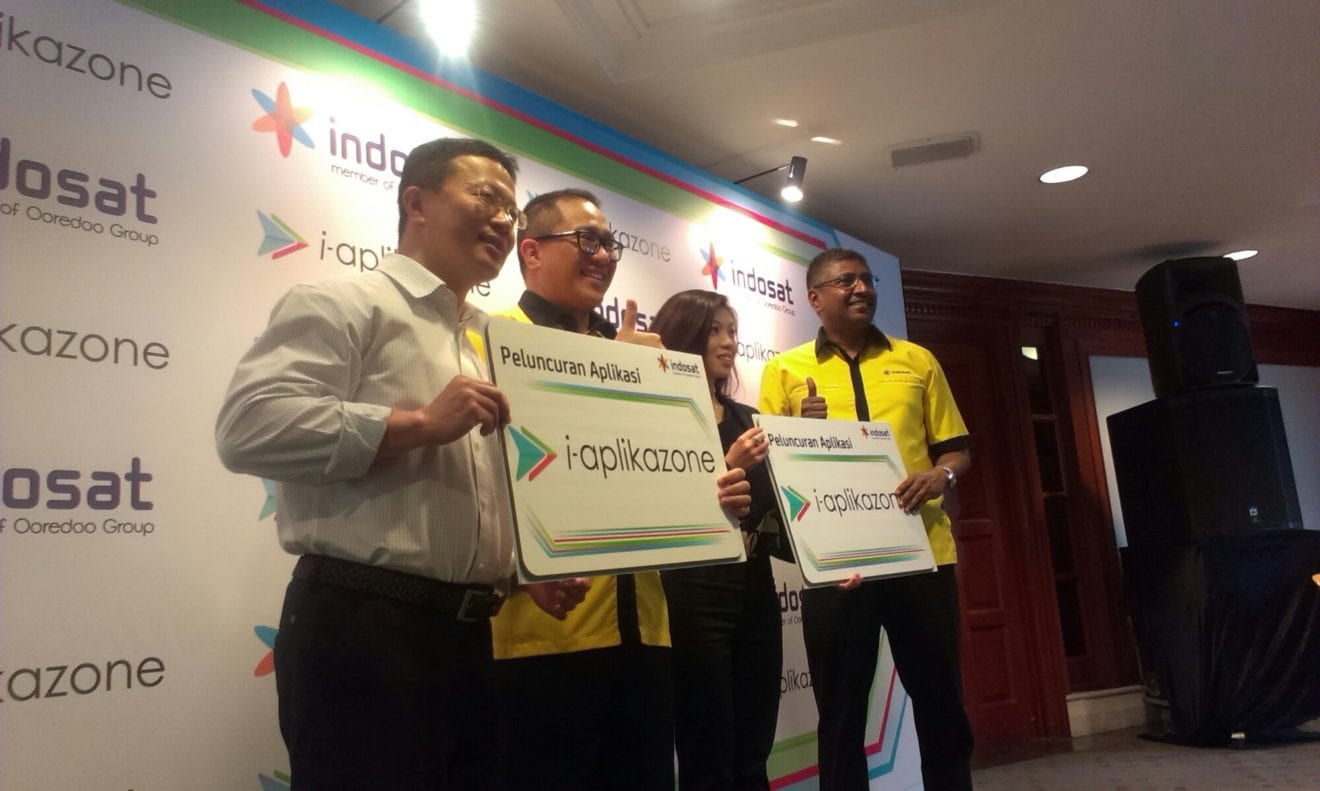
    Indonesian mobile operator Indosat has joined the expanding operator crowd in trying to tap into the growing app economy by developing its own app store.

    With the launch of i-Aplikazone on Wednesday, the company said it expects to increase revenue from data users, the Jakarta Post reported. Indosat president director Alexander Rusli set the ambitious target of having all smartphone customers download the app, a move it hopes will attract more data users.

    The app store has about 10,000 applications, of which more than 1,000 are in Indonesian, thePost said.

    Indosat, which is 65 per cent owned by Ooredoo, is now the country’s second largest mobile player after recently edging out rival XL – Indosat has a 19.5 per cent market share vs XL’s 18.5 per cent, according to GSMA Intelligence.

    Almost a third of Indosat’s 63 million subscribers are smartphone users.

    Earlier in the year it said it expects data traffic to jump at least 50 per cent after completing a two-year network upgrade. The operator has devoted the majority of its annual capex budget of IDR8 trillion ($625 million) to the network modernisation programme, which focused on 23 of the country’s largest cities.

    Number two player XL introduced its app store — Gudang Aplikasi – a year ago and said it has 2.3 million registered users in Q1. It has an estimated 22,000 apps.

    XL’s data revenue increased 29 per cent year-on-year in Q1 and now accounts for almost a third of service revenue. Smartphone adoption increased 54 per cent to 17.2 million users, giving it a smartphone penetration rate of 33 per cent.

    State-owned Telkomsel, the market leader with a 44 per cent market share, set up TemanDev in August 2013 to encourage local developers to create apps. It offers open APIs and organises local competitions, such as BestAppsID.

    South Korea
    Two months ago South Korea’s three leading mobile operators met with mobile app developers to discuss setting up a joint app store called the One Store, which is scheduled to open in May. The three currently have their own app stores – Olleh Market (KT), T-Store (SK Telecom) and U+Store (LG Uplus).

    Operator initiatives to create their own app stores and app-developer communities have not had much success.

    Analysys Mason identified 30 operator-run application stores in Asia, the Middle East and Africa at the end of 2012 and only a handful of those had been successful.

  • Huawei plans 40,000 new stores in two years

    Huawei plans 40,000 new stores in two years

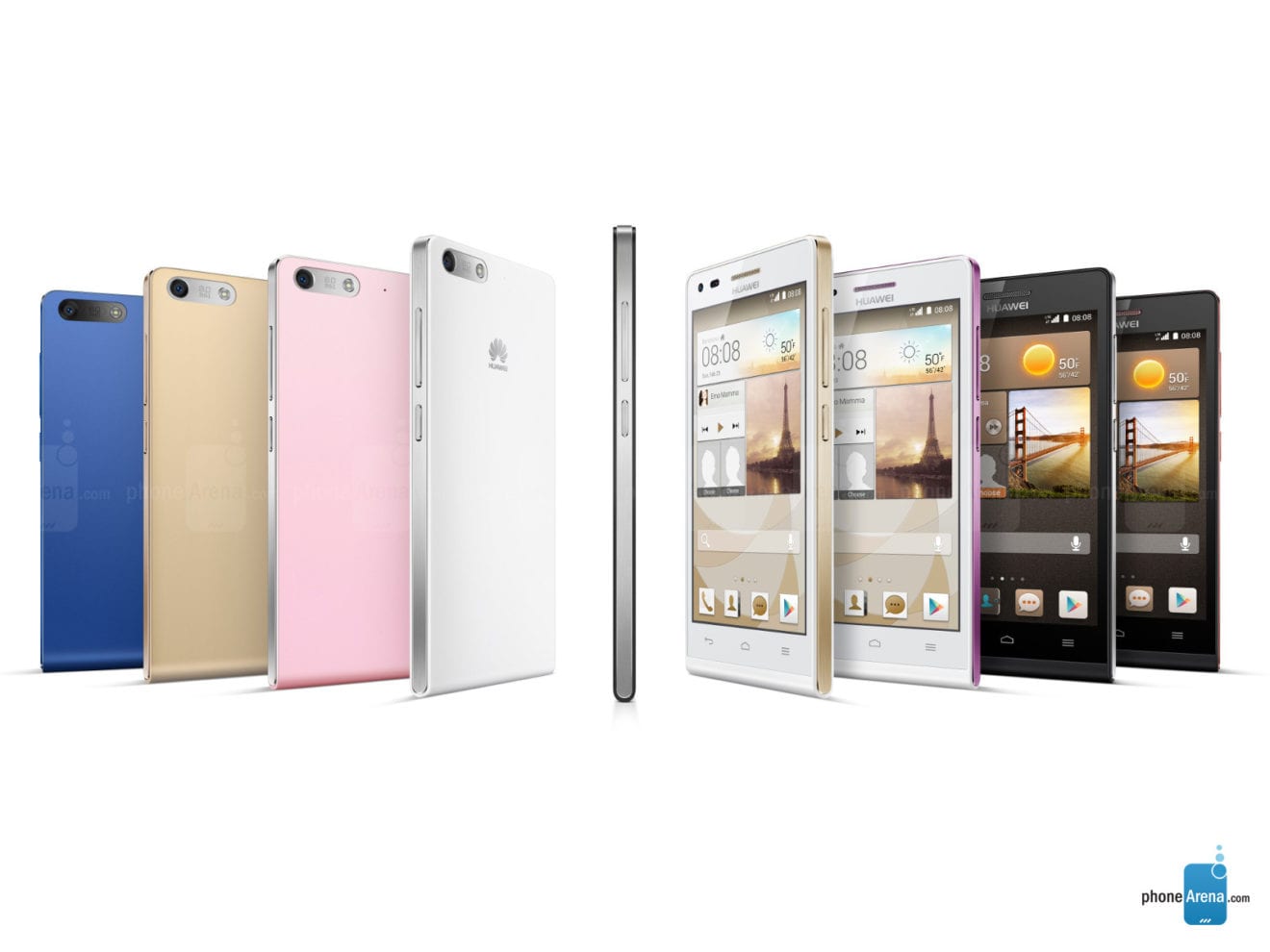
    Chinese phone maker Huawei plans to more than double its global store network from 30,000 to 70,000 by 2017.

    Huawei sees building its retail network is the key to selling more mid-range and high-end smartphones, taking on Apple and Samsung headon.

    More than half its current retail outlets are in China, which means the brand so far has only a modest presence and brand awareness internationally.

    By definition, Huawei’s stores will range from stand alone outlets to concessions and “display zones” where its phones were demonstrated for sale.

    Glory Zhang, chief marketing officer for Huawei’s consumer business group, says the company plans to launch more ‘high-end’ smartphones in international markets by the end of this year.

    Huawei is in the midst of a rapid growth phase. In 2013 it shipped 52 million smartphones, a figure dwarfed last year by 75 million, which made it the world’s third largest phone manufacturer. It is on track to ship well over 100,000 handsets in 2015.

    Within its own product range, high end units comprised just five per cent of its sales last year, but in the first quarter of 2015, they accounted for 34 per cent of sales.

    Its newest showcase model is the P8, with a sleek metal body, (pictured above).

    Besides its retail network ambitions, Huawei has also revealed it plans to create a global service center network with urban customers no more than five kilometres from a repair shop.

    Zhang is confident about the brand’s international ambitions.

    “We’ve done this for a long time. We feel deeply that it’s easy to make a phone, but hard to make a good one.”

  • Over half of mobile phones now smartphones in Japan, says survey

    Over half of mobile phones now smartphones in Japan, says survey

    Smartphone users now account for over half of Japan’s mobile telephone subscribers, a survey of 2,000 adults said on Saturday.

    The Dec. 5 to 8 survey, which drew valid responses from 63.7 percent of the pollees, found the ratio had risen to 52.7 percent from 43.7 percent a year ago.

    Usage was quite high among young people, with 93.4 percent of subscribers in their 20s and 85.7 percent in their 30s using smartphones, the survey said.

  • China Mobile eyes 250 million 4G customers next year

    China Mobile eyes 250 million 4G customers next year

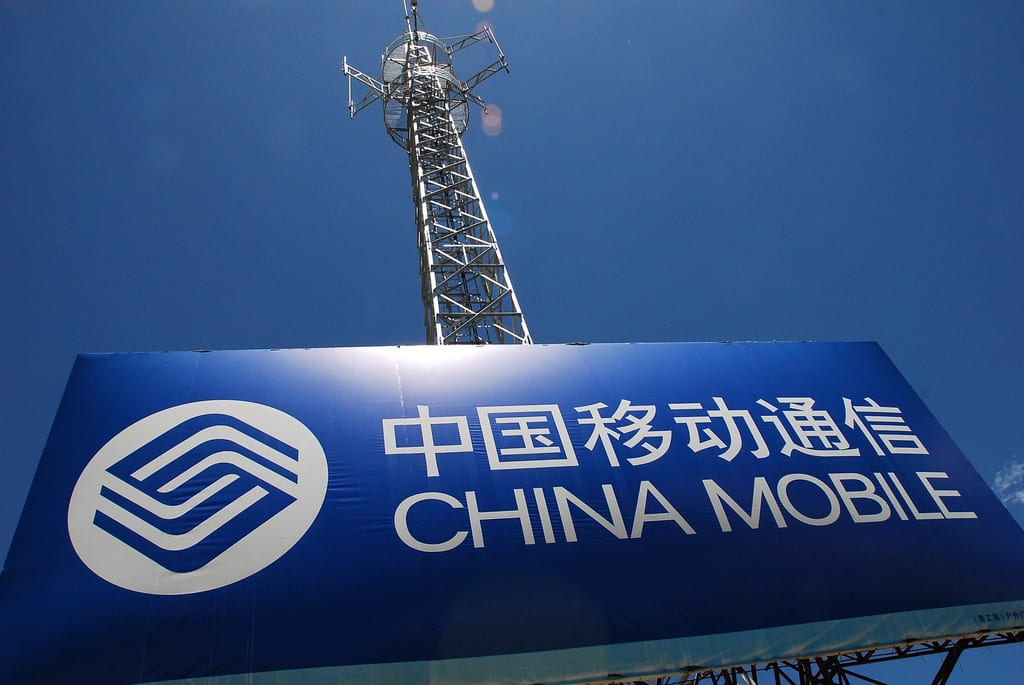
    China Mobile, China’s largest telecommunication service provider, has forecast that it will have 250 million 4G customers in 2015.

    The company has experienced robust 4G business growth in 2014 and had more 50 million 4G users as of the end of October, China Mobile chief executive officer Li Yue said on Friday.

    China’s 4G is powered by the homegrown technology, Time-Division Long-Term Evolution (TD-LTE), one of the two major international standards in the mobile telecom industry, the other being Frequency Division Duplex.

  • Operators call for lower e-commerce taxes in Thailand

    Operators call for lower e-commerce taxes in Thailand

    Thai e-commerce operators are urging the government to impose lower rates of taxation in order to encourage them to enter the revenue system and pay proper taxes.

    Offering lower rates to small and medium-sized enterprises could also encourage them to go online and promote the development of the digital economy, says Somwang Luangphaiboonsri, secretary of the Thai e-Commerce Association.

    E-commerce in Thailand is burgeoning and the government’s policy to move towards a digital economy is expected to paint a rosy picture for the sector, he said.