Tag: tesla

  • Japan Battery Electric Vehicle Sales Triple Past Four per Cent Share

    Japan Battery Electric Vehicle Sales Triple Past Four per Cent Share

    Electric vehicle sales in Japan surged past 4.6 per cent of total car purchases in 2026, tripling their historic baseline. The sudden expansion breaks a multi-year slump where battery models struggled to secure more than 1.5 to 2 per cent of the domestic market.

    Buyers rushed into showrooms as a United States and Japan trade restructuring lifted incentives to as much as 1.3 million yen per vehicle. That windfall expires soon. Deep subsidy cuts scheduled for January 1, 2027 are pulling demand forward into late 2026 as drivers purchase cars before state support drops.

    Subsidies and Fuel Price Caps

    Economics explain the quick shift in consumer interest. The Japanese government phased out fuel price caps while prolonged weakness in the yen increased pump costs across the country. That made running traditional combustion engines pricier relative to residential electric tariffs.

    Automakers capitalized on the widening fuel price spread with localized models. Domestic compacts such as the Nissan Sakura and the Honda N-VAN e: generated volume by catering to Japan’s unique Kei-car footprint. Their short wheelbases, low vehicle taxes and municipal parking perks make small electric commercial and passenger vans practical for everyday urban use.

    Foreign Carmakers Target Domestic Brands

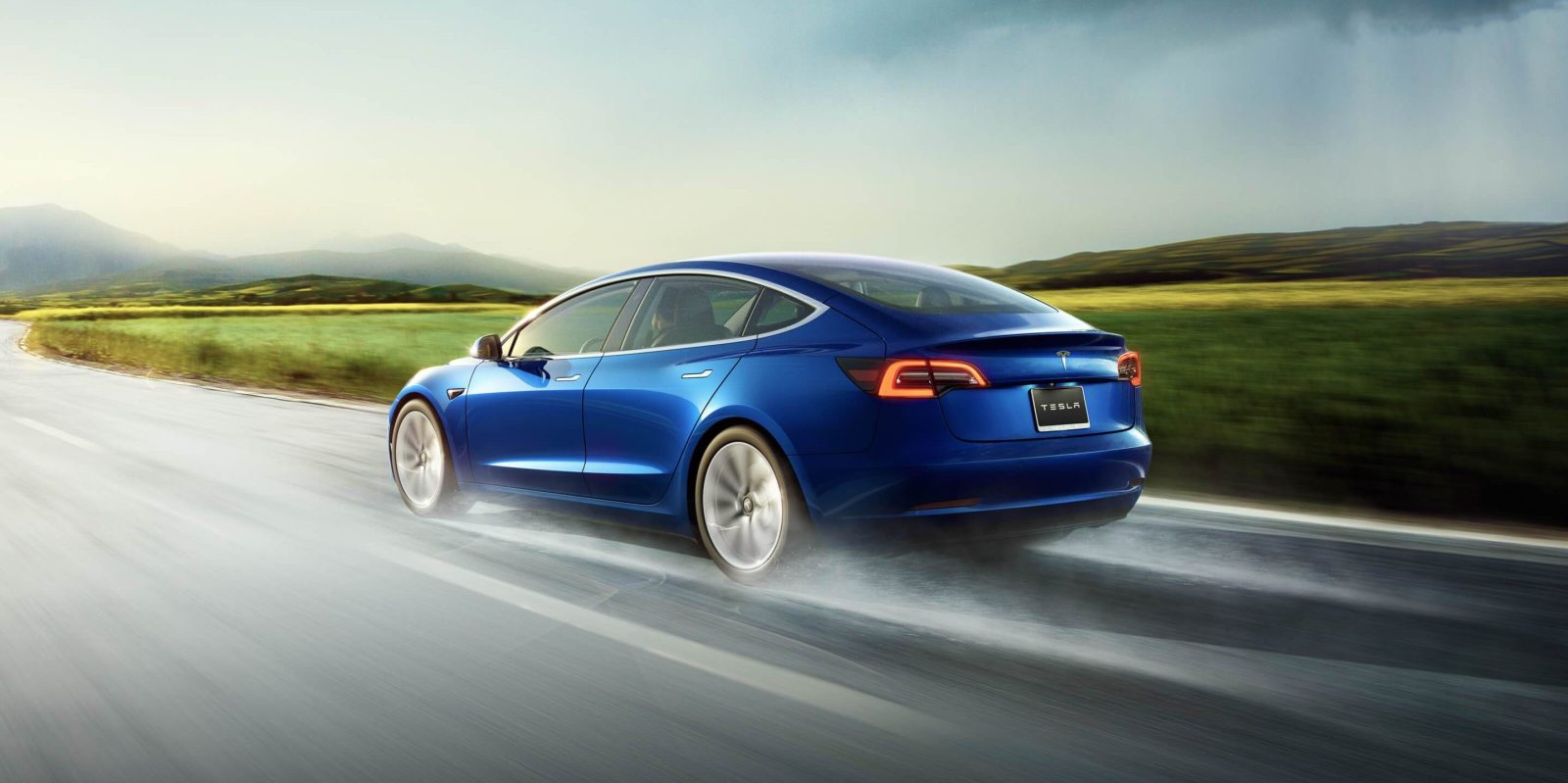
    Import brands are pushing hard to claim territory long protected by domestic hybrid loyalties. Tesla expanded deliveries of the Model 3 and Model Y, while China’s BYD brought compact and mid-market passenger cars into Japanese dealerships.

    Established Japanese manufacturers face immediate commercial pressure on their home turf. Toyota, Nissan and Honda spent decades refining hybrid systems that dominate suburban forecourts. With foreign electric vehicle brands pressing down on price, domestic legacy names must either lower electric production costs or lose market share to newcomers.

    Charging Plugs and Grid Limits

    Charging infrastructure continues to slow long-distance adoption. While Japan relies heavily on its domestic CHAdeMO standard, most public units remain restricted to modest 50 kW outputs that take longer to replenish modern battery packs. Tesla is rolling out its North American Charging Standard hardware at proprietary stations, splitting the network.

    The Ministry of Economy, Trade and Industry has set a target of 300,000 public charging ports to ease driver range worries. Meeting that figure will require property operators and highway service stations to upgrade grid connections that cannot handle banks of high-output chargers simultaneously.

    The Shift to Solid-State

    Japan’s sluggish embrace of battery electric vehicles previously left it trailing other major markets. Local carmakers reasoned that petrol-electric hybrids delivered practical carbon reductions without forcing buyers to alter their daily routines or strain the power grid.

    Solid-state battery research forms a crucial focus for Japanese manufacturers. Rival brands entering the broader Asia-Pacific region argue that without commercial solid-state breakthroughs, traditional Japanese automakers will surrender export dominance to electric-only producers from China and the United States.

    Showroom orders now face a hard test once the calendar turns. Japan’s Ministry of Economy, Trade and Industry will enforce its revised Clean Energy Vehicle subsidy rules on January 1, 2027, cutting baseline consumer payouts and testing whether sales momentum can survive without large government rebates.
  • South Korea Refers 80 Tesla Drivers to Prosecutors over Software Bypasses

    South Korea Refers 80 Tesla Drivers to Prosecutors over Software Bypasses

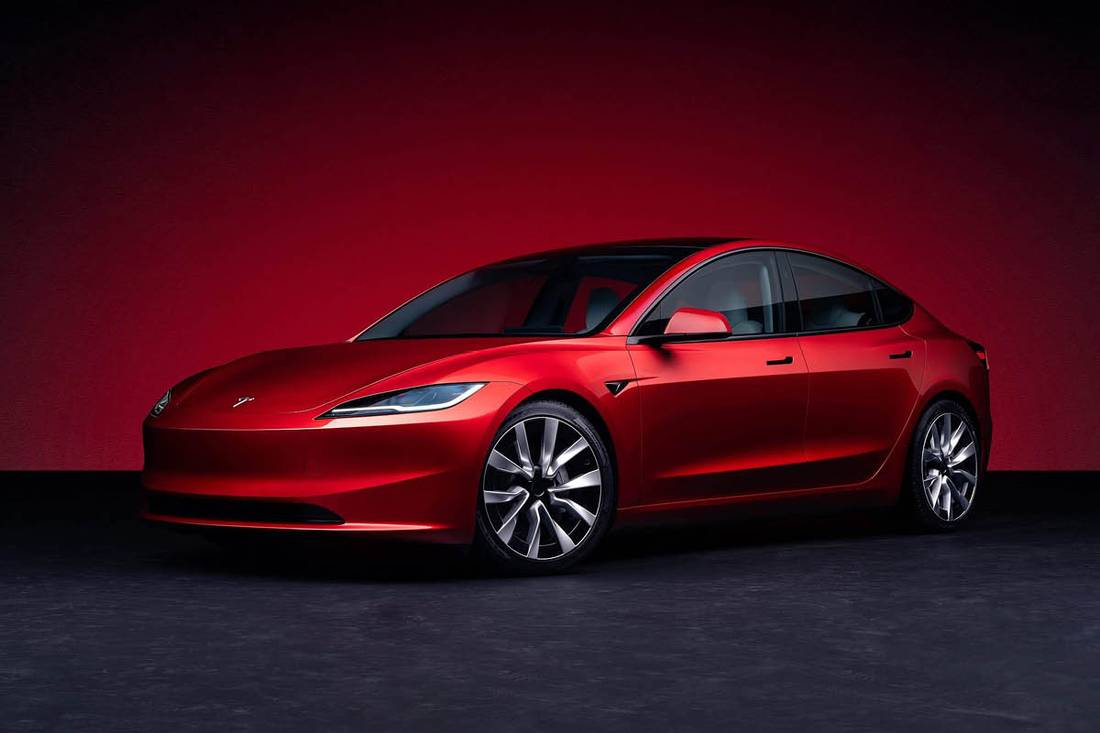
    South Korean police referred 80 Tesla owners to prosecutors for using unauthorized devices to activate the company’s Full Self-Driving software on vehicles barred from running the system. The Seoul Metropolitan Police Agency confirmed the action after confiscating 21 plug-in devices designed to crack regional software locks.

    Suspects face statutory penalties of up to two years in prison or fines of up to 20 million won, roughly 12,000 euros, under the Motor Vehicle Management Act. The statute treats unauthorized electronic alterations that affect safe vehicle operation as criminal infractions rather than contractual disputes.

    How Drivers Bypassed Regional Controls

    Investigators found owners tapped directly into the controller area network bus, the internal wiring system that shuttles electronic commands between automotive modules. These imported and homemade modules bypassed factory restrictions that keep the driver-assist feature turned off on uncertified cars.

    Drivers sourced specialized hardware from Europe and China, while at least one technician in the information technology sector built a custom bridge using open-source code and public schematics. Members of online driver groups then traded step-by-step instructions on running the software and clearing electronic logs to evade automated detection during routine service visits.

    Trade Rules Split the Tesla Fleet

    The regulatory fracture runs along factory origins. South Korea permits Full Self-Driving only on American-built Model S and Model X units, as well as the Cybertruck, because those vehicles enter the country under vehicle safety exemptions negotiated in the bilateral free trade agreement with the United States.

    Chinese-built Model 3 sedans and Model Y crossovers do not benefit from those trade terms. They require distinct domestic safety certification from the Ministry of Land, Infrastructure and Transport before advanced autonomous features can operate legally on public roads.

    Liability Shifts to the Driver Seat

    For automotive brands and fleet operators selling software-defined vehicles across Asia, the Seoul case draws a clear legal boundary. Ownership of onboard sensors, computer processors and code does not confer legal permission to run automated driving features if a transport ministry has not certified the software version for that exact model line.

    Automakers face technical liabilities when customers alter safety logic. Unsanctioned activations risk sensor blind spots, misread road markers and erratic control outputs, which could draw punitive recalls onto manufacturers if tampered vehicles crash. Tesla began remotely cutting off software access for modified vehicles and warned owners that tampering voids factory warranties, which exposes drivers to direct civil claims in accidents.

    Investigation Followed Transport Ministry Inquiry

    The criminal inquiry began in April following a formal enforcement request from the transport ministry. Police traffic investigators collaborated with the Korea Transportation Safety Authority to inspect seized hardware and map changes made to the functional logic of the vehicle platform.

    We are working closely with related agencies, including asking the Ministry of Land, Infrastructure and Transport and [the] Korea Transportation Safety Authority for advice on technical matters such as changes to FSD’s functional structure. We will continue to actively investigate illegal acts that threaten road safety.

    Public prosecutors in Seoul must now determine how many of the 80 referred drivers will face formal indictments in district court. That decision will set the legal precedent for how Asian transport authorities treat unauthorized consumer modifications on connected electric vehicles.

  • Elon Musk Loses $20 Billion in Net Worth Following Tesla Roadster Demo

    Elon Musk Loses $20 Billion in Net Worth Following Tesla Roadster Demo

    Elon Musk lost $20 billion in personal net worth on Friday after unveiling Tesla’s experimental Roadster sports car, pulling his fortune down to $925 billion.

    The 2.11 percent single-day drop tracked a 1.3 percent slide in Tesla shares on Thursday, extending the automaker’s year-to-date market decline to 17 percent.

    Engineering Demo Draws Investor Skepticism

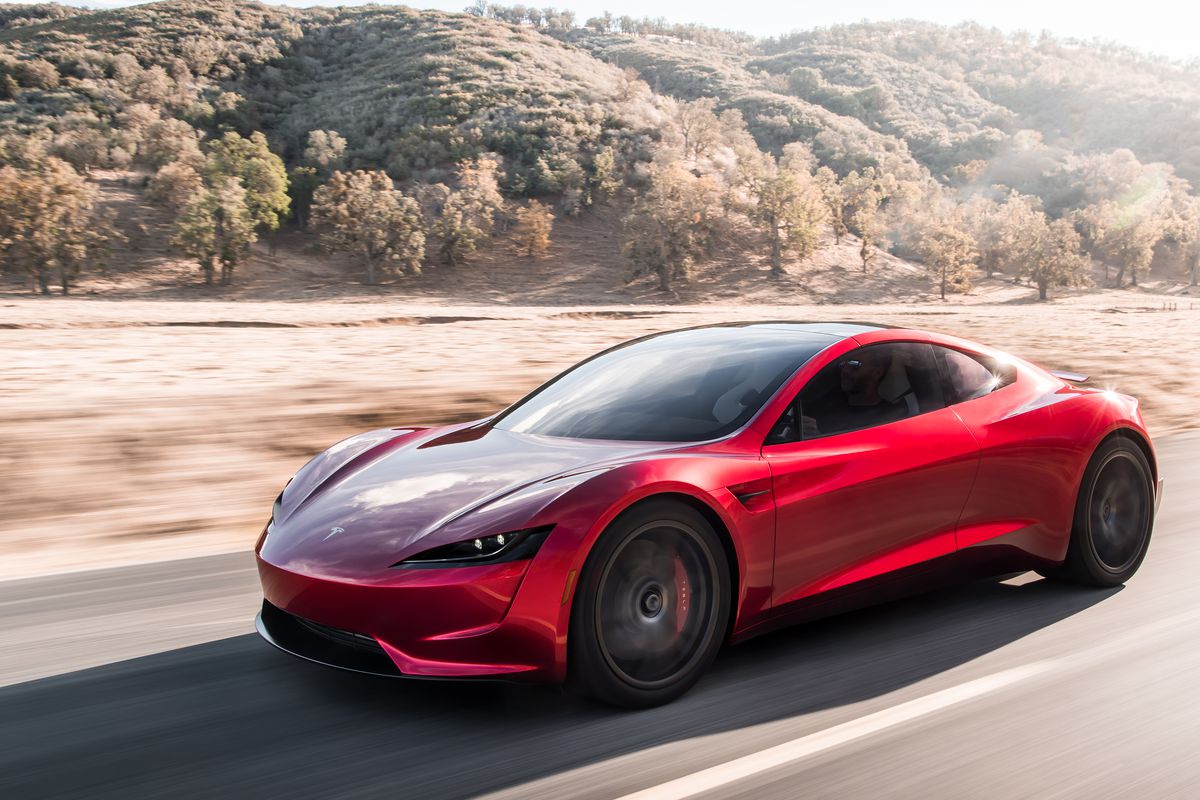
    Tesla presented the new two-seater Roadster with an autonomous demonstration where the vehicle climbed a steep ramp, hung upside down, flipped in the air, and landed using cold-gas thrusters. Musk said the sports car accelerates from zero to 60 miles per hour in less than one second, using 10 nozzles fed by ultra high-pressure air tanks developed with rocket engineers at SpaceX.

    SpaceX shares dropped 2.3 percent following the event, bringing its own year-to-date decline to nearly 8 percent. Commercial mass production for the vehicle is scheduled for 2028, four years behind earlier timelines.

    “It was an engineering flex with no commercial value ⁠beyond embarrassing traditional car makers,” Gene Munster, managing partner at Tesla investor Deepwater Asset Management, said on social media platform X.

    Shifting Priorities from Volume to Halo Tech

    For automotive supply chains and retail distribution networks across Asia, the stunt confirms Tesla’s pivot away from entry-level passenger electric vehicles toward speculative halo hardware. Asian rivals such as BYD, Geely, and Hyundai have consolidated volume sales across Southeast Asia by rolling out practical, sub-$25,000 passenger cars. Tesla instead spent engineering capital on an ultra-luxury niche model that offers no commercial volume for suppliers or fleet operators for years.

    Institutional investors in Asia-Pacific holding tech-heavy portfolios face increased exposure to execution risk. Tesla continues to redirect capital toward autonomous driving systems, robotics, and aerospace-derived concepts while its core passenger car lineup ages without high-volume replacements. The strategy protects brand prestige at the extreme top end of the market but cedes mass-market share to regional competitors in China, Thailand, and Indonesia.

    Regional Groundwork and Historical Parallels

    The original Lotus-based Roadster served as Tesla’s market entry point between 2008 and 2012 before the company built its core business on the Model 3, Model Y, Model S, and Model X. In Southeast Asia, Tesla recently registered Tesla Motors Vietnam with a charter capital of VND77.6 billion, or approximately $3 million, establishing an official corporate footprint in the country as it looks to build out service infrastructure.

    Tesla faces third-quarter financial results in the coming days, where Wall Street will review vehicle delivery numbers, automotive gross margins, and spending on autonomous software.

  • China Proposes Car Design Rules Banning Hidden Door Handles from 2027

    China Proposes Car Design Rules Banning Hidden Door Handles from 2027

    China will ban fully hidden door handles and flexible interior screens from January 1, 2027. The country’s industry ministry issued the ban under draft vehicle safety standards.

    Every passenger vehicle door must retain a mechanical release mechanism. It must be accessible from both the inside and the outside.

    Automakers seeking regulatory approval for new models from 2027 onward must submit technical dossiers covering research and development testing. Regulators will reject applications backed by incomplete validation or false data. The draft was published by the Ministry of Industry and Information Technology alongside three partner agencies.

    Vehicles already approved for sale must file technical documentation on their innovative features by July 1, 2027. Manufacturers that fail to submit files face mandatory production halts and vehicle recalls if their models carry safety hazards.

    Mechanical Controls Return to the Cabin

    The draft targets minimalist cabin designs that replaced physical switches with touchscreens. Beyond outlawing flush, concealed exterior handles, the rules prohibit foldable or flexible displays in production vehicles.

    Seating comes under new limits. Automakers cannot let drivers or passengers activate swivel configurations or zero-gravity recline modes while a vehicle is in motion.

    Physical controls must remain for primary operating equipment. Drivers must be able to work headlights and windshield wipers through dedicated mechanical switches, not digital menus.

    Safety Scrutiny on Fast Product Cycles

    Regulators drafted the measures after finding aggressive development cycles led domestic brands to launch cars without adequate real-world testing. The race to cut aerodynamic drag and show off software features created mechanical flaws during severe collisions.

    Electronic latches drew public scrutiny after a fatal crash in Chengdu in October last year. Rescuers could not open the doors of a burning Xiaomi electric sedan from the outside. The driver died at the scene.

    Flush door handles, introduced at scale by Tesla on models including the 2018 Model 3, quickly became standard across Chinese electric vehicle lineups. Flush fittings smooth airflow and extend battery range slightly. However, emergency services have raised repeated concerns about exterior latches failing when 12-volt electrical systems cut out in an impact.

    Impact Across Domestic EV Assembly Lines

    The directive forces engineering overhauls across China’s crowded electric vehicle sector. Brands that built their pitch around button-free interiors must reintroduce mechanical linkages, switches and dedicated wiring looms into existing platform architectures.

    Suppliers of door modules, interior switchgear and instrument panels face immediate order adjustments. Tooling changes will add production costs to budget models. That will narrow margins in a market already hit by price discounting.

    Export models built on domestic platforms will carry the same mechanical changes into Southeast Asia and Europe. The ministry is taking public feedback on the draft regulatory framework until November 10.

  • BYD Sells 762,478 Electric Cars in Third Quarter to Extend Lead over Tesla

    BYD Sells 762,478 Electric Cars in Third Quarter to Extend Lead over Tesla

    BYD widened its global electric vehicle lead over Tesla in the third quarter of 2026. Deliveries of pure battery passenger cars hit 762,478 units across the three-month stretch.

    Deliveries at Tesla reached 486,532 vehicles globally over the same period. That beat market expectations of 463,761 units, though it fell 2.13 per cent short of the year-earlier total.

    The gap between the two carmakers reached 275,946 pure electric vehicles between July and September. It expanded sharply from the second quarter, when BYD led Tesla by 76,964 units. BYD increased third-quarter passenger battery sales by 30.89 per cent year-on-year. Quarter-on-quarter, sales rose 36.87 per cent.

    Breakdown of Quarterly Deliveries

    Entry models drove most of Tesla’s volume. The Model 3 sedan and Model Y crossover accounted for 478,237 units, or 98.30 per cent of all deliveries between July and September. Remaining lines, including the Model S, Model X, Cybertruck and Semi, yielded 8,295 deliveries combined.

    Factory output at Tesla trailed final customer handovers. The Austin-based carmaker produced 464,391 vehicles during the quarter and drew down inventory by 22,141 units. In the same window, it installed 13.7 gigawatt-hours of stationary energy storage products.

    These BYD figures exclude plug-in hybrid electric vehicles and commercial fleet sales. The tally isolates pure passenger battery models for direct comparison against Tesla’s all-electric lineup.

    Nine-Month Volume and Market Shift

    Across the first nine months of 2026, BYD sold 1,629,957 passenger battery electric vehicles globally, up 1.50 per cent year-on-year. Tesla handed over 1,324,681 cars during the same period, recording an 8.77 per cent increase.

    Cumulative year-to-date numbers give the Shenzhen-based automaker an advantage of 305,276 pure electric cars. Tesla briefly led in the first quarter with 358,023 deliveries against BYD’s 310,389. BYD reversed that in the second quarter, selling 557,090 battery units against Tesla’s 480,126.

    Product breadth and tiered pricing across China and Southeast Asia continue to favour multi-segment domestic manufacturers over single-platform foreign lines.

    Pressure on Regional Supply Chains

    For component suppliers and dealership networks across Asia-Pacific, the divergence shows clear volume consolidation. BYD builds battery cells and motors in-house. That vertical integration protects assembly lines from external supply shocks and lowers retail prices in major regional markets.

    Tesla remains locked into two core consumer models while regional rivals in China, Thailand and Australia release fresh nameplates every six months. It lacks an updated high-volume compact platform in showrooms. Instead, the company relies on financing discounts and local incentives across Asian markets to defend its position against price cuts.

    Historical Ground and Earnings Date

    This pattern took root in 2025. BYD overtook Tesla over a full calendar year for the first time by selling 2,256,714 pure electric passenger cars against Tesla’s 1,636,129 deliveries. That ended Tesla’s multi-year run as the world’s largest producer of battery-only passenger vehicles.

    Management will detail third-quarter financial results after the close of United States markets on October 21 during its scheduled investor webcast, focusing on automotive profit margins and annual production targets.

  • Tesla Audits Chinese Suppliers Ahead of Optimus Robot Launch

    Tesla Audits Chinese Suppliers Ahead of Optimus Robot Launch

    Tesla officials and engineers have begun auditing Chinese suppliers as Elon Musk’s company prepares to ramp up production of its Optimus humanoid robot ahead of its global release later this year.

    The audits target component manufacturers based in eastern China’s Zhejiang province, including heat-control maker Zhejiang Sanhua Intelligent Controls, auto parts supplier Ningbo Joyson Electronic, and chassis producer Tuopu Group, two corporate executives told the South China Morning Post.

    Most of the vendors being examined already supply automotive parts for Tesla’s electric vehicles, and the inspections come as the company plans to place additional orders before mass production begins at its plant in Fremont, California.

    Vendors selected for the audit round operate under strict non-disclosure agreements carrying breach penalties worth millions of dollars. The inspections examine whether high-volume auto manufacturing lines can pivot quickly to produce actuators, thermal sensors, and structural frames designed for humanoid robotics.

    Zhejiang Supply Hub

    Concentrating component qualification in Zhejiang exploits an established industrial supply cluster that already builds high-precision electric vehicle parts at scale. Actuator maker Tuopu Group saw its stock rise 2.8 per cent following news of the audits, while Sanhua and Joyson Electronic each advanced more than 1 per cent. Drawing from existing electric car component supply lines allows the manufacturer to bypass years of tooling development.

    Specialised Chinese component makers hold structural pricing power that Western suppliers struggle to match. As Chen Jinzhu, chief executive of Shanghai Mingliang Auto Service consultancy, observed: “They enjoy cost and technological advantages over their domestic and overseas rivals.”

    Factory Reallocation in Fremont

    Sourcing hardware from mainland China reveals how closely the company’s robotics ambitions mirror its early electric vehicle manufacturing strategy. While software development and final assembly remain in California, the physical bill of materials depends on Asian supply chains to achieve viable unit economics. Sourcing mechanical actuators and thermal hardware from Chinese suppliers reduces capital intensity, yet exposes output volumes to cross-border logistics lanes and geopolitical friction.

    For regional manufacturers, robotics supply contracts offer a crucial hedge against tightening margins in the domestic electric vehicle market. Intense price competition among Chinese automakers has squeezed Tier 1 suppliers, driving component producers to seek higher-margin hardware contracts in industrial automation and embodied artificial intelligence.

    Rival Makers Accelerate Schedules

    Chinese electric vehicle brands are moving on parallel tracks to commercialise bipedal machines for retail, logistics, and assembly work. Xpeng secured 900 million dollars in private funding to accelerate development of its Iron humanoid robot, backed by its own vehicle manufacturing network. Domestic competitors operate with direct access to local supply chains, eliminating transpacific shipping delays that affect US assembly lines.

    Tesla began reshaping its production footprint in January by halting assembly of Model S and Model X vehicles in Fremont to convert factory floor space for robotics manufacturing. That retooling followed statements in April from Tesla China president Allan Wang Hao, who confirmed the Shanghai Gigafactory retains the industrial capacity to manufacture complete humanoid robots once global rollout begins.

    Assembly Timelines

    Final component allocations depend on audit sign-offs scheduled across Zhejiang over the coming weeks. Factory engineers in Fremont require validated parts deliveries before the targeted commercial rollout date at the end of the year.

  • Tesla Model Y Price Drops Below $23,000 in Tokyo on Local Subsidies

    Tesla Model Y Price Drops Below $23,000 in Tokyo on Local Subsidies

    Tokyo buyers can now purchase a Tesla Model Y for under $23,000. That makes the Japanese capital the cheapest market worldwide for the electric SUV.

    Combined national and municipal clean-vehicle incentives cut the effective entry price to 3.6 million yen ($22,889). Standard list price sits at 5.6 million yen.

    How Tokyo Subsidies Cut The Price

    Tokyo residents can tap up to 2 million yen in government support this year. Buyers of the smaller Model 3 sedan qualify for similar programs. That pushes the Model 3 starting cost down to 3.3 million yen.

    Tesla runs ads across Japan highlighting the full subsidy package. The campaign targets urban drivers in a retail market long dominated by domestic carmakers.

    Shanghai Shipments Undercut China Domestic Rates

    The discounted Tokyo sticker price undercuts retail rates in China, where Tesla builds the Model Y at its Shanghai plant. A base Model Y in China lists for approximately 263,500 yuan ($39,344).

    That gap widens against Western markets. California offers first-time EV buyers up to $3,500 in state incentives, but the Model Y still costs drivers there over $36,000.

    Trade Deals And Pressure On Domestic Makers

    Japanese automakers face immediate showroom pressure from the Shanghai-built imports. The Model Y ranked as Japan’s most imported passenger car during the first half of the year. It proved foreign electric models can win volume when priced below domestic hybrids.

    Bilateral trade negotiations add another layer to the pricing shift. US President Donald Trump has demanded broader market access for American brands in Japan. Meanwhile, both governments are reviewing a $550 billion investment framework established last year following a deal to cut US import tariffs on Japanese cars.

    Import Figures To Watch

    Tesla expanded deliveries into ports like Yokohama over the past two years. The company shifted supply lines directly from its Shanghai Gigafactory to shorten delivery times across the Asia-Pacific region.

    Retailers and competing importers now watch whether the Tokyo Metropolitan Government maintains these municipal rebate levels through its next fiscal budget review.

  • China Recalls Seven Million Electric Vehicles over Door Handle Safety Flaws

    China Recalls Seven Million Electric Vehicles over Door Handle Safety Flaws

    Chinese market regulators ordered the recall of more than seven million vehicles on Friday across automakers including Tesla, Xiaomi, Xpeng and Geely over emergency door release hazards. The joint filing stands as the single largest automotive recall round in the country’s history.

    State Administration for Market Regulation officials identified interior emergency mechanical door releases designed in colors matching adjacent trim, leaving occupants unable to locate or operate the latches quickly during severe collisions that disable vehicle low-voltage electronics.

    Tesla Accounts for Majority of Notices

    Tesla represents the largest share of the campaign, filing two separate notices covering 5,716,552 vehicles. The company is recalling 2,975,910 cars for the door release defect starting September 25, 2026, comprising 973,156 locally built Model 3 sedans, 1,956,713 Shanghai-made Model Y crossovers, and 46,041 imported Model 3, Model S and Model X units. Tesla will apply warning labels at no cost and push over-the-air software updates to lower windows automatically after an impact.

    A parallel Tesla recall covers 2,740,642 domestic Model 3 and Model Y units to fix driver attention monitoring systems. The regulator determined existing steering torque sensors failed to catch drivers looking away from the road, prompting Tesla to activate in-cabin camera monitoring immediately through software.

    Domestic manufacturers submitted simultaneous plans for their electric lineups. Xiaomi is recalling 390,435 units of its SU7 sedan to add labels and update central console unlocking code, while Leapmotor called back 371,200 vehicles across its C11 and C01 ranges. Xpeng recalled 264,842 units, Geely’s Zeekr brand listed 92,658 models, Chery recalled 68,488 vehicles, Dongfeng took in 53,452, and BAIC BluePark Magna recalled 46,850 Arcfox Koala cars.

    New Door Hardware Standards Loom

    The regulatory action follows repeated consumer complaints and crash investigations where electronic flush handles failed to deploy after battery failure. China’s auto sector previously prioritized flush exterior handles and hidden interior buttons to improve aerodynamics and interior styling, but safety authorities have pushed back firmly against purely electronic latches.

    Automakers in China must now prepare for mandatory national standard GB 48001-2026, issued in February. The rule requires physical, mechanical releases on all passenger doors for newly certified models starting January 1, 2027, with previously approved models required to comply by January 2029.

  • Tesla Shifts Gears: Embracing Apple CarPlay in Game-Changing Move

    Tesla Shifts Gears: Embracing Apple CarPlay in Game-Changing Move

    Tesla, a renowned auto manufacturing powerhouse, is said to be on the cusp of incorporating Apple CarPlay into its vehicles. This decision is a significant shift from the stance of Tesla’s CEO, Elon Musk, who had previously opposed the integration of Apple’s entertainment system into Tesla cars.

    Tesla and Apple’s Gradual Convergence

    iPhone-using Tesla drivers have long awaited the integration of Apple CarPlay into their vehicles. Over the years, Tesla has been gradually integrating components of Apple’s ecosystem into its models. In 2022, it incorporated Apple Music, followed by the addition of Apple Podcasts in 2023. However, offering full CarPlay integration remained a stubborn line the company wouldn’t cross.

    This situation is on the verge of changing, however. Reportedly, Tesla is gearing up to launch full support for CarPlay, a move expected to occur in the coming months. For Tesla drivers immersed in the Apple ecosystem, this is a welcome development. It enables them to use their iPhone’s mapping, music and messaging applications seamlessly on the vehicle’s large display, offering what many consider a long-desired feature.

    Why the Change in Tesla’s Stance?

    Elon Musk’s resistance to CarPlay integration has been reportedly linked to the protection of Tesla’s proprietary infotainment system, a key aspect of the vehicles’ user experience. So, what caused this change in attitude? The primary reason appears to be the increasing competition in the electric vehicle market.

    Reports indicate that the evolving electric vehicle landscape has prompted this shift in Tesla’s strategy. The absence of CarPlay has increasingly become a notable drawback as global competition intensifies, potentially affecting Tesla’s sales. The expected standard of vehicle integration has been established by CarPlay, and its exclusion is a conspicuous deficit.

    Another contributing factor is Apple’s decision to halt its car production ambitions. It is speculated that Musk would have held out on integrating CarPlay if Apple continued to be a direct competitor in the car industry. However, with the absence of this potential threat and with sales targets to meet, Tesla has deemed it necessary and strategic to integrate the Apple system.

    Tesla Embraces the ‘If You Can’t Beat ‘Em, Join ‘Em’ Philosophy

    Tesla seems to be adopting the old adage: ‘If you can’t beat ’em, join ’em.’ Many believe this move has been long overdue. While slick, Tesla’s native system is not an iPhone. The advantage of CarPlay lies in its seamless, effortless integration with the device many people use for their entire digital life.

    Forcing users to use a different proprietary system for navigation and media, despite its high quality, creates friction. The persistent opposition to CarPlay has often been perceived as a personal vendetta rather than a decision made with the user’s best interests in mind. By integrating CarPlay, Tesla is improving the user experience for drivers by eliminating a major point of frustration and making their high-tech cars feel truly connected to the driver’s digital life.

    Questions & Answers

    Why has Tesla decided to integrate Apple CarPlay into its vehicles?
    This decision is primarily motivated by increasing competition in the electric vehicle market and the need to meet customer expectations for seamless, device-integrated experiences.

    Wasn’t Elon Musk resistant to integrating Apple CarPlay into Tesla vehicles? What changed?
    Reportedly, Musk’s resistance was rooted in the protection of Tesla’s own proprietary infotainment system. However, the evolving electric vehicle landscape and Apple’s withdrawal from car production have necessitated this strategic adjustment.

    What does the integration of Apple CarPlay into Tesla vehicles mean for drivers?
    The move means that drivers can now enjoy a seamless connection between their iPhones and their vehicles, using their favorite maps, music, and messaging apps directly from the car’s display, enhancing the driving experience and usability of the vehicle.

  • Tesla Unveils Affordable Model Y And Model 3 Variants: High Performance Meets Budget-friendly

    Tesla Unveils Affordable Model Y And Model 3 Variants: High Performance Meets Budget-friendly

    Tesla has recently unveiled a new line-up of affordable versions of their popular Model Y and Model 3 vehicles. Going by the names of Model Y Standard and Model 3 Standard, these models are designed to offer a more budget-friendly option for consumers, in an attempt to bolster sales and strengthen Tesla’s position in a highly competitive marketplace. These entry-level models are targeted at a wider demographic, aiming to appeal to those who may not have previously considered a Tesla due to the traditionally high price point. Alongside the introduction of these new models, Tesla has also rebranded the Long Range versions of these vehicles under the Premium label. Currently, these new models are only available in the US market.

    The Tesla Model Y Standard

    The Tesla Model Y Standard brings a few changes from its other variants, including the removal of the light bars seen on the front of the higher-end models. This new, more affordable version also features 18-inch wheels. While the panoramic sunroof that is a feature of the higher-end Model Y variants is absent from this model, the color options have also been limited to just three: white, black, and grey.

    This model lacks a few of the “luxury” features seen in its counterparts: the second-row screen, heated rear seats, and it comes with manual steering and side mirrors, as well as a 7-speaker setup instead of the 15-speaker unit seen on the other models.

    However, performance has not been compromised, with the new affordable Model Y variant powered by a 69.5kWh battery capable of producing 300hp and delivering a range of 517 km on a single charge.

    The Tesla Model 3 Standard

    The Tesla Model 3 Standard also features 18-inch wheels as standard, with the option to upgrade to a 19-inch set. This model comes in a standard grey color, with customers having the option to choose a black variant for a premium price.

    On the inside, this model lacks the rear touchscreen unit seen on other variants, but it does retain the panoramic sunroof found on the other Model 3 versions.

    This model shares most of its configuration with the Model Y Standard, including the same 69.5 kWh battery pack, which claims to deliver a range of 517 km. However, the new variant is slightly slower than the Model 3 Premium RWD, achieving 0-100 kmph in 5.8 seconds.

    Despite their reduced-priced cost and the omission of several sophisticated exterior and interior features, both the Model Y and Model 3 Standards retain Tesla’s core digital features, such as the 15.4-inch central touchscreen, Autopilot, and Sentry Mode, among others.

    The Model 3 Standard has now positioned itself as Tesla’s most affordable sedan, with a new price point of around USD 36,990, a drop of nearly USD 5,000 from its previous starting price. The new Model Y Standard is priced at USD 39,990 in the US market.

    Questions & Answers

    What key features have been changed in the new Tesla Model Y and Model 3 standard variants?
    Some luxury features have been removed or downgraded in these models to make them more affordable. These include removal of the light bars, panoramic sunroof and second-row screen in the Model Y Standard, and the rear touchscreen unit in the Model 3 Standard.

    What is the performance capability of the new cheaper variants?
    Both the Model Y and Model 3 standard variants are powered by a 69.5 kWh battery pack that can deliver a range of 517 km on a single charge. The Model 3 Standard can do 0-100 kmph in 5.8 seconds.

    Are the Tesla Model Y and Model 3 Standard models still equipped with Tesla’s basic digital features?
    Yes, despite their lower cost, both models still include key Tesla digital features, such as a 15.4-inch central touchscreen, Autopilot, and Sentry Mode.

  • Tesla Surmounts Supply Chain Woes With Blockbuster Q4 Deliveries

    Tesla Surmounts Supply Chain Woes With Blockbuster Q4 Deliveries

    Tesla Inc on Sunday reported record quarterly deliveries that far exceeded Wall Street estimates, riding out global chip shortages as it ramped up China production.

    It was the sixth consecutive quarter that the world’s most valuable automaker posted record deliveries. Tesla, led by billionaire CEO Elon Musk, delivered 308,600 vehicles in the fourth quarter, far higher than analysts’ forecasts of 263,026 vehicles. Tesla’s October-December deliveries were up about 70% from a year earlier and nearly 30% higher from record deliveries the preceding quarter.

    “Great work by Tesla team worldwide!” Musk wrote on Twitter.

    His electric car company ramped up production in China even though competition rose and regulatory pressure mounted following consumer complaints over product safety. On an annual basis, the automaker boosted its deliveries by 87% from a year earlier to 936,172 vehicles in 2021. Tesla ships China-made models to Europe and some Asian countries.

    On an annual basis, the automaker boosted its deliveries by 87% from a year earlier to 936,172 vehicles in 2021.

    Musk said in October last year that Tesla will be able to maintain an annual growth rate of more than 50% for “quite a while.”

    “They have beaten all the odds,” Gene Munster, managing partner at venture capital firm Loup Ventures, said on Sunday.

    “The first is the demand for their products is through the roof. And the second is they’re doing a great job of meeting that demand,” he said.

    Munster said he expected Tesla’s deliveries to grow to 1.3 million vehicles this year despite headwinds in production at its new factories and supply chain problems.

    Tesla Chief Financial Officer Zachary Kirkhorn said in October that it was difficult to predict how quickly the company will be able to boost production at new factories in Texas and Berlin, which will use new vehicle technologies and new teams.

    Tesla said in October that it aimed to build its first production cars at both facilities by the end of 2021, but it is not known whether it met that target. Tesla did not respond to a question from Reuters about the plants. Its Berlin factory had initially been scheduled to begin production last summer.

    Deutsche Bank said in a report on Friday that it expected Tesla to make nearly 1.5 million vehicle deliveries this year, although chip shortages remain a risk to production.

    In 2020, automakers cut chip orders as the pandemic and lockdown measures hit demand. But Tesla never reduced its production forecast with suppliers to support its rapid growth plan, which helped it weather the chip shortage, Musk has said.

    Tesla, which designs some chips in-house unlike most automakers, also reprogrammed software to use less scarce chips, according to Musk.

    Musk, who previously said, “2021 has been the year of super crazy supply chain shortages,” said in October that he was optimistic that those issues would pass in 2022.

    The strong sales came even after Tesla hiked U.S. vehicle prices sharply this year to offset higher supply chain costs.

    Tesla hit over $1 trillion in market capitalization in October after rental car company Hertz said it ordered 100,000 of its vehicles. The company’s shares lost some ground after Musk wrote on Twitter in November that he was considering selling 10% of his stake in Tesla.

  • Siri can now remotely lock your Tesla’s doors and much more

    Siri can now remotely lock your Tesla’s doors and much more

    Over the weekend, the Tesla app in the App Store was updated to version 4.24.0 and the changelist included one sentence: “Access your vehicle controls and climate from the Apple Shortcuts app.” But within that small sentence is a big change. Previously, Tesla owners could remotely handle certain tasks through the Tesla app. But with the update, the Tesla app now integrates with the Apple Shortcuts app allowing Tesla owners to say “Hey Siri” on their iPhone or Apple Watch to lock and unlock the door of their Tesla vehicles remotely, and more.
    The list of supported shortcuts, will allow you to say “Hey Siri” to get your Tesla to start and stop charging; start and stop preconditioning; open and close the trunk, the front trunk, and the charge port; enable and disable Sentry Mode and Dog Mode; and as we previously noted, it will remotely lock and unlock the doors. It also will allow Tesla users to control some basic functions via their iPhones.
    Two paid apps in the App Store, Tessie, and Watch app for Tesla, allow you to use Siri Shortcuts on your iPhone or Apple Watch to control your Tesla. But now that this ability is found in the native Tesla app for free, Tesla owners can ask Siri to remotely perform some tasks for their car without having to pay for that convenience. It should be pointed out that the Shortcuts app allows iPhone users to use both ready-made and custom shortcuts to handle tasks by asking Siri to perform them.

    Apple continues to slowly but surely take Tesla under its wing. In December, Apple Music became available on Tesla as part of an update released for the holiday season. Just last month, AirPlay code was discovered in an update to the iOS Tesla app. In theory, this would suggest that in the future, an iPhone user with a Tesla might be able to “cast” his iPhone screen to the Tesla entertainment screen.

    AirPlay allows users to wirelessly stream audio, video, photos, and other content from their iPhones to a larger screen. Instead of using Bluetooth to stream their music over the speakers on their Tesla vehicles, users could rely on AirPlay instead.
  • Tesla Appoints Vaibhav Taneja As Chief Financial Officer

    Tesla Appoints Vaibhav Taneja As Chief Financial Officer

    Tesla has announced that they have appointed Vaibhav Taneja as a new Chief Financial Officer (CFO). He will succeed Zachary Kirkhorn who has stepped down from the position. Taneja is of Indian descent and has been serving as the Chief Accounting Officer (CAO) of Tesla since March 2019. In addition to his new role as CFO, he will also retain his responsibilities as CAO.

    Kirkhorn will continue to support a smooth transition until the end of the year. Kirkhorn himself took to LinkedIn to announce his departure from the role of Tesla’s CFO. He shared his pride in the accomplishments made during his tenure and expressed his appreciation towards the employees and the leadership of CEO Elon Musk. Kirkhorn’s transition underscores Tesla’s steps to sustaining its momentum while integrating new leadership. Zachary served as CFO for 4 years and as a Vice President for 4 months at Tesla.

    Vaibhav Taneja’s journey within Tesla is marked by a series of progressively responsible roles. He has held the position of Corporate Controller since May 2018 and previously served as Assistant Corporate Controller from February 2017 to May 2018. His association with Tesla traces back to its acquisition of SolarCity Corporation in 2016. Taneja held various finance and accounting positions since March 2016 in SolarCity.

    Before joining Tesla, he worked at PricewaterhouseCoopers in both India and the US over a period of nearly two decades. Taneja is an alumnus of Delhi University where completed his Bachelor of Commerce (B.Com). He gained a license to practice as a Chartered Accountant (CA) from the Institute of Chartered Accountants of India in 2000.

  • 100 Tesla Model Y Cars Will Be Introduced in Japan Under Uber Premium Service

    100 Tesla Model Y Cars Will Be Introduced in Japan Under Uber Premium Service

    Uber Japan has announced a strategic partnership with local cab and hire car operator, Hinomaru Kotsu and Tesla Japan to introduce 100 Tesla Model Y vehicles into their Uber Premium fleet.

    As part of the initiative, 30 Tesla Model Y vehicles will be deployed in November 2023 at Hinomaru Kotsu’s offices in Setagaya, Edogawa, and Adachi. The fleet will subsequently expand to include affiliated companies of Hinomaru Automobile’s wireless group, bringing the total number of Model Y vehicles to 100 by the end of 2024. These vehicles will be exclusively available under Uber Premium, and a dedicated menu on the Uber app will enable users to request rides in the Tesla Model Y.

    Uber chose Tesla’s Model Y because of its cruising range, driving performance, serene quietness, and premium interior and exterior, making it an ideal choice for discerning passengers seeking an elevated travel experience.

    Furthermore, to address the concerns of charging infrastructure for long-distance taxi operations, Hinomaru Kotsu plans to implement Tesla charging solutions at their Adachi and Setagaya offices from November 2023.

    Shiro Yamanaka, General Manager Mobility Business, Uber Japan Co., Ltd. said, “I am very pleased to be able to work with Hinomaru Kotsu and Tesla Japan to promote zero-emission vehicles. Uber Premium is a service that allows you to easily and reasonably call a luxury vehicle using the Uber app. It has been very well received in the deployment area. We expect that the demand for Uber Premium will increase further with the introduction of the Tesla Model Y, which is popular as a luxury vehicle, as a dedicated vehicle.”

    Kazutaka Tomita, Representative Director of Hinomaru Kotsu Co., Ltd. said,  “We are very proud to be able to play a role in promoting the introduction of zero-emission vehicles in the taxi and hire industry together with Uber Japan and Tesla Japan. We promise to deliver safe and secure transportation to our customers with a diverse lineup of vehicles that meet the needs of our customers.”

    Ryokusai Inoue, Country Manager, Tesla Motors Japan LLC, said, “We are also focusing on the taxi and hire business, mainly in North America, and we are very pleased to be able to realize an initiative of 100 units in Japan as well. We believe that business owners will also benefit greatly from this, and we will continue to have everyone experience the appeal of Tesla and expand it widely throughout Japan, regardless of whether it is a corporation or an individual.”

  • Mercedes-Benz Partners With Tesla To Integrate NACS Charging Ports Into Its Lineup

    Mercedes-Benz Partners With Tesla To Integrate NACS Charging Ports Into Its Lineup

    Mercedes-Benz is the latest manufacturer to partner with Tesla to integrate NACS (North American Charging Standard) charging ports across its lineup of electric vehicles. This will provide electric vehicles from the brand with access to Tesla’s supercharger network. The German company will manufacture its vehicles in North America with NACS ports starting from 2025 onwards. The automaker also said that it will offer an adapter that enables cars with CCS configuration to charge on the NACS network from 2024 onwards.

    NACS is a connector system developed by Tesla. The manufacturer recently opened its use for all brands following which the likes of Ford, GM, Volvo, and Rivian partnered with the Elon Musk-led company to incorporate it into their own electric vehicles. Tesla’s supercharger network also has the advantage of being the largest one in North America and having a proven track record of reliability from glitches. Mercedes-Benz is the first German OEM to partner with the American brand.

    Mercedes Benz also plans to establish its own charging network of almost 400 Charging Hubs, including more than 2,500 high-power chargers in North America by the end of the decade. The first Mercedes-Benz charging hubs in North America will be opened by the end of 2023 and be equipped with both CCS1 and NACS plugs.

    Globally, the manufacturer plans to establish more than 2,000 Charging Hubs in countries like North America, Europe, China and other core markets by the end of the decade. This will include 10,000 charging ports that can be expanded depending on market need. The brand also stated that when open, these ports will be accessible to all EVs regardless of which brand.