Tag: textiles

  • Bangladesh Garment Factory Cooling Costs Recovered Within Four Years

    Bangladesh Garment Factory Cooling Costs Recovered Within Four Years

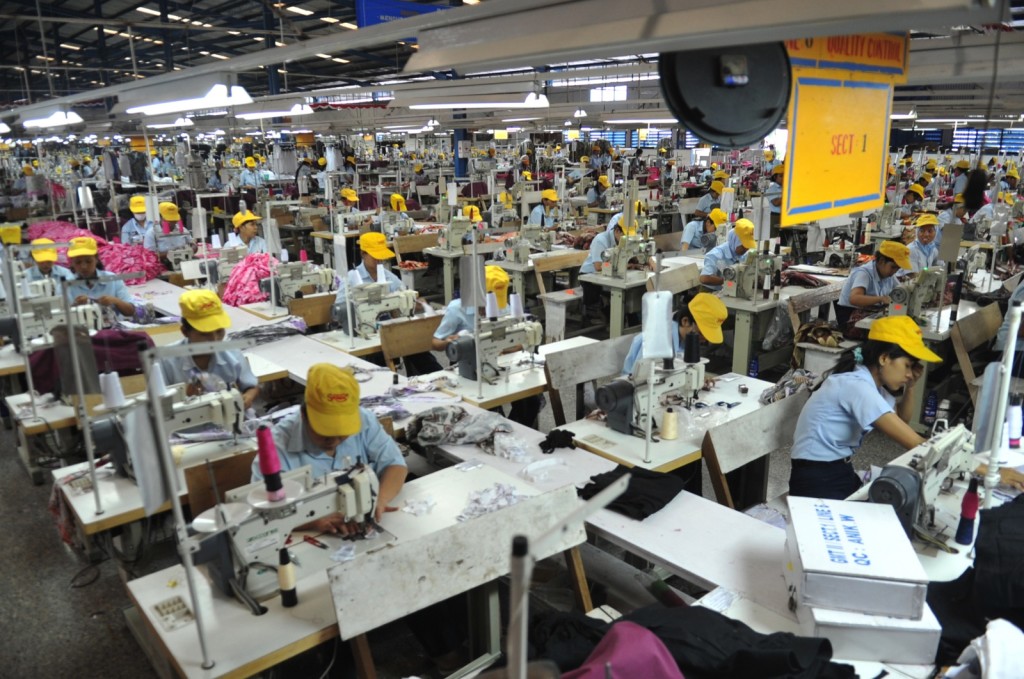
    Investments in cooling systems across Bangladesh garment factories pay back capital costs within four years, according to a study released on Sunday. Temperature data collected over a six-month period across eight manufacturing facilities in Dhaka showed that indoor heat stress erased an average of 4.1 per cent of annual factory revenue.

    Researchers at Cornell University’s Global Labor Institute found that physical modifications, including reflective roof paint, overhead insulation, and airflow ventilation, are commercially viable. Factory temperatures regularly climbed higher than outdoor readings, with the heaviest thermal load concentrated in pressing, ironing, and finishing lines.

    The Math on Shop Floor Cooling

    Jason Judd, executive director of the Global Labor Institute, noted that suppliers considering heat mitigation have struggled to weigh upfront spending against operational savings. Over the past year, apparel brands have sought verified payback timetables while discussing mitigation costs, emissions targets, and alternative energy sources with manufacturers.

    Apparel brands have spent years negotiating greenhouse gas targets and energy efficiency standards with suppliers. Adding physical climate adaptation to commercial contracts changes the financial equation. It shifts the focus from pure regulatory compliance to protecting factory throughput.

    Buyer Pricing and Cost Sharing

    Paying for factory retrofits creates friction between Asian garment manufacturers and Western fashion labels. Factory operators run on thin unit margins. They hesitate to fund facility upgrades without long-term order commitments or higher purchasing prices from international buyers.

    A heat resilience toolkit from the American Apparel and Footwear Association recommends that global brands co-fund factory modifications when direct commercial returns fall short of total setup costs. Nate Herman, executive vice president at the trade group, stated that brands must help protect workers across manufacturing networks as extreme heat events become frequent.

    Regional Export Exposure

    Earlier trade assessments showed severe climate risks across Asian manufacturing hubs. Heat stress and seasonal flooding threaten to wipe out $65 billion in combined apparel export earnings across Bangladesh, Cambodia, Pakistan, and Vietnam by 2030 if industrial zones fail to adapt physical infrastructure.

    Suppliers in Dhaka and regional production belts face a clear timeline to integrate cooling into capex plans. Retail buyers and factory operators will test the financial returns of these ventilation and insulation upgrades as contract pricing rounds open for upcoming production cycles.

  • Fashion Brands Influence 30 Percent of Global Farmland, Oxford Study Finds

    Fashion Brands Influence 30 Percent of Global Farmland, Oxford Study Finds

    Global fashion brands hold purchasing influence across 1.45 billion hectares of agricultural land, representing 30.15 percent of the world’s farmland, according to a joint study by the University of Oxford and Dirt Charity.

    Livestock grazing for leather and wool accounts for almost 97 percent of that total footprint, linking apparel buyers directly to commercial livestock farming networks worldwide ahead of European Union due diligence enforcement starting Sept. 27.

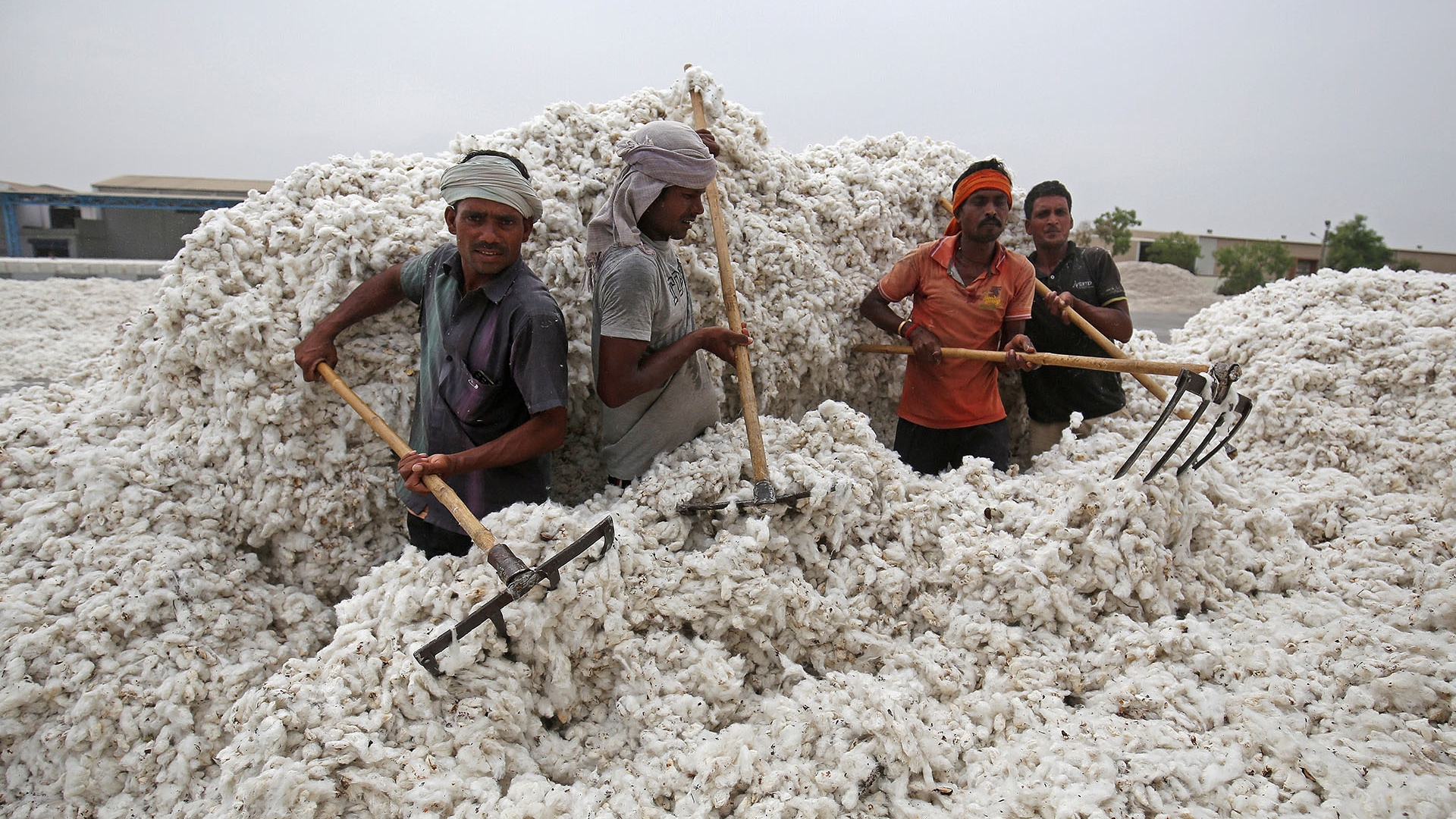
    Researchers at Oxford’s Smith School of Enterprise and the Environment and Dirt Charity analyzed five natural fiber categories to measure the full territory shaped by textile demand. Leather production ties into 876 million hectares of grazing land, while wool involves 528.4 million hectares. Cotton farming occupies 34.7 million hectares, linen and hemp cover 5.9 million hectares, and silk accounts for 2.3 million hectares.

    Allocating Land Across Shared Commodity Chains

    The calculation counts the entire agricultural area involved in growing crops or grazing animals rather than isolating the textile portion alone. Cotton lint makes up roughly 40 percent of harvested seed cotton, with the rest processed into cottonseed oil and animal feed, yet farm-level chemical inputs and soil practices apply to the entire crop. Because livestock systems serve meat, dairy, and leather markets simultaneously, the researchers treated the whole grazing area as subject to brand procurement requirements.

    Industrial leather processing reached more than 2.9 billion square meters globally in 2024. Footwear, apparel, and leather goods consumed 1.2 billion square meters of that output, while automotive interiors and furniture manufacturers bought the remaining volume.

    “We are not measuring blame. We are measuring power, and it turns out fashion has far more of it than anyone has been telling us.”

    Supply Chain Gaps Across Asian Sourcing Hubs

    For Asian garment hubs and raw material producers, the findings place commercial responsibility squarely on brand purchasing offices. Sourcing directors across Europe and North America often treat raw material agriculture as an unmanageable Tier-4 liability, leaving farm-level investments to local growers in India, China, and Pakistan. That separation is ending as buyers face mandatory supply chain due diligence rules in their home retail markets.

    Asian yarn spinners and fabric mills now face conflicting pressures from Western clients. Buyers demand verified low-impact cultivation methods such as organic or regenerative farming, but rarely offer long-term price premiums or multi-year purchasing volume guarantees. Without committed off-take contracts, smallholders across South Asian cotton belts bear the entire capital risk of switching soil management practices.

    Carbon Variations Outweigh Material Selection

    Production methods create wider environmental gaps within the same fiber category than the switch between alternative materials, the report found. Life cycle reviews cited in the study showed leather emissions ranging from 8.5 kilograms to 151.9 kilograms of carbon dioxide equivalent per square meter. Viscose emissions spanned 0.20 to 8.30 metric tons of carbon dioxide equivalent per metric ton of fiber, governed by feedstock origin and local electricity grids.

    Agricultural trials cited in the research show operational benefits from alternative soil methods. Long-term cotton trials running over 12 years in India demonstrated stronger soil microbial activity under biodynamic management systems. A five-year project at Egypt’s Sekem initiative cut chemical pesticide use to below 10 percent of previous levels, lifted cotton yields by almost 30 percent, and reduced soil salinity by 18 percent.

    European Compliance Deadlines Press Brand Filings

    The Oxford assessment builds on earlier NGO audits of fashion supply chains, which identified persistent traceability blind spots between Tier-1 assembly plants and upstream agricultural holdings. European retailers are now scrambling to document farm-level provenance as the European Union begins enforcement of its Empowering Consumers for the Green Transition Directive on Sept. 27.

    Dirt Charity and Biodynamic Federation Demeter International are finalizing the Demeter Textile Standard, a commercial framework covering 11 raw material categories across agricultural production, processing, and garment compostability. Apparel groups face mounting scrutiny to verify farm-level environmental claims before the next round of statutory sustainability disclosures opens in 2027.

  • Pakistan Cotton Arrivals Rise 19 Percent to 2.39 Million Bales

    Pakistan Cotton Arrivals Rise 19 Percent to 2.39 Million Bales

    Cotton arrivals at Pakistani ginning factories reached 2.389 million bales by September 15. That volume is up 19 percent from 2.004 million bales during the same period last year.

    The early surge lifts industry projections for full-year national output above six million bales. Last season yielded roughly 5.5 million bales.

    Provincial receipts showed uneven growth across primary growing regions. Punjab deliveries jumped 24.73 percent to 860,942 bales, while Sindh processed 1.528 million bales, a rise of 16.25 percent. Active facilities totaled 205 ginning factories in Punjab and 207 in Sindh.

    Regional Splits and Factory Volumes

    Sindh led early harvesting through intensive picking in key southern districts. Sanghar district alone delivered 888,607 bales to local ginners by mid-September. That single district outpaced the combined intake of all ginning units in Punjab.

    Steady field conditions across Matiari, Tando Allahyar, Hyderabad, Mirpurkhas, Nawabshah and Naushahro Feroze supported the southern haul. In Punjab, picking concentrated across Bahawalpur, Bahawalnagar, Dera Ghazi Khan, Multan, Vehari, Rahim Yar Khan, Muzaffargarh and Rajanpur.

    Mill Demand and Price Competition

    Domestic spinning and textile mills secured the bulk of intake, buying 2.035 million bales by the reporting deadline. Raw cotton exporters booked 93,000 bales. Ginners were left holding an unsold inventory of approximately 261,000 bales.

    Spot prices dropped sharply across trading hubs despite steady buying by domestic spinners. Over seven days, lint prices fell by about Rs1,000 per maund. Rates settled near Rs18,600 in Punjab and Rs18,400 in Sindh.

    Lower import parity prices for Brazilian raw cotton prompted several Pakistani mills to place overseas orders, dampening local price support. Cheaper imported fiber caps production costs for downstream yarn and fabric makers. Domestic growers, however, face tighter margins at the farm gate.

    This price squeeze creates supply chain risks for regional fashion retailers who rely on Pakistani mills for yarn and finished garments. Falling domestic lint prices could erode farm profits. That risk threatens to reverse acreage recovery in future planting cycles and drive higher import dependency across the South Asian textile corridor.

    Data Gaps and Acreage Shifts

    Cotton acreage in Punjab faces land competition from sugarcane, which has expanded into traditional cotton tracts. That shift explains part of the volume gap between the two provinces.

    Official production figures also show large reporting discrepancies between agencies. The Pakistan Cotton Ginners Association recorded 860,942 bales in Punjab through September 15. The Punjab Crop Reporting Service estimated 1.483 million bales by September 17. That represents a 72 percent gap between factory receipts and provincial field estimates.

    Pest Control and Final Crop Risks

    Early arrivals do not guarantee an unbroken harvest, field specialists warn. Agronomists have identified pink bollworm infestations in both provinces. Whitefly, jassid and thrips also apply localized pressure.

    Pest management over the coming weeks will determine whether crop yields hold.

    “The next few weeks will be critical,” Mahmood said, stressing continuous monitoring of bolls, timely pest-control measures and picking to protect both yield and lint quality.

    Growers and ginners are tracking pest counts and late-season rainfall across southern Punjab and Sindh. The next fortnightly arrival report will confirm whether picking maintains the six-million-bale trajectory.

  • Kering Partners with Reliance Brands to Bring Generation Award to India

    Kering Partners with Reliance Brands to Bring Generation Award to India

    Kering is launching its Generation Award in India with Reliance Brands this week. The initiative seeks startups working on circular fashion and resource protection.

    The R|Elan Circular Design Challenge will serve as the exclusive nominating partner, connecting a local innovation network with the global luxury group.

    An awards ceremony is planned in Delhi on October 13, giving emerging businesses a route to wider visibility and industry relationships.

    How the Partnership Operates

    Under the agreement, the R|Elan Circular Design Challenge vets and nominates applicants from across India. Finalists will present solutions addressing raw material conservation, textile recycling and low-impact processing.

    Winners receive industry mentorship alongside commercial visibility across Kering’s portfolio houses. The structure links local research facilities and young apparel designers directly with procurement teams in Paris and Milan.

    What It Means for Indian Apparel

    For Reliance Brands, the tie-up deepens relations with a key European partner. It also positions its R|Elan synthetic and recycled fabric arm at the center of sustainable textile development. Reliance already operates joint ventures and distribution pacts with several luxury labels across major Indian metros.

    Luxury operators across South Asia now treat certified sustainable supply chains as an operational priority rather than a marketing exercise. Sourcing circular materials domestically cuts logistics lead times. It also helps brands meet European Union material traceability standards before raw garments ship abroad.

    Earlier Expansion Steps

    Kering established the Generation Award in China in 2017 to discover material science ventures before expanding the format into other manufacturing territories. The Indian rollout is the first time the programme has integrated directly with an industrial conglomerate’s existing design competition.

    A joint jury will review shortlisted startups through September. The Delhi presentation on October 13 will reveal the winning enterprises and confirm their initial mentoring schedules.

  • Determinant Expands Singapore Lineup with Fall 2026 Casualwear Range

    Determinant Expands Singapore Lineup with Fall 2026 Casualwear Range

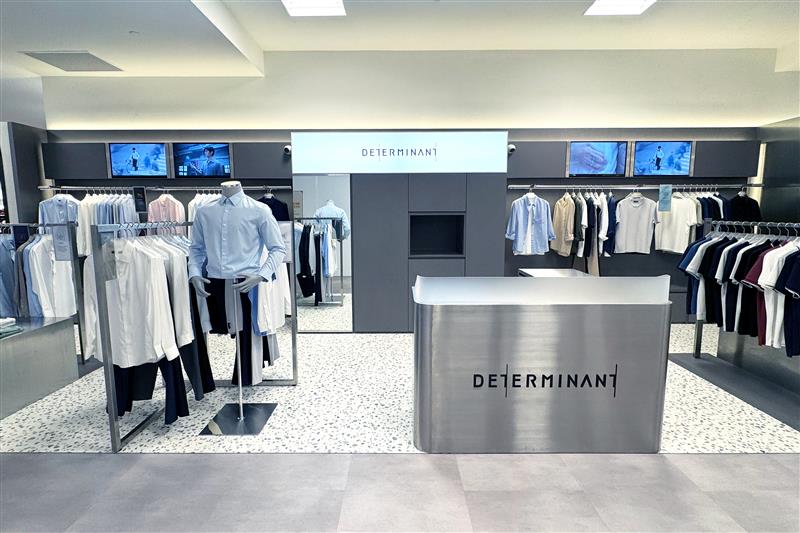
    Menswear label DETERMINANT launched its Fall/Winter 2026 collection in Singapore on September 9. The line pushes into everyday casualwear, with short-sleeve shirts starting at SGD 75.

    This release broadens the brand beyond formal office attire. Stock is available across its standalone store at Plaza Singapura, its counter at Takashimaya Department Store, and its local web store.

    Pricing and Fabric Lineup

    Lighter silhouettes target office workers and weekend dressers in Singapore’s tropical climate. Short-sleeve casual shirts retail at SGD 75. Corduroy and flannel long-sleeve designs sell across three price tiers at SGD 80, SGD 120, and SGD 160. Cotton-linen blends also feature across the casual line to improve airflow and moisture management.

    In formal wear, the brand updated its core Supreme Cotton Dress Shirt at SGD 120. That line uses extra-long staple cotton treated with a proprietary DP 4.0 wrinkle-free finish in regular and slim cuts. Outerwear additions include water-repellent shirt jackets and knitwear blended from cotton and yak down.

    The Pivot Away From Pure Office Formalwear

    Retailers across Southeast Asia face steady pressure from hybrid work arrangements and casual office dress codes. Brands built entirely on structured business shirts must adapt their product mix or lose basket size to lifestyle labels. DETERMINANT bridges that gap by applying wrinkle-free treatments and technical cottons to relaxed silhouettes, rather than competing solely on price against fast-fashion chains.

    Along Orchard Road, the shift drives floor-space reallocations in menswear departments. Department stores have trimmed formal tailoring space. They now favor smart-casual items that turn inventory across seven days rather than five.

    Retail Footprint and Distribution

    DETERMINANT previously centered its Singapore marketing on formal dress shirts before signing entertainer Nicholas Tse to front its wider campaign push. The label maintains its primary retail presence at Plaza Singapura alongside a dedicated menswear concession inside Takashimaya Department Store.

    Online distribution runs in parallel through its dedicated Singapore portal. The rollout continues into the fourth quarter, with the Cotton-Yak quarter-zip ribbed jacquard sweater arriving in stores on October 16 at SGD 140.

  • EU Warns Pakistan That GSP Plus Benefits Cannot Be Taken for Granted

    EU Warns Pakistan That GSP Plus Benefits Cannot Be Taken for Granted

    The European Union has warned Pakistan that trade preferences under the Generalised Scheme of Preferences Plus cannot be taken for granted as the current framework expires at the end of this year.

    EU Ambassador Raimundas Karoblis told Dawn that Islamabad must address compliance issues under 27 international conventions before reapplying for the successor regime ahead of the Dec 31, 2028 transition deadline.

    Tariff Exposure for Apparel Suppliers

    European buyers take roughly 28 per cent of Pakistan’s total exports. Nearly 90 per cent of those shipments qualify for duty relief under the Generalised Scheme of Preferences Plus framework, known as GSP Plus.

    Textile and apparel factories generate between 70 per cent and 76 per cent of sales to the European market. Leather goods, processed foods, and beverages also rely on zero-tariff access. Without it, local producers struggle against rivals in South and Southeast Asia.

    Pakistan has held GSP Plus status since 2014. The current regulation expires at the end of this year, but existing beneficiaries receive a transition window running until December 31, 2028. European officials stress that the transition does not guarantee automatic inclusion in the next cycle.

    The situation is not certain. And, of course, GSP+ preferences cannot be taken for granted.

    New Benchmarks and Regional Competition

    For European fashion brands and sourcing heads, losing preferential tariffs on Pakistani cotton and knitwear would shift costs overnight. Standard tariffs would add immediate import duties on garments. That would wipe out margins against competitors in Bangladesh, India, and Vietnam.

    Brussels has stripped trade perks before. Sri Lanka lost its GSP Plus standing in 2010 over human rights issues, forcing clothing exporters there to renegotiate pricing across European retail accounts. Pakistan faces partial or full suspension during the transition window if regulators find compliance failures.

    Stricter Conditions for Islamabad

    A European Commission review covering the 2023 to 2025 period cited compliance problems in Pakistan, noting regression on forced labour, judicial independence, and civil rights. Outgoing Foreign Office spokesperson Tahir Andrabi stated that the report understates the country’s reform progress across international treaties.

    The successor framework expands qualifying criteria from 27 international conventions to 32. Islamabad has ratified the five additional treaties. Still, European monitors require a detailed action plan with verified metrics before granting approval under the new system.

    Formal European Commission monitoring reviews will run ahead of the December 31, 2028 transition deadline. Those findings will determine whether Pakistani garment manufacturers retain zero-tariff access to European ports.

  • LC Waikiki Starts Production at New Apparel Plant in Aleppo

    LC Waikiki Starts Production at New Apparel Plant in Aleppo

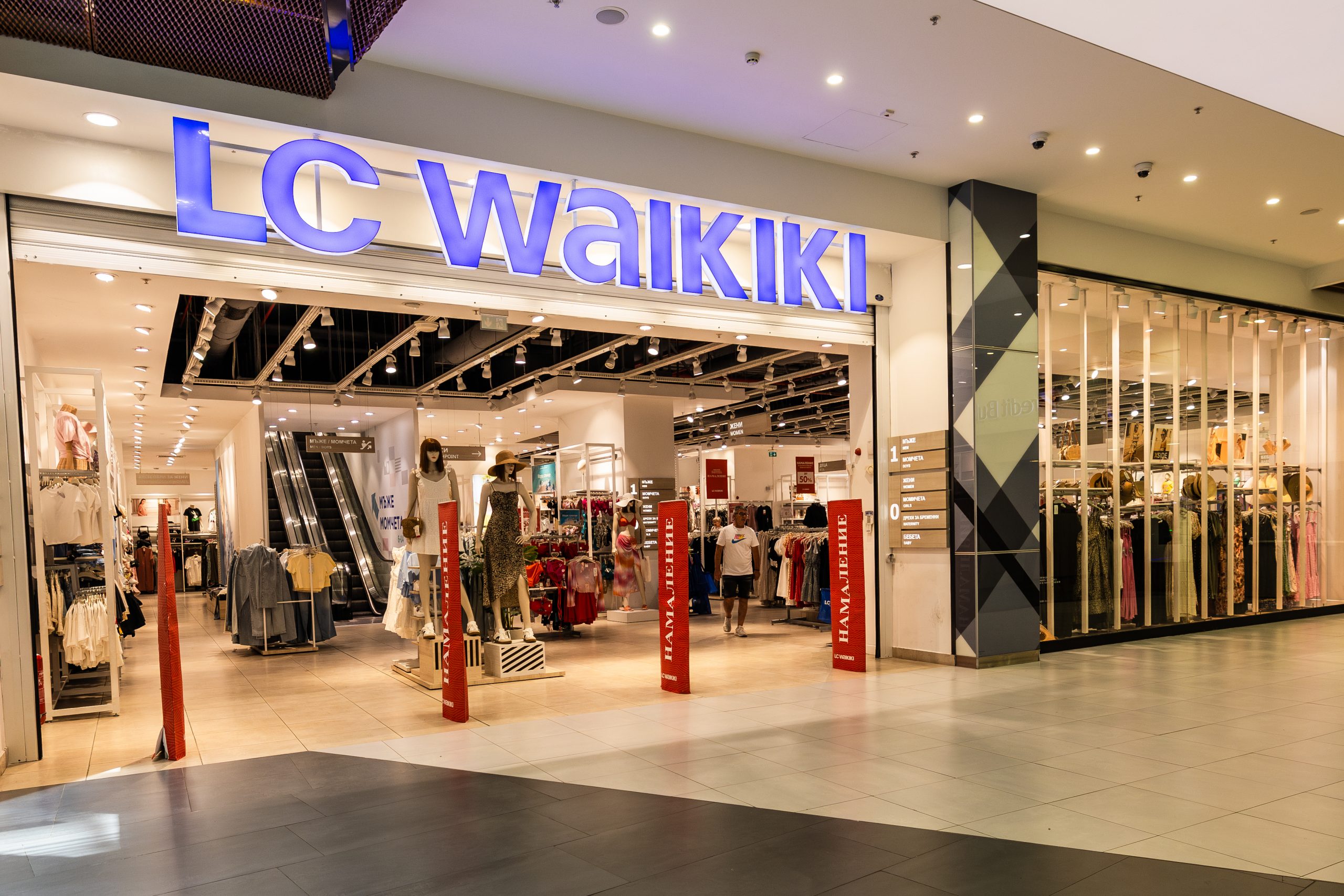
    Turkish apparel retailer LC Waikiki has started production at a new manufacturing facility in Aleppo, Syria, initially hiring 150 workers.

    The company plans to expand the plant’s workforce to 1,000 staff over the next three years.

    Scaling up in Al-Rai

    Operations at the facility in Al-Rai Industrial City began in June. The site establishes direct garment assembly capacity just south of the Turkish border.

    Other Turkish manufacturers are now preparing similar cross-border production arrangements in the industrial zone. Lower wage bases and proximity to established Turkish textile supply chains make northern Syrian border zones an emerging manufacturing corridor.

    Cross-border textile shifts

    Apparel groups based in Turkey have faced rising domestic labor and energy expenses, prompting brands to explore assembly hubs across nearby borders. The move mirrors how Asian garment manufacturers established cross-border supply networks between higher-cost domestic hubs and lower-wage neighboring markets.

    The Aleppo facility provides an operational test for cross-border logistics and labor stability in the region. The primary milestone to watch is whether LC Waikiki reaches its 1,000-worker employment target within the three-year window.

  • Bangladesh Imports from India Hit $10.96 Billion Despite Port Limits

    Bangladesh Imports from India Hit $10.96 Billion Despite Port Limits

    Bangladesh increased its imports from India to $10.96 billion in fiscal 2025-26, defying land border curbs designed to restrict cross-border shipments between the two neighbours.

    The annual import bill rose 13.9 percent from $9.62 billion recorded in the previous fiscal year, according to National Board of Revenue data. Bangladeshi exports to India dipped slightly over the same period, slipping to $1.75 billion from $1.76 billion. The figures leave Dhaka with a bilateral trade deficit exceeding $9.2 billion, with India supplying more than six times what it buys in return.

    Shifting cargo from land to sea

    Bilateral trade friction escalated following political changes in Bangladesh in 2024. Dhaka restricted yarn imports across land borders in March 2025 to shield domestic spinning mills, redirecting all Indian yarn shipments exclusively through Chattogram seaport. New Delhi responded in April 2025 by halting airport transhipment facilities for Bangladeshi garments bound for third countries, later adding land port curbs on Bangladeshi processed food, jute, furniture, and apparel.

    The administrative barriers failed to dent demand for Indian textile inputs. Bangladesh Textile Mills Association president Showkat Aziz Russell said recorded yarn imports from India doubled to approximately 300 billion taka in fiscal 2026, up from 140 billion taka a year earlier. Channeling shipments entirely through seaports brought previously informal or unrecorded overland cargo onto customs registries, inflating formal totals while keeping factory order books supplied.

    Structural imbalance in regional apparel

    Textile mills and garment factories across Dhaka and Chattogram rely heavily on Indian cotton, yarn, and fabric because of shorter freight times and buyer-nominated fabric specifications. While India is Bangladesh’s second-largest overall trading partner after China, Dhaka’s outbound shipments remain heavily concentrated in ready-made garments, which face domestic competition and strict standard compliance inside India.

    Policy analysts and industry bodies note that despite duty-free access granted under the South Asian Free Trade Area framework in 2010, the two countries have yet to build integrated supply chain agreements. Bangladesh Garment Manufacturers and Exporters Association president Mahmud Hasan Khan and Knitwear Manufacturers president Mohammad Hatem have urged both governments to resolve transport frictions through high-level talks.

    Trade associations from both nations continue to push for formal negotiations on a Comprehensive Economic Partnership Agreement to clear land port bottlenecks and establish mutual certification standards.

  • Gas Shortage Shuts 80 Percent of Narsingdi Textile Mills in Bangladesh

    Gas Shortage Shuts 80 Percent of Narsingdi Textile Mills in Bangladesh

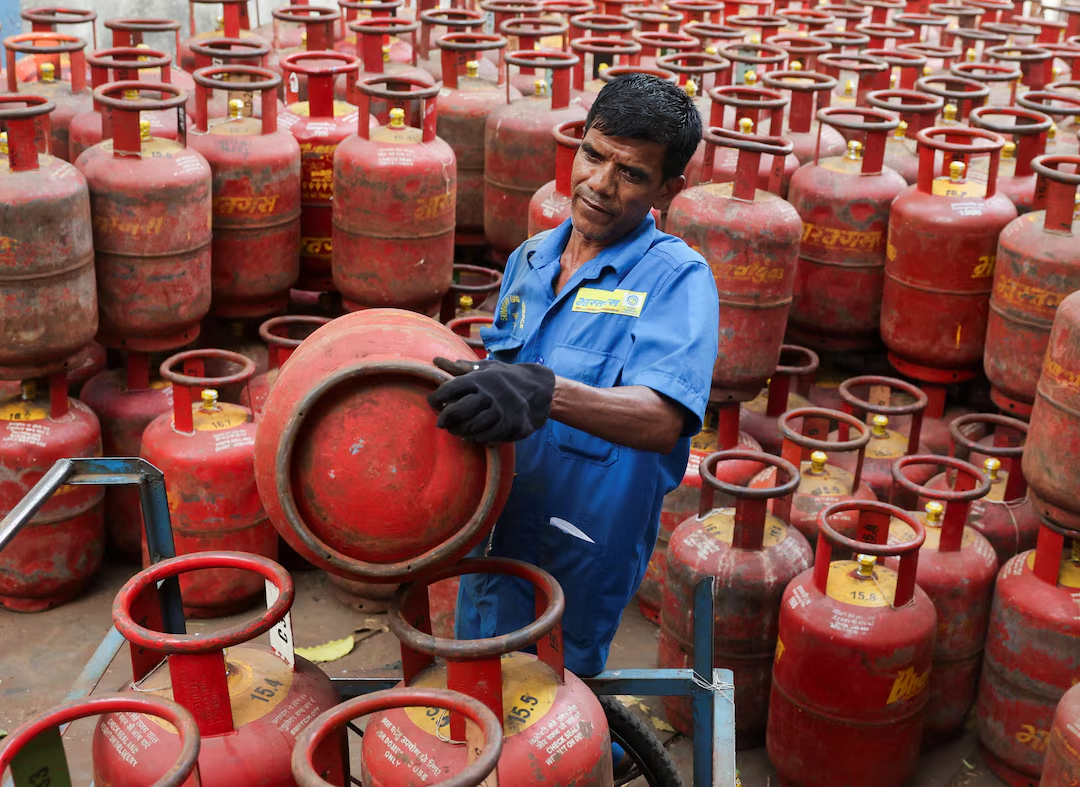
    A severe natural gas shortage has shut roughly 80 percent of textile and dyeing mills in Narsingdi, wiping out an estimated Tk 500 crore in daily output.

    The industrial hub supplies about 75 percent of domestic fabric demand in Bangladesh, leaving garment makers without essential materials as international buyers cancel orders.

    Rotting Fabric and Idled Boilers

    Narsingdi houses more than 3,000 production units, including 2,500 sizing, spinning, dyeing and weaving mills. About 400 of these operations rely on uninterrupted natural gas at 10 to 15 pounds per square inch to run steam boilers and drying machines. Gas pressure in key industrial pockets like Madhabdi and Chowala fell to zero for four straight days, leaving chemically treated fabric stranded mid-cycle. Fabric left wet beyond 16 hours rots and turns unusable.

    Local industry groups estimate between 10 million and 15 million yards of fabric have been ruined. At Tithi Textile in Madhabdi, 250,000 yards were damaged after generators and machinery stopped. Facing steep losses and wage deadlines, more than 100 mills closed indefinitely, sending workers home on unpaid leave. Others turned to burning wood in steam boilers at a cost of Tk 12,000 a day, skirting local environmental permits after the price of scrap fabric waste spiked.

    Supply Chain Bottlenecks Spread

    The disruption traces back to July 21, when a technical fault crippled an offshore floating liquefied natural gas terminal at Moheshkhali. National gas output plunged from 2,650 million cubic feet per day to 2,175 mmcfd against total demand of 3,800 mmcfd. State distributor Petrobangla lifted supply to 2,300 mmcfd on August 22, but state utility Titas Gas diverted high-pressure flows of 200 PSI to the Ghorashal-Palash fertiliser plant, starving private textile processors.

    Bangladesh remains the world’s second-largest apparel exporter, yet its supply chain faces recurring energy vulnerabilities that threaten delivery timelines for global fashion brands. While competing manufacturing hubs in Vietnam and India rely on more diversified power grids, Bangladeshi mills remain exposed to single-point infrastructure failures in offshore gas infrastructure, compounding margin pressure from rising domestic debt.

    Titas Gas engineers expect regional gas pressure to show initial signs of recovery next week as repair teams complete work on the Moheshkhali LNG terminal.

  • Hard Rock Bedding and Bath range planned

    Hard Rock Bedding and Bath range planned

    Restaurant and accommodation chain Hard Rock International is to partner with textiles firm Sobel Westex to produce a manchester range.

    The Hard Rock at Home collaboration is intended to give music fans around the globe the opportunity to fine-tune their living spaces with home goods inspired by music – including bedding, bath textiles, window treatments and beach towels.

    The Hard Rock at Home collection features luxurious bedding, including comforters, sheet sets, throws and decorative accent pillows with a variety of designs. Through the collection, fans can add country, rock and alternative music touches, as well as hip hop trends and pop accents.

    “We are excited to collaborate with Sobel Westex to bring these trendy bedding, bath and beach products to consumers worldwide,” said director of licensing for Hard Rock International Mark Linduski. “This fresh, unique collection of musically-inspired, designer textiles will appeal to customers of virtually every age range, music genre and lifestyle while aiding in our strategic initiative to expand retail distribution of the Hard Rock brand outside of our own retail properties.”

    The designer textile collection will debut at the New York City Spring Textile Market from March 18 through March 21, before launching to consumers this autumn.