Tag: Thai Airways

  • Thai Airways Partners With Unilode For Advanced Uld Management: A Leap Towards Operational Excellence And Sustainability

    Thai Airways Partners With Unilode For Advanced Uld Management: A Leap Towards Operational Excellence And Sustainability

    THAI Airways, Thailand’s national airline, has named Unilode Aviation Solutions, a leader in the Unit Load Device (ULD) management, repair, and digital solutions realm, as its provider for comprehensive ULD management services.

    Advancing THAI Airways’ Transformation

    The partnership with Unilode Aviation Solutions signifies a significant stride in THAI Airways’ ongoing evolution, underlining the airline’s commitment to operational excellence, digital innovation, and long-term sustainability throughout its international network.

    After a successful business rehabilitation, THAI Airways is embarking on a new chapter of growth and modernization. The airline’s five-year strategic plan includes a focus on operational excellence, fleet renewal, and digital transformation. It also aims to nearly double its fleet to approximately 150 aircraft by 2033 and expand its market share across essential international markets.

    In collaboration, Unilode will deliver extensive ULD management, maintenance, repair, and digital tracking services across THAI Airways’ international network. This partnership will enhance fleet utilization, decrease operational complexity, and boost reliability for THAI Airways’ passenger and cargo operations.

    Sustainability Goals Alignment

    The alliance with Unilode Aviation Solutions aligns closely with THAI Airways’ sustainability objectives. The pooling of assets across Unilode’s international network results in fewer ULDs required to support operations, thereby diminishing raw material consumption, minimizing waste, and reducing carbon emissions. Unilode’s centralized repair and refurbishment service further prolongs asset lifecycles, promoting circular economy principles and more responsible resource use.
    Unilode’s digital platforms and data-driven insights, leading the market, will offer THAI Airways real-time visibility, improved asset utilization, and enhanced sustainability reporting throughout its operations. Unilode’s Operations Control Centre in Bangkok and a global team of over 800 ULD experts further support the partnership, ensuring local responsiveness and customer success at every interaction.

    Investment and Expansion

    Unilode has made significant investments over recent years, strengthening its infrastructure, expanding its Maintenance, Repair and Overhaul (MRO) footprint, and enhancing its workforce through advanced training, development, and external education programs. These initiatives, coupled with ongoing innovation in digital technology and product development, enable a broader international network and a larger, more flexible pool of assets, yielding higher efficiency, resilience, and service reliability for all airline partners.

    Unilode’s expanding asset base across an increasing number of airports and regions continues to provide tangible benefits to its entire customer network. These benefits include improved operational agility, quicker turnaround times, and greater access to resources and repair capabilities. These investments underscore Unilode’s commitment to long-term growth and customer value creation, reinforcing its position as a global leader in sustainable ULD management.

    As airlines worldwide prioritize sustainability and efficiency, ULD pooling and complete service management are rapidly becoming the industry norm. THAI Airways’ collaboration with Unilode emphasizes its leadership in adopting innovative, environmentally responsible solutions that combine operational excellence with long-term sustainability.

    Expert Opinions

    Ross Marino, Chief Executive Officer at Unilode Aviation Solutions, expressed his delight and pride in becoming THAI Airways’ comprehensive ULD management service provider. He believes that their partnership will yield measurable results, improve efficiency, foster digital transformation, and support THAI Airways’ sustainability goals.

    The Head of Cargo & Mail Commercial at THAI Airways acknowledged the partnership with Unilode as a critical step in their transformation strategy. They believe Unilode’s expertise, global network, and digital solutions will help streamline operations, fortify reliability, and make substantial progress towards sustainability goals.

    Questions & Answers

    What does the partnership between THAI Airways and Unilode Aviation Solutions signify?
    The partnership signifies a significant stride in THAI Airways’ ongoing evolution, reinforcing the airline’s commitment to operational excellence, digital innovation, and long-term sustainability throughout its international network.

    How will Unilode Aviation Solutions assist THAI Airways?
    Unilode will deliver extensive ULD management, maintenance, repair, and digital tracking services across THAI Airways’ international network. This collaboration will enhance fleet utilization, decrease operational complexity, and boost reliability for THAI Airways’ passenger and cargo operations.

    How does this collaboration align with THAI Airways’ sustainability goals?
    By sharing assets across Unilode’s international network, fewer ULDs are required to support operations, thereby diminishing raw material consumption, minimizing waste, and reducing carbon emissions. Unilode’s centralized repair and refurbishment service further prolongs asset lifecycles, promoting circular economy principles and more responsible resource use.
  • Thai Airways selects ECS Group’s Aero Cargo Belgium to enhance cargo connectivity

    Thai Airways selects ECS Group’s Aero Cargo Belgium to enhance cargo connectivity

    ECS Group announced a new strategic partnership between its subsidiary Aero Cargo Belgium and Thai Airways, set to redefine cargo connectivity on essential routes between Europe and Asia.

    The agreement, which took effect on February 1st, focuses on the Brussels (BRU) to Bangkok (BKK) route, offering seamless transit options to destinations including Australia, Korea, India, Japan, Manila, and Singapore.

    Thai Airways operates daily flights using Boeing 787-800 aircraft, each providing a payload capacity of 15 tons. The airline will not only benefit from ECS Group’s in-house technology but also from the full deployment of CargoTech suite of digital tools.  This collaboration caters to a diverse range of cargo, with a particular focus on pharmaceuticals, ensuring reliable and efficient transport solutions for time-sensitive and specialized shipments.

    Jean Ceccaldi, CEO of ECS Group, commented: “ECS Group is proud to support this collaboration with Thai Airways, which reflects our commitment to building long-term, value-driven relationships with airlines. By enabling them to achieve operational excellence and deliver tailored solutions for their unique needs, we are setting a new standard for global connectivity and efficiency in the cargo industry.”

    “This agreement is a significant milestone for Aero Cargo Belgium,” added Bert Moortgat, Managing Director of Aero Cargo Belgium. “With daily flights and access to a network of vital destinations in Asia-Pacific, we are able to offer our customers unparalleled opportunities to connect their goods to global markets efficiently and reliably, particularly for high-value and sensitive commodities such as pharmaceuticals.”

    This partnership between Thai Airways and Aero Cargo Belgium marks a significant milestone in connecting Europe and Asia-Pacific with efficient and reliable cargo solutions. By combining Thai Airways’ extensive network with Aero Cargo Belgium’s expertise, the collaboration promises exceptional service and the strengthening of global trade routes for key industries.

  • Thai Airways returns to Brussels Airport in December 2024

    Thai Airways returns to Brussels Airport in December 2024

    As of December 1st, Thai Airways will again offer daily direct passenger flights between Brussels Airport and Bangkok, the capital of Thailand. This important destination, offered before the covid pandemic, is an important addition to Brussels Airport’s intercontinental network. As a Star Alliance airline, Thai Airways strengthens Brussels Airport’s role as a European hub. Thailand remains an important tourist destination that is now once again directly accessible to Belgian passengers.

    After a four-year hiatus in the wake of the covid pandemic, Brussels Airport may once again welcome Thai Airways. This Star Alliance airline was already operating at Brussels Airport until before the covid pandemic and now chooses Brussels Airport again as their hub within the Benelux.

    “It is great news to welcome Thai Airways back to Brussels Airport. This daily direct connection to Bangkok strengthens our position as a European hub and offers our passengers even more travel options to Asia. For Thai passengers too, our airport offers an ideal gateway to the rest of Europe. We look forward to a great collaboration,” says Arnaud Feist, CEO of Brussels Airport.

    As from 1 December 2024, Thai Airways will immediately start with a daily flight to Bangkok. The route will be flown with a Boeing 787-8, one of the most efficient aircraft on the market both in terms of emissions and noise.

    For Brussels Airport, this offers an important addition to its intercontinental network as a major destination, both for tourism as for business travel. As a Star Alliance airline, Thai Airways is also strengthening its Star Alliance hub at Brussels Airport with home carrier Brussels Airlines. This will reconnect Thai Airways directly to the heart of Europe, with all its European and international institutions and the network offered by their Star Alliance partners at Brussels Airport to the rest of Europe and beyond.

  • Thai AirAsia Introduces New Flight To India

    Thai AirAsia Introduces New Flight To India

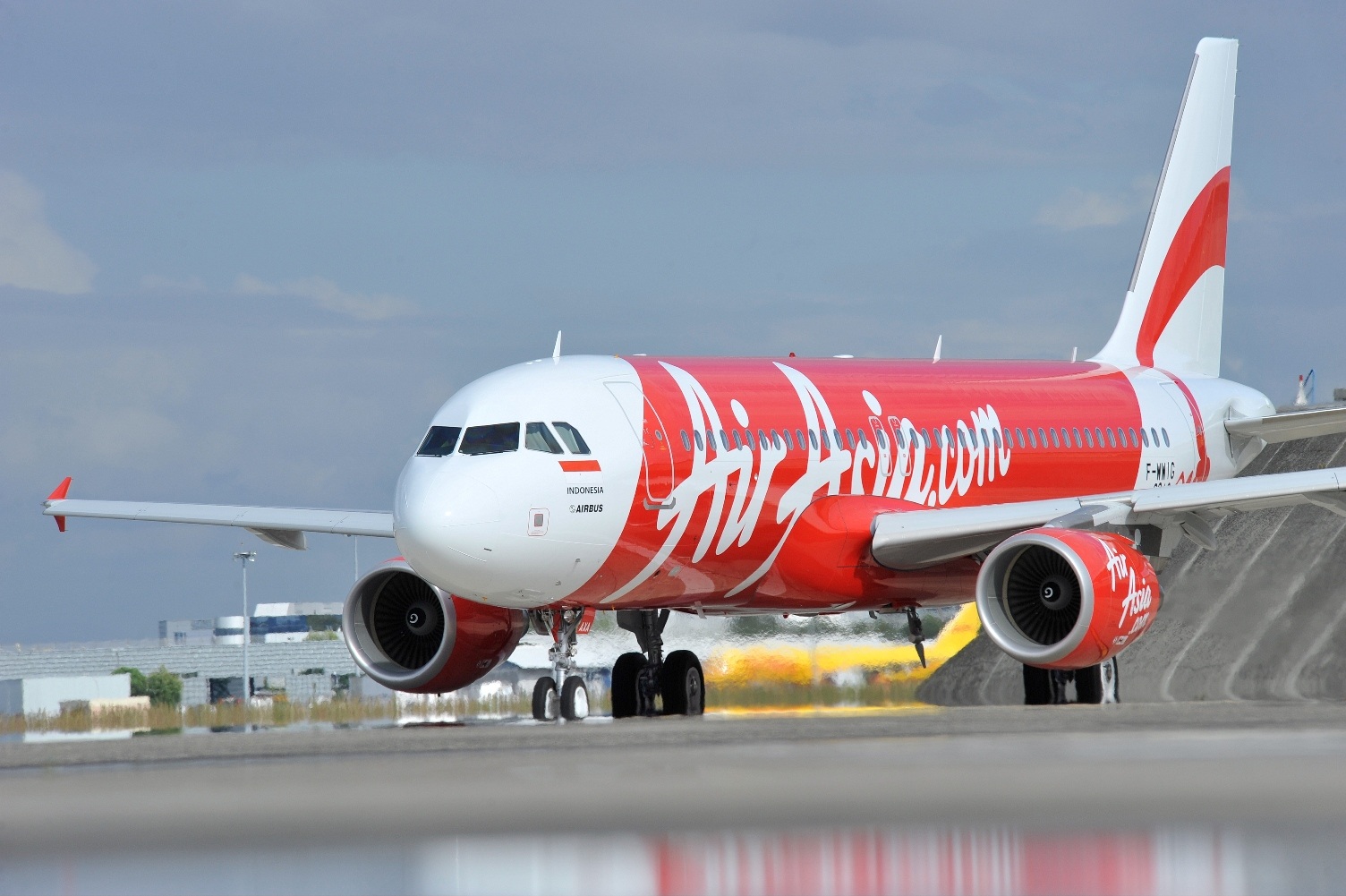
    The India-Thailand air connectivity is set to receive another boost, with Thai AirAsia announcing a new service from Bangkok to Guwahati in the northeast region of India. The airline already has a significant presence in the country, currently flying to six destinations from Bangkok. The new service will provide a more convenient connection to passengers from Guwahati and the nearby region looking to travel to Thailand.

    Thai AirAsia has announced a new service from Bangkok’s Don Mueang International Airport to Guwahati in the northeast Indian state of Assam. The new service is in response to a growing demand for travel between the two countries and will start in December. Tansita Akrarittipirom, Head of Commercial AirAsia Thailand, commented.

    To attract passengers, the carrier has offered attractive introductory fares if booked between September 13th and October 1st for a travel period of December 1st, 2023, to March 29th, 2024.

    Thai AirAsia will start the Bangkok-Guwahati service on December 1st with three weekly flights according to the following schedule:

    The carrier has a significant presence in India, given that Thailand is one of the most popular foreign destinations for Indians. Thai AirAsia currently flies to six Indian cities – Bengaluru, Kolkata, Kochi, Jaipur, Lucknow, and Chennai.

    From October, it will also start flying to Ahmedabad and Gaya. Per Cirium data, once Thai AirAsia begins its Guwahati service in December, it will serve nine destinations in India with a total of 402 monthly return flights, offering more than 72,000 seats.

  • Thai Airways disputes $7.4bn of aircraft lessor claims

    Thai Airways disputes $7.4bn of aircraft lessor claims

    Thai Airways International Plc is challenging some US$7.4 billion in claims from dozens of aircraft lessors and engine service provider Rolls-Royce Holdings Plc, saying it is not liable for the monies because they concern future expenses and were incurred after the airline received bankruptcy protection from a Bangkok court.

    Thailand’s flag carrier, which is undergoing a court-supervised restructuring to trim debt and return to profit by raising fresh capital, is disputing around 192 billion baht ($6.3 billion) claimed by 48 lessors including BOC Aviation Ltd and SMBC Aviation Capital Ltd, and another 33 billion baht that Rolls-Royce says it is owed for maintenance services, according to a copy of the debt rehabilitation plan seen by Bloomberg.

    A spokesperson for Thai Airways declined to comment. Representatives from BOC Aviation, and Rolls-Royce and SMBC Aviation in Europe also declined to comment.

    The disputed amount is more than half of Thai Airways’ total liabilities of 410 billion baht. Yet an amicable settlement with creditors is key for the airline to stave off bankruptcy.

  • Thai Airways announces staff cuts in desperate bid to avoid bankruptcy

    Thai Airways announces staff cuts in desperate bid to avoid bankruptcy

    Thai Airways says it has cut around 240 executive positions as part of its bankruptcy restructuring process.

    The airline said: “The number of executive positions has been reduced from 740 to about 500”, also confirming that the number of supervisory levels would go from eight to five to increase efficiency.

    Thai Airways, like most of its rivals around the world, has slashed capacity as travel restrictions and falling demand make many commercial routes unviable during the coronavirus pandemic.

    The airline will submit its restructuring plan to the Central Bankruptcy Court on 2 March and the plan is expected to be voted on by creditors in May.

    If a majority of creditors vote against it then the airline will go ahead with bankruptcy procedures.

    Acting president Chansin Treenuchagron said: “A successful restructuring will require cooperation from all parties, including creditors and employees.”

    Thai Airways employs around 21,000 people and is Thailand’s national carrier, an important part of its vital tourism industry.

  • Thai Airways to retire A330’s, A380s, and 747s

    Thai Airways to retire A330’s, A380s, and 747s

    Many countries have closed their international borders, and many impose lots of restrictions that makes travel almost impossible. Airlines currently do not need an extensive fleet of wide-body aircraft to carry passengers across oceans and continents. In fact, the majority of the airlines have temporarily parked their biggest planes in the desert, others are making more drastic long-term plans.

    The latest fleet downsizing action comes from the national carrier of Thailand, which just announced a major fleet restructuring, according to a report by local newspaper The Nation.

    Thai Airways will retire all its Airbus A380s and A330s, as well as its iconic B747s, leaving in operation a more modern, widebody, fuel-efficient jets such as the Airbus A350 and Boeing 787, beside the older B777 which in terms of fuel efficiency are better than the B747 and A330 and which are currently listed for sale.

    If I have made the count correctly on the Thai Airways fleet page website, the fleet downsizing will consist in retiring a whooping 28 aircrafts out of the 80 widebody fleet.

    Before the pandemic, Thai had one of the most varied long-haul fleets in the sky, with a dash of the most popular Airbus and Boeing jets. A bit too varied in my opinion, which is not financially healthy long-term. Once the fleet restructures takes place a more streamlined fleet, will be less of a financial concern.

    Thai is not the only airline reducing its fleet due to the pandemic. Last year, below is a list of major airlines that have permanently retired part of their fleet.

    • Air Canada 79 planes B767s, Airbus A319s, and Embraer 190s.
    • Air France 15 planes A380’s
    • American  Airlines just over 100 various wide and narrow-body planes
    • Austrian Airlines 28 Planes wide and narrow body.
    • British Airways 67 planes including 57 B747 and 5 B777-200
    • Delta Air Lines 188 Planes including MD88, MD90, and B777.
    • KLM 25 planes, all B747.
    • Lufthansa 35 Planes including A340-600, A380, and B747.
    • Singapore Airlines 46 Planes all B777-200ER.
    • Virgin Atlantic 32 Planes, including 19 A340 and 13 B747
    • Emirates may speed up the retirement of 46 of the airline’s 115-strong fleet of A380s. No concrete timeline has been provided yet.
    • Qantas has constantly faced rumours that it will retire its A380 fleet at some point.
    • Qatar Airways may also speed up the retirement of its A380s.
    • United Airlines may follow American’s lead and retire its 767s and 757s.

    The retirement of aircraft will push airlines to focus on more fuel-efficient widebody aircraft which no doubt will be the future of the aviation industry.

  • Thai Airways Is On Track With Its Rescue Plan

    Thai Airways Is On Track With Its Rescue Plan

    Thai Airways acting president Chansin Treenuchagron claims the airline is still on schedule with its debt rehabilitation plan. Thai Airways has until February 2nd to submit its plan to the Central Bankruptcy Court in Thailand after it was granted a one-month extension.

    In an attempt to save Thailand’s national airline from going under, the country’s Central Bankruptcy Court approved its restructuring back in September. Having accumulated $11bn in debt, the carrier was set a deadline of January 2nd to submit its full rehabilitation plan. However, the courts gave Thai Airways an additional month to finalize its rescue plan, with a new deadline of February 2nd.

    The extension suggests Thai Airways has been struggling to reach a satisfactory agreement with all parties involved. In a statement, acting president Chansin Treenuchagron offered reassurance that the airline is still on track with its plan.

    The nature of Thai Airways’ debt is complex, with banks, aircraft lessors, lenders, and suppliers all looking for a satisfactory outcome. The airline is ‘moving closer and closer to an agreement’ with its creditors. Before it can submit its plan to the Central Bankruptcy Court, Thai Airways requires approval from its creditors.

    While Thai Airways initially planned to implement the restructuring plan by the first quarter of 2021, it wasn’t able to finalize and submit the details in time. The airline is also working with consultants and advisors to help it deal with all the complexities of the restructuring process. Mr. Treenuchagron added,

    Thai Airways has been in a difficult position for a few years now, with fierce competition from low-cost carriers contributing towards spiraling debt. The airline was in a precarious position before the COVID pandemic had begun, with the downturn in air travel only adding to its woes. By July 2020, Thai Airways had defaulted on over $3bn worth of debt and suspended most of its operations.

    Domestic air travel has remained steady in Thailand for most of 2020, with the country faring better than most in its domestic market. However, a second COVID wave sweeping across Thailand has led to a 60% drop in air travel since the beginning of the year. Thai Airways has resorted to increasingly novel methods of raising capital during the pandemic. This includes selling surplus consumables like salt shakers, aircraft tires, and wine glasses, as well as auctioning off 32 widebody planes.

  • Thai Airways Launches Scenic Fly By and Over Buddhist Attractions

    Thai Airways Launches Scenic Fly By and Over Buddhist Attractions

    Proving the ‘flights to nowhere’ trend is taking off, Thai Airways has given religious tourists a bird’s-eye view of 99 holy places across Thailand. Olivia Palamountain reports.

    Led by “celebrity fortune-teller and religion history expert” Dr Khata Chinbunchon at the end of November, the “Thai Magical Flying Experience Campaign” from Thai Airways gave Buddhists the chance to see 99 sacred sights from the air, complete with chanting.

    Passengers on the Thai Airways flight from Bangkok received Buddhist prayer books and a special in-flight meal while flying over temples in 31 provinces before returning home. Tickets ranged in price from 5,999 baht (£149) to 9,999 baht (£248).

    The sacred sights included Bangkok’s Wat Arun and Wat Phra Kaew (commonly known as the Temple of the Emerald Buddha), Phra Samut Chedi in Samut Prakarn, Wat Phra Boromma That Chaiya in Surat Thani and UNESCO-listed heritage sites in Sukhothai and Ayutthaya, in the kingdom’s central plains.

    Part of a plan to boost domestic tourism, the initiative comes hot on the heels of similar offerings from the likes of Qantas, China Airlines and Eva Air, all of which have launched their own series of scenic and themed flights over the past few months. Globetrotter has also reported on Covid-secure luxury cruises to nowhere, recently launched in Singapore.

    Tourism accounts for up to 20 percent of GDP in Thailand, and in a blow to the national carrier, the kingdom has remained shut to foreign travellers throughout the pandemic. However, the airline had been struggling even before coronavirus turned travel upside down. Estimates suggest it is now buried under £6 billion worth of debt.

    Still, Thai Airways has been a pioneer of creative initiatives that boost revenue. The airline has put bags made from life vests and slide rafts on sale, opened an airline-themed café selling in-flight meals in Bangkok, and a food stall selling dough fritters. It has also opened its Airbus and Boeing flight simulators to the public.

    In the autumn, Thailand reopened its borders to international travelers with the launch of a new 90-day Special Tourist Visa (STV).

  • Thai puts 34 aircraft on sale, including entire 747 fleet

    Thai puts 34 aircraft on sale, including entire 747 fleet

    Embattled Thai Airways has put up its entire Boeing 747 and its 777-200/300 fleet up for sale, as it aims to raise cash amid a long-drawn business rehabilitation process.

    The Star Alliance carrier disclosed on its aircraft trading website that 34 aircraft from its fleet will be put up for sale. Of these, 10 are 747-400s, six are 777-200s and another six are 777-300s.

    Thai Airways has 10 Boeing 747s currently in storage.

    The other aircraft include six Airbus A340-600s, which the carrier has not operated since 2015, and another three A340-500s, which it flew until 2012. Two 737-400s and one A300-600 round up the list of aircraft on sale.

    Thai states that the aircraft offered for sale are on an “as-is, where-is” condition, with most expected deliveries to take place in the second quarter of next year.

    The 10 747s (MSNs 26609, 26610, 27724, 27725, 28705, 28706, 32369, 32370, 33770 and 33771) are powered by GE CF6 engines and were manufactured between 1993 and 2003. They remain in storage, according to Cirium fleets data.

    The 777-200s (MSNs 27726, 27727, 27728, 27729, 27732 and 27733) were built between 1996 and 1998, and are powered by Rolls-Royce Trent 875 engines. Thai’s 777-300s (29150, 29151, 29211, 29212, 29213 and 29214) are fitted with R-R Trent 890s and were built between 1998 and 2000.

    Cirium fleets data shows the carrier has only 11 aircraft in service, with 85 in storage. Thai has a varied fleet, ranging from A330s, A380s and 787s.

    Thai filed for business reorganization in May, as it acutely felt the impact of the coronavirus outbreak. Already in a precarious financial situation, the pandemic saw travel demand collapse and widened the airline’s losses.

    Thailand’s central bankruptcy courts gave the troubled carrier the green light to reorganize in September, allowing it to appoint its rehabilitation organizers.

  • Thai Airways offers ‘semi-commercial’ flights to 7 international destinations

    Thai Airways offers ‘semi-commercial’ flights to 7 international destinations

    After a major slowdown in both international and domestic travel due to coronavirus travel restrictions, Thai Airways is now offering flights to and from 7 international destinations over the next 2 months, according to the airline’s chief executive Wiwat Piyawirot.

    These flights are “semi-commercial.” Wiwat says return flights are intended for Thais returning home from overseas, those with families in Thailand, those traveling to Thailand on business, students, and travelers with connecting flights.

    Departures in November and December

    • London – Sundays
    • Frankfurt – Fridays
    • Copenhagen – Sundays
    • Hong Kong – Wednesdays (expect November 11 and 25)
    • Tokyo – Wednesdays and Saturdays
    • Taipei – Fridays and Wednesdays
    • Sydney – Sundays (Must inform the Australian Embassy in Thailand)
  • Thai Airways to open flight simulators to public

    Thai Airways to open flight simulators to public

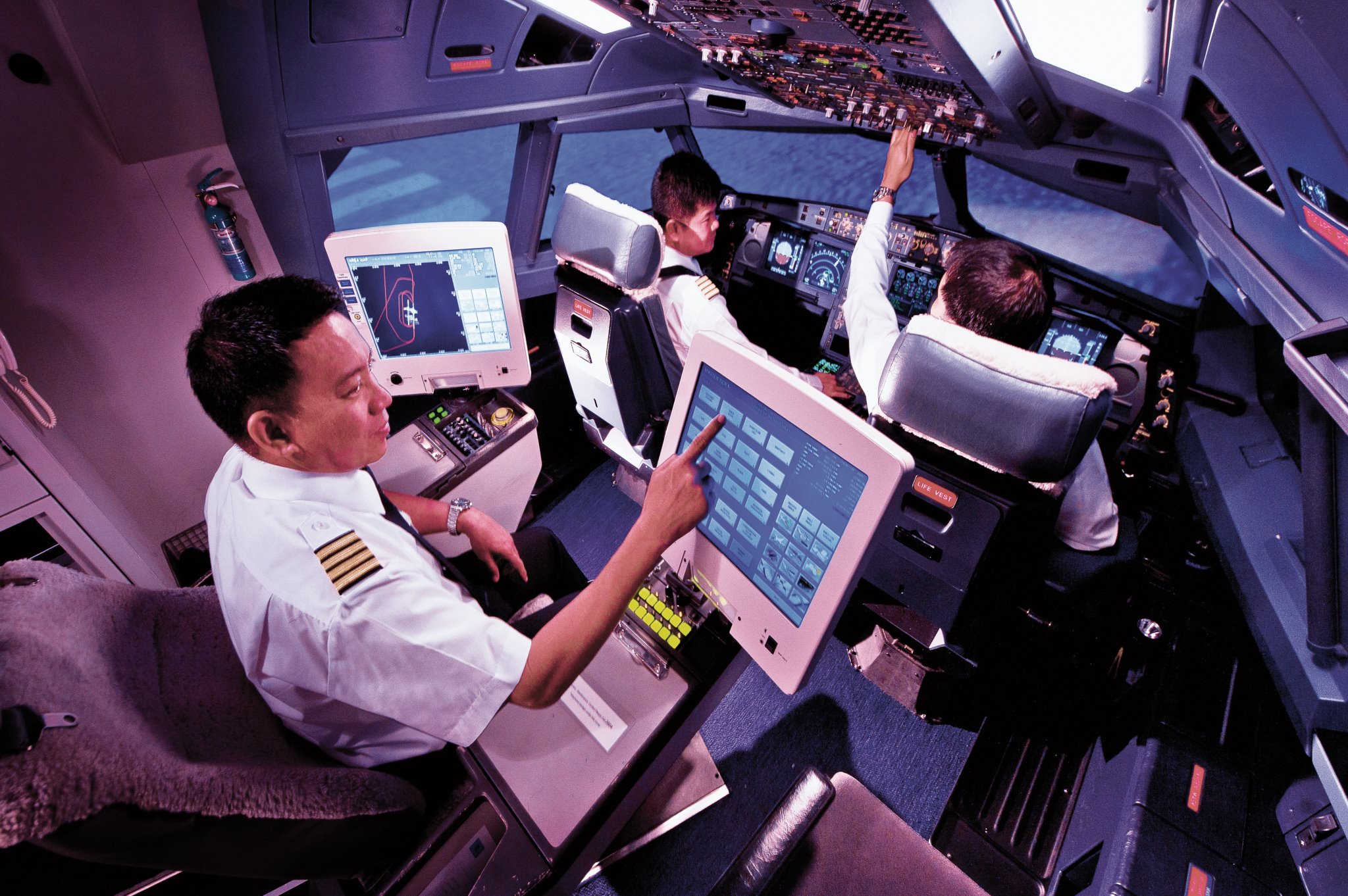
    Thai Airways is opening up its Boeing and Airbus flight simulators to the public this October in its latest bid to boost business amid the drop in travel demand due to the coronavirus crisis.

    As part of the airline’s “Thai Flying Experience and Beyond” project, customers will get to enter a mock cockpit of an A380, B777-300ER, B747-400, and a B737-400 aircraft.

    “Pilots and co-pilots will accommodate customers throughout the entire session,” reads a statement from the carrier.

    According to Thai Airways, customers can choose from the following three packages:

    • Basic Package (30 minutes) 12,000 Baht for two users
    • Deluxe Package (60 minutes) 24,000 Baht for two users
    • Ultimate Package (90 minutes) 36,000 Baht for three users

    The flight simulator project is the airline’s latest effort to generate revenue amid the Covid-19 pandemic as flights continue to remain grounded, and the airline looks to restructure 245 billion baht ($7.83 billion) worth of debt.

    Earlier this month, the national airline converted the cafeteria of its headquarters in Bangkok into a plane-themed restaurant.

  • Thai Airways eyes passenger growth

    Thai Airways eyes passenger growth

    Financially struggling Thai Airways is eyeing 8% in passenger growth by year’s end as it plans to launch new routes.

    Nond Kalinta, Vice President of Sales at Thai Airways International Public Company Limited (THAI) told the media the airline’s financial situation is likely to improve. The airline’s debts by the end of the year will be reduced to under six billion baht thanks to the steady rise of passengers throughout the year.

    Over the past nine months, the airline has achieved passenger growth of 4%-5%, which is higher than last’s year figure year-on-year. The national carrier is hopeful of growth as projected passenger numbers for the last quarter shows an 8% uptick.

    Mr Nond said more routes will be launched by the end of the year, especially popular routes to Europe such as Bangkok-Vienna, Bangkok-Brussels, and Bangkok-Paris, as the airline seeks to make the most of the recent improvement in passenger numbers.

    Mr Nond said business will be brisker next year thanks to the well-performing baht as well as positive signs from the economy. He added that THAI has already seen advanced bookings for the first quarter of next year. Next year, THAI will also place emphasis on routes to East Asia, maintain its hold over Europe, and nourish growth in emerging markets such as India.

    “The Japan route has been a potential market for some time now, so more routes to Japan will be available to serve the needs of a certain group of passengers,” he said.

    “Also, flights to Europe should not be ignored as 80% of these flights have been booked in advance.”

  • Thai Airways adds a sixth weekly flight between Brussels and Bangkok

    Thai Airways adds a sixth weekly flight between Brussels and Bangkok

    Thai Airways is very pleased to announce the launch of its 6th weekly non-stop flight Bangkok – Brussels  – Bangkok every Monday.

    As from 28th of October 2019, THAI will operate 6 non-stop flights per week on the route Brussels – Bangkok and return, all operated by Airbus A350-900 including Royal Silk Class (Business) and Economy Class.

    TG934 BKK 00:30 - 07:40 BRU A359 12-4567
    TG935 BRU 13:30 - 05:35+1 BRU A359 12-4567

    Tickets on the new Monday flight can be booked as from today via https://www.thaiairways.be or via any travel agent in Benelux.

  • Thai Airways celebrates 59 years of operations

    Thai Airways celebrates 59 years of operations

    Thai Airways International has recognized the airlines’ long-serving staff with certificates at a ceremony to mark the 59th anniversary.

    Thai Airways president, Sumeth Damrongchaitham, presided over a ceremony to present certificates and souvenirs to staff who have completed 35 years and 25 years of service with the national airline.

    The certificates were also given to staff who were commended by customers, and staff who made a significant contribution to the airline’s success over the years.

    Thai conducts the ceremony annually to mark the anniversary of its establishment on March 29, 1960.