Tag: Thailand

  • Tesco Thailand bid spurned

    Tesco Thailand bid spurned

    As speculation mounts over the future of its Asia business units, a bid for Tesco Thailand has reportedly been rebuffed.

    As reported in November, Thai billionaire Dhanin Chearavanont prepared a speculative bid by his company Charoen Pokphand Group (CP) to buy back the troubled Tesco Plc’s Thailand business division, which he sold during the Asia financial crisis.

    Reuters now reports Chearavanont held “preliminary talks” with Tesco after securing the support of the Bank of America in November, but Tesco spurned his approach. He has now secured support from UBS and Siam Commercial Bank (SCB) for another bid for the business, which could be worth about US$10 billion.

    A sale of the Thai operation – and/or its Korean, Malaysian or Indian businesses – would greatly benefit Tesco’s balance sheet, and its credit rating now classified essentially as junk status by ratings agencies.

    Citing “people familiar with the matter” Reuters reported Tesco and the Thai tycoon are not currently engaged in any talks, however he is ready to proceed with a formal offer if Tesco decides to sell the Thailand operations.

    “While it is not known why Tesco turned down Dhanin’s approach, his sustained interest in the asset could be positive for Britain’s biggest retailer, which is battling sluggish growth at home and has been hit by ratings downgrades and an accounting scandal,” said Reuters.

    Chearavanont, 76, bought back Siam Makro in 2013 for $6.6 billion and reacquiring Tesco would give him control of a substantial part of Thailand’s retail market.

    The future of Tesco’s offshore businesses has been under increased speculation since new CEO Dave Lewis took the helm of the company, under siege from regulatory probes into profit exaggerations and substantial loss of market share in its core UK home market.

    Lewis enigmatically said in January Tesco was “committed to keeping all of the operations we have overseas, until we make any decisions otherwise”.

    Tesco Thailand acquired a controlling interest in Chearavanont’s Lotus supermarket business in 1998 for £206 million, rebranding it Tesco Lotus. The chain has now grown to 1700 shops – from hypermarkets to convenience stores. Investment banker Morgan Stanley estimates Tesco Thailand to be worth between US$7.2 billion and $9.9 billion.
  • Mall Group budget focuses on media

    Mall Group budget focuses on media

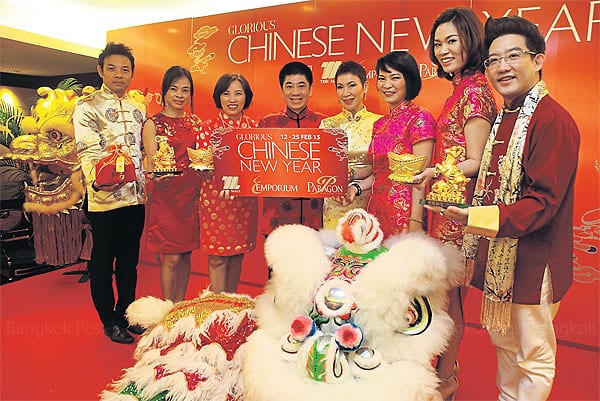
    The Mall Group, Thailand’s second largest retail group, will spend more than THB2 billion (USD61.3 million) to stimulate consumer spending and boost sales to reach THB53 billion (USD1.63b) this year.

    Executive vice-president Chamnarn Maytaprechakul said that even though the economic and political outlooks had improved since last year, people remained cautious about spending.

    The group will therefore put more focus on its media spending this year, relocating some advertising and promotional budgets to direct media that have an immediate impact on customer spending, and slashing the budget for mass media.

  • Marketing boost for Thai malls

    Marketing boost for Thai malls

    Thailand’s Mall Group will invest more than 2 billion baht ($US61 million) this year to stimulate customer spending.

    In an interview with the Bangkok Post newspaper, executive VP Chamnarn Maytaprechakul said the company aims to boost sales to 53 billion baht ($1.6 billion) in 2015.

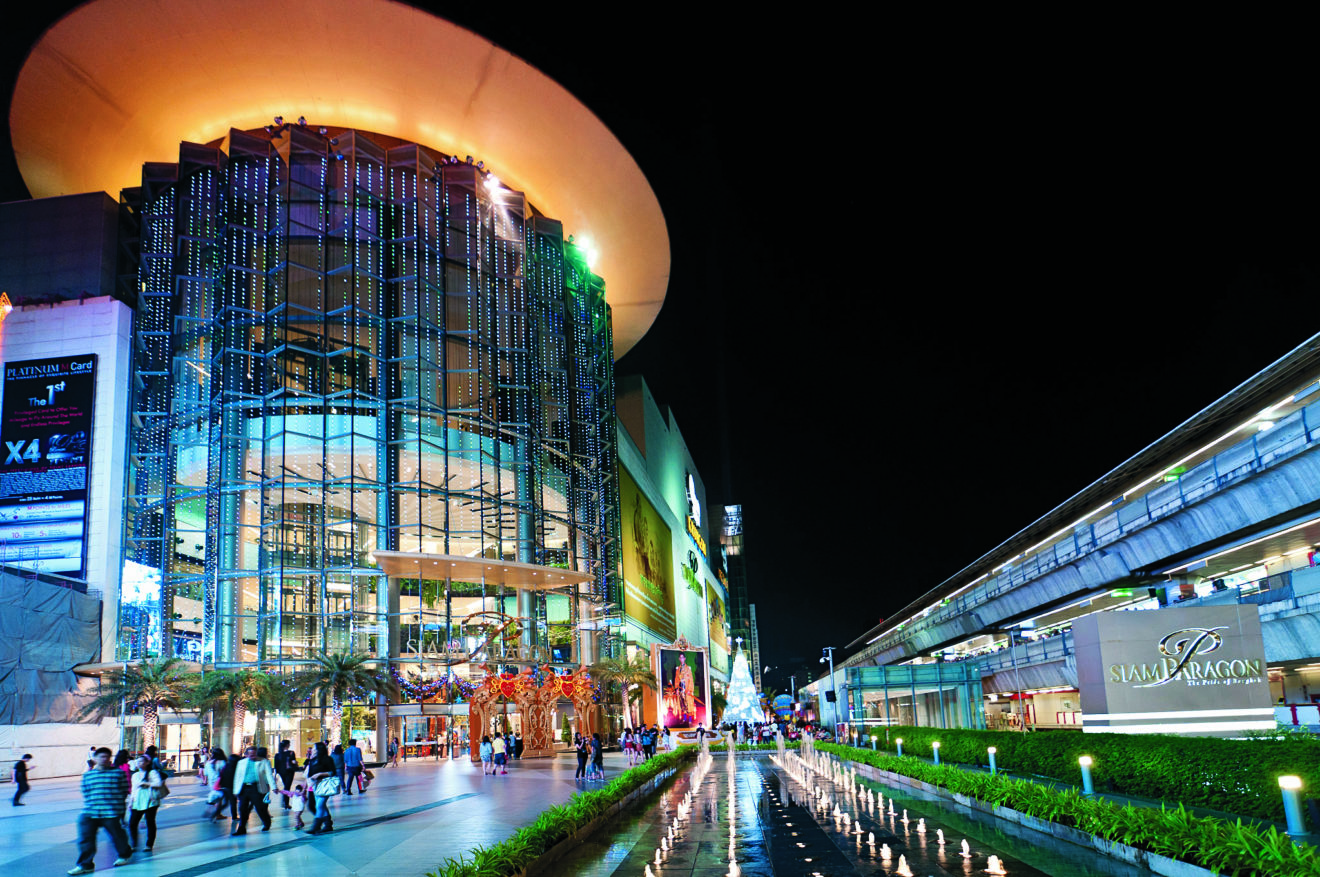
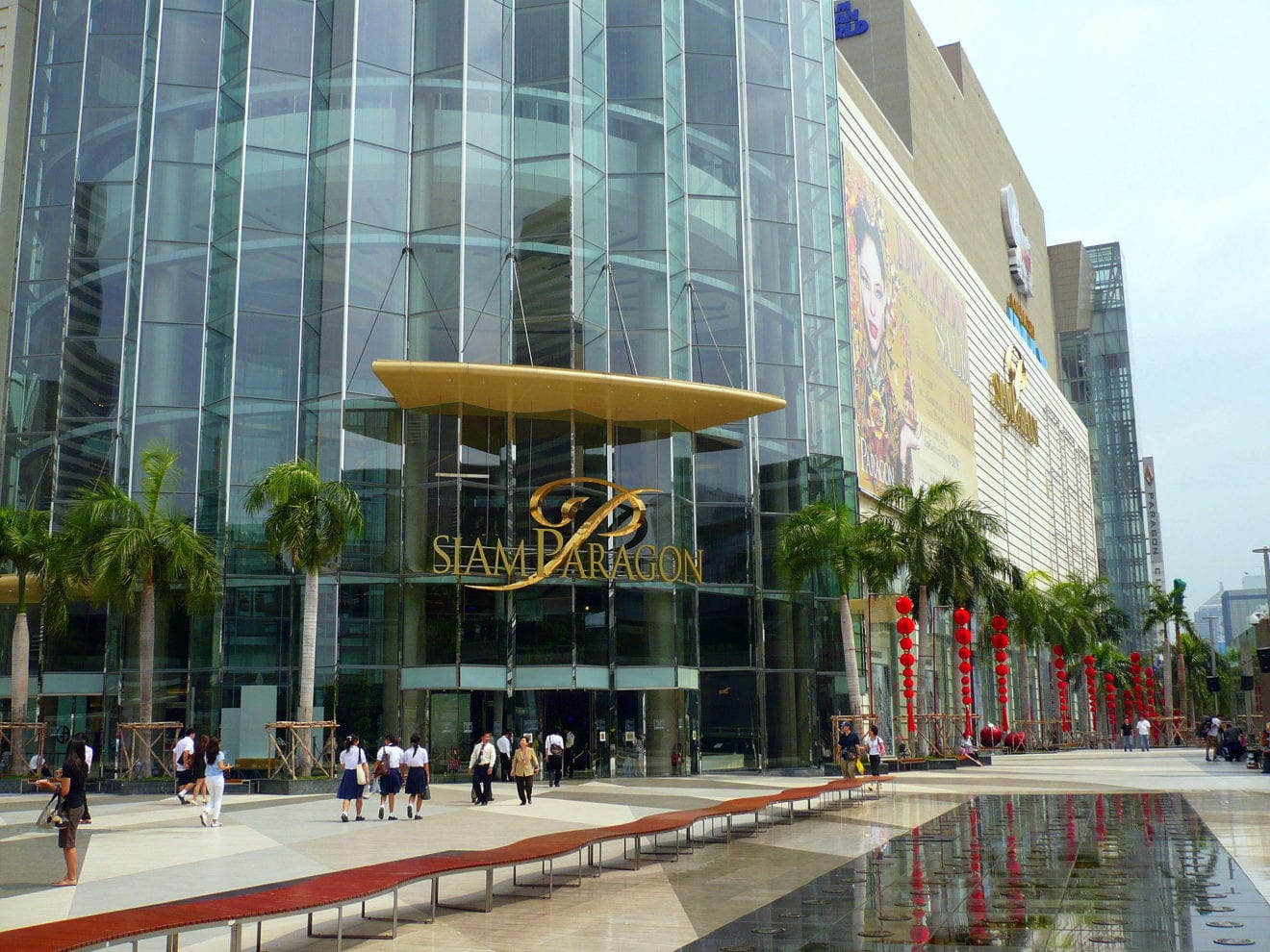
    The Mall Group owns Siam Paragon, the Emporium complex and The Mall, all in Bangkok. Adjacent to the Emporium, two new malls are under construction – EmQuarter and EmSphere, which will open during the next two years.

    Strong sales at Siam Paragon helped the group achieve a six per cent year-on-year sales growth in January, a figure above its monthly average performance in 2014. Group sales grew two per cent last year and the company is targeting six per cent growth this full year.

    Maytaprechakul said Thai consumers are still taking a cautious approach to spending despite the calmer political climate and improved economic outlook.

    “The retail atmosphere so far is similar to the situation during the heavy floods in late 2011. People are not really in the mood to shop even though they have money in their pockets due to the falling oil price,” he said in the interview.

    CEO Phaibul Kanokvatanawan said Siam Paragon’s sales growth was attributable to a resurgence in tourism to Thailand, with foreigners now more comfortable returning to the nation amidst the relative political calm.

    “We hope consumer purchasing power will improve in the second and third quarters of this year after the government starts allocating money for major infrastructure projects,” he said.

  • MBK plans lifestyle mall in Thailand’s Mae Sot to cash in on AEC

    MBK plans lifestyle mall in Thailand’s Mae Sot to cash in on AEC

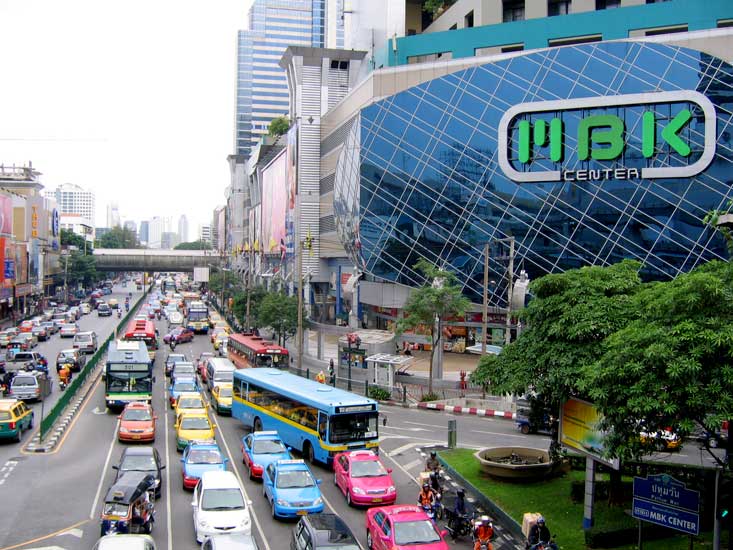
    MBK Plc, the SET-listed operator of MBK shopping centre in Bangkok, is negotiating with local partners to co-develop a lifestyle shopping complex in Tak province to attract Myanmar shoppers.

    The 20,000-square-metre project will be used as a prototype to develop other malls in border towns to cash in on opportunities arising from the ASEAN Economic Community (AEC), which is set to kick off late this year.

    Sakchai Kengkijkosol, managing director for retail operations, said MBK would start constructing the project in the border town of Mae Sot once the government had a clear policy on infrastructure development in response to the AEC.

  • Thailand’s RSTA plans to double Ratchaprasong area’s trading value

    Thailand’s RSTA plans to double Ratchaprasong area’s trading value

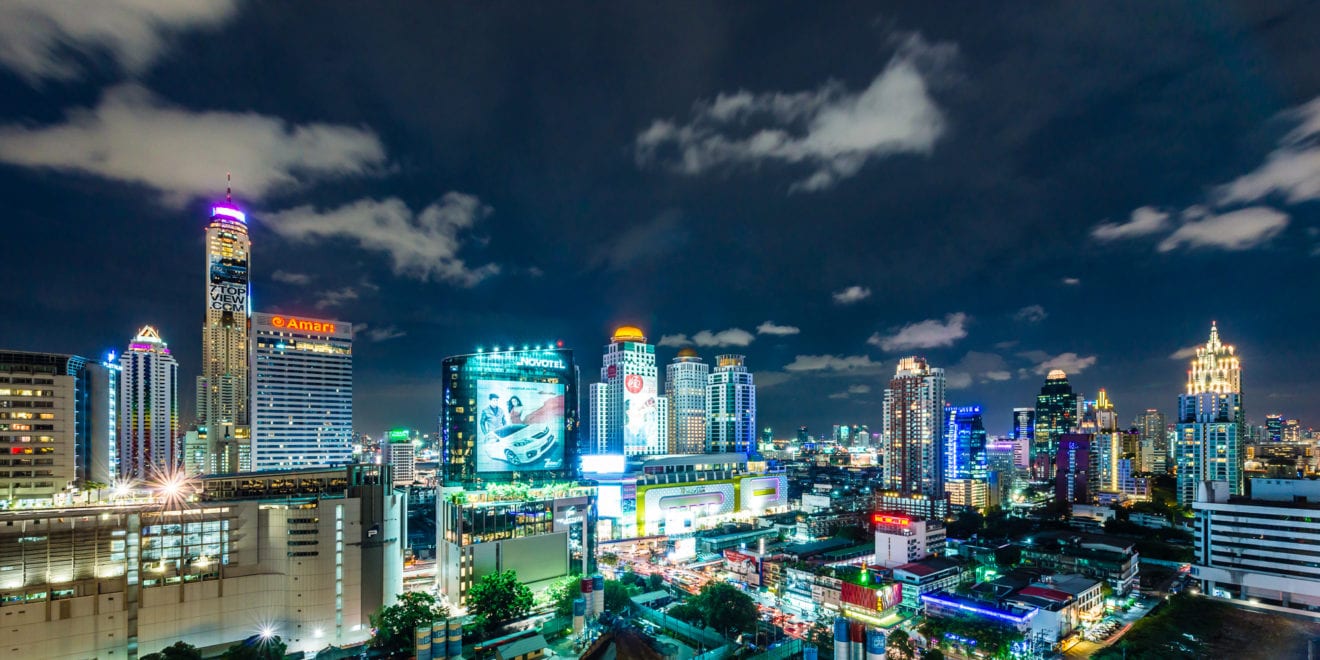
    Retail, wholesale and hotel operators around Ratchaprasong intersection plan to allocate a combined THB60 billion (USD1.8 million) to make the area an important retail destination in Asean over the next three years.

  • Thailand’s Mangpong turns to attraction of cosmetics

    Thailand’s Mangpong turns to attraction of cosmetics

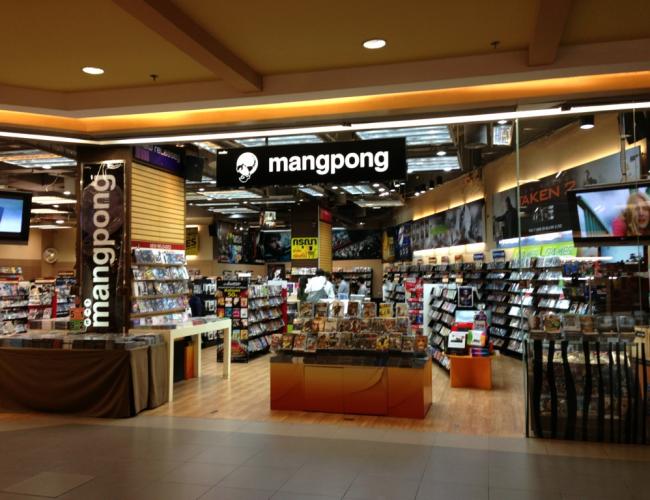
    Thailand’s Mangpong 1989 Plc (MPG) has diversified into the beauty and cosmetics retail chain in a bid to cash in on opportunities from the country’s THB200-billion (USD6.15b) cosmetics market. The company sells and rents home entertainment products.

    It’s looking for new locations to open Stardust beauty shops. It believes the beauty and cosmetics business will generate healthy sales and a good return on investment as Thai women have a modern lifestyle and prefer to be good looking.

    Mangpong has partnered with more than 100 beauty and cosmetics brands to present over 10,000 units from L’Oreal Paris, Anna Sui, Kenzo, Paul Smith and Calvin Klein. The company also plans to launch its own brand in the third quarter this year.

  • Retailers offer cross-border privileges

    Retailers offer cross-border privileges

    Five retail giants have teamed up with a Thai mall operator to offer a cross-border privileges programme for shoppers.

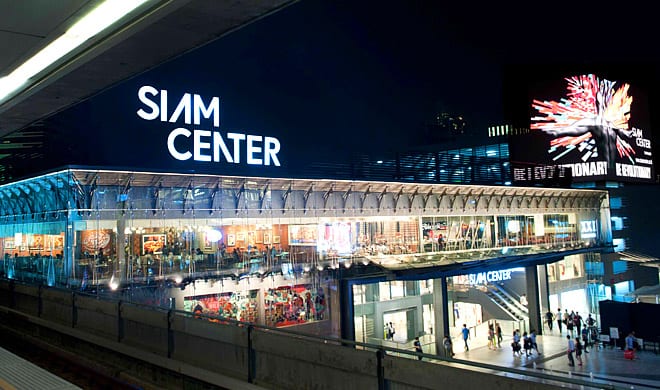
    Siam Piwat, owner of Siam Paragon, Siam Center, Siam Discovery and Paradise Park, is partnering with South Korea’s Lotte, Hong Kong’s Times Square, Robinsons of Singapore, Sapporo Parco of Japan and Galeries Lafayette of France in the Global Privilege Partnership program.

    Together, the retailers will launch a “massive international campaign”, offering both local and international shoppers “ultimate shopping experiences and above average privileges”. The partnership is the first of its kind in Thailand’s retail sector.

    Mayuree Chaipromprasith, Siam Piwat’s senior vice-president for business promotion, said Siam Piwat is honoured to lead the campaign and to be trusted by the five retailers who selected Siam Piwat as their exclusive partner in the customer relationship management (CRM) programme across the borders to ensure cardholders enjoy maximum benefits.

    “Siam Piwat sees working together in the form of partnership and collaboration as a way to develop a mechanism to stimulate more international consumer spending in Thailand. At present, the majority of visitors to Siam Piwat’s shopping venues are of the B group and higher. They have high purchasing power, love to travel, live a modern lifestyle, are into trendy innovations and expect above average services,” said Chaipromprasith.

    She added that Siam Piwat expects 400,000 visitors a year to participate in the programme, which should generate 6 billion Thai baht annually in consumer spending.

    “The Global Privilege Partnership has the largest number of leading countries working together. Not only will it serve to grow traffic to Siam Paragon, Siam Center and Siam Discovery, but it also offers value for money in terms of benefits and privileges enjoyed by members of the Platinum M Card for shoppers at Siam Paragon and VIZ Card for shoppers at Siam Center, Siam Discovery and Paradise Park.”

    The Global Privilege Partnership programme offers premium privileges to Platinum M Card and VIZ Card members of Siam Piwat as well as holders of membership cards issued by the five international partners. Shoppers enjoy benefits, including five to 50% discounts from more than 2,000 stores in the five popular shopping destinations and the same VIP service as they would have in their home countries.

    Among those services are personal assistants on hand to give members information at the partner shopping venues, welcome gifts worth more than THB 3000 and service at an exclusive lounge.

    Siam Piwat expects to expand the programme to include five more countries next year.

  • Index seals deal for Philippines

    Index seals deal for Philippines

    Thai homewares giant Index Living Mall has signed a Philippines partner as its Asian expansion continues.

    Index will team up with the Philippines largest retail and mall operator SM Group to run the franchise for the concept for at least five years.

    Index managing director Kridchanok Patamasatayasonthi told the Bangkok Post newspaper Index chose the Philippines due to its huge market potential.

    “There’s no furniture or furnishings chain like us in the country, just small local and imported furniture stores.”

    Index opened its first store in Vietnam about three years ago and its first in Malaysia last month, in the capital city of Putrajaya. It plans 30 stores across Malaysia over a 15-20 year timeline.

    The company is also eyeing opportunities in Indonesia and hopes to double its foreign sales within five years. It will soon have 25 stores in its home market.

  • Glitzy Malls of Asia – Bangkok

    Glitzy Malls of Asia – Bangkok

    Central Embassy is Bangkok’s latest challenge in the luxury retail sector, not only to older malls like the SiamParagon but also to Singapore and Hong Kong as a retail destination.

    It is big and spacious with very wide walkways to ensure that it does not get packed even on busy days. It positions itself as an “ultra luxury” mall. This means, among other things, that a movie ticket here costs upwards of 1,500 baht (US$45), prompting one blogger to wonder if it comes with butler service and gold-encrusted movie stubs.

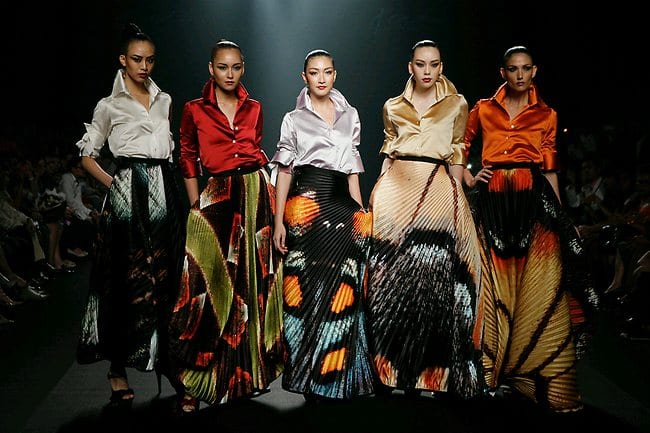
    The high-end cinema on Level 8, however, is one of the few distractions. Most of the mall is focused on just fashion and food. Fashion, in this case, includes not just the usual big international brands. More significantly, Central Embassy showcases a good selection of Thai designers. This is fully in line with the owner’s stated vision to “introduce Thailand to a global audience of taste makers and opinion formers.”

    Also consistent with this vision, the sprawling 5,000sqm supermarket and foodcourt at the basement, called Eathai, features only Thai food, with cuisines from different regions clearly differentiated. There is also a section on street foods and a cookery school. Big, colourful murals, along with walls constructed from traditional Thai kitchen utensils, add to the ambience. Other cuisines can be enjoyed at standalone eateries on the upper floors.

    The mall’s architecture is spectacular, although it takes some imagination to see how it is inspired by wats (temples) and other traditional Thai architecture. It is in the details, where traditional patterns, materials and fabrication methods are interpreted in a modern setting. The façade spans 200m and has a skin of three-dimensional ceramic tiles and protruded aluminum to project a different view with each step. Central Embassy is a sight to behold.

    Luxury and more at Siam Paragon

    SiamParagon redefines luxury to include more than just fashion, watches or jewellery. It means you can buy a luxury car too. Choose from Aston Martin, Ferrari, Lotus, Lamborghini, BMW, Hammar, Maserati and more. Or how about a Bentley or a Rolls Royce?

    For tourists and the Thai elite, this is the premier shopping destination. With a gigantic Paragon Department Store covering 50,000sqm over six floors, plus some 270 other shops, SiamParagon is ranked one of the largest luxury malls in Asia. But if you are not in the league for luxury goods shopping, there are lots more to do – so much more that one writer considers it “demeaning” to call SiamParagon a mall.

    One big attraction is the Siam Ocean World. Occupying some 10,000sqm at the basement, this is one of the biggest walk-through aquariums in Southeast Asia where visitors can scuba dive to get up close and personal with sharks and rays. A new attraction called Kidzania allows children to get a realistic taste of adult careers, like being a dentist or a fire fighter.

    Then there is theCineplex with 14 halls, one of which has the biggest screen and highest seating capacity in Asia. The Krunsri IMAX theatre, at 8-storeys high, is also one of the biggest in the region. There is also a 38-lane bowling alley, a karaoke, an outdoor park, an exhibition hall, an opera house, a section devoted to traditional Thai arts and the Royal Paragon Hall, a 5,000-capacity venue for concerts, conventions and other special events.

    Plus, there is an incredible range of F&B outlets featuring cuisines from around the world, at prices that range from affordable to very expensive. Even if all you want is a Starbucks coffee, SiamParagon offers a choice of at least five Starbucks outlets.

  • Pizza Hut to double Thai network

    Pizza Hut to double Thai network

    Pizza Hut Thailand plans to double its store network within five years.

    In an exclusive interview with The Nation newspaper, the new GM of Pizza Hut Thailand, Sabina Rizvi, says the company has a five year strategic plan to double its current 97-strong network and to achieve double digit profit growth.

    “We want to more than double the number of our Pizza Hut stores in Thailand in the next five years. We will invest more than half a billion baht (US$15.3 million) in our five-year expansion.”

    She said 70 per cent of the new stores would be delivery outlets.

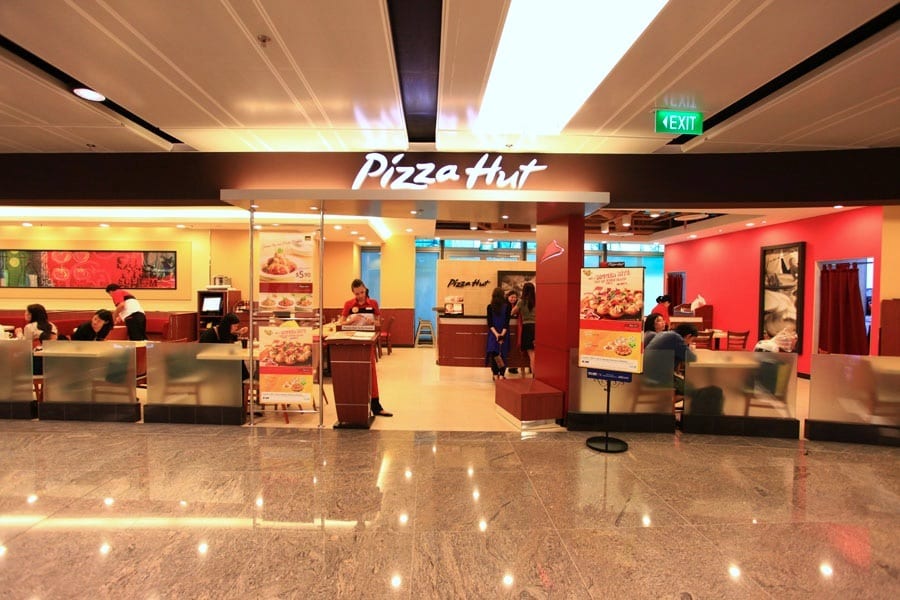
    Last year Pizza Hut opened its first Express restaurant format in Thailand, in the Mega Bangna shopping centre in Bangkok and a second at Seacon Square. At just 50sqm, these outlets are a quarter the size of the standard 200sqm Pizza Hut restaurants in the country. With smaller footprints, rental rates are considerably lower, but the store’s focus is more on delivery or selling to customers who can dine in shared tables of a foodcourt environment.

    Rizvi said the stores were trading well.

    Pizza Hut Thailand posted eight per cent growth in the first three quarters of last year.

    “My vision is to make Pizza Hut the most loved pizza brand in Thailand,” Rizvi said.

  • Thailand’s Siam Center, Siam Discovery launch Siam Gift Card for easy gift giving

    Thailand’s Siam Center, Siam Discovery launch Siam Gift Card for easy gift giving

    Siam Piwat Co. Ltd., the owner of Siam Paragon, Siam Center and Siam Discovery, recently launched the Siam Gift Card, which will provide shoppers a greater shopping convenience and make it easy to send or receive gifts.

    Mayuree Chaipromprasith, Senior Vice President of Siam Piwat, based on their consumer survey on shopping behavior at year end, many customers buy products as New Year gifts.

    “Therefore, in late November, Digimedia Marketing Co., Ltd., subsidiary of Siam Piwat Group, introduced the Siam Gift Card, which offers better benefits than other cards in the market so that the customers can use it themselves or give it as a gift,” she said.

    The Siam Gift Card serves as cash card that allows the customers to top up the minimum of THB1,000 (USD30.3) to purchase any products from more than 50 leading fashion boutiques, cosmetic flagship stores and many more in Siam Center and Siam Discovery. It integrates the strategy of seasonal marketing, solution marketing, E-payment and CEM (Customer Experience Management).

    In addition, the card keeps record of the customer behavior so that the company can come up with the marketing promotion activities that truly meet their needs.

    For security purposes, customers must key their own code every time they buy products at the stores. Besides reward points, the shopping history will be recorded in the database so that customers will receive customized news about new arrivals and promotion that fit their own needs in the future.

    Mayuree said Digimedia Marketing Co. Ltd. invested more than THB15 million (USD455,843.31) in the Siam Gift Card campaign and expects to sell more than 20,000 cards in the first three months.

  • Fashion SMEs in Thailand to get boost

    Fashion SMEs in Thailand to get boost

    The Industry Ministry of Thailand has earmarked THB120 million to support small and medium-sized fashion enterprises wanting to explore opportunities in neighbouring countries next year.

    Thailand’s fashion cluster, covering apparel, jewellery and leather products, has the potential to compete with Cambodia, Laos, Myanmar and Vietnam, says Arthit Wuthikaro, director-general of the Industrial Development Department.

    “SMEs in other industry clusters will obtain the same support for expanding business abroad, notably in ASEAN, if they have strong business potential,” he said.

  • More room to develop for Thai automotive sector

    More room to develop for Thai automotive sector

    The automotive industry is on a roll, particularly in Thailand, which recorded a 47-month high domestic automobile sales last November. With the economic recovery and increasing purchasing power of consumers, the automobile market have been registering high growth and this in turn give rise to the need for adequate level of aftermarket service care.

    According to the latest findings of market research company GfK, there are a total of 3,200 shops in the country selling passenger car tires in the aftermarket. While tire specialist shops are uniformly spread out across the country, fast fit outlets make up a third of all shops and are more commonly found in Bangkok and vicinity area where demand tends to be higher compared to the other regions. Within the central region alone, more than one in two tire specialist shops are fast fitters.

    The 160 exhibitors from 40 countries in this year’s Tyrexpo Asia exhibition make it the largest in its 15 year history, attesting to the vibrancy of the automotive sector, according to the event organiser ECI International.

    Some other key automotive trends were uncovered by GfK Thailand’s automotive retail audit, such as the dominance of six main starter battery brands, which contribute nearly 95 percent of the total market sales. In addition, GfK findings reveal that conventional lead-acid batteries still take up the lion’s share of 80 percent sales in the replacement market as compared to maintenance-free batteries which form the remaining 20 percent.

    “The Thai automotive sector is already thriving, but looking at the current market situation, there is definitely still more room for development; to allow for more players to enter the field. Having said this, automotive is big business in Thailand, and there is no doubt that the industry will remain very competitive and continue its upward growth trend for many years to come,” said Wichit Purepong, general manager of GfK Thailand.

  • Operators call for lower e-commerce taxes in Thailand

    Operators call for lower e-commerce taxes in Thailand

    Thai e-commerce operators are urging the government to impose lower rates of taxation in order to encourage them to enter the revenue system and pay proper taxes.

    Offering lower rates to small and medium-sized enterprises could also encourage them to go online and promote the development of the digital economy, says Somwang Luangphaiboonsri, secretary of the Thai e-Commerce Association.

    E-commerce in Thailand is burgeoning and the government’s policy to move towards a digital economy is expected to paint a rosy picture for the sector, he said.