Tag: Thailand

  • AirAsia becomes Brisbane Broncos Official Airline

    AirAsia becomes Brisbane Broncos Official Airline

    AirAsia has formalised a deal to become the Brisbane Broncos’ official airline, along with promotions held at every Broncos home game and special discounts for fans.

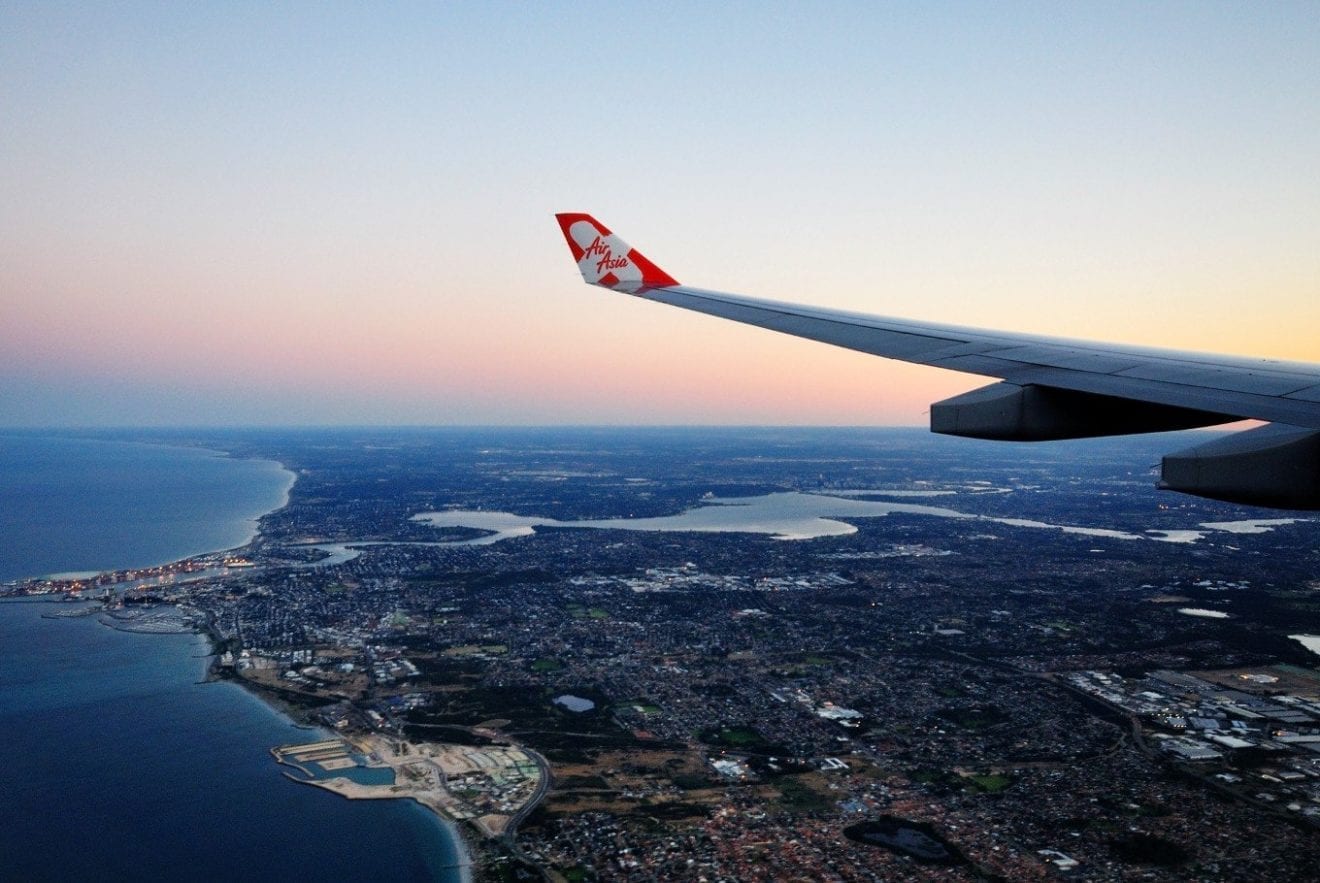
    The deal is centred around the launch of the new ‘The Buck Stops Here’ campaign, to celebrate AirAsia the airline’s new services from Brisbane to Bangkok, which are set to commence on 26 June.

    AirAsia Group Head of Branding, Rudy Khaw, said AirAsia is excited to partner with the Brisbane Broncos.

    “We are thrilled to partner with Queensland’s number one sports team, and National Rugby League favourites, the Brisbane Broncos.

    “Queensland is an integral part of our Australian network, and since commencing flights to the Gold Coast in November 2007, we’ve flown more than 2 million passengers through the sunshine state,” Mr Khaw said.

    “Our new services from Brisbane will soon become the most affordable and convenient way to travel to Thailand’s capital, and with the help of the Brisbane Broncos, we hope to see demand for these new flights grow even more.”

    As part of the partnership, AirAsia will run events and giveaways at Brisbane Broncos home games over the 2019 NRL season, as well as provide fans advanced notice on AirAsia promotional offers.

    Brisbane Broncos CEO, Paul White, said the partnership reflects a shared culture for both organisations.

    “Our partnership with AirAsia reflects a shared culture of delivering a fantastic experience at exceptional value for fans, whether it’s a night at the footy or choosing your next holiday.

    “The Broncos look forward to seeing how the beloved Buck is made part of this exciting plan to further enhance the fan experience and showcase AirAsia and their exciting destinations,” Mr White said.

    The deal, which was announced during the Broncos home game against the West Tigers at Suncorp Stadium last night, has already seen one fan receive return flights for two to Bangkok, Thailand.

  • Thai Airways revamps Royal Orchid Plus frequent flyer program

    Thai Airways revamps Royal Orchid Plus frequent flyer program

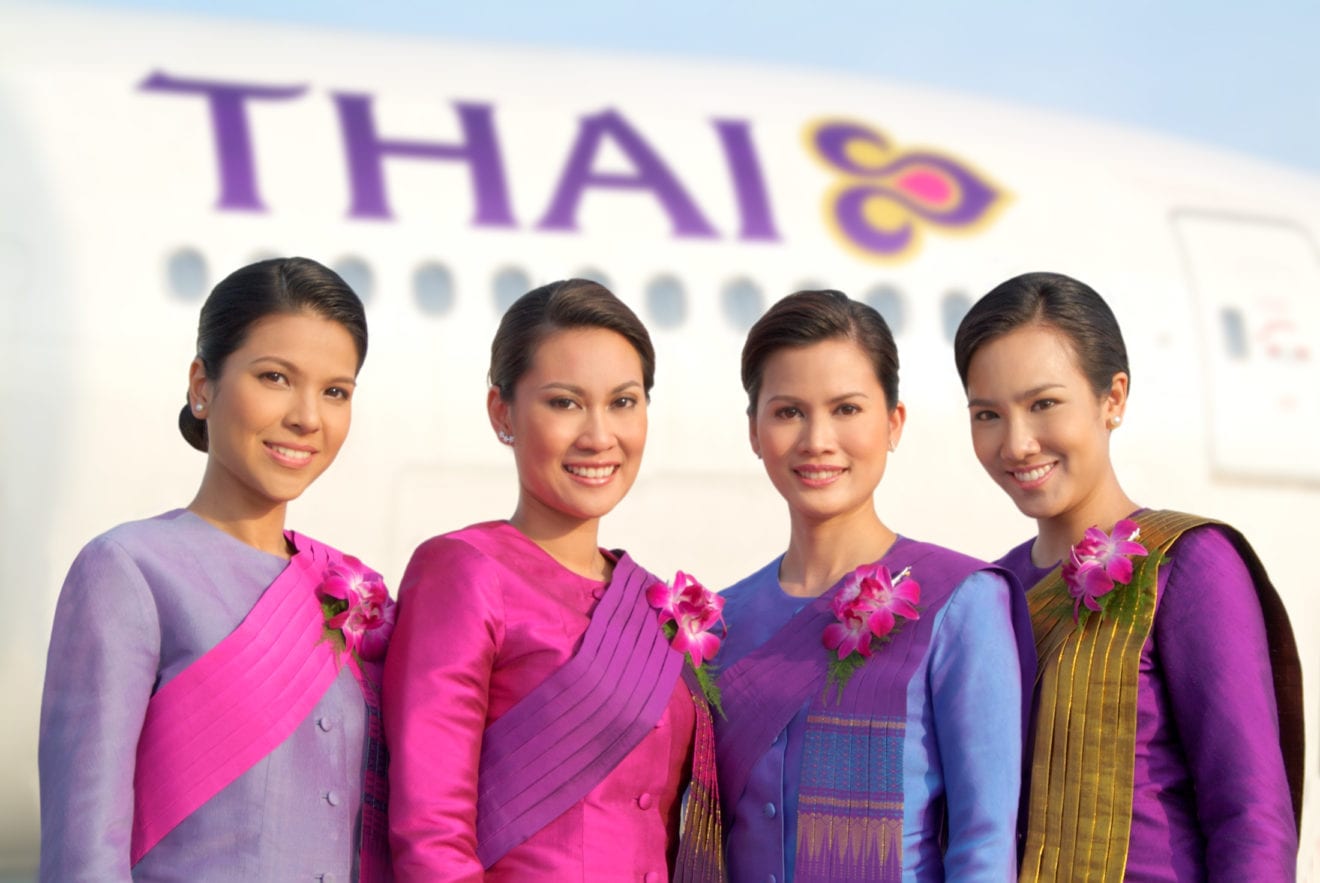
    Thai Airways is making significant changes to its Royal Orchid Plus frequent flyer program from October 1 2019, affecting how miles are both earned and redeemed on Thai Airways and Star Alliance flights across the globe.

    On the one hand, business class and first class passengers travelling with Thai Airways stand to earn more miles from the same flights – as do Silver, Gold and Platinum Royal Orchid Plus members – but in turn, the number of miles needed to book a flight or secure an upgrade is increasing dramatically: more than doubled in some cases.

    Here’s an outline of what’s changing, and how it affects you, the traveller.

    Earn extra Royal Orchid Plus miles on first class, business class travel

    Passengers travelling with Thai Airways on all paid first class fares, some business class tickets and the highest-priced flexible economy fares will earn more miles when they fly from October 1.

    Of the fare types that will award more miles, here’s a look at today’s earn rate – given as a percentage of the number of actual miles flown in the sky – compared to the earn rate coming into place for flights taken on and from October 1:

    Class of service
    Fare letter
    Today’s earn rate
    Earn from October 1
    First class
    F 150% 250%
    First class
    A, P 150% 200%
    Business class
    C, D 125% 150%
    Flexible economy
    Y, B 100% 110%

    For example, a non-stop flight from Sydney to Bangkok measures up at 4,679 miles, which today would provide first class travellers booked onto an ‘F’ fare approximately 7,018 Royal Orchid Plus miles at the 150% rate, being the distance flown (4,679 miles) multiplied by the 150% earning rate.

    Fast forward to October, and that same one-way journey would instead generate a higher 11,697 miles, when the earning rate climbs from 150% to 250% on the same fares.

    All other fare types, including J- and Z-class business class tickets, will continue earning miles at the same rate as today.

    Silver, Gold and Platinum Royal Orchid Plus status gets easier to earn

    Thai Airways uses ‘qualifying miles’ to determine which travellers have earned Silver, Gold and Platinum status in Royal Orchid Plus: and as travellers earn ‘qualifying miles’ at the same rate as spendable miles above, passengers booked on those higher-end fare types will reach the lofty heights of status faster than before.

    For instance, Royal Orchid Plus Silver status – equivalent to Star Alliance Silver – is awarded after earning 10,000 qualifying miles in a rolling 12-month period, or 15,000 qualifying miles over a rolling 24-month time frame.

    Using the same example above, that would be achievable with a single first class flight from Sydney to Bangkok, while the airline’s Royal Orchid Plus Gold level (Star Alliance Gold) would be unlocked after a single return first class flight from Sydney to London via Bangkok with Thai Airways.

    Royal Orchid Plus Platinum – a level that provides access to Thai Airways’ first class lounge in Bangkok regardless of fare type, complimentary flight upgrades and more – would also be achievable from two return treks between Sydney and London, flying first class (F class) on one trip and business class (C or D class) on the other.

    It’s not that the requirements for reaching Silver, Gold and Platinum status are being lowered, of course: it’s simply that the airline’s highest-priced fare types will earn more qualifying miles from October, being the Thai equivalent to status credits, which brings these memberships within easier reach of passengers booking those premium fare types.

    New ‘tier bonus’ for Royal Orchid Plus members on Thai Airways flights

    From October 1, Silver, Gold and Platinum Royal Orchid Plus cardholders will earn even more miles on Thai Airways flights, through the introduction of a ‘tier status bonus’.

    Silver members will earn 5% more miles, Gold members get 10% more miles and Platinum travellers will pocket 20% more miles, year-round.

    This bonus is calculated upon the full overall earning rate from each Thai Airways flight, making it highly rewarding for first and business class flyers, although the extra points awarded via this ‘tier bonus’ aren’t also counted as qualifying miles: merely, extra miles to be spent on flight bookings and upgrades.

    As an example, a return flight from Sydney to Bangkok clocks in at 9,358 miles flown, which would earn a base-level member 14,037 miles from October 1 when flying on a C or D business class fare, given the 150% earning rate applied to those fares.

    The tier bonus is then added on top, giving top-tier Platinum members a further 20% boost on that initial haul of 14,037 miles, for an all-out gain of 16,844 miles.

    More Royal Orchid Plus miles needed to book Thai Airways flights

    Currently, the number of miles needed to book a Thai Airways flight differs, depending on whether you’re making a one-way reservation or flying return, with return-trip points bookings presenting the best value, requiring fewer points than booking the journey as two one-way flights.

    However, that pricing difference is being removed as part of these changes – the cost of a return flight to become twice as many miles as a one-way ticket – with the overall number of miles needed also being amended, for new bookings made from October 1 2019.

    For passengers taking return trips, here’s how that plays out across a range of routes, including flights from Australia (Sydney, Melbourne, Brisbane and Perth) to Bangkok and beyond:

    Route, flying return
    First class *
    Business class
    Economy class
    SYD/MEL/BNE-Bangkok (today)
    150,000 miles 98,000 miles 55,000 miles
    SYD/MEL/BNE-Bangkok (1/10-)
    180,000 miles (+20%) 130,000 miles (+33%) 55,000 miles (no change)
    Perth-Bangkok (today)
    N/A 75,000 miles 45,000 miles
    Perth-Bangkok (1/10-)
    N/A 130,000 miles (+73%) 55,000 miles (+22%)
    Australia-Bangkok-Europe (today)
    230,000 miles 170,000 miles 90,000 miles
    Australia-Bangkok-Europe (1/10-)
    450,000 miles (+96%) 350,000 (+105%) 160,000 miles (+78%)
    Bangkok-Europe (today)
    185,000 miles 130,000 miles 70,000 miles
    Bangkok-Europe (1/10-)
    250,000 miles (+35%) 180,000 miles (+38%) 85,000 miles (+21%)

    * On Australian routes, first class only available to/from Sydney.

    Curiously, Thai’s new Royal Orchid Plus reward pricing makes it more attractive to plan a stopover in Bangkok than to merely connect through the airport, booking the Australia-Bangkok and Bangkok-Europe legs on separate tickets.

    For example, book a return business class trip from Australia to Europe after October 1 and you’d part with 350,000 Royal Orchid Plus miles – but book a return business trip between Australia and Bangkok (130,000 miles), and separately, a return business class trip between Bangkok and Europe (180,000 miles) and you’d pay only 310,000 miles overall: an easy saving of 40,000 miles, by booking your flights across two reservations instead of one.

    This works best when you’re genuinely breaking the journey in Bangkok, and shouldn’t be used for tight flight connections when you don’t plan to leave the airport, as the airline may not be able to check your bags all the way through, and if the first flight of your journey is delayed, you may not be ‘protected’ should you miss an onward flight, as would be the case when all flights are on a single ticket.

    Notably, the number of miles needed to fly solely between Perth and Bangkok also comes into line with the rates from Sydney, Melbourne and Brisbane as part of these changes.

    Booking Star Alliance flights also requires more miles

    Similarly for passengers using Royal Orchid Plus miles to book flights with Thai Airways’ Star Alliance partners, the number of miles needed is increasing across the board, with some flights requiring more than twice as many miles to book from October 1 as are needed today.

    While the changes impact travel in all classes, here’s how the increases shape up on a range of popular routes for passengers booking business class, based on a return trip for one person:

    From Australia to (return) Business class (today) Business class (1/10-) Increase in miles
    NZ, Fiji, Samoa, Tahiti, Vanuatu
    50,000 100,000 50,000 miles (+100%)
    China – Beijing
    150,000 210,000 60,000 miles (+40%)
    China – Shanghai 150,000 190,000 40,000 miles (+27%)
    India 127,000 210,000 83,000 miles (+65%)
    Japan, South Korea 150,000 210,000 60,000 miles (+40%)
    Canada, US mainland
    150,000 400,000 250,000 miles (+167%)
    Europe + Turkey
    170,000 350,000 180,000 miles (+106%)
    Middle East + Egypt
    140,000 210,000 70,000 miles (+50%)
    South America 175,000 400,000 225,000 miles (+129%)
    South Africa 180,000 350,000 170,000 miles (+94%)

    Travellers jetting from Australia to the United States and Canada are hardest-hit, requiring an extra 250,000 miles per return business class trip over and above today’s rates, meaning you’ll need a staggering 400,000 frequent flyer points to book a single return business class ticket, even on non-stop flights with the likes of Air Canada and United Airlines direct from Australia.

    Interestingly, the table above also mirrors how many miles will be needed to book Thai Airways international connecting flights from October 1 – 350,000 miles for return business class to Europe, for example – so there’s no difference in price whether you choose to fly with Thai Airways or a Star Alliance airline on these tickets, except when flying Thai Airways through Bangkok and breaking the journey, as previously described.

    Star Alliance round-the-world tickets also hiked

    Currently, you can fly round-the-world with Thai Airways and its Star Alliance partners for 480,000 Royal Orchid Plus miles in first class; 340,000 miles in business class or 220,000 miles in economy: but come October 1, those rates also jump astronomically.

    From that date, a round-the-world first class ticket will set you back a whopping 950,000 miles – almost twice as many miles as are needed today – while business class also climbs to 725,000 miles, more than double today’s rates.

    Booking an economy round-the-world ticket is similarly increased to 350,000 miles.

    To put it another way, with 350,000 Royal Orchid Plus miles in your Thai Airways account today, you could comfortably circle the planet in business class: but make that same booking from October 1 and you’d be stuck back in economy, and paying even more miles for the privilege!

    More miles needed to upgrade Thai Airways, Star Alliance flights

    Passengers flying Thai Airways from Sydney to Bangkok on the most common J, C and D business class airfares can currently secure a coveted first class upgrade for 52,000 Royal Orchid Plus miles, pending availability: but from October 1, that climbs to 81,000 miles for the same one-way upgrade.

    On longer legs such as between Bangkok and London, or most other European cities where Thai Airways’ first class service is available, that same first upgrade increases from 58,000 miles today to 112,500 miles from October 1, being almost twice as many miles needed to upgrade the same one-way flight.

    Using Royal Orchid Plus miles to upgrade Star Alliance partner flights will also require more miles from October, with most business-to-first-class upgrades from Asia to Europe bumped from 80,000 to 115,000 miles, such as from Hong Kong to Frankfurt aboard Star Alliance member Lufthansa.

    Similar increases apply when upgrading from economy and premium economy to business class with Thai Airways, and from economy to business class with Star Alliance partners.

    For further information about these and other Royal Orchid Plus changes, visit the Thai Airways website.
  • Nok Air to cease flights to Nan

    Nok Air to cease flights to Nan

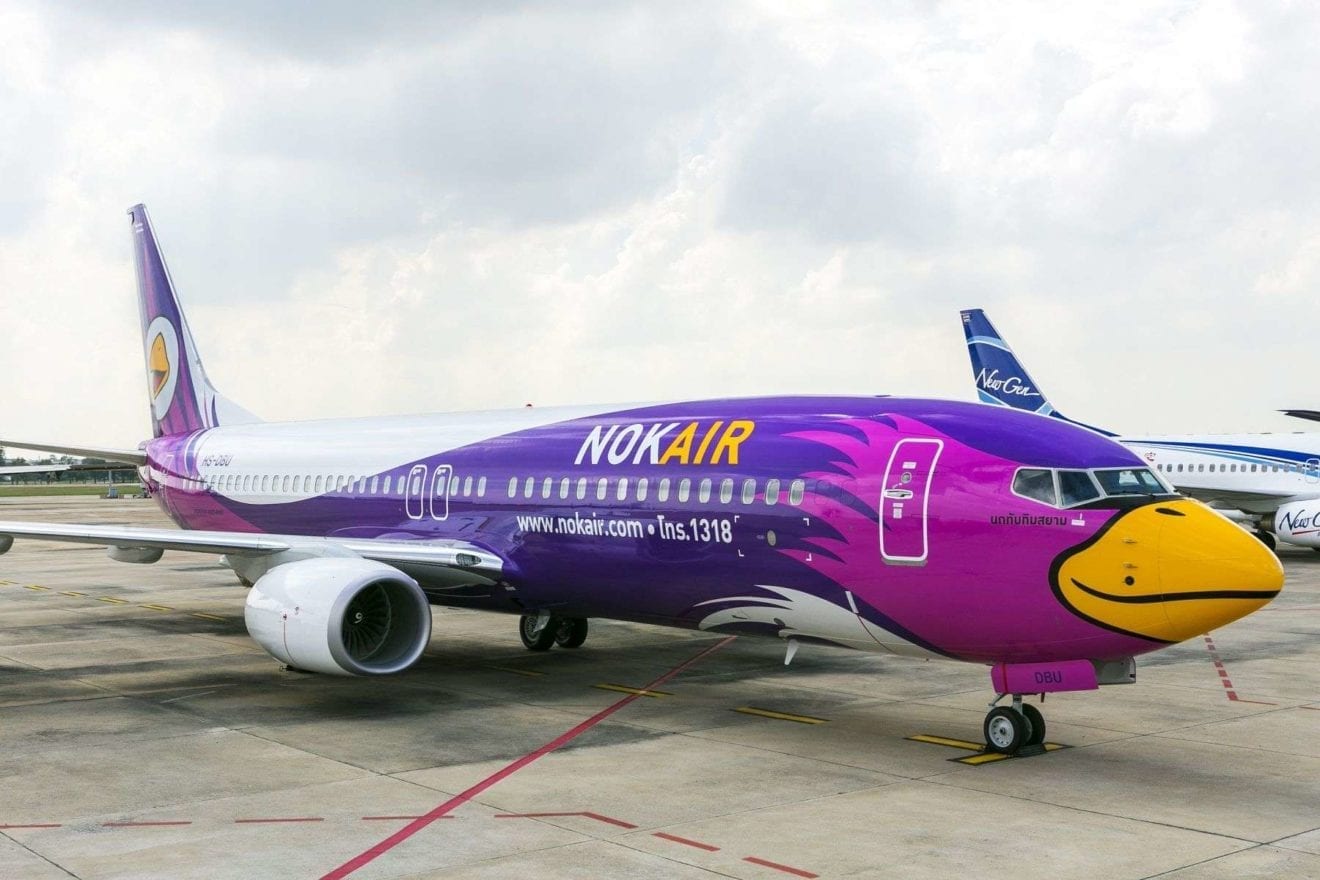
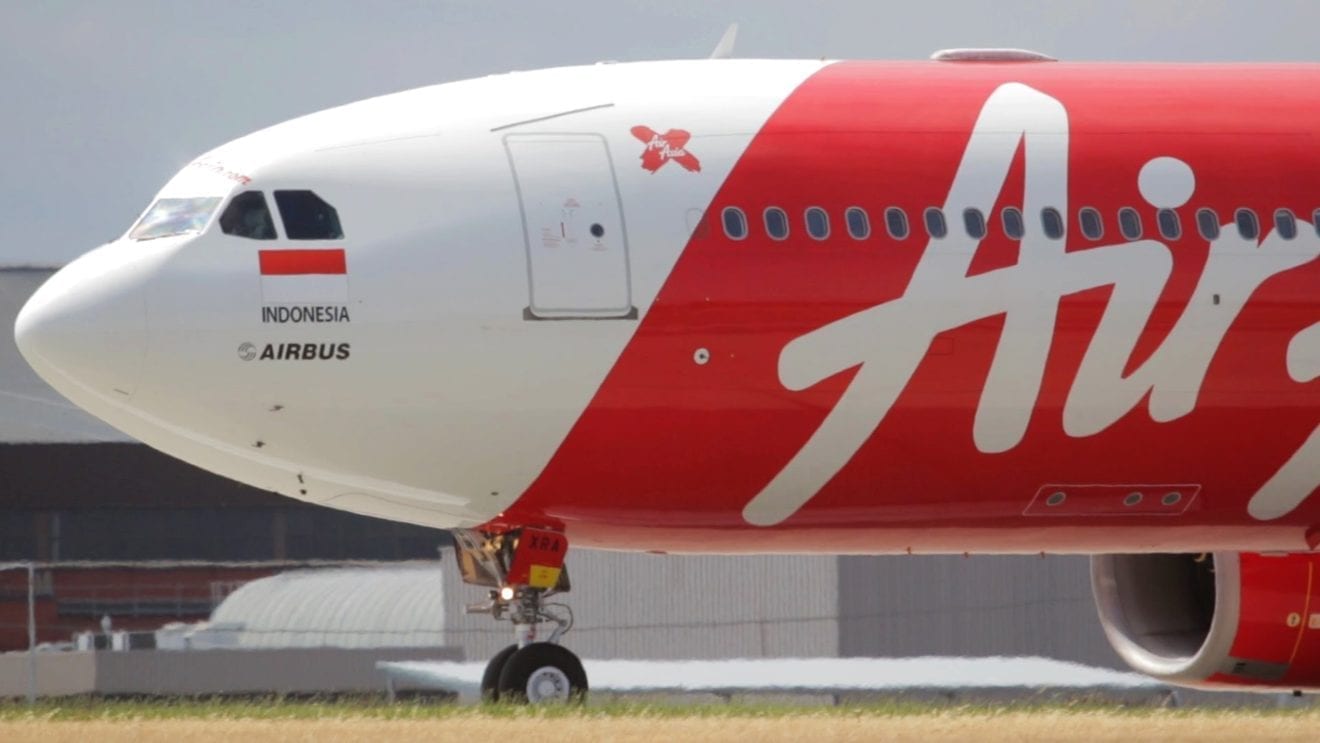
    Nok Air will end flights between Bangkok and Nan from April 18, leaving the province scrambling to convince another airline to take up the service.

    Nan airport general manager Ruangyuth Nittayanon announced on Thursday the airport had been advised by the budget airline of its decision to stop flying the route from April 18, after more than one year in operation. Nok Air did not explain the reason, he added. A check showed its website no longer allows bookings for Nan flights from April 18. Ticket prices to the province are shown only until April 17.

    The no-frills airline currently has two daily flights between Don Mueang and Nan. Terminating the service  leaves Thai AirAsia the only airline linking the capital and the northern province. Nok Air is operating at a loss and its financial situation is being closely watched by the Civil Aviation Authority of Thailand.
    Mr Ruangyuth said the airport had contacted the Airports Department to approach other airlines to fly to Nan to reduce the impacts on air travellers, tourism and business. He named Bangkok Airways and Thai Vietjet as possible options.

    With Thai AirAsia to be the lone airline on the route, the airport chief was concerned about the possibility of higher fares due to the lack of competition.
    The province and business operators in Nan will hold a meeting to approach other airlines to replace Nok Air when it ends the service, with the last flights on April 17.

  • Tesco Asia sales fall after restructuring

    Tesco Asia sales fall after restructuring

    Tesco Asia like-for-like sales fell 6.2 per cent last year, but the decline eased to 3 per cent in the fourth quarter as restructuring of the Thai business took effect.

    UK-headquartered grocery retailer Tesco Group included the results of its Tesco Asia operations in its annual results filing released yesterday.

    Tesco Asia’s operating profit for the year was £286 million (US$374.9 million), down 4.3 per cent. But the company commented that supplier negotiations have concluded and the significant restructuring is now complete, paving the way for improved results in the year ahead.

    “In the first half, profit was impacted by the combined effect of sales deleverage, price investment and repositioning of promotional investment in Thailand,” the company said. “Performance improved significantly during the second half as we successfully concluded renegotiations with our suppliers and accelerated plans to restructure our store and office operations in Thailand. As a result, we have been able to recover our operating margin more fully and quickly than we had anticipated at the half-year stage.”

    Total sales in Asia – where it operates Tesco Lotus in Thailand and Tesco hypermarkets in Malaysia, were down 1.6 per cent, after excluding sales taxes and fuel. The company achieved £4.055 billion in sales in Thailand and £818 million in Malaysia.

    Tesco Asia opened two stores in Malaysia and 70 in Thailand during the year. It closed one in Malaysia and 56 in Thailand, leaving a net total of 73 and 1965 respectively, which accounts for almost a third of Tesco Group’s global network of 6270 stores.

    Globally, Tesco Group achieved a 28.8 per cent increase in pre-tax profit to £1.67 billion, which GlobalData retail analyst Thomas Brereton said was evidence of the success of CEO David Lewis’ turnaround plan, now four years in.

    ‘‘Tesco’s strong full-year announcement today produced a flurry of appealing results,” said Brereton.

    “Shareholders … should be feeling extremely confident that Tesco will be one of the better-performing supermarkets for the rest of this year.”

    He said Lewis has lived up to his nickname of ‘Drastic Dave’ at Tesco, “mercilessly streamlining the business over the past four years, ditching divisions that obstruct the group from reaching the promised operating margin level”.

    But Brereton said Lewis now faced a challenge of what to do next, having almost achieved every single five-year target set four years ago when he took control of the then-struggling business.

    “Tesco now needs to set itself some new objectives.”

  • AirAsia to Launch Flights Between Bangkok and Ahmedabad

    AirAsia to Launch Flights Between Bangkok and Ahmedabad

    AirAsia is to launch flights between Bangkok and Ahmedabad, the capital of Gujarat state and India’s first UNESCO World Heritage City. The airline will operate the route four times per week on Mondays, Wednesdays, Fridays and Sundays, from 31 May 2019.

    AirAsia Thailand CEO, Santisuk Klongchaiya, said, “India is a strategic market that is fast becoming an important contributor of inbound tourists for AirAsia Thailand. To fully leverage on this, we plan to regularly introduce routes connecting the two countries, focusing particularly on India’s burgeoning metros. Thailand’s own worldwide fame for hospitality should attract travellers from Ahmedabad, which is the capital of Gujarat state and India’s fifth most populous city.”

    According to Thailand’s Ministry of Tourism and Sports, Thailand welcomed 1.5 million Indian visitors in 2018, up 12% on the previous year.

    Thai AirAsia has recorded a load factor of up to 87% on its India routes, with passengers travelling between Bangkok and existing destinations in India increasing 7% year-on-year. Indian nationals made up 85% of passengers on those routes.

  • Shiseido and AS Watson co-create skincare Beauty Line

    Shiseido and AS Watson co-create skincare Beauty Line

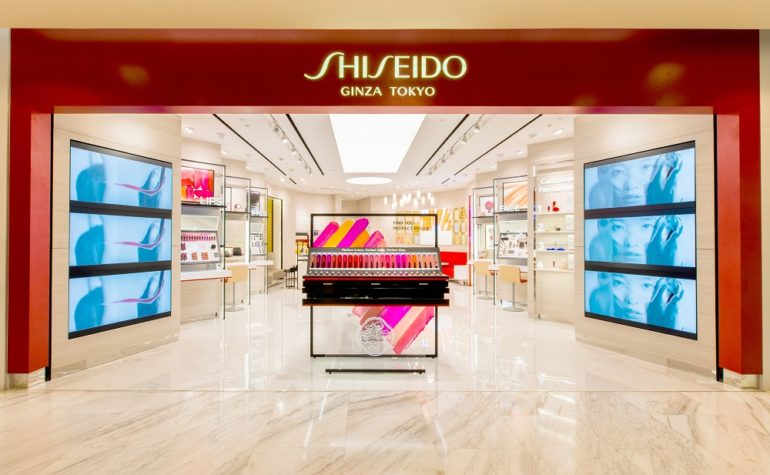
    Global cosmetics company Shiseido and AS Watson, the health & beauty retailer, have collaborated to co-create an exclusive derma skincare range under the “D Program” brand.

    The new Urban Damage Care range has been successfully launched in Thailand and Taiwan and will soon be launched in other Asian markets with Watsons stores.

    The collaboration is in response to a 24-per-cent growth in the derma skincare category in Asia since 2014. As more women are looking for effective derma skincare products, the online search for related topics grew by 117 per cent compared to last year.

    “AS Watson is the largest health and beauty retailer in the world that acts with speed, innovation and vision making them the perfect retailer to bring Urban Damage Care to the high street,” said Shiseido president and CEO Masahiko Uotani.

    “With AS Watson’s extensive distribution network and customer insight of the derma cosmetics category and Shiseido’s expertise in R&D and innovation, this has enabled us to co-create a range that supports our core values of putting the customers’ needs first while ensuring that it is accessible to customers.”

    The project kicked off with customer survey on a selected panel of Watsons members after Watson’s COO Malina Ngai visited Shiseido headquarters in Tokyo 18 months ago.

    “Combined with Shiseido’s 40 years of sensitive skin research and product development technology, we collaborated to develop the range that we believe will be best suitable for modern Asian females to improve their skin to defend against urban pollution,” she said.

    Following positive feedback from customers, “D Program” will be launched in China on 11 April.

  • Thai telcos fear excessive costs from new cable policy

    Thai telcos fear excessive costs from new cable policy

    The Telecommunications Association of Thailand (TCT), the industry body representing Thailand’s major operators, has argued that the policy will impose excessive costs on telecommunications service providers and may prove to be impractical.

    The association is urging the government to subsidize construction costs for the underground pipelines that would hold the currently overhead cables, and has suggested that operators would be willing to pay “reasonable” rental fees for this passive infrastructure.

    But as it stands, the association has stated that it is concerned that operators would be required to pay rental fees for underground pipelines that are up to 100 times higher than the current price paid for using overhead poles – nearly 20,000 baht per kilometer per month, compared to around 200 to 300 baht for per kilometer per month for overhead poles.

    Meanwhile the association has also proposed an alternative model involving using a combination of underground pipes and overhead poles that in some cases could use tubing that can group all cables together.

    This would help the government achieve its goal of helping to beautify the city while being a more affordable option to locating all cables underground.

  • Mos Thailand Found Investor, Securing Further Expansion

    Mos Thailand Found Investor, Securing Further Expansion

    Japanese hamburger-restaurant chain Mos is selling a 74.3 per cent stake in its Thailand operations to bolster its local presence.

    The Mos Thailand shares are being acquired by former Thai skincare entrepreneur Pitharn Ongkosit, who will undertake to expand the business within the territory and increase the number of outlets within the region.

    The Japanese brand will retain all remaining shares in the business.

    The brand’s original partnership failed after local operators kept just six outlets running since the firm’s 2007 launch in Thailand. The partners now aim to have 45 shops in operation within five years.

    The firm has 1321 outlets in Japan and 265 in its second-largest market, Taiwan.

  • Dusit Thani Shares More News about Bangkok Developments

    Dusit Thani Shares More News about Bangkok Developments

    More details have been revealed about the massive mixed-use development planned for downtown Bangkok on the high-profile site of the former Dusit Thani Hotel.

    Dusit Thani, the Thai hotel and property development company, is partnering with Central Pattana, which owns the Central retail and mall businesses, in the development, located a stone’s throw from the Sala Daeng skytrain station, adjacent to Rama 4 Road and Lumpini Park.

    Scheduled for completion in 2024, the US$1.15 billion development will comprise 440,000sqm of prime real estate, including a new Dusit Thani hotel, luxury residences, a modern office tower and a high-end shopping mall.

    The development will open in three stages, firstly the 39-story hotel building, followed by Central Park Offices, whose 90,000sqm will be fitted out as a technology hub.

    The 80,000sqm mall, to be called Central Park, is designed to interconnect with all elements of the development as well as the skytrain and adjacent underground railway stations. It will feature a rooftop park. Both the offices and mall are scheduled for completion in 2023.

    The final part of the project, a 69-storey residential tower which is divided into two sections – Dusit Residences and Dusit Parkside – will be completed subsequently.

    “We aim to deliver a one-of-a-kind mixed-use project that blends heritage and innovation, connects all important infrastructure and transportation, embraces a green concept reflecting our prime position opposite Lumpini Park, and delivers enduring value for all our stakeholders,” said Suphajee Suthumpun, group CEO of Dusit Thani Public Company.

    “By blending the best of Thai design and hospitality with international standards of service, we will create a new city landmark that reflects our past, embraces our present, and anticipates the future. By doing so, we will continue the legacy of Dusit Thani Bangkok following the same principles Thanpuying Chanut Piyaoui had when she founded the hotel — to be bold and do great things, to create things that never existed before, and to always have a positive impact.”

    Suthumpun said the development aimed to “revolutionise the way people shop, dine, work, live and stay” in the area.

    Wallaya Chirathivat, deputy CEO of Central Pattana said Dusit Central Park will connect four Bangkok neighbourhoods in four directions – Ratchaprasong (north), Charoenkrung (south), Sukhumvit (east), and Yaowarat (west), in doing so creating “a new junction where old meets new, and financial meets commercial”.

  • Yamaha MT-03 Unveiled At Bangkok Motor Show

    Yamaha MT-03 Unveiled At Bangkok Motor Show

    Yamaha Motor has pulled the wraps off the 2019 MT-03 street-fighter motorcycle at the Bangkok Motor Show in Thailand. The updated offering is based on the Yamaha YZF-R3 sharing the engine, chassis and several cycle parts but does get changes to match a naked motorcycle’s mannerisms. For 2019, the updated Yamaha MT-03 gets a new white and red paint scheme in addition to the existing colour options available. Visually, styling changes are minimal and the bike carries over the design language from the older model.

    Key styling elements on the 2019 Yamaha MT-03 include the chiselled fuel tank, single headlamp cluster with LED daytime running lights and a semi-digital instrument console. The taillight remains a LED unit, while the sporty split seats have been carried over from the R3. The bike rides on web-design alloy wheels that are finished in contrast colours on the motorcycle.

    Power on the updated Yamaha MT-03 comes from the 321 cc liquid-cooled, DOHC, parallel-twin engine tuned for 41 bhp and 29.6 Nm of peak torque. The motor is paired with a 6-speed gearbox. The bike is suspended by telescopic forks at the front and a monoshock unit at the rear. Braking performance comes from disc brakes at either end with dual-channel ABS as standard.

    Although not confirm, odds are that Yamaha Motor India just might bring the MT-03 to India to compete against the KTM 390 Duke, BMW G 310 R and the likes. The full-faired Yamaha R3 is already on sale here and is expected to get a comprehensive upgrade in the second half of 2019 with the Japanese bike maker bringing the comprehensively updated version that was introduced globally last year. With the MT-15 and the MT-09 already on sale in India, the MT-03 will fit well into the company’s naked motorcycle line-up, and its Call of the Blue campaign to bring performance oriented products to India.

  • Khun Thai Tea appoints First Indonesian Franchise

    Khun Thai Tea appoints First Indonesian Franchise

    Entrepreneur Amelia Fransisca has been appointed master franchise holder for Khun Thai Tea Indonesia.

    Fransisca, who has a 10-year tenure in the foodservice industry, said she chose Khun Thai Tea for its novel, fresh taste despite its low sugar content compared to other competitors, amidst trending consumer demand in Indonesia for original tea and healthier beverage options.

    “This brand will be huge as an option for fresh tea and healthier choices,” said Fransisca. “I believe the brand will also become more recognizable to our people (especially among young people) because it is introduced and organized by a great team and a great plan.”

    Indonesia is already home to four Khun Thai Tea outlets – three in Jakarta and one in Bali. Fransisca plans to spur growth by focussing her efforts in Indonesia’s cities and suburban areas, with special care given to the Jakarta, Bogor, Tangerang and Bekasi areas, where she says new outlets will help the brand gain more recognition.

    She has also chosen to open in these areas first due to local consumers’ strong buying power, range of food and beverage choices and exposure to product innovation. They are also well-positioned in terms of proximity, allowing closer supervision of procedures, services, and product quality.

    “The food and beverage business still has lots of room to develop and innovate nowadays, especially in Indonesia. That is why F&B is a good business,” she said. “Selling drinks is also simpler, and delivers good margins for comparatively average business costs … Compared to starting up a new business, it is also safer to choose a franchise.”

    “According to recent research conducted through social media in Indonesia, a glass of milk tea with boba is still the number-two most-wanted product on most Indonesians’ must-buy list, after famous chicken dishes called ‘Ayam Geprek’.”

    Khun Thai Tea is currently amongst the fastest-growing beverage store brands in Singapore, Malaysia, and Indonesia.

  • Echelon Bangkok roadshow showcases the bright new stars in Thailand’s ecosystem

    Echelon Bangkok roadshow showcases the bright new stars in Thailand’s ecosystem

    Recently, Echelon, the tech event startup organizer from Singapore held an event at WeWork Asia Centre in Bangkok. The Echelon Roadshow is part of a series of international stops leading up to the annual Echelon Asia Summit happening in May.

    The event brought together the local startup ecosystem over a night of networking, Thailand top 100 startup, plus a panel discussion with feature founders sharing their startup journeys – from how they scaled their company to how they addressed obstacles such as building a sustainable team. The panellists included Surasit Sachdev, CEO of Hungry Hub, Casey Liang, co-founder of Pomelo, and Bond Thaiyanurak, CEO&Founder of Box24. The discussion was moderated by PachareePantoomano, BrandNow.asia’s Director of Make it Happen, the agency that launched large startups such as Grab, Lalamove, and Honestbee in Thailand.

    The panel discussion tackled Founders Confessions which panellists shared their experiences as part of starting up. Bond talked about working with the right partners and having the right chemistry. He’s had to resolve a conflict with a shareholder. Surasit confessed that when he initially started the company, he did not do market research and that causes him to burn through his investment quickly. He advised anyone thinking about starting up should do the research and work on the proof of concept from the beginning. When Pacharee asked the panellists if they started their companies for love or money, Casey said that it was a bit of both. However, it’s the love for growing the business that keeps him going. The life of a start-up can be a bumpy one and he said that if you love what you do, it will help you stay true to your goal.

    Thaddeus Jit Siong Koh, the co-founder of e27, shared “The journey for these winners has only just begun. We are excited to see them compete against the other bright new stars of Southeast Asia’s ecosystem in Singapore — at our Echelon Asia Summit 2019 which is taking place on May 23rd and 24th at Singapore Expo. We also hope that these startups will be able to level up through absorbing insights from thought leaders, corporate business matching, and more”

    Pacharee added, “It is important that we continue to contribute, develop and grow the ecosystem locally, regionally and globally. These events and competitions bring about better products and services for businesses and consumers. We are delighted to be Echelon’s media and community partner in Thailand. It is an opportunity for us to support our local startup scene and do our part in fostering the digital economy”.

  • AEON and Robinson present “ROBINSON SUMMER FREE.VER” Songkran celebration campaign

    AEON and Robinson present “ROBINSON SUMMER FREE.VER” Songkran celebration campaign

    Mr. Tula Pharuehaspailin (right), Assistant Vice President Marketing Credit Card Promotion of AEON Thana Sinsap (Thailand) Public Company Limited together with Mr. Miti Chanyawong (left), General Manager Sales Promotion of Robinson Public Company Limited, announced the “ROBINSON SUMMER FREE.VER” campaign in celebration of the upcoming Songkran festival. Special promotions include the best prices on summer items, along with a discount coupon of up to 40% off. Exclusively for AEON credit cardholders, receive cash back up to 30,000 baht, with 10 chances to win a gold necklace, when spending up to 1,000 baht. The special offer is valid from today until 2 June, 2019 at all Robinson Department Store nationwide.

  • Four in five Thais tries going cashless as confidence in digital payments grows

    Four in five Thais tries going cashless as confidence in digital payments grows

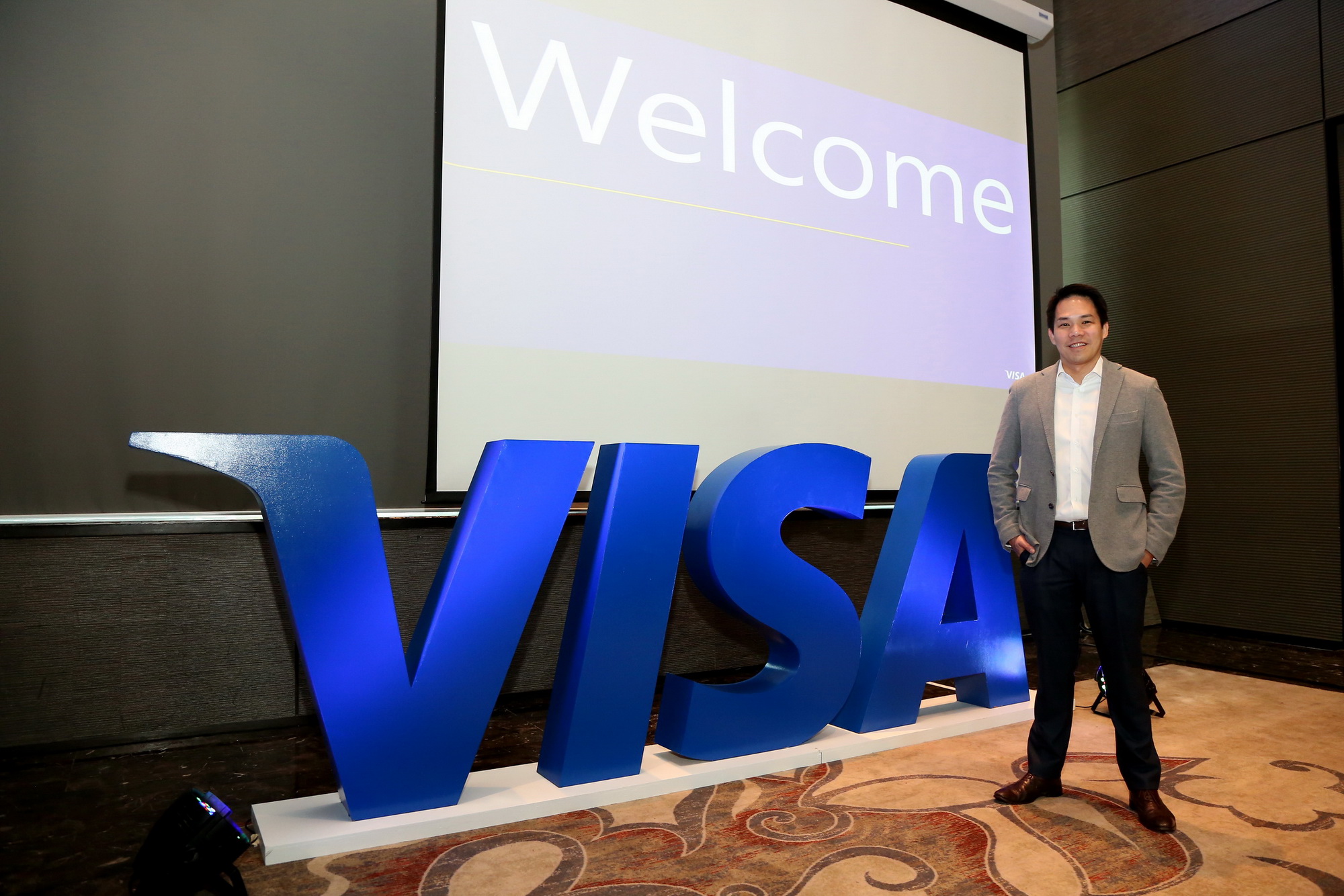
     Four in five Thai consumers (78 percent) have tried going cashless in 2018, compared to only fifty percent in previous year as confidence in digital payments grew, according to the 2018 Visa Consumer Payment Attitudes study (the “Study”). The study tracks payment habits and attitudes as well as exploring emerging topics related to payments among 4,000 consumers across eight Southeast Asian countries, including 500 respondents from Thailand.

    For Thai consumers, digital payment methods, such as cards, in-app mobile payments and QR payments combined together have a larger preference (57 percent) over cash (43 per cent).

    Suripong Tantiyanon, Country Manager for Visa Thailand said: “The higher preference towards using digital payments and the rise of confidence in going cashless are credited to industry players and the government, who have been relentlessly driving the national e-payments agenda.

    “In addition, we believe that the higher preference towards digital payments can be attributed to the proliferation of payment form factors and acceptance points.  More than ever before, Thai consumers can make payments with a wider range of connected devices and payment applications on smartphones, such as wearables and mobile payments.  At the same time, QR code offers merchants in traditionally cash-based segments with a fast, cost-effective and secure digital payments solution.”

    According to the study, two in five Thais (42 percent) said they carried less cash than they did two years ago, compared to 26 percent in 2017.  Top reasons for the decrease in cash in wallet are cash is unsafe (65 percent), higher adoption of digital payments (65 percent) and the hassle of using cash (39 percent).

    The study also showed  that of those who tried going cashless, more than half (60 percent) could manage a day without cash and forty-five percent could last without cash for more than three days.

    Overall, in terms of future expectation, more Thais are confident about the country becoming a cashless society.  Nearly one in three (29 percent) are confident that Thailand can become a cashless society in less than three years, compared to 11 percent in 2017.  Thirty-nine percent believed it will take between four to seven years while only six percent believed it will take longer than 15 years.

    “The findings are encouraging.  We believe that we are on the right track and it is important to help more consumers and merchants understand and embrace the benefits of digital payments.  At the same time, we are committed to innovate and collaborate with all stakeholders in the payment industry and beyond as we continue our journey towards transforming Thailand into a cashless society,” Suripong concluded.

  • Dtac, CAT, TOT to collaborate on 5G testbeds

    Dtac, CAT, TOT to collaborate on 5G testbeds

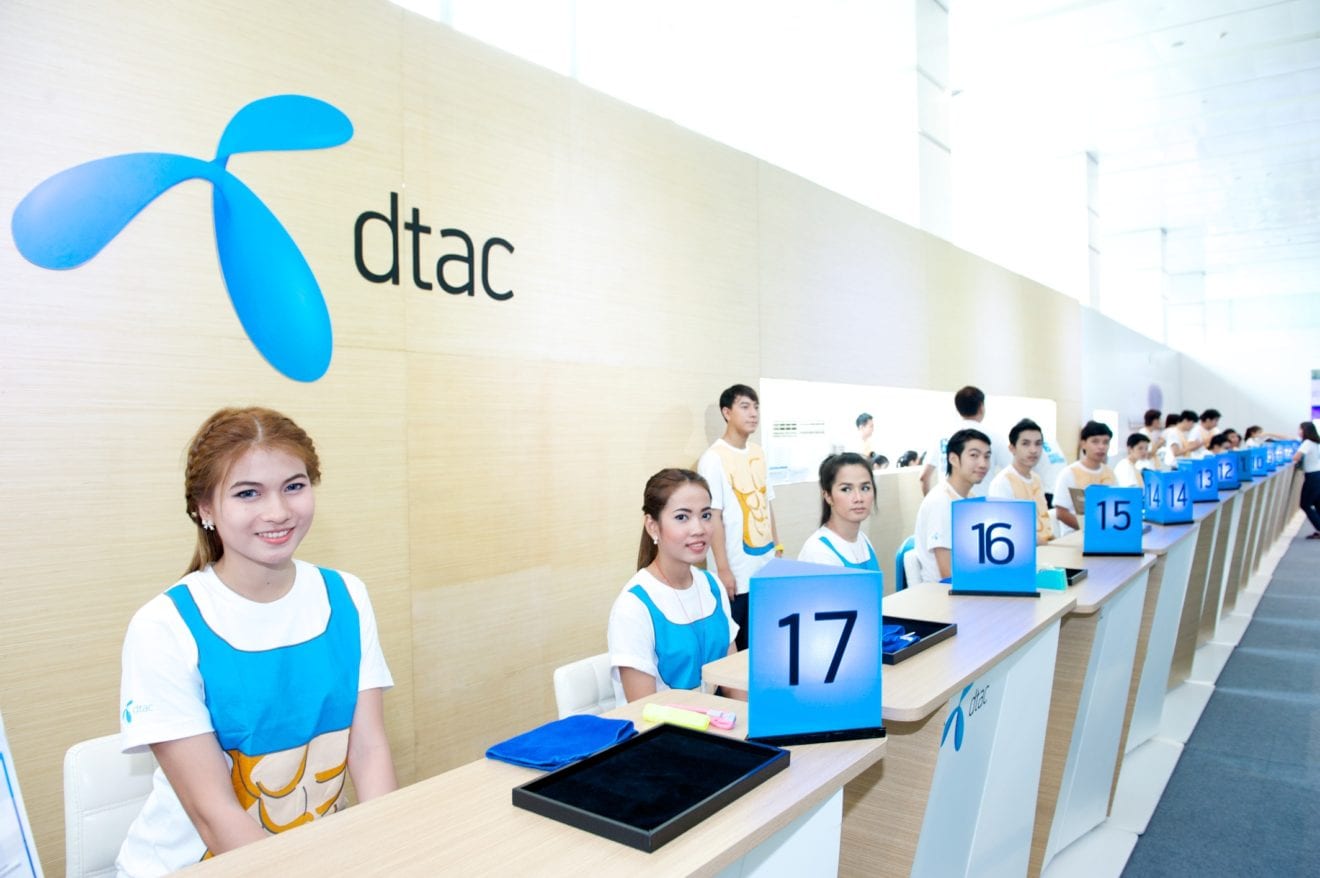
    Thai state owned operators TOT and CAT Telecom and privately-owned operator Dtac will collaborate on the development of 5G testbeds in the nation.

    The operators have signed a public-private partnership agreement to conduct both laboratory and live testing of 5G use cases at the 5G testbeds at Chulalongkorn University and the Eastern Economic Corridor.

    Applications due to be tested will focus on applications including smart farming, smart cities and environmental management.

    Specifically, TOT will test smart poles for smart city applications, CAT Telecom will trial 5G equipped air pollution sensors, and Dtac plans to test 5G connected drones to support real-time precision farming.

    The report cites Dtac CEO Alexandra Reich as noting that collaboration with vertical industries including co-investments will be essential for securing the resources required to pay for 5G infrastructure development.

    Meanwhile Dtac is urging the government to develop a clear 5G spectrum roadmap encompassing high, mid and low band spectrum, and including a clear allocation timeline, in order to support the industry’s preparations for the launch of 5G in Thailand.