Tag: Thailand

  • Mercedes-Benz ditches E220d in favour of E350e in Thailand

    Mercedes-Benz ditches E220d in favour of E350e in Thailand

    Sales of the diesel-powered executive saloon cease as the German automaker wants plug-in hybrids to account for 30% of total annual sales.

    Mercedes-Benz (Thailand) has launched its fourth plug-in hybrid vehicle: the E350e which follows the C350e, S500e and GLE500e.

    Like the C350e, the E350e uses a 2.0-litre petrol-turbo engine in conjunction with an electric motor, whose power from the lithium-ion battery can also be revitalised from the wall socket. The S500e and GLE500e employ a bigger 3.0-litre V6 petrol motor.

    Combined outputs in the E350e are rated at 286hp and 550Nm, while the maximum all-electric driving range is claimed at 33km. As the E350e spews out 44g/km of CO2 on the combined cycle, it is eligible for the new 5% excise tax imposed on locally made plug-in hybrids producing no more than 50g/km.

    There are three trims for the E350e: Avantgarde 3.49 million baht, Exclusive 3.79 million baht and AMG Dynamic 4.09 million baht.

    The similarly priced E220d has been dropped from the Thai E-class model lineup as Mercedes-Benz wants to promote plug-in hybrids in the country.

    Mercedes-Benz hopes that plug-in hybrids will account for 30% of total annual sales which is why diesel versions and other pure petrol derivatives aren’t available anymore. The same has happened in the C, S and GLE model ranges.

    BMW, meanwhile, is gearing up to launch the 530e in Thailand at the end of this year to rival the E350e. Volvo is also said to be preparing the introduction of the S90 T8.

    Unlike Mercedes-Benz, BMW is still selling diesel versions of the X5, 3 and 7-series as it wants to offer Thai customers with two distinct types of propulsion. BMW hopes that plug-in hybrids will account for 15% of annual sales this year.

  • Demand from China, Africa supports Vietnamese rice prices at harvest end

    Demand from China, Africa supports Vietnamese rice prices at harvest end

    Vietnamese rice is being offered at around $35-$40 a ton below Thai grain. China and several African countries have returned to Vietnam seeking fragrant and white rice, and the demand has helped stabilize export prices even though supply has risen at the end of a major harvest, traders said on Friday.

    They also said Vietnamese rice being offered for cheaper prices than Thai and Indian rice has also attracted buyers, mostly from Africa. Vietnam is the world’s third-largest rice exporter, behind India and Thailand.

    Farmers in the Mekong Delta, Vietnam’s food basket, have finished harvesting the winter-spring crop, the biggest of the country’s three annual crops. Paddy output eased 2 percent from last year to an estimated 9.8 million tons, based on government statistics. Most of the grain from this crop is being exported.

    Reuters cited Vietnamese traders’ quotations for five percent broken rice showing prices rose this week to $355-$360 a ton, free on board (FOB) basis, on more active trade.

    At $360 a ton, the price is at its highest since August 31, 2016.

    But traders at foreign firms and a dealer at a state-run export company in Ho Chi Minh City told VnExpress International that exporters are looking to sell the grade at around $355 a ton, while bids stood at $350-$352 a ton, similar to last week.

    “Rice exports to China are going well,” the dealer said. “Africa is also coming back with inquiries for the 5-percent and the 15 percent broken varieties, as well as fragrant rice.”

    He added that ample supplies are now available to state-owned export firms that have better access to bank loans, while private exporters are struggling to build stock due to weaker finances.

    Vietnamese prices are below those offered by Thailand, where the 5-percent broken rice rose this week to $387-$392 a ton, FOB basis, from $380-$390 last week and $360-$375 at the end of April due to loading demand during a slow off-season harvest, Reuters cited Thai traders in Bangkok as saying.

    Traders noted China, the biggest buyer of Vietnamese rice, has been taking more of the grain in the past month.

    China imported 288,000 tons of rice from Vietnam in April, way above the monthly average of 176,000 tons in the first quarter, Vietnam Customs data showed.

    That brought Vietnam’s total export volume to China in the January-April period to 815,000 tons, a rise of 16 percent from a year ago, based on data from the Finance Ministry-run customs agency.

    Earlier this year, China approved 22 Vietnamese rice export firms as official suppliers, but is also trying to limit rice purchases across the land border with Vietnam.

    China is projected to import 5 million tons of rice this year, up 8.7 percent from 2016, the U.S. Department of Agriculture said.

    Vietnam is forecast to export 5.6 million tons in 2017, up 10 percent from last year, the USDA said in a report on Wednesday.

    The USDA also forecasts both India and Thailand will export around double that amount this year.

  • TOT ready to take over True’s fixed operations

    TOT ready to take over True’s fixed operations

    Thai state-owned operator TOT is ready to take over concessionaire True Corporation’s fixed line operations upon the expiry of the concession agreement in October.

    TOT has spent months preparing the operational procedures that will be needed to take over the provision of services to around 1.2 million customers.

    As part of Thailand’s transition to a licensing regime, the 25-year build-operate transfer concession agreement will be allowed to expire on October 26. True had been paying 18% of its total revenue to TOT under this concession.

    Once the concession expires True will transfer its fixed line network assets and customers to TOT.

    The operator will lose fixed line service revenue of around 2 billion baht ($57.7 million) per year, while TOT expects to be able to realise revenues of 2.8 billion baht per year from the assets.

    TOT plans to start writing to True customers in July informing them of the scheduled takeover of the fixed line operations. The state operator already has its own fixed line business, with around 3.4 million subscribers nationwide.

    According to the report, TOT meanwhile plans to spend around 400 million baht this year on fixed line maintenance and repair.

  • Duolingo Launches in Thailand With a Free English Language Course for Thai Speakers

    Duolingo Launches in Thailand With a Free English Language Course for Thai Speakers

    Duolingo, the most popular language-learning platform and most downloadededucation app in the world, announced today its launch in Thailand with a free English language course for Thaispeakers. Using Duolingo, Thai speakers can learn to read, write and speak English through fun, game-like lessons. Duolingo is available now as a free app on the App Store and Google Play, and on the web at Duolingo.com.

    With more than 170 million users worldwide, Duolingo stands out for its free learning content, game-like approach to teaching, and bite-sized lessons that can be done in five to ten minutes per day. This appeals to anyone in Thailand who lacks time and resources to sign up for expensive language classes.

    “Of the 1.2 billion people worldwide who are learning a foreign language, 800 million are learning English in order to improve their job prospects and gain access to better life opportunities,” said Luis von Ahn, CEO and co-founder of Duolingo. “We started Duolingo to make language education free and accessible to everyone, and are excited to now offer the first free online English language course for Thai speakers. We hope the course will help open up new educational and job opportunities for Thais, while providing a fun learning experience.”

    The Duolingo English course for Thai speakers is the first free language-learning program of its kind in Thailand. Like most of Duolingo’s courses, this one was created by a team of bilingual volunteers. The team behind this course includes Songphon Klabwong, chief technology officer of a Bangkok-based software company, who was previously a lecturer of Computer Science at Rajamangala University of Technology.

    “During the time I was teaching, I noticed that the language barrier among my students was one of the biggest challenges to their learning experience and encouraged my students to start learning English,” said Klabwong. “When I found out that Duolingo was developing an English course for Thai speakers, I was inspired by the company’s mission and decided to contribute to the course. I am hopeful that it will encourage more Thais to develop their English skills.”

    For Thais who already read, write and speak English, Duolingo currently offers 22 language courses, with plans to add Japanese, Korean and even Klingon, the extra-terrestrial lingo from Star Trek, this year, too.

    Based in Pittsburgh, Pennsylvania in the United States, Duolingo has raised USD $83.3 million in venture capital from investors including Google Capital, Union Square Ventures, New Enterprise Associates, Kleiner Perkins, Hollywood actor Ashton Kutcher and internationally renowned author Tim Ferriss. While all learning content on Duolingo is free, the company monetizes through optional in-app purchases, ads at the end of lessons and a relatively low-cost English language certification test that is widely accepted at universities and organizations around the world.

    Duolingo is available on Android, iOS, Windows devices and the Web with seamless switching between platforms.

  • SF Express opens branches in Vietnam and Thailand

    SF Express opens branches in Vietnam and Thailand

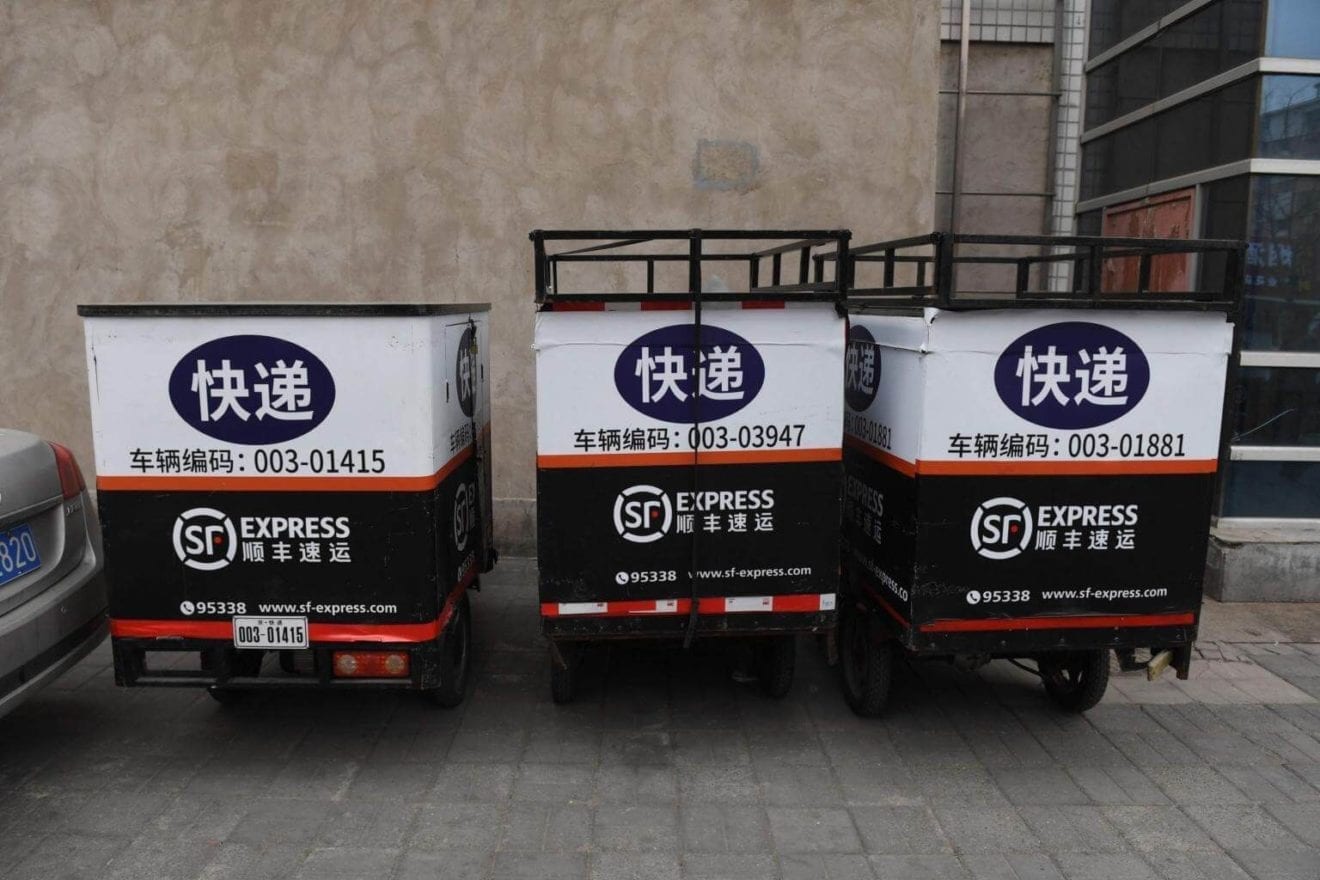
    SF Express, a subsidiary of SF Holdings, a Shenzhen, China-based express delivery firm, recently announced that its service centers in Vietnam and Thailand have formally opened for business, providing export and import express delivery services to local companies and individuals.

    The opening of the two offices are further evidence of the company’s continued efforts to invest in and expand its network in the ASEAN region, on the heels of the opening of service centers in Singapore and Malaysia.

  • Standardized payment QR code to launch in Thailand

    Standardized payment QR code to launch in Thailand

    Top payment card companies Mastercard, UnionPay International and Visa have jointly introduced a standardized QR code for mobile payments in Thailand.

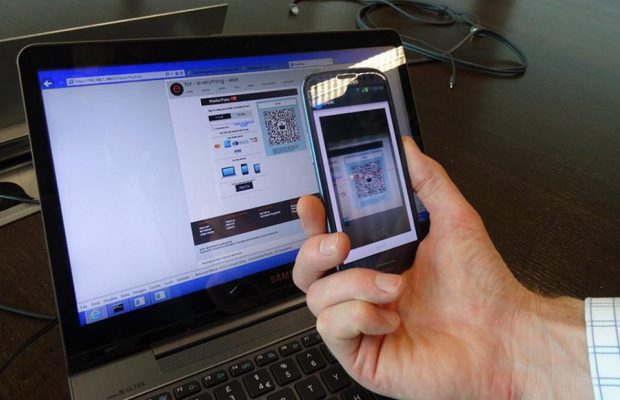
    The new standardized code allows merchants to easily accept electronic payments without the need to invest in physical point-of-sale machines. They need only have a piece of paper with their unique QR code for consumers to scan.

    Customers with a Mastercard, UnionPay, or Visa card can use a mobile application to scan the code using both smartphones and feature phones with a camera function.

    In future, the standards are intended to be globally interoperable and useable anywhere they have been expected.

    The standardized code is expected to be implemented by banks and merchants across Thailand by the third quarter.

    The initiative also meshes with the Thai financial sector’s Electronic Data Capture (EDC) expansion initiatives under the government’s National e-Payment Roadmap, which aims to support the nation’s transition to a cashless society.

    The launch of the Standardized QR Code signals exciting times for Thailand as consumers move quickly to adopt new payments technology,” Mastercard country manager for Thailand Donald Ong said.

    “Our own research, for example, shows that 50% of young consumers across South East Asia would use the QR code straightaway, and we believe this reflects the demand in Thailand.”

  • Mastercard, UnionPay International and Visa Make E-Payments in Thailand Easier

    Mastercard, UnionPay International and Visa Make E-Payments in Thailand Easier

    Mastercard, UnionPay International and Visa today introduced a Standardized Quick Response (QR) Code for payments, accelerating Thailand’s transition to a cashless society.

    The Standardized QR Code supports the Bank of Thailand’s cashless agenda to drive innovation, interoperability, and security in payments.

    In order to pay, consumers holding a Mastercard, UnionPay, or Visa card can simply use a mobile application with Standardized QR Code support to scan the merchant-presented QR code. QR Code works on both smart phones and feature phones with camera function.

    By establishing standard specifications for QR code payments, consumers and merchants in Thailand now have more options to pay electronically without compromising on security and convenience. The Standard QR Code is simple to set up and use and provides three key benefits.

    First, consumers will not need to scan different QR codes to make payments with Mastercard, UnionPay and Visa. Merchants will only need to display one QR code at the storefront or through the acquiring bank’s mobile application.

    Second, by routing the transactions through global-standard processing networks, consumers can enjoy a fast, convenient and secure payment experience.

    Third, the standards are intended to be globally interoperable and with the right mobile application consumers will be able to use the same standard QR code to make payments everywhere the standards have been adopted.

    The Standardized QR Code is intended to be implemented by banks and merchants across Thailand by the third quarter of 2017 and will contribute to the financial sector’s Electronic Data Capture (EDC) expansion initiatives under the National e-Payment Roadmap introduced by Ministry of Finance.

    A readily accessible and secure payment processing option for all stakeholders, the Standardized QR Code for payments will contribute to the growth and speed of electronic payment adoption across the country, lowering the cost for accepting electronic payments.

    In the future, Thai consumers will benefit from being able to make QR code based payments when traveling outside of Thailand.

    Mr. Donald Ong, Country Manager, Thailand and Myanmar, Mastercard, said, “The launch of the Standardized QR Code signals exciting times for Thailand as consumers move quickly to adopt new payments technology. Our own research, for example, shows that 50% of young consumers across South East Asia would use the QR code straightaway, and we believe this reflects the demand in Thailand. This demand will grow further as the technology is rolled out at small shops across the country, and includes bill payments and cash on delivery as well. Developed in line with global standards, this QR code solution means Mastercard users have even more peace of mind, as well as extra convenience when paying for goods and services. This is yet another strong offering as Mastercard supports Thailand’s evolution towards a cashless society.”

    Mr. Wenhui Yang, General Manager for UnionPay International Southeast Asia, said, “UnionPay now chairs an international workgroup with other payment networks to develop a global QR Code Standard for payments. As an international payment network, UnionPay aims to provide payment solutions that are tailored to the needs of the local market, to enable choice and ease of payment for consumers and businesses alike. The Standardized QR Code is an innovative step forward in the right direction for Thailand’s payment industry. By enabling consumers and merchants to pay and process QR codes easily and securely, this will accelerate the development of the local payments industry, as we continue to work with the Bank of Thailand on payment solutions that will benefit the people of Thailand. We believe the Standardized QR Code has the potential to support and strengthen the Thai economy and help Thailand become a truly cashless society.”

    Mr. Suripong Tantiyanon, Visa Country Manager, Thailand, said, “Visa is proud to have contributed to the development of Standardized QR Code in Thailand as we believe it has the potential to significantly accelerate the growth of electronic payments acceptance in the country. This is especially true for consumers as well as small merchants, as it lowers cost and is easy to implement, eliminating the need for traditional POS hardware. The success of mVisa worldwide has proven a QR code solution to be scalable, secure and easy to use. Increased use of electronic payments has contributed to meaningful economic growth, with more than USD 3.18 billion or about THB 113 billion added to Thailand’s GDP from 2011 to 2015. We look forward to continuing to partner with our clients, merchants and the government to innovate and expand access to digital payments in Thailand, driving inclusive growth for everyone, everywhere.”


  • Siam Piwat reinforces its position as ‘the Icon of Innovative lifestyle’ with another success

    Siam Piwat reinforces its position as ‘the Icon of Innovative lifestyle’ with another success

    Siam Piwat, owner and operator of the world-renowned retail destinations such as Siam Paragon, Siam Center, and Siam Discovery as well as main partner and owner of ICONSIAM, the iconic landmark of Thailand’s prosperity by the Chao Phraya River, has further cemented its position as ‘the Icon of Innovative lifestyle’ in the retail and real estate business after Thailand’s only hybrid retail store Siam Discovery – The Exploratorium has won the World Retail Award for Store Design of the Year — another testament to the company’s success in retail business expansion, ushering in new chapter in the history of Thailand’s retail industry by becoming the first and only corporate from Thailand to receive such accolade from this prestigious award show.

    In winning the World Retail Award for Store Design of the Year, Siam Discovery – The Exploratorium not only beat its world-class competitors but was also the only Asian mall to rank in the top ten for the Best Experience Initiative category.

    Chadatip Chutrakul, Chief Executive Officer of Siam Piwat Co., Ltd., stated, “After having launched our five-year policy and investment plan in 2014, Siam Piwat has consolidated its position as the ‘thought-leader’ and aims to incorporate ‘novel experiences that meet the customers’ needs’ in its every core business. We have invested in new businesses, especially retail businesses, and introduced new ideas to expand the success of the retailers and our business allies, so that we can always offer fresh and exciting experiences.

    Following the core investment plan, Siam Piwat has written a new phenomenal chapter in Thailand’s retail history by relaunching Siam Discovery as the country’s largest lifestyle specialty store. Siam Discovery – The Exploratorium is a conceptual twist on medium-size retail business by incorporating innovative ideas, a proof of Siam Piwat’s much-coveted success in making a difference in retail industry.

    “We understand that the life cycle of retail business has been shortened considerably: some product categories/ brands achieve huge popularity for only a limited period of time due to consumers’ continuous search for newness as well as the rise of e-commerce and online shopping. Siam Piwat puts each and every detail into consideration for each and every project. All the projects that have been developed during the past 3 years follow 4 key strategic rules to ensure long-term success: 1) To innovate and stay ahead of others  2) Being customer-centric  3) The Creation of Shared Values and 4) Building Partnerships,” added Chadatip.

    To Innovate and Stay Ahead of Others

    Creating innovations and offering different, exhilarating experience has been the core of Siam Piwat’s development projects. Each and every project comes with a new, unique modern lifestyle concept that belongs to a class of its own and at times, is the first of its kind in Thailand or even in the world.

    Being Customer-Centric

    Technology has brought a dramatic change in consumer behaviors, most notably higher competition as a result of fast connectivity and accessibility and long-term consumer behavior has become much more difficult to predict. Siam Piwat has readied our operation in preparation for those rapid changes and an understanding of consumer group and their diverse needs is essential for our business development.

    The Creation of Shared Values

    Siam Piwat has set a goal in creating brand value for not just Siam Piwat’s own business, but also brands and products of tenants and partners by revolutionizing the marketing plan. Transforming “shared values” into “commercial values” is the heart and soul of successful brand management, hence the utmost need to create bond and loyalty among customers by making it relevant to their fast-changing everyday life.

    Building Partnerships

    Siam Piwat believes that through partnership and collaboration with stakeholders, we will create a long-term engagement that leads to healthy growth of business. If we do it in the right way, it can bring about business sustainability.

  • Korean-themed mall opens in Bangkok

    Korean-themed mall opens in Bangkok

    Hoping to capitalise on growing regional interest in South Korean pop culture, a Thai company opened a $275-million Korean-themed shopping mall and entertainment complex in Bangkok on Monday.

    The 180,000 square metre (1.9 million square feet) building targets both Thai fans of K-Culture and foreign visitors. It hopes to get 10 million visitors a year and become a major attraction in what was the world’s most visited city last year.

    “A lot of Asian people are fans of Korea,” said Chayaditt Hutanuwatra, chairman of privately-owned SHOW D.C. Corp Ltd. “Thailand is the place where people can just fly in.”

    The mall has stores with clothing, cosmetics and restaurants from Korean brands and K-pop artists. It has statues and palm prints of Korean stars and plans to bring Korean performers in to the floor it has dedicated as a concert hall.

    South Korea’s Lotte Group is among the companies that will open a store there, the mall said.

    Around a third of the more than 34 million tourists forecast to visit Thailand this year are from China – where interest in K-Culture has been driven underground by a recent row over Seoul’s deployment of a missile defence system.

  • AEON in Collaboration with Big C to Launch “Big C Platinum pay”

    AEON in Collaboration with Big C to Launch “Big C Platinum pay”

    AEON Thana Sinsap (Thailand) Public Company Limited, a leading retail finance company, in collaboration with Big C Supercenter Public Company Limited, a leading hypermarket retailer, has announced cooperation to launch the new “Big C Platinum payWave Credit Card and Big C Exclusive Card” to offer exclusive privileges under the concept “Daily happiness for shopping at Big C”.

    Mr. Kiyoyasu Asanuma, Managing Director of AEON Thana Sinsap (Thailand) Public Company Limited said AEON has a strong commitment to develop credit cards that fulfil the changing lifestyle of consumers. The Big C Platinum Credit Card and Big C Exclusive Card offers exclusive privileges under the “Daily happiness for shopping at Big C” concept. These new cards give Big C customers nationwide freedom when spending. This collaboration is a combination of strength between AEON and Big C to deliver the best service and goods to customers. We expect to reach 100,000 new cardholders within the first year from Big C store over Thailand and online channel.

    Mr. Aswin Techajareonvikul, Chief Executive Officer & President of Big C Supercenter Public Company Limited said that Big C Platinum Credit Card and Big C Exclusive Card are products that emphasize the position of Big C as a Thai supermarket that is concerned about its customers and always provides the best price to its customers. Big C is a leading hypermarket retailer in Thailand with Big C Supercenter, Big C Extra, Big C Market, Mini Big C, around 673 branches over Thailand. When Big C customers spend via Big C Platinum Credit Card and Big C Exclusive Card, they get the best price along with exclusive privileges.

    The Big C Platinum Credit Card is the first and only card that offers cardholders 3% discount on purchases straight away with a maximum discount of 1,500 Baht per month or 18,000 Baht per year when purchasing selected items at Big C Supercenter, Big C Extra, Big C Market, Mini Big C, and Big C Online Shopping. Cardholders are also eligible to pay by installments with 0% interest rate for 6 months when purchasing items priced over 5,000 Baht. In addition, the cards give other privileges, i.e. exclusive car park at 10 branches of Big C, Travel Accident Insurance with a limit of 31 million Baht, a redeemable Big C voucher with AEON Happy Points with every 1,000 points equal to 100 Baht.

    The Big C Exclusive Card also offers 0% interest rate for 3 months when purchasing electronic appliances priced over 5,000 Baht or 0.59% interest rate for 18 months when purchasing electronic items priced over 10,000 Baht or purchasing a mobile phone over 15,000 Baht at every branches of Big C.

    Big C Platinum Credit Card and Big C Exclusive Cardholders can also receive special privilege as a member of BIG CARD, and discounts from leading stores. Annual fees for Big C Platinum Credit Cards and Big C Exclusive Cardholders are free for the first year, and free for another year, with at least one purchase.

    Those who sign up for a Big C Platinum Credit Card before August 31 will get a 20 inch piece of CAGGIONI luggage valued at 4,990 Baht with accumulated purchases of over 10,000 Baht or when making payments on a credit installment plan of 20,000 Baht. Cardholders are also able to get a Big C voucher valued of 400 baht with accumulated purchases of 5,000 Baht via Big C Platinum Credit Card, or when making payments on a credit installment plan of 10,000 Baht via Big C Exclusive Card. Cardholders have to register for the program to enjoy exclusive privileges.

    “We are now focusing on a marketing campaign to reach our target by launching a new TVC, with over 50 million baht budget. The new TVC under the concept “Get the best price with Big C Platinum Credit Card” that we are so delighted to have Kong – Saharat Sangkapricha as a presenter. We hope that the launch of the new cards will increase the number of our target groups at 100,000 new cardholders within the first year”

  • Lacoste unveils expanded retail space at Don Mueang International Airport

    Lacoste unveils expanded retail space at Don Mueang International Airport

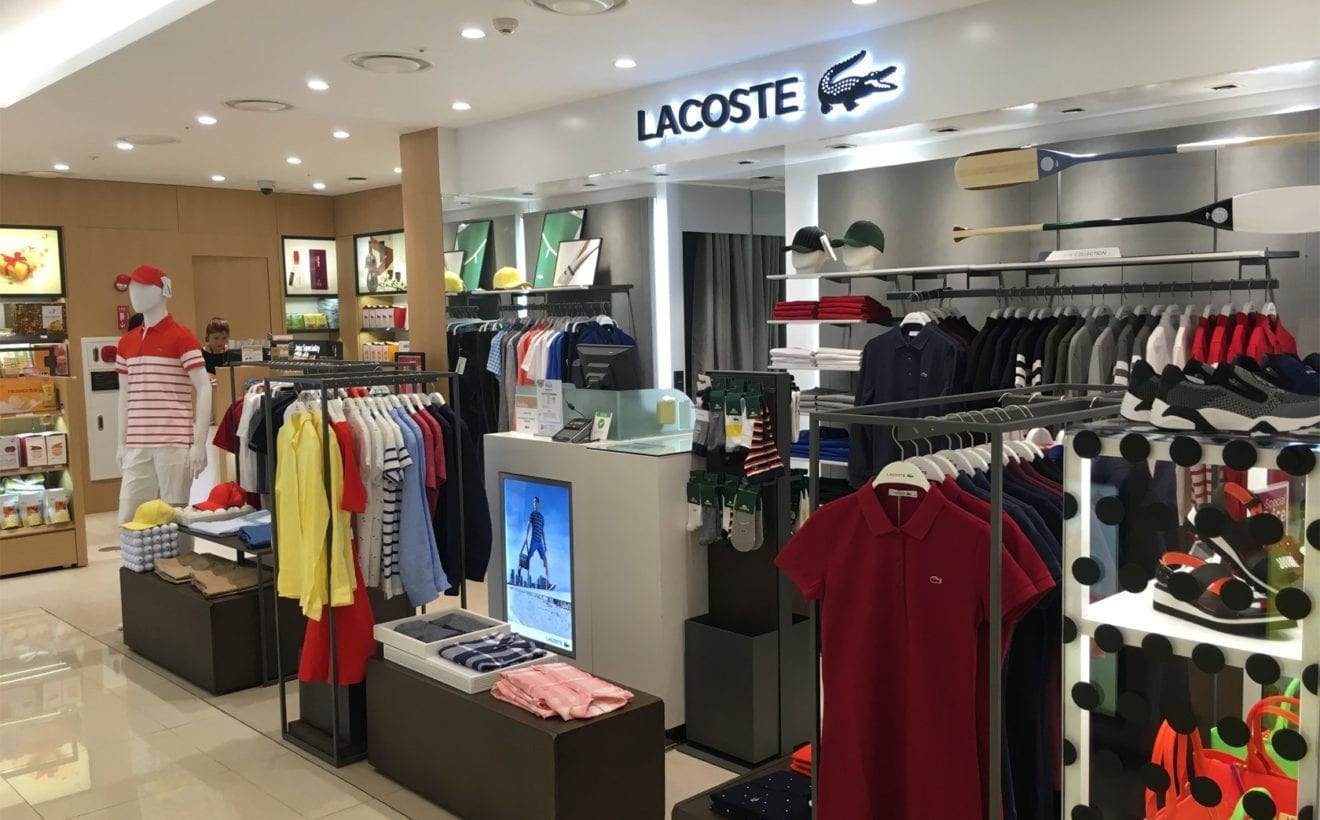
    Lacoste has opened its revamped Sport corner at Don Mueang International Airport Terminal 1.

    Lacoste kicks off its new Sport concept at Don Mueang Airport.

    The space has been enlarged and upgraded to feature Lacoste’s new Sport concept. It now offers additional options for customers alongside the brand’s signature polo shirts and leathergoods ranges.

    Don Mueang International Airport, Asia’s oldest international airport, recorded 35 million passengers in 2016.

  • AIS moves to enable VoLTE peering

    AIS moves to enable VoLTE peering

    Thailand’s AIS has deployed technology to enable it to offer VoLTE peering between the company and other operators in the region.

    AIS has extended its deployment of Metaswitch’s Perimeta session border controllers from its 3G to its 4G network.

    The operator has also deployed the Metaview Service Assurance Server (SAS) to support improved service delivery to its more than 40 million subscribers.

    SAS is designed to facilitate troubleshooting and remediation to resolve problems in service delivery and help ensure that SLAs are being met even in virtualized enivornments.

    “VoLTE peering offered by our own network and others will enable rapid proliferation of VoLTE services in the SEA region,” AIS CTO Kriengsak Wanichnatee commented.

    “Perimeta’s high performance, unsurpassed stability and seamless interoperability with third-party products made our decision to deploy it on our 4G VoLTE network extremely easy. This extension of Perimeta’s role in our network confirms that the platform gives us the confidence and capabilities to rapidly deploy new services and scale quickly as our subscriber base grows.”

  • Visa and Thailand Ministry of Tourism and Sports Celebrate 20 Years of Cooperation

    Visa and Thailand Ministry of Tourism and Sports Celebrate 20 Years of Cooperation

    Kobkarn Wattanavrangkul, Minister of Tourism and Sports, recently welcomed Chris Clark, Visa Group Executive for Asia-Pacific, at the Ministry of Tourism and Sports. During the visit, Mr. Clark thanked Ms. Kobkarn for the 20 years of cooperation between Visa and Thai tourism authorities, and discussed opportunities to further strengthen their partnership and drive tourism in Thailand.

    The long-standing partnership between Visa, the global leader in payments, and Tourism Authority of Thailand has resulted in a number of high-profile campaigns, boosting sustainable tourism revenues.  

    This year also marks the 18th anniversary of “Amazing Thailand Grand Sale”. Subsequently, campaigns such as “Thailand Spectacular Year End” and “Thailand Splash and Spice” were introduced to provide consistent attractions for visitors throughout the year.  

    Most recently, Visa launched the “Not a Tourist: See Thailand through Local Eyes” campaign that invited residents of Thailand to share photographs of local activities, foods, and places on social media to encourage tourists to experience Thailand at a deeper and more meaningful level.

  • Thai ISPs given 7 days to block “illicit” pages

    Thai ISPs given 7 days to block “illicit” pages

    Thai ISPs have been given just seven days to block “illicit” webpages such as anti-monarchy content deemed illegal by the courts, or face the prospect of having their licenses revoked.

    Regulator NBTC has ordered the nation’s ISPs to ensure they are compliant with the nation’s censorship regime, which also covers material such as sedition and promotion of illegal content.

    ISPs found to still be in violation after seven days could face penalties including fines, the cancellation of their licenses or even criminal charges for the management.

    The NBTC has said it will work with ISPs that claim to have technical reasons for being unable to block illicit content to help solve the problem.

    Meanwhile, the regulator and the Ministry of Digital Economy and Society are pressing ISPs to extend their content blocking to include illicit video streaming on Facebook and YouTube from local CDNs.

    The agencies plan to discuss how local ISPs will be able to block illicit content through online and streaming video on overseas-owned sites.

    This initiative was announced on the same day that a Thai man broadcast the murder of his 11-month-old daughter over Facebook Live before killing himself, a tragedy that drew international media attention.

  • Honestbee sweetens Thai operations budget

    Honestbee sweetens Thai operations budget

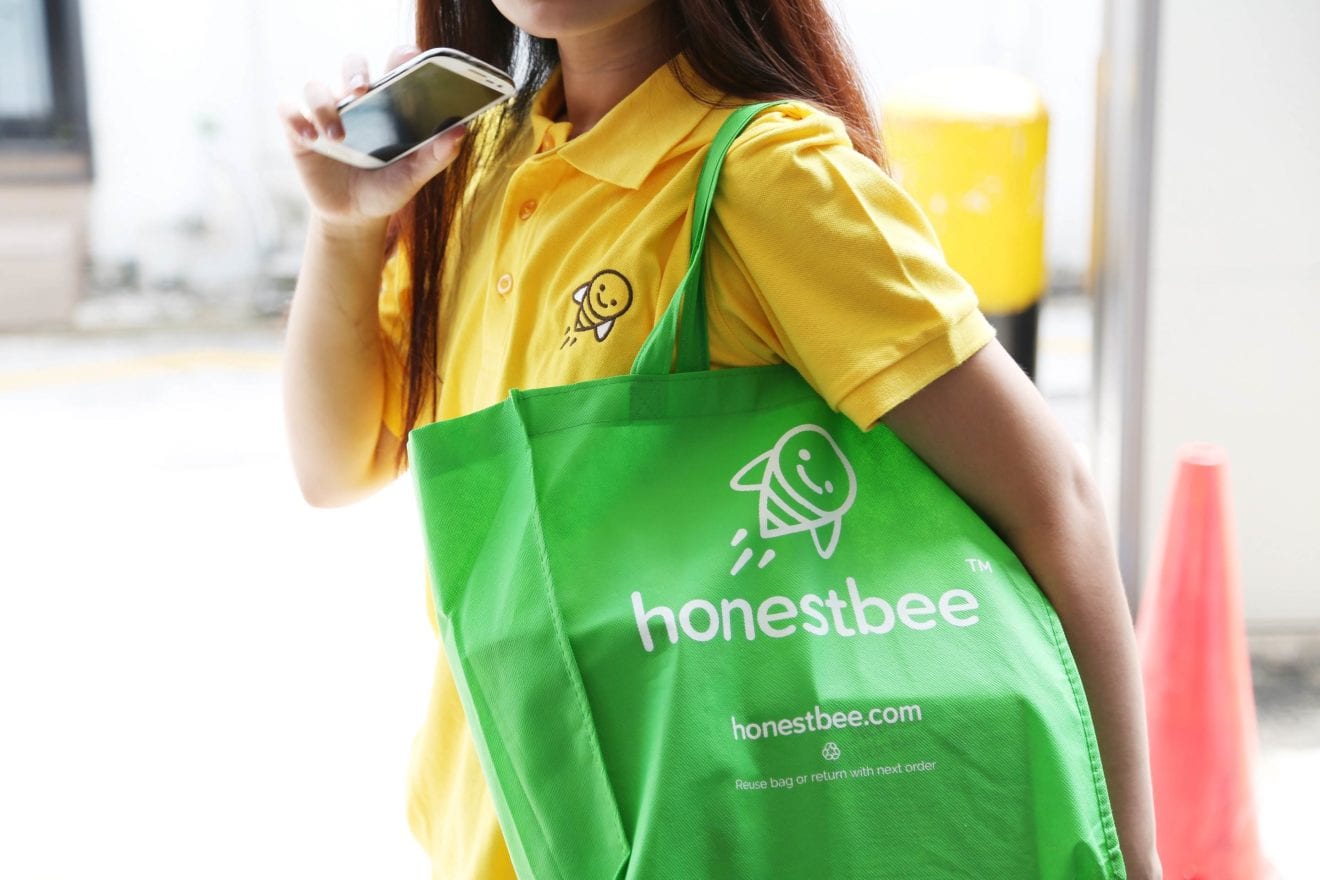
    Honestbee, a Singapore-based online grocery and concierge service provider, is boosting its presence in Thailand to capitalise on lucrative online shopping opportunities.

    “We are spending millions of US dollars in Thailand this year on increasing our local staff, upgrading our IT infrastructure, and adding marketing activities,” said Bounthay Khammanyvong, country manager of HonestBee Thailand.

    He said Thailand is the seventh market in Asia-Pacific for Honestbee since it began operations in 2015, following Singapore, Hong Kong, Japan, Taiwan, Indonesia, and Malaysia. The company is expanding into the Philippines soon, said Mr Bounthay.

    Just three months after it started operations in Bangkok this January, transactions at its Thai website ranked third among the seven countries where it has a presence.

    Honestbee provides online grocery concierge and delivery service through partnerships with leading supermarkets who have no online retail channel.

    Customers choose their products online and place their orders either via its local website — www.honestbee.co.th — or its mobile application through Google Play or the Apple Store. The company’s concierge shoppers then hand-pick their groceries for them.

    Honestbee earns a commission from its merchant partners. The company charges customers a flat rate of 30 baht with no minimum purchase requirements.

    The company has over 10,000 users in Thailand.

    Mr Bounthay said Honestbee’s service does not compete with offline retail stores, instead complementing their offerings to accommodate the shift towards online shopping.

    He said the company is focusing on improving the speed of its delivery service to reach customers’ homes in an hour.

    Its target customers are millennials, housewives, and multi-generational family households with high purchasing power.