Tag: tobacco

  • Metcash Reports 5.1% Sales Increase Amidst Tobacco Sales Slump And Upcoming Marketing Campaign

    Metcash Reports 5.1% Sales Increase Amidst Tobacco Sales Slump And Upcoming Marketing Campaign

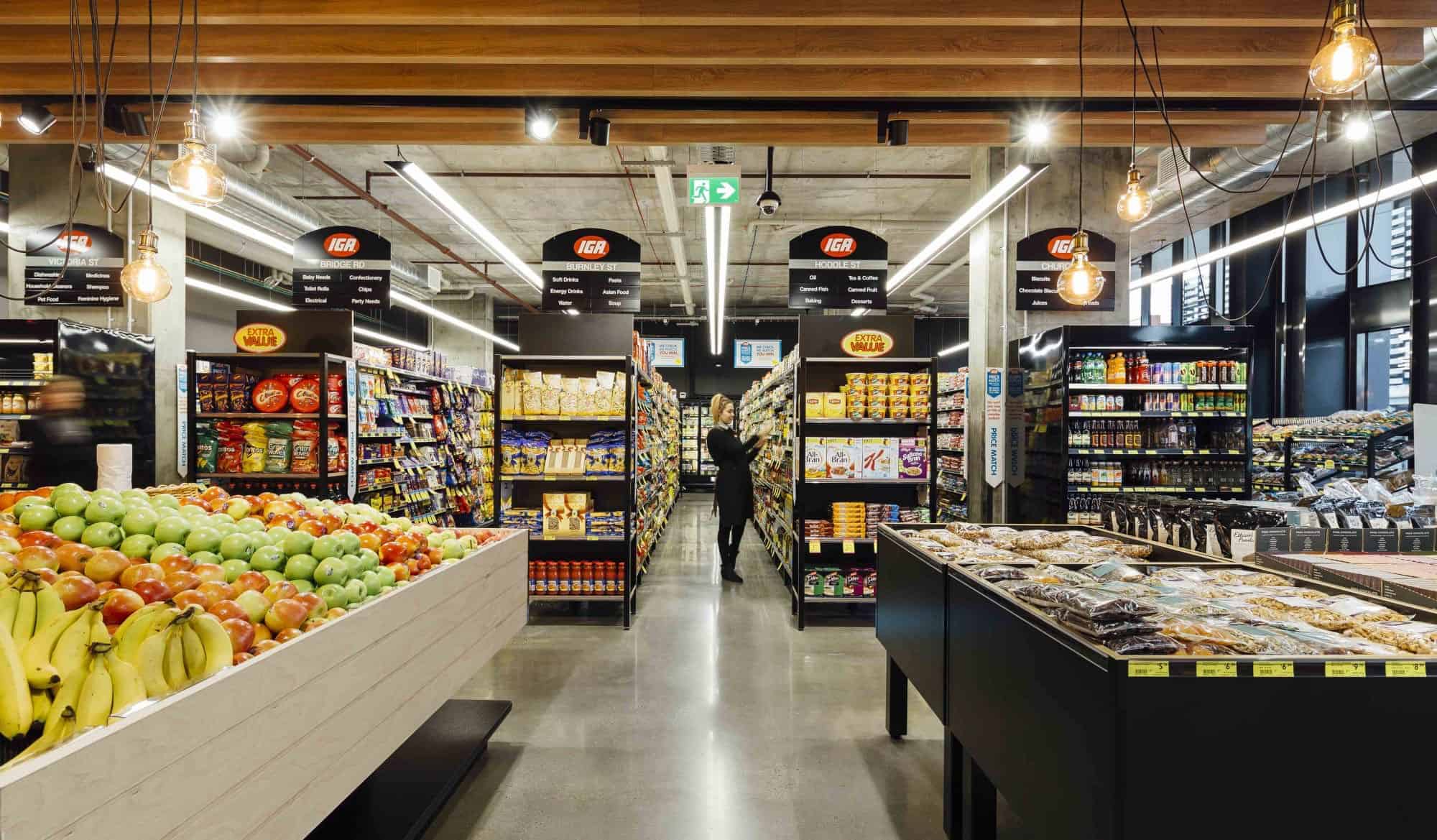
    Metcash, a prominent retail conglomerate, reported a notable 5.1% increase in group sales (excluding tobacco) for the 18 weeks leading up to August 31st this year. This growth coincides with the company’s plans to launch its first-ever cross-pillar marketing campaign, which is scheduled to impact over 3,000 bannered stores in the upcoming quarter.

    Uptick in Food Sales

    Metcash’s food division experienced an 8.6% growth in sales, with supermarket sales contributing to this increase with a 2.6% rise. This is largely owing to the company’s strategic focus on differentiated and localized offerings to consumers. However, the supermarket sector witnessed a significant slump in tobacco sales, with a larger than expected decrease of 32.1%. This drop is reflective of the company’s active efforts to diversify away from tobacco products.

    Convenience and Foodservice Sector Performance

    The convenience and foodservice division also demonstrated robust performance, with a sales surge of 29.5%. Within this sector, Campbells and Convenience reported a sales growth of 14.6%, while Superior Foods noted a 2.7% increase in sales.

    Liquor and Hardware Sales

    Metcash’s liquor division registered a modest growth of 1.5%, despite facing heightened competitive pressures and an influx of promotional activities from rivals. Concurrently, the company is nearing the conclusion of its acquisition process for Steve’s Liquor Warehouse Group.

    Meanwhile, the hardware department (IHG) reported a 2.2% sales growth, driven predominantly by the trade sector. Notably, builder’s hardware, building supplies, timber panels, and doors were the standout performers within this sector.

    Total Tools, however, only saw a minor 0.5% increase in sales, attributed to subdued trade activity and cost-of-living challenges. Nevertheless, the company’s network sales did witness a 3% growth.

    Questions & Answers

    **Why did Metcash’s supermarket segment experience a decline in tobacco sales?**
    The decline in tobacco sales is a result of Metcash’s strategic move to transition away from tobacco products due to increasing health consciousness among consumers.

    **What factors contributed to the growth of Metcash’s food division?**
    The growth in the food division can be attributed to Metcash’s focus on differentiated and localized offerings, which resonated with consumers’ preferences.

    **Why did Total Tools see only a marginal increase in sales despite the growth in Metcash’s hardware sales?**
    The marginal growth in Total Tools sales was due to subdued trade activity and cost-of-living challenges which impacted consumer spending. However, its network sales still managed to grow by 3%.

  • Tobacco giant pursues green growth

    Tobacco giant pursues green growth

    The circular economy model helps production and business activities develop sustainably and creates added value ​​in the community, said a representative of British American Tobacco (BAT).

    Vietnam has been integrating more and more deeply into the global economy through free trade agreements that include provisions on sustainable development and oblige all parties to comply with emissions standards.

    These constraints are also consistent with the contents mentioned in the United Nations 17 Sustainable Development Goals for the period 2015-2030 that Vietnam and its businesses are pursuing.

    These include eradicating hunger, ensuring food security and improving nutrition, developing sustainable agriculture, ensuring sustainable production and consumption patterns, and promoting long-term, inclusive and sustainable economic growth as well as productive and good work for all.

    Currently, 90 percent of tobacco plantations in Gia Lai is invested in by businesses following the cooperation model with the participation of enterprises, farmers, authorities and scientists. Vietnam Tobacco Corporation (Vinataba) is working with joint venture partners like British American Tobacco (BAT) to support farmers through seed investment (creation of new varieties with high yields), investment in fertilizers, agricultural mechanization (from gardening to irrigation), and organizing technical training for farmers to show them how to tend to their crops for the best quality and highest productivity.

    Besides, the Vinataba-BAT joint venture is interested in conserving biodiversity, saving irrigation water, protecting forests, and committing to not using natural forest firewood, while improving soil fertility, managing energy, and reducing water pollution in their plantations.

    After more than 15 years of developing tobacco plantations in Vietnam, BAT has helped to provide incomes 30 percent higher than the investment norm, and now over 90 percent of farmers are attached to the industry since its inception.

    In 2020, after 10 years of implementation, the use of BAT’s new hybrid varieties reached 54 percent. Meanwhile, the implementation of mechanization had helped save more than 20 percent of costs and labor for farmers.

    Pham Hung Anh Tuan, head of operations, BAT East Asia, said the application of circular economy principles needs to be adapted across the entire value chain, thereby providing opportunities for innovations and reducing overall environmental impact.

    “Effective application of sustainability has helped BAT on a global scale to be continuously recognized on Dow Jones Sustainability Index and continuously recognized as a Diversity Leader by Financial Times,” said Tuan.

    In addition to these efforts to develop sustainable growing areas, the BAT-Vinataba tobacco joint venture factory in Bien Hoa (Dong Nai) has implemented a range of initiatives focused on sustainable production and consumption, such as reducing water use (2 percent per year) and collecting rainwater to use instead of source water, production wastewater being reused instead of being discharged into the environment.

    Along with meeting the environmental A standard, the wastewater system at the BAT-Vinataba factory has been used for deodorizing and other water-saving activities. Kitchen waste, leaves, tobacco dust, sewage sludge, etc. are collected and transferred to the fertilizer production company.

    Up to now, BAT’s factories in Vietnam have completely switched to using biomass in the combustion boilers, contributing to increasing the rate of renewable energy use in Vietnam by the end of the third quarter of 2021 by 26 percent, doubling the plan set out for the year.

    A total 100 percent of lighting systems in factories have switched to LEDs, saving more than 40 percent of lighting energy compared to using conventional light bulbs.

    Thanks to the activities, 2021 was the third year that BAT was honored on the list of the 100 Most Sustainable Companies (CSI) in Vietnam organized by VCCI-VBCSD.

    Towards 2025, BAT in Vietnam will continue to make efforts to achieve its sustainable development goals. BAT aims to eliminate all unnecessary single-use plastics in packaging, achieving an average recycling rate of 30 percent for all plastic packaging. All plastic packaging products will be recyclable, reused, or biodegradable so they are environmentally friendly. A total 100 percent of BAT plants, including in Vietnam, will have zero landfill waste and 95 percent of waste will be recycled.

    As a member of the CSI organizing committee, Nguyen Quang Vinh, general secretary of Vietnam Chamber of Commerce and Industry, shared more about the Sustainable Business Index, developed by the VCCI and leading domestic and international experts to provide the community with an effective management tool and a measure to evaluate the level of sustainable development regarding aspects of the economy, society and environmental protection of enterprises.

    “We acknowledge BAT’s contributions to the sustainable development of Vietnam over the years in terms of environment, society and corporate governance,” said Vinh.

  • The case for forcing the tobacco industry to pay for cigarette butts

    The case for forcing the tobacco industry to pay for cigarette butts

    Cigarette butts with filters are the most commonly littered item worldwide, with a staggering 4.5 trillion of them tossed into the environment each year. This is a huge problem; many end up on beaches and in the ocean, and the tar from burnt tobacco in the filter can be toxic to wildlife.

    Fixing the problem has focused on changing the behavior of people who smoke, but a new report shows making the tobacco industry responsible for the litter with a mandatory product stewardship scheme is likely to have a much greater impact.

    In Australia alone, it’s estimated up to 8.9 billion butts are littered each year. Under the proposed scheme, we could potentially reduce this by 4.45 billion a year.

    So how can it be done in practice? And what would the benefits be from a policy like this?

    Cigarette filters are made of a bioplastic called cellulose acetate, and they typically take years to break down. Smoked cigarette filters are infused with the same chemicals and heavy metals in the tar that harms humans when they smoke.

    Research from 2019 found adding cigarette butts to the soil reduces the germination of grass and clover seeds and the length of their shoots. Seaworms exposed to used filters have DNA damage and reduced growth.

    And exposure to cigarette filters (even unsmoked ones) is toxic to fish – research with two fish species found adding two to four smoked cigarette filters per litre of water could kill them.

    Currently, the tobacco industry does not have to pay for the clean-up of cigarette butts polluting the environment. Rather, the community bears the cost. Cigarette litter and its management cost the Australian economy an estimated A$73 million per year.

    Local councils in particular spend large amounts of money cleaning it up. The City of Sydney, for example, has estimated their cleaning crews sweep up 15,000 cigarette butts daily from city streets.

    And volunteers spend countless hours picking up cigarette butts from parks, streets and beaches. In its 2020 Rubbish Report, Clean Up Australia Day found cigarette butts accounted for 16% of all recorded items.

    The tobacco industry’s response to product waste has been to focus responsibility on the consumer. Tobacco companies have created public education campaigns aimed at increasing awareness of the butt litter problem, supplied consumers and cities worldwide with public ashtrays, and funded anti-litter groups.

    But given the number of cigarettes that continue to be littered, it’s clear these strategies on their own have been ineffective. Many around the world are now calling for stronger industry regulation.

    There have also been calls to ban cigarette filters completely. For example, lawmakers in California and New York have attempted to ban the sale of cigarettes with filters, and New Zealand is finalizing their Smokefree Aotearoa Action Plan, which may include a cigarette filter ban.

    Many jurisdictions in Australia and worldwide are starting to ban single-use plastics such as straws and takeaway containers, and have been criticized for not including cigarette filters in these laws.

    If filters were banned, cigarette butt litter would remain, but without the plastic filter. Although, a recent trial of cigarettes without filters found that people smoked fewer of these than when they were given the same cigarettes with filters. More research is needed on the health impact of smoking filterless cigarettes and the environmental impact of filterless cigarette butts.

    The federal government’s National Plastics Plan, released in March this year, committed to initiating a stewardship task force that would reduce cigarette butt litter in Australia, and would consider a potential stewardship scheme. However, they proposed the stewardship task force be industry-led.

    Product stewardship schemes can be voluntary or written into law. For example, waste from product packaging is managed through a voluntary scheme, the Australian Packaging Covenant, which sets targets for reducing packaging waste that isn’t written into law. On the other hand, there is a law in Australia requiring companies who manufacture TVs or computers to pay some of the costs for recycling these products.

    The new research, commissioned by World Wildlife Fund for Nature Australia, considered four regulatory approaches: business as usual, a ban on plastic filters, a voluntary industry product stewardship scheme, and a mandatory product stewardship scheme led by the federal government.

    Each of these options was ranked according to factors such as the regulatory effort required to implement them, their cost, consumer participation and the extent to which they would reduce environmental impacts on land and waterways.

    A ban on plastic cigarette filters and a mandatory product stewardship scheme were assessed as having the greatest potential environmental benefit. While uncertainties remain about a filter ban, there is no such barrier to implementing a mandatory product stewardship scheme on cigarette waste.

    This scheme could involve a tax that would pay for the recovery and processing costs associated with cigarette butt litter. The study suggested introducing a levy of A$0.004 – less than half a cent – on each smoked cigarette to manage the waste. Other studies from overseas, however, show this cost would need to be higher.

    We can look to the UK for an example of where to start. The UK is currently considering implementing an extended producer responsibility scheme to address cigarette litter. In November this year, it released a consultation document on different options.

    They proposed a mandatory scheme where the tobacco industry would pay for the full costs of cleaning up and processing cigarette waste. Other costs they might be made to pay are for gathering and reporting data on tobacco product waste, provision of bins for cigarette butts, and campaigns to promote responsible disposal by consumers.

    It is time for the federal and state governments in Australia to make the tobacco industry pay for the mess they create.
  • Philip Morris International Launches Healthier Alternatives for Smokers

    Philip Morris International Launches Healthier Alternatives for Smokers

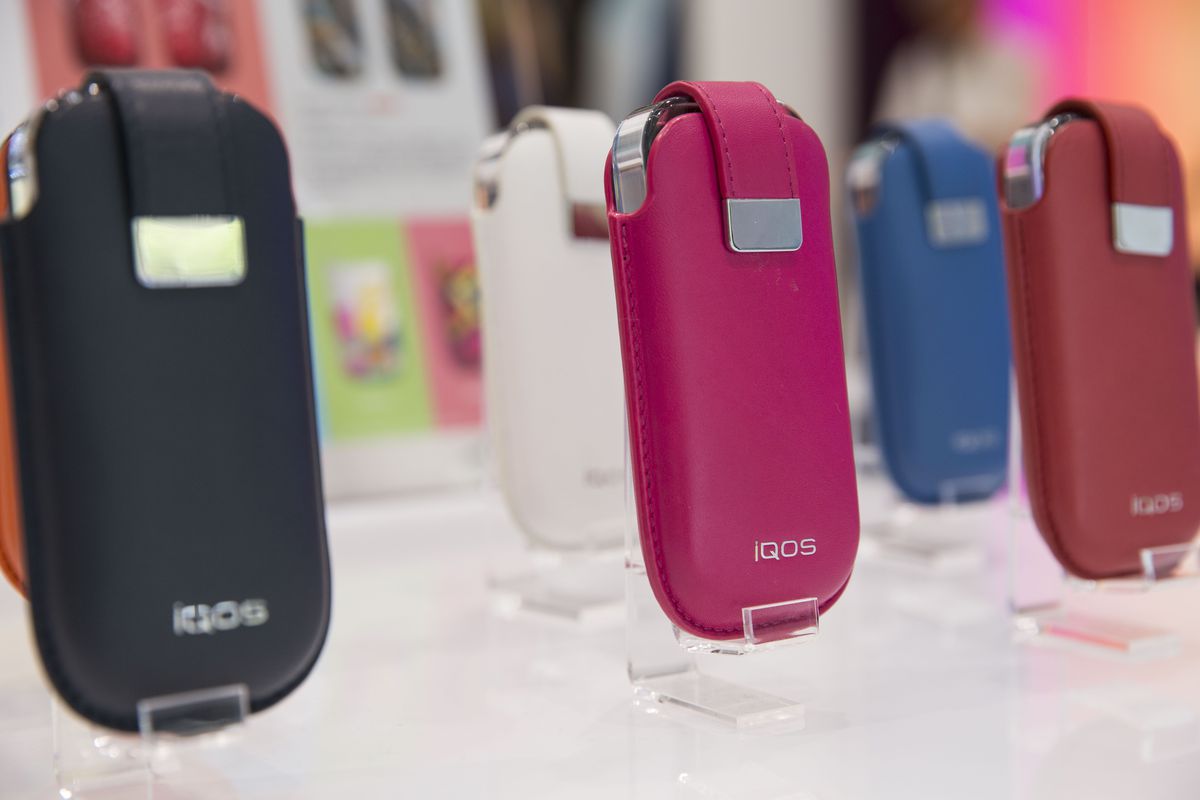
    In its passion and drive to provide better choices to people who smoke, Philip Morris International Inc. (“PMI”), the global leader in smoke-free innovation and science, has launched the next generation of IQOS. The new IQOS 3 and IQOS 3 MULTI integrate extensive consumer insights and feedback to improve design and user experience while maintaining signature taste, sensory attributes and ritual—all underpinned by strong scientific substantiation. The new versions aim to further encourage a growing number of smokers to switch, to the benefit of their health, public health and, ultimately, society.

    The new iterations were launched in Tokyo, Japan—the country considered the birthplace of IQOS. The iconic brand offers the best in taste and satisfaction in the category, and almost 6 million adult smokers have already quit cigarettes—with more than half of those in Japan.

    “Our dream was to create a better alternative for smokers, and IQOS has made this dream a reality; it’s a revolution for the 1.1 billion people who smoke,” said André Calantzopoulos, PMI’s chief executive officer. “IQOS 3 and IQOS 3 MULTI deliver significant improvement and innovation and mark another step toward convincing all men and women who would otherwise continue to smoke to switch to smoke-free alternatives. IQOS consumers know that this product changes many things in their lives—we thank them, and we thank Japan for leading this positive change.

    Behind every development at PMI is robust science. Its scientific assessment program is based on longstanding practices of the pharmaceutical industry and is in line with U.S. Food and Drug Administration (FDA) guidance. IQOS produces an aerosol that contains on average 90 percent lower levels of harmful chemicals than cigarette smoke. The totality of PMI’s preclinical and clinical evidence indicates that switching completely to IQOS presents less risk of harm than continued smoking. Evidence also shows that IQOS does not negatively affect indoor air quality. On average, 70 to 80 percent of IQOS users have quit cigarettes, which makes IQOS the most compelling smoke-free alternative today.

    PMI has filed a Modified Risk Tobacco Product Application (MRTPA) for IQOS with the U.S. FDA, but the U.S. FDA has not yet completed its review of our data. IQOS is not for sale in the United States.

  • Philip Morris to begin selling Korean-made heated tobacco unit

    Philip Morris to begin selling Korean-made heated tobacco unit

    Philip Morris Korea Inc. said Thursday that it will begin selling its tobacco sticks, called Heets, produced at its factory in South Korea later this month.

    To this point, Philip Morris Korea imported Heets for sale in South Korea.

    Philip Morris Korea has expanded its production facility in Yangsan, the first facility in Asia to manufacture heated tobacco units for its tobacco heating device IQOS. Yangsan is a city located about 420 kilometers southeast of Seoul.

    The share of Heets, tobacco sticks exclusively for IQOS, was reported at 8.1 percent of South Korea’s total tobacco market in August.

  • WHO wants Vietnam to raise tobacco taxes

    WHO wants Vietnam to raise tobacco taxes

    Vietnam should raise its tobacco tax in order to deter and reduce people smoking, the World Health Organisation has advised.

    WHO head Kidong Park said at a recent meeting held by the Health Ministry in Hanoi that Vietnam was among the top 15 countries in the world with the lowest tobacco prices.

    He said Vietnam’s current tobacco tax only accounts for 35 percent of a cigarette pack’s retail price, which is lower than the world’s average of 56 percent. In comparison, corresponding tax rates in Thailand, Brunei and Malaysia are 75, 81 and 57 percent respectively.

    Park said that in order to reach the government’s target of reducing the number of smokers among Vietnamese males from 47 to 39 percent by 2020, the country would need to raise its tobacco taxes by a fixed tax rate of at least VND2,000 per packet. VND5,000 per packet would be better, he added.

    The Finance Ministry had previously proposed two tobacco taxing options for inclusion in the Tax Administration Law – to apply an additional fixed tax rate for each cigarette pack, or incrementally increase the special consumption tax on tobacco each year until it reaches 85 percent in 2021.

    Under the first option, a 20-cigarette pack would cost an additional VND1,000, and each cigar, VND1,500.

    The Ministry of Health is currently leaning towards the first option, but has suggested an increase of VND2000 or VND5000 per pack, saying VND1,000 is too low.

    At a workshop on Tobacco Taxation organized by Oxfam early last month, Deputy Director of the Tobacco Control Fund, Phan Thi Hai, said higher tax rates would not only increase government revenue, but also “prevent adolescents and poor people from purchasing more cigarettes.”

    Vietnam has one of the world’s highest populations of smokers. It is estimated that 15.6 million Vietnamese smokers spend VND31 trillion ($1.36 billion) on cigarettes every year, which promotes trade in contraband tobacco.

    Smoking is a major cause of lung cancer and cardiovascular diseases that costs Vietnam VND23 trillion (more than $1 billion) in treatment and labor loss every year, according to the health ministry.

  • State tobacco to suffer first time loss in history

    State tobacco to suffer first time loss in history

    Thailand Tobacco Monopoly (TTM) says it is expected to suffer it’s first time loss in history of a tremendous amount of 5 billion baht this year from the government’s recent excise tax increase.

    TTM managing director Daonoi Suthinipaphan said the expected huge loss stemmed from the new excise tax law which became effective on September 16 last year.

    She said the new excise tax resulted in higher retail prices of cigarettes produced by TTM by 3-20 baht per pack.

    But on the contrary, prices of imported or foreign cigarettes which have lower production cost adjusted retail prices slightly, or some brands even lowered retail prices, she said.

    This situation, she said, has affected TTM’s market share falling from 80% to 55-60% in February this year, she said.

    She said the new excise tax has enabled sellers to reduce retail price for foreign cigarette to 60 baht per pack, while Thai cigarette which was earlier sold at 35-40 baht per pack instead has gone up to 60 baht, or same as foreign cigarettes.

    She said TTM’s production this year was expected to be 18,000 million cigarettes a year from its full production capacity of 65,000 million cigarettes after its new factory has officially started operations.

    With its huge machinery cost of over 16 billion baht, TTM therefore has to allocate it’s annual profit to pay for the machines with now has 7 billion remainder still unpaid.

    She said this year TTM was committed by its contract to pay 2.9 billion baht.

    Apart from the machinery cost, TTM still has to pay for the relocation of factory from Rama 4 road in Bangkok to new factory in Ayutthaya, take care of its own hospital’s expenses, buy tobacco leaves 22 baht higher than market price from farmers under the state’s subsidy programme, and 1.5 billion baht renovation for Benjakitti park, she said.

    In total, initial estimate of loss was expected to be 5 billion baht this year, she said.

    This would be the first time loss of the TTM’s history since it was established and began operation in 1948 or 70 years ago, she said.

  • Thailand Tobacco cries foul on excises

    Thailand Tobacco cries foul on excises

    The overhaul in the excises, implemented in September, had put Thailand Tobacco at disadvantage, as its tax burden had risen disproportionately to that of the foreign producers, Daonoi Suttiniphapunt, Tobacco Monopoly’s managing director, told a press conference yesterday.

    She said the company had to increase its product prices while the big importers had even lowered their prices on some lines.

    She urged the Finance Ministry, which oversees the Excise Development, to review its law enforcement in the sector.

    “The problem concerns two areas – the loophole in related regulations issued by Finance Ministry and the biased law enforcement under the Excise Development,” she said.

    The new taxing structure is based on the suggested retail price of a product, instead of the ex- factory or CIF prices for the local producer and the foreign brands, respectively, that applied previously.

    The rate is 20 per cent for a cigarette pack worth no more than Bt60 and 40 per cent for higher priced packs. They also have to pay Bt 1.20 per each cigarette stick.

    The Excise Department earlier sought to reassure the industry that the new tax system would be fairer for everyone. Moreover, if any company sold cigarettes at cheaper prices to the previous level, without good reason, they would be subject to scrutiny. The department could force them to accept the suggested retail prices, which would result in higher tax payments.

    Daonoi complained that while TTM had followed the rules strictly, some of the biggest brands had failed to do so. They had taken advantage of the loopholes in the system and the lack of law enforcement to ramp up the presence of their products in the Thai market, she said.

    Within a month of the new taxing structure going into force in September, the market share of the Thailand Tobacco had dropped sharply from 80 per cent to 65.9 per cent, she said. The share held by the foreign brands rose to 32.5 per cent, at the expense of Thailand Tobacco, she said.

    Daonoi warned that TTM had started to lose money and it could lead to transfers to government coffers drying up next year. The government may lose revenue of Bt 8 billion for that year, she said.

    The company contributed Bt8.8 billion to the government this year. It also paid Bt68.6 billion in excises.

    The projected reduction in contributions would have a knock-on effect in diminished support for causes such as the Thai Health Promotion Foundation, Thai PBS television and a fund for the elderly, Daonoi warned.

    Looking ahead, the future of the company is bleak as the tax rate will go up to 40 per cent in the next two years.

    “To introduce new products to the market is not easy due to the strict laws and consumers may not welcome them, so the TTM would find it very hard to play the pricing game,” Daonoi said.

    “If the Finance Ministry and Excise Department do not thing, the company will go bankrupt,” she added.

    TTM is a state enterprise under the Finance Ministry’s supervision.

  • Myanmar needs to stub out growing tobacco usage

    Myanmar needs to stub out growing tobacco usage

    Myanmar is experiencing tremendous economic growth. With a young, growing population and a liberalised economy, it has been slated as one of 20 ‘markets of the future’ that will offer the most opportunities for consumer goods companies.

    Tobacco has been identified as one of Myanmar’s top 20 key industries. Its market size is worth an estimated US$450 million — up there with dairy products and dried processed foods. The compound annual growth rate from 2013–18 for tobacco is 16 per cent, overtaking apparel (14 per cent) and consumer appliances and electronics (15 per cent).

    With market liberalisation, British American Tobacco (BAT) re-entered Myanmar in 2013 a decade after it exited the country. When re-establishing itself in the country, it announced that it will invest US$50 million in a tobacco manufacturing factory. BAT already has a significant 22 per cent market share in the growing cigarette market.

    Myanmar currently has over 6 million smokers. Like other Asian countries, a high percentage — 44 per cent — of adult men smoke. This number is set to increase given the growing adolescent smoking population.

    In 2010 cigarette sales in Myanmar were about 13 billion sticks, but these sales are projected to almost double to 25 billion sticks in 2018. Myanmar’s projection is the highest increase among all ASEAN countries. This is bad news for the public health system given that Myanmar already has more than 70,000 tobacco-related deaths annually. Myanmar also has the lowest Human Development Index among Asian countries with a global ranking of 148 out of 188 and public health expenditure is a low 1.8 per cent of GDP.

    Myanmar is a typical developing country in that the bulk of smokers are from the lower-income category. Cigarettes are also extremely cheap in Myanmar and within easy reach for the poor. The most popular pack of cigarettes costs only US$0.57. A survey on smoking indicates that about 40 per cent of Myanmar’s youths can purchase cigarettes from a store. Even more worrying is that 15 per cent of non-smoking youths have indicated that they intend to start smoking next year — again the highest percentage in the ASEAN region.

    Myanmar has some basic tobacco control measures in place to address the problem. Since ratifying the global tobacco treaty in 2004 — the WHO Framework Convention on Tobacco Control (FCTC) — the country has passed legislation banning all tobacco advertising and making public places smoke-free, but there is still plenty of room for improvement.

    Myanmar needs to further increase taxes on tobacco products and put it out of reach for the poor and youths. While tobacco advertising and promotions are banned, there are loop holes that can be exploited. Myanmar faces sleek marketing tactics from transnational tobacco companies who take advantage of government officials’ inexperience.

    For example, in 2016 Myanmar passed legislation requiring a 75 per cent pictorial health warning on tobacco packs, making it the second largest health warning in the region after Thailand’s 85 per cent. Japan Tobacco International placed an ‘announcement’ in a major newspaper (Myanmar Times) in October on how it will be complying with the Health Ministry’s requirements. The announcement showed photos of all its packs with and without the pictorial health warnings —  an outright advertisement for its brands.

    Penalties for violations are miniscule for wealthy tobacco companies. Even if authorities act against a company for non-compliance of pictorial health warnings, the fine is a paltry US$7.95 for the first offence.

    This is where civil society groups come into play, they should play a more prominent role in exposing the unethical and exploitative practices of transnational tobacco companies operating in Myanmar.

    It is important for Myanmar to keep abreast of ASEAN countries’ achievements on tobacco control measures. Most countries have already banned advertising at points of sale. Brunei, Thailand and Singapore have banned pack displays at retail outlets. These are the next steps for tobacco control in Myanmar.

    But Myanmar lacks the resources needed for enforcement — particularly staff. It is the only country in the ASEAN region that has not committed national funds for tobacco control efforts. Strengthening tobacco control measures and allocating more resources to enforcement will send a strong message to the public and private sector that the government is serious about protecting public health from the ravages of tobacco.

  • Indonesia antsy over WTO’s expected tobacco ruling in 2017

    Indonesia antsy over WTO’s expected tobacco ruling in 2017

    The Indonesian government and tobacco farmers are waiting anxiously for the result of a dispute settlement against Australia’s plain tobacco packaging policy that they expect will come out in 2017, more than three years after the government submitted a request for consultations with the World Trade Organization (WTO).

    The Trade Ministry’s director general for foreign trade negotiations, Iman Pambagyo, said he hoped that the settlement result would be in favor of tobacco-producing countries.

    “We expect WTO panelists to announce the result in the first quarter of 2017. We still think that the policy violates the trade rules,” he said.

    He added that while Indonesia fully supported the objectives of improving public health and protecting the environment, it was the country’s right to defend its economy against regulations that violated international trade rules, disciplines and obligations.

    According to the WTO, on Sept. 20, 2013, Indonesia requested consultations with Australia concerning certain Australian laws and regulations that impose restrictions on trademarks, geographical indications and other plain packaging requirements on tobacco products and packaging.

    The move came nearly a year after Australia became the first country that obliges all cigarettes sold in its jurisdiction to be wrapped in dark brown packaging in December 2012.

    The Australian government found that it was the least attractive color, particularly for young people.

    The policy went into force along with a tax increase to realize the country’s plan to bring down smoking rates from 16.6 percent in 2007 to less than 10 percent in 2018.

    The Australian Bureau of Statistics claims that smoking rates decreased to 12.8 percent a year after the policy took effect, compared to 15.1 percent in 2010.

    Australia’s move has been copied by the UK and France, which regulate that all cigarette packages manufactured for those countries must be in plain form.

    Singapore considered a similar provision last year as well, but dropped the idea after encountering some technical difficulties.

    After Indonesia submitted its consultation request to the WTO, several other countries and blocs requested to join the consultations, namely Brazil, Cuba, Guatemala, Nicaragua and the European Union.

    The Indonesian Tobacco Farmers Association (APTI) told The Jakarta Post that although Australia was not the main buyer of Indonesian tobacco, more countries would apply similar policies.

    “The policy’s provision will decrease our tobacco exports as antitobacco movements have emerged in other countries,” APTI head Wisnu Brata said.

    Djarum, Sampoerna and Gudang Garam are among the companies whose cigarette brands are available in Australia.

    Data from the Industry Ministry show that some 6 million people are involved in tobacco farms and businesses across the country. Many of them are export-oriented, such as in West Nusa Tenggara (NTB), East Java and Central Java.

    The value of tobacco exports reached US$981 billion in 2015 and $1.02 trillion in 2014.

  • Government raises excise taxes on tobacco

    Government raises excise taxes on tobacco

    The government of Indonesia has raised the excise tax tariffs on tobacco. The Finance Ministers Regulation, No.147/PMK.010/2016, was issued in this respect.

    In the new policy, the highest tobacco excise duty hike of 13.46 percent was for machine-made white cigarettes (SPM) and 0 percent for category IIIB hand-rolled clove flavored cigarettes (SKT). The average increase was 10.54 percent.

    Besides raising the excise tax rates on tobacco, the government also increased the retail prices of cigarettes by about 12.26 percent.

    The tobacco tariff rates have been raised to control production, regulate manpower, end sale of illegal cigarettes and enhance revenue in the excise sector.

    “The government realizes that cigarette is a commodity harmful to health. Therefore, consumption needs to be limited. The increase in the tobacco tariff is aimed to control cigarette consumption and circulation,” Finance Minister Sri Mulyani told a press conference at the Directorate General of Customs and Excise Office here on Friday.

    The minister hoped that the increase in the tobacco customs tax tariff would contribute positively to the governments revenues in the customs sector.

    In 2017, the government set a revenue target from the customs sector at Rp149.8 trillion, which is about 10 percent of the total tax revenues.

    “Though it has slightly declined, it still contributes significantly. The government and the people should back the policy because if it misses its target, it will affect the state budget, which, in the end, will affect the national development programs,” Minister Sri Mulyani added.

    Sri Mulyani stated that the policy was discussed with various stakeholders, including those concerned with health and employment, tobacco farmers, tobacco companies and associations.

    Meetings were also held with local governments, foundations and universities to discuss the matter.

    Following the meetings and discussions, it was concluded that the excise duty needs to be increased in order to control consumption and production.

    However, such an increase must be balanced so that it does not affect job opportunities and survival of small industries.

    In the meantime, a youth community group, Smoke Free Agent (SFA), has backed the governments move to raise cigarette prices, arguing that the number of young smokers in Indonesia has been rising at an alarming rate.

    “In addition to reducing the number of adult smokers, cigarette price hikes may also discourage new smokers, who are mostly children and adolescents,” Ricki Cahyana of the Anti-Smoking Indonesia Community stated in a press release issued by the SFA on Wednesday.

    Ricki noted that on an average, adults started smoking by the age of 16, and 30 percent of Indonesian children began smoking before the age of 10.

    Hasna Pradityas, one of the initiators of the SFA, remarked that the tobacco industry is currently aggressively targeting children as potential consumers to replace adult smokers in the future.

    “Without young smokers and children, the tobacco industry would become bankrupt when adult smokers no longer exist,” he pointed out.

    If the government really raises the price of cigarettes, then it will be like a breath of fresh air for Indonesia.

    Prospective new smokers, mostly children, will no longer find it easy to buy high-priced cigarettes.

    In the long run, it will help reduce the number of child smokers and make the next generation of Indonesians a golden one, capable of competing at the global level.

    “We hope the government will really go ahead with its plan to hike the price of cigarettes, thus reflecting its serious commitment to protecting the health of young people and creating a golden future generation,” Yosef Rabindanata, an SFA activist, observed.

  • Indonesia Sees Decline in Number of Cigarette Factories

    Indonesia Sees Decline in Number of Cigarette Factories

    The Director General of Customs and Excise for the Finance Ministry, Heru Pambudi said the number of cigarette factories in Indonesia continues to fall significantly over the past years. There were 4,669 cigarette factories in 2007, which had fell to 754 by 2016

    According to Heru, the better tobacco control measures taken by the Directorate General of Customs and Excise has resulted in the decline of cigarette factories. “Both through administrative and physical control [measures],” he said in a written statement Wednesday, September 28, 2016.

    Heru said the Directorate General of Customs and Excise has been taking rigorous approach to issuing permit to manufacture tobacco products. In addition, the Directorate General had shut down the non-compliance factories. “Non-compliant factories will be closed,” he said, adding that the measure will be continued.

    The measure, according to Heru, aims to improve compliance of cigarette factories, as well as to supress illicit tobacco trade, which is one of the directorate’s remit which include monitoring tobacco distribution.

    Indonesian Cigarette Manufacturers Association (GAPPRI) chairman Ismanu said strict tobacco control policies by the Directorate General of Customs and Excise have been adequate, “GAPPRI fully supports the measures taken by the government in developing tobacco industry,” he said.

  • Foreign Investment into Tobacco Industry Banned in China

    Foreign Investment into Tobacco Industry Banned in China

    The Ministry of Industry and Information Technology (MIIT) has recently issued regulations regarding retail of tobacco products in China. The new regulations stipulate that foreign invested commercial enterprises or individual business households are not permitted to engage in tobacco wholesale or retail business, nor engage in trading of tobacco monopoly products in alternative forms such as franchise, absorption of franchise stores or other re-investment, etc. The Measures for Administration of the Tobacco Monopoly License and Measures for Administration of Shipment Permit of Tobacco Monopoly Products will both become effective as of July 20, 2016.

    Shanghai Issues Notice on the List of Automatic Preferential Tax Policies

    Shanghai Municipal State Tax Bureau and Shanghai Municipal Local Tax Bureau has released a notice outlining and clarifying eight preferential tax policy matters which do not require additional materials to apply for. They are as follows:

    • Deduction/reduction of VAT for purchase of special equipment for the VAT control system.
    • Exemption of small sized and micro profit enterprises from VAT.
    • Exemption of ticket income of science halls, natural museums, science & technology education bases and science & technology education activities from VAT.
    • Exemption/reduction of enterprise income tax on qualified small sized and micro profit enterprises.
    • Accelerated depreciation or remuneration for fixed assets or software purchased.
    • Accelerated depreciation or one-off deduction of fixed assets.
    • Preferential stamp tax during the restructuring process of an enterprise.
    • Preferential stamp tax on loan contracts concluded between small sized and micro enterprises.
    State Council Issues the Guiding Opinions on Cutting Overcapacity in the Non-Ferrous Metal Industry

    The General Office of the State Council issued “Guiding Opinions on Creating a Favorable Market Environment to Promote Structural Adjustment, Transformation and Increases in Benefits in the Non-Ferrous Metal Industry (Opinions),” which addresses dealing with overcapacity problems in the non-ferrous metal industry. The Opinions consists of 15 articles, making detailed directives for key tasks and policy assurance, stressing that work should be done to cut overcapacity and disposal of surplus material in accordance with the laws and regulations, and guide the transfer of non-competitive capacity.

    The Opinions states the key tasks as including: strict control of newly-added capacity and investigation and management of newly-built electrolytic aluminum projects in violation of the regulations; quickening of disposal of excess material, dealing with overcapacity in accordance with the laws and regulations and guiding the transfer of non-competitive capacity; stepping up technological innovation, pushing forward intelligent manufacturing and development of refined processing; expanding market applications, enhancing upstream and downstream cooperation and improving relevant product standards; improving reserves systems; actively promoting international cooperation, etc.

  • Child labour used in Indonesian tobacco production, says NGO

    Child labour used in Indonesian tobacco production, says NGO

    International non-governmental organisation Human Rights Watch (HRW) said on Wednesday that child labour is used in tobacco plantations in Indonesia, whose harvest supplies local and foreign tobacco companies.

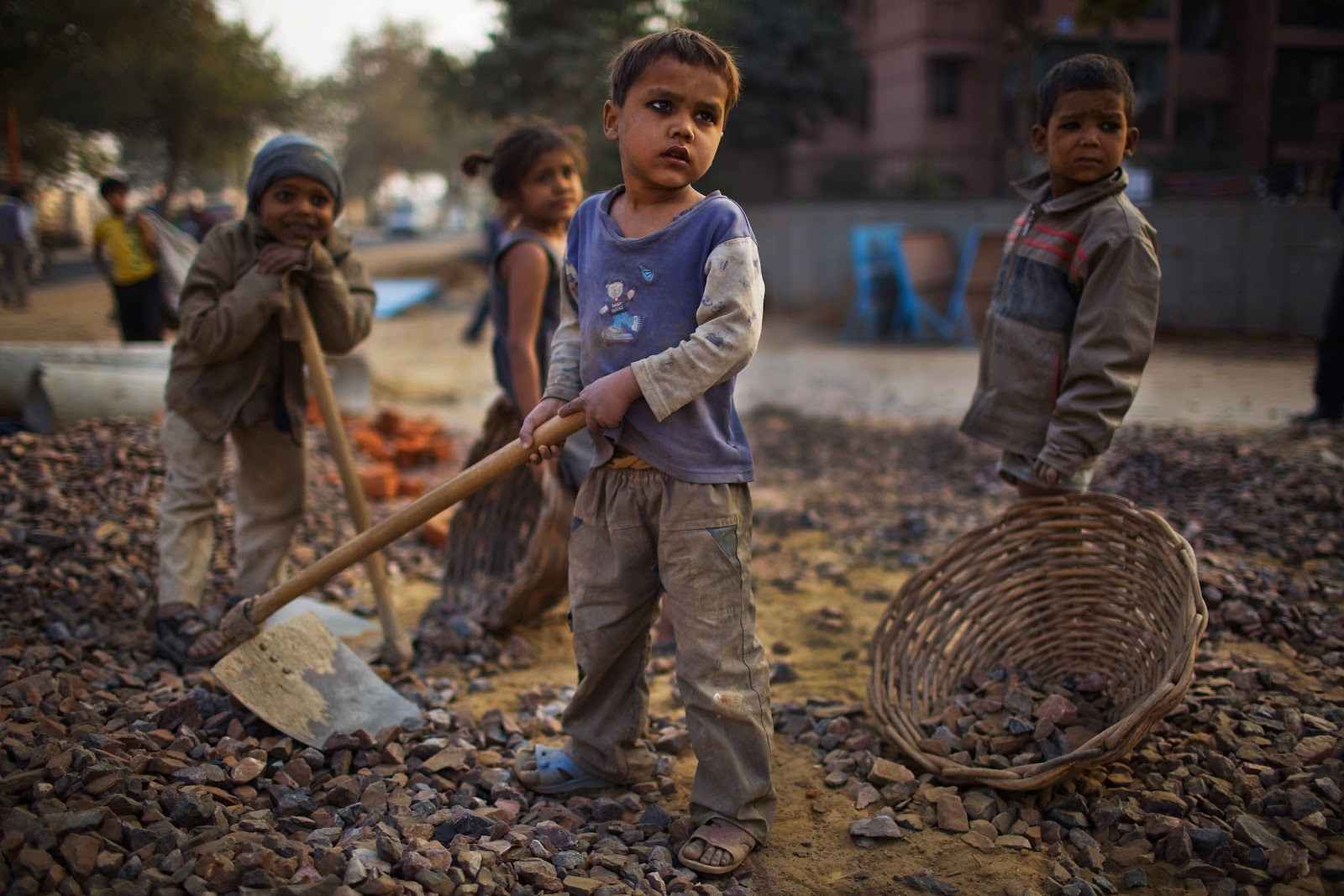
    Children, some of whom are just eight years old, are exposed to nicotine, handle toxic chemicals or use dangerous tools in extreme heat, HRW said in a report titled ‘The Harvest is in My Blood: Hazardous Child Labour in Tobacco Farming in Indonesia’, EFE news reported.”Tobacco companies are making money off the backs and the health of Indonesian child workers,” HRW researcher and report co-author Margaret Wurth said in a statement.Wurth and her team interviewed 132 children working in plantations in four Indonesian provinces, half of whom reported symptoms of acute nicotine poisoning from absorbing nicotine through their skin.The children are also exposed to pesticides and other chemicals which are linked to respiratory problems, cancer and depression.

    HRW urged companies to ban suppliers from employing children and called on the Indonesian government to regulate the tobacco industry and launch an education campaign to spread awareness about the health risks faced by children.Indonesia is the world’s fifth largest producer of tobacco, with over 500,000 plantations which employ more than 1.5 million children aged between 10 to 17 years, according to International Labour Organization data.Although Indonesia’s laws stipulate the minimum age for work at 15 and forbids those under the age of 18 from carrying out hazardous work, the tobacco industry still flouts these rules, according to HRW.

  • Korean tobacco group fights ‘duty free threat’

    Korean tobacco group fights ‘duty free threat’

    Several media organisations in South Korea and beyond have reported criticism from the 100,000-strong ‘I Love Smoking’ online pro-smoking group towards ‘alleged’ plans by the South Korean government to halt sales of duty free cigarettes at Jeju International Airport’s shops.

    The pro-smoking group has told local media that if duty free cigarettes at Jeju are banned, the government believes these sales will simply migrate to the domestic market, where all cigarettes and tobacco products are subject to normal taxation.

    Customers are currently allowed to buy and import one duty free carton of 200 cigarettes, saving around 60% of the comparative domestic market retail price.

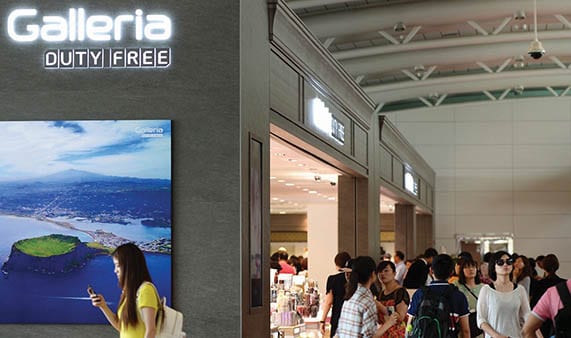
    Hanwha Galleria Timeworld trading as Galleria Duty Free

    At the same time, the I Love Smoking group in South Korea has suggested that if the Finance Ministry does have a public health agenda on this issue then it may have to ban duty free cigarettes altogether in South Korea – a move that would certainly prove hugely unpopular with many Korean and overseas customers, as well as duty free retailers and suppliers.

    Any such ban, local or otherwise, would also be certain to trigger contract renegotiations between affected retailers and airport landlords.

    Jeju International Airport is the biggest airport within the Korean Airports Corporation (KAC) portfolio. Hanwha Galleria Timeworld operates the 410sq m mixed category duty free store, having taken this over from Lotte Duty Free in mid-2014.

    Currently, around 95% of the Jeju duty free shop’s customers are Chinese, compared to an average for all South Korean duty free shops at about 60%, with tobacco sales four times bigger than liquor. Chinese cigarettes also dominate, accounting for more than 80% of all the store’s tobacco sales.