Retail News CRM

Tag: trading

  • OCBC Leverages Rising Gold Demand, Launches Physical Gold Trading in Singapore

    OCBC Leverages Rising Gold Demand, Launches Physical Gold Trading in Singapore

    The Oversea-Chinese Banking Corporation (OCBC) in Singapore is broadening its precious metals sector by introducing physical gold trading and storage services for institutional investors and private banking clients. OCBC perceives an increasing demand for safe-haven assets as geopolitical and economic uncertainty heightens.

    Initiating from June 10, OCBC’s institutional clients and affluent clients of its private banking division, the Bank of Singapore, will be granted the opportunity to purchase, trade, and store physical gold via OCBC, with the entire trading and custodial process based in Singapore.

    Enhancing the Gold Franchise

    This decision signifies a considerable amplification of the bank’s gold franchise beyond its current paper gold offerings. The move comes as investors’ hunger for physical bullion continues to grow. According to OCBC’s reference to data from the World Gold Council, the global demand for gold bars in the first quarter of 2026 experienced a 50% surge compared to the previous year. The Bank of Singapore disclosed that client holdings of physical gold have witnessed an increase of more than 40% since the conclusion of 2025.

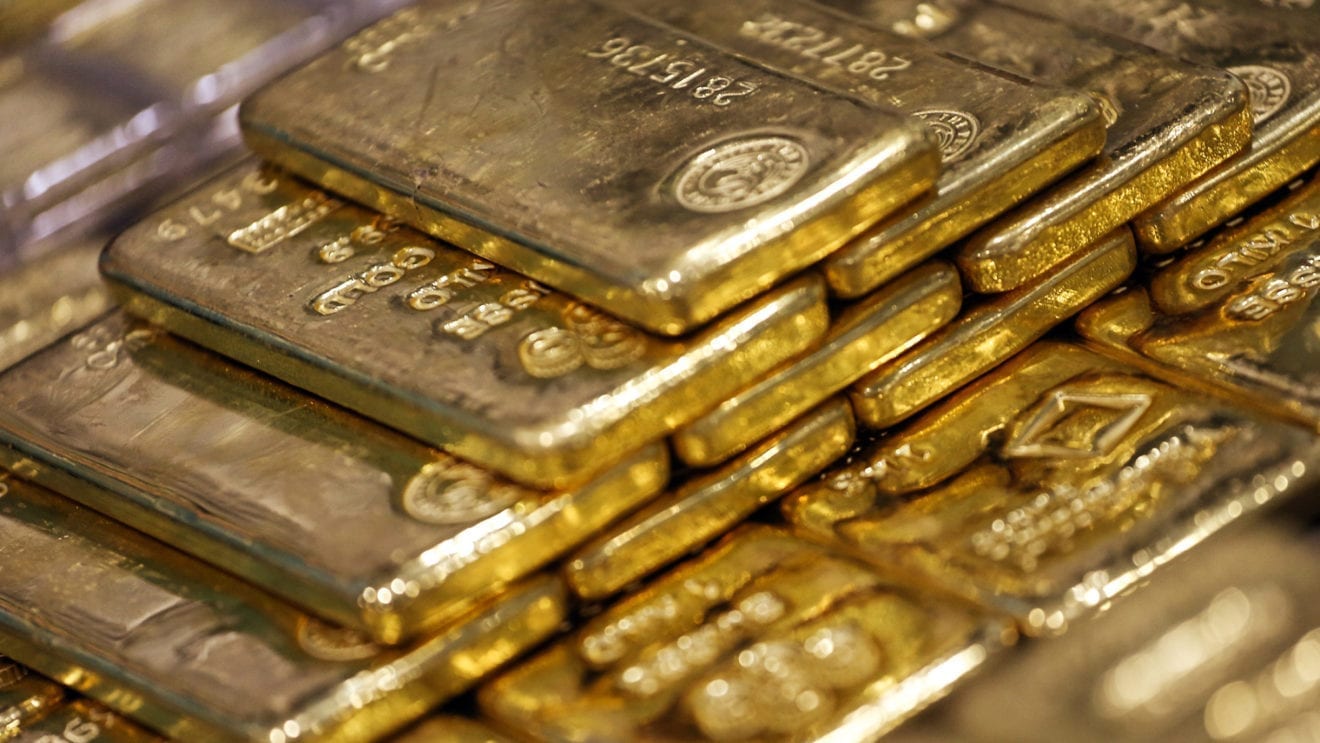
    OCBC has stated that the new service will initially provide two forms of bullion: large bars weighing roughly 400 troy ounces (12.4 kilograms) and one-kilogram bars, both allocated to clients and individually identifiable through serial numbers.

    The bank has indicated that client demand has progressively gravitated towards local custody arrangements. Previously, Bank of Singapore clients conducted transactions in physical gold via a U.S.-based entity. With the new arrangement, clients can carry out transactions and store bullion entirely within Singapore.

    Expansion of Wealth Management Strategy

    This introduction mirrors wider efforts by Singapore’s financial industry to fortify its stance as a regional precious-metals hub. OCBC expressed intentions to explore the extension of physical gold products and related hedging solutions to additional client segments over time.

    The move also forms part of OCBC’s more extensive wealth management strategy. Over the past few years, the group has continuously expanded its gold-related offerings across its banking, asset management, and insurance industries.

    Kenneth Lai, Head of Global Markets at OCBC, expressed that the bank perceives physical gold as a natural extension of its existing precious-metal capabilities and is planning to widen access to the offering over time.

    Questions & Answers

    What new services is OCBC introducing?
    OCBC is introducing physical gold trading and storage services for institutional investors and private banking clients.

    What does this expansion mean for OCBC’s existing services?
    This expansion signifies a considerable amplification of OCBC’s gold franchise beyond its current paper gold offerings.

    What is the impact of this move on Singapore’s financial industry?
    This introduction mirrors wider efforts by Singapore’s financial industry to fortify its stance as a regional precious-metals hub.

  • UOB Extends Gold Trading Hours, Implements Appointment-only Policy Amid Soaring Demand

    UOB Extends Gold Trading Hours, Implements Appointment-only Policy Amid Soaring Demand

    As the demand for gold continues to escalate, United Overseas Bank (UOB), the sole local banking institution in Singapore that trades in physical gold bars and bullion coins, has announced plans to expand its operating hours and implement an appointment-only policy for the purchase and conversion of gold.

    New Operational Measures

    Starting from Friday, UOB has extended its gold counter service till 6:00 p.m. during weekdays, barring public holidays. Previously, the services were available until 4:30 p.m. The bank has also decided to discontinue walk-in purchases and conversions of gold.

    For patrons wishing to sell their gold back to UOB, the service will continue to be available without a prior appointment from 9:30 a.m. to 4:30 p.m. on weekdays, excluding public holidays.

    The bank anticipates that these new measures should decrease wait times for customers and allow them to be served at their preferred time slot.

    Appointment and Availability

    UOB has made provisions for customers to book their appointments via the bank’s official website. The booking feature will be available from 6:00 p.m. on coming Thursday. The bank is also encouraging its customers to verify the real-time availability of specific gold products online before scheduling an appointment or visiting the branch.

    Gold Demand and Price Fluctuations

    The demand for gold has been witnessing a surge, with people thronging the UOB headquarters to make their purchases whenever there is a dip in gold prices. This year has seen considerable volatility in gold prices, reaching a record high above US$5,500 per ounce in late January, later dropping below $4,500, and finally stabilizing above $5,000. Despite this fluctuation, market analysts are predicting a continuation of the rally, pushing gold prices to new highs in 2026.

    Last year, the demand for gold as an investment in Singapore reached a record 9.6 tonnes, denoting a year-on-year increase of a massive 48%, the highest in Southeast Asia, even as prices escalated by 64%.

    Performance Indicators

    Kelvin Ng, UOB’s Head of Global Markets Group, revealed that the bank’s physical gold business noted a significant increase of 59% in total transacted volume, calculated in kilograms, compared to the previous year.

    This performance aligns with a growing preference among a specific segment of investors for physical bullion, particularly as a means of long-term wealth preservation and portfolio diversification during periods of increased market volatility.

    Questions & Answers

    What changes has UOB announced for its gold trading services?
    UOB has extended its operating hours till 6 p.m. on weekdays and implemented an appointment-only policy for purchasing and converting gold.

    How can customers book an appointment for purchasing or converting gold at UOB?
    Customers can book their appointments using the bank’s official website and are encouraged to check the real-time availability of specific gold products before making an appointment.

    What has been the trend in gold prices and demand this year?
    Gold prices have seen significant volatility this year, reaching a record high and then falling before stabilizing. Despite this fluctuation, market analysts predict a continued rally. The demand for gold, particularly as an investment, has also seen a surge.

  • Vietnam Preps for Gold Trading Revolution: National Assembly Mandates Roadmap for Gold Exchange Amid Surging Prices

    Vietnam Preps for Gold Trading Revolution: National Assembly Mandates Roadmap for Gold Exchange Amid Surging Prices

    The National Assembly of Vietnam has directed the government to construct a strategic plan for establishing a gold trading exchange. This endeavor is in response to the escalating prices of gold and aims to control and regulate the bullion market.

    The Need for a Gold Exchange

    Lawmakers have been emphasizing the importance of such an exchange in order to guarantee transparency in gold trading. This concern arises from the current market situation where the gold price in Vietnam is approximately 15% more than the global rates.

    The State Bank of Vietnam’s Plan

    The State Bank of Vietnam has introduced a plan to instigate a gold trading platform in three successive phases. The first phase involves trading raw gold, followed by trading gold bars in the second phase. The final phase will encompass trading gold certificates and derivatives.

    Current Gold Market in Vietnam

    The Saigon Jewelry Company recently listed the price of gold slightly lower than the highest peak recorded on Dec.1, at VND154.7 million (US$5,873.31) per tael of 37.5 grams. Furthermore, the price of gold in Vietnam has increased by more than 80% since the start of the year.

    In an effort to liberalize the market, the government in October lifted its monopoly on gold production. Private firms meeting specific financial criteria are now allowed to produce bullion.

    Questions & Answers

    What is the new directive given by The National Assembly of Vietnam?
    The National Assembly has directed the government to establish a gold trading exchange to control the bullion market and ensure transparency amid rising gold prices.

    What is the plan of the State Bank of Vietnam regarding the gold trading platform?
    The State Bank of Vietnam intends to set up a gold trading platform in three phases. These include trading raw gold initially, followed by gold bars, and finally gold certificates and derivatives.

    What changes have occurred in the gold market in Vietnam recently?
    Two significant changes have taken place. First, gold prices have risen by more than 80% since the start of the year. Second, the government has lifted its monopoly on gold production, now allowing private firms, that meet certain financial conditions, to produce bullion.

  • Trust Bank: US Fractional Trading Comes to Singapore

    Trust Bank: US Fractional Trading Comes to Singapore

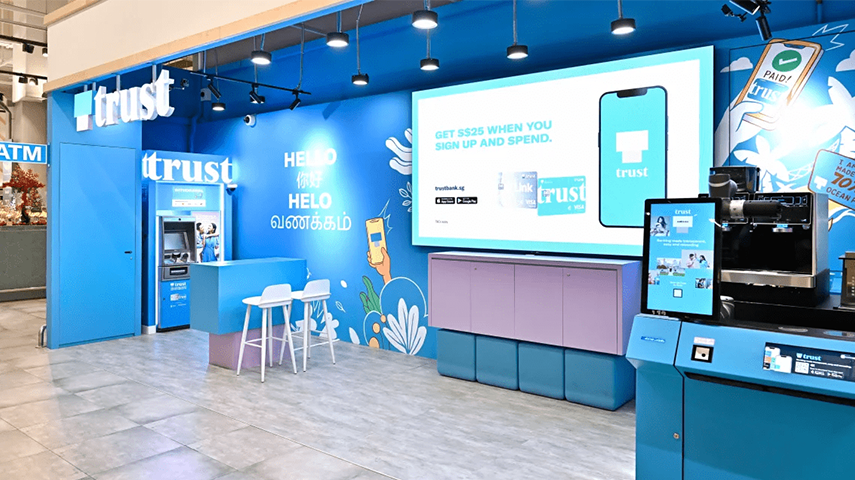
    Trust Bank is stepping into a new territory with the introduction of a trading platform for US stocks and exchange-traded funds (ETFs). This development makes Trust Bank the first in Singapore to offer fractional trading, thus offering everyday investors an easier gateway to the global marketplace.

    TrustInvest and Beyond

    In the early part of this year, Trust Bank rolled out TrustInvest, a tool aimed at simplifying the investing process and making it universally accessible. The digital banking institution is taking this promise a step further by launching a trading platform for US-listed stocks and ETFs within the Trust App.

    This innovative feature enables users to purchase and sell global equities directly within the app, creating an effortless path to investment, tracking, and increasing wealth all in one location.

    Leveraging Fractional Shares

    Trust Bank’s latest offering includes an outstanding feature: fractional trading. This facility allows customers to invest in fractions of high-priced stocks, thereby eliminating the need to invest large sums of money to own shares in their preferred companies.

    Trust Bank observes that some popular stocks and ETFs are priced over S$500 per share, but with fractional trading, even small investments can lead to building a diversified portfolio. This provision broadens the chance to access big-league entities like Netflix, Meta, or Apple for a wider range of investors.

    Diversification with ETFs and Sector Plays

    In addition to individual stocks, investors will have the opportunity to trade ETFs, offering a simple route to diversify their holdings. These funds amalgamate multiple assets – ranging from index trackers to sector-focused or digital asset portfolios – into a single investment. This strategy allows users to distribute risk while targeting specific themes or markets.

    All transactions take place within the Trust App, eliminating the need to transfer funds between different platforms. The entire experience is built to be straightforward, smooth, and secure.

    Open for Waitlist

    The waitlist for the new TrustInvest trading platform is now open for interested investors. Current Trust Bank customers can register directly within the app, while prospective users can open a Trust Savings account within a few minutes to start the process.

    Those on the waitlist will receive invitations to open trading accounts in the next few weeks.

    Empowering Every Investor

    Reflecting on the success of the initial TrustInvest launch, Dwaipayan Sadhu, CEO of Trust Bank, expressed enthusiasm about expanding the offering to allow customers to trade US stocks and ETFs. He emphasized that offering fractional trading will enable all customers to access a wide range of investments via a user-friendly and seamless banking app.

    This initiative positions Trust Bank as a pioneer in Singapore’s digital banking scene, drawing Wall Street closer to the everyday investor.

    Questions & Answers

    What is the new feature introduced by Trust Bank?
    Trust Bank has launched a trading platform for US stocks and ETFs within its app, making it the first in Singapore to offer fractional trading.

    How does the fractional trading feature benefit investors?
    Fractional trading allows investors to buy fractions of high-priced stocks, thus eliminating the need for large investments, and making the process accessible to a wider range of investors.

    How can investors join the waitlist for the new TrustInvest trading platform?
    Current Trust Bank customers can join the waitlist directly within the app, while new users can open a Trust Savings account to get started.

  • Vietnam’s Exporters Innovate Strategies to Navigate New US Tariffs

    Vietnam’s Exporters Innovate Strategies to Navigate New US Tariffs

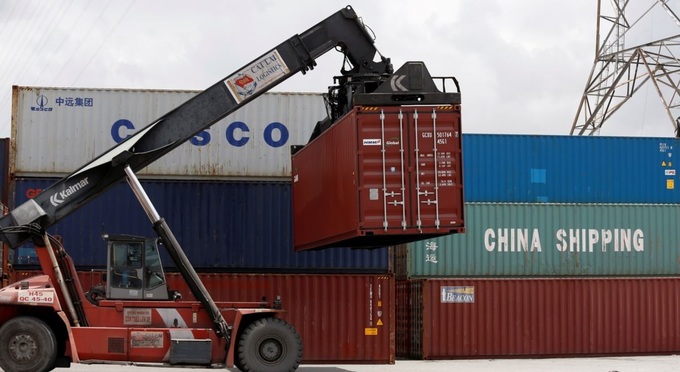
    Since August 7, a range of tariffs between 10% and 41% took effect, impacting most of the United States’ trade partners, with Vietnam facing a significant 20% rate—much lower than the initial 46% proposed by President Donald Trump. This shift leaves many in the Vietnamese textile and garment industry grappling with heightened input costs and shrinking profit margins.

    Pham Van Viet, chairman of Viet Thang Jean, emphasized the challenges that tariff fluctuations pose in this fast-paced sector. “This is a seasonal business with short order cycles,” he explained. “Tariff changes make it hard to renegotiate prices, especially for finalized contracts.” Despite these hurdles, many exporters had anticipated such developments, preparing strategies as early as April when the US began signaling intent to impose tariffs.

    “We were ready for a 30-46% rate, and so 20% is actually good news,” noted Nguyen Dinh Tung, CEO of Vina T&T Group, an exporter of agricultural products. Indeed, the lower-than-expected tariff has provided a silver lining amid the uncertainty.

    A Shift in Strategy: Diversification Takes Center Stage

    Faced with these tariffs, Vietnamese businesses are pivoting to market and product diversification as the primary defense mechanism. The US still commands a substantial 46% of Vina T&T’s exports, which totaled approximately US$50 million in the first half of this year. Yet, the company has strategically reduced its US market share from 65% last year, now expanding outreach to Japan, South Korea, and the EU.

    Vina T&T’s flexible product line includes everything from seasonal fruits to processed items like fish sauce and rice paper. A recent survey conducted among over 1,500 exporters by the Private Economic Development Research Board and VnExpress revealed that more than half are actively exploring new markets to mitigate tariff risks. Interestingly, around 35% of domestic producers are aligning with this strategy, showcasing a collective adaptability across sectors such as manufacturing, services, agriculture, forestry, and fisheries.

    Leveraging Free Trade Agreements: A Boon for Exporters

    As companies seek new frontiers, Vietnam’s network of 17 free trade agreements with over 60 countries serves as a robust asset. Dr. Bui Quy Thuan from the Phenikaa School of Economics noted that these agreements afford businesses entry into lucrative markets like the EU, Japan, and South Korea. Despite the looming pressures from US tariffs, the global import landscape shows that the US accounts for just 13% of global imports, leaving ample room for diversification.

    In a bid to further cushion the blow of rising tariffs, companies are negotiating ways to share these costs. For instance, Viet Thang Jean has successfully renegotiated contracts to split the 3% tariff increase with its importers. On the export front, Vietnam has set an ambitious target for a 12% growth this year, aiming for a total of US$450 billion, which is backed by a staggering 36.5% increase in trade with the US in the first five months, resulting in exports worth US$71.7 billion.

    Innovation and Sustainability: The Future of Vietnamese Industry

    Long-term, as trade tensions escalate, experts like Do Thien Anh Tuan from Fulbright University stress the necessity for Vietnamese companies to enhance their strategic outlook and competitiveness. He advocates for a shift away from low-cost manufacturing towards value-added products that leverage technology and innovation.

    Such moves could significantly reduce dependency on imported components from countries like China and South Korea. Many firms are already adapting, with Viet Thang Jean sourcing 50% of its materials locally and planning to ramp that figure up to 85% within three years. Similarly, Sunhouse Group is making strides toward self-sufficiency across its production processes, setting an export target of VND 3 trillion (approximately US$114.4 million) this year.

    “Vietnam stands at a turning point,” Phu said, “with the potential to ascend the global supply chain if we properly capitalize on our manufacturing and technological strengths.” However, leaders within the sector are not blind to the challenges that lie ahead. Many are now calling for enhanced tax, land, and credit incentives to facilitate the necessary adjustments for thriving in a reshaped global market. Tuan reinforces the idea that government support should focus on empowering Vietnamese businesses to tap into FTA markets, crucial for maintaining competitiveness and improving global standing in the years to come.

    Questions & Answers

    How are Vietnamese companies adjusting to the new tariffs?
    Vietnamese companies are pivoting to market and product diversification as a primary defense strategy. Many exporters are actively seeking new markets beyond the US, exploring opportunities in countries like Japan, South Korea, and the EU.

    What percentage of Vietnamese exports goes to the US?
    The US accounts for approximately 46% of Vina T&T’s exports, though this share has decreased from 65% as the company expands its presence in other markets.

    What is the long-term outlook for Vietnamese businesses amidst rising trade tensions?
    Experts suggest that Vietnamese companies must enhance their strategies by focusing on innovation and producing value-added products, while also seeking local supply chains to reduce dependency on imports.

  • Mizuho Bank Launches Streaming FX Prices on SGX, Elevating Currency Trading Experience

    Mizuho Bank Launches Streaming FX Prices on SGX, Elevating Currency Trading Experience

    Aiming to capture the attention of consumers in Asia, the global retail giant Walmart recently unveiled its plans for an ambitious expansion across the region. Speaking at a press conference in Tokyo, company executives detailed their strategy to enhance the shopping experience with a focus on sustainability, technology, and local partnerships.

    Bold Moves: Walmart’s Commitment to Asia

    Walmart’s strategy in Asia hinges on a harmonious blend of innovation and community engagement. The retail titan plans to invest over $1 billion in green initiatives by 2025, reflecting its commitment to tackling climate change while appealing to increasingly environmentally-conscious shoppers. “We are not just in the business of selling products,” Walmart’s Asia CEO emphasized. “We are here to create better experiences for our customers while also being good stewards of our planet.” This bold commitment is expected to resonate well with consumers across the region, who are eager for sustainable shopping options.

    Tech-Savvy Shopping: Elevating Customer Experience

    The integration of technology into the shopping experience is another cornerstone of Walmart’s Asian expansion. Plans include the rollout of advanced mobile payment systems and AI-driven inventory management, aimed at streamlining customer interactions both in-store and online. Imagine walking into a Walmart store and having your personalized shopping list instantly curated by an app that knows your preferences—sounds like something out of a sci-fi movie, right? But that’s the future they are aiming for.

    Local Partnerships: A Recipe for Success

    In a strategic pivot that highlights the importance of community, Walmart will forge partnerships with local businesses to boost its supply chain and foster economic growth in the regions where it operates. By teaming up with local producers and artisans, Walmart hopes to offer fresh and unique products that resonate with local tastes and preferences. This local-first approach is designed not only to enhance its product offerings but also to build brand loyalty among customers.

    Staying Ahead in the Retail Race

    As competition in the retail space intensifies, Walmart’s proactive measures position it well against rivals like Alibaba and regional players who have dominated the e-commerce landscape. By blending advanced technology with a focus on sustainability and local partnerships, Walmart appears determined to capture market share in Asia’s dynamic and diverse retail environment. The question remains: will this formula be enough to entice the discerning Asian consumer and maintain growth amid fierce competition?

    Questions & Answers

    What is Walmart’s financial commitment toward sustainability in Asia?
    Walmart plans to invest over $1 billion in sustainability initiatives by 2025, reflecting their dedication to environmental stewardship.

    How will technology play a role in Walmart’s expansion strategy?
    The company plans to introduce advanced mobile payment systems and AI-driven inventory management to enhance the customer shopping experience.

    Why is Walmart focusing on local partnerships in Asia?
    By collaborating with local businesses, Walmart aims to boost its supply chain while offering products that resonate with local tastes, fostering brand loyalty among consumers.

  • Dollar Strengthens Against Dong, Signaling Shifts in Currency Market Dynamics

    Dollar Strengthens Against Dong, Signaling Shifts in Currency Market Dynamics

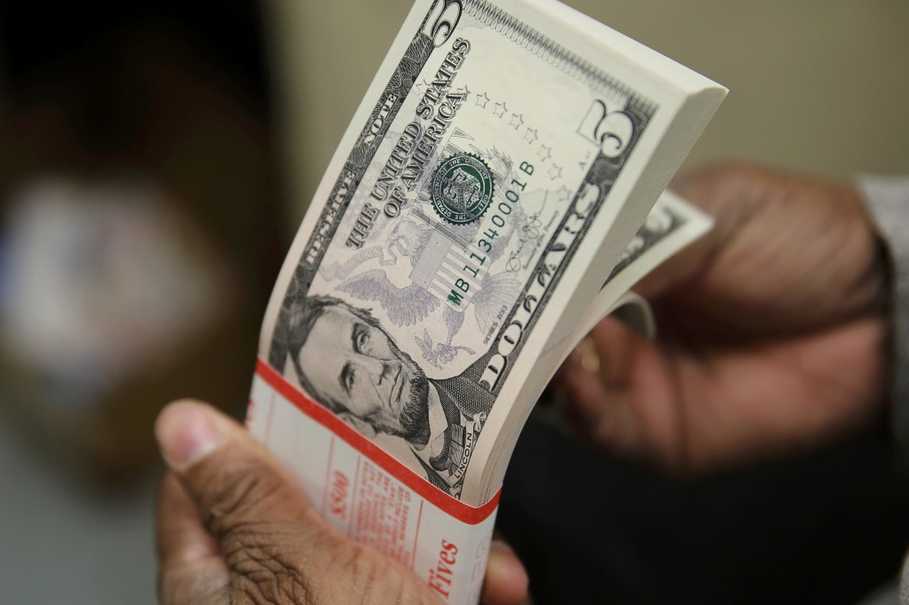
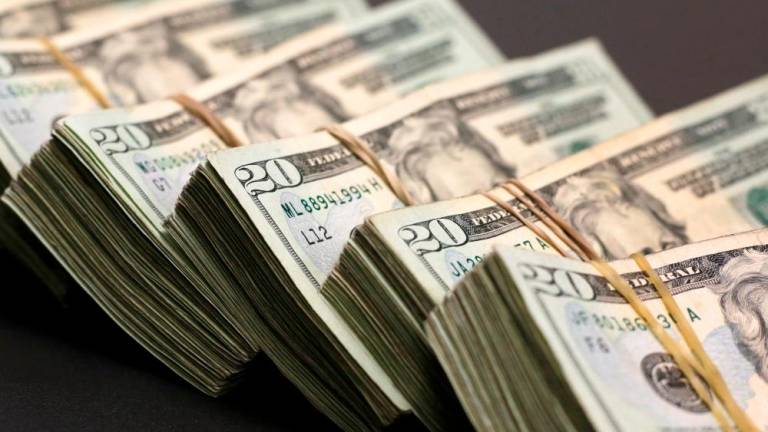
    The U.S. dollar showed signs of strength against the Vietnamese dong as well as other major currencies on Friday morning, reflecting a complex global economic landscape. Vietcombank reported a slight uptick, pricing the dollar at VND26,223, an increase of 0.05% from the previous day. However, in the black market, the dollar traded at approximately VND26,355, indicating a 0.06% dip.

    In the broader context, the State Bank of Vietnam adjusted its reference rate by lowering it 0.06% to VND24,975. This move coincides with rising geopolitical tensions following Israel’s military actions against Iran, prompting a rush back into safe-haven assets such as the dollar, the Japanese yen, and gold. “The geopolitical escalation adds another layer of uncertainty to an already fragile sentiment,” noted Charu Chanana, chief investment strategist at Saxo. He cautioned that escalating tensions could disrupt oil supply routes, perpetuating a risk-averse climate that keeps upward pressure on crude oil prices and safe-haven assets.

    On the global stage, the dollar rose by 0.4%, bringing its index to 98.07 against six other currencies. This was accompanied by gains for other safe-haven currencies—the yen and Swiss franc appreciating 0.3% and 0.4% respectively versus the dollar. In contrast, risk-sensitive currencies faced a decline, with the Australian dollar and New Zealand dollar both slipping by 0.9%. Following a four-day rally, the euro also retraced slightly, trading down 0.3% at $1.155.

    While the dollar index is poised for a weekly decline exceeding 1%, it will mark the largest drop in nearly a month, illustrating the ebbs and flows of currency movement amidst unpredictable geopolitical currents. So, it seems the dollar’s strength might just be a flip side to a risky global situation—who knew that international politics could stir such a financial cocktail?

    Questions & Answers

    What factors contributed to the strengthening of the U.S. dollar?
    The dollar’s strength stems from geopolitical tensions, particularly Israel’s military actions in Iran, which prompted investors to flock to safe-haven currencies.

    How is the Vietnamese dong performing against the U.S. dollar?
    The Vietnamese dong has shown mixed results, with the dollar increasing slightly in Vietcombank while showing a small decrease in the black market.

    What impact does the dollar’s movement have on global currencies?
    The dollar’s movements are affecting other currencies, particularly risk-sensitive ones like the Australian and New Zealand dollars, influencing broader market sentiment and trading strategies.

  • Vietnam Celebrates Impressive $4.7B Trade Surplus in Just Five Months

    Vietnam Celebrates Impressive $4.7B Trade Surplus in Just Five Months

    The vibrant tapestry of Vietnam’s economy continues to weave success as new trade data emerges, revealing a noteworthy trade surplus of US$4.67 billion for the first five months of 2025. According to the Department of Customs under the Ministry of Finance, the country’s total foreign trade surged to an impressive US$355.79 billion—a remarkable 15.7% increase compared to the same period last year.

    Dynamic Export Growth and Import Trends

    In those five months, Vietnam’s export earnings climbed by 14%, while imports saw a steeper rise at 17.5%. The month of May alone contributed significantly to this upward trend, with trade revenue soaring to US$39.6 billion—an increase of 5.7% from April and 17% year-on-year.

    As we dive deeper into the numbers, the export value reached US$180.23 billion from January to May, reflecting a robust 14% increase year-on-year. Breaking it down, domestic businesses accounted for US$49.62 billion, marking a 12.5% rise, while foreign-invested firms contributed a substantial US$130.61 billion—including crude oil—with a growth rate of 14.5%. A noteworthy feat is that 25 commodities each surpassed the US$1 billion export mark, collectively making up 90% of total shipments. Among these, seven commodities even soared past the US$5 billion threshold, showcasing a hefty 67.3% of the total exports.

    On the import side, Vietnam’s spending reached US$175.56 billion over the same period, marking a significant 17.5% year-on-year increase. Domestic sectors imported goods valued at US$62.04 billion (up 12.9%), while the foreign-invested sector ramped up its purchases to US$113.52 billion (up 20.2%). Notably, 29 items crossed the US$1 billion mark in import value, constituting 86.9% of total imports, with four of these exceeding US$5 billion, capturing 51.6% of the overall import share.

    Key Trading Partners and Market Dynamics

    The statistics tell a compelling story about Vietnam’s trade relationships. The United States firmly held its position as Vietnam’s largest export market, with turnover hitting US$57.2 billion during the quarter. Conversely, China remained Vietnam’s primary supplier of goods, with imports valued at US$69.4 billion.

    In a positive twist, Vietnam experienced a staggering trade surplus of US$49.9 billion with the U.S., which is up 28.5% year-on-year. Surpluses were also recorded with the EU (US$16.3 billion, up 16%) and Japan (US$0.9 billion, an astonishing increase of 74.8%).

    As the economic landscape continues to shift, one has to wonder: could Vietnam soon be the next Asian lion in the making?

    Questions & Answers

    What was Vietnam’s trade surplus for the first five months of 2025?
    Vietnam posted an impressive trade surplus of US$4.67 billion during this period.

    How much did Vietnam’s total foreign trade increase compared to last year?
    The total foreign trade surged to US$355.79 billion, reflecting a remarkable 15.7% year-on-year rise.

    Which countries were Vietnam’s key trading partners during this period?
    The United States was Vietnam’s largest export market, while China continued to be the biggest supplier of goods.

  • Dollar Strengthens Slightly Against Vietnamese Dong in Currency Trading

    Dollar Strengthens Slightly Against Vietnamese Dong in Currency Trading

    The U.S. dollar experienced a slight uptick against the Vietnamese dong on Tuesday morning, even as global rates plunged to a six-week low. This nuanced currency dance unfolds amidst a backdrop of economic fragility and trade tensions.

    Dollar Surges Against Dong

    Vietcombank marked an increase in its dollar selling rate, up 0.11% to VND26,230. This change represents a 0.54% rise in just over a week. Meanwhile, the State Bank of Vietnam also raised its reference rate, pushing it up by 0.05% to VND24,982. However, on the black market, the dollar dipped 0.11% to VND26,330, illustrating a mixed sentiment regarding the greenback. Year-to-date, the dollar has appreciated by 2.66%, showcasing its resilience.

    Global Trends Impacting Exchange Rates

    On a broader scale, the dollar’s global standing fell to a six-week low on signs of a weakening U.S. economy. Analysts point to the ongoing trade war initiated during President Donald Trump’s administration as a critical factor in this economic fragility. Effective Wednesday, U.S. tariffs on imported steel and aluminum will inflate to 50%, coinciding with the Trump administration’s push for improved trade offers.

    Rodrigo Catril, senior FX strategist at the National Australia Bank, expressed that the persistent trade tensions suggest no significant improvement in sight and have contributed to widespread declines in the dollar’s value. Intriguingly, the Australian and New Zealand dollars have emerged as unlikely champions during this turbulent time, showcasing their surprising resilience.

    As the dollar index—the measure against six major peers—remained steady after dipping to 98.58, its lowest point since late April, the greenback was trading at 142.71 yen, hovering near a one-week low. Who said financial markets don’t have drama?

    Questions & Answers

    What is the current exchange rate of the U.S. dollar against the Vietnamese dong?
    The dollar is trading at VND26,230 at Vietcombank and VND26,330 in the black market.

    How much has the dollar increased since the start of the year?
    The U.S. dollar has gained 2.66% against the Vietnamese dong since the year began.

    What factors are contributing to the dollar’s recent low globally?
    Global trade tensions and concerns about the U.S. economy’s health, particularly due to ongoing tariffs, are key contributors to the dollar’s decline.

  • Crypto Trading Patterns and Their Implications

    Crypto Trading Patterns and Their Implications

    Cryptocurrency trading has grown exponentially over the past decade, with millions of traders entering the market seeking profits from digital assets like Bitcoin, Ethereum, and altcoins. Unlike traditional financial markets, crypto trading is characterized by high volatility, 24/7 operation, and a relatively young and unregulated ecosystem. These characteristics make it a fertile ground for technical analysis, especially trading patterns that reveal the psychology and behavior of market participants.

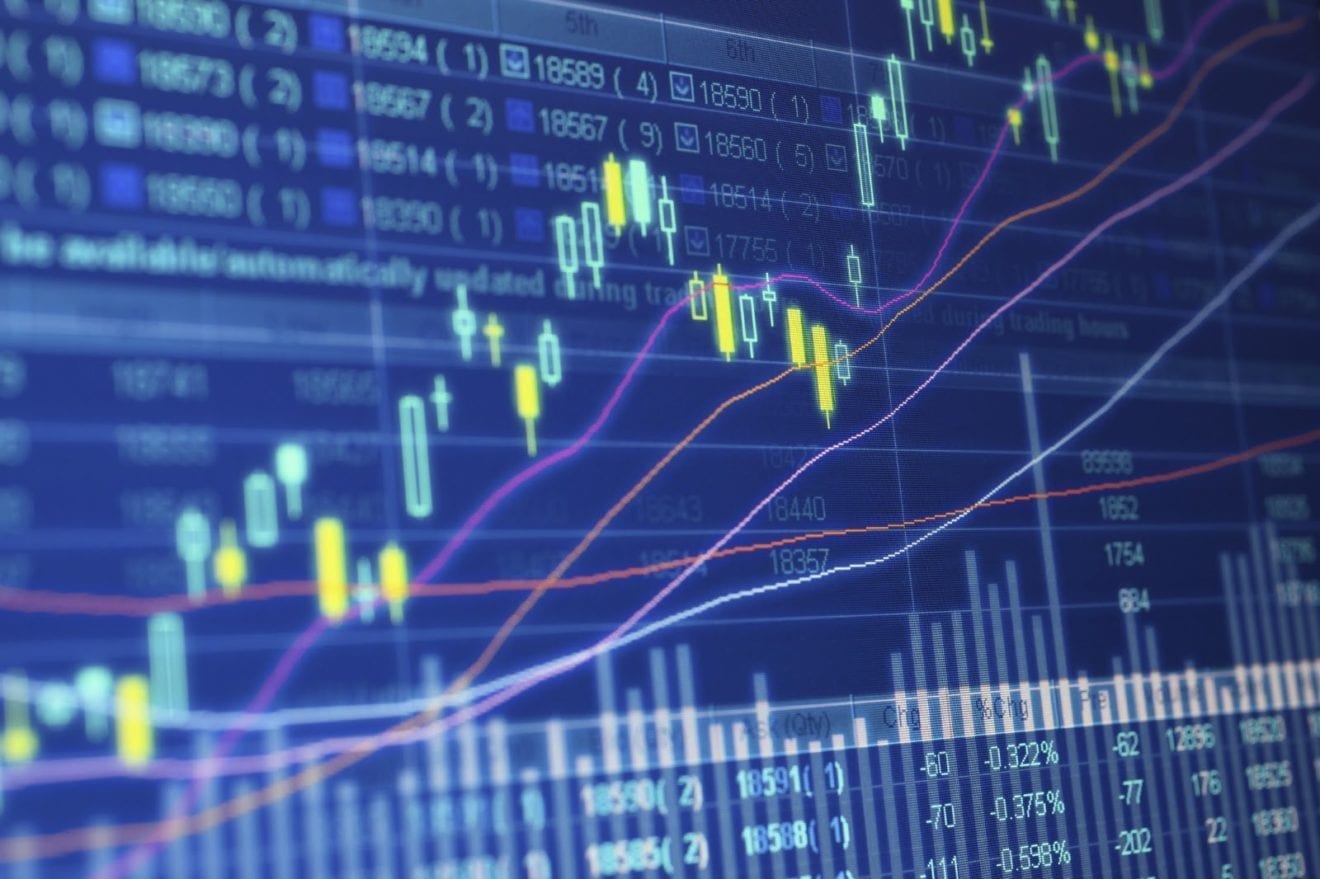
    Trading patterns—recurring shapes and trends found in price charts—are central to technical analysis. They help traders anticipate potential price movements and make informed decisions. Whether you’re a novice investor or a seasoned professional, recognizing and understanding crypto trading patterns can give you a significant edge.

    This article delves into various crypto trading patterns, their implications, and how traders can leverage them for strategic positioning. We will also explore their strengths, weaknesses, and real-world examples to highlight their practical utility.

    Trading patterns are visual representations of price action that indicate potential future behavior. They are generally classified into three types:

    Understanding Trading Patterns in Crypto Markets

    • Continuation Patterns: Suggest the current trend will likely continue.
    • Reversal Patterns: Indicate a possible change in trend direction.
    • Neutral Patterns: Show indecision or potential for breakout in either direction.

    These patterns are derived from historical price data and are a core component of chart analysis. Their reliability varies based on time frames, volume, and market conditions.

    Common Types of Trading Patterns

    Head and Shoulders

    A classic reversal pattern characterized by three peaks: a higher one (the head) between two lower ones (the shoulders). A breakdown below the neckline signals a bearish reversal.

    • Implication: Signals the end of an uptrend and the beginning of a downtrend.
    • Example: Bitcoin’s 2018 bear market saw a head and shoulders pattern form before it fell from $12,000 to $6,000.

    Double Top and Double Bottom

    These are strong reversal indicators:

    • Double Top: Indicates bullish exhaustion; followed by a bearish reversal.
    • Double Bottom: Indicates bearish exhaustion; followed by a bullish reversal.

    Triangles (Ascending, Descending, Symmetrical)

    Triangles are continuation or breakout patterns:

    • Ascending Triangle: Bullish signal during uptrends.
    • Descending Triangle: Bearish signal during downtrends.
    • Symmetrical Triangle: Neutral; breakout direction depends on volume.

    Flags and Pennants

    Short-term continuation patterns formed during sharp movements:

    • Flags: Rectangular patterns that show a brief consolidation.
    • Pennants: Smaller, symmetrical triangle formations post a price spike.

    Implications of These Patterns in Real Trading

    Trend Confirmation

    Patterns like ascending triangles or bullish flags help traders confirm the strength of a trend. For instance, Ethereum displayed a clear bullish flag in its 2021 rally from $1,500 to over $4,000, supporting long positions.

    Entry and Exit Strategy

    Recognizing patterns aids in identifying strategic entry/exit points:

    • Buy at breakout above resistance (in bullish patterns).
    • Sell at breakdown below support (in bearish patterns).

    Stop-Loss Placement

    Patterns provide natural zones for stop-loss orders. For example, placing a stop just below the support line of a double bottom ensures risk mitigation.

    Case Studies and Real-World Examples

    • Bitcoin 2021 Bull Run: An ascending triangle formed between January and March. A breakout above $42,000 led to a surge toward $64,000.
    • Terra Luna Collapse: Before its crash, analysts noted a descending triangle—a bearish indicator that preceded a significant drop.

    These examples underscore how correctly identifying and interpreting patterns can lead to profitable trades—or avert major losses.

    Pros and Cons of Using Trading Patterns

    Pros:

    • 📈 Predictive Power: Offer insight into potential market direction.
    • 🔄 Versatility: Apply to multiple timeframes and assets.
    • 🛠️ Tool for Risk Management: Useful in setting stops and limits.

    Cons:

    • Subjectivity: Interpretation can vary between traders.
    • ⚠️ False Signals: Especially in low-volume or manipulated markets.
    • 🧩 Complexity: Some patterns require experience to identify accurately.

    Integrating Trading Patterns with Other Strategies

    For optimal results, trading patterns should be used alongside:

    • Volume Analysis: Confirms pattern validity.
    • Indicators: RSI, MACD, and moving averages refine entries.
    • News and Sentiment: External events can invalidate pattern implications.

    Successful traders often combine pattern recognition with quantitative strategies or affiliate monetization models. If you’re considering turning your trading knowledge into a business, exploring opportunities through a casino affiliate network can be lucrative. These networks allow crypto-savvy marketers to earn commissions from referring traders to platforms that also accept digital assets.

    Understanding crypto trading patterns is essential for anyone looking to succeed in this fast-paced market. Patterns are not just abstract shapes—they are visual manifestations of market sentiment, fear, greed, and momentum. By mastering these formations, traders gain the tools to predict movements, plan entries and exits, and avoid costly mistakes.

    Conclusion

    However, patterns must not be used in isolation. Their efficacy increases significantly when combined with other analysis tools, market awareness, and proper risk management. Additionally, traders can multiply their income streams by monetizing their expertise—whether through educational content, community building, or affiliate marketing using a casino affiliate network that caters to trading audiences.

    In a world where markets never sleep, trading patterns offer a strategic compass. They guide decision-making, enhance timing, and, when used wisely, can turn volatility into opportunity.

    Questions & Answers

    What are trading patterns?

    Trading patterns are chart formations that signal potential price direction based on historical price data and market behavior.

    Are trading patterns reliable?

    While no pattern guarantees results, many have proven statistically significant over time—especially when supported by volume and market context.

    Can beginners use trading patterns?

    Yes, but beginners should start with basic patterns like head and shoulders, triangles, and double tops/bottoms, and always back-test before live trading.

    What’s the difference between a continuation and a reversal pattern?

    Continuation patterns suggest the trend will persist, while reversal patterns imply a trend change.

    How can I learn to recognize patterns?

    Start with technical analysis books, online courses, and platforms like TradingView. Practice by analyzing historical charts.

    Do patterns work on all timeframes?

    Yes, but higher timeframes (daily, weekly) generally yield more reliable signals than shorter ones (5min, 15min).

    What if a pattern fails?

    Always use risk management techniques. No pattern is 100% reliable, and false breakouts are common.

    How important is volume in pattern analysis?

    Very important. Rising volume during a breakout validates the pattern and increases the probability of a successful trade.

    Can I automate pattern trading?

    Yes. Many bots and algorithmic platforms support pattern recognition. However, always test thoroughly before deploying.

    Can I monetize trading knowledge?

    Yes. Becoming part of a casino affiliate network focused on trading platforms is one way to earn passive income by referring other traders.

  • Gold Soars to 11-Day High, Marking a Strong Comeback

    Gold Soars to 11-Day High, Marking a Strong Comeback

    A bustling jewelry store in Hanoi showcases the latest trends as the gold market experiences a dramatic resurgence. On Wednesday morning, Vietnam’s gold prices soared to the highest level since May 10, primarily driven by a global uptrend that saw prices hit a one-week peak.

    Local Gold Prices Experience Significant Upsurge

    The value of gold bars from the Saigon Jewelry Company surged by 1.42%, reaching VND121 million (approximately US$4,660.39) per tael, a standard measure equating to 37.5 grams or 1.2 ounces. Meanwhile, the price for gold rings rose 0.88%, settling at VND115 million per tael. Cumulatively, gold has skyrocketed nearly 44% this year, capturing the attention of both seasoned investors and casual buyers alike.

    Global Trends Influence Local Market Dynamics

    Globally, gold prices have experienced a positive shift, climbing to their highest point in over a week. This boost is largely attributed to a weakened dollar and investors seeking refuge amid ongoing fiscal uncertainties in the U.S., as Congress debates an expansive tax bill. On the spot market, gold rose 0.5% to $3,305.39 an ounce, reaching its peak level since May 12 earlier in the trading session.

    Gold has earned its reputation as a safe-haven investment during periods of political and economic tumult, thriving in low-interest environments. Tim Waterer, KCM Trade’s Chief Market Analyst, noted, “In the medium- to longer-term, gold is likely to see further gains, although any positive trade deal headlines could pose challenges for gold as it strives to reclaim the $3,500 mark.”

    The shimmering allure of gold continues to captivate investors, illustrating that in the dance of market dynamics, the right moves can lead to golden opportunities.

    Questions & Answers

    What drove the recent increase in Vietnam’s gold prices?
    The rise in Vietnam’s gold prices is largely influenced by global trends, particularly a weakening dollar and increased investor interest due to U.S. fiscal uncertainties.

    How much have gold prices increased this year?
    Gold prices in Vietnam have surged nearly 44% so far this year, showcasing strong demand and investor confidence.

    What market factors could impact the price of gold in the future?
    Factors like trade deal announcements and broader economic conditions will play a significant role in influencing gold prices, especially as the market reacts to changes in fiscal policy.

  • VN-Index Opens Week on a Downturn Amid Market Uncertainties

    VN-Index Opens Week on a Downturn Amid Market Uncertainties

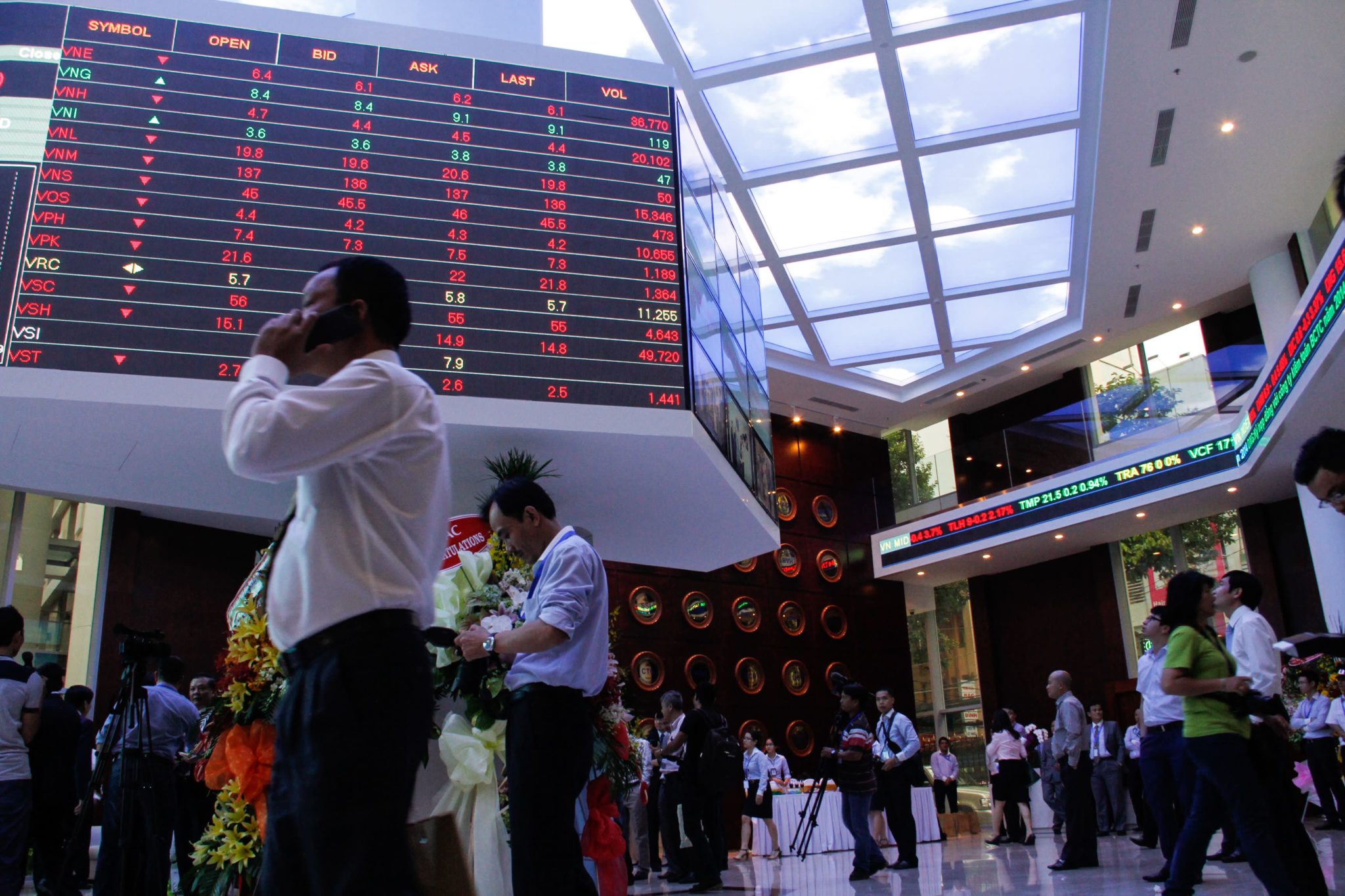
    Vietnam’s stock market kicked off the week on a down note, as the benchmark VN-Index dipped by 0.39%, closing at 1,296.29 points. This drop translates to a loss of 5.1 points, following a previous session where the index slipped 11.81 points.

    Trading Activity Picks Up

    Despite the decline in the index, trading on the Ho Chi Minh Stock Exchange surged by 8.16%, reaching a robust VND 22.39 trillion (approximately US$863.2 million). The VN-30 basket, which includes the 30 largest shares by market cap, presented a mixed bag—22 stocks experienced declines.

    Notably, shares of Fortune Vietnam Bank (LPB) fell by 3.8%, while FPT Corporation saw its stock price slip by 2.3%. Budget airline Vietjet (VJC) wasn’t spared either, closing down by 2.2%. On a brighter note, seven blue-chip stocks made gains, with Vingroup’s VIC reaching its ceiling price with a remarkable 7% increase. Other gainers included Vinhomes (VHM), which rose by 1.38%, and Vincom Retail (VRE), which inched up by 1.02%.

    Foreign Investor Trends

    In the realm of foreign investments, a net selling trend emerged, with foreign investors offloading shares worth VND 562 billion, primarily targeting VHM and Gelex Group’s GEX.

    Meanwhile, the Hanoi Stock Exchange’s HNX-Index, which covers mid and small-cap stocks, fell by 0.84%. In contrast, the UPCoM-Index, catering to Unlisted Public Companies, managed a slight uptick of 0.22%.

    As the market oscillates like a seesaw, it’s clear that volatility remains the name of the game!

    Questions & Answers

    What caused the VN-Index to decline on Monday?

    The VN-Index fell primarily due to losses in most of the large-cap stocks in the VN-30 basket, with significant declines from Fortune Vietnam Bank and FPT Corporation.

    How did trading volume change from the previous session?
    Trading activity ramped up by 8.16%, reaching VND 22.39 trillion, despite the overall decline in the VN-Index.

    What has been the trend among foreign investors?
    Foreign investors were net sellers, offloading VND 562 billion, mainly targeting the shares of VHM and GEX.

  • VN-Index Soars as Trading Activity Reaches Two-Week Peak

    VN-Index Soars as Trading Activity Reaches Two-Week Peak

    In an exciting turn of events for investors, Vietnam’s benchmark VN-Index soared by 1.26% to close at 1,283.26 points on Monday, marking the highest trading activity the market has seen in the last two weeks. The index rebounded 15.96 points after a dip in the previous session, signaling a renewed vigor among traders.

    Trading volumes on the Ho Chi Minh Stock Exchange saw a remarkable 25% uptick, reaching VND21.64 trillion (approximately US$833.4 million). This surge reflects a growing confidence in the market as investors gravitate towards promising opportunities.

    Among the standout performers, the VN-30 basket, which tracks the 30 largest stocks by market capitalization, saw an impressive 27 of its members gain ground. Techcombank (TCB) led the charge with a remarkable leap of 6.52%, while TPBank (TPB) and Vietnam Rubber Group (GVR) followed closely with increases of 4.98% and 4.88%, respectively. However, not all stocks sang the same tune; the Masan Group (MSN) slid by 1.27%, and steel manufacturer Hoa Phat Group (HPG) fell 0.97%.

    Despite the rally, foreign investors took a cautious stance, selling off over VND293 billion worth of stocks, predominantly involving Vietcombank (VCB) and HPG. In contrast, the HNX-Index—representing stocks on the Hanoi Stock Exchange—rose by 1.71%, and the UPCoM-Index for Unlisted Public Companies climbed a modest 0.2%. Clearly, the market is bouncing back, reminding everyone why we love the thrill of investing.

    Questions & Answers

    What drove the VN-Index’s surge on Monday?
    A wave of investor confidence, coupled with a significant increase in trading volume, sparked the VN-Index’s rise, showcasing a renewed interest in Vietnamese stocks.

    Which stocks performed the best?
    Techcombank (TCB) led the pack with a remarkable 6.52% increase, joined by TPBank (TPB) and Vietnam Rubber Group (GVR), which also made notable gains.

    Was there any negative activity in the market?
    Yes, foreign investors were net sellers, offloading over VND293 billion in shares, particularly focusing on Vietcombank (VCB) and Hoa Phat Group (HPG).

  • VN-Index Achieves Third Consecutive Session of Gains in Retail Sales

    VN-Index Achieves Third Consecutive Session of Gains in Retail Sales

    Vietnam’s benchmark VN-Index experienced a notable increase of 0.68% on Wednesday, reaching 1,250.37 points. This marks a positive trend to kick off the month, as the index continues its three-day upward trajectory.

    Trading Highlights

    The VN-Index closed 8.42 points higher, following a previous gain of 1.9 points. Despite this rise, trading activity on the Ho Chi Minh Stock Exchange saw a decline of 3.4% from the previous session, totaling VND17.2 trillion (approximately USD 662.6 million).

    Key Stock Performances

    Within the VN-30 basket, which includes the 30 largest stocks by market capitalization, 14 companies reported positive gains.

    • Vingroup (VIC) surged by 4.11%, demonstrating strong performance as part of Vietnam’s retail news landscape.
    • Bao Viet Holdings (BVH) rose by 3.16%, reflecting increasing consumer trends in the insurance sector.
    • Vietnam Rubber Group (GVR) climbed 2.26%, signaling positive growth within the commodity market.

    Conversely, several blue-chip stocks stumbled:

    • Masan Group (MSN) fell by 1.77%.
    • HDBank (HDB) slid down by 1.41%.
    • SSI Securities Corporation (SSI) experienced a drop of 1.3%.

    Foreign Investment Insights

    Amidst these fluctuations, foreign investors emerged as net buyers, investing approximately VND900 billion. Top purchases included shares from Dat Xanh Group (DXG) and Nam Long Investment Corp (NLG), indicating strong interest in the real estate market.

    In parallel, the HNX-Index for mid and small-cap stocks on the Hanoi Stock Exchange rose by 0.55%, while the UPCoM-Index dipped slightly by 0.02%.

    Conclusion: Impact on the Retail Sector

    The steady increase in the VN-Index reflects a robust sentiment in the market, which could encourage further investments in various sectors, including retail and real estate. As consumer demand continues to surge, brands are expected to expand their presence while adapting to emerging consumer trends.

    Questions & Answers

    1. What is the current status of the VN-Index? The VN-Index has risen 0.68% to 1,250.37 points, marking its third consecutive gain.

    2. Which stocks contributed to the VN-Index’s rise? Key performers include Vingroup (VIC), Bao Viet Holdings (BVH), and Vietnam Rubber Group (GVR), all showing significant increases.

    3. How are foreign investors participating in the market? Foreign investors were net buyers, investing around VND900 billion, with a focus on stocks from Dat Xanh Group and Nam Long Investment Corp.

  • Apple CEO Tim Cook reveals what Apple needs to build iPhone in the US

    Apple CEO Tim Cook reveals what Apple needs to build iPhone in the US

    While the tariff fiasco has brought red ink to the markets and chaos to the global economy, the ultimate goal according to President Donald Trump and his supporters, is to have manufacturing brought back to the United States. According to Trump’s Commerce Secretary Howard Lutnick, who was appearing on CNBC, Apple CEO Tim Cook told him that there is a “key catalyst” that would be necessary for Apple to consider building the iPhone in the US.

    Lutnick says that he asked Cook when he was going to bring iPhone manufacturing to the States. Cook responded by saying, “I need to have the robotic arms to do it at a scale and precision that would allow me to bring it here.” Cook seems to be one of the few tech industry leaders who might not be a Trump supporter but who still commands respect from the president and vice versa.

    This relationship has helped Apple protect its most important product, the iPhone, from tariffs during both Trump terms. Recently, Trump temporarily exempted some consumer electronics including smartphones from the reciprocal tariffs that Trump imposed on US trading partners. This includes a whopping 145% tariff on products imported to the US from China which is where the majority of iPhone units are assembled.

    By using robots to do the tedious low-paying assembly jobs such as building an iPhone, Apple wouldn’t have to worry about finding Americans willing to work for the $3 to $3.70 per hour that iPhone assemblers reportedly make in Shenzhen, China. Without a robotic labor force, at the federal minimum wage of $7.25 per hour, Apple would be paying twice that amount to build the iPhone forcing it to raise the price of the device.

    By using robots to build the iPhone in the US, Apple would be able to reduce the cost to assemble the product and might even be able to cut prices for the iPhone. But Apple is still a long way from having a team of robots unplug themselves in the morning and head over to the assembly line where they silently build iPhone units. Yet, if you ask the Commerce Secretary, he’ll try to get you to believe that this technology is coming sooner than you’d think.

    Talking about the iPhone, Lutnick says about Tim Cook, “He wants to build it here, he’s going to build it here. The Commerce Secretary does agree with our position that Americans won’t work for the low wages Foxconn pays iPhone assemblers in China. He says that Americans will be running the iPhone factories in the States. “They’re not going to be the ones screwing components in.” Unfortunately, Lutnick doesn’t explain who will be.

    Cook is right and robotics can be the answer, but this is going to take time even with AI. Let me make a statement that many of you will find surprising. If the Trump administration is patient and allows time for the technology to catch up with the goal, the current administration might end up being known for helping change the world of manufacturing for the better. However, patience is not the strong suit of our president and his team.