Retail News CRM

Tag: train

  • Score a 30% Discount on Malaysia’s Domestic Train Routes Starting April 15!

    Score a 30% Discount on Malaysia’s Domestic Train Routes Starting April 15!

    In an effort to promote increased use of trains amidst surging fuel costs, Malaysia has implemented a 30% fare reduction on weekdays for its Electric Train Service and Ekspres Rakyat Timuran routes. This incentive is applicable for journeys between Johor Bahru Central and Tumpat in Kelantan, beginning from Wednesday, as announced by Transport Minister Anthony Loke.

    Exclusions and Discounts

    The KTM Shuttle Tebrau, which operates between Singapore and Malaysia, is not included in this discount scheme. The move is in line with the government’s objective to establish rail as the main mode of transport while concurrently lowering commuting costs.

    The discounted fares will be accessible from Monday to Thursday, excluding school holidays and public holidays. To avail of the discount, passengers are required to purchase tickets utilizing a promotional code. This code will be announced by the national rail operator, Keretapi Tanah Melayu Berhad, between April 15 and 30, valid for travel from April 15 to October 14. However, these discounted rates will not be applicable for business and first-class passengers.

    The Electric Rail Link service is also encompassed by this initiative, with two new monthly passes offering up to 90% discounts. Civil servants residing or working in Putrajaya, as well as Malaysians employed at Kuala Lumpur International Airport Terminals 1 and 2, are eligible for these passes.

    Impacts of Middle East Conflicts

    The stakes of fluctuating prices are high due to ongoing conflicts in the Middle East, a concern which the Malaysian government has raised with its citizens. Home Affairs Minister Saifuddin Nasution Ismail voiced the government’s primary challenge – preparing the public to accept the impending economic hardships.

    The government’s main priority is to protect the welfare of Malaysians and shield them from the full brunt of external economic shocks, whilst maintaining economic stability. Simultaneously, he highlighted potential risks such as disruptions to energy supplies and escalating costs.

    Despite being one of the largest oil and gas producers in the Asia-Pacific region and the world’s fifth largest exporter of liquefied natural gas in 2023, Malaysia continues to be significantly dependent on fossil fuels like coal for electricity generation.

    Questions & Answers

    What is the purpose of the fare discount?
    The fare discount aims to promote the increased use of trains amidst rising fuel costs and make rail the main mode of transport in Malaysia.

    Who can avail of the fare discount?
    Passengers travelling between Monday and Thursday, excluding school and public holidays, on the Electric Train Service and Ekspres Rakyat Timuran routes can avail of the fare discount. However, it does not apply to business and first-class passengers.

    What are the potential risks of the Middle East conflicts to Malaysia?
    The potential risks include disruptions to energy supplies and rising costs, which could have significant impacts on the Malaysian economy and its citizens.
  • Vietnamese Automaker Thaco Joins Forces with Hyundai Rotem for Advanced Rail Tech Transfer

    Vietnamese Automaker Thaco Joins Forces with Hyundai Rotem for Advanced Rail Tech Transfer

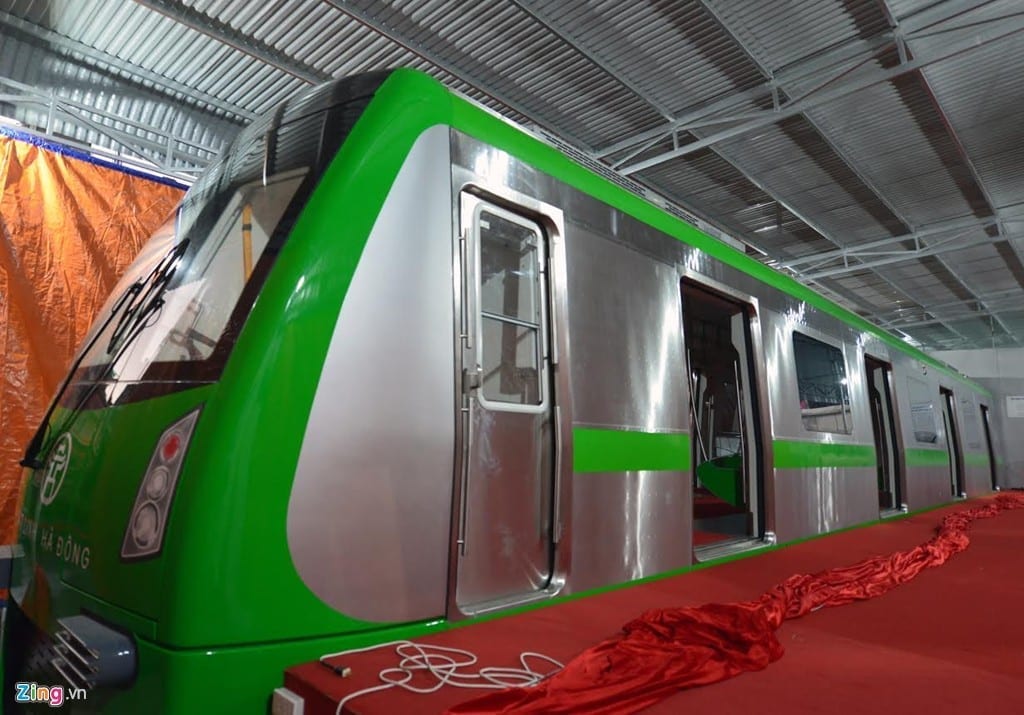
    South Korean company Hyundai Rotem, a subsidiary of the Hyundai Motor Group, has entered into a technology transfer agreement with Thaco, a Vietnamese automaker. The deal will enable Thaco to manufacture rolling stock for metros and high-speed railway systems under its own brand, by using Hyundai Rotem’s advanced technologies.

    Integrated System Development

    In addition to the technology transfer, Hyundai Rotem will aid Thaco in the development of an integrated system encompassing signaling and communications, as well as mechanical and electrical components.

    Thaco’s Railway Industrial Complex

    As part of its expansion plans, Thaco aims to construct a railway industrial complex sprawling across 786 hectares in Ho Chi Minh City. The complex will include a manufacturing zone for rolling stock, a closed-loop test track system, and a repair center.

    Thaco’s agreement with Hyundai Rotem aligns with Vietnam’s current contemplation of strategies to advance its railway industry. Earlier this year, Prime Minister Pham Minh Chinh encouraged Thaco to be actively involved in research, technology transfer, and the production of carriages and locomotives for high-speed rail projects.

    Thaco’s Investment in High-Speed Rail Projects

    In May, Thaco proposed to construct the North-South high-speed rail link, with an estimated projected cost of US$61.35 billion. Thaco proposes to contribute 20% of the total cost, with the remaining funds to be borrowed from banks, with the backing of government interest subsidies.

    Thaco also revealed interest in developing the 47-kilometer Ben Thanh-Long Thanh rail line, which would connect downtown Ho Chi Minh City with the soon-to-be-completed Long Thanh International Airport.

    Established in 1997, Thaco has a diversified portfolio that includes the auto, agriculture, construction, and logistics sectors. The company assembles Kia, Mazda, and Peugeot cars and also manufactures trucks and buses under its own brand.

    Questions & Answers

    What is the significance of the technology transfer agreement between Hyundai Rotem and Thaco?
    The agreement will enable Thaco to use Hyundai Rotem’s cutting-edge technologies to manufacture rolling stock for metro and high-speed rail under its own brand.

    What is Thaco’s plan for the development of the railway industry in Vietnam?
    Thaco plans to construct a railway industrial complex in Ho Chi Minh City, which will include a manufacturing zone for rolling stock. They have also shown interest in developing high-speed rail projects, including the North-South rail link and the Ben Thanh-Long Thanh rail line.

    What sectors does Thaco operate in?
    Thaco has a diversified business portfolio, with interests in the auto, agriculture, construction, and logistics sectors. They assemble Kia, Mazda, and Peugeot cars and manufacture trucks and buses under its own brand.

  • Singapore’s Public Transport Fares To Rise, Offset By Lower Monthly Pass Costs And Transport Vouchers

    Singapore’s Public Transport Fares To Rise, Offset By Lower Monthly Pass Costs And Transport Vouchers

    Singapore’s adult commuters will soon face a 9-10 cent (0.07-0.08 USD) increase in their public bus and train fares per trip, corresponding to an overall public transport price increase of 5%.

    Rising fares from December 27

    Starting from December 27, the base fares for bus and train journeys for adults will increase by 9 cents for journeys up to 17.2 kilometers and by 10 cents for longer trips, according to a statement by the Public Transport Council (PTC) on Tuesday.

    Changes for concessionary card holders

    Fare changes will also affect concessionary card holders, including students, seniors, people with disabilities, and low-wage workers with workfare transport concessions. For these categories, the fare will increase by 3-4 cents for journeys longer than 3.2 kilometers, while fares for shorter trips will remain the same.

    PTC specified that more than a third of all concessionary trips, equating to around 450,000, are 3.2 kilometers or less. These short journeys are typically for commuting to school, work, or local amenities.

    Cash fares on public buses to rise

    Cash fares for public buses will likewise increase; adults will see a 20-cent rise, seniors and people with disabilities will face a 10-cent increase, and students will have a 5-cent increase. The council noted that fewer than 1% of all public transport trips are paid in cash.

    Express bus services fares to increase

    Fares for express bus services, which provide faster commuting options from residential areas to city centers and primary job hubs at higher rates than standard buses, will also see an increase. Adult passengers will pay an additional 49-50 cents per express bus trip, while passengers from concessionary groups will face a 20-24 cent increase. Cash fares for these services will rise by 60 cents per journey.

    Despite the increases, this year’s overall fare increase is less than the 6% and 7% increases experienced in 2024 and 2023, respectively.

    Reduced prices for monthly travel passes

    In an effort to support regular public transport users, the cost of monthly travel passes will decrease by 5% from December 27. The revised prices will be S$122 for adults, S$55 for seniors and people with disabilities, and S$92 for low-wage workers with workfare transport concessions. This discount is expected to benefit approximately 155,000 passengers, according to the council.

    Additionally, the government plans to issue S$60 public transport vouchers to households earning up to $1,800 per person per month to help offset the impact of the fare hikes. These vouchers can be used to top up fare cards or to purchase monthly passes.

    Questions & Answers

    When will the new fare rates take effect?
    The new fare rates will start from December 27.

    Who will be affected by the fare increases?
    The fare increases will affect adult commuters, concessionary card holders (including students, seniors, people with disabilities, and low-wage workers), and users of express bus services.

    What measures are being taken to ease the impact of fare hikes?
    To mitigate the impact of the fare hikes, the government will issue S$60 public transport vouchers to eligible households. Additionally, the price of monthly travel passes will be reduced by 5%.

  • Nsw Government Cracks Down On Modified E-bikes On Trains Amid Safety Concerns

    Nsw Government Cracks Down On Modified E-bikes On Trains Amid Safety Concerns

    The New South Wales (NSW) Government has issued a stern warning to cyclists intending to board the Sydney rail system with modified e-bikes. Beginning on November 1st, such individuals could be penalized with a considerable fine ranging from $400 to $1,110.

    Modified E-bike Restrictions

    The introduction of these measures is a direct response to the 77 incidents caused by lithium-ion batteries, which power e-bikes, leading to 16 injuries this year, as reported by Fire and Rescue NSW. These incidents were primarily resultant from do-it-yourself installations, substandard wiring, usage of second-hand batteries, and poor-quality or incompatible componentry.

    Public Safety and Reasonability

    Transport Minister John Graham stated that the decision to impose these fines emerged from comprehensive deliberations with the public and stakeholders, due to the increasing occurrences of lithium-ion battery-related incidents. It was deduced that the best course of action would be to prohibit converted e-bikes, as this would target the highest-risk e-bikes while maintaining a sensible and balanced approach.

    Graham acknowledged the popularity of e-bikes in the community, but emphasized the necessity to prioritize public safety and prudence. He added that an outright ban on all e-bikes from trains was deemed excessive by many during the consultations. As such, the department will monitor the situation closely and will not hesitate to take further measures if necessary.

    Enforcement of New Rules

    Starting November 1st, Transport for NSW staff will conduct “hotspot blitzes”, issuing on-the-spot fines to anyone contravening the new regulations. Cyclists are therefore strongly advised to keep their converted e-bikes off the trains and on the streets to avoid these penalties.

    Questions & Answers

    What are the new measures the NSW Government is introducing for e-bikes on Sydney trains?
    From November 1st, the NSW Government will impose a fine of $400 – $1,110 on anyone found on a Sydney Train, Trainlink, or Metro with a converted e-bike.

    Why has the NSW Government introduced these measures?
    The NSW Government has introduced these measures due to an increase in incidents caused by lithium-ion batteries, which power e-bikes, leading to 16 injuries this year alone.

    Who will be affected by the new rules?
    The new rules will primarily affect cyclists intending to board the Sydney rail system with modified e-bikes. Regular e-bikes without modifications are not subject to these new regulations.

  • Siemens Plans Ambitious High-Speed Rail Project to Transform Vietnam’s Transportation Landscape

    Siemens Plans Ambitious High-Speed Rail Project to Transform Vietnam’s Transportation Landscape

    In a compelling dialogue at the 16th Annual Meeting of the New Champions, held by the World Economic Forum in Tianjin, China, Siemens’ Chief Technology Officer and Chief Strategy Officer, Peter Keotre, presented an ambitious invitation to Vietnam’s Prime Minister Pham Minh Chinh. The offer reflects Siemens’ ongoing commitment to strengthening its presence in the region.

    Siemens, which operates across sectors including industry, infrastructure, transportation, and healthcare, has distinguished itself in the arena of industrial AI. Last year, the company reported impressive revenues of EUR 75.9 billion (US$ 89 billion). Since establishing a foothold in Vietnam in 1993, Siemens has operated offices in Hanoi, Da Nang, and Ho Chi Minh City, alongside a manufacturing facility located in Binh Duong Province.

    Prime Minister Chinh lauded Siemens for its substantial global operations and meaningful contributions to Vietnam, expressing enthusiasm for the company’s intentions to escalate investments, particularly in critical infrastructure projects like the North-South high-speed rail. This project, which received National Assembly approval in November 2024, carries a hefty price tag of VND 1.7 quadrillion (US$ 67 billion) and will stretch 1,541 kilometers, linking Hanoi to Ho Chi Minh City through 20 provinces and cities.

    The North-South rail initiative isn’t drawing interest solely from Siemens; various foreign firms have also shown eagerness to participate. On the domestic front, major players like VinFast, backed by Vietnam’s wealthiest individual Pham Nhat Vuong, and automaker Thaco are also vying to invest.

    In addition to the high-speed rail, Vietnam is eyeing enhanced rail connections with China to streamline routes extending to Central Asia and Europe. Chinh has encouraged Siemens to collaborate with relevant ministries, agencies, and the Vietnam Railways Corporation to explore potential involvement in these transformative projects.

    Infrastructure development is a focal point for the Vietnamese government, viewed as a vital catalyst for economic growth. Chinh shared that public-private partnership models are being considered to attract investments in essential national initiatives encompassing transportation, energy, and digital infrastructure.

    His remarks underscored recent institutional reforms aimed at creating more open mechanisms and policies, expanding investment opportunities for businesses eager to be part of Vietnam’s progressive development narrative. With plans covering roads, railways, air transport, and maritime infrastructure, the government is laying the groundwork for a robust economic future, where even trains can hit the high speeds of innovation.

    Questions & Answers

    How is Siemens planning to deepen its investments in Vietnam?
    Siemens aims to enhance its investments primarily in infrastructure projects, with a keen focus on the North-South high-speed rail initiative that promises to revolutionize the country’s transportation landscape.

    What are the key features of the North-South high-speed rail project?
    The rail project, approved by the National Assembly in November 2024, will span 1,541 kilometers, connecting Hanoi to Ho Chi Minh City and traversing 20 provinces and cities, with a projected cost of VND 1.7 quadrillion (US$ 67 billion).

    How does Vietnam view infrastructure development?
    Vietnam considers infrastructure development as a crucial driver for economic growth and is exploring public-private partnerships as a means to attract investments into vital national projects, particularly in transportation and digital infrastructure.

  • Summer Train Travel Soars in Popularity, Weekend Tickets Selling Out Fast

    Summer Train Travel Soars in Popularity, Weekend Tickets Selling Out Fast

    Trains between Hanoi and popular central and southern tourist destinations are in demand, with sleeper berths sold out on weekends, thanks to improved pricing policies and services.

    When Thu Minh from Hanoi attempted to purchase train tickets for her family’s weekend getaway to Da Nang City, she was met with a surprising twist—many trains were completely booked. Out of the nine trains scheduled for the trip, the SE17 train had just two sleeper berths remaining, while SE11 had three available.

    Routes to Nghe An and Quang Binh Province demonstrated similar trends, with sleeper berths becoming increasingly scarce. “I didn’t expect train tickets in June to be this hard to get,” Minh lamented, adding, “My family might have to postpone our trip to next month.”

    The Vietnam Railways Corporation’s ticketing website highlights the limited availability of sleeper berths on weekends throughout June, specifically on routes connecting Hanoi with central and southern provinces. A representative from the Railway Transport Joint Stock Company revealed that over 620,000 tickets have been sold this summer, with a projected passenger increase of 8-10% compared to the previous year by the end of the vacation period.

    Analysts attribute this surge in popularity to several factors: competitive ticket prices for families, free travel for children under six, and an array of conveniences available for those traveling with young kids. Groups can also enjoy discounts of 3-15%.

    Furthermore, the quality of services and amenities has improved significantly in recent years. Many train routes offer breathtaking views, making train journeys to central Vietnam especially sought after. Notably, even premium trains running between Hanoi and Da Nang frequently sell out, with sleeper berth fares reaching VND1.3 million (around US$50) each.

    To accommodate the summer rush, the railroad service is expanding. New trains have been introduced along the Hanoi–Hai Phong City route, and the already popular line between Ninh Thuan Province and Da Lat has added three more trains, bringing the total to six. Daily departures are now also available between Hanoi and Beijing, enhancing connectivity with the Chinese capital.

    Questions & Answers

    What is causing the high demand for train tickets this summer? Many factors contribute to this surge, including competitive pricing for families, free travel for children under six, and improved service quality.

    How much can passengers expect to pay for a sleeper berth on popular routes? Sleeper berths can reach fares of VND1.3 million (approximately US$50) on high-quality trains, yet they still sell out quickly.

    What new routes have been added to accommodate travelers? The railroad service has expanded this summer with additional trains on the Hanoi–Hai Phong route and new options connecting Ninh Thuan Province to Da Lat, plus daily services to Beijing.

    So, if you’re planning a train trip, make sure to book early—unless you fancy practicing your charm at the ticket counter!

  • Thaco Proposes Ambitious $61B Transnational High-Speed Rail Project to Revolutionize Travel

    Thaco Proposes Ambitious $61B Transnational High-Speed Rail Project to Revolutionize Travel

    Thaco is gearing up to revolutionize Vietnam’s transportation landscape with an ambitious high-speed railway project that promises to reshape connections between major cities. The company plans to cover 20% of the project’s costs and seek loans from both domestic and international financial institutions for the remainder, hoping to secure government guarantees and interest coverage for a whopping 30 years. Notably, the estimated costs do not include expenses related to land compensation and resettlement, which the government will manage as a separate undertaking.

    New Ventures in Rail Infrastructure

    To spearhead this monumental infrastructure endeavor, Thaco intends to establish a dedicated company while maintaining a controlling interest, inviting local corporations to invest in this groundbreaking initiative. However, the company has made it clear that stakes or operational rights will not be sold to foreign investors.

    Journey Over Challenging Terrain

    The ambitious project is designed to unfold over seven years, divided into two phases. The first five years will concentrate on notoriously crowded routes connecting Hanoi to Ha Tinh Province and Ho Chi Minh City to Khanh Hoa Province. The subsequent two years will focus on linking these two vital sections, a task complicated by challenging terrain that necessitates extensive surveys and custom technical designs.

    Commitment to Local Expertise

    In a bid to ensure cutting-edge standards, Thaco plans to implement electrified technology and collaborate with firms from Germany, France, Japan, and South Korea. But there’s a twist: while these international partners will provide technology, Thaco is also committed to training local personnel in these advanced disciplines.

    Transforming Vietnam’s Transportation Economy

    With a vision to transform transportation throughout the country, Thaco anticipates this project will significantly boost growth in foundational sectors. Additionally, they seek a 70-year contract to operate the railroad, claiming priority access to land designated for developing urban residential areas for resettlement purposes. In February, Prime Minister Pham Minh Chinh urged Thaco to consider technology transfer for the manufacturing of railway carriages and locomotives as part of the high-speed railway initiative.

    A Route to Connectivity

    The National Assembly has approved a route stretching an impressive 1,541 kilometers from Hanoi to Ho Chi Minh City, traversing 20 provinces and cities. Designed to accommodate speeds of up to 350 kilometers per hour, with a 1.435 m double-track gauge, the rail line will feature 23 passenger and five freight stations. A feasibility study is set to kick off in 2025, with the project completion targeted for 2035.

    Stiff Competition and Big Ambitions

    Thaco isn’t alone in this venture. VinSpeed, backed by Vietnam’s wealthiest individual, Pham Nhat Vuong, also aims to construct the railway. They have offered to cover 20% of the costs while seeking a staggering US$49 billion interest-free loan from the government over 35 years. Like Thaco, VinSpeed has requested government assistance with land acquisition and promises to begin operations within five years after construction starts.

    Thaco’s Evolution

    Founded in 1997 by Tran Ba Duong, Thaco has evolved from a modest automobile manufacturing business into a sprawling conglomerate that spans industrial production, logistics, agriculture, and infrastructure. Its production hub in Quang Nam represents Vietnam’s largest automobile manufacturing facility and stands as a testament to its growth and ambitions.

    As it plunges into major national infrastructure projects, Thaco’s latest venture could very well be a game-changer for Vietnam’s economy—after all, who wouldn’t want to zoom across the country at lightning speed?

    Questions & Answers

    What is Thaco’s strategy for financing the railway project? Thaco plans to contribute 20% of the costs and secure the rest through loans from domestic and international financial institutions, seeking government guarantees and interest coverage.

    How long will the high-speed rail project take to complete? The project is expected to be completed in seven years, divided into two phases focusing on different crowded travel sections and linking them thereafter.

    What other companies are interested in the railway construction? VinSpeed, controlled by Vietnam’s richest man, Pham Nhat Vuong, has also expressed interest and proposed a significant investment plan for the project.

  • PM Seeks PowerChina’s Expertise to Boost Railway Industry Growth

    PM Seeks PowerChina’s Expertise to Boost Railway Industry Growth

    During a recent reception in Hanoi on May 21, Vietnamese Prime Minister Pham Minh Chinh met with Zhou Jiayi, President of PowerChina Asia Pacific, to discuss exciting prospects for collaboration on the Hai Phong – Hanoi – Lao Cai railway line. This key transport corridor aims to connect with China’s bustling cities of Kunming and Chongqing, opening avenues to European markets and beyond.

    Vietnam’s strategic focus on transport, energy, and digital transformation infrastructure bolsters this initiative, especially in enhancing rail connectivity with China. PM Chinh enthusiastically welcomed PowerChina’s collaboration with local partners, emphasizing the importance of expanding business ventures in Vietnam’s railway sector. He acknowledged China’s longstanding partnership with Vietnam, highlighting that many joint projects have yielded substantial benefits.

    To further invigorate railway infrastructure, Vietnam is keen on inviting reputable Chinese corporations to invest, starting with the Lao Cai – Hanoi – Hai Phong line. The Prime Minister encouraged PowerChina to forge close ties with Vietnam, aiming to develop the railway industry through technology transfer, workforce training, and operational support.

    He also spotlighted recent resolutions aimed at propelling science, technology, innovation, and private sector development, which create a conducive investment climate. Beyond infrastructure, PM Chinh urged PowerChina to incorporate Vietnamese companies into its global supply chain and share clean energy technologies with local giants like Viettel and the Vietnam National Industry – Energy Group for wind turbine and solar panel projects. “The more the merrier!” he seemed to imply about the integration of local firms into broader projects.

    Looking to the future, the Prime Minister conveyed his hope that PowerChina would use Vietnam as a launchpad to solidify its presence in Southeast Asia and beyond. Reiterating Vietnam’s commitment to aligning interests and sharing risks, he assured that the Vietnamese government stands ready to support and protect the rights of foreign investors, including PowerChina, to guarantee effective and law-abiding projects that yield mutual benefits.

    Zhou Jiayi shared PowerChina’s excitement about Vietnam’s rail initiatives, drawing upon the company’s experience in constructing over 2,000 kilometers of railways across China, Laos, and Indonesia. He suggested that government backing could facilitate cooperation with four Vietnamese firms on the Lao Cai-Hanoi-Hai Phong line, promising timely, quality, and cost-efficient construction, alongside the sharing of technical expertise.

    As the world’s seventh-largest energy contractor, PowerChina operates in more than 130 countries, with 2024 revenue projected to surpass $100 billion, making its mark among the top 500 companies globally. With a dynamic portfolio spanning hydropower, irrigation, urban infrastructure, and digitalization, PowerChina has been actively contributing to Vietnam’s energy and infrastructure landscape since the early 2000s, participating in over 100 projects, including seaports.

    In 2024, PowerChina signed a memorandum of understanding with four Vietnamese firms—FECON JSC, Lung Lo Construction Corporation, Song Da Corporation JSC, and Thang Long Joint Stock Corporation—to create the CVRail Consortium, all geared toward nationally significant railway ventures. The consortium’s projected revenue for 2024 stands around VND22 trillion, or approximately $880 million. Imagine what they could achieve if everyone brought their A-game!

    Questions & Answers

    What railway project is Vietnam focusing on with PowerChina?
    Vietnam is concentrating on the Hai Phong – Hanoi – Lao Cai railway line, designed to connect with China’s Kunming and Chongqing.

    What benefits does Vietnam expect from PowerChina’s involvement?
    Vietnam anticipates enhanced railway infrastructure, technology transfer, workforce training, and operational support, fostering economic growth and connectivity.

    What is the CVRail Consortium?
    The CVRail Consortium is a partnership formed by PowerChina and four Vietnamese firms, aimed at advancing significant railway projects in Vietnam, with projected revenues of approximately $880 million for 2024.

  • Thailand expects high-speed rail link to China to be ready in 2030

    Thailand expects high-speed rail link to China to be ready in 2030

    Thailand expects its 609-km (378 miles) portion of a high-speed railway that will connect it with China through Laos to begin operations in 2030, its government said, nearly a decade later than originally planned.

    More than a third of construction has been completed in the segment connecting the capital Bangkok to the city of Nakhon Ratchasima, about 220 km away and the whole line to Nong Khai at the border with Laos would be ready by 2030, said Thai government spokesperson Jirayu Houngsub.

    A $6 billion, 1,000 km rail line from the Laotian capital Vientiane to the southwestern Chinese city of Kunming began service in 2021, a venture 70% owned by Beijing. That line will connect with Thailand’s Nong Khai via Vientiane, about 25 km away.

    “This is an opportunity for Thailand to connect to the global economy,” Jirayu said, adding it would bring Thailand closer to its goal of becoming a logistics hub.

    The announcement comes a year after China urged Thailand to progress faster on the rail link.

    Discussions on the rail line started nearly two decades ago and Thailand and China signed agreements on its construction in 2017 with plans to begin operations in 2021.

    But construction met delays over disagreements on financing and design, and disruption from the Covid pandemic.

    The plan is part of Chinese President Xi Jinping’s ambitious Belt and Road trade and infrastructure initiative, which includes plans for three routes originating in Kunming that pass through Myanmar, Thailand and Vietnam.

  • Vietnam high-speed railroad to cost $500M annually to operate

    Vietnam high-speed railroad to cost $500M annually to operate

    Vietnam’s north-south high-speed rail is expected to cost US$500 million a year to operate in the initial time, with the government footing a substantial part of the bill.

    According to the Ministry of Transport, in the first four years revenues are expected to cover only operational and rolling stock maintenance costs, and the government will need to provide funds for infrastructure maintenance.

    The 1,541 km line, running between Hanoi and Ho Chi Minh City, is estimated to cost $67.3 billion, with construction expected to last from 2027 to 2035.

    In 2037 the annual operating costs are estimated at $477 million, with the government providing $238 million.

    They are projected to rise to $524 million and $213 million, $571 million and $187 million and $618 million and $140 million in the next three years. Vietnam’s GDP last year was $430 billion, according to the General Statistics Office.

    The project is expected to take 33.61 years to break even if infrastructure costs are not considered, the ministry said in a new report addressing feedback from National Assembly deputies regarding the railway project.

    During the feasibility study phase, detailed calculations of financial indicators would be done based on investment plans, operational strategies and the conditions obtaining at the time the railroad begins operation, it said.

    The ministry was confident of the project’s economic viability, citing quantifiable benefits such as reduced travel time, lower logistics costs, fewer accidents, and reduced CO2 emissions.

    The economic internal rate of return is estimated at 12%, the benefit-cost ratio at 1.06 and net present value at $9.15 billion.

    The ministry said while economic and indirect benefits had been carefully considered, they could not be included in the financial calculations.

    In addition to measurable benefits, the railroad is also expected to enhance Vietnam’s competitiveness, restructure its transportation and create new economic opportunities through effective land use.

    The construction is projected to boost the country’s GDP by an average of 0.97 percentage points annually.

    Addressing legislators’ concerns about prioritizing the high-speed railway over other infrastructure projects, the ministry explained that the funding would be spread over 12 years, averaging $5.6 billion annually, or 16.2% of the medium-term public investment plan for 2026-30, and only account for 1% of GDP in 2027, when construction is expected to begin.

    Besides, investment for 3,000 km of expressways has been arranged, and another 1,700 km are being built, meaning reaching 5,000 km of expressways by 2030 should not be difficult, it said.

    Allaying concerns about increasing public debts and potential cost overruns, it said public debt indicators are projected to remain within acceptable limits through 2030.

    While external debt obligations and budget deficits may see slight increases, these are manageable and considered reasonable compared to scenarios without the high-speed rail.

    The railroad is designed to integrate with regional and international networks, linking up with China through routes from Hanoi via Lao Cai and Lang Son, with Laos through the Vung Ang–Vientiane route and with Cambodia through Trang Bom.

    By 2050, even with significant investments in aviation and road transport, the north-south corridor is projected to have unmet passenger demand of 122.7 million trips annually.

    The high-speed railroad is expected to address this, the ministry said.

    It will have a double track with a 1,435 mm gauge, electrified for a designed speed of 350 kph and a load capacity of 22.5 tons per axle.

    The existing north-south railroad will continue to handle freight and short-distance passenger transport.

  • Vietnam’s high-speed rail fares set at 75% of flight tickets

    Vietnam’s high-speed rail fares set at 75% of flight tickets

    High-speed rail tickets are expected to cost 75% of airfares or VND1.7-6.9 million (US$69-280), according to a pre-feasibility study the government has submitted to the National Assembly.

    The project, one of the most ambitious transport projects in this decade, is set to begin construction in 2026-2027 to link Hanoi and Ho Chi Minh City with a 350-kilometer-per-hour rail.

    First class fares will be VND6.9 million, and two lower tiers will cost VND2.9 million and VND1.7 million, according to the report.

    These are equivalent to 75% of Vietnam Airlines and Vietjet’s fares, and similar to those in other countries, it said, citing fares in Shanghai, Jakarta and Tohoku in Japan.

    The 1,500-kilometer high-speed railroad between Hanoi and HCMC is estimated to cost VND1.7 quadrillion (US$69 billion).

    At $43.7 million per kilometer, the cost would be in the medium range compared to other high-speed rail projects globally, the report said.

    The project comprises four sub-projects that will be developed simultaneously. It is expected to help add 0.97% to GDP annually.

    The 350-kph-maximum rail will pass through 20 provinces and have 23 passenger stations and five cargo stations.

    But it will mostly serve passengers with the current railroad network switching mainly to cargo transport.

  • Siemens offers locomotives for Vietnam’s highspeed railway By Viet Tua

    Siemens offers locomotives for Vietnam’s highspeed railway By Viet Tua

    Siemens has expressed interest in Vietnam’s North-South highspeed railway and offered to provide vehicles for the project.

    Siemens president and CEO Roland Busch told Prime Minister Pham Minh Chinh at a meeting in Hanoi Monday that the company can transfer the technology of building carriages and can provide the trailway signal system for the project.

    The North-South highspeed railway is among the largest transport projects that Vietnam plans for the upcoming decades.

    It should be approved in policy by next year and construction is scheduled to begin before 2030.

    Two sections of the railway, one from Hanoi to Vinh and the other from HCMC to Nha Trang, will begin construction before 2030 and the whole route should be finished by 2045.

    Busch made the offers after PM Chinh proposed that Siemens consider participating in the construction of the railway as well as the second metro line in HCMC, a 11-kilometer that mostly runs underground with a price tag of VND47.8 trillion.

    The PM asked Siemens to partner with Vietnam in the fields of high technology and innovation, green transformation, renewable energy, transportation and digital transformation.

    He also asked about potential for Siemens to build a research and development center built in Vietnam and urged the company to cooperate with the National Innovation Center. He also wants the group to expand cooperation with Vietnamese technology enterprises.

    Vietnam would create favorable conditions for businesses like Siemens to invest long-term, Chinh said.

    In Vietnam, Siemens established a representative office in 1993 and now has three representative offices in Hanoi, Da Nang, and Ho Chi Minh City. It also has a manufacturing factory in the southern province of Binh Duong.

    Siemens cooperates with Vietnam in many fields, especially renewable energy and transport. Its participation in one solar power project is estimated to contribute one billion kilowatt-hours of electricity to the country’s electricity system each year.

    The company has also designed and supplied 16 diesel locomotives for Vietnam Railway Corporation.

  • Vietnam Railways eyes profit in 2023

    Vietnam Railways eyes profit in 2023

    Train operator Vietnam Railways expects to earn a profit this year after posting losses in three previous years due to the impact of Covid-19.

    The company predicts a post-tax profit of VND3 billion ($127,960) and a revenue of over VND6.5 trillion.

    In the first quarter this year subsidiary Hanoi Railways served over 800,000 passengers and recorded VND300 billion in revenues. Both figures went up 200% year-on-year.

    Its other major subsidiary, Saigon Railways, also saw revenues rise 147% to VND360 billion and passenger numbers grow 136% to 660,000.

    Vietnam Railways attributed the rise to increasing demand and discounts of 50%-65% during days with low bookings. Other types of discounts for groups of four and large tourist groups also contributed to higher ticket sales.

    Vietnam Railways started to see signs of recovery last year after two years of difficulties due to Covid-19. It saw revenue rising 14% to VND7.7 trillion, and saw losses dwindling from VND1.33 trillion in 2020 to VND130 billion last year.

  • Former SpaceX Engineers Are Making Electric & Self-Driving Railway Vehicles

    Former SpaceX Engineers Are Making Electric & Self-Driving Railway Vehicles

    Tesla is not the only company that’s run by Elon Musk. In fact, Musk used some of the money he made with SpaceX to invest in Tesla to eventually gain control of the electric car maker. And SpaceX has also been categorized by Musk as some of the most important work he is doing in his life. But as it happens some of his former SpaceX engineers have quit and formed a startup that’s looking to reinvent the railway industry.

    Parallel Systems, founded by former SpaceX engineer, Matt Soule who partnered with a bunch of his former SpaceX colleagues, intends to disrupt the railway industry with electric powertrains and autonomous vehicle technology that’s taking over the consumer automotive space. The company has received $50 million in a Series A funding round and only recently came out of stealth

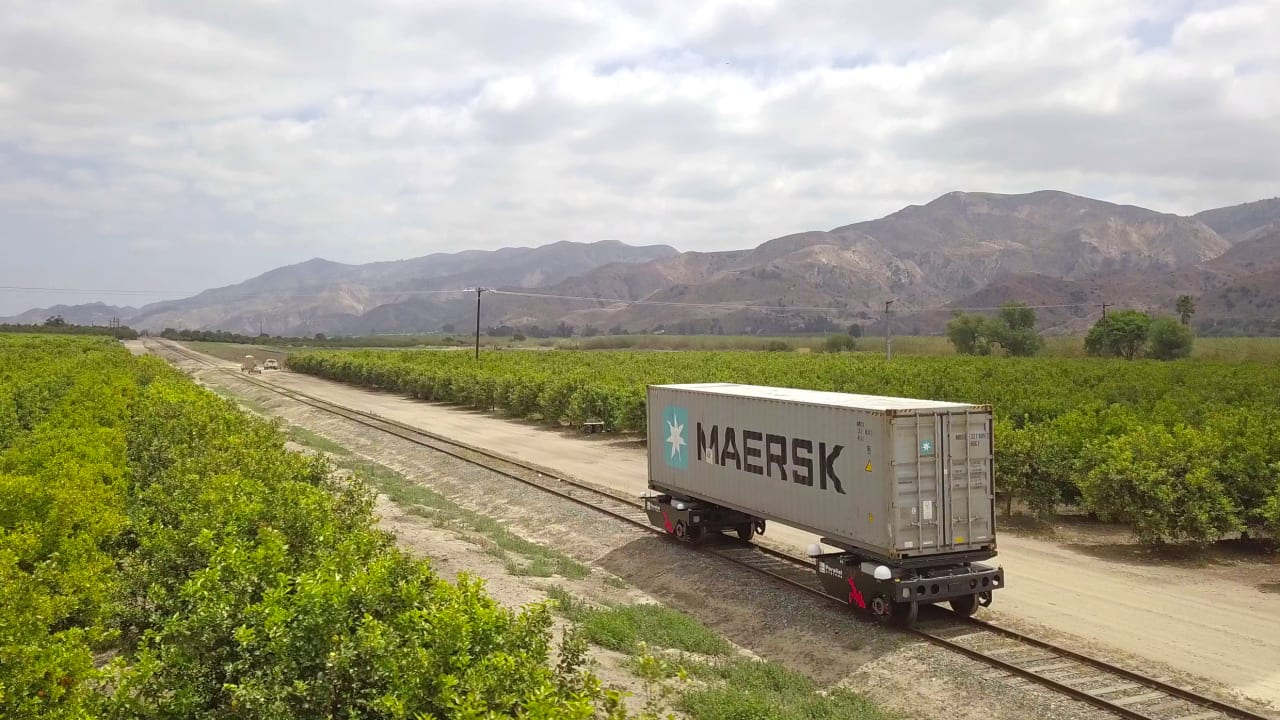
    Their idea is to create a small autonomous electric-powered rail vehicle. The idea is for a cargo vehicle that enables one to drop the cargo on a Parallel Systems vehicle and have it move without the need for the entire train to be unloaded. Each container can do individually move 800 km or band together to be even more efficient.

    This would allow smaller railroads to be reopened and new ones to be built to deliver cargo closer to customers and take some market away from trucks. These vehicles in question can also take in an impressive payload of 128,000 pounds which is twice the capacity of a semi-truck. So far though, their prototype vehicle can only do 80 km.

  • Holiday train tickets in low demand

    Holiday train tickets in low demand

    Train ticket demand for the upcoming Lunar New Year Holiday is plunging due to fear of Covid-19 contagion as thousands of new cases nationwide are confirmed each day.

    Saigon Railway Station in HCMC opened its ticket sales for Tet 2022, the biggest annual holiday which falls in early February, but its nine counters were seen with few inquirers.

    Viet Truong, 37, showed up at 7 a.m., anticipating a large number of customers as what happened in previous years.

    “I got the tickets in only 20 minutes, while in previous years I had to wait the whole morning.”

    Tet tickets are being sold for five routes: four North-South routes and one HCMC-Da Nang route, while in previous years there were 20 routes.

    After two hours of opening sales, over 1,500 tickets were sold, which is the lowest in recent years.

    Hundreds of seats were still available as of lunchtime, even though tickets are being sold at a 10-15 percent discount in the first 10 days.

    Vietnam recorded over 8,200 new Covid-19 cases on average in each of the last seven days, with over 1,200 in HCMC alone.