Tag: Travel Retail

  • Shinsegae to sell Yunjac cosmetics at duty free

    Shinsegae to sell Yunjac cosmetics at duty free

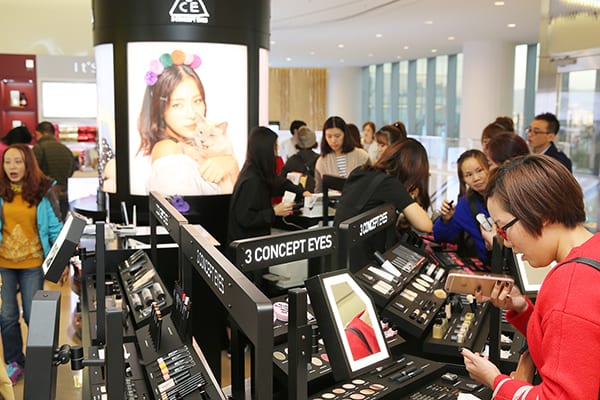
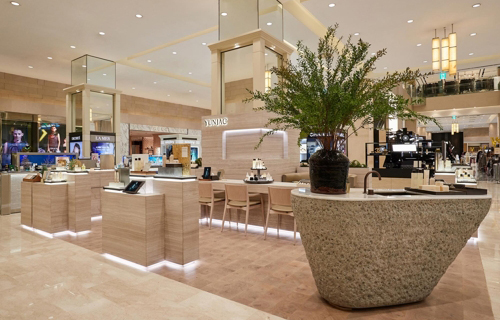
    South Korean retail giant Shinsegae is launching an independent Yunjac cosmetics store at its Myeongdong duty free outlet. The cosmetics shop, which will open on February 2, retails Asian herb-based skincare products. Launched in October last year, it is Shinsegae’s first in-house cosmetics brand, targeting Chinese millennials. A statement from the company said the opening is ahead of schedule thanks to unexpectedly high demand, with sales exceeding last year’s expectations by a factor of four.

    Three Shinsegae Department Store branches currently host a Yunjac outlet, with more stores planned to open within Korea and abroad shortly. It is targeting sales of KRW100 billion (US$89 million) by next year.

  • Luxottica and CDFG/Sunrise launch new Miu Miu colour

    Luxottica and CDFG/Sunrise launch new Miu Miu colour

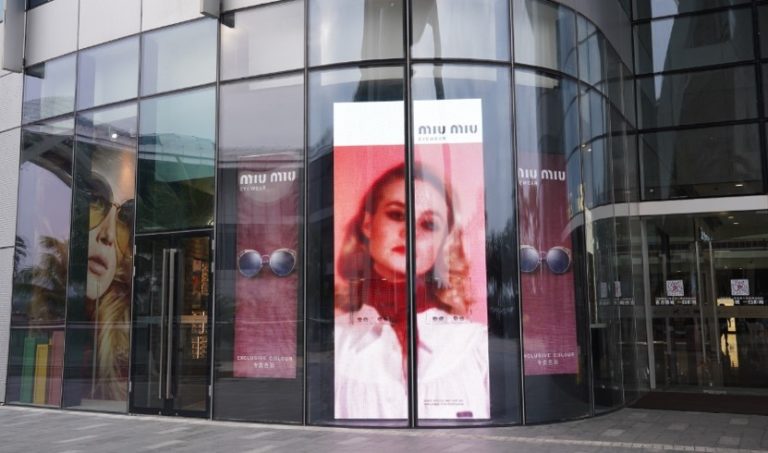
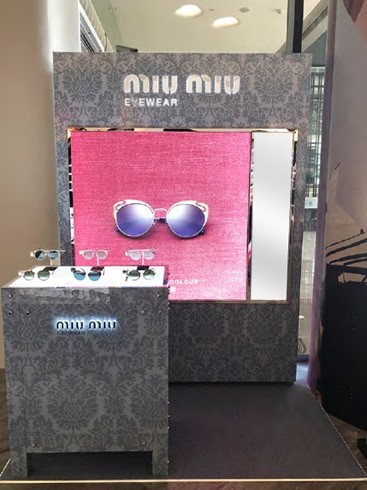
    Italian eyewear firm Luxottica Group has entered its second partnership with China Duty Free Group and Sunrise Duty Free to offer the latest Miu Miu sunglasses collection. The travel retail exclusive has opened in selected airports and other Chinese travel retail stores, trading a reinterpreted version of Miu Miu’s Noir collection. Pop-up sites and personalised backwalls have been prominently installed in the selected locations amplified by customised brand furniture and trained staff.

    “It is a privilege to partner with China Duty Free Group and Sunrise Duty Free on a second China travel retail exclusive color from Miu Miu,” said Luxottica’s travel retail director Enrico Destro. “Both retailers bring our brands to the heart of the Chinese travelling consumer, presenting the opportunity to collaborate on projects to truly capture Chinese spending power and sophisticated appetite for luxury brands, as well as respond to these consumers increasing demand for unique and exclusive products.”

    “At CDFG, our sunglasses category is growing in sophistication very quickly,” added China Duty Free Group’s fashion department director Lee Meili. “We see a large growth opportunity for the category and we will continue on our path to bring newness and exclusivity to our offer … This exclusive Miu Miu color was specially selected with Chinese travellers in mind, and has been presented in a very compelling launch package.”

  • Vietnam’s largest airport set for $496 million expansion

    Vietnam’s largest airport set for $496 million expansion

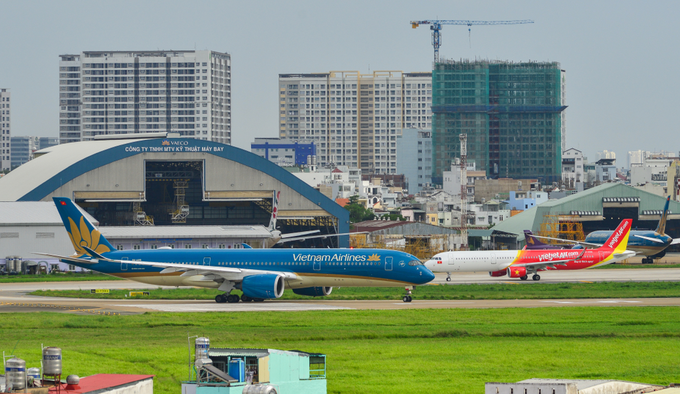
    The Tan Son Nhat Airport could get a third terminal and other facilities at the cost of over $496 million. The Airports Corporation of Vietnam (ACV), which manages and operates civil airports in the country, has submitted to the Ministry of Transport a pre-feasibility report on the construction of a third terminal (T3) at HCMC-based Tan Son Nhat International Airport to reduce overload.

    T3 will be designed to have a capacity of 20 million passengers per year, with total floor area of about 100,000 square meters. ACV proposes to construct in tandem an additional airport apron, a two-lane overhead path, a 5-lane viaduct in front of the terminal and a multi-storey car park. The total cost is estimated at over VND11.43 trillion ($496.18 million).

    The completion of feasibility reports and selection of construction blueprints is set to be finished in February 2020.

    Once T3’s design has been approved, contractors will be chosen via a tendering process so that construction starts in the third quarter of 2020 and can be completed in the second quarter of 2022.

    Because the construction area is located on the Defense Ministry’s land, ACV has suggested allowing a temporary handover of the site in Q1 next year for construction along with completion of necessary legal procedures.

    There are also plans to expand existing terminals T1 and T2 of the Tan Son Nhat airport, raising their combined capacity to 30 million passengers per year.

    The airport currently handles 36 million passengers per year, which is way above its designed capacity of 25 million.

    The Transport Ministry has hired French consulting firm ADPi to work on the plan alongside local firms. The plan proposed by ADPi was approved by the Prime Minister last March and it formed the basis for the new, detailed version.

    ACV has also proposed to the Ministry of Transport that it be assigned as investor for the construction of essential components for the proposed Long Thanh International Airport, including passenger terminal, flying zone (runway, taxiway, apron), and refueling systems.

    ACV chairman Lai Xuan Thanh said that the company is willing to spend between $1-1.5 billion for constructing the first phase of the proposed airport, which is estimated to cost $5.4 billion.

    The Long Thanh Airport, to be built in three phases over three decades, was recently listed by CNN Travel as one of the world’s 16 most exciting airport projects.

    The first phase is scheduled for completion in 2025 when it will be able to handle 25 million passengers annually. The next two phases will be built in 2030-2035 and from 2040-2050.

    The new airport would have an annual capacity of 100 million passengers and five million tons of cargo when completed.

    ACV has announced that in its 2019 plan, the company will spend more than VND10 trillion ($432.71 million) on upgrading and expanding several airports, including Cat Bi in northern Hai Phong City, Vinh in central Nghe An Province, Phu Cat in central Binh Dinh Province, and Noi Bai in Hanoi.

    Most of these upgrades are expected to be completed by the third quarter of 2019.

  • Shilla duty free open new store

    Shilla duty free open new store

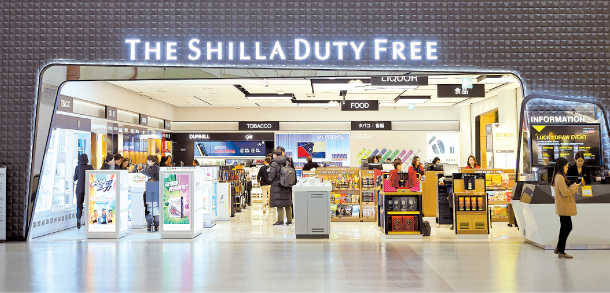
    Shilla Duty Free opens at Gimpo International Airport’s international terminal on Wednesday. The duty-free store run by Hotel Shilla was approved by the government in June last year in a bid against Lotte Duty Free. The duty-free store is renting the place for five years.

  • Bamboo Airways cleared to take to the skies

    Bamboo Airways cleared to take to the skies

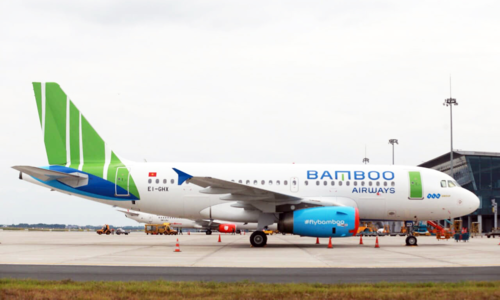
    Vietnam’s newest airline, Bamboo Airways, has received a certificate that allows it to operate aircraft for commercial purposes. The Vietnam Civil Aviation Authority Tuesday granted the Aircraft Operator Certificate (AOC) to Bamboo Airways. The AOC is a certificate approved by a regulatory authority that allows a carrier to operate aircraft for commercial purposes within a specified scope of activities. As such, the FLC Group’s startup airline has completed all necessary regulatory procedures for commencing commercial operations in Vietnam’s aviation market.

    “This AOC certification is a result of 4 years of effort, I believe it is an important first step for Bamboo Airways to serve passengers and devote themselves to the Vietnam aviation industry,” said Dang Tat Thang, CEO Bamboo Airways.

    After many delays, Bamboo Airways expects to start operating domestic flights with Airbus A321 NEO aircraft by mid-January. Bamboo Airways will prepare 20 planes for flight in the first quarter of 2019 and increase their fleet size to 40-50 aircraft by the end of the year.

    Thang said that at the moment, Bamboo Airways has fully prepared their personnel, technical and material assets and affirmed its fitness for operation through many activities including test runs, maintenance, engineering and other commercial transport activities.

    Bamboo Airways will operate 37 routes connecting all major cities and popular tourist destinations in Vietnam, as well as some international routes in 2019.

    The first routes of the country’s fifth carrier would connect Hanoi and HCMC, and from Hanoi and HCMC to central provinces of Quy Nhon and Quang Binh, and northern Quang Ninh Province.

    The new carrier plans start off with 60 domestic flights a day. Later this year, the company also plans to open international flights to Japan, Korea and Singapore.

    Bamboo Airways was founded in mid-2017 with a charter capital of VND700 billion ($30 million), which it increased to VND1.3 trillion ($55.68 million) recently.

    The airline has signed deals to buy 24 Airbus A320neo and 20 Boeing B787-9 Dreamliner aircraft worth a total of about $8.6 billion.

    The other four carriers in Vietnam currently are Vietnam Airlines, Vietjet Air, Jetstar Pacific and VASCO.

  • Bite & Bite with Line Friends cafe opens

    Bite & Bite with Line Friends cafe opens

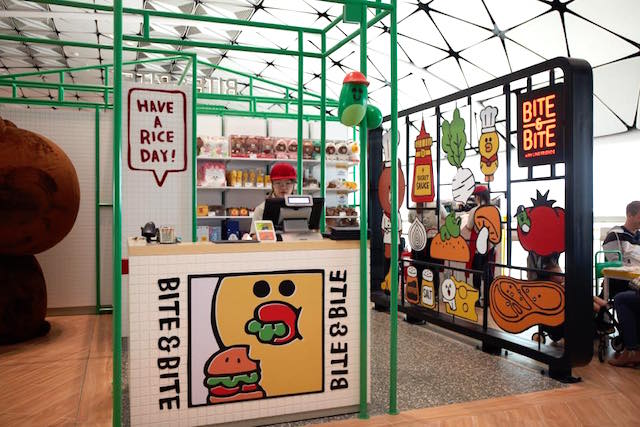
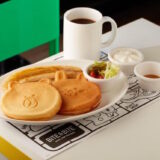
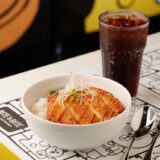
    The world’s first Bite & Bite with Line Friends cafe has opened at Hong Kong International Airport. Operated by food and beverage company SSP Hong Kong, the cafe is located on level 7 near gate 201. The cafe combines original Line Friends characters with a variety of dishes ranging from breakfasts through to snacks and dinner fare in a 60-seat dining area. The menu features both Korean and western food.

    Line, a chat program headquartered in Japan owned by South Korea’s Naver Corporation, has opened Line Friends stores in Bangkok, Hong Kong, Seoul, Shanghai, Tokyo, Taipei, New York and Los Angeles, all selling memorabilia featuring the characters of software.

    The Bite & Bite with Line Friends cafe also sells lifestyle products, souvenirs and travel items, such as neck pillows, luggage tags and travel bags.

    View gallery below for pictures (6 images) :


  • Lotte Duty Free sales hit all-time high of US$6.7 billion in 2018

    Lotte Duty Free sales hit all-time high of US$6.7 billion in 2018

    South Korea’s top travel retailer Lotte Duty Free reported best-ever sales of 7.5 trillion won (US$6.7 billion) last year on a surge in online sales and mass purchases by Chinese merchants seeking trade in shuttling goods to China. Lotte Duty Free said its annual sales last year hit a record high of 7.5 trillion won, up 25 percent from a year-ago period. In particular, sales from the online business soared 50 percent on year to 2 trillion won, contributing 25 percent to its total domestic sales thanks to successful upgrades of its online and mobile platforms and various promotional perks like online-only products and discount options.

    Lotte Duty Free’s main store in the bustling shopping district of Myeongdong in downtown Seoul remained the world’s single-largest revenue earner for three years in a row last year with annual sales up 35 percent at 4 trillion won and daily revenue at about 11 billion won as of Dec. 14.

    The Myeongdong store that opened in 1980 has kept on growth with sales reaching over 1 trillion won in 2011, 2 trillion won in 2015 and 3 trillion won in 2016 on increasing demand from individual merchants from the mainland who buy popular Korean duty-free goods in bulk to profit from reselling them in China.

    Lotte Duty Free has expanded its investment in domestic stores to draw more consumers. Its Myeongdong store was expanded in August 2016, and spent 10 billion won to add the Star Lounge for VIP customers in April 2018. The World-Tower store in the affluent Gangnam area of southern Seoul also posted 1 trillion won in sales last year, becoming the largest earner to reach the threshold in the district.

    Meanwhile, Lotte Duty Free World Tower also posted sales of more than 1 trillion won (US$895.4 million), joining what the retailer dubbed the “One Trillion Club” on 23 December.

    That represents an 80 percent increase year-on-year for the Jamsil, Seoul store, which reopened on 5 January 2017, 193 days after it was forced to close on 26 June 2016 due to the loss of its licence in an open tender.

    “Even in the midst of rapid market changes, Lotte Duty Free has been able to achieve a record-breaking year, reflecting 38 years of operational expertise,” said newly appointed Lotte Duty Free CEO Lee Kap. “As a leader in the industry, we will endeavour constantly to improve our performance.”

    Lotte Duty Free said that the World Tower store’s excellent tourist services and differentiated luxury brand offer had generated “remarkable achievements” in 2018. This was despite the proliferation of new duty free stores in the Gangnam area [notably the new Shinsegae Duty Free store opened on 18 July], the retailer commented.

    Despite industry difficulties posed by the THAAD dispute between South Korea and China, sales of small and medium enterprise SME Korean brands at the World Tower store increased by 300 percent year-on-year. This contributed to a “win-win relationship” with SMEs, Lotte said.

    Increased demand by daigou shoppers “greatly influenced” sales said Lotte. The retailer noted that such travellers had compensated for the “stagnation” of conventional Chinese tourism since the THAAD dispute erupted in March 2017. However, Korean travel retail executives and observers are closely monitoring the impact of China’s new e-commerce law, introduced on 1 January 2019, which is expected to hit the daigou business hard

  • JD stores open in Beijing and Mongolia

    JD stores open in Beijing and Mongolia

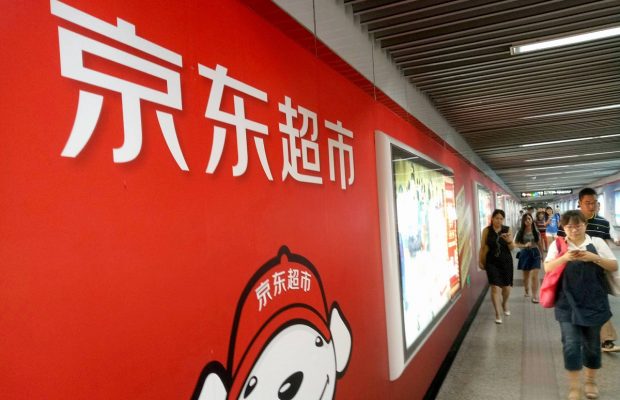
    Chinese online retail giant JD has opened two new innovative stores at Beijing Capital International Airport (BCIA) and Hohhot East Railway Station in Inner Mongolia. In a move to further expand the firm’s “boundaryless retail” strategy, the JD travel retail stores use the e-commerce company’s latest retail technology in order to make it easier and more enjoyable for travellers to purchase on the go. The openings add airports and railway stations to JD’s offline retail offerings, which already include convenience stores, supermarkets, and partnerships with hotels.

    Located in the departure lounge of Terminal 3 at BCIA for the next three months, JD’s pop-up store will offer popular travel items such as daily necessities, clothing, mobile accessories, beauty products, and bags and suitcases. The store uses JD’s smart store technology to understand how customers interact with products as well as which products to offer them. The integrated JD Zu Chongzhi platform can analyse customer behaviour and traffic flow, such as generating heat maps, in order to assist with product selection and inventory management, ensuring smooth store operations.

    “[Stocked] with items popular among travellers, the new shop will not only offer the products they want to buy most on their journeys – it will also allow them to personally experience what shopping of the future will be like, brought to them by China’s largest and most innovative retailer,” a spokesperson for BCIA said.

    The 100sqm unmanned Hohhot East Railway Station JD travel retail store opened in partnership with China Railway Express. It also makes the most of JD’s technological capabilities, with features such as facial-recognition payment and smart vending machines. Later, the store will make use of a Mini Program in WeChat so that customers can choose to buy on the spot and take their purchases with them, or shop online and have them delivered to a convenient location.

    JD Logistics and China Railway Express have been cooperating in logistics transportation since 2014, and have worked together to help facilitate the JD Luxury Express “white glove” delivery service as well as fresh food delivery via high-speed rail.

    “Many of our customers enjoy shopping while traveling and we’re determined to make sure they benefit from the convenience of JD wherever they are,” JD’s GM of social e-commerce and retail innovation, Bing Zhang, said.

    The new JD travel retail stores in Beijing and Inner Mongolia will provide them with a truly seamless experience that is unrivalled anywhere”.

  • Starbucks to open two stores in Macau Airport

    Starbucks to open two stores in Macau Airport

    Starbucks has expressed interest in seeking further opportunities to expand within Macau.

  • Korean passengers break record in November

    Korean passengers break record in November

    Korea’s air passenger traffic reached a new record for November on the back of the rise in the number of Chinese tourists and increased overseas travel demand, government data showed Tuesday. The number of air passengers came to 9.57 million last month, up 5.6 percent from a year earlier, making it a new record for November, according to a tally from the Ministry of Land, Infrastructure and Transport.

    The ministry attributed the surge to the return of Chinese visitors and the steady increase in overseas travel demand.

    Passenger traffic on Chinese routes spiked 24 percent to 1.32 million, slightly lower than the same month in 2016, when a row between the two countries over the U.S. Terminal High Altitude Area Defense (Thaad) missile system had yet to emerge.

    China banned the sale of group travel packages to South Korea in March 2017 due to a diplomatic row with Seoul over the deployment of a Thaad battery in Korea. China has since partially lifted the ban.

    International air passenger traffic rose 8.8 percent on year to a record 7.01 million last month, while domestic passenger traffic dropped 2.5 percent to 2.56 million, according to the ministry.

  • Lancome opened sensorial pop-up store in HaitangBay

    Lancome opened sensorial pop-up store in HaitangBay

    With over 170 beauty awards to its name, Mainland China’s leading beauty brand, Lancôme, celebrated its top selling serum, Advanced Génifique, by launching a multi-sensorial pop-up at China Duty Free Group’s (CDFG) Sanya International Duty Free Shopping Complex at Haitang Bay. Renowned actress and LANCÔME local ambassador for China, Zhou Dongyu, actors, Zhai TianLin and Yin Zheng, and over 12 beauty influencers joined hands to embark on an exclusive journey of experiencing the 1+1 dual skincare benefits of the Advanced Génifique and Advanced Génifique Sensitive. The pop-up is an opportunity to address the robust growth driven by Chinese travellers within a booming beauty market that continues to accelerate in Asia Pacific.

    Located at one of Asia’s leading downtown duty-free destinations, the pop-up in sophisticated hues of blue and white brought in the spirit and taste of French elegance to Sanya. Beauty influencers and travelers experienced Lancôme’s top-rated serum through various sensory, with features such as a photo booth, interactive games and an impactful outdoor lighting installation. The pop-up ran from November 2 to 29.

    “To celebrate the abiding success of the Lancôme brand and its iconic Advanced Génifique serum, we are happy to partner with CDFG in Sanya, Haitang Bay, to launch this pop-up with the presence of our local ambassador for China, Zhou Dongyu. As we remain optimistic of our growth in Travel Retail APAC, we are excited to reach out to the Chinese travelers in their home country to experience Advanced Génifique in an all-immersive retail experience pop-up,” said Tao Zhang, General Manager of Lancôme Travel Retail Asia Pacific.

    “We are pleased to partner with a leading international beauty giant like Lancôme to showcase their iconic Advanced Génifique serum at this specially designed pop-up. CDFG Sanya International Duty Free Shopping Complex hosts millions of travelers per year, and our core focus revolves around the idea of creating and delivering meaningful and memorable experiences for them. This partnership with Lancôme has made this possible, bringing an engaging shopping experience, elevated for our travelers.” said Xie Zhi Yong, Deputy General Manager of CDFG Sanya Downtown Duty Free Store Co., Ltd.

    Celebrating the momentous occasion and enduring success of the brand’s iconic serum, the pop-up was themed around the Advanced Génifique, which is heading into its ten year anniversary in 2019. With more than 170 beauty awards to its name, the powerful youth activating serum remains as one of the best-selling serums in the country.

    Primed as Asia’s leading downtown duty-free destination for international, luxury cosmetics as well as the gateway for the brand to tap into the thriving travel retail market, CDFG Sanya International Duty Free Shopping Complex was specially selected to play host to Lancôme’s Advanced Génifique’s pop-up. The duty-free shopping complex houses one of the top POS for Lancôme worldwide, and will remain a key strategic focus for the brand’s travel retail business across APAC.

    Billed as the top holiday destination for affluent mainland Chinese, Sanya saw KOLs from around China descend upon its shores to embark on a ‘Advanced Génifique’ journey to reveal their skin’s glow and deepen their understanding of Lancôme’s well-loved Advanced Génifique and Advanced Génifique Sensitive serums through a beautiful holiday experience with the brand. Invited KOLs whose Advanced Génifique journey at Sanya enabled them to better understand the benefits of the brand’s powerful youthactivating serum, share their knowledge, and advocate Advanced Génifique across their platforms.


  • Lacoste opens new travel retail store at Lotte Busan

    Lacoste opens new travel retail store at Lotte Busan

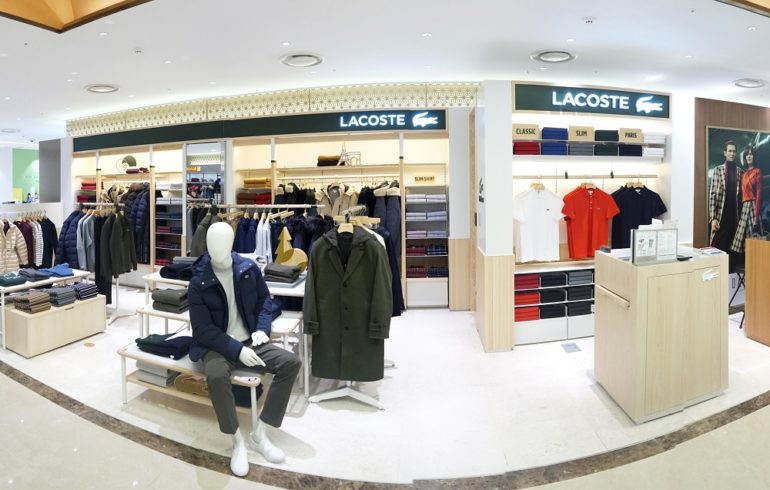
    LACOSTE has opened a new 30sqm duty-free store in Busan to further enhance their presence in Asia. This new store is located in LOTTE Duty Free, second largest duty free operator, in Busan, which is the second biggest city in South Korea.

    Travel Retail, often referred to as the “6th continent”, offers a unique opportunity to connect with consumers and highlight the brand all over the world.

    With over 170 boutiques worldwide, LACOSTE aims at reinforcing the
    consumer experience while enhancing channel specific product offering and visual merchandising.

    Looking to the future, the crocodile wants to continue to leverage the Travel Retail Channel strengthening or expand in new geographical areas and develop new channels (on-line duty free and cruises) and new ways of connecting with consumers before, during and after their trips.

  • Singapore Changi Airport extends key DFS

    Singapore Changi Airport extends key DFS

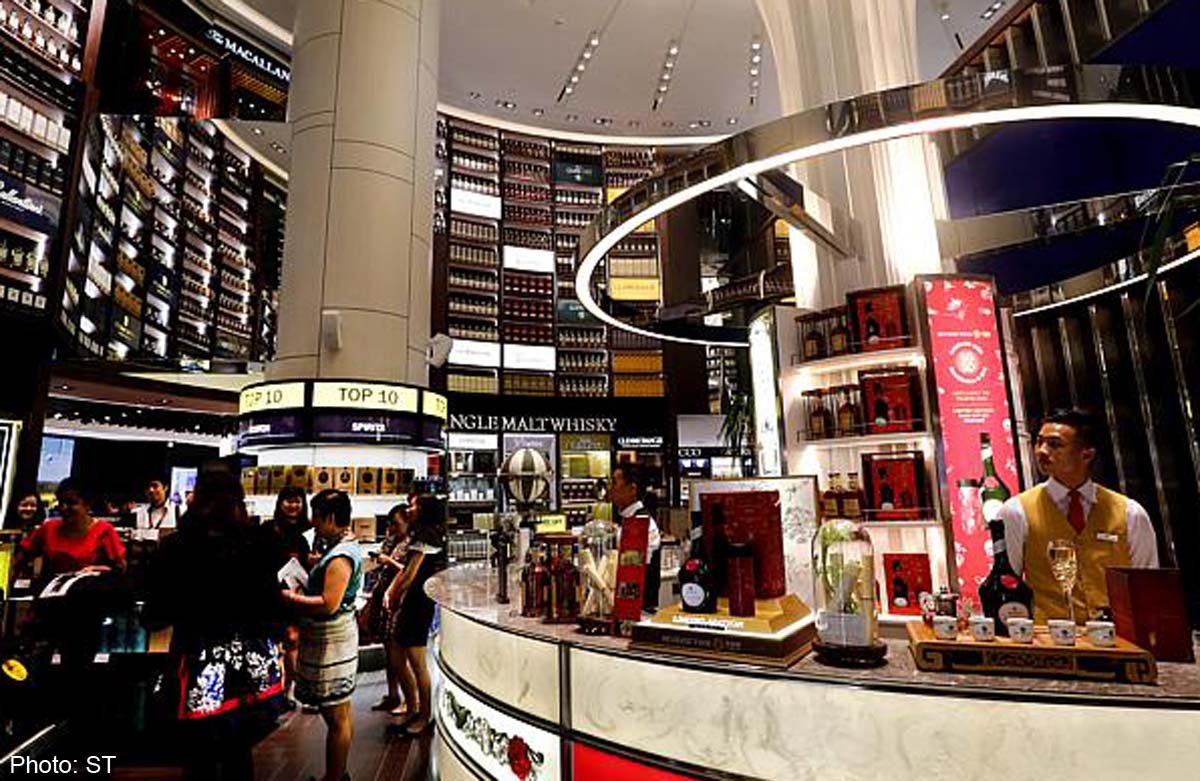
    Key Changi Airport duty-free liquor and beauty concessions held by DFS and Shilla Travel have been extended for two years. The extensions will start from 2020 after the expiration of their current six-year concessions. Over the past four years, the airport’s two core-category concessions have involved pioneering retail concepts including unique duplex stores and the world’s first airport integrated duty-free zone.

    Executive VP of commercial at Changi Lim Peck Hoon said: “We are very pleased to continue our partnership with DFS and The Shilla Duty Free for another two years. Their passion for the travel retail industry continue to deliver new ideas and novel retail concepts at Changi Airport, and were instrumental in driving sales growth over the past four years.”

    A release from the company stated that Changi plans to leverage new technologies and innovations for a seamless retail experience when passengers shop from online to offline, from before they fly to the time they board.
    The extended tenancy terms for the liquor concession will commence from April 9, 2020 until April 8, 2022, covering 18 stores and spanning more than 8000sqm of retail space in Terminals 1, 2, 3 and 4.

    For the beauty concession, the extended tenancy terms will begin from October 1, 2020 to September 30, 2022, covering 22 outlets and spanning more than 7400sqm of retail space across Changi Airport’s four terminals.

  • Malaysia Airlines’s progress in line with recovery plan

    Malaysia Airlines’s progress in line with recovery plan

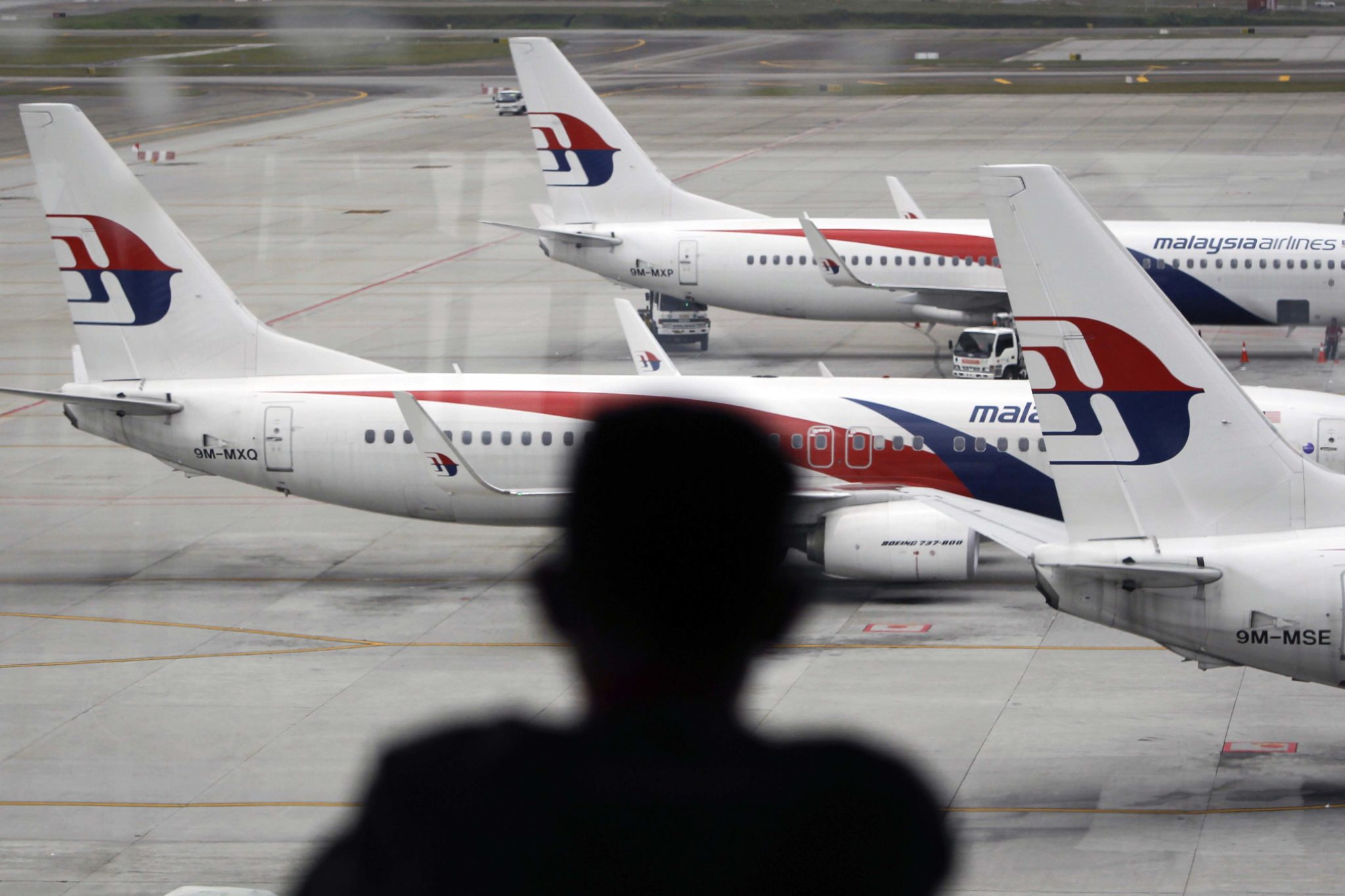
    Although relatively little is being said and publicised about Malaysia Airlines Bhd’s (MAB) recovery plan, a substantial amount of progress has actually been achieved in its business operations in line with the plan, which aims to revive the country’s national carrier and sustain its profitability.

    Group CEO Captain Izham Ismail said improvements in terms of cost base, productivity, information technology (IT) systems and customer experience were among the achievements chalked up by the company, thanks to the five-year Malaysia Airlines Recovery Plan.

    In an interview with Bernama, he said plans had been put in place to address the airline’s performance going forward and this had yielded improved performance for the first half of this year.

    The airline performed stronger in the first six months of this year than in the same period of 2017, adding that the key focus for the airline in financial year 2018 included driving revenue.

    “This will be underpinned by continuous improvement in customer experience, product quality and operational excellence while maintaining a productive and competitive cost base,” he said.

    According to Izham, MAB’s cost base has been significantly changed to bring it in line with its peer network airlines.

    As of today, the group has one of the lowest cost bases among its peer network airlines on a cost per available seat kilometre basis.

    The company has also seen material gains in productivity with a more competitively sized workforce, which is further complemented by a commitment towards continuous talent development.

    “A stronger local talent pool has now been established,” he said.

    On the group’s IT system, which is an integral part of overall airline operations, Izham said the complete overhaul had now been completed.

    He said the new Passenger Service System and migration to a cloud-based data centre had improved reliability and cyber security, as well as enhanced agility and better time-to-market.

    He said customer experience had also improved with market-driven metrics based on the company’s customer survey and net promoter measures showing significant positive gains over the last two financial years.

    On the operational front, Izham said the supply chain in engineering had been significantly tightened, which had helped the airline’s on-time performance, although it was still impacted by external factors beyond its control.

    “Since the set up of NewCo (MAB, which took over the operations, assets and liabilities of Malaysian Airline System Bhd or MAS) in 2015, we are showing progress and have recorded a double-digit compound annual growth rate growth (of 21%) over the last three years.

    “That is improvement straight to the bottomline,” he explained.

    MAB managed to record “steady year-on-year (y-o-y) performance” in the second quarter of 2018, with a marginal yield improvement, while revenue per available seat kilometre remained steady with a growth of 2% y-o-y.

    Going forward, Izham said MAB would continue to focus on the customer while making sure to deliver a strong schedule and great service for its customers.

    The airline also aimed to build a diverse Asia-Pacific network with a simplified fleet structure and operations to ensure consistency, and removing complexity in service delivery as well as pursuing a gradual and progressive growth strategy across markets, he said.

    Commenting on Khazanah Nasional Bhd’s plan to relist the national carrier as part of the recovery plan sometime from now until 2020, he said “the plan has always been to re-list Malaysia Airlines”.

    “We are working hard to stabilise the company and return it to profitability before any initial public offering plans can be considered,” he added. Khazanah owns 100% equity interest in MAB.

    In 2014, the sovereign wealth fund had injected investments amounting to RM6 billion to support the airline’s five-year turnaround plan with the aim of returning MAB to profitability by late 2017 and to relist the company by 2018 or 2019.

    Khazanah de-listed MAS from Bursa Malaysia on Dec 31, 2014.
  • Korea’s Air Pohang to suspend flights while it replaces all of its jets

    Korea’s Air Pohang to suspend flights while it replaces all of its jets

    On last Thursday, regional Korean airline Air Pohang said that it will temporarily suspend flight services next month while it replaces all of its existing passenger jets. In February, Air Pohang began services with two Bombardier 50-seater CRJ-200 aircrafts – one each on the Pohang-Gimpo and the Pohang-Jeju Island routes.

    The company said that it will replace the two CRJ-200s with three Airbus A319 aircrafts by the end of March.

    As the CRJ-200 model has not been in production since 2007, the company said it has experienced difficulties in securing parts for the planes when repairs have had to be made.

    Air Pohang is based in the industrial city of Pohang, about 370 kilometers (230 miles) southeast of Seoul.

    Asia’s fourth largest economy has two full-service carriers: Korean Air and Asiana Airlines. It also has six low-cost airlines: Jin Air, Jeju Air, Air Busan, Air Seoul, Eastar Jet and T’way Air.