Tag: Travel Retail

  • Asia travel spending trends revealed

    Asia travel spending trends revealed

    Hong Kong consumers continue to be the most well-travelled tourists in Asia Pacific, with 84 per cent of respondents having travelled internationally for leisure during the past 12 months.

    That’s well above the regional average (41 per cent) and ahead of Singapore (80 per cent) and China (74 per cent).

    According to the latest MasterCard survey on Consumer Purchasing Priorities, during international leisure travel, Hongkongers spent an average of around HK$12,895 per person per trip, compared to $13,412 in the second half of 2014. The biggest share of travel expenditure remains transportation (26 per cent), followed by accommodation (23 per cent) and eating out (17 per cent). Despite a drop in travel spending, more than eight in 10 international travellers (86 per cent) planned to travel more or the same level in the next 12 months, second only to China (92 per cent) in the region.

    Dining out is a common habit among local consumers in Hong Kong. Almost all respondents (99 per cent) ate out in the past six months, while 94 per cent  intended to dine out the same or more in the next six months, ranking number one in the region together with China (94 per cent). Before dining, they tended to seek credit card promotions (44 per cent), feedbacks from acquaintances (44 per cent) and online reviews of dining outlets (43 per cent) while more than two-thirds of respondents (69 per cent) asked if there was any credit card promotion when paying the bill.

    Hong Kong consumers are big fans of luxury shopping, with 75 per cent of respondents planning to spend more or the same on luxury goods in the coming year, ranking number two in Asia following China (77 per cent). While China ($38,126) remains the biggest spender on luxury goods, Hong Kong secures its fourth place in the regional chart with an average intended spending of $23,845 in the next 12 months, after Japan ($32,253) and Korea ($25,771). While designer clothes and leather goods (29 per cent) are the most desirable items among local consumers, there is also significant preference for jewelry (23 per cent) as well as designer accessories and footwear (23 per cent).

    The survey also studied the saving behavior of Hongkongers, among whom 91 per cent intended to save the same or more in the next six months. Although spending on overseas holidays (48 per cent) was claimed to be the first item cut back in the event of a loss of household income, it is also the top spending priority of local households if they receive additional monthly income. Compared to Taiwan (86 per cent) and Singapore (83 per cent), only 74 per cent of local parents in Hong Kong regularly saved for their children’s education while the average proportion of monthly household income saved to serve this purpose was 12 per cent, slightly below the regional average (13 per cent).

    Other findings about Asian travel spending include:

    • Japan (67 per cent), South Korea and Taiwan (both 44 per cent) remain the top three travel destinations in the next 12 months.
    • Airline websites (54 per cent), travel agents (52 per cent) and coupon sites or applications (40 per cent) are the most preferred sources of travel information and deals among local travellers.
    • The most visited dining places among local consumers are fast food restaurants (79 per cent), mid-range family restaurants (76 per cent) and food courts (73 per cent).
    • Cash is generally used for purchases at fast food restaurants and food courts where meals tend to cost less than $300.
    • Millennials (18-29 years old) from China intend to spend on average $34,024 on luxury goods over the next year, significantly more than the Asia Pacific average of $20,155.
    • Promotions play a significant role among online shoppers in Hong Kong, with 74 per cent of respondents claiming to buy luxury goods on websites that offer discounts.
    • Hongkongers (32 per cent) are less interested in attending education courses in the next 12 months than those in China (42 per cent) and Taiwan (36 per cent).
  • HKIA experiments with home delivery service

    HKIA experiments with home delivery service

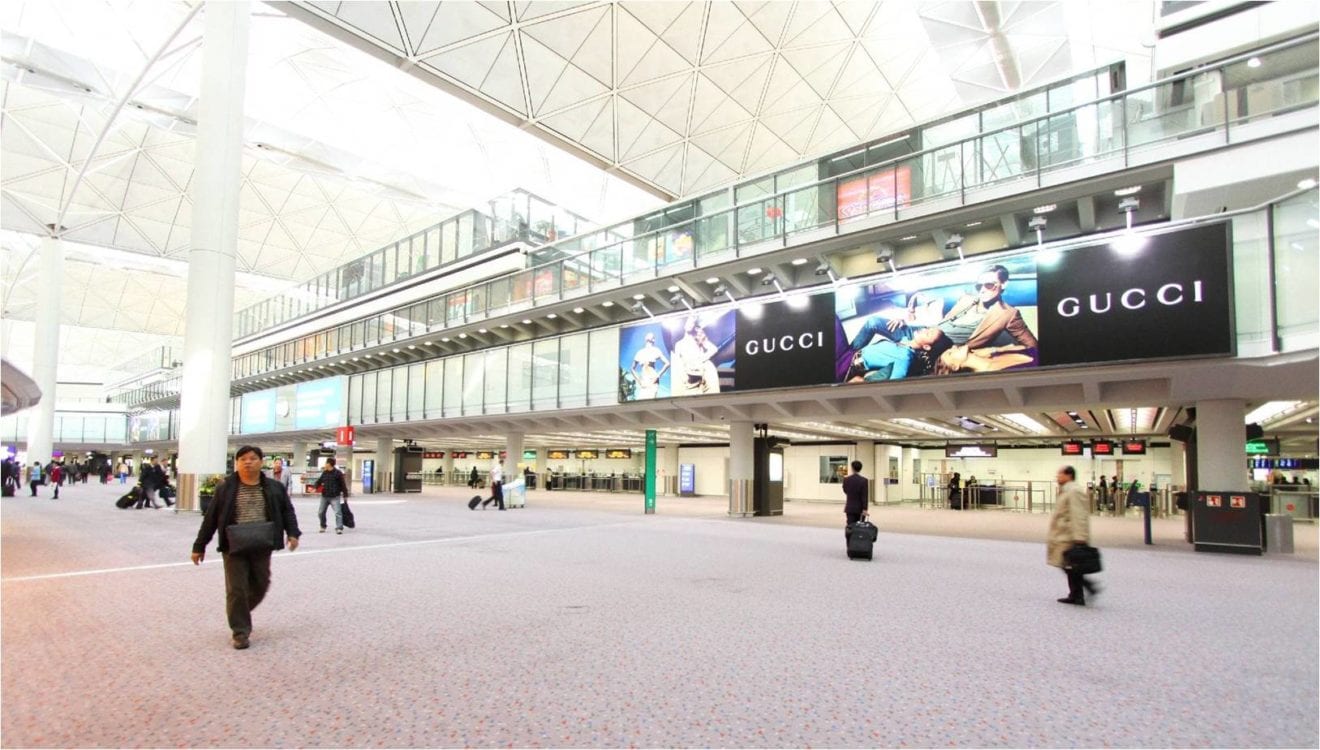
    Hong Kong International Airport (HKIA) is launching a new trial local delivery service for passengers who spend more than HK$1,000 ($129) in its shops at the airport.

    Cissy Chan, Executive Director Commercial, HKIA said Airport Authority HKIA also plans to experiment with trial deliveries to the homes of a few individuals in two other countries as a trial run.

    In a session entitled ‘Future Positive’ at this month’s Trinity Forum 2015 in Hong Kong, she said HKIA is engaged in concentrating on the passenger experience, utilising the four ‘Es’ which she qualified as eating, entertainment, ease and engagement.

    The airport is now on a mission to try and make the environment more exciting after research showed that most people only enter the shops because they are bored.

    As a result – and in addition – the airport is installing interactive amusements in relevant shops to build up interest, while pop up stores will feature more regularly.

    Chan added that the airport is also working on building in entertainment facilities like a virtual golf zone, as well as employing food court ambassadors. These new recruits will find seats for passengers who are already holding trays of food, alongside a service pledge of 15 minutes.

  • New app aids Chinese tourists in Korea

    New app aids Chinese tourists in Korea

    South Korean location-based coupon application provider YAP Company has launched a new app that provides Chinese tourists with various tourism-related information, including shopping and transportation.

    The app, dubbed Kayo, provides a selection of coupons and other information for 100,000 local shops at popular tourist destinations, including Seoul’s major shopping district of Myeongdong or the southern resort island of Jeju.

    YAP Company said it plans to adopt mobile payment services to Kayo in the near future by joining forces with leading Chinese platforms such as Alipay.

    Other features of Kayo include taxi hiring and online translation services.

    “Based on YAP’s high-tech technology, we plan to allow every Chinese visitor to South Korea to enjoy quality search services, discount information and mobile payment just by downloading Kayo,” a YAP spokesperson said. “The new application will also help local shop owners to attract more tourists.”

    The release of the new app came amid a steady rise in the number of Chinese visitors to South Korea. Last year, 6.12 million Chinese visited South Korea, spending about 14 trillion won (US$11.7 billion).

    The company expects the number of Chinese visitors to reach 10 million by 2018.

    YAP Company also operates an application, dubbed YAP, in South Korea, which allows users to download coupons and discount information related to shops located near the users, including major franchises.

    It stands out from its rivals as it uses what it calls “hybrid beacon” technology, which automatically displays discount information when a user enters registered stores.

  • Lacoste India targets flyers

    Lacoste India targets flyers

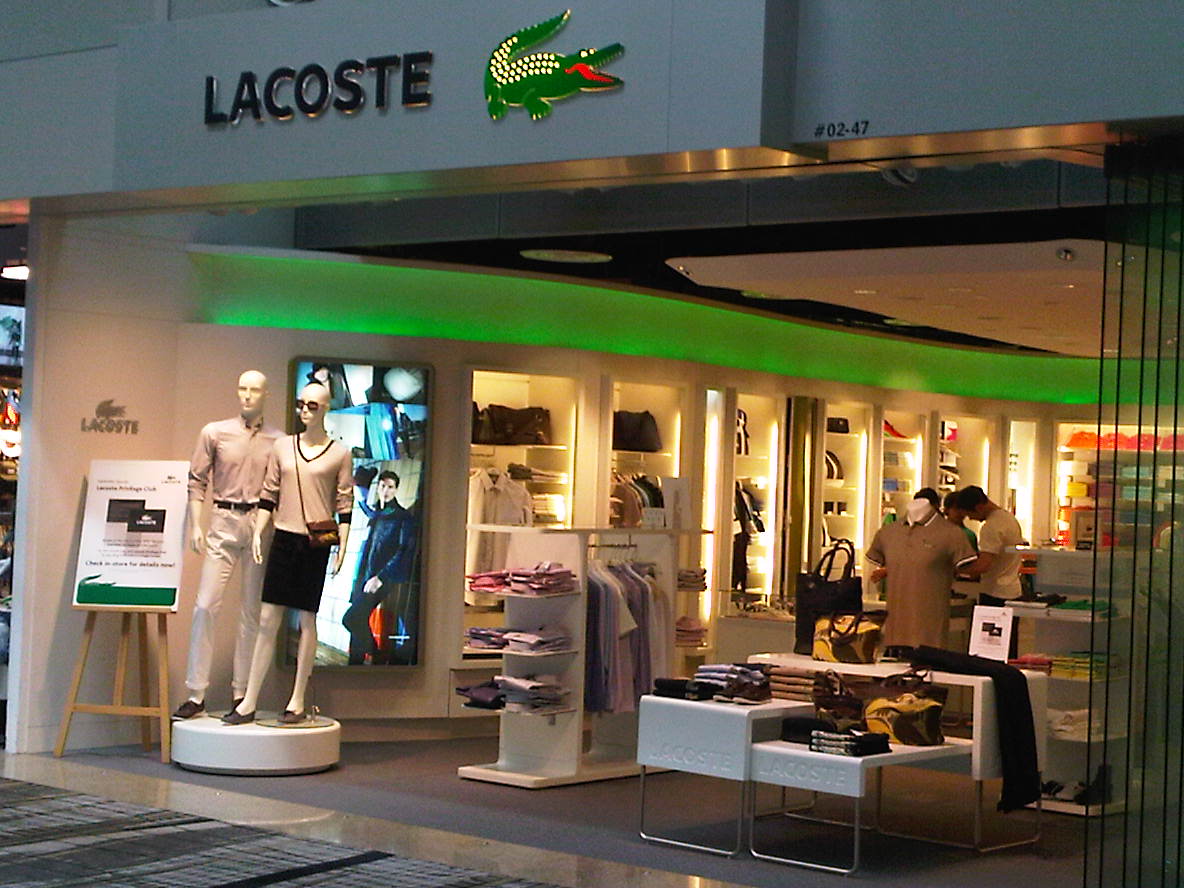
    French apparel brand Lacoste hopes to score more impulse sales by opening stores in Indian airport terminals.

    Lacoste India plans to open three new stores this year in Mumbai and Hyderabad airports and another five in shopping centres as it gradually builds its footprint in tier one cities.

    “We will be opening one outlet at the Hyderabad domestic terminal and at Mumbai airport,” Lacoste India director & CEO Rajesh Jain told PTI in an interview.

    “The new retail stores at airports would start contributing up to seven per cent of our total sales from next financial year.”

    Lacoste already operates a store inside Bangalore Airport. It is eyeing Kochi and Delhi as well.

    The company currently operates 46 stores in 18 Indian cities.

  • Korea set to woo back Chinese tourists

    Korea set to woo back Chinese tourists

    South Korea’s retail and tourism industries are preparing a slew of promotional and cultural events to woo back Chinese tourists during a long-haul holiday season, pinning their hopes on making up for a summer slump in the wake of a viral respiratory illness, sources say.

    Since the first outbreak in late May, Middle East Respiratory Syndrome (MERS) made a big dent on domestic spending as foreign tourists canceled their planned trips during the peak summer season, while South Koreans avoided shopping centers and other crowded places in June and July.

    While the viral disease hit the tourism and retail industry hard, Chinese tourists have started to return to the once-empty streets of Myeongdong, one of the capital’s most popular shopping districts, over the past month.

    The number of Chinese travellers has increasingly recovered to the previous year’s level since late August and marked an on-year rise since mid-September, the state-run Korea Tourism Organization (KTO) said.

    About 303,000 tourists with Chinese nationality entered the nation in the first two weeks of September, rising 4.8 per cent compared with the same period a year ago, it said.

    “The number of Chinese travelers has sharply risen this month, and the number is expected to completely recover during the Chinese holiday season,” Han Hwa-joon, who oversees the KTO’s Shanghai branch, said. “The recovery pace is faster than expected.”

    Chinese Thanksgiving falls on September 26-27, and together with the Chinese National Holiday running from October 1-7, the holiday season can be extended up to 12 days.

    As the Chinese holiday season draws near, major shopping centers and duty-free operators are making all-out efforts to draw Chinese tourists to make up for a shortfall in sales amid dormant domestic spending.

    According to the KTO, 164,000 Chinese travelers visited the nation during last year’s autumn holiday season and spent 2.4 million won on average, which amounts to about 400 billion won (US$341.5 million) in total.

    During this year’s Chinese National Holiday, the tourism agency expected some 210,000 Chinese will visit the nation, up 30 per cent from a year ago, considering the pace of growth over the past three years.

    “We will host a variety of events even after the Chinese holiday to make up for the fall in tourists during the peak season from June to August,” said Seo Young-chung, a KTO official in charge of Chinese tourism.

    Lotte Department Store plans to host a variety of promotional events targeting Chinese travelers during the golden weeks, providing discounts on payments made through UnionPay, China’s largest credit card issuer, and Alipay, China’s No. 1 mobile payment application.

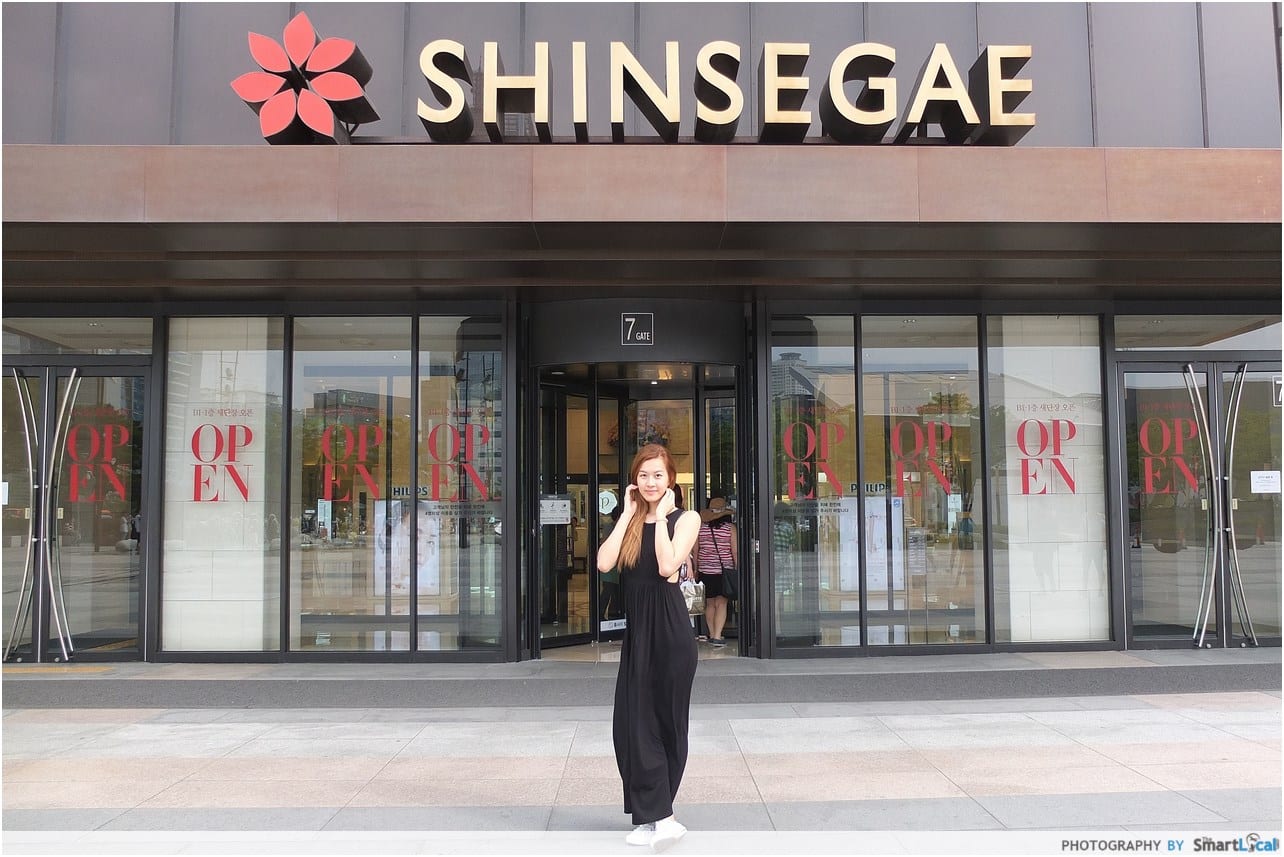
    Shinsegae, the nation’s leading department chain, said it will give special discounts to Chinese customers, while Hyundai Department Store also started the regular sale season earlier than usual to attract the deep-pocketed travelers.

    Operators of duty-free shops have also stepped up efforts to bring back Chinese travelers, the largest consumer group, which accounted for about 70 per cent of downtown duty-free spending last year, up from around 15 per cent in 2011.

    Lotte Duty Free, the world’s fourth-largest duty-free operator, held a travel fair in Shanghai on September 9, in which senior company officials reached out to Chinese tourism officials to attract Chinese travelers.

    Hotel Shilla, part of Samsung Group and the world’s No. 6 duty-free operator, also presented various sales promotions and tour packages during the fair along with other Samsung units, with the attendance of senior officials.

    “The Korean tourism industry has mostly recovered after the Mers outbreak came under control, and it will make a full recovery in September,” Hotel Shilla CEO Lee Bu-jin told reporters during her visit to Shanghai.

  • China luxury spend offshore will double

    China luxury spend offshore will double

    The Chinese already account for 27 per cent of the world’s total luxury spending – and a staggering 80 per cent of that is spent outside the Mainland.

    China luxury spending outside China will double by 202 according to a report by China Luxury Advisors, presented to last week’s Luxury Retail Summit: Holiday Focus 2015.

    “What we’re really seeing is that [the Chinese slowdown is] just really not changing the amount of travel, it’s just changing the nature of it,” said Avery Booker, partner at China Luxury Advisors in a presentation reported in detail here by Luxury Daily.

    “We’re seeing fewer long haul trips among the middle class, and more people going to places like Japan and Korea to do shopping,” he said. “The purse shopper spending will remain strong even though average spend is going to decrease, and of course that’s just a volume issue.”

    Booker said the devaluation of the Chinese currency was so far having no perceptible effect.

    Chinese shoppers spend US$229 billion a year outside the mainland – which China Luxury Advisors predicts will double by 2020, based on the theory the $8000 per year per capita GDP is “the tipping point” at which outbound tourism booms. China has just reached that level.

    The Luxury Retail Summit was organised by Luxury Daily.

    In reaching its estimates China Luxury Advisors surveyed 1000 Chinese consumers 18 years and older, with a variety of incomes.

    Their most common destination outside the mainland is still Hong Kong, mainly due to its nearness and visa-free travel.

    China Luxury Advisors urged retailers to make their stores “Chinese consumer-friendly” to make the most of the booming trend. Mandarin speaking associates, Chinese dining options and accepting Alipay, Tencent or China Union Pay can make them feel at ease.

  • Chinese couples spend big in Korea

    Chinese couples spend big in Korea

    Korea is becoming a major destination for young Chinese couples looking to splurge on expensive items for their upcoming marriages.

    Chen Yi, 34, and Chai Xuefang, 30, who recently visited Seoul from Shandong province, China, are typical of the growing number of couples who are sparing no expense to make their big day special.

    The two bought two Vacheron Constantin wristwatches worth 100 million won ($84,350) each at the Hyundai Department Store in Apgujeong, southern Seoul. They also bought a two-carat diamond ring for 60 million won.

    “A lots of Koreans are preparing for their weddings at Cheongdam-dong [near Apgujeong in the posh Gangnam District],” said soon-to-be-wed Chai. “We plan to get wedding consulting [here in Seoul] exclusively for Chinese people.”

    Another Chinese couple, Yang Xiaoliang, 30, and his fiance Xu Jingjing, 27, last month bought a 10 million won Thom Browne suit for men and two Rolex wristwatches for the couple worth 150 million won each at the same Hyundai Department Store in Apgujeong. They purchased the items ahead of a wedding photo shoot at a studio in Cheongdam-dong.

    The Korean retail and hotel industry is taking notice of the growing number of Chinese couples who are spending big in Seoul to prepare for their weddings.

    They have become major customers who are spending large on high-end wedding gifts, including jewelry, wristwatches and designer suits and dresses. Majors stores are already catering to the growing demand.

    Hyundai Department Store’s Apgujeong branch plans to provide a wedding consulting program exclusively for Chinese couples, and have already enhanced other services for young Chinese customers. Since last month, they have provided a free delivery service where electronic appliances and furniture purchased by Chinese couples can be dropped off at their front door in China. The service has a limit of 30 kilograms (66 pounds) per person.

    Lotte Duty Free recently started a service where items purchased at its shops can be delivered from the Chinese airport to their homes.

    “We get a lot of inquires from Chinese tourists who come to Gangnam [District] to get wedding consulting,” said Lee Hyun-sook, a foreigner-exclusive concierge at Hyundai Department Store. “They shop after asking every detail, such as which brand Koreans most prefer for their own wedding gifts.”

    China Union Pay credit card purchases made by Chinese on imported brands such as Tiffany’s and Cartier soared 91.3 percent in the first eight months of this year compared to the same period last year at Hyundai Department Store. Purchases on furniture, electronic appliances and household goods saw a huge growth of 134.1
    percent.

    Shinsegae Group is widening its marketing strategy to attract soon-to-wed Chinese couples in its department stores and other major affiliates, including its discount store E-Mart and its hotel business Westin Chosun.

    Shinsegae Group invited two couples from Shenyang and Tianjin to Seoul, where they will get a wedding photo taken at the Cheongnam-dong studio that took wedding pictures for famous Korean actresses Jun Ji-hyun. They will also get the chance to experience a traditional Korean wedding ceremony at the Westin Chosun Hotel and shopping at E-Mart and the retail group’s other outlets. The cost is 15 million won per person.

    “We plan to secure the lead in grabbing Chinese couples visiting Korea to get wedding services during the most popular wedding seasons for the Chinese, which starts this month and leads up to the end of the year,” said Shinsegae CEO Jang Jae-young.

    Wedding gifts, including high-end wristwatches, jewelry and designer bags, accounted for 60 percent of all sales made by Chinese tourists at Shinsegae Department Store during China’s May Day, from April 25 to May 3.

    Hotels are also recognizing the growing trend.

    Plaza Hotel last month introduced a wedding package where a hopeful groom can make a proposal at the hotel’s restaurant.

    The package includes a studio wedding photo shoot that comes with makeup from a company that many Korean female celebrities like Han Ye-seul and Han Hyo-joo frequently use. The price tag on the three-day package is 7 million won including flight tickets.

    Lotte Hotel is offering a package targeted at Chinese customers that includes not only the wedding photo and makeup but also a proposal ceremony and spa. The cost for the three-day program is 11.8 million won.


  • A 10-day sports extravaganza awaits in Singapore

    A 10-day sports extravaganza awaits in Singapore

    Singapore’s winning sporting streak continues with the upcoming BNP Paribas Women’s Tennis Association (WTA) Finals Singapore presented by SC Global at the Singapore Sports Hub from October 23 to November 1, 2015.

    In a culmination of what has been an exciting season, the top names in women’s tennis will come together for the WTA Finals. Household names like Serena Williams, Martina Hingis, Sania Mirza and many more will face off for court supremacy and a grand prize of US$7 million.

    A host of other events will also take place to complement the main action on court. The WTA Legends Classic will see tennis icons like Martina Navratilova and Arantxa Sánchez-Vicario playing for the fans’ delight while the WTA Rising Stars Invitational will give up-and-coming talents from Asia and the rest of the world a chance to play on Centre Court and make their mark on a world-class stage.

    Between matches, fans will have multiple opportunities to get closer to the action than ever before. Spectators can visit the outdoor Fan Zone, which will feature interactive tennis-themed games and star-studded player appearances. They can also witness the preparation secrets of their favorite tennis stars at the player practice sessions.

    Beyond the activities at the Singapore Sports Hub, fans can expect a star-studded extravaganza at the Singapore Tennis Evening at Marina Bay Sands on October 30. Fans and tennis stars alike will convene to celebrate the annual achievements of the best women’s tennis players, alongside the Southeast Asian debut of UK artiste Paloma Faith who will perform her hits.

    With Singapore’s Golden Jubilee in full swing, a slew of exciting flight, hotel, dining and retail deals have been lined up for this festive occasion. Singapore’s location at the heart of Southeast Asia also makes it easily accessible to tennis fans from around the region to catch all the action.


  • Chinese shoppers keep Japan’s tills ringing

    Chinese shoppers keep Japan’s tills ringing

    According to the English-language Japan news site RocketNews 24, a few weeks ago two families got into a fight at a large retail outlet in Kobe over disposable diapers. Both families had come to the store when it opened in order to buy as many diapers as they could, only to discover that the store had already sold out. Apparently these two families knew each other from previous diaper-buying binges and harbored mutual resentments that turned physical. A store employee called the police, who broke up the fight. Neither party filed a complaint or disclosed what the argument was about.

    RocketNews speculates that the two families resell the diapers in China, since both have members who are Chinese nationals. Japanese diapers are particularly popular in China, and, in fact, this particular brand — Merries, made by Kao — is sold in China. Nevertheless, there’s obviously enough demand to support a lucrative resale market.

    It’s not as if the Chinese don’t make and sell their own disposable diapers, but when it comes to their children, consumers will pay a premium for Japanese products because they don’t trust domestic makers. This sensibility has been growing since 2008, when locally made baby formula caused the deaths of six children and sent thousands to the hospital after somebody adulterated it with melamine to make it seem as if the protein content was higher.

    It is illegal to import Japanese formula made in certain prefectures because of radiation fears, but apparently there’s substantial black-market trade in the product. Last month, 425 kg of smuggled formula made in Gunma Prefecture was discovered by authorities in Hunan province with an estimated retail value of ¥800,000.

    It’s often said that despite the diplomatic frictions that exist between Japan and China, they are dependent on each other economically and, as far as Japan’s dependence goes, it is very much influenced by Chinese consumers’ trust of Japanese products, which runs pretty deep.

    Some economists thought that China’s stock market plunge and the resulting government-approved devaluation of the yuan would hurt sales of Japanese goods both in China and in Japan, where Chinese tourists seem to be supporting the Japanese economy. But according to Luo Yiwen, the president of home electronics retailer Laox, speaking at an Aug. 13 news conference, the stock and currency issues aren’t having any negative effect on sales at his store’s duty-free shop, which caters mainly to Chinese visitors. As it stands, sales for January to June at the shop have more than doubled since the same period in 2014 to ¥45 billion, with profits increasing nearly eightyfold to ¥4.6 billion. Laox received 1.49 million Chinese customers last year, four times the number for the previous year, and “much more than we expected,” he said. He predicts not only that the devaluation of the yuan will not hurt sales, but that they’ll go up even more. He projects a net profit this year of ¥8.3 billion on sales of ¥90 billion.

    The two reasons for the strong Chinese tourist market are the lower yen and fewer visa restrictions for Chinese tourists. The Nihon Keizai Shimbun cites a third reason: more cheap flights between China and Japan thanks to the proliferation of low-cost carriers. The economic value of Chinese tourism in Japan bottomed out in 2011 at ¥813 billion due to the March 11 disaster, but rebounded to ¥1.8 trillion the next year. In 2014 the economic value was ¥2.3 trillion.

    In that year, 2.4 million Chinese came to Japan, which is actually less than the number of visitors from Taiwan, which was 2.8 million. The difference is that per person, the Chinese spent more: ¥231,000 compared to ¥125,000 for the Taiwanese and ¥147,000 for visitors from Hong Kong, who are counted separately from mainlanders.

    In fact, Chinese account for one-third of all the tourist money spent in Japan, and this figure is rising. The amount of money Chinese visitors spent increased by 83 percent from 2013 to 2014. More to the point, 55 percent of the money Chinese spend in Japan is for shopping. For all tourists, the average spent on shopping is 35 percent. In contrast, Chinese spend less on accommodation than visitors from other countries, which suggests they are more concerned with buying stuff than sightseeing.

    Also, according to a Tourism Agency survey cited in the Nikkei, it isn’t just rich Chinese who are spending. More middle-class Chinese are coming and buying things. Broken down by category, the agency says that 76 percent of Chinese buy “confections,” 63 percent cosmetics and perfume, 55 percent food, liquor and cigarettes, and 52 percent drugs and toiletries. Only 37 percent buy appliances, but when they buy them, they buy a lot. The average spent by all foreign tourists on electronics is ¥65,000. Chinese on average spend ¥88,000.

    Chinese tourists, in fact, seem to be single-handedly keeping Japanese department stores in business. Although airport duty-free shops are the main venue for Chinese purchases followed by “shopping centers,” department stores that offer tariff-free sales to foreigners are a strong third and, according to the Nikkei, the reason is that they know the designer brands they buy in department stores are “authentic,” meaning not knock-offs. (For what it’s worth, both real designer goods and their fake counterparts tend to be made in China.) And if it seems unwise to purchase such goods in department stores, which tend to charge more, they’re likely still cheaper than those bought in China, which may be subject to tariffs.

  • UAE retail look to local consumers as Chinese and Russian tourists drop

    UAE retail look to local consumers as Chinese and Russian tourists drop

    Spending by Russian and Chinese tourists traveling to the UAE has declined recently and it is hurting not just the luxury shops in Dubai’s sprawling malls but other businesses as well.

    Nasir Mansoor, who manages vehicle rental service company Fast Rent A Car in Dubai, said that this year has been very challenging for them because the number of customers from the two countries has dropped significantly.

    During the peak period, around seven or ten Fast cars would be taken out for a drive by Russian tourists, while Chinese visitors would fill ten tourist buses a week. These days, the rental company is able to rent out, on average, only one car to a Russian customer, while Chinese tourists have dropped to two busloads a week.

    “The Russian tourists play a vital role in [our] car rental [business]. In the past six months, we have seen a noticeable decline in Russian customers who would benefit mostly from our daily and weekly rental services,” Mansoor told Gulf News.

    “Chinese tourists used to bring in business of up to ten bus tours weekly, while today, that number would approximately stand at around two tour trips,” he added.

    The national currency in Russia has been showing its weakness since last year, losing half of its value against the US dollar. The decline has made traveling abroad more expensive for Russians who earn in roubles. At the same time, the economic slowdown in China, coupled with the recent devaluation of the yuan, is not playing well with outbound tourism.

    According to Network International, overall credit or debit card spending by Russian and Chinese shoppers in the UAE dropped by 30 per cent and 22 per cent, respectively, during Ramadan compared to the same period last year. Jones Lang LaSalle noted in its latest report that retail sales in the UAE have slowed down, particularly in the luxury segment, as tourist spending from Russia has declined.

    More visitors are still traveling to the UAE, but arrivals from Russia and the Commonwealth of Independent States (CIS) has been weak. The number of Russian passengers arriving in Dubai dropped by 31.7 per cent in March, while those entering via Abu Dhabi declined by 10 per cent in June.

    Dubai Airports attributed the downtrend to the “continuing economic and social concerns in the region, with most major cities including Moscow, Kiev and St Petersburg recording fewer passengers.”

    “[This is] due to the factor that the rouble’s value has gone down in Russia and there is an economic downturn in China due to export slowdown,” noted Karan Patel, marketing manager for Middle East at 2GIS UAE, a map service comprising detailed business listings and public transport guide.

    The app developer provides map downloads to visitors in the UAE and used to attract huge customer traffic from Russian and Chinese travelers. Recently, however,  “application downloads” are on a decline, owing to the slump in tourist numbers.

    Russian and Chinese foot traffic is also declining at Shoexpress shops in the UAE. Jithan Harichand, the company’s retail operations manager, said that, given the rising cost of living in the UAE, domestic spending isn’t enough to make up for the drop in tourist spending.

    “The past year has been tough economically across the Middle East, Europe, especially Russia and China, thus tourism [has slowed down]. Tourists tend to spend cash in value retailers, thus with the [downtrend], we are dependent on UAE residents,” said Harichand.

    “[But] with inflation in UAE, residents have limited disposable income to spend locally.”

    Anuraag Sinha, managing director of Liali Jewellery in Dubai, said they used to get a lot of business from Russian tourists,  but with the decline in visitor numbers,  sales at their outlets in premium locations have slowed down.

    “The actual drop in the sales value in our sector is high because the tourists that have replaced some of the Russian and other high-spending tourists are not spending as much as the Russians did,” Sinha said.

    “While our stores in certain five and seven-star locations and resorts have suffered, our overall sales have grown as our main focus has been on brand building.”


  • Estee Lauder travel-retail revenue falls

    Estee Lauder travel-retail revenue falls

    Cosmetics-giant Estée Lauder Companies reported a decline in travel-retail sales in fiscal year 2015 (ended June 30, 2015), despite an increase in global airline traffic and expanded distribution in the channel.

    The company said that a stronger dollar and the outbreak of Middle East Respiratory Syndrome (MERS), which killed nearly 40 people in South Korea this year, contributed to decline, with travel-retail sales falling by 4% in the last quarter of fiscal year 2015.

    Over 55,000 tourists had cancelled trips to South Korea by the mid-June, according to the World Economic Forum.

    Slower retail growth in Hong Kong and China, as well as a decline in spending by Russian and Brazilian travellers are also expected to impact sales revenue into the 2016 fiscal year.

    The news came as the company also forecasted below-estimated earnings across the whole business for the coming fiscal year, and announced that net sales in the fiscal year ending in June went down to $10.78bn, a 1.7% decrease from $10.97bn the previous year. The company said it missed its 7% growth target because of accelerated sales orders in Latin America and the use of constant currencies to calculate international profits.

    For the three months ended June 30, 2015, the company reported net sales of $2.52bn, compared with $2.73bn the previous year. Skincare products were chiefly affected, with overall sales falling by 16% in Q4.

    However, expanded distribution, including in travel-retail, also helped lift some labels’ revenues. While sales for heritage-brands Estée Lauder and Clinique slumped, the conglomerate’s current global-marketing focus has been on growth for youthful or luxury brands like Smashbox and Tom Ford. Along with Aveda hair-care product, these brands’ expanding travel-retail channels were reported by Estée Lauder Co. to have resulted in year-on-year revenue growth that has helped offset some of this year’s losses.

    The company has said that by adjusting to factors like constant currencies and accelerated orders in the fiscal year 2014, strong underlying growth in the company becomes apparent.

    President and CEO Fabrizio Freda said in the company’s report for the fiscal year 2015 (Q4 and full year): “Together with our powerful brand portfolio and financial discipline we finished our fiscal year with a strong Q4, generating 7% constant currency sales growth, after adjusting for the accelerated sales orders we reported in fiscal 2014.

    He added “For the full year, our adjusted 6% local currency sales growth met our expectations, and we exceeded our earnings per share forecast …Our sales grew at a faster rate than global prestige beauty, due to the success of our multiple engines of growth. Standout performances generated double-digit sales gains in most of our makeup and luxury brands and the online, specialty-multi and freestanding store channels.

    “In fiscal 2016, we expect constant currency net sales growth of 6% to 8% and double-digit earnings per share growth, after adjusting for the accelerated sales orders.”

    Reuters reported on Monday that Estée Lauder Cos Inc shares fell by up to 5.3% to $82.8 per share yesterday, but the value rose to $84.48 today (still down from $90 reported at the beginning of this month). Estée Lauder is currently expanding its travel-retail offering, focusing on colourful, clean brands like Mac and Smashbox, as well as its successful London brand Jo Malone.

  • Shilla launches Miu Miu global travel-retail first in Singapore

    Shilla launches Miu Miu global travel-retail first in Singapore

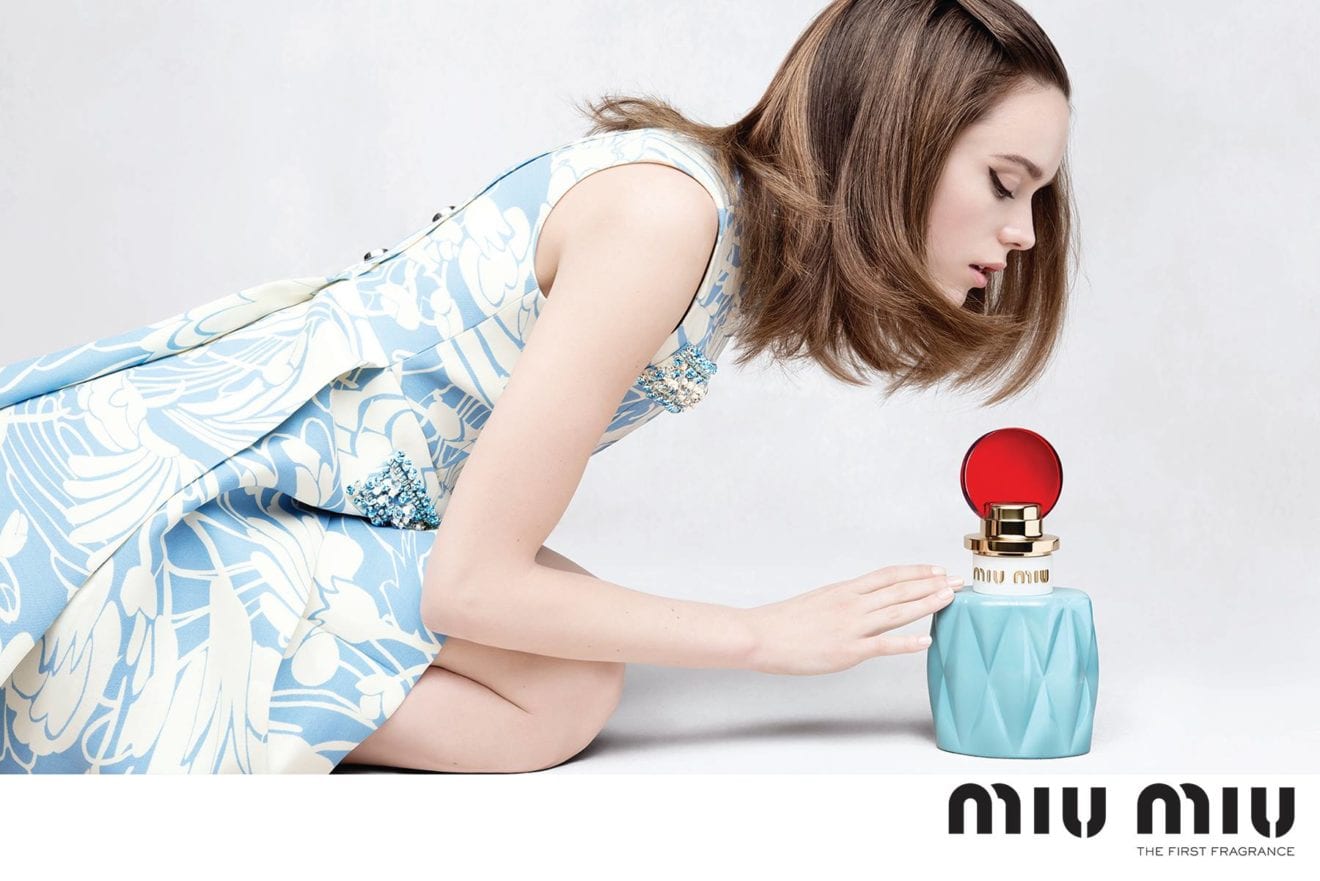
    The Shilla Duty Free has launched the global travel-retail first Miu Miu fragrance at Singapore Changi International airport.

    The global travel-retail exclusive launch from August 1-31 is part of the The Shilla Duty Free’s commitment to continuously present unique and coveted travel exclusives, and to provide world-class shopping experiences to its consumers, according to the retailer.

    Strong partnerships with key brands have resulted in a series of global launches in the form of brand outposts in Changi airport. Similarly, for the launch of Miu Miu’s signature fragrance, a special outpost has been set up beside the terminal one perfumes and cosmetics central store in the transit departure area from August 12 to September 6. Travellers can be among the first to experience the Miu Miu fragrance as have bottles personalised with their initials at the Miu Miu outpost.

    According to the retailer, perfumer Daniel Andrier creates a scent beginning with an elegant, sensual floral, lily of the valley, composed of real jasmine, real rose absolute, and synthetic green notes. The bottle is also described as simultaneously traditional and pop.

    Miu Miu Eau de Parfum (50ml and 100ml) retails at S$113 and S$152 ($80 and $108). Miu Miu Body Lotion (200ml) retails at S$58 ($41).

  • Big differences in Asian travel spending

    Big differences in Asian travel spending

    Koreans travel abroad most frequently, Chinese spent the most money and Japanese visit the most faraway places most often.

    Those are findings from a study by Visa card, 2015 Survey on Travel Plans, in which 13,603 people from 25 different countries shared information about their travels.

    According to the results, Koreans traveled an average of five times during the past two years, ranking the highest in travel frequency – well above the global average of three times.

    Around 90 percent of the Korean respondents answered they had travelled abroad within the past two years. But as travellers, Koreans seem to be of frugal mind when it comes to expenses. They spent an average of $1808, which was way below the global average ($2281). They also have a tendency to set a budget and stick to it. Korean travelers paid 46 per cent of their expenses before departure, and 75 per cent of the payments were made by credit card.

    On the other hand, the average travel expense for Chinese travelers was $4780 – more than double the global average. Unlike Koreans, Chinese people had a tendency to decide what they wanted to do on the trip first and then calculate the expenses.

    While 36 per cent of Korean travelers and 34 per cent of Chinese travellers visited Japan, 36 per cent of Japanese travellers visited the US, showing their preference for long distance travel. The average time taken to get to the destination was longer for Japanese travelers (nine hours), compared to eight hours for Chinese travellers and six hours for Korean travellers.

    The average travelling expense for Japanese was $3165, which was less than the average of Chinese.

    In terms of accommodation, 41 per cent of Korean travellers and 62 per cent of Chinese preferred hotels with more than four stars, while 49 per cent of Japanese preferred one to three star hotels.

    The portion of Koreans who preferred package tours (47 per cent) was similar to the portion of those who liked to travel freely (52 per cent). However, more than half of the Chinese (65 per cent) and Japanese (77 per cent) preferred tour packages.

    Ian Jamieson, head of Visa Korea, said it was impressive that Korean travellers prepare well and frequently go on trips and the purchasing power of Chinese travellers was also interesting.

  • Keepers pop up showcases Singapore design

    Keepers pop up showcases Singapore design

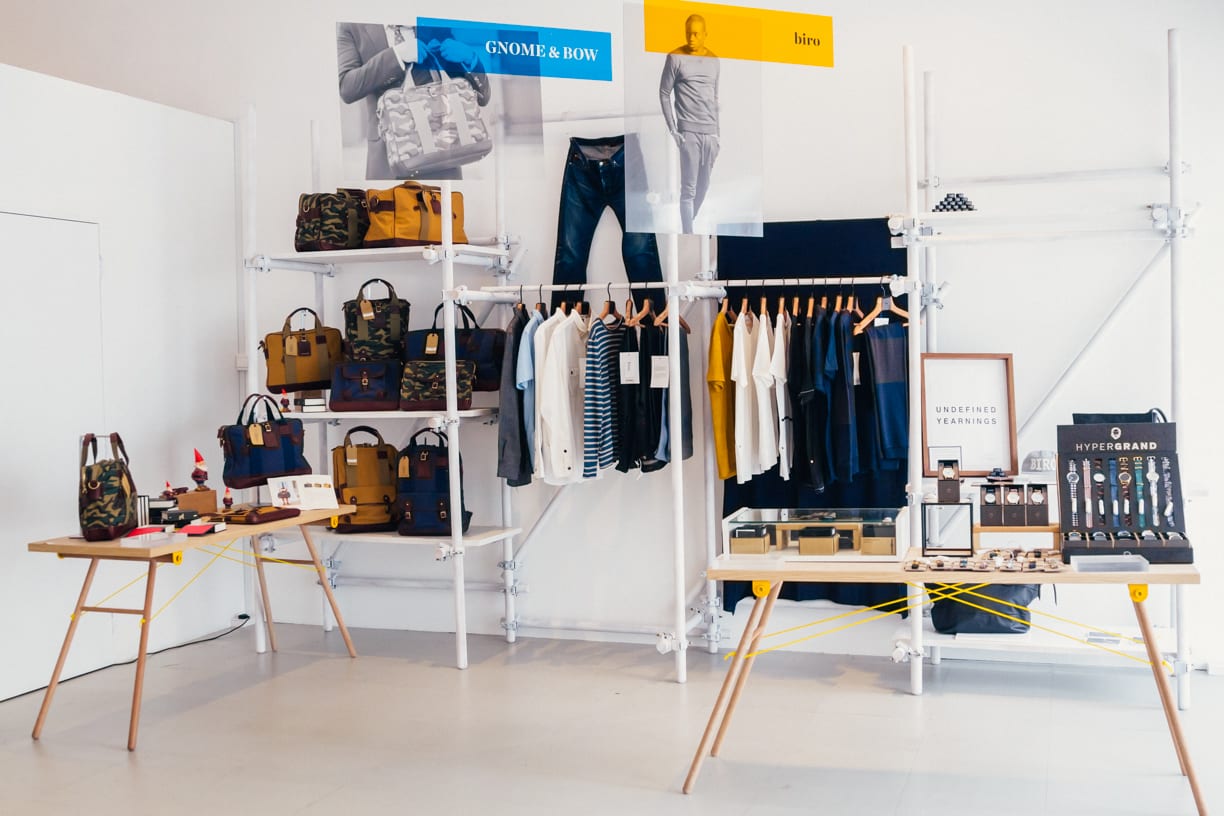
    Singapore Designer Collective has opened a pop up store at Singapore Changi Airport to showcase local design.

    The 21 sqm Keepers store, in Changi Airport’s Terminal 1 departure hall, features works from 11 Singapore designers and will remain open until January 7.

    A previous pop up was located at Orchard Green.

    On display are fashion items from Ayesha and Matter; jewellery from Carrie K, Saught and Marilyn Tan Jewellery; handmade candles from A Dose of Something; leathergoods from Lingwu, Gnome & Bow and Extreme Exotic; and watches from HyperGrand.

    “Having a second location at the airport will help to fast-track our local designers’ footprint to a global audience,” said Carolyn Kan, founder and designer of Carrie K and co-organiser of Keepers.

    Lynette Lee, who is CEO of Textile & Fashion Federation and another co-founder of Keepers, said the group chose Changi after noticing about half its customers at Orchard Green were tourists.

    “This is very encouraging as it shows that tourists and local shoppers alike are keen on purchasing items by Singapore designers,” she said.

    “With Keepers at Changi Airport providing an accessible platform for local designers to showcase their work, we hope more overseas visitors will become advocates of Singapore designers.”

  • Strong Visitor Figures for Regional Duty Free and Travel Retail Event

    Strong Visitor Figures for Regional Duty Free and Travel Retail Event

    TFWA Asia Pacific Exhibition & Conference 2015, the 20th event for the duty free & travel retail industry in Asia Pacific, closed on 14th May in Singapore after a very successful week.

    With occupied exhibition space topping previous years at 9,118 m2 – up 9% on 2014 – and 292 exhibiting companies present (+12%), of which 73 were new to the show, there was a huge variety of products on display for the benefit of visiting buyers and agents.

    Visitor numbers were considered satisfactory by organisers TFWA in a year which has been challenging for the duty free and travel retail industry, with aviation accidents, a new approach to gift giving and luxury consumption among the all-important Chinese travellers, financial instability and political tension in several countries and the resulting slowdown in the growth of air passenger traffic.

    A total of 2,655 trade visitors attended the show, equivalent to last year, from 1,053 companies (+3%) of which more than a third were “key buyers” – duty free & travel retail operators and landlords from airports, airlines, ferry and cruise companies, cross-border and downtown duty free stores.

    “I was very impressed by the quality of the stands, the assortment of products on display and the energy around the show,” said Erik Juul-Mortensen, President TFWA. “This year has not been easy for the industry in this region and, in light of that, we are really very satisfied with the number of companies present and the quality of the visitors.”

    Duty free & travel retail sales in the Asia Pacific region in 2014 totalled US$23.6 billion, up 5.5% on the previous year, according to provisional figures from independent analysts Generation Research, which ranks the region top in the global industry with 38% of total sales. The second largest region is Europe, followed by Americas, Middle East and Africa.

    Forthcoming events organised by TFWA include TFWA World Exhibition & Conference from 18th to 23rdOctober 2015 in the Palais des Festivals, Cannes and the Middle East & Africa Duty Free Association Conference from 22nd to 24thNovember 2015 at the King Hussein Bin Talal Convention Centre, Dead Sea, Jordan. Details of these events can be found at https://www.tfwa.com.